




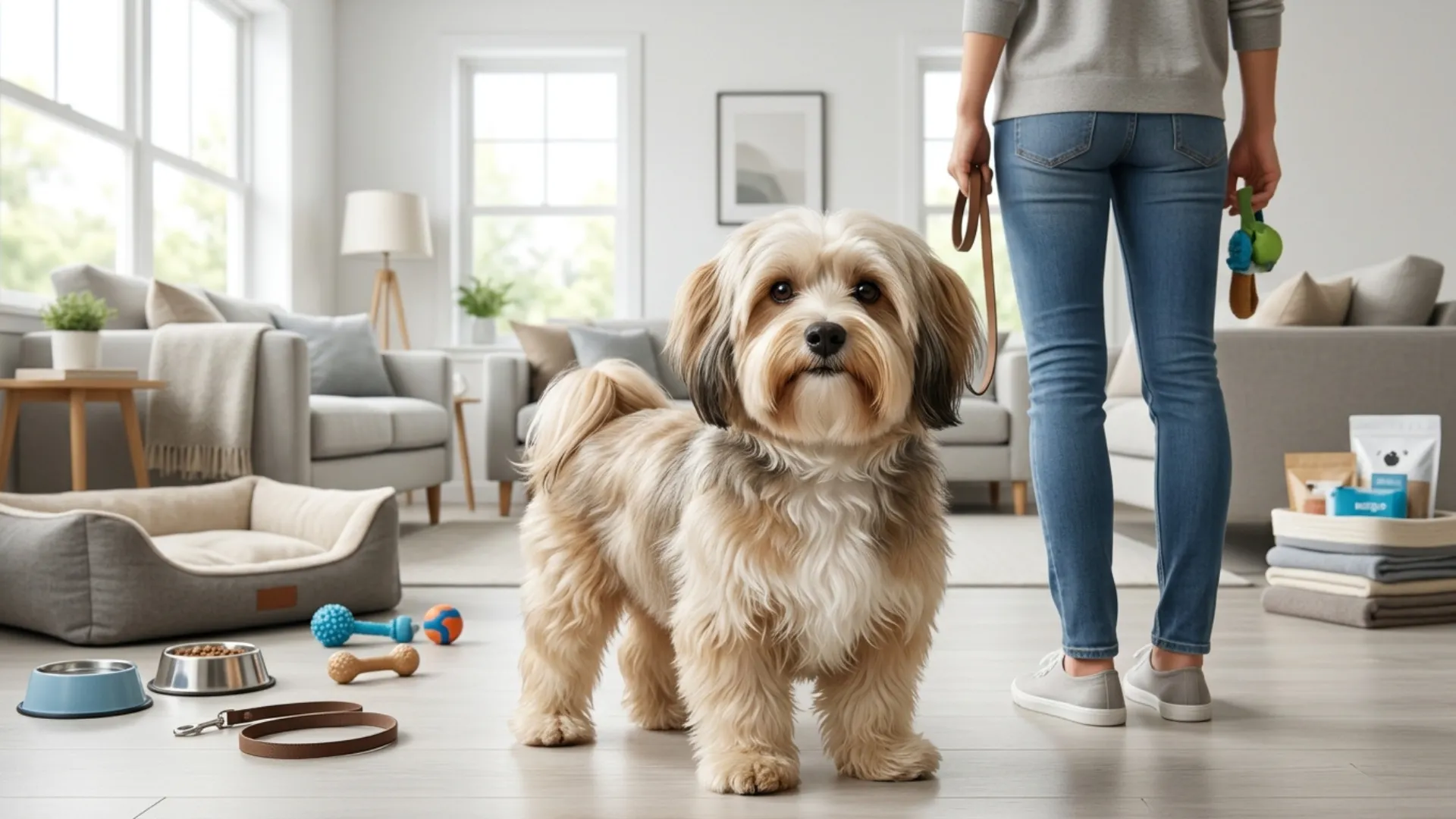
Getting your first dog is exciting, but it’s completely normal to have a long list of questions along the way. How active will this dog be? How much grooming will it need? Will training be a struggle? What kind of living space does it actually need?
And maybe most importantly, will a new pet fit into your day-to-day life without turning it upside down? Picking the right breed from the start can make that transition feel a lot calmer.
Some dogs simply adjust to change more easily than others, which is exactly why “adaptable” breeds tend to work well for first-time owners. Once their basic needs are met, many of these dogs settle in quickly and act right at home.
One dog might thrive on long walks and fun challenges, while another is perfectly happy with short play sessions and quiet time on the couch. Still, every dog is different, so it’s worth matching a breed’s temperament to your everyday routine rather than assuming any “easy” breed will automatically work for you.
Adaptable Dog Breeds for New Dog Owners: Find Yours
1. Golden Retriever
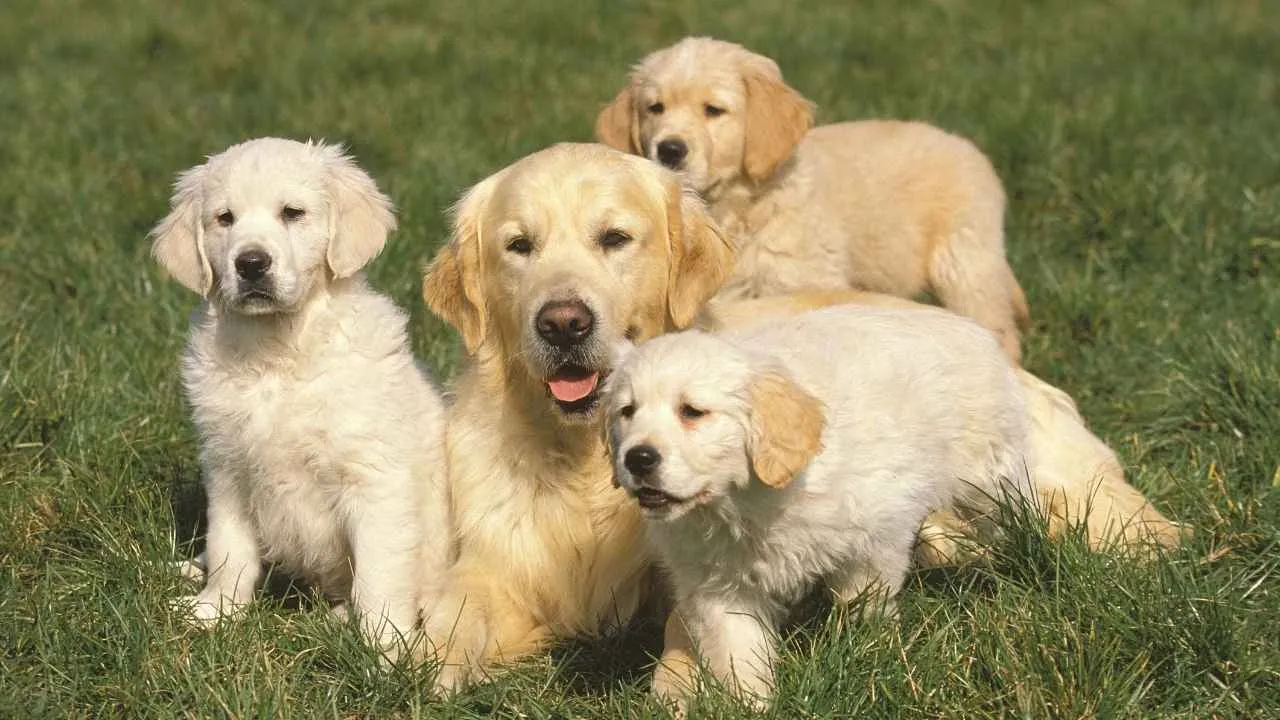
A Golden Retriever brings a warm, social energy that can make those first days as a new dog owner feel a lot easier and more enjoyable. This breed genuinely loves being part of daily life, joining you for a morning walk, playing in the yard, or simply lying down beside you after a long day.
That friendly, easygoing nature makes Goldens a great match for first-time owners. They tend to be affectionate with their people and generally enjoy picking up new skills, so with consistent practice, training often turns into a shared bonding activity rather than a constant struggle.
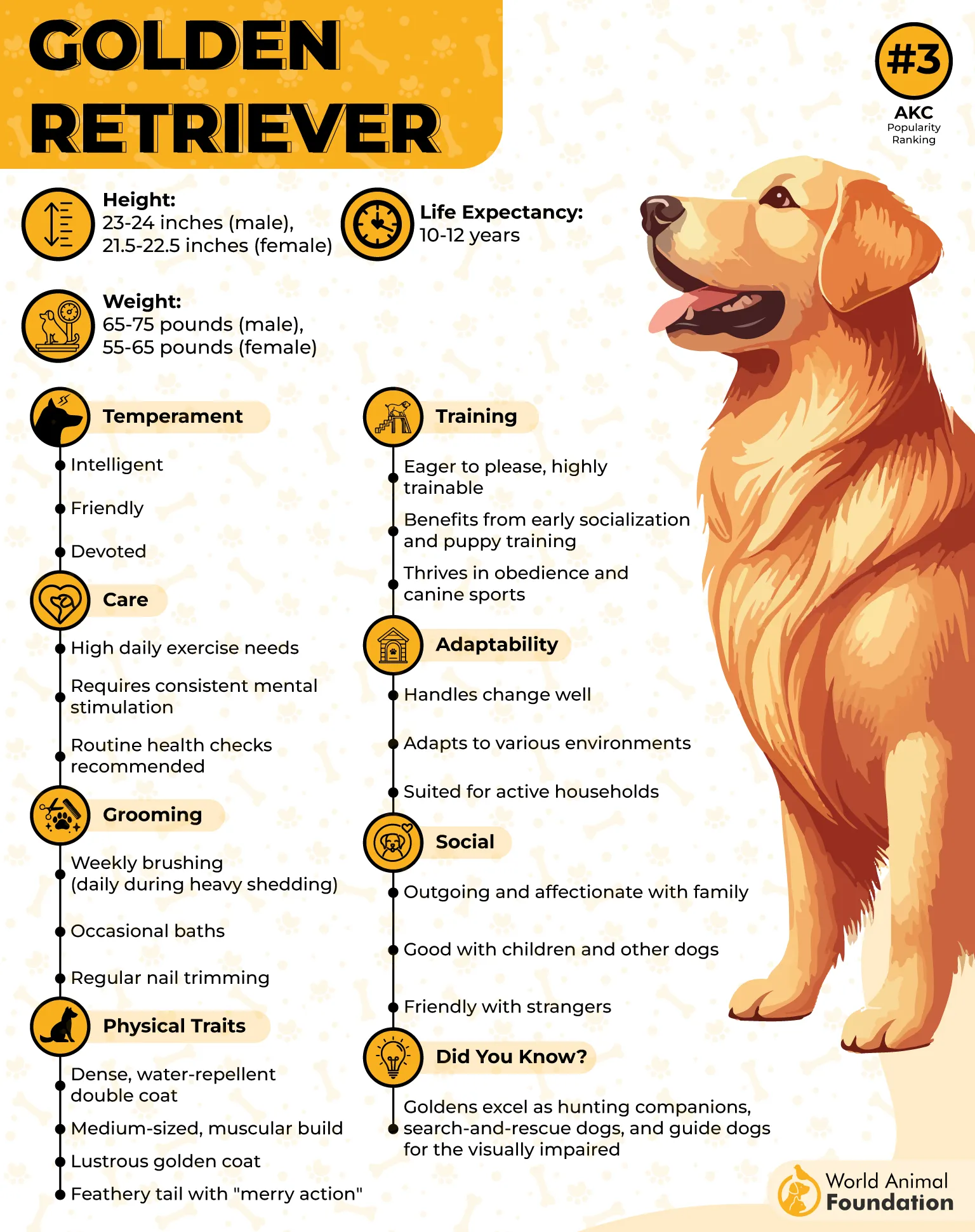
Their calm, sociable approach with people usually extends to other pets too. When early introductions are handled slowly and thoughtfully, Goldens tend to settle in smoothly.
Purina UK describes Golden Retrievers as outgoing, playful, smart, and easy to train; a breed that suits both first-time and experienced owners alike.
2. Bichon Frise
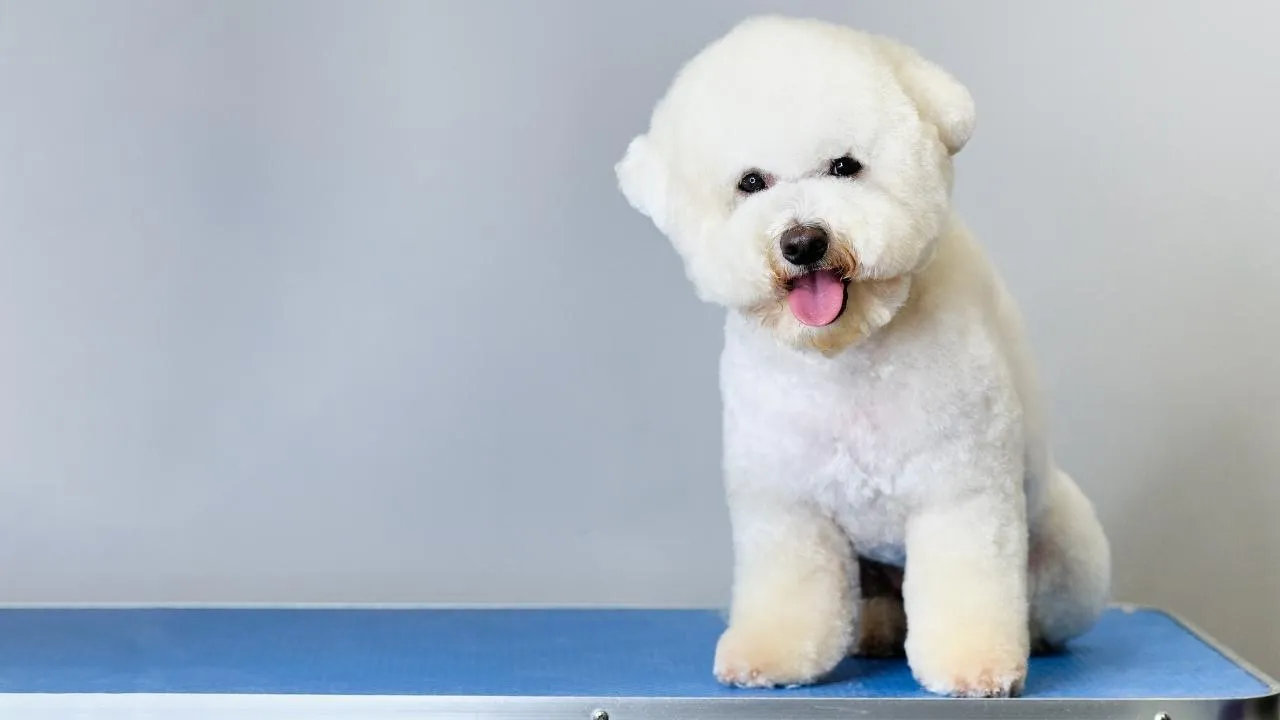
The Bichon Frise brings a bright, upbeat energy that can liven up even a small home. This small dog does well in an apartment, but it can just as easily fit into a bigger household. That flexibility makes it a popular pick for people new to pet care, no matter how their daily schedule looks.
Don’t let that fluffy coat fool you into thinking this is a couch-only breed. Bichons need regular play and short training sessions to stay happy, along with plenty of quality time with the family.
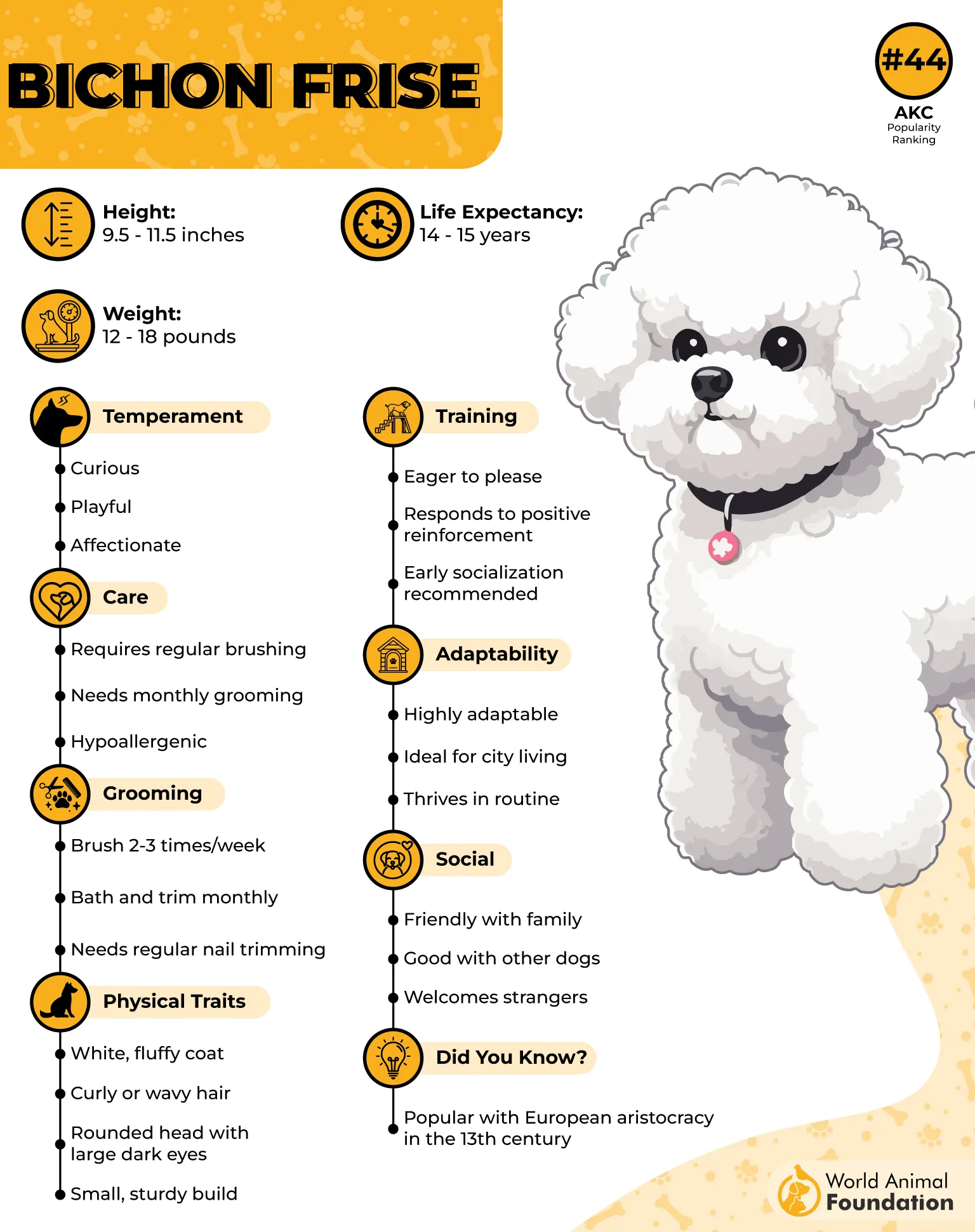
When you introduce them to new people or pets gradually, their naturally friendly side tends to shine during those social moments.
Bichons pick things up quickly and often enjoy learning simple tricks and basic obedience work, along with light daily games. Their compact size makes day-to-day handling easier, and their playful spirit has a way of turning ordinary moments into fun ones.
3. Yorkshire Terrier
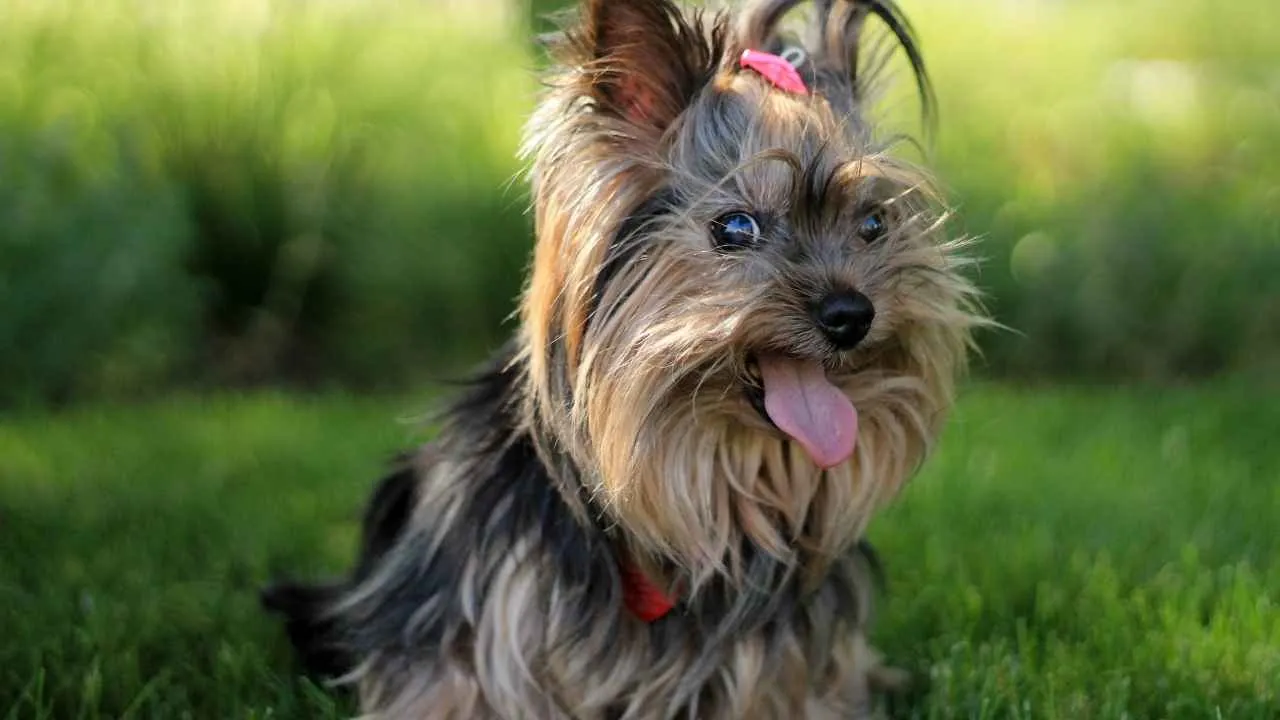
A Yorkshire Terrier might live in a small space, but its personality is anything but small. This tiny companion tends to be deeply affectionate with family and stays remarkably attentive to everything going on around the house.
A Yorkie suits apartment living well, since short walks can cover most of its physical needs, with indoor play filling in on busier days. Mental stimulation matters just as much, though; this breed notices boredom quickly, so keeping a few small games or puzzles on hand helps it stay happily occupied.
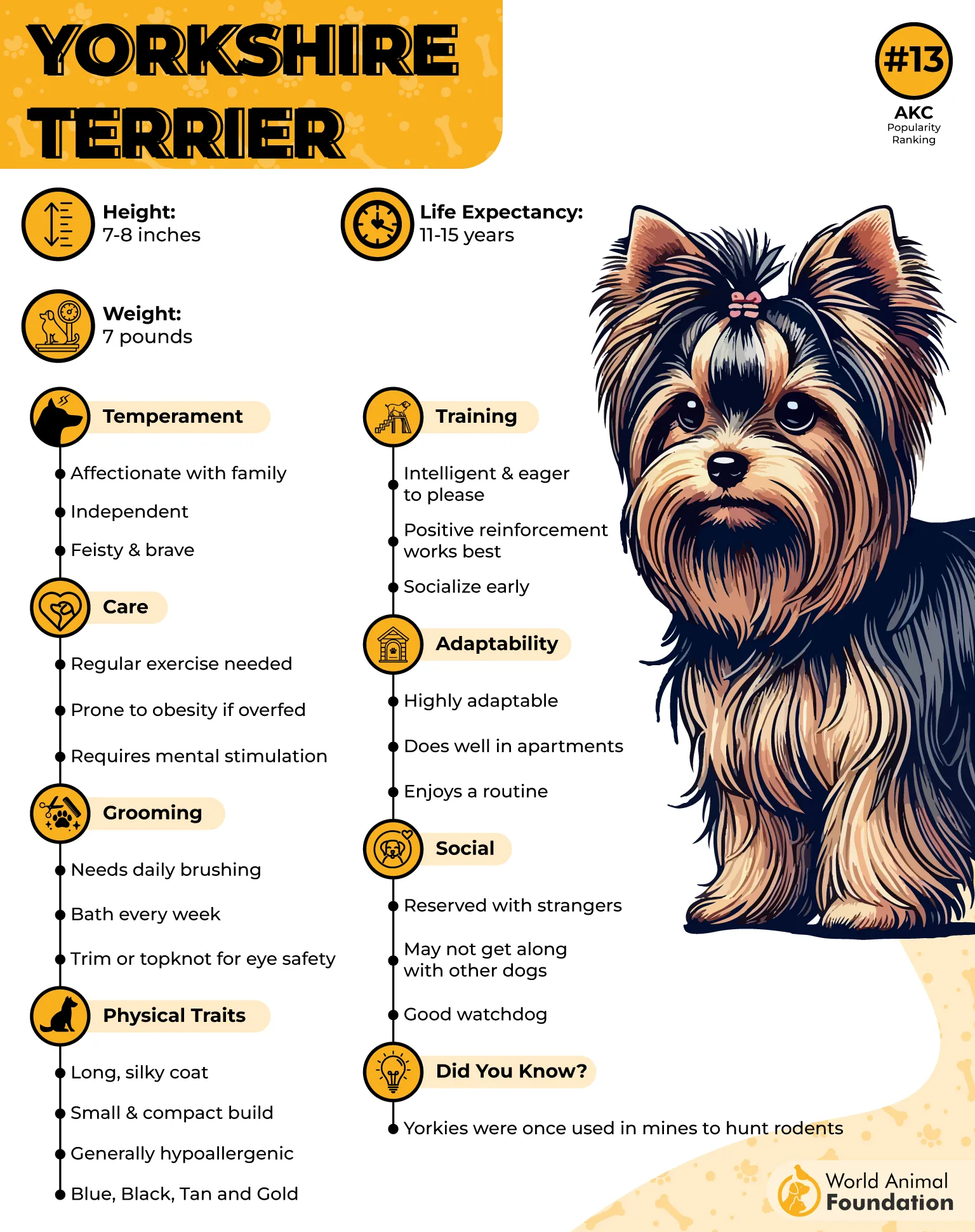
The coat is where the real commitment comes in. If you keep the hair long, it needs steady brushing and regular grooming to stay tangle-free.
The American Kennel Club describes Yorkies as energetic and smart, noting their small build alongside a real need to keep their minds engaged, even pointing to activities like agility and other dog sports as good outlets.
4. Havanese
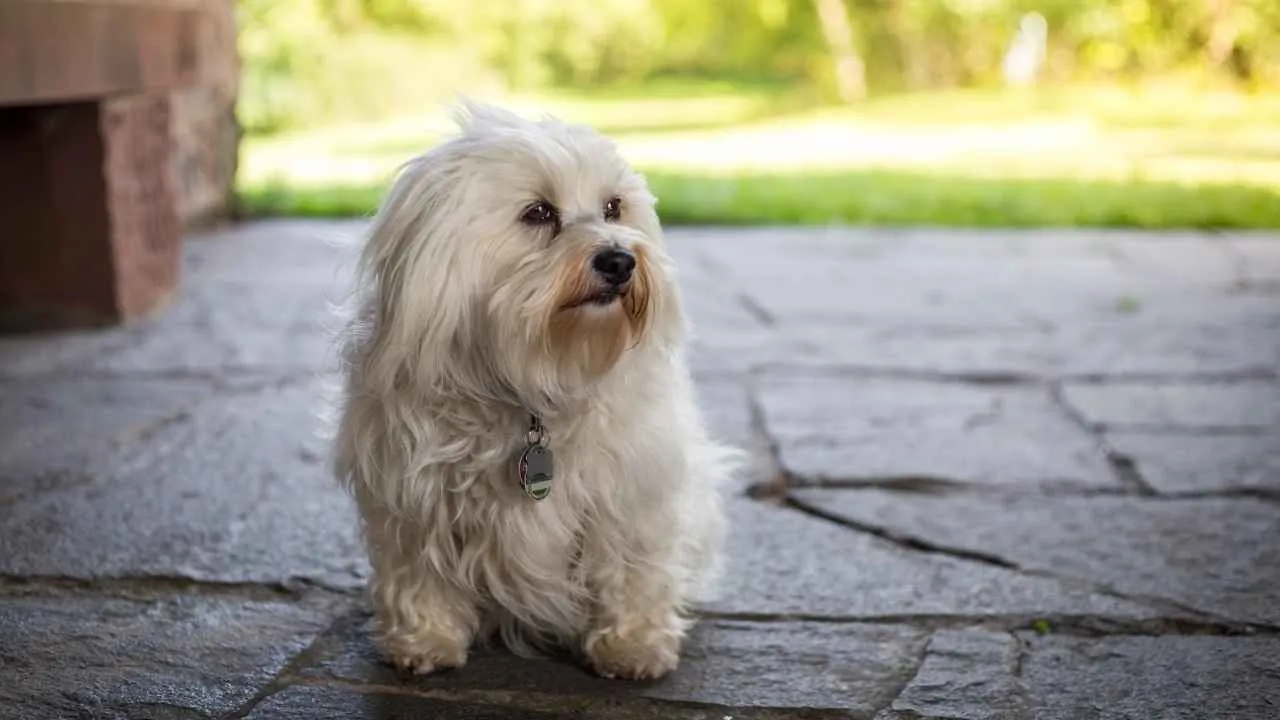
A Havanese often acts like a tiny shadow, happiest when it’s close to its people throughout the day. This breed tends to be warm and playful, and that upbeat energy has a way of lifting the whole mood of a household. You don’t need a big yard for a Havanese; it adapts well to all kinds of living situations.
A mix of walks, indoor play, and quality family time usually covers most of its daily needs. The coat is where things get a bit more demanding: that long, silky fur can tangle quickly, sometimes within just a few days.
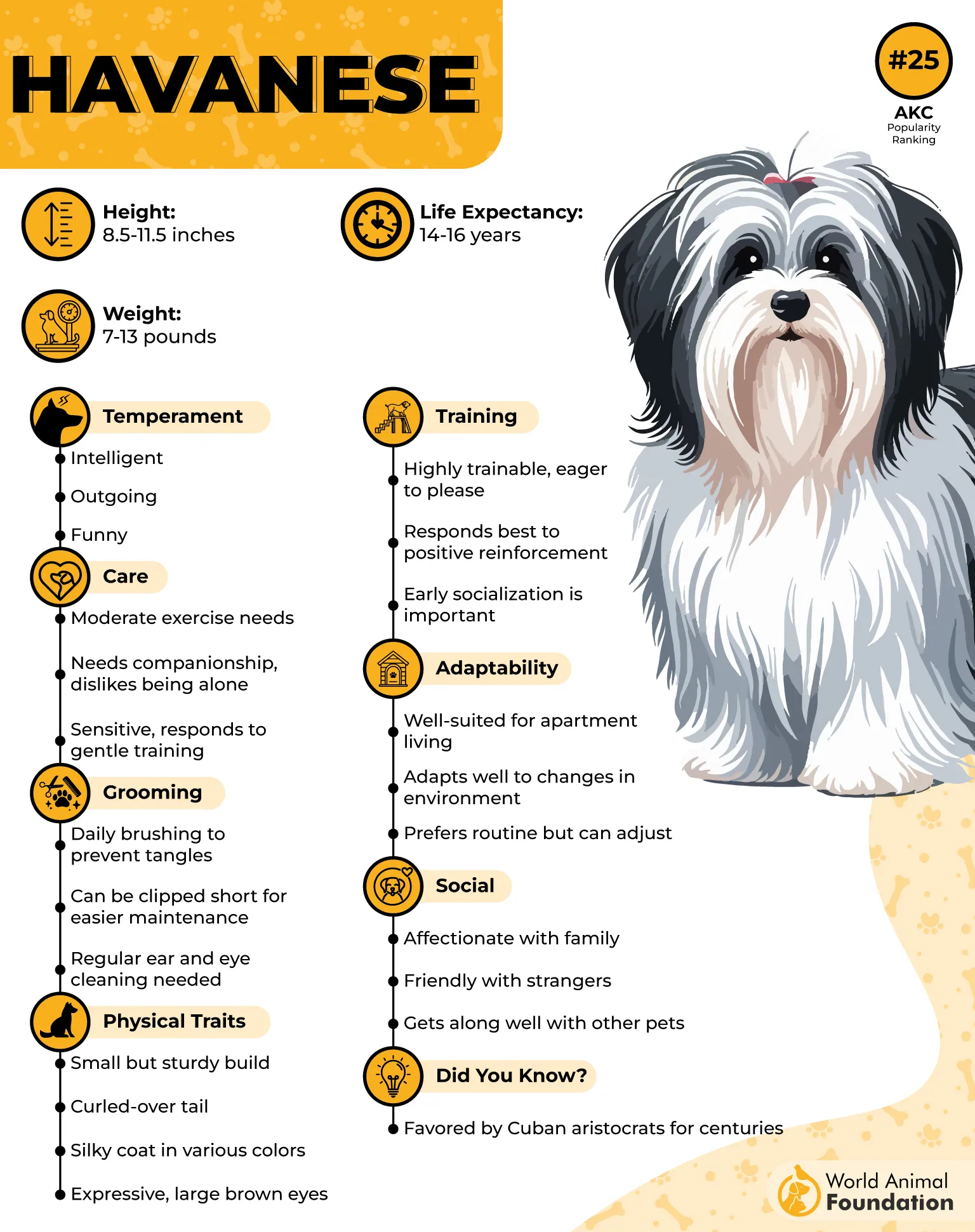
Daily brushing helps catch knots early, and while grooming takes some effort upfront, many owners find it becomes second nature once a routine is in place.
Early socialization matters too, helping the Havanese grow into a calm, confident dog. It’s active and quick to learn, so short training games are a great way to keep it engaged while strengthening the bond with its owner. The PDSA describes the breed as lively, affectionate, intelligent, and friendly, a great fit for families willing to put in the social time.
5. Shih Tzu

A Shih Tzu makes a cozy choice for anyone who wants a small companion that stays close by. This breed was literally bred to be a people-dog, and that heritage still shows in how strongly it gravitates toward human company.
Shih Tzus do well in apartments or small houses as long as their daily needs are met. Brief walks, some indoor play, and regular family time are usually enough to keep them content; this isn’t a breed that needs hours of intense exercise.
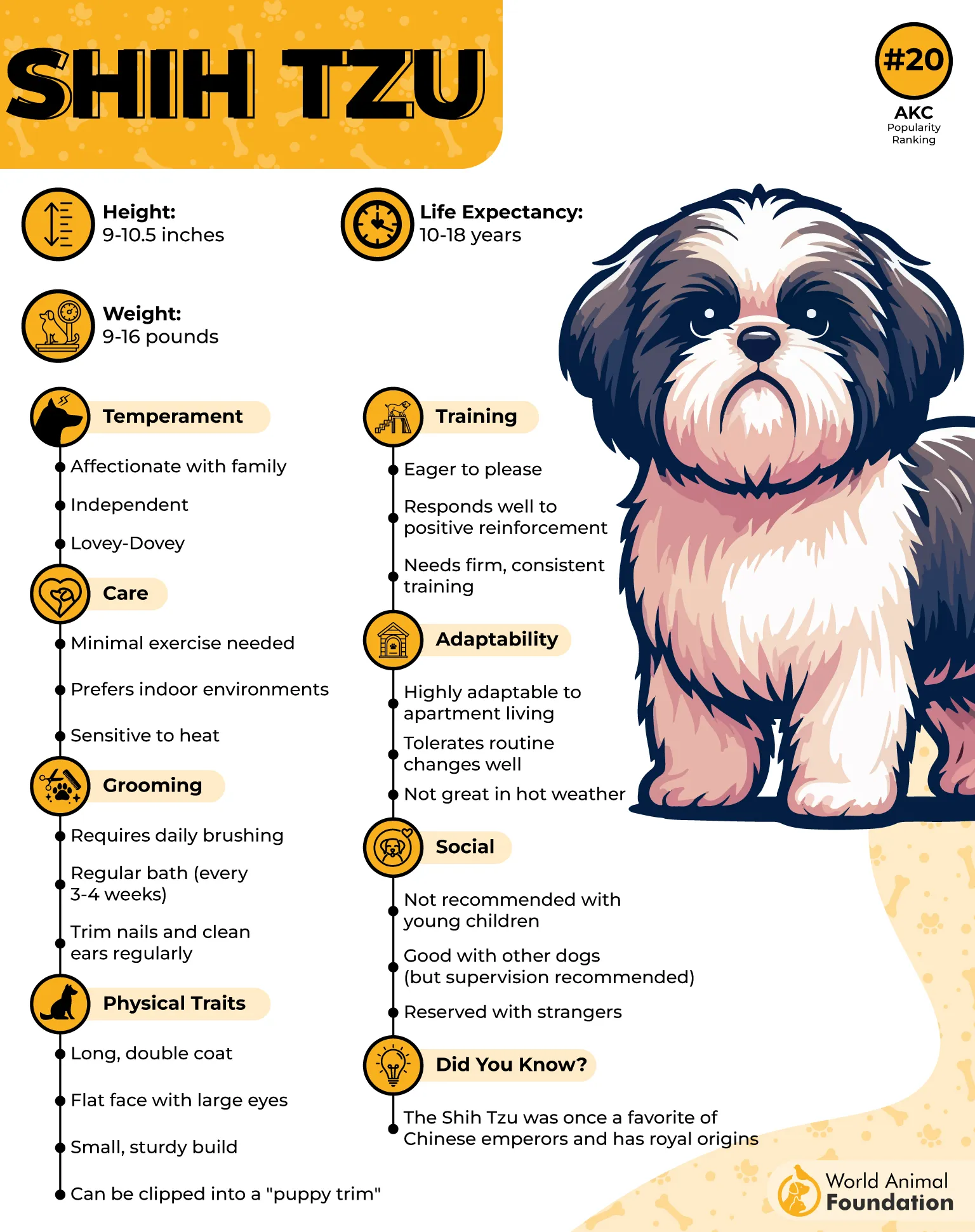
Getting a Shih Tzu comfortable around people and other pets early on makes a real difference. Training works best when it’s calm and steady: short lessons, gentle encouragement, and patience as progress builds over time.
PetMD describes the Shih Tzu as a lively, affectionate toy breed, bred specifically to be a companion and one that generally thrives on being around people.
6. Toy Poodle
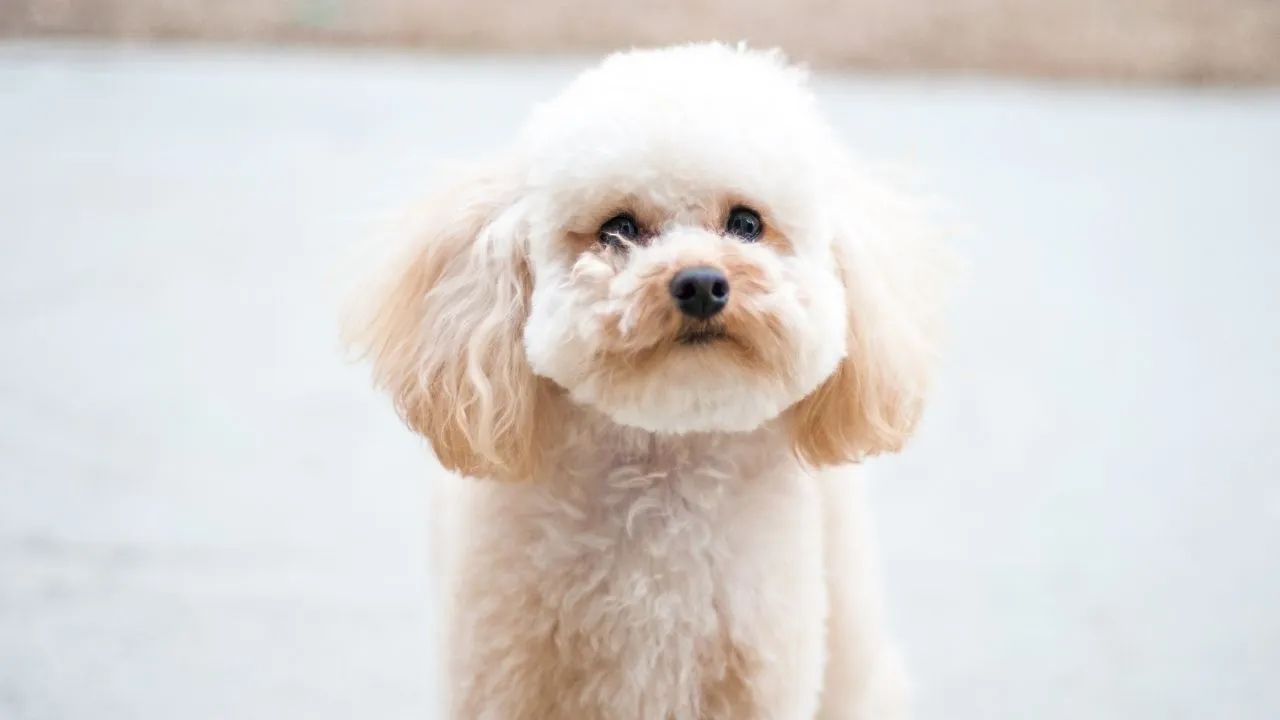
A Toy Poodle proves that big brains can come in small packages. This clever companion genuinely enjoys being part of daily life, which often makes training feel more like fun than a chore. Simple exercises tend to hold its attention well, and that quick mind can make things easier for people who’ve never owned a dog before.
You can teach a Toy Poodle basic cues, easy tricks, and good household manners without too much trouble, and the process doubles as a great way for a new owner to get comfortable with positive training methods.
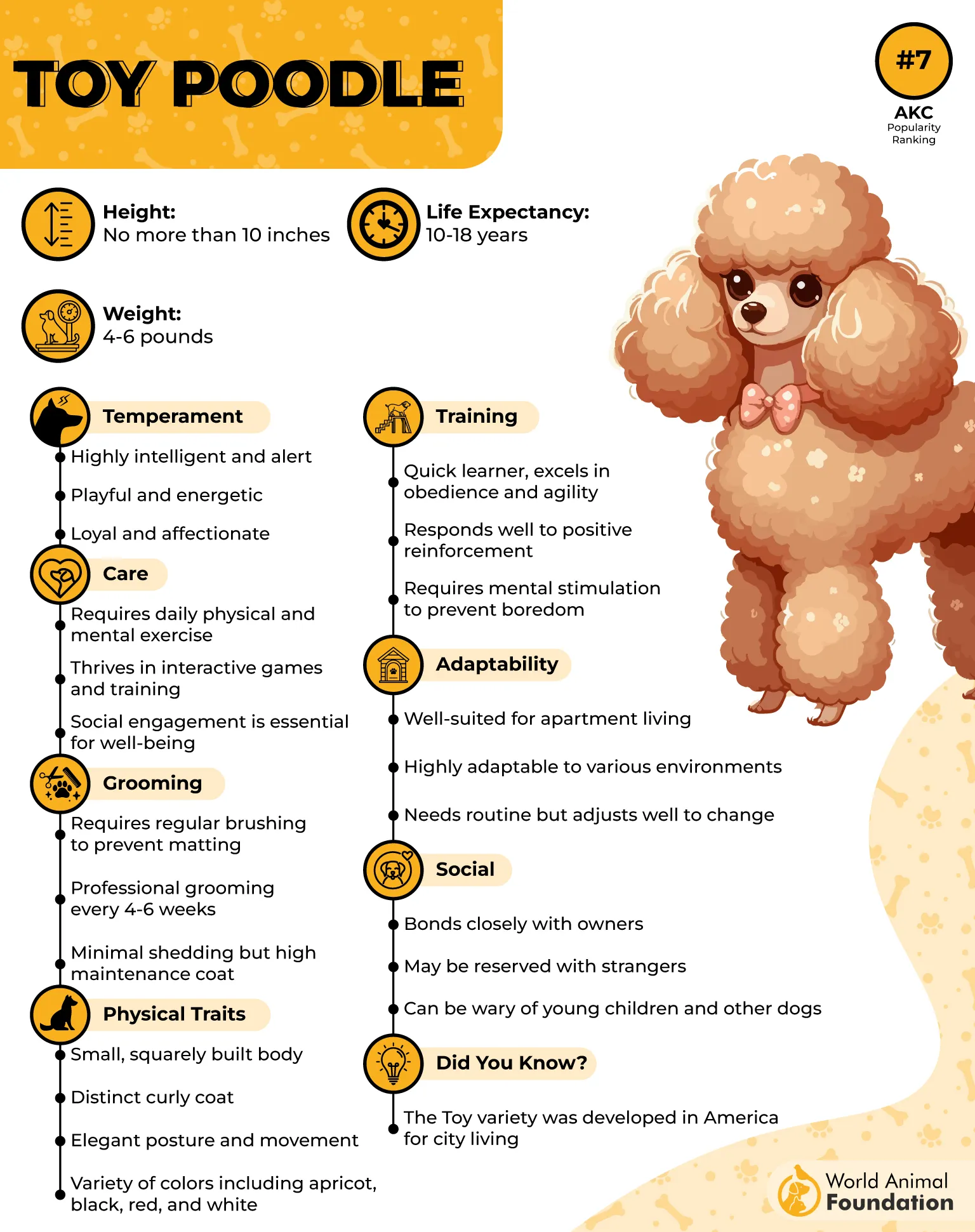
Just know upfront that its curly coat needs frequent grooming; this isn’t a low-maintenance coat by any means. Exercise still matters too, even given its small size, but short walks, play, and a bit of obedience work usually fit into most household schedules just fine.
Apartment living can work well for a Toy Poodle, but barking or stress from being left alone can crop up quickly if it’s not addressed. A steady routine, regular companionship, and calm, consistent training go a long way in preventing that.
Pedigree describes Toy Poodles as small, quick learners full of energy; a breed that can thrive in families and smaller homes as long as their exercise and grooming needs are met.
7. Pug

A Pug tends to melt into a home almost instantly. That expressive face draws people in, while their playful mood keeps things lively, and let’s be honest, when a Pug wants attention, it’s hard to look away. Many new owners fall for their sweet nature and how easily they settle into daily routines.
Pugs do well in apartments too, since this breed doesn’t need long or intense workouts. A few short walks, some easy games, and quality time together are usually enough to build a steady, satisfying routine.
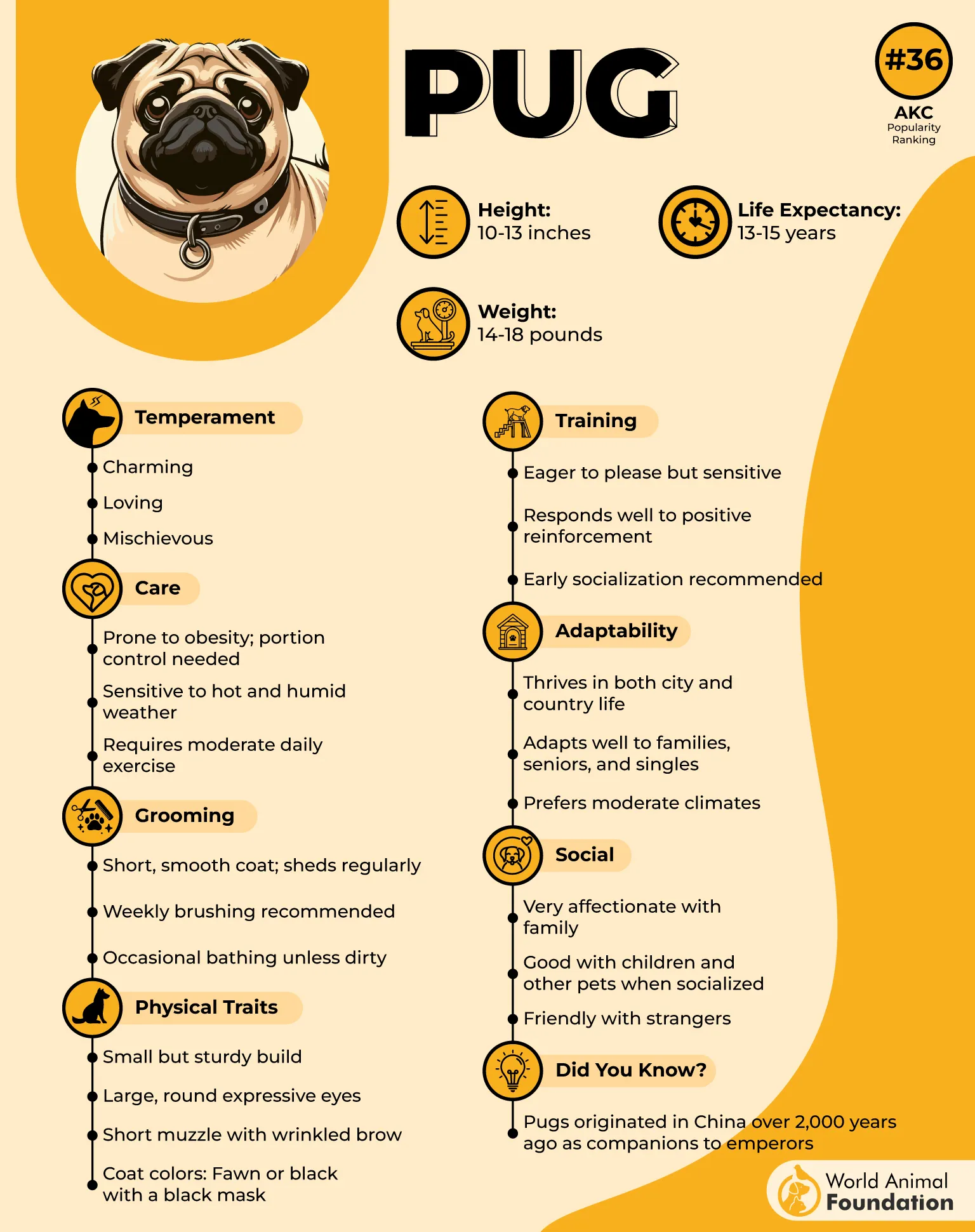
Food is one area that deserves real attention with Pugs. They tend to love mealtime and can gain weight quickly if you’re not careful. Keeping portions in check, maintaining a reasonable activity level, and staying on top of vet checkups all help manage this.
Overall, Pugs suit first-time pet owners well, thanks to their friendly temperament and moderate exercise needs, just paired with a bit of extra attention to their health habits.
Conclusion
Picking your first dog isn’t just about the cutest photo; it’s about matching a breed’s personality and energy to your everyday life, along with a care routine you can actually keep up without constant stress. A Golden Retriever might be the best fit if you want high energy and a big dose of fun, while the smaller breeds covered here each bring their own flavor of love, playfulness, smarts, and closeness.
Every breed has its strengths, but none of them succeed without patience and genuinely responsible care. Before you commit, take an honest look at your living space and how you’ll actually use it day to day. Think through the grooming demands and whether they’re realistic for you. Map out an exercise routine you can stick to, and make sure you’re ready to train consistently.
When all these pieces line up, owning a dog stops feeling like a burden and starts becoming what it should be: a steady, rewarding bond that genuinely makes everyday life better.
