




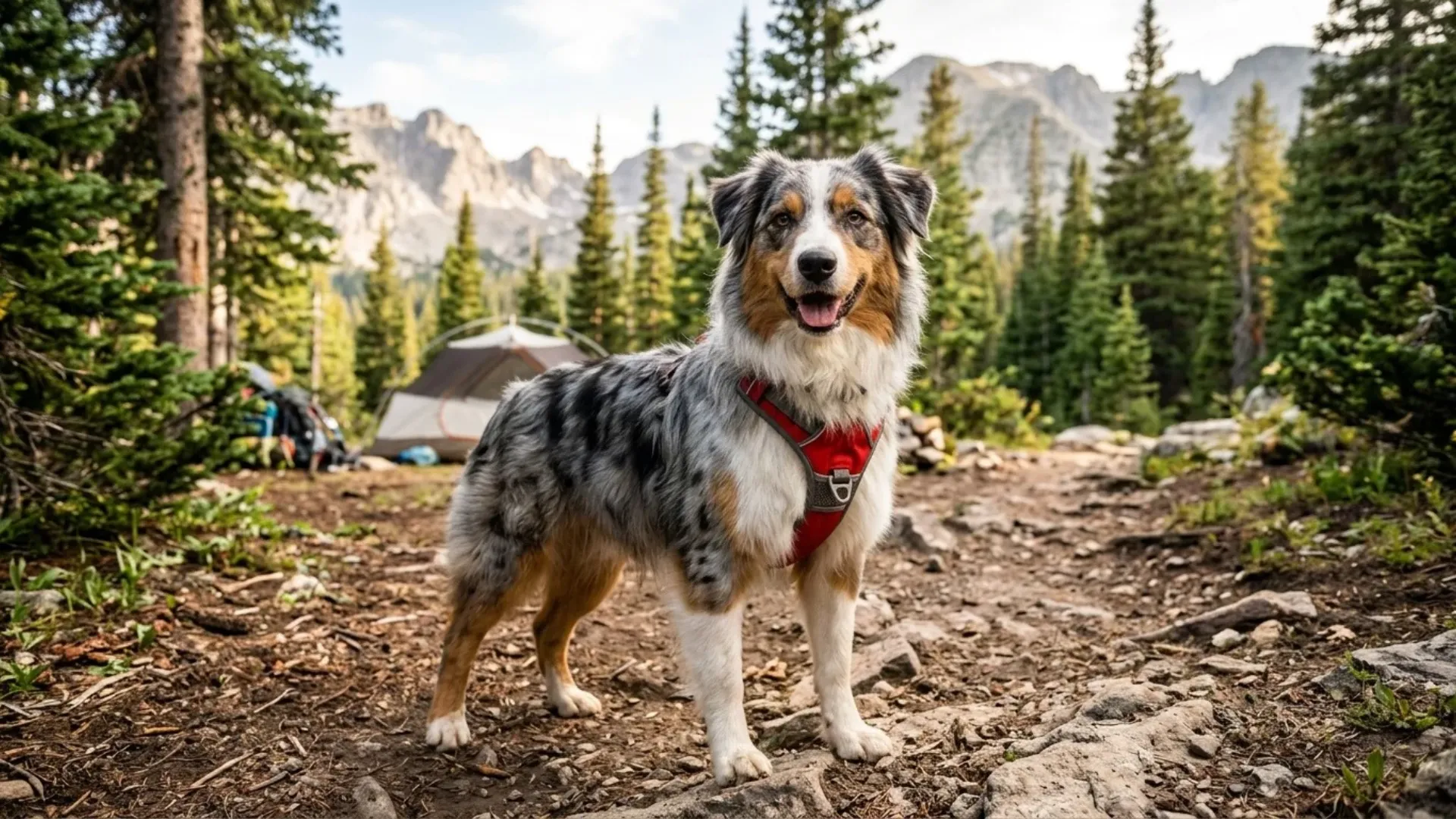
Planning a camping trip with a dog can be harder than it sounds, especially when your companion struggles with long walks, uneven trails, or unfamiliar surroundings.
A few miles through the woods may seem manageable at first, but steep climbs, uneven rocky paths, and rapidly changing weather can quickly test a dog’s physical abilities. Active dog breeds often make better outdoor companions because they have the stamina, strength, and enthusiasm needed for extended wilderness adventures.
Some can cover miles of rugged terrain, swim through cool streams, and spend hours exploring open trails without losing interest. Their athletic build and working instincts also make outdoor activities more enjoyable for people who prefer an active lifestyle. Still, every dog has individual limits, and proper conditioning, fresh water, and rest breaks matter on longer outings.
This article explores energetic breeds worth considering, along with their outdoor abilities and the qualities that make each one suitable for camping and hiking.
Key Takeaways
The Australian Shepherd has enough energy to enjoy hours of outdoor activity, making it an appealing choice for regular hikers.
The Border Collie enjoys activities that keep its mind busy, and the Australian Cattle Dog is particularly good at navigating rough ground.
From the Vizsla’s swimming abilities to the Siberian Husky’s sled-pulling heritage, these breeds have some fascinating outdoor skills.
If you’re looking for a four-legged camping companion, there’s plenty worth knowing about each of these seven breeds.
Active Dog Breeds Perfect for Camping and Hiking
1. Australian Shepherd
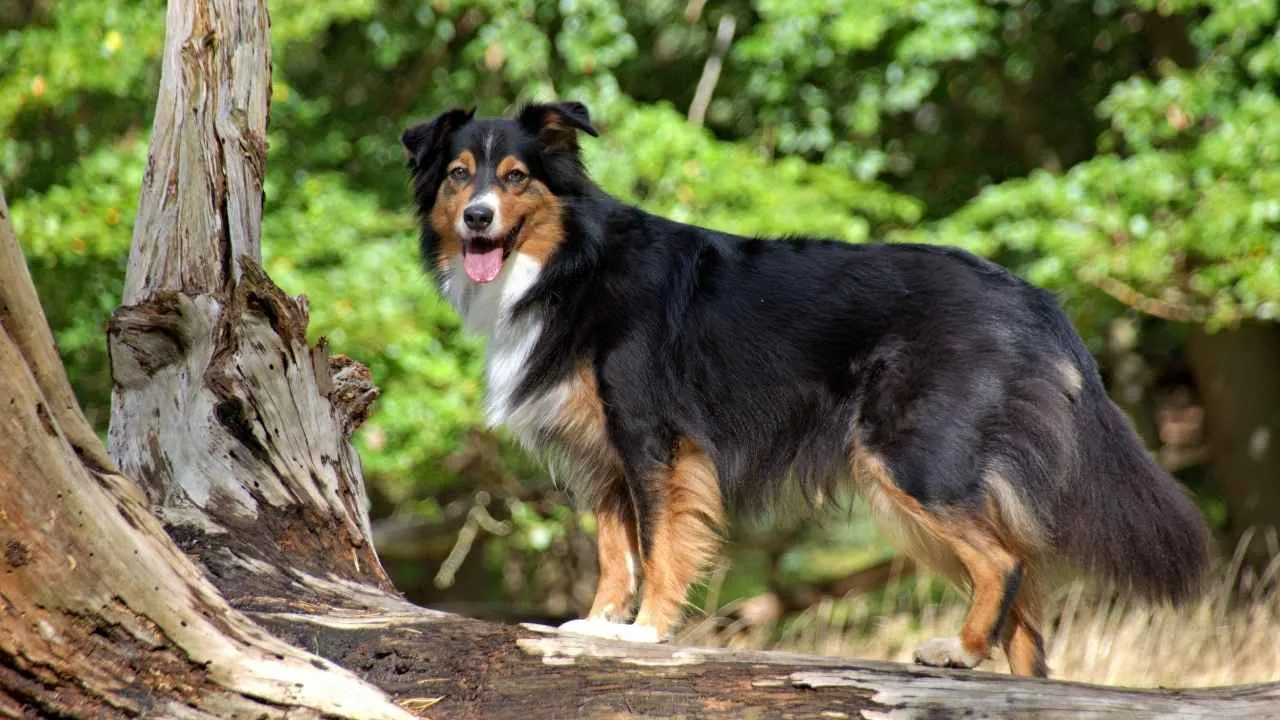
The Australian Shepherd’s roots lead to the Basque region near the Pyrenees, where shepherds valued dogs for their ability to manage livestock. During the 19th century, Basque settlers took these dogs to Australia, where they were crossed with other herding breeds before eventually reaching American ranches.
A Natural Partner for Long Trail Days
They can make a strong companion for hikers who enjoy covering serious ground. With impressive stamina and a keen interest in outdoor challenges, a fit, well-conditioned Aussie may handle hikes of up to 15 miles, including routes with rocks to climb and fallen logs to cross.
Their trail abilities become clearer through a few practical details:
A healthy adult may build up to four to six miles of running.
Fetch and disc games offer energetic breaks outdoors.
Agility courses put their coordination to work.
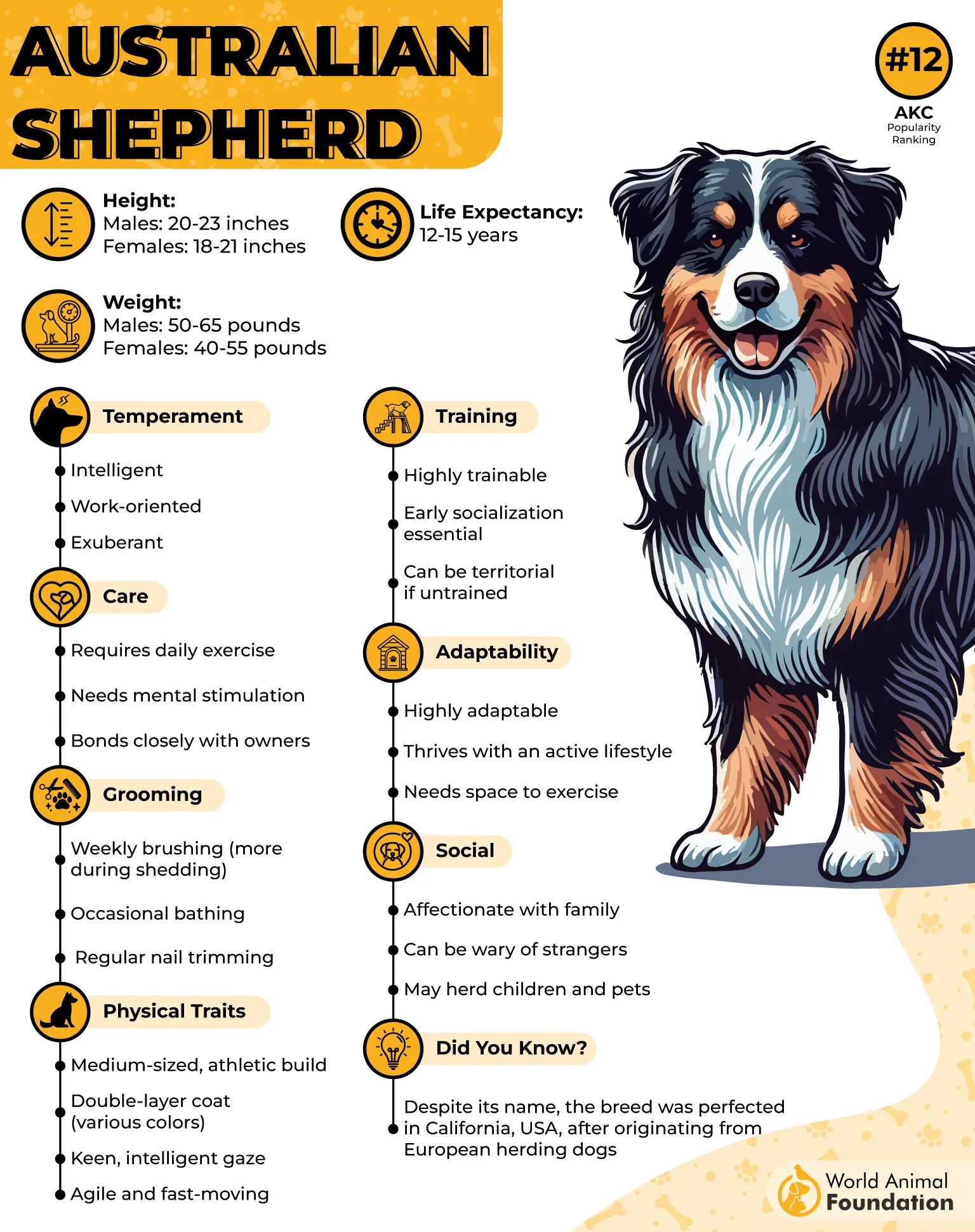
Prepare for a Watchful Trail Companion
Australian Shepherds can be cautious around unfamiliar people, so early socialization helps them handle encounters on busy trails and at campsites.
They also need regular training and substantial daily activity, often around two to three hours, combining physical work with tasks that engage their sharp minds, as Orvis writes.
2. Border Collie
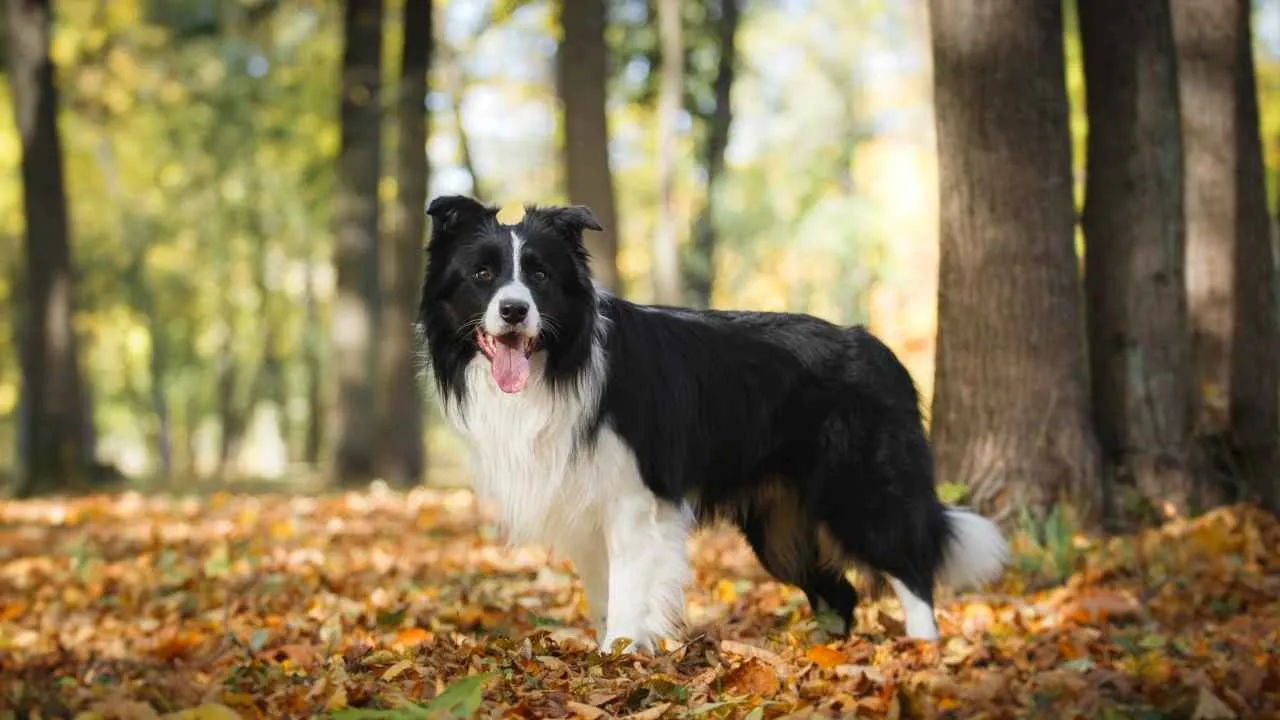
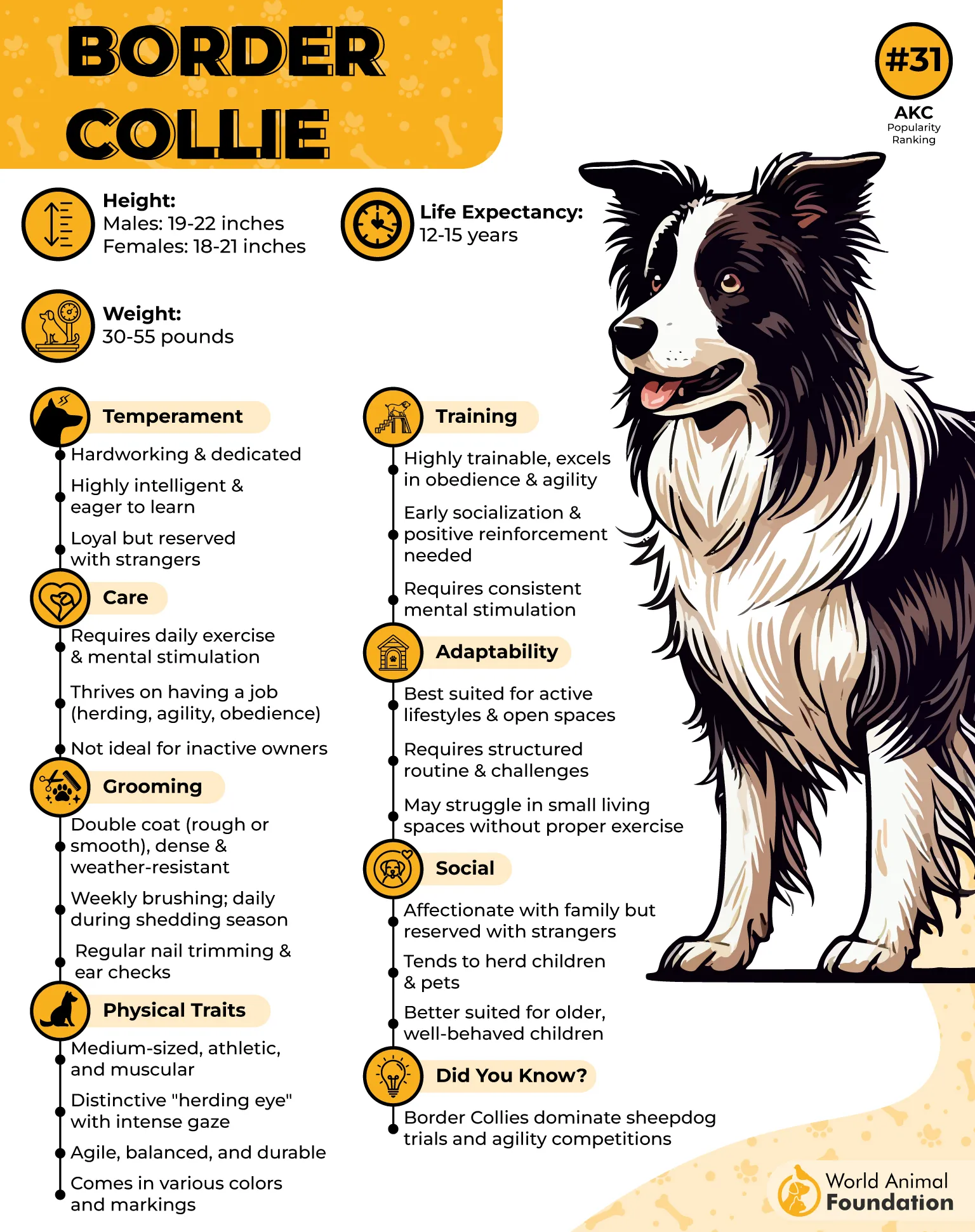
The Border Collie takes its name from the Scottish-English border, where generations of sheepdogs worked across rugged farmland, as stated by Omlet.
By 1906, the breed had been classified according to its herding ability rather than appearance. The name Border Collie came into use around 1915.
A Natural Partner for Long Trail Days
As a wonderful outing dog, it can manage hikes of around three to four miles, while regular vigorous activity helps meet its demanding daily needs. This breed suits hikers who can make room for plenty of movement throughout the week.
A few details make planning outings easier:
Comfortable trotting alongside you for several miles.
Enjoys dog sports and active weekend challenges.
Benefits from at least an hour of vigorous daily exercise.
Give That Sharp Mind a Job
Border Collies need purposeful activities alongside physical outings. Without enough direction, they may turn to digging or chewing household items, so training games and useful tasks can help channel their focus. Their quick learning also makes early obedience work especially worthwhile.
3. Australian Cattle Dog
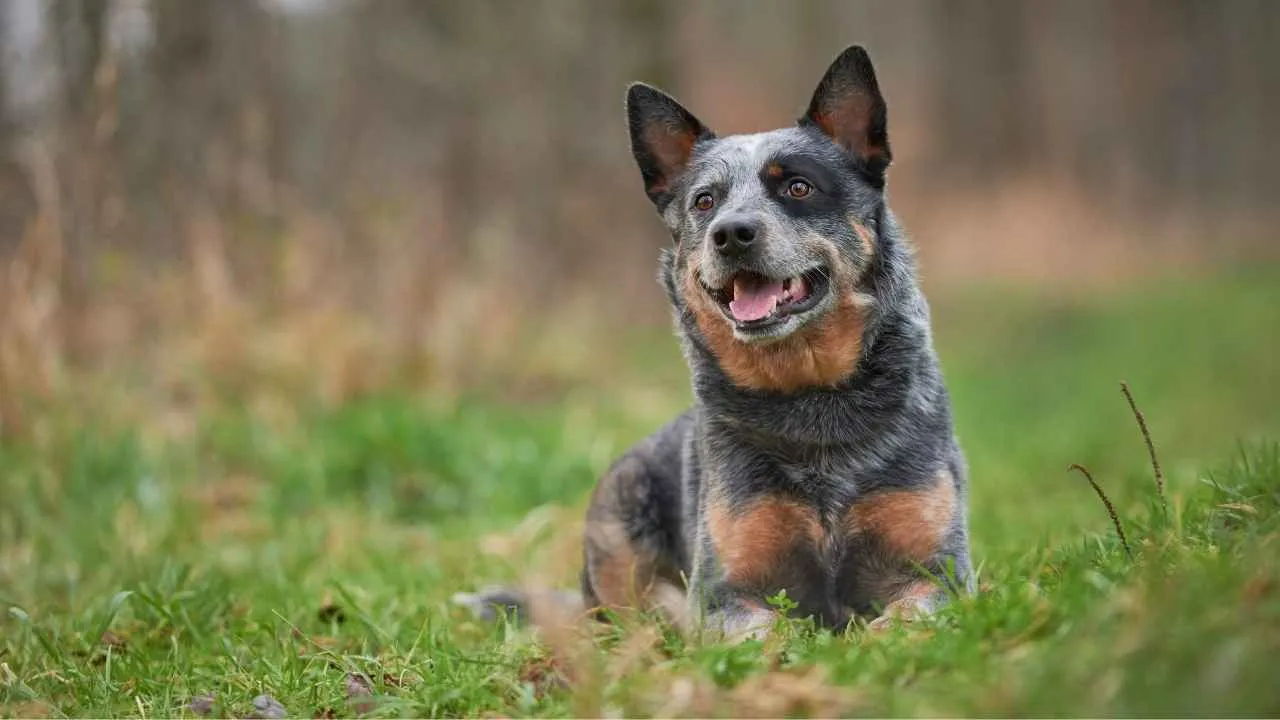
The Australian Cattle Dog traces its roots to the 1800s, when cattle stations needed dogs capable of managing livestock across vast stretches of rough Australian land. Around 1840, Thomas Hall crossed Blue Merle Highland Collies with tame Dingoes, producing the early Hall’s Heelers.
A Tireless Partner on the Trail
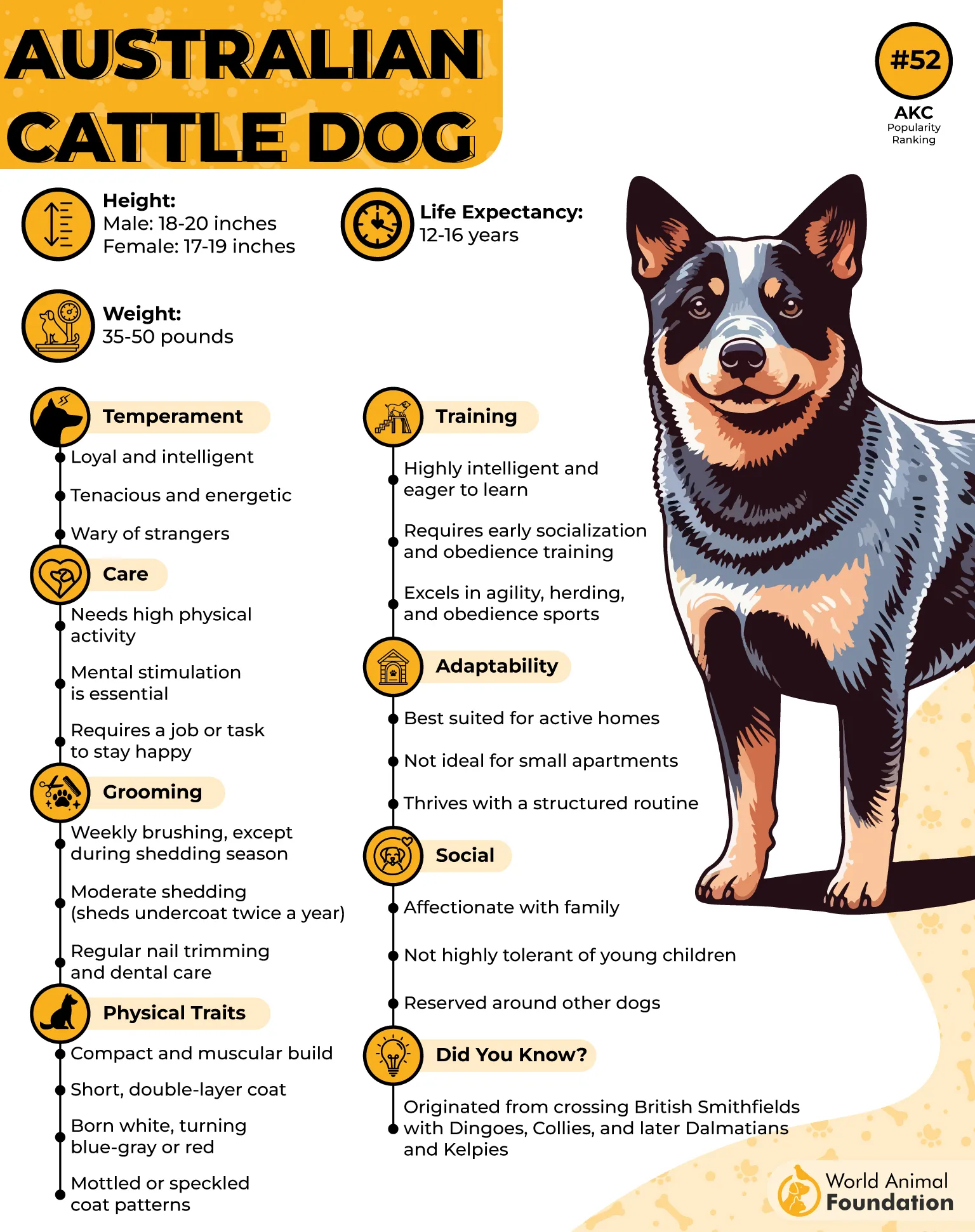
An Australian Cattle Dog can make a demanding outdoor companion, thanks to its impressive stamina and athletic build. Half-day hikes are well within its capabilities, while longer routes can also suit this breed when you include regular rest stops.
Its physical abilities are especially useful on extended outings:
Comfortable running distances of five miles or more
Strong footing across rough, uneven ground
Stamina for long hours of outdoor activity
Herding Instincts Shape Daily Life
Australian Cattle Dogs are affectionate with familiar people and can enjoy living with children or other dogs when properly socialized, as Greencross Vets highlighted. Their tendency to herd may lead them to chase or control cats, while their independent nature calls for patient, consistent guidance.
4. German Shorthaired Pointer
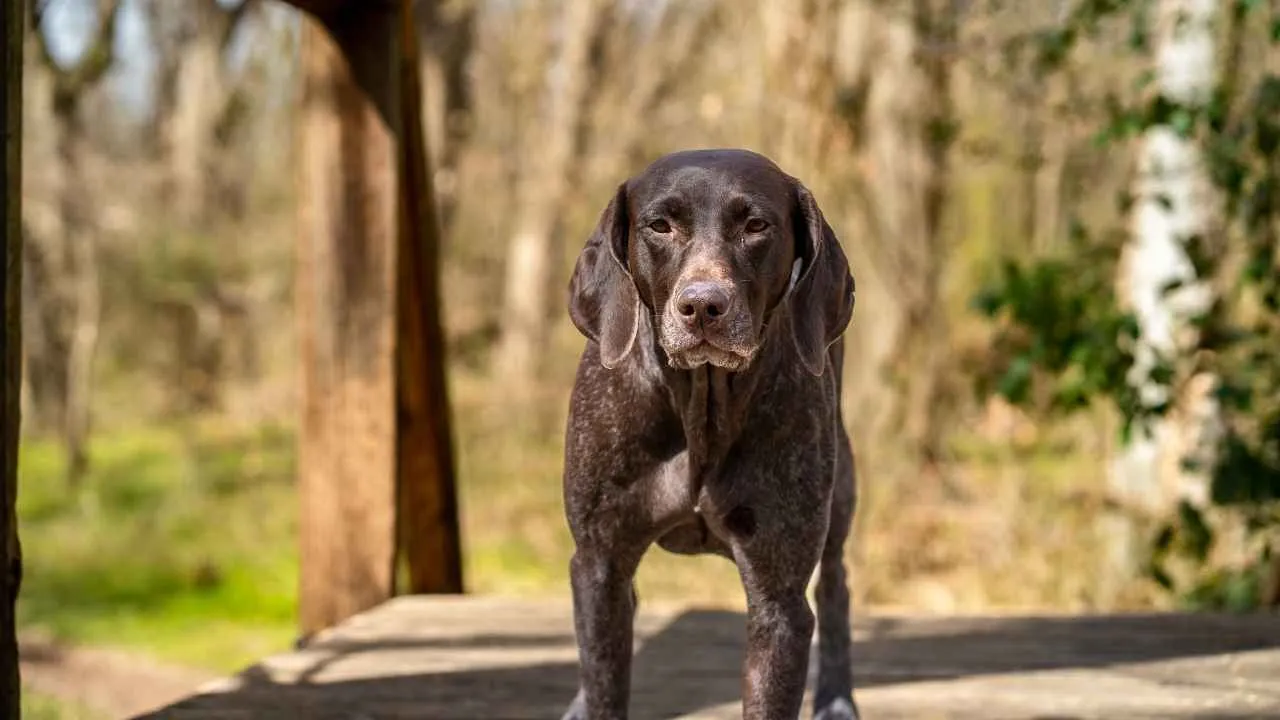
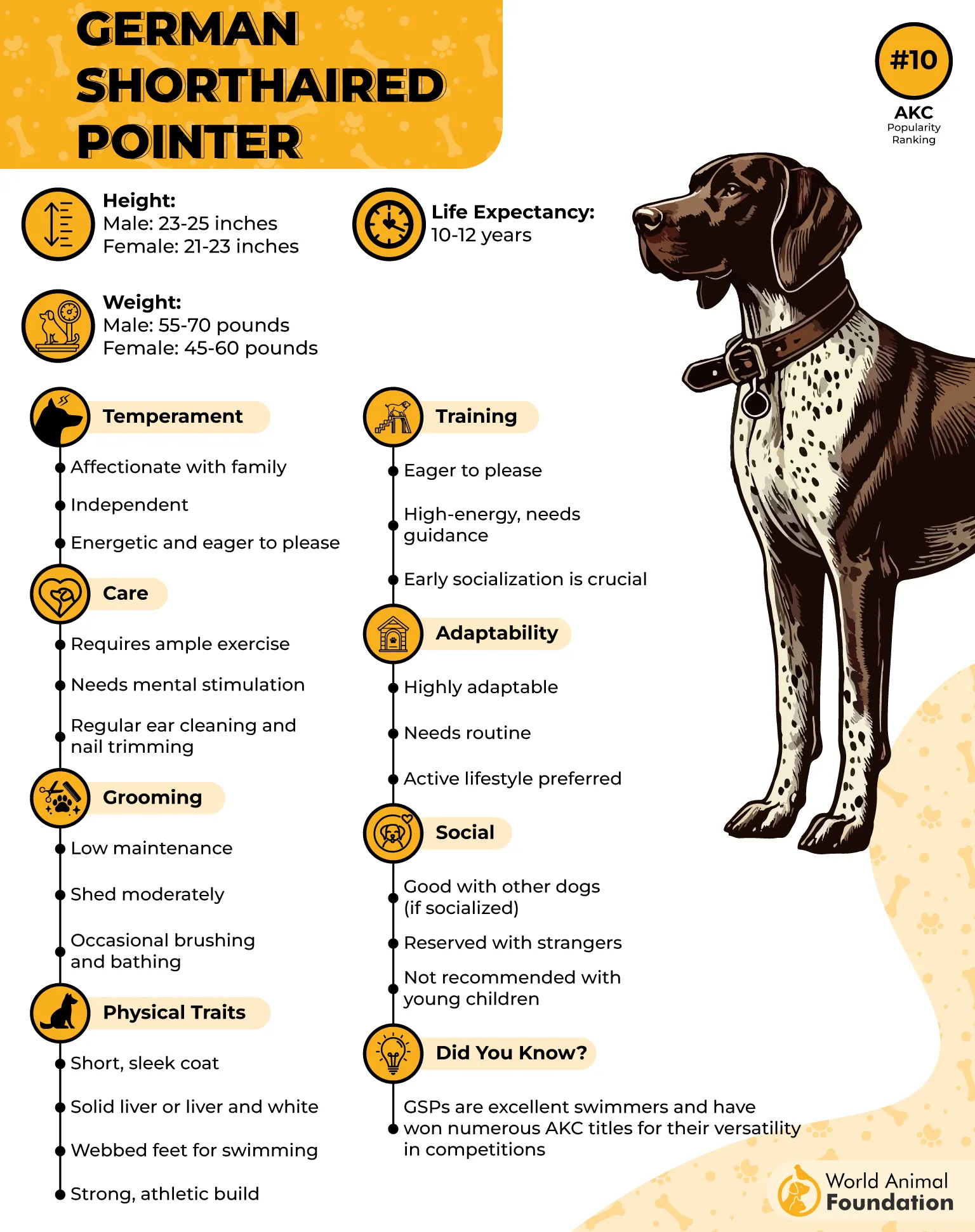
The German Shorthaired Pointer traces its ancestry to the German Bird Dog, which was related to the Old Spanish Pointer brought to Germany during the 17th century. English Pointers and the Arkwright Pointer later contributed to its lineage, with its modern form taking shape around 1870.
Ready for Long Days Outdoors
A German Shorthaired Pointer is a strong match for someone who enjoys early starts and lengthy days on the trail. Its stamina supports demanding outings, and a properly conditioned adult can accompany you on extended hikes or regular runs of three to four miles.
A few practical details matter when planning outings with this breed:
Wait until 18 months of age before starting a running routine.
Increase running distances gradually after shorter sessions.
Avoid feeding for two hours before and after a run.
A Nose That Keeps Busy
This breed pays close attention to its surroundings, using its powerful sense of smell to investigate scents along the way. Its hunting instincts can also make homes with cats or other small pets more challenging, so introductions and household compatibility deserve careful thought.
5. Vizsla
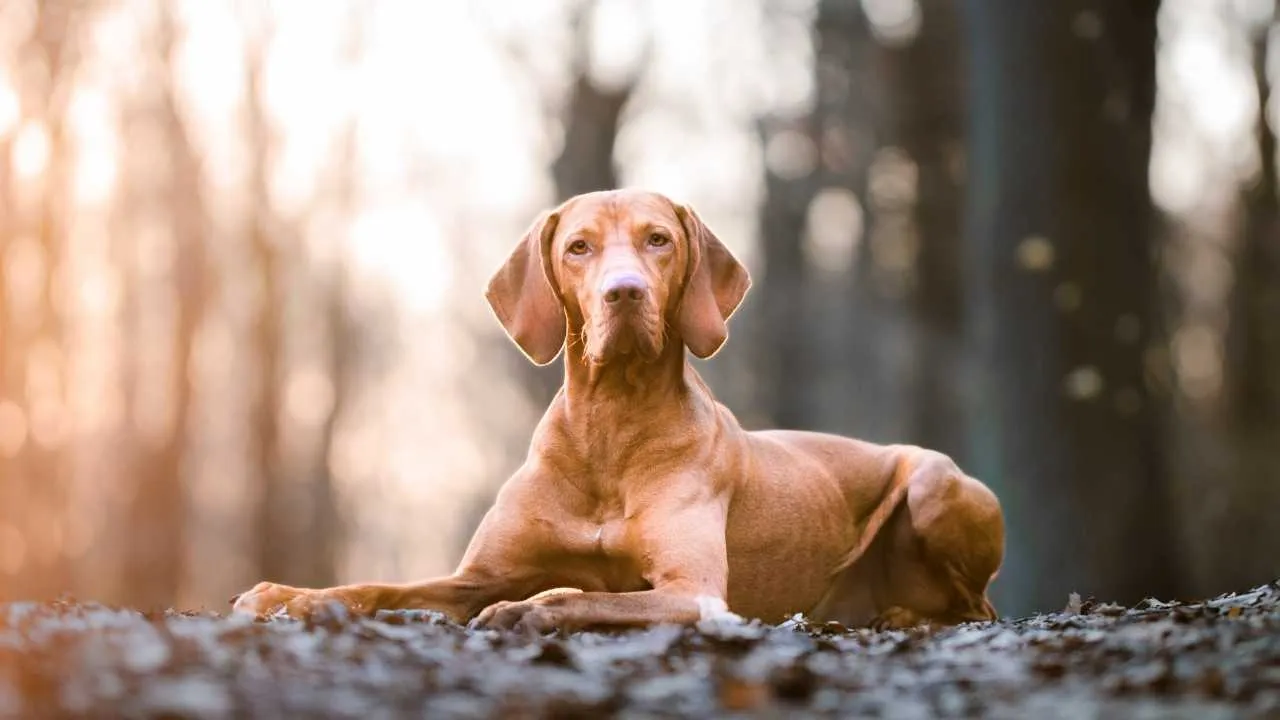
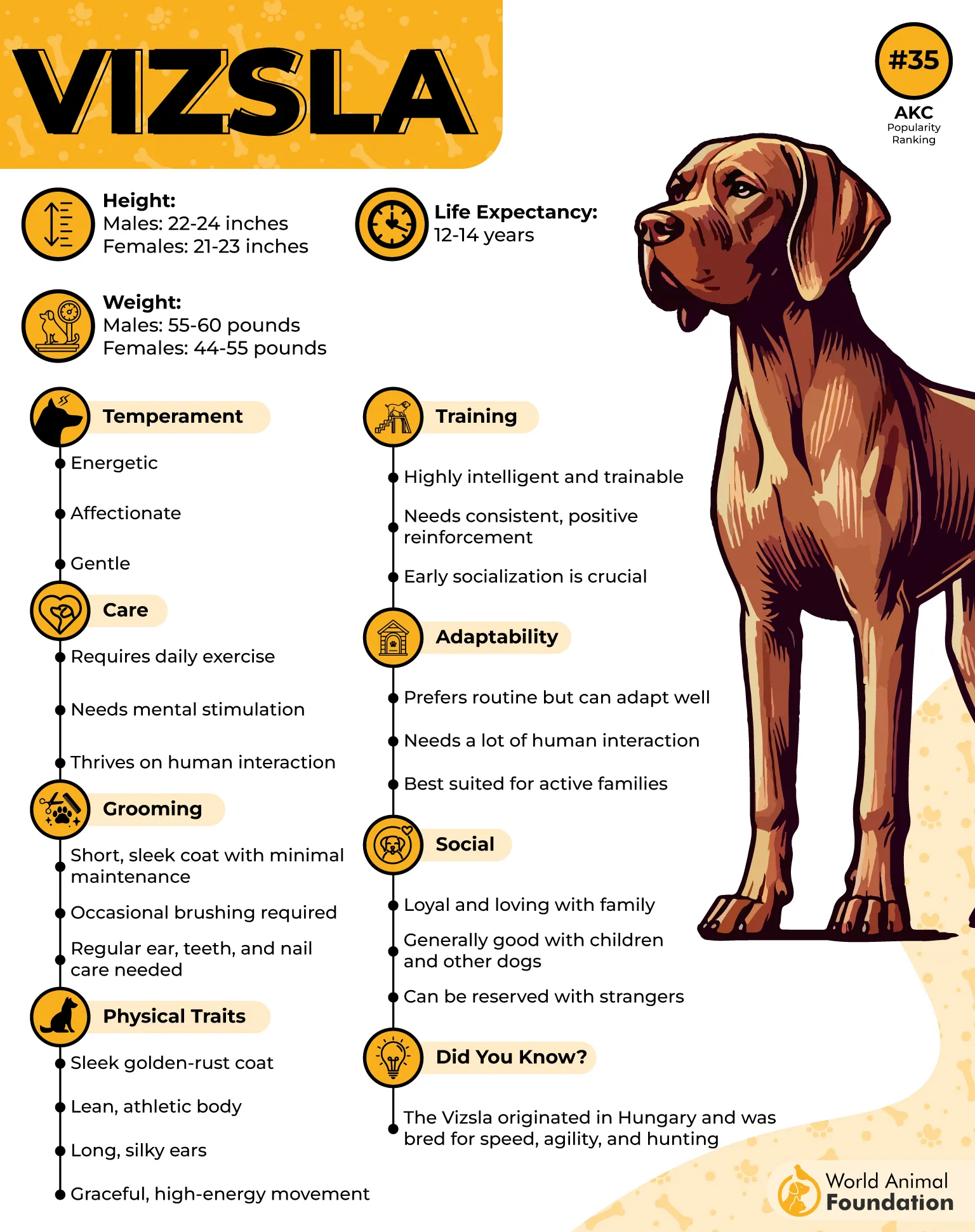
The Vizsla was developed in Hungary, where hunters valued its ability to track, point, and retrieve game. Its slightly smaller frame helped it work through dense undergrowth, while its speed and close working style made it useful in the field. Water retrieval was another part of its hunting role.
A Natural Partner for Long Trail Days
A Vizsla has the stamina for demanding outdoor plans, from steady runs to several hours of exploring on foot. It can comfortably manage hikes of around four to five miles in suitable weather, although its short coat offers limited protection from cold temperatures and rain.
Here are a few practical details to keep in mind:
A running partner for distances of three to four miles.
Enjoys swimming and retrieving from water.
Needs at least an hour of vigorous daily activity.
Quick Learners With a Working Mind
Their natural intelligence makes training easier, especially when lessons involve clear direction and regular, consistent practice.
Vizslas can learn new tasks quickly and have also served as reliable guide dogs and search-and-rescue dogs. They are generally friendly and sociable with unfamiliar people, too.
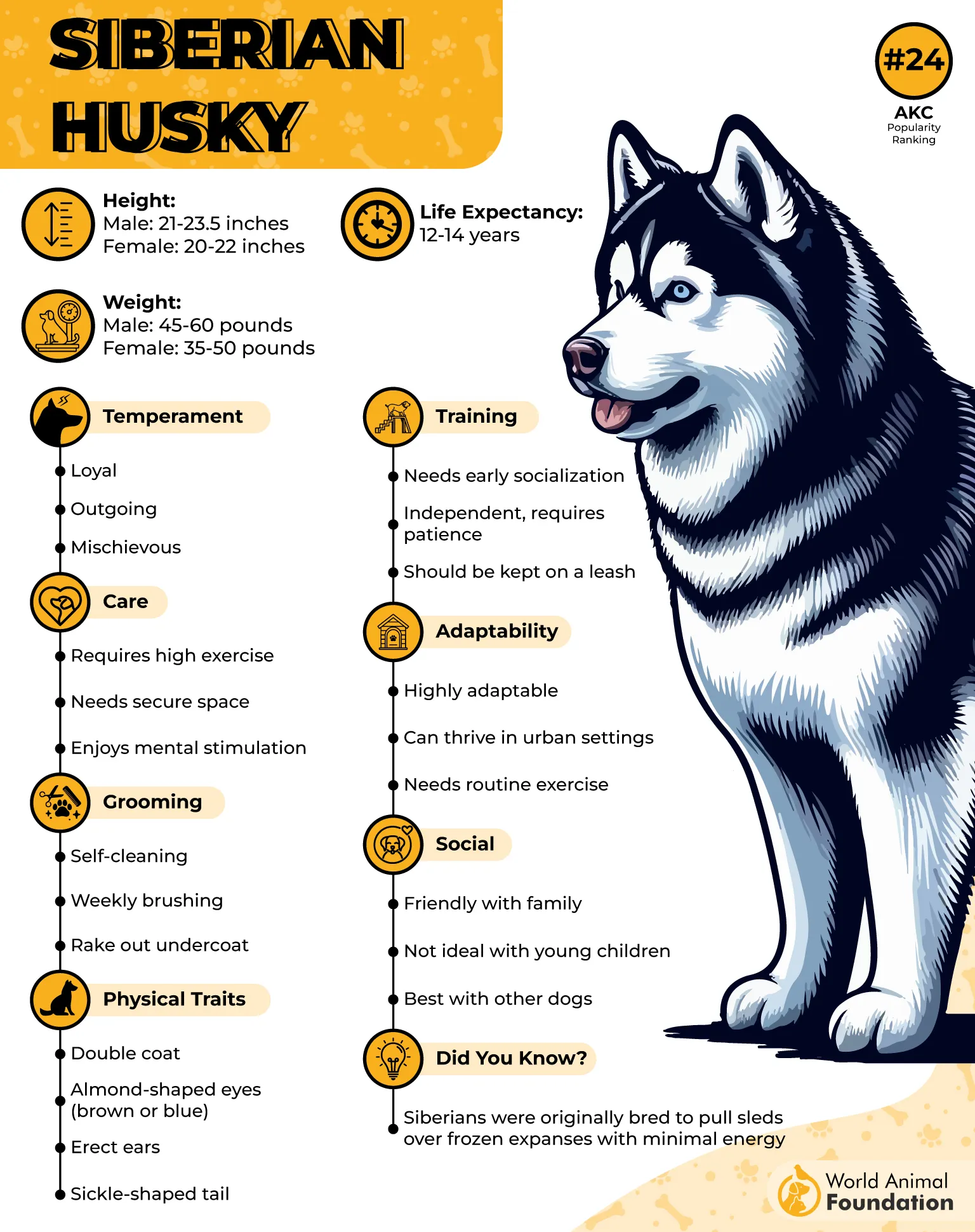
6. Siberian Husky
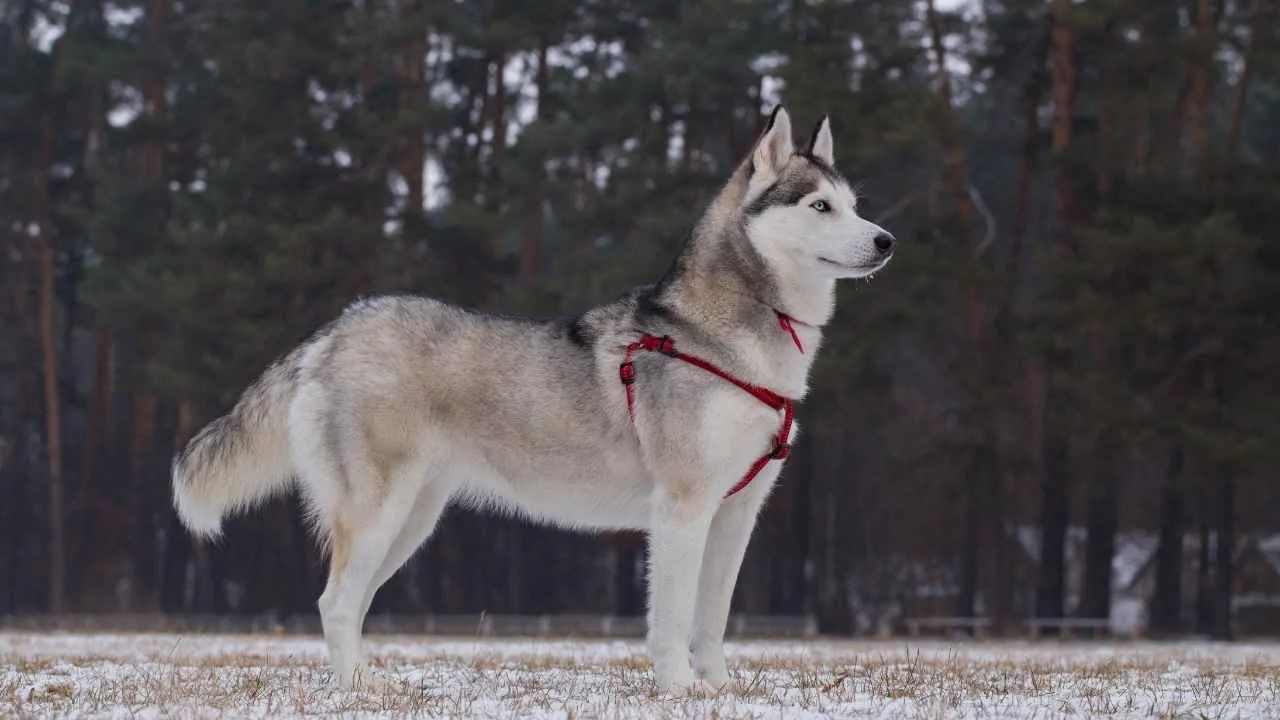
The Siberian Husky traces its origins to northeast Asia, where the Chukchi people bred these dogs for demanding work in Arctic conditions.
Their main task was pulling sleds across frozen terrain as nomadic communities travelled through the region. The name Husky is thought to have evolved from “Eksy,” a term associated with Eskimos.
Built for Long Trail Days
Few breeds have the stamina of a Siberian Husky on an extended hike. Its sled-pulling heritage gives it the endurance to cover considerable distances on foot, while a natural inclination to follow interesting scents and sights makes leash control important on unfamiliar trails.
Here are some breed characteristics that matter:
Gradual conditioning helps build distance safely.
A properly fitted pack can suit its pulling instincts.
Fresh water breaks are essential throughout the journey.
An Adventurous Mind Needs Supervision
Siberian Huskies are clever, curious dogs with a reputation for finding ways out of enclosed spaces. Secure fencing and a leash on the trail help prevent unexpected detours, while consistent training and regular company can make outdoor routines easier to manage.
7. Labrador Retriever
From Newfoundland’s Working Waters
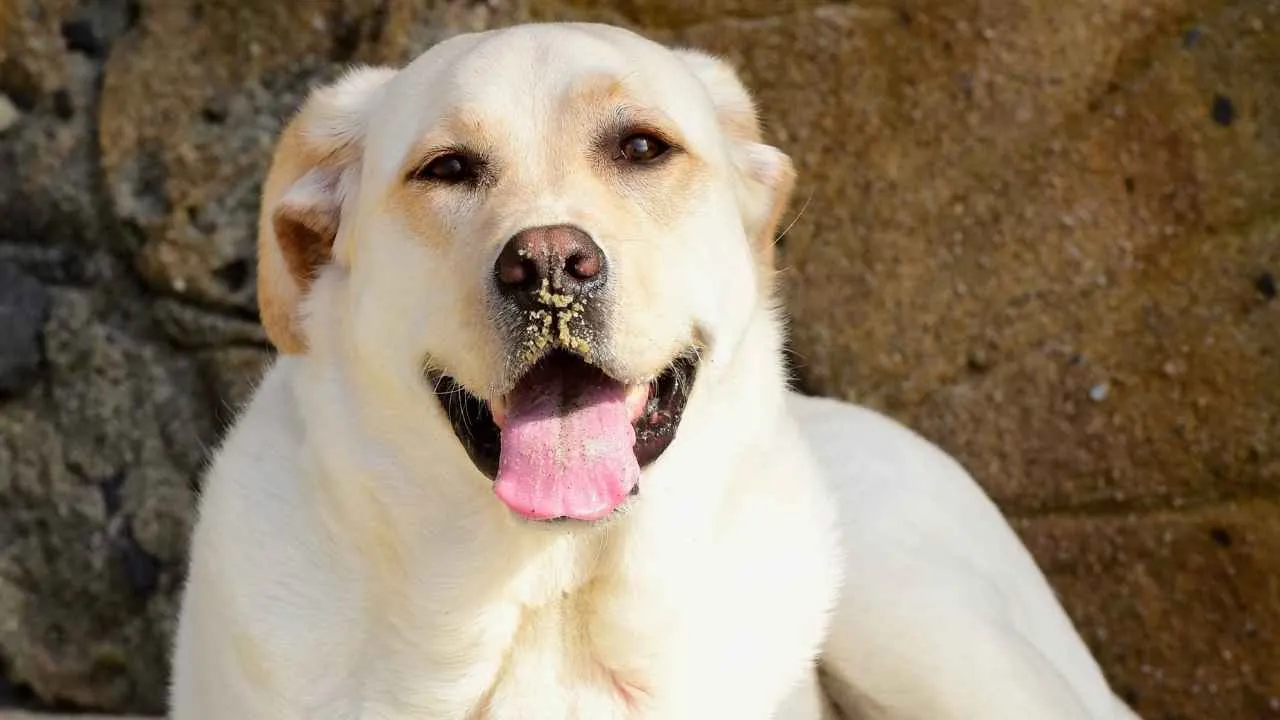
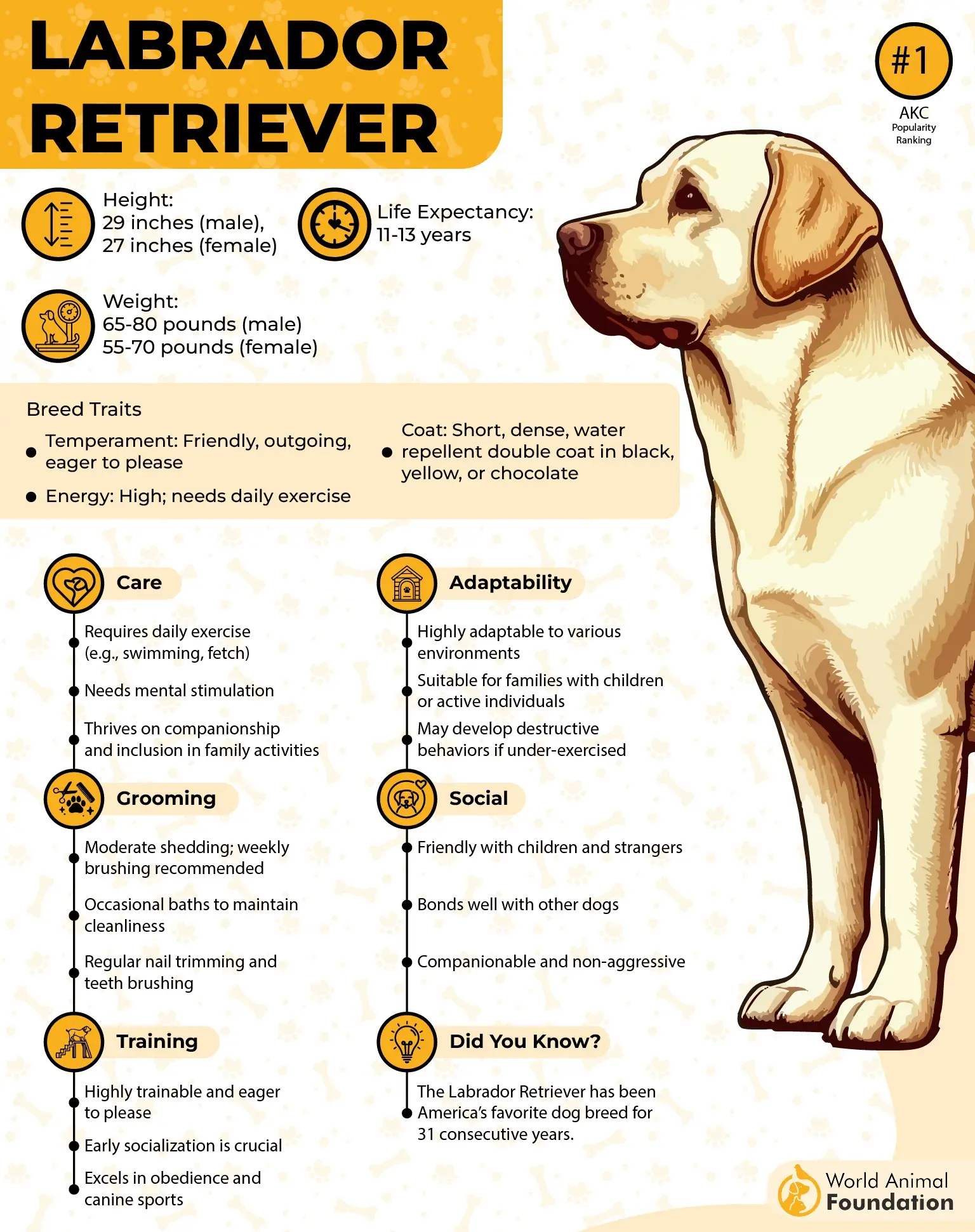
The Labrador Retriever’s story begins in Newfoundland, where its early ancestors helped fishermen with demanding water-based tasks. These sturdy, black dogs retrieved fish and game, swam alongside boats, and even pulled small vessels across lakes.
A Natural Partner for Trail Days
Labs have the stamina for long outdoor outings, making them well suited to hiking and camping trips. Their water-repellent coat, webbed feet, and otter-like tail are useful assets around lakes and rivers, while a healthy adult may manage hikes of up to 10 miles.
Their outdoor abilities include a few more impressive details:
Can run up to five miles when fit and conditioned.
Enjoys swimming and retrieving objects from water.
Excels at dock diving and agility courses.
Friendly Around the Campsite
Labs are generally outgoing with people, including unfamiliar faces, and often get along well with other dogs and household cats. Their sociable nature can make group outings easier, especially when they receive early introductions to different people and animals.
Conclusion
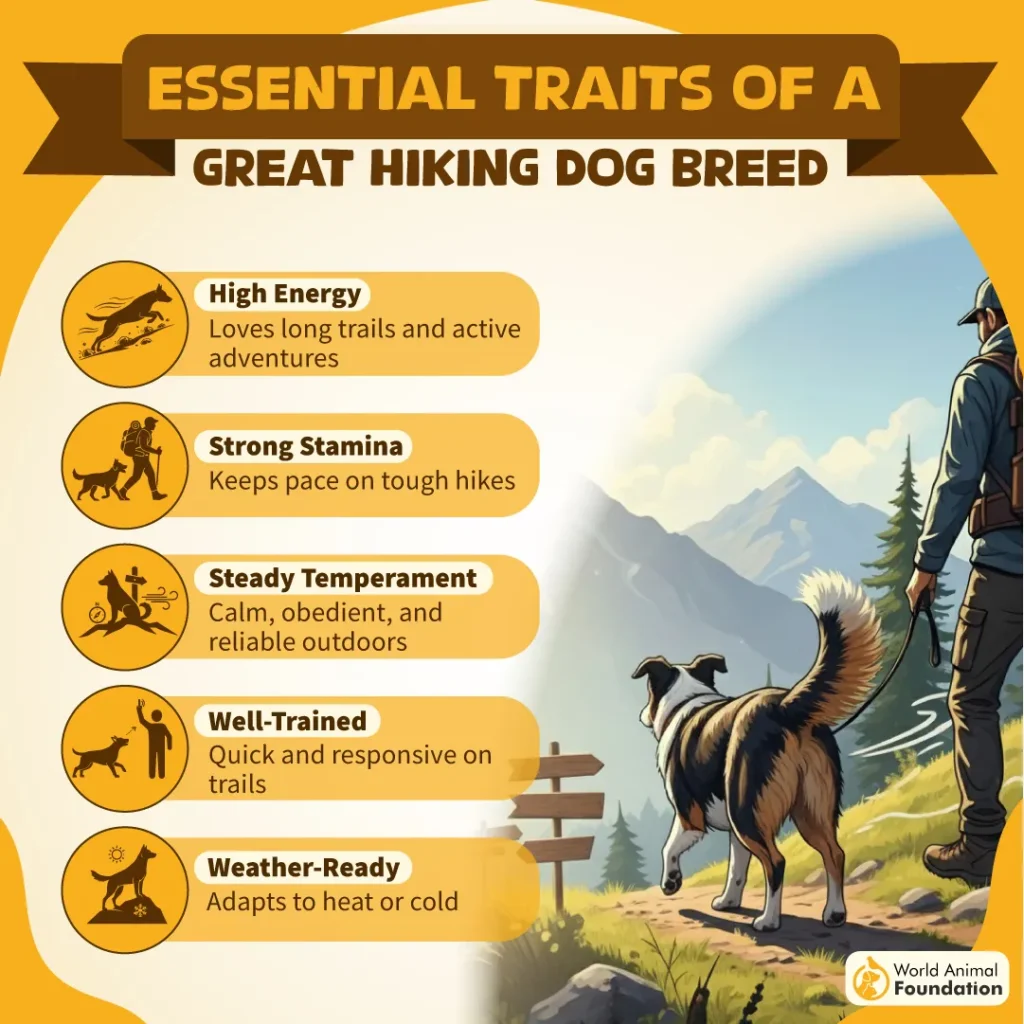
A good hiking companion needs more than enthusiasm for getting outside. Long trails require stamina, sound physical conditioning, and the ability to handle different surfaces and weather conditions.
Some dogs enjoy running beside their people, while others are happiest exploring woodland paths or swimming in nearby lakes.
Training and preparation make a difference, too. Leash control, reliable recall, fresh water, and regular rest breaks help keep outdoor outings manageable. Before planning a camping trip, consider how much activity you can provide throughout the year.
The right companion should enjoy your adventures and handle their demands comfortably.
