




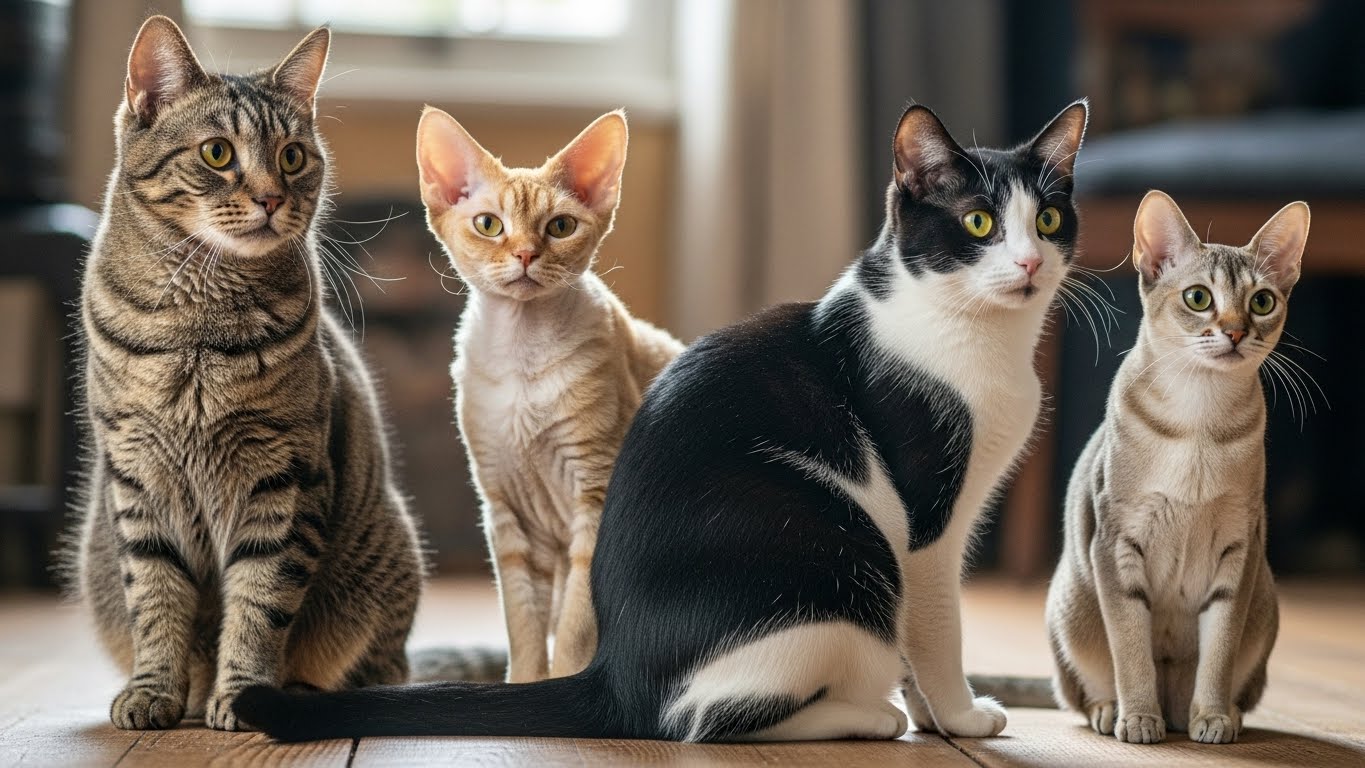
Every cat owner wishes their feline companion could live forever, but sadly, some breeds have naturally shorter lifespans due to genetic factors and health predispositions.
Despite their relatively brief time with us, these cats leave an unforgettable impact, bringing joy, love, and endless memories into our lives.
If you’re considering one of these breeds, it’s essential to understand their potential health challenges and how to provide them with the best possible care to maximize their quality of life.
Though their life expectancy may be shorter, their love and companionship are no less profound. With proper nutrition, regular vet checkups, and lots of love, these cats can enjoy happy, fulfilling lives.
Shortest Living Cat Breeds
1. American Wirehair
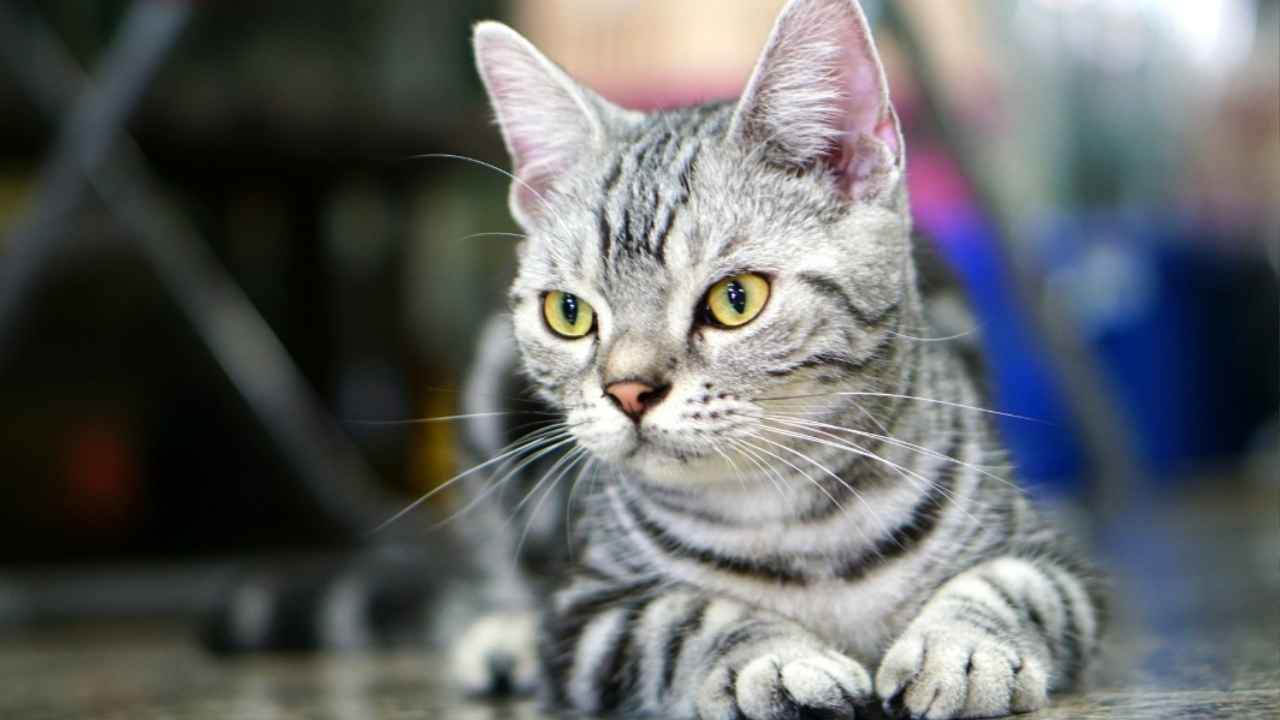
Average Life expectancy: 7–12 years
The American Wirehair is a rare breed with a coat that feels like steel wool, but don’t let that fool you—this cat is as cuddly as they come!
With their coarse, wiry fur and playful nature, they’re like tiny, fuzzy action heroes—tough on the outside but soft on the inside.

These cats are known for their love of play, making them perfect for people who want a cat that’s a little bit dog-like. They don’t demand constant attention, but they love a good game of chase.
According to Purina, Wirehairs, while content as lap cats, also enjoy their independence. They are considered moderately talkative and are enthusiastic purrers.
Fun Fact: Their wire-like coat is the result of a genetic mutation, making them one of the rarest cat breeds in the world!
Why the Shorter Lifespan?
American Wirehairs are generally healthy but are prone to heart disease and kidney issues, which can shorten their lifespan.
2. Devon Rex

Average Lifespan: 8–13 years
If you’ve ever wanted a cat that looks like a mix between a goblin, an alien, and a tiny dog, the Devon Rex is your perfect match!
These medium-sized cats have huge ears, short curly fur, and giant, soulful eyes that make them look permanently surprised.
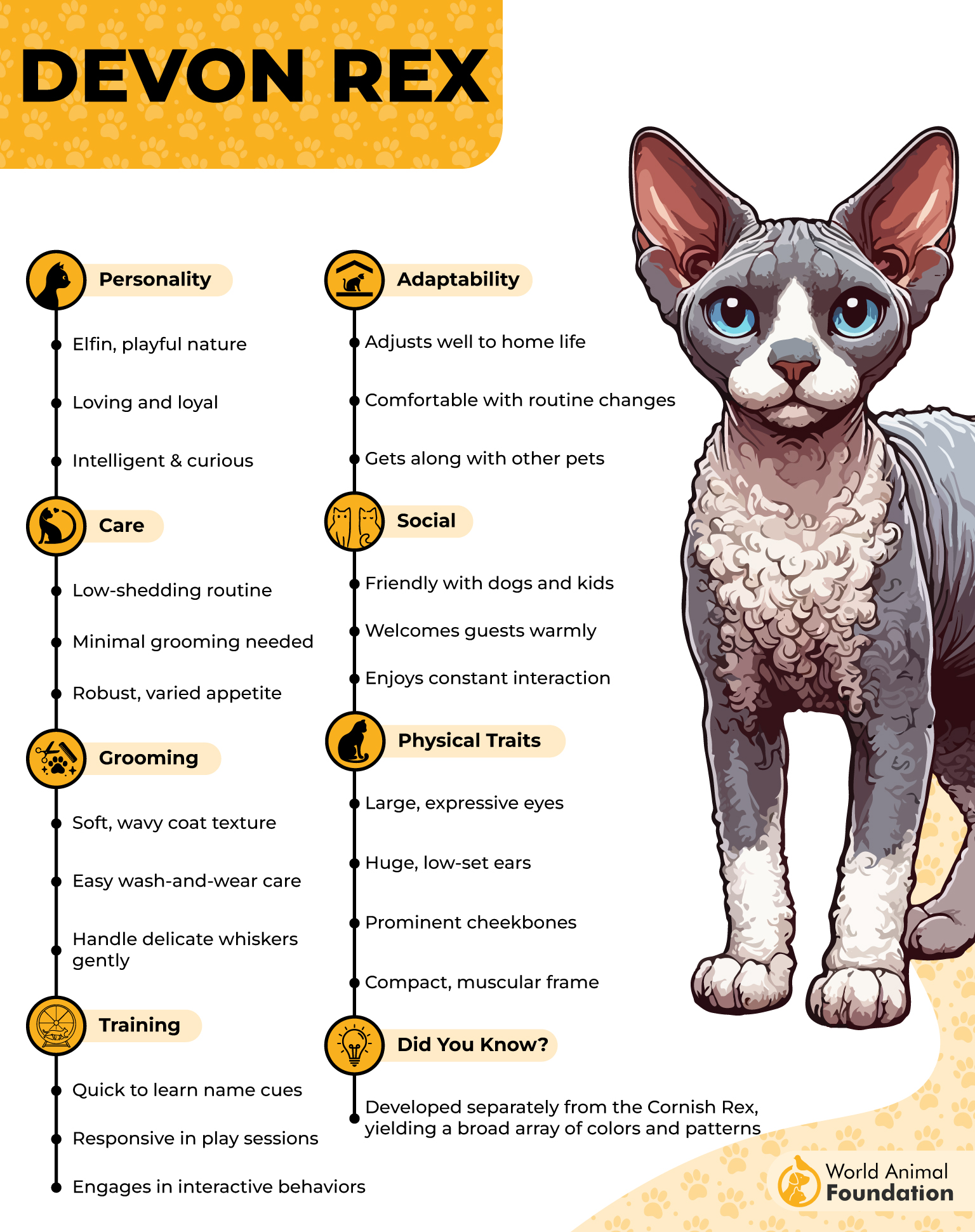
Devon Rex cats are often described as Poodle-like, not only in their appearance but also for their cheerful nature, love for their human companions, and intelligence, which has long impressed their caretakers, as noted by PetMD.
They’re also incredibly mischievous. Devons love to climb, explore, and steal your snacks when you’re not looking. They have boundless energy and will follow you everywhere—so don’t expect any privacy.
Fun Fact: Devon Rexes are sometimes called “monkey cats” because they love climbing and jumping onto everything.
Why the Shorter Lifespan?
These cats are prone to polycystic kidney disease, heart conditions (like hypertrophic cardiomyopathy), muscle weakness, and joint issues, which can shorten these cats’ lifespan.
3. Manx
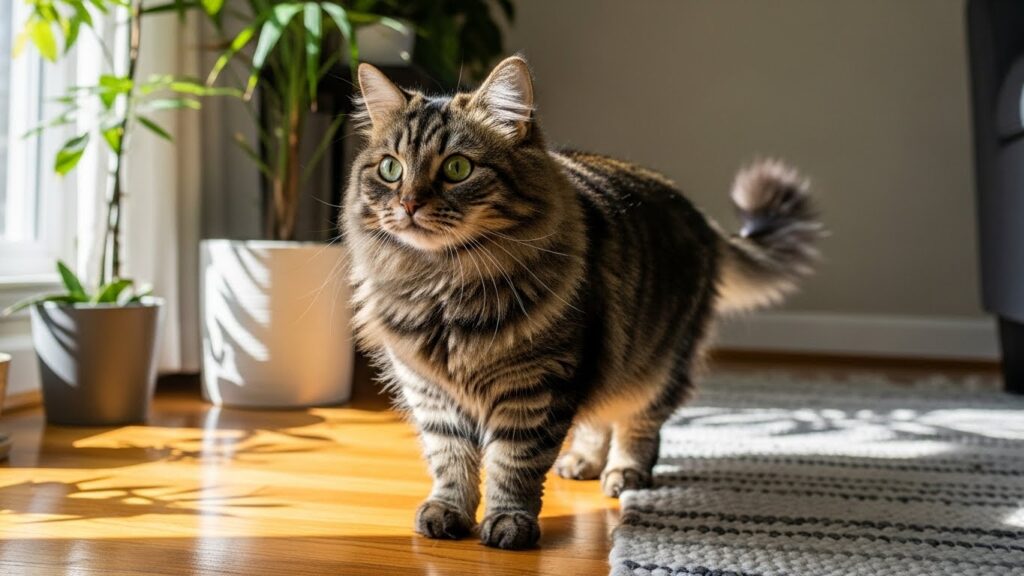
Average Life expectancy: 8–14 years
The Manx is a purebred cat famous for one thing: no tail! These round, rabbit-like cats come in two varieties—completely tailless (rumpy) and short-tailed (stumpy).
Manx cats are known for being loyal, affectionate, and dog-like. They’ll greet you at the door, follow you around, and even play fetch.

Despite their adorable looks, they have strong hunting instincts, so if you have a mouse problem, consider it solved.
Fun Fact: Manx cats are known for their bunny-like hop when they run because of their unique back legs.
Why the Shorter Lifespan?
Their lack of a tail is caused by a genetic mutation, which can also lead to spinal and neurological issues (known as Manx Syndrome). These health problems can affect their longevity.
4. Singapura
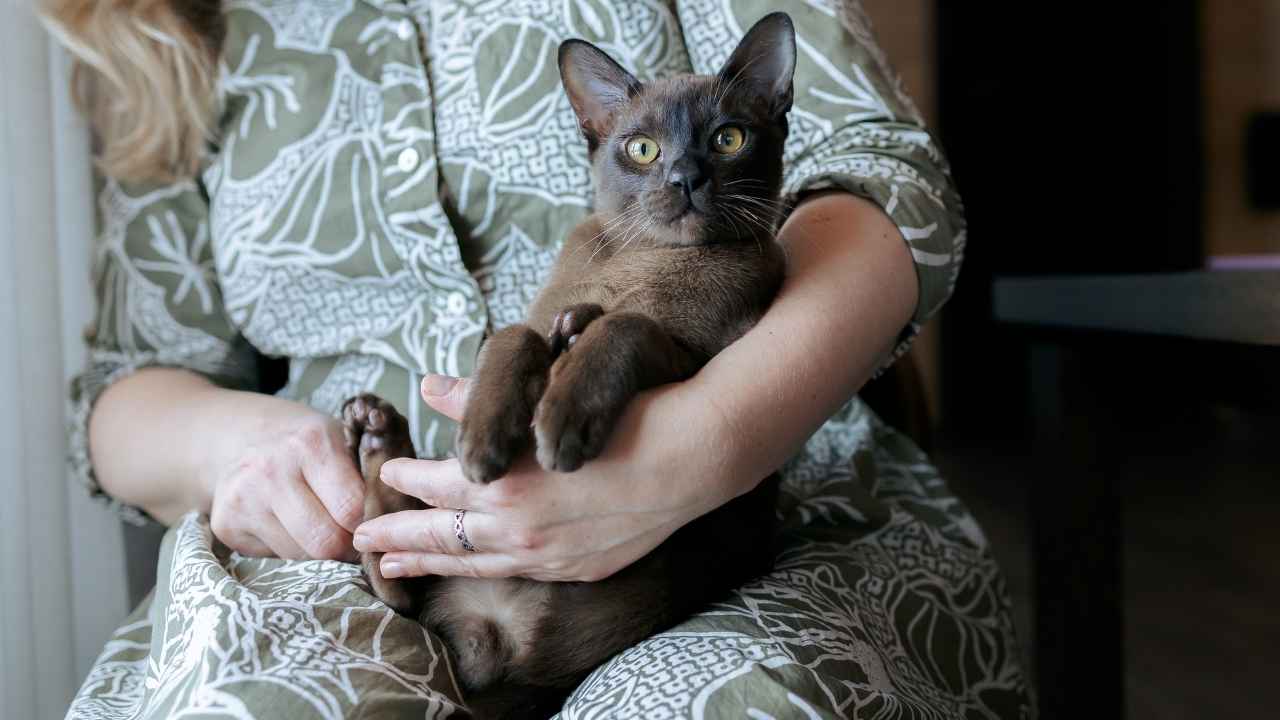
Average Lifespan: 9–15 years
If cats had the smallest but mightiest award, the Singapura would take home the trophy. In fact, the Guinness Book of World Records recognizes them as the smallest domestic cat breed, according to WebMD.
These tiny adventurers never slow down, weighing in at just 4–8 pounds. They’ll climb anything, sneak into tight spaces, and generally act like they’ve had three espressos before breakfast.

Despite their mischievous streak, Singapuras love human attention and will follow you everywhere. Yes, even to the bathroom—because of privacy? Never heard of it.
Fun Fact: Their massive round eyes give them an “always surprised” look as if they just overheard some juicy gossip.
Why the Shorter Lifespan?
Singapuras are prone to genetic health issues, including pyruvate kinase deficiency (a blood disorder), Progressive retinal atrophy (PRA), Pyruvate kinase deficiency (PKD), and terine inertia. But don’t worry, with good care, they can live on the higher end of their lifespan!
5. Ocicat
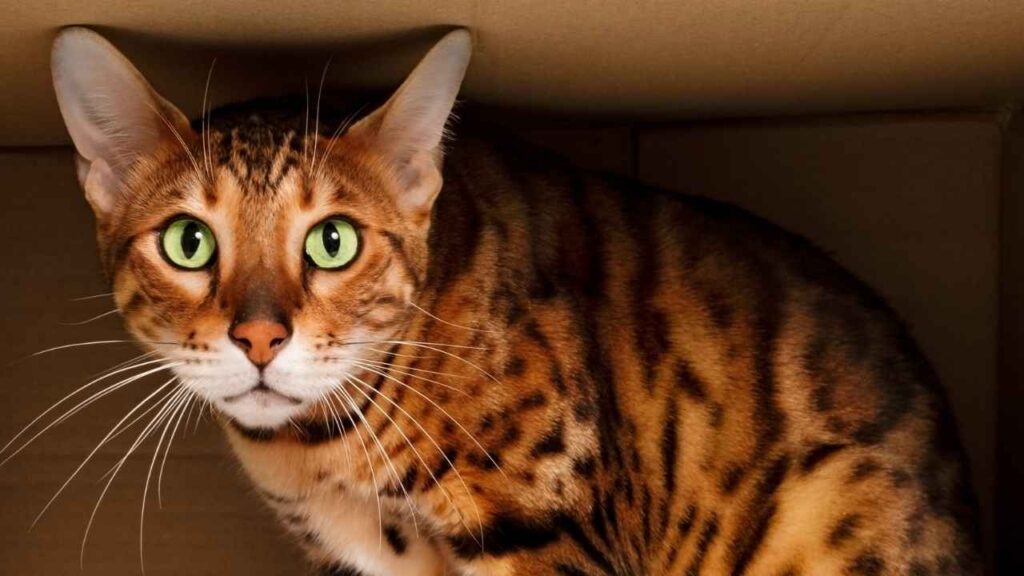
Average Life expectancy: 10–15 years
If you’ve ever wanted a cat that looks like an ocelot but cuddles like a puppy, the Ocicat is your perfect match. Despite their wildcat appearance, they’re 100% domestic and 100% in love with their humans.
Ocicats are super smart and easy to train—so don’t be surprised if yours learns to walk on a leash or open doors. (Lock your pantry. You’ve been warned.)
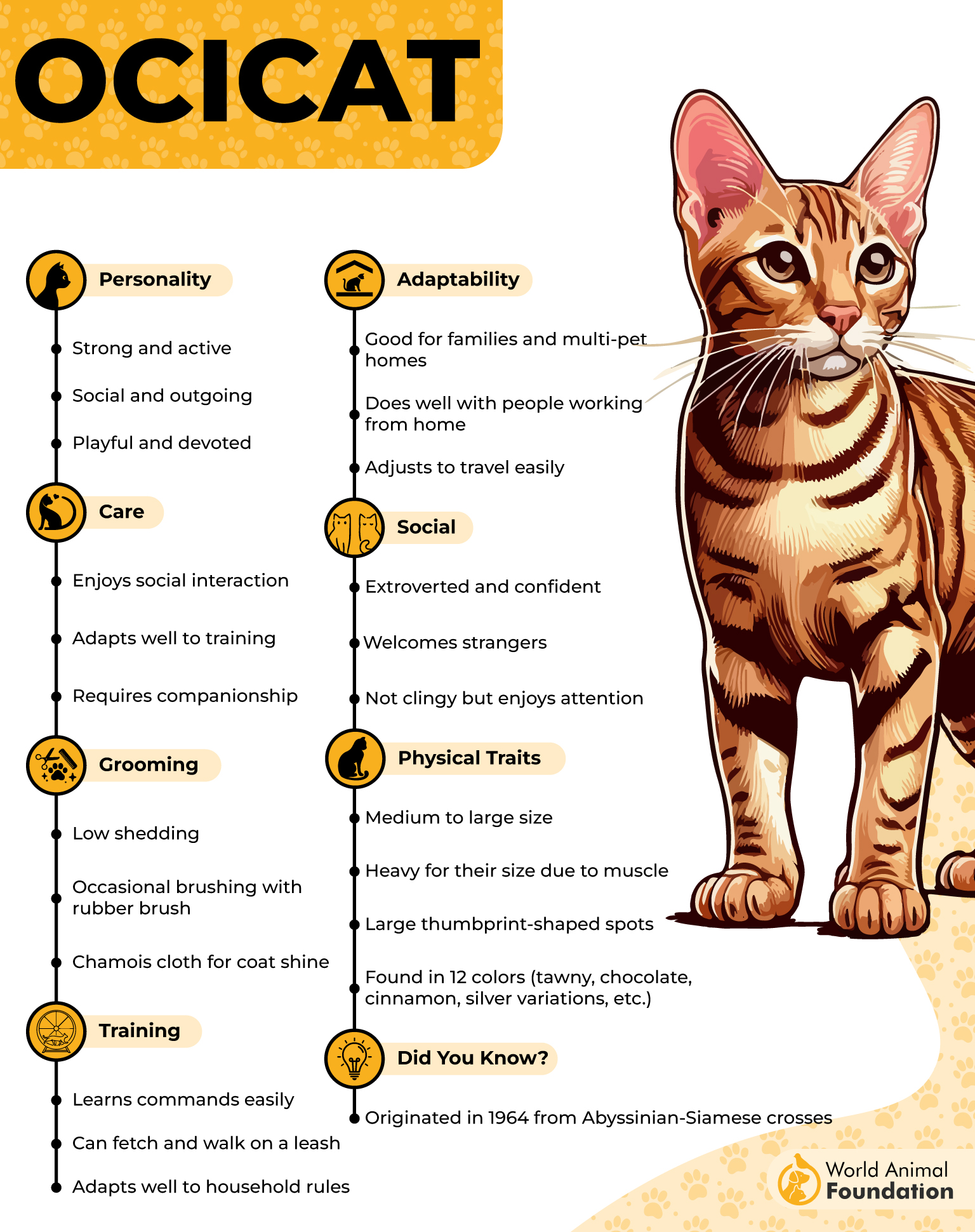
They’re also big talkers, so expect a full conversation when you get home.
Fun Fact: Unlike most cats, Ocicats actually enjoy water—so don’t be shocked if yours jumps in the shower with you.
Why the Shorter Lifespan?
They can be prone to heart disease and kidney issues, but regular vet check-ups can help them live their best, zoomiest lives.
6. California Spangled
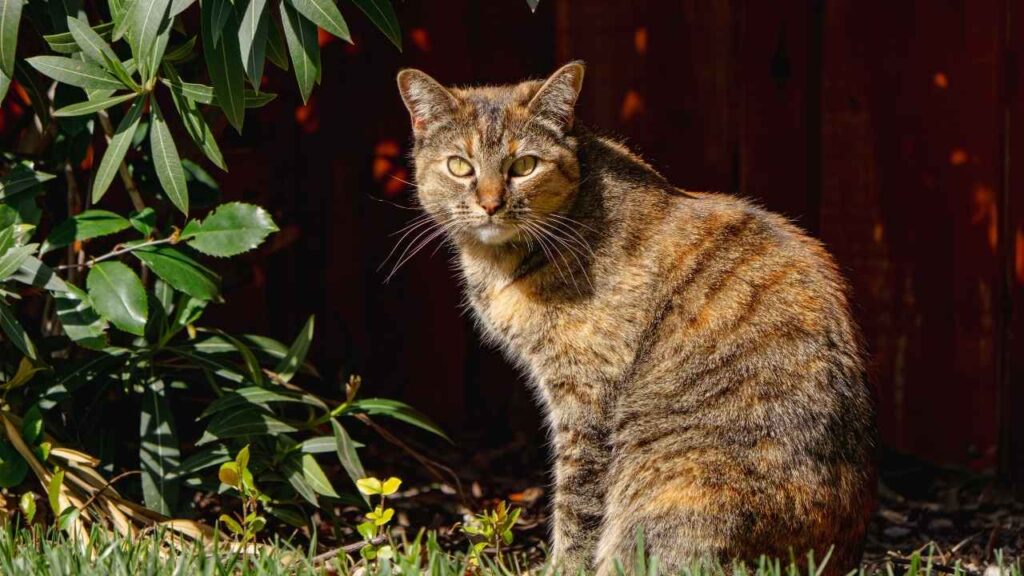
Average Lifespan: 9–14 years
Created in the 1980s to look like a miniature leopard, the California Spangled cat was once a status symbol in Hollywood. With their stunning spotted coats, they were bred to raise awareness about endangered wild cats.
California Spangleds are high-energy and always on the move. They’ll scale bookshelves, leap across furniture, and probably knock something over at least once a day—just for fun.
Fun Fact: They’re one of the rarest cat breeds today. Owning one basically makes you a VIP in the cat world.
Why the Shorter Lifespan?
They’re naturally healthy but can develop heart and kidney issues as they age.
7. Sphynx
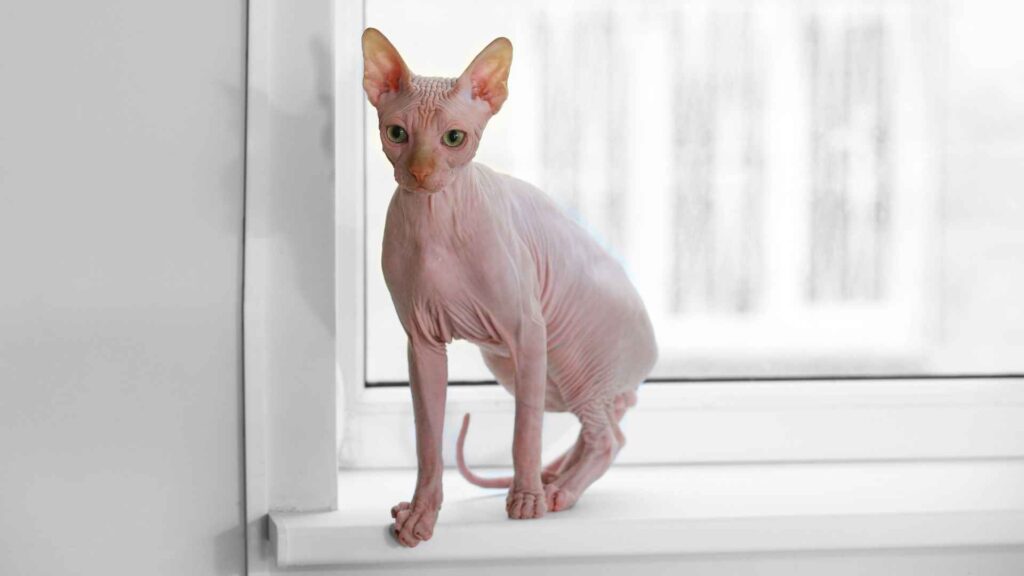
Average Life expectancy: 8–14 years
Sphynx cats are basically tiny, wrinkly, warm gremlins who demand attention 24/7. They might look like they were sculpted by an ancient Egyptian artist, but these cats are sweet, playful, and incredibly social.
Since they have no fur, they need lots of warmth—so expect them to steal your blankets, your lap, and possibly your entire bed.
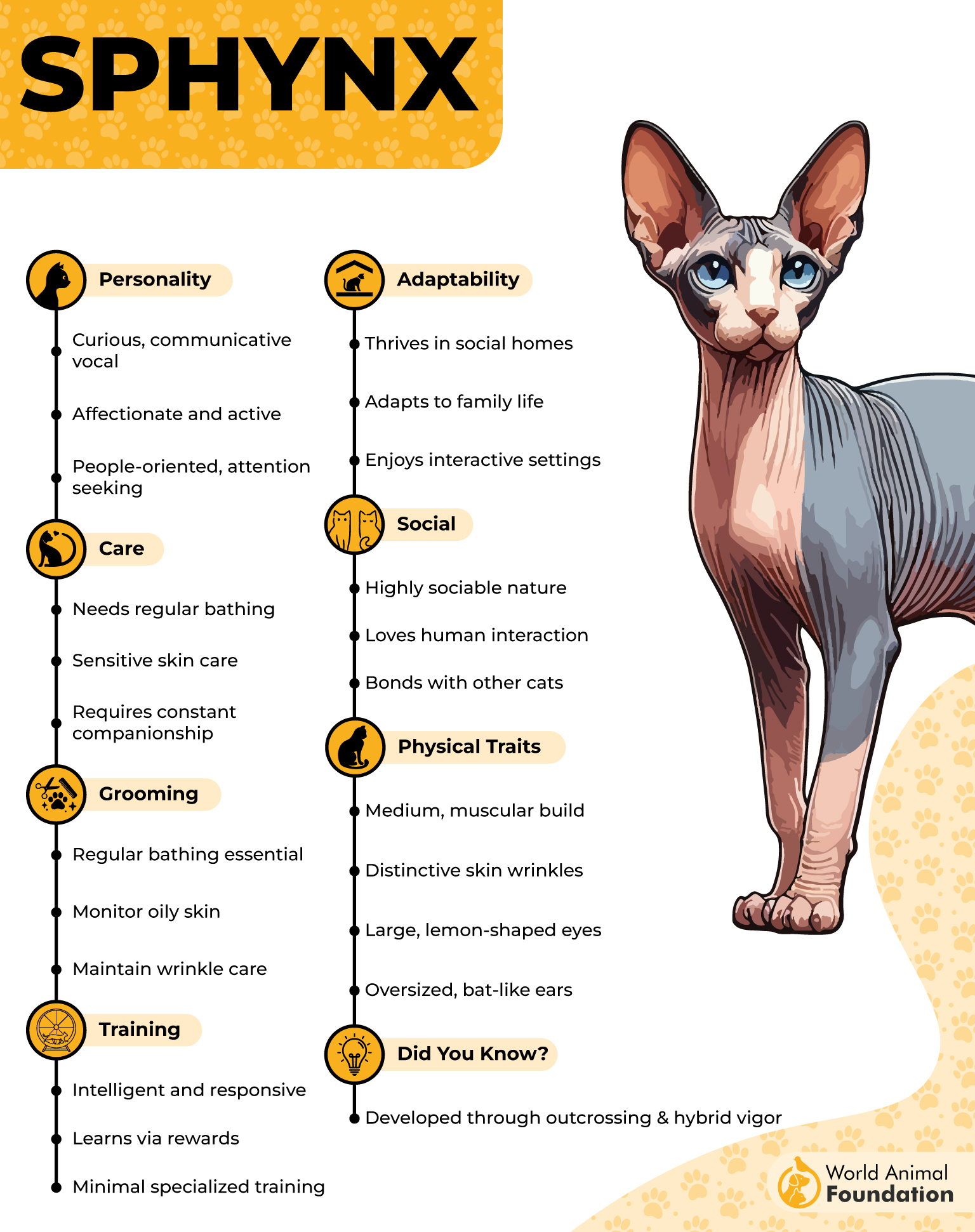
PetMD says, Sphynx cats are often described as dog-like due to their outgoing personalities and their love for playing fetch.
Sphynx cats form strong bonds with everyone in their household, including children and other pets. You’ll often find your Sphynx right on your heels or cuddled up with another warm, fuzzy companion.
Fun Fact: They sweat and get oily, so they need regular baths. Yes, a cat that actually needs baths. Good luck.
Why the Shorter Lifespan?
Sphynxes are prone to heart disease and skin issues, but with proper care, they can be healthy and happy little aliens.
8. Abyssinian
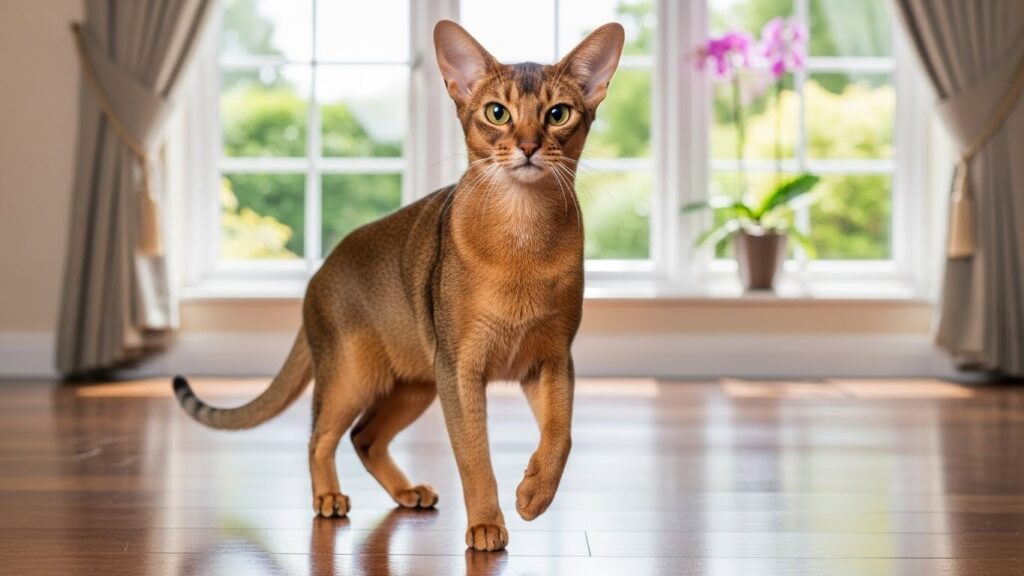
Average Lifespan: 9–15 years
One of the oldest cat breeds, Abyssinians look like they stepped right out of ancient Egypt—and they act like royalty too.
These sleek, elegant cats never stop moving. They’ll jump to the highest shelf, scale curtains, and generally behave like tiny parkour athletes.
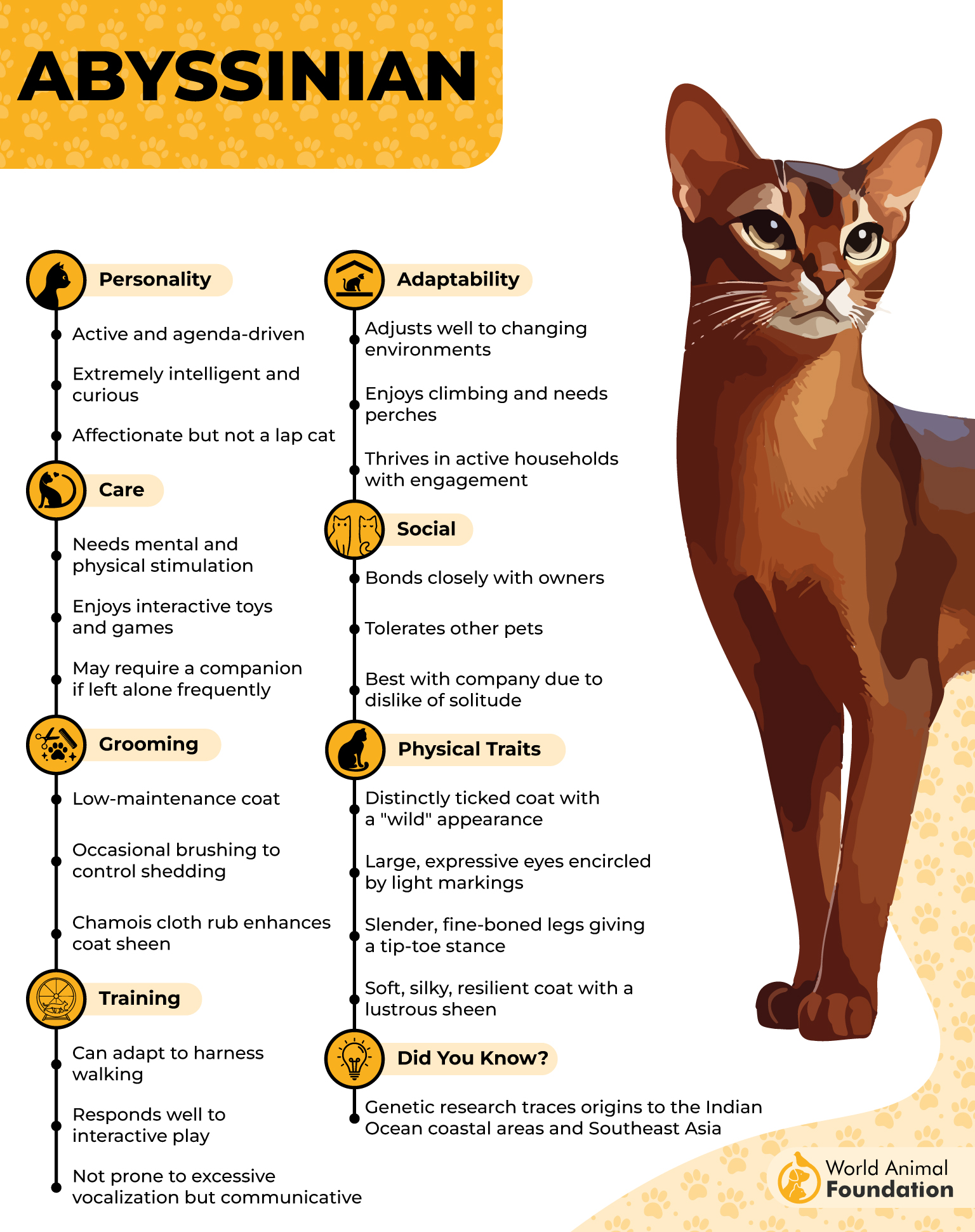
They also love people but don’t expect them to be lap cats. They’d rather climb on your shoulders and supervise everything you do.
Fun Fact: Abyssinians are known for their “chirps” instead of meows, so it’s like living with a tiny, purring velociraptor.
Why the Shorter Lifespan?
They can be prone to Amyloidosis, kidney disease, and gum issues, so dental care is a must!
9. Bengal
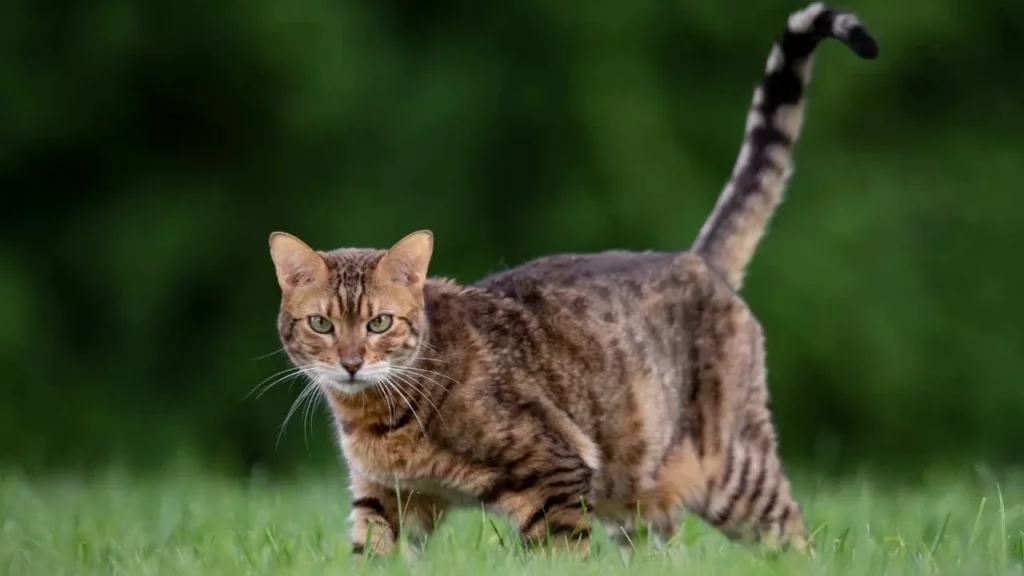
Average Life expectancy: 12–16 years
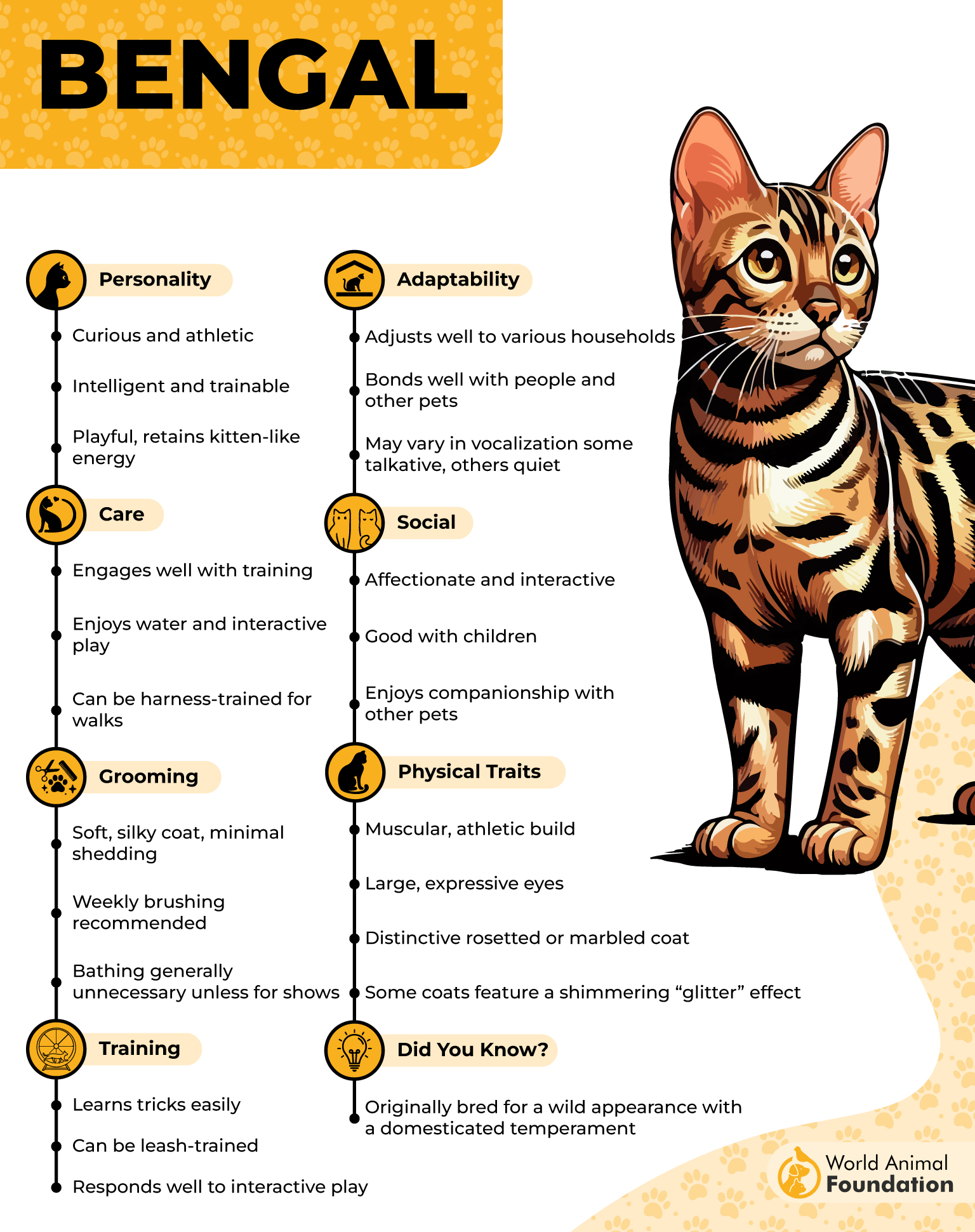
The Bengal is what happens when you mix a wild Asian leopard cat with a domestic cat—you get a stunning, energetic feline with gorgeous rosette markings.
These cats are high-maintenance and full of energy. They love water, will knock things off counters just to see what happens, and will outsmart baby gates, locks, and whatever else you think will contain them.
Fun Fact: Bengals love running water—so don’t be surprised if yours joins you in the shower or tries to drink straight from the tap.
Why the Shorter Lifespan?
Bengals can have Lymphoma, Gastrointestinal Conditions, Patellar Luxation, Hypertrophic Cardiomyopathy (HCM), Progressive Retinal Atrophy (PRA), and Pyruvate Kinase Deficiency (PKD), but a healthy diet and regular check-ups can keep them thriving.
10. Burmilla
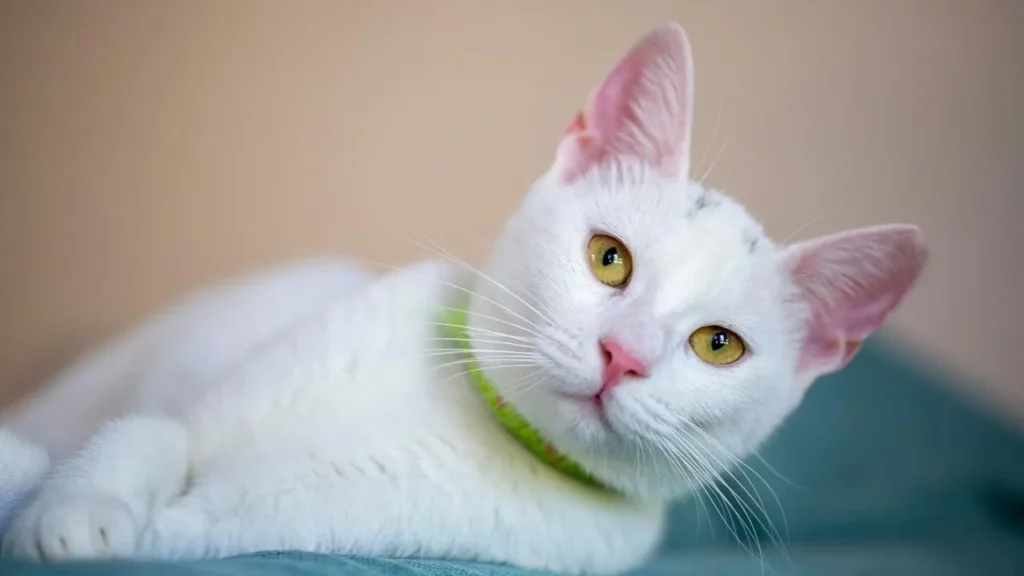
Average Lifespan: 10–15 years
A cross between a Burmese and a Chinchilla Persian, the Burmilla cat is the ultimate mix of beauty and charm. They have soft, silver fur, big expressive eyes, and a personality that’s both playful and affectionate.
They’re not as chaotic as some of the other breeds here, but they still have a mischievous streak—like casually knocking things off shelves while making direct eye contact with you.
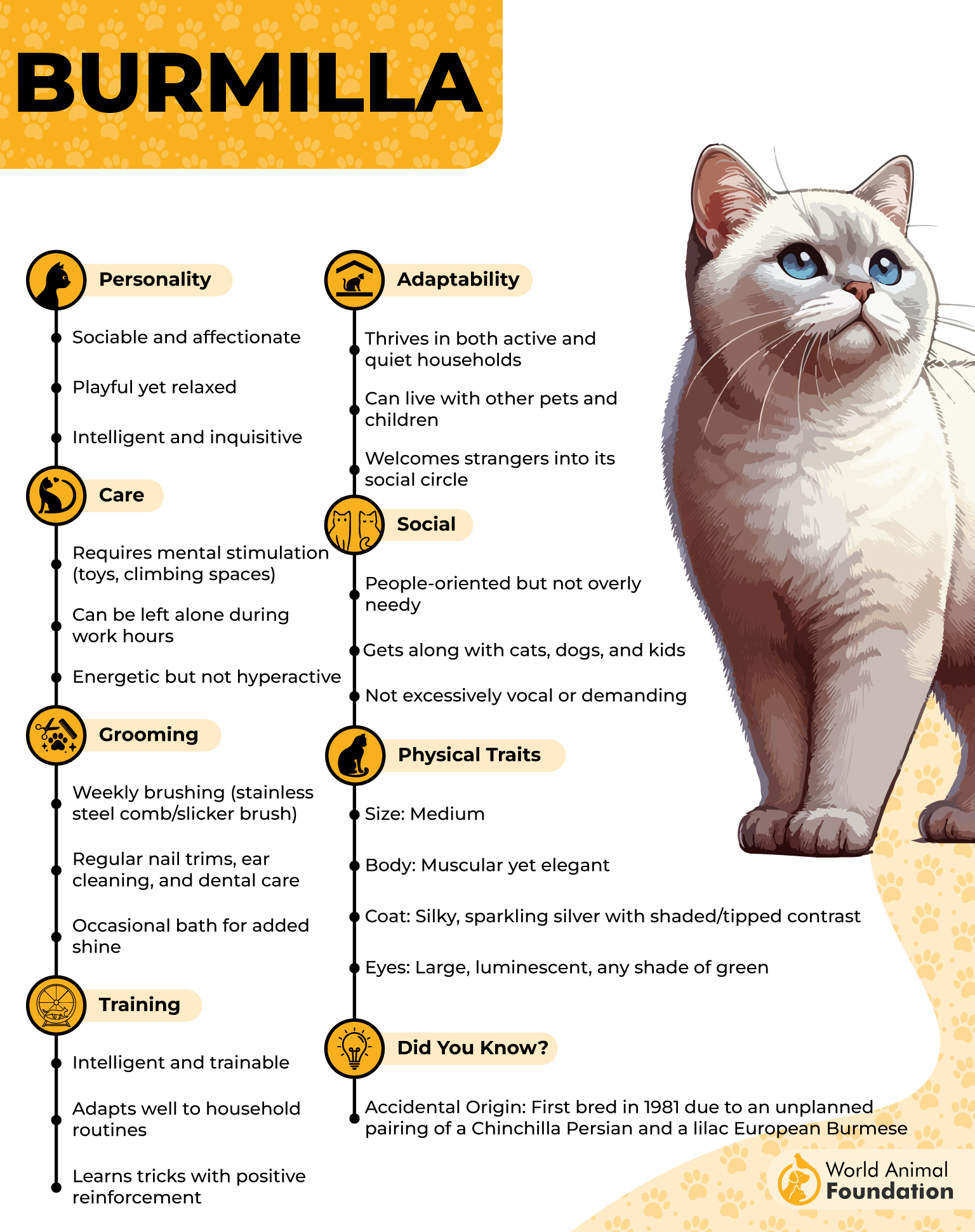
Burmillas are playful, loving, and intelligent, making them great companions. They are moderately vocal—not as talkative as Siamese cats but still expressive in their way.
Fun Fact: Burmillas are natural lap cats, so get ready for constant snuggle sessions.
Why the Shorter Lifespan?
They can be prone to kidney and respiratory issues, so regular vet checkups are key for pet owners.
Conclusion
While many pet cats enjoy long lives, some cat breeds have shorter lifespans due to genetics, health issues, or lifestyle factors. On average, a cat’s lifespan can range from 12 to 20 years, but certain breeds, such as the Singapura, Munchkin, and Bengal, tend to have shorter life expectancies. The environment also plays a significant role in a cat’s life span.
Indoor-only cats generally live longer because they are protected from dangers like predators, diseases, and accidents. In contrast, outdoor cats face greater risks, which can significantly reduce their lifespan. Providing a safe space, such as a cat tree for climbing and enrichment, helps keep indoor cats active and healthy.
While some cats may not live as long as others, ensuring proper care, a nutritious diet, and regular veterinary checkups can enhance their quality of life. Whether adopting from well-known cat breeds or considering other cats, every feline deserves a loving home that prioritizes their well-being and happiness.
🐱 Shortest Living Cat Breeds Quiz
Q1. Which rare cat breed has a wiry, steel-wool-like coat caused by a genetic mutation?
Q2. Which mischievous breed is known as the “monkey cat” for climbing and jumping?
Q3. Which breed is famous for having little to no tail and a bunny-like hopping run?
Q4. Which hairless breed is affectionate, playful, and needs regular baths due to oily skin?
