





When it comes to feline companions, some cat breeds stand out not only for their unique traits but also for their rarity. These rare cat breeds are often sought after by cat lovers for their distinctive looks, personalities, and histories.
Whether due to their limited geographical presence, unique genetic traits, or unusual appearances, these cats are true treasures in the feline world.
Owning one of these rare cats is a privilege, as they often have small populations and dedicated breeding programs to preserve them.
If you’re curious about some of the most elusive and extraordinary felines in the world, get ready to discover these rare treasures of the cat kingdom!
Rarest Cat Breeds
1. American Wirehair

The American Wirehair is a true one-of-a-kind breed, thanks to its unusual coat. Unlike any other cat, its fur is crimped, wiry, and coarse due to a rare genetic mutation. This breed originated in the U.S. in the 1960s and remains one of the rarest cat breeds today.
The American Wirehair is a unique, scruffy-coated feline with an athletic build and a heart full of love for its humans. These medium-sized cats typically weigh between 6 to 11 pounds, with the males usually being a bit heftier than the females.

You’ll find American Wirehairs in just about every common cat color, though they’re especially fond of showing off their tabby patterns—sometimes mixed with white, just to keep things stylish.
They’re social butterflies, thriving in busy households where they can soak up plenty of attention. Whether you have kids, guests, or a full house of pets, this cat will fit right in, always ready for playtime or a good snuggle.
Low-maintenance when it comes to grooming, their wiry fur naturally resists dirt and mats, meaning no fancy salon trips are needed! They love interactive play and won’t hesitate to chase a toy (or even follow you into the backyard for a little supervised outdoor adventure).
According to WebMD, they do have American Shorthair roots, which means they can sometimes inherit health issues like hypertrophic cardiomyopathy (HCM), skin allergies, or a tendency to overindulge in the snack department. So, keeping them active and watching their diet is key!
2. Burmilla Cat
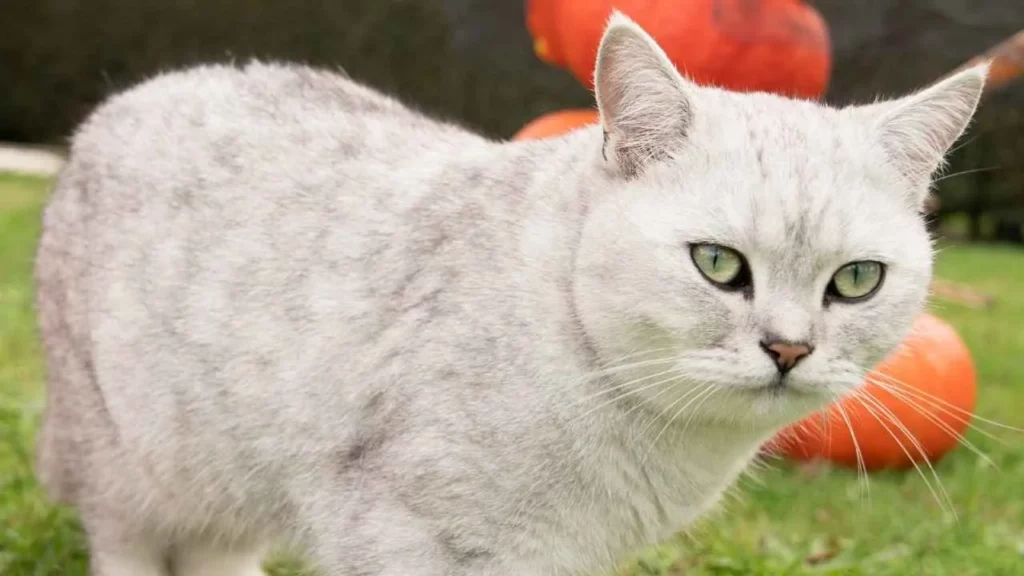
The Burmilla is a happy little accident turned into a stunning breed! First created in 1981 when parent breeds Lilac Burmese and a Silver Chinchilla Persian had an unexpected romantic encounter, this mixed breed inherited the best of both worlds—grace, charm, and an absolutely mesmerizing coat.
Speaking of coats, that’s Burmilla’s show-stopping feature. With a silvery base delicately tipped in shades of black, tan, brown, or other subtle hues, they always look like they just walked out of a high-fashion magazine. Their Burmese lineage gives them a sleek and elegant touch, while their Persian ancestry adds that signature shimmering silver tone.

Independent but not aloof, Burmillas enjoy their alone time but also crave an engaging environment. They love exploring, playing, and keeping themselves busy, but when the day winds down, you’ll find them right by your side, offering quiet companionship.
Loyal, affectionate, and always up for some cozy cuddles, they make excellent pets for anyone who wants a devoted feline friend.
One thing to keep in mind—these beauties do shed quite a bit, so weekly brushing is a must to keep their coats in top shape. But honestly, with a cat this gorgeous, you won’t mind the extra grooming time—it’s just another chance to admire their stunning fur up close!
3. Chartreux Cat
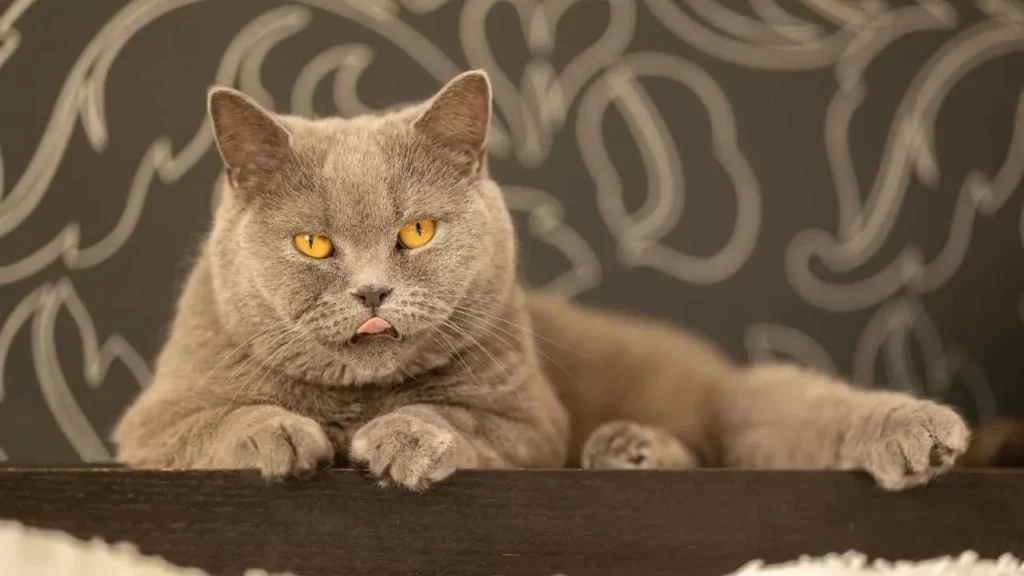
The Chartreux is an adorable, round-faced feline with a body shape so unique that it’s affectionately described as “a potato on toothpicks”—a sturdy, muscular body perched on surprisingly slim legs. But don’t let that fool you—this cat is as graceful as it is endearing.
Weighing between 7 and 17 pounds, the Chartreux is best known for its luxurious blue-gray coat. While the shade may vary from deep slate to a silvery shimmer, one thing remains constant—its irresistibly soft, wooly texture.
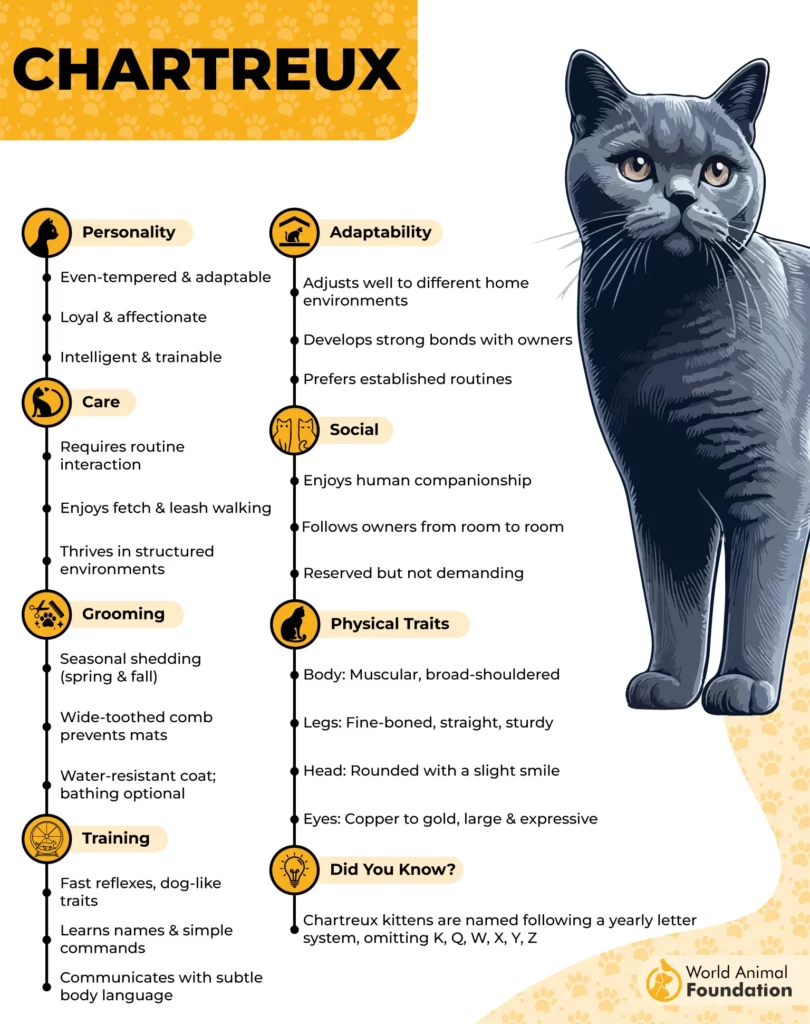
With a dense undercoat and short-length fur, their coats need a bit of upkeep, especially during shedding seasons. Regular brushing will keep their plush fur looking its best.
As per WebMD, out of 40+ recognized cat breeds, these kittens are one of the rare few that evolved on their own, making it a little piece of feline history curled up on your couch.
These cats have a relaxed, easygoing nature. They don’t demand constant attention, making them ideal for busy pet parents or those who can’t always engage in endless playtime. That said, they still enjoy affection and will happily lounge beside you for some quiet companionship.
Chartreux cats are generally a healthy breed, but they can be prone to patellar luxation—a condition affecting the kneecaps. What makes them even more special is their status as a natural breed, meaning they developed without human interference.
4. Cornish Rex

Nicknamed the “Greyhound of the cat world,” the Cornish Rex is famous for its slender body, high energy, and soft, curly coat. This breed has only one layer of fur—down hair—making it incredibly soft and less prone to shedding.
Originating from Cornwall, England, the Cornish Rex is a sleek and slender cat with large ears and an egg-shaped head that gives it a unique and striking appearance. Its counterpart, the Devon Rex, hails from Devon, England, and has a pixie-like look, with a “bottom-heavy” build.
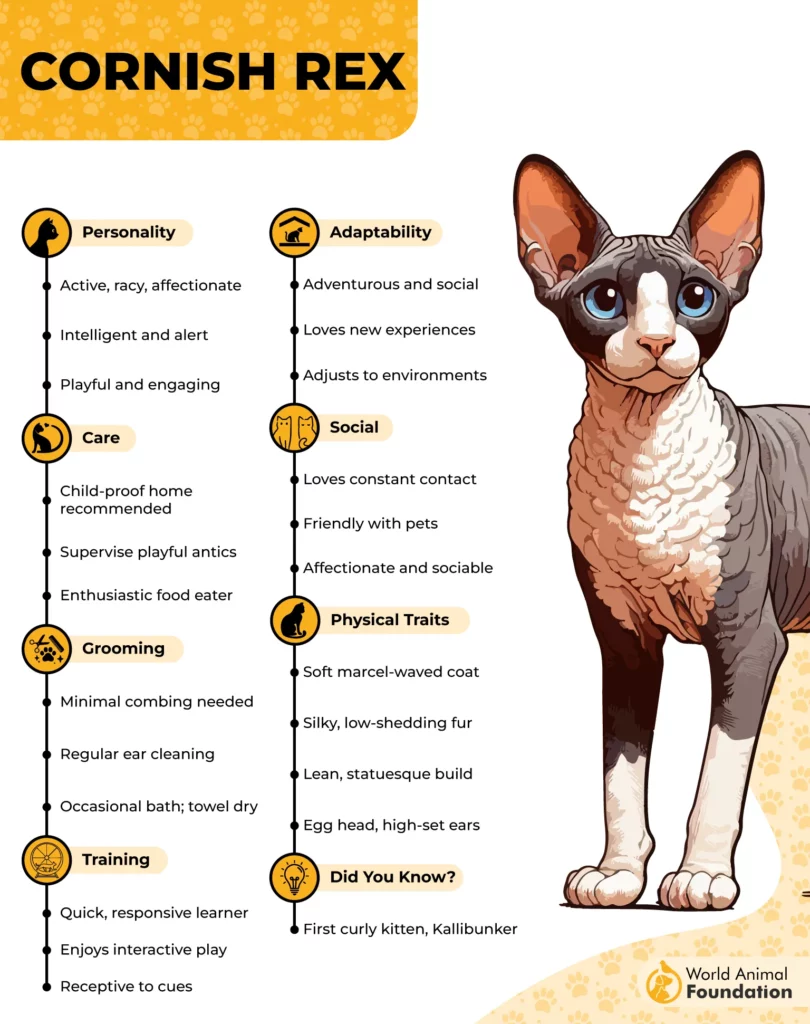
Both breeds are known for their curly or wiry coat, angular faces, high cheekbones, and large ears that set them apart from other cats.
These curly-haired cuties typically weigh between 6–10 pounds and stand about 8–12 inches tall at the shoulder.
The Cornish Rex, with its soft, short fur, is a great option for those with mild to moderate cat allergies. Always curious and playful personalities are sure to keep you on your toes with their fun-loving personalities.
5. Egyptian Mau Cat
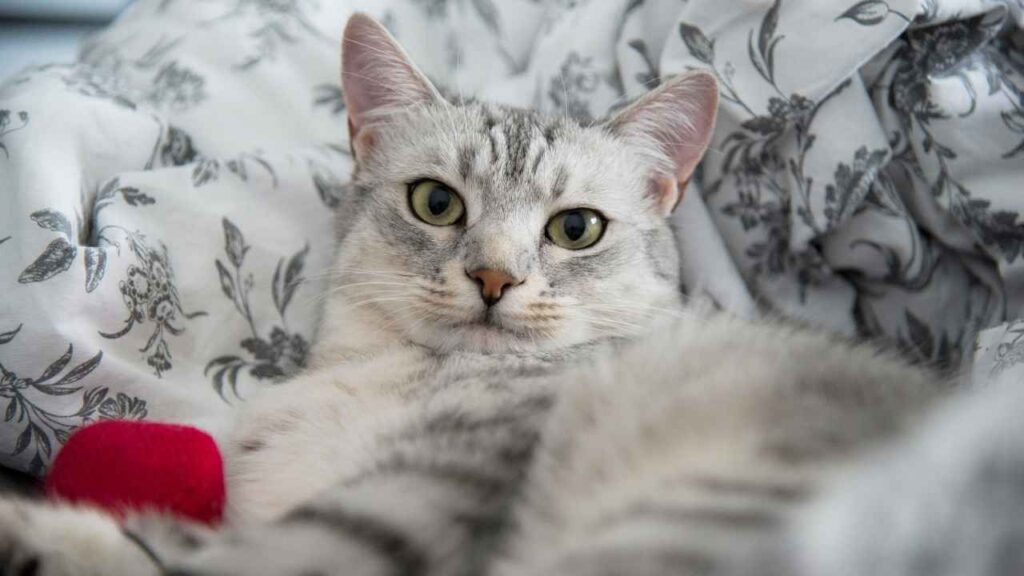
The Egyptian Mau is the only domesticated cat breed with natural spots. Believed to be a descendant of ancient Egyptian felines, Maus are incredibly fast—reaching speeds of up to 30 mph!
The Egyptian Mau is a striking feline with a history as regal as it looks. With their sleek, athletic build, these cats stand about 7–11 inches tall and weigh between 8–14 pounds. According to the International Cat Association, the Egyptian Mau’s graceful and elegant appearance is enhanced by its “tiptoe” stance, which is the result of its hind legs being longer than its front legs.
They have expressive green eyes and a distinctive “M” marking on their foreheads. They are affectionate cats but independent, forming strong bonds with their humans while maintaining a regal demeanor. They are intelligent, curious, and enjoy interactive play.

But what truly sets them apart is their stunning coat, which comes in silver, bronze, or smoke, adorned with natural spots that make them look like tiny, domesticated cheetahs.
Their silky coats require minimal grooming, just one or two brushing sessions a week to keep them looking sleek and polished.
These cats are full of energy and need plenty of exercise to stay happy. Whether it’s chasing a toy mouse or sprinting down the hallway at lightning speed, they love to stay on the move. However, male Egyptian Maus under six years old are more prone to developing bladder stones, so a proper diet and regular vet checkups are key.
6. Korat

A symbol of good luck in Thailand, the Korat is an ancient breed with a striking silver-blue coat and mesmerizing green eyes. These cats are small to medium-sized but surprisingly muscular.
Korats are deeply loyal to their owners and prefer a quiet, stable environment. These lively felines are just as vocal as their Siamese relatives and aren’t shy about demanding attention.
With their striking blue-grey coats, this unique cat stands out in any room. Interestingly, they’re one of the few cat breeds that come in just one color. But don’t be fooled by their elegant appearance—Korats may look delicate, but they’re surprisingly dense and muscular, often feeling heavier than they appear.
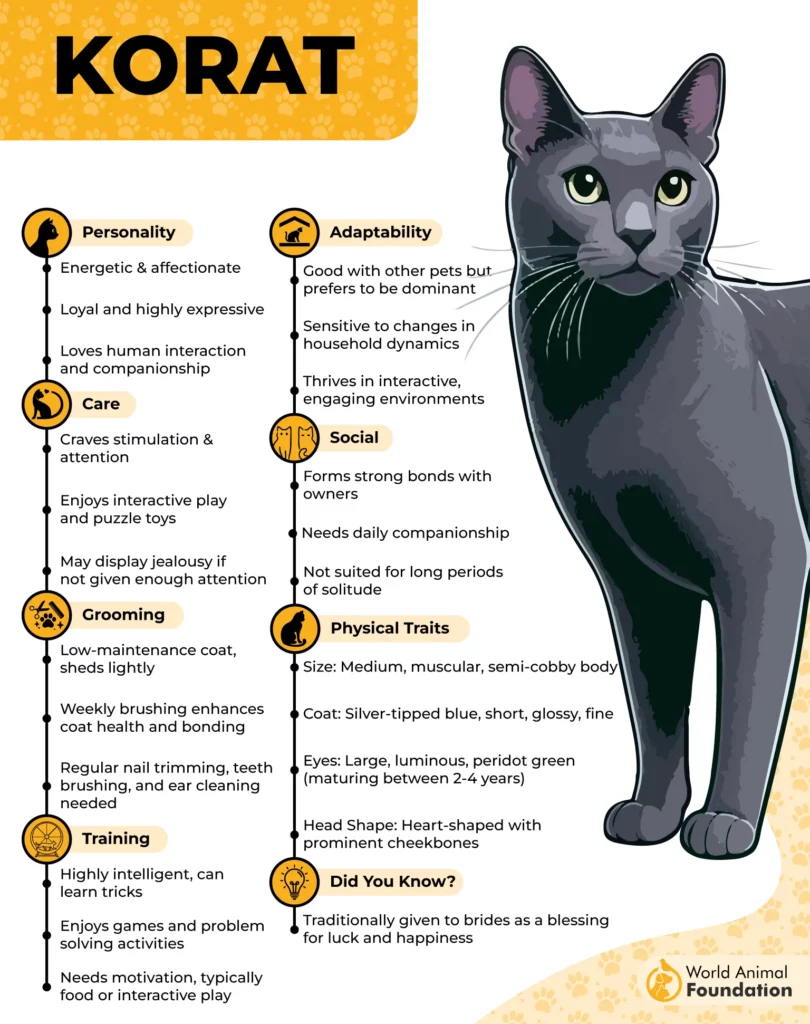
Their heart-shaped faces, large expressive eyes, and affectionate nature make them irresistible companions. They’re incredibly loyal and love being around their humans, often following them from room to room like a little shadow. Their curiosity knows no bounds, and they’re always eager to explore, play, and interact with their environment.
They dislike loud noises and changes in routine but thrive on companionship. Unlike some independent breeds, Korats crave human interaction and can be quite vocal when seeking attention.
7. Kurilian Bobtail Cat
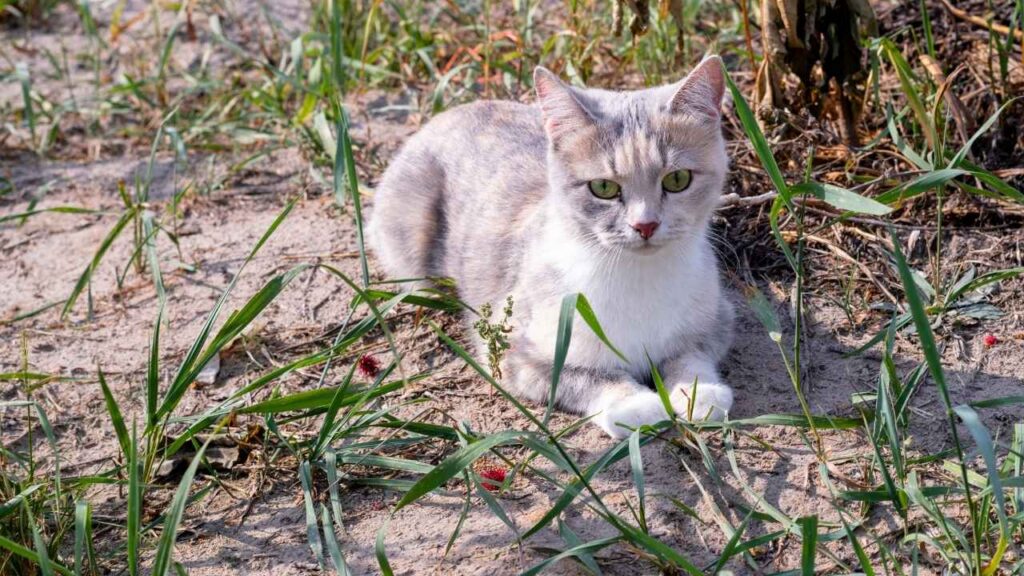
The Kurilian Bobtail is a rare breed originating from the Russian Kuril Islands. These cats have short, fluffy tails that resemble pom-poms and are known for their strong hunting instincts. Unlike many wild-looking cats, they are affectionate, friendly, and excellent climbers.
Their legs are moderately long, with the back legs a bit longer than the front, giving them a sleek, athletic look. They end in rounded paws, perfect for their playful and energetic nature.
What sets Kurilian Bobtails apart is their impressive intelligence. They’re quick learners and can even be taught tricks—yes, you heard that right!
These clever kitties thrive on mental stimulation and love learning new things, making them a fun, interactive companion.
But it’s not just their brains that make them stand out. Kurilian Bobtails are also incredibly healthy cats, with no known major health concerns. Their lifespan is relatively long, often reaching 15 to 20 years, making them a loyal companion for many years to come.
8. LaPerm Cat

The LaPerm is one of the most distinctive-looking cat breeds, known for its curly, wavy coat. This breed emerged naturally in Oregon in the 1980s due to a genetic mutation. Despite their wild, tousled appearance, LaPerms are gentle, affectionate, and love human companionship.
The LaPerm boasts a wedge-shaped head with medium to large almond-shaped eyes that are set just far enough apart to give them a curious, alert expression.
Their medium to large ears, are slightly flared, and in the long-haired variety, you might spot adorable lynx tips—those cute pointed hairs that grow from the tops of their ears, adding to their unique charm!

These cats are the perfect mix of loveable lap cats and capable workers. One minute, they could be out hunting a mouse with agility and focus; the next, they’re curled up on your lap, purring contentedly. Their coats come in a stunning range of colors—whether it’s red tabby, chocolate tortoiseshell, calico, classic tabby, or even fawn, there’s no shortage of variety.
The best part? LaPerms are generally a healthy breed, with no known predispositions to disease, as per WebMD. As long as they have a healthy diet and a safe, loving environment, they’re a hardy bunch. They’re also super low-maintenance when it comes to grooming. Their coats rarely mat and they shed very little, so you don’t need to spend hours brushing them.
What truly makes the LaPerm shine, though, is their gentle and social nature. They adore people and love to interact with their families, including kids. With their playful yet gentle temperament, they’re the perfect companion for both playtime and cuddle time.
9. Peterbald
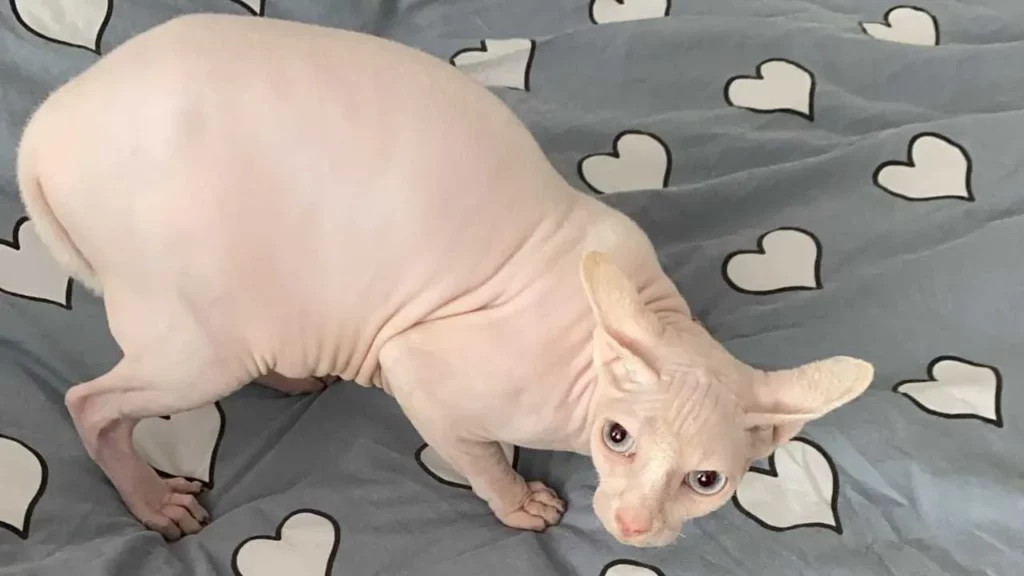
The Peterbald cat, a sleek and elegant breed from Russia, is like the runway model of the feline world—graceful, striking, and just a little bit edgy.
These medium-sized cats are best known for their unique appearance, often sporting a completely hairless coat that makes them stand out in any crowd.
Weighing around 14 pounds and stretching up to 17 inches in length, they are the perfect size to curl up in your lap or trot alongside you like a devoted little shadow.
With their triangular heads, strong jawlines, and oversized ears that sit wide apart, Peterbalds have a distinct look that screams confidence. Their long, slender necks and athletic, muscular bodies give them an almost statuesque quality—like they were sculpted by an artist with an eye for perfection. And let’s not forget that long, whip-like tail that adds to their air of elegance.
The Peterbald cat is typically a low-maintenance breed, but their skin does need a bit of extra care. These energetic and social felines thrive on interaction and love being part of the action.
Highly intelligent, Peterbalds can even learn tricks much like a dog! Their athletic nature keeps them constantly on the move, and they’re always up for a game—whether it’s chasing toys, solving puzzles, or playing alongside their favorite humans.
Conclusion
If you’re a cat lover looking to add a unique companion to your home, these rare and extraordinary breeds are the perfect choice. While wild cats are often known to be unusual breeds, there are also many unique and rare domestic breeds. For example: the Sphynx, a hairless cat with a completely smooth body, the Norwegian Forest Cat, known for its water-resistant coat, the Burmese Cat, and the American Bobtail Cat.
From the wiry coat of the American Wirehair to the elegant, sleek look of the Peterbald, these cats are not just pets—they’re living treasures with fascinating histories and personalities that make them truly special. Many of these breeds have deep connections to wild ancestors, making them not just domestic cats, but living links to the past. If you are looking for popular breeds then Scottish Fold, Turkish Van might be a good option.
So, these one-of-a-kind feline friends who are as much a part of your family as they are a symbol of rarity and grace, consider adopting one of these unique breeds. They’re not just pets; they’re companions who bring joy, love, and a touch of wild elegance to any home.
