




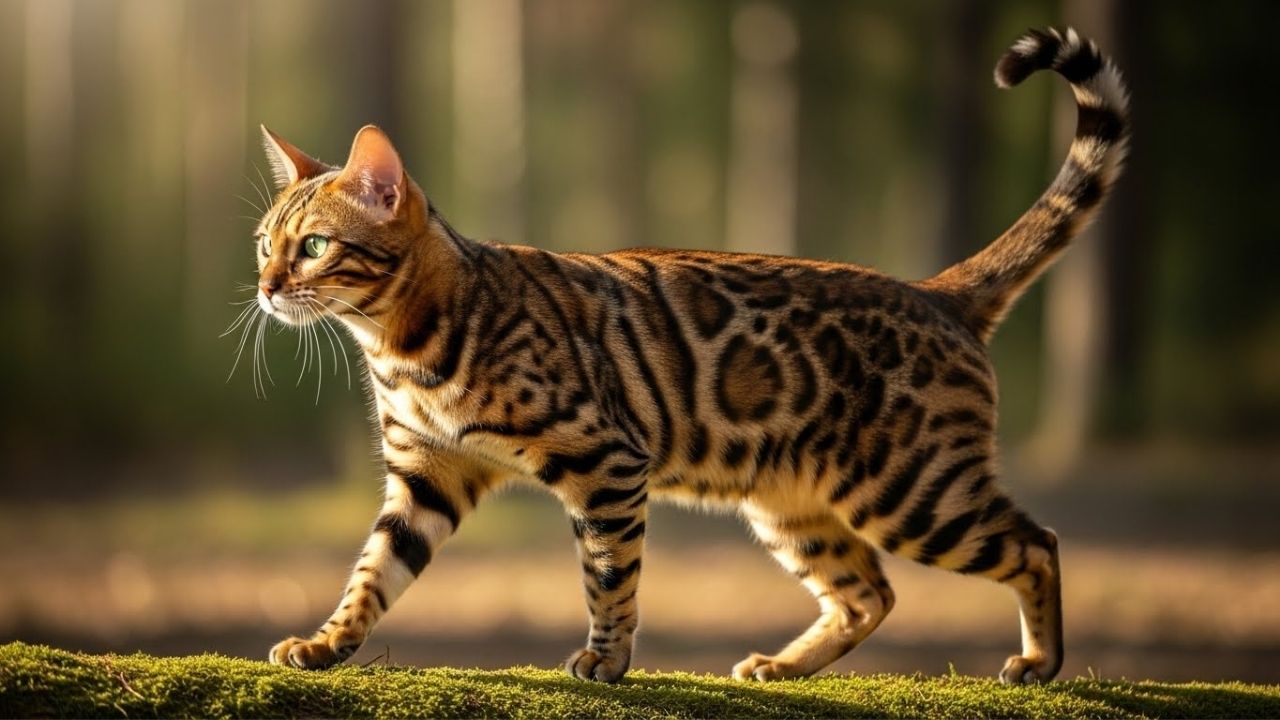
The cat world is full of familiar faces, but beyond popular cat breeds lies a fascinating group of rare and exotic cats that many people have never encountered. These unique breeds often stand out for their unusual looks, distinctive histories, or unexpected personalities.
Learning about lesser-known cats can be both fun and eye-opening, especially for owners who enjoy discovering what makes each breed different. While rare does not always mean better, it can offer a fresh perspective on how diverse domestic cats truly are.
In this article, we will explore rare and exotic cat breeds you may not know about and what sets them apart. Whether you are simply curious or thinking about future feline companions, this guide offers a closer look at some truly remarkable cats from around the world.
Rare and Exotic Cat Breeds You Didn’t Know About
1. Lykoi
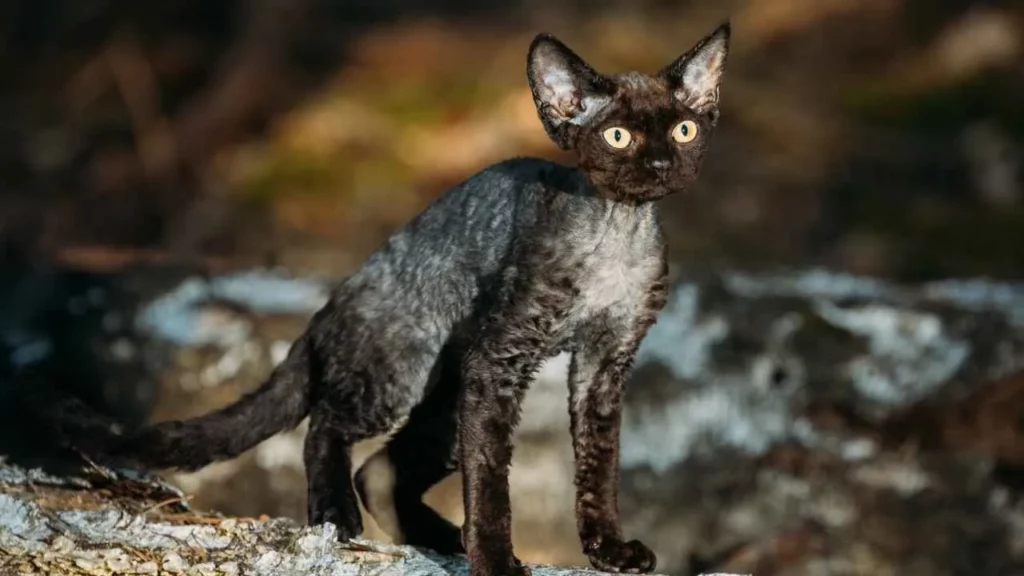
The Lykoi is immediately recognizable for its sparse coat and unique facial appearance. Often described as striking rather than traditional, this breed has patches of fur that give it an unusual look. Despite appearances, the Lykoi is a fully domestic cat with a social and curious personality.
As per PetMD, Lykoi cats tend to be alert and engaged with their surroundings. They often enjoy interactive time with people and show interest in exploring their environment. Their behavior is typically confident and observant rather than timid.

Lykoi cats are known to form close bonds with their households. They often follow their people and enjoy being involved in daily routines. This combination of unusual looks and familiar domestic behavior is part of what makes them so memorable.
What makes them rare
Naturally occurring coat pattern that is uncommon
Limited breeding population worldwide
A distinct appearance that sets them apart from typical cats
2. Khao Manee
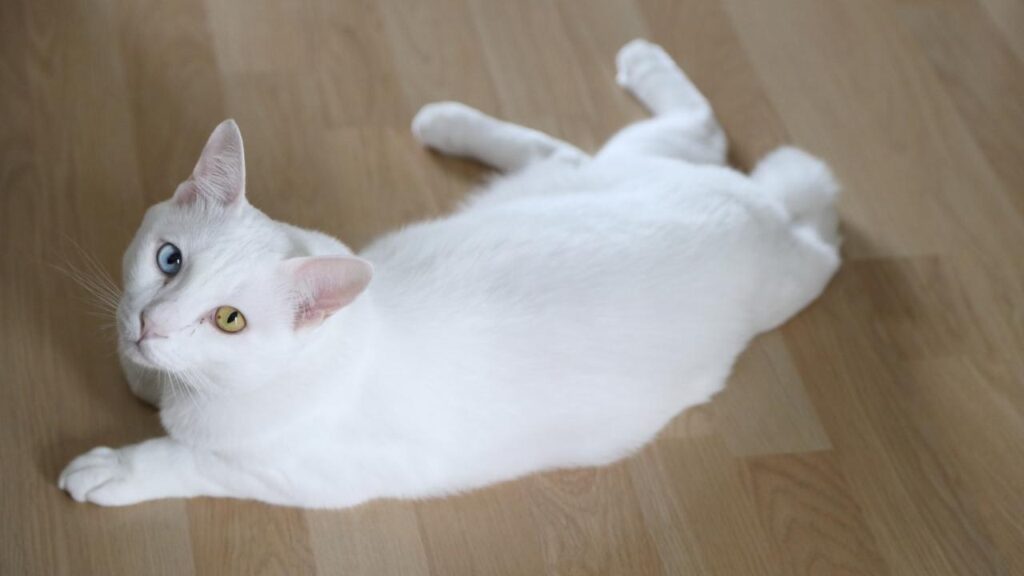
The Khao Manee is a striking cat known for its pure white coat and expressive eyes. This breed has a long history and is often associated with elegance and presence. Its appearance alone tends to draw attention from cat enthusiasts.
Khao Manee cats are typically people-oriented and aware of their surroundings. They often enjoy interaction and staying close to household activities. Their behavior usually reflects confidence and attentiveness.
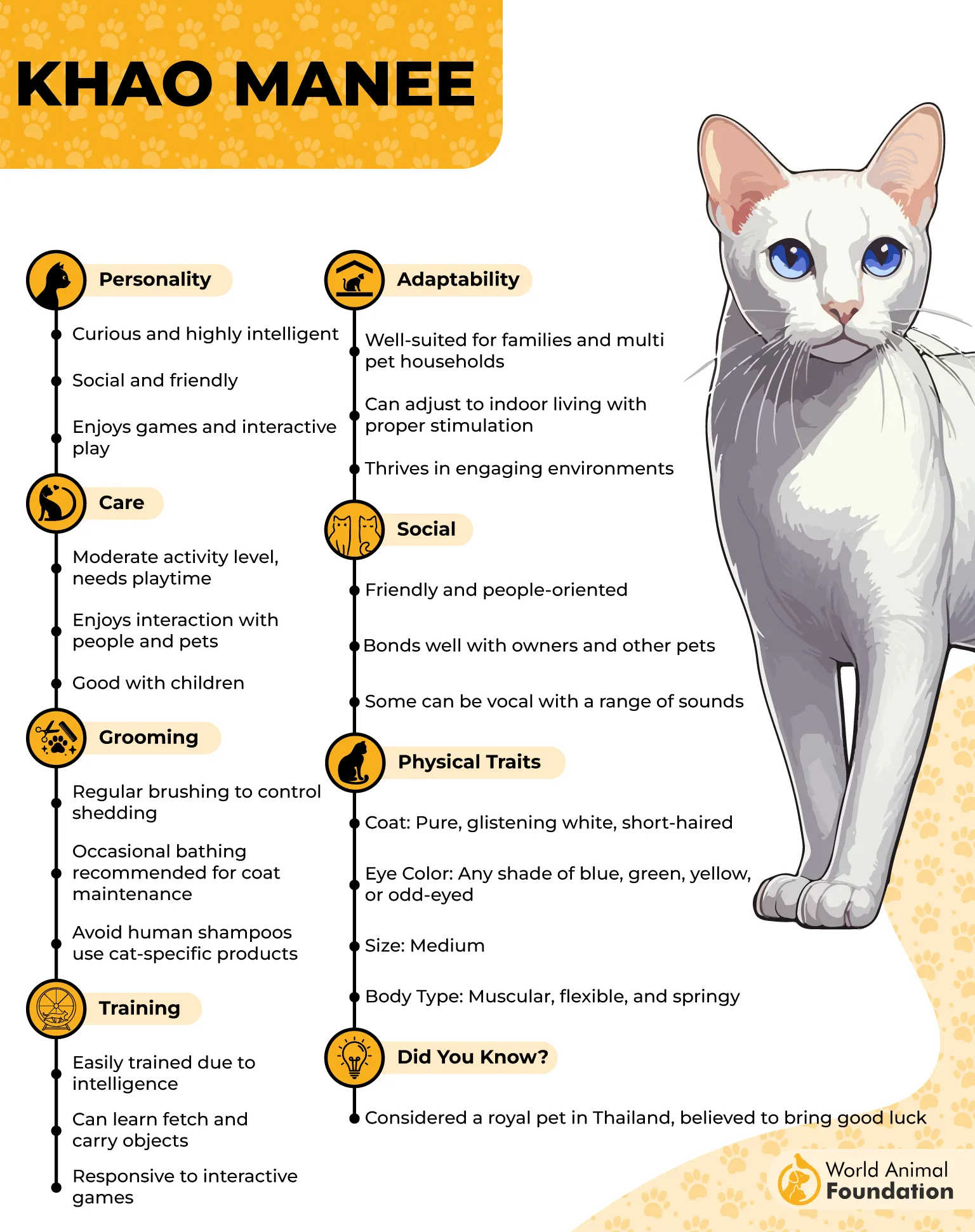
As per CFA, this breed is known for fitting well into home life while maintaining a strong personality. Khao Manee cats often engage with their families through shared space and interaction. Their combination of beauty and connection adds to their appeal.
What makes them rare
Limited numbers outside their region of origin
Distinctive appearance that is hard to replicate
Careful breeding contributes to scarcity
3. Sokoke
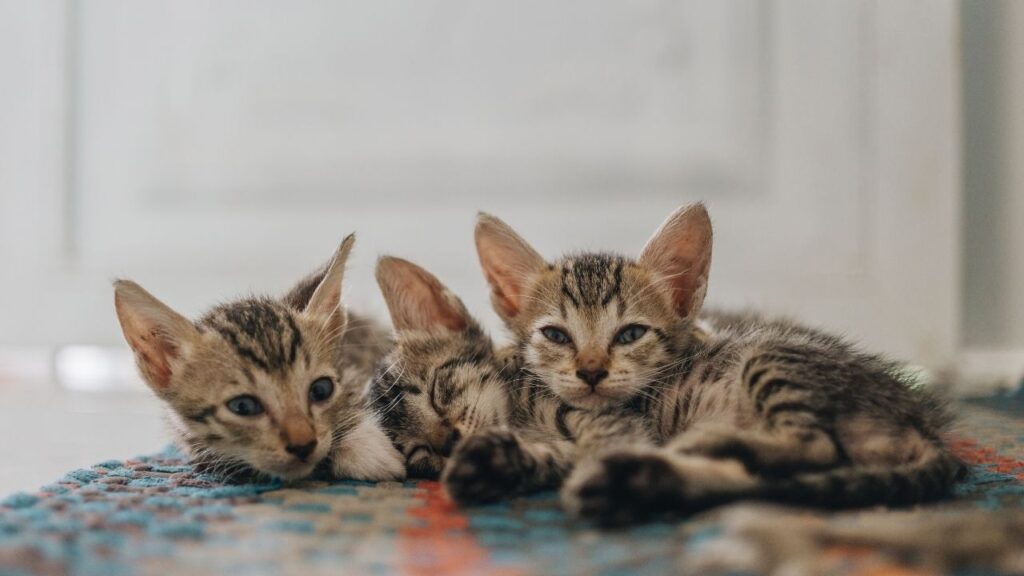
The Sokoke is a naturally occurring breed with a distinctive patterned coat. Its appearance is often described as wild-inspired while remaining fully domestic. The coat pattern is one of its most recognizable traits.
Sokoke cats tend to be alert and active within the home. They often enjoy observing movement and engaging with their environment. Their behavior usually reflects curiosity and independence.
This breed often forms meaningful bonds while keeping a thoughtful distance. Sokokes may enjoy interaction but also value their personal space. This balance gives them a unique presence in a household.
What makes them rare
Naturally developed breed with a limited population
Unique coat pattern rarely seen elsewhere
Few breeders contribute to its exclusivity
4. Peterbald
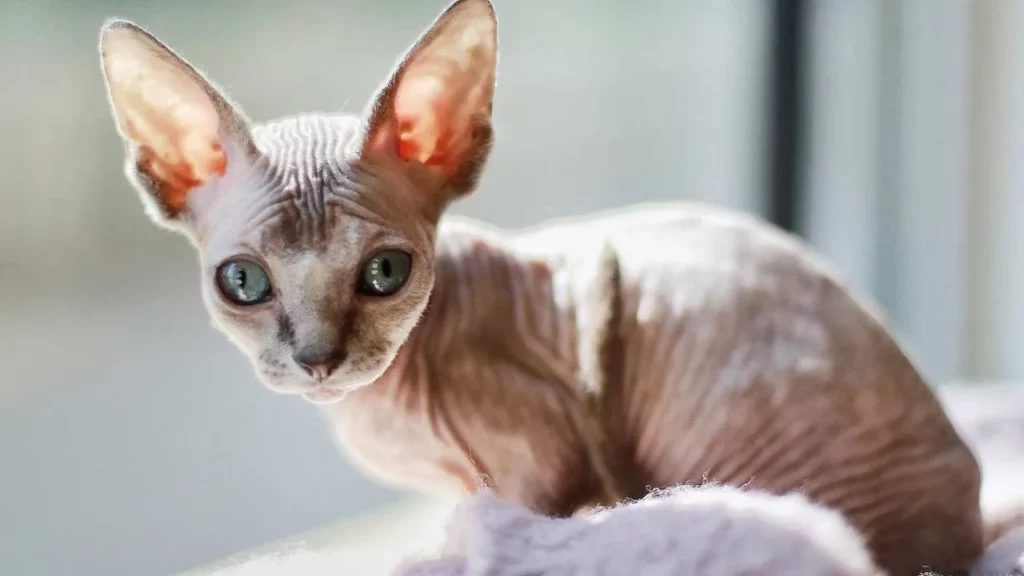
The Peterbald is known for its elegant body shape and varying coat types. Some have very little hair, while others have a fine or velvety texture. This variation adds to the breed’s distinctive identity.
As per WebMD, Peterbald cats are often social and people-focused. They tend to enjoy close contact and shared time with their owners. Their personality often feels expressive and engaging.
In the home, Peterbalds usually seek warmth and companionship. They are known for staying close to their people and enjoying interaction. Their combination of physical uniqueness and social behavior stands out.
What makes them rare
Uncommon coat variations within one breed
Relatively recent development
Small breeding population
5. Kurilian Bobtail
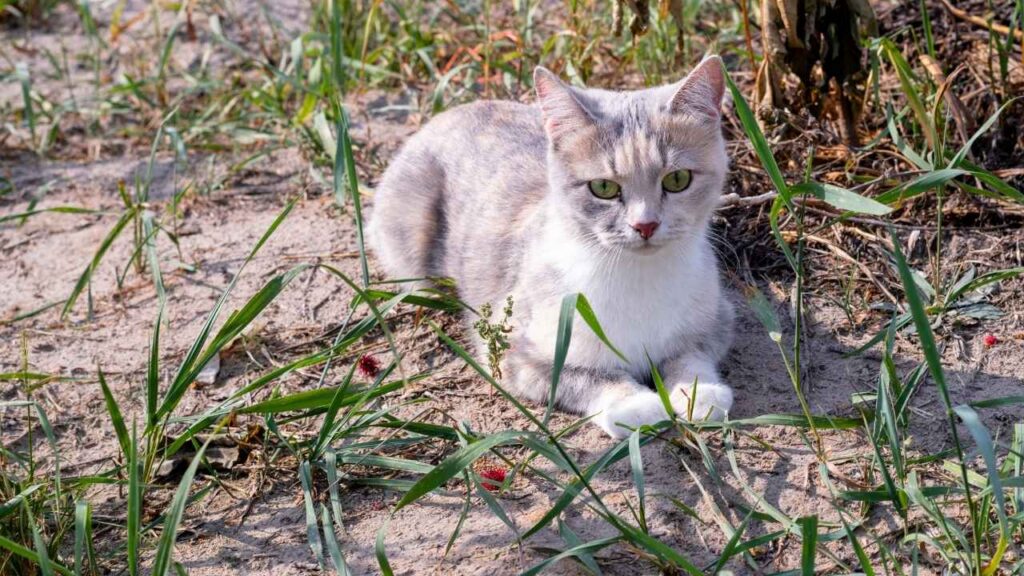
The Kurilian Bobtail is recognized for its naturally short tail and sturdy build. Each tail is unique, adding individuality to every cat. This physical trait is a defining feature of the breed.
Kurilian Bobtails are often confident and adaptable. They tend to interact well with their environment and show interest in household activities. Their behavior often reflects balance and awareness.
This breed usually integrates well into family life. Kurilian Bobtails often enjoy companionship while maintaining independence. Their natural traits and limited availability make them especially distinctive.
What makes them rare
Naturally occurring bobbed tail
Limited recognition and breeding outside its region
Small global population
6. Serengeti Cat
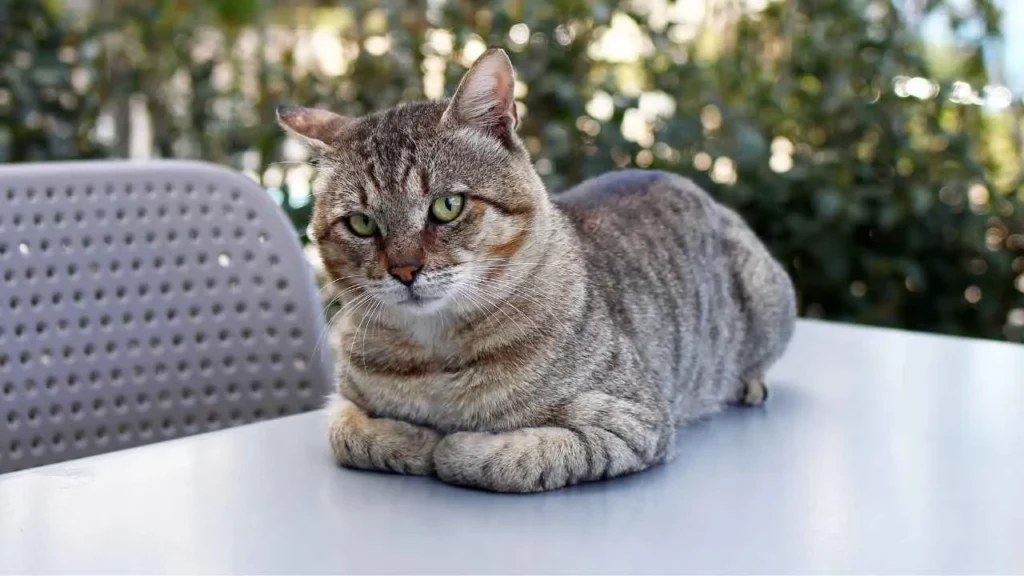
The Serengeti cat was developed to capture the look of a wild cat while remaining fully domestic. It is known for long legs, large ears, and a sleek spotted coat that gives it a striking presence. Despite its appearance, the Serengeti is bred for companionship and indoor living.
In daily life, Serengeti cats are alert, confident, and very aware of their surroundings. They tend to enjoy movement and exploration, often staying active throughout the day. Many show curiosity toward new spaces and enjoy being involved in household activities.
Serengeti cats are often social and people-focused. They may follow family members from room to room and enjoy interaction rather than isolation. This mix of wild appearance and familiar domestic behavior makes them especially fascinating to cat enthusiasts.
What makes them rare
Selective breeding focused on appearance rather than size
Limited breeding programs worldwide
Distinct wild look without wild ancestry
7. Burmilla
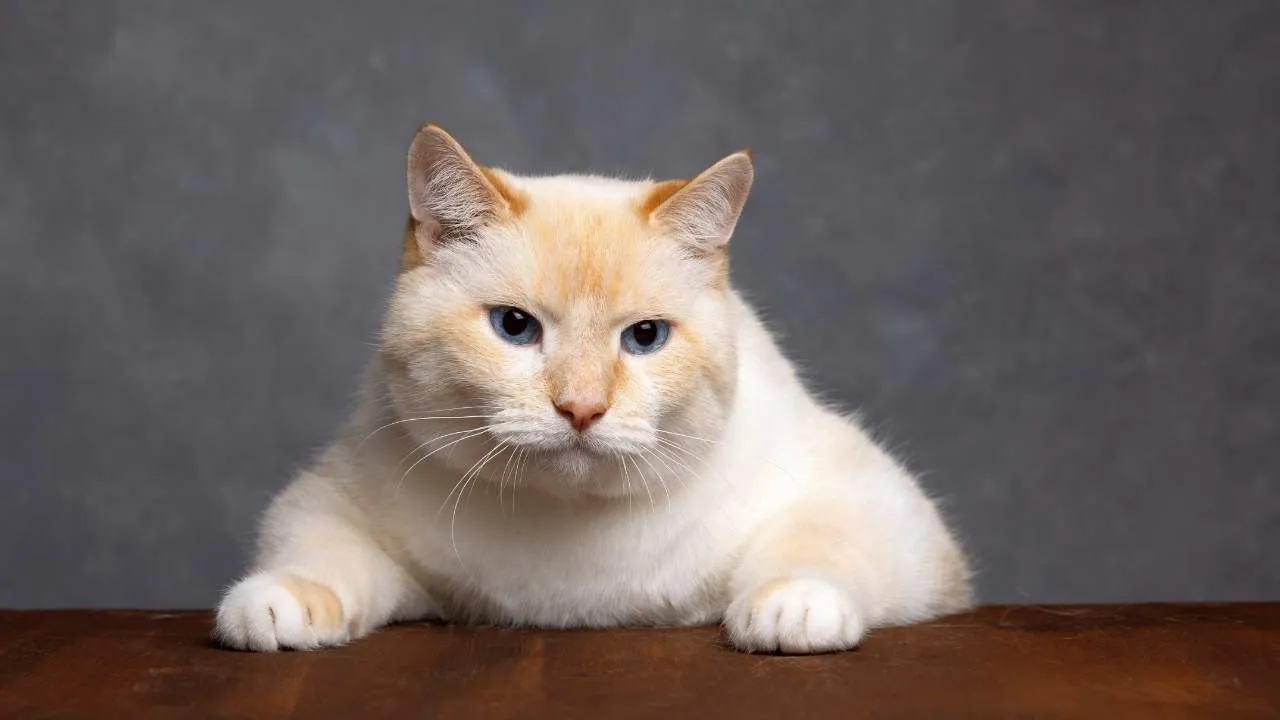
The Burmilla is known for its soft coat, expressive eyes, and refined appearance. This breed combines elegance with a gentle, approachable presence. Its shimmering coat pattern is one of its most recognizable features.
Burmilla cats are typically affectionate without being overwhelming. They often enjoy spending time near their people and joining quiet household activities. Their temperament usually feels balanced and easy to live with.
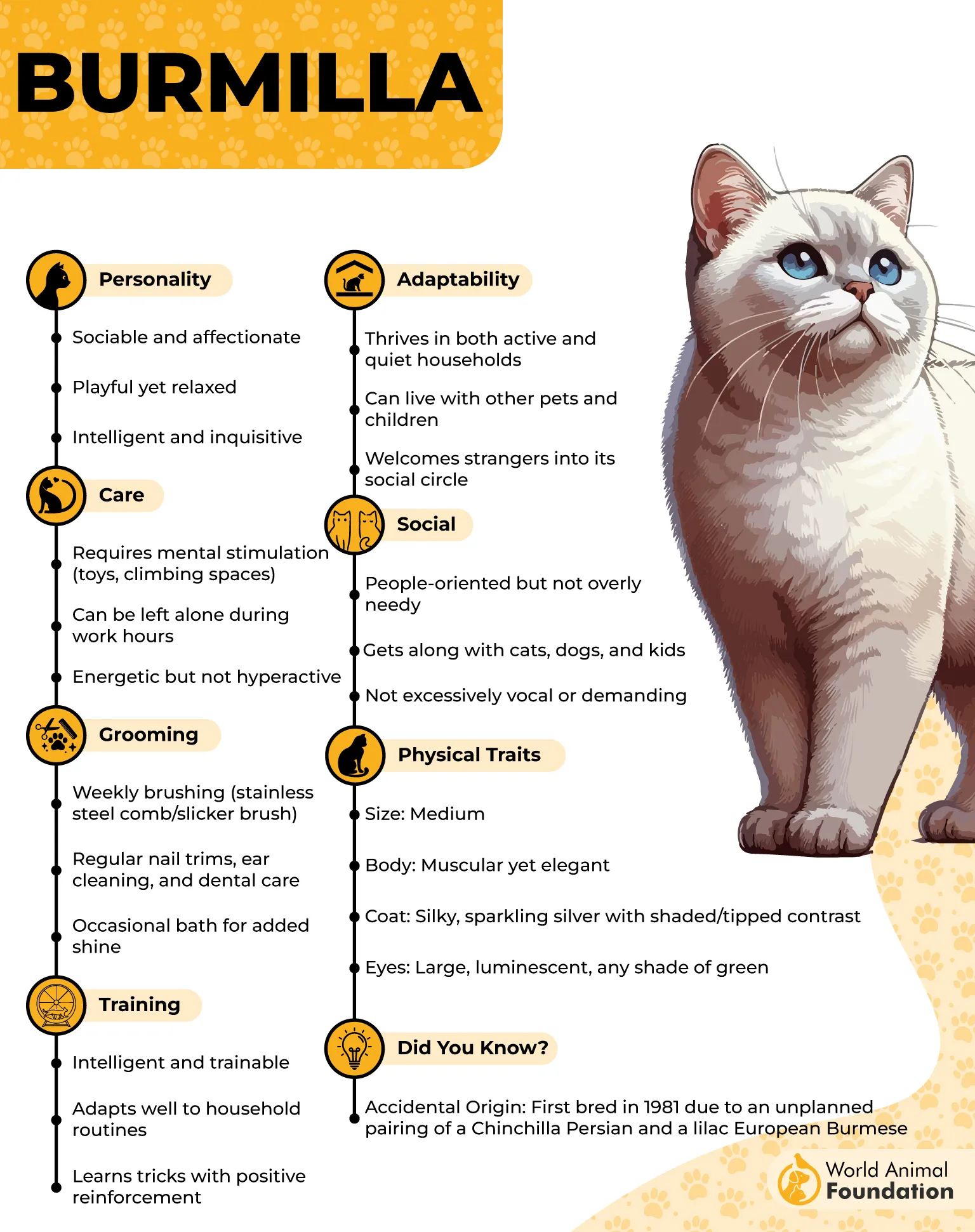
In the home, Burmillas tend to adapt well to routine and shared spaces. They often enjoy interaction but also value calm moments. This blend of beauty and temperament contributes to their appeal among rare cat lovers.
What makes them rare
Originated from a limited breeding pairing
Small population outside dedicated breeders
Subtle coat pattern difficult to reproduce
8. LaPerm

The LaPerm stands out immediately because of its curly, textured coat. The curls can vary in tightness and may change over time. This unusual coat gives the breed a distinctive and memorable look.
LaPerm cats are often described as friendly and engaged with their environment. They tend to enjoy interaction and may seek out attention from their people. Their personality is usually open and adaptable.
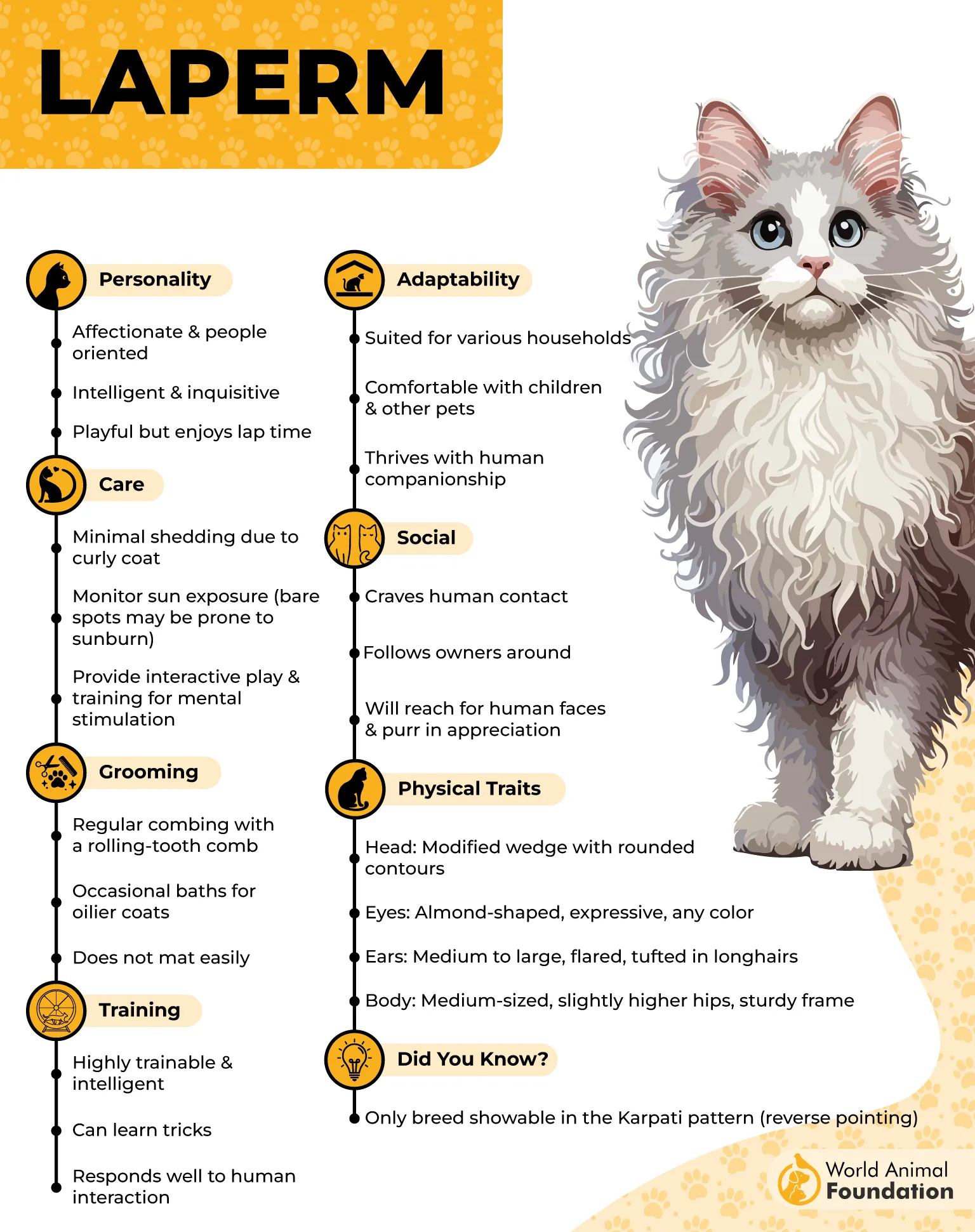
In everyday settings, LaPerms often settle easily into family life. They enjoy companionship and shared routines without being overly demanding. Their unique appearance, paired with a warm temperamen,t adds to their rarity.
What makes them rare
Naturally occurring curly coat mutation
Small breeding population
Coat texture varies from cat to cat
9. Cornish Rex
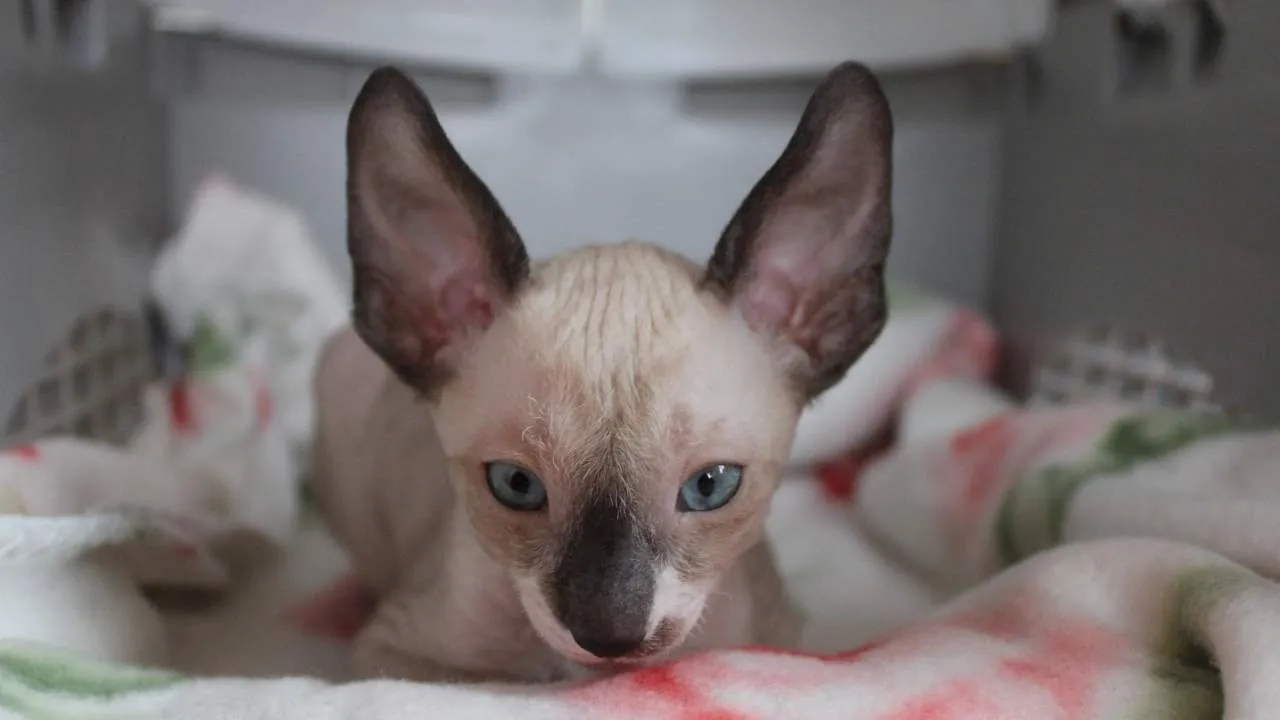
The Cornish Rex is known for its short, wavy coat and slim body shape. Unlike most cats, its coat lacks the outer guard hairs, giving it a soft feel. This physical trait makes it instantly recognizable.
Cornish Rex cats are often active and people-oriented. They tend to enjoy interaction and staying close to household activities. Their behavior often feels lively and expressive.
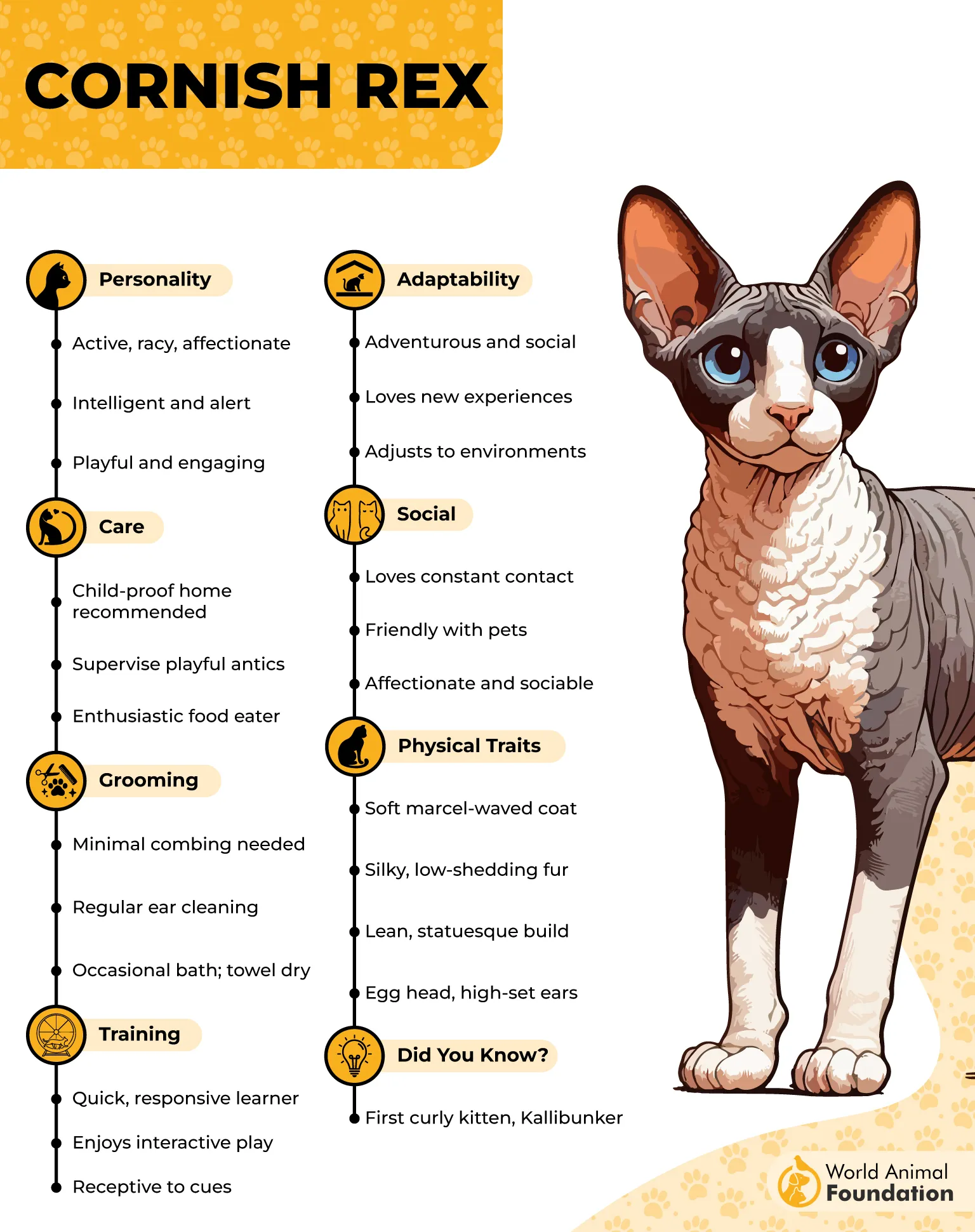
Within the home, Cornish Rex cats usually seek warmth and companionship. They enjoy shared spaces and frequent interaction with their people. Their unusual coat and engaging personality contribute to their status as a rare breed.
What makes them rare
Unique coat structure, unlike most cats
Limited number of dedicated breeders
Distinct appearance not commonly seen
Conclusion
Exploring a rare cat breed offers a fresh look at how diverse the cat world can be. From a unique cat with large eyes to a gorgeous cat with an unusual coat, these kitties remind pet lovers that rarity often comes with personality, history, and visual wonder. Whether you are bringing home a kitten for play or looking for an intelligent companion that fits well with other pets, dogs, or animals, learning about rare breeds helps set better expectations. Organizations like the Cat Fanciers Association and the International Cat Association help preserve these special cats and support responsible ownership.
If your curiosity continues, other breeds such as Norwegian Forest Cat, Savannah Cat, Oriental Shorthair, Devon Rex, Egyptian Mau, American Curl, or even a Persian house cat also add to the excitement of discovery. Every rare cat breed has its own story, paws, and charm waiting to be appreciated.
