




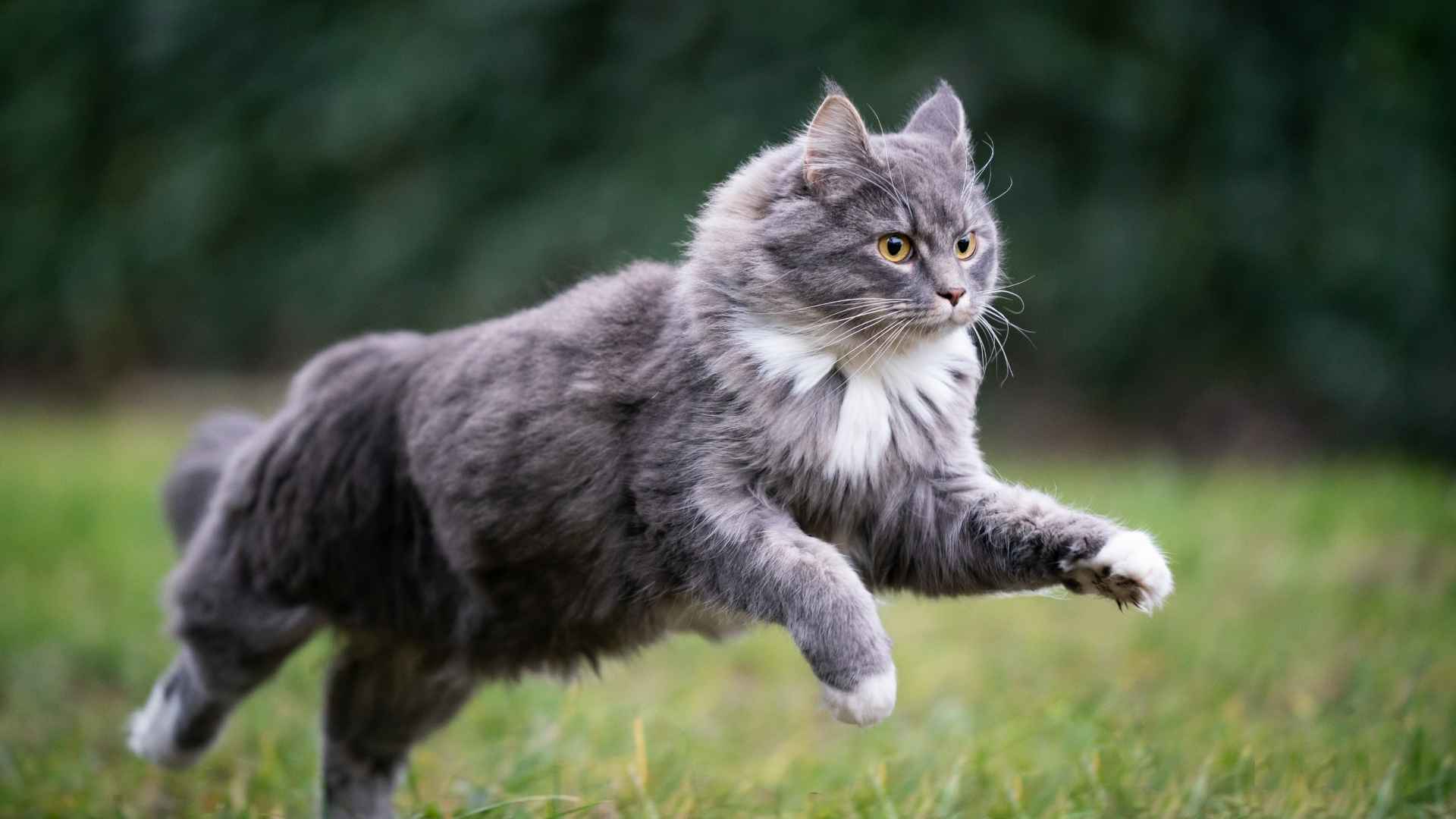
Have you ever looked at a cat and wondered how it got so fabulously fluffy and round? According to the Association for Pet Obesity Prevention, nearly 60% of cats in the United States carry excess weight. This insight shows just how common it is for felines to gain a few extra pounds.
Yet, these plump companions often charm us with their calm demeanor and luxurious coats. Their adorably chubby appearance and soft purring can make anyone melt at first sight.
If you’re curious about these cloud-like companions, you’ve come to the right place. From relaxed lap-loungers to gentle explorers, certain breeds stand out for their voluminous fur and laid-back attitude.
In this article, we will discuss several famously fluffy cat breeds, their distinct traits, and how best to keep them content and fit.
Fluffy Fat Cat Breeds
1. Persian
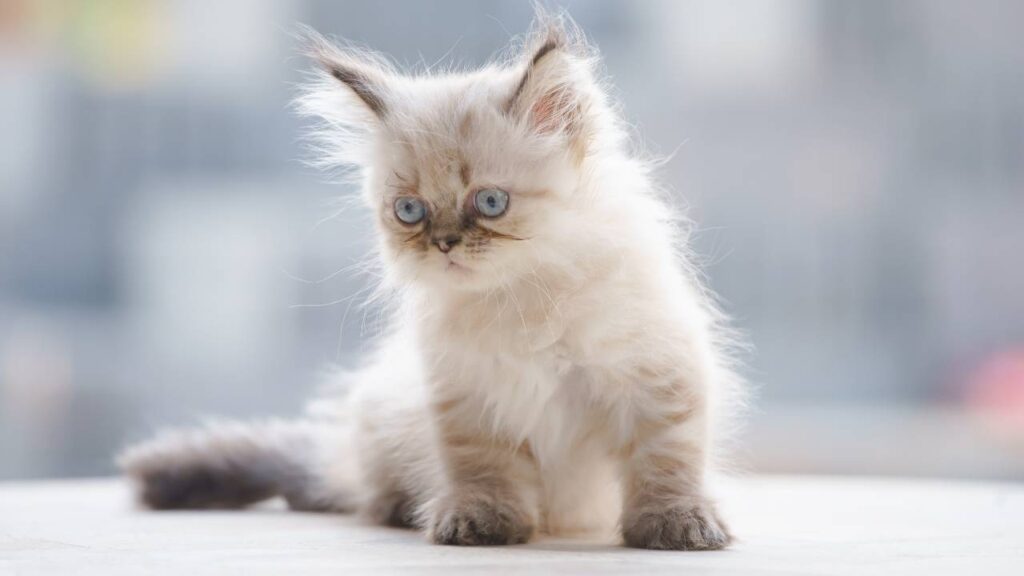
They feature round faces, sweet expressions, and a regal presence. Their long coats demand regular brushing to prevent knots and matting. Many enjoy lying in sunny spots and watching the world go by.
Despite their reputation for serenity, Persians need playful moments to stay healthy. A small game of chase or a feather wand can spark their curiosity. Consistent activity helps them avoid piling on extra pounds.
Grooming sessions should be gentle and frequent. A slicker brush works wonders for removing loose hair without irritating sensitive skin. According to PetMD, daily grooming also reduces hairballs.
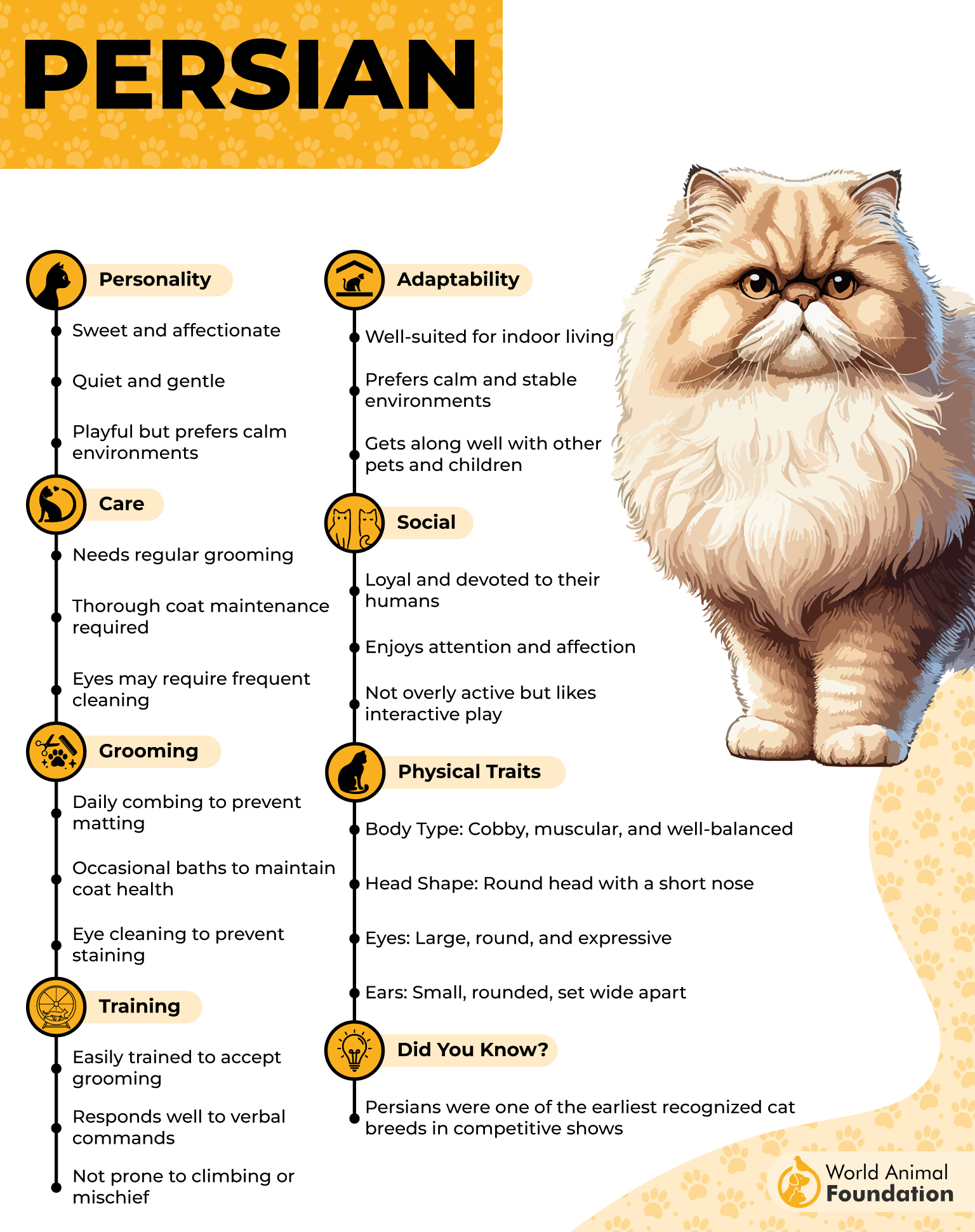
Persian cats respond well to a predictable routine. Serving meals at the same time each day can help maintain a stable weight. They thrive on gentle affection and soft-spoken interaction.
These cats typically prefer calm and quiet living spaces. They do best with owners who respect their occasional need for alone time.
Their calm temperament makes them popular among cat lovers of all ages. With patient care, a Persian can become an affectionate companion who offers endless snuggles and soft purring.
2. Manx
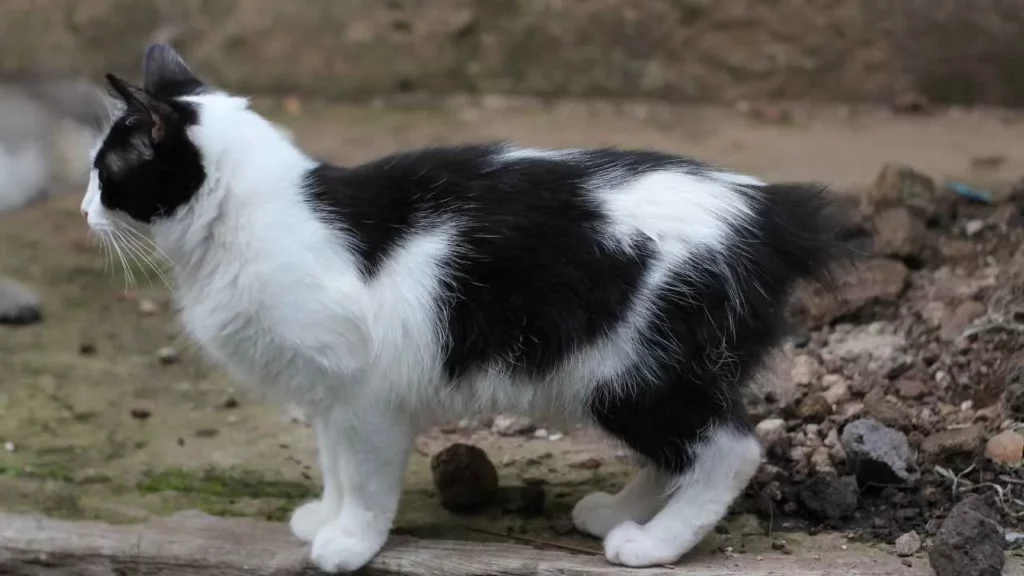
Famous for their shortened or absent tails, Manx cats carry themselves with a unique stance. They have sturdy bodies and a smooth coat that benefits from occasional brushing. Many like climbing furniture to observe their surroundings.
Manx are sociable and often greet you eagerly at the door. Regular exercise is key to keeping them agile. They tend to enjoy ball-chasing or chasing a laser pointer.
Due to their outgoing nature, these cats appreciate consistent interaction. They can develop strong bonds with humans and other pets. Moderating treats helps prevent unnecessary weight gain.

Their coat stays sleek with once-a-week grooming. Removing loose strands keeps shedding under control.
Manx cats do well in spacious yet cozy homes. They treasure places where they can lounge without disruption.
Their playful yet even-tempered disposition appeals to many families. With the right balance of affection, exercise, and routine checkups, Manx cats remain healthy and full of delightful spirit.
3. British Shorthair
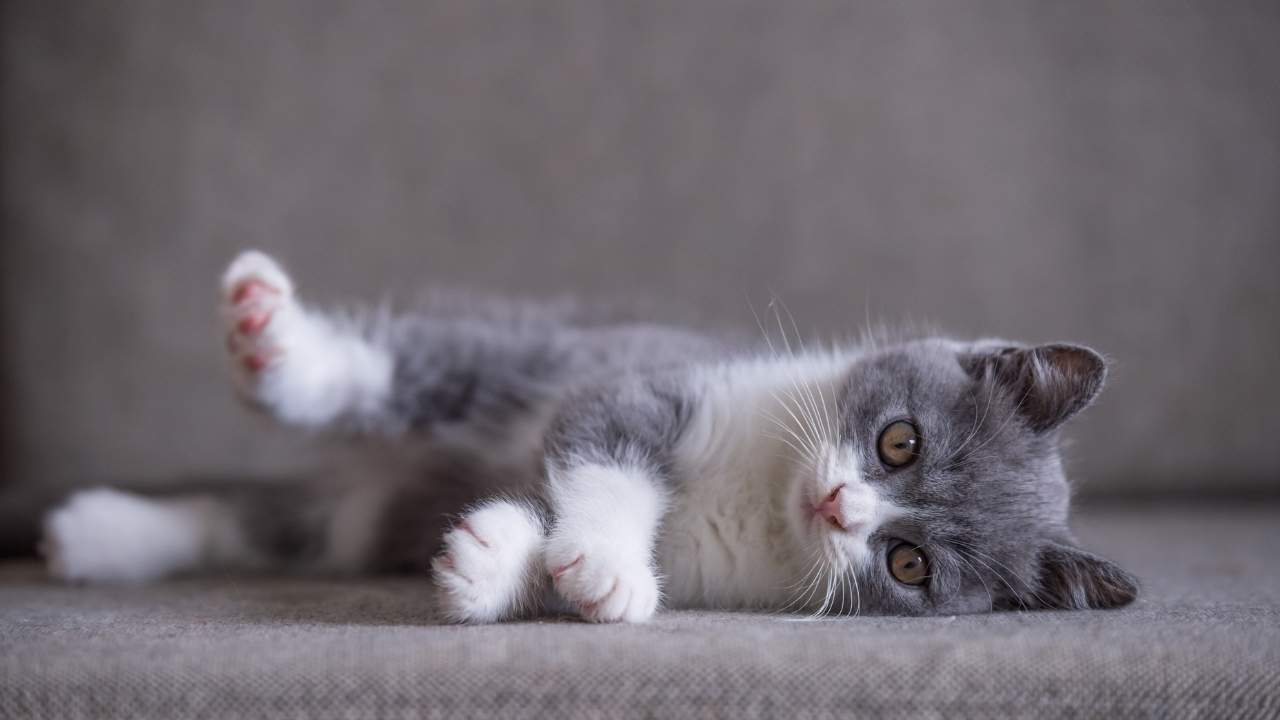
A British Shorthair is known for a round face and plush coat. While not overly demanding, they do love gentle play sessions. Simple toys like feather teasers or rolling balls can keep them engaged.
Their dense fur requires moderate care, usually a quick weekly brush. It’s a pleasant bonding activity that helps you notice any coat changes or subtle health concerns. According to ASPCA, early detection is vital for treating potential issues.
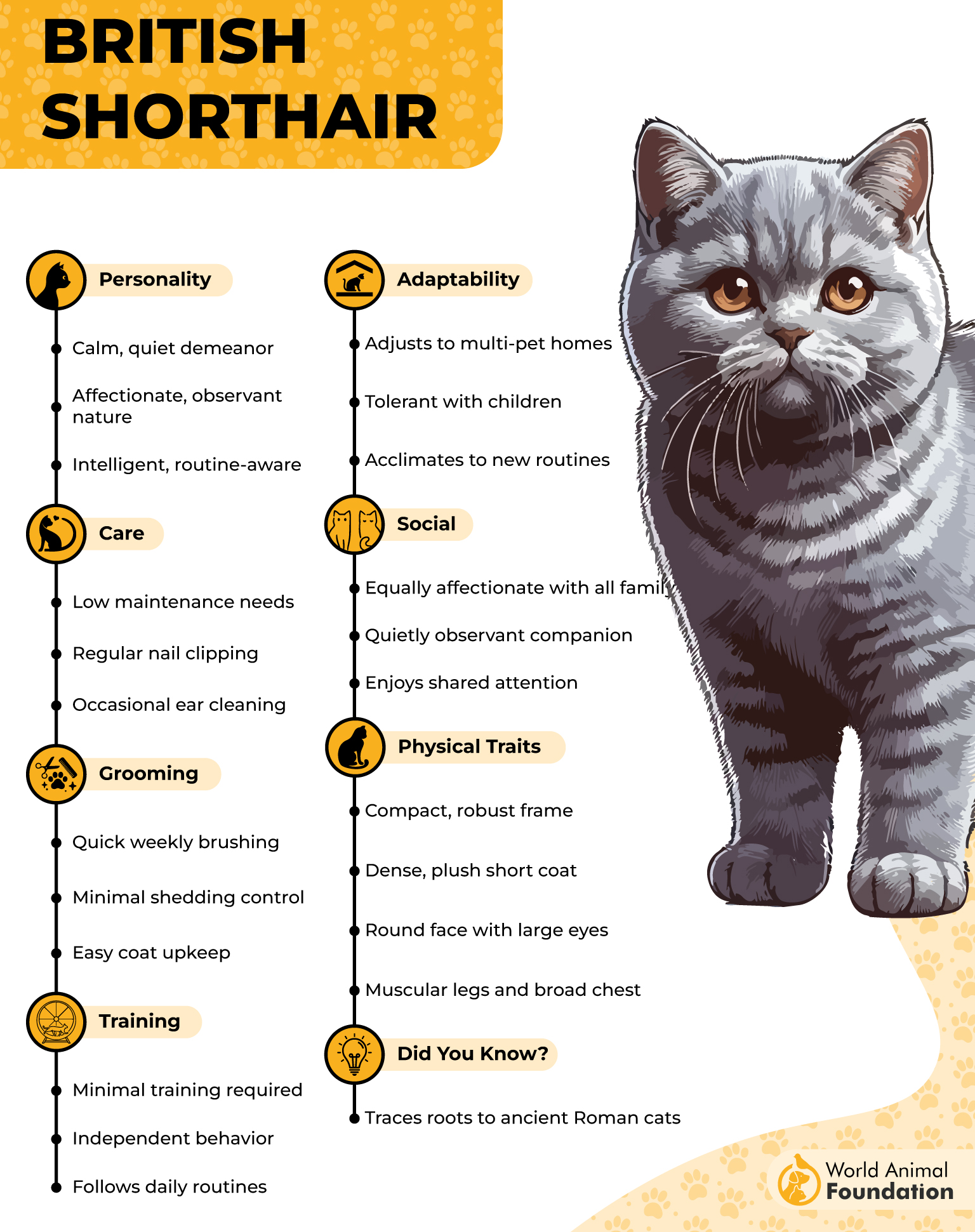
Though easygoing, they still need regular exercise. Encouraging short bursts of activity throughout the day prevents boredom. This helps regulate both their energy and their waistline.
British Shorthairs can adapt well to smaller homes. They cherish cozy corners where they can nap undisturbed. Sufficient personal space fosters a sense of security.
Feeding them a veterinarian-approved meal plan is recommended. Large portion sizes can lead to excess weight.
Their calm demeanor and adorable round features make them favorites among feline enthusiasts. With a balanced routine, British Shorthairs remain gentle, dignified companions who brighten any household.
4. Birman
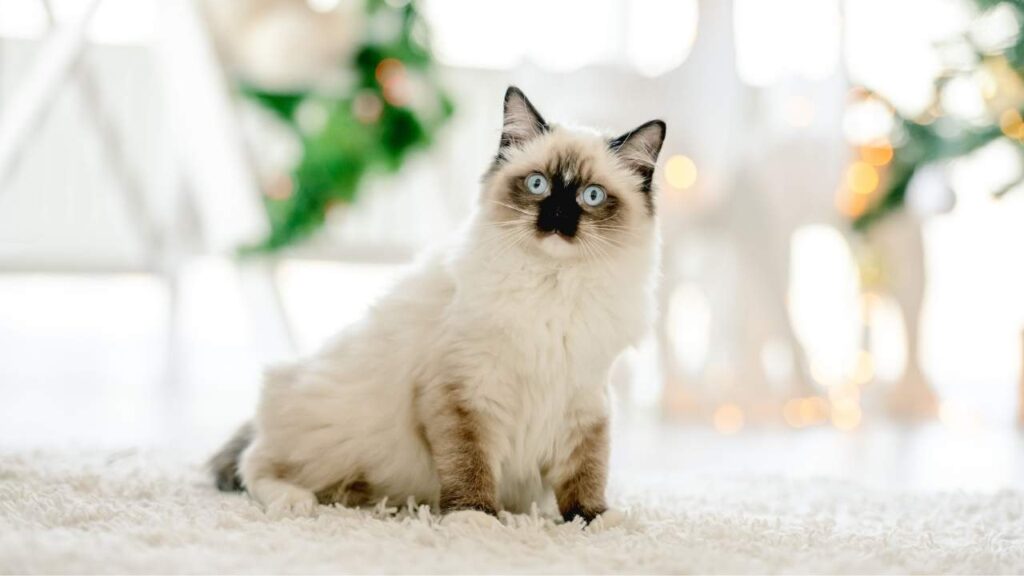
Renowned for their captivating eyes and silky coat, Birman cats bring a touch of elegance wherever they roam. Weekly grooming keeps their fur smooth, but you’ll find they shed less than many other long-haired companions.
Birmans often follow you from room to room. They welcome playtime but don’t require constant activity. Offering puzzle feeders can keep their minds sharp while limiting overeating.
They’re typically even-tempered and get along well with other pets, provided introductions are made slowly. Scheduling regular vet visits is vital to monitor their overall health.
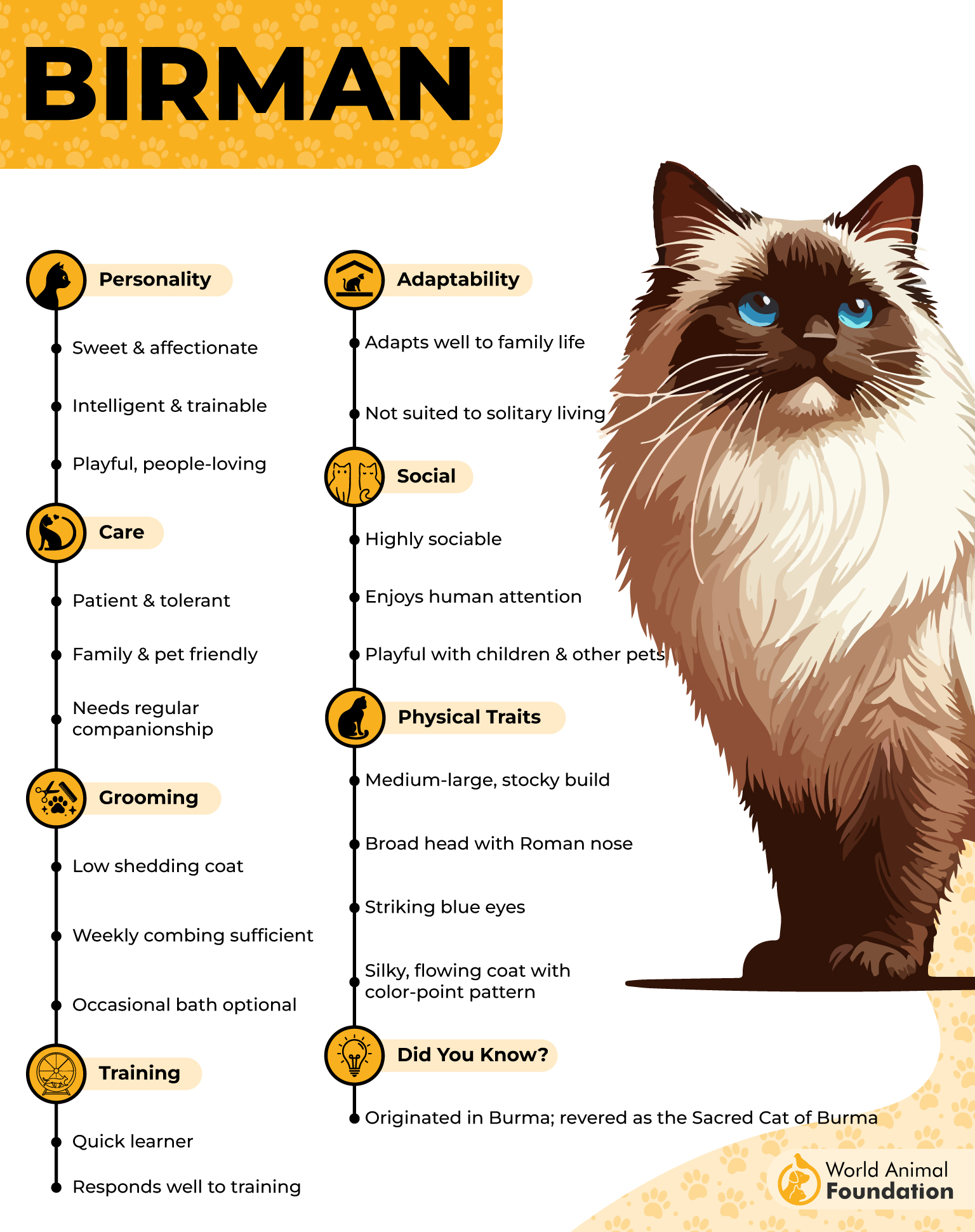
Positive reinforcement works wonders during training. Gentle praise or a treat can help them learn simple commands. Consistent routines keep them feeling safe.
It’s wise to watch their eating habits. Even a graceful Birman can gain weight if treats are handed out too freely. Mealtime balance ensures they remain agile and spirited.
These striking cats blend playfulness with serenity. When shown patience and kindness, Birman cats reward you with affectionate companionship and plenty of cozy lap snuggles.
5. Ragamuffin
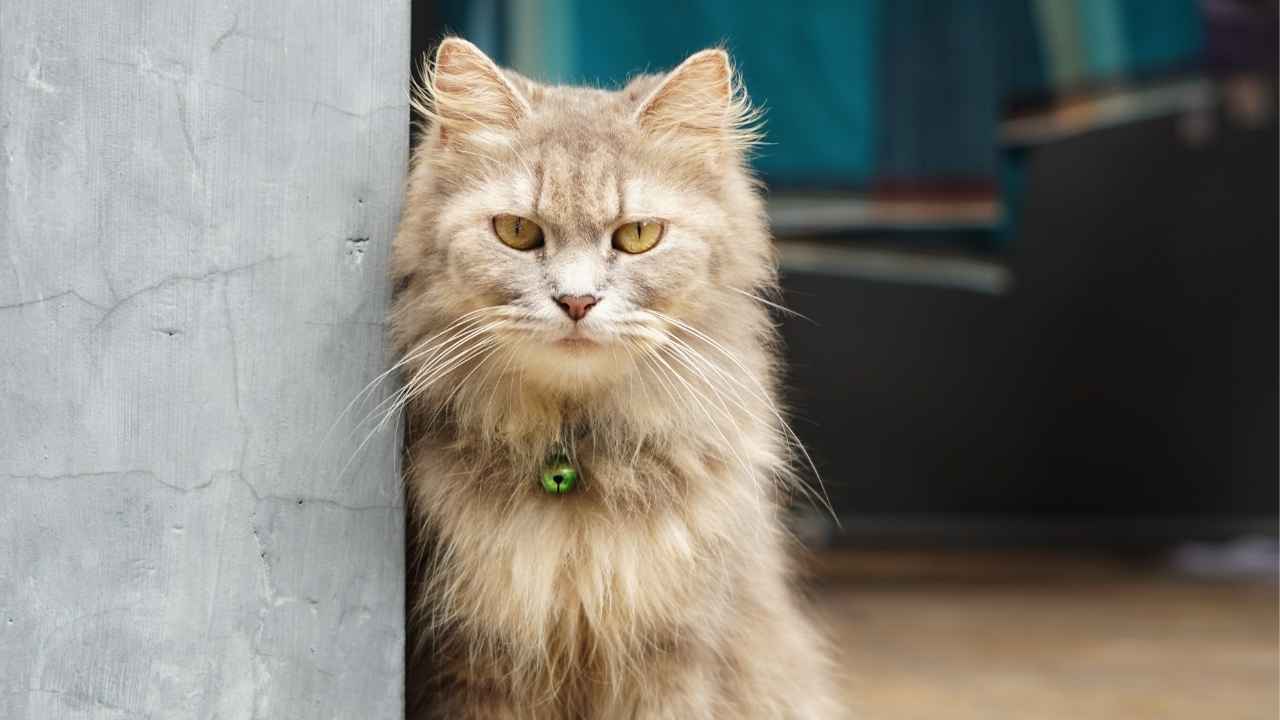
Ragamuffins are famed for their incredibly soft fur and warmhearted disposition. Their luxurious coat doesn’t require as much brushing as one might expect, yet a few weekly sessions prevent tangles.
They’re often described as the “teddy bears” of the cat world, thanks to their size and mellow attitude. Gentle play encourages light exercise, keeping them from becoming overly sedentary.
Known for their people-oriented nature, Ragamuffins relish your company. They might follow you around the house and curl up for quiet naps in your lap. Monitoring treat intake helps them avoid chubby bellies.
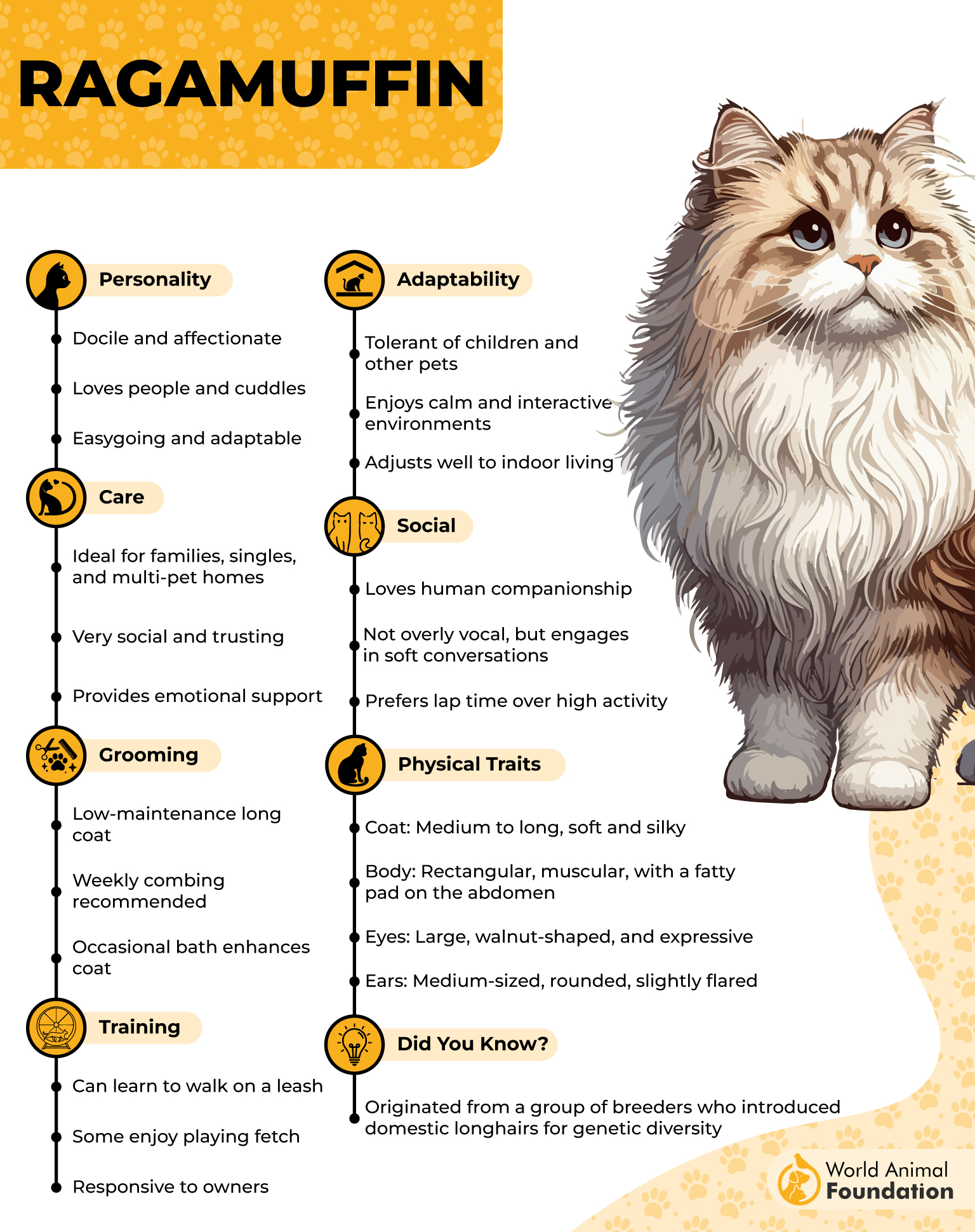
These cats usually have a robust build, so it’s helpful to stay aware of any sudden weight gain. Appropriate nutrition also supports their joint health over time.
Families appreciate the calm temperament of Ragamuffins. Even with children or friendly dogs, these big fluffballs often adapt beautifully. Maintaining regular grooming helps you spot any changes in coat texture or skin condition.
Ragamuffins thrive in environments filled with love and stability. They’re easy to bond with, making them a top choice for anyone seeking a laid-back but affectionate companion.
6. Maine Coon
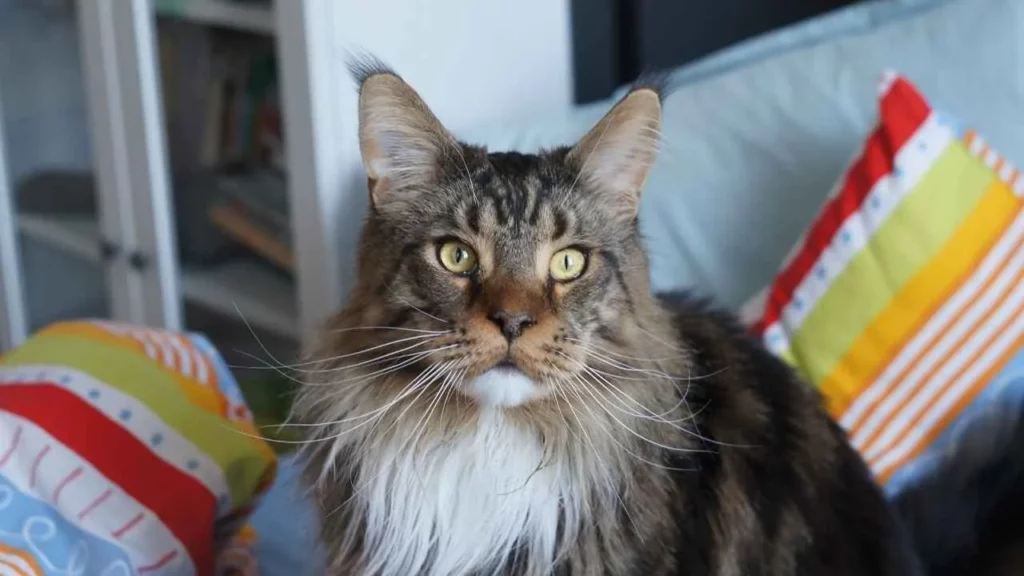
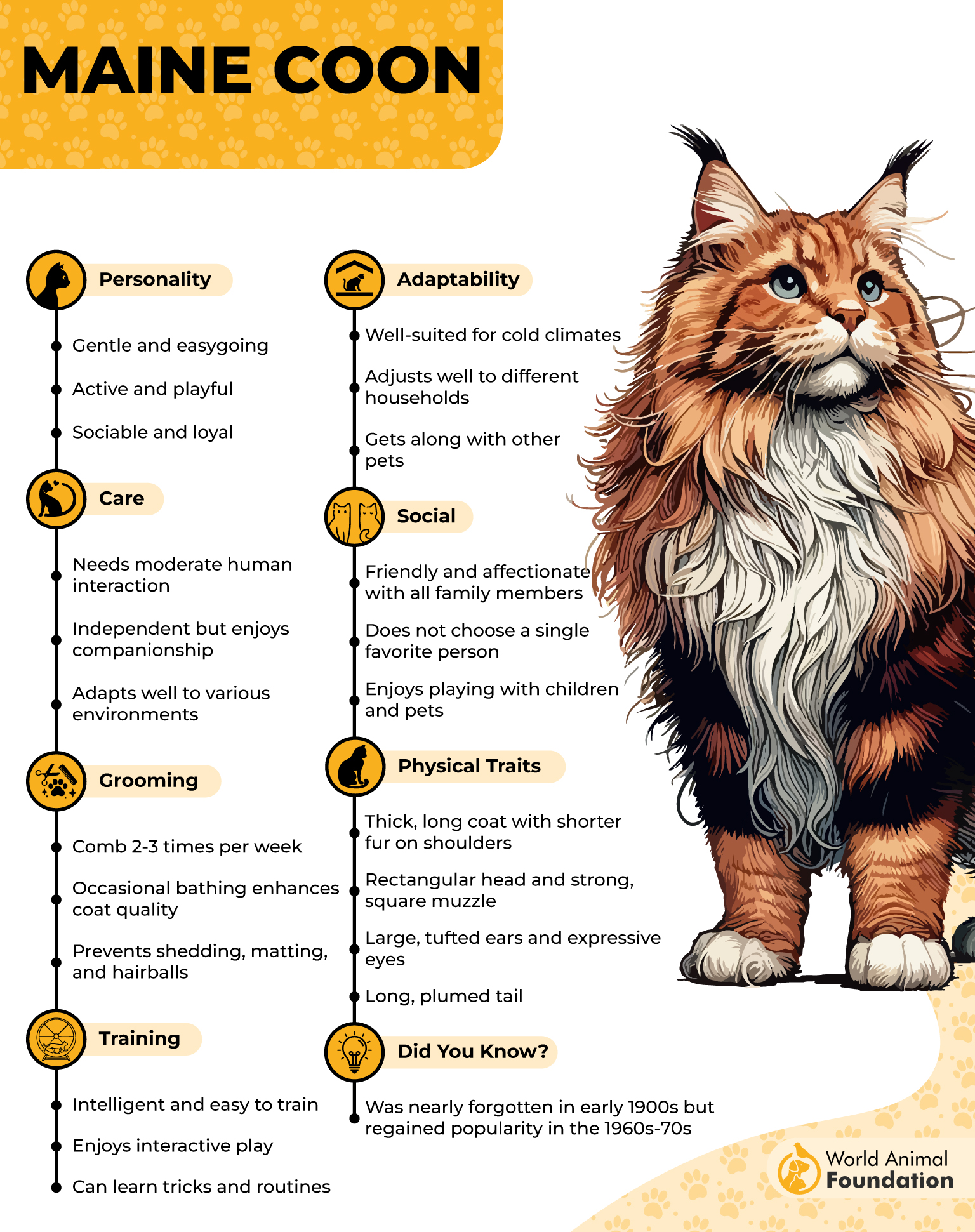
Maine Coon cats are sometimes referred to as “gentle giants.” Their sizable frames and tufted ears add to their iconic look. Regular grooming helps manage shedding, especially around their thick ruff.
While large, Maine Coons often remain playful throughout their lives. Interactive toys that mimic hunting motions keep them physically and mentally stimulated. Ensuring daily movement helps ward off extra pounds.
Their friendly nature suits families, as they typically get along well with children and other pets. Maine Coons benefit from consistent checkups.
Screening for hip or joint issues is vital since heavier felines may be at higher risk of health problems. Maintaining a healthy weight is essential.
Their presence can light up any room, and they may even learn simple tricks for treats. A consistent feeding schedule with quality cat food promotes good digestion and stable energy.
If you cherish a cat that feels like a loyal companion, Maine Coons often deliver. Their combination of size, intelligence, and amiable personality ensures a truly special bond.
7. Norwegian Forest Cat
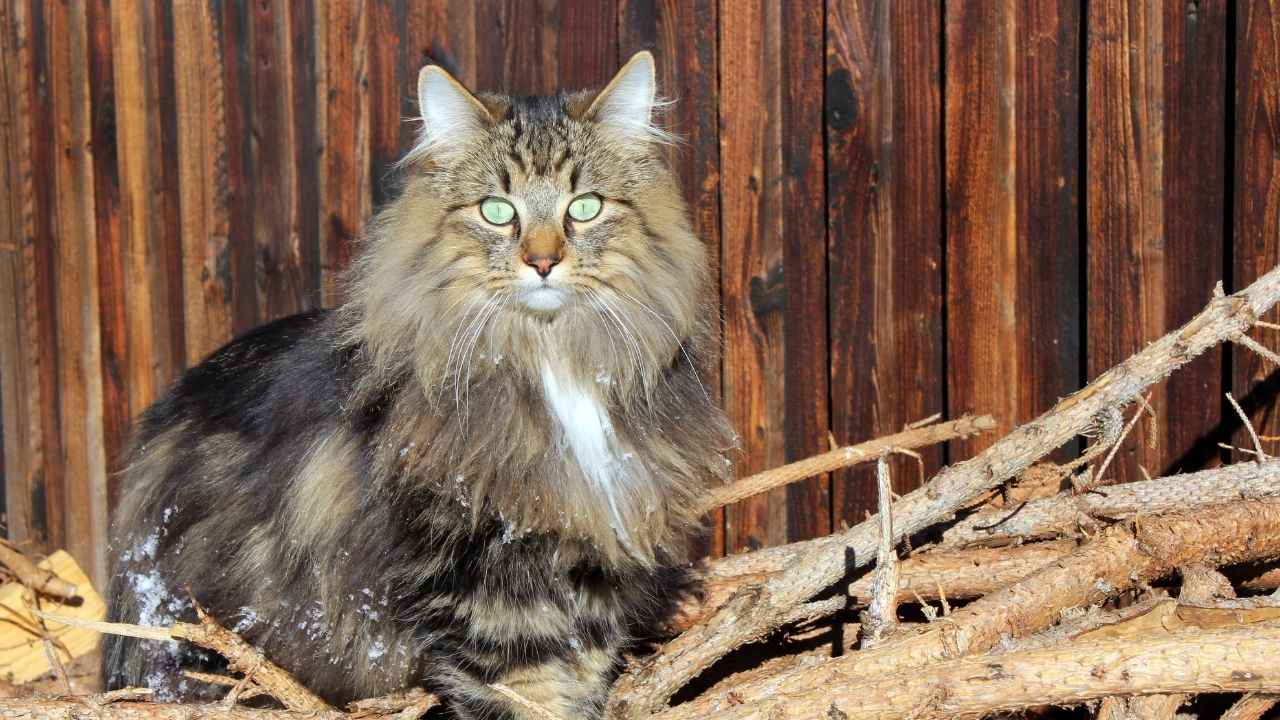
A Norwegian Forest Cat dazzles with a full, insulating coat suited for cold climates. Weekly brushing is often enough for regular grooming, though shedding season may demand extra attention.
Adventurous yet calm, they appreciate climbing and exploring high perches. Offering cat trees or shelves provides an outlet for their natural instincts. This helps keep them active and content.
Norwegian Forest Cats tend to observe before engaging. They enjoy gentle, respectful interaction rather than loud commotion. Even so, introducing interactive toys can spark fun hunting behaviors.
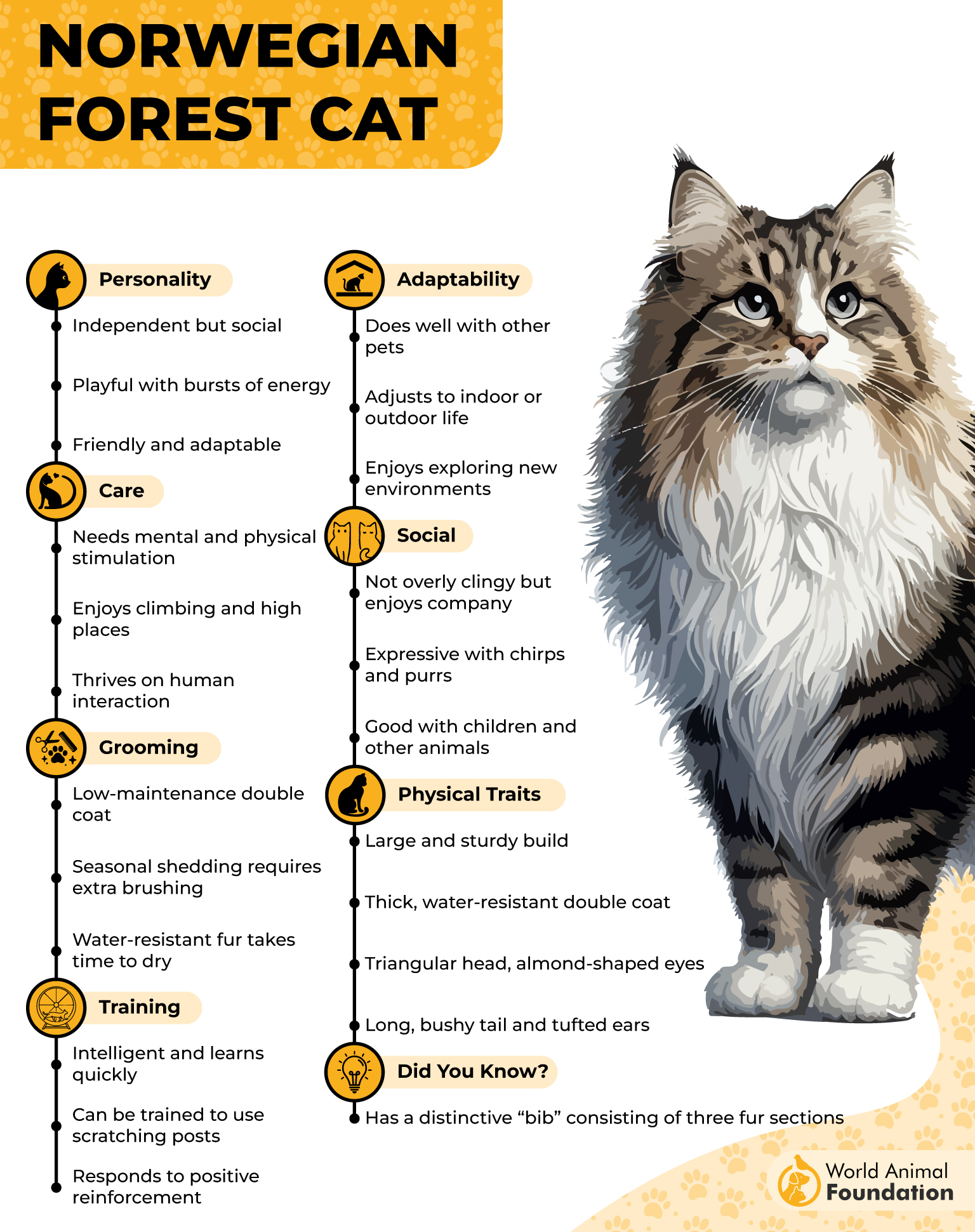
Their coat has a water-resistant quality. Checking for mats or clumps under the legs is wise, especially when the seasons change.
A stable routine with balanced meals prevents overeating. Their larger build shouldn’t mask signs of weight creep, so keep a close watch on their physique.
Norwegian Forest Cats fit families seeking a steady, somewhat independent companion. They bond closely with their favorite humans and offer quiet devotion that can warm even the most hectic household.
Conclusion
Fluffy companions come in all shapes and sizes, but it’s easy for fat cats to face obesity if you’re not careful. Many cat lovers dream of a chubby cat with a thick coat, yet extra weight can cause health problems. Certain breeds like the Siberian cat or exotic shorthairs might share some traits with more familiar fat cat breeds. Even domestic shorthairs and the American Shorthair can have plush coats and may gain weight without regular exercise.
Some big cats, including large breeds with long fur, can appear big boned, but striking blue eyes or tufted ears give them a regal flair. While beautiful cats with minimal grooming needs exist, long-haired cats often require more frequent brushing to manage shedding. Interactive toys and a balanced diet help them stay active and avoid weight gain. Short legs, dense fur, and a round face might make them look extra cuddly, but all cats, even kitties with short coats, should maintain a healthy weight.
Watching treats and food portions to reduce the higher risk of overweight animals. Whether you live in a house with dogs or prefer big cats on your lap, every breed deserves a life full of playful moments and regular exercise. Proper care ensures they remain cuddly yet healthy for years to come.
