




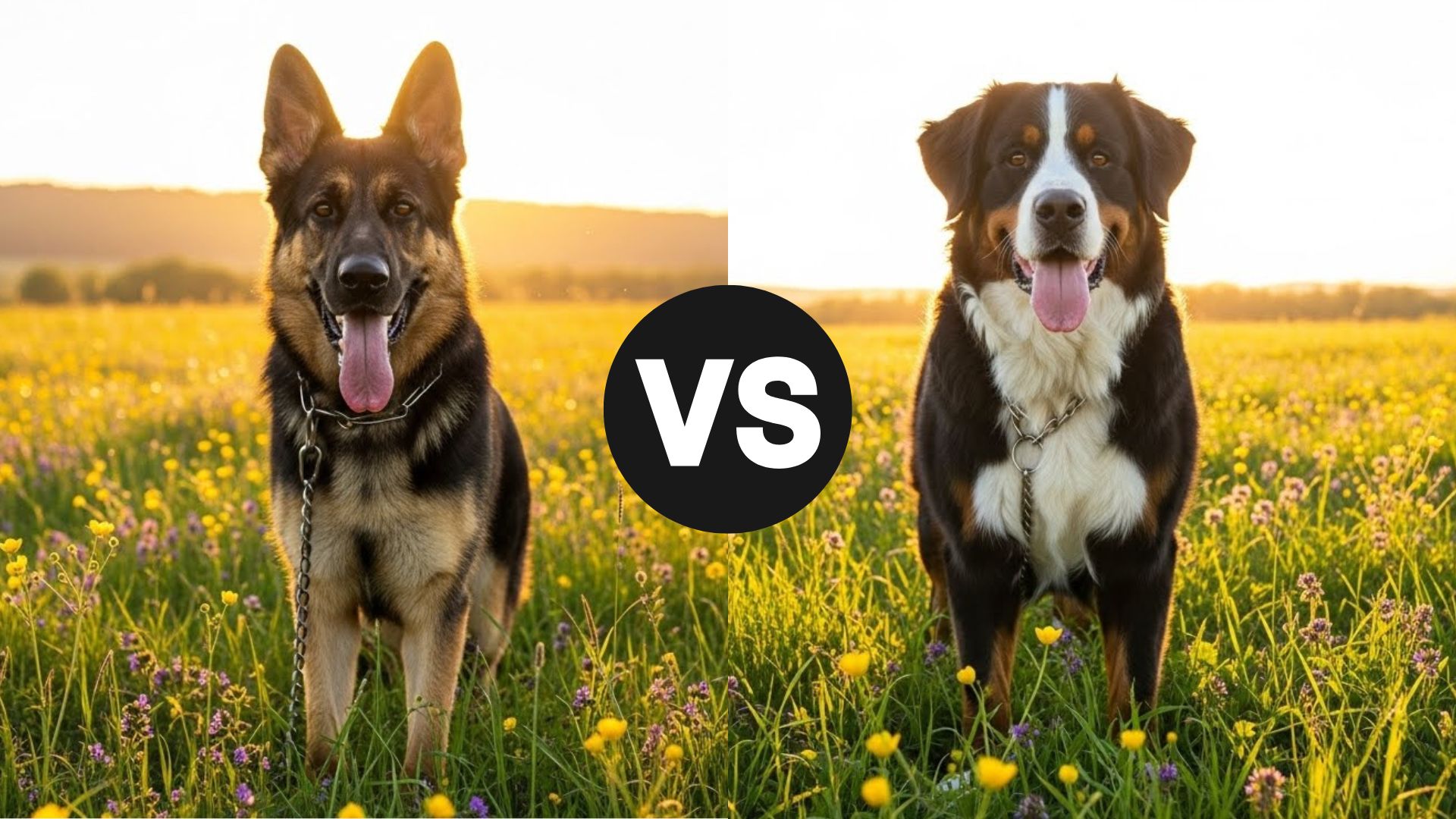
Choosing between two beloved dog breeds can feel overwhelming—especially when both bring loyalty, intelligence, and strong family bonds to the table.
The German Shepherd and the Bernese Mountain Dog may both be large, devoted companions, but they offer very different lifestyles, energy levels, and care requirements. Understanding these differences is key to finding the breed that will truly complement your home and routine.
German Shepherds are energetic, highly intelligent, and thrive with structured training and active routines. Bernese dogs, on the other hand, are gentle giants—calm, affectionate, and deeply family-oriented. One excels in protection and work, while the other shines in companionship and emotional warmth.
We’ll break down German Shepherd vs. Bernese Mountain Dog across temperament, exercise needs, grooming, health, and family suitability. By the end, you’ll have a clear understanding of which breed aligns best with your lifestyle, ensuring a loving, lifelong connection.
Choosing Wisely: German Shepherd vs. Bernese Dog Breed Comparison
Origins & Purpose
When it comes to dogs, some are action heroes, and some are gentle giants—and German Shepherds and Bernese Mountain Dogs perfectly showcase these two very different, yet equally lovable, styles of canine greatness.
German Shepherd
Hailing from Germany (surprise, surprise!), the German Shepherd was bred to be the ultimate working dog. Think of them as the Swiss Army knife of canines—they can herd sheep, guard property, assist police, guide the visually impaired, and probably fetch your coffee if you trained them long enough.
As per Wikipedia, the breed standard highlights their inquisitive nature, which is valuable for roles such as guarding and search operations.
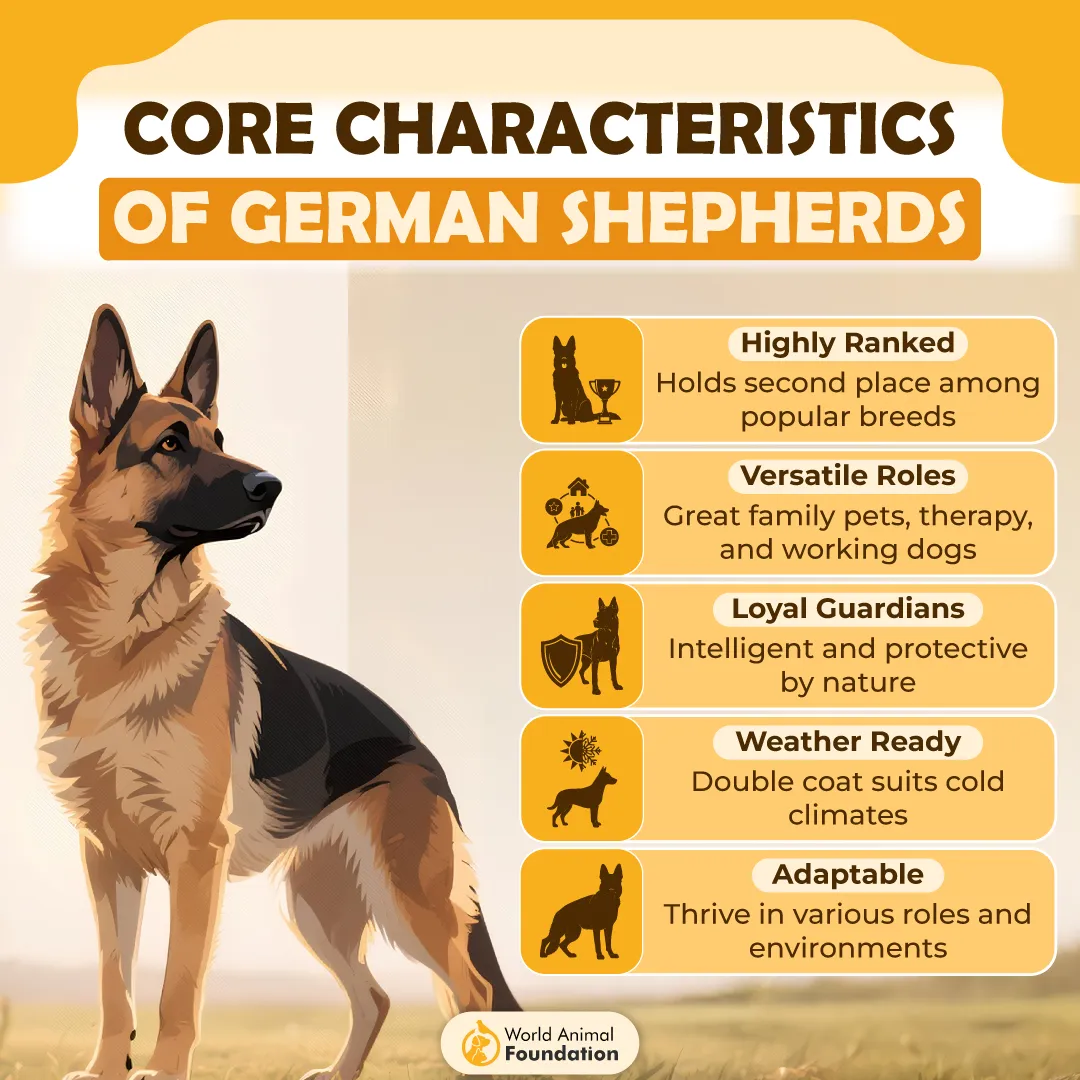
Intelligent, loyal, and fiercely protective, German Shepherds are the “go-getters” of the dog world. If there’s a task that needs doing, these dogs are already three steps ahead—and judging your technique while doing it.
Bernese Mountain Dog
Now, meet the Bernese Mountain Dog—Switzerland’s fluffy gift to the world. Originally bred to work on farms, these large-breed dogs hauled carts, herded cattle, and were basically the Swiss version of a lovable bodyguard with a permanent soft spot.
They’re strong, calm, and utterly affectionate, like a giant teddy bear who also happens to know how to pull a cart up a mountain without complaining.
If German Shepherds are action heroes, Berners are the kind-hearted, gentle giants who make you want to sit down with cocoa and snuggle for an hour—or six.
Size & Physical Build
German Shepherd
German Shepherds are the athletic superheroes of the dog world—built for action, agility, and precision. These large dogs look like they could sprint through an obstacle course while solving a mystery at the same time.
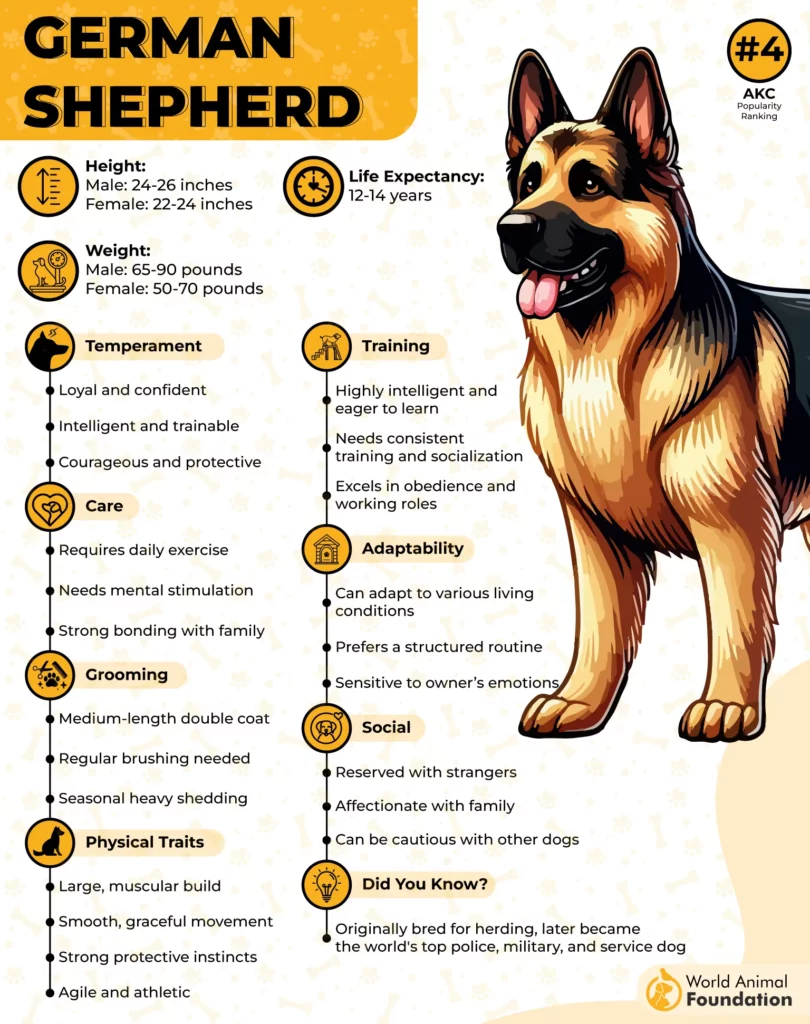
Weight: Males 65–90 pounds, females 50–70 pounds
Build: Muscular, slightly elongated body with strong legs
Appearance: Sleek and alert, with ears that make them look perpetually curious (or mildly suspicious)
Bernese Mountain Dog
Bernese Mountain Dogs are the gentle giants everyone wants to hug. Big, sturdy, and soft-looking, they have a tri-colored coat that’s as majestic as it is snuggle-worthy.
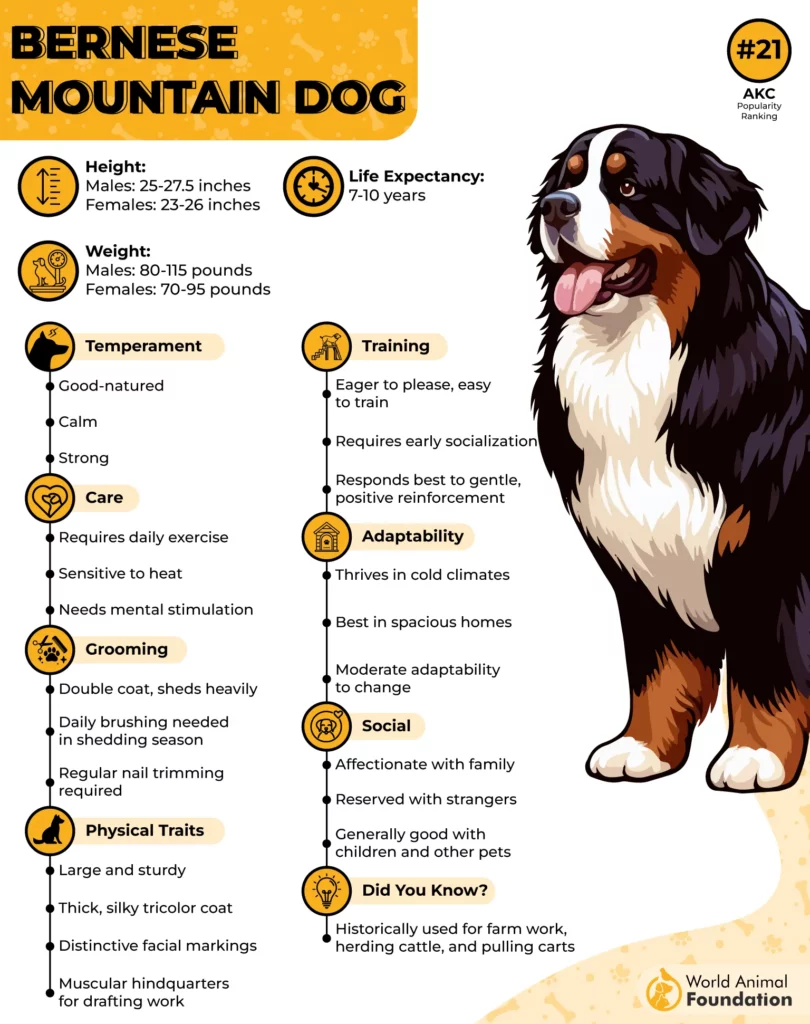
Weight: Males 85–115 pounds, females 70–95 pounds
Build: Broad, strong, with a surprisingly graceful gait for their size
Appearance: Fluffy teddy bear vibes—majestic yet cozy
Temperament & Personality
German Shepherd
German Shepherds are the ultimate brains-and-brawn companions. With the right guidance, they are affectionate and protective family members who will go to great lengths to keep their loved ones safe.
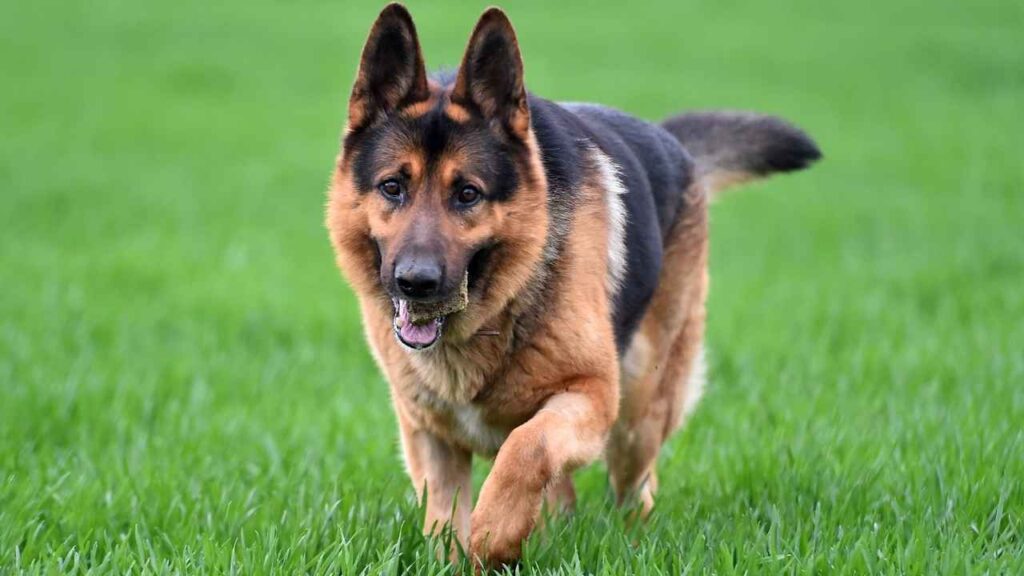
✅ Exceptionally smart, able to learn complex commands and tasks quickly
✅ Fiercely devoted and protective of their family
✅ Often reserved or cautious with strangers but warm, loving, and playful with family
✅ They sometimes act like little detectives—always watching, analyzing, and occasionally judging your snack choices
Bernese Mountain Dog
Berners are the lovable, gentle giants of the dog world. Berners are the kind of dogs who will happily nap beside you after a stroll, giving off major “comfort cloud” vibes.
✅ Calm, easygoing, and gentle-hearted
✅ Hug-loving, loyal, and emotionally intuitive
✅ Friendly and sociable with humans, kids, and other animals
✅ Their size can be deceiving—they’re massive, but their main goal in life is probably just to sit on your feet and steal snacks
Exercise & Energy Levels
German Shepherd
German Shepherds are the energizer bunnies of the dog world—smart, strong, and always ready for action. Without regular exercise, both physical and mental, they can get bored and start creating their own “fun” (which often involves chewing shoes or rearranging your furniture), as noted by Petplan.
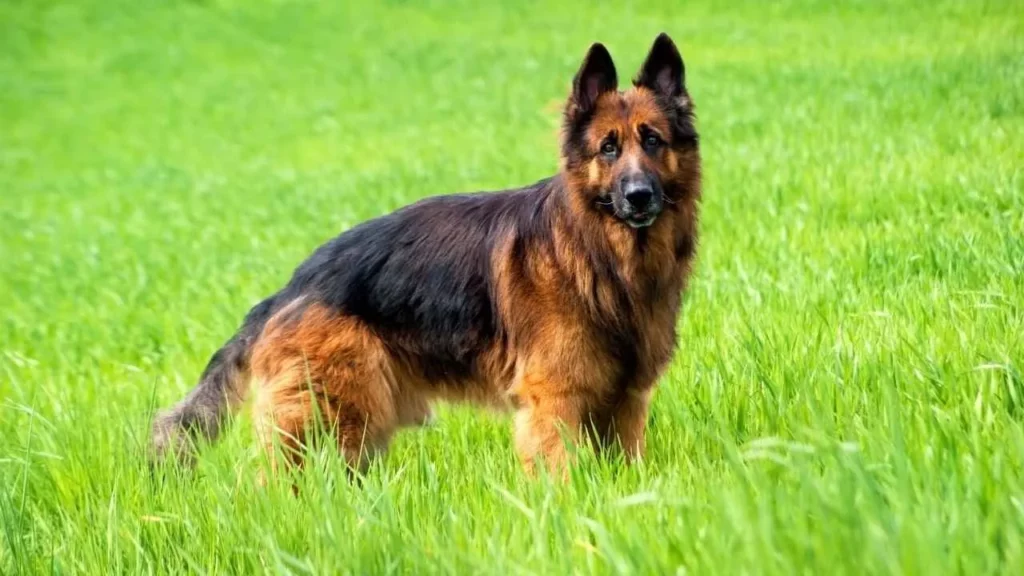
A long walk or run isn’t enough—they thrive on training sessions, agility courses, and tasks that challenge their brains as much as their bodies. Think of them as a personal trainer with fur… who sometimes judges your running form.
Daily Activity Needs: High; 1–2 hours of vigorous exercise plus mental stimulation
Preferred Activities: Running, hiking, agility, obedience training, herding games
Exercise Quirk: Can become mischievous if under-stimulated—like a toddler with opposable thumbs
Bernese Mountain Dog
Bernese Mountain Dogs are more like the cozy, steady companions of the canine world. They enjoy activity, but in moderation. A stroll through the park, a playful fetch session, or a little adventure on a hiking trail is usually enough to keep them happy.
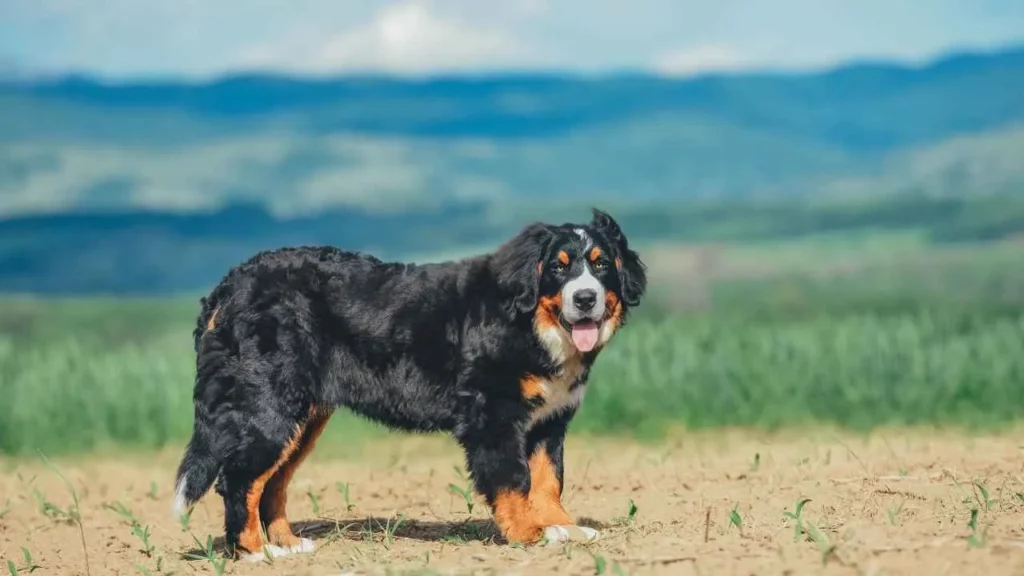
They’re not built for sprints or extreme agility, preferring a slower, steadier pace. After their exercise, you’ll often find them happily sprawled on the floor, perfectly content to soak up some affection or a well-earned nap.
Daily Activity Needs: Moderate; about 30–60 minutes of walking or play
Preferred Activities: Gentle hikes, strolls, playtime, pulling small carts or sleds
Exercise Quirk: Their idea of fun is usually a mix of exploring and then flopping for cuddles
Training & Intelligence
German Shepherd
German Shepherds are the Einsteins of the dog world. Highly intelligent, quick learners, and incredibly observant, they thrive when given consistent training and mental challenges. They excel in obedience, agility, protection work, and just about any task you throw their way.
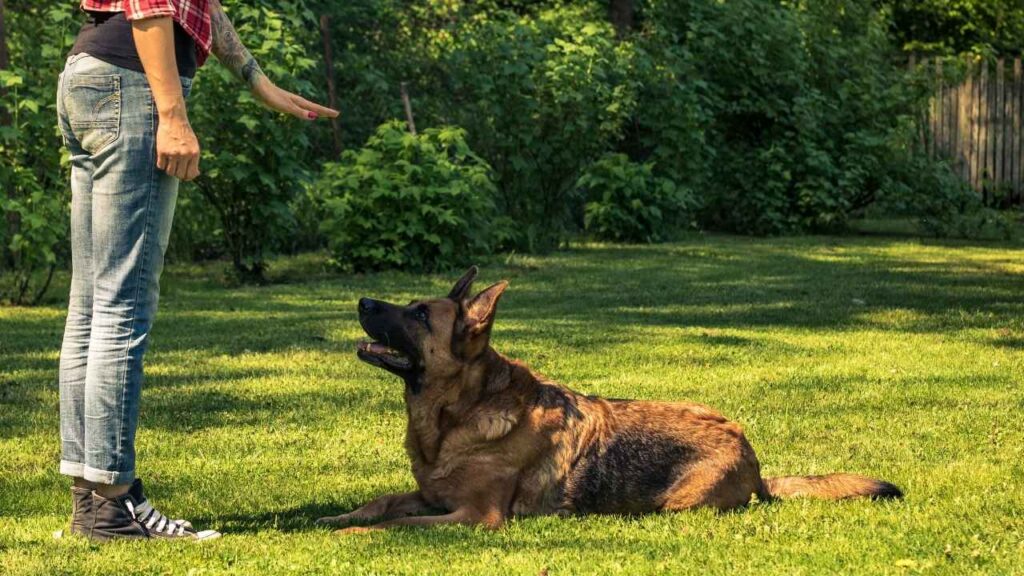
Trainability: Extremely high; responds well to consistent, positive reinforcement
Learning Speed: Fast; picks up commands and tasks quickly
Best Training Approach: Structured, firm, yet kind; mental challenges are a must
Intelligence Quirk: They can read your emotions and intentions almost better than your best friend
However, their smarts come with a catch—they need stimulation, or they might invent their own “projects,” like redecorating your living room with shoes. Training them is rewarding, though, because they genuinely enjoy learning and pleasing their humans.
Bernese Mountain Dog
Berners are intelligent, but in a laid-back, thoughtful way. They’re eager to please, but not driven to the extremes of a German Shepherd. Training is generally smooth with patience and positive reinforcement, but these dogs can be slower learners when they feel it’s not fun or necessary.
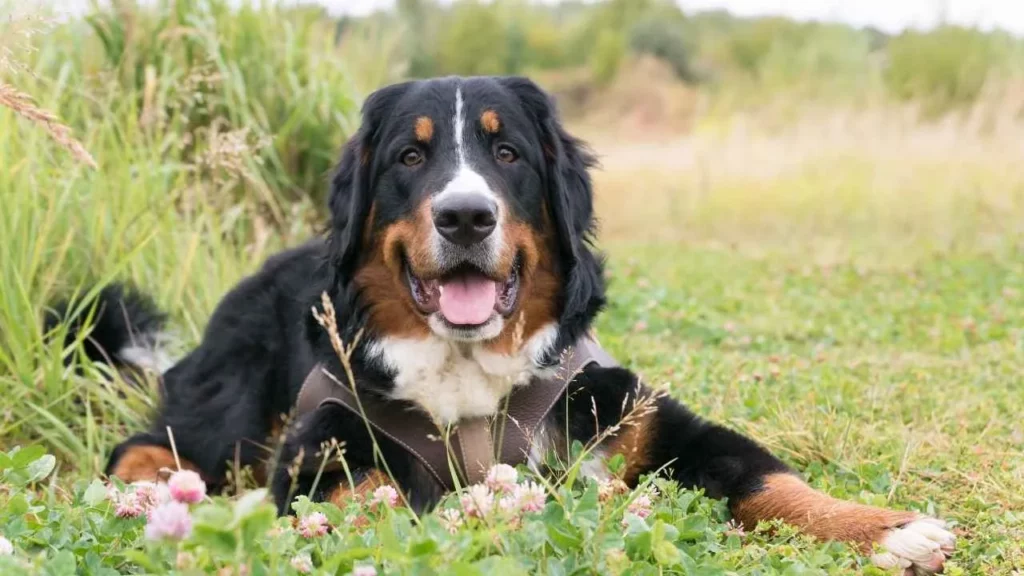
Trainability: Moderate to high; responds well to patience and positive reinforcement
Learning Speed: Steady; may take longer with complex tasks
Best Training Approach: Gentle, consistent, and reward-based
Intelligence Quirk: They’re emotionally smart—often know when you need comfort or a cuddle more than a command
Think of them as the wise, patient students in a classroom—they’ll get it, just at their own relaxed pace. Their intelligence shines in problem-solving and social awareness rather than in intense working tasks.
Coat Maintenance
German Shepherd
German Shepherds have a dense double coat that’s built to protect them from the elements—but it comes with a shedding disclaimer: yes, lots of hair may appear in places you didn’t know existed.
Regular brushing keeps shedding under control and helps maintain a healthy coat, while occasional baths will keep them smelling fresh (because apparently, rolling in mud is a daily hobby). Grooming is manageable, but consistent care is key.
Coat Type: Double coat, medium length
Shedding: Moderate to heavy, year-round with seasonal peaks
Grooming Needs: Brush 2–3 times per week; occasional baths
Maintenance Tip: Invest in a good vacuum and a lint roller—they will become your best friends
Bernese Mountain Dog
Bernese Mountain Dogs are the fluffy showstoppers of the canine world—but their thick coat demands attention. Regular brushing is a must to prevent mats and tangles, and during shedding season, you may find fur in every corner of your home.
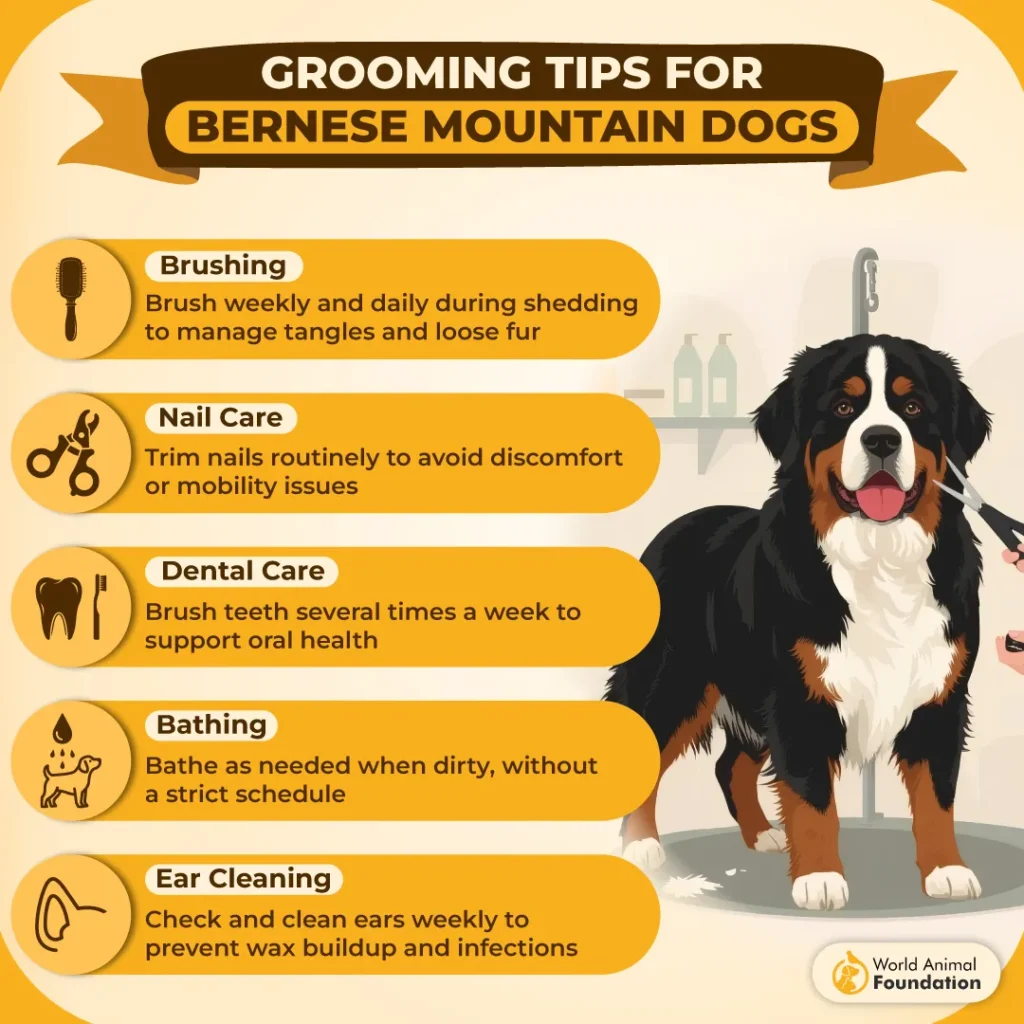
Despite their majestic appearance, Berners are surprisingly low-maintenance in baths—they don’t tend to smell… unless they’ve discovered a mud puddle or a snowbank.
Coat Type: Long, thick, tri-colored double coat
Shedding: Heavy, especially in spring and fall
Grooming Needs: Brush several times a week; more during shedding season
Maintenance Tip: A slicker brush and a sturdy vacuum are your grooming allies
PetMD says they require an owner committed to regular grooming and someone who’s okay with finding extra hair on furniture, floors, and clothes.
Health & Lifespan
German Shepherd
Average Lifespan: 9–13 years
German Shepherds are generally strong and hardy dogs, but their active lifestyle and working-dog genetics mean they can be prone to certain health issues, such as:
Hip dysplasia
Elbow dysplasia
Progressive retinal atrophy
Degenerative myelopathy
Heart issues
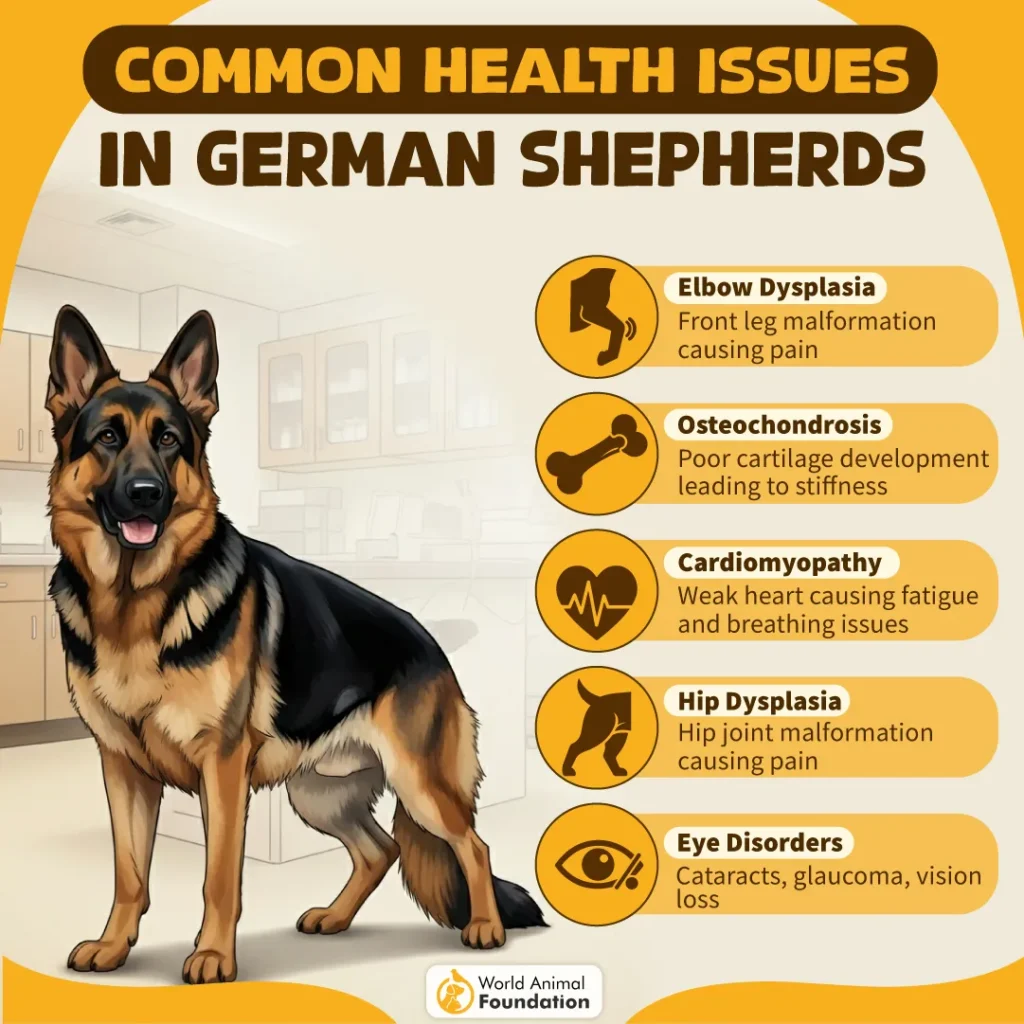
Care Tips: Maintain a healthy weight, regular vet visits, a balanced diet, and daily exercise
Health Quirk: Their boundless energy can make them prone to overexertion—so even superheroes need rest!
So, regular vet check-ups, proper diet, and controlled exercise are essential. With good care, they can enjoy a long, active life full of adventures and loyal companionship.
Bernese Mountain Dog
Average Lifespan: 6–10 years
Berners are the gentle giants of the dog world, but unfortunately, their large size can come with health challenges. They tend to have shorter lifespans than some breeds, and conditions like:
Hip and elbow dysplasia
Cancers
Heart problems
Bloat
Care Tips: Regular vet check-ups, nutritious diet, moderate exercise, and early health screenings
Health Quirk: Despite their shorter lifespan, Berners live large—giving hugs, love, and joy that feel eternal
With proper care, love, and attention, they still offer years of loyal, heart-melting companionship.
Suitability as Family Pets and Guard Dogs
German Shepherd
German Shepherds are the versatile overachievers of the dog world—they can be loving family members and formidable protectors at the same time. Their intelligence, loyalty, and alertness make them excellent guard dogs, always aware of their surroundings.
At home, they bond deeply with their family, often forming strong attachments to children and adults alike. With proper socialization, they strike a perfect balance between watchful protector and affectionate companion.
As Family Pets: Loyal, loving, great with kids, and bond closely with the family
As Guard Dogs: Highly alert, protective, courageous, excellent for security tasks
Best For: Families who want a loving pet that can also serve as a guardian, and who can provide plenty of training and mental stimulation
Bernese Mountain Dog
Bernese Mountain Dogs are the gentle giants who prefer love over duty. While they are incredibly devoted to their families and wonderful with kids, they are not natural guard dogs.
Their friendly, calm, and trusting nature makes them more likely to welcome strangers with a wag than ward them off. Berners excel as affectionate family pets who provide warmth, comfort, and companionship—but if you’re looking for a canine security system, they’ll probably vote for snuggles over suspicion.
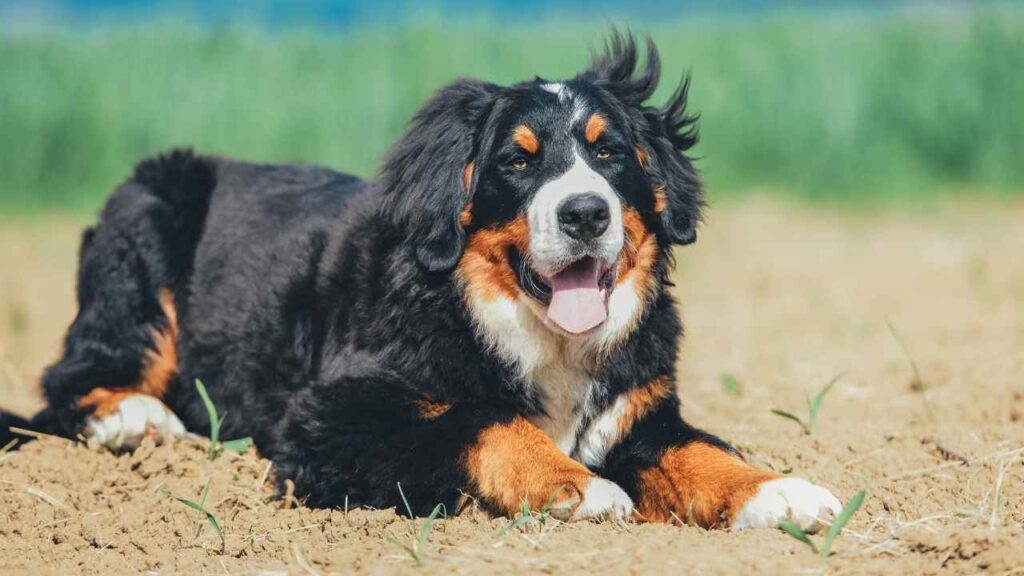
As Family Pets: Gentle, affectionate, excellent with kids and other pets
As Guard Dogs: Not suited; friendly and trusting rather than protective
Best For: Families seeking a loving, calm, and devoted companion, not a watchdog
Conclusion
This comparison shows that both large breeds can make excellent family dogs, but selecting the right dog depends on lifestyle. German Shepherds excel in training methods, herding cattle, and pulling carts, while Bernese Mountain Dogs thrive in a house with a large yard and a calm environment.
Prospective owners should socialize puppies early, work with a responsible breeder, and consider specific issues of each breed. Mixed-breed dogs or a combination of other breeds may suit families who want traits from two breeds.
Understanding behavior, exercise needs, and family compatibility ensures the best choice for other dogs and household harmony.
