




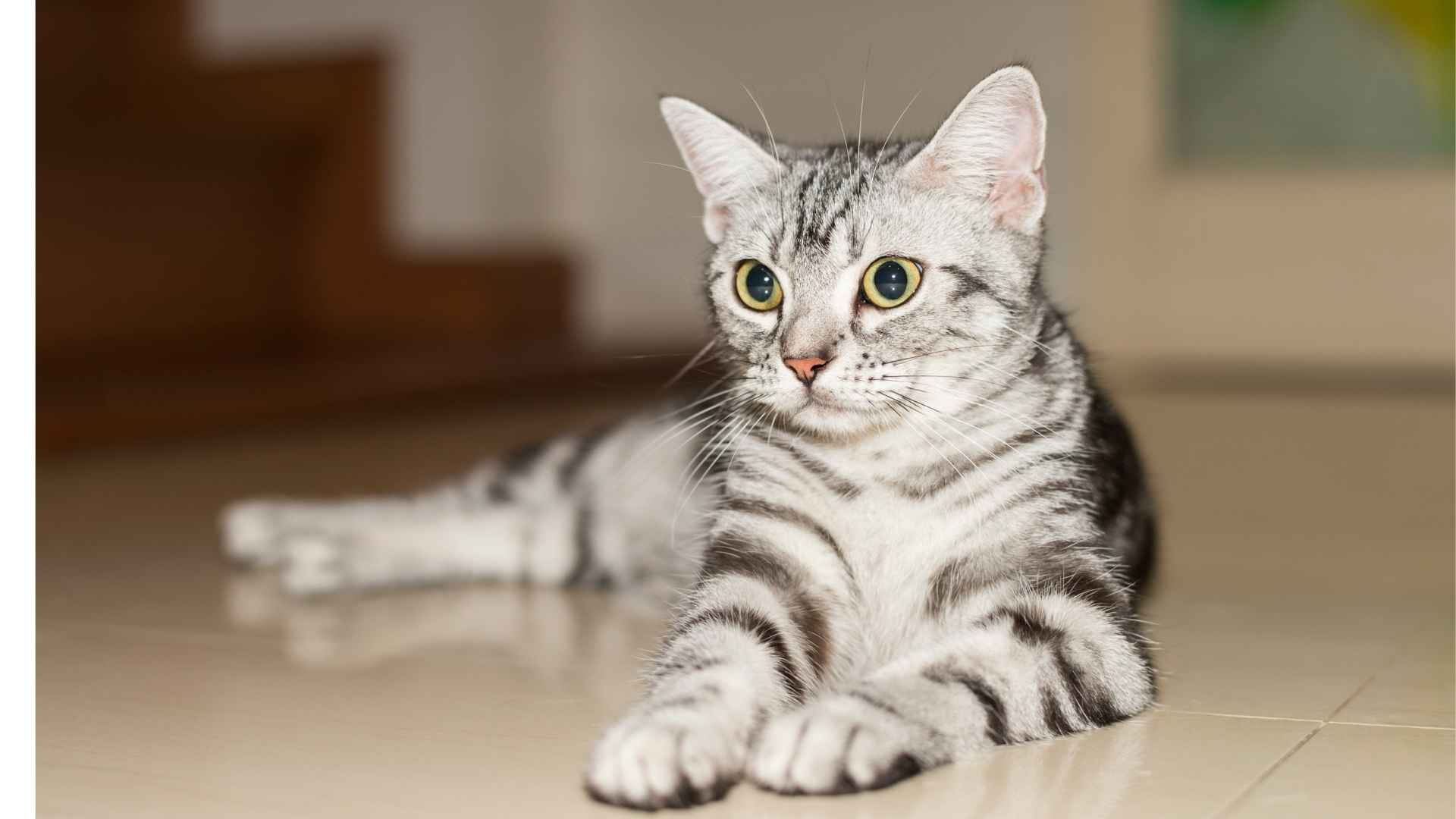
Have you ever wondered why some cats capture our hearts at first glance, especially those with midnight-black or smoky-grey fur? According to the ASPCA, about 3.2 million shelter cats find new families in the United States every year, revealing just how much humans treasure feline companionship.
You might feel drawn to the cool, dignified glow of a grey-coated friend or the enchanting mystery of a black cat. Their captivating presence, combined with gentle purrs, can quickly turn any house into a home.
If you’re eager to discover the most notable black and grey cat breeds, you’ve come to the right place. In this article, we will discuss popular feline companions, their defining qualities, and why they remain so cherished among cat lovers all over the world.
Black and Grey Cat Breeds
1. American Shorthair
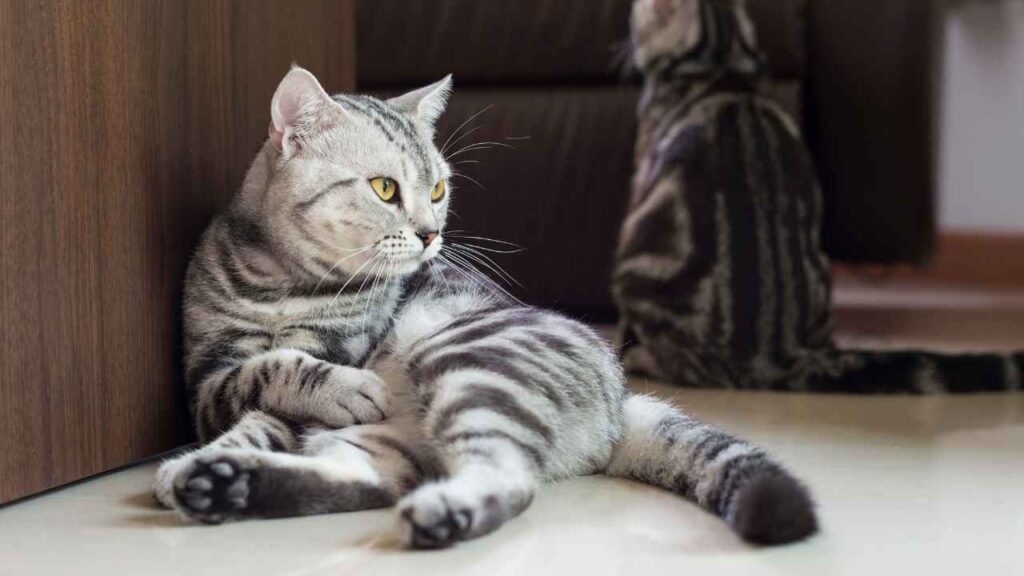
The American Shorthair is known for a laid-back yet playful temperament, historically prized for its rodent-catching skills. Though they come in many colors, black and grey variations are especially admired for their subtle patterns and captivating eyes.
You’ll often find them confidently surveying their domain, ready to greet you at the door or curl up beside you on the couch.
With a sturdy build, they handle children and other pets well, highlighting their adaptable and affectionate nature. Thanks to a calm demeanor, they’re excellent for families or quieter households alike.
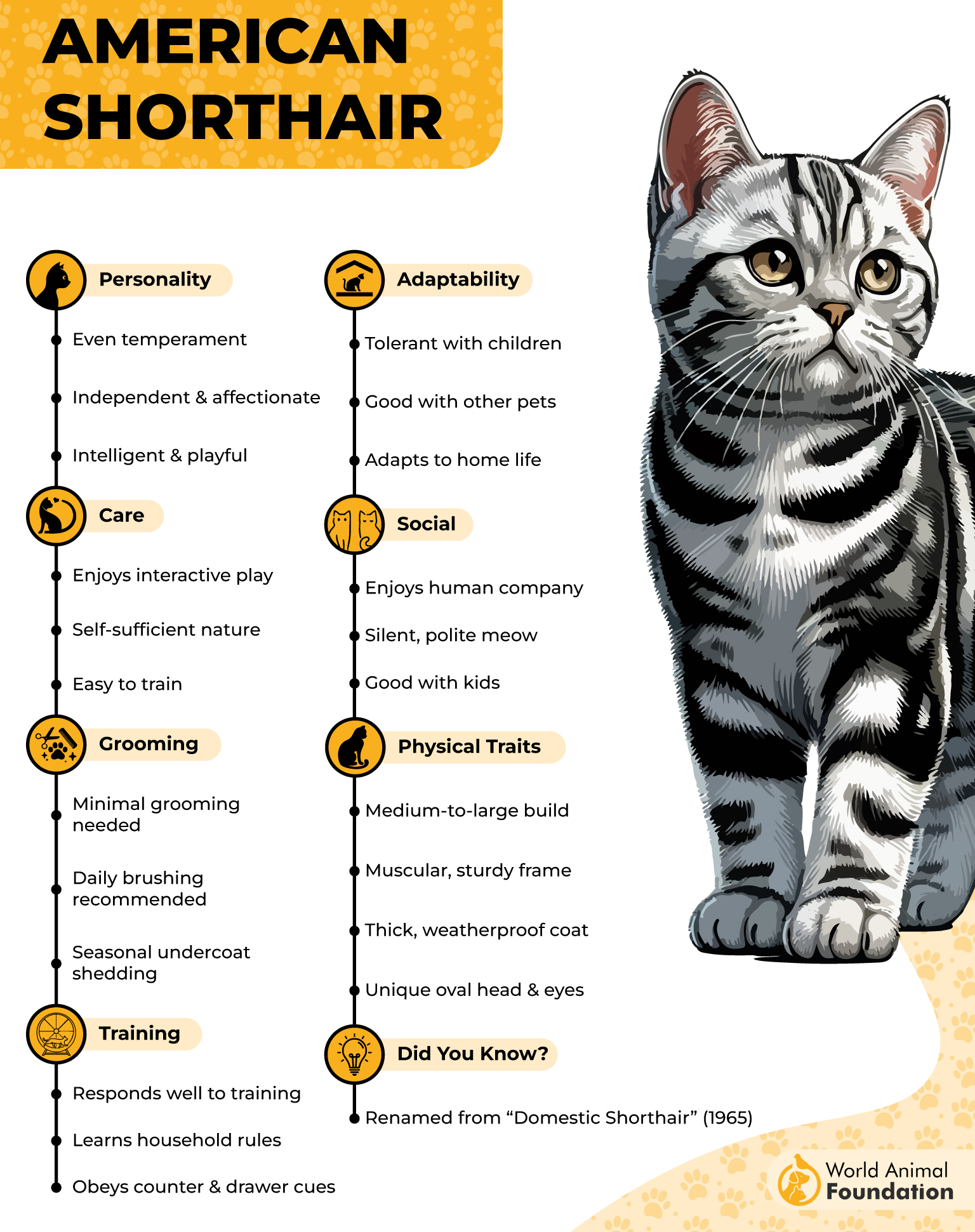
Maintaining their coat is fairly straightforward. A quick brush a few times a week removes loose fur, keeping it glossy and healthy. According to PetMD, a balanced diet with quality protein is key to avoiding weight gain, especially since they can be fond of treats.
Though generally robust, you’ll still want regular vet visits to stay on top of any emerging health concerns. Routine checkups and preventive care. The American Shorthair’s gentle charm and easygoing attitude make them a favorite for those seeking a well-rounded companion.
2. Cornish Rex
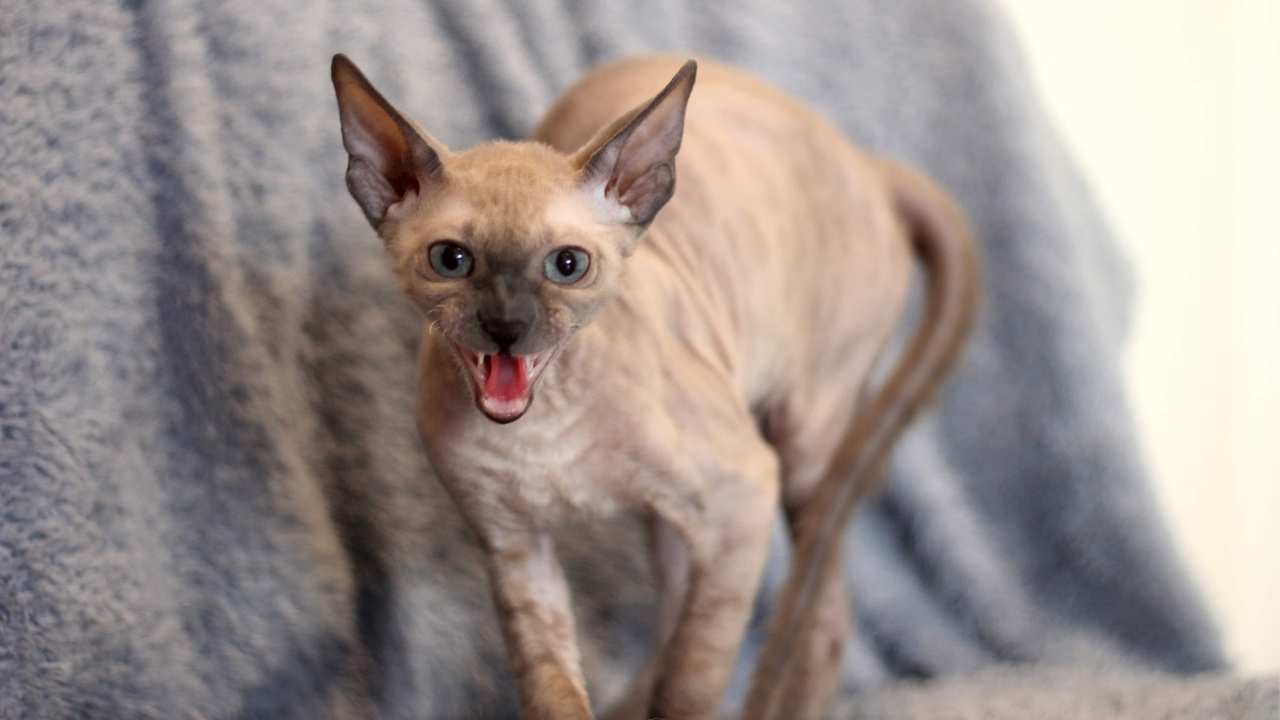
One of the most striking cats in the feline world, the Cornish Rex boasts a short, wavy coat that feels exceptionally soft.
If you’re drawn to black or grey cat breeds with a unique texture, the Cornish Rex might steal your heart. Their slender bodies and large ears create an air of playful elegance.
Though their fur appears thin, a gentle brush session can help keep it free of loose hairs. They tend to shed less than typical domestic shorthair cats, which appeals to those seeking a relatively low-shedding companion. Because they’re athletic and agile, providing cat trees or shelving for vertical exploration is a must.
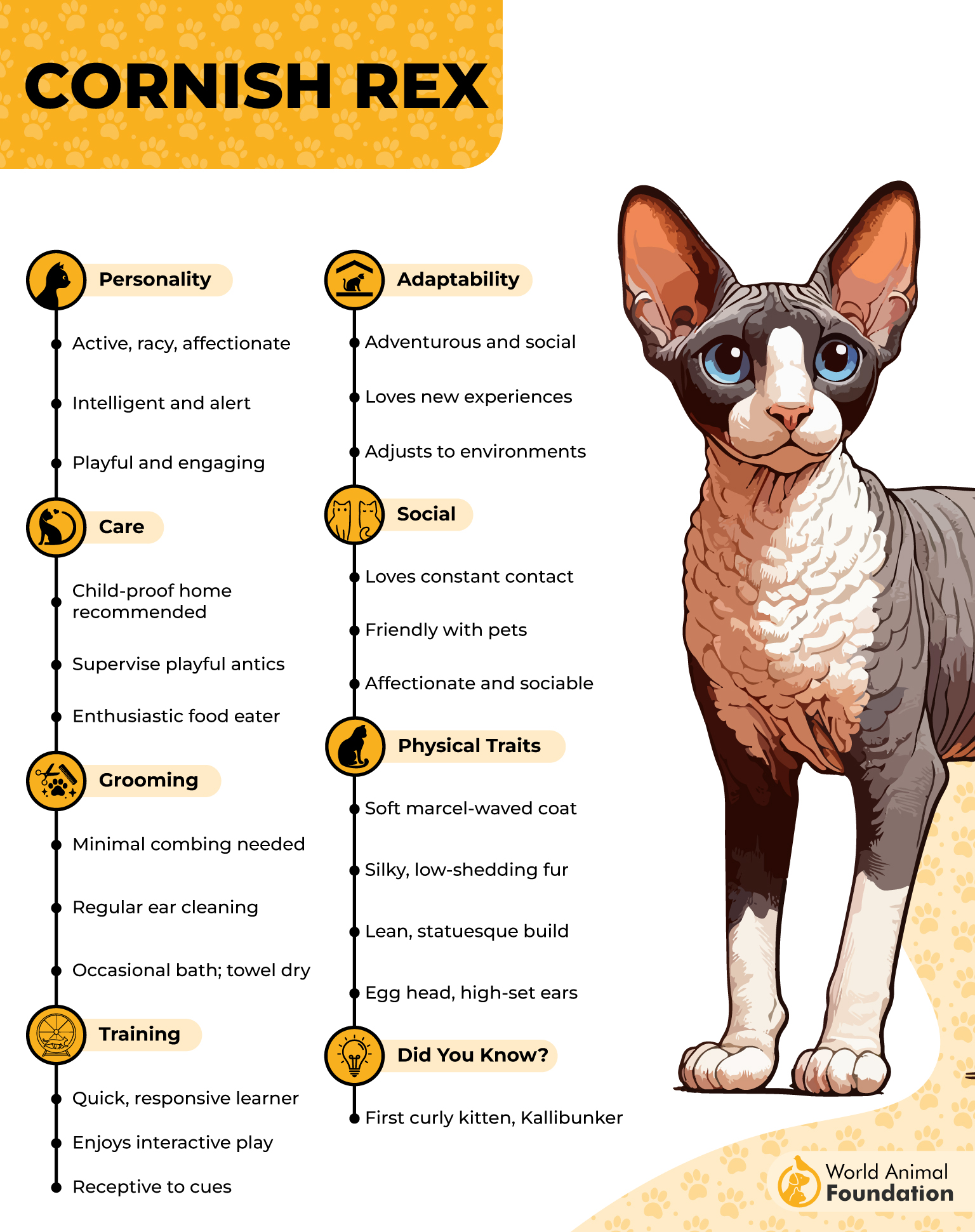
Cornish Rex cats are known for their social temperament and enjoy a good chase or game. Interactive toys like feather wands or laser pointers can fulfill their need for physical and mental stimulation. The ASPCA suggests that enough playtime helps curious breeds stay balanced and content.
Their thin coat leaves them more sensitive to cooler temperatures. Make a cozy corner available or drape a soft blanket where they can curl up.
3. Devon Rex
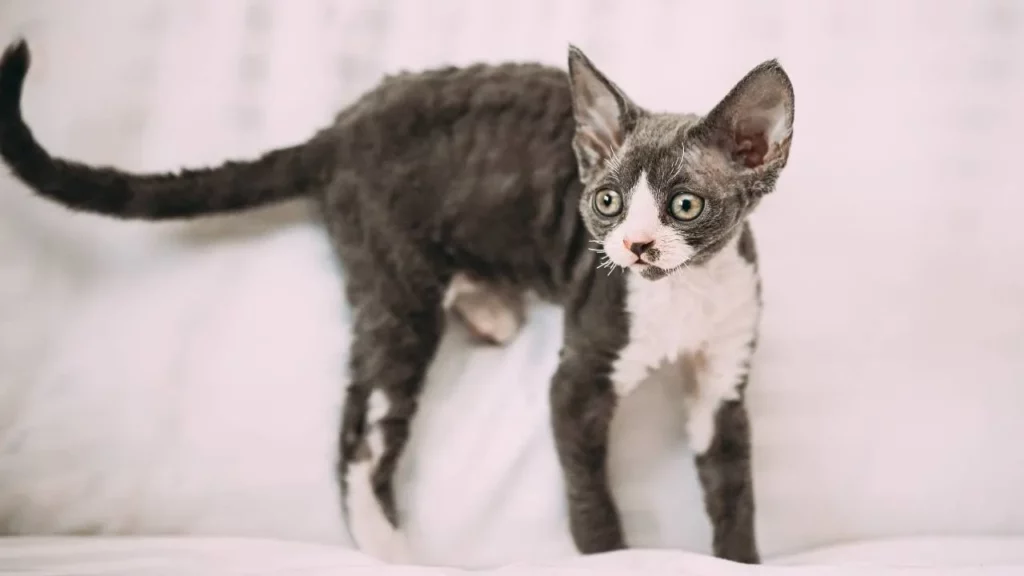
Often described as a pixie-like cat, the Devon Rex comes with short, curly fur and a mischievous personality. Black or grey Devon Rex cats offer a distinctive look, highlighted by large ears and a slightly elfin expression.
You’ll notice how people-loving they are. Devon Rexes tend to follow you around, meowing softly for attention or a warm lap.
Due to their playful streak, they relish fetch-style games or puzzle toys. Extended alone time might stress them, so consider adopting two cats if your schedule keeps you away for long.
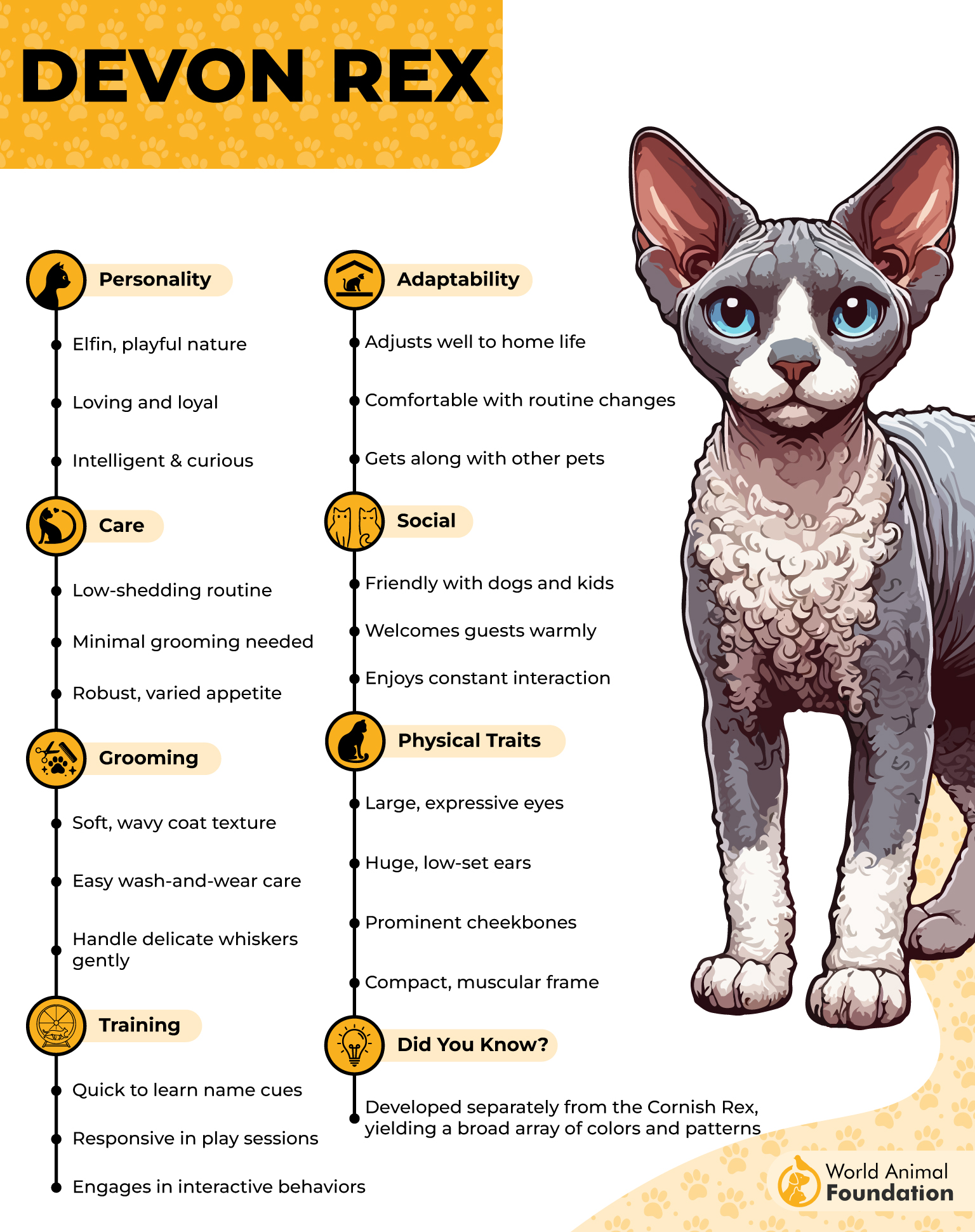
Despite the short fur, gentle grooming removes dead hairs and helps maintain healthy skin. Make sure to inspect those big ears for wax buildup.
Vet-approved cleaning solutions and regular checkups to prevent infections. Providing cat trees and interactive toys keeps their inquisitive minds happily occupied.
4. Peterbald
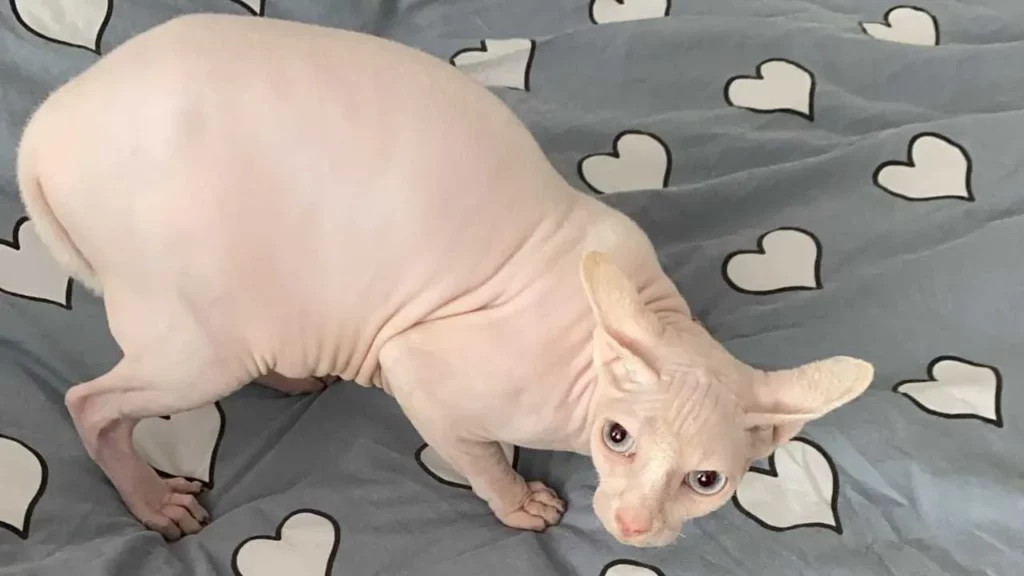
The Peterbald originates from Russia, showcasing a sleek, hairless or nearly hairless body.
Black Peterbalds may appear almost smoky in hue, while grey ones exude a more pearlescent shine. Despite their minimal fur, these cats display elegance and grace.
With limited or no coat, they rely on warm spaces and soft blankets, especially during chilly seasons. Occasional baths or gentle wipe-downs remove excess oils that can build up on exposed skin. Consistent skincare is essential to prevent dryness or irritation.
Personality-wise, Peterbalds are often described as friendly and talkative. They greet new acquaintances with calm curiosity and flourish when they have a companion—be it another cat or a gentle dog. Introductions to other animals should be slow and reassuring.
Interactive toys and treat puzzles satisfy their high intelligence. They may even learn simple tricks if you reward them with praise.
5. Persian

Persians are synonymous with a luxurious coat, which can come in black or grey for a truly regal appearance. Their sweet, expressive faces and round eyes add to the breed’s enduring popularity. While they’re not as boisterous as some others, they still appreciate playtime in smaller, more relaxed doses.
Daily brushing helps keep their long fur free from tangles, especially around the chest, belly, and tail. A metal comb can reach through the thick layers of fur, helping to prevent mats and preserve their plush silhouette.
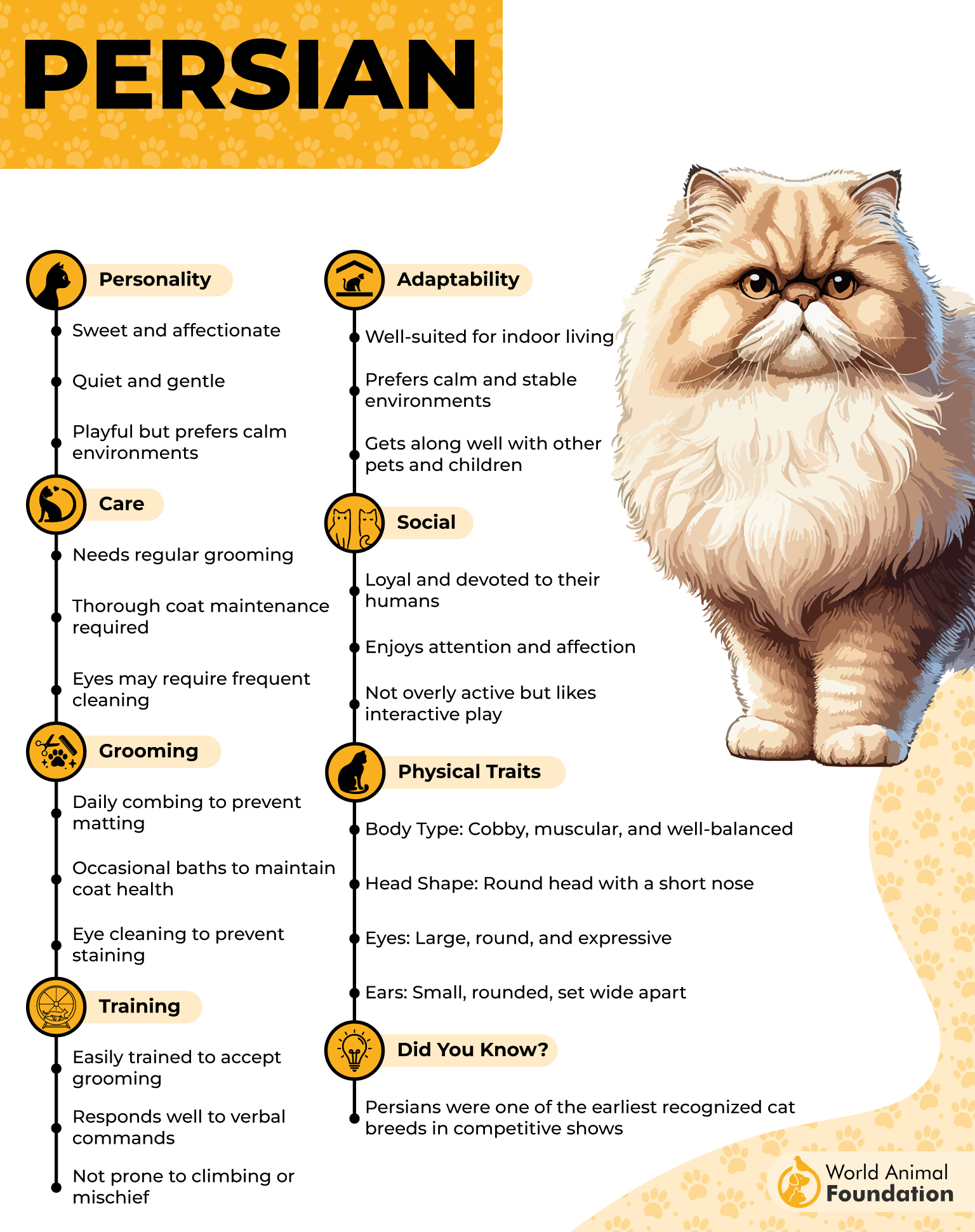
VCA warns that brachycephalic cats like Persians can face breathing or eye problems, so regular vet monitoring is vital.
Their affectionate nature pairs well with calm environments. Persians often enjoy leisurely naps on soft pillows or couches, gracefully observing household events.
They’re an ideal match for those who appreciate a gentle companion eager to lounge nearby. Preparing a consistent grooming routine can keep your Persian looking regal and feeling comfortable.
6. Egyptian Mau
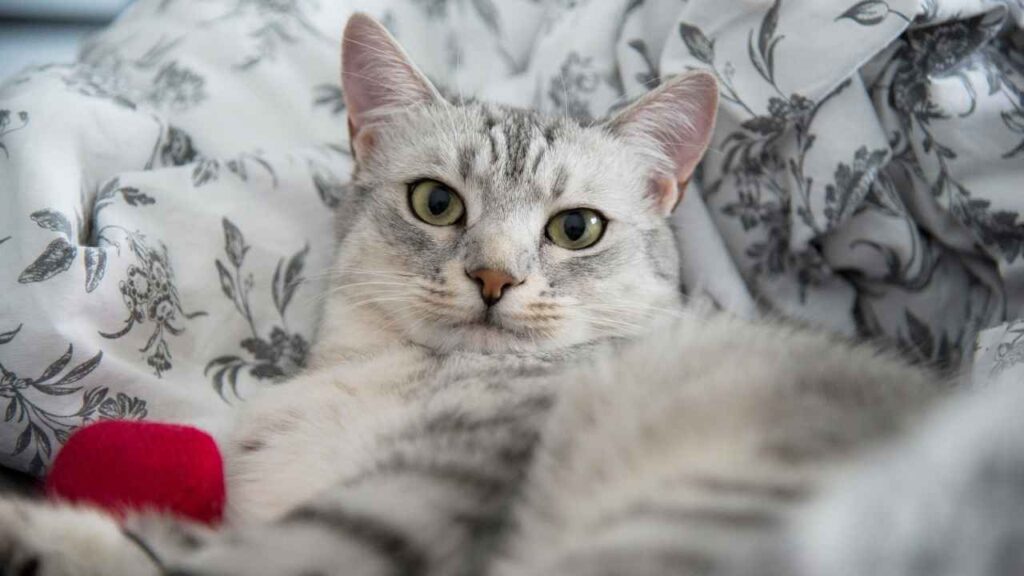
Renowned for their natural spots, Egyptian Maus can also come in striking grey or black variations. They carry themselves with a regal air, tracing lineage back to ancient depictions of domestic cats. If you want a feline with athletic prowess, the Egyptian Mau definitely delivers.
Maus bond closely with their chosen person and may exhibit shyness around unfamiliar faces. Once they warm up, you’ll discover a loving and devoted companion.
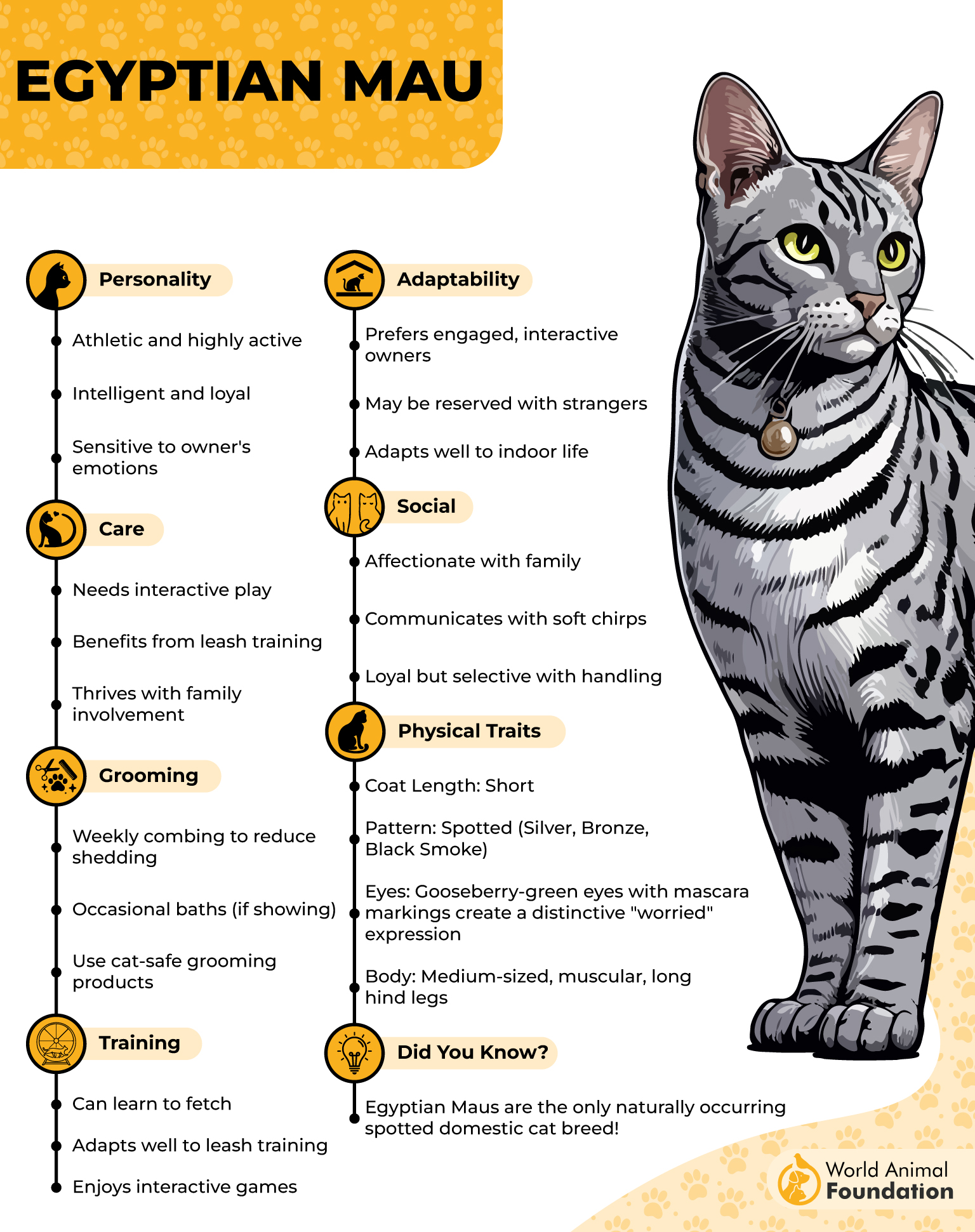
Stimulating toys, such as laser pointers or feather teasers, help channel their desire to run and pounce.
Grooming is simple, as their coats are relatively short. A weekly combing session removes loose fur, maintaining their coat’s natural sheen.
Annual dental checkups and routine vaccinations, ensuring they remain happy and active. Steady socialization makes a significant difference in raising a well-adjusted cat.
7. Norwegian Forest Cat
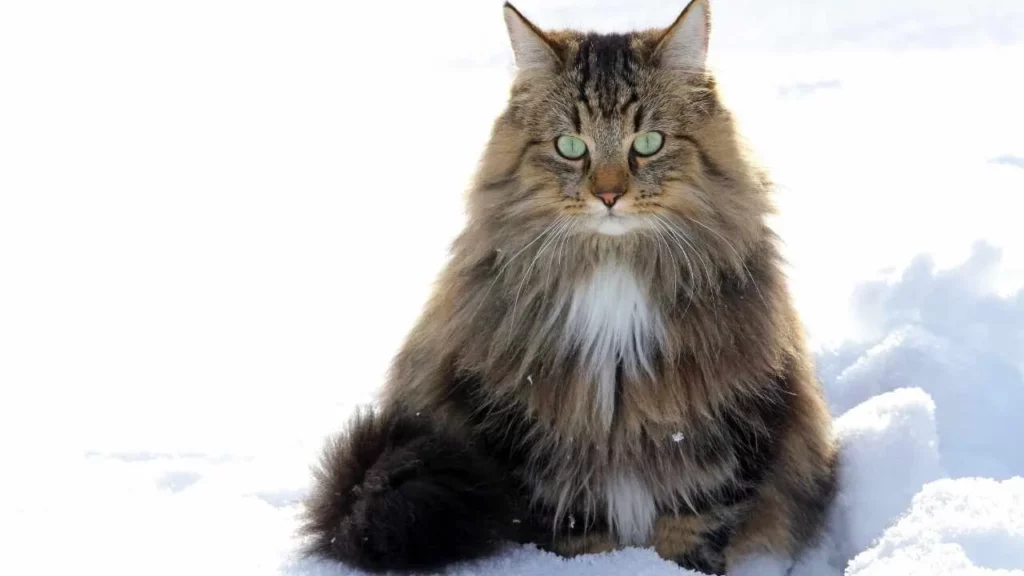
The Norwegian Forest Cat, occasionally called the “Wegie,” is known for its thick coat, adapted to cold Scandinavian climates.
While many people picture them in a brown tabby pattern, black or grey Norwegian Forest Cats boast an equally majestic look.
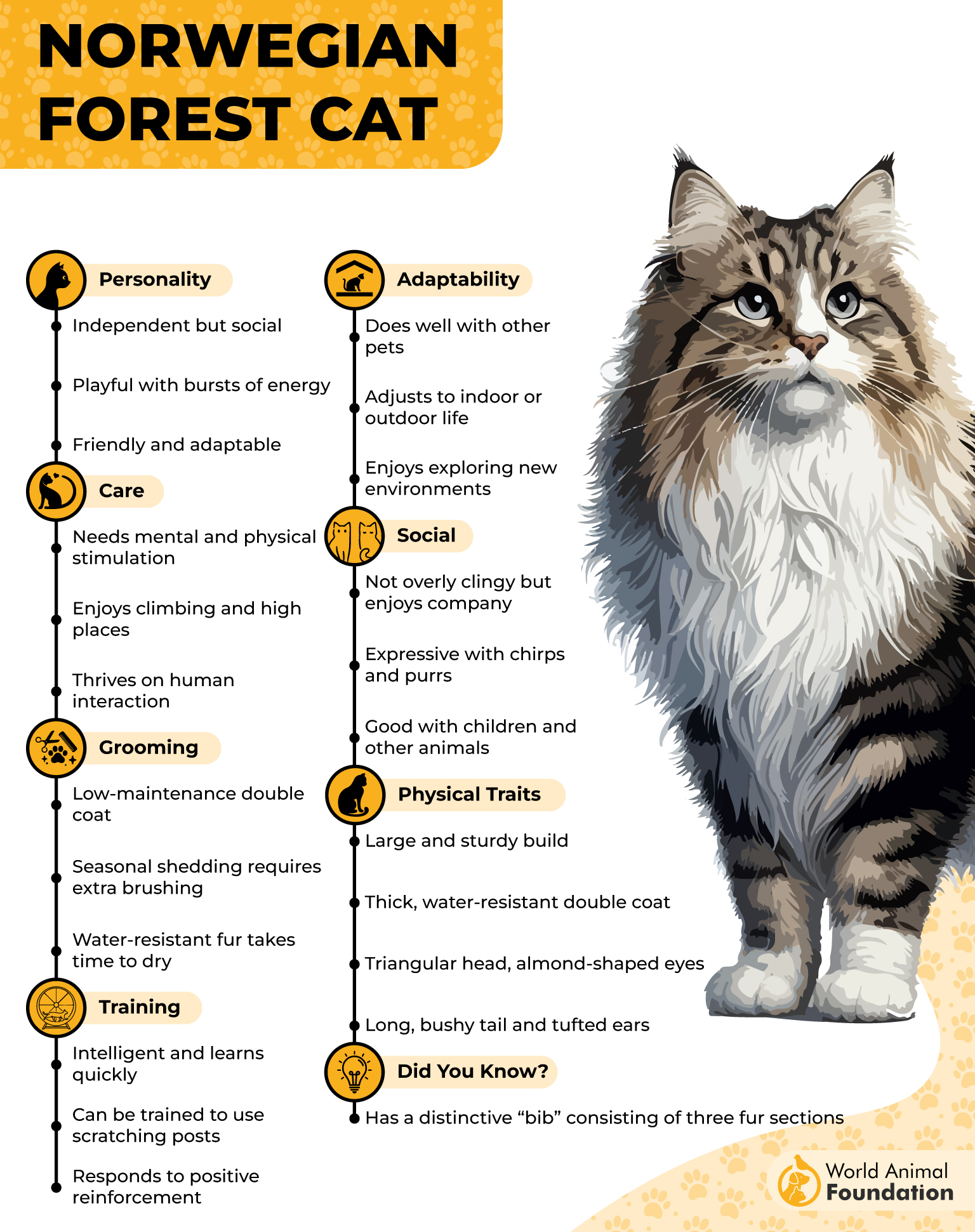
Despite their large build, they tend to be gentle with kids and other pets. Their dense fur requires weekly brushing to ward off tangles—pay close attention to the ruff and tail areas.
They love perching, so tall cat trees or sturdy shelves are welcome additions. Norwegian Forest Cats are fairly independent but do appreciate your presence.
Setting aside time for leisurely play sessions or quiet cuddles goes a long way. Providing spots for exploration and relaxation can keep your Norwegian Forest Cat purring happily.
Conclusion
In the feline world, grey and black cat breeds hold a special charm. Whether you prefer a mysterious black cat or a dignified grey cat, both can feature an intriguing coat pattern. They are loved for their striking look and cuddly companionship.
Among different breeds, the British Shorthair and Maine Coon cat offer distinct personality traits. The British Blue is admired for its plush coat and round head, while the Maine Coon still reflects its working cats heritage with a thick coat and fluffy coat. Both are instantly recognizable and can happily live with kids or adults.
If you adore a fluffy cat, consider Scottish Folds or Selkirk Rex. Scottish Folds have folded ears and round eyes, a genetic mutation behind their unique look. Selkirk Rex kittens are born with curly fur and charm cat enthusiasts everywhere.
For those drawn to unique coat colors, Russian Blue cats have green eyes and a notably calm nature. Domestic shorthair felines come in a variety of colors and patterns, from orange and calico to blue highlights. These highly social companions often bond closely with humans and even dogs.
Across many different colors and various colors, cats are often adored for their intelligence and warm demeanor. From European settlers’ working cats to Exotic Shorthairs with sweet expressions, each cat breed can fit a distinct lifestyle. By recognizing their needs and celebrating their individuality, you’ll find your cat lying contentedly at home.
No matter which of these majestic felines speaks to your heart, consistent care, plenty of play, and loving attention will nurture an incredible bond. May your journey lead you to the perfect companion—one that fills your life with purrs, playful mischief, and endless warmth.
