




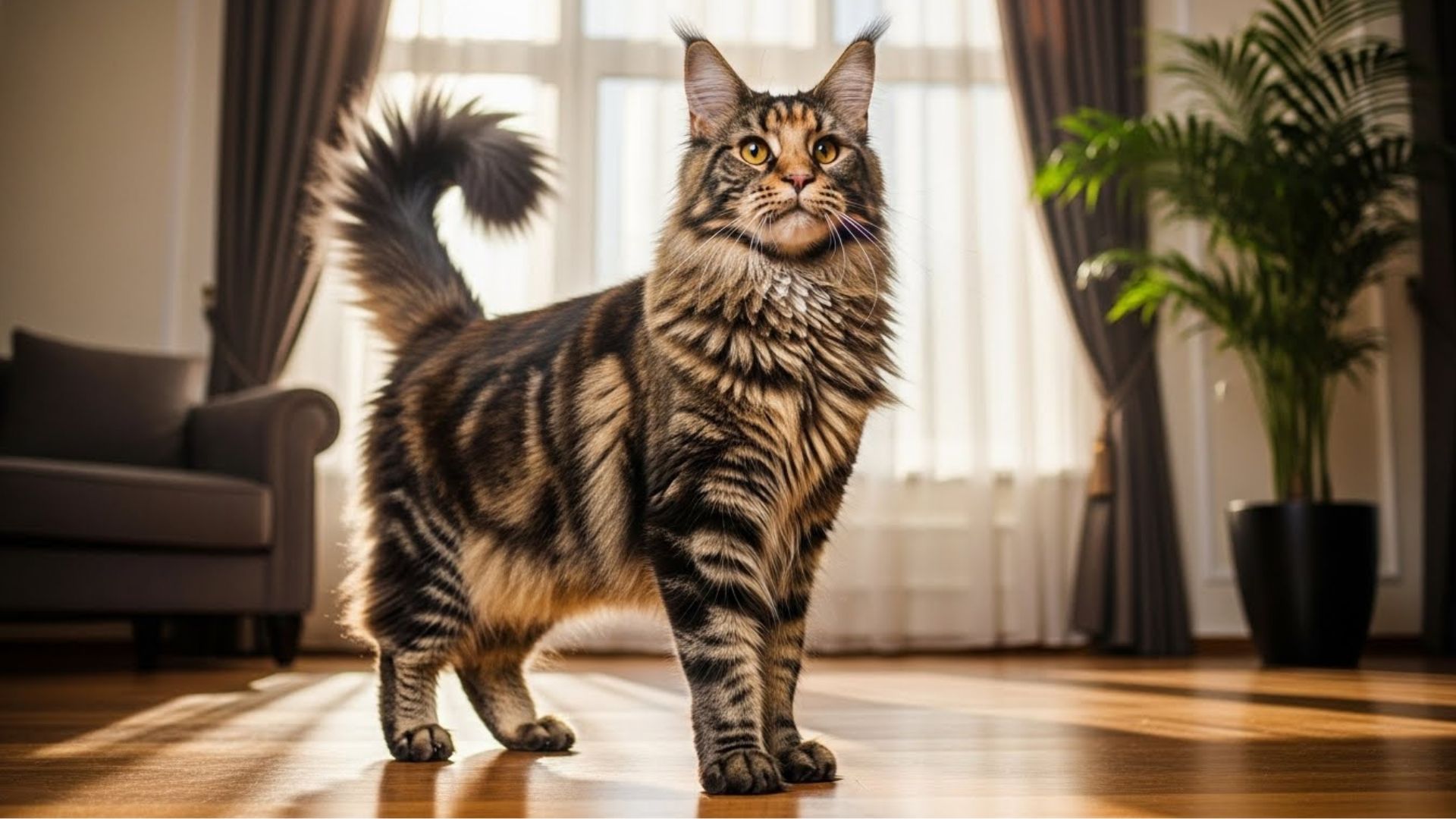
If you’ve ever dreamed of sharing your home with a cat that feels more like a roommate than a pet, you’re not alone. Larger cat breeds captivate with their long, powerful bodies, sweeping tails, and equally outsized personalities. Often described as “dog-like” in their loyalty and sociability, these gentle giants still move with the effortless grace that makes felines so irresistible.
These are the cats who overflow your lap, greet visitors at the door, and demand scratching posts and cat trees built on a grander scale. From famously fluffy breeds like the Maine Coon to sleek, athletic stunners such as the Savannah, big cats bring a mix of wild allure and gentle affection that makes them unforgettable companions.
In this guide, we’ll explore some of the largest domestic cat breeds, what sets each one apart, and the kinds of households they thrive in. You’ll also discover how their size affects their food, exercise, and equipment needs so you can decide whether one of these majestic felines is the perfect oversized addition to your life.
Largest Cat Breeds
1. Maine Coon
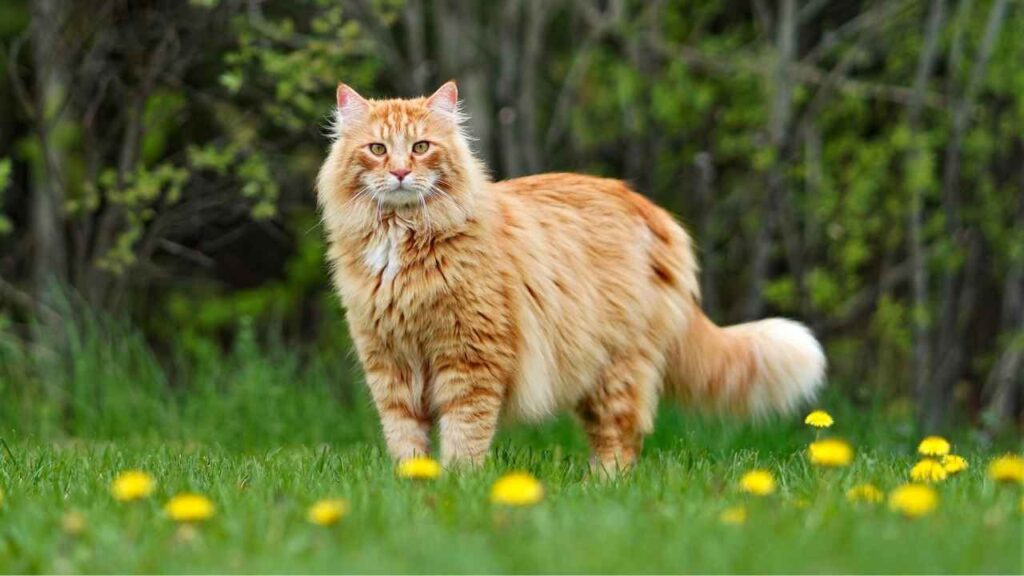
Often called the “gentle giant” of the cat world, the Maine Coon is a large, longhaired breed and the official state cat of Maine.
According to Britannica, the Maine Coon is recognized as the only long-haired domestic cat breed that originated in North America. They’re one of the biggest domestic cats you can share a sofa with.
Their size is matched by their rugged good looks: a dense, water-resistant coat, tufted ears, and big, sturdy paws built for snowy New England winters. A long, bushy tail acts like a fluffy blanket, letting these cats curl up comfortably even in colder climates.
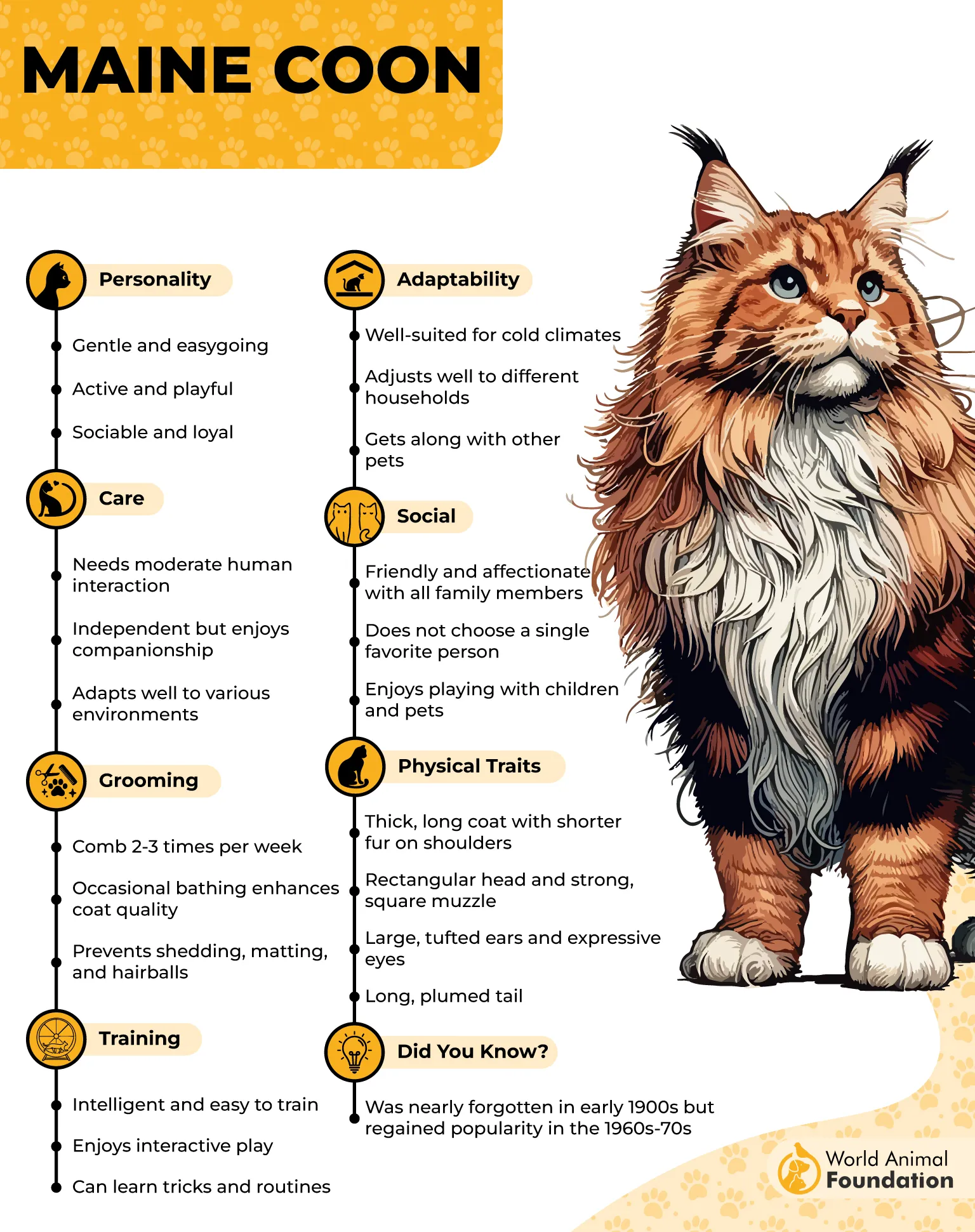
Despite their impressive build, Maine Coons are famously social and dog-like, often padding after their people from room to room. Many enjoy learning tricks or playing fetch, combining an imposing frame with a playful, easygoing personality that feels surprisingly approachable.
Because of their large size, they benefit from high-quality nutrition and regular grooming to keep that thick coat in top condition. In North America, the Maine Coon is one of the most recognizable big house cats.
2. Savannah
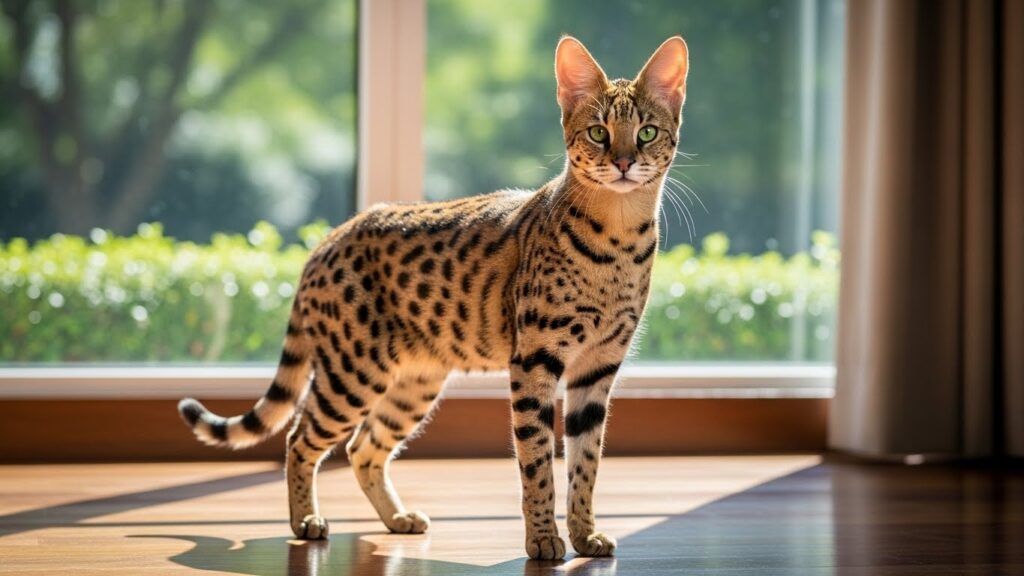
The Savannah is also known as the Savannah cat or Savannah hybrid. According to PetMD, the Savannah house cat originates from a cross between a domestic cat and the wild African serval.
Tall, exotic, and athletic, this breed is best suited to experienced cat owners who can match its energy and curiosity.
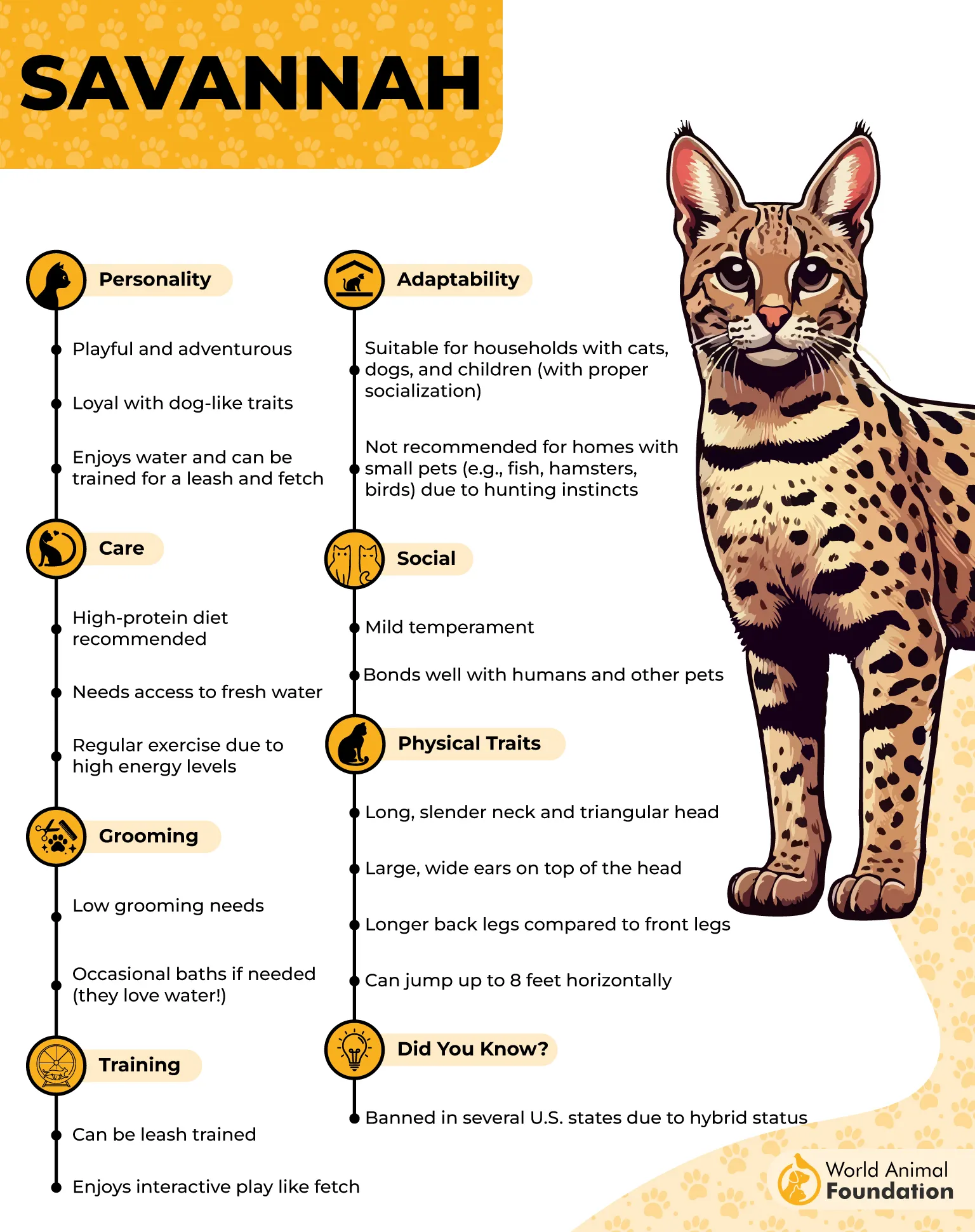
As one of the largest domestic cat breeds, it has long legs, lean muscle, and an impressive tail, giving it a tall, sleek, wild-inspired silhouette that dominates any room.
Highly active and intelligent, Savannahs thrive in homes that offer vertical space, sturdy cat trees, and plenty of room to stretch their big frames. They often enjoy leash walks, interactive play, and even the occasional splash in water, channeling their athletic build into nonstop adventure.
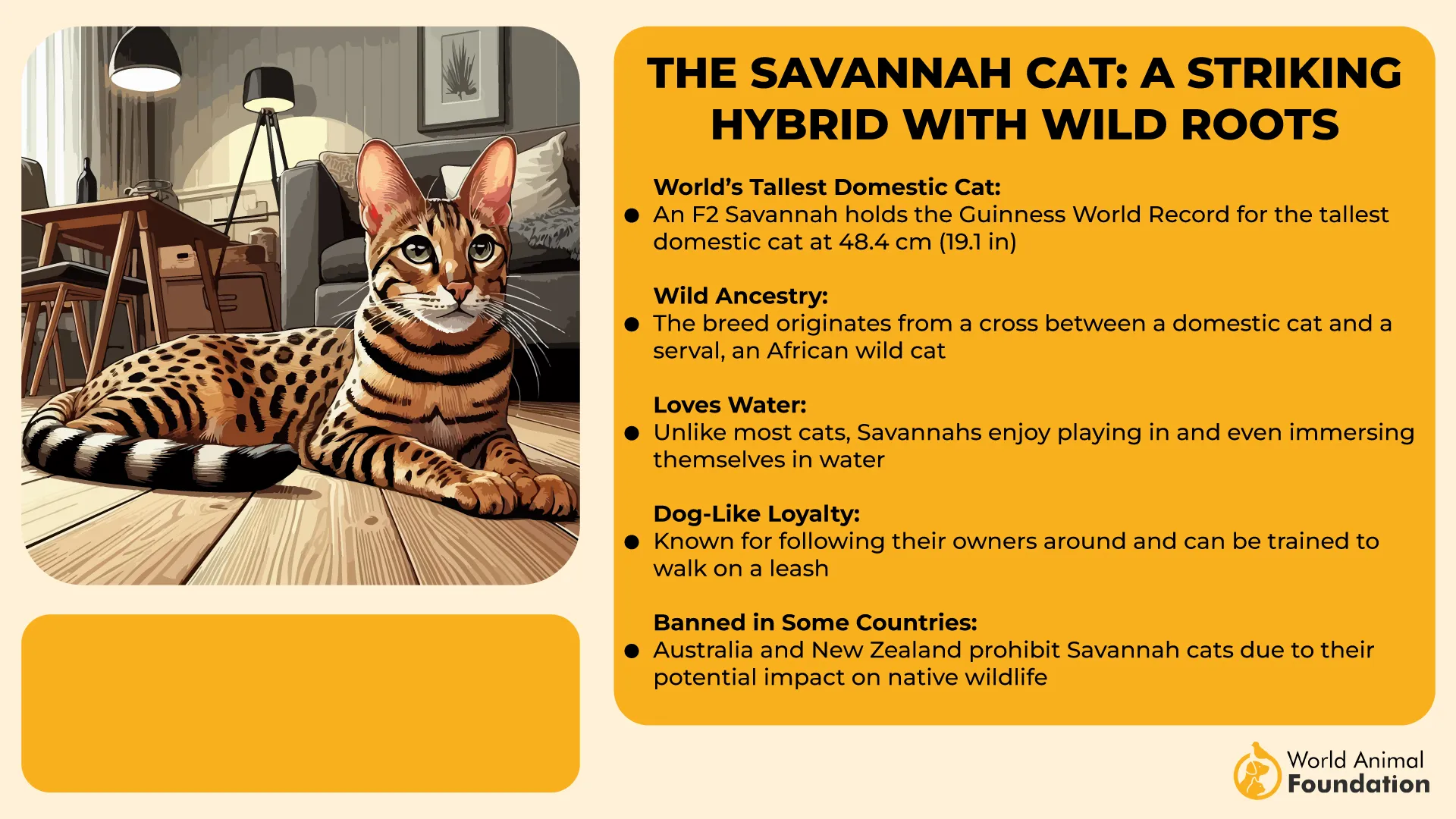
Their spotted coats, oversized ears, and sleek fur patterns—ranging from classic black or silver spotted tabby to rarer seal or cinnamon tones—emphasize their wild, tall elegance. Devoted to their humans and easily bored, Savannahs need rich mental stimulation with toys and puzzles, and many can leap an incredible 8 feet into the air.
3. Ragdoll
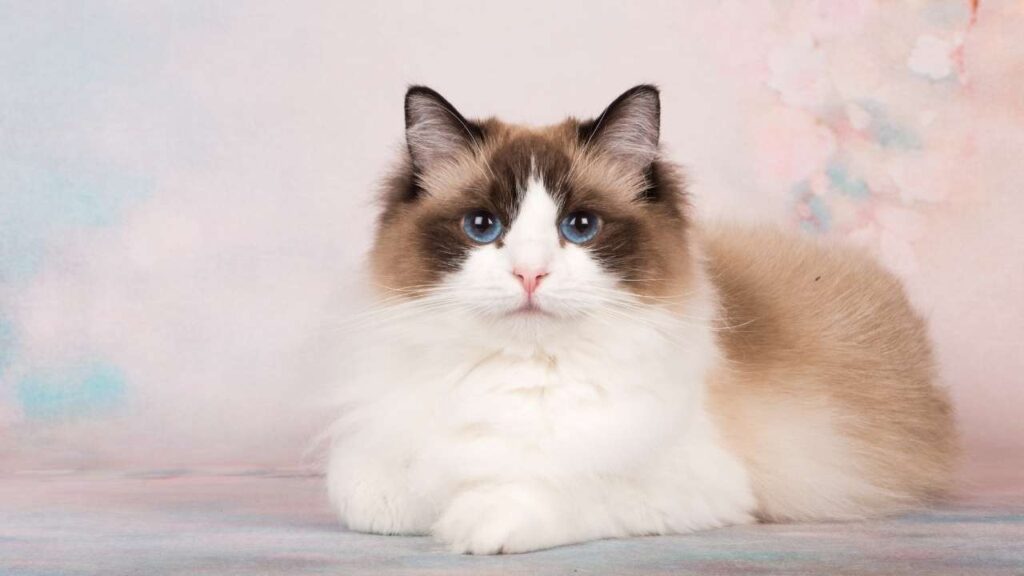
The Ragdoll is a large, semi-longhaired cat with striking blue eyes and a famously floppy body that relaxes completely when held.
According to WebMD, Ragdoll cats are characterized as a calm and tolerant breed. This gentle giant fits easily into laid-back homes and loves nothing more than being near its family.
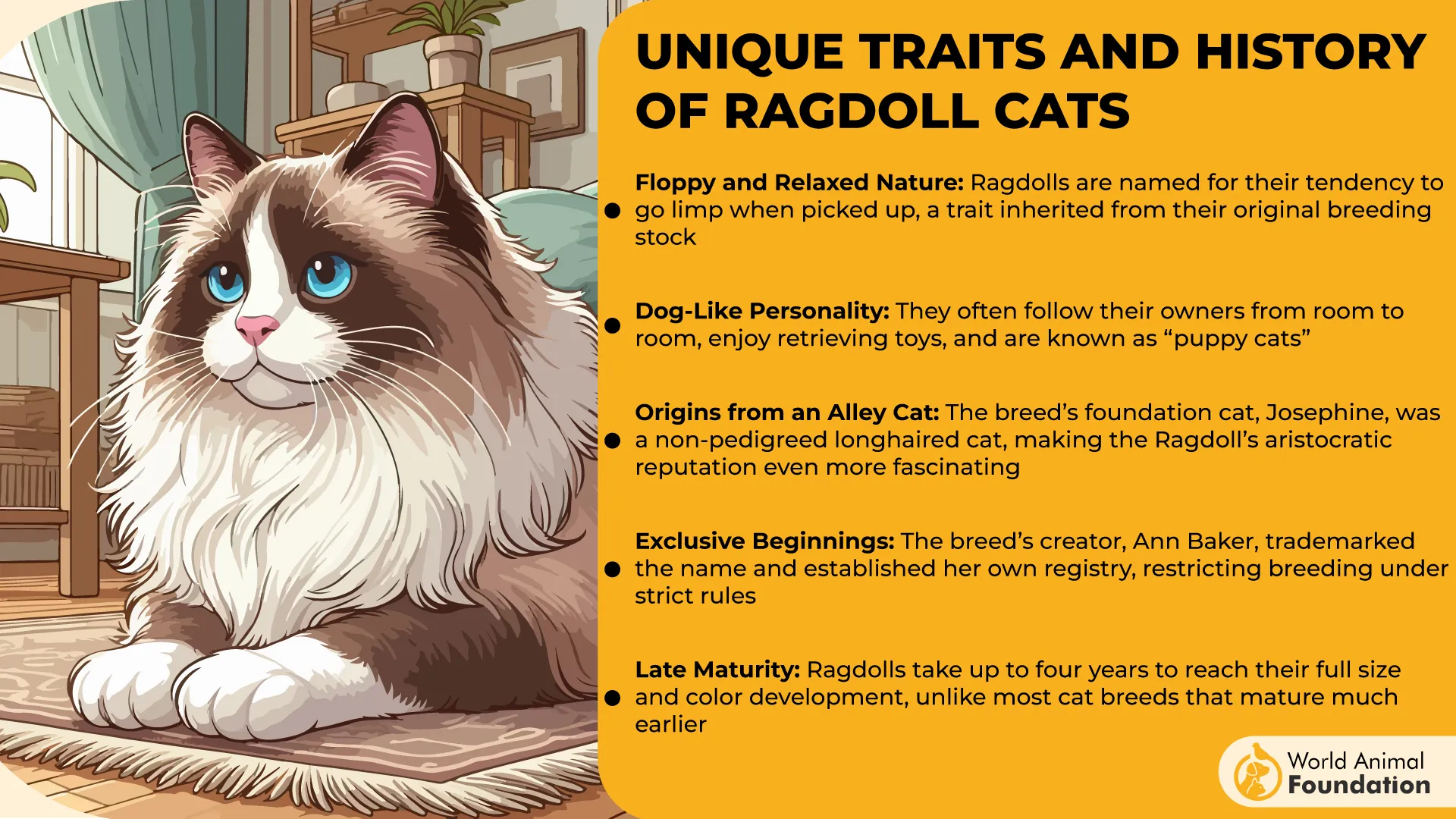
Their substantial frame makes them feel more like a plush, living pillow when they sprawl across your lap or stretch along the sofa.
That big, fluffy coat doesn’t just add to their size—it also enhances their soft, cuddly presence. Because of all that fur, they benefit from regular grooming and quality nutrition to keep their coat full and healthy.
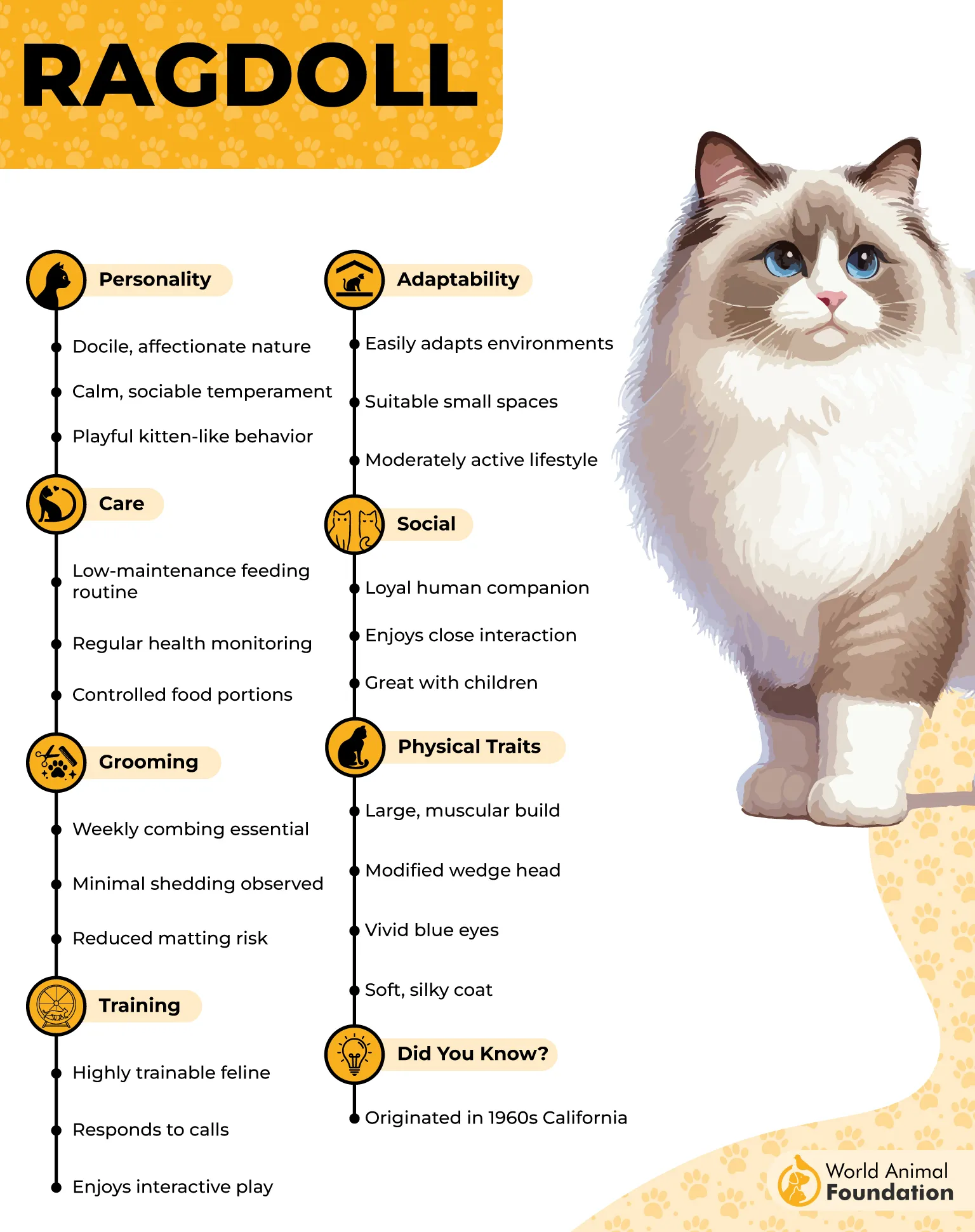
Despite their impressive build, Ragdolls remain incredibly relaxed, greeting you at the door, trailing after you, and melting into your arms like a ragdoll whenever you pick them up, a trait first seen in the original cats developed in Riverside, California, in the 1960s by breeder Ann Baker.
4. Norwegian Forest Cat
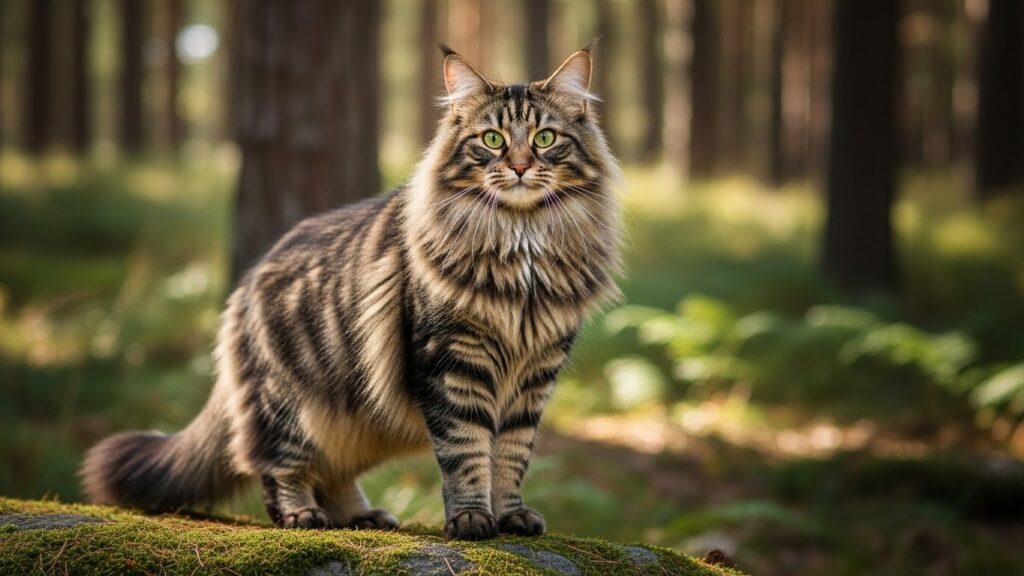
The Norwegian Forest Cat, often called the “Wegie,” is a rugged Nordic beauty with a thick, water-resistant double coat and powerful, muscular frame. Intelligent, slightly mischievous, yet deeply loyal, this fairytale-looking cat balances independence with a strong bond to its people.
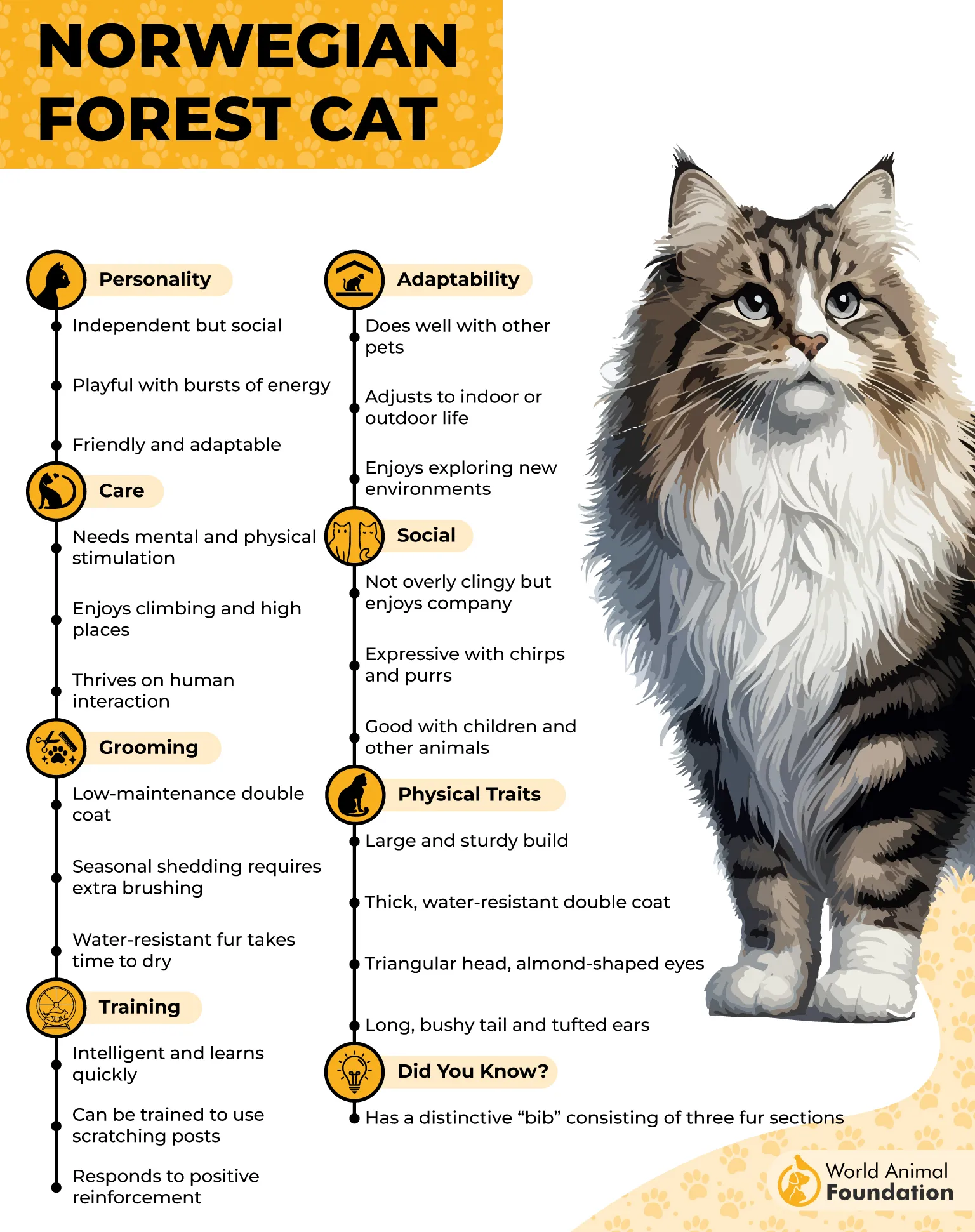
As one of the largest domestic cat breeds, the Wegie makes an impressive figure, with males often reaching notably heavy weights and appearing even bigger thanks to their dense fur. Their sturdy build reflects a history of surviving harsh Scandinavian winters, giving them the strength and resilience big-cat fans admire.
These large cats are agile climbers who love vertical spaces, happily scaling cat trees or shelves to oversee their kingdom from above. They enjoy outdoor-style adventures where possible, but are just as content relaxing indoors and watching the world from a sunny window.
Norwegian Forest Cats suit families in cooler climates who appreciate affectionate but not overly clingy companions, and many males look even larger due to their strong muscles and thick coat.
5. Siberian
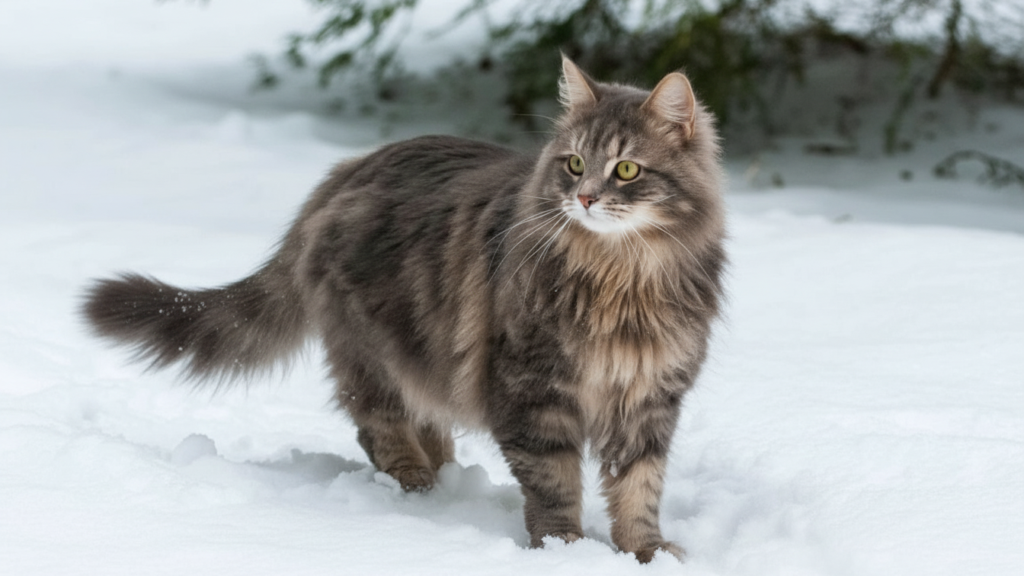
The Siberian, also known as the Siberian Forest Cat, is a striking long-haired breed from Russia, easily recognized by its dense triple coat and solid, muscular frame. Friendly and inquisitive, this large companion brings a touch of wild “forest cat” charm into the home.
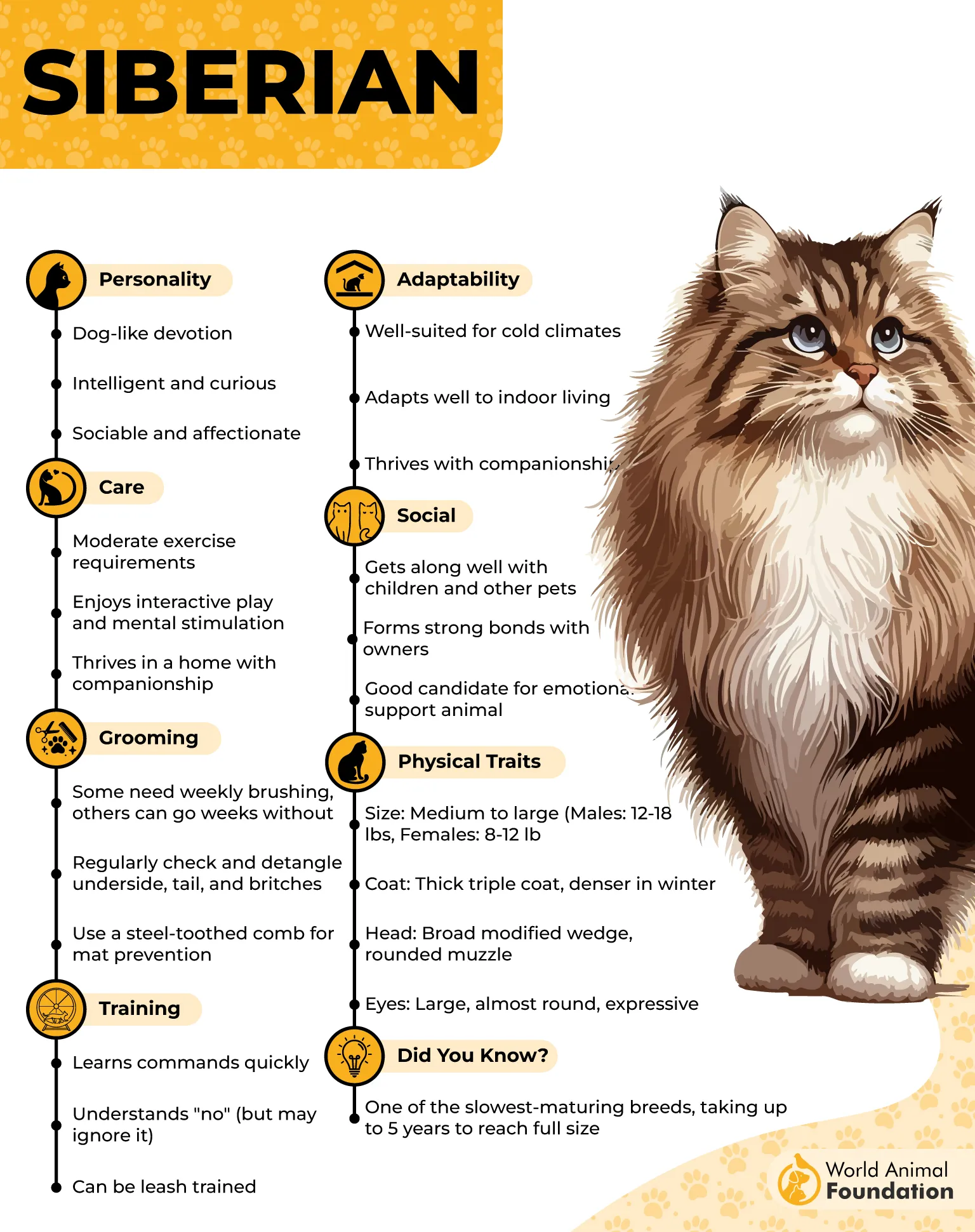
Bred to withstand harsh Russian winters, the Siberian’s powerful build and heavy bone structure give it a naturally robust, athletic presence. Their plush fur adds to the impression of size, making them look even bigger as they bound across cat trees and furniture.
Despite their grandeur, Siberians are a popular choice for allergy-prone families thanks to their tendency to produce lower levels of the Fel d 1 protein. For many cat lovers, this means the rare combination of a substantial, cuddly cat that may be easier to live with.
Among large domestic cats, Siberians stand out as an especially impressive presence in the home.
6. British Shorthair
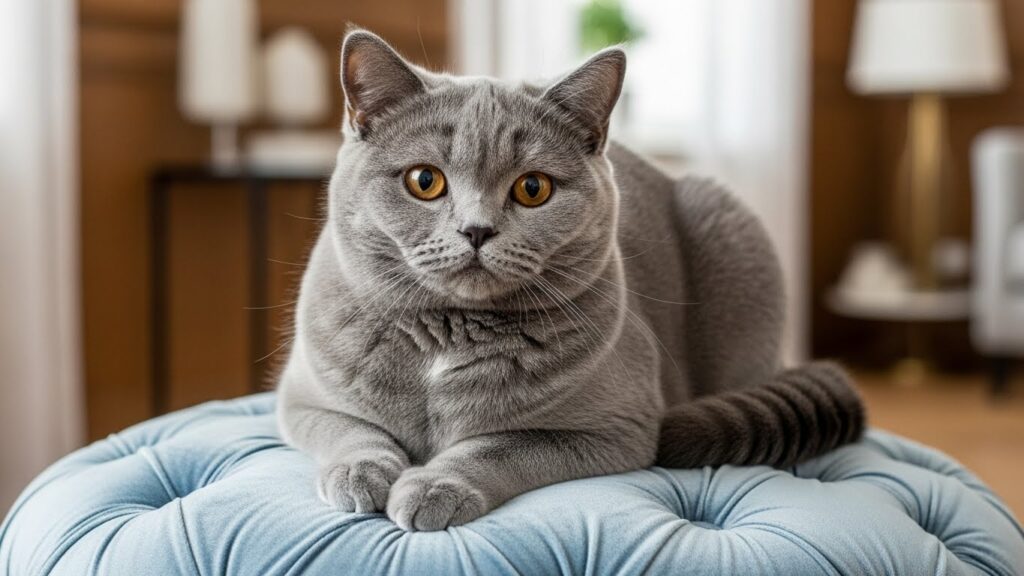
The British Shorthair, often affectionately called the British Blue, is a solid, teddy bear–like cat with a round head and plush coat. Calm and undemanding, this dignified companion suits people who want a low-drama, quietly loyal presence at home.
Built low to the ground with a broad chest and thick legs, the British Shorthair packs surprising heft into a compact frame. Many males tip the scales between 12 and 18 pounds, giving them a substantial feel even though they aren’t the very largest of the giant breeds.
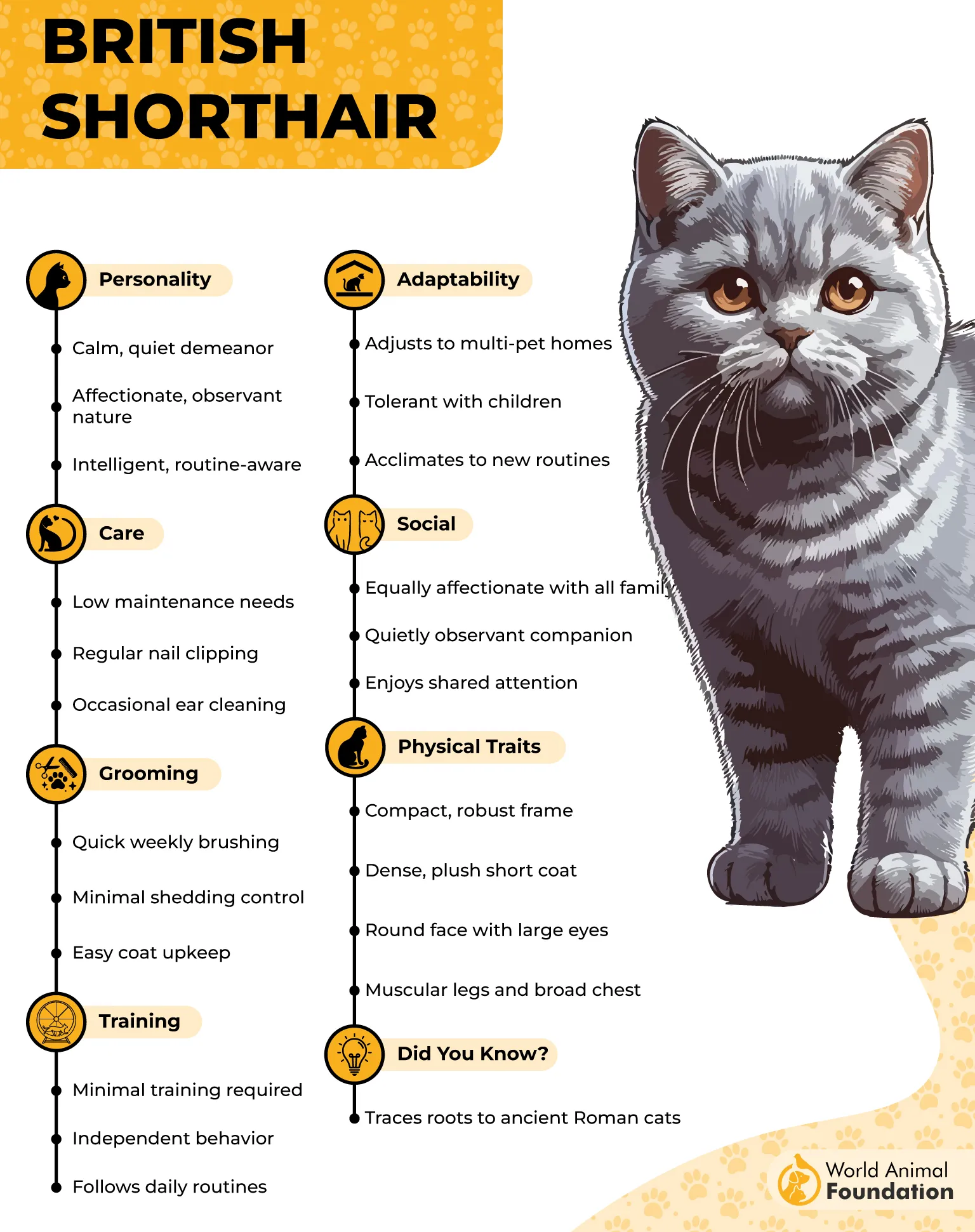
Their sturdy build makes them feel more like a pleasantly heavy cushion than a delicate lap ornament. Females are typically a bit lighter and smaller, but still share the same powerful, well-balanced body that defines the breed.
That dense, short coat adds to the impression of size, creating a rounded silhouette from cheeks to tail. Although the blue variety is iconic enough to inspire the “British Blue” nickname, British Shorthairs can actually be found in many different colors and patterns.
7. Turkish Van
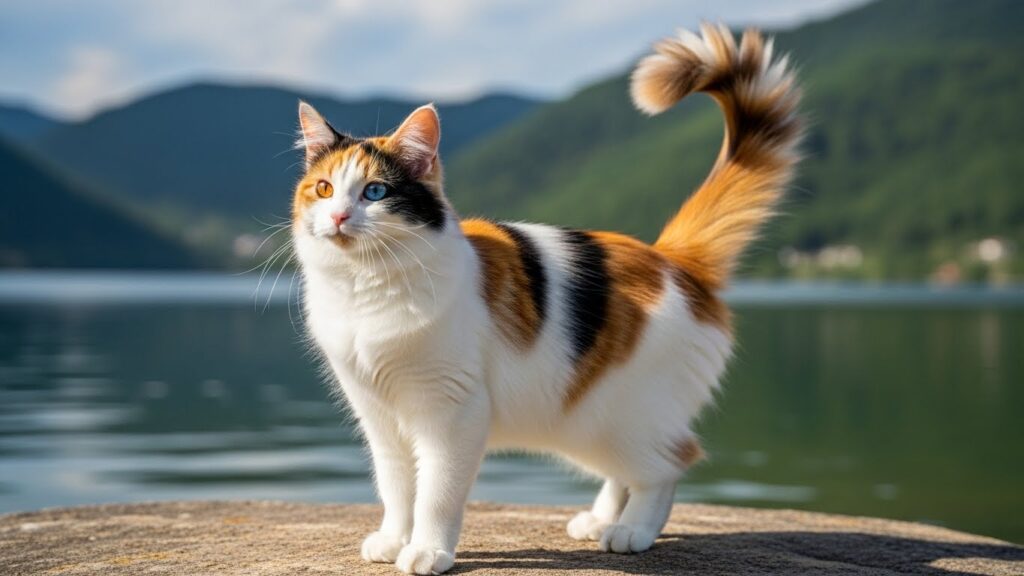
The Turkish Van, often nicknamed the “swimming cat,” is a large, muscular breed from Turkey known for its semi-long, water-resistant coat and striking color pattern. Friendly yet independent, this big-bodied cat brings a bold presence to any home.
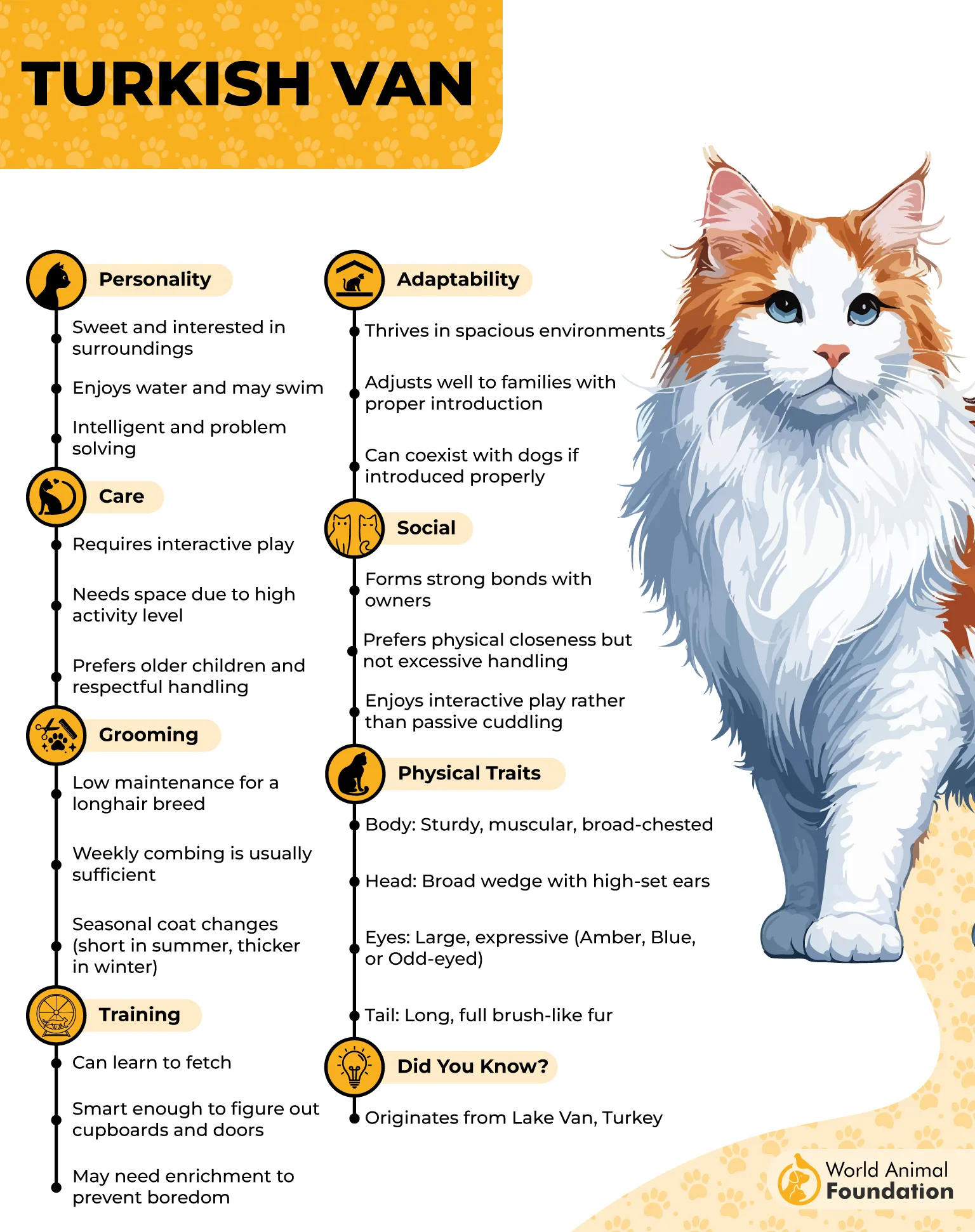
As one of the larger domestic breeds, the Turkish Van’s athletic frame benefits from plenty of exercise to keep joints and muscles healthy. Strong climbing opportunities and active play help manage their size, preventing excess weight that can strain their body over time.
Because they’re energetic and intelligent, they need mental as well as physical stimulation to stay in top condition. Cat trees, wall shelves, scratching posts, and even moving water features or fountains provide healthy outlets that reduce stress and boredom-related behaviors.
Turkish Vans are generally considered a robust breed with few known genetic issues, but regular vet visits and at-home grooming—like brushing, nail trims, and teeth care—support long-term health.
Conclusion
Choosing a big cat breed is about more than size—it’s about matching temperament and care needs. Compared with most cats, larger domesticated cats can eat more, need sturdier gear, and benefit from routines that support a healthy weight and strong joints.
While their look may hint at a wild cat or even a wild jungle cat, many are great pets with a docile nature, sweet temperament, and an affectionate nature that makes them wonderful companions.
Still, big bodies often mean big energy, and some can be extremely active, so plan for climbing space and enrichment. If you’re comparing other breeds like the Siberian cat with a dense coat and silky coat, remember that some large cats take time to finish growing, up to five years in certain lines.
Fun fact: the Turkish Van, a large breed from the Middle East, has a muscular build with a deep chest and is famous for loving water, even swimming.
Largest Cat Breeds: Can You Score 5/5? 🐱
Which large cat breed is known as the “gentle giant”?
Which breed comes from a cross with the African serval?
Which large cat is famous for going limp when held?
Which breed is nicknamed the “swimming cat”?
Which large breed is often easier for allergy-prone families?
