




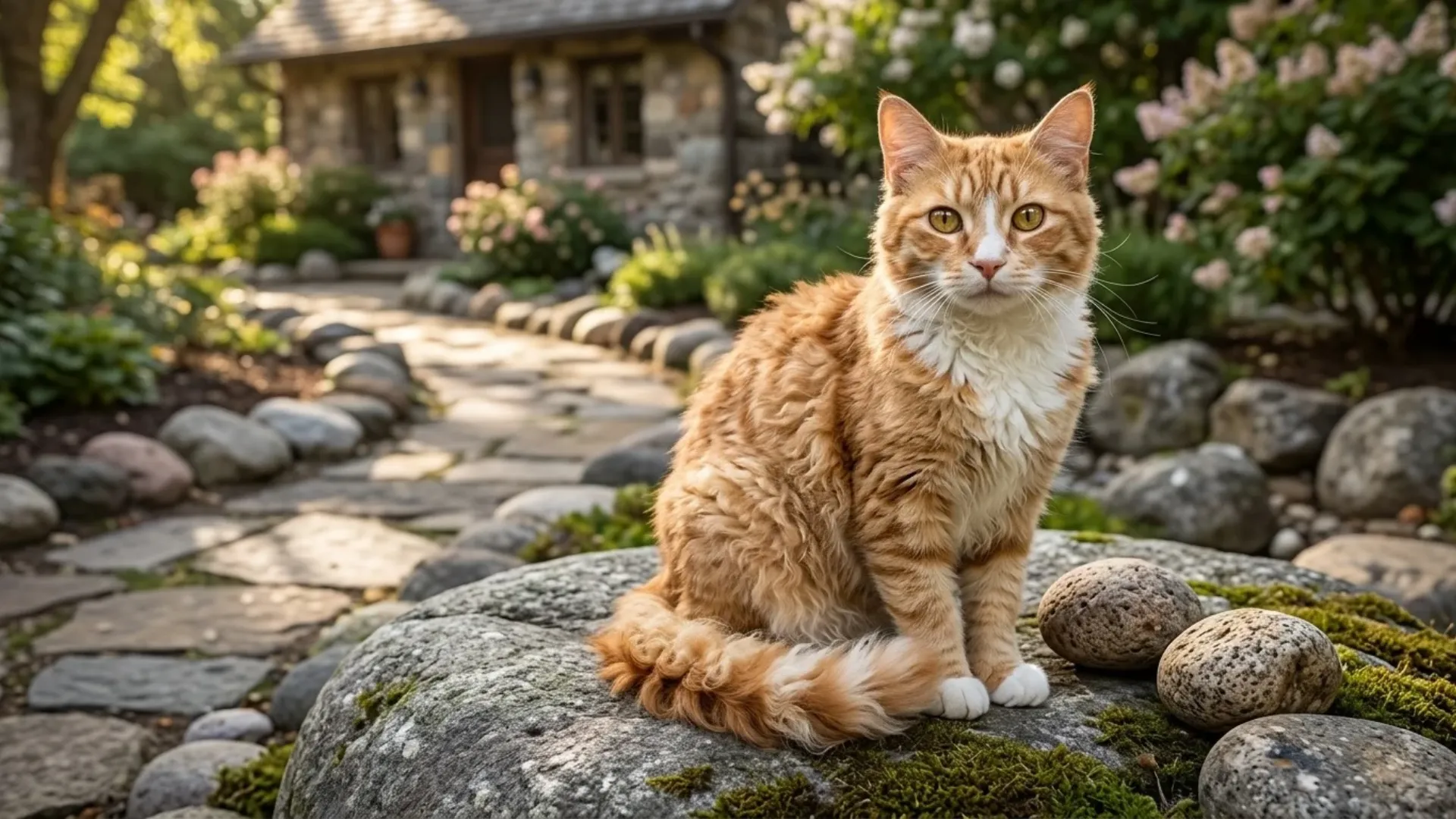
Every cat owner hopes for many happy, healthy years with their feline companion. While genetics can influence a cat’s health, some breeds are considered relatively hardy because they tend to have fewer breed-specific conditions or greater genetic diversity.
Still, no breed is completely free from health risks. Responsible breeding, balanced nutrition, weight management, regular veterinary checkups, and a safe home environment all contribute to a cat’s well-being.
Explore some of the healthiest cat breeds and learn which characteristics may support a longer, healthier life, helping you make an informed choice when welcoming a new feline friend.
Healthiest Cat Breeds
1. Siberian
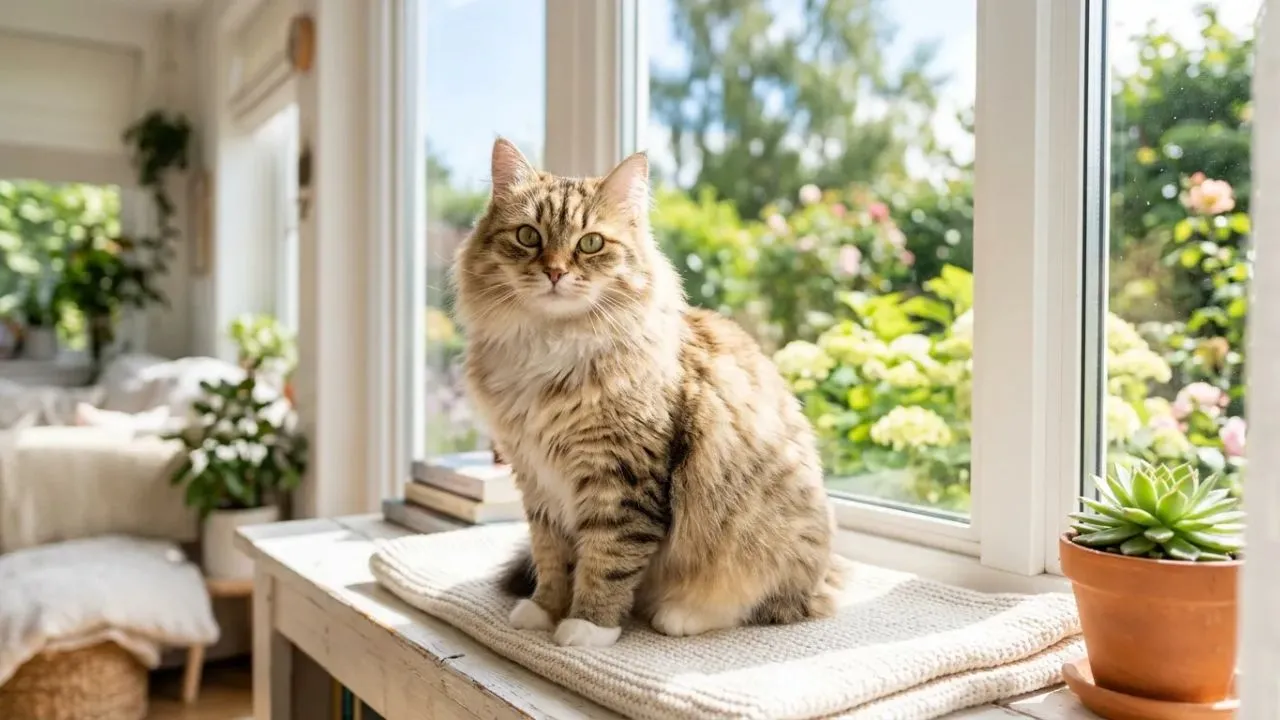
The Siberian is a naturally developed breed shaped by centuries of life in Russia’s cold climate. Its muscular frame, affectionate temperament, and dense fur make it well suited to harsh winters, while its adaptable nature helps it fit into family life.
According to WebMD, these large, attractive cats are sociable, outgoing, and inquisitive, making them suitable companions for many different types of households.
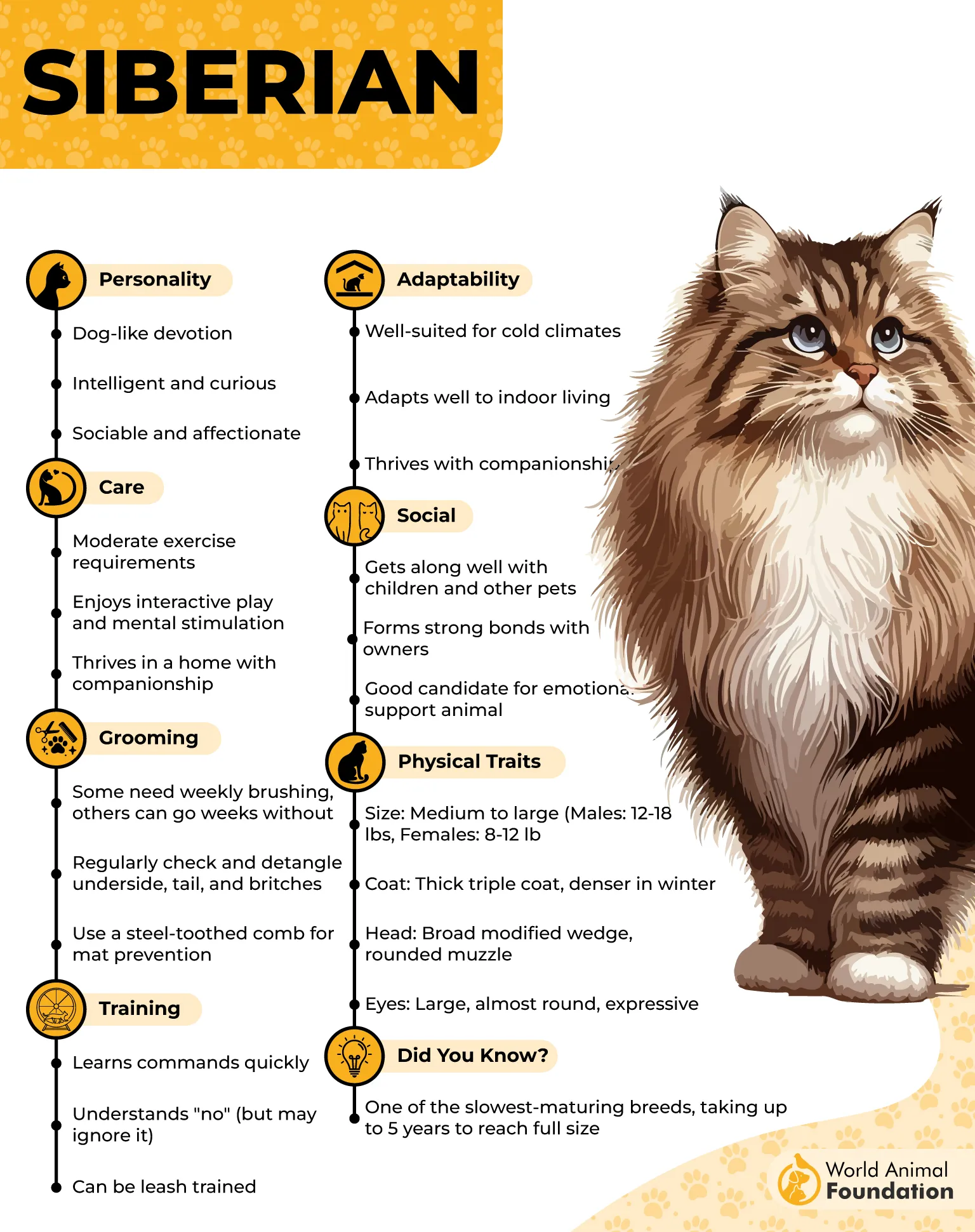
Generally robust, Siberian cats can live around ten to eighteen years. However, they may be susceptible to hypertrophic cardiomyopathy, a heart condition, and polycystic kidney disease. Choosing a responsible breeder who screens breeding cats for inherited conditions can help reduce health risks.
These energetic felines enjoy climbing, jumping, and interactive play. Because of their size and powerful movements, maintaining a healthy weight and supporting joint health are important. Siberians also tend to appreciate companionship and may struggle when left alone for extended periods.
How This Breed Stands Out
Thick triple-layered coat: Its dense, water-resistant fur, prominent ruff, and bushy tail provide insulation in cold weather.
Powerful, agile jumping ability: A muscular build and athletic hindquarters help the Siberian leap confidently and navigate elevated spaces.
2. Nebelung
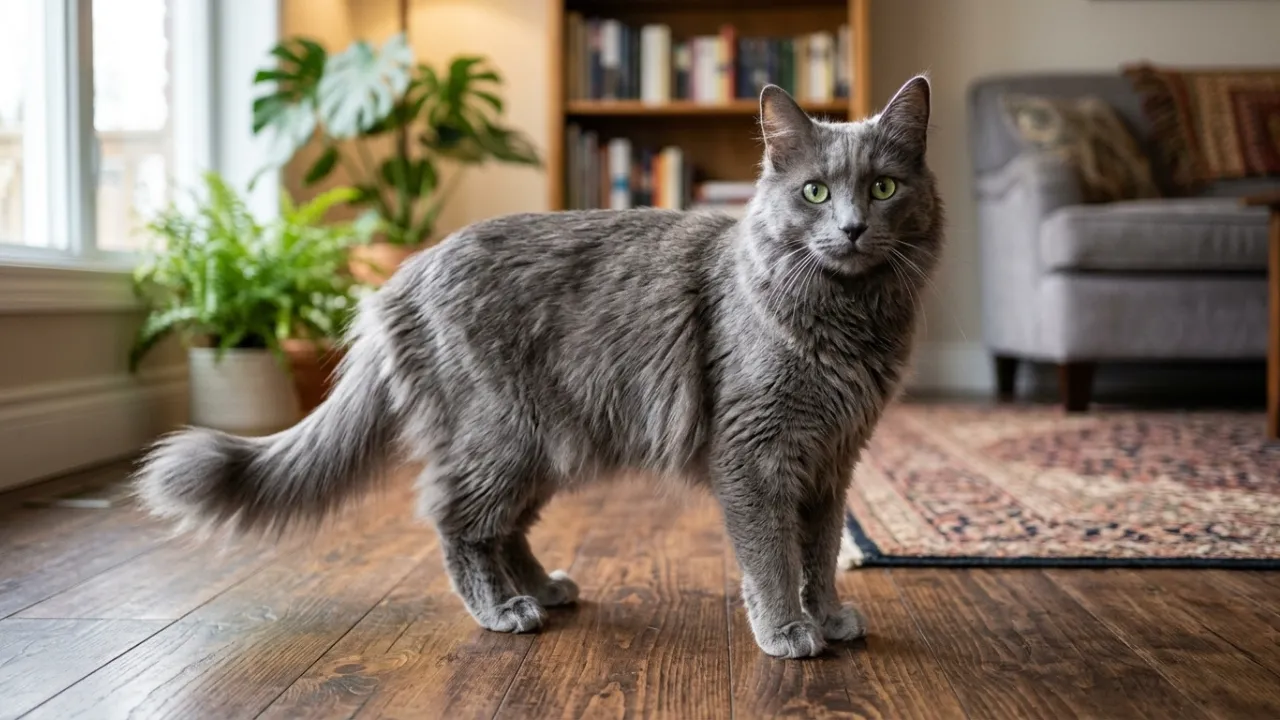
The Nebelung is a rare, long-haired breed closely related to the Russian Blue. Developed during the nineteen eighties, it is admired for its graceful appearance and gentle disposition. These domestic cats often form strong bonds with familiar people while remaining cautious around strangers.
Although the breed is generally considered healthy, its relatively recent development means long-term hereditary health patterns are not yet fully established. Nebelungs can still experience common feline concerns, including dental disease, skin problems, and obesity, making regular veterinary checkups important.
Their thick double coat can make weight changes less noticeable, so monitoring body condition and maintaining a balanced diet are worthwhile. These sensitive cats may also be affected by environmental changes and can benefit from quiet retreats and elevated spaces where they feel secure.
How This Breed Stands Out
Long, shimmering blue-gray coat: Its semi-long fur has a silvery sheen that enhances the breed’s elegant appearance.
Quiet, devoted companionship: Nebelungs tend to be reserved yet affectionate, often staying close to trusted family members.
3. British Shorthair
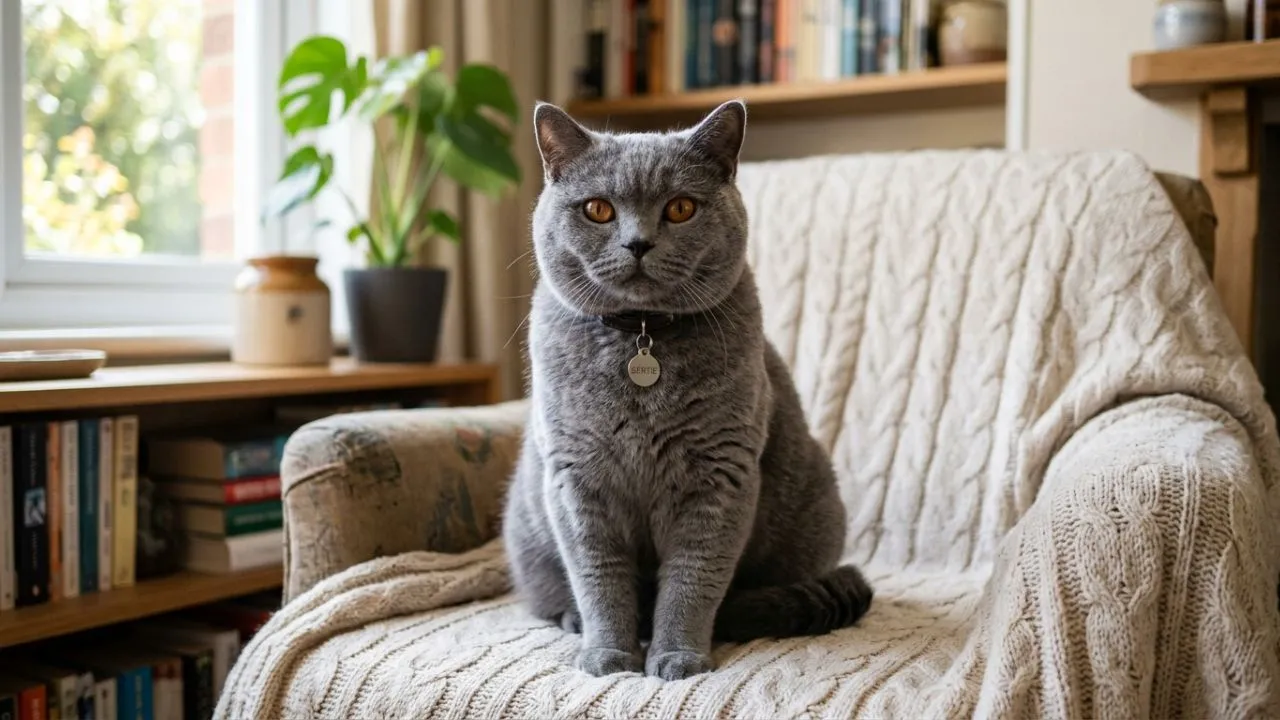
The British Shorthair developed largely through natural selection and was valued historically for its excellent mousing abilities. Today, this breed is appreciated for its calm disposition and sturdy physique, making it a popular choice for family households.
According to PetMD, British Shorthairs are generally calm and quiet cats that mature slowly, often retaining their playful, kitten-like behavior until they are three or four years old.
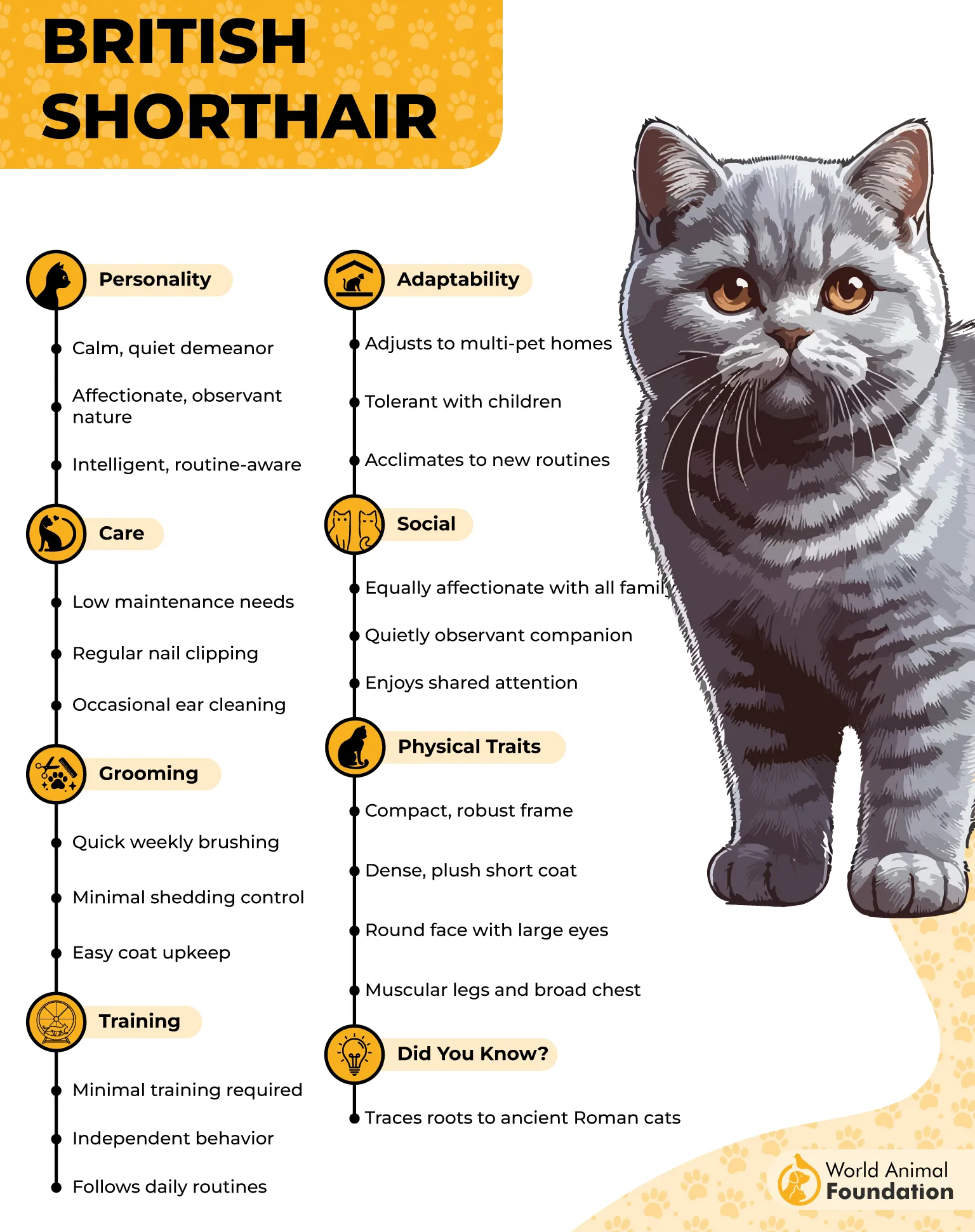
These short-haired cats often enjoy long lifespans, commonly reaching twelve to twenty years. However, some may be susceptible to hypertrophic cardiomyopathy, a heart condition, as well as polycystic kidney disease and hyperthyroidism. Routine veterinary examinations and appropriate screening can help monitor their health.
British Shorthairs can gain excess weight, so balanced meals and regular opportunities for activity are important. Their thick fur also benefits from consistent brushing to keep it in good condition and minimize tangles.
How This Breed Stands Out
Sturdy build with round cheeks: A broad body, rounded face, and full cheeks give the British Shorthair its characteristic appearance.
Plush coat requiring modest grooming: Its dense, soft fur needs regular grooming to manage loose hair and prevent matting.
4. Siamese

The Siamese is an intelligent, energetic cat known for its striking appearance and affectionate nature. These curious felines enjoy interactive play and thrive on companionship, often forming strong bonds with family members, including children and other pets.
According to Purina, Siamese cats are highly sociable, clever, and vocal, often expressing themselves through frequent meows whether or not someone is paying attention.
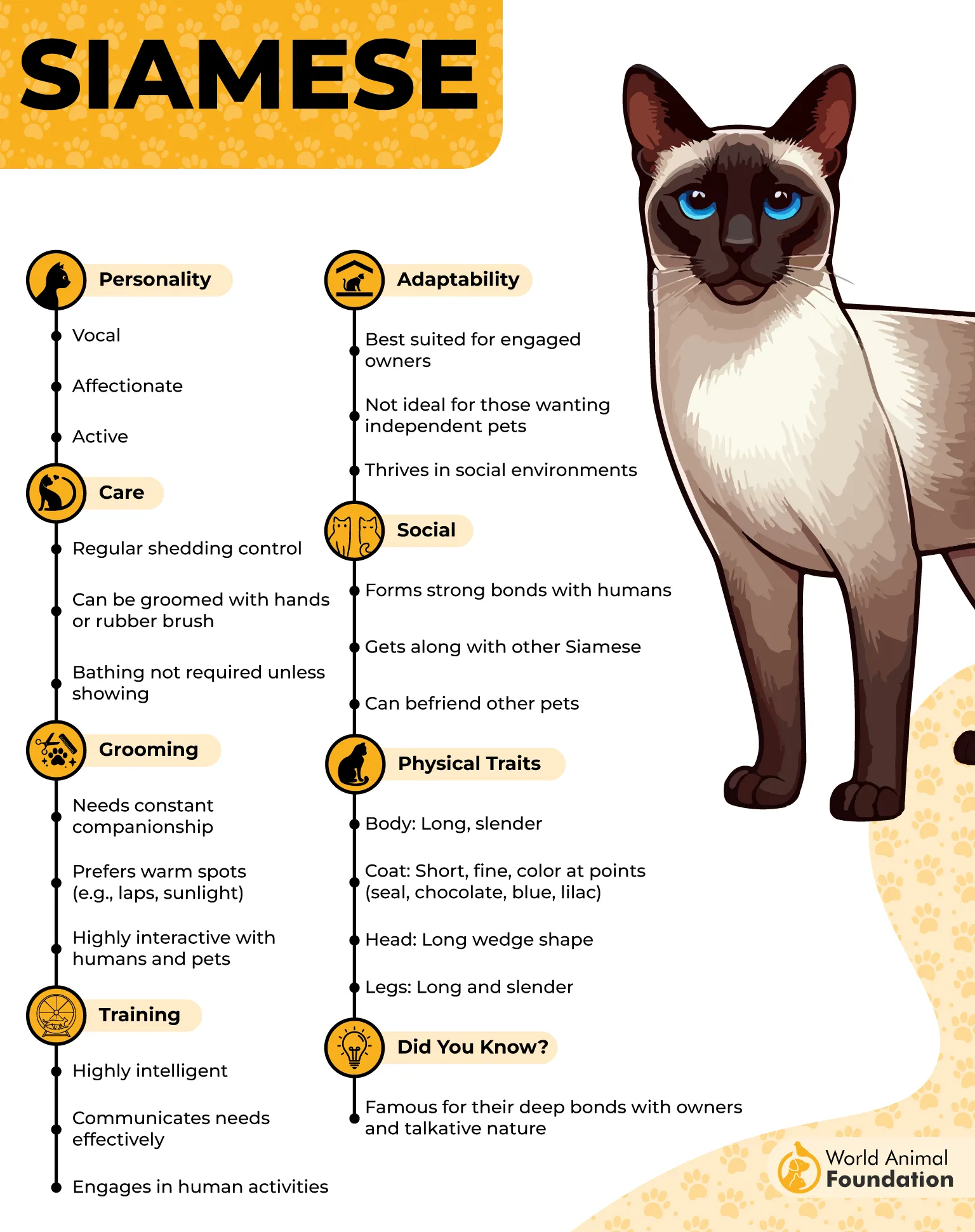
Siamese cats commonly live around fifteen years, and some can live up to 20 years. However, they may develop health concerns such as asthma, amyloidosis, dental problems, and progressive retinal atrophy. Routine veterinary checkups can help identify potential issues early and support their long-term well-being.
Their intelligence and sensitivity make positive reinforcement useful when teaching new behaviors. Owners should also watch for habits such as wool-sucking or eating non-food items, as these can sometimes lead to intestinal blockages.
How This Breed Stands Out
Color-point markings with blue eyes: Their pale bodies contrast with darker coloring on the face, ears, paws, and tail, complemented by vivid blue eyes.
Vocal, socially engaged personality: Siamese cats communicate frequently and enjoy attention, interaction, and being involved in household activities.
5. Havana Brown
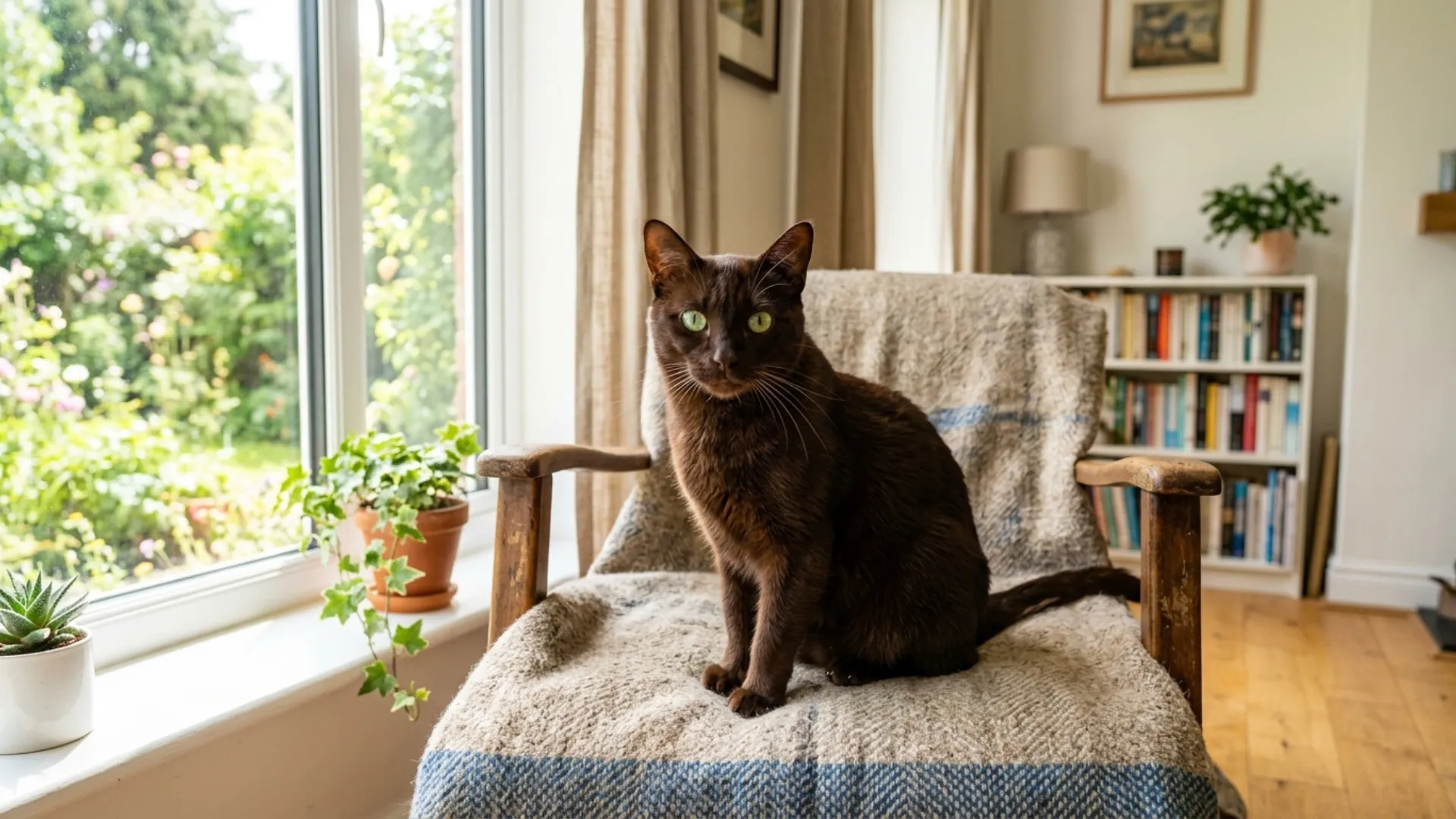
The Havana Brown is a rare, intelligent cat breed admired for its elegant appearance and friendly disposition. Its carefully managed gene pool has contributed to a generally favorable health profile, with no specific breed-related diseases identified in the provided references.
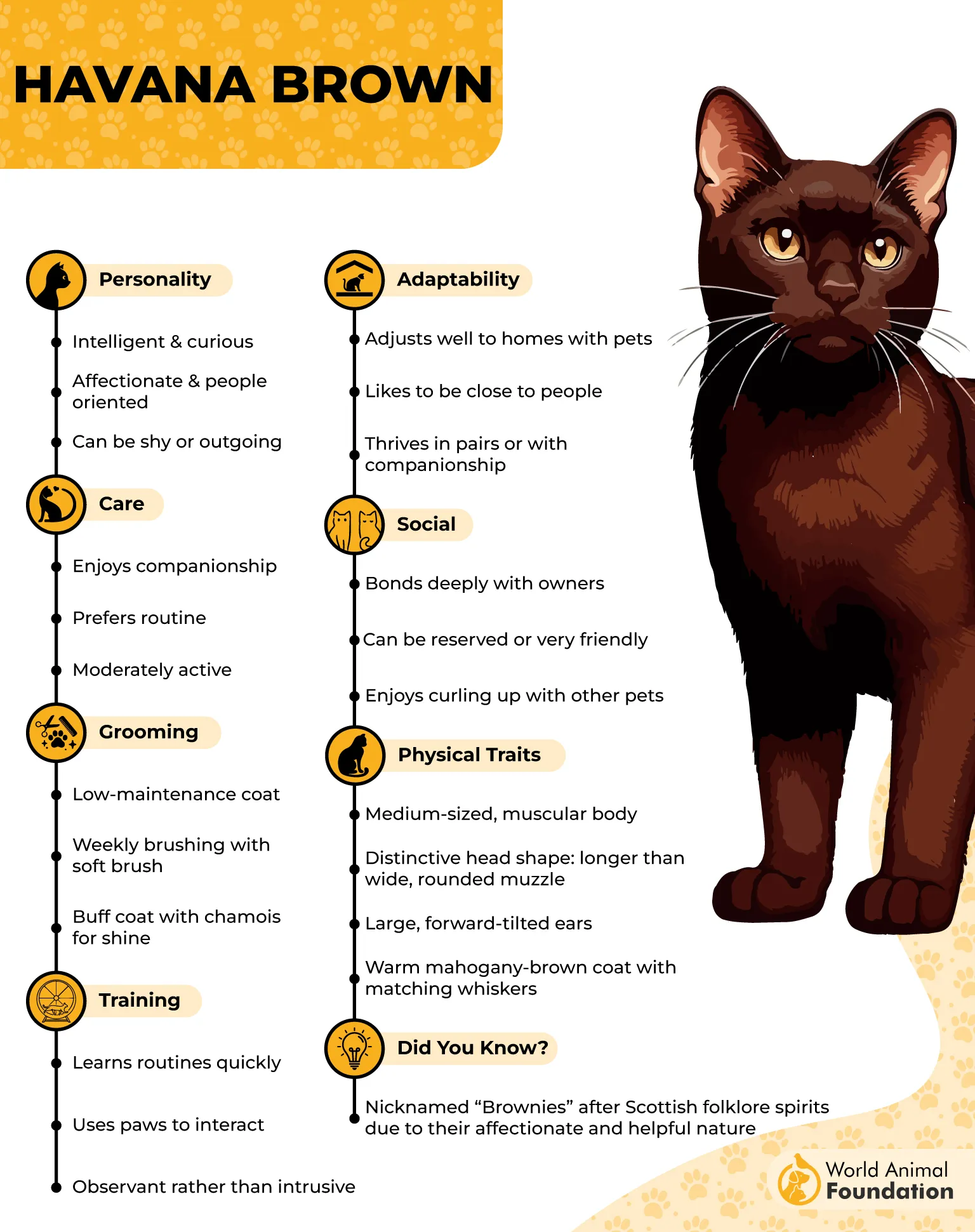
These cats typically live around ten to 15 years, although some may reach their late teens. Their short, sleek fur requires minimal grooming, making coat maintenance relatively straightforward for owners.
Havana Browns are playful, active, and enjoy interacting with their families. Since they can be susceptible to weight gain, portion control and a balanced diet are important. Regular play sessions and social interaction also help maintain their activity levels and ensure their well-being.
How This Breed Stands Out
Distinctive warm, chocolate-brown coat: Its smooth, rich brown fur gives the Havana Brown a refined and recognizable appearance.
Signature whisker pads and green eyes: A defined muzzle and vivid green eyes complement its distinctive facial features.
6. Russian Blue
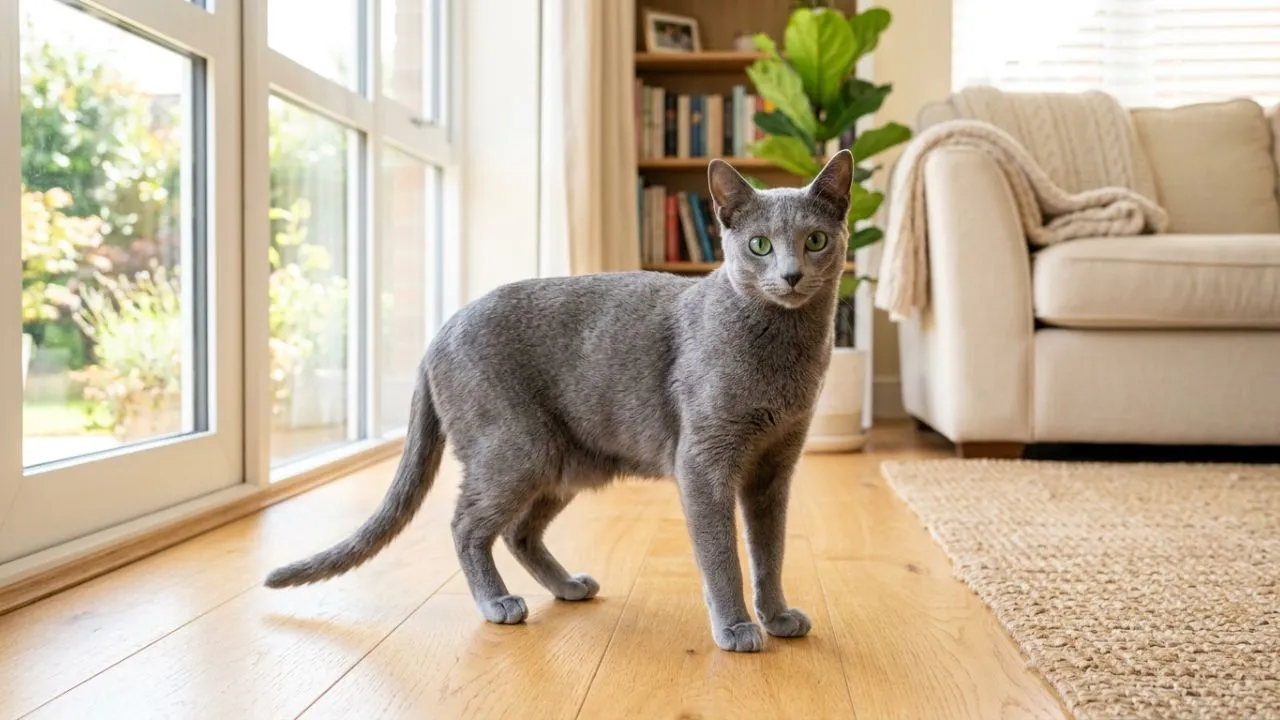
The Russian Blue is an elegant, naturally developed breed originating in Russia, where it was historically known as the Archangel cat. Recognized for its gentle personality and close bonds with its owners, this breed has a long history dating back to early cat shows in England during the nineteenth century.
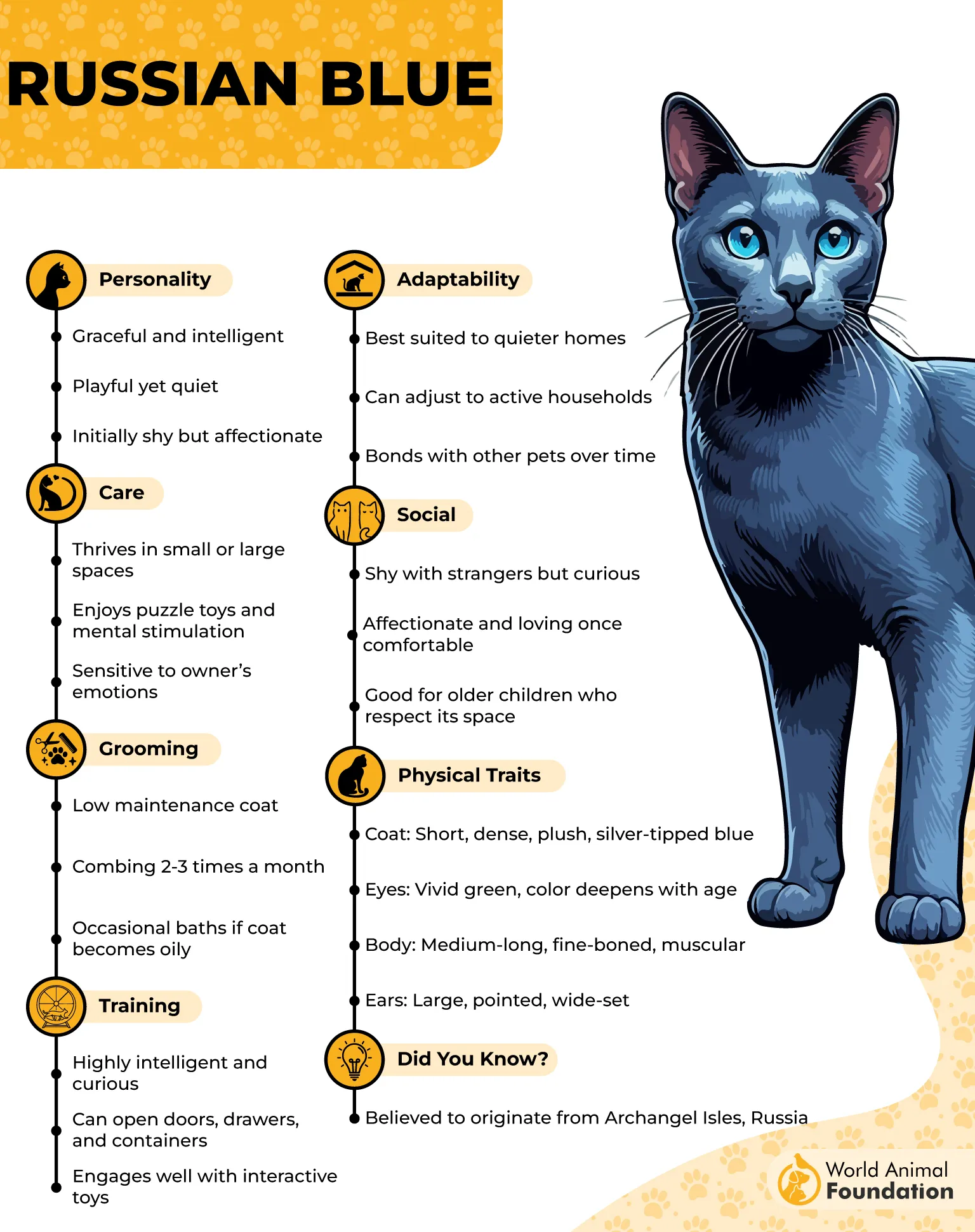
Russian Blues are generally considered healthy cats, with no established breed-specific genetic disorders reported in the provided references. They commonly live into their teens, and some may reach considerably older ages with appropriate care.
However, they can be prone to obesity and bladder stones, even though some other breeds have different inherited risks, making a balanced diet and adequate hydration important. Their reserved nature also means they often appreciate a calm, predictable home environment.
How This Breed Stands Out
Dense, silver-tipped blue coat: Its plush blue-gray fur features silvery tips that create a distinctive shimmering appearance.
Naturally reserved temperament: Often cautious around unfamiliar people, the Russian Blue tends to form strong, devoted relationships with trusted companions.
7. Balinese
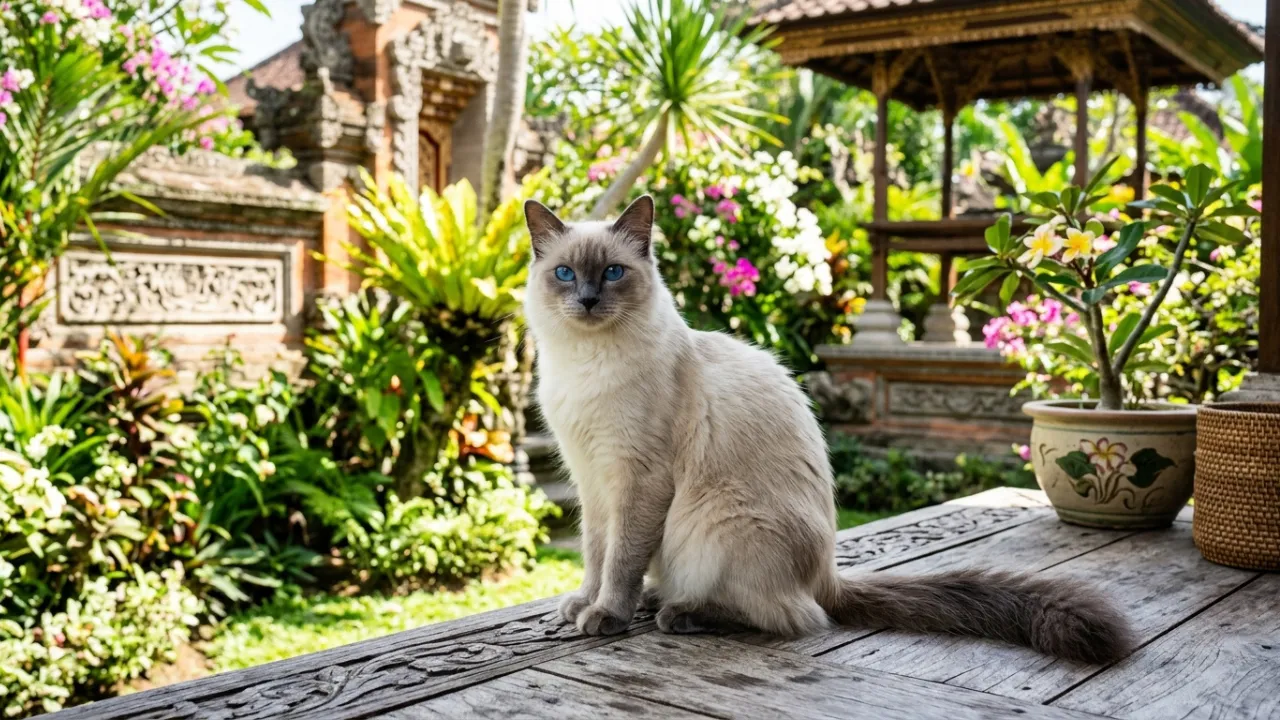
These cats are known for their vocal nature, although their voices tend to sound softer and more melodic than those of their Siamese relatives.
Longevity is one of this breed’s notable qualities, with many Balinese cats living fifteen to twenty years or longer. However, they can occasionally develop amyloidosis, a condition that may affect kidney function, so regular veterinary checkups are important.

Balinese cats may also be sensitive to anesthesia, making it essential to discuss this consideration with a veterinarian before surgical procedures. Their fine coat and athletic physique contribute to their distinctive appearance.
How This Breed Stands Out
Silky coat with minimal undercoat: The Balinese has a soft, flowing coat with relatively little undercoat compared with many long-haired breeds
Graceful, athletic movement: Its slender build and agile body give it an elegant, fluid way of moving.
8. Bombay
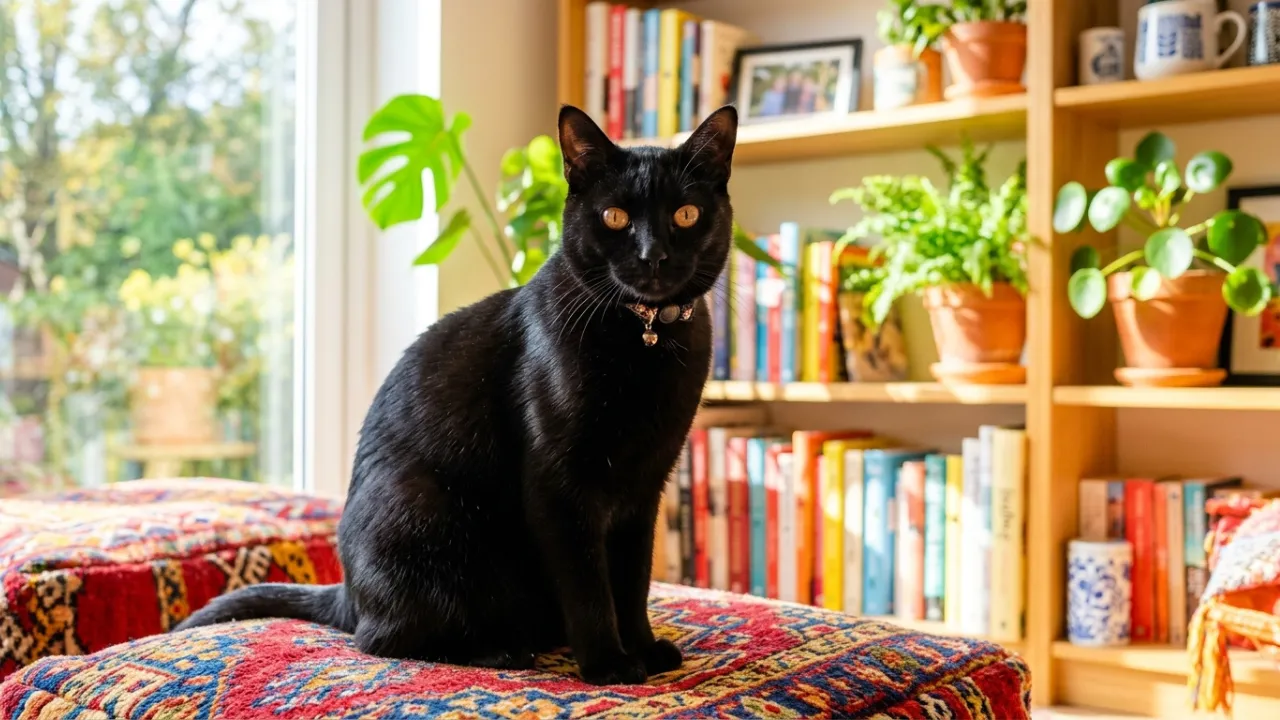
The Bombay cat is an affectionate, outgoing breed known for its close bond with family members. Often nicknamed the “parlor panther,” it combines the Burmese and American Shorthair’s characteristics in a striking feline with an elegant appearance.
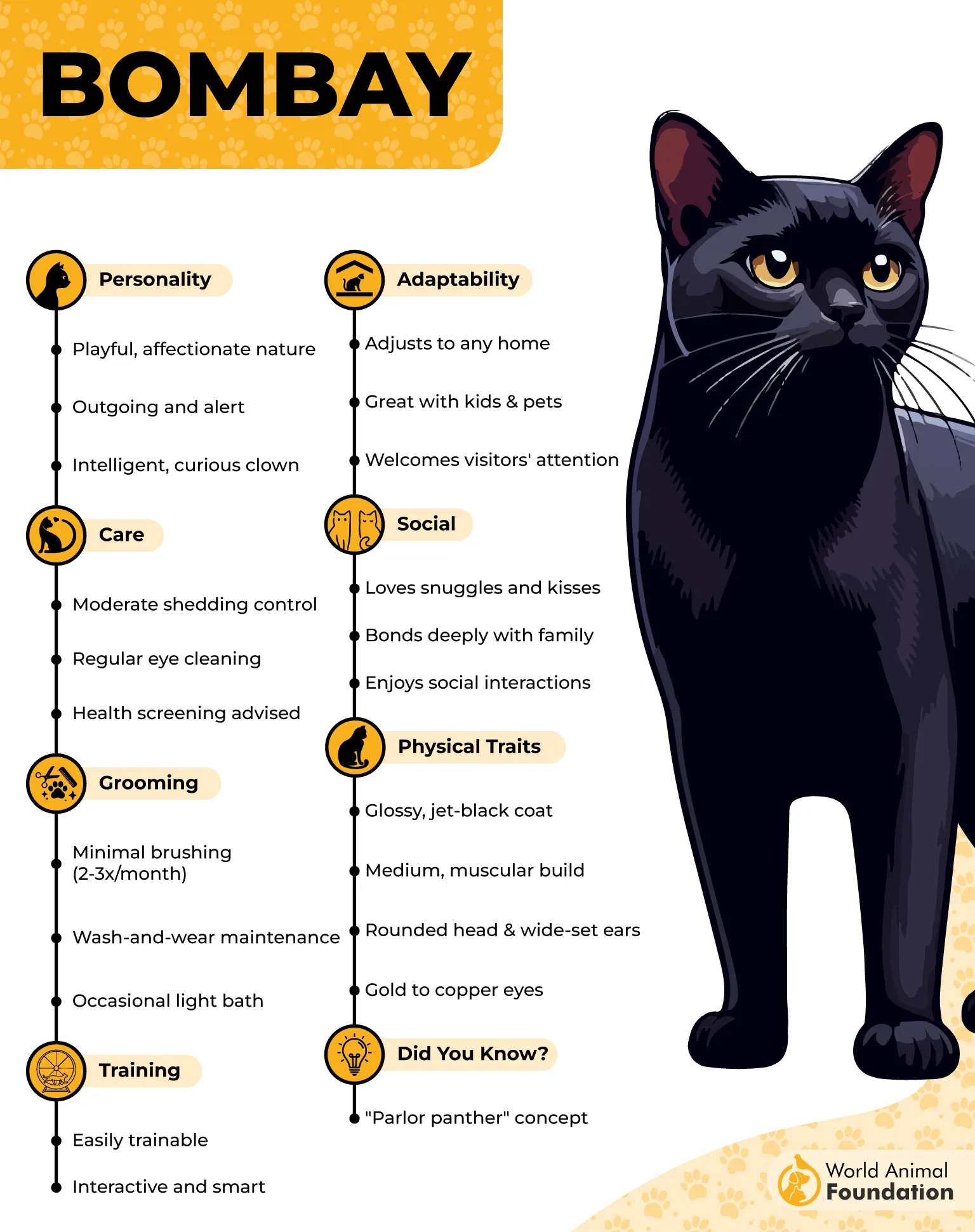
Generally robust, Bombays can enjoy a long lifespan, sometimes reaching twenty years. However, responsible breeding matters because cats with flatter faces may experience sinus or breathing difficulties. Their Burmese ancestry also makes awareness of hypertrophic cardiomyopathy, a heart condition, important.
These cats have a sturdy physique and may love to eat, so they can gain weight easily, making it essential to monitor food intake and maintain a healthy weight. Their energetic nature also benefits from climbing opportunities and engaging play that supports physical activity, and their muscular, athletic build contributes to their overall health when supported with regular activity.
How This Breed Stands Out
Sleek, panther-like black coat: Its glossy, solid-black fur gives the Bombay a miniature panther appearance.
Muscular, compact build: A sturdy, rounded body gives this breed its distinctive, powerful silhouette.
9. LaPerm
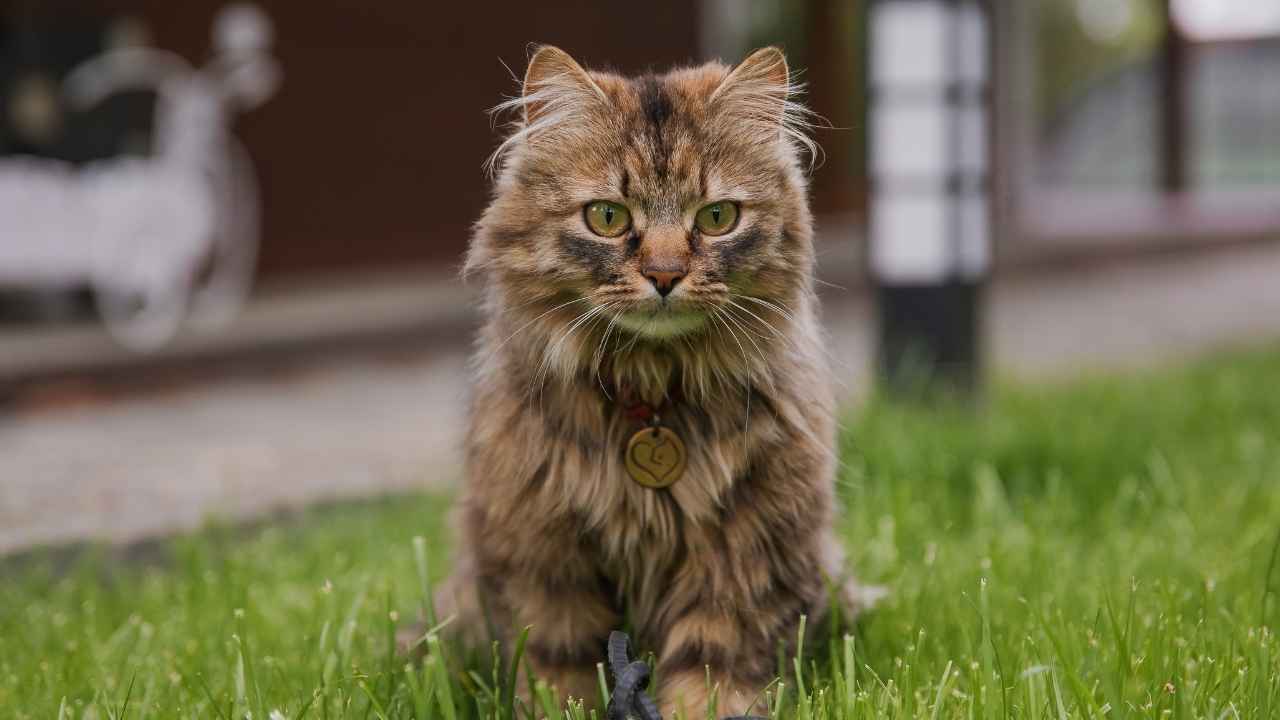
The LaPerm traces its origins to a natural genetic mutation on an Oregon farm in the nineteen eighties. Descended from hardy barn cats, this breed is recognized for its unusual curls, inquisitive character, and generally robust health.
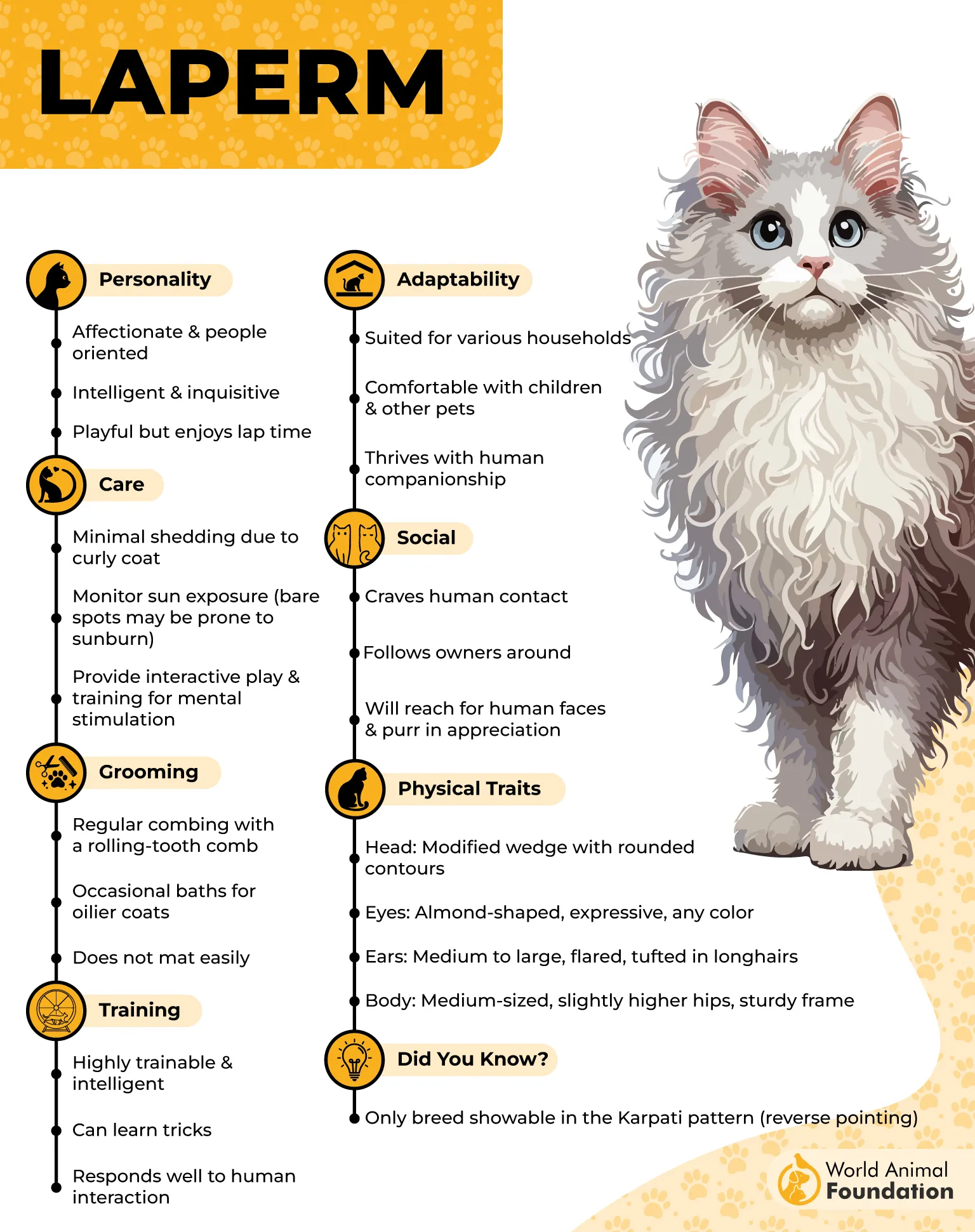
Affectionate and loyal, LaPerms often enjoy physical contact with their favorite people. They typically live around twelve to fifteen years, and some reach their late teens. Their curious nature also makes interactive toys, play sessions, and training useful for keeping them mentally engaged.
Although major hereditary diseases are not commonly associated with the breed, LaPerms have little undercoat and may become uncomfortable in cold conditions. Their distinctive fur benefits from weekly brushing to reduce tangles, while cats exposed to strong sunlight may need protection against sunburn.
How This Breed Stands Out
Naturally curly, springy coat: Its distinctive curls create a soft, textured appearance that sets the LaPerm apart.
Curious, adaptable personality: These easygoing cats adjust to different environments and enjoy both family interaction and stimulating activities.
Conclusion
Choosing a healthy cat breed involves more than appearance. Genetics, responsible breeding, nutrition, regular veterinary care, and a supportive home environment all contribute to a cat’s well-being and longevity.
Even cats considered robust can develop health problems such as heart disease, obesity, dental problems, or urinary issues. Routine checkups, balanced meals, appropriate exercise, and attention to unusual symptoms, along with spaying or neutering to help prevent certain cancers, can support their long-term health.
Ultimately, the healthiest choice depends on finding a cat whose needs fit your lifestyle and committing to responsible care. Working with a reputable breeder or adopting through a trusted rescue can help you make an informed decision, and careful breeding can reduce inherited problems being passed on.
