




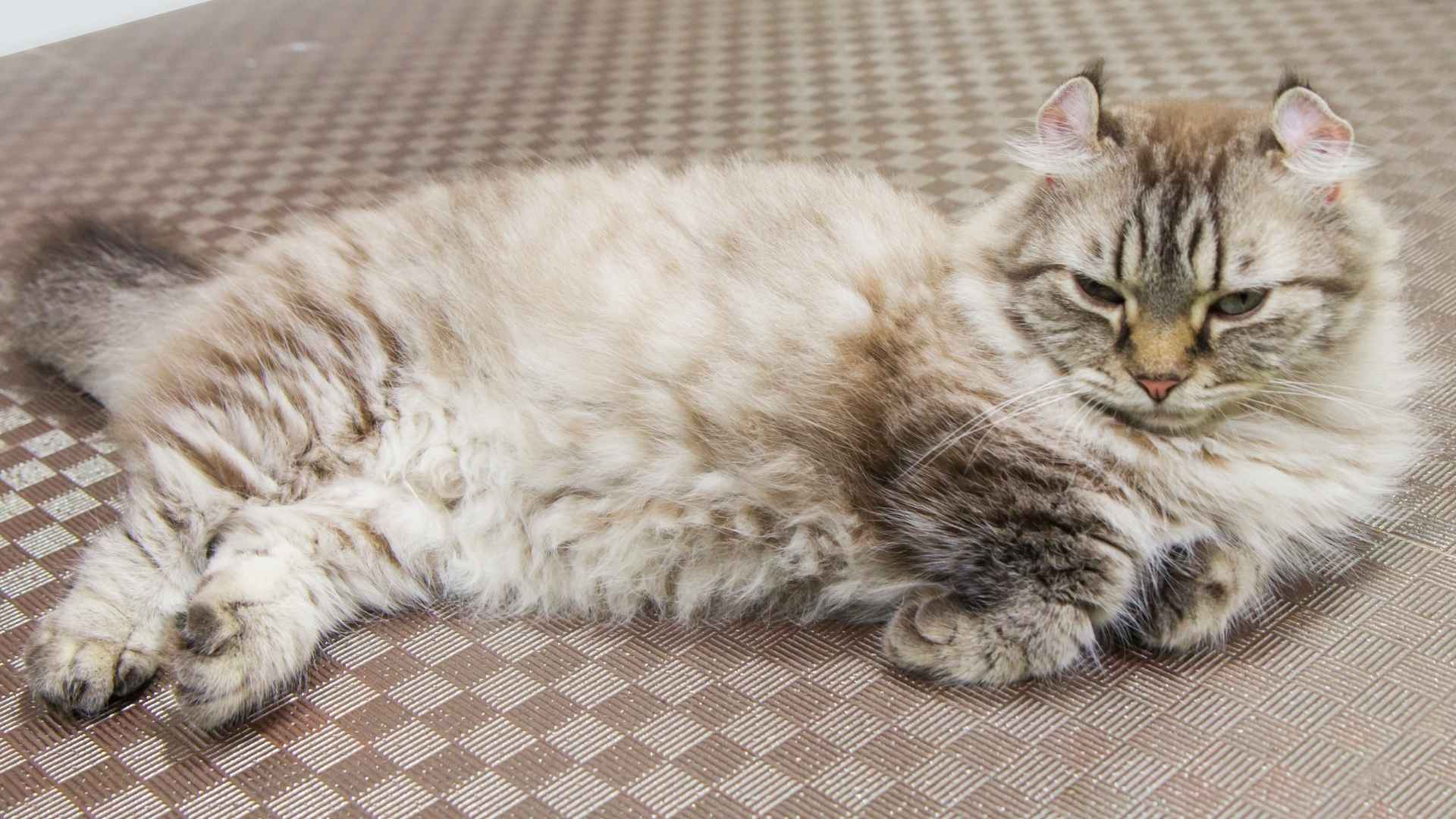
Have you ever seen a cat so unusual that it made you pause and wonder about its origins? Cats come in countless shapes and sizes, yet some stand out more than others due to their striking features.
According to the ASPCA, there are 85.8 million pet cats in the United States alone, showing just how popular these furry companions are.
However, not all felines have the typical round face or fluffy tail you might expect. Some display curly ears or extremely short legs, while others have almost no fur at all.
It’s fascinating to see just how diverse the cat world can be. In this article, we will discuss some of the most strangely enchanting cat breeds that fascinate enthusiasts worldwide.
Strange Looking Cat Breeds
1. Elf Cat
This breed is a relative newcomer in the feline world. It combines features of the Sphynx with the American Curl, giving it a hairless body and curled ears. You might be surprised the first time you see an Elf Cat because its ears curve backward in a playful twist.
You’ll notice the Elf Cat’s skin often feels warm to the touch. Despite their nearly bald appearance, they love cozy blankets and soft spots to lounge on. They enjoy cuddling, which can feel more intimate because there’s no thick fur in the way.
They’re recognized for their intelligence, too. Many Elf Cats show a knack for learning tricks, like fetching small toys or responding to simple commands. You may find it delightful to have a cat that greets you at the door, ready to play.
In terms of maintenance, they need regular gentle baths. Their exposed skin can accumulate oils faster than a coated cat. Routine care and attention are essential for hairless breeds to keep their skin healthy.
2. American Curl
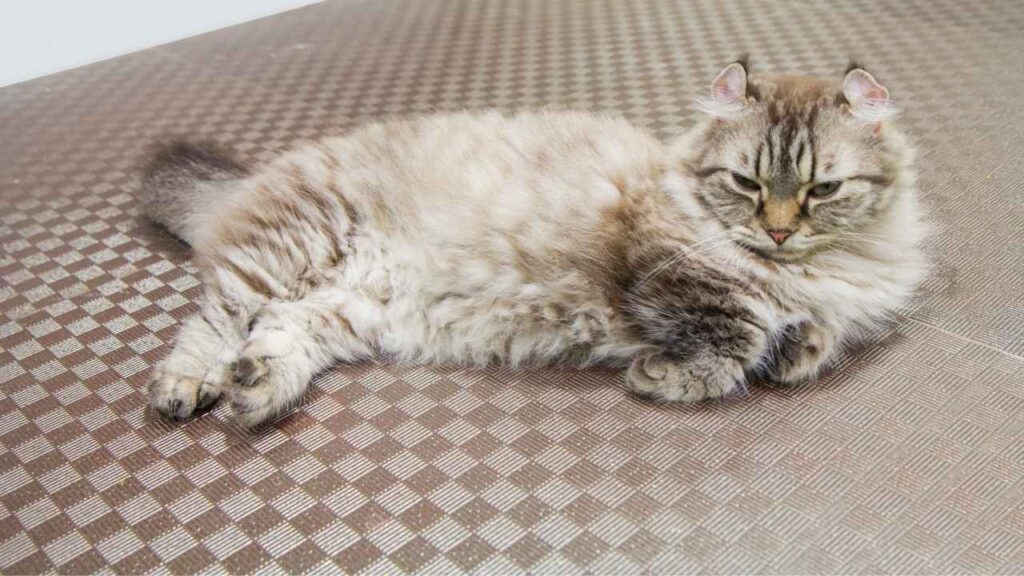
At first glance, you might think something magical happened to this cat’s ears. The American Curl’s defining feature is its ears that curl back in an elegant arc. It’s as if their ears have been gently sculpted by an artist, giving them a perpetually curious expression.
Their coats can vary from long to short, so they’re quite versatile for different living situations. You’ll find American Curls in an assortment of coat colors and patterns. Some have silky, flowing hair, while others have a sleeker coat.
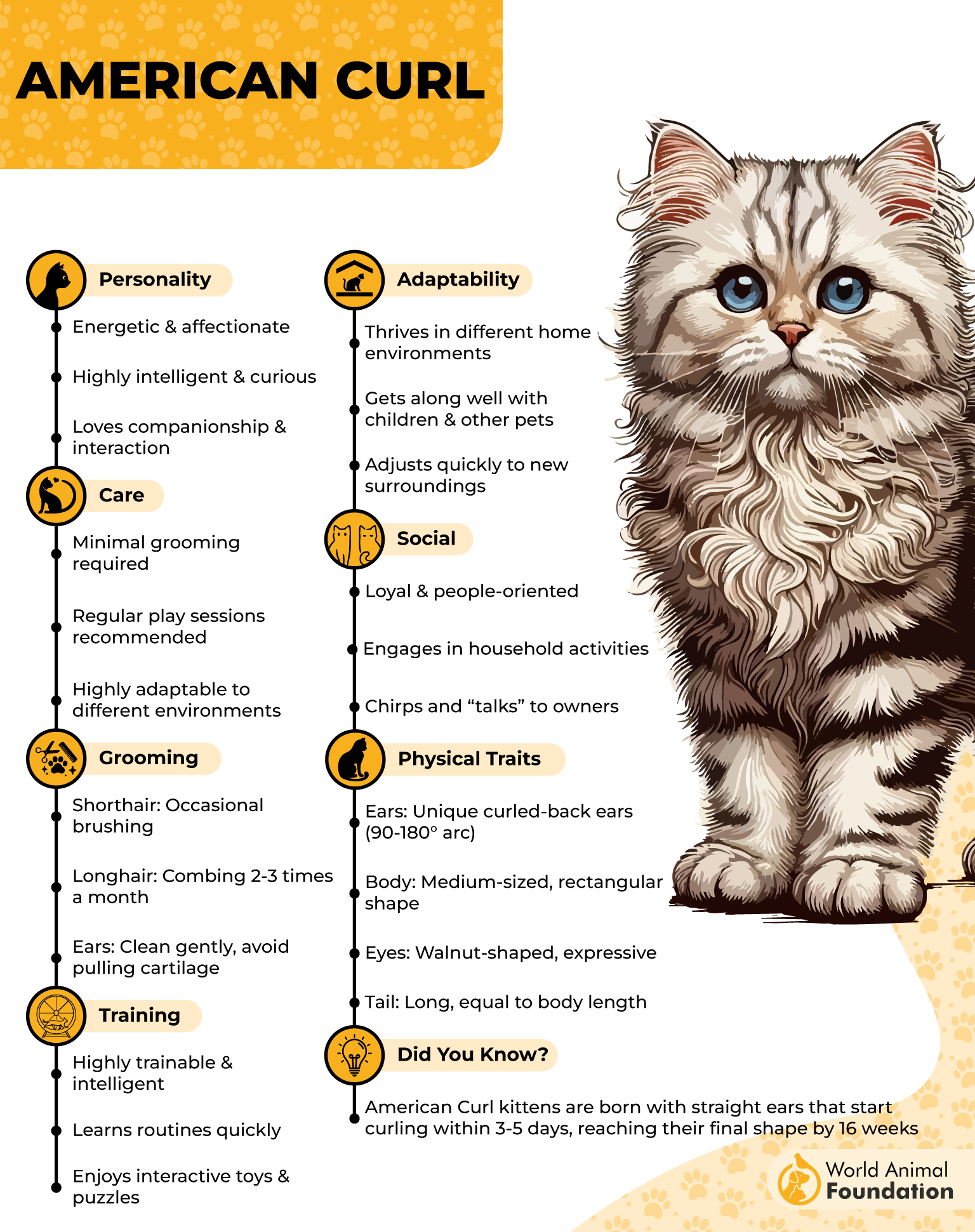
They are known among cat lovers for being playful yet calm. Many owners describe them as sociable cats that adore being around people. These felines often follow you around the house, ready to help with whatever you’re doing.
Despite the unusual ear shape, American Curls experience minimal health issues tied to their ears when properly bred. Routine ear cleaning is recommended, though. According to Royal Canin, consistent grooming can help maintain ear hygiene in breeds with special ear structures.
Their gentle temperament makes them great with children and other pets. If you enjoy a mellow cat who’s also a bit of a showstopper, the American Curl might be a perfect match.
3. Peterbald
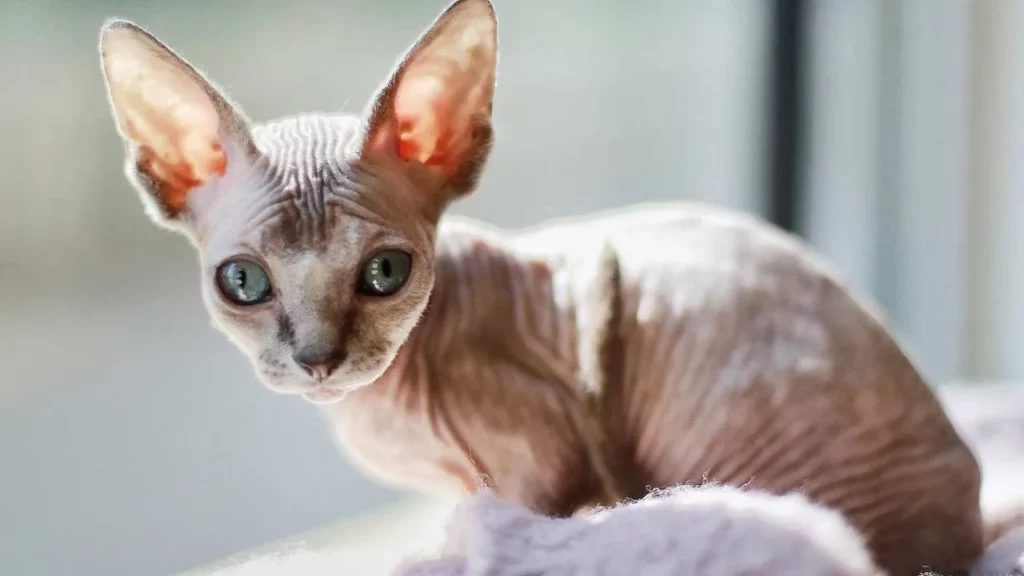
The Peterbald hails from Russia and is famed for its slender build and unique coat variations. Some individuals are hairless, while others have a fine layer of fuzz that feels like peach skin. When you see one, you might be taken aback by their elegantly elongated face and tall ears.
Their body structure is reminiscent of the Oriental Shorthair, lending them a graceful, almost delicate appearance. Yet, beneath that refined exterior lies a playful and athletic companion. They love to climb, leap, and explore, turning your living room into an impromptu cat gym.
Caring for a Peterbald depends on its coat type. Those that are mostly hairless need regular bathing, similar to the Elf or Sphynx cats. According to WebMD, consistent hygiene routines help prevent skin issues in hairless breeds.
Peterbalds also thrive on human interaction. Don’t be surprised if they cuddle on your lap for warmth or follow you from room to room. They often seek constant attention and form strong bonds with their family.
A balanced diet supports skin wellness and overall vitality.
4. Munchkin
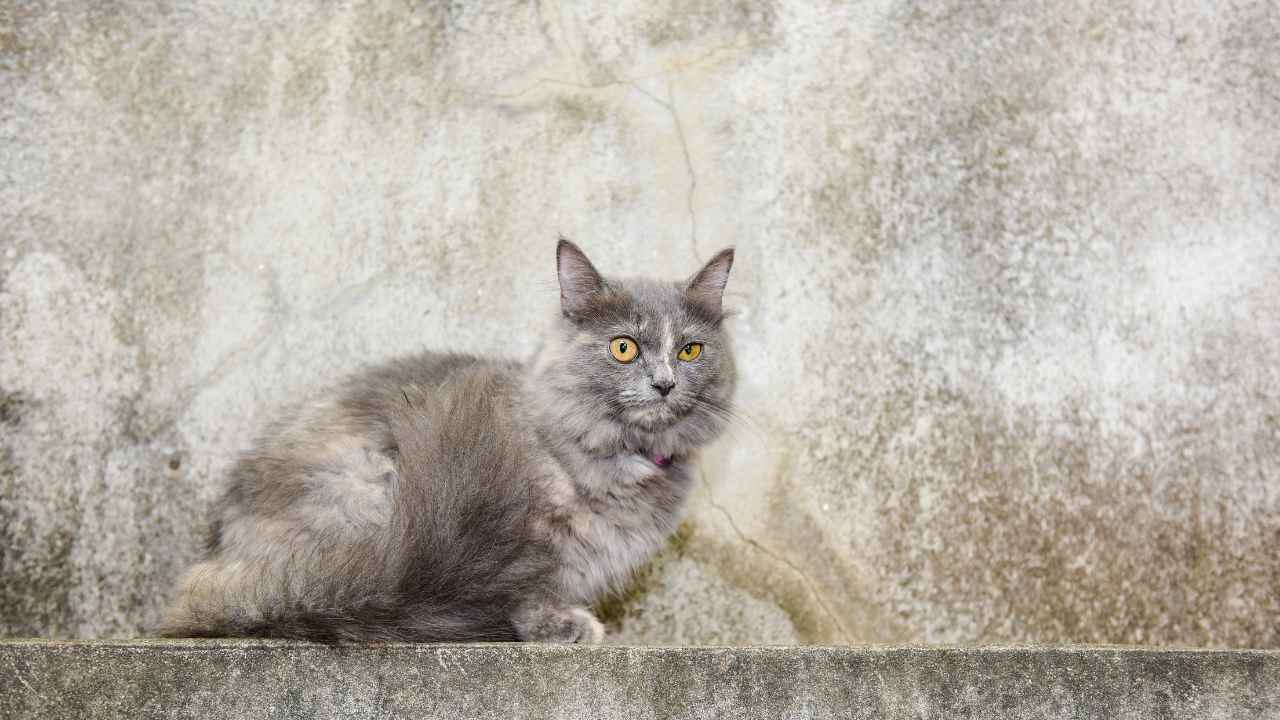
The Munchkin might make you do a double-take with its short, stubby legs. This adorable cat can resemble a playful kitten even into adulthood. The breed’s short stature doesn’t hinder their zest for life. In fact, they zoom around corners and chase toys with surprising speed.
Their bodies are otherwise proportionate, which adds to their endearing charm. You’ll often catch a Munchkin perching on its hind legs, resembling a meerkat, as it tries to get a better view of something interesting.
Though they can’t leap to the same heights as longer-legged cats, they compensate with clever maneuvering. They may use nearby furniture as a series of steps to reach a high shelf. It’s delightful to watch them figure out creative ways to get around.
Munchkins typically have a friendly disposition. They love to engage in games and also settle down for snuggles.
Keep an eye on their weight, as extra pounds can strain their back. Providing balanced nutrition and gentle exercise routines helps them remain healthy.
5. Sphynx
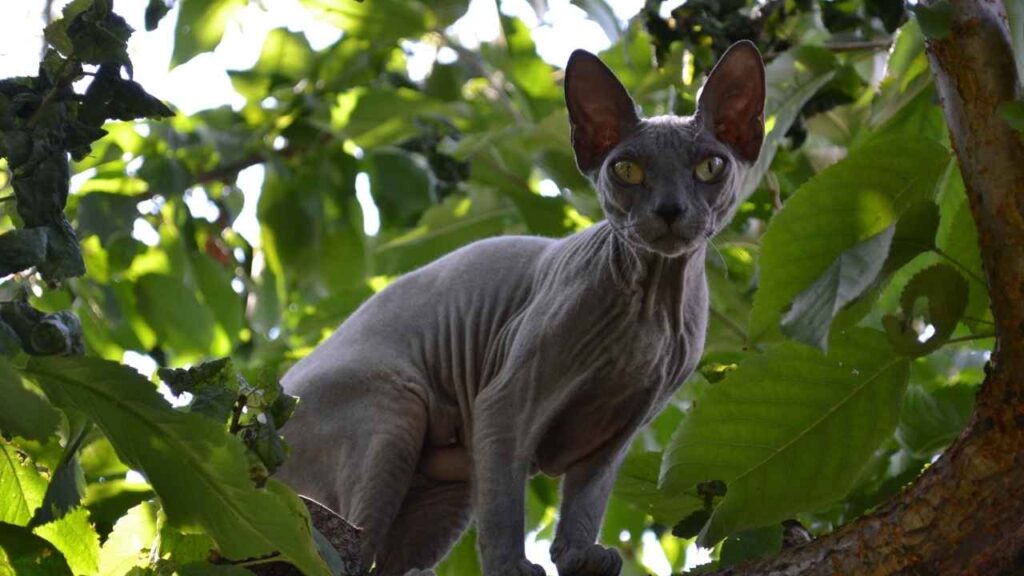
Few cats spark more intrigue than the Sphynx. Their hairless appearance immediately grabs attention, but spend a little time with them, and you’ll realize these felines have hearts full of warmth. You may be surprised by how affectionate they are.
Their smooth or slightly fuzzy skin is where their uniqueness begins. Yet, the Sphynx is as playful and cuddly as any furry feline. They adore curling up in a cozy spot, soaking up your body heat like a little space heater.
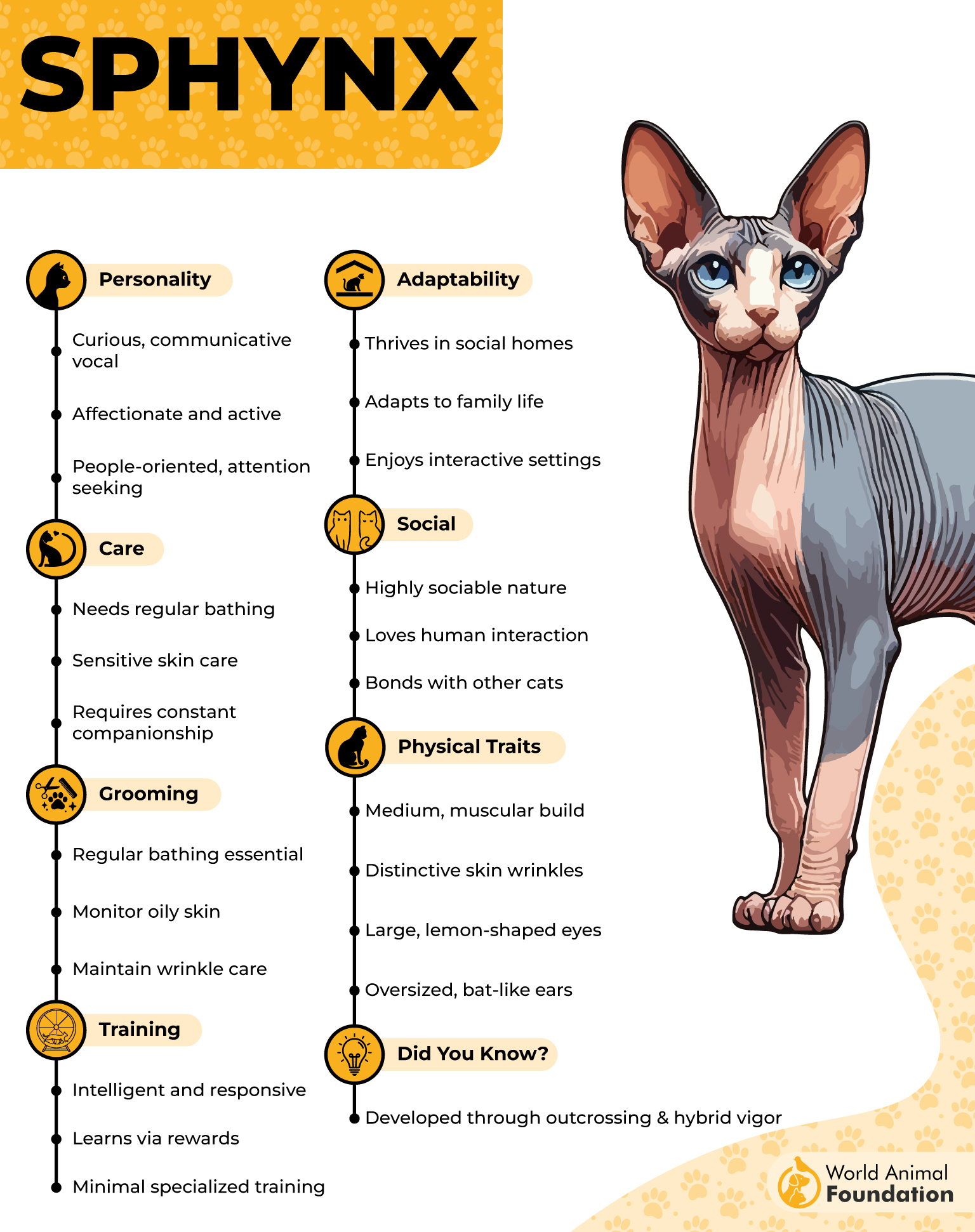
Because they lack a fur coat, they need extra care. Regular baths help remove the natural oils on their skin. Grooming isn’t just about appearances for hairless cats—it’s a key part of their well-being.
Sphynxes are social and often thrive in homes with multiple pets. You might see them snuggling with dogs or other cats to share warmth. Their open, curious personalities lead them to greet guests at the door, eager to investigate.
Their big ears, almond-shaped eyes, and wrinkles give them an otherworldly charm. If you’re seeking a cat with an exuberant spirit and plenty of personality, the Sphynx might be your match. They often repay your care with endless affection.
6. Cornish Rex
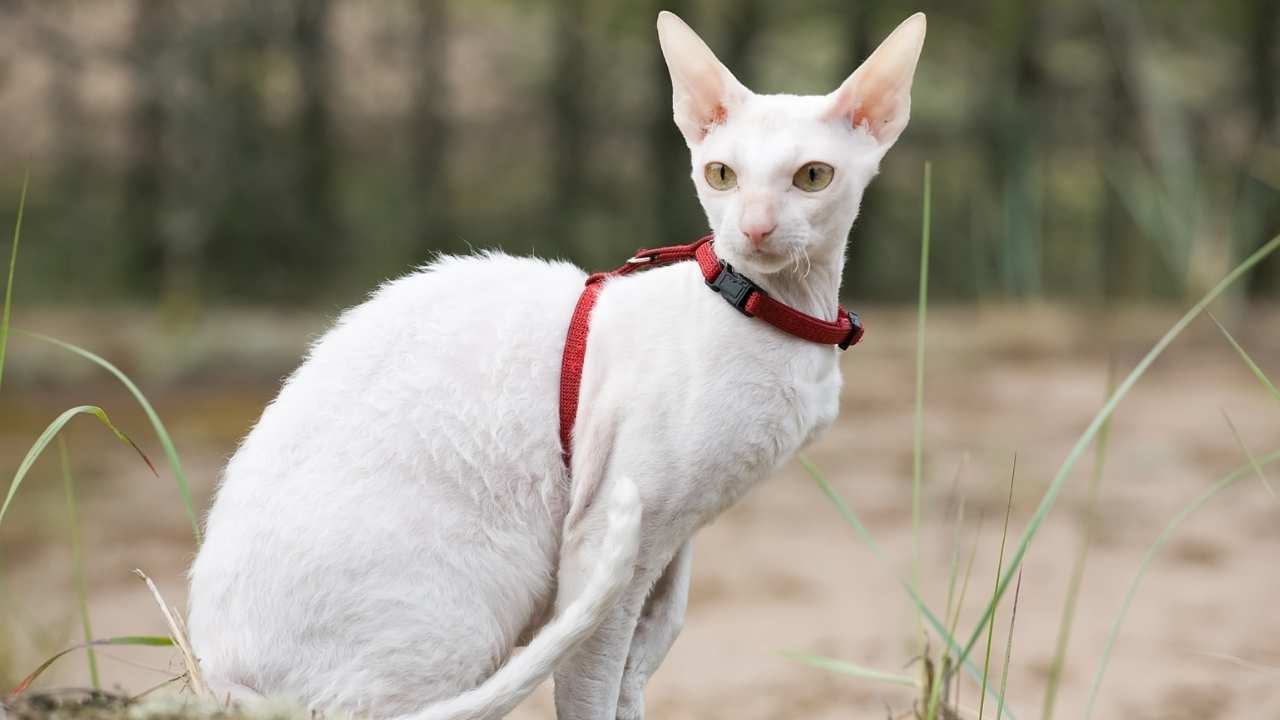
The Cornish Rex is famous for its curly coat, which feels luxuriously soft. Unlike most cats, they have only a soft undercoat known as down hair. This gives them an almost silky texture that some describe as petting a plush toy.
Their bodies are lean, and their large ears crown their pixie-like faces. Cornish Rex cats are agile and eager to climb. Don’t be shocked if they leap gracefully onto high shelves in a single bound.
Cornish Rexes are often dubbed the “greyhounds of the cat world” for their sleek build and energetic nature. They love a good sprint around the house. Interactive toys like feather wands keep them entertained and help them burn off energy.
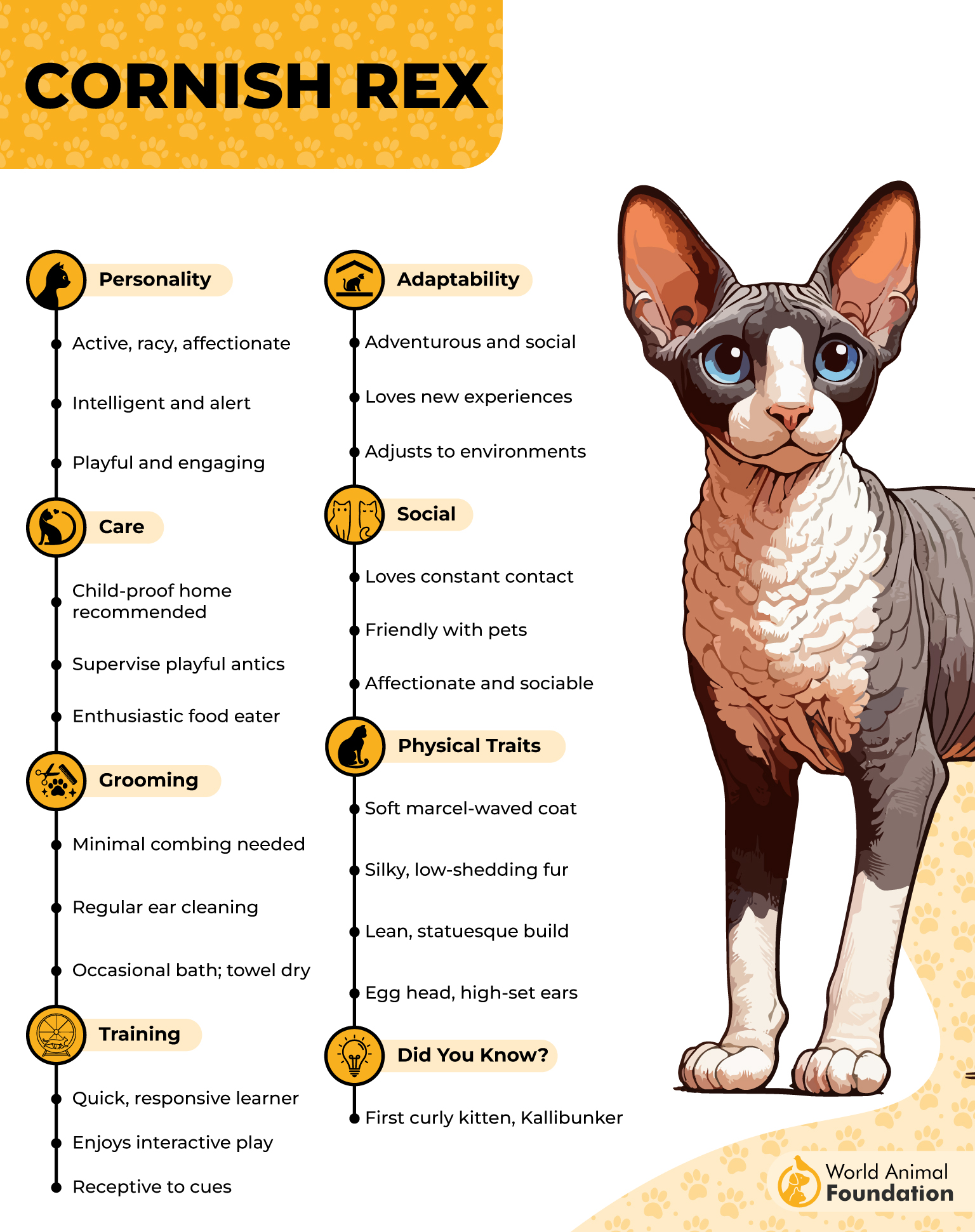
While they don’t require extensive grooming, a gentle weekly brushing can keep their coat in top shape. Cornish Rex cats might also appreciate a warm spot to nap, given their short coats.
They can be social butterflies and enjoy human companionship. You’ll likely find them following you through the house, seeking attention and a bit of mischief. Their inquisitive eyes always seem to be searching for a new adventure.
7. Devon Rex
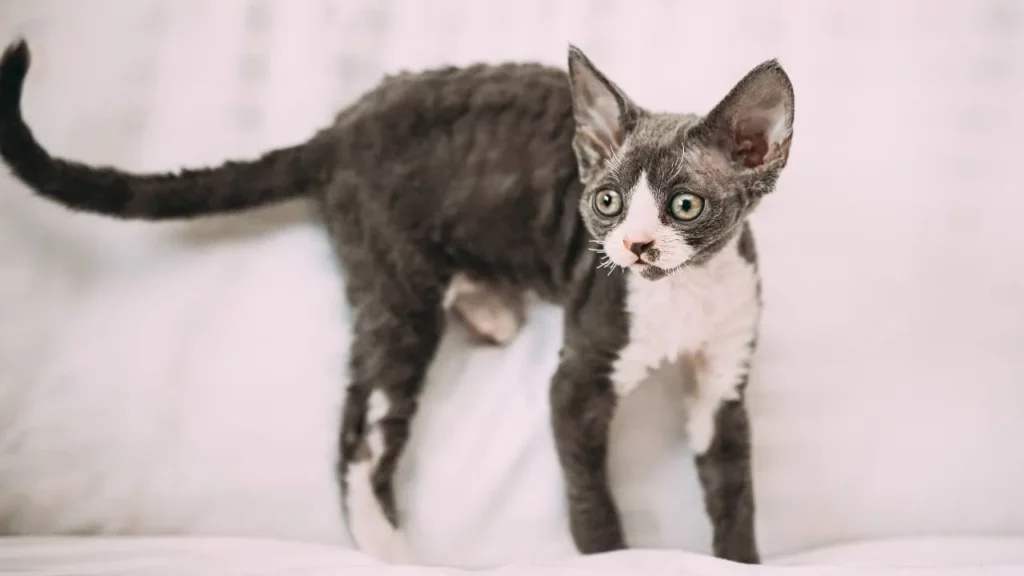
The Devon Rex shares a few traits with its Cornish relative, including soft, wavy fur. Yet, the Devon Rex stands apart with its large, elf-like ears and mischievous expression. When you meet one, you might feel as if you’ve encountered a magical creature.
Their coats are often less uniform than those of the Cornish Rex, leading to patches of thinner fur. Some Devons have minimal whiskers, which can give their faces a kittenish look. It’s part of their quirky charm.
In terms of personality, they’re social dynamos. Many Devon Rex cats adore being in the midst of family life. If you’re folding laundry, don’t be surprised if they try to help by diving into the freshly folded clothes.
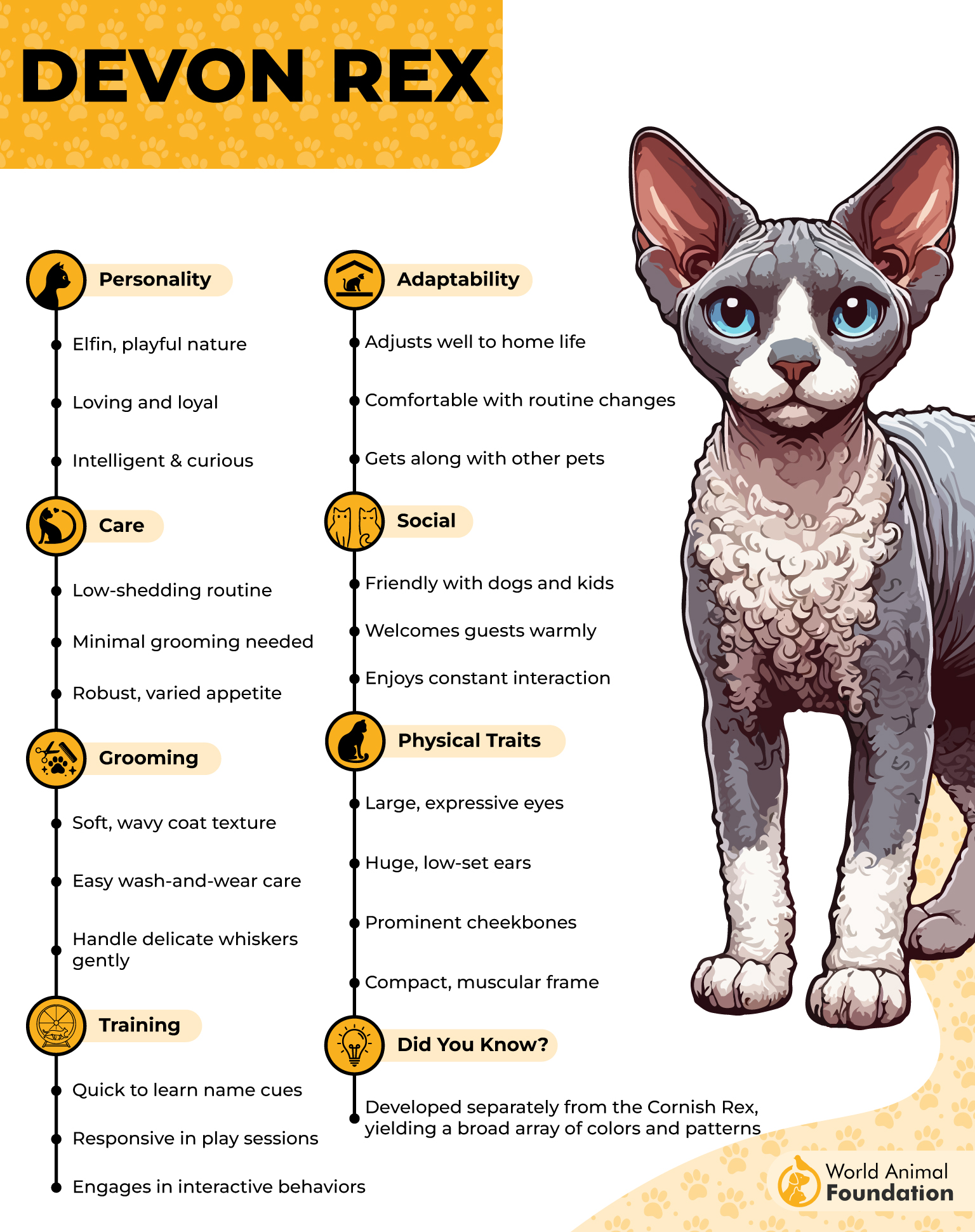
Regular baths aren’t typically necessary unless they have sensitive skin. However, a quick wipe with a damp cloth can remove excess oils. Gently checking their ears and skin helps maintain overall health.
Devon Rex cats are often described as “monkey in cat’s clothing” because of their acrobatic feats. They might leap onto your shoulder or perch on top of doors. Their clownish behavior can fill your home with laughter.
8. Donskoy
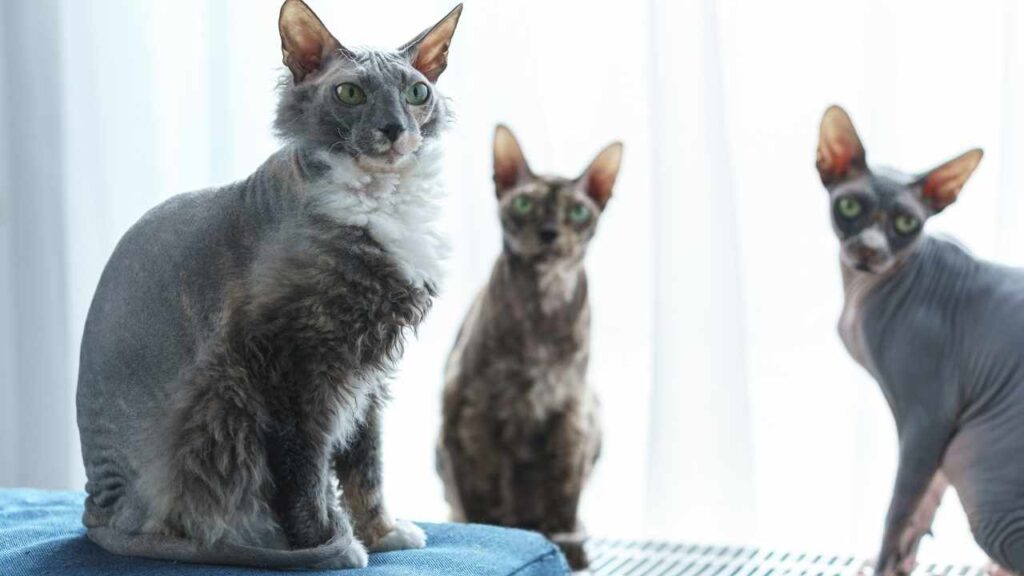
The Donskoy, sometimes called Don Sphynx, originates from Russia. This hairless breed has a unique wrinkled appearance and a strong, muscular build. You may notice how their skin feels slightly warmer to the touch than a fully-furred domestic cat.
Their large ears often stand upright, giving them an alert look. Despite appearing somewhat serious, Donskoys generally have sweet and affectionate personalities. They enjoy curling up beside you, seeking warmth and attention.
Like other hairless breeds, they need consistent skin care. Gentle bathing and proper drying ensure their skin remains healthy.
They’re known for their intelligence and curiosity. Donskoys may learn to open doors or rummage through cabinets if you aren’t careful. This playful mischievousness can be quite entertaining, but secure your valuables accordingly.
They typically form close bonds with their families. Whether you’re watching TV or preparing a meal, they’ll likely be there, checking everything out. If you find delight in a cat that never leaves your side, the Donskoy could be a perfect choice.
9. Japanese Bobtail
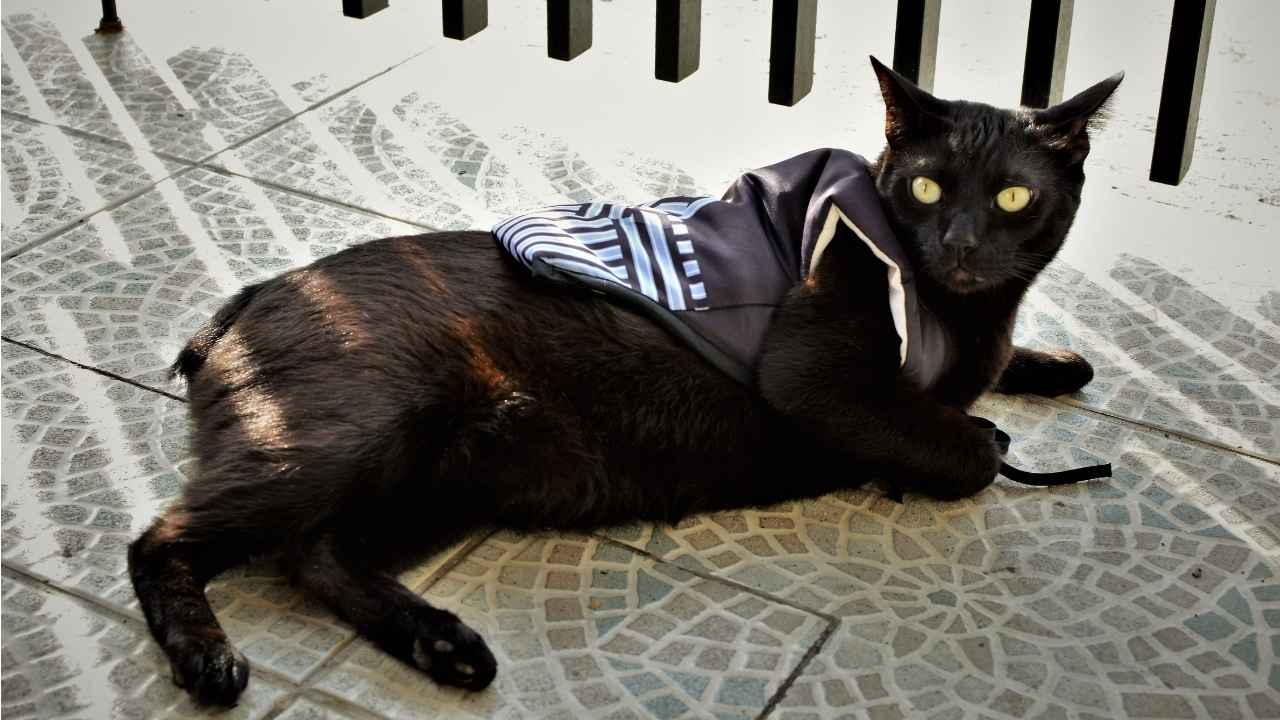
One of the most noticeable traits of the Japanese Bobtail is its short, pom-pom-like tail. This breed traces back centuries in Japan, where they are considered symbols of good luck.
You might recall seeing “Maneki Neko” figurines with raised paws—often based on the Bobtail.
Their bodies are balanced and lean, with a coat that can be either short hair, or long. Many Japanese Bobtails have striking color patterns, like calico or bi-color. Their lively personalities often match their vibrant coats.
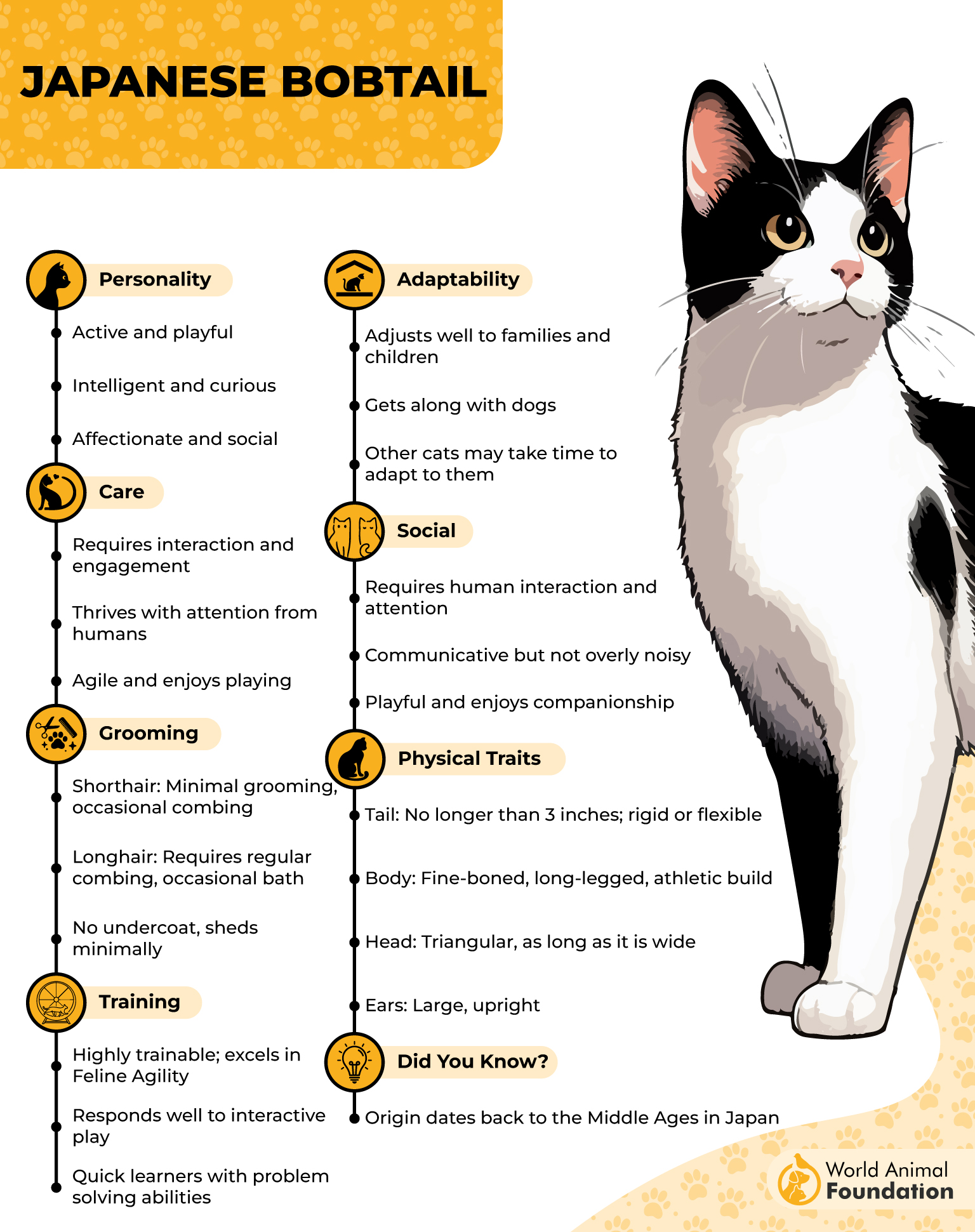
They love to interact with people and can be quite vocal. Expect chirps, trills, and a range of other sounds. This breed has a rich history tied to folklore and cultural reverence, enhancing its mystique.
Japanese Bobtails are active cats that enjoy puzzles and toys. They may even learn to fetch or play hide-and-seek. Their confident nature often helps them adapt well to new environments or visitors.
Conclusion
Strange-looking cat breeds captivate enthusiasts with their unique appearances and distinct personalities. From weird cat breeds, Manx cats, Asian leopard cat, the hairless Sphynx to the short-legged Munchkin, these felines showcase the vast diversity within the cat world. Their unusual looks often come with specific care requirements that potential owners should consider. Moreover, they dive deeper into various wild cat behaviors and needs that may surprise you.
For instance, hairless breeds like the Sphynx are prone to skin issues and require regular baths to remove the buildup of natural oils. Their lack of fur also makes them susceptible to temperature fluctuations, necessitating a warm environment and protection from direct sunlight to prevent sunburn.
Similarly, breeds with unique physical traits, such as the Scottish Fold with its folded ears, may face health challenges. The genetic mutation responsible for their distinctive ears can lead to cartilage and bone development issues, resulting in arthritis and other joint problems.
Prospective owners of these unique breeds should conduct thorough research and consult with reputable breeders or veterinarians to understand the specific needs and potential health concerns associated with each breed. Providing a suitable environment, proper nutrition, and regular veterinary care is essential to ensure these extraordinary cats lead healthy and fulfilling lives.
Embracing the diversity of feline breeds enriches our appreciation for these remarkable companions. By acknowledging and using unique cat breeds and addressing their unique needs, cat enthusiasts can ensure that even the most unconventional-looking cats thrive in loving homes.
