




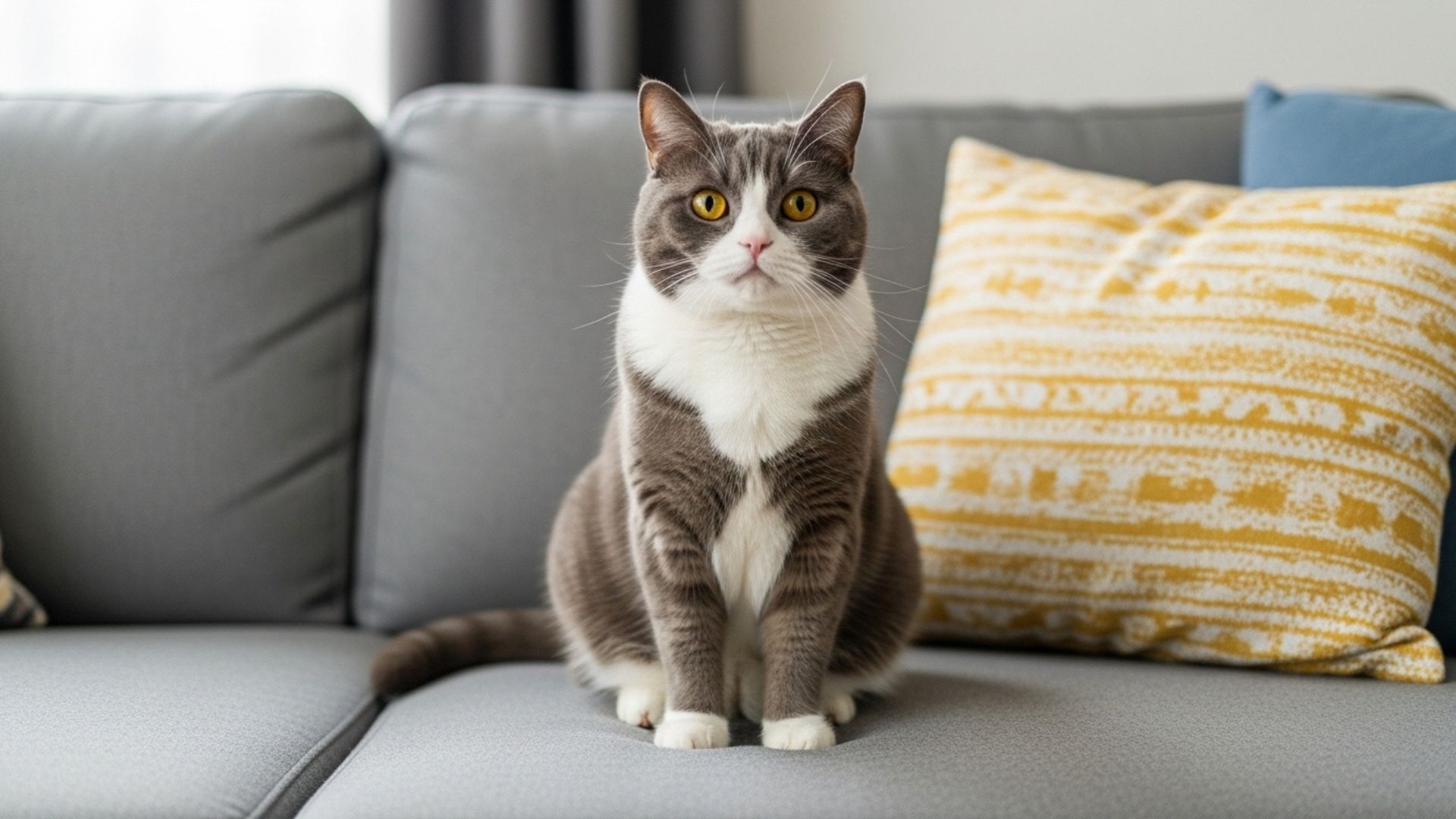
Welcoming a cat into your home is a joy—but scratched furniture and toppled décor can quickly test that excitement. While any cat can have a mischievous streak, destructive behavior often stems from understandable causes: boredom, excess energy, lack of stimulation, anxiety, or insufficient scratching outlets.
When a cat’s physical and mental needs aren’t met, curiosity can turn into chaos. Understanding these triggers is the first step toward choosing a feline companion whose temperament aligns with your lifestyle.
Certain breeds, however, are naturally more even-tempered. Calm and well-behaved cat breeds tend to share traits like low reactivity, affectionate but not demanding personalities, and a preference for routine. They’re typically gentle with children, sociable with guests, and content to relax nearby rather than scale the curtains.
Energy levels also play a major role in household harmony. Cats with moderate to low activity needs are less likely to act out destructively, making them ideal for apartments, busy families, or quieter homes. Here are seven cat breeds that rarely act destructively.
Cat Breeds That Rarely Act Destructive
1. Ragdoll
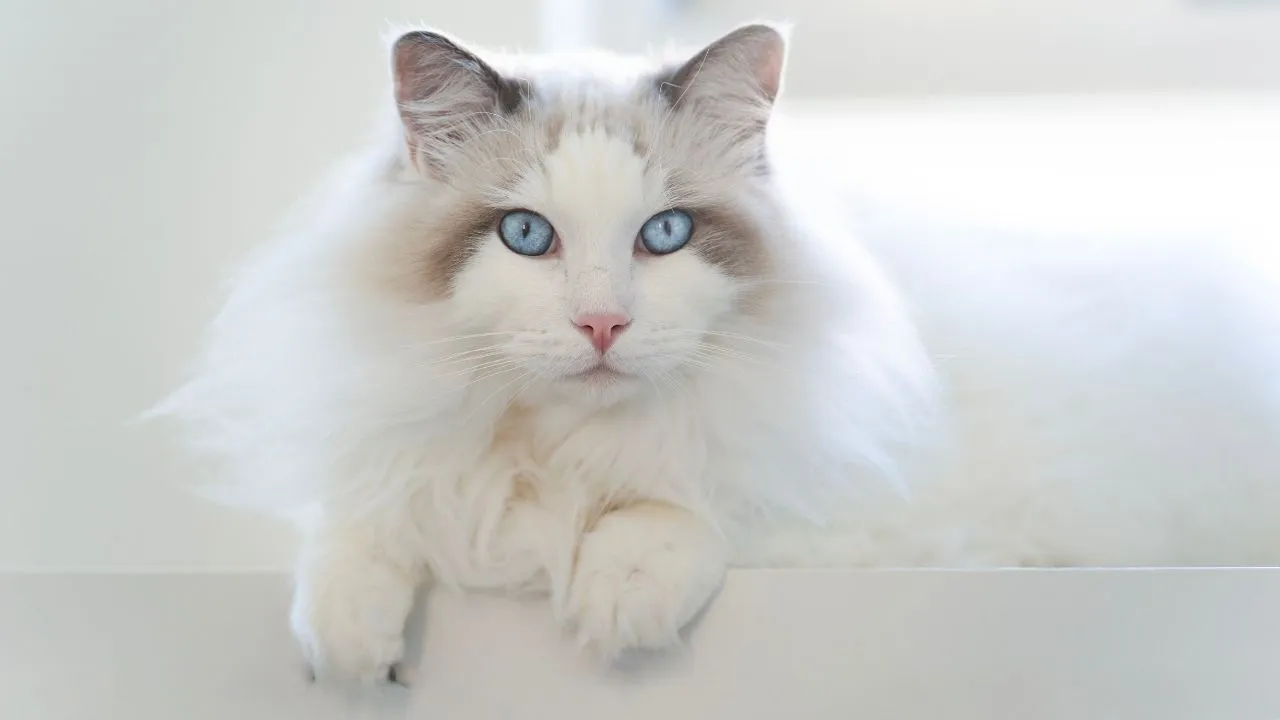
The Ragdoll, sometimes simply referred to by its breed name but widely admired for its signature blue eyes and silky semi-long coat, was developed in California in the 1960s.
Often described as “astonishingly equable,” this striking feline is cherished for its serene presence and deeply affectionate personality, making it a standout choice for peaceful households. According to Petplan, Ragdoll cats are affectionate companions distinguished by their beautifully soft coats.
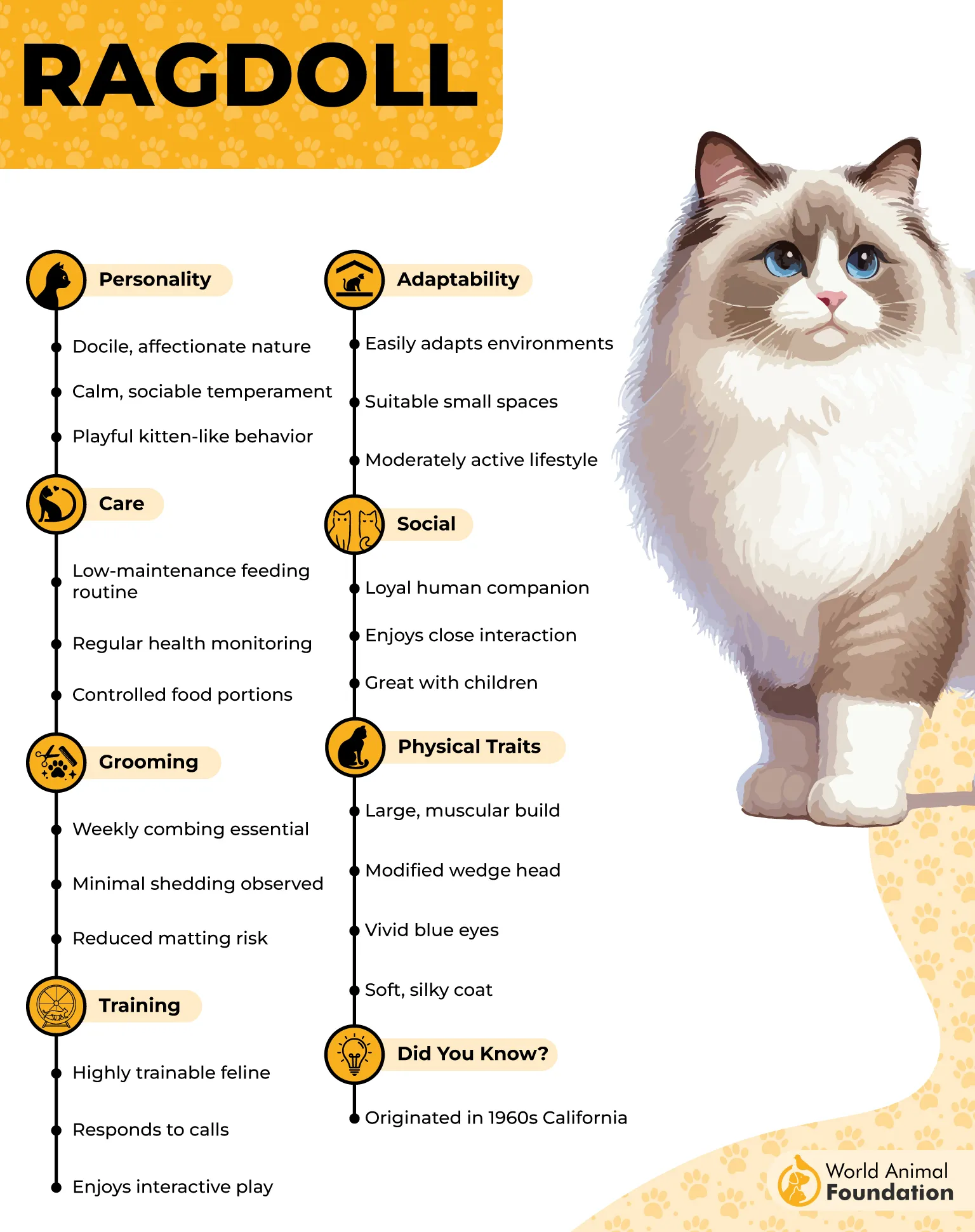
Calm, Gentle, and Low-Drama
True to its reputation, the Ragdoll is exceptionally relaxed and easygoing. Instead of climbing curtains or scratching furniture out of boredom, this breed prefers lounging beside its favorite humans or quietly observing daily routines from a cozy perch. Their moderate energy levels naturally reduce destructive tendencies indoors.
Ragdolls are known for following their owners from room to room, offering companionship without demanding constant stimulation. They enjoy gentle play but are far more inclined to curl up in a lap than engage in chaotic bursts of activity, which helps maintain a calm home environment.
Although some once believed Ragdolls were overly “floppy” or unusually tolerant of pain, this is a myth—they have the same pain threshold as other cats and should never be treated like toys.
A notable fact: Their famously placid temperament and dog-like loyalty have fueled their lasting popularity.
2. British Shorthair
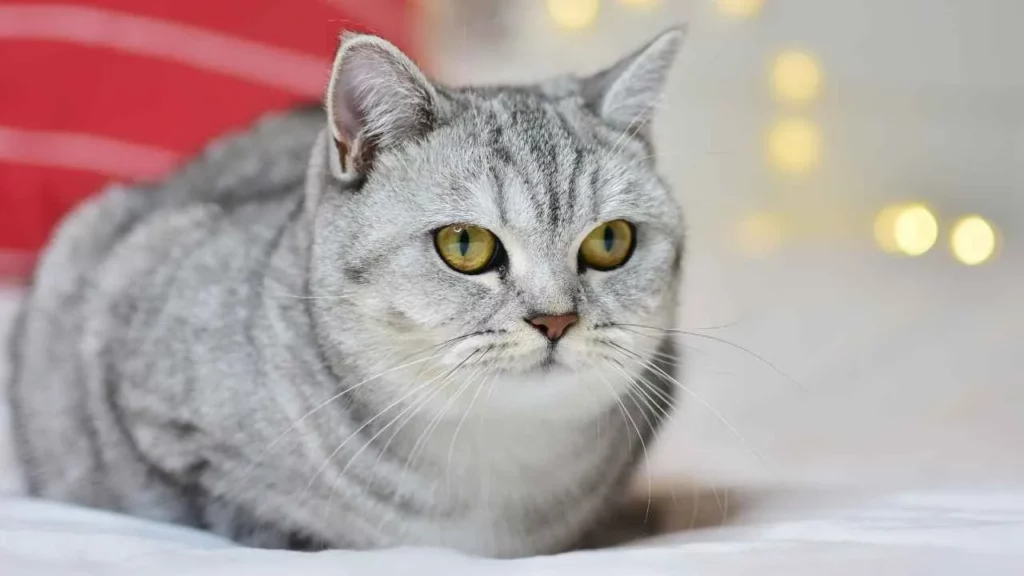
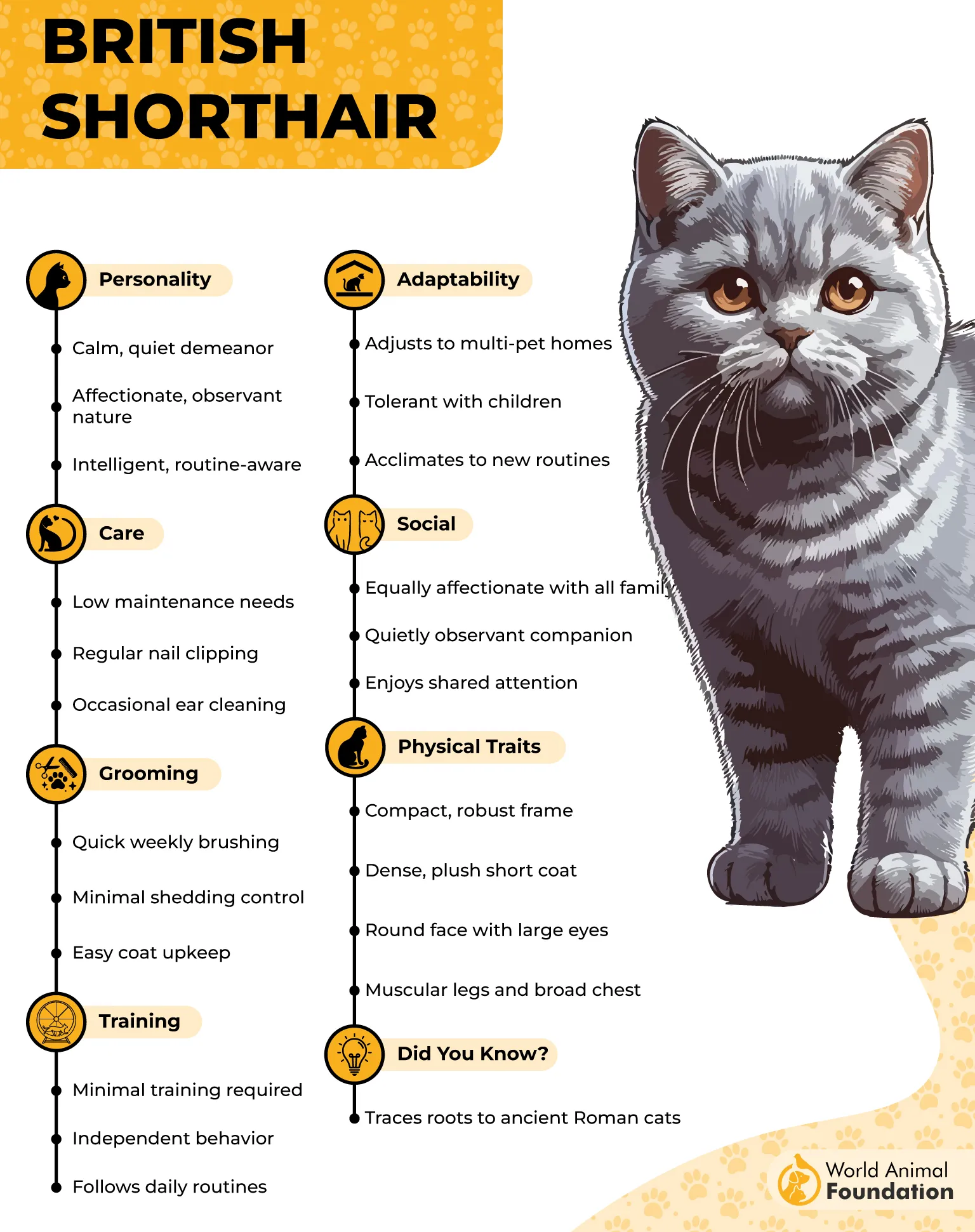
The British Shorthair—sometimes affectionately called the “British Blue” when seen in its iconic gray coat—is admired for its round face, dense plush fur, and famously chubby cheeks.
With roots tracing back to Roman times, this sturdy, dignified breed combines classic charm with a composed, self-assured presence.
According to Purina, the British Shorthair is described as an easygoing cat that appreciates affection without being overly demanding, prefers not to be carried, and often follows its owner out of curiosity.
Independent Yet Well-Mannered
British Shorthairs are not overly energetic, which naturally limits destructive behavior around the home. Rather than darting up curtains or knocking items off shelves, they prefer calm surroundings and measured bursts of play, usually on their own terms.
Well-socialized individuals strike a pleasing balance between affection and independence. They enjoy being near their humans—lounging beside them rather than being carried—and will quietly seek attention when ready, often arriving with a favorite toy in tow. Their soft, low voice is used sparingly.
Cleanliness is another appealing trait; they’re known for tidy habits and adapting well to indoor living. While gentle and loyal, they do have a strong prey drive, so don’t be surprised if this plush companion occasionally presents you with a proudly “caught” surprise.
3. Persian
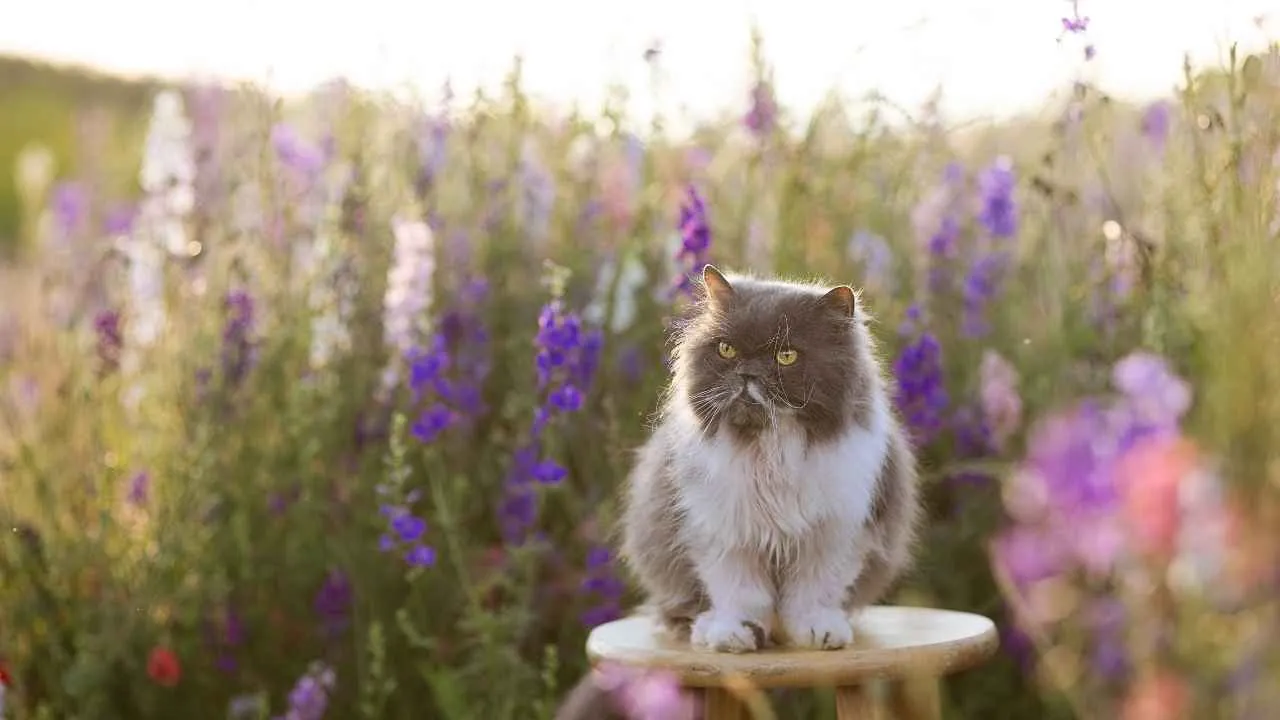
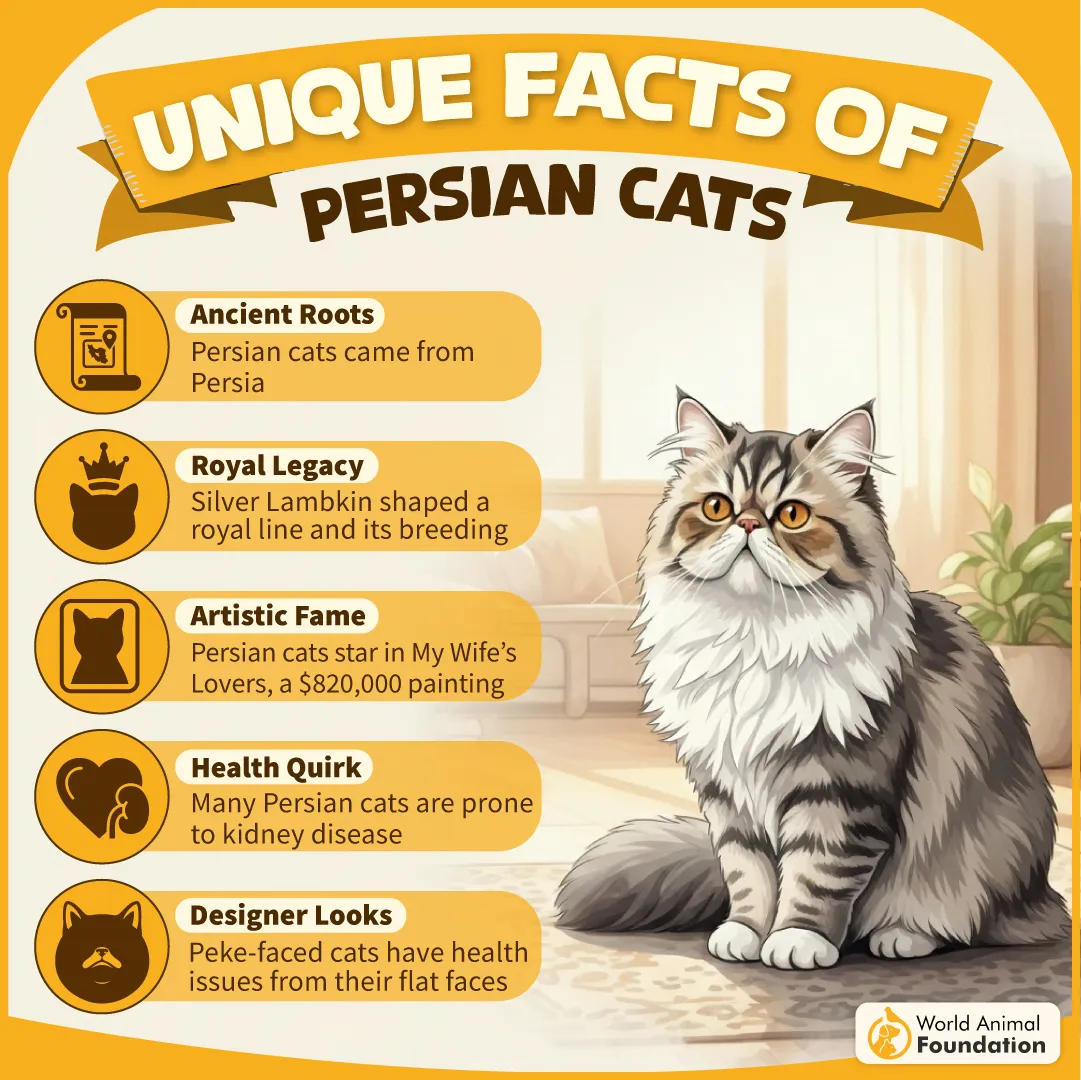
The Persian, often dubbed the “princess of the cat world,” is one of the oldest and most recognizable purebred cats. With its long, luxurious coat, round face, and signature snub nose, this aristocratic feline carries an air of elegance rooted in its ancient Persian heritage.
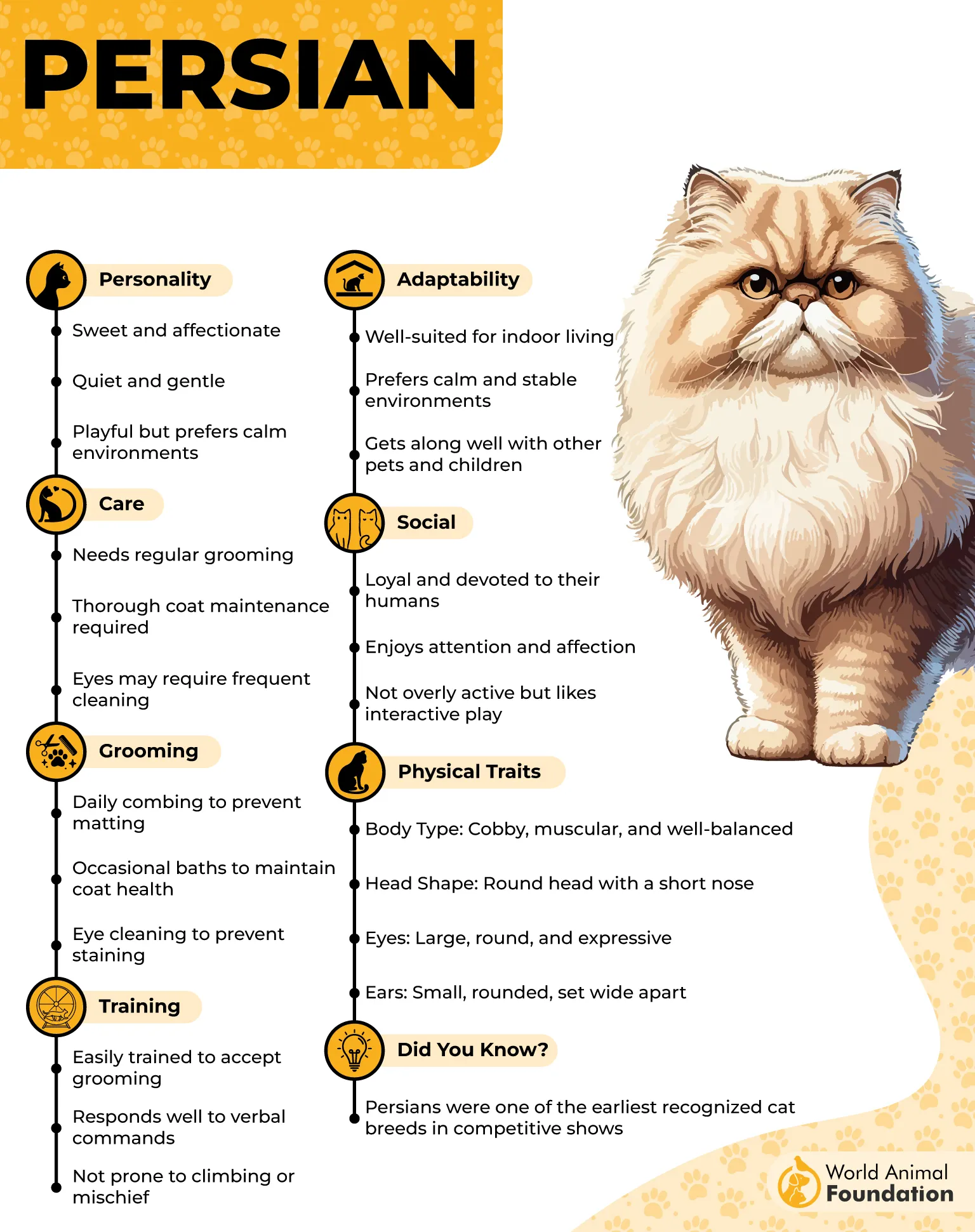
According to PetMD, Persian cats remain highly popular today and are valued for their docile and intelligent nature, making them well-suited companions for calm households, despite their significant grooming needs.
Quiet and Content Indoors
Persians are naturally calm and dignified, preferring serene surroundings over busy, chaotic spaces. Their low-energy lifestyle means they’re far more inclined to recline on a plush cushion than leap across shelves, making destructive behavior highly uncommon.
Though sometimes perceived as reserved, they form deep bonds with their chosen humans. They are affectionate without being demanding, enjoying gentle attention and peaceful companionship rather than rough play or loud interaction.
These refined cats thrive in quiet homes and are not fond of unpredictable noise or overly boisterous activity. Meticulously clean and devoted to grooming, they maintain both their appearance and their environment—an admirable fact that complements their famously peaceful temperament.
4. Scottish Fold
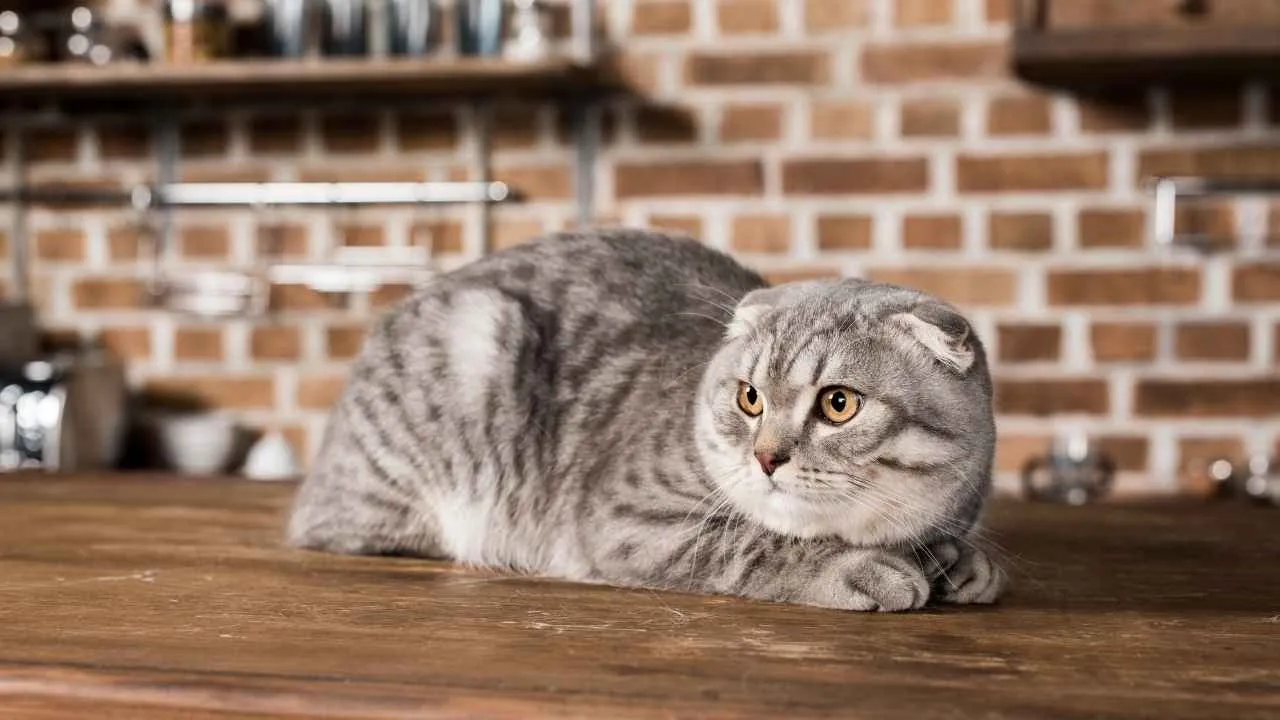
The Scottish Fold, instantly recognized for its signature folded ears and round, owl-like face, traces its lineage back to hardy Scottish farm cats. Though refined over time, this sturdy and adaptable breed retains its rugged roots while offering a sweet, affectionate nature that appeals to families and first-time owners alike.

Relaxed and Easy to Manage
Scottish Folds adjust effortlessly to a variety of living situations, from lively households to quieter homes. Their calm disposition means they’re unlikely to react to noise or bustle with destructive behavior, making them dependable indoor companions.
Playful yet measured, they enjoy interactive games and exploring their surroundings without tipping into chaos. Their moderate energy level keeps them engaged and curious, but not prone to tearing through the house or clawing furniture out of boredom.
Friendly without being clingy, they bond closely with their humans and can comfortably be left alone for a few hours.
A notable fact: Despite their sturdy farm-cat ancestry, Scottish Folds are known for their tiny, soft voice that they use only sparingly.
5. Birman
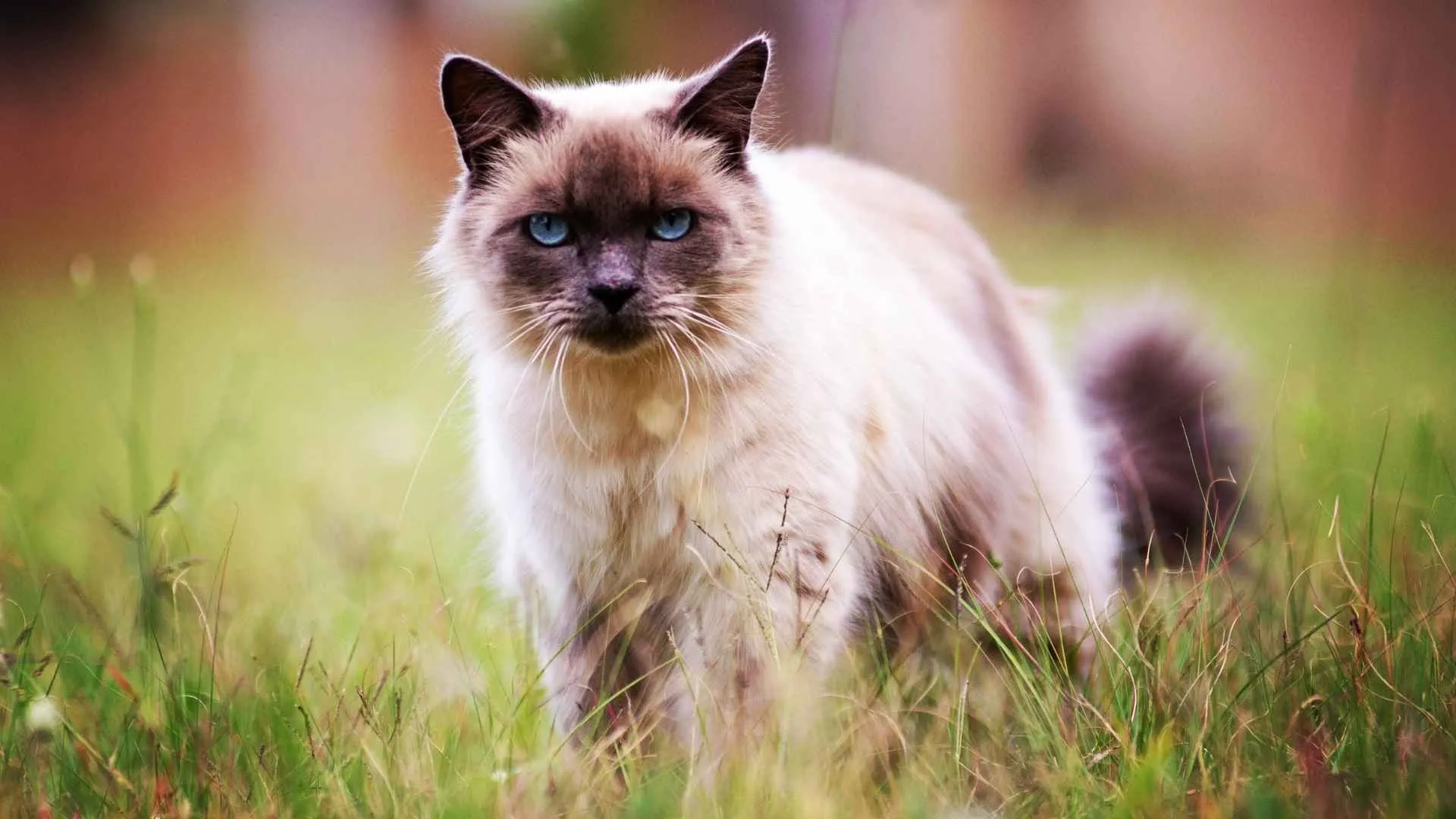
The Birman, often called the Burmese Holy Temple Cat, is admired for its silky coat, striking deep blue eyes, and graceful, balanced build. Revered in legend as sacred temple companions in ancient Burma, this rare and elegant breed carries an air of quiet mystique.

Low-Energy and Furniture-Friendly
Birmans are known for their calm, steady temperament, making them far less likely to engage in destructive antics. They enjoy interactive play but rarely take it to extremes, preferring meaningful connection over chaotic bursts of energy that could leave a trail of toppled décor behind.
Affectionate without being overly demanding, they form deep bonds with their families and adapt smoothly to households with children or other pets. Their intelligence is evident, yet they don’t typically channel it into mischief, helping maintain a peaceful indoor environment.
Their plush coat looks luxurious but requires less upkeep than more high-maintenance long-haired breeds.
A notable fact: Birmans are considered rare worldwide and, having never been heavily commercialized, are not associated with specific genetic breed diseases.
6. Exotic Shorthair
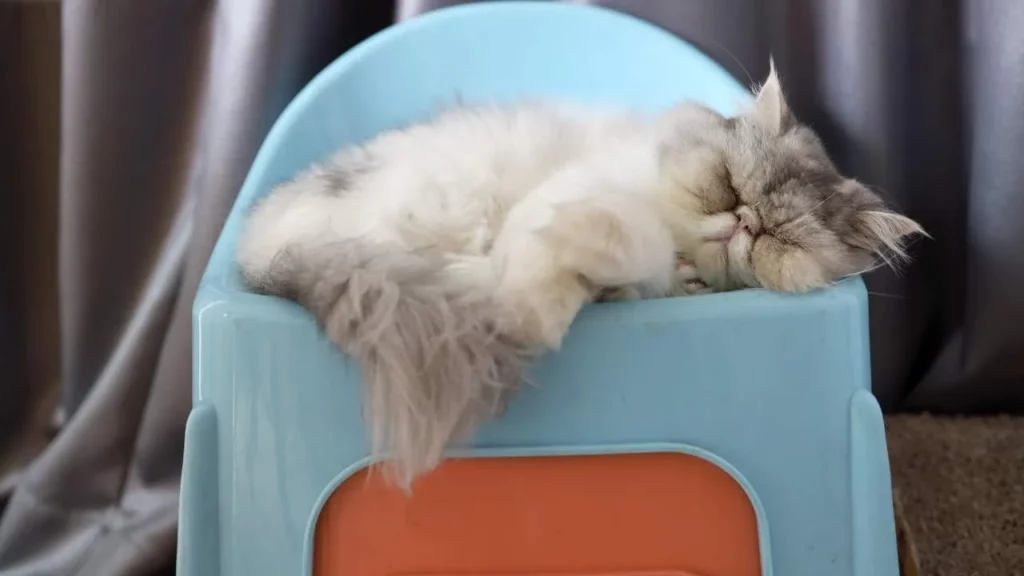
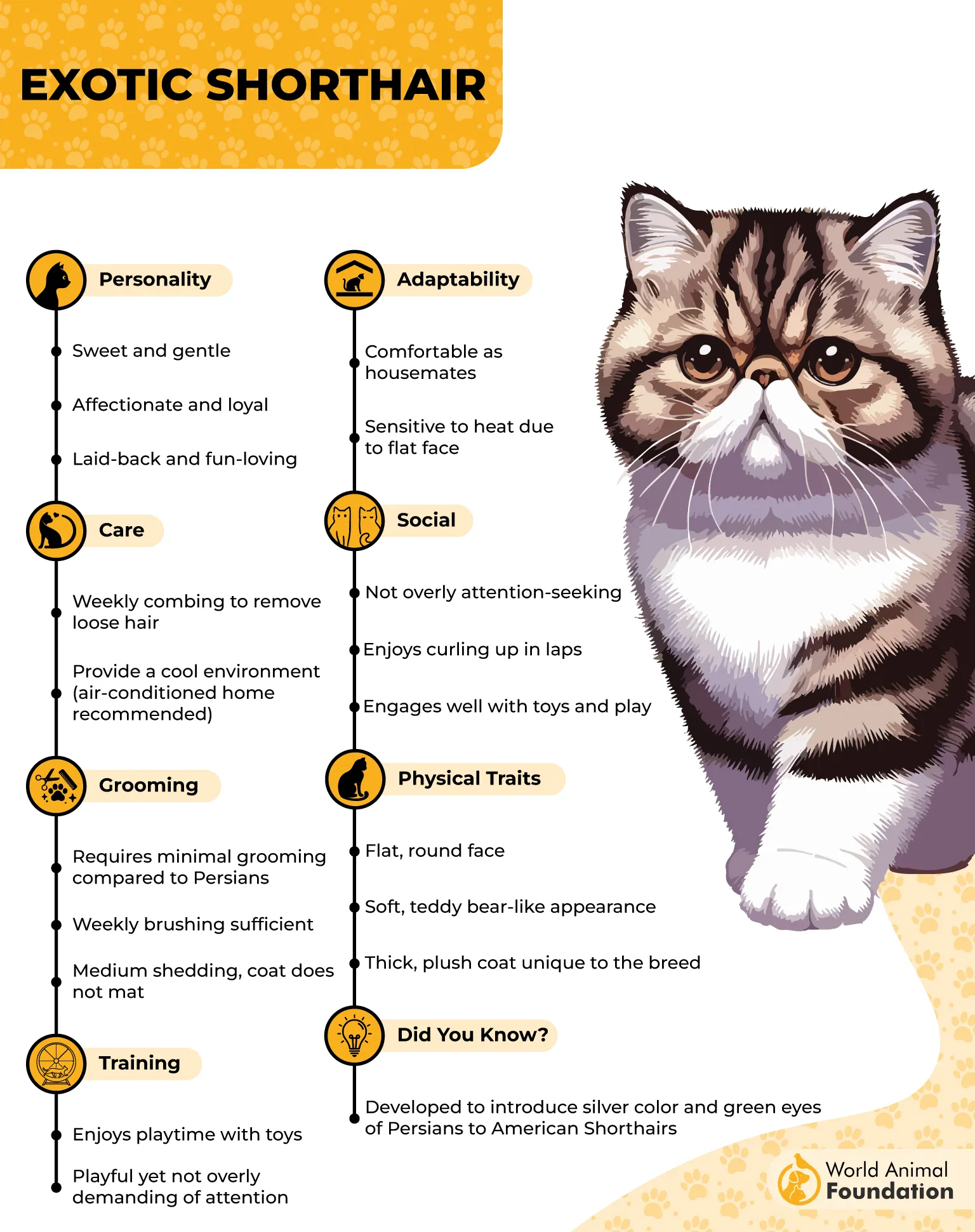
The Exotic Shorthair, often nicknamed the “lazy man’s Persian,” offers the sweet expression and plush, teddy-bear look of the Persian without the high-maintenance coat. With its round face, dense short fur, and soulful eyes, this breed is adored for blending charm, affection, and an easygoing spirit.
Intelligent and Easily Trained
Despite their relaxed demeanor, Exotic Shorthairs are bright and responsive. They may not be as intensely trainable as highly active breeds, but with patience and consistency, they can learn simple commands, daily routines, and even playful tricks.
Positive reinforcement works especially well with this breed. They are notably food-motivated, so treats, praise, or interactive play make effective rewards. Clicker training can help them grasp cues like “come” or “sit,” encouraging good habits without stress or punishment.
Their naturally low energy and thoughtful nature mean they’re far more likely to nap or observe than cause chaos.
A notable fact: Exotic Shorthairs provide the beloved Persian temperament in a quieter, lower-grooming package, making them ideal for calm households.
7. Maine Coon
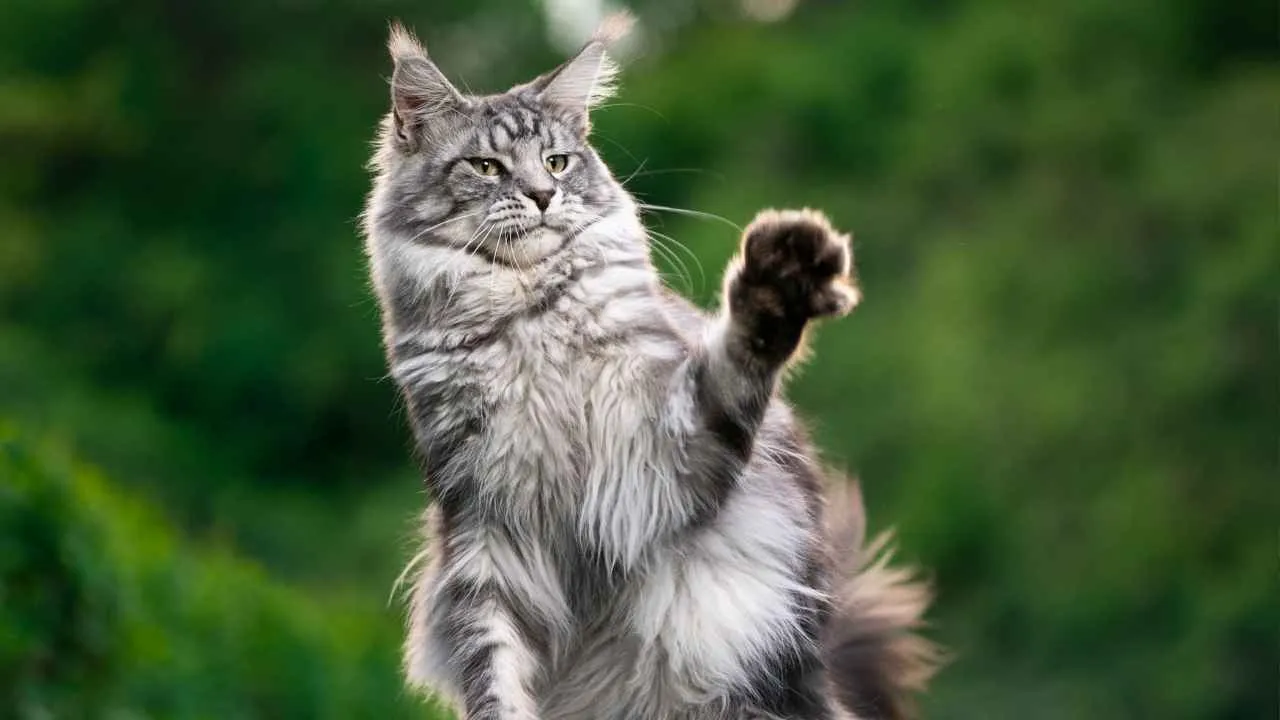
The Maine Coon, often nicknamed the “Gentle Giant,” is a shaggy, lion-like breed recognized for its tufted ears, bushy tail, and expressive eyes. Originating in Maine—where it was named the official state cat—this striking feline earned early praise as a skilled shipboard mouser and farm companion.
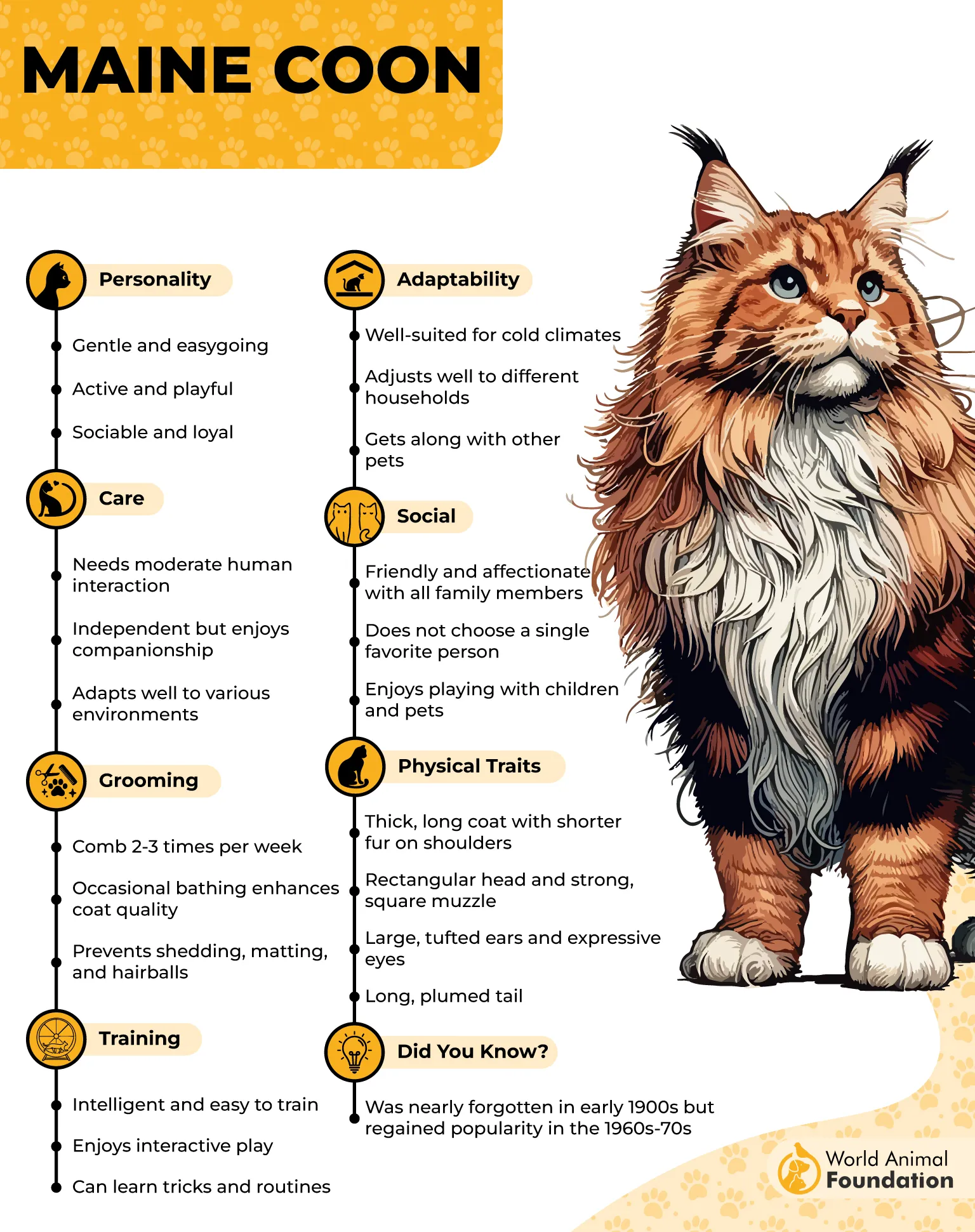
Adaptable and Naturally Well-Behaved
Despite their impressive size, Maine Coons are famously placid and careful indoors. Their bright, flexible temperament allows them to adjust easily to family life, and they tend to channel their hunting instincts into toys rather than furniture or household items.
Sociable and affectionate, they enjoy being involved in daily routines without being overly demanding. While not typical lap cats, they form strong bonds—often attaching themselves closely to one person—and communicate through soft chirps and trills instead of loud, disruptive meows.
Patient with children and tolerant of other pets, Maine Coons respond well to training and quickly learn boundaries.
An interesting fact: Their history as shipboard pest controllers may explain their unusual fascination with water and prey-style games.
Conclusion
Choosing from cat breeds that rarely act destructively can make everyday life smoother and far more enjoyable. Calm, laid-back companions tend to respect the litter box, settle happily on the bed for sleep, and respond well to consistent playtime.
While even sociable breeds love to talk and stay involved, meeting their needs at the right age helps prevent boredom or the urge to hide and scratch. No matter the breed, providing attention, enrichment, and routine vet care supports both behavior and overall health issues.
Before bringing a kitten home, speak with a reputable breeder who prioritizes temperament as much as appearance. Gentle breeds are often wonderful with kids, especially when taught respectful interaction.
Regular brushing, interactive toys, and cozy spaces to rest can save your furniture and strengthen your bond. In the end, understanding energy levels and personality traits truly does matter.
