




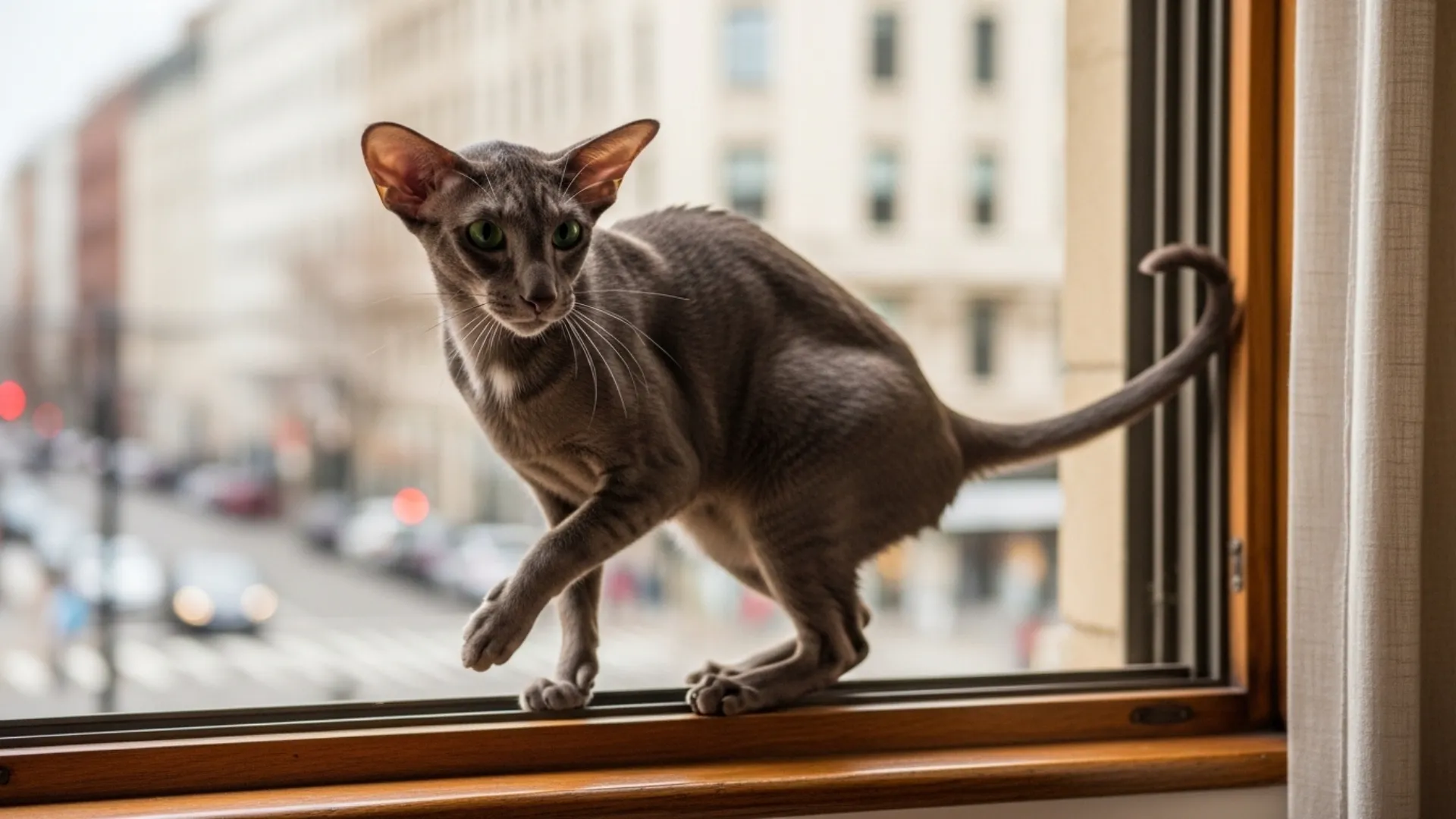
Cats don’t just live in our homes—they read them. A shifted scent in the hallway, the faint click of a window that wasn’t open before, or a new chemical smell from a cleaned countertop can spark an instant reaction. That’s because feline senses are built for picking up tiny changes humans often miss, and some breeds seem especially tuned in to every detail around them.
So why are certain cats more environmentally aware? Beyond personality, it often comes down to confidence, curiosity, and how strongly a cat bonds to “their” territory. Cats are naturally attached to familiar spaces, and unfamiliar smells, sounds, or movement can feel like a threat—especially if they don’t have a safe place to retreat, hide, or perch up high.
The science is simple: keen hearing, powerful noses, and a strong need for control make routine and safety essential. When your home is secure—free of hazards like poisonous plants, open balconies, or household chemicals—these perceptive cats can stay calm, active, and comfortable instead of stressed.
Cat Breeds That Notice Subtle Environmental Changes
1. Siamese
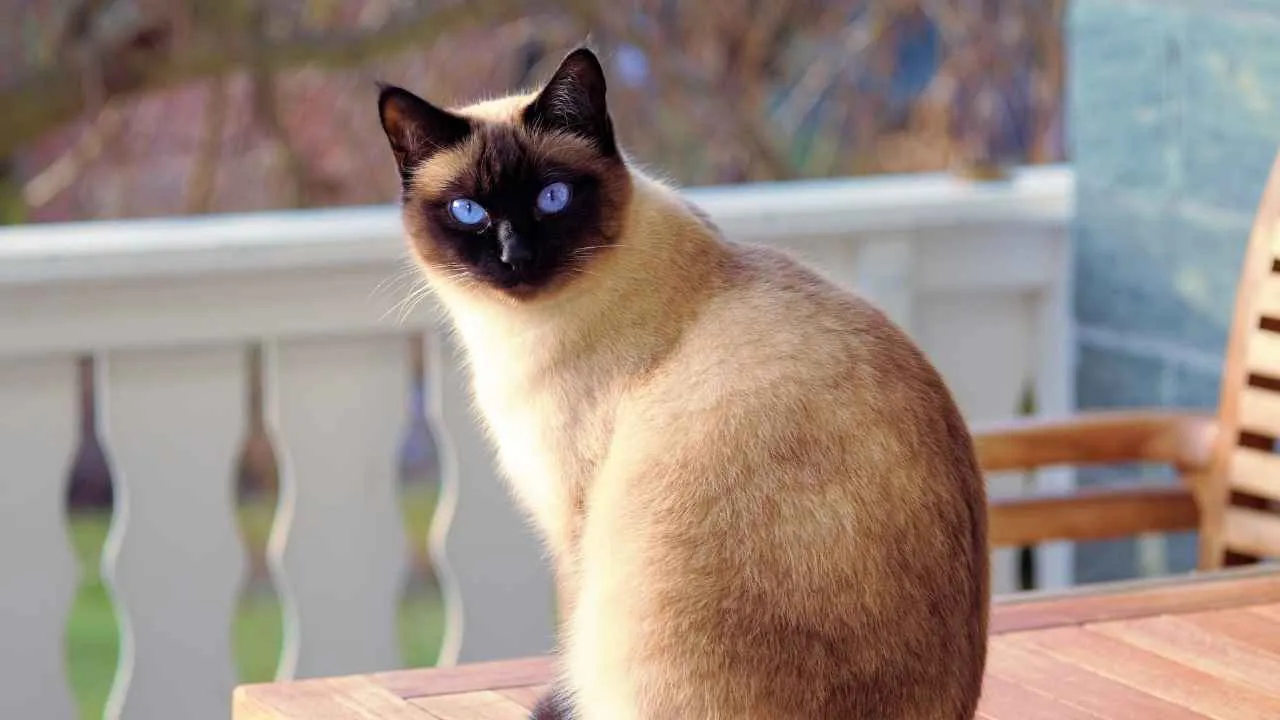
The Siamese, also known as the Wichien-Matt or “Moon Diamond,” is one of the most recognizable and intelligent cat breeds.
According to Britannica, despite its elegant build and relatively small size, the Siamese cat is strong, muscular, and agile.
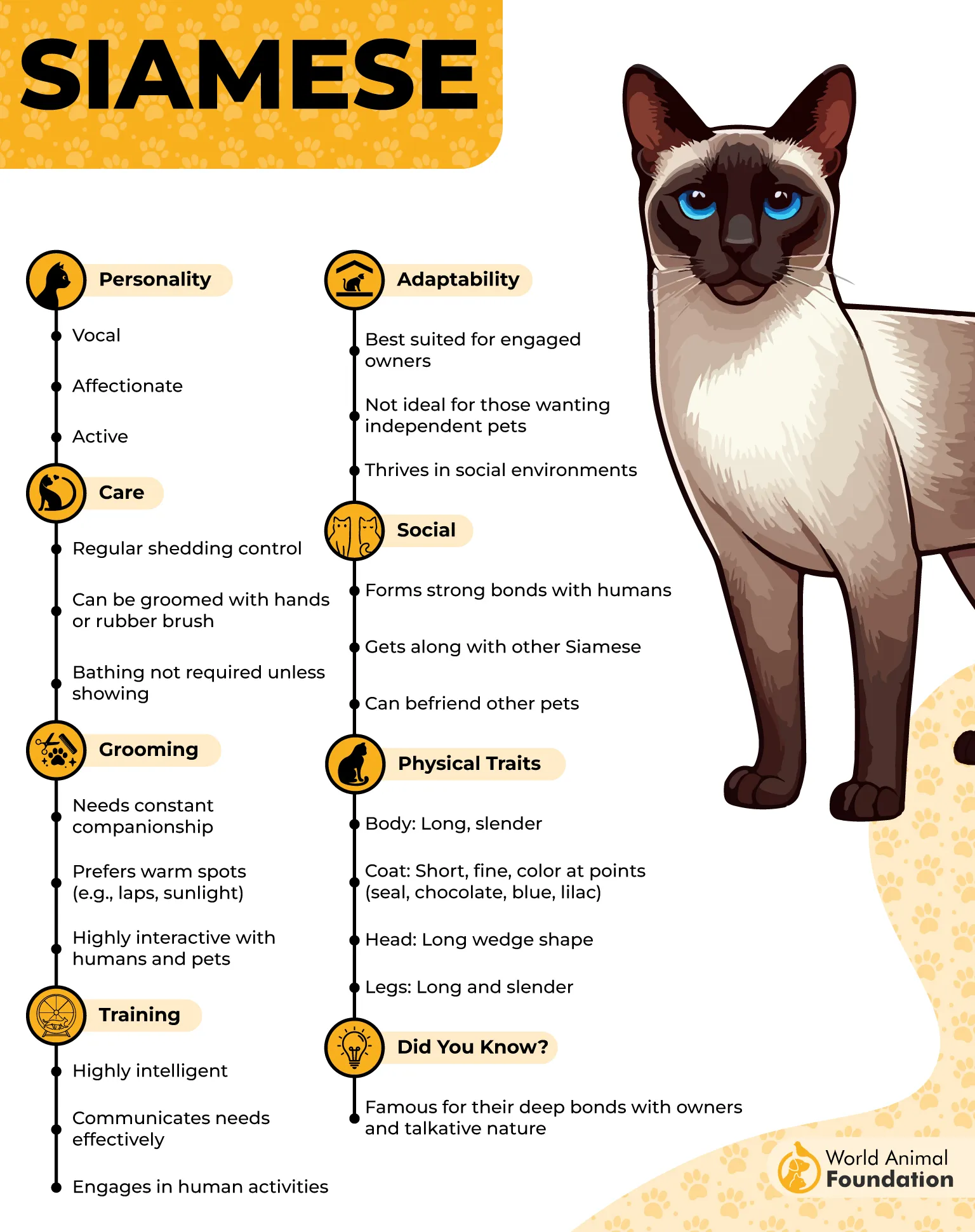
Exceptionally alert by nature, Siamese cats are quick to notice subtle environmental shifts. New sounds, unfamiliar scents, or changes in routine rarely go unnoticed, and they’ll often “comment” loudly the moment something feels different in their space.
Their strong attachment to territory and humans makes them highly sensitive to disruptions. Because they crave consistency and interaction, even small changes—like rearranged furniture or a new household smell—can trigger immediate curiosity or concern.
Siamese thrive best in homes where someone is present often, as their awareness is closely tied to emotional connection and observation.
Fun fact: In Thailand, Siamese cats were once believed to house the souls of royalty and lived pampered lives in temples.
2. Oriental Shorthair
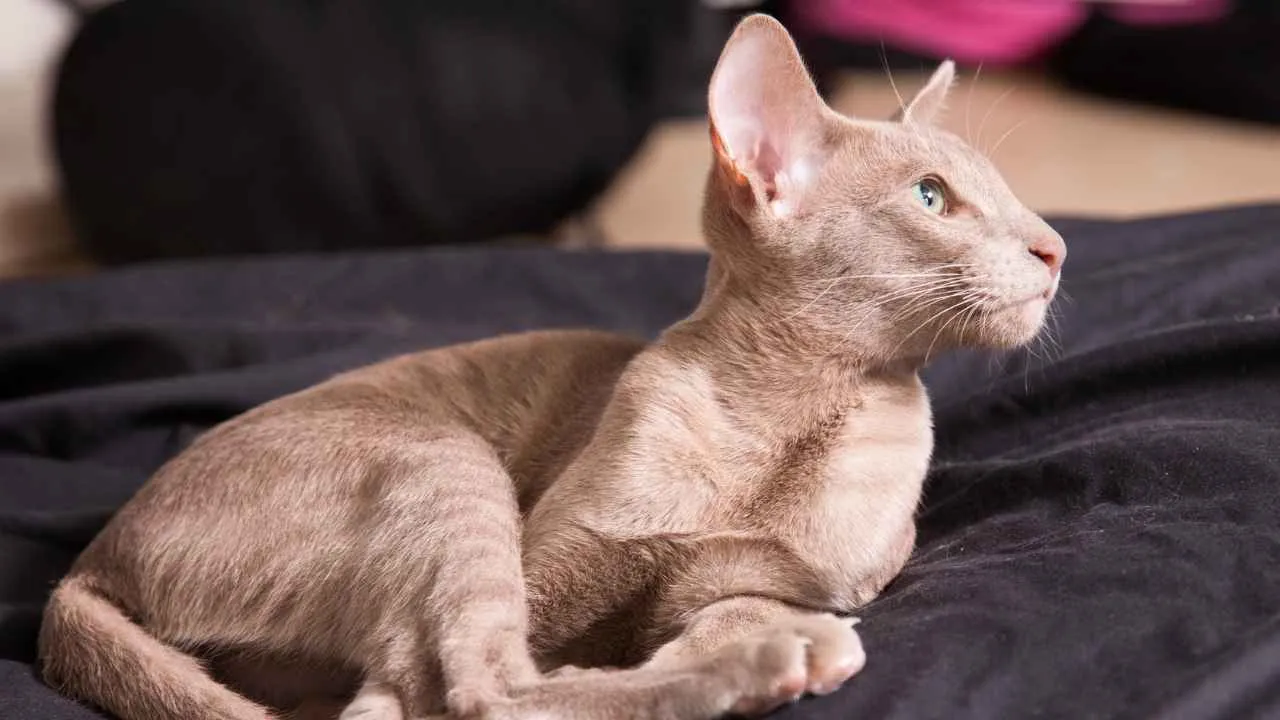
The Oriental Shorthair, closely related to the Siamese and sometimes grouped with the Oriental Longhair, is instantly recognisable by its triangular head, oversized ears, and almond-shaped green eyes.
According to PetMD, although their behavior may appear mischievous, Oriental Shorthairs are actually very intelligent and naturally curious cats.
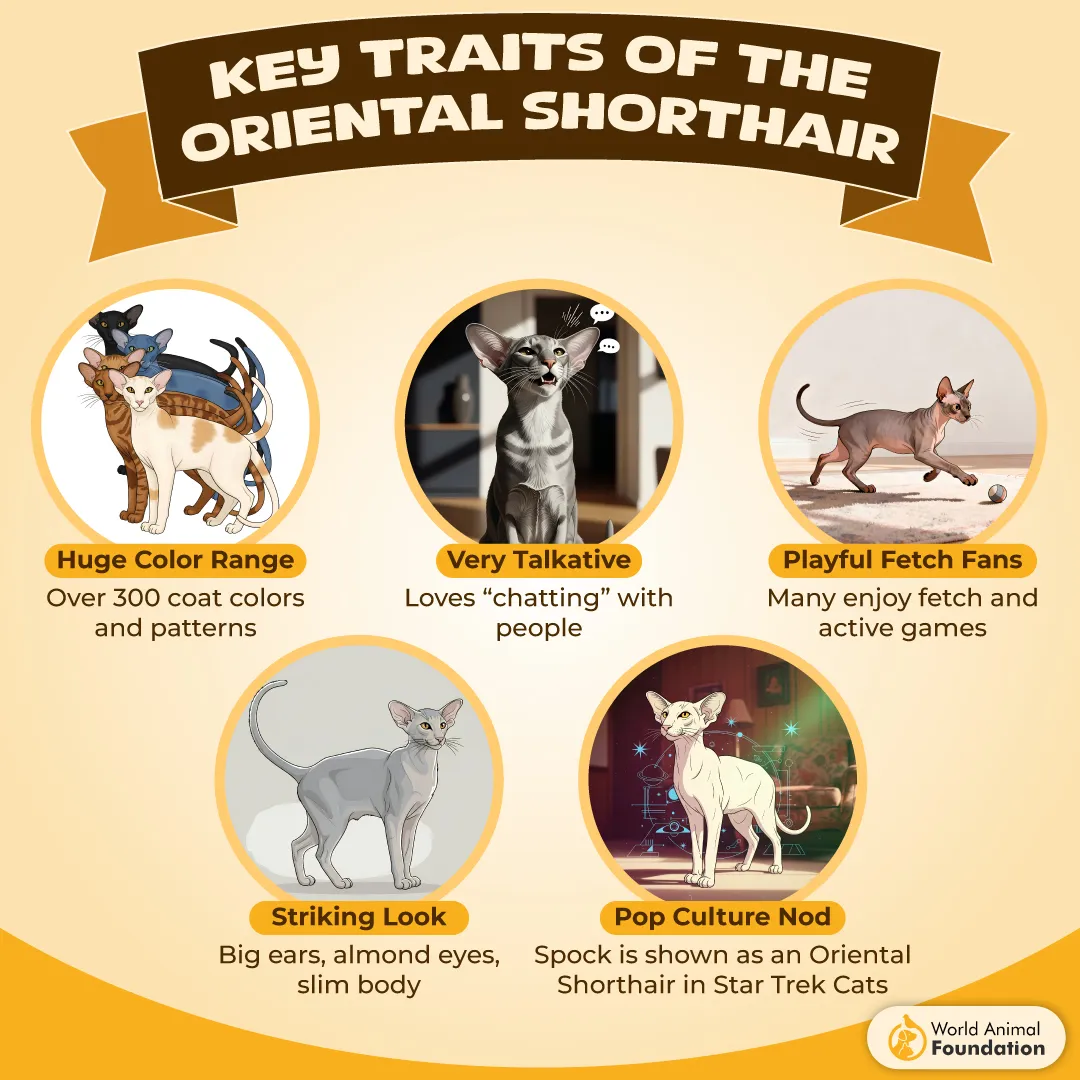
Highly intelligent and vocal, Oriental Shorthairs are exceptionally aware of their surroundings. They notice new smells, shifted furniture, unfamiliar sounds, or subtle routine changes almost immediately, often responding with curious investigation or expressive commentary.
These cats love high vantage points, using cabinets or cat trees to monitor environmental activity. Their need to observe from above helps them process changes quickly, making them especially responsive to anything new or out of place in the home.
Because they thrive on stimulation, Orientals prefer predictable environments balanced with enrichment. Interactive toys, climbing spaces, and companionship help them stay calm and engaged when their sensitive senses pick up on environmental shifts.
Fun fact: An Oriental Shorthair named Teddy went viral online for his uncanny resemblance to actor Adam Driver.
3. Bengal
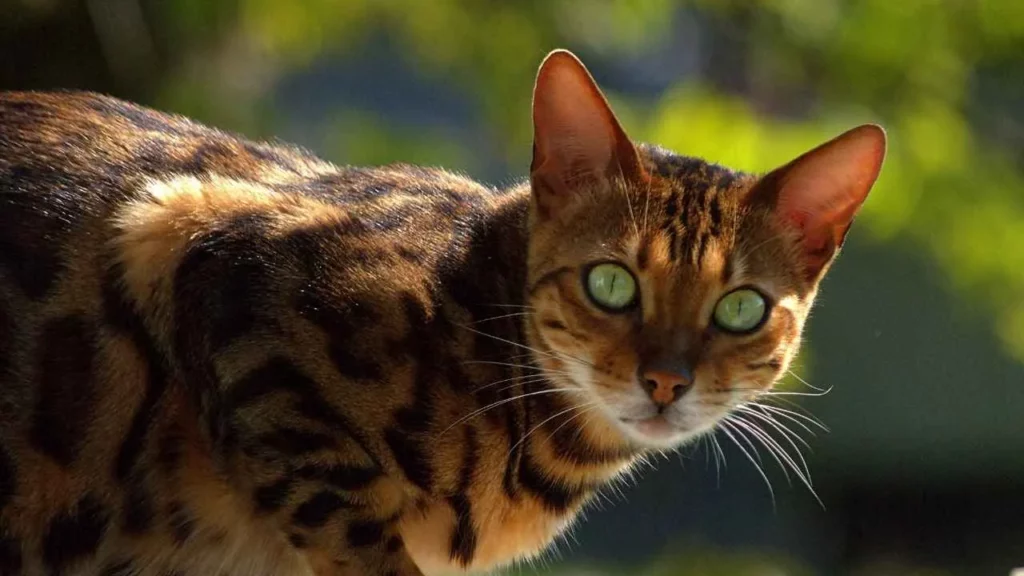
The Bengal, sometimes described as a miniature leopard, is a striking domestic cat known for its wild-inspired markings, glittered coat, and piercing green or gold eyes. Developed from crosses involving the Asian leopard cat, this breed pairs exotic looks with sharp intelligence.
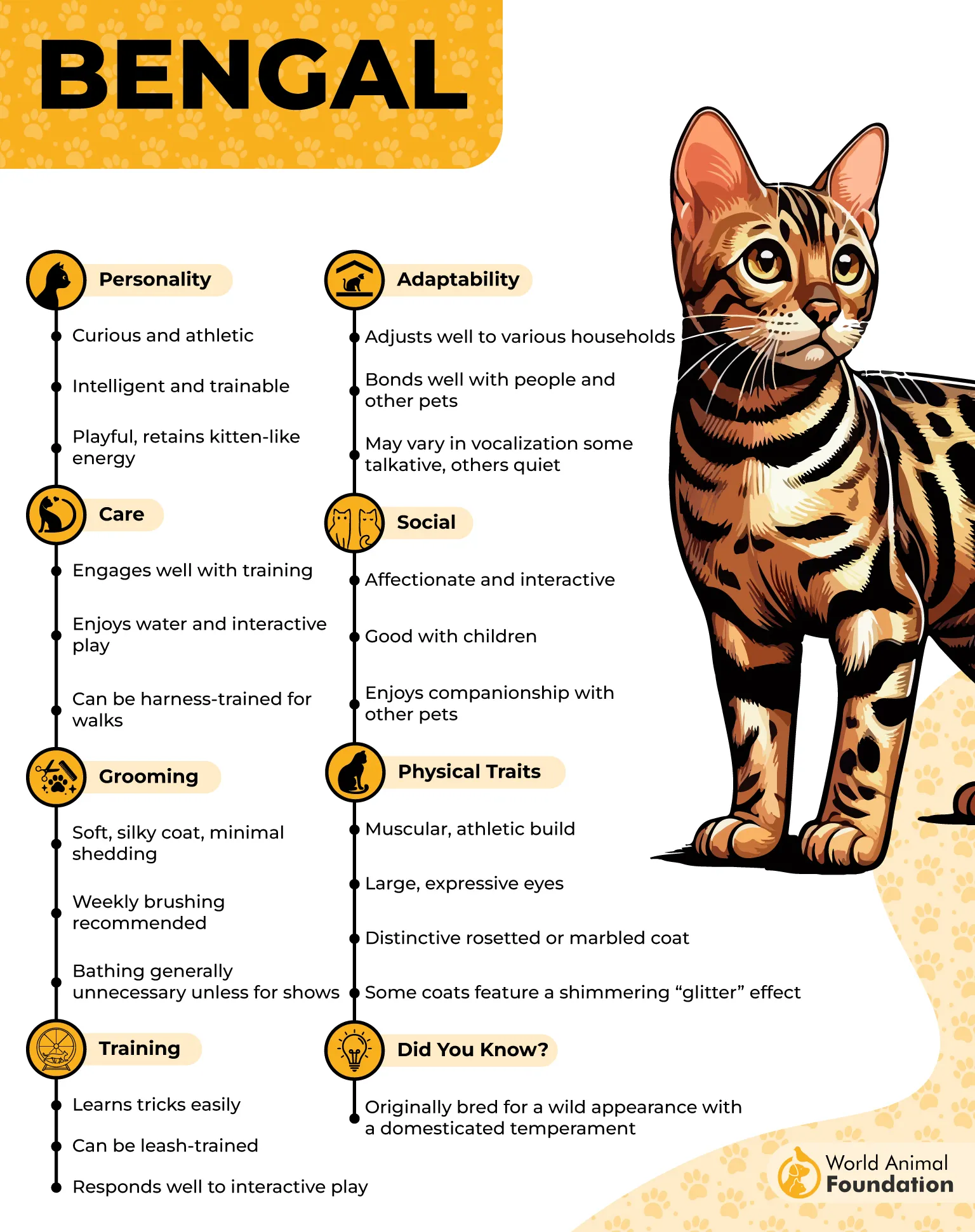
Highly alert by nature, Bengals are famous for noticing subtle environmental changes long before humans do. Their keen senses make them quick to react to unfamiliar sounds, new scents, or small shifts in their surroundings, often investigating from a high vantage point.
This heightened awareness comes from strong hunting instincts and a naturally cautious mindset. Bengals stay mentally engaged by constantly scanning their environment, which is why enrichment like cat trees, climbing shelves, and rotating toys helps channel their vigilance positively.
Because they process so much sensory information, Bengals thrive in stimulating homes with predictable routines. Regular play and training help them feel secure while keeping their sharp minds satisfied.
Fun fact: Bengal cats can have a naturally “glittering” coat caused by a unique gene that reflects light, making them shimmer as they move.
4. Abyssinian
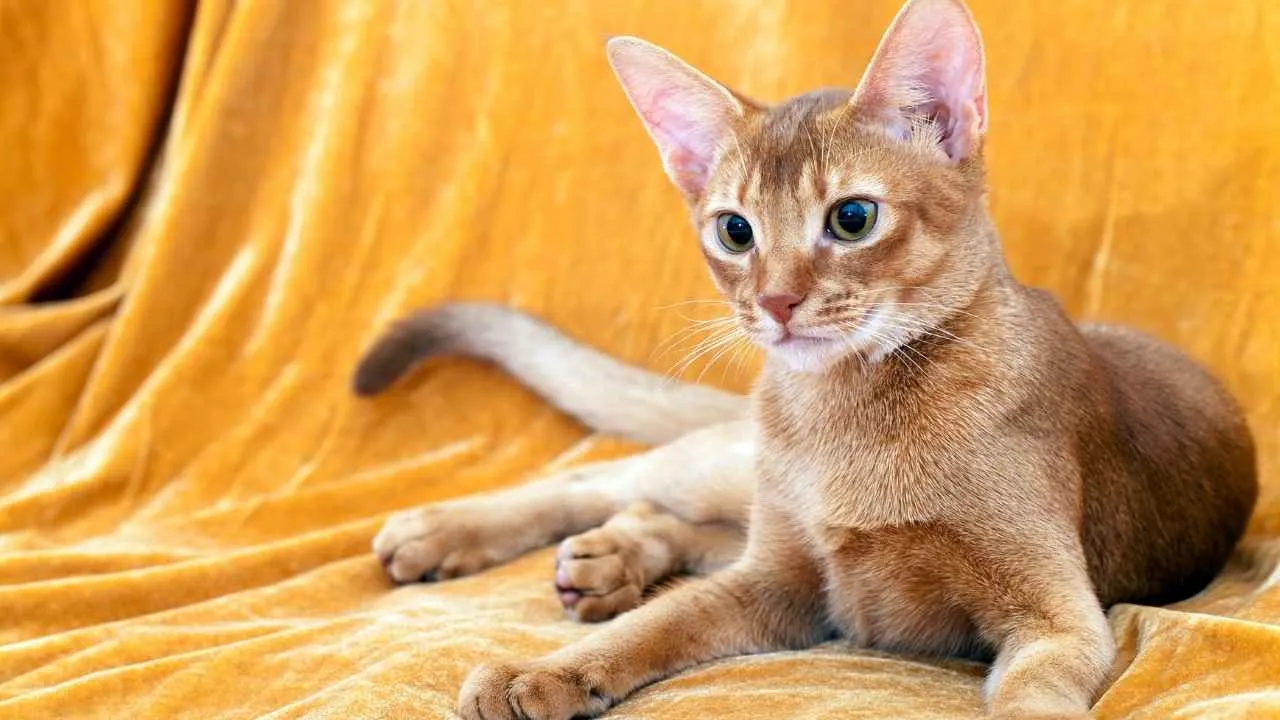
The Abyssinian, often called the Aby, is an ancient and elegant breed. Sometimes compared to the cats of ancient Egypt, this breed also has a long-haired relative known as the Somali.
According to Purina, the Abyssinian is often described as a “supermodel” cat, featuring large ears, small oval feet, a long, slender tail, and a fine, short, glossy coat.
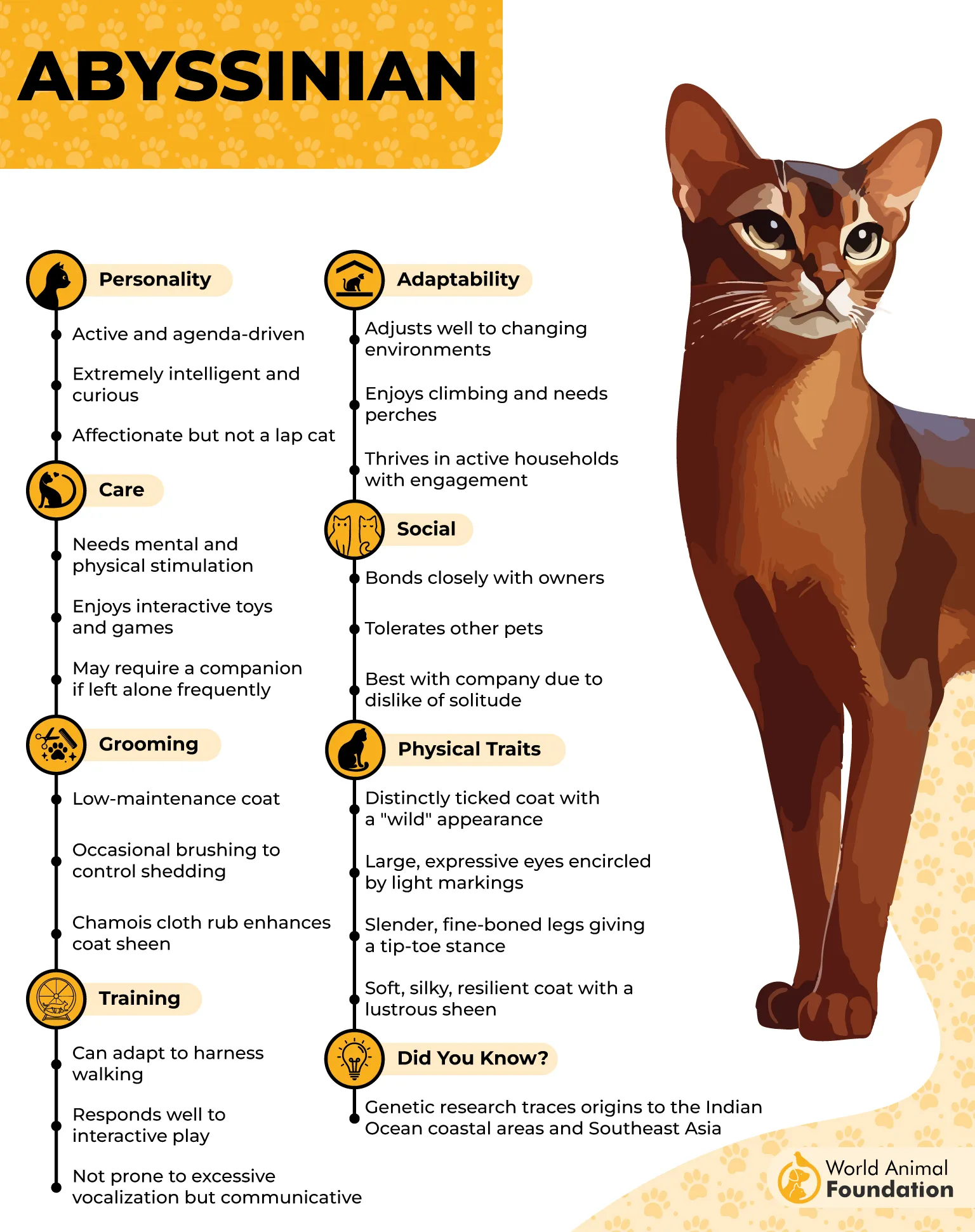
Naturally curious and highly observant, Abyssinians are quick to pick up on subtle environmental changes. A new sound, scent, or rearranged object rarely escapes their notice, and they’re often the first to investigate anything unfamiliar in the home.
Their sharp awareness is closely tied to their high energy and intelligence. Abys constantly scan their surroundings, reacting swiftly to movement or routine changes, which makes them especially sensitive to shifts in household activity or mood.
Because they thrive on stimulation, environments with cat trees, interactive toys, and daily engagement help channel this alertness positively.
Fact: Abyssinians are believed to have roots dating back thousands of years and typically live around 15 years with proper care.
5. Turkish Angora
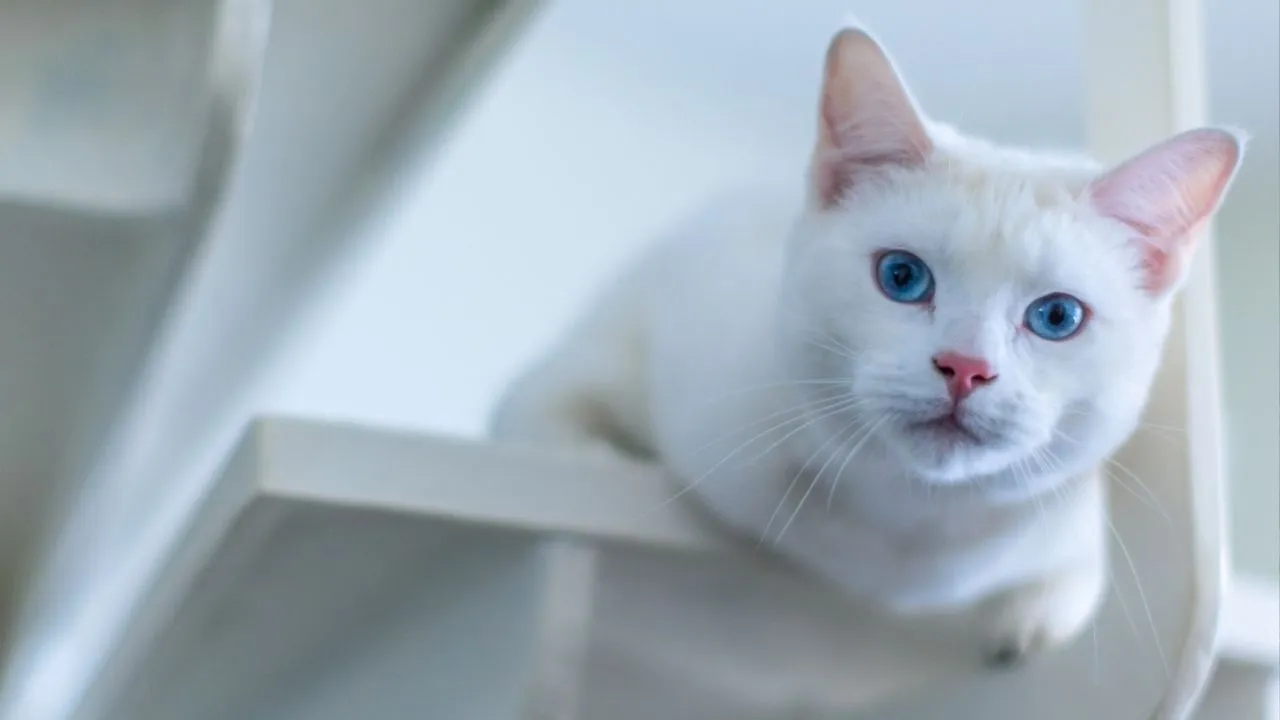
The Turkish Angora, sometimes called the Ankara cat, is an elegant, athletic breed known for its silky coat, long limbs, and alert expression. Originating in Turkey, this natural breed combines refined beauty with sharp intelligence and curiosity.
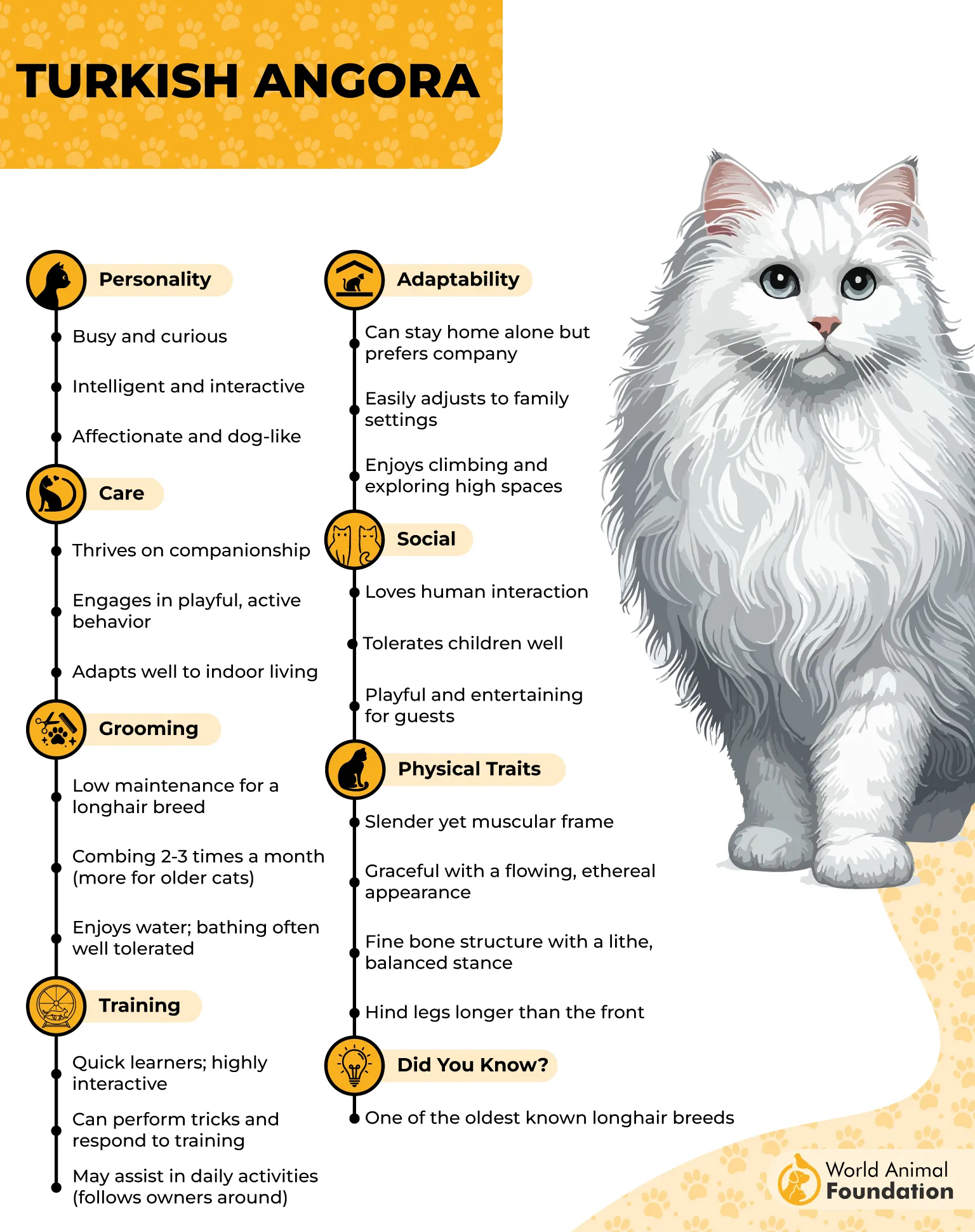
Naturally attuned to their surroundings, Turkish Angoras are quick to notice subtle changes in their environment. A new sound, scent, or rearranged space rarely escapes their attention, and they often investigate immediately, using both sight and sound to assess what’s different.
Their adaptability and awareness make them highly responsive to routines and disruptions alike. They tend to thrive in homes where their environment is predictable yet stimulating, responding strongly to changes in noise levels, household activity, or even emotional shifts in their people.
Because they are observant and vocal, Turkish Angoras often alert owners to changes before humans notice them. Their curiosity isn’t nervous—it’s confident and engaged.
Fun fact: All registered Turkish Angoras must trace their ancestry back to Turkey to be officially recognized.
6. Russian Blue
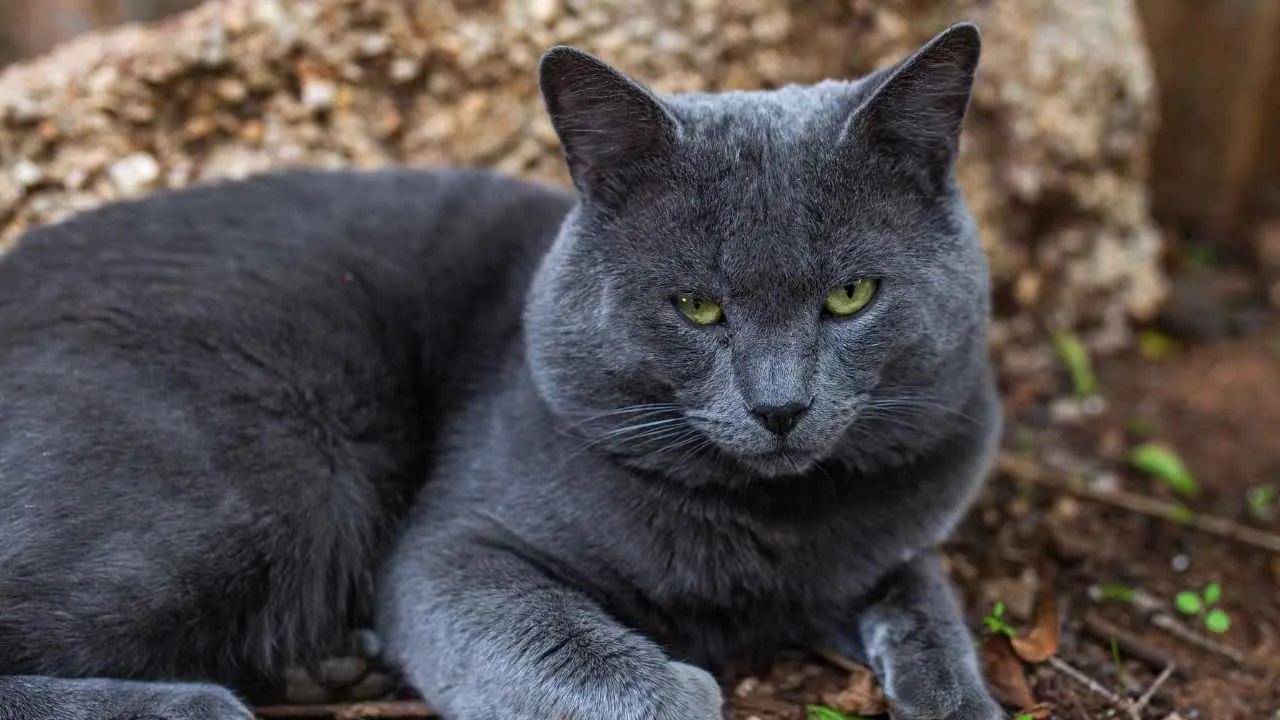
The Russian Blue, sometimes called the Archangel Cat, is a refined, medium-sized breed known for its silvery-blue coat and vivid green eyes. Graceful and reserved, this breed carries an air of quiet attentiveness that sets it apart.
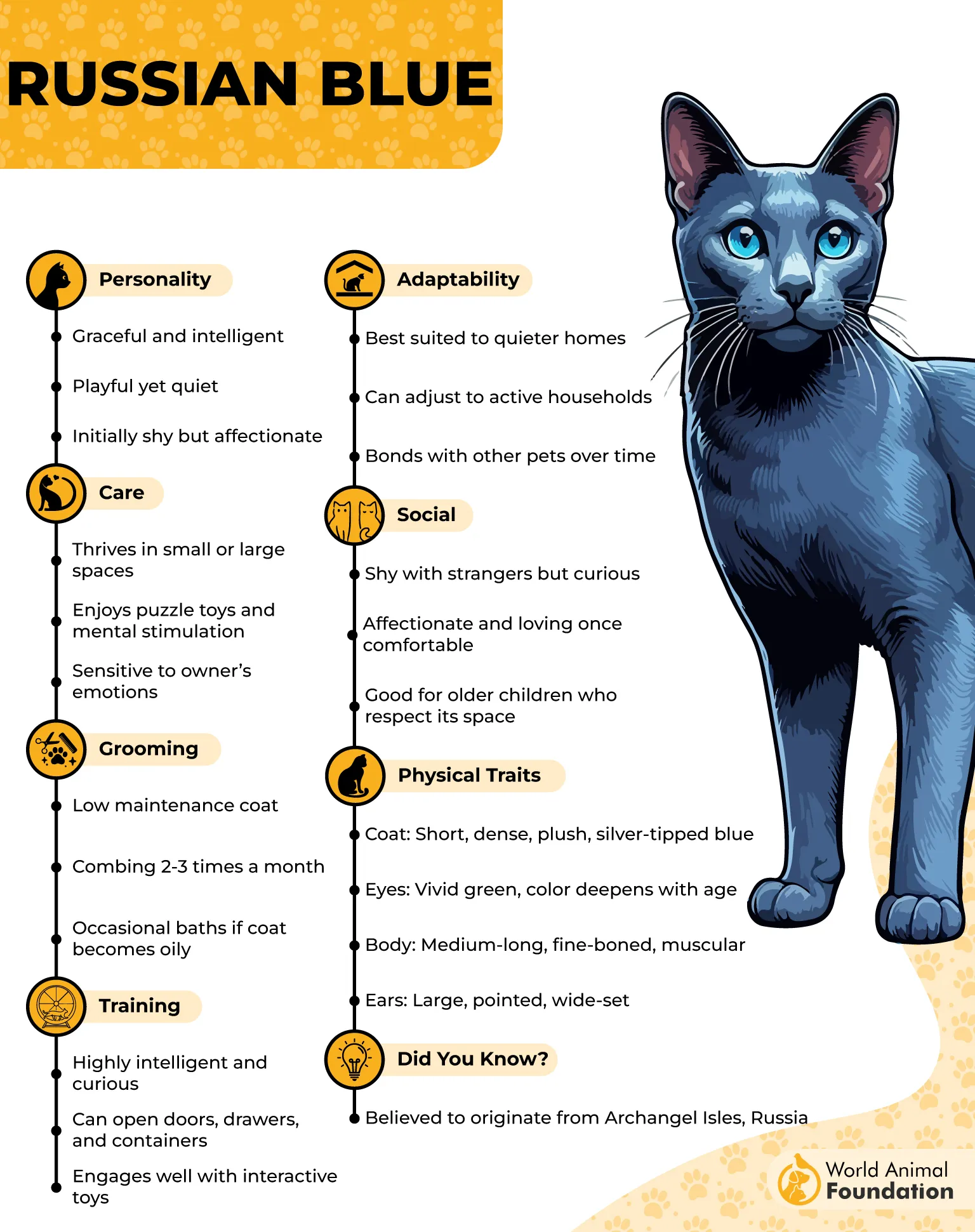
Highly sensitive to sound, light, and movement, Russian Blues are quick to notice even the smallest environmental changes. A new noise, shifting shadows, or subtle temperature differences often catch their attention long before humans are aware.
They thrive in calm, predictable homes and tend to react cautiously to disruption. Because of their keen senses, they prefer stable routines and familiar surroundings, where sudden changes won’t overwhelm their naturally observant nature.
While affectionate with trusted humans, Russian Blues carefully monitor their environment before engaging. Providing window views, perches, and interactive toys helps satisfy their heightened awareness without overstimulation.
Fun fact: Russian Blue kittens can be born with faint “ghost stripes,” a tabby trait that usually fades as they mature.
7. Japanese Bobtail
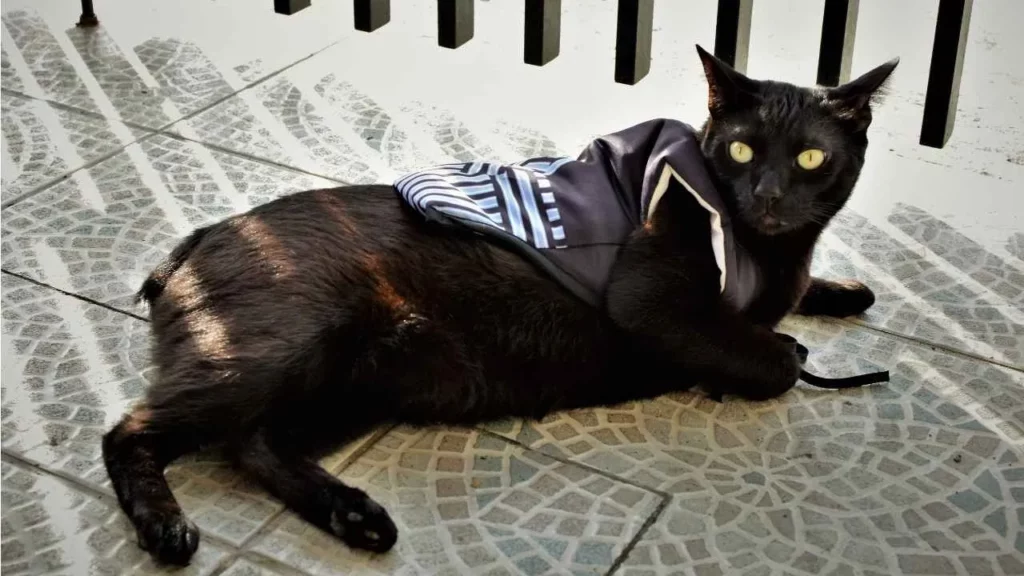
The Japanese Bobtail, sometimes called Kazoku-neko, is an ancient breed from Japan known for its signature pom-like tail, expressive eyes, and lively personality. Available in short or long coats, this cat is affectionate, social, and deeply connected to its surroundings.
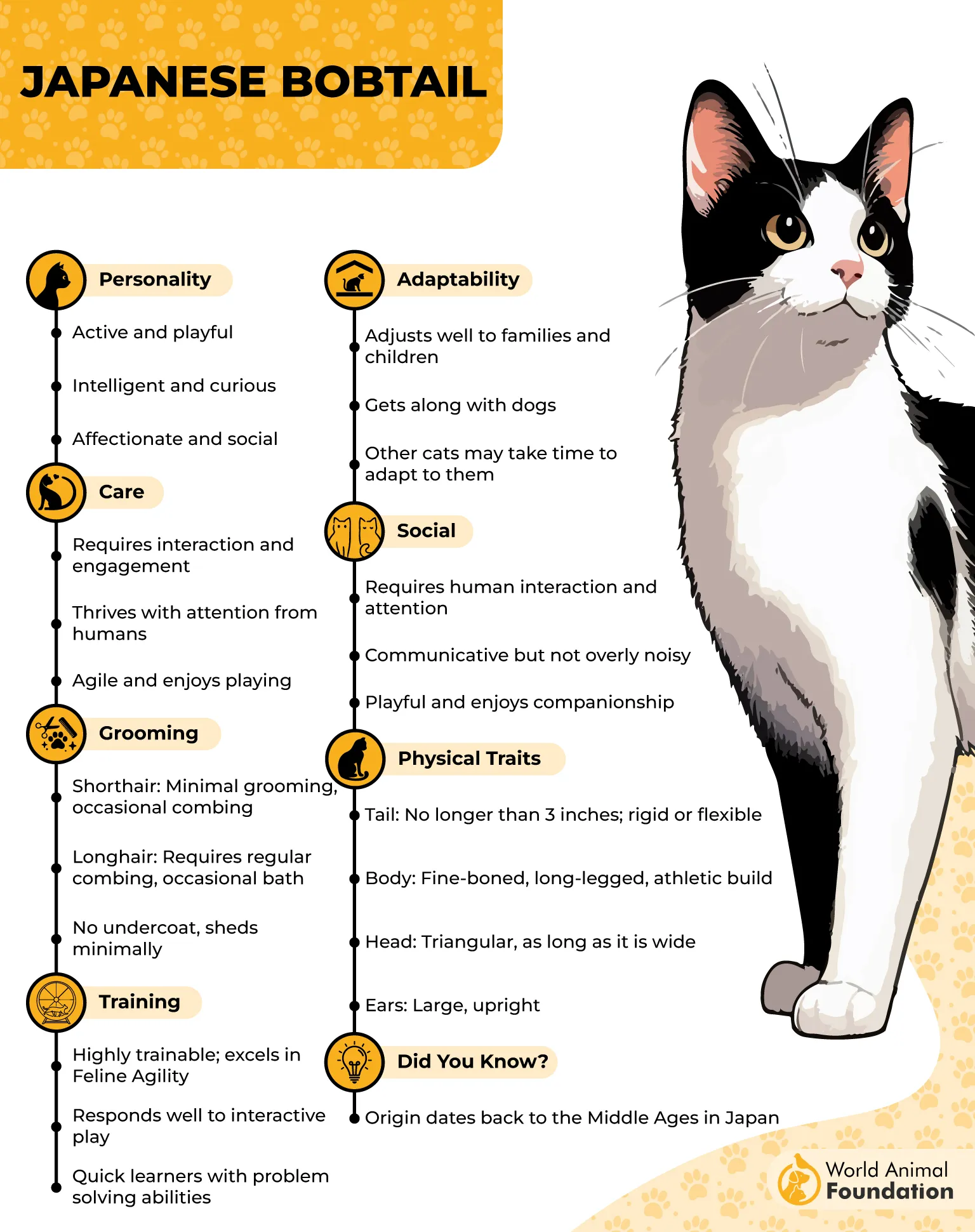
Highly perceptive by nature, Japanese Bobtails are quick to pick up on subtle environmental changes. New sounds, shifts in household routines, or unfamiliar scents often spark immediate curiosity, as this breed constantly scans its environment with alert focus.
Their strong intelligence and adaptability make them excellent observers. Whether it’s a moved object, a change in lighting, or a new presence in the home, Bobtails tend to notice first and investigate calmly rather than react fearfully.
Because they thrive on interaction and mental stimulation, they do best in enriched indoor spaces with climbing areas and retreat spots. Their awareness is balanced by playfulness, allowing them to stay engaged without stress.
Fun fact: Japanese Bobtails are one of the few cat breeds fascinated by water and are known to play with fountains or dripping taps.
Conclusion
Cat breeds that notice subtle environmental changes stand out for their finely tuned senses and deep awareness of their surroundings. From shifts in air currents to unfamiliar sounds or scents, these cats can detect subtle cues that many cat owners might overlook.
Their personality traits often include alertness, intelligence, and sensitivity, allowing them to respond to even the slightest changes through body language rather than panic. It’s a significant role that instinct plays, shaped by evolution and close bonds with humans.
Even those living in busy households benefit from cats whose senses help them stay calm, observant, and connected to their environment.
