




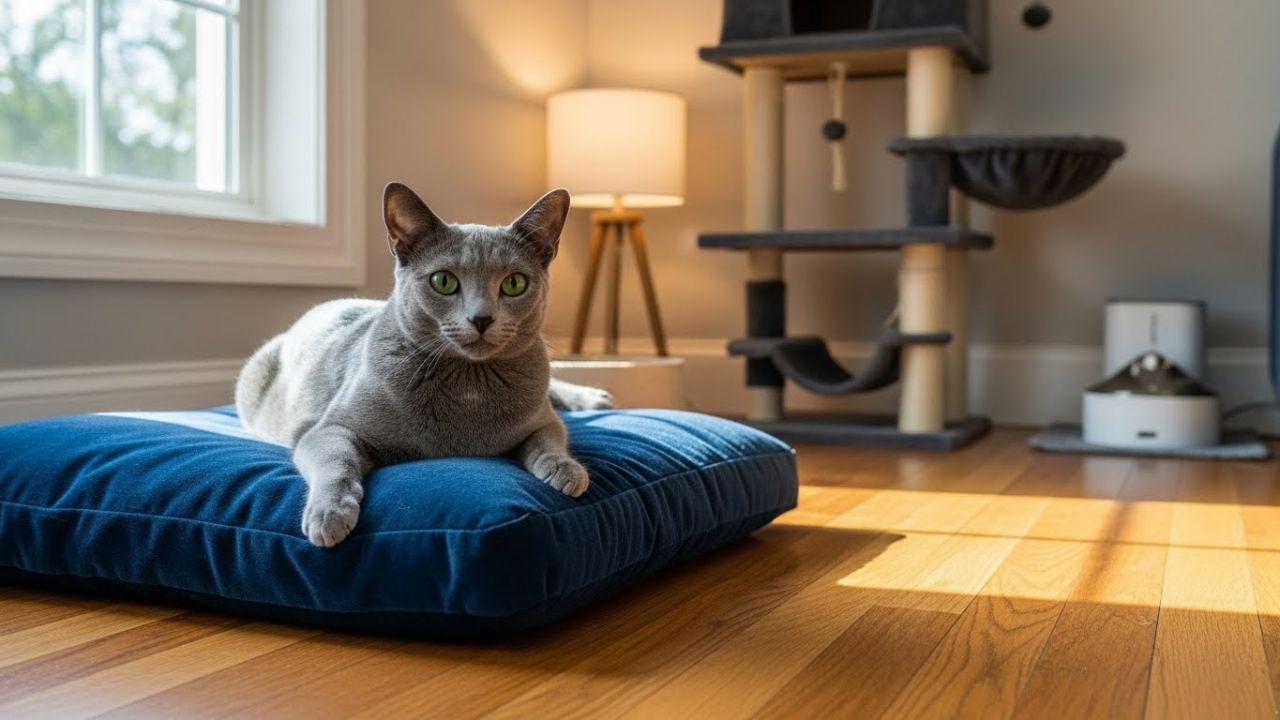
Cats may have a reputation for independence, but that doesn’t mean all felines are equally comfortable spending long stretches of time alone. While some cats thrive on constant interaction, others are more self-sufficient and better equipped to handle quiet hours without becoming stressed or anxious. Understanding these differences is especially important for owners with demanding schedules or frequent time away from home.
Certain cat breeds are naturally more adaptable, confident, and content entertaining themselves. These cats tend to adjust well to routine absences, provided their basic needs are met and their environment is enriching. That said, even the most independent cats can struggle if they’re young, newly adopted, or carrying past experiences of abandonment, which makes thoughtful breed selection even more valuable.
If you’re looking for a feline companion that fits seamlessly into a busy lifestyle, you’re in luck. This article highlights cat breeds known for their ability to handle solitude with ease. While love and care remain essential, these cats are often happiest knowing they can enjoy their own company until you return home.
7 Cat Breeds That Can Be Left Alone for Longer Periods
1. British Shorthair
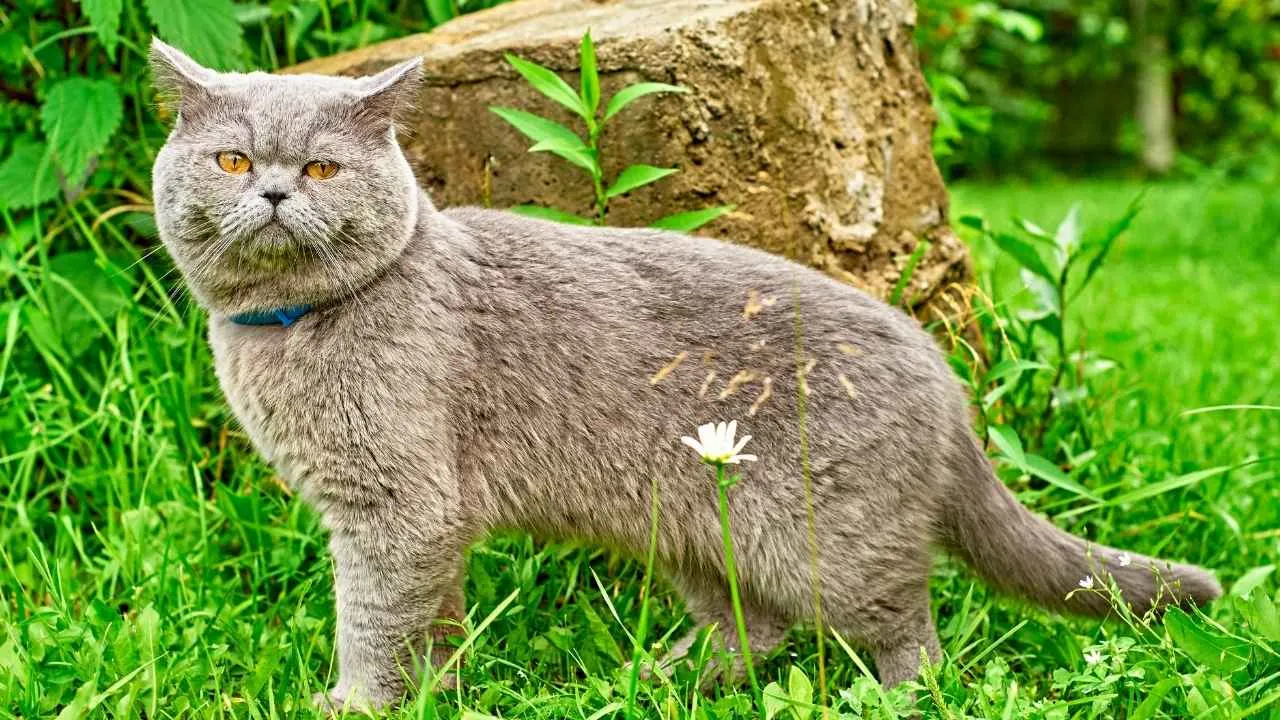
Sometimes referred to simply as the British Blue when sporting its iconic gray coat, the British Shorthair is admired for its round face and dense, plush fur.
According to Britannica, the British Shorthair is a cat breed recognized for its strong build, generally good health, and tendency to sleep frequently. This classic breed is prized for a calm, composed presence and an unhurried approach to daily life.
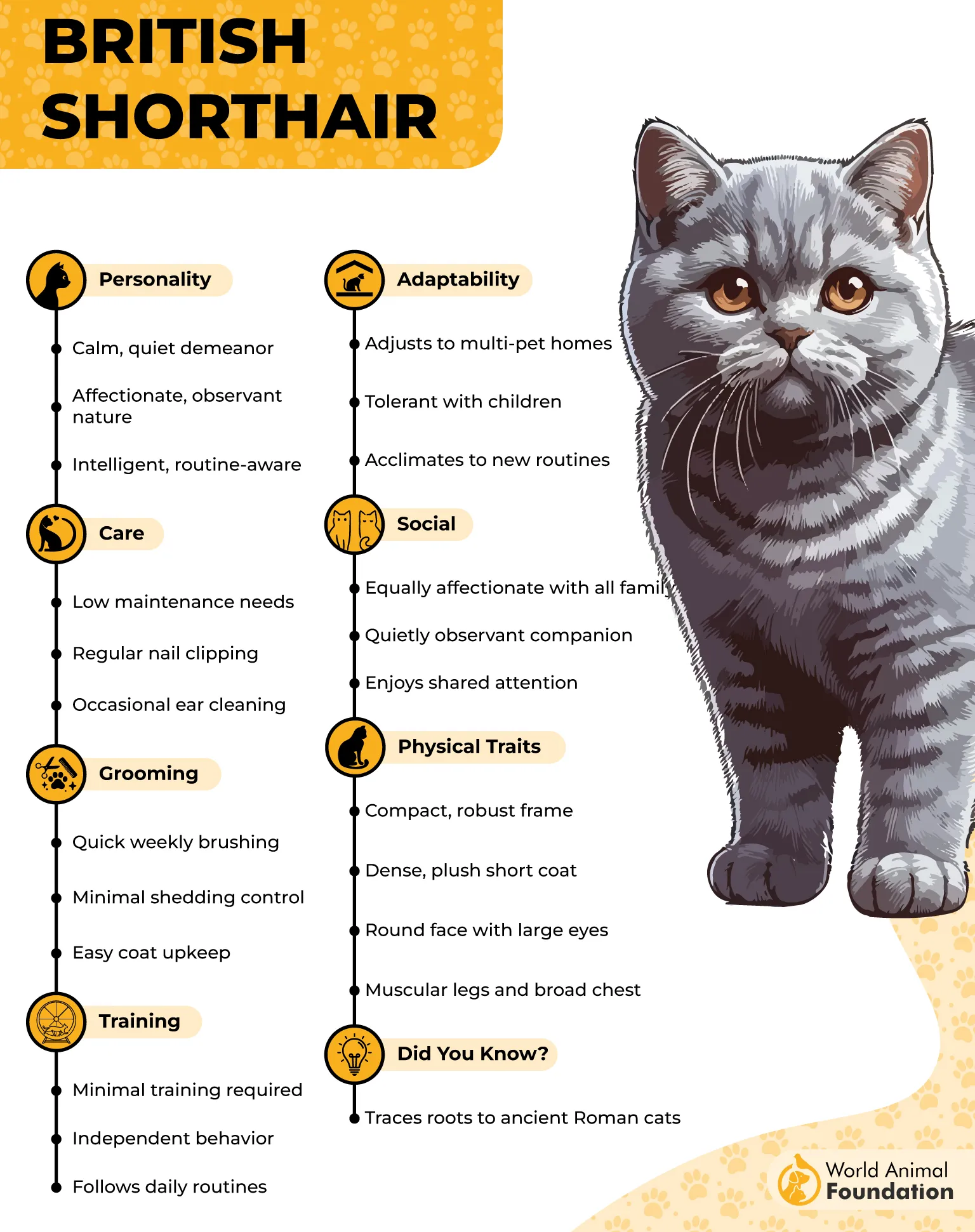
When it comes to independence, the British Shorthair stands out. These cats are naturally self-reliant and emotionally balanced, allowing them to remain relaxed when left alone for long stretches. They’re happiest lounging in quiet corners or soaking up sunlight without needing constant supervision.
Understanding independent cat personalities helps explain their appeal. British Shorthairs enjoy companionship on their own terms, blending affection with autonomy. They won’t demand attention, yet they appreciate gentle interaction once their humans return home.
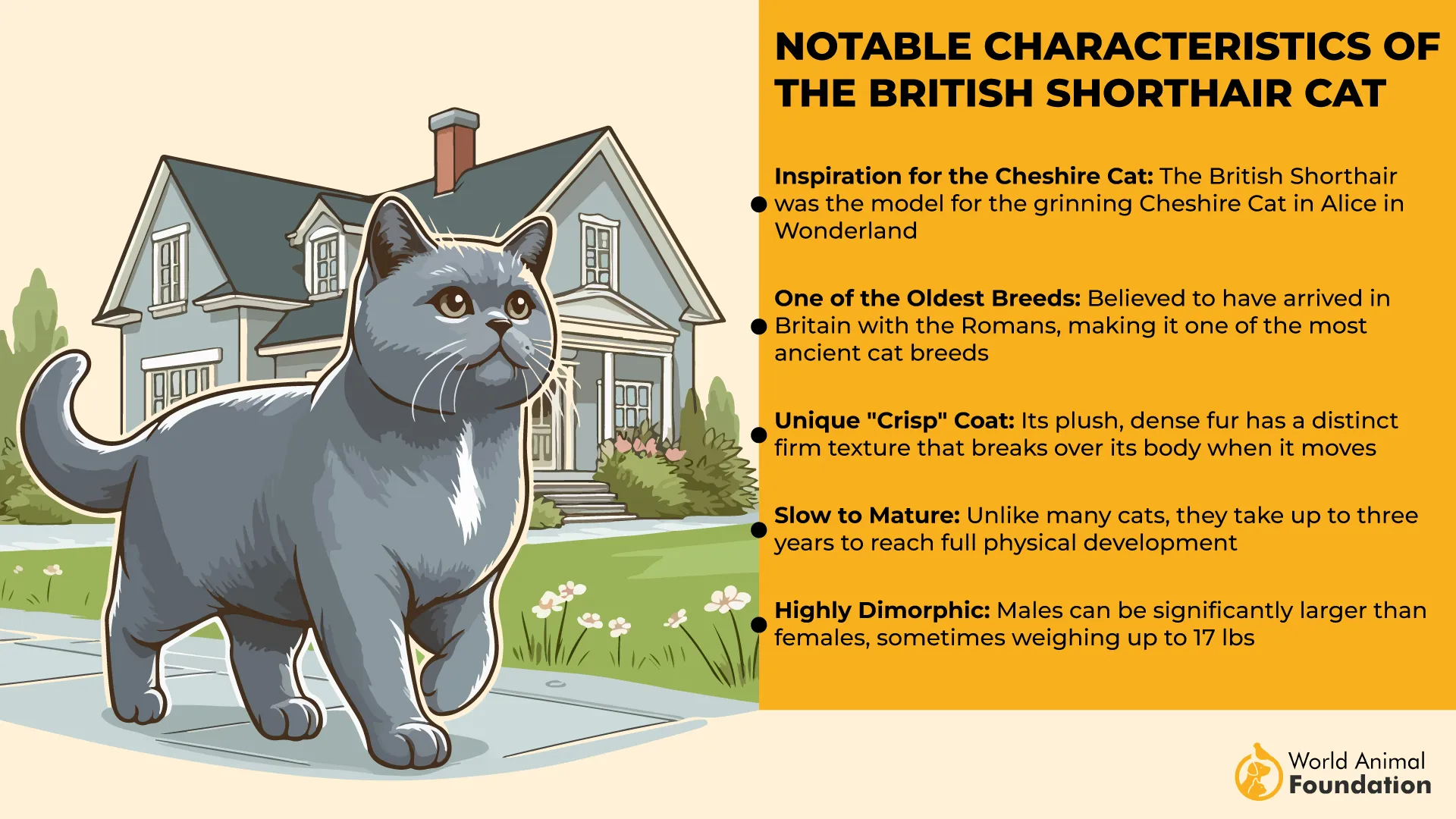
This breed also adapts well to solo play, often entertaining itself with toys or brief bursts of activity. That self-sufficiency makes them ideal for busy households or single owners.
Fact: British Shorthairs are known for being placid, low-maintenance cats that can stay alone without becoming anxious.
2. Russian Blue
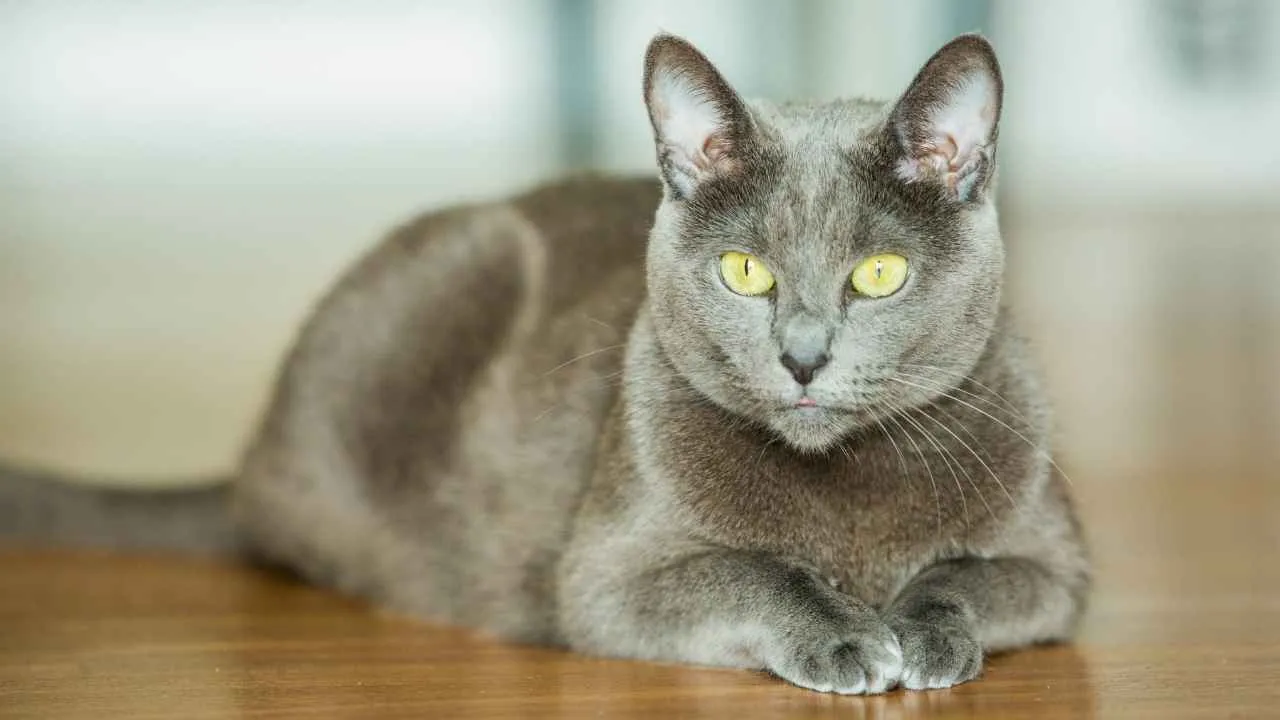
Also known as the Archangel Blue, the Russian Blue is admired for its plush silver-blue coat, vivid green eyes, and naturally reserved elegance.
According to PetMD, the Russian Blue—an uncommon breed in the United States and Canada—is noted for its independence, intelligence, and striking appearance.
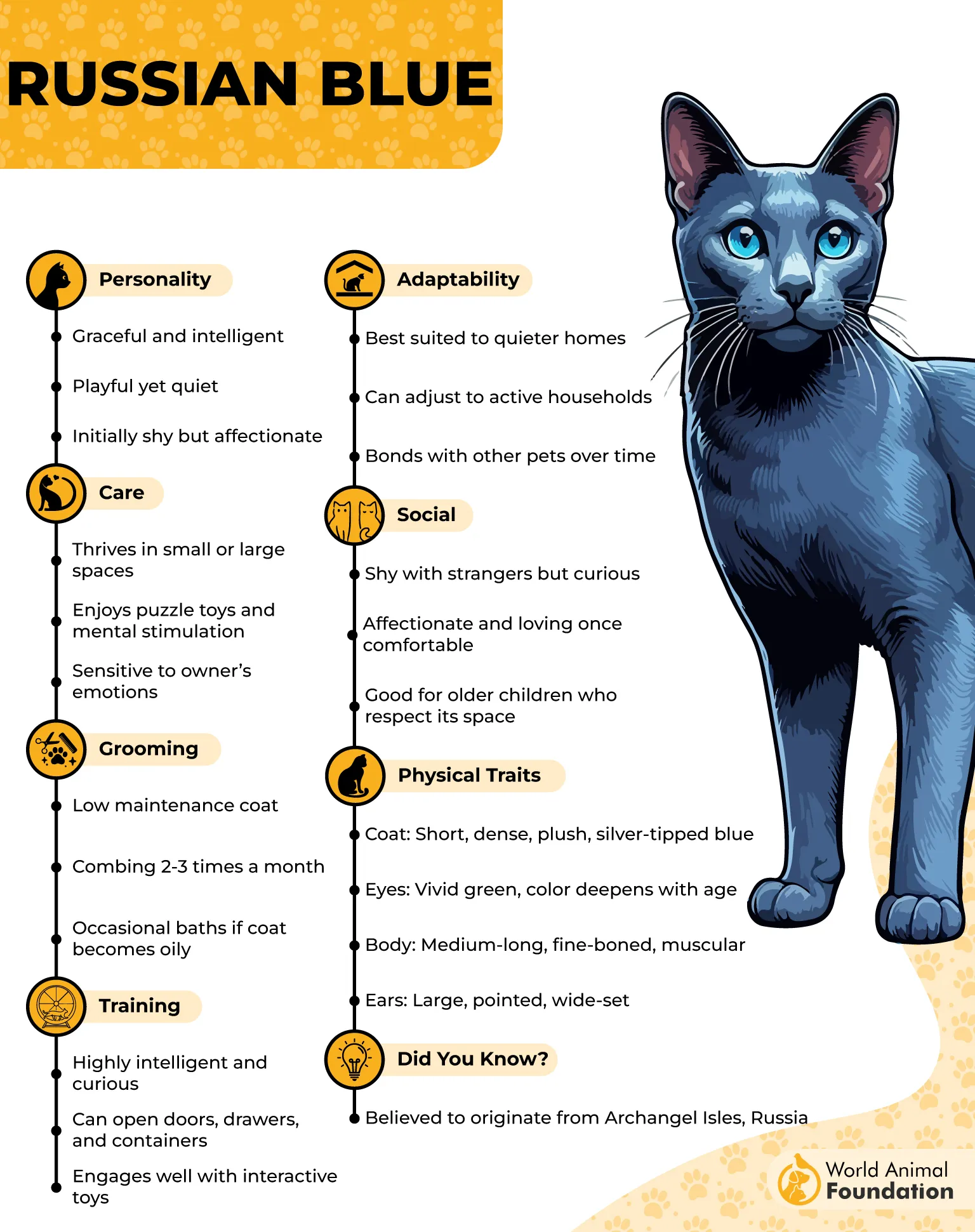
Russian Blues are well-suited for owners who are away for long hours. They’re comfortable spending time alone, quietly exploring their environment, watching the outdoors from a window, or entertaining themselves with toys without becoming anxious.
While they form deep bonds with their people, they don’t demand constant interaction. This makes them a prime example of a low-attention cat rather than a low-affection one—they value companionship but are perfectly content waiting patiently until their owner returns.
In terms of care, Russian Blues are relatively low-maintenance. Their coat needs only occasional brushing, but food intake requires monitoring, as they tend to overeat if given the chance.
Fact: Russian Blues can happily manage a full day alone and are known to be extremely enthusiastic about food, making portion control essential.
3. Maine Coon
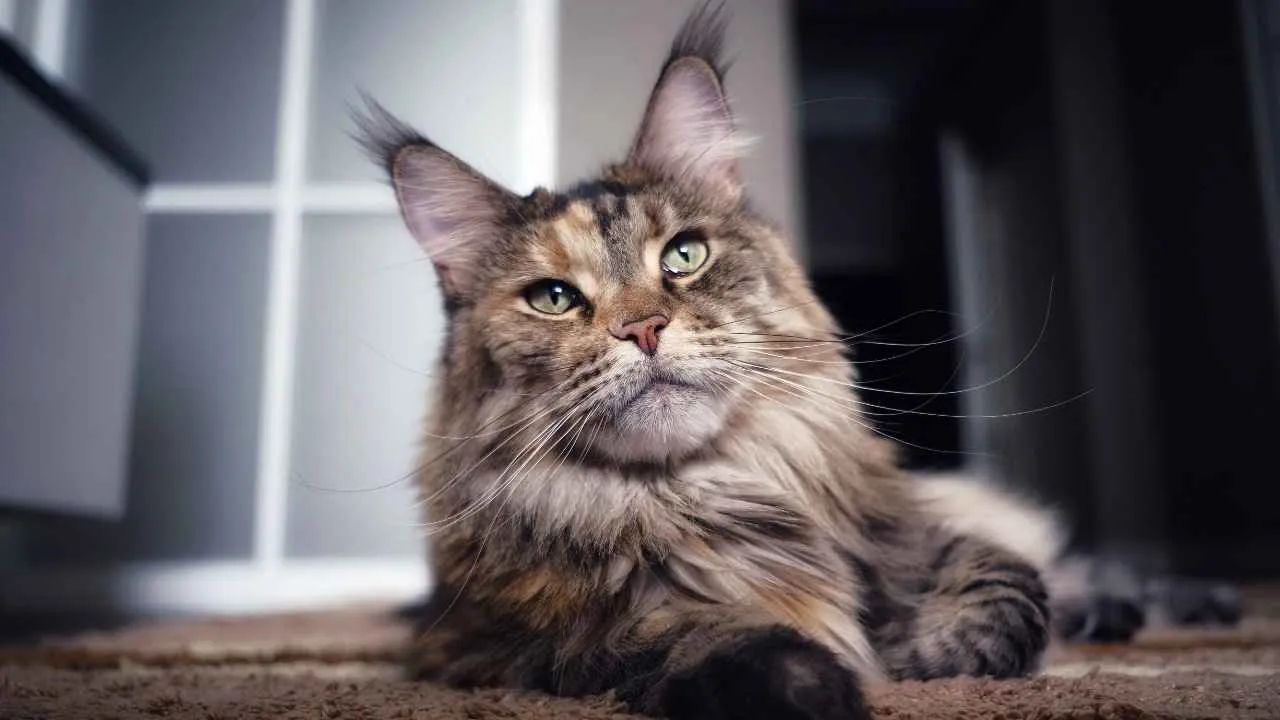
Also known as the Gentle Giant, the Maine Coon is one of the largest domesticated cat breeds, instantly recognizable by its tufted ears, bushy tail, and sturdy build.
According to WebMD, Maine Coon cats are a large breed that is generally affectionate and friendly. Despite its size, this breed is famously calm and easygoing.
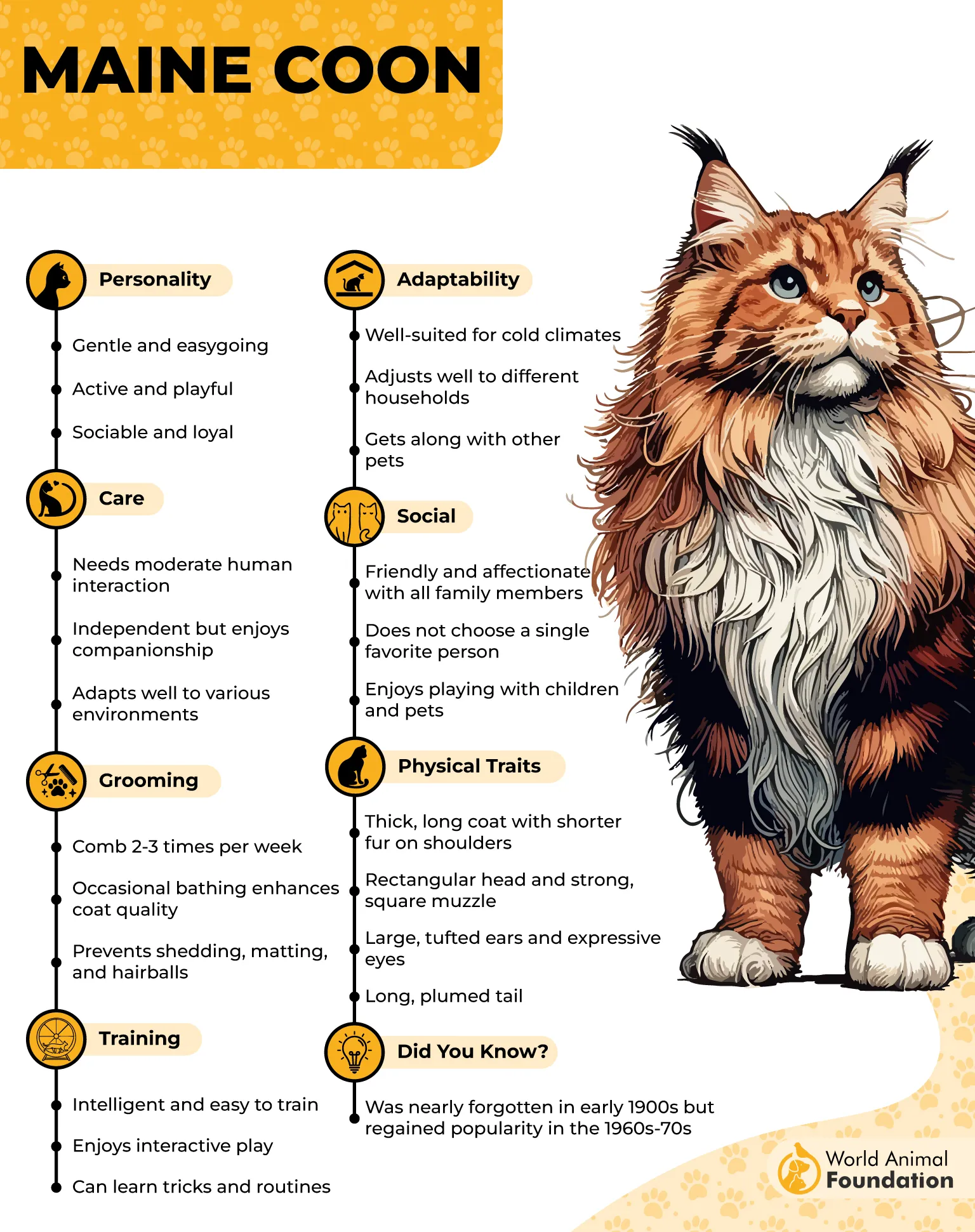
When it comes to being left alone, Maine Coons handle solitude better than many breeds. Their independent streak and adaptable nature allow them to feel comfortable in various environments, making alone time less stressful—especially for adult cats who have settled into a routine.
Adult Maine Coons are particularly well-suited to longer periods alone compared to kittens. While kittens often crave constant stimulation and reassurance, mature Maine Coons are confident explorers, capable of entertaining themselves through problem-solving, observation, and solo play.
Though affectionate, they aren’t overly needy and don’t demand attention around the clock. This balance makes them ideal for busy households, as long as handling is always on their terms—cats prefer feeling in control of interactions.
Fact: Maine Coons are widely known for their adaptability and self-sufficiency.
4. Persian
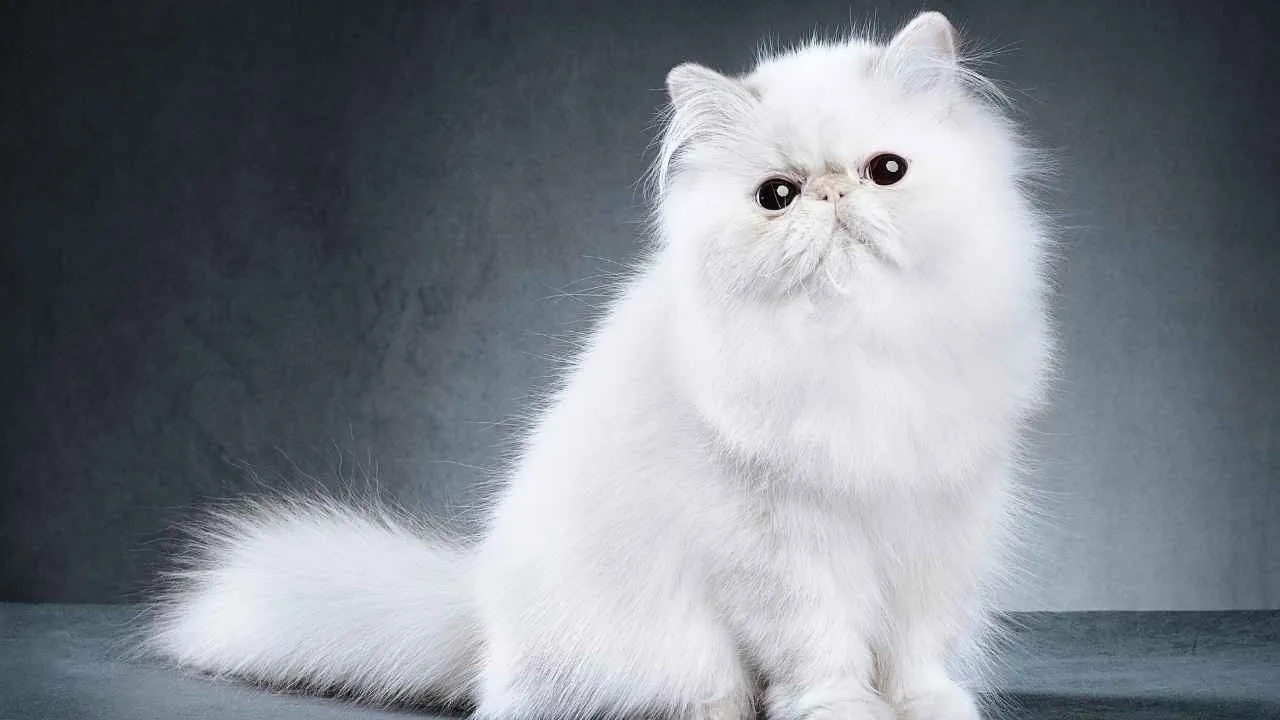
Also known as the Persian Longhair, this iconic breed is admired for its flowing coat, round face, and dignified presence. Persians are gentle by nature and carry themselves with a calm, almost regal demeanor that defines their everyday behavior.
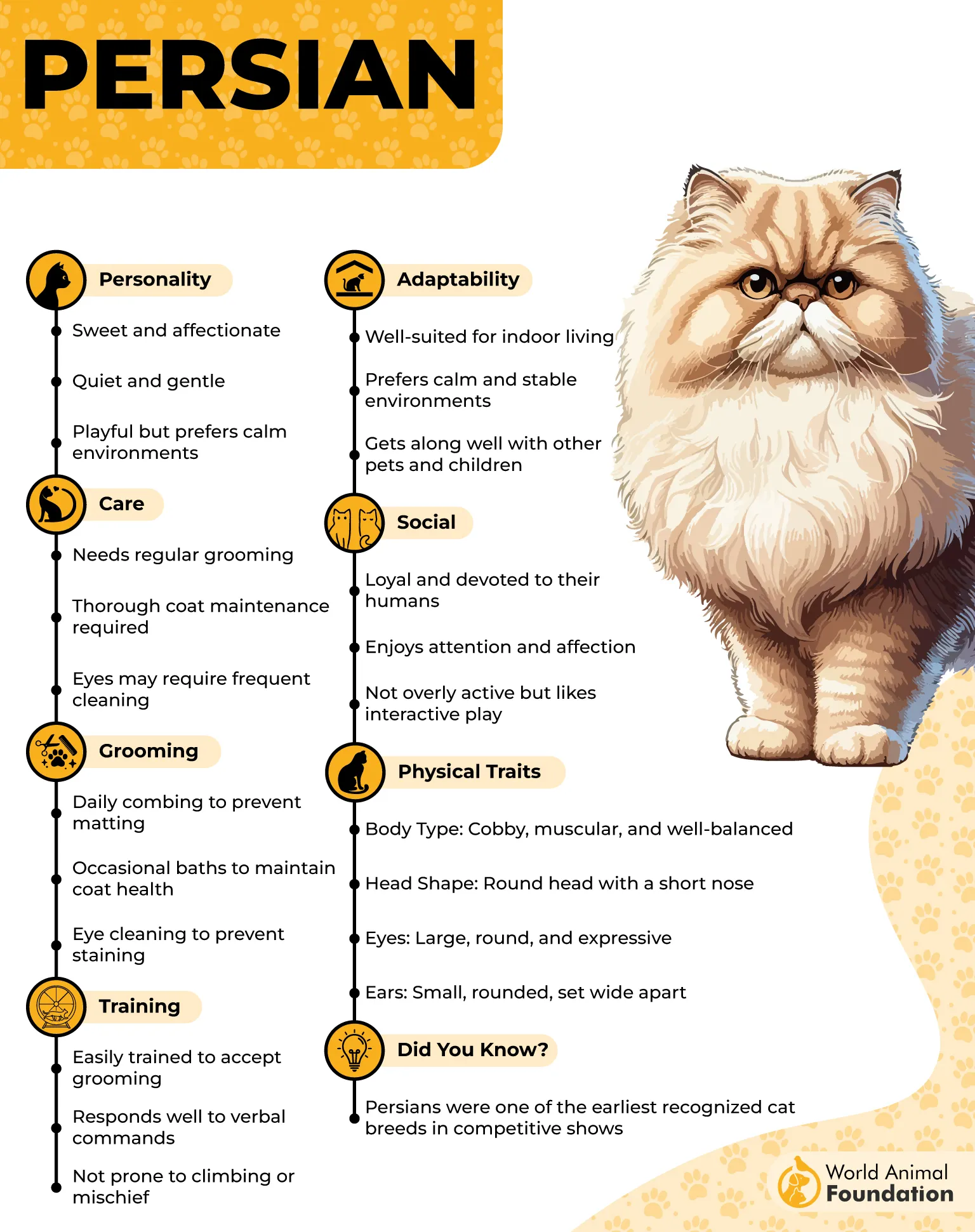
When it comes to being left alone, Persians are well-suited to quiet independence. They’re not highly energetic and are happiest lounging, observing their surroundings, or settling in for long naps. This relaxed temperament helps them handle moderate periods of solitude without stress.
Creating a safe and stimulating environment while you’re away is simple with this breed. A comfortable bed, a quiet room, and access to food, water, and a clean litter box are usually enough to keep them content throughout the day.
Although they enjoy independence, Persians still appreciate soft interaction on their own terms once you return.
Fact: Persians are known to spend hours curled up in cozy spots, calmly napping and relaxing while alone.
5. Scottish Fold
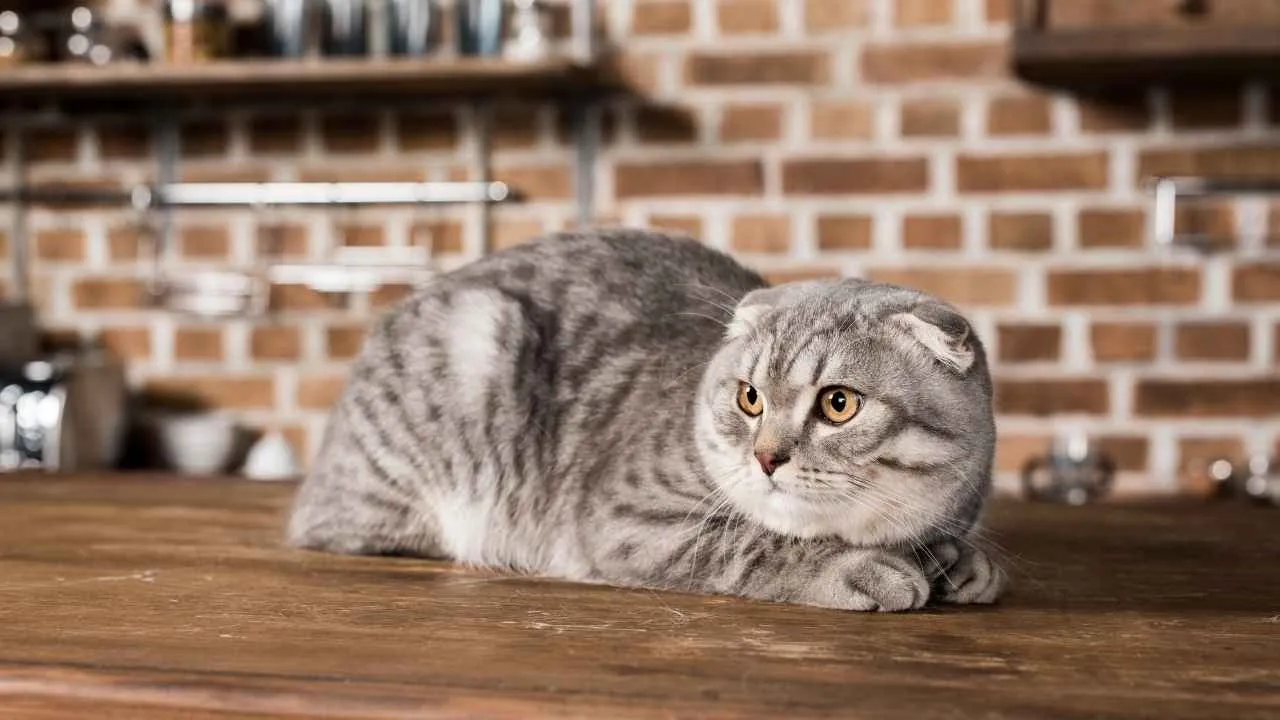
Also known simply as the Fold, the Scottish Fold is instantly recognizable by its forward-folded ears, round face, and soft expression. This breed is prized for a calm temperament that blends affection with a naturally independent streak.

For owners who are away during the day, Scottish Folds tend to cope well with alone time. They’re comfortable settling into favorite resting spots, quietly observing their surroundings, or napping until their humans return, rather than pacing or vocalizing excessively.
That said, it’s still important to watch for signs your cat is struggling with loneliness. Changes such as withdrawn behavior, loss of appetite, overgrooming, or sudden clinginess when you return home can indicate your Scottish Fold needs more interaction or environmental enrichment.
Providing puzzle toys, cozy window perches, and predictable routines can help prevent emotional stress. If concerning behaviors persist, a vet or behavior professional can rule out health or anxiety issues.
Fact: Scottish Folds are known to amuse themselves for hours with toys or rest, making them suitable for being left alone longer than many breeds.
6. Siamese
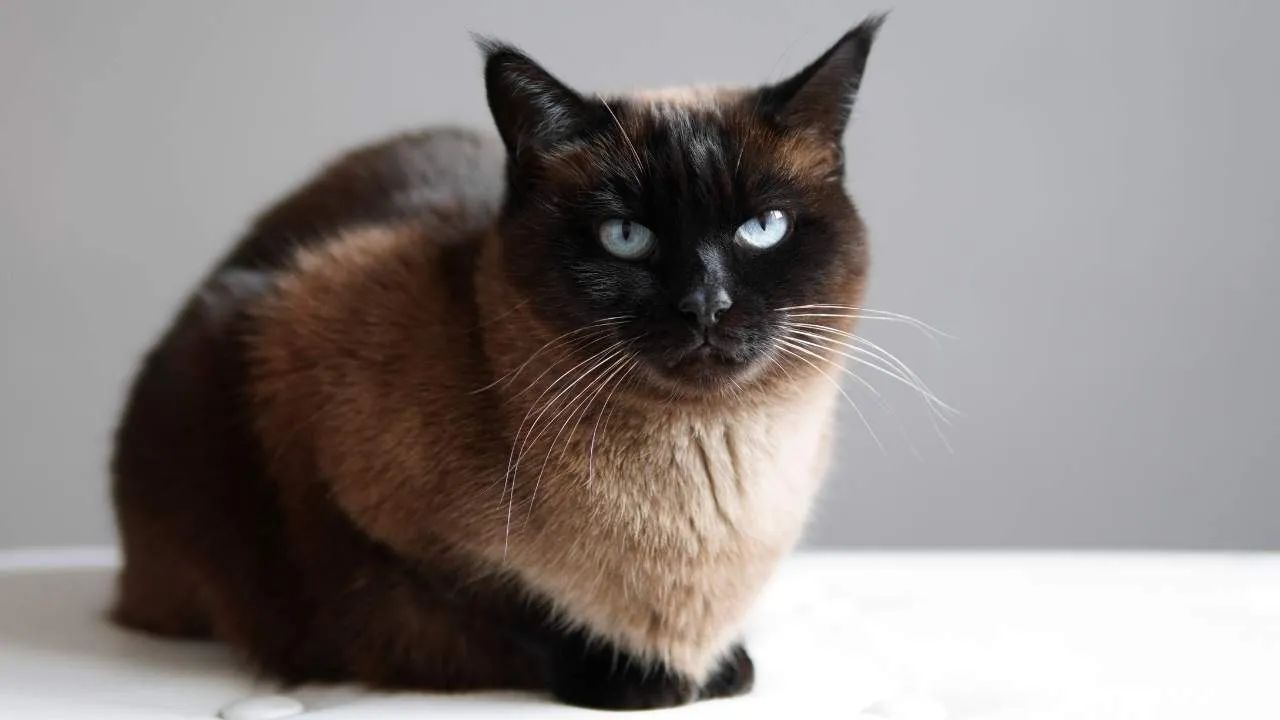
The Siamese cat is instantly recognizable by its striking blue eyes, sleek coat, and expressive face. Known for an outgoing and intelligent personality, this breed combines elegance with a highly social nature that appeals to engaged yet busy owners.
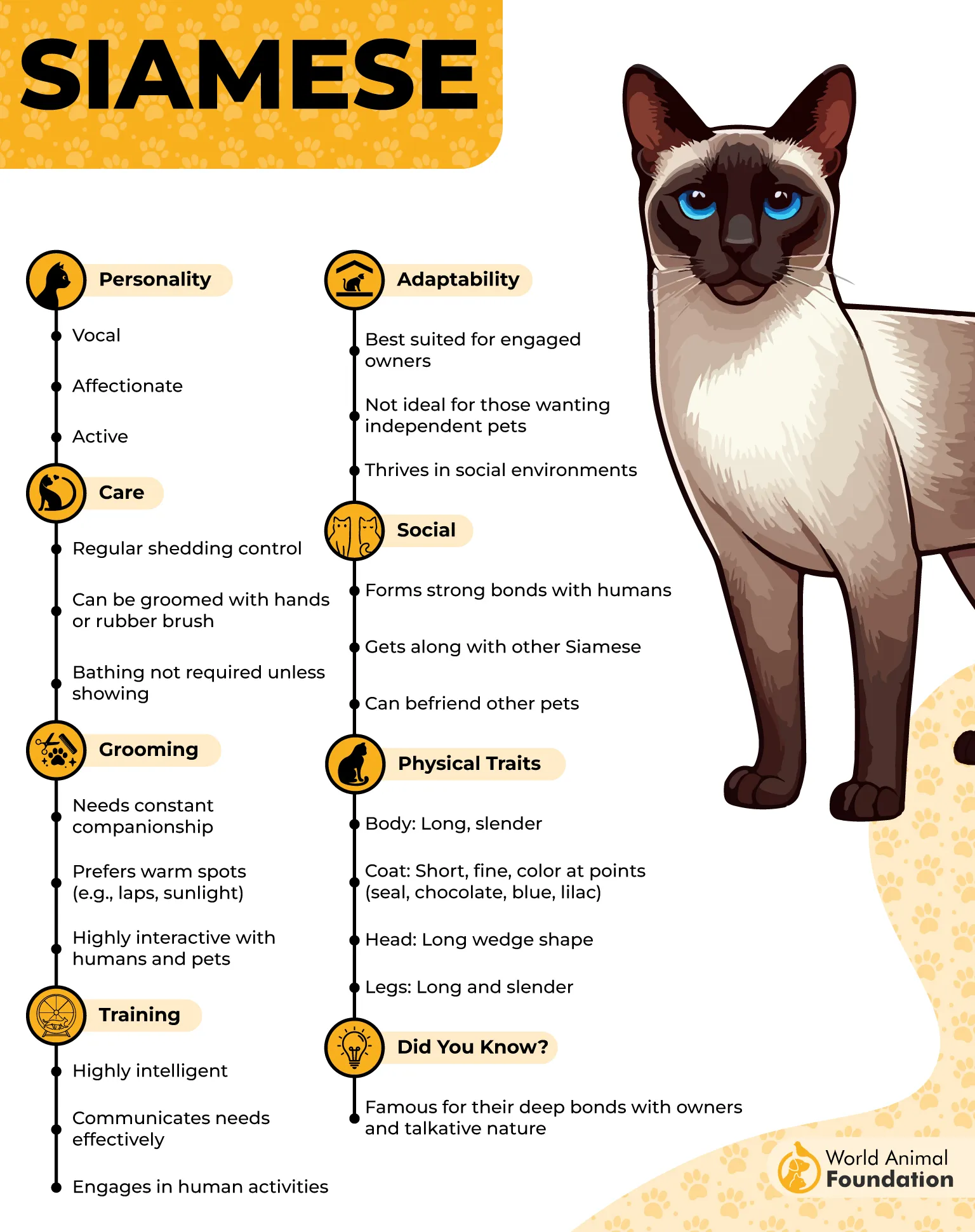
Although Siamese cats love human interaction, they are also surprisingly adaptable when left alone for longer periods. They tend to form strong bonds with their owners but can remain content on their own if their environment is stimulating and predictable.
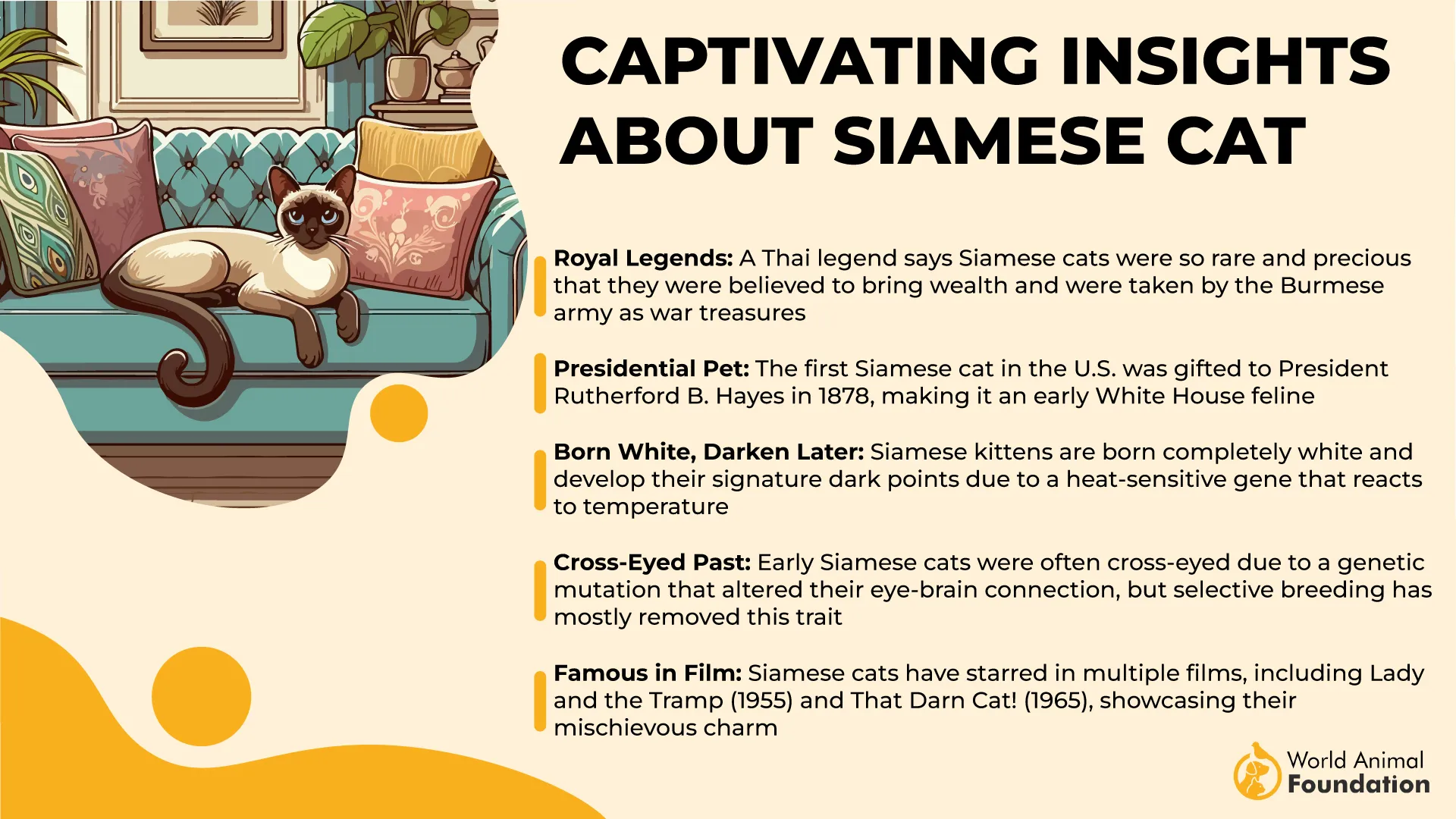
To help a Siamese cope with extended alone time, enrichment is key. Interactive toys, window perches, and puzzle feeders give these curious cats opportunities to explore and stay mentally engaged while you’re away. Their intelligence allows them to turn everyday surroundings into entertainment.
Maintaining a consistent routine also helps reduce stress and boredom. Leaving familiar scents, rotating toys, and ensuring quality time before and after absences can make solitude easier to manage.
Fact: Siamese cats are known for their vocal nature, often using a wide range of sounds to communicate.
7. Norwegian Forest Cat

Also known as the Skogkatt, the Norwegian Forest Cat is a large, striking breed recognized for its thick, fluffy coat and rugged appearance. Originating in Scandinavia, it was built to withstand harsh climates and adapt to changing environments with ease.
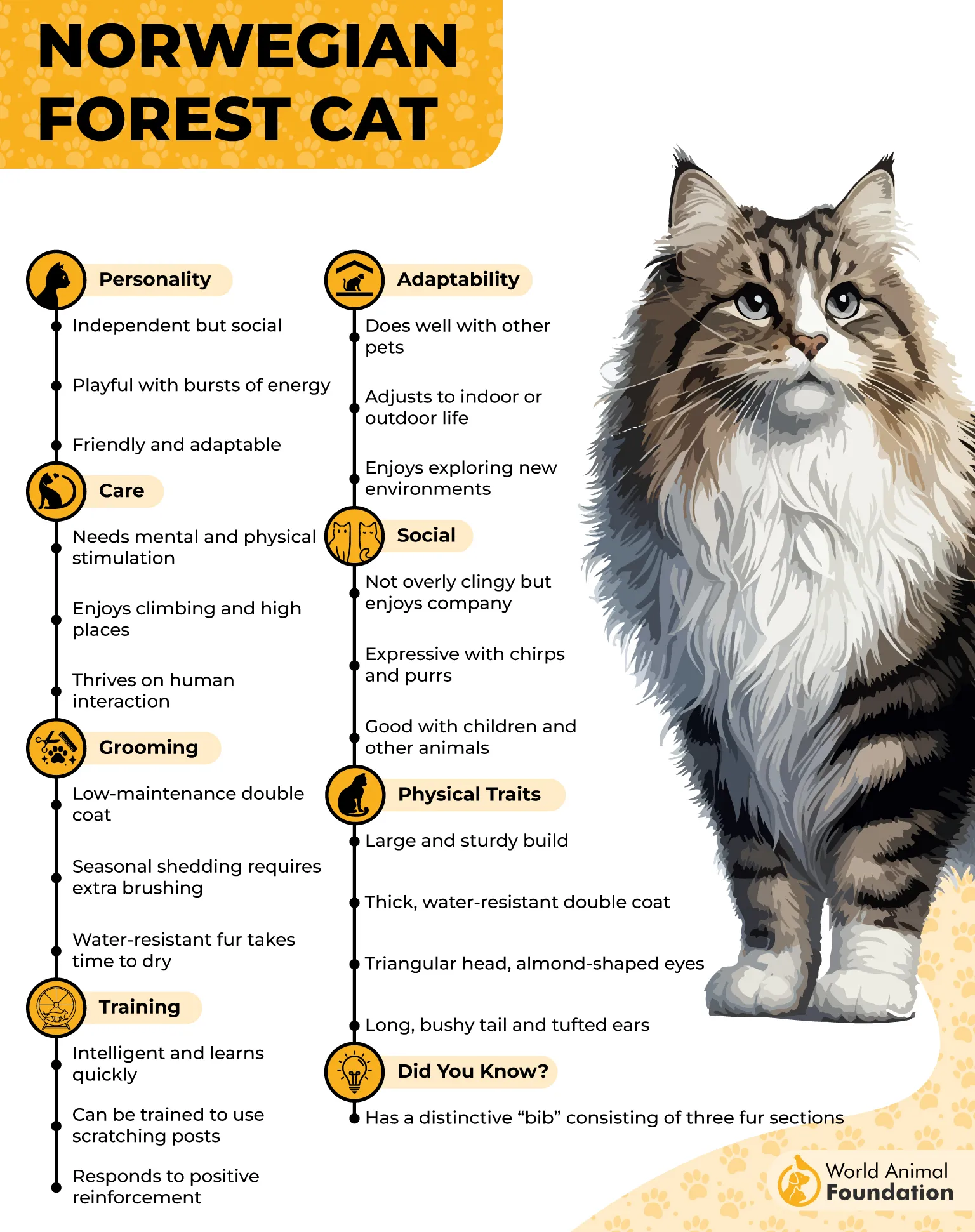
For busy owners, this breed’s independent streak is a major advantage. Norwegian Forest Cats are comfortable spending time alone and don’t rely on constant attention, making them well-suited to households with long workdays or unpredictable schedules.
While self-sufficient, they’re far from distant. These cats balance independence with a friendly, playful personality, often entertaining themselves through exploration or quiet observation until their humans return.
When choosing the right cat for a busy lifestyle, adaptability matters. The Norwegian Forest Cat adjusts well to different homes and routines, provided it has enrichment and space to roam.
Fact: This breed is known for being very independent and capable of thriving in a variety of environments.
Conclusion
Choosing cats that can be left alone for longer periods of time starts with understanding independent cat breeds and their natural comfort with being alone in the house for a few hours.
These cats rely on their independent nature, happily engaging with their own devices when provided with essentials like fresh water, a sturdy cat tree, and providing toys to channel energy. While some may still enjoy human companionship, they’re less likely to get into trouble or develop behavioral issues when pet parents are away.
That said, every house and lifestyle is different. Even breeds known to be laid back, even-tempered, or quietly sociable in nature—such as exotic shorthair, american shorthair, devon rex, or japanese bobtails—benefit from routine care, including regular grooming and attention to grooming requirements.
High-energy or playful cat breeds like Bengal cats, much like dogs, may still crave human attention and can develop behavioral issues without balance in their world.
