




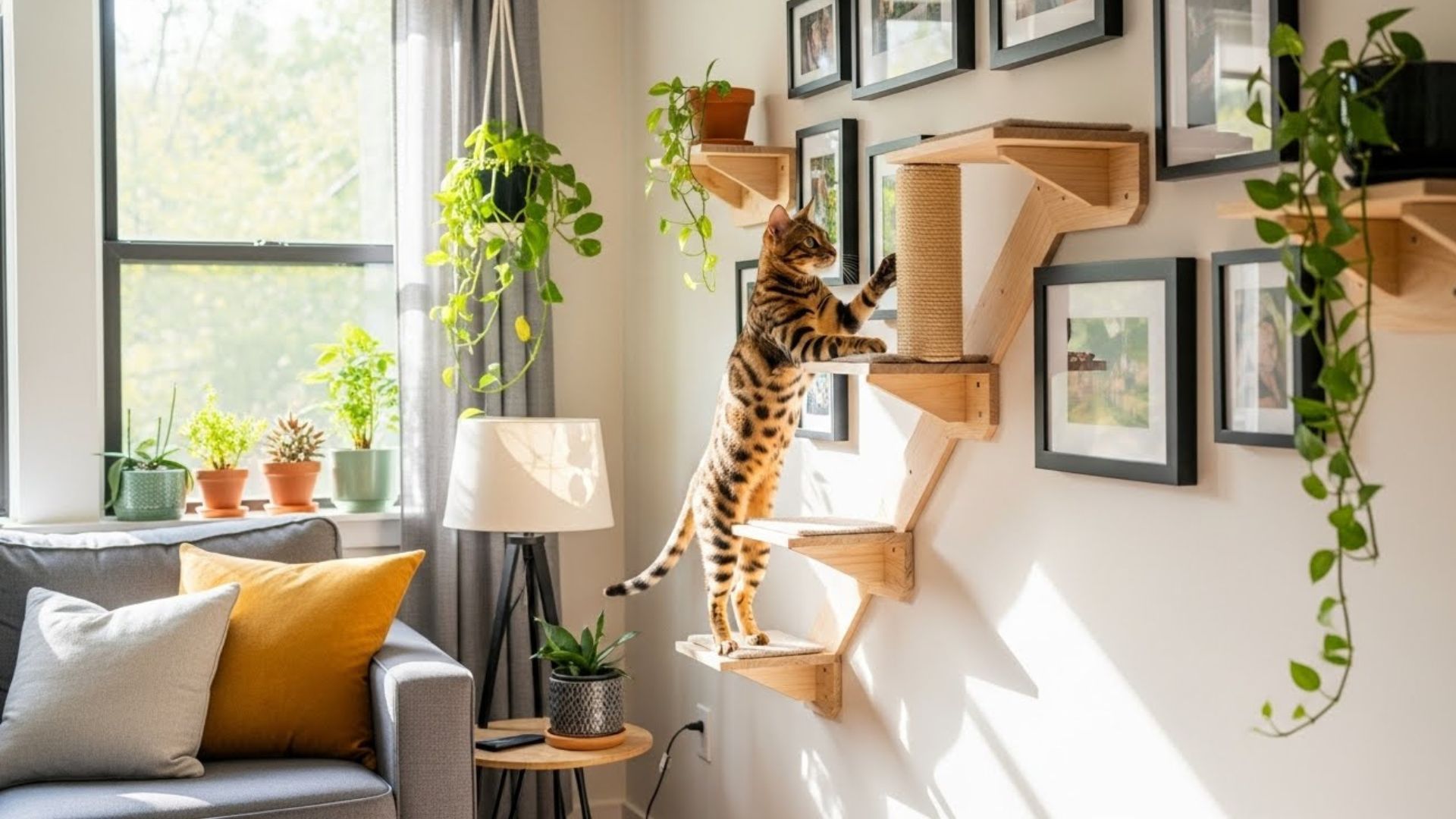
If your idea of fun is living with a tiny parkour athlete, you’re in the right place. Cats are natural climbers, hardwired by their wild ancestors to seek high ground for safety, vantage points, and a better view of everything that moves. From shelves and bookcases to the top of the fridge, many felines see your home less as a floor plan and more as a vertical jungle gym.
But not all cats are equally obsessed with height. Some breeds practically live “up there,” leaping to the highest perch they can find, while others are perfectly content to keep their paws on solid ground. The born climbers tend to be athletic, curious, and agile—always plotting their next jump, scramble, or stretch up the cat tree.
If the thought of a feline acrobat weaving through your space makes you smile rather than sigh, it pays to know which breeds excel at climbing. In this guide, we’ll explore the cats most likely to scale, soar, and rule your home from above.
Cat Breeds That Are Great at Climbing
1. Bengal
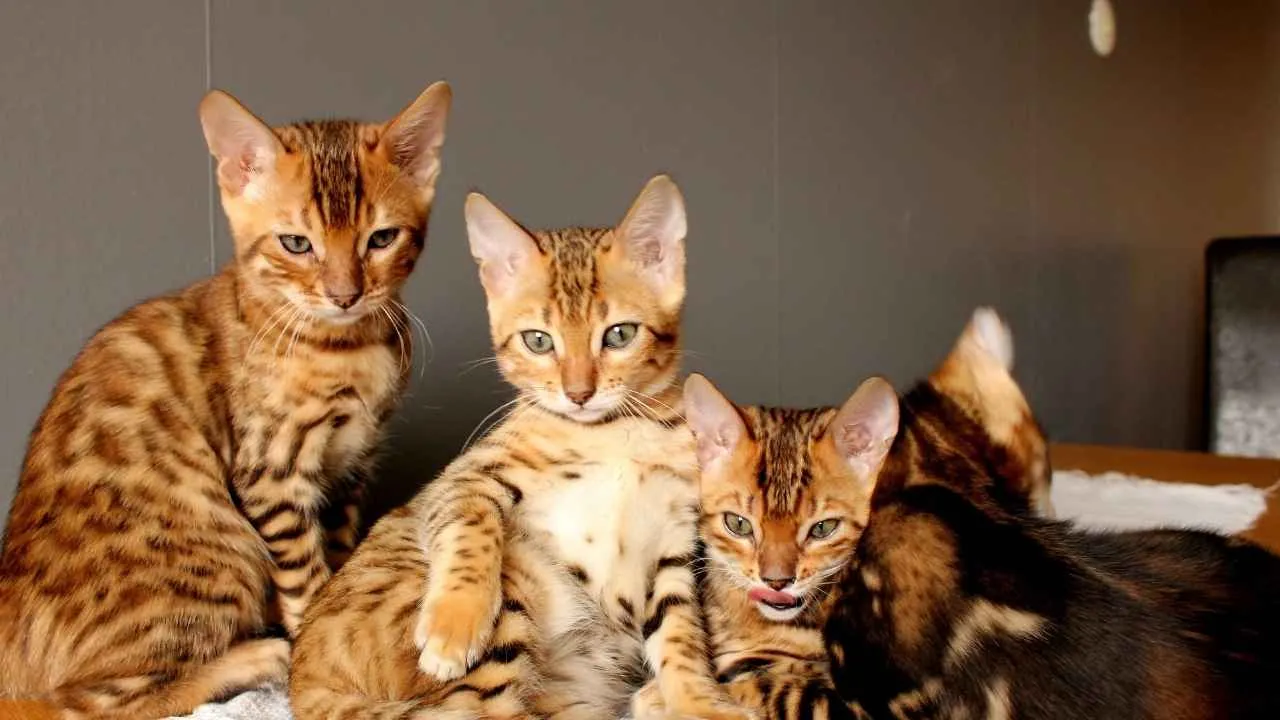
The Bengal—often likened to a mini leopard in your living room—is a sleek, muscular cat with a short, dense, spotted or marbled coat that screams “jungle.” Their athletic build and long legs immediately hint at just how high (and how often) they like to climb.
Purina notes that Bengals are excellent companions for experienced cat owners who enjoy an active, curious, almost dog-like cat—and who can keep them engaged with toys, games, and lots of environmental enrichment.
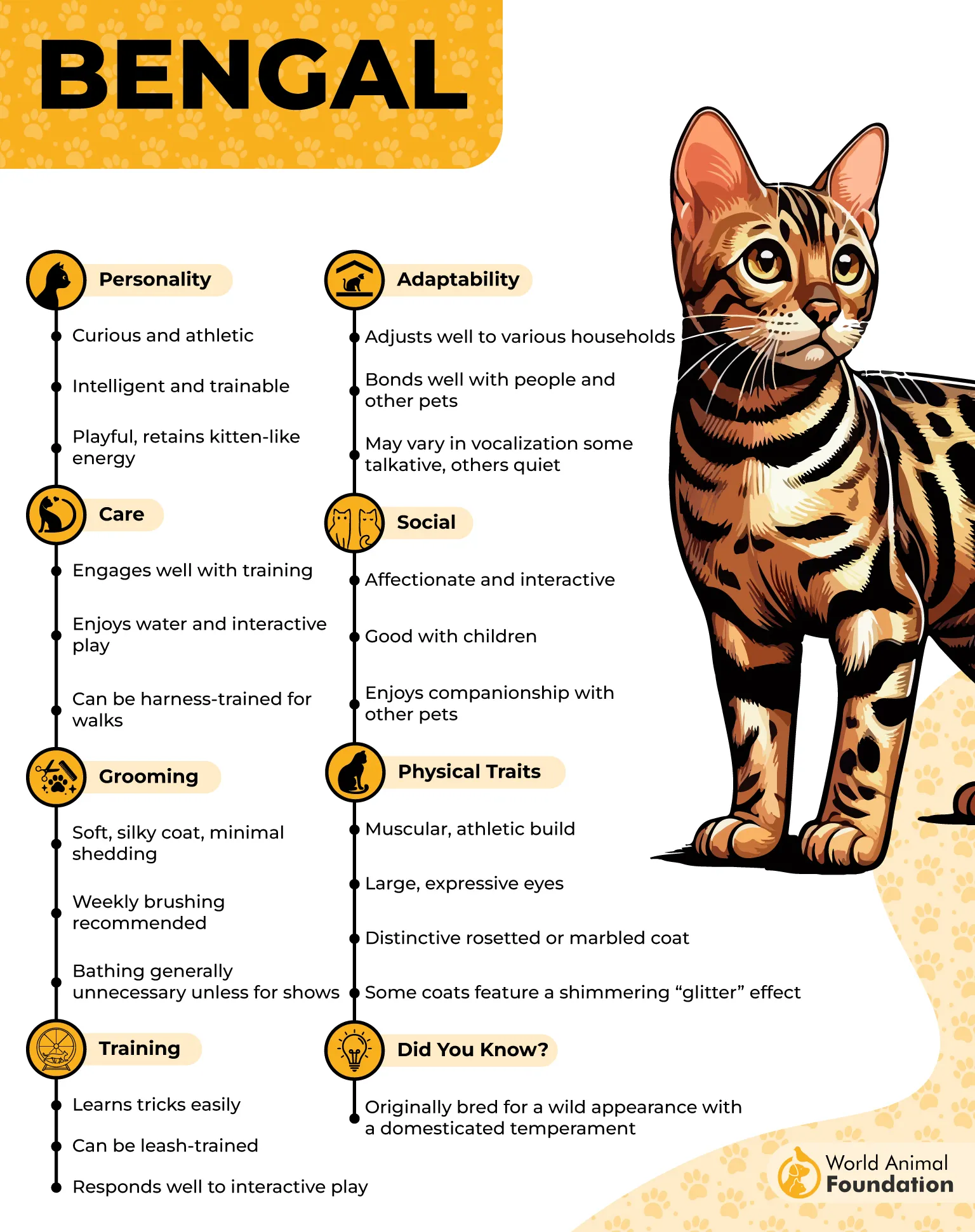
Bengals are natural climbers because of their wild ancestry; they descend from the Asian leopard cat, a species that spends plenty of time in the trees. That heritage shows up in their powerful muscles, strong hind legs, and constant drive to reach the highest perch in any room.
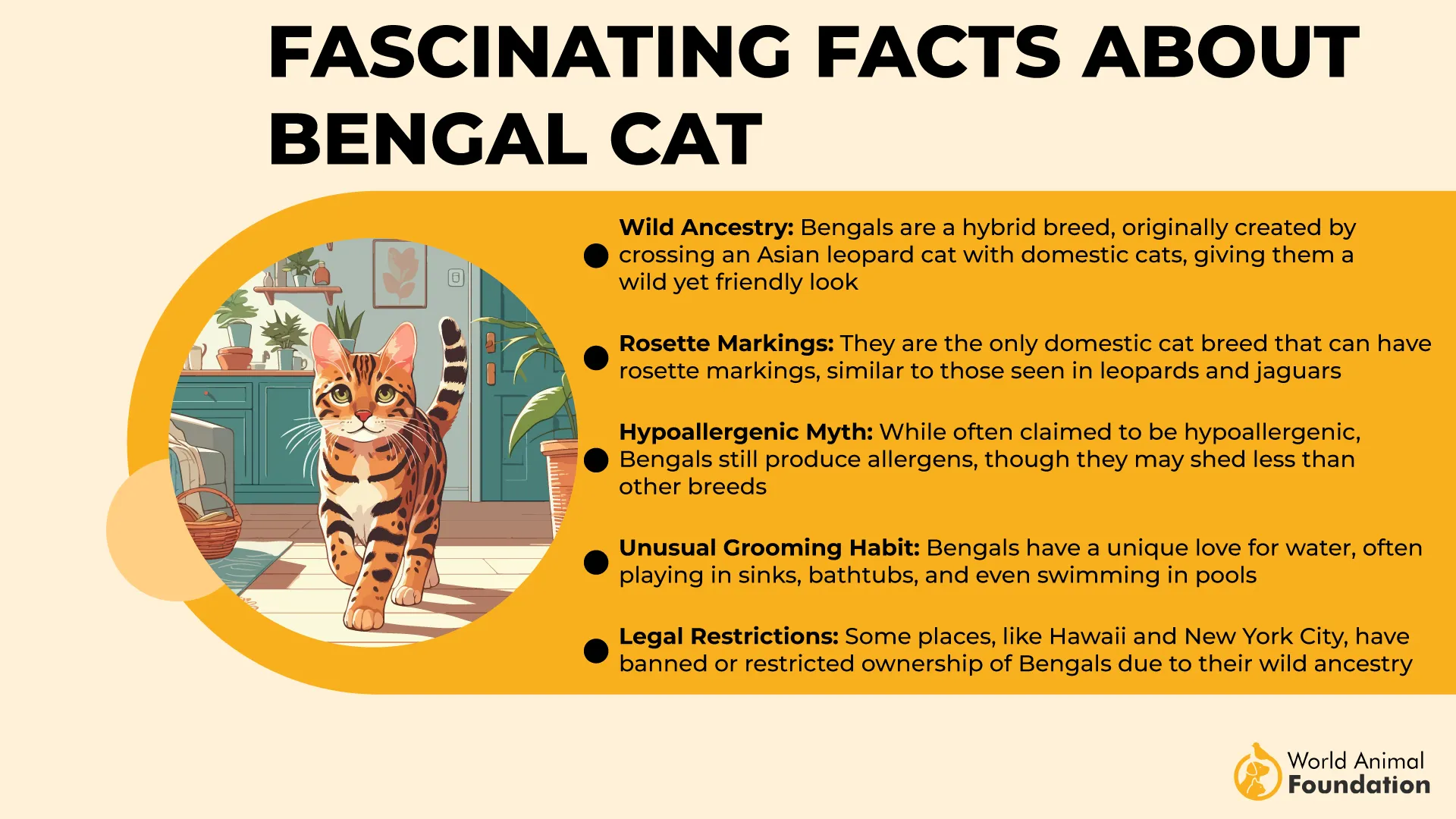
To keep a Bengal happy, vertical territory is non-negotiable. Ceiling-high cat trees, wall shelves, and “cat highways” let them burn energy in ways that feel instinctive and satisfying.
Without proper outlets, these energetic, clever cats may turn curtains and bookshelves into DIY climbing routes.
Fast fact: Bengals are among the most athletic domestic cat breeds and are often found perched at the very highest point they can find.
2. Abyssinian
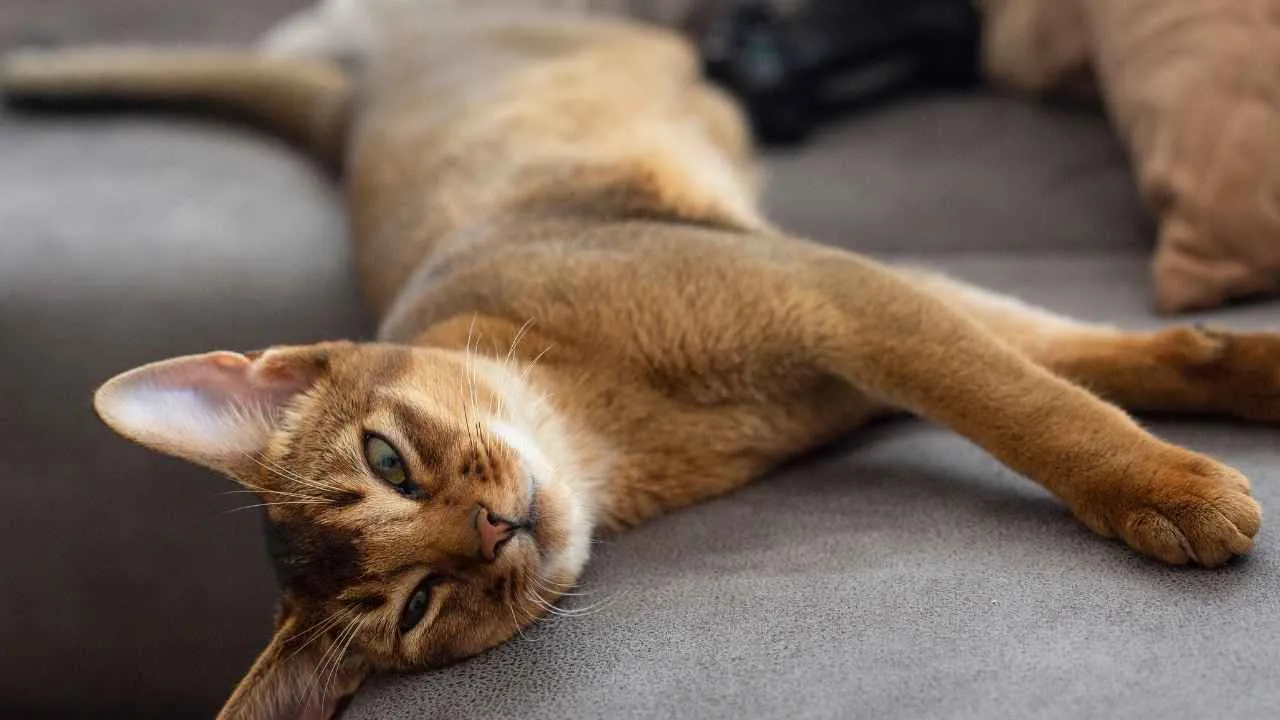
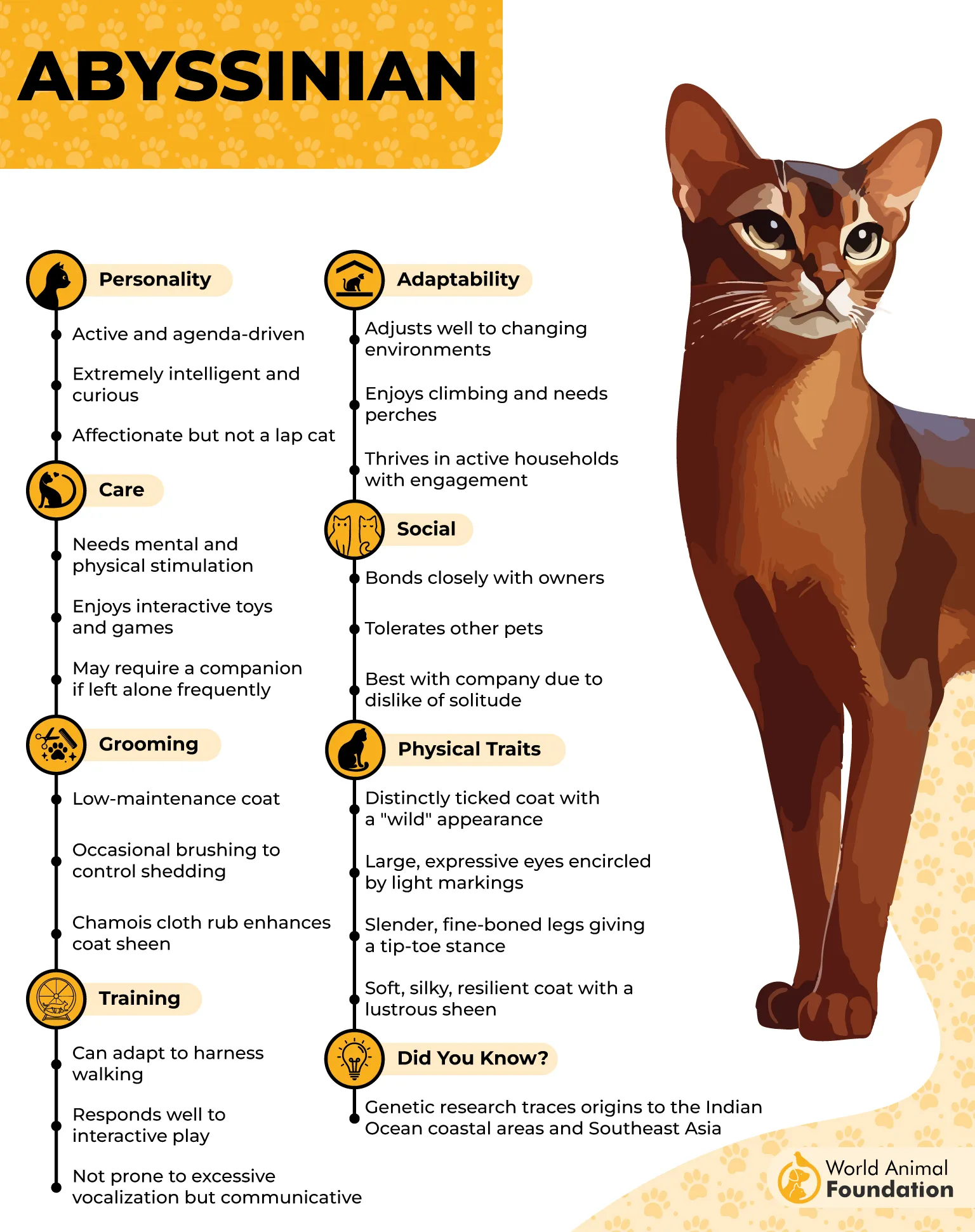
The Abyssinian—affectionately called the “Aby”—is an ancient breed with a sleek, ticked coat, wedge-shaped head, and big, alert ears.
PetMD notes that Abyssinian cats, often called Abys, closely resemble the cats shown in ancient Egyptian murals. Built on a lithe, muscular frame with a long, tapering tail, this is a cat designed for movement, not lounging.
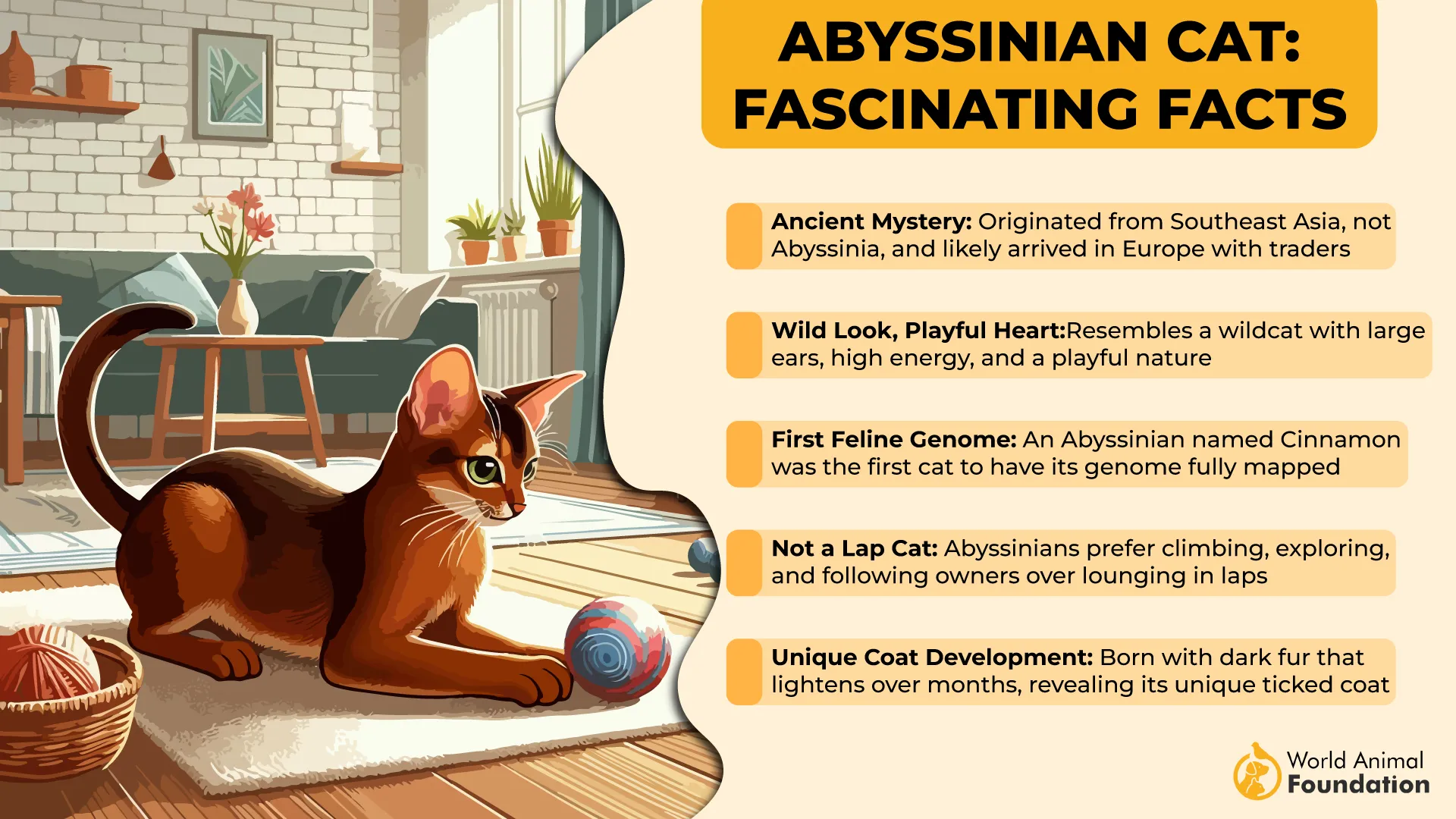
When it comes to climbing, Abys are pure athletes. Their long, powerful legs and excellent balance let them launch onto high shelves, window ledges, and the very top of the cat tree as if gravity barely applies.
These cats don’t just enjoy height—they need it. An Aby thrives in a home filled with vertical routes: wall shelves, tall trees, and sturdy perches where they can leap, perch, and supervise the entire room from above.
Their playful style is a full-body workout, weaving vertical jumps into every game and turning furniture into a parkour course if you don’t provide cat-safe alternatives. Noted traits of the Abyssinian include a wedge-shaped head, large pointed ears, almond-shaped eyes, and long, slim legs.
3. Siamese
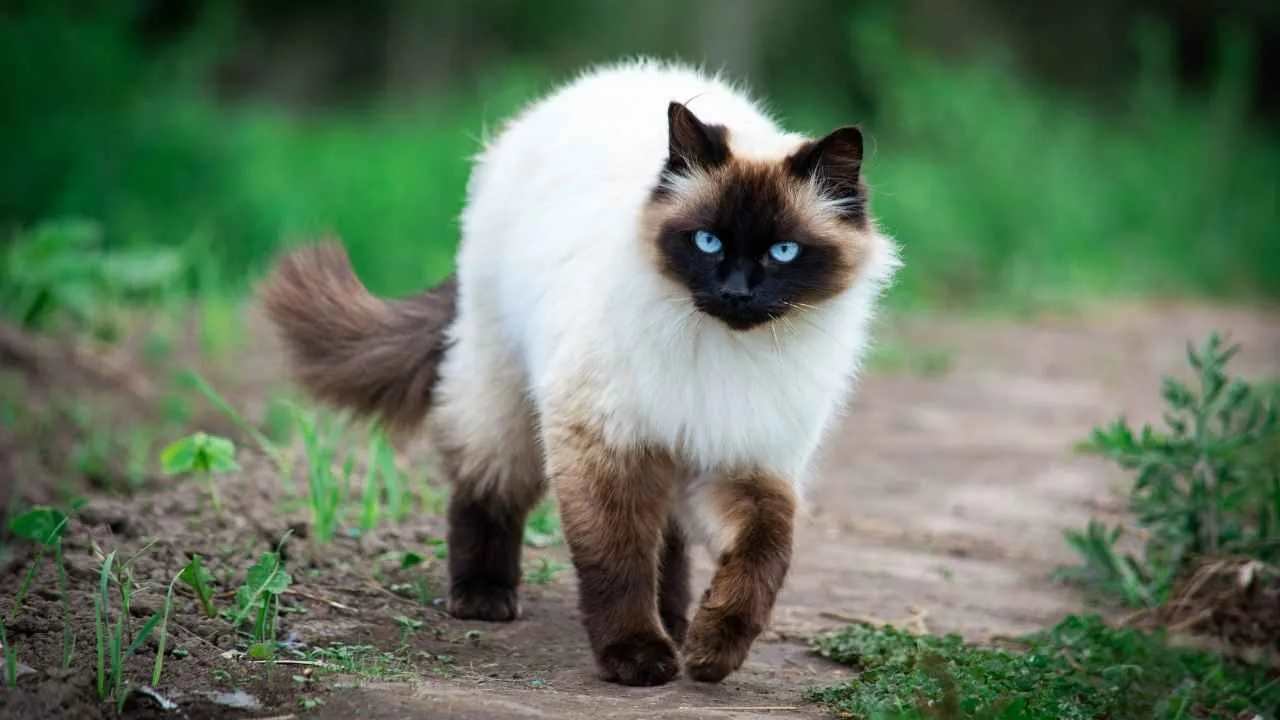
The Siamese—also known as one of the classic “temple cats” of the East—is a sleek, fine-boned breed with striking blue eyes and a long, muscular body built for motion.
WebMD notes that today it is regarded as one of the most popular breeds in both North America and Europe. Confident and vocal, they have zero hesitation about telling you exactly when they want a higher perch.
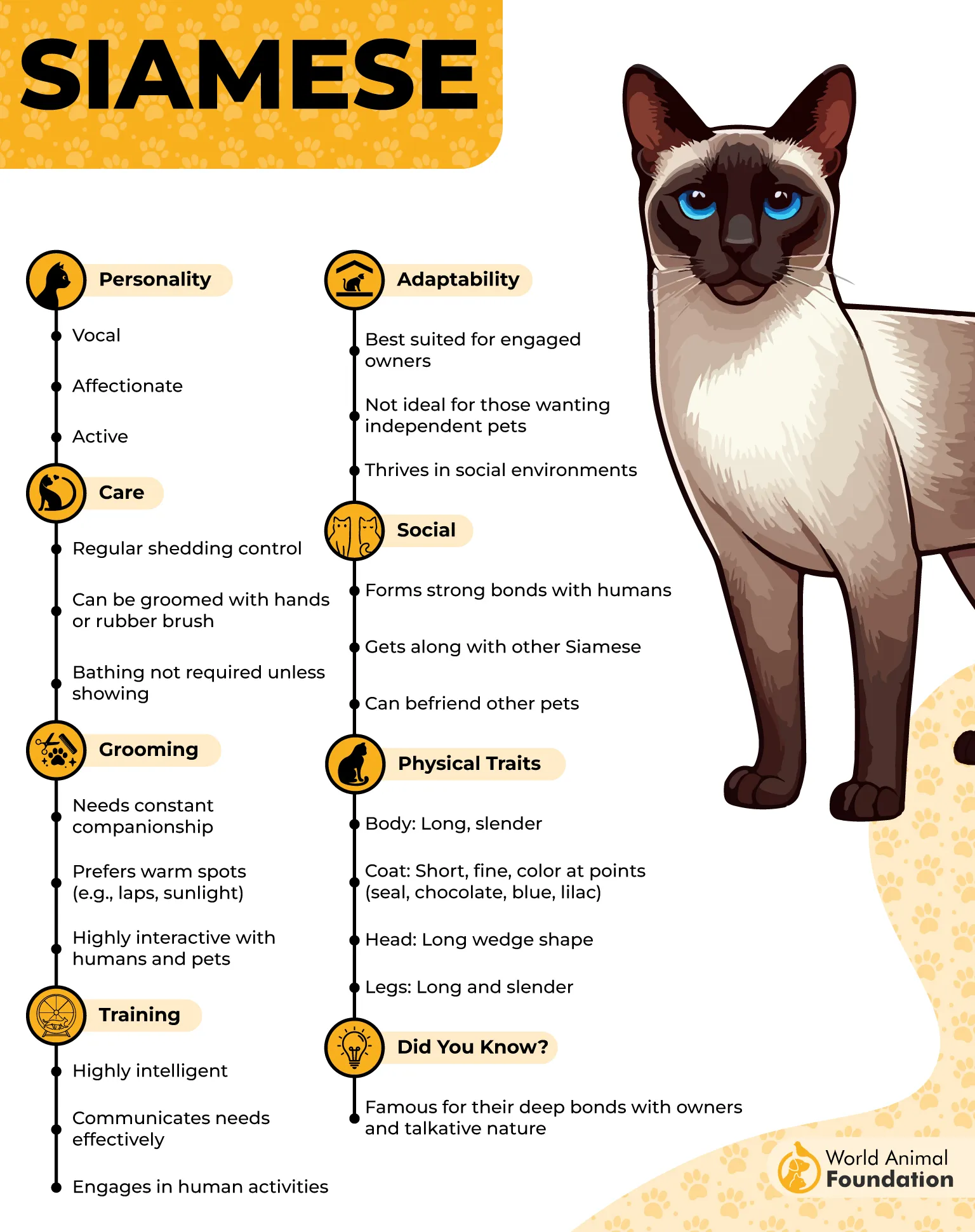
As one of the top domestic cat breeds known for their climbing skills, the Siamese treats your home like a vertical playground. Their lean, athletic frame lets them spring to bookcases, fridge tops, and door frames with ease, turning narrow ledges into favorite hangout spots.

Highly intelligent as well as agile, they don’t just jump—they problem-solve. A determined Siamese will study routes, test surfaces, and keep trying until they’ve cracked the “puzzle” of reaching that top shelf or curtain rod with perfect accuracy.
All that ability comes with dramatic commentary, too. These chatty climbers are known to “announce” their ascent, call out from their lofty lookout, and vocalize proudly once they’ve reached the highest vantage point in the room.
4. Maine Coon
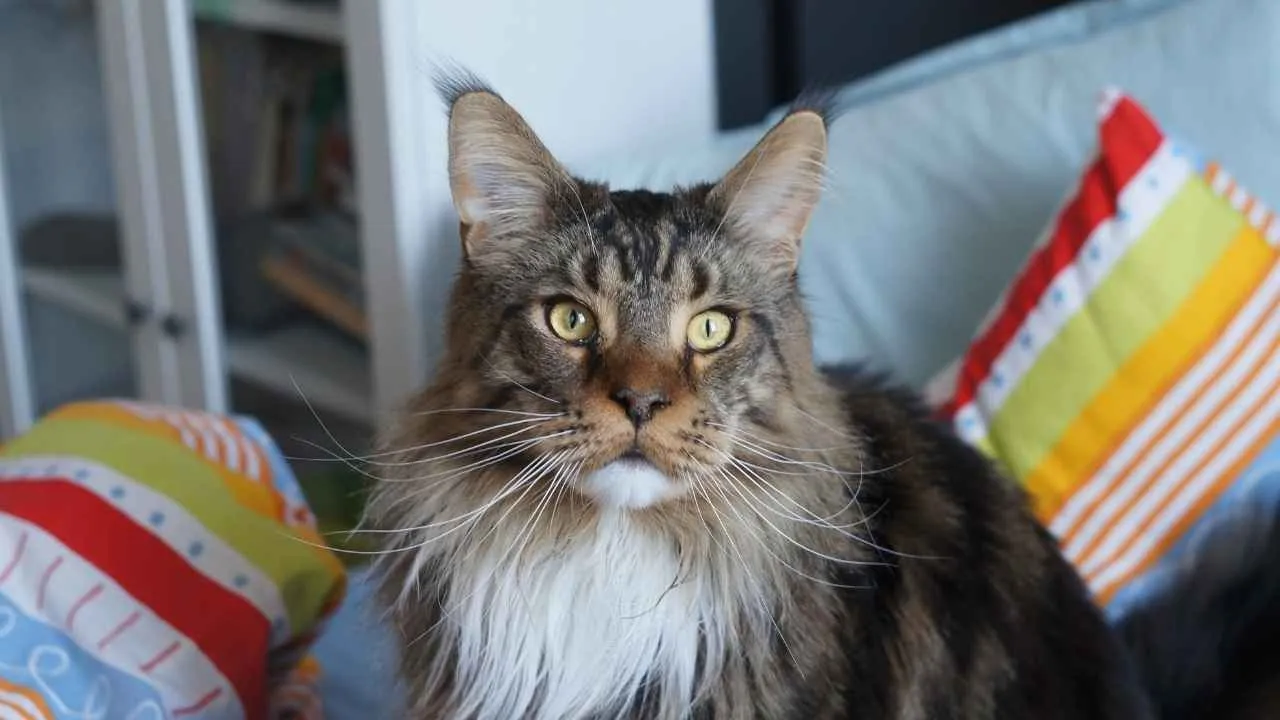
The Maine Coon—often called America’s “gentle giant”—is one of the largest domestic cat breeds. Despite their size, they’re athletic, long-haired climbers with a rugged, wild-inspired look and a famously friendly nature.
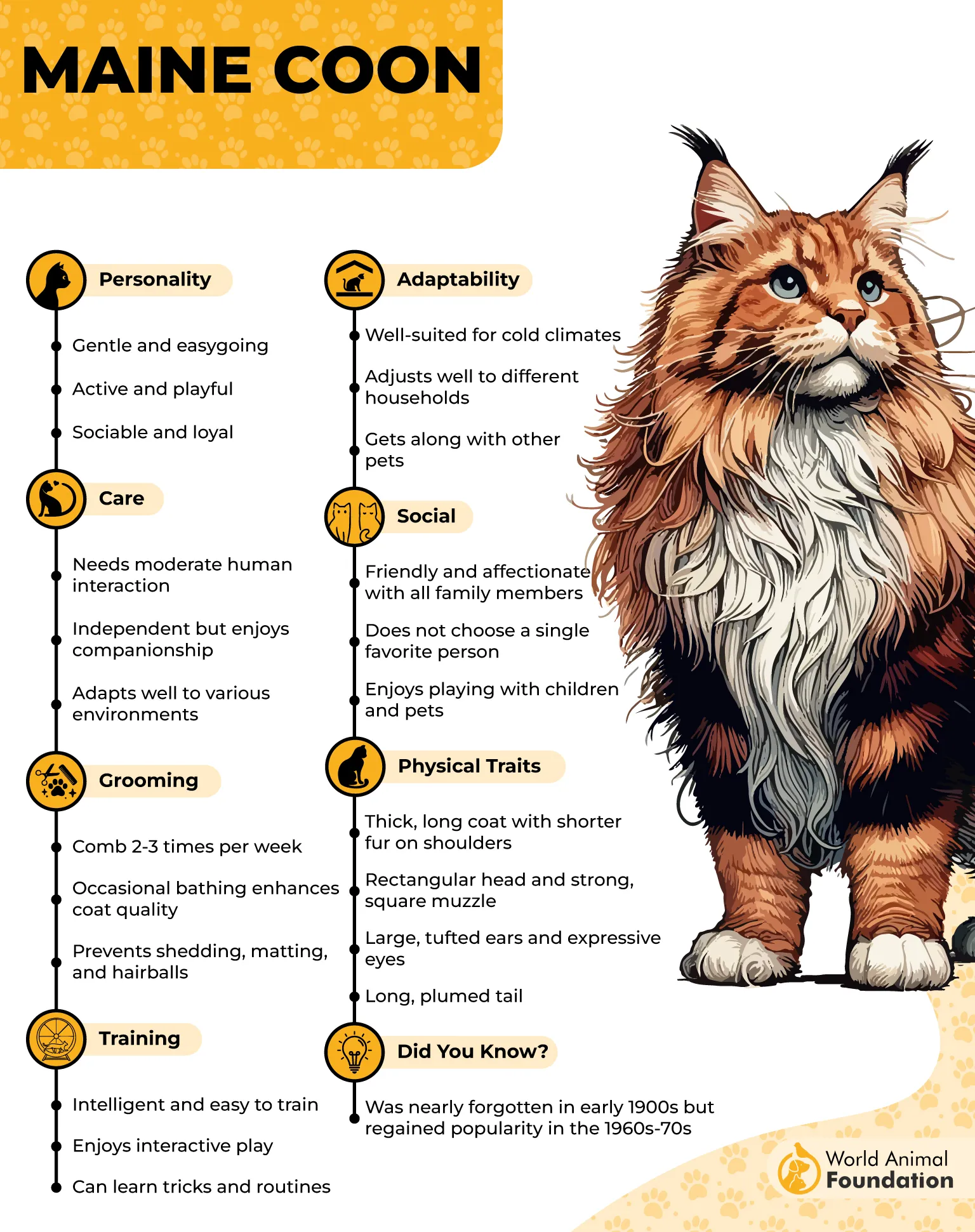
When it comes to vertical adventures, Maine Coons combine power and precision. Their strong legs launch those big bodies onto high shelves and tall cat trees, and they usually pause to “map” their route first, making careful, calculated moves rather than frantic leaps.
Their tufted, snowshoe-like paws give extra traction on different surfaces, so scaling tall furniture or wide scratching posts feels natural to them. Because of their weight and love of height, they do best with extra-sturdy trees and wide perches where they can stretch out and survey their indoor “forest.”
Those strong climbing skills tie back to their working-cat roots and hunting instincts—they instinctively seek high lookout points. Their long, thick tail, almost matching their body length, helps them balance at height and serves as a warm wrap when they settle in to rest.
5. Oriental Shorthair
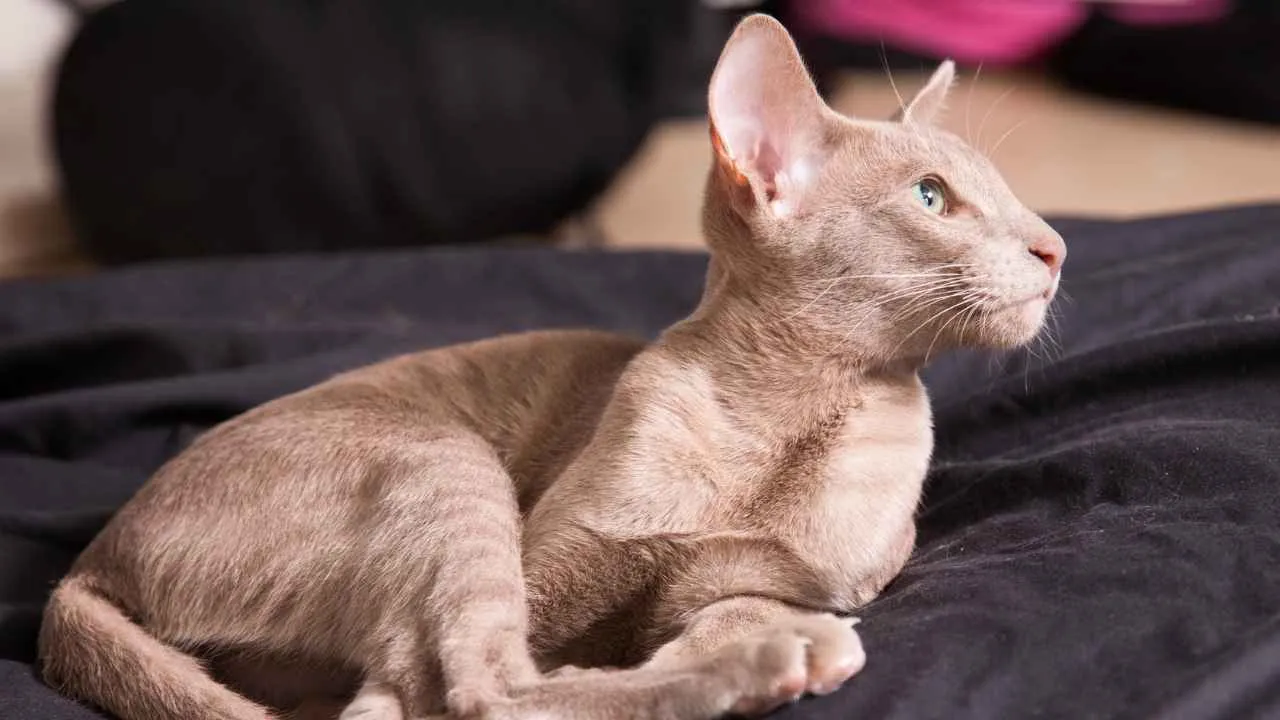
The Oriental Shorthair—often simply called the Oriental—is a sleek, Siamese-related breed with a long, lean body, extra-long legs, and huge ears that give it a distinctive, elegant look. Built like a feline athlete, this cat seems designed for speed, agility, and effortless leaps.
As a natural climber, the Oriental turns vertical spaces into its personal gym, racing up cat trees and shelving with gymnastic ease. All that climbing helps burn off their high energy, keeps muscles toned, and provides a healthy outlet so that rest time actually feels relaxing.
Because they’re highly intelligent and endlessly curious, a home that only “exists at floor level” can leave them restless. Tall posts, wall shelves, and multi-level cat furniture don’t just protect your curtains—they provide mood-boosting exercise and mental stimulation.
These cats see your living room as a three-dimensional playground, happily balancing on narrow ledges and seeking new routes overhead. The Oriental Shorthair is generally a healthy cat with an average lifespan of 12–15 years.
6. Savannah
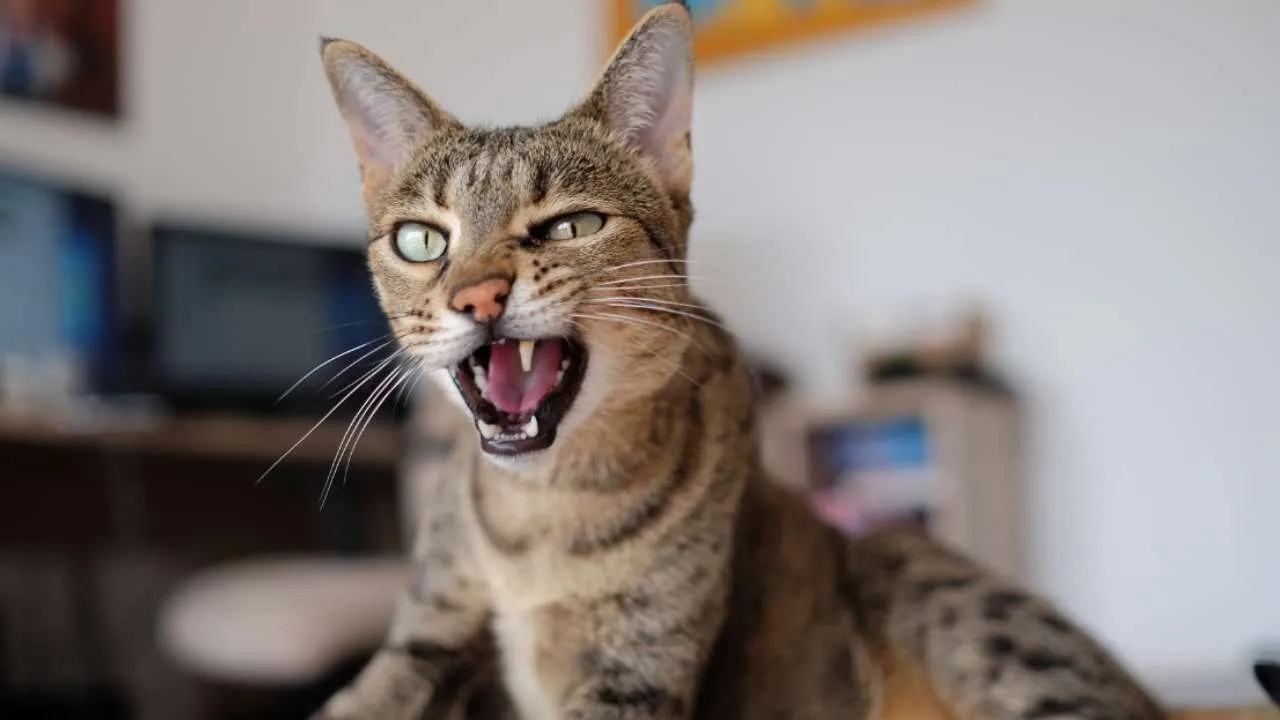
The Savannah cat—a hybrid of domestic cat and African serval—is tall, lean, and instantly recognizable with its spotted, wild-looking coat. With impossibly long legs and an athletic, spring-loaded body, this is a feline built for vertical adventures.
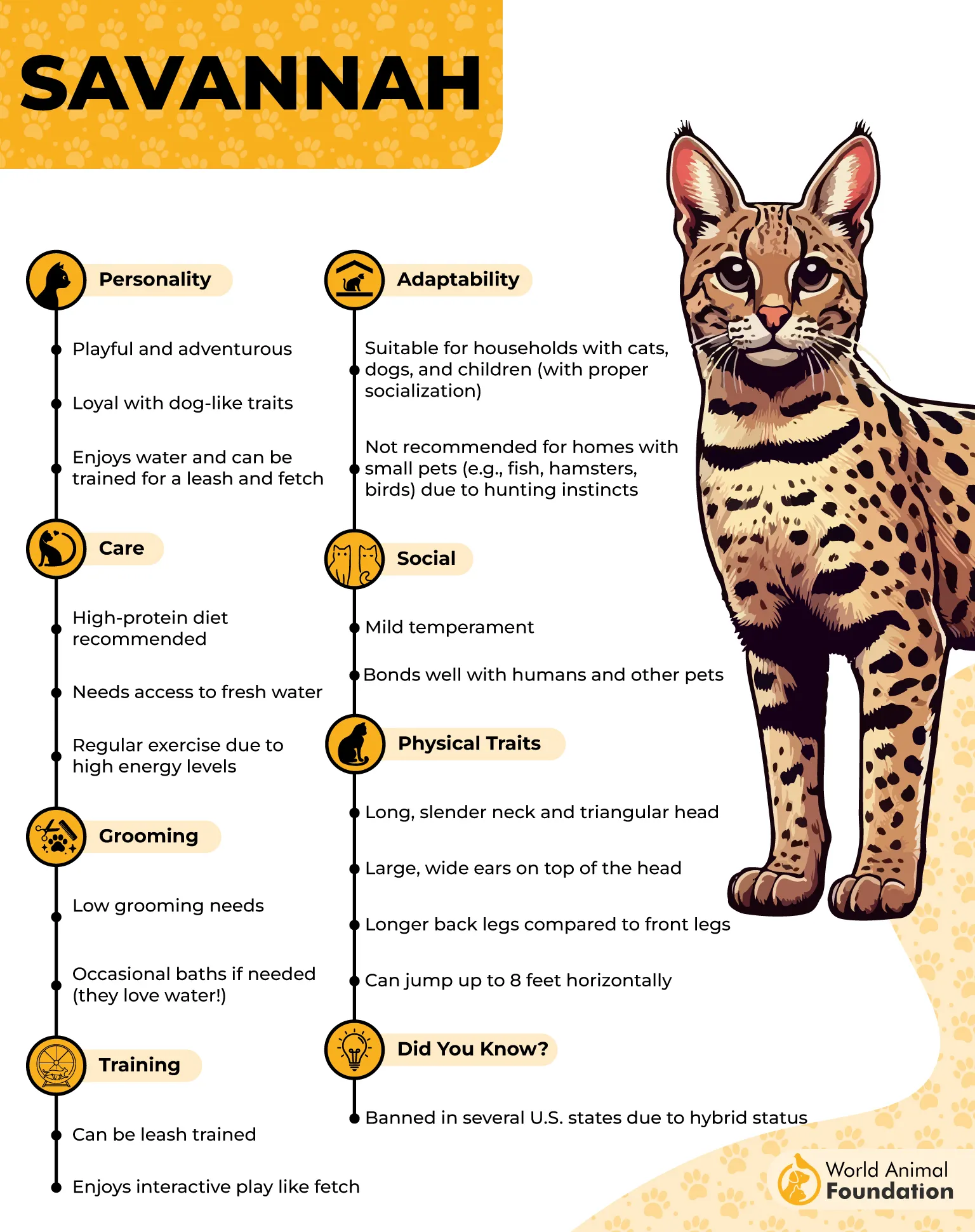
If you live in a small home, a Savannah will think up, not out. Creating vertical space with ceiling-height cat trees, shelves, and multi-level perches helps them use their climbing talents without sacrificing floor space.
Wall-mounted walkways, window hammocks, and staggered shelves turn even a compact apartment into a sky-high playground. Without these outlets, a Savannah’s energy and curiosity can quickly be redirected toward your cabinets, curtains, and countertops.
Because they’re highly intelligent, Savannahs can learn which climbing zones are “theirs,” but you’ll never fully curb their love of height.
Fast fact: Thanks to their serval ancestry, Savannahs can jump up to 8 feet straight into the air from a standing position.
7. Turkish Van
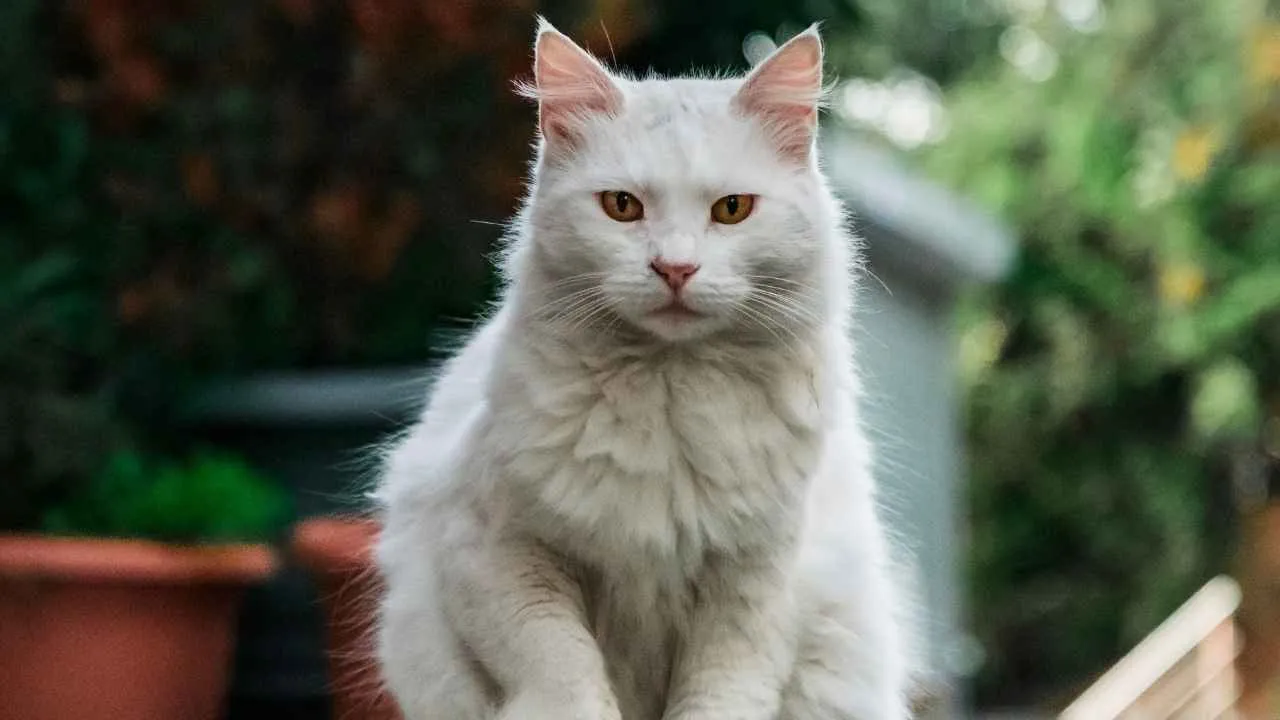
The Turkish Van—sometimes called the “swimming cat”—is a medium-to-large, muscular breed with a semi-long, mostly white coat and splashes of color on the head and tail (the classic van pattern). Curious and adventurous, they combine striking looks with a big personality and serious athletic ability.
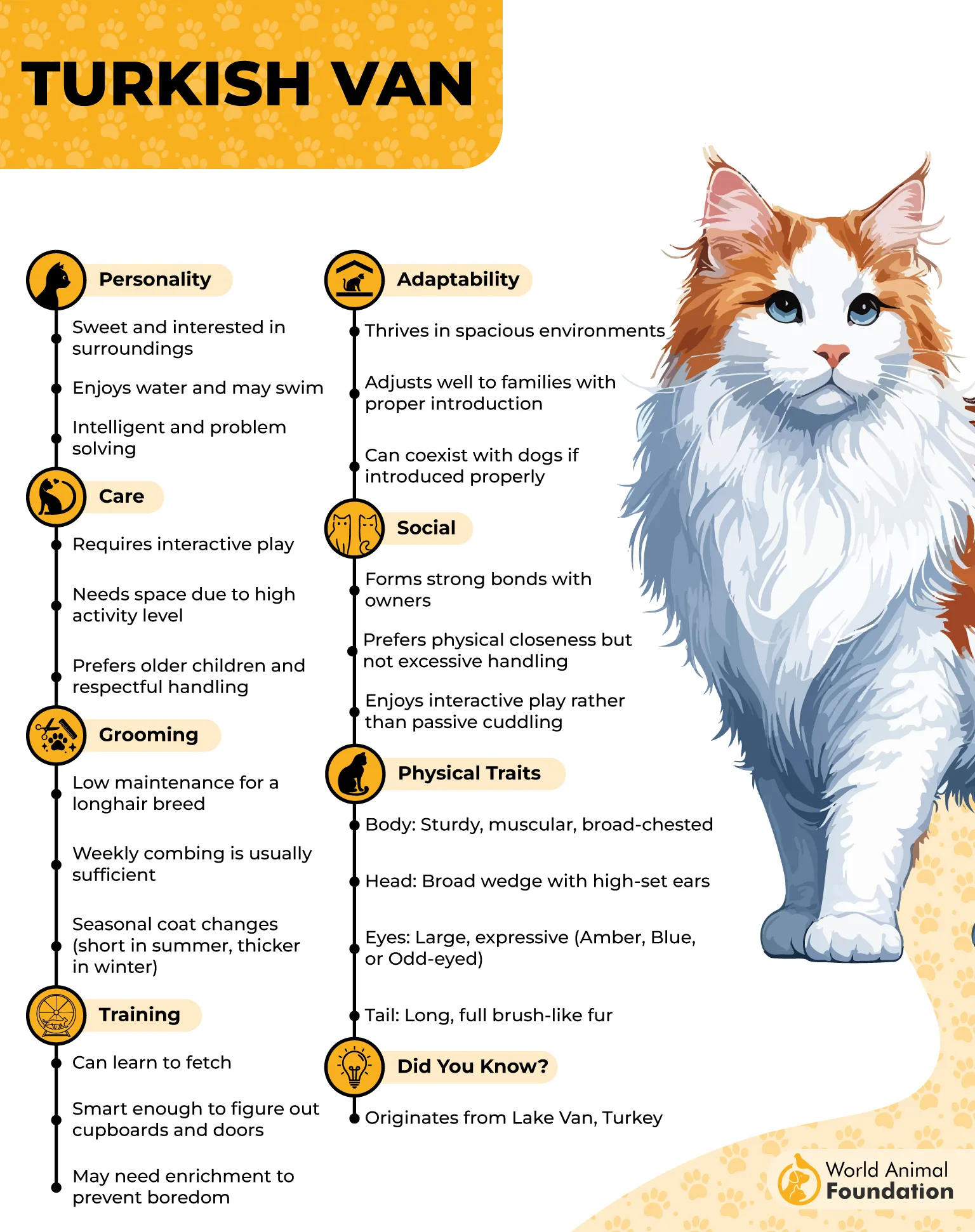
As natural climbers, their powerful hind legs let them launch to high shelves, curtain tops, and the back of tall furniture with little effort. To keep that energy safe, offer sturdy cat trees, wall-mounted shelves, and secure perches so they choose cat-approved heights instead of wobblier options.
Because Vans are fearless, they may attempt jumps other breeds wouldn’t dare, so it’s wise to block access to risky ledges, unstable bookcases, or open stair rails. Regular play sessions that involve climbing and jumping help burn off energy before they go “looking for trouble” up high.
Remember, they’re also famous water-lovers, so along with vertical playgrounds, don’t be shocked if your Turkish Van is splashing in the water bowl or trying to join you in the tub.
8. Norwegian Forest Cat
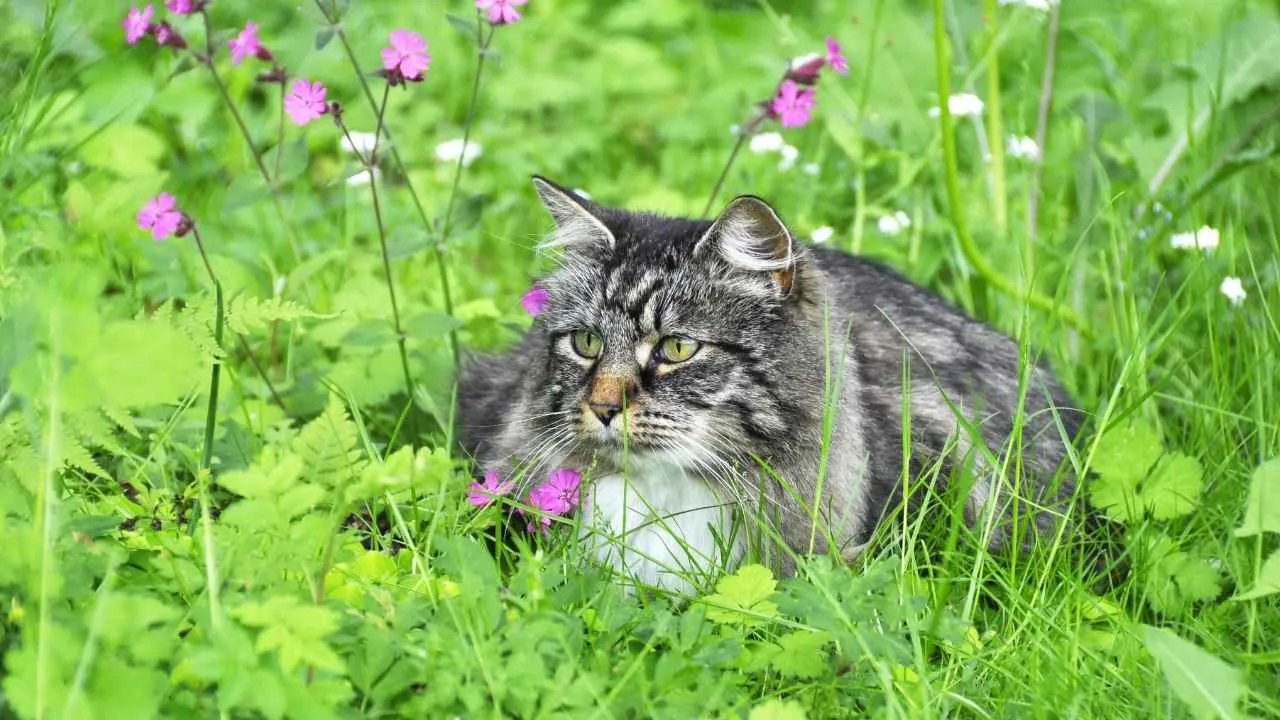
The Norwegian Forest Cat—often called the Wegie—is a hefty, semi-longhaired climber with a thick double coat, bushy tail, and serious Viking history. Descended from cats that roamed Scandinavian forests and sailed with Norse seafarers, they’re practically built for life in the treetops.
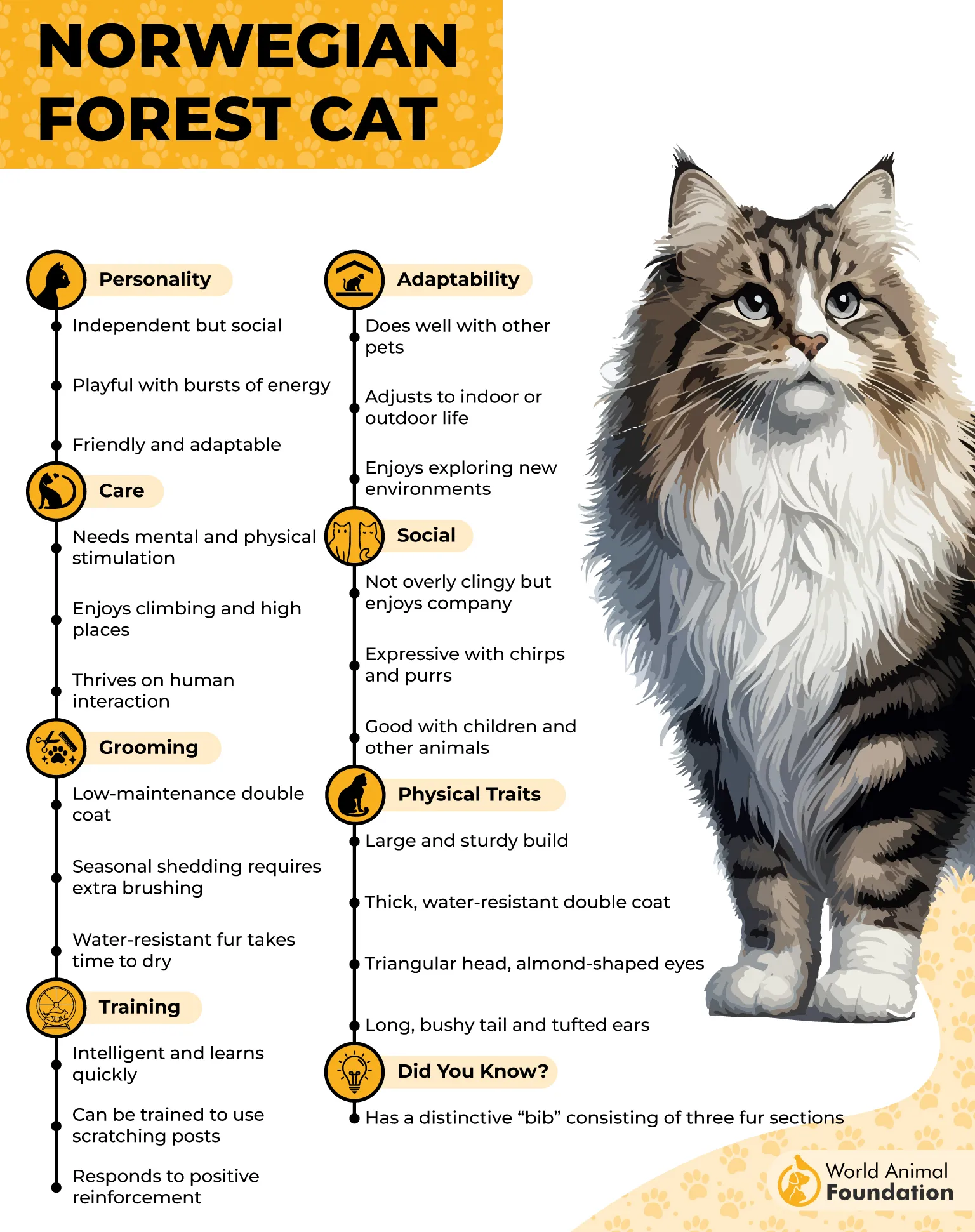
Those same traits make them naturals on cat trees and wall shelves at home. Powerful claws, strong legs, and large, tufted paws give them incredible grip, so they’ll instinctively seek out the highest perch you provide.
Because males can reach 16 pounds or more, training your Wegie to use sturdy climbing structures is key: reward them with treats and praise when they choose the cat tree instead of your bookcase. Clicker training works well for this breed, since they’re clever and enjoy interacting with their people.
You can even harness-train them and pair indoor climbing with safe outdoor exploring for extra enrichment.
Fast fact: Norwegian Forest Cats can scale trees and even descend headfirst, a party trick very few domestic cats can pull off.
9. Japanese Bobtail
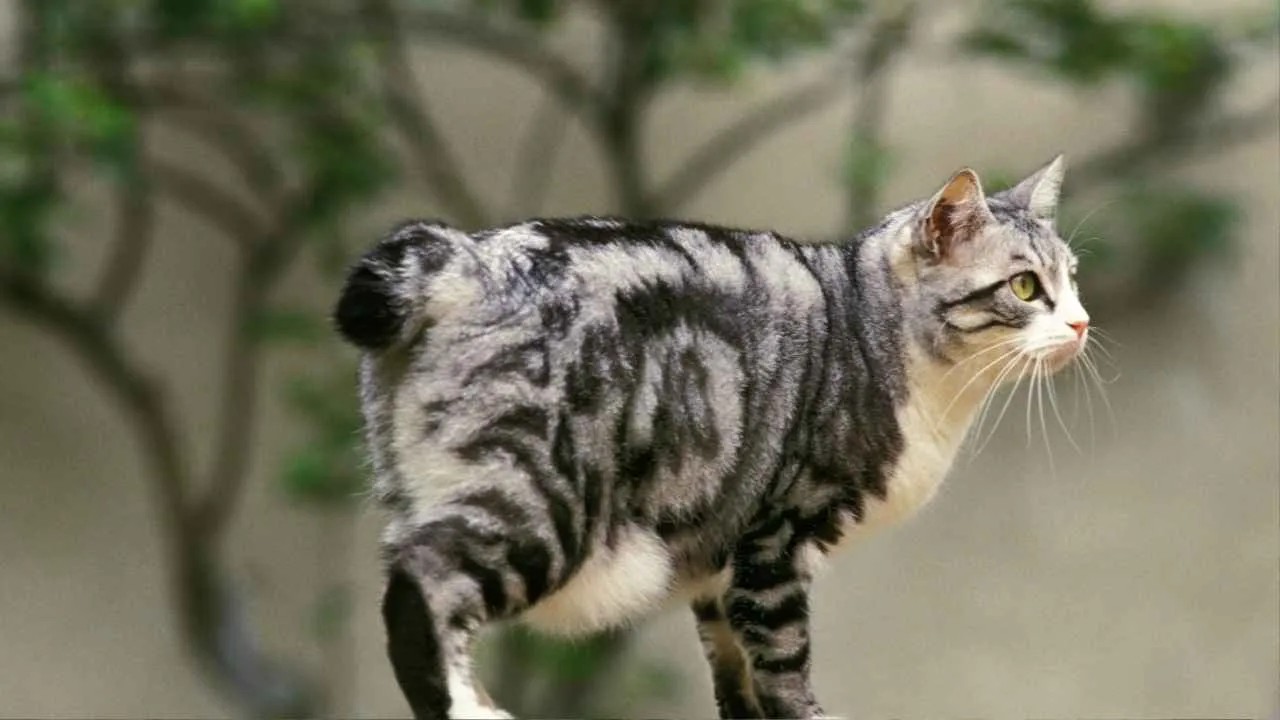
The Japanese Bobtail—also called Japan’s “lucky cat” and sometimes known as a former temple cat—is a light, athletic climber with a signature pom-pom tail. That short, bobbed tail and powerful hind legs give this medium, muscular cat surprising spring and balance on high, narrow ledges.
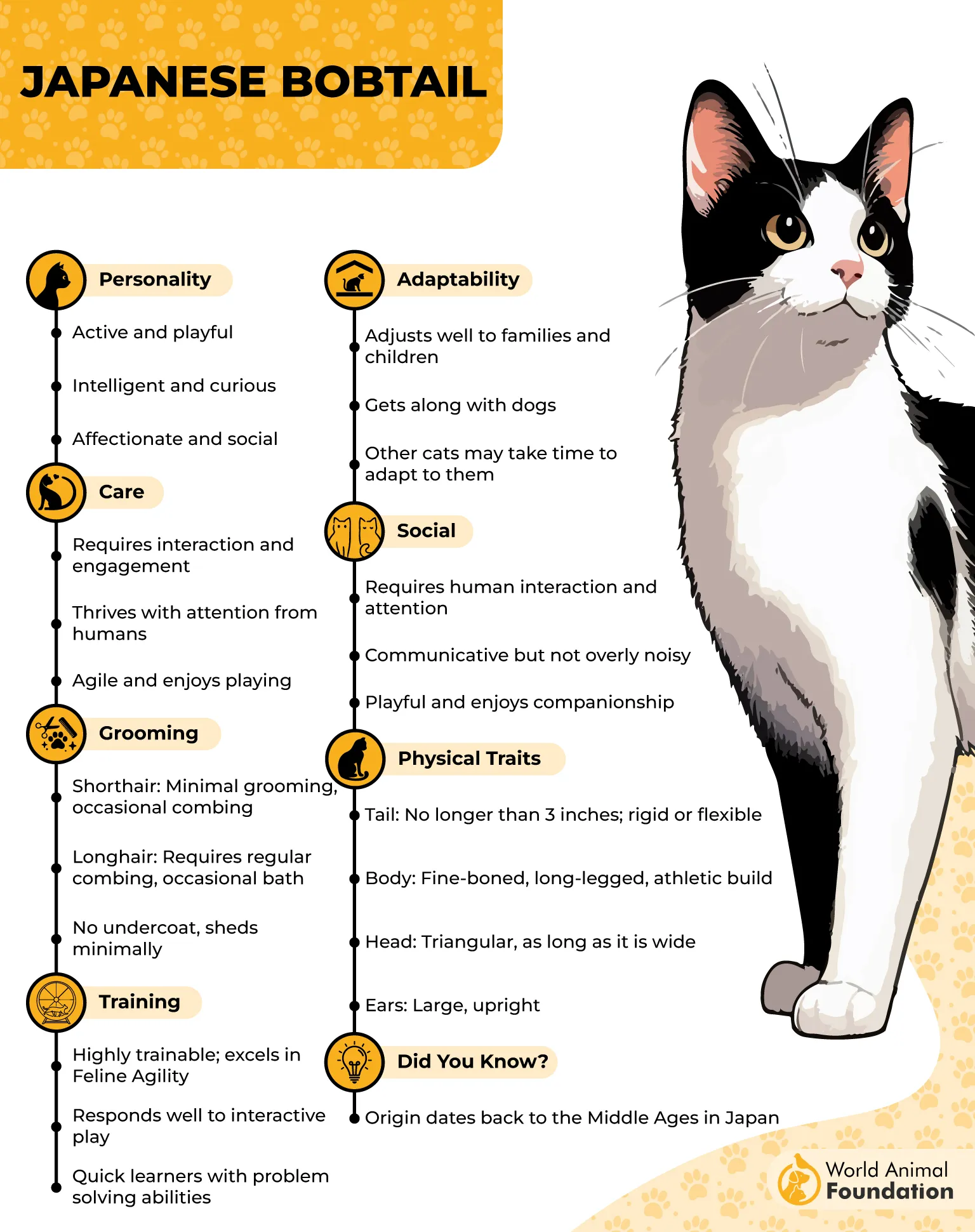
In a climbing-loving home, those skills are delightful; in a fragile-decor home, not so much. If your Bobtail is parkouring onto cabinets, fridge tops, or curtain rods, it’s a sign you need to offer higher, safer alternatives rather than simply scolding.
Think vertically but strategically: install cat trees, shelves, and wall perches that create approved “routes” to elevated spots. Reward them with treats and play whenever they choose these paths, so they learn where their three-dimensional playground should be.
If climbing turns destructive or risky, increase interactive play and puzzle toys to burn off energy before it explodes upward.
Fast fact: The recessive gene behind their shortened tails is not associated with spinal or bone abnormalities, and Japanese Bobtails typically live 9–15 years.
Conclusion
When you live with cats that are great at climbing, your home becomes a vertical playground. From forest-bred types with robust build and water-resistant coats that protect them outdoors to sleek climbers with long tails for balance, their climbing ability, powerful jumps, and incredible agility shine when they’re climbing trees or shelves.
Even breeds like Siamese cats and the adaptable American Shorthair can show surprising agility, proving many feline friends and pets are more incredibly agile than they look.
For active households, the key is working with that playful nature instead of fighting it. Give your cat safe places to leap high, plenty of interactive toys, and chances to spend time above ground level, watching their surroundings and joining household activities from on high.
When cats love their climbing setups and feel engaged with their human companions, everyone wins—less chaos, more fun, and a happier, more confident climber.
