




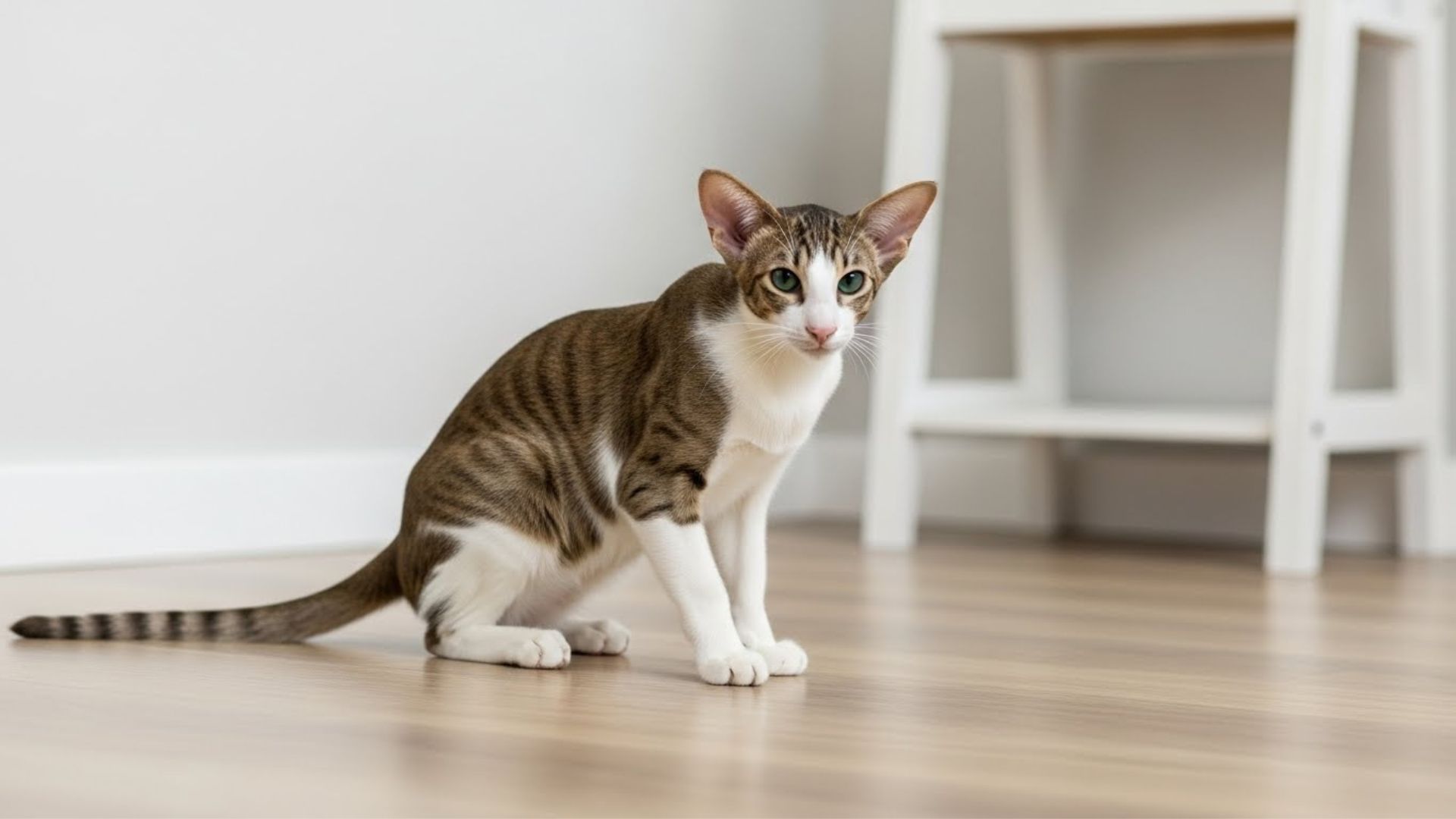
Anyone who has lived with cats knows that silence is not always part of the package.
While some cats communicate with subtle looks or quiet body language, others rely heavily on their voice. Across many cat breeds, vocal behavior can range from soft chirps to loud, demanding meows that leave no doubt about what the cat wants. These sounds and the cats’ meows are not random. They are shaped by genetics, temperament, and centuries of selective breeding.
In this article, we explore cat breeds with unique vocal traits and examine why certain breeds are considered among the most vocal. From constant chatter to musical chirps and raspy cries, these vocal cats use sound as a primary means of connecting with humans and other animals. Some breeds tend to narrate daily life, while others reserve their voices for specific moments.
Understanding vocal traits can help cat owners choose a breed that fits their lifestyle. A talkative cat can be endlessly entertaining, deeply bonding, and full of personality, but it can also be demanding. Knowing what to expect makes life with these cats far more enjoyable.
Let’s meet some of the most expressive domestic cats and explore how their voices set them apart from other breeds.
Cat Breeds with Unusual Vocal Traits
1. Siamese
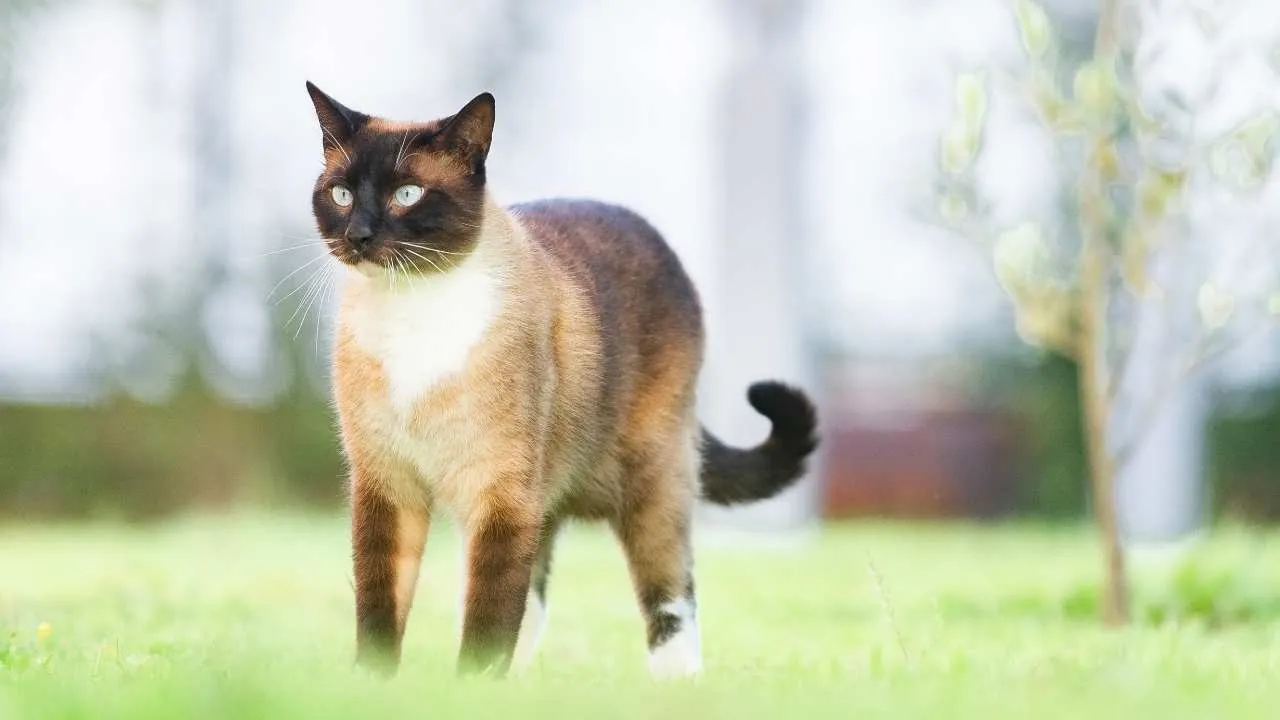
Siamese cats are often considered the gold standard for talkative cats. Their vocal nature is legendary, and they are widely recognized as one of the most vocal cat breeds in the world. They use their voices to communicate constantly with their human companions, expressing everything from hunger to boredom to affection.
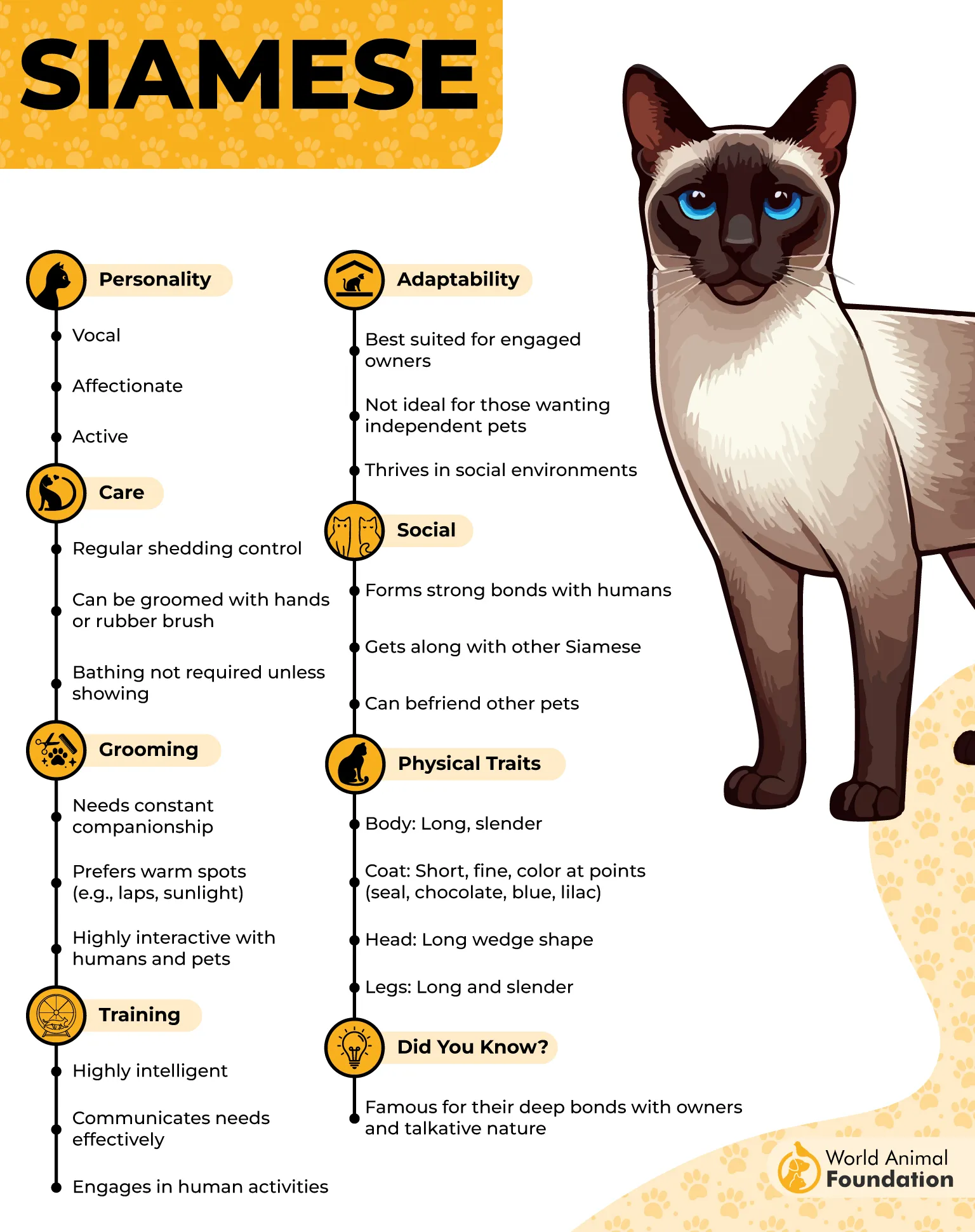
Their meows are loud, low-pitched, and unmistakable, as per Britannica. Unlike gentle meows from other cats, Siamese voices can sound almost like a human baby crying. This is not accidental. Their talkative nature is a well-established trait that has been encouraged through generations of selective breeding.
These demand attention and are not shy about it. They follow their owners from room to room, offering a running commentary and expecting responses. If ignored, they may increase the volume or frequency of their sounds to attract attention.
Highly social and intelligent, they thrive on close contact with humans. Their strong personalities, affectionate nature, and demanding meows make them unforgettable companions for owners who enjoy constant interaction.
2. Bengal
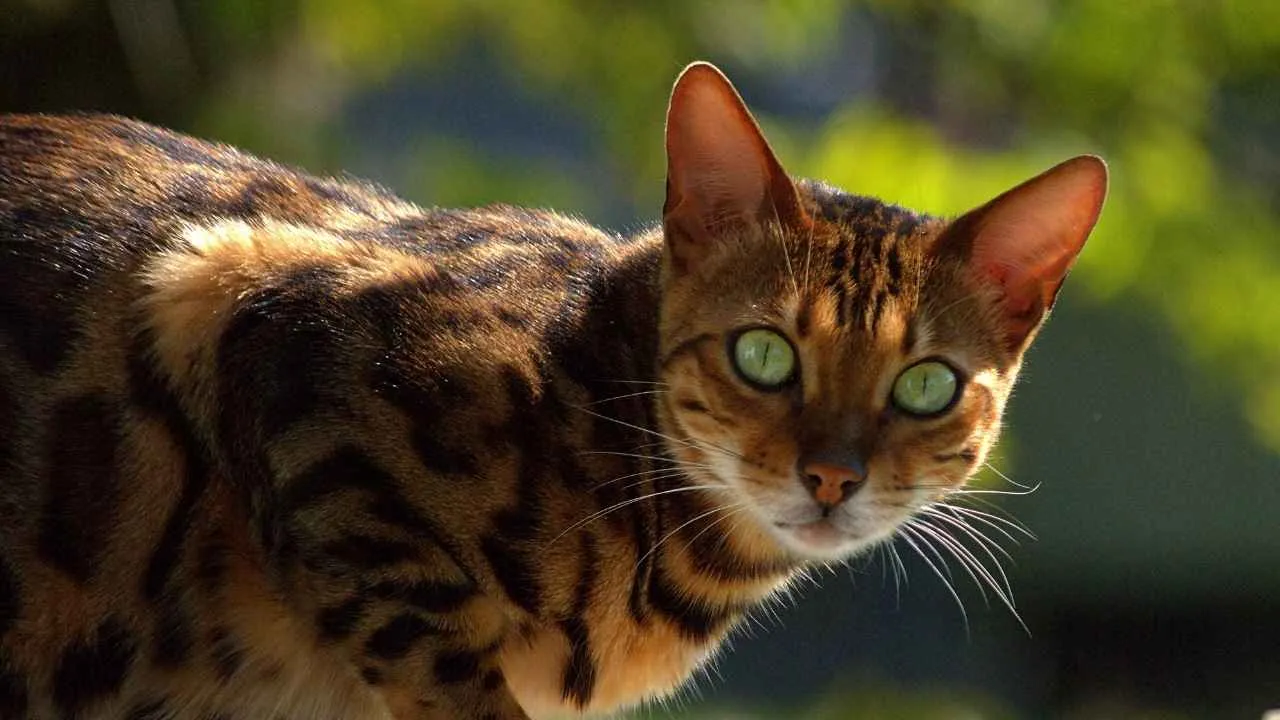
Bengal cats are known for their wild appearance and equally bold voices. As a hybrid breed with ancestry linked to the Asian leopard cat, Bengals often display a wider range of sounds than many other domestic cats. Their vocal abilities include meows, chirps, trills, yowls, and even husky-sounding calls.
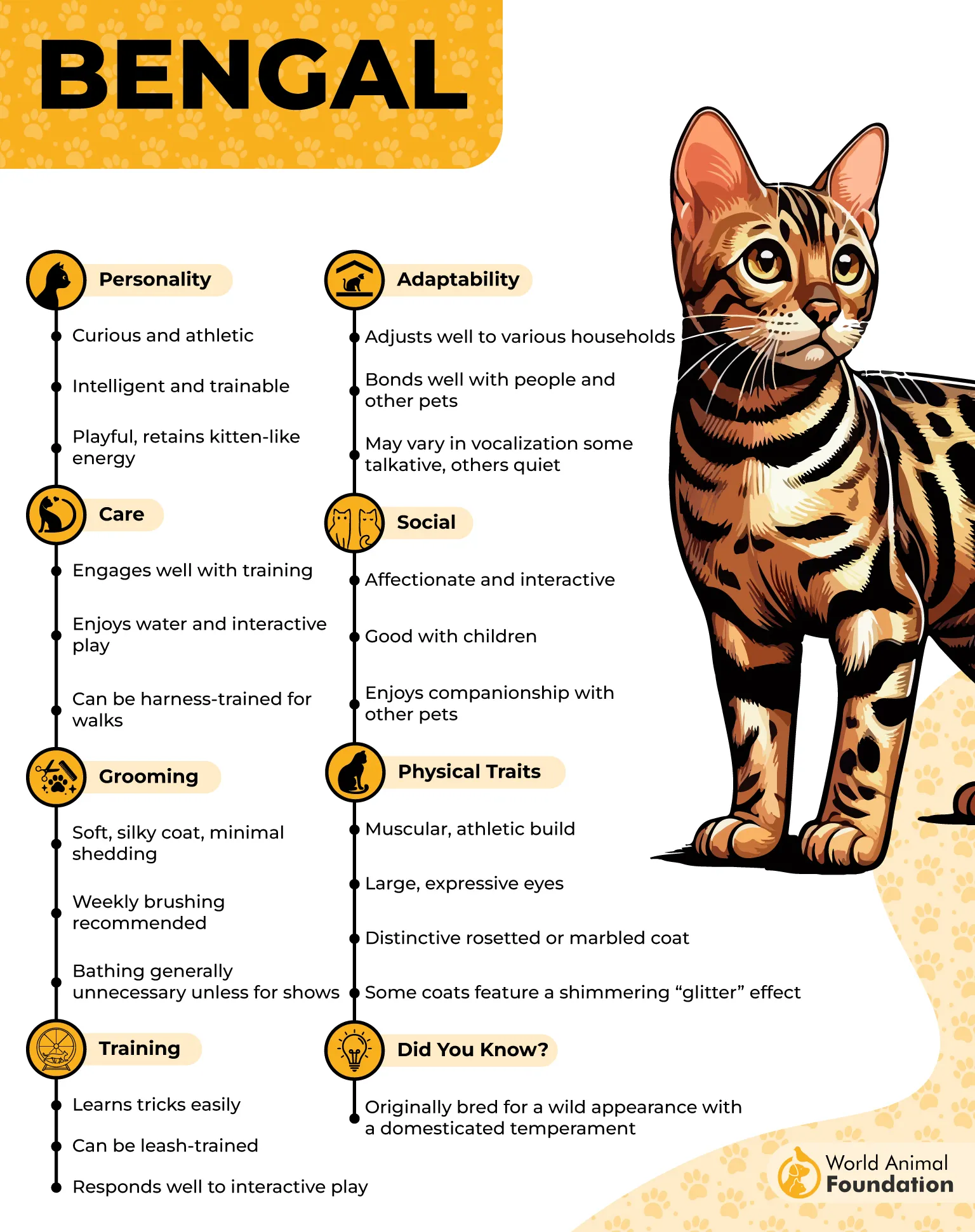
Bengal cats use vocalizations as part of their energetic, inquisitive personality. Purina states that they are playful, intelligent, and highly social, which leads them to communicate frequently with humans and other animals. Their sounds often reflect excitement, curiosity, or frustration.
Chirps and trills are especially common in Bengal cats. These sounds are often used to attract attention, invite play, or express interest in something they have spotted. Their wild ancestry contributes to their expressive and sometimes dramatic vocal style.
Because of their active nature, Bengal cats tend to vocalize more than other breeds. They are best suited for owners who enjoy engagement, stimulation, and a lively household filled with sound.
3. Maine Coon
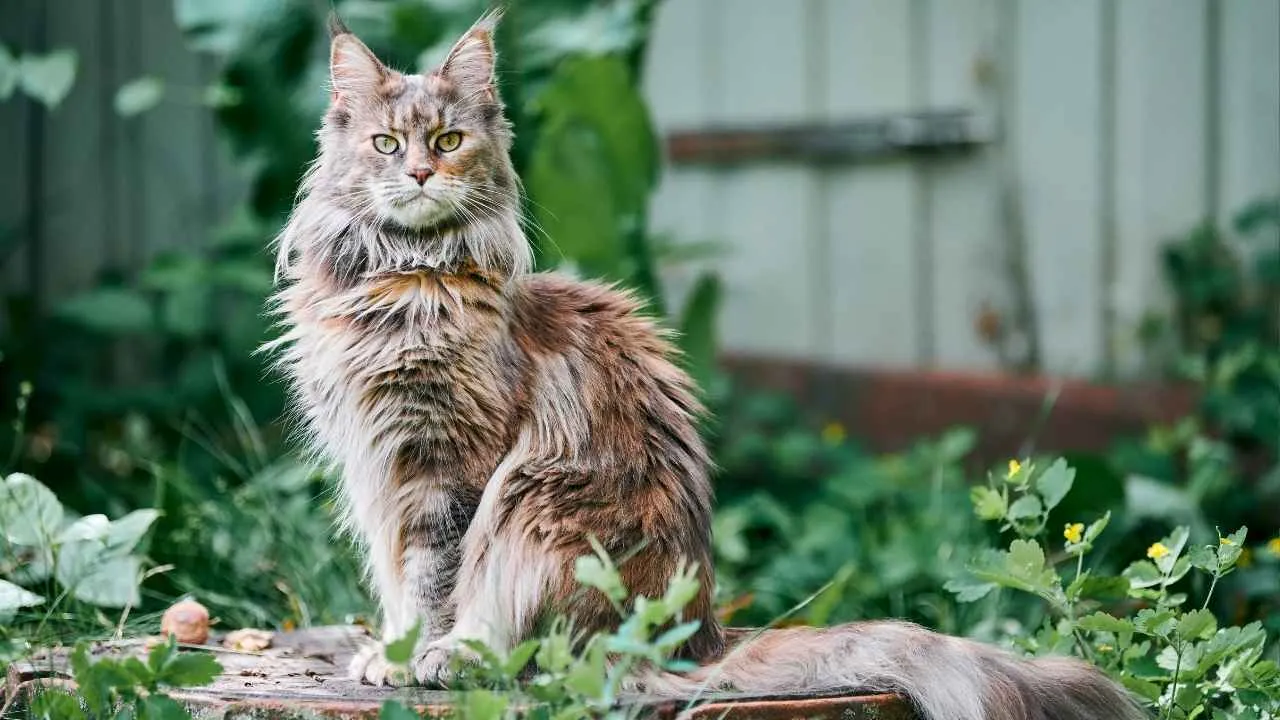
The Maine Coon may be large in size, but its voice is often surprisingly gentle. Instead of loud meows, this breed is famous for its chirps and trills. These cats are vocal, but in a soft, musical way that feels conversational rather than demanding.
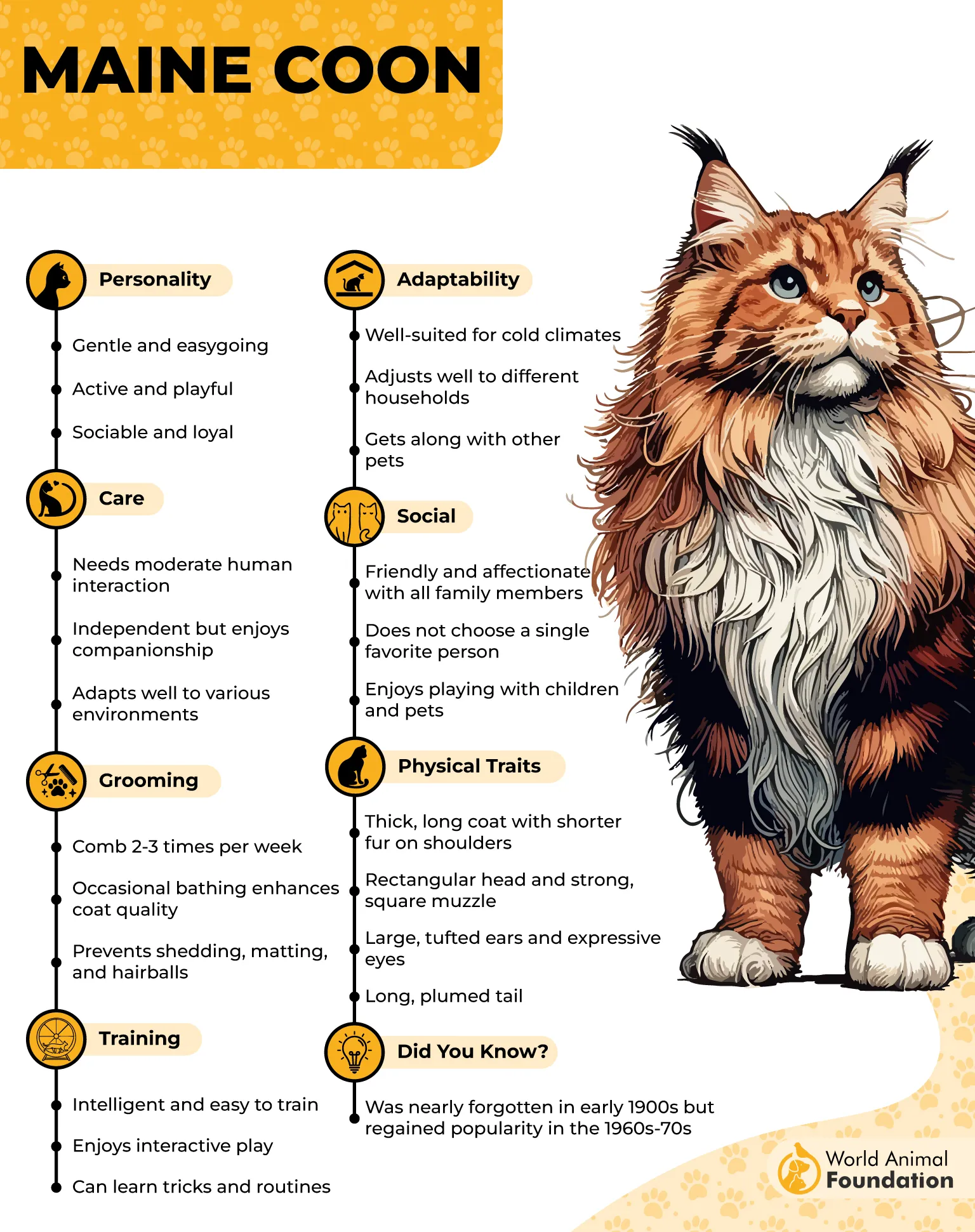
These cats use chirping sounds to communicate with their owners, other cats, and even dogs in the household. The chirps often sound like friendly greetings or playful invitations, making them one of the most endearing vocal cats to live with.
Maine Coon cats are highly communicative and enjoy social interaction. While they may not be as loud as Siamese cats, they are consistent in expressing themselves. Their vocal traits are closely tied to their friendly personality and strong bonds with humans.
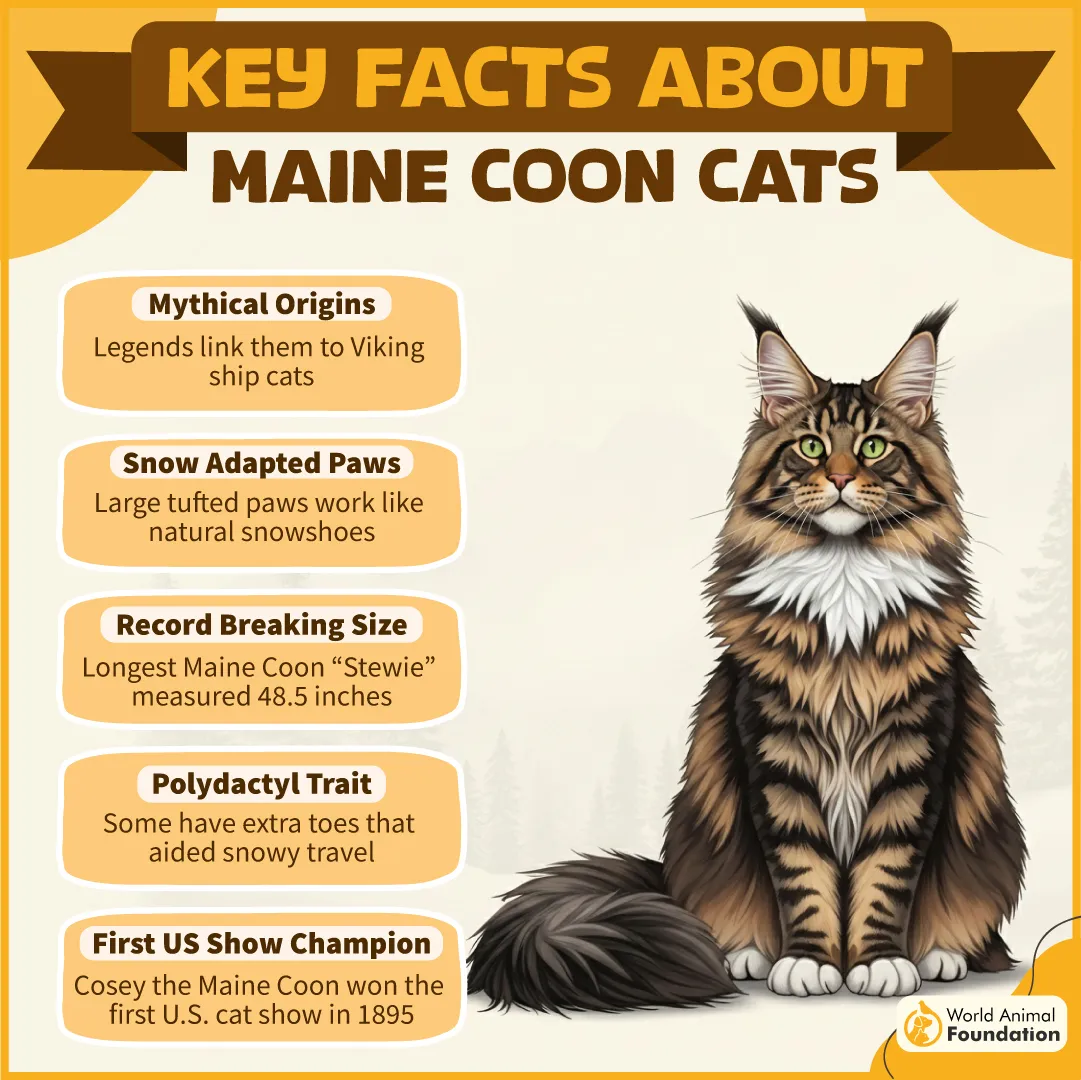
For many owners, their voice feels like a language of its own. It is one of the defining traits that make this breed so beloved among families and multi-pet homes.
4. Burmese
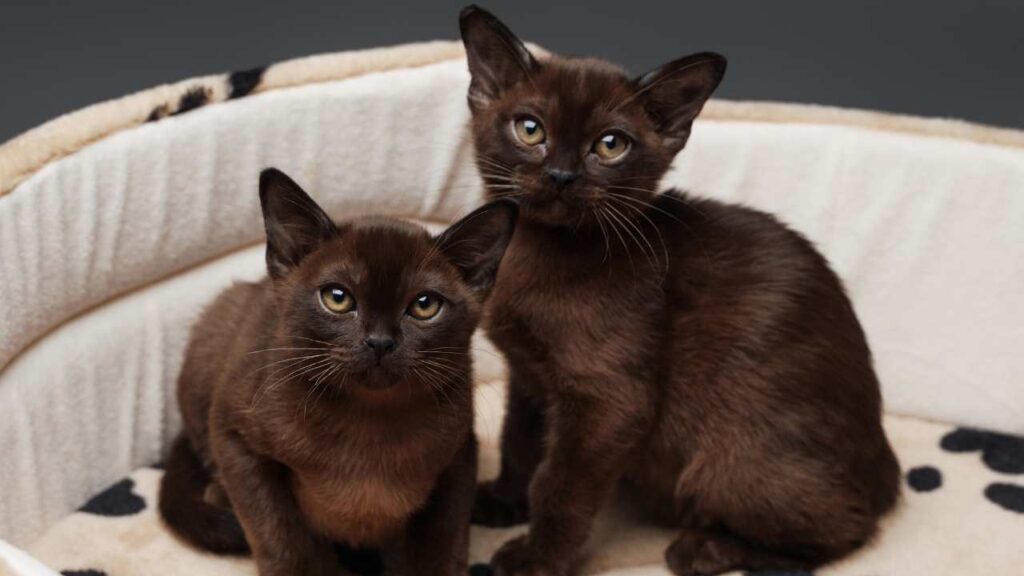
Burmese cats are expressive communicators with a softer tone compared to louder breeds. These animals with playful nature use a wide range of sounds to interact with humans, including meows, purrs, chirps, and gentle yowls. Their voices often sound warm and persuasive rather than sharp or loud.
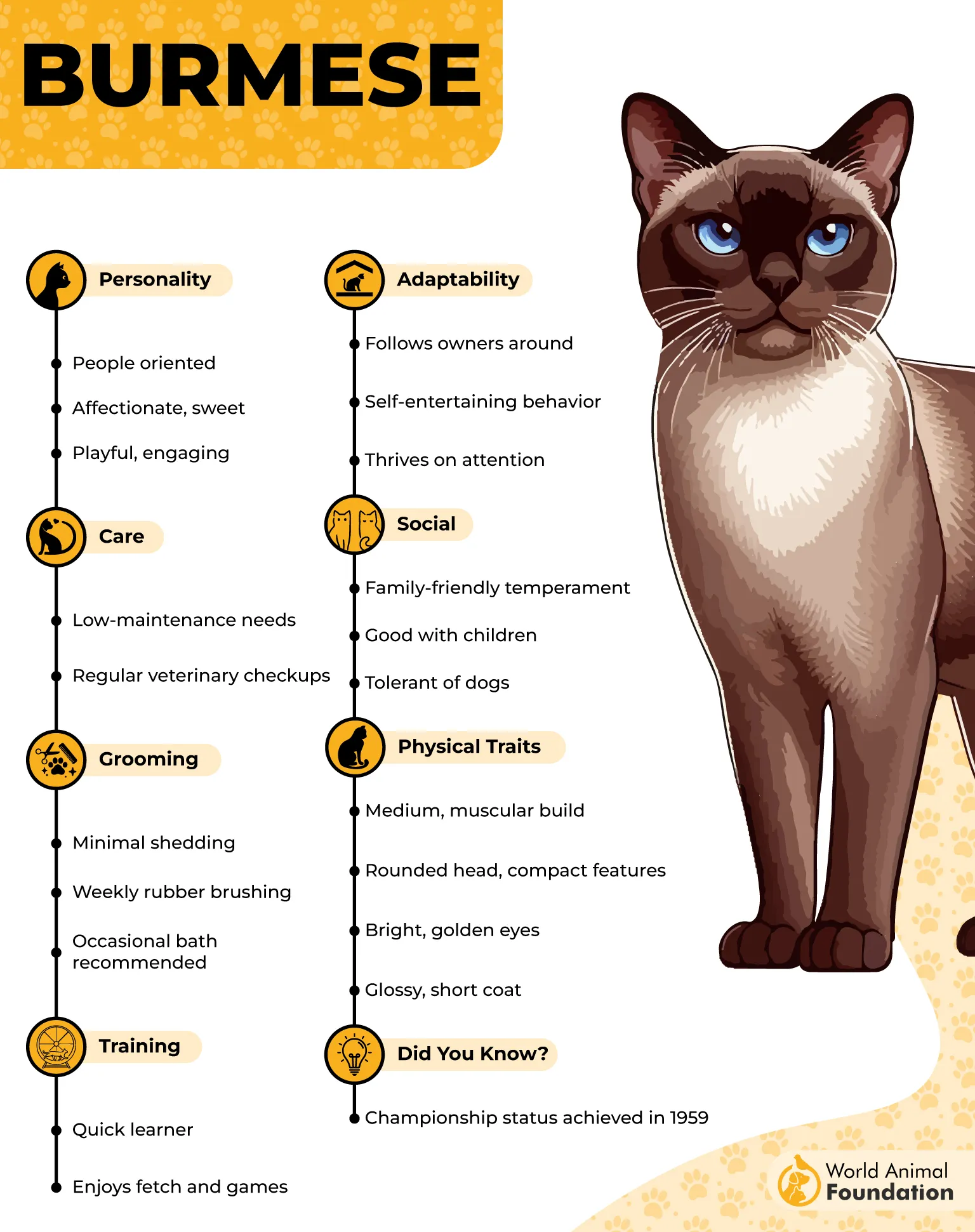
Meowing in Burmese cats is often used as a greeting or a polite request. They may vocalize when they want attention, food, or companionship. Purring is common and can signal both contentment and a desire for reassurance.
Burmese cats are known for forming close relationships with their owners and other pets. Their vocal behavior reflects this social nature. They enjoy being included in daily activities and will often speak up to stay involved.
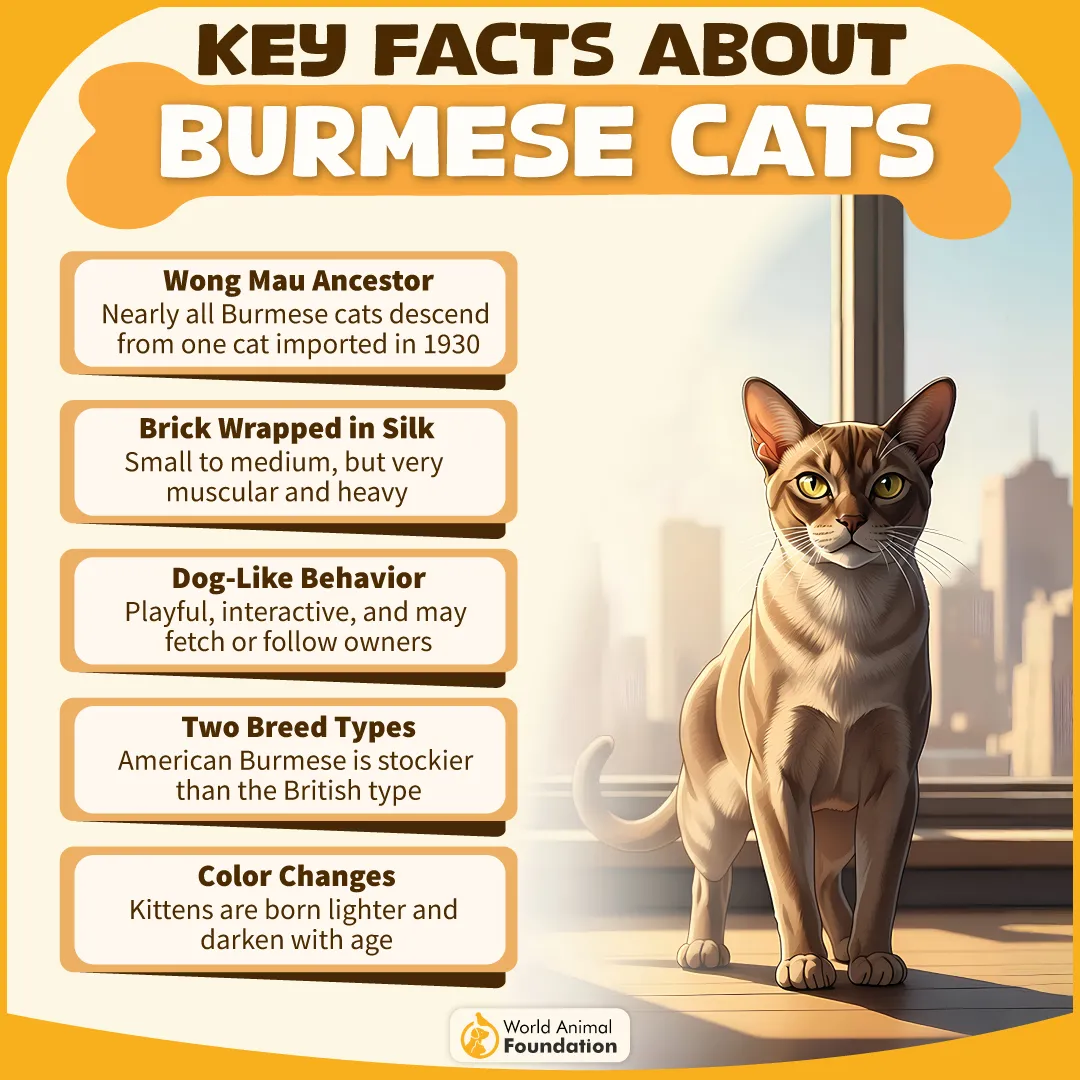
Balanced between talkative and gentle, Burmese cats are ideal for people who enjoy vocal interaction without constant loud meows. Their friendly nature makes them excellent companions in busy households.
5. Oriental Shorthair
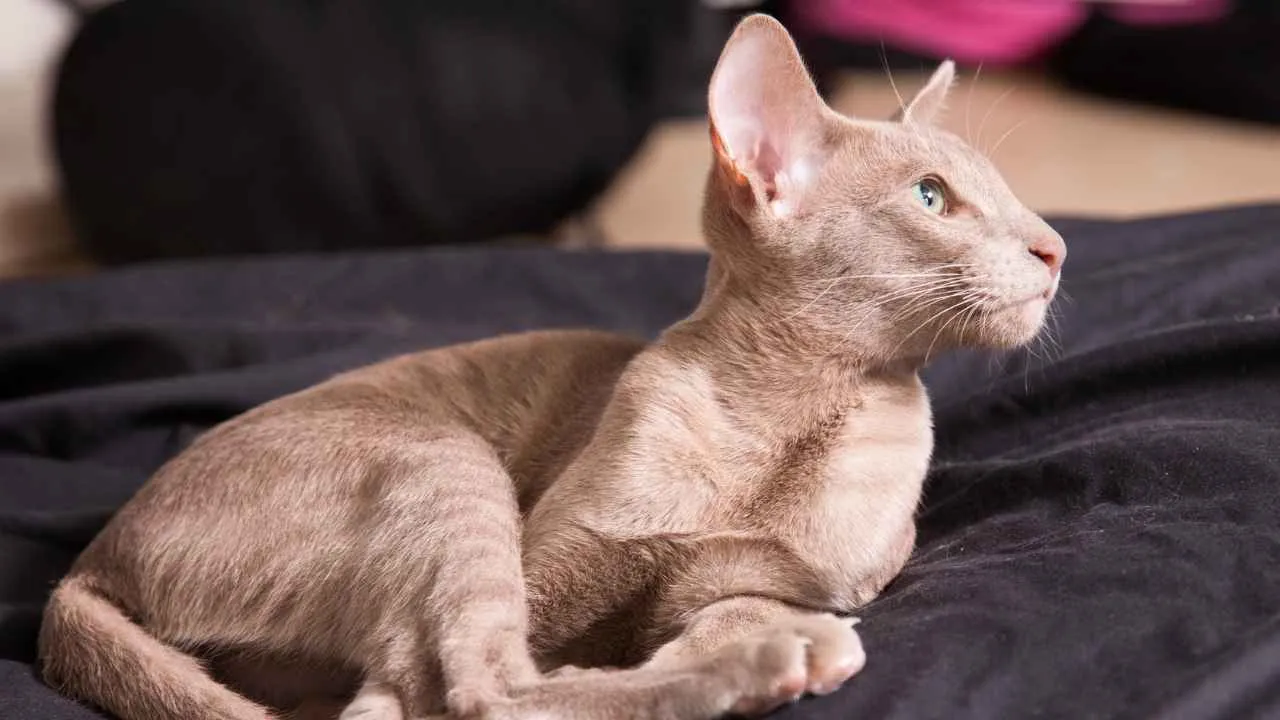
The Oriental Shorthair is one of the most vocal cat breeds and is closely related to Siamese cats. This breed inherited its talkative nature directly from its Siamese lineage, resulting in a cat that rarely stays silent for long.
Oriental Shorthairs provide constant chatter, using a wide variety of sounds to communicate. Their voices can range from raspy meows to honks, chirps, and trills. Many owners describe daily conversations with their cats.
Their vocal traits are driven by a strong need for attention and interaction, according to PetMD. Oriental Shorthairs dislike being ignored and will use their voices to demand engagement from their human companions.
This chatty cat thrives on human companionship and close contact. For people who enjoy lively, expressive pets, the Oriental Shorthair offers endless entertainment through sound and personality.
6. Sphynx
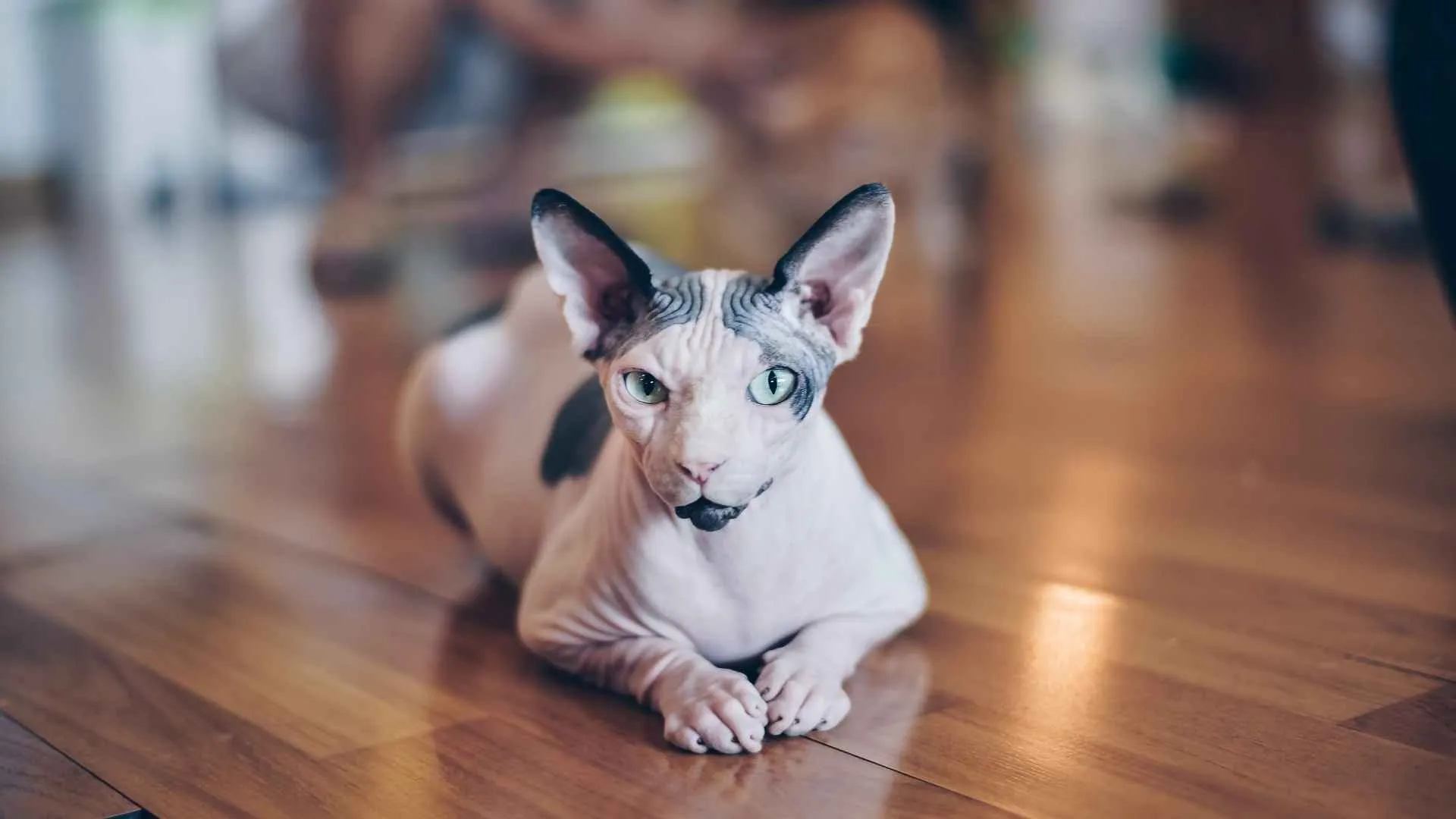
Sphynx cats are known not only for being a hairless breed, but also for their expressive voices. Sphynx cats tend to be very vocal, using meows, purrs, chirps, and even singing sounds to communicate their needs and emotions.
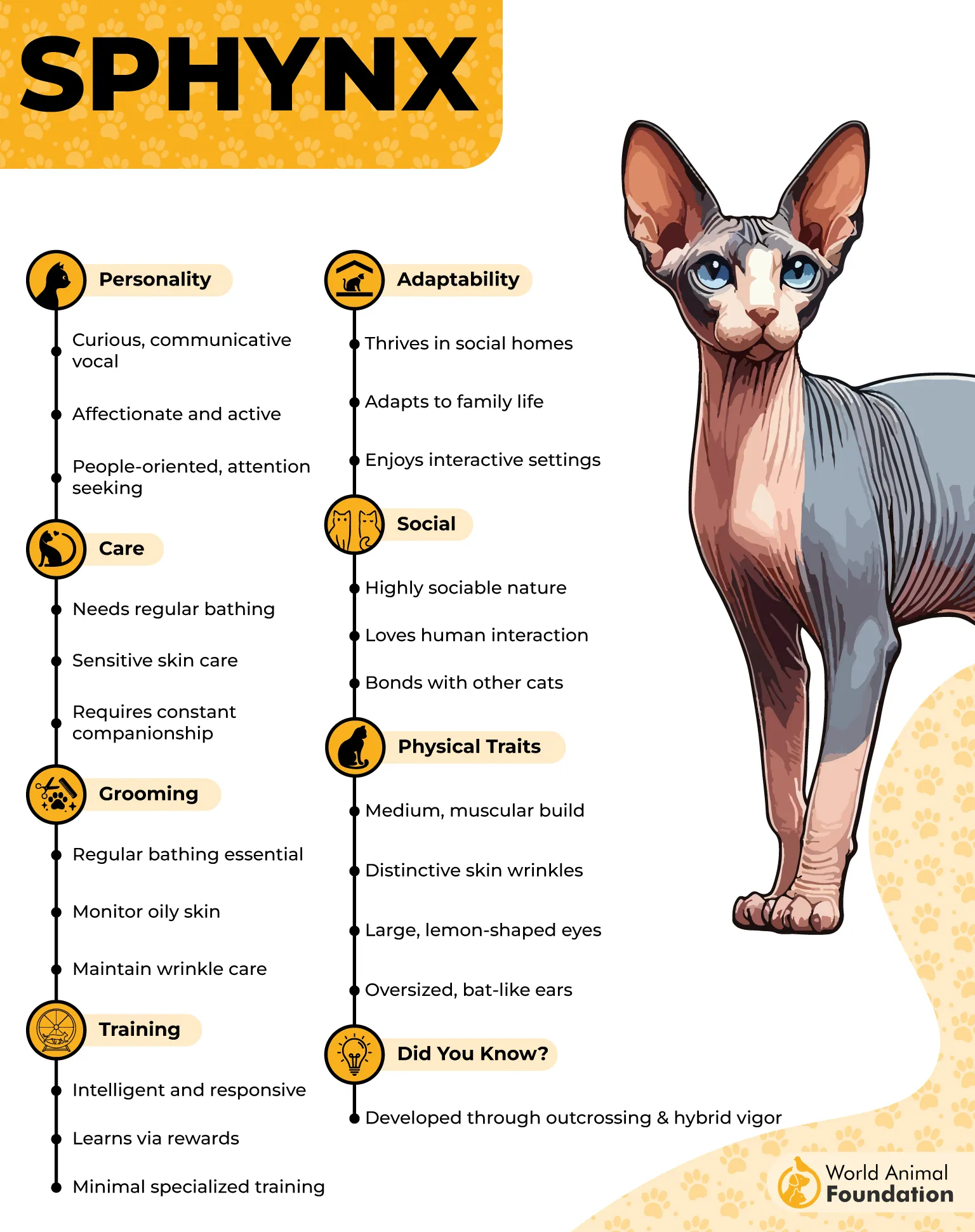
Their voices can range from soft and musical to loud and insistent. Because sphynx cats crave warmth and attention, they often vocalize to stay close to humans. Their strong desire for companionship drives much of their sound-making.
Unlike quieter cats, they enjoy responding when spoken to. Owners often report full conversations, in which the cat appears to talk back with varying tones and durations.
Combined with their unique appearance, they stand out as some of the most expressive vocal cats in the feline world. They are best suited for owners who enjoy constant interaction.
7. Scottish Fold
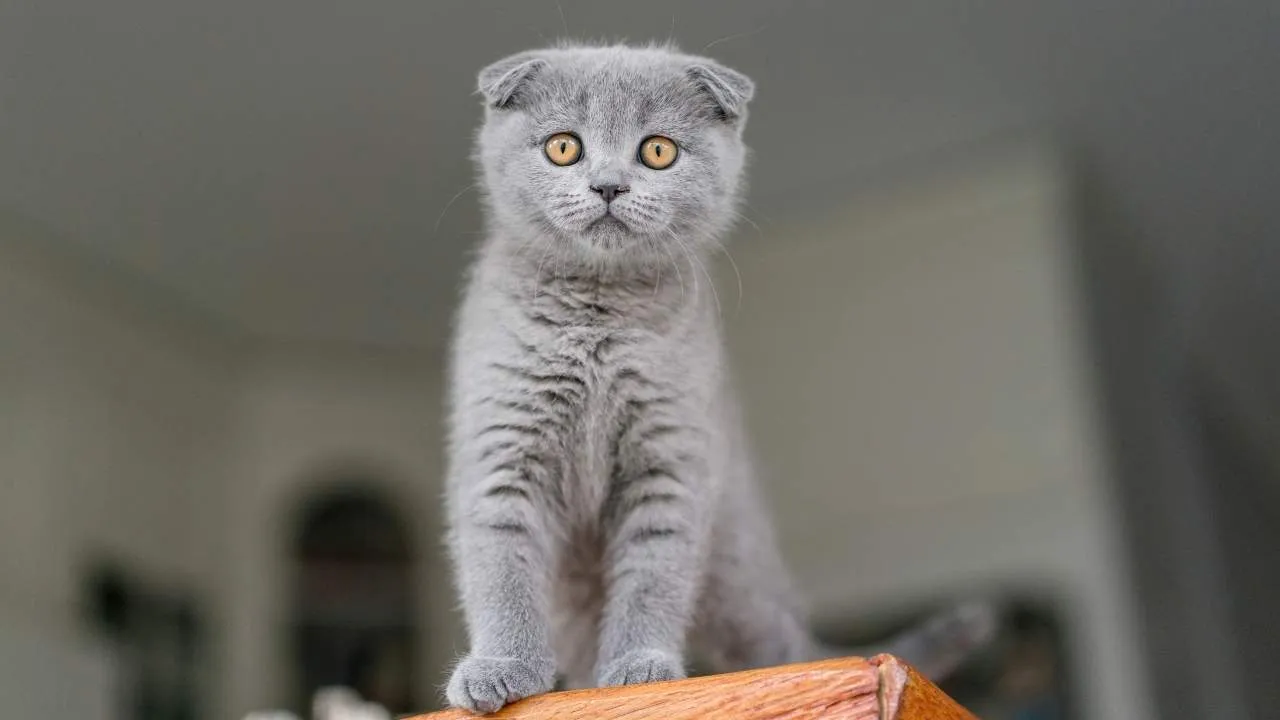
Scottish Fold cats are known for their folded ears and surprisingly soft voices. Unlike many other vocal breeds, they communicate in quiet, gentle meows that can be barely audible at times.

They use a range of soft sounds, including tiny chirps and purrs, to express themselves. While not loud, their vocal traits are still considered unusual because their sounds are delicate and subtle.
Scottish Fold cats tend to adapt their vocal behavior to their environment. Some individuals may be chatty, while others remain mostly quiet, relying on body language and eye contact.
Their calm personality, affectionate nature, and gentle meows make them excellent family pets that blend easily into homes with other pets and children.
Conclusion
This article explores how sound plays a vital role in feline communication and personality. From demanding Siamese cats to chirping Maine Coons and expressive sphynx cats, vocal traits can vary widely across cat breeds.
Vocal cats form strong bonds with humans and often rely on their voices to connect, seek attention, and share emotions. While some owners love constant chatter, others may prefer softer communication styles.
Understanding unusual vocal traits helps cat owners make informed choices and appreciate each cat’s individuality. Whether loud or gentle, each voice adds character to the bond between cats and humans.
If you enjoy conversation, companionship, and personality packed into sound, these vocal breeds may be the perfect match for your home.
