




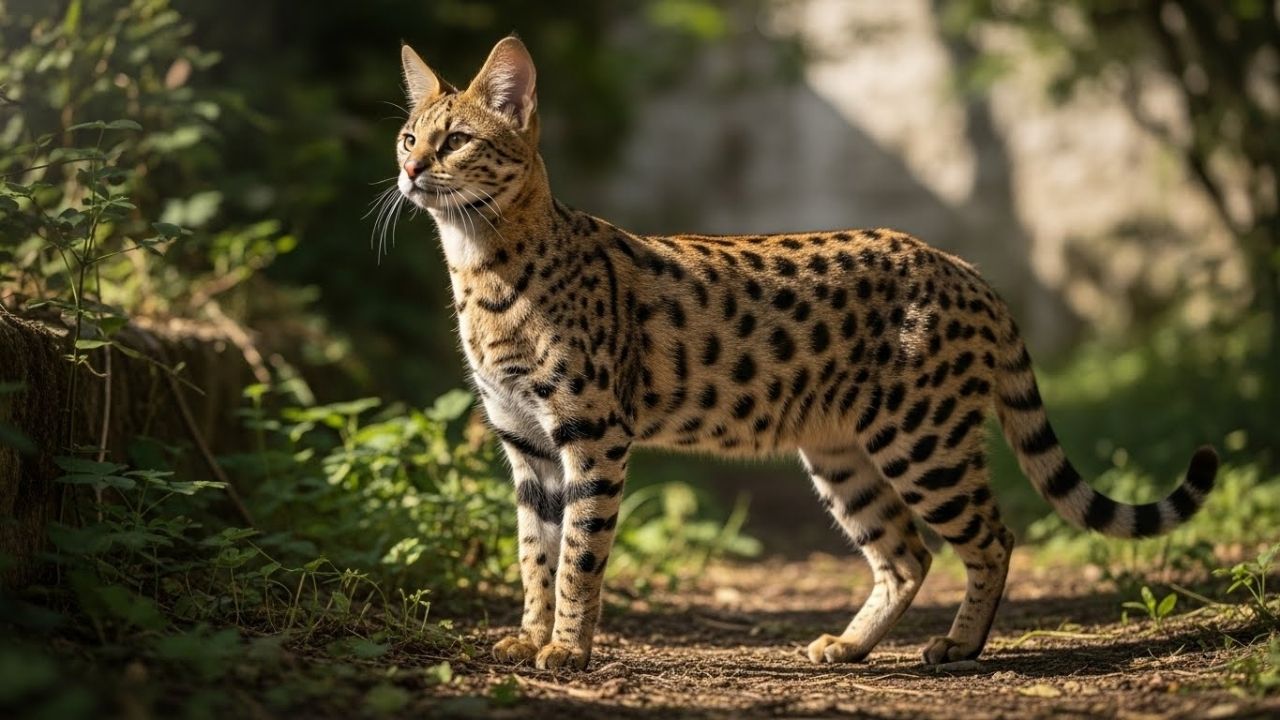
Cats have shared their lives with humans for thousands of years, yet not all cat breeds followed the same predictable path into our homes. While most domestic cats trace their ancestry back to the African wildcat, some breeds emerged through surprising twists of nature, chance encounters, or intentional experimentation by breeders. These stories are often as intriguing as the cats themselves.
From hybrid crosses with wild species to spontaneous genetic mutation, these felines challenge what we think we know about domestic cats. Some were shaped by isolation on remote islands, others by royal secrecy, and a few by sheer accident. Their unusual beginnings give them a unique appearance, temperament, or reputation that still sets them apart today.
In this blog, we explore cat breeds with distinctive origins that stand out among felines. These cats are not just pets; they are living stories shaped by geography, science, and human curiosity. Whether you are a lifelong cat enthusiast or fascinated by rare cat breeds, these remarkable origins may change the way you look at your own cat curled up on the couch.
9 Cat Breeds with Unusual Origins
1. Bengal
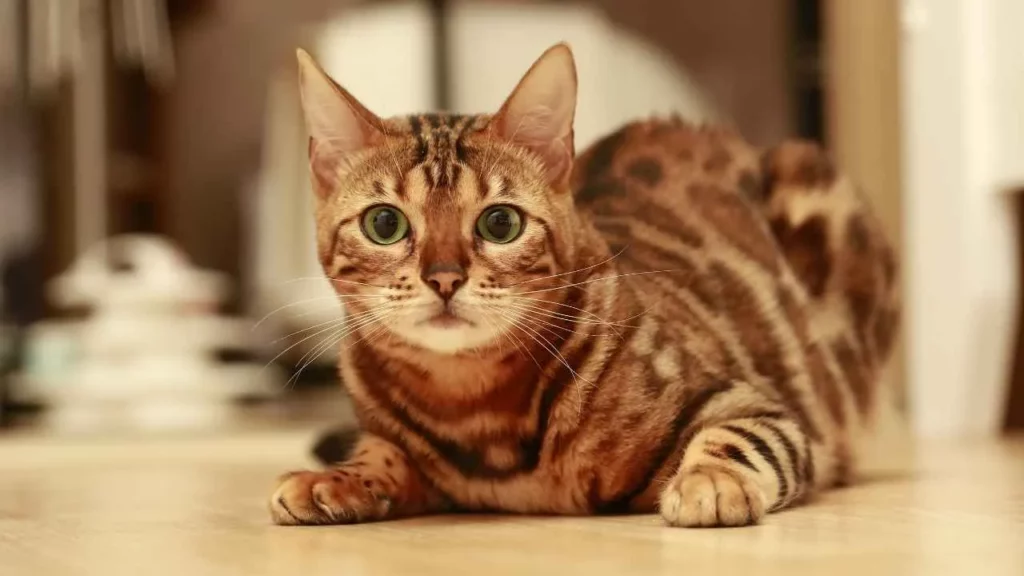
The Bengal cat has one of the most striking and unusual origin stories among modern cat species. This breed originated when American geneticist and breeder Jean Mill crossed a small wild Asian leopard cat with domestic cats. Her goal was to combine a wild appearance with a temperament suitable for human companionship.
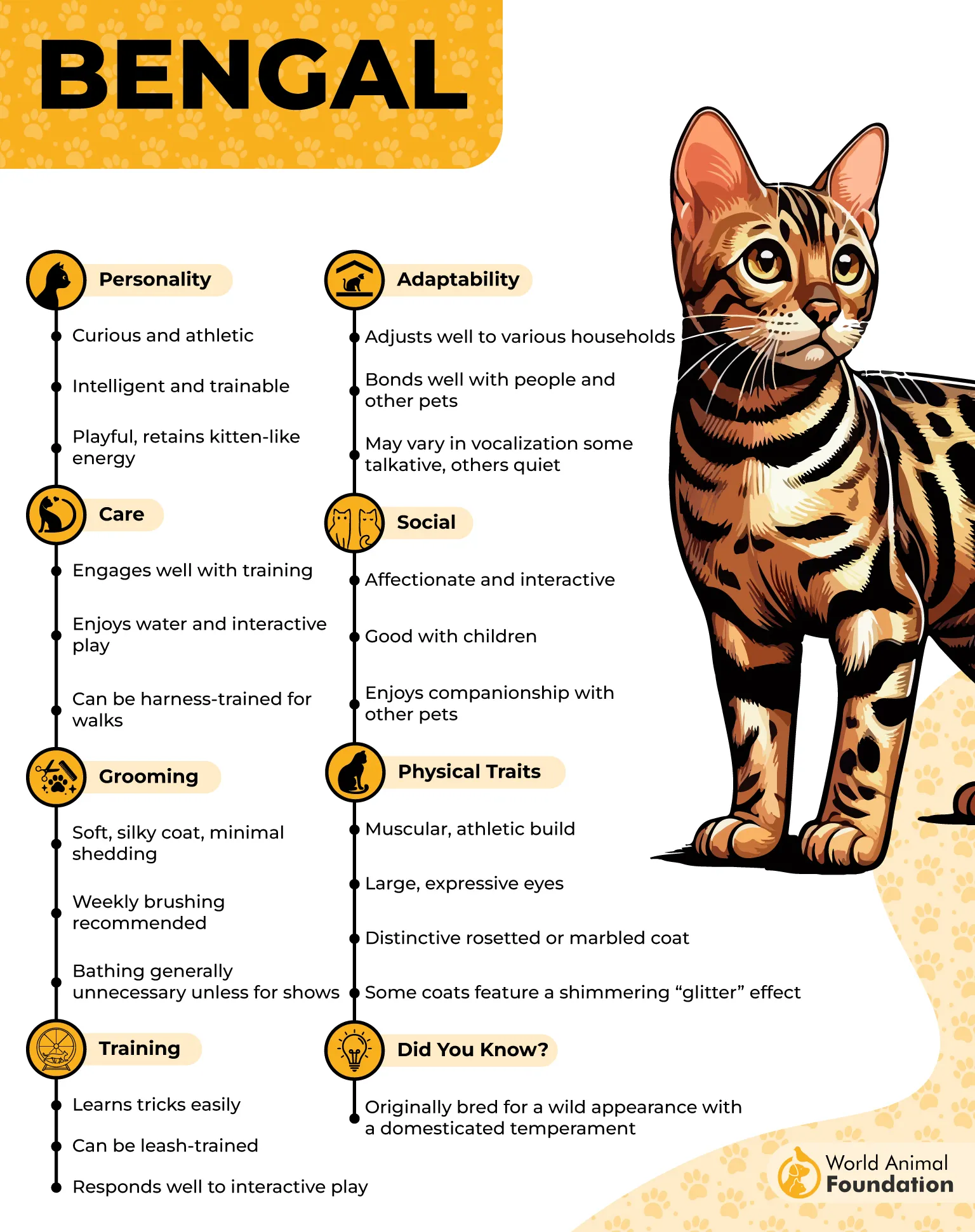
What makes this cat with a short, sleek, noncurly coat truly unique is its wild ancestry, according to PetMD. Unlike most household cats that descend from a single wild ancestor, the Bengal is a hybrid breed. Its spotted coat, muscular legs, and sleek body reflect its wild parent, while selective breeding helped soften its temperament over generations.
The early generations retained strong wild traits and required careful handling. Through selective breeding, breeders eventually developed a household cat that was affectionate, intelligent, and energetic, yet visually reminiscent of a jungle predator.
Today, the Bengal is known for its playful nature, inquisitive personality, and exotic look. It remains one of the most popular examples of how unusual origins can create a breed that feels both wild and wonderfully domestic.
2. Savannah
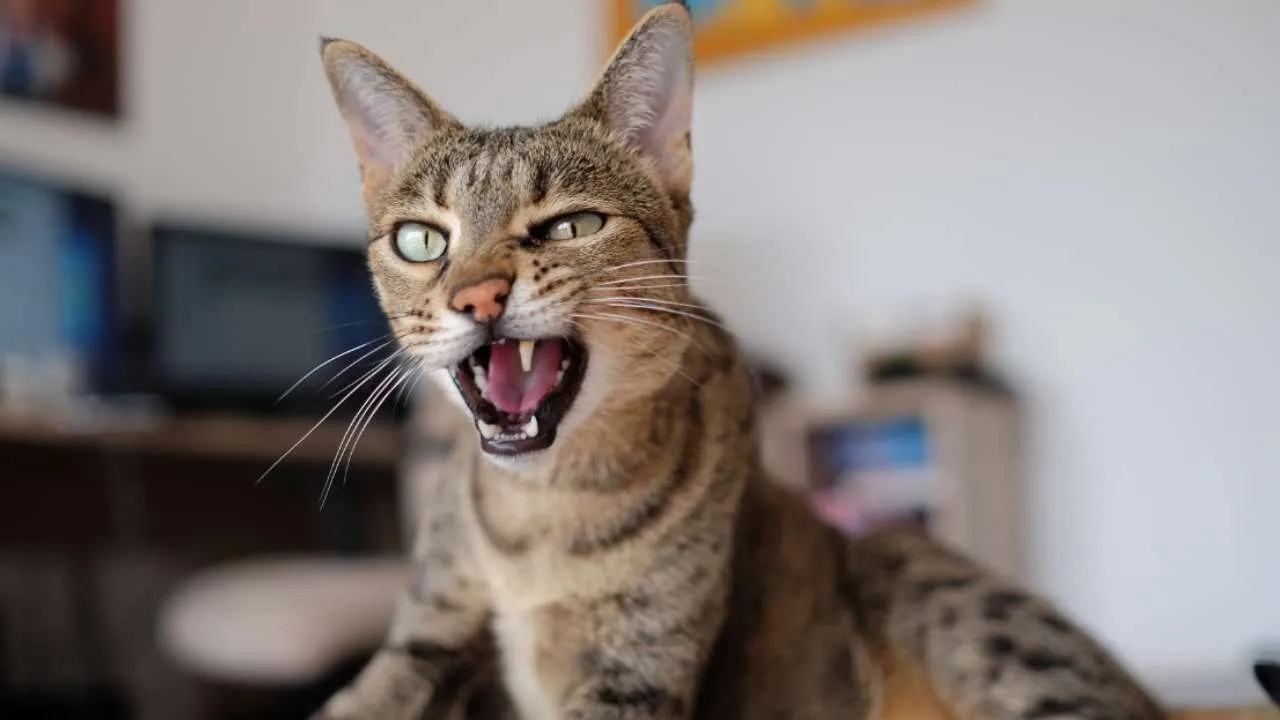
The Savannah cat has an origin that feels almost accidental. The domestic cat breed began when a Siamese household cat was unexpectedly bred with an African serval, a tall wild cat known for its long legs and large ears. The result was a kitten named Savannah, whose name later defined the entire breed.
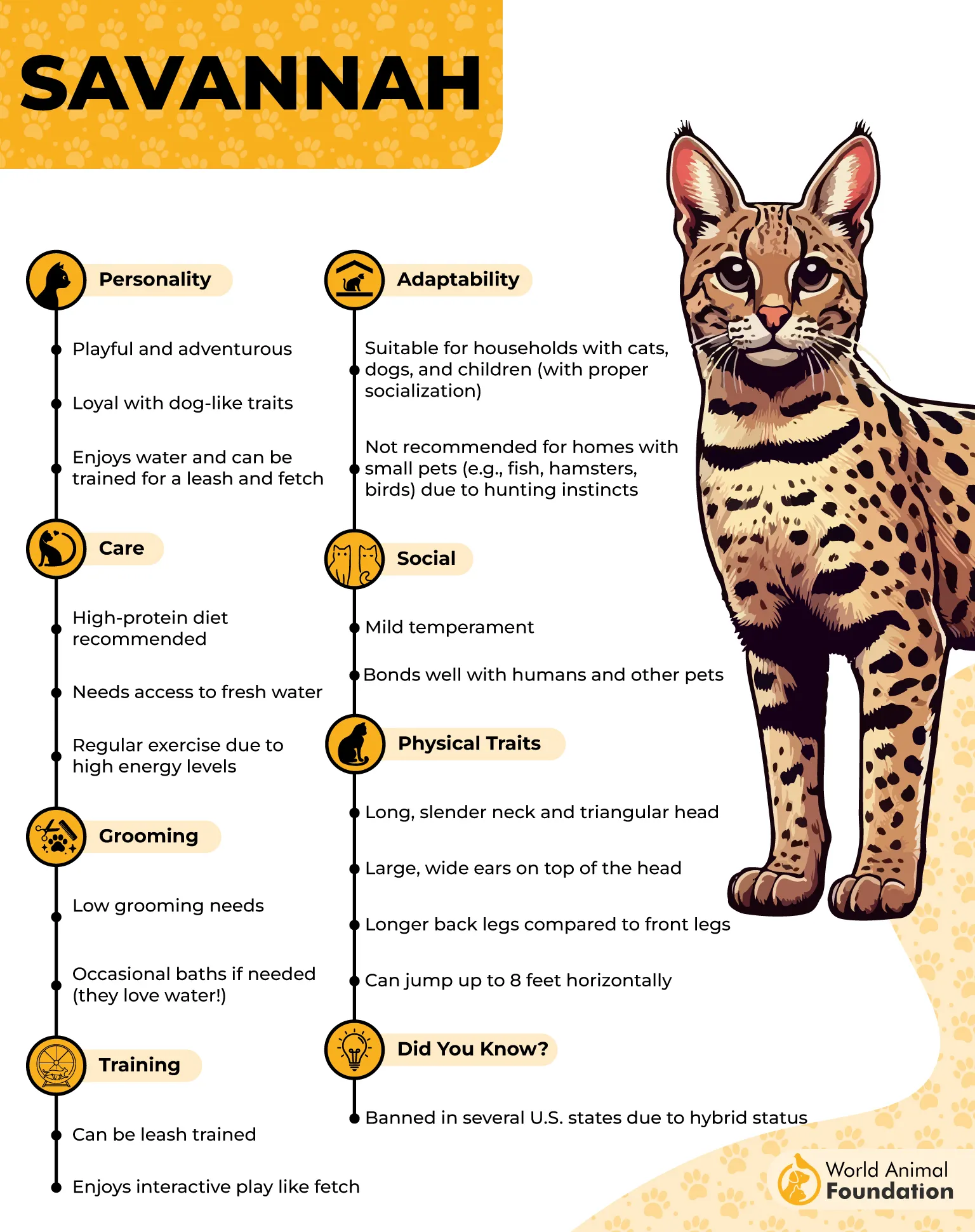
This combination produced a cat with a wild appearance, long limbs, and striking markings. Early Savannahs retained strong serval traits, making them energetic, curious, and highly intelligent. Over time, breeders refined the temperament to suit life with humans better.
Savannah cats are large cats, known for strong bonds with their owners and a love of interaction. Rather than being lap cats, they prefer play, exploration, and even leash walking. Their high energy levels make them better suited for experienced owners.
Recognized by major cat organizations after years of development, the Savannah remains a newer breed with a reputation for being bold, unusual, and unforgettable. The Cat Fanciers’ Association later granted recognition of these cats, helping standardize their breed traits and boost their popularity among domestic cats worldwide.
3. Sphynx
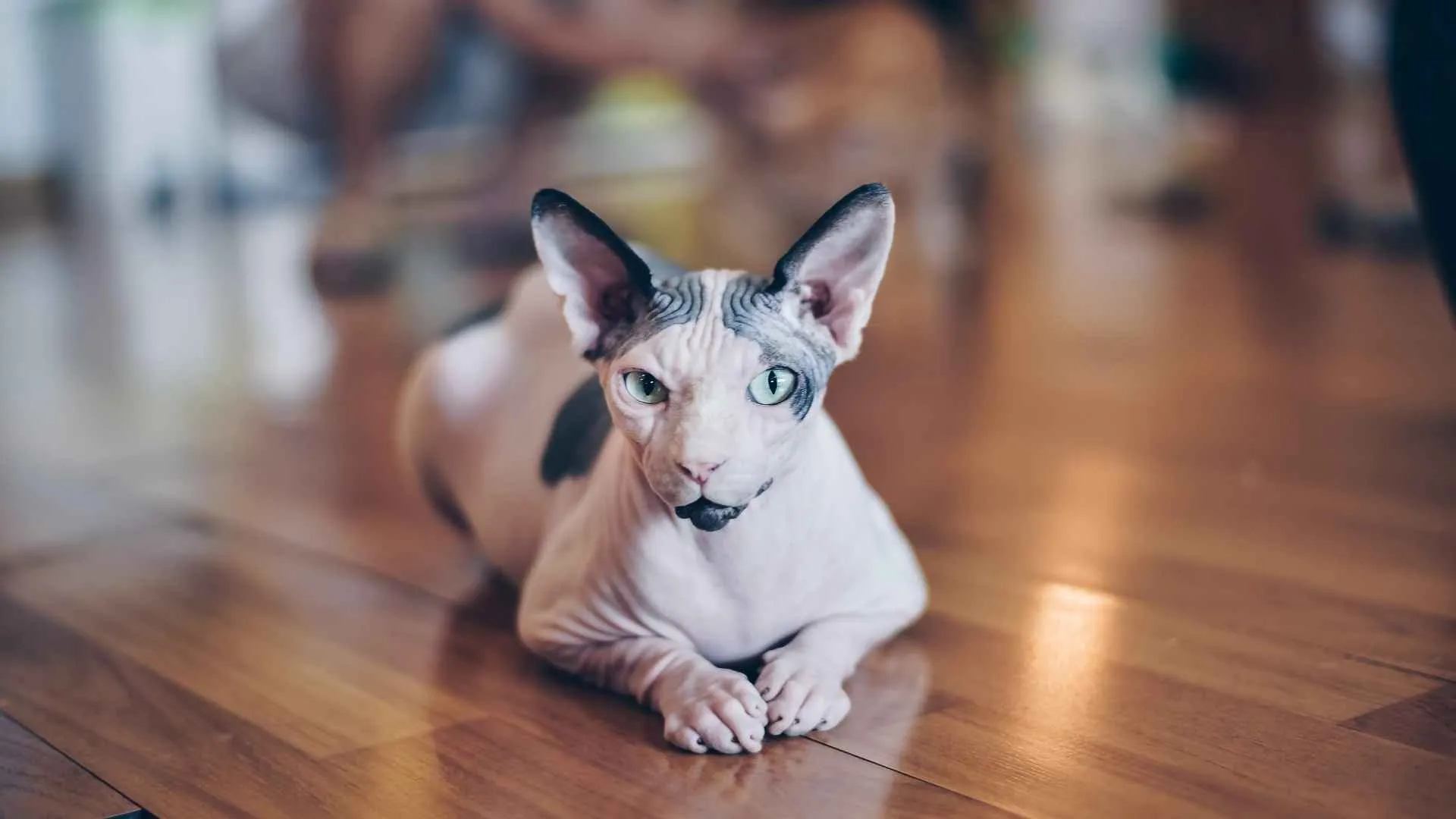
Despite its ancient-sounding name, the Sphynx cat has a very modern and unusual origin. The breed traces back to Canada, where a trained cat gave birth to a hairless kitten due to a spontaneous genetic mutation. This kitten became the foundation of what would later be known as the sphynx cat.
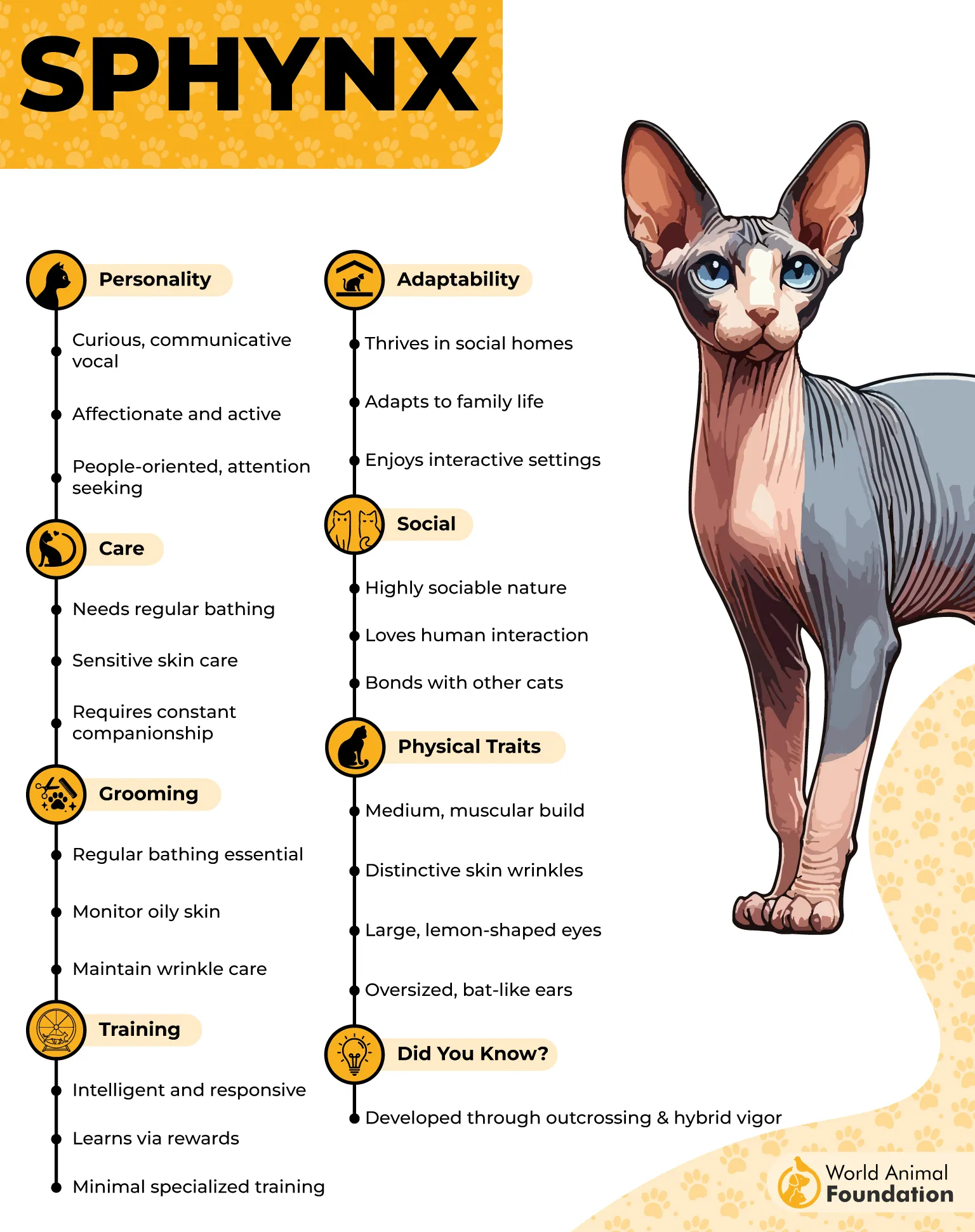
Hairless cats have appeared throughout history, but the modern hairless breed was intentionally developed through careful breeding. Early attempts faced health issues, but later discoveries of naturally hairless kittens helped stabilize the gene.
The sphynx appears completely hairless, though many have a fine layer of fuzz that feels like suede. Their exposed skin requires regular care, making them very different from other household cats.
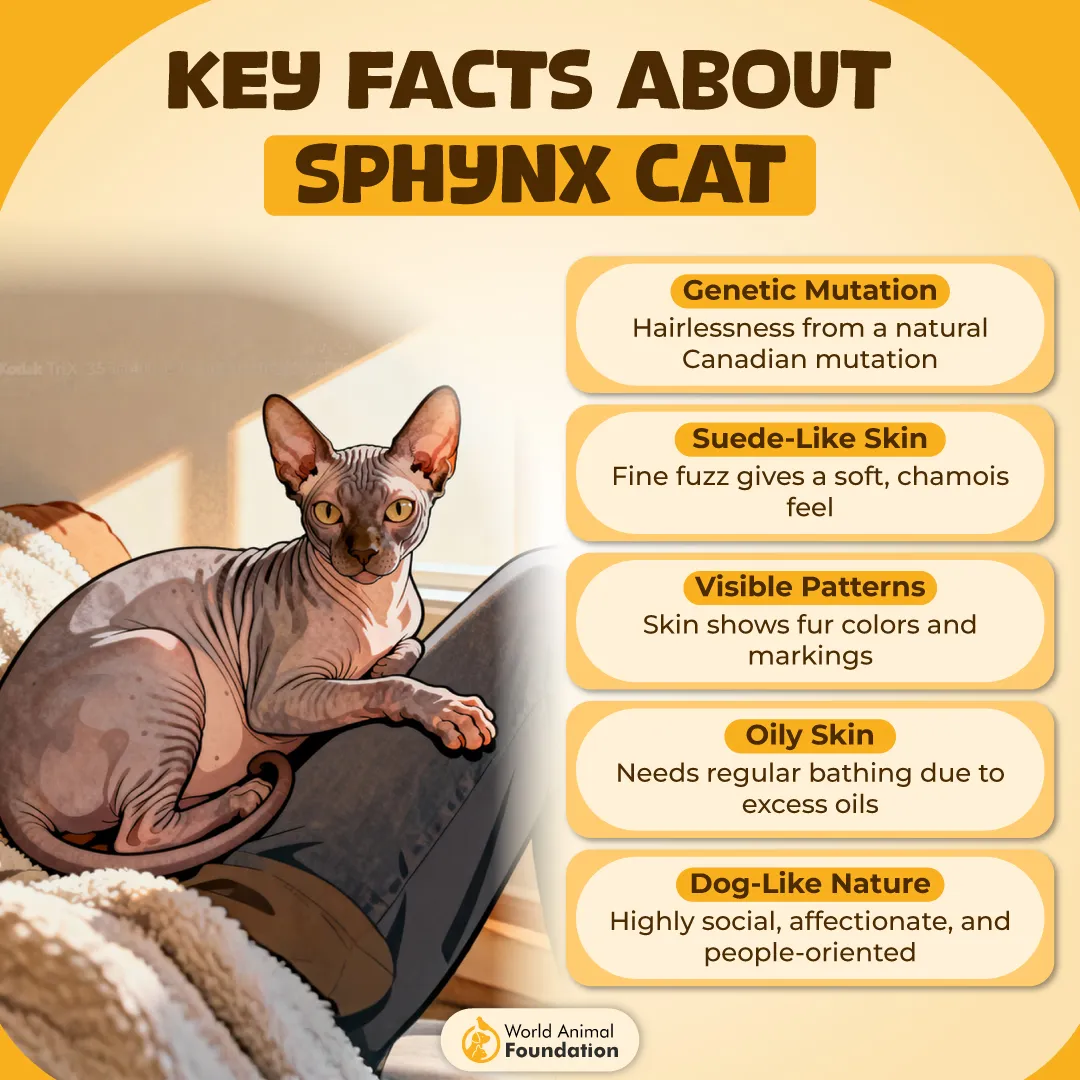
Known for their affectionate nature and love of warmth, sphynx cats often seek out human contact. These hairless cat breeds have unusual appearances and strong personalities, making them one of the most recognizable hairless cats in the world.
4. Manx
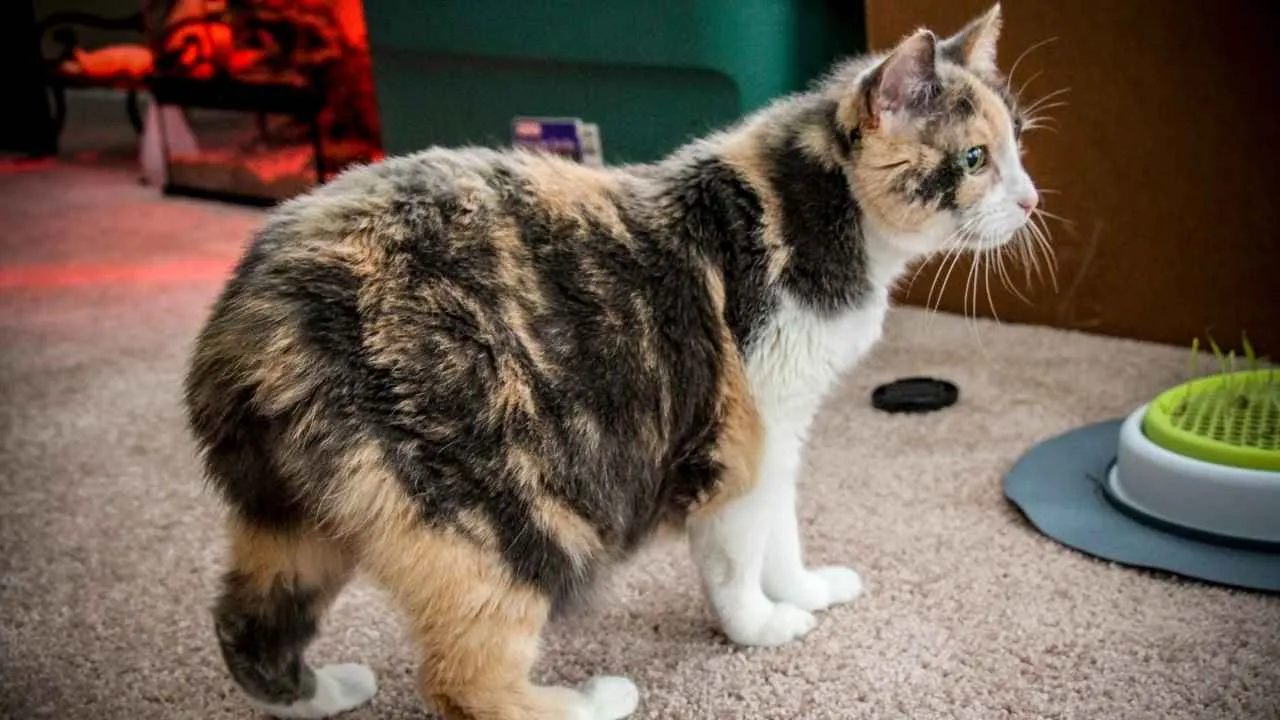
The Manx cat originated on the Isle of Man and is famous for its missing or shortened tail. This unusual trait is the result of a natural genetic mutation that spread through the island’s isolated cat population.
Folklore offers charming explanations, but science tells us the tailless feature is due to an inherited gene. Over time, this mutation became common, creating a breed unlike any other cats of its era.
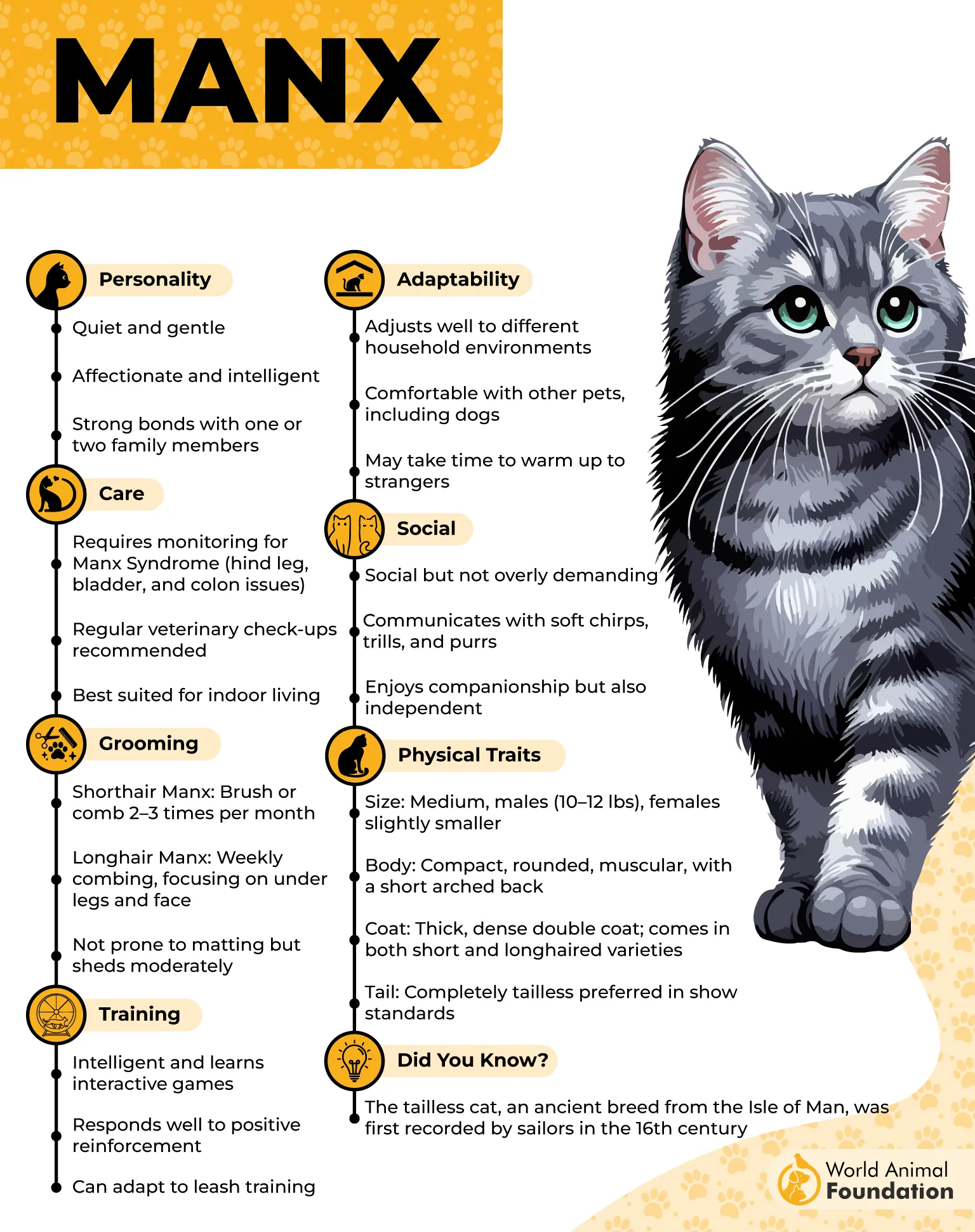
The Manx cat is a medium-sized breed, powerful and athletic, with strong back legs that give them a rabbit-like gait. Their temperament is affectionate and loyal, often compared to that of dogs.
With a long history and early recognition in cat shows, the Manx stands as one of the oldest established cat breeds with a naturally unusual origin.
5. Egyptian Mau
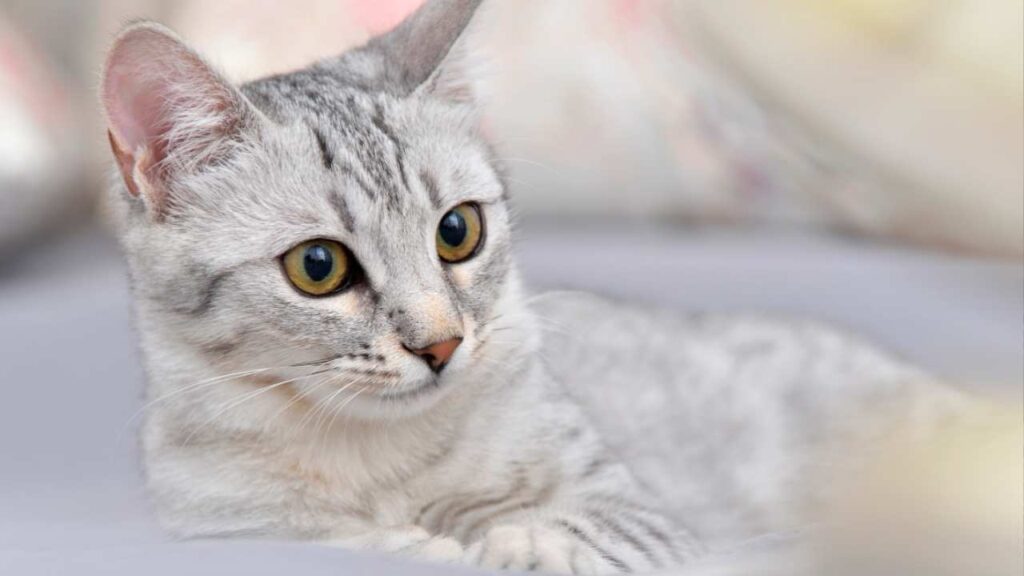
Although often associated with ancient Egypt, the modern Egyptian Mau has a surprisingly recent revival story. The breed nearly disappeared before being saved by a dedicated breeder who recognized its importance.
Cats with similar spotted coats had existed for centuries, but rebuilding the breed required careful planning. Limited foundation cats meant breeders had to introduce new bloodlines while preserving the Mau’s distinctive look.
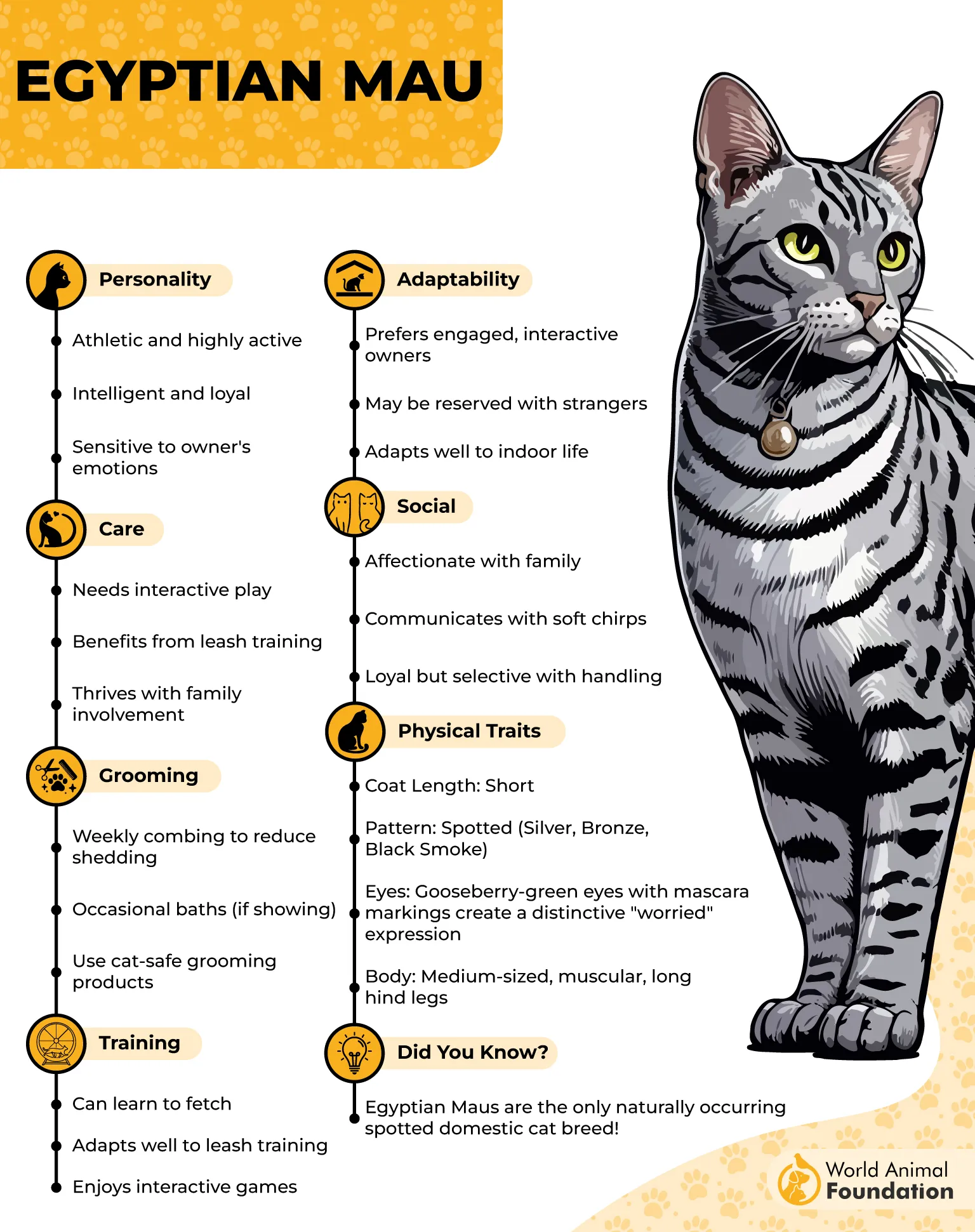
The result is a short-haired, elegant cat with natural spots and remarkable speed. Unlike many spotted cats, the Mau’s markings are not artificial but naturally occurring.
Today, the Spruce Pets says that the Egyptian Mau is admired for its intelligence, loyalty, and strong connection with humans, blending ancient roots with modern breeding success.
6. Khao Manee
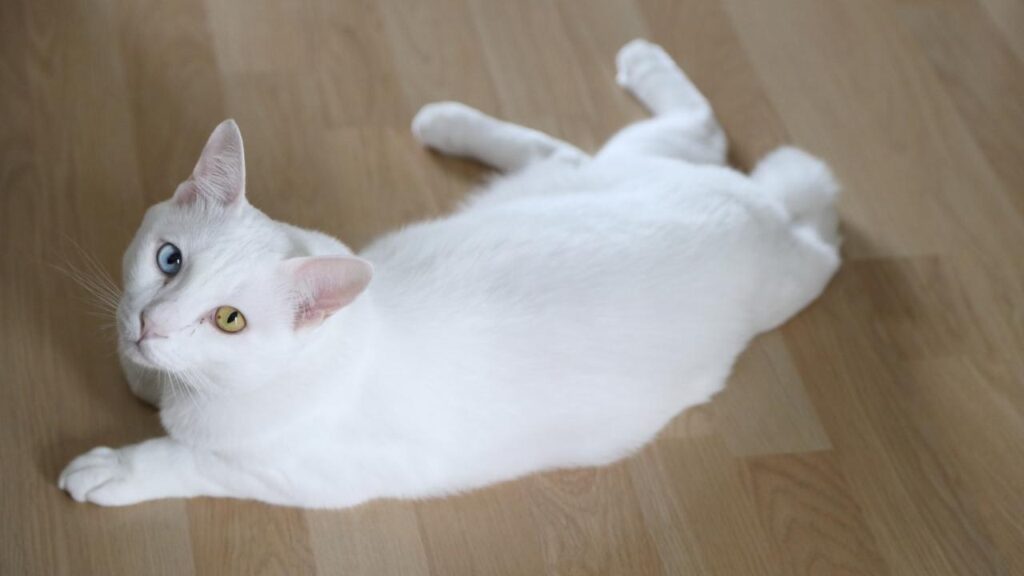
The khao manee is one of the rarest cat breeds outside its homeland. Despite its long history in Thailand, it remained hidden from the rest of the world for centuries due to royal protection.
These pure white cats with blue eyes or odd eyes were believed to bring good fortune and prosperity. Royal families carefully controlled breeding, keeping the cats out of public view.
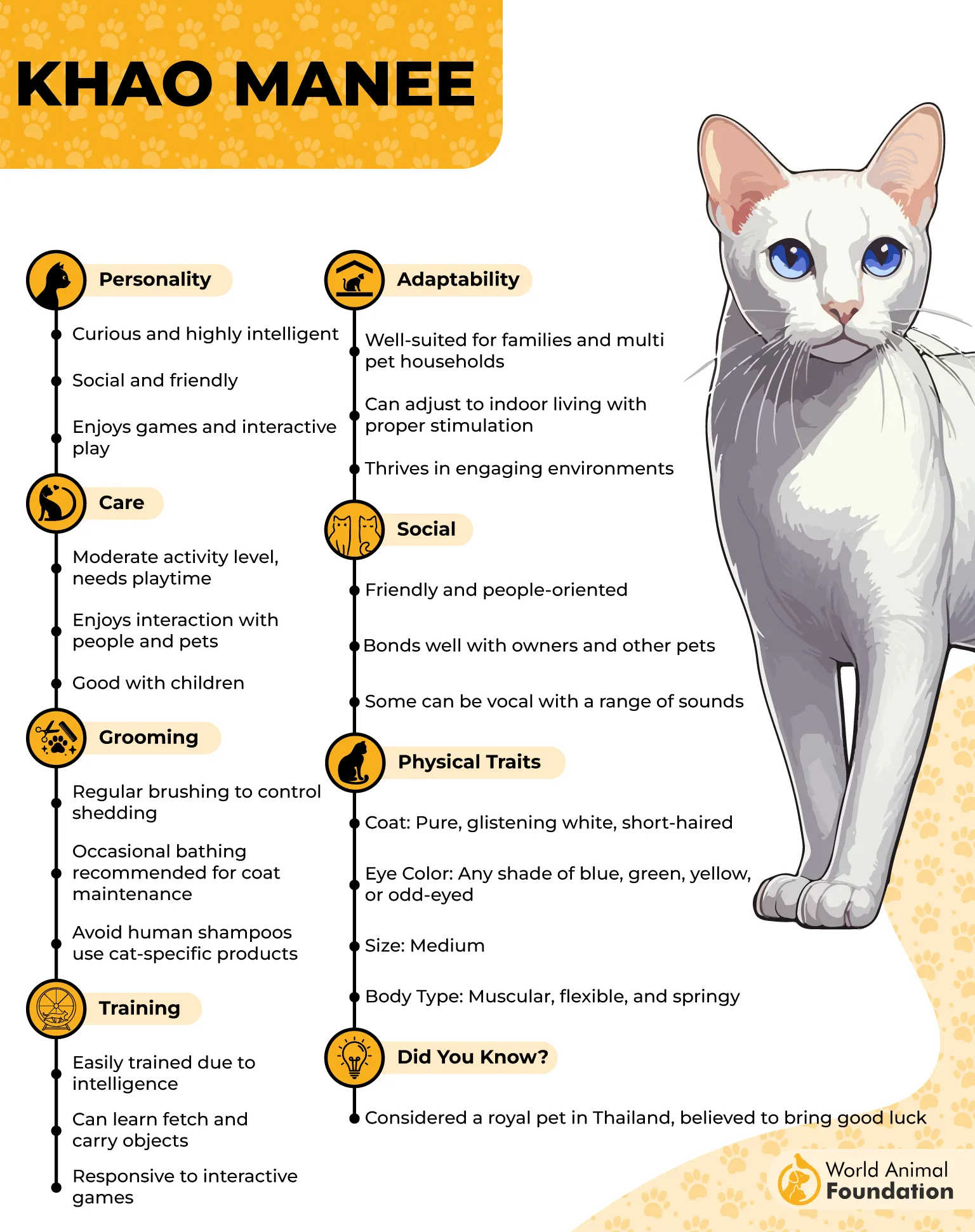
The breed originated naturally and was documented in ancient manuscripts, yet it was not introduced to Western breeders until very recently. This secrecy is what makes its origin so unusual.
Today, the khao manee is still rare, highly valued, and known for its affectionate personality and close bonds with owners.
7. Kurilian Bobtail
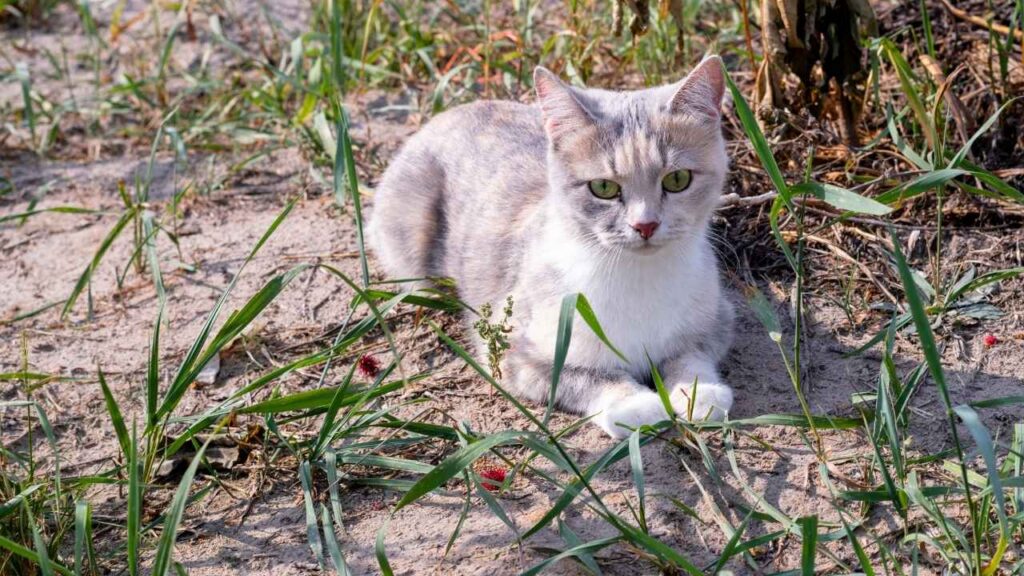
The Kurilian Bobtail developed naturally on a chain of volcanic islands between Russia and Japan. Isolated from other cats, this breed evolved a distinctive pom-pom tail through genetic mutation.
These cats were prized for their hunting skills and ability to thrive in harsh environments. Fishermen and scientists valued them as working cats capable of catching rodents and even fish.
For many years, the breed was confused with the Japanese bobtail until closer study revealed essential differences in structure and tail shape.
Now recognized internationally, the Kurilian Bobtail remains rare outside its native region and is admired for its sturdy build and calm temperament.
8. Sokoke
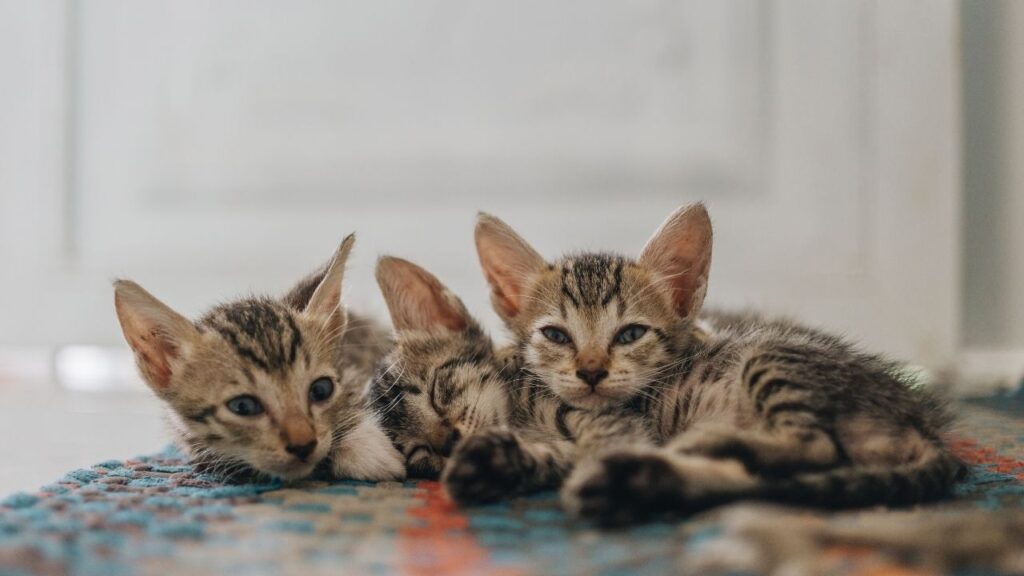
The Sokoke cat originated in a coastal forest in Kenya, making it one of the few breeds from Africa. Its unusual coat pattern resembles tree bark, providing natural camouflage in its environment.
Discovered by chance, the breed was later preserved through human intervention. Without this effort, Sokoke cats may have disappeared entirely from the wild.
This short-haired breed retains a strong connection to its natural roots and displays high intelligence and independence.
Sokokes are rare and treasured for their unique appearance and strong link to their original habitat.
9. Mekong Bobtail
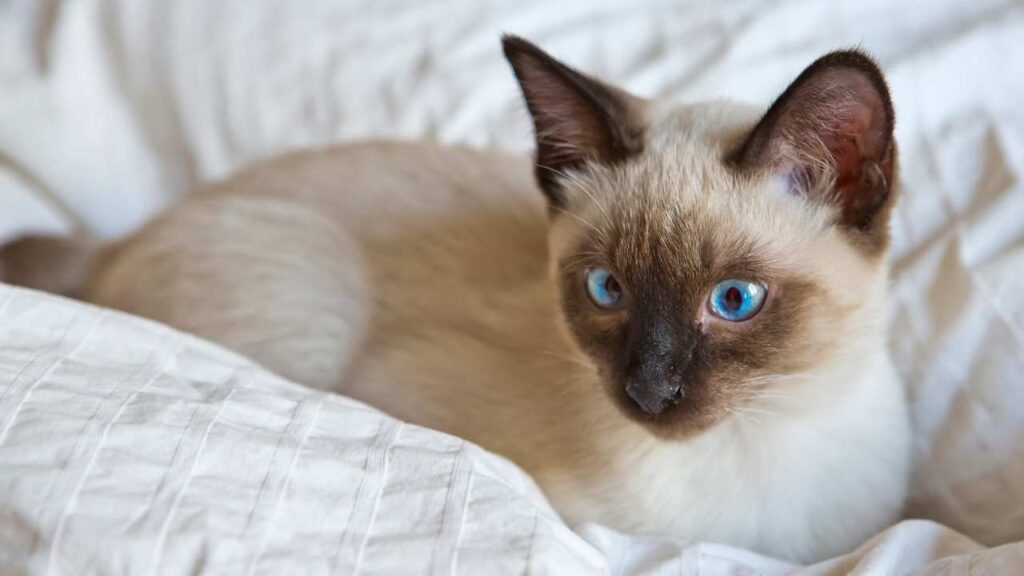
The Mekong Bobtail is a rare breed from Southeast Asia, known for its short, kinked tail. Legends claim these tails were used by royalty to hold jewelry, adding charm to their origin story.
These cats traveled from Asia to Europe through diplomatic gifts, eventually finding a new home in Russia, where the breed was refined and standardized.
Unlike some bobtail breeds, the Mekong Bobtail is sleek, elegant, and highly social. Its short coat requires minimal grooming.
Still rare outside specific regions, this breed stands out for its health, loyalty, and fascinating journey across continents.
Conclusion
Cat breeds with distinctive origins remind us that the cat’s story is far from ordinary. Through genetic mutation, isolation, human curiosity, and even royal secrecy, these felines emerged in unexpected ways.
Each breed tells a story shaped by environment, culture, and chance. From hairless cats born in Canada to wild hybrids and island-born bobtails, their origins challenge traditional ideas about domestic cats.
For owners and breeders alike, these cats offer more than companionship. They provide a living connection to nature, history, and innovation. The Scottish Fold breed, Norwegian Forest cats, Jungle Cats, Ragamuffin cats, and Korat cats also have unusual origins and stand out among modern cat breeds for their unique appearance and gentle temperament. Some of them make great family pets, too.
Whether rare, wild-looking, or simply different, these unusual cats prove that the world of felines is as diverse and fascinating as the humans who love them.
