




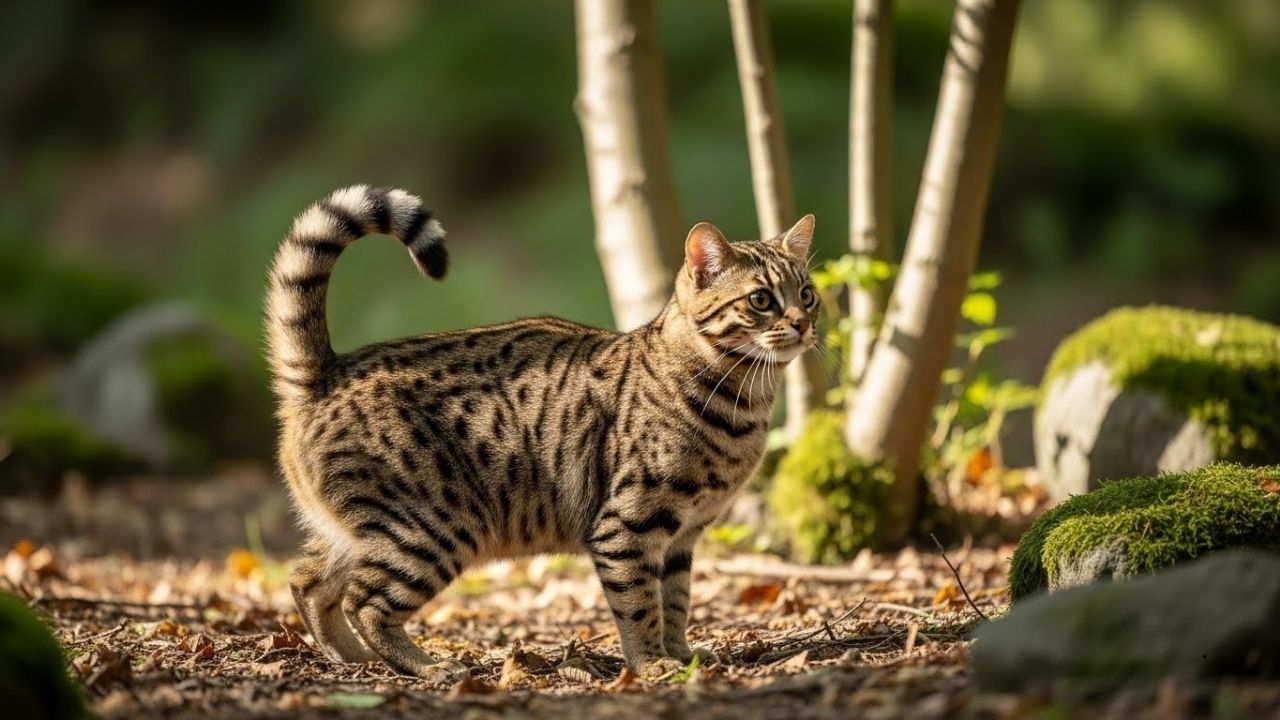
A cat’s tail is more than a balancing tool—it’s a form of expression, history, and individuality. Some breeds are especially fascinating for the way their tails move, curl, flick, or bob, creating a visual language that sets them apart from other felines.
These unique tail movements often reflect generations of natural development or selective breeding, resulting in cats whose silhouettes are instantly recognizable and endlessly charming.
Among the most captivating are cats whose tails are naturally short, kinked, or curved, with no two exactly alike. These tails may resemble pom-poms, hooks, or gentle zigzags, and they move with remarkable precision during play, hunting, or moments of excitement.
Paired with athletic builds and sharp intelligence, these cats are rarely still, using both body and tail to communicate mood and intent.
Beyond their physical traits, cats with distinctive tail movements tend to be active, engaging companions. They balance affection with independence, adapt well to families, and thrive in interactive environments. In this article, we’ll explore cat breeds whose expressive tails make them as entertaining as they are unforgettable.
Cat Breeds with Unique Tail Movements
1. Japanese Bobtail
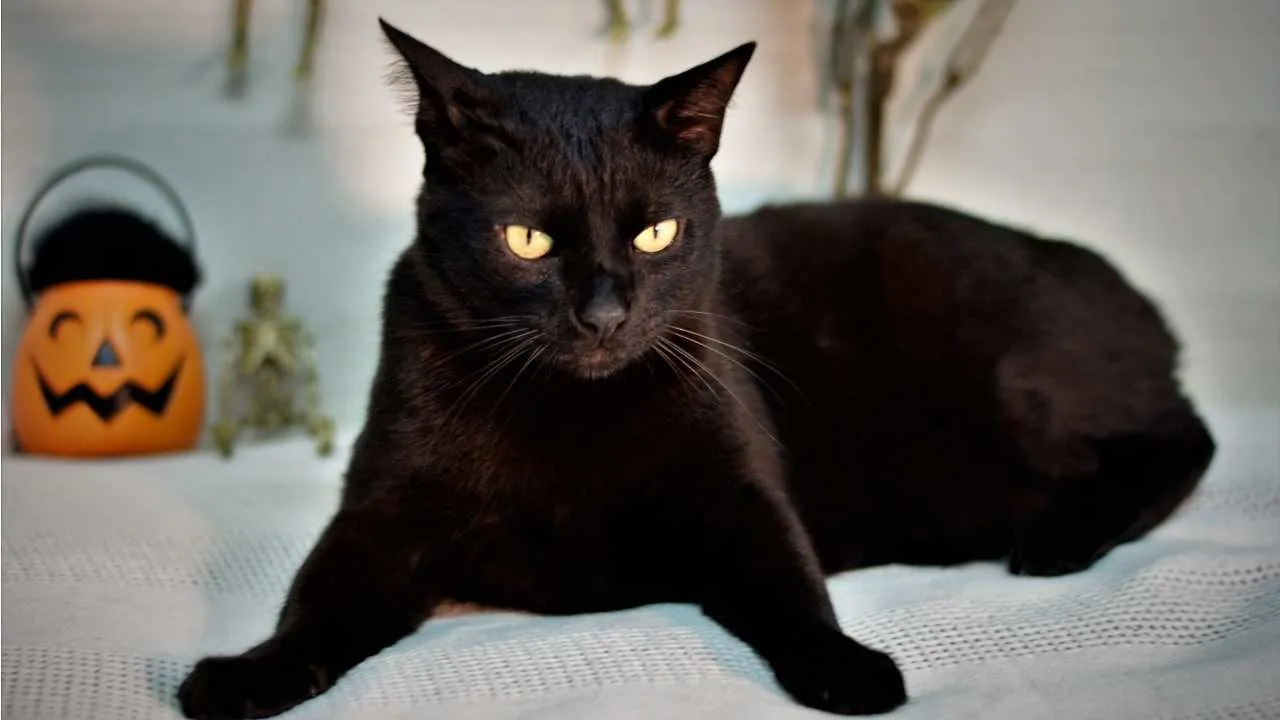
Also known as Japan’s good luck cat, the Japanese Bobtail is an ancient natural breed recognized for its chiseled features, elegant lines, and distinctive pom-pom tail.
According to Britannica, the Japanese bobtail is a short-haired cat breed recognized for its powder-puff tail, quirky behavior, and an agile, curious nature.
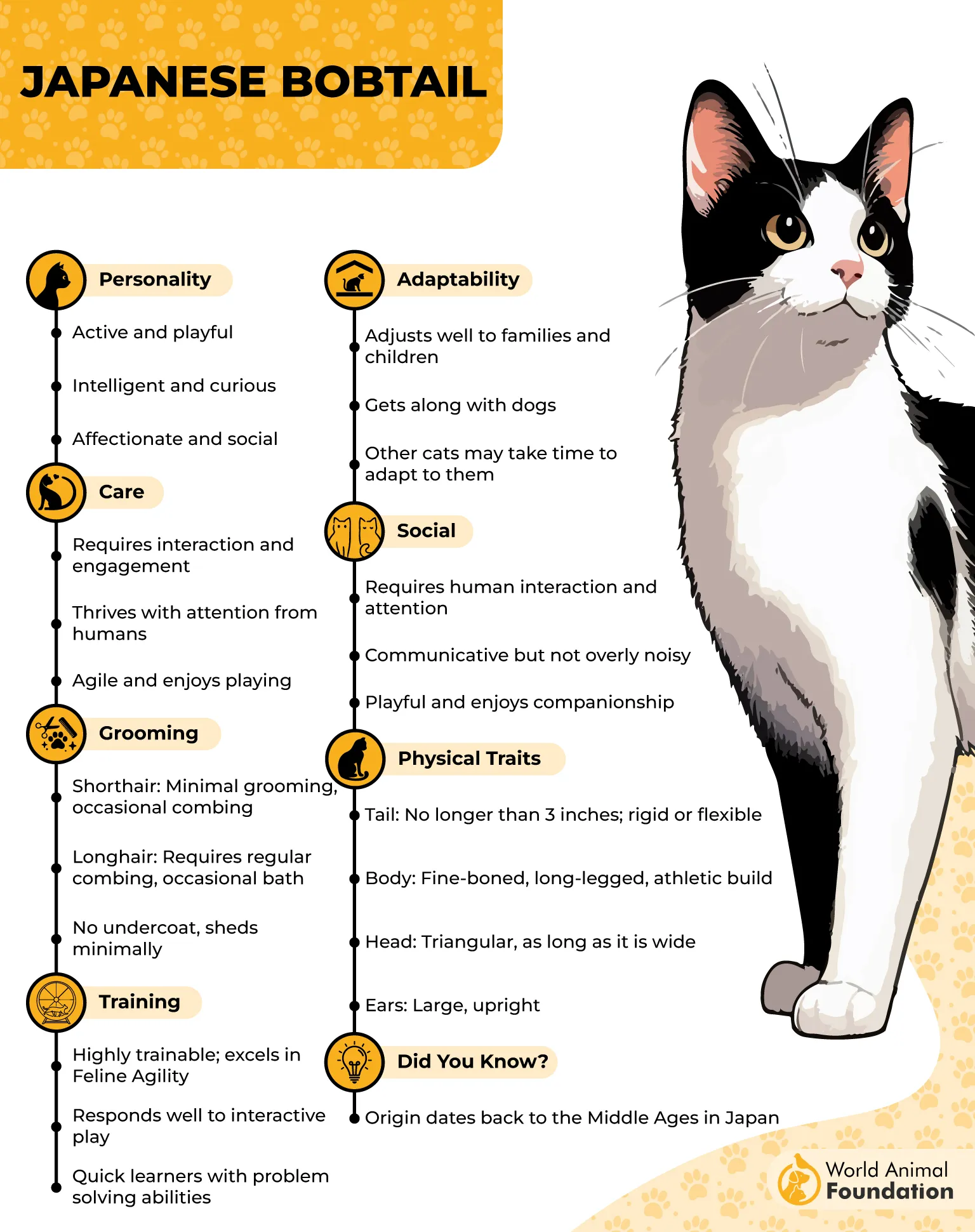
What truly defines the Japanese Bobtail is its short, kinked tail made up of curves and angles, forming a unique shape no two cats share. This expressive tail moves differently from long tails, emphasizing posture, body language, and vocal cues to communicate mood and intent.
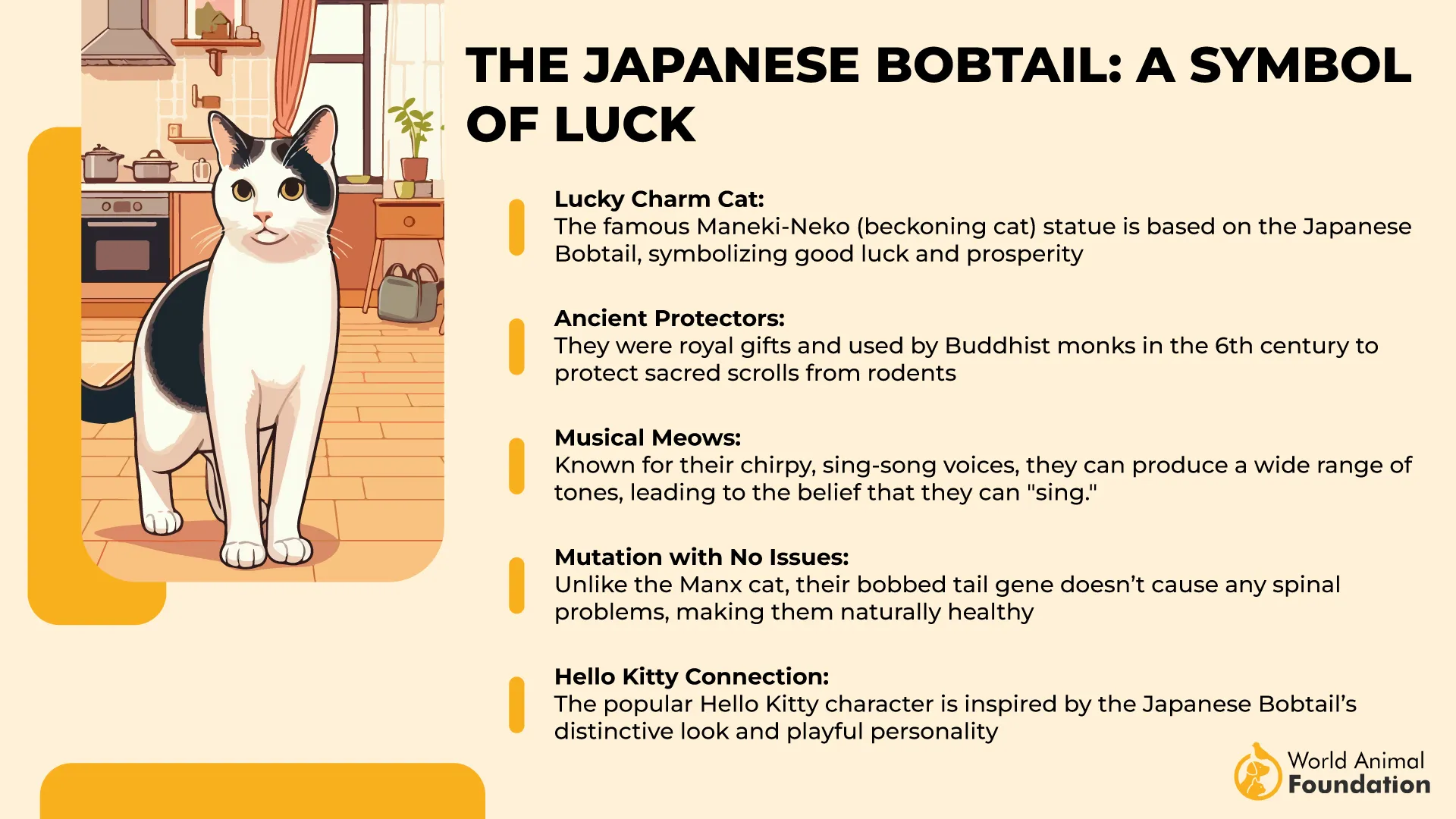
Because their tails don’t rely on sweeping motions, Japanese Bobtails use their entire bodies to signal excitement, curiosity, or focus. Their strong hind legs and athletic build allow them to remain agile, proving that a tail is more than just a balancing tool—it’s part of a broader communication system.
Their history and form make them unforgettable companions.
Fun fact: Every Japanese Bobtail’s tail is unique, often compared to a fingerprint due to its individual pattern of kinks and curves.
2. Manx
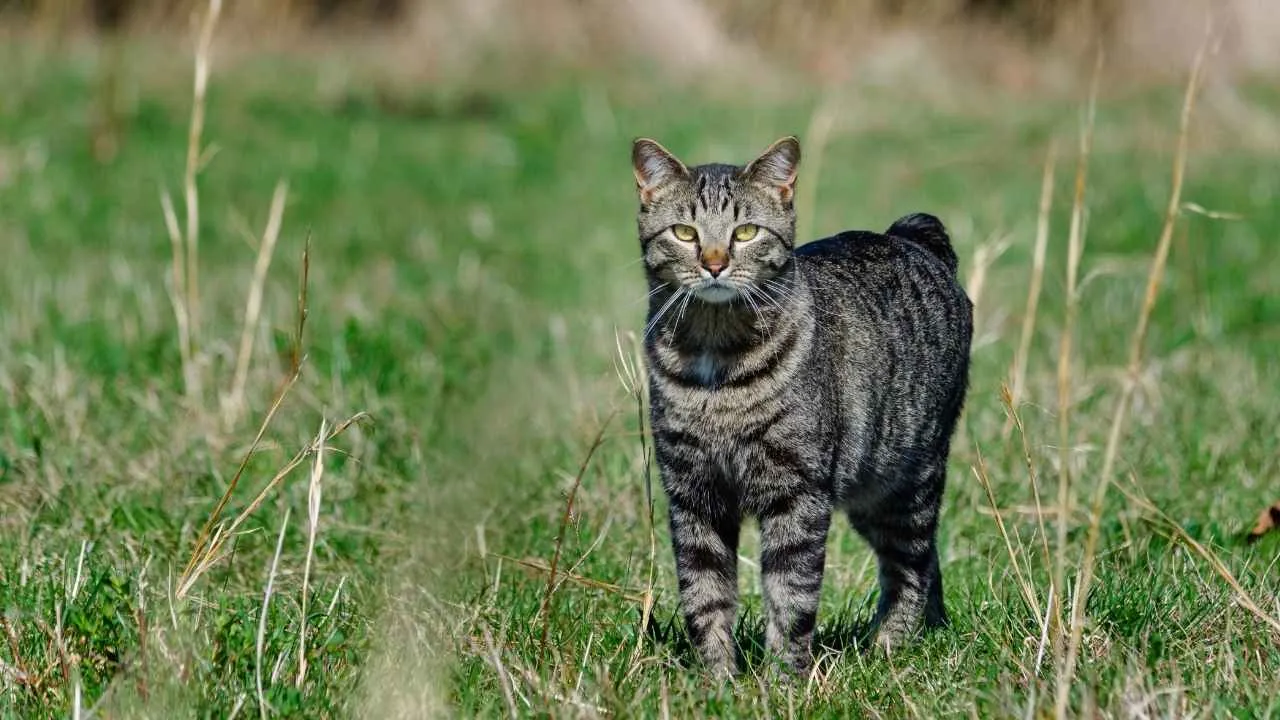
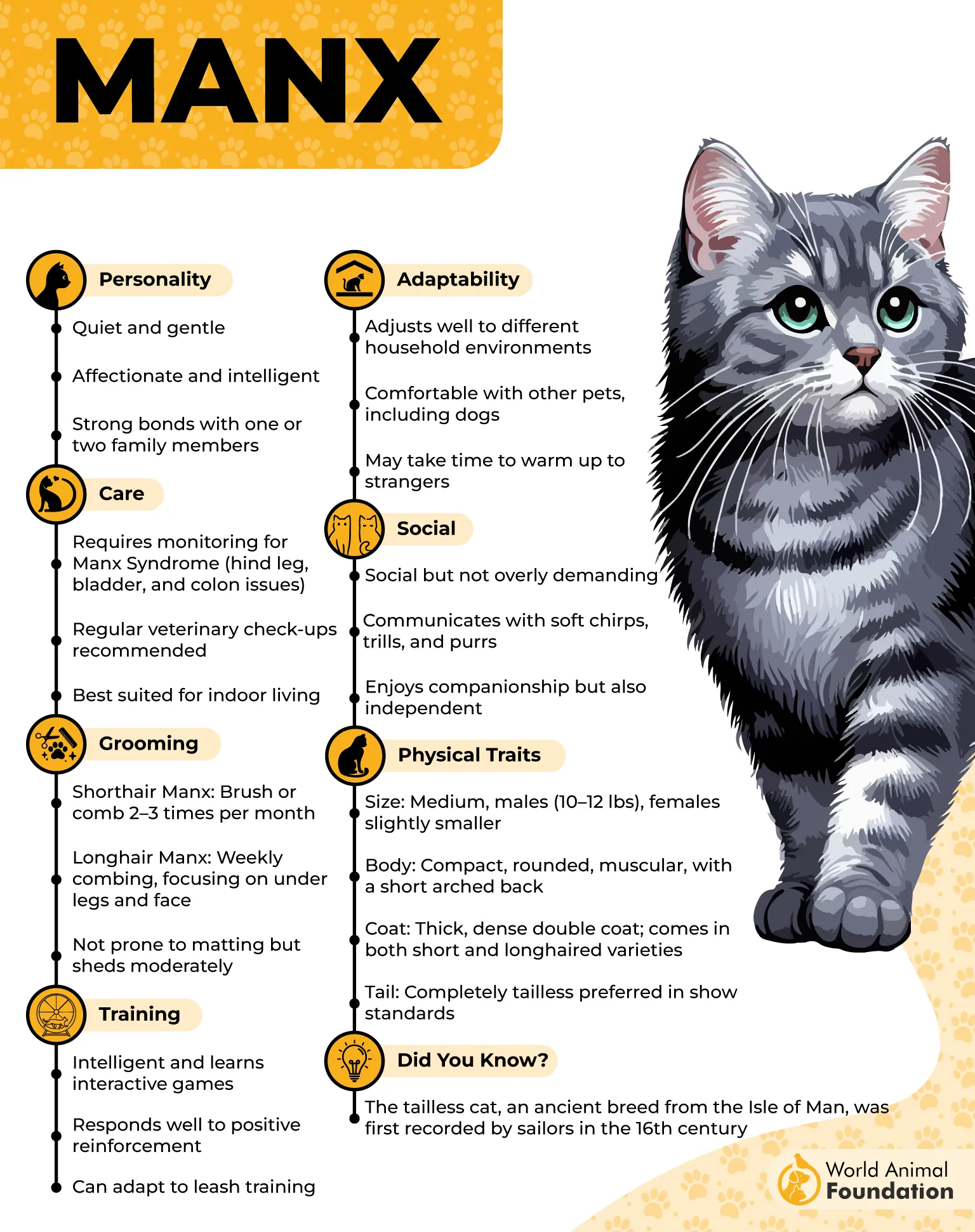
Also known historically as the Manks cat, the Manx is an ancient breed from the Isle of Man, famous for its naturally tailless or short-tailed appearance.
According to PetMD, the Manx—surrounded by many whimsical origin stories—is an ancient cat breed that comes from the Isle of Man. Variations range from completely tailless “rumpy” cats to short-stubbed “stubbin” types, each shaped by a genetic mutation.
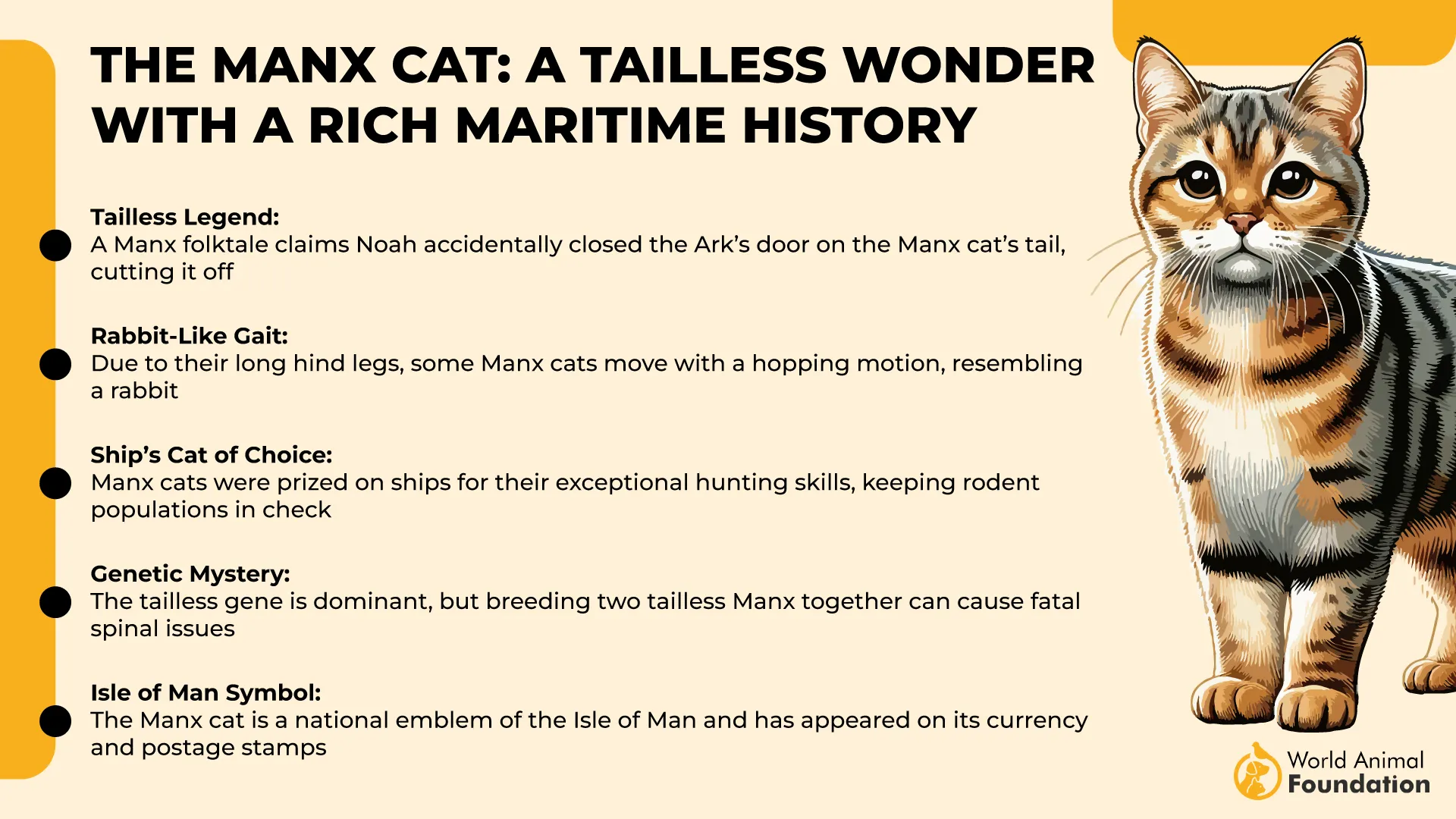
Because of their shortened or absent tails, Manx cats communicate heavily through body posture and subtle movements. Their rounded backs, powerful hind legs, and expressive stances help signal excitement, caution, or playfulness in ways other cats convey with tail flicks.
Observing a Manx closely reveals how posture replaces tail language. Shifts in weight, ear positioning, and energetic hops often indicate mood or intent, making them surprisingly expressive despite the lack of a traditional tail.
Understanding these movements helps owners better interpret their behavior and emotions.
Fun fact: The Manx tail mutation originated naturally on the Isle of Man and was first recorded by sailors as early as the sixteenth century.
3. American Bobtail
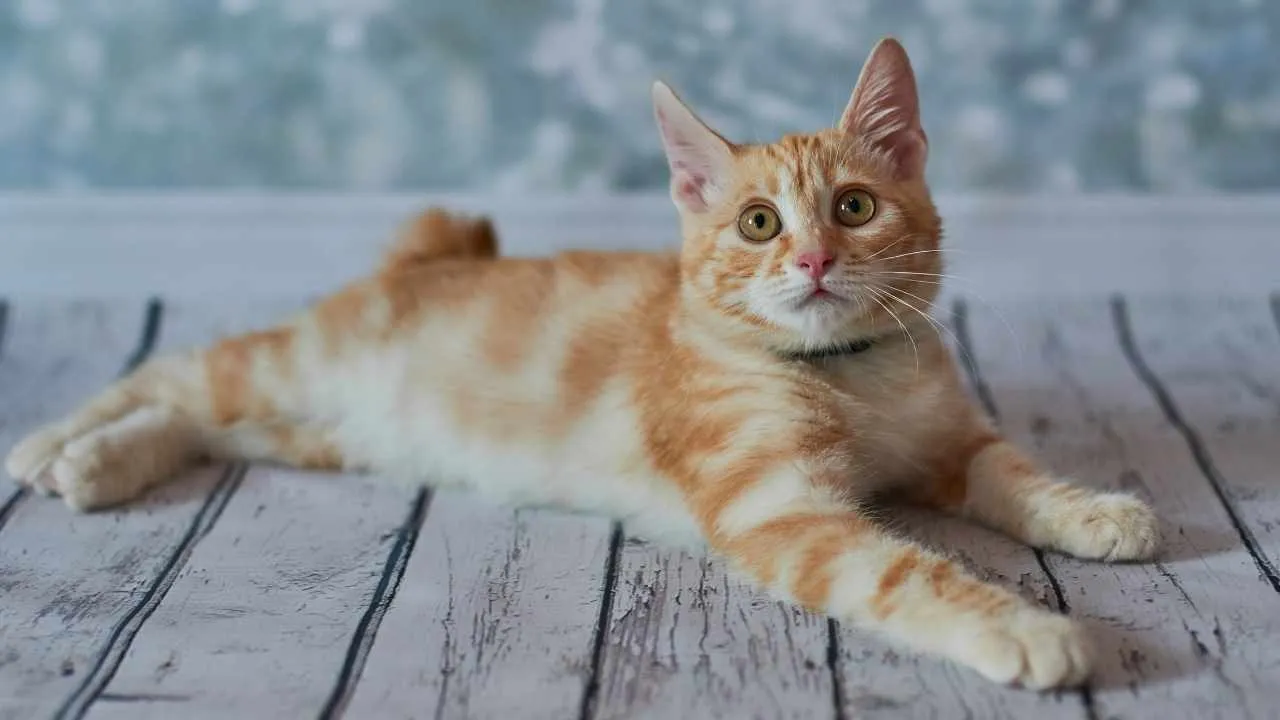
Also known as the Am-Bob, the American Bobtail is a distinctly American breed developed in the late 1960s and recognized for its naturally short, expressive tail.
According to WebMD, American Bobtails are affectionate and make an ideal cat for families. This tail varies in length and shape, giving each cat a one-of-a-kind silhouette rooted in a dominant genetic mutation.
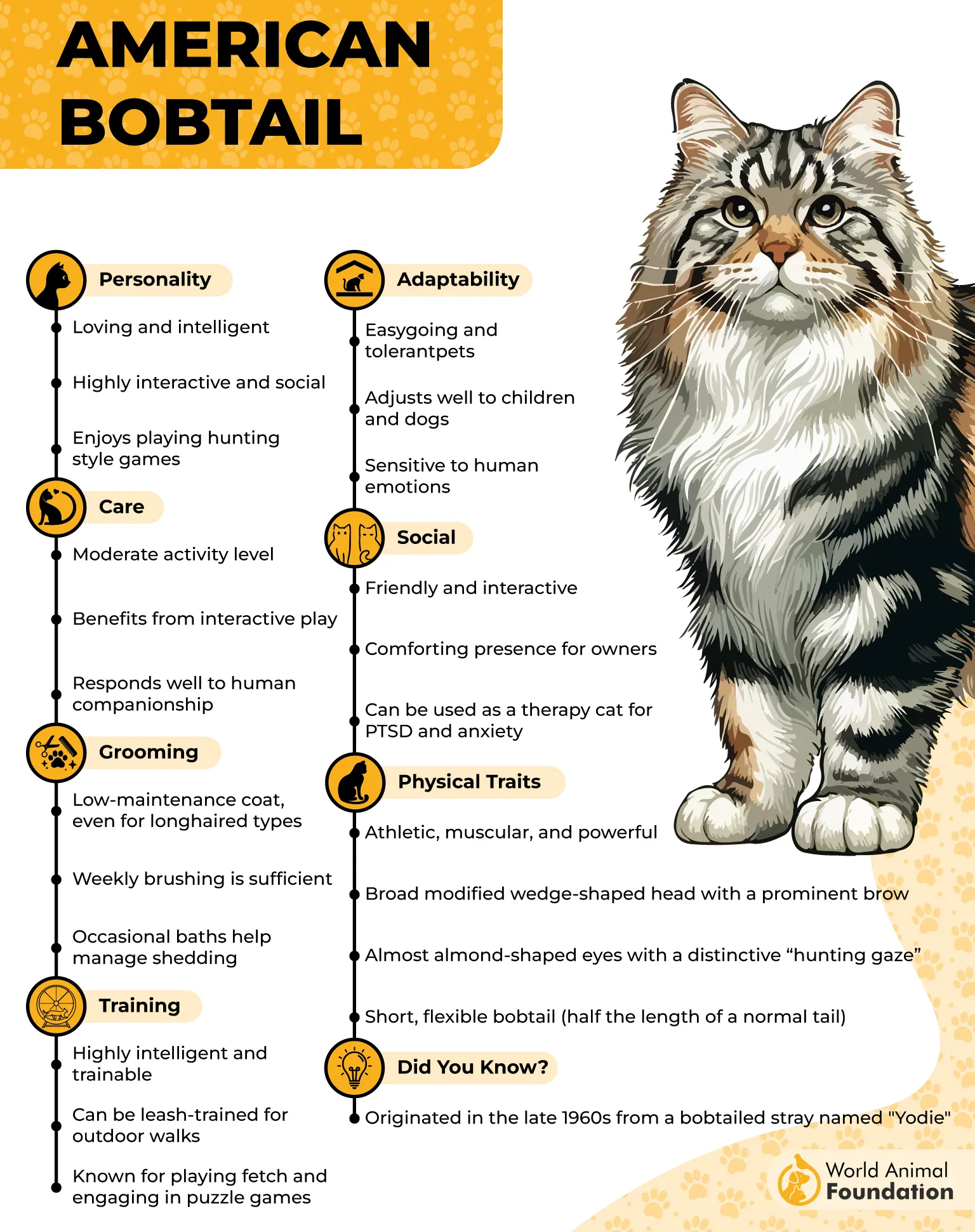
When observing playful versus purposeful tail movements, the American Bobtail offers both. During play, the tail often flicks and twitches energetically, signaling excitement or anticipation, especially in kittens known for their high activity levels.
In calmer moments, the tail becomes a tool for communication rather than motion. Subtle sways or gentle lifts often accompany social interactions, reflecting the breed’s dog-like tendency to greet people, seek affection, and stay engaged with its surroundings.
Highly adaptable and curious, the American Bobtail uses its tail as part of its expressive body language while exploring, climbing, or stalking toys.
Fun fact: The breed was developed from unrelated feral bobtailed cats across the U.S. and Canada, making it one of the CFA’s most genetically diverse breeds.
4. Kurilian Bobtail
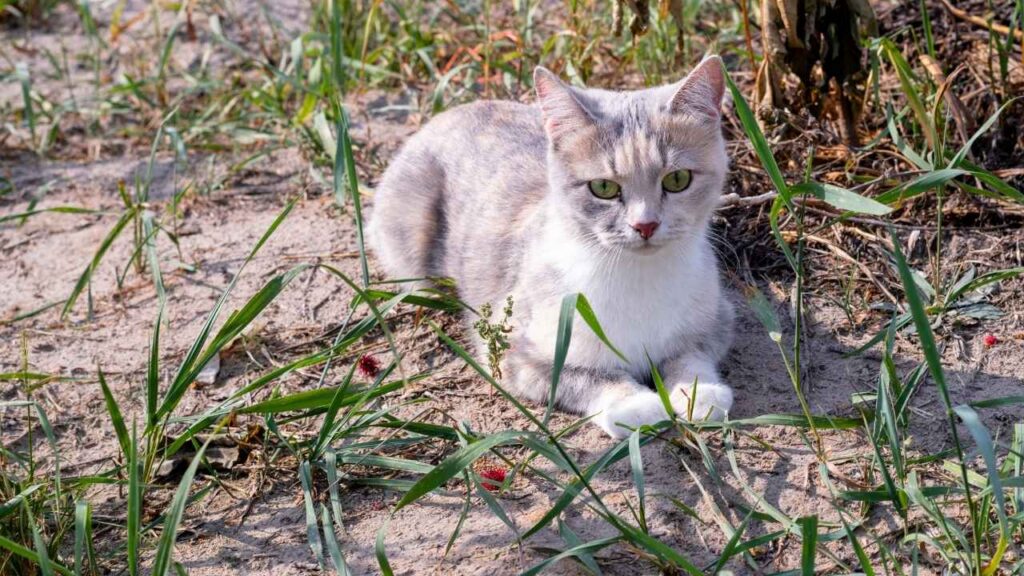
Also known as the Kuril Bobtail, Kuril Islands Bobtail, or Kurilsk Bobtail, this breed originates from Russia’s Kuril Islands and has existed naturally for over 200 years. Its most defining feature is a short, bobbed tail made up of curves, kinks, or spiral shapes, with no two tails alike.
The Kurilian Bobtail’s tail shape and motion are the result of natural genetic development rather than human-directed breeding. These inherited traits influence how the tail moves—often expressive, springy, and tightly curled—highlighting the role genetics play in both structure and motion.
Strong hind legs paired with the bobbed tail give this breed a distinctive gait and impressive jumping ability. The tail acts as part of the cat’s balance system, especially during athletic movements, climbing, or quick turns, making its motion as functional as it is unique.
Because their bobtail evolved without human intervention, Kurilian Bobtails retain a wild, lynx-like look while remaining affectionate and adaptable.
Fun fact: The breed’s tail developed naturally over generations, without any deliberate breeding for tail length or shape.
5. Mekong Bobtail
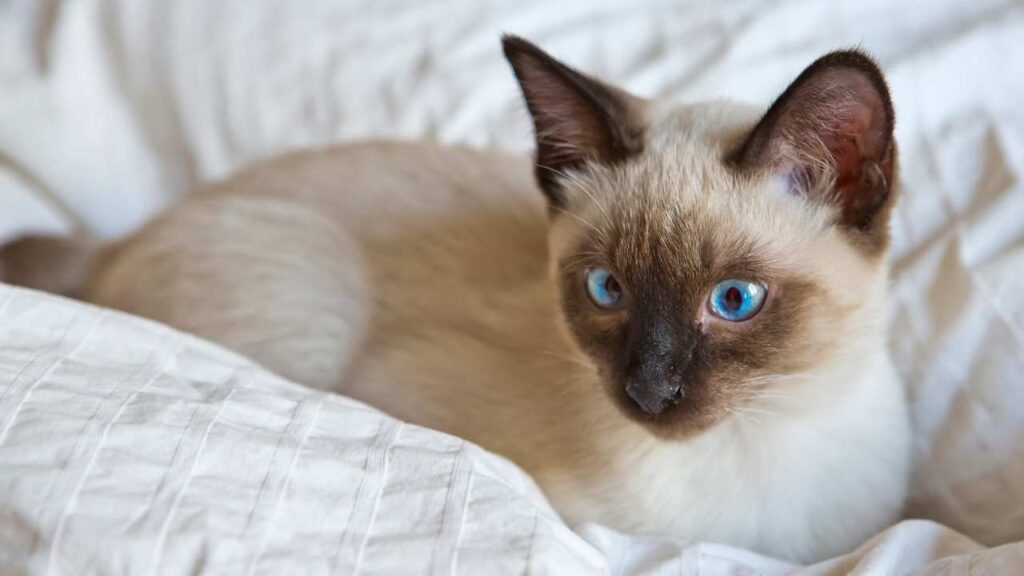
Formerly known as the Thai Bobtail, the Mekong Bobtail is a rare breed developed in Russia with roots in Southeast Asia. Its defining feature is a naturally short, kinked tail—no two alike—often paired with Siamese-style point coloring.
That distinctive tail isn’t just decorative; it’s highly expressive. Mekong Bobtails use subtle flicks, curves, and twitches to communicate curiosity, excitement, or affection, giving owners clear insight into their alert, people-focused personalities.
Highly social and vocal, this breed pairs tail language with sound and movement. A raised, animated tail often signals playfulness or a demand for attention, reflecting their dog-like behavior and love of interaction with their humans.
Understanding tail movement is key to reading this breed’s temperament.
Fun fact: Many of the Mekong Bobtail’s ancestors were among 200 royal cats gifted by the King of Siam to Russian Emperor Nicholas II, most noted for their kinked tails.
6. Pixiebob
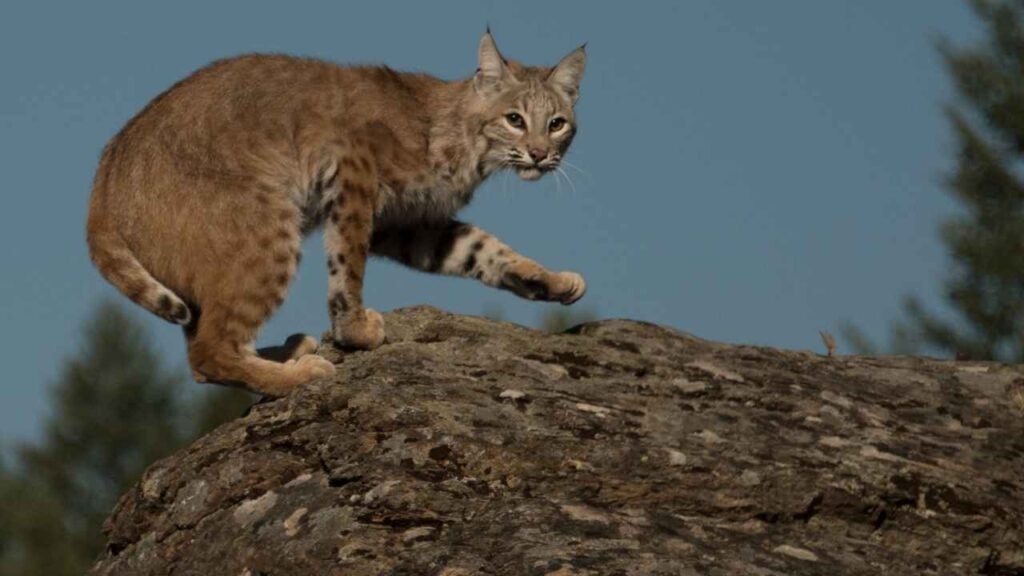
Also known as the Pixiebob cat, this breed was developed in Washington, United States, and is instantly recognized by its naturally bobbed tail, muscular build, and wild, bobcat-like appearance. The short tail—often kinked or gently curved—is a defining trait and varies in shape from cat to cat.
Pixiebobs use their expressive tails as part of their communication, with subtle flicks or lifts reflecting curiosity, excitement, or focus during play. Because the tail is shorter and structurally unique, its movement often appears more deliberate than in long-tailed breeds.
While unusual tail motion is normal for Pixiebobs, sudden stiffness, pain responses, or reduced movement can signal underlying issues. Joint problems, obesity, or arthritis may affect how the tail is carried, making routine observation an important part of care.
Owners should monitor changes in tail movement alongside behavior and mobility.
Fact: Pixiebobs often have naturally bobbed tails and extra toes, a trait known as polydactylism, which is common in the breed.
7. Highlander
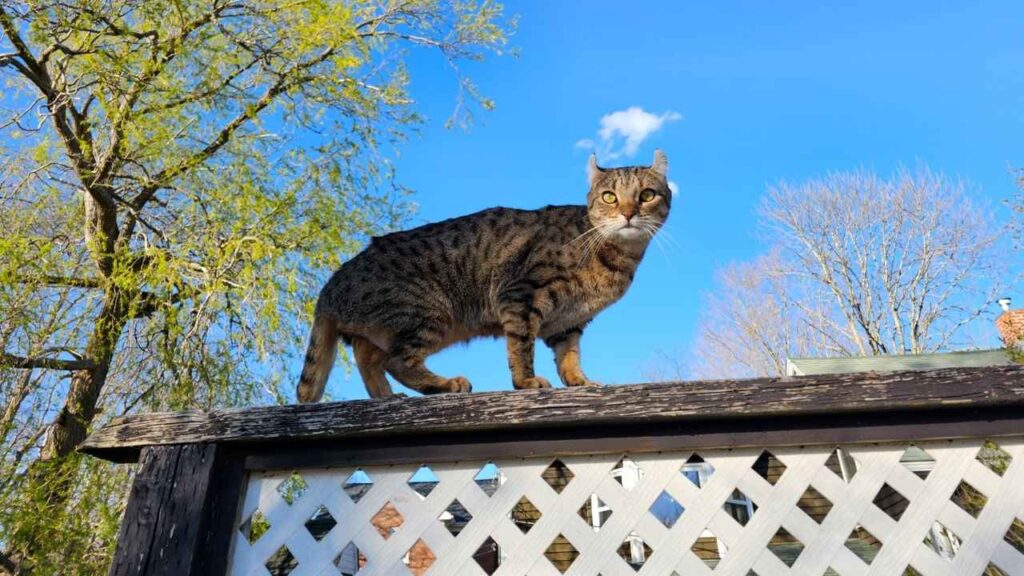
Also known simply as the Highlander cat, this modern breed emerged in the United States in the early 2000s and is recognized for its exotic look and friendly nature. Distinct features include curled ears, a muscular build, and a naturally short or bobbed tail that immediately draws attention.
That short tail is central to the Highlander’s expressive communication. It moves in subtle flicks, curves, and lifts that clearly signal excitement, curiosity, or affection, making the breed especially engaging to observe during play or interaction.
Living with a Highlander means learning to read a cat that truly “talks” with its tail. Their tail movements often accompany playful stalking, greeting behaviors, or moments of focused attention, adding another layer to their already interactive personality.
These cats thrive in homes that appreciate expressive body language and regular engagement.
Fun fact: Despite their wild appearance, Highlanders contain no wildcat DNA and were developed from domestic breeds like the Desert Lynx and Jungle Curl.
Conclusion
Cat breeds with unique tail movements show how tail structure and genetics shape a cat’s identity. From long-tailed cats with bushy tails to short-tailed cats with a very short tail or even a tailless gene, each distinct breed reflects how the tail contributes to balance, communication, and the cat’s body, including the spine and bones.
These traits are influenced by age, whether cats are born with a dominant gene, and how they descended over time. Some breeds are essentially defined by extreme tail traits seen in animals across different regions.
Breeders continue to preserve these features in other breeds, including long-haired varieties, a long-haired version, or even a long-haired Siamese.
Whether from the Kuril Archipelago or elsewhere, these cats may be highly active, loyal, and warm companions that enjoy food, rest, and human care. Hair, fall patterns, and tail movement all play a role in daily life, making these cats truly unique.
