




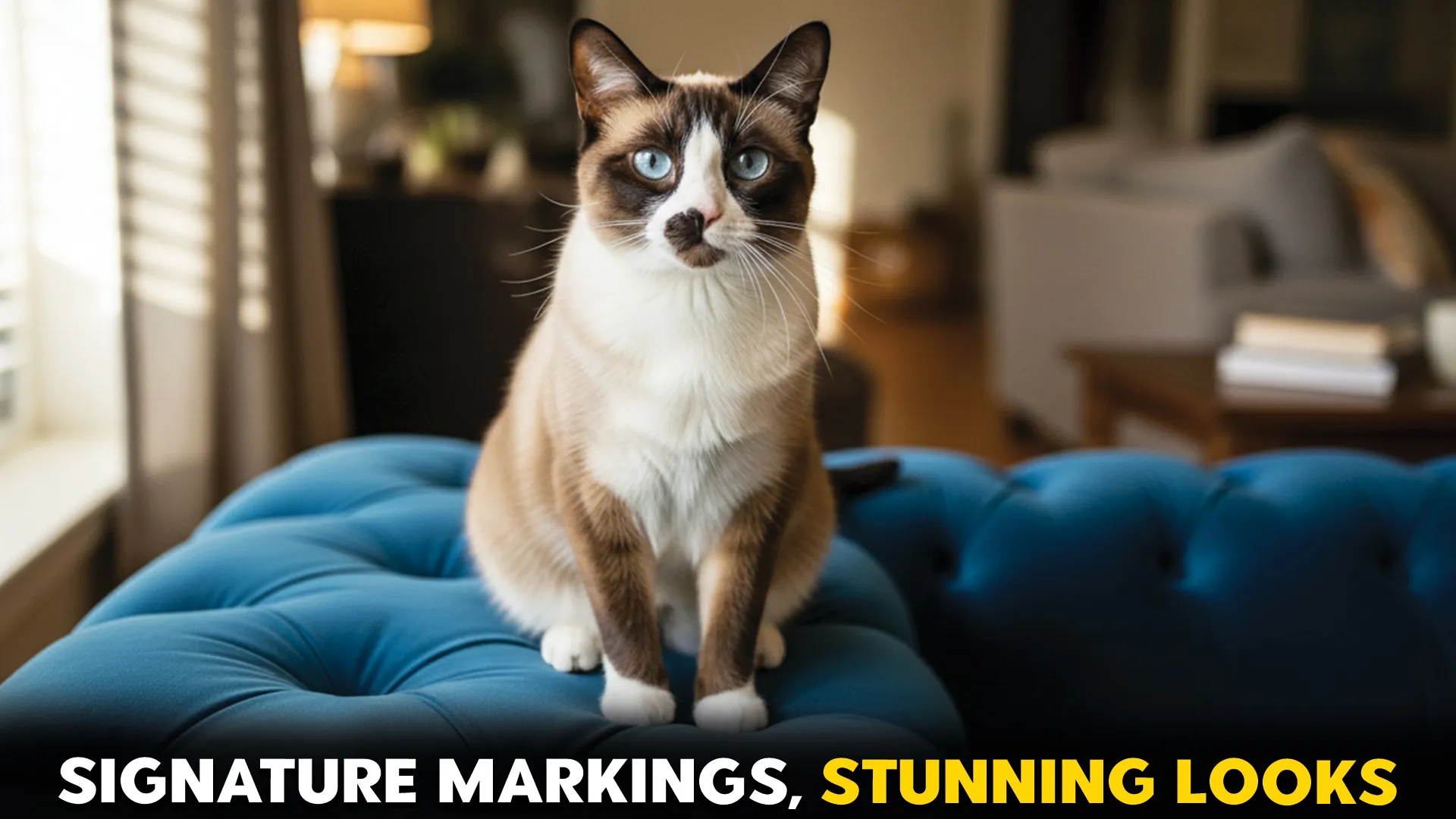
A cat’s face can tell a story before it even makes a sound. From dramatic masks and bold eye outlines to delicate blazes and symmetrical points, certain breeds are instantly recognizable by the markings that frame their expressions. But what makes a cat’s facial markings so unique? It’s the intricate blend of genetics, pigment distribution, and selective breeding that creates those unforgettable patterns.
Feline face patterns are shaped by inherited color-point genes, tabby influences, and variations in coat pigmentation. Over generations, breeders have refined these traits, resulting in cats whose markings appear almost painted on. Much like a balanced work of art, the harmony between coat, eye color, and facial contrast can make a breed truly striking.
Beyond genetics, facial markings add personality and charm. A bold mask can give a cat an air of mystery, while soft contrasts highlight sweetness and grace. In these seven breeds, distinctive facial features don’t just enhance beauty—they define identity and make each cat unforgettable.
Cat breeds with unique facial markings
1. Siamese
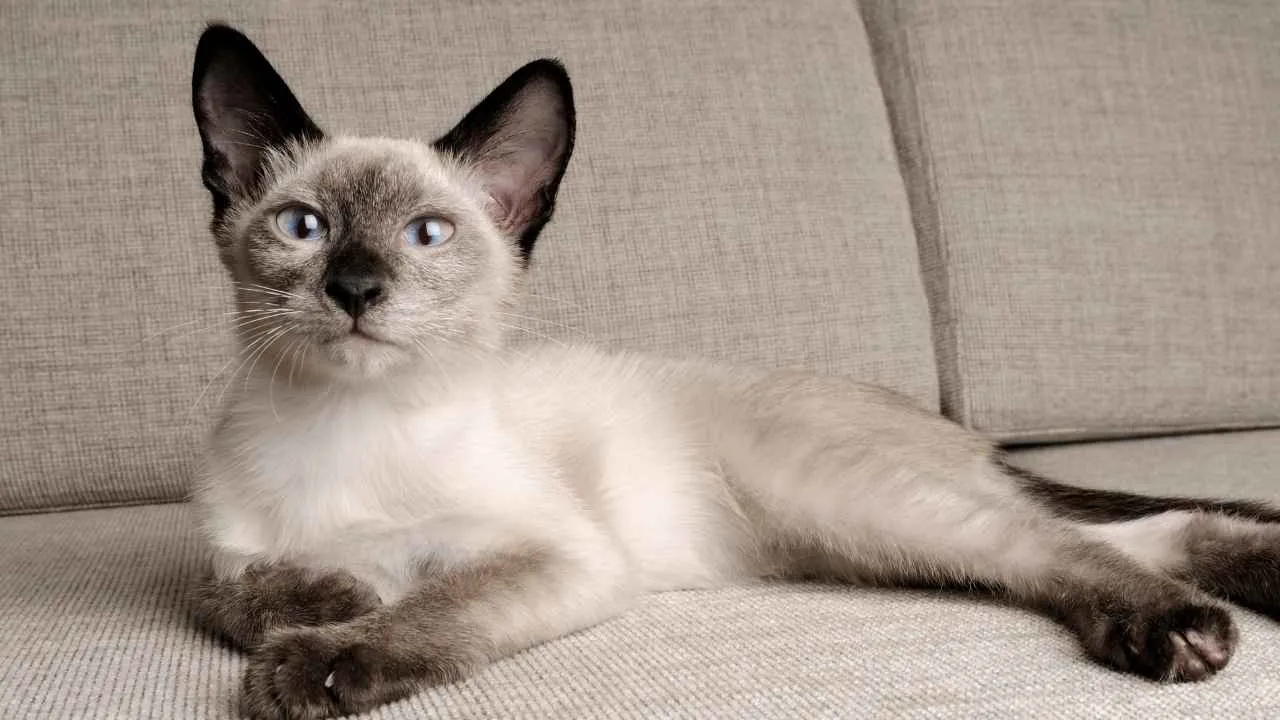
The Siamese, sometimes called the Traditional Siamese, Applehead Siamese, or Thai (recognized by TICA), is one of the oldest and most iconic cat breeds.
Known for its sleek body, almond-shaped blue eyes, and elegant profile, this breed’s face is instantly recognizable. According to Purina, this highly intelligent cat actively looks for activities that stimulate and engage her mind.
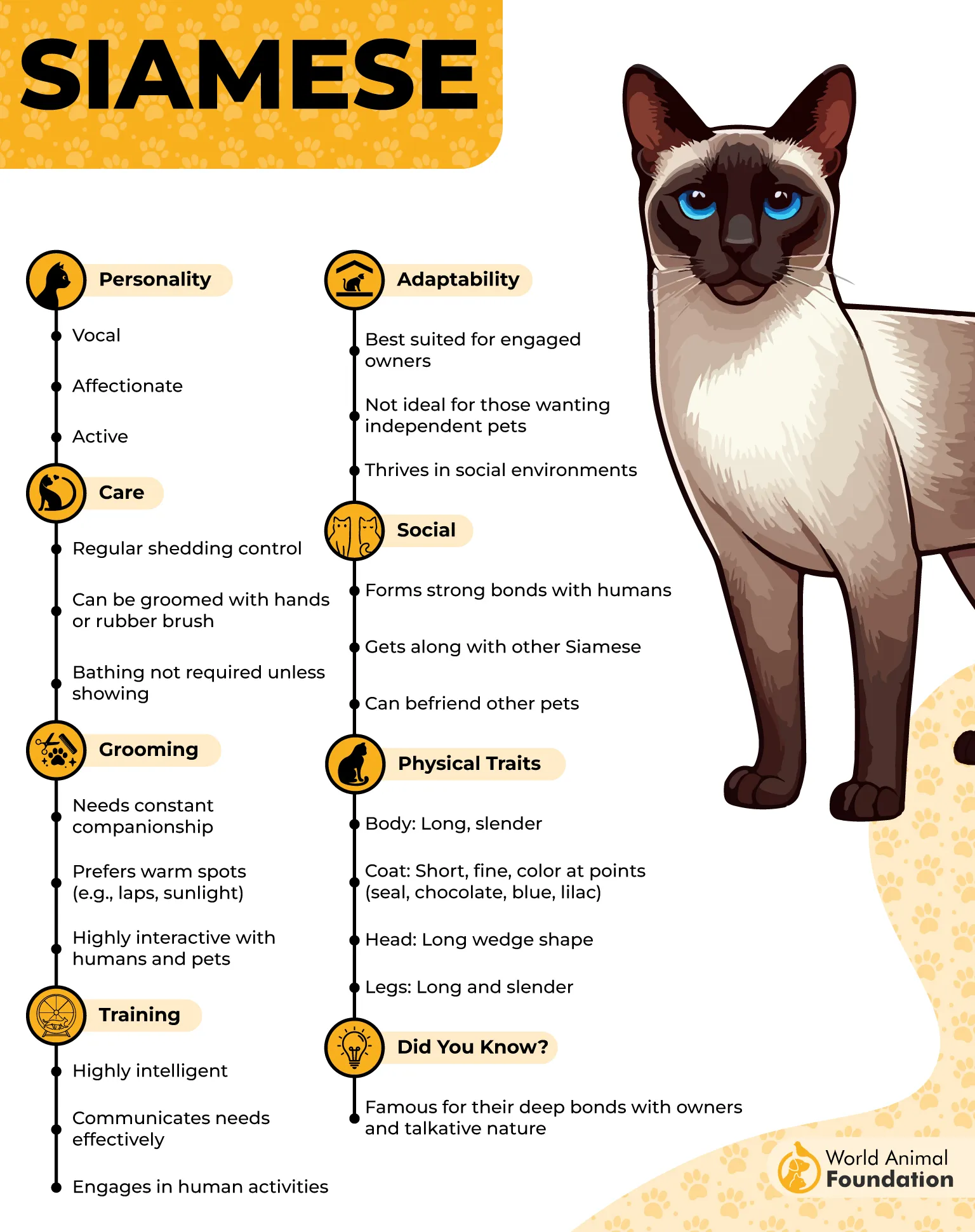
Striking Mask-Like Markings
Siamese cats are famous for their dramatic colorpoint pattern, where the face, ears, paws, and tail are noticeably darker than the creamy body. This bold facial “mask” creates a sharp contrast that frames their vivid blue eyes and gives them an exotic, almost regal look.
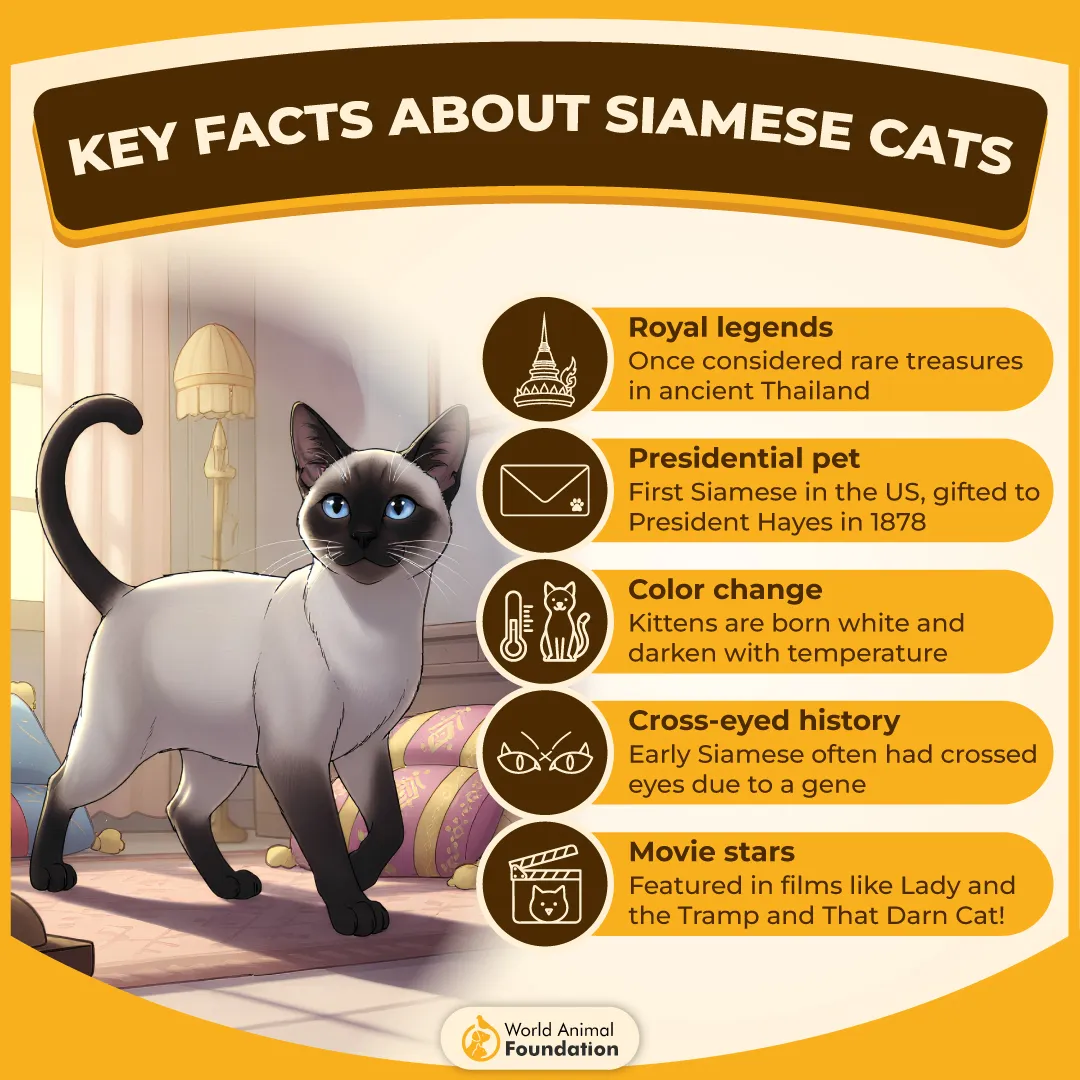
The term “point” refers to these darker extremities, which appear in shades like seal, chocolate, blue, and lilac. Kittens are born completely white, with their signature facial markings gradually developing after about four weeks due to temperature-sensitive genetics.
Their deep blue eyes, a result of a genetic mutation linked to the colorpoint pattern, intensify the overall effect of the mask-like face. A fascinating fact: cats with dark faces and points were described as early as the 14th century in Thailand’s “Tamra Maew” manuscript.
2. Birman
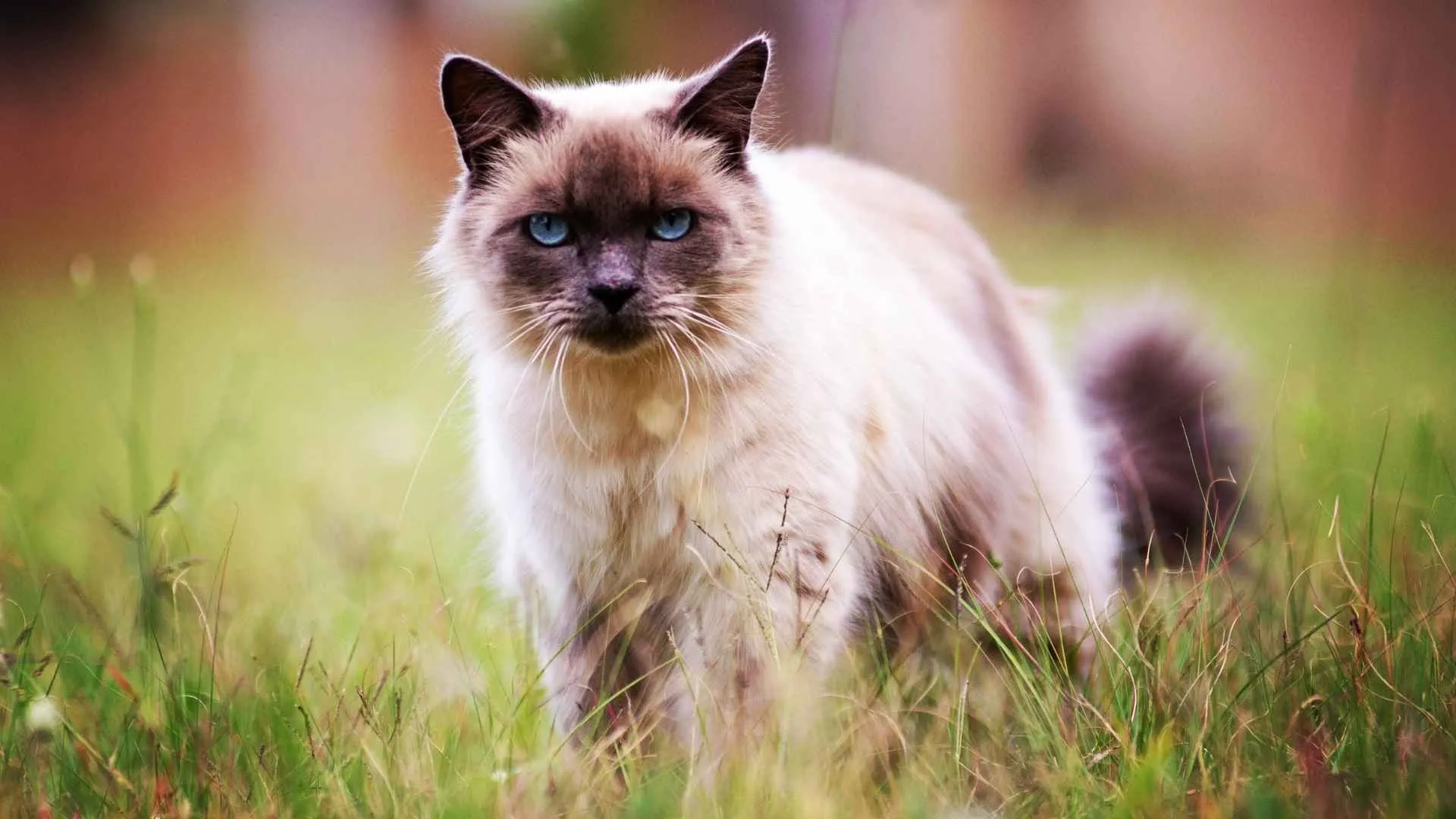
The Birman, also called the Sacred Cat of Burma or Birmanie in France, is a long-haired, blue-eyed beauty often mistaken for the Burmese.
With a sturdy build, silky cream coat, and signature white “gloves,” this breed is both elegant and instantly recognizable. According to WebMD, Birman cats are described as loyal and affectionate, preferring to remain close to their owners.

Bold Contrasts Around the Eyes
Birmans are admired for their striking facial contrast, where deep point colors frame luminous blue eyes. Whether seal, blue (a soft gray tone), or rich chocolate, the darker mask around the face highlights their bright gaze and creates a dramatic yet gentle expression.
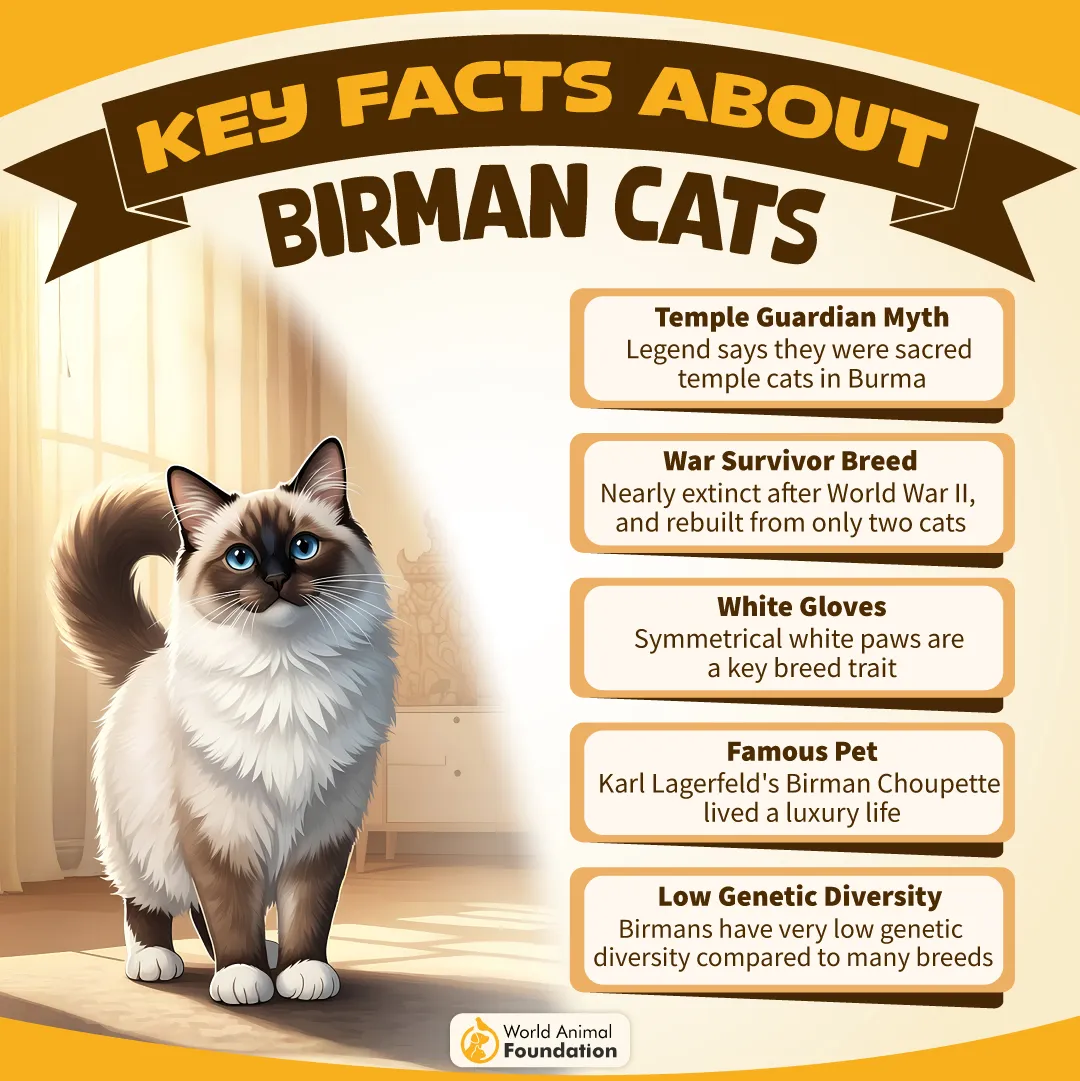
The base coat ranges from golden cream to pale ivory, allowing the darker ears and facial markings to stand out clearly. This balanced blend of light and dark gives the Birman a refined look similar to the Siamese, yet softened by their plush fur and snowy white paws.
Their distinctive “gloving” on all four feet enhances the visual harmony of their face and body pattern. A fascinating fact: the breed nearly became extinct during World War II before dedicated breeders revived it.
3. Bengal
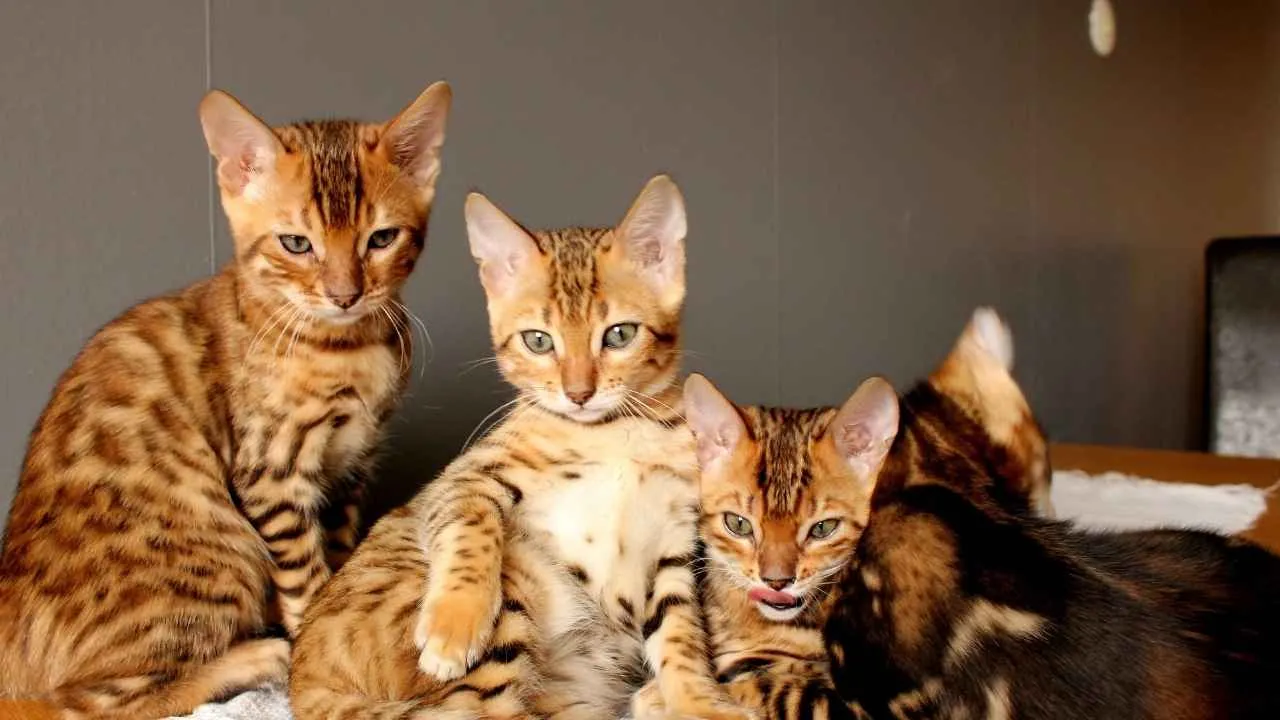
The Bengal, a striking hybrid descended from the Asian leopard cat and domestic shorthairs, is instantly recognizable for its wild-inspired beauty.
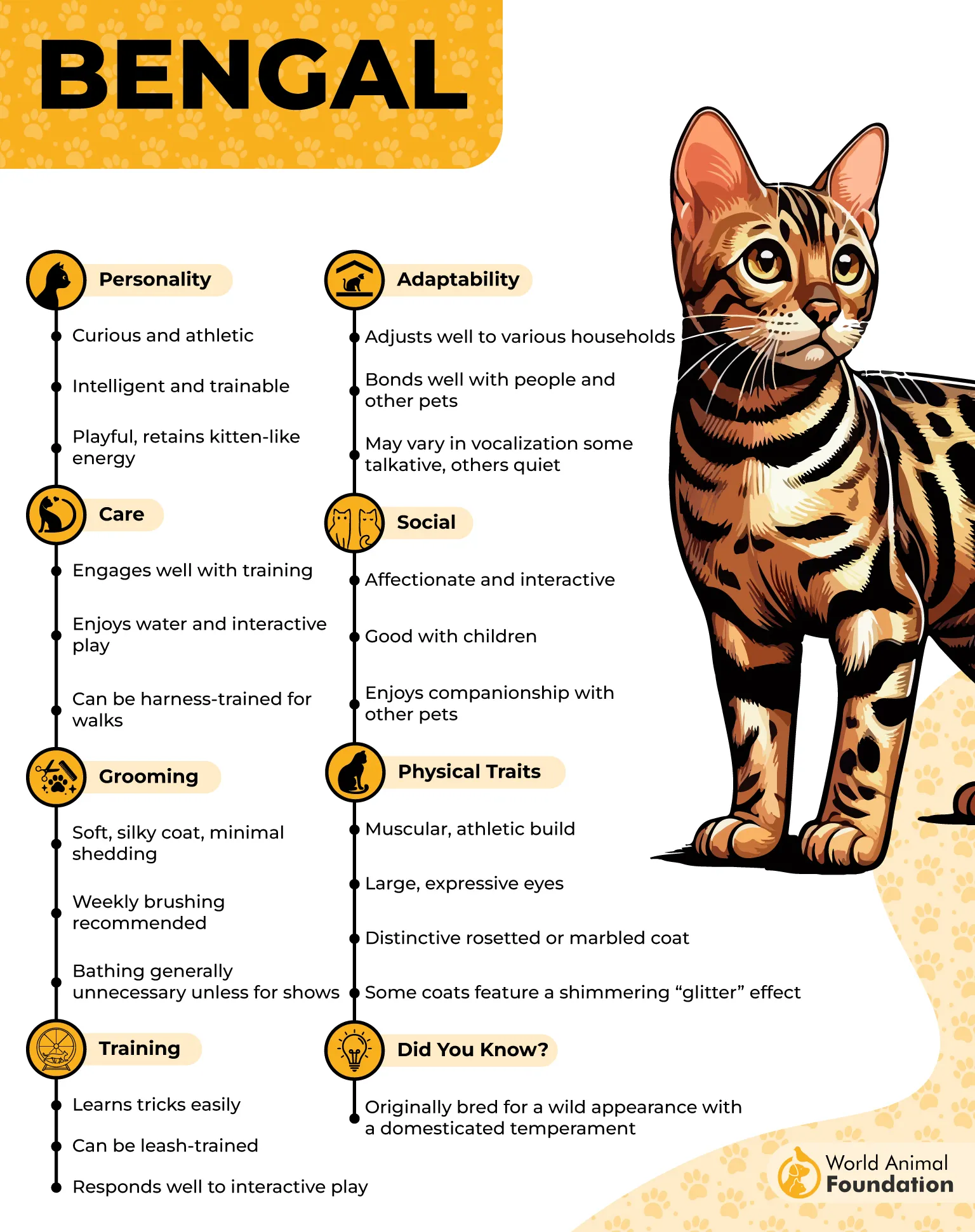
With a muscular build, luminous eyes, and a short, velvety coat, this breed blends exotic appearance with a sweet, companionable nature. According to PetMD, Bengals are highly active and curious cats, displaying greater energy and independence than the typical lap cat.
Naturally Framed with Dark Points
Bengals captivate with dramatic facial markings that seem naturally outlined, enhancing their intense gaze. Dark tear lines, bold whisker pads, and contrasting markings around the eyes create a look reminiscent of a small jungle cat.
Their coat patterns—spotted, rosetted, or marbled—extend that contrast to the face, where deep tones frame green or gold eyes. The brown rosetted pattern is especially iconic, but silver and snow varieties also showcase remarkable definition and depth.
Small to medium ears and a broad nose further emphasize the face, giving Bengals a focused, alert expression. A fascinating fact: some Bengals display a “glitter” effect, where the fur sparkles in the light due to translucent hair tips.
4. Egyptian Mau
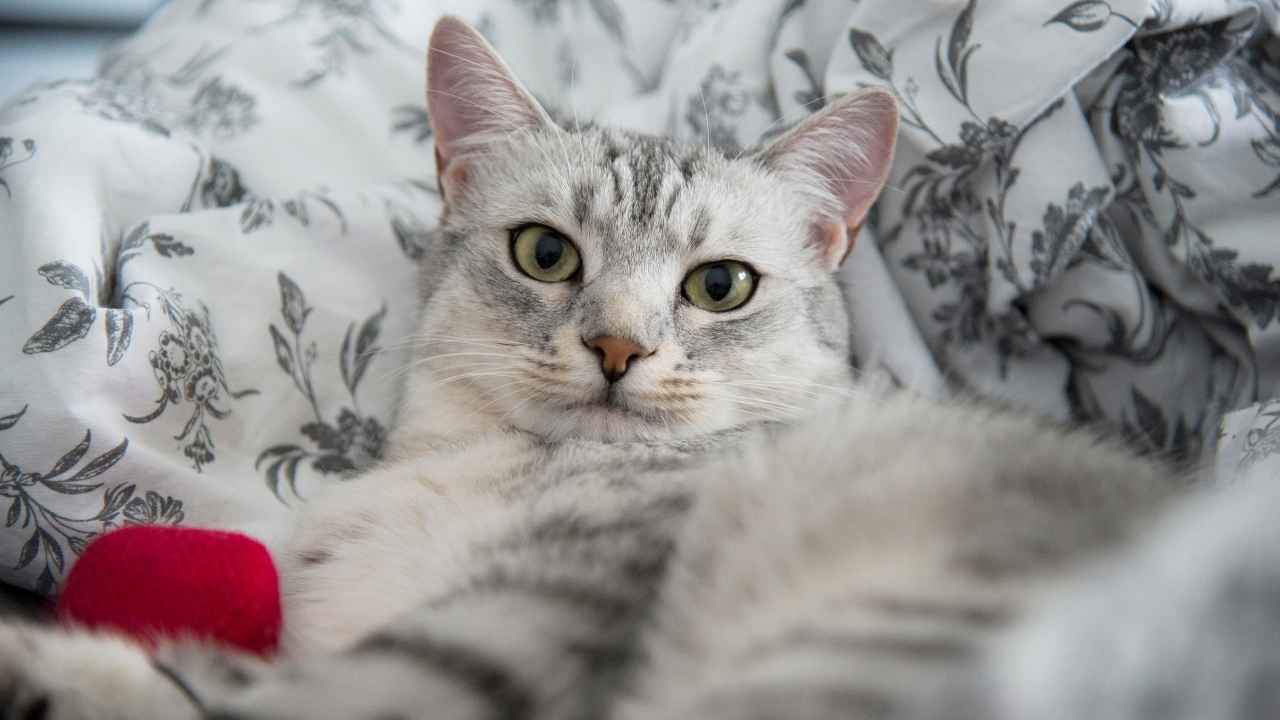
The Egyptian Mau, sometimes simply called the Mau, is a naturally spotted domestic breed admired for its regal presence and athletic build. With a sleek, muscular frame and luminous gooseberry-green eyes, this elegant cat carries an unmistakable air of ancient grace.
Symmetrical Patterns That Stand Out
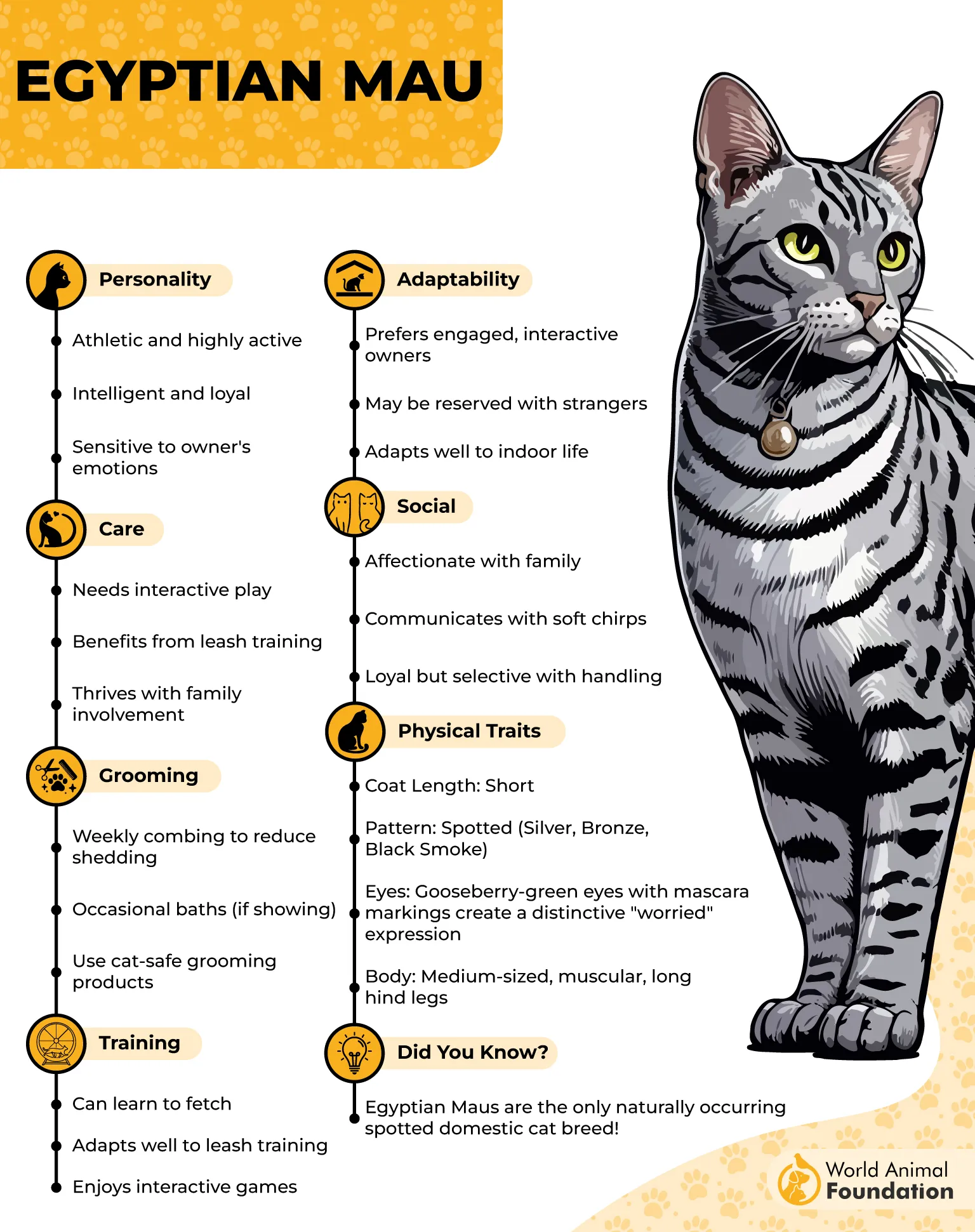
What sets the Egyptian Mau apart is its naturally occurring spotted coat—the only one of its kind among domestic cats. The spots appear randomly in silver, bronze, or smoke, yet the facial markings create striking symmetry that draws immediate attention.
Dark “mascara” lines frame the eyes, while an “M” marking on the forehead—often called the mark of the scarab—adds to the breed’s distinctive expression. These bold accents give the Mau a slightly “worried” look that enhances its exotic charm.
Longer hind legs create a graceful, tiptoe stance, complementing the dramatic face pattern and alert posture. A fascinating fact: the Egyptian Mau is considered the fastest domestic cat breed, capable of impressive bursts of speed.
5. Persian
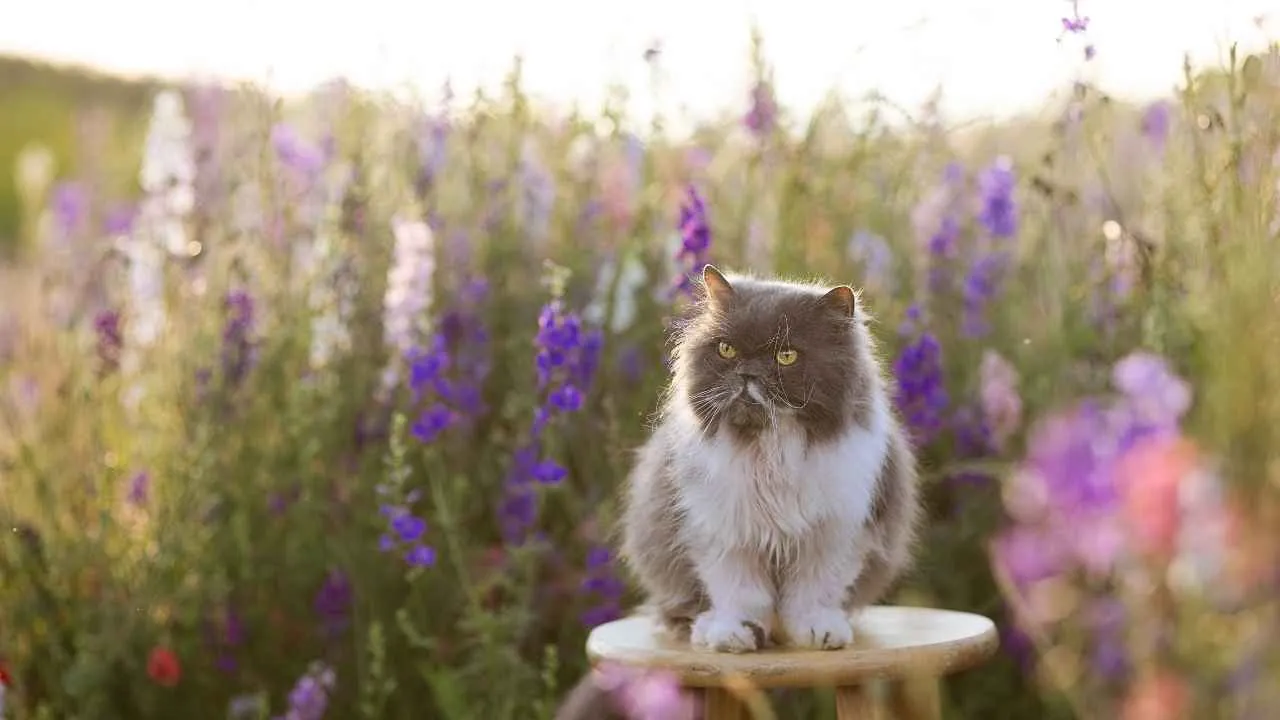
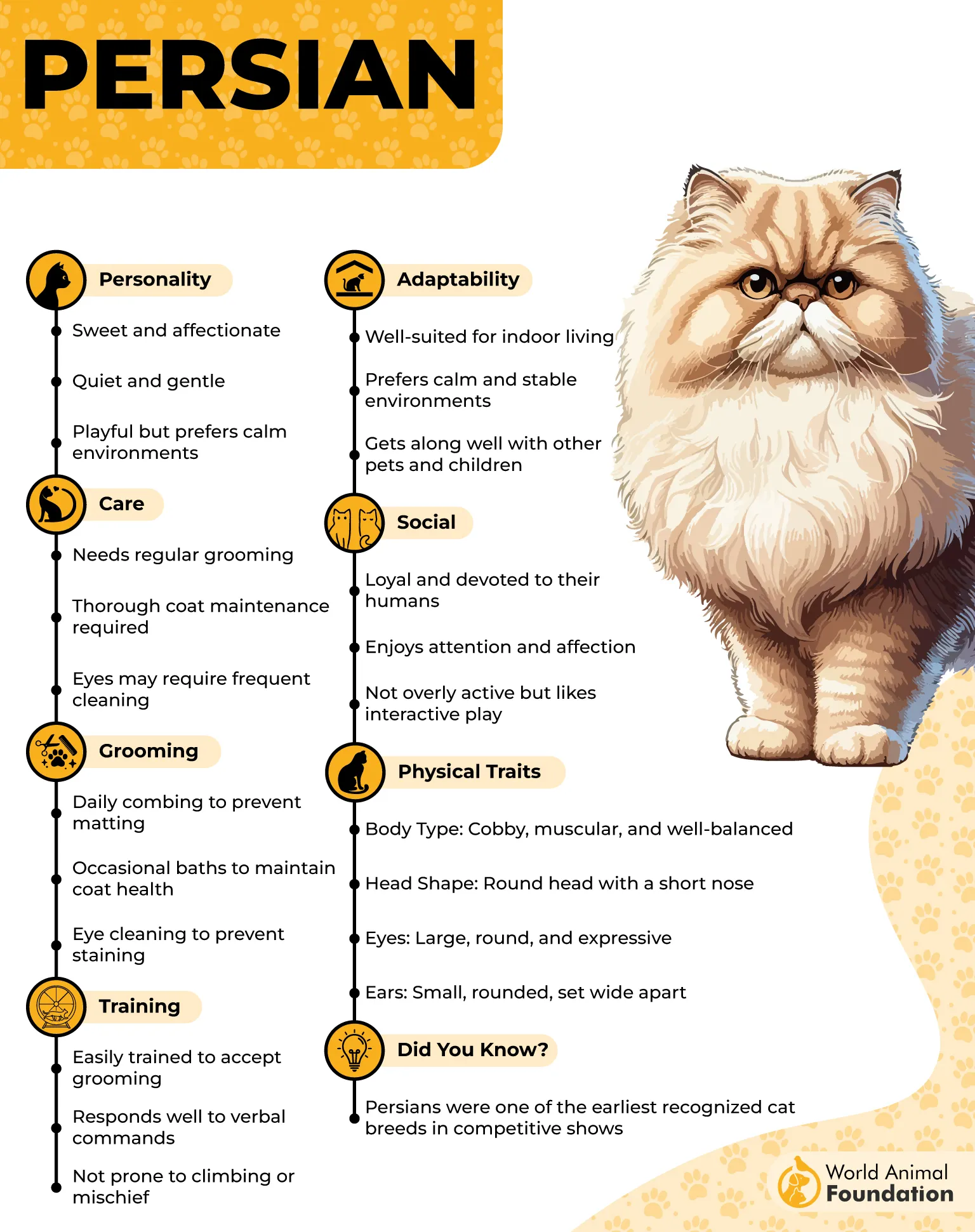
The Persian, one of the oldest and most iconic cat breeds, traces its roots to 17th-century Persia (modern-day Iran). Also known in its colorpoint variety as the Himalayan, this long-haired beauty is admired for its plush coat, round face, and large, expressive eyes.
Distinctive “M” Markings on the Forehead
Among tabby-patterned Persians, a subtle yet striking “M” shape appears on the forehead, a classic genetic hallmark of tabby cats. This marking, paired with their rounded features and full cheeks, creates a soft but unmistakable facial signature.
Persian cats come in a wide array of colors—white, black, blue (gray), chocolate, and more—each enhancing the visibility of facial patterns in different ways. In the colorpoint (Himalayan) variety, darker facial points further frame the eyes and emphasize the breed’s symmetrical face.
Their flat nose and broad head add to the dramatic canvas of their markings, making even delicate lines stand out beautifully. A fascinating fact: the colorpoint Persian was developed by crossing Persians with Siamese cats to combine a calm temperament with bold facial contrast.
6. Japanese Bobtail
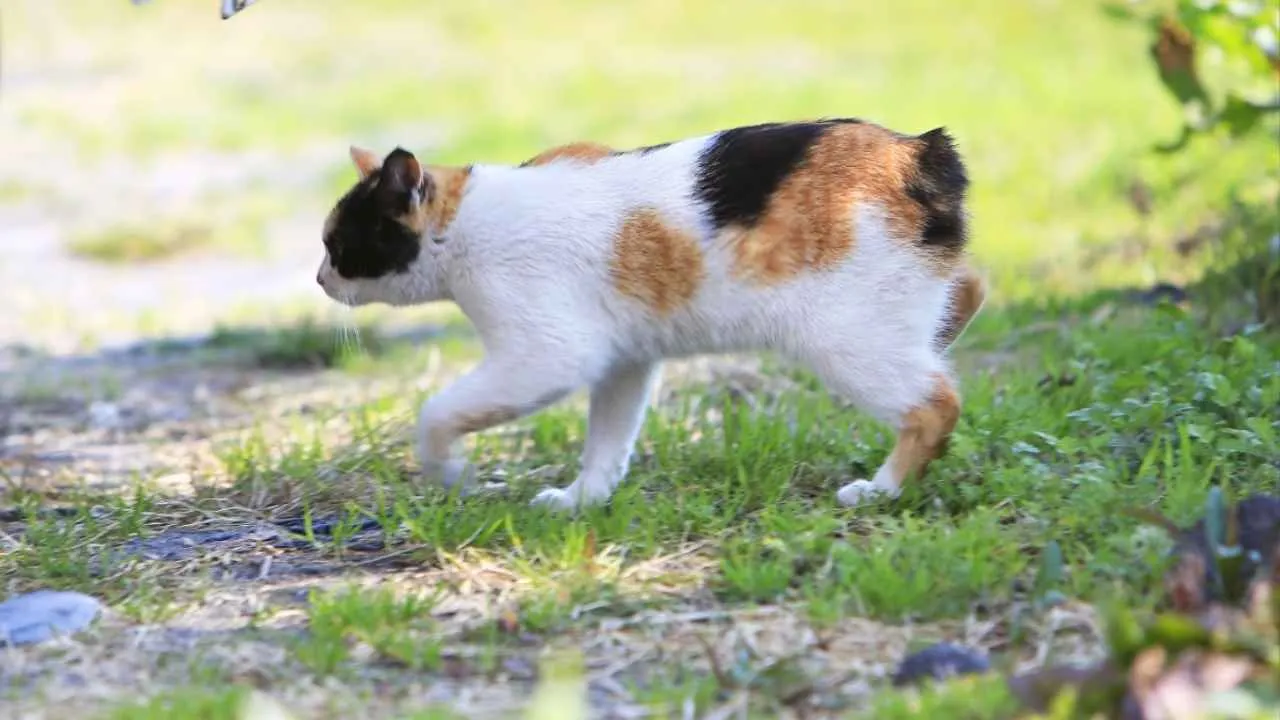
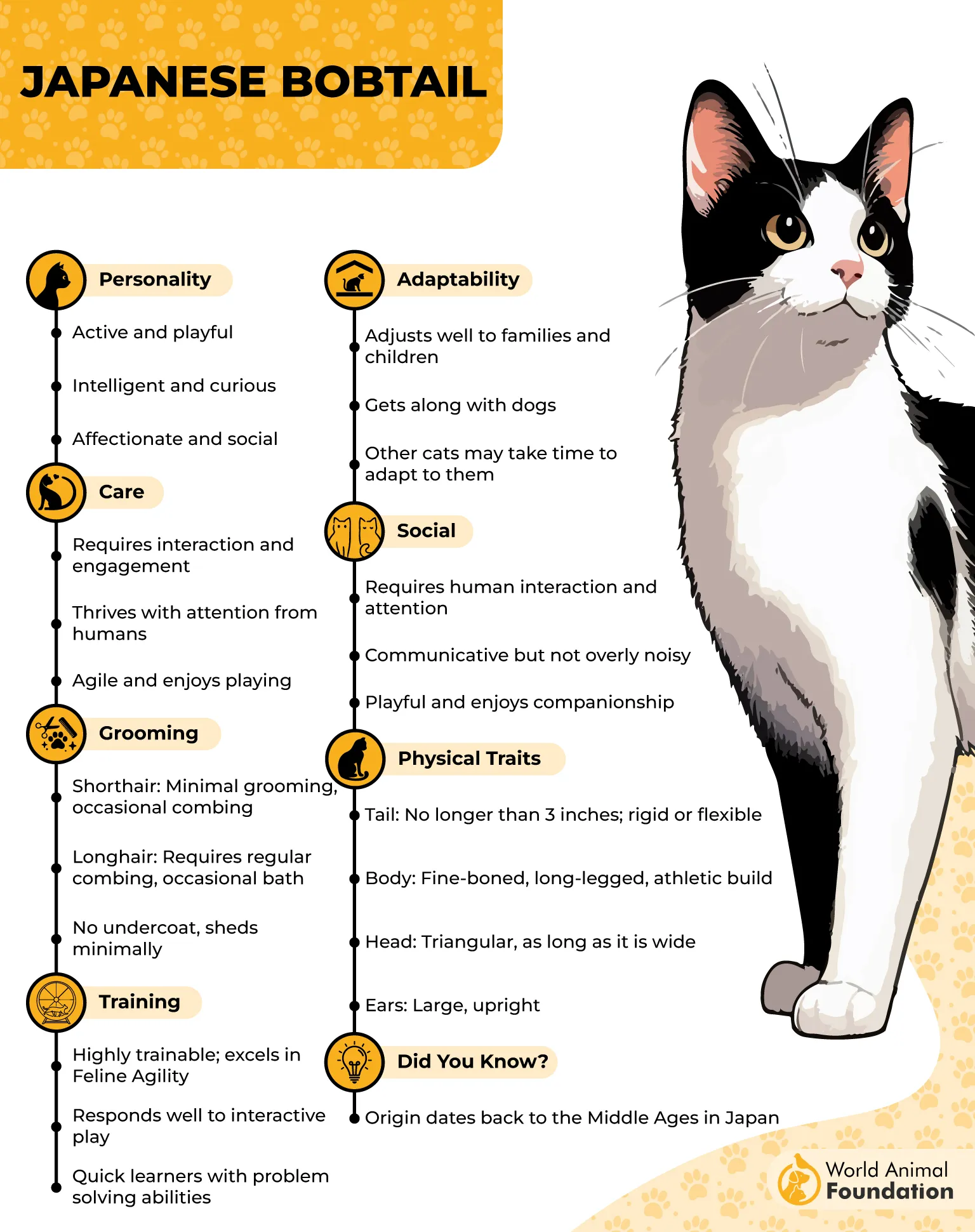
The Japanese Bobtail, sometimes called the “Mi-ke” in its classic tricolor form, is an elegant, medium-sized cat known for its pompom-like tail and finely chiseled features. With a triangular head, high cheekbones, upright ears, and oval eyes set at a gentle slant, this breed carries a refined yet playful expression.
Soft Blends and Artistic Color Patches
Japanese Bobtails are celebrated for their artistic facial markings, especially in calico and bicolor varieties. Soft blends of white paired with bold patches of red, black, or other hues create naturally balanced patterns that often frame the eyes and nose beautifully.
Their coats, whether shorthaired or longhaired, are silky and lack a heavy undercoat, allowing the colors to appear crisp and clean. Tabby variations—spotted, mackerel, or classic—add further dimension, giving each face a one-of-a-kind design.
Large, expressive eyes and a broad muzzle enhance the overall harmony of their facial features. A fascinating fact: no two Japanese Bobtail tails are alike, and each distinctive pompom is shaped by a natural dominant gene mutation.
7. Scottish Fold
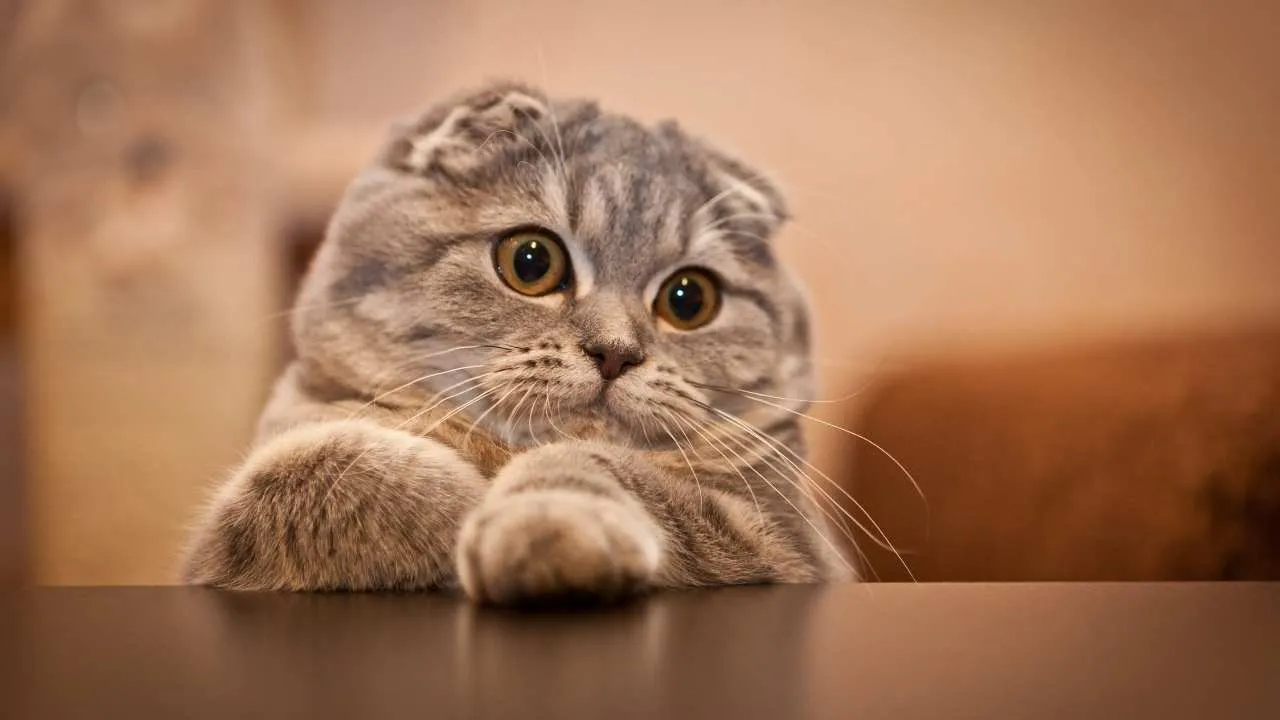
The Scottish Fold, sometimes paired with its straight-eared counterpart known as the Scottish Straight, traces back to a single farm cat in Scotland. Available in both short-haired and long-haired varieties, this breed is instantly recognized for its rounded features and signature folded ears.

Rare and Unmistakable Facial Patterns
What truly sets the Scottish Fold apart is the way its folded ears frame an exceptionally round face. Without upright ears to distract the eye, their large, circular eyes become the focal point, giving them an owl-like expression that feels both rare and unforgettable.
Their coats appear in a wide range of colors and patterns—tabby, calico, tortoiseshell, and solid shades—allowing facial markings to stand out dramatically against their plush fur. The rounded head, full cheeks, and softly curved contours enhance any blaze, mask, or tabby lines across the face.
Even the straight-eared version shares this distinctive roundness, though the folded ears remain the breed’s hallmark. A notable fact: kittens born without folded ears are officially called Scottish Straights.
Conclusion
From dramatic masks to bold spots and subtle markings, unique facial patterns give certain breeds an unforgettable presence.
Whether it’s the striking contrast of a Bengal cat’s wild appearance, the rounded facial features of a Scottish Fold, or the colorpoint elegance seen in classic breeds, these details create an expressive face that instantly captures attention.
For cat lovers, it’s often these markings—large ears, vivid eyes, and carefully framed features—that add personality and visual intrigue. This article explores how genetics and breed standards shape these remarkable looks, adding depth and distinction to beloved pets.
While many cat breeds are admired for beauty in many forms, it’s the harmony between coat pattern and facial structure that makes each truly memorable.
In the end, unique markings don’t just enhance appearance—they tell a story written across every feline face.
