




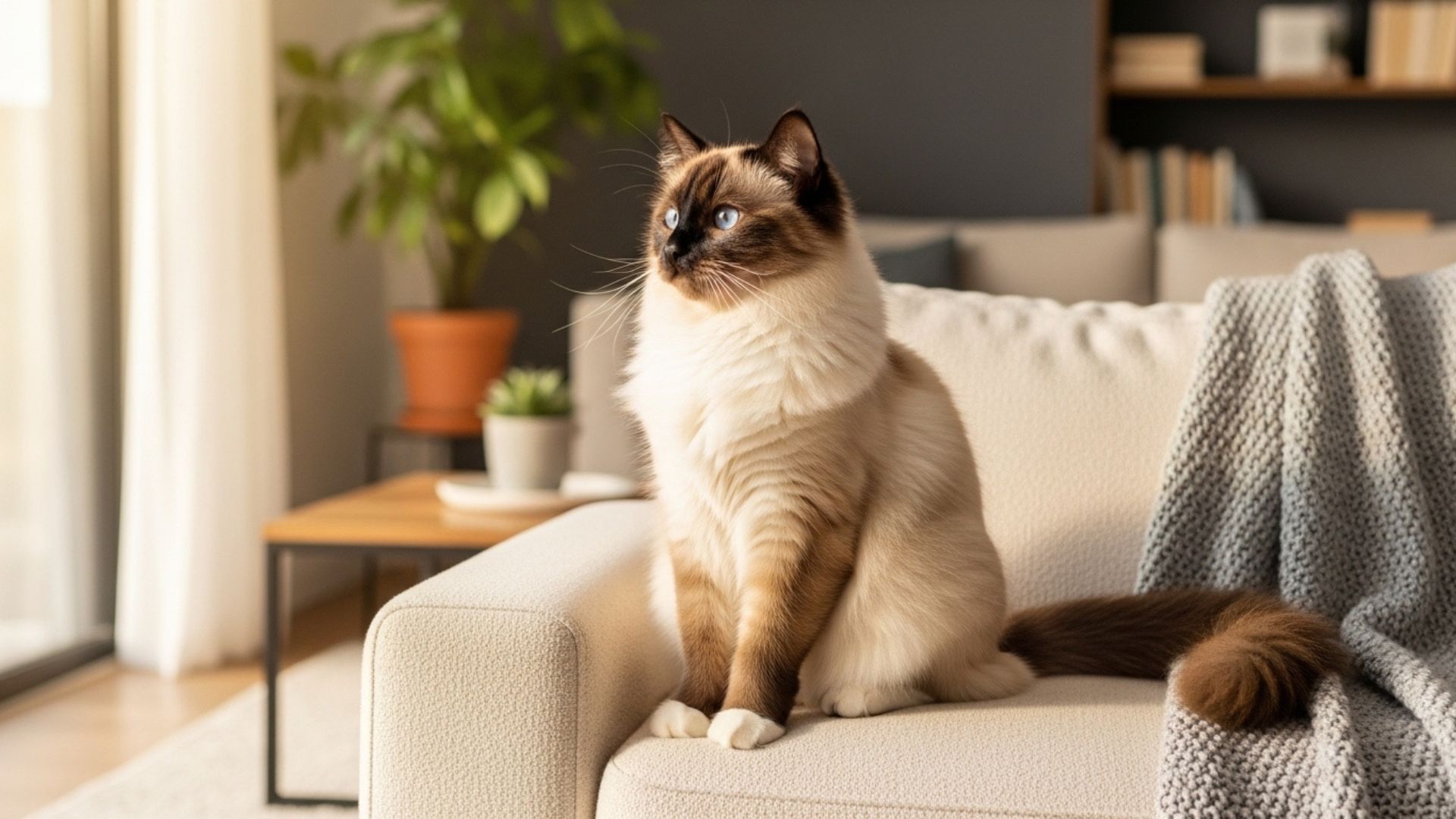
Cats are admired for their graceful movements, but one of the most fascinating parts of their anatomy is often overlooked—their paws. Beneath every step are soft yet durable paw pads that support a cat’s balance, agility, and stealth.
These pads act like natural cushions, protecting bones and joints while allowing cats to walk quietly across different surfaces. Understanding why paw pads matter reveals just how essential they are to a cat’s overall mobility and daily activities.
Thick paw pads play an important role in feline movement. They absorb shock when cats jump from heights, provide traction while climbing, and help them land softly without injury. Their structure also allows cats to move silently while hunting or exploring.
Different paw shapes, pad colors, and even extra toes—such as in polydactyl cats—can reveal clues about genetics and breed influence, showing how unique every feline’s paws truly are.
Because cats rely so heavily on their paws, proper paw care is essential. Pads come into contact with rough surfaces, debris, and temperature changes, making regular inspection important for preventing cuts, dryness, or irritation.
By keeping paw pads clean and healthy, cat owners help ensure their pets remain comfortable, agile, and ready to explore their environment with confidence.
Cat Breeds with Thick Paw Pads
1. Maine Coon
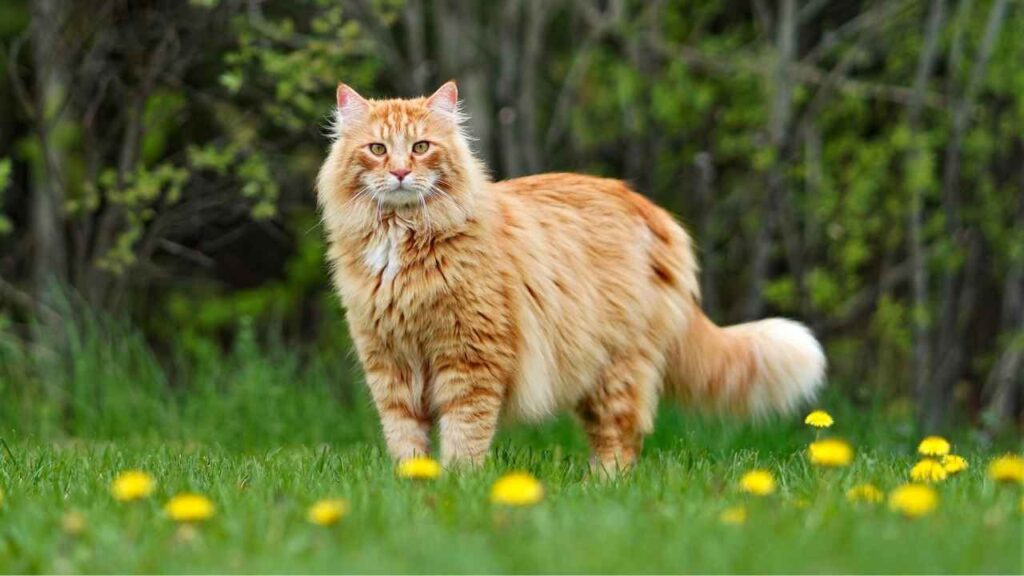
The Maine Coon, sometimes called the “gentle giant” of the cat world, is one of the largest and most recognizable domestic breeds.
Purina explains that the Maine Coon is a large cat with a strong, muscular, and athletic build that matches its impressive size. The breed also has large, pointed ears set wide and tall, along with an intelligent expression.
The Sure-Footed Feline with Cushioned Steps
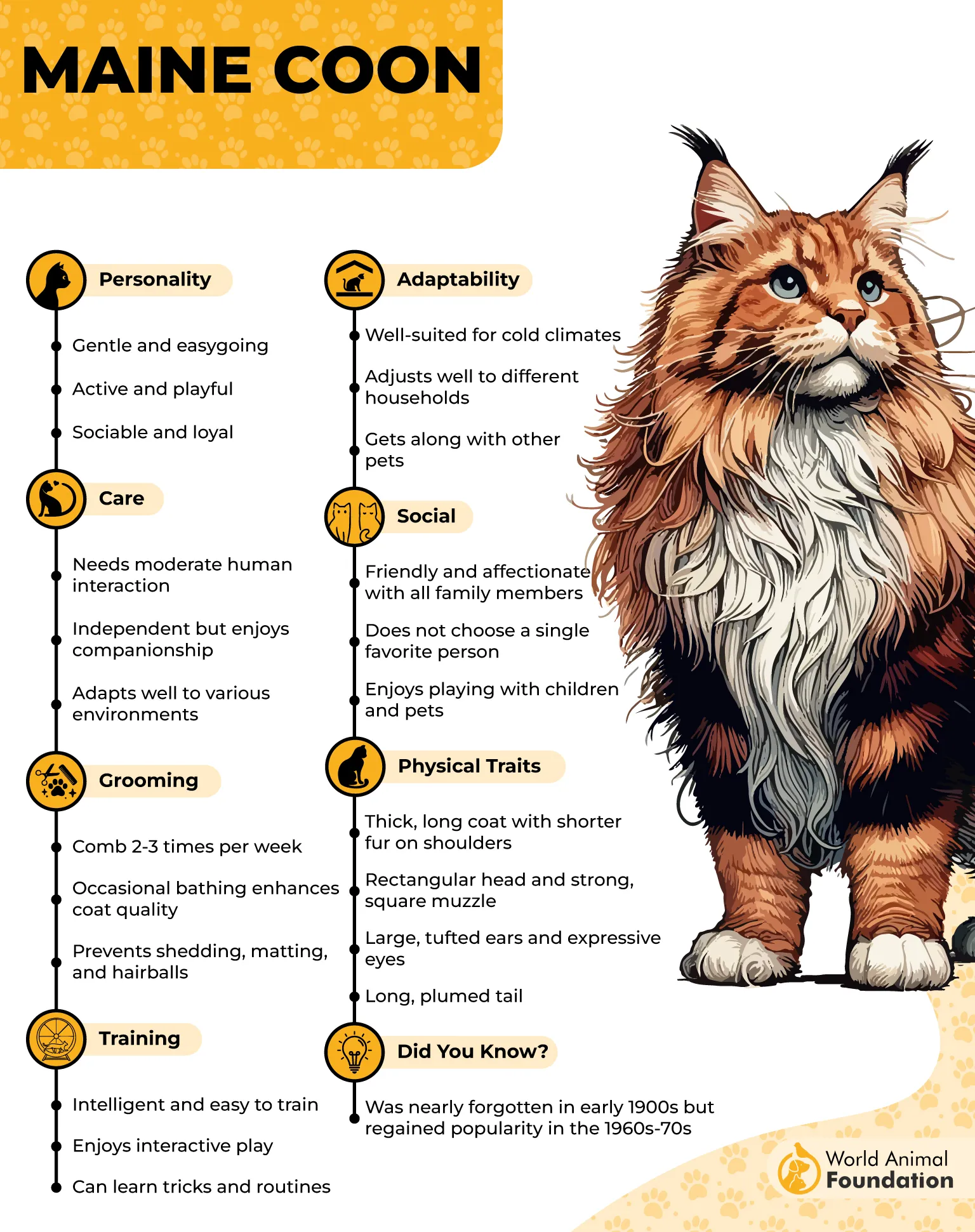
Maine Coon paws are broad and heavily padded, helping the cat move steadily across different surfaces. Their thick paw pads act as natural cushions, absorbing impact when jumping or climbing. The added fur tufts between the toes improve traction and stability, allowing these cats to walk comfortably even on rough terrain.
Because the breed originated in colder regions, their large paws function almost like snowshoes. The wide shape spreads their weight while the thick pads provide insulation and grip. This unique structure helps Maine Coons maintain balance and control during movement.
Another fascinating feature is that some Maine Coons cats are polydactyl, meaning they have extra toes. These additional digits can enhance grip and make the paws appear mitten-like, giving them even better stability.
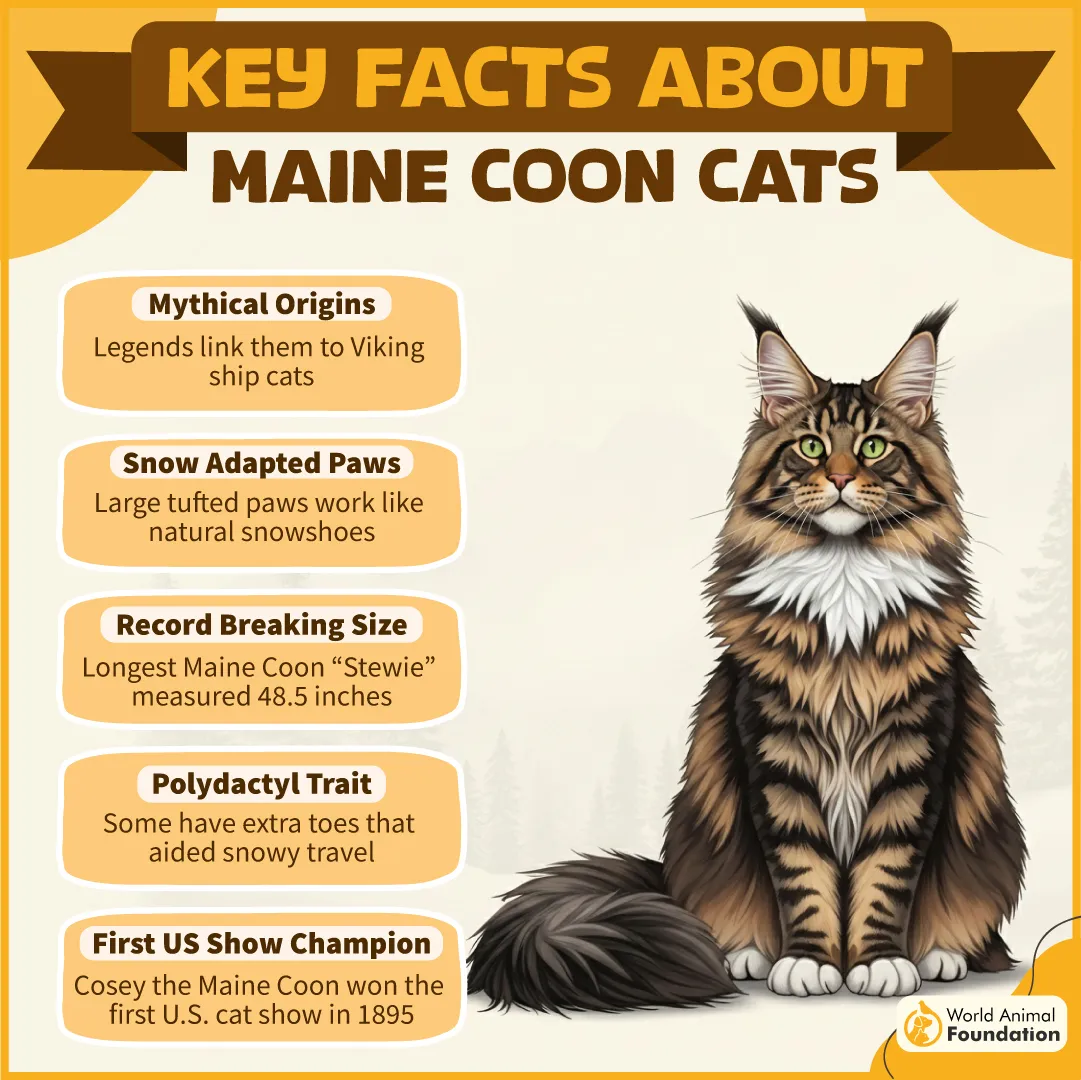
Fact: A typical Maine Coon has 18 toes, but polydactyl individuals may have 20–24 toes.
FAQ: Why do Maine Coons have such large paw pads?
Their broad paws and thick pads evolved to support their large bodies and help them move easily across cold or uneven surfaces.
2. Norwegian Forest Cat
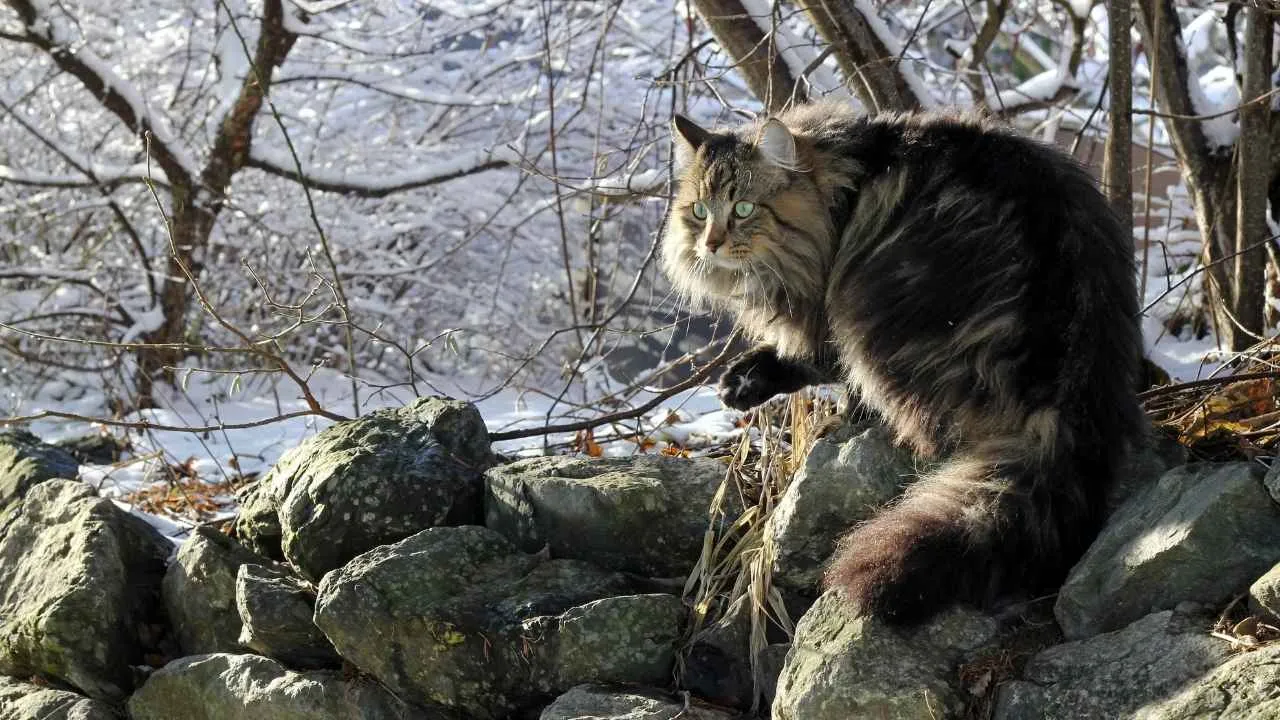
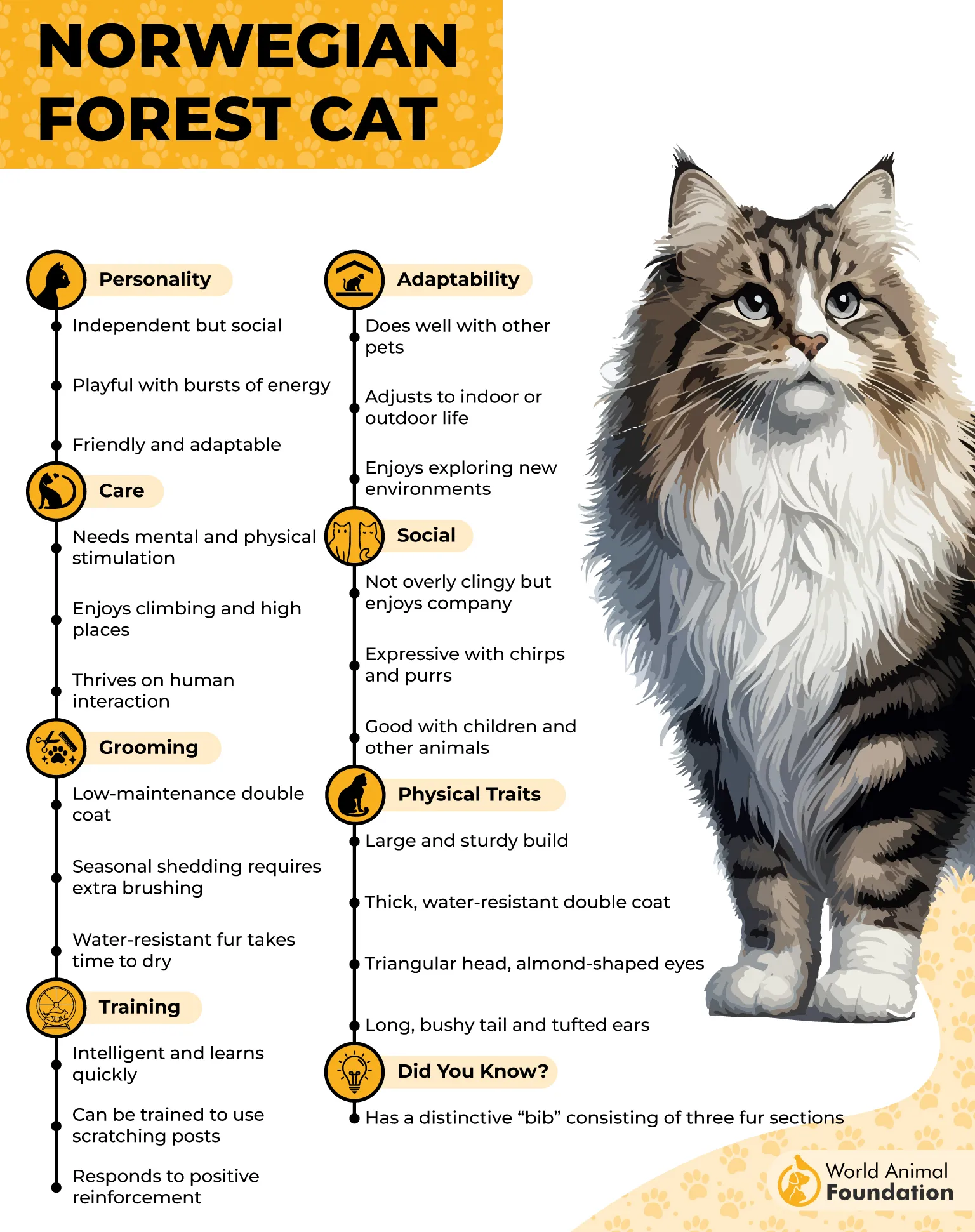
The Norwegian Forest Cat, often called the “Wegie,” is a majestic long-haired breed that originated in the cold forests of Norway. Recognized for its thick coat, muscular body, and lynx-like ear tufts, this cat also has noticeably large paws with dense fur between the toes.
Hill’s Pet explains that the Norwegian Forest Cat is a sweet and affectionate breed that enjoys praise and loves interacting with its owner.
A Hardy Cat Known for Strong, Thick Paw Pads
One of the most remarkable features of the Norwegian Forest Cat is its wide, powerful paws. The thick paw pads and fur growing between the toes act as natural insulation, protecting the cat while walking on cold or snowy surfaces. This design also improves grip and stability during movement.
These sturdy paws contribute to the breed’s impressive climbing ability. Norwegian Forest Cats are skilled climbers with strong claws and muscular legs, allowing them to scale trees, rocks, and high structures with confidence. Their thick pads cushion each step, helping them stay balanced on uneven terrain.
The large, rounded paws also support the cat’s relatively big frame and energetic lifestyle. Combined with their dense coat and bushy tail, these features helped the breed adapt to life in rugged forests where agility and durability were essential.
Fact: The Norwegian Forest Cat’s paws are naturally covered with thick fur that grows between the toes to provide warmth and protection in cold climates.
FAQ: Why do Norwegian Forest Cats have fur between their paw pads?
The extra fur acts like insulation and improves traction, helping them walk and climb easily in snowy or rough environments.
3. Siberian Cat
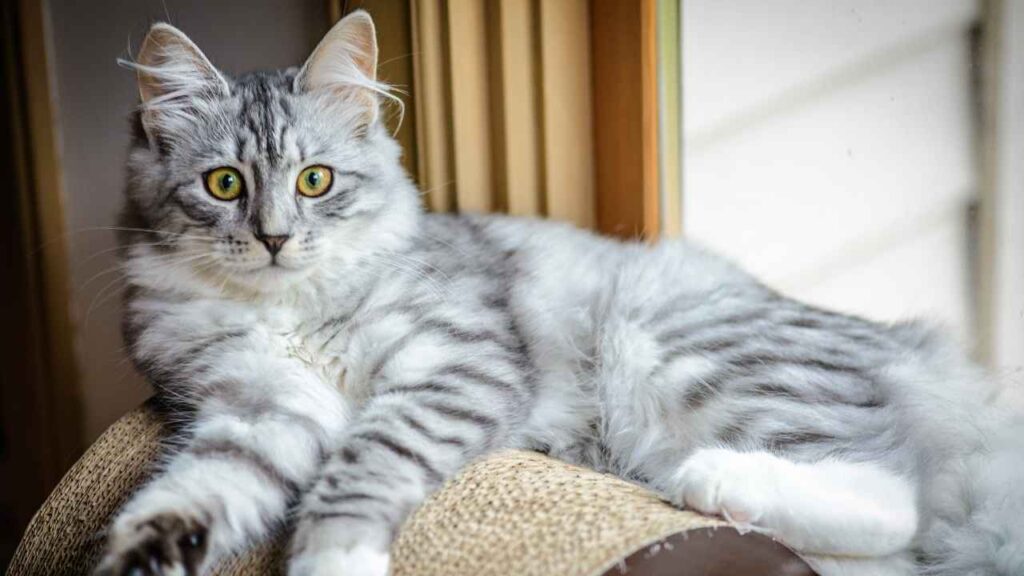
The Siberian cat, also known as the Siberian Forest Cat, is a large, long-haired breed that originated in Russia. With a dense coat, powerful build, and expressive eyes, this ancient breed has been documented for centuries and was developed to endure extremely cold environments.
Its sturdy frame and broad paws make it well-suited for active movement and outdoor survival. Petplan explains that they are an intelligent and playful breed that brings affection and enjoyment to their human family
The Agile Climber with Durable Foot Cushions
One of the defining features of the Siberian cat is its large, rounded paws with thick pads. These durable paw cushions help distribute the cat’s weight and provide stability while moving across slippery or uneven surfaces. The structure allows the cat to step confidently, even on snow or ice.
These strong paws also contribute to the breed’s impressive agility. Despite their large size, Siberians are athletic jumpers and climbers capable of reaching high places with ease. The thick pads and firm grip of their paws help them maintain balance when leaping or climbing trees.
Adaptation to the harsh Siberian climate shaped these paw features. The wide paws and protective fur around the toes help improve traction and comfort in cold conditions, making the breed naturally equipped for outdoor environments.
Fact: Siberian cats have large, round paws that evolved to provide traction and support when walking on snow and icy ground.
FAQ: Why are Siberian cats such skilled climbers despite their size?
Their strong muscles, powerful legs, and thick paw pads give them excellent grip and balance when jumping or climbing.
4. Ragdoll
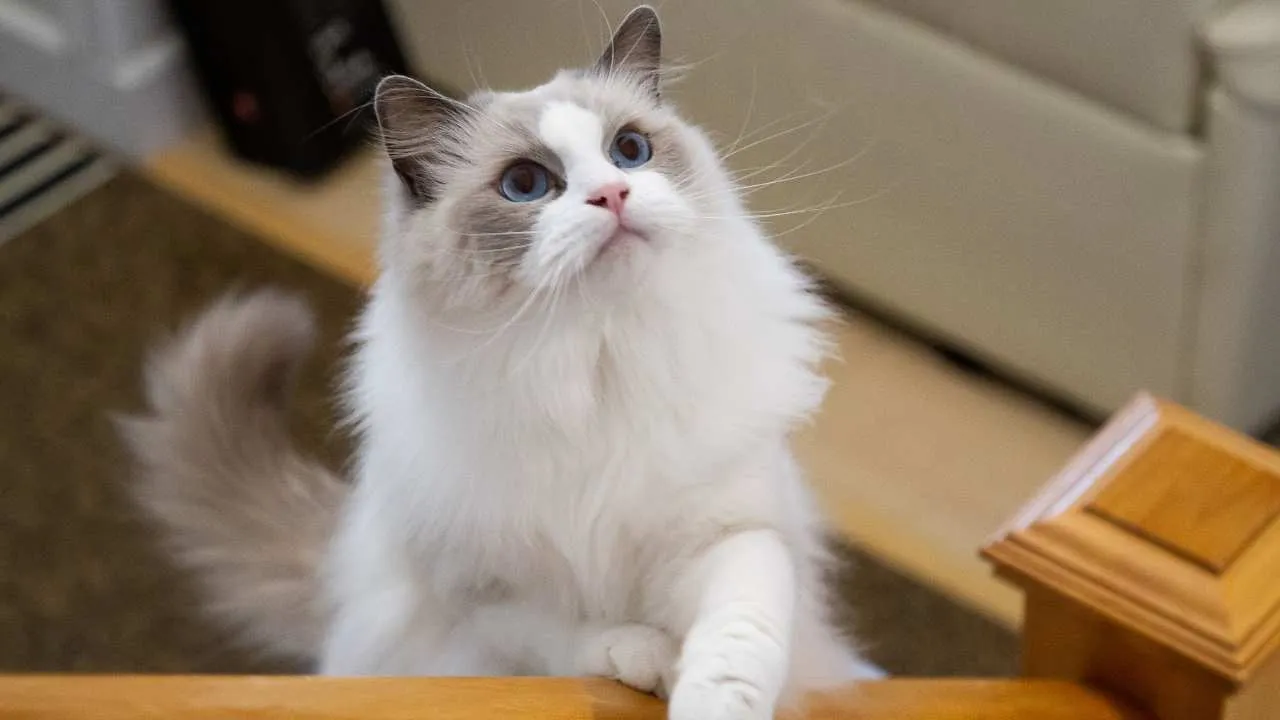
The Ragdoll, sometimes simply called the “Rag,” is a large semi-longhaired cat famous for its striking blue eyes, silky coat, and gentle personality.
Known for its calm temperament and affectionate nature, this breed forms strong bonds with its family and often relaxes when held—hence the name “Ragdoll.” Their sturdy build and balanced frame give them a graceful yet powerful appearance.
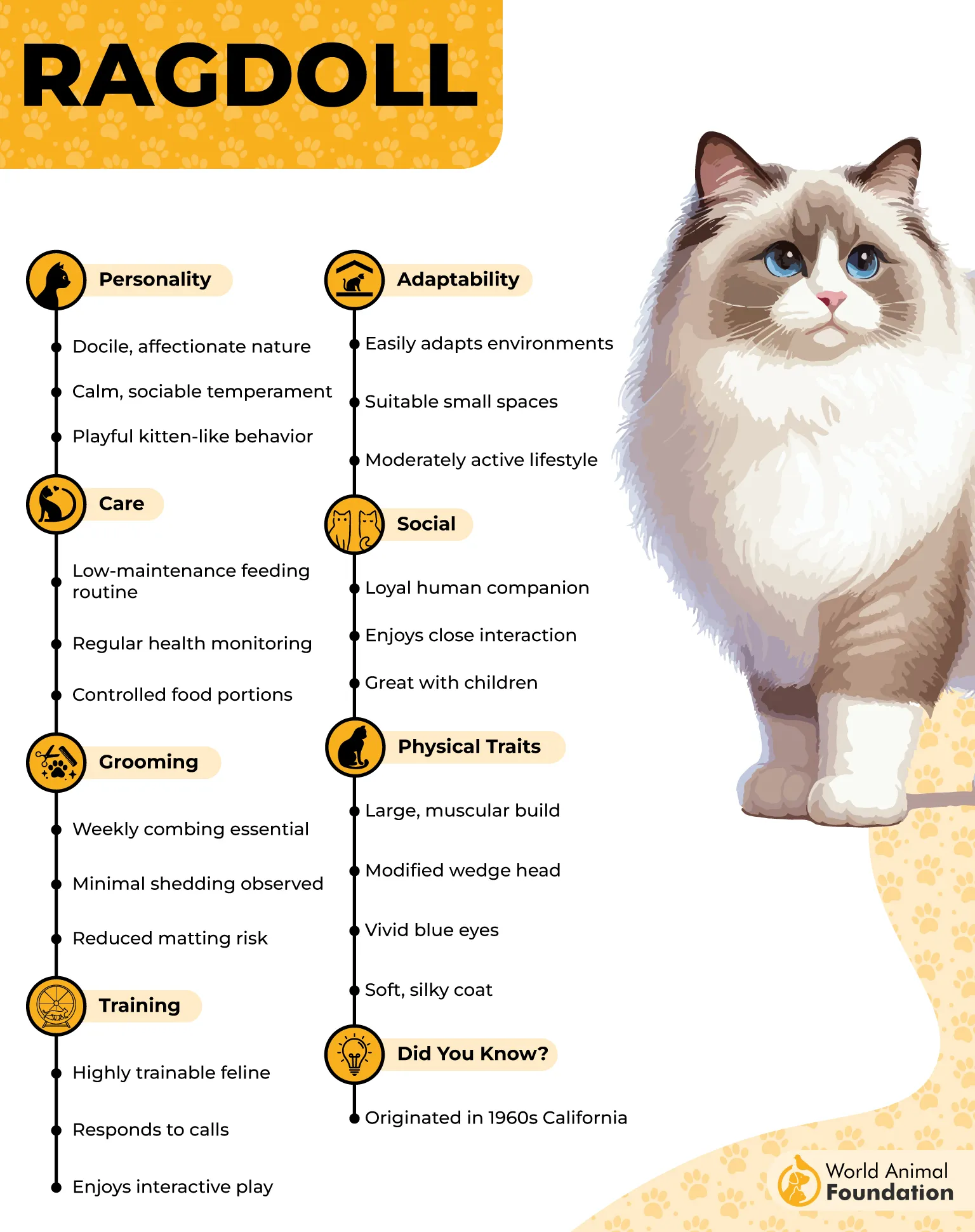
A Rugged Breed Built for Tough Terrain
Ragdolls are large cats, and their strong, well-formed paws play an important role in supporting their body structure. Thick paw pads help cushion their steps, allowing them to move comfortably despite their size. These durable pads also provide balance and stability while walking or climbing.
Because of their solid build, Ragdolls rely on broad paws to distribute weight evenly. The thick pads act like natural shock absorbers when the cat jumps down from furniture or climbs onto higher surfaces. This feature helps maintain smooth, steady movement.
Their paw structure also contributes to their relaxed yet confident mobility. Even though Ragdolls are known for a laid-back personality, their sturdy paws and supportive pads allow them to explore their surroundings with quiet, stable steps.
Fact: Ragdolls are among the larger domestic cat breeds, and their strong, thick paw pads help support their substantial body size.
FAQ: Do Ragdolls need strong paw pads because of their size?
Yes, their large frame requires sturdy paws and thick pads to provide balance, support, and shock absorption during everyday movement.
5. Himalayan
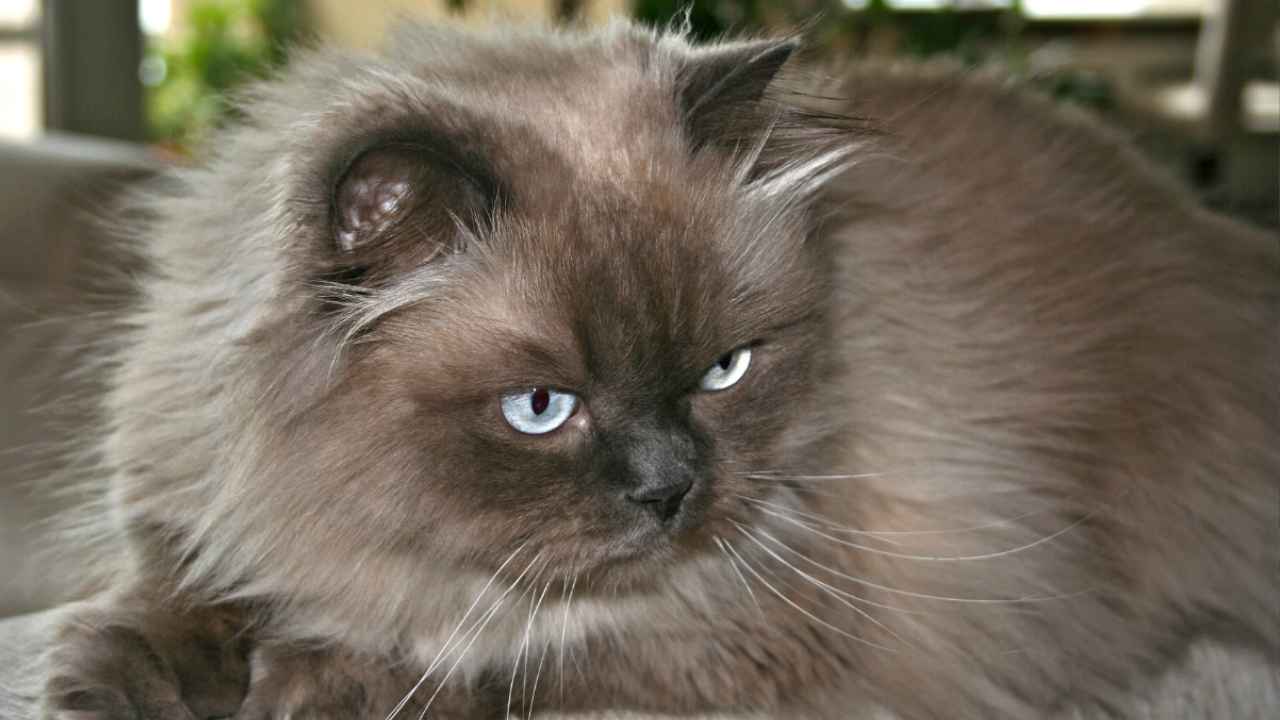
The Himalayan, often affectionately called the “Himmy,” is a striking long-haired cat created by crossing Persian and Siamese breeds.
Known for its bright blue eyes, color-point coat, and plush fur, this breed combines the elegance of the Persian with the distinctive markings of the Siamese. Himalayans are gentle, calm companions that enjoy quiet homes and close interaction with their families.
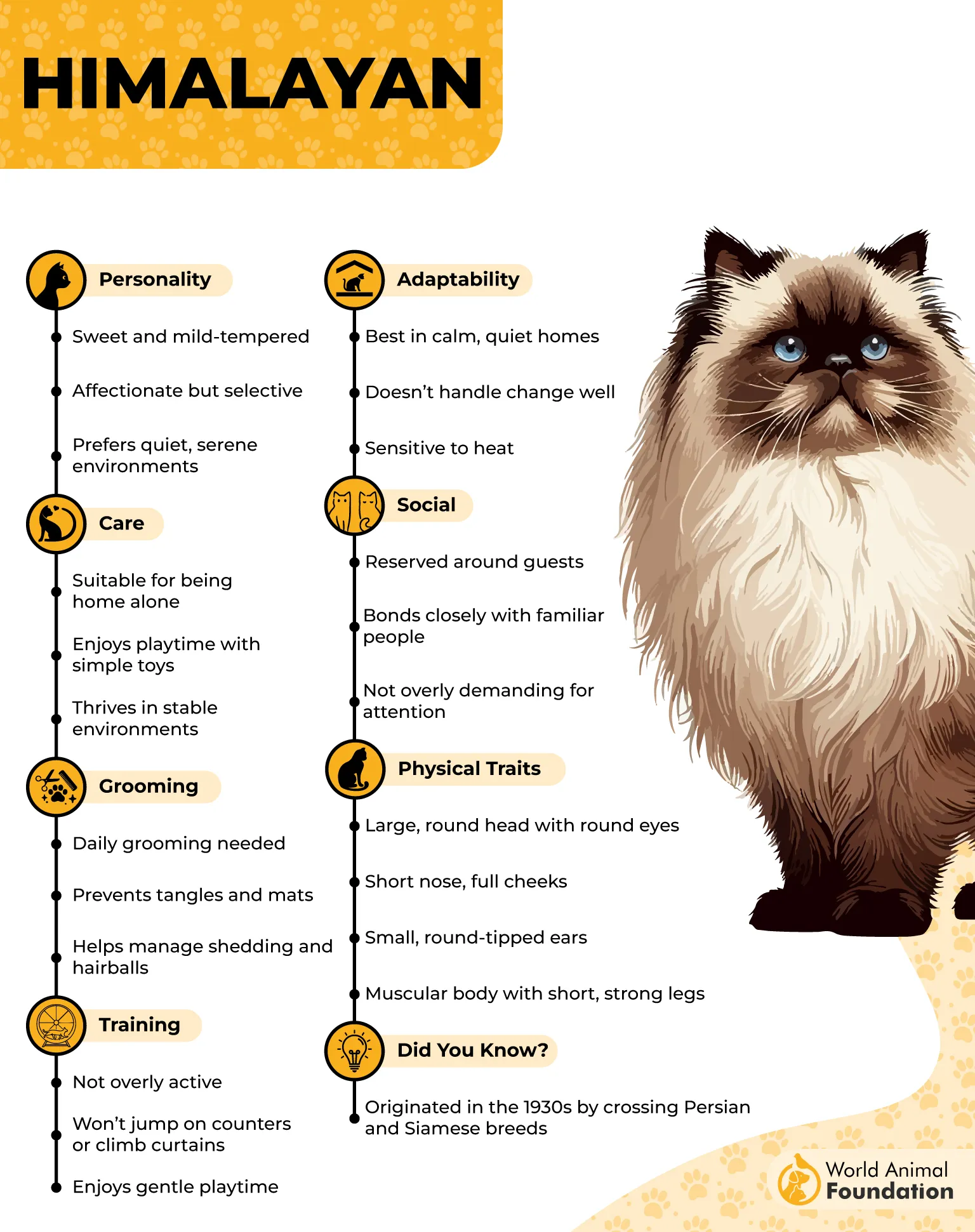
The Quiet Stalker with Naturally Padded Paws
Himalayans have a compact, sturdy body supported by short, strong legs and round paws. Their thick paw pads help cushion each step, allowing them to move smoothly and quietly around the home. This natural padding provides comfort and stability as they walk.
Because this breed prefers calm exploration rather than energetic climbing, their padded paws help them glide across floors with minimal noise. The soft pads also protect their joints when stepping down from furniture or navigating indoor spaces.
Their rounded paw structure complements their heavily built frame. The thick pads distribute body weight evenly, helping maintain balance and preventing strain on their short legs. Combined with their dense coat and relaxed temperament, these features make the Himalayan well-suited for indoor living.
Fact: The Himalayan is sometimes called the “Colorpoint Persian,” reflecting its Persian body type paired with Siamese-style point coloring.
FAQ: Why do Himalayan cats have thick paw pads?
Their sturdy build and short legs benefit from cushioned pads that provide balance, support, and quieter movement around the home.
6. Scottish Fold
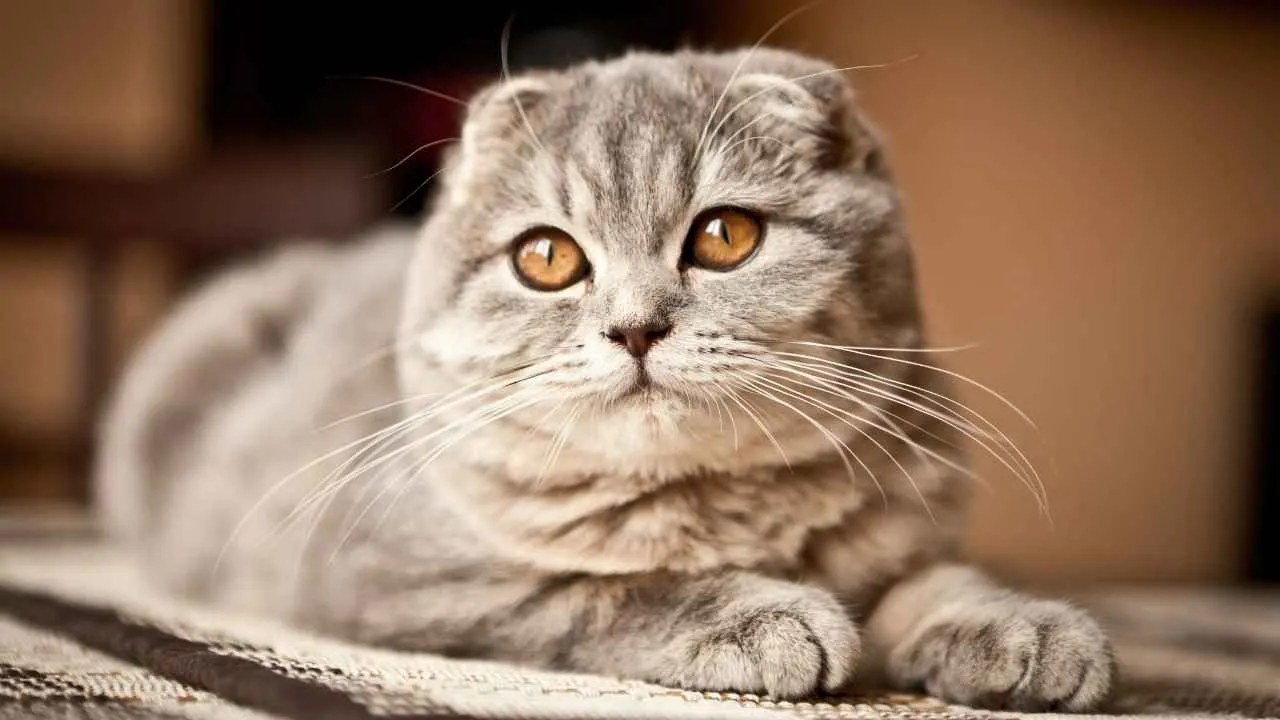
The Scottish Fold, sometimes simply called the “Fold,” is a charming medium-sized cat famous for its distinctive forward-folded ears and round, owl-like face. With a plush coat and sturdy body, the Scottish Fold combines elegance with a soft, cuddly charm.

A Resilient Cat with Excellent Paw Protection
Beyond their famous ears, Scottish Folds also have noticeably large, well-structured paws. These paws feature thick pads that help cushion each step, giving the cat a stable footing as it moves around the home. The extra padding also helps distribute body weight evenly.
Their rounded body and short legs make supportive paw pads especially important. The thick pads provide protection when walking, climbing onto furniture, or playing with toys. This structure helps maintain balance and prevents stress on the joints.
The breed’s strong paws also complement its curious and playful personality. Whether following their owners from room to room or engaging in gentle play, Scottish Folds rely on their padded feet for quiet and steady movement.
Fact: The Scottish Fold breed originated in Scotland in 1961 from a farm cat named Susie, whose folded ears were caused by a natural genetic mutation.
FAQ: Do Scottish Folds have larger paw pads than most cats?
Yes, their sturdy build and rounded body are supported by relatively large paws with thick pads that help provide stability and comfort while moving.
7. Bengal
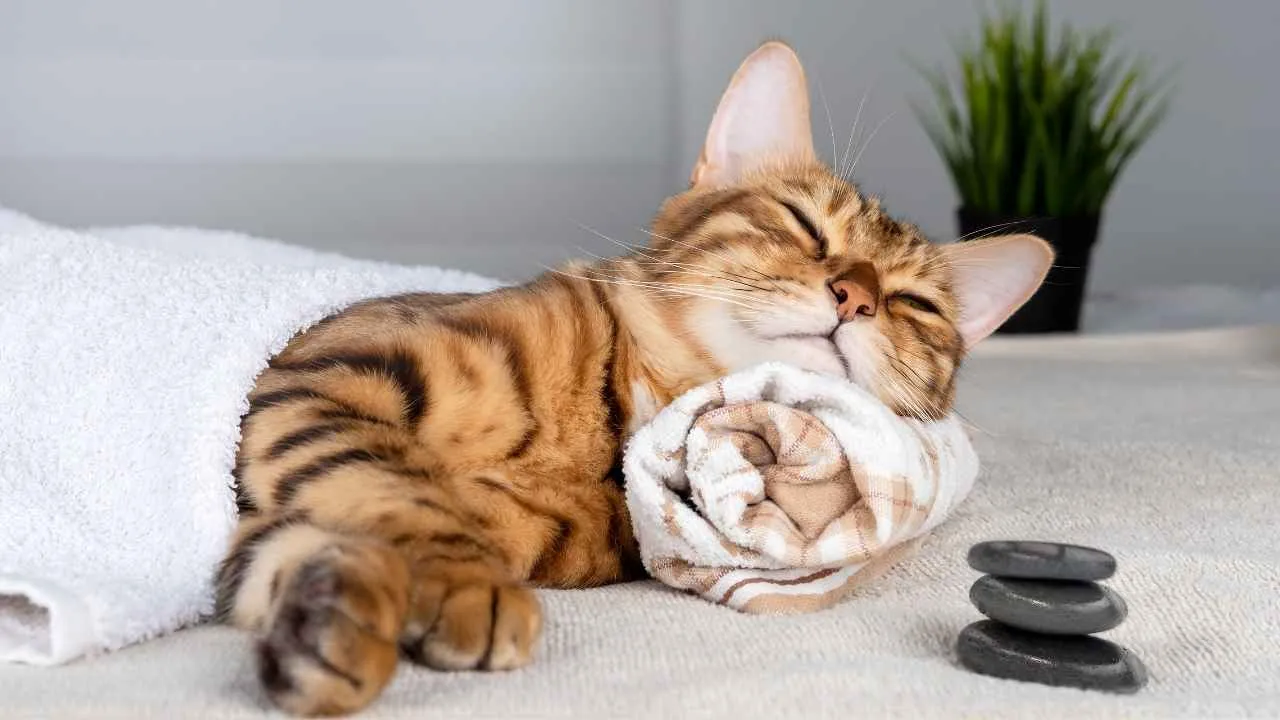
The Bengal, sometimes called the “mini leopard” because of its wild appearance, is a striking domestic cat known for its muscular body and spotted coat. Its athletic frame and powerful legs make it one of the most energetic and agile cat breeds.
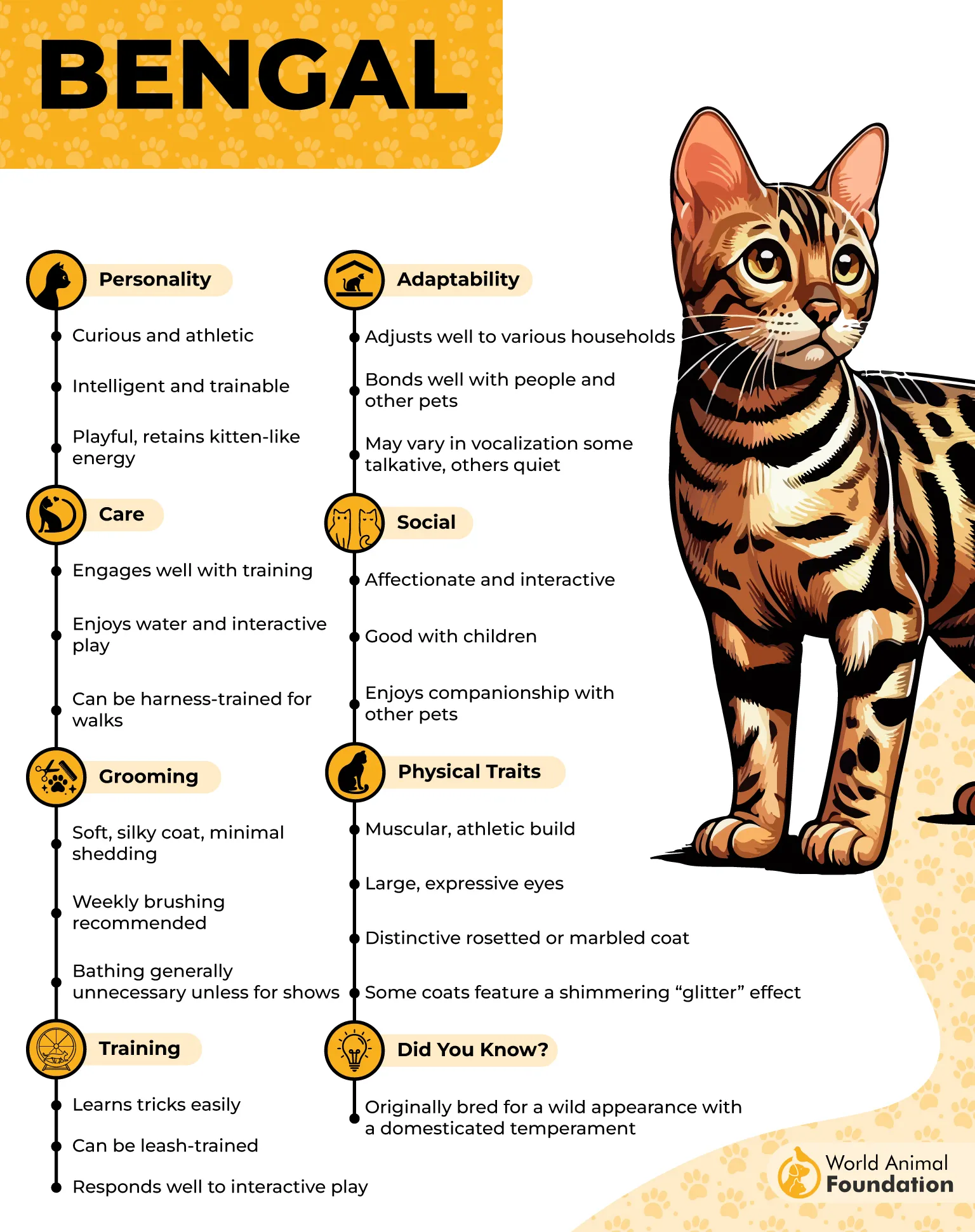
The Soft-Stepping Feline with Powerful Paw Support
Bengals have large, rounded paws that support their muscular structure and active lifestyle. Their thick paw pads provide strong cushioning, allowing them to land comfortably when jumping from heights. This padding also helps maintain grip during quick movements and climbing.
The breed’s powerful hind legs and sturdy feet make Bengals excellent jumpers. Their padded paws absorb the impact of high leaps and sudden sprints, helping them move gracefully despite their strength. This structure supports the breed’s natural agility and athleticism.
Bengals also use their strong paws during play and exploration. Their thick pads help them move quietly while stalking toys or investigating their surroundings, giving them a smooth and controlled stride.
Fact: Bengals have naturally large paws with dark pads that support their muscular body and help them perform impressive jumps.
FAQ: Why do Bengal cats need thick paw pads?
Their athletic build and energetic behavior require strong paw support, and thick pads help cushion landings while improving balance and traction.
Conclusion
Cats rely heavily on their paws for balance, movement, and silent exploration, and breeds with thick paw pads are especially well adapted for these tasks.
From the snow-ready feet of the Maine Coon and Norwegian Forest Cat to the powerful, padded steps of the Bengal and Siberian, each breed shows how paw structure supports agility, comfort, and stability. Even calmer companions like the Ragdoll, Himalayan, and Scottish Fold benefit from strong, cushioned paws that help them move smoothly across different surfaces.
Understanding the role of thick paw pads also highlights how feline anatomy supports both survival and everyday activity. These natural cushions absorb impact, improve traction, and help cats move quietly while climbing, jumping, or exploring indoors.
While breeds such as the Siamese cat may not always be known for oversized paws, all cats depend on healthy paw pads for mobility. Paying attention to paw care ensures your feline companion stays comfortable, balanced, and ready to explore.
