




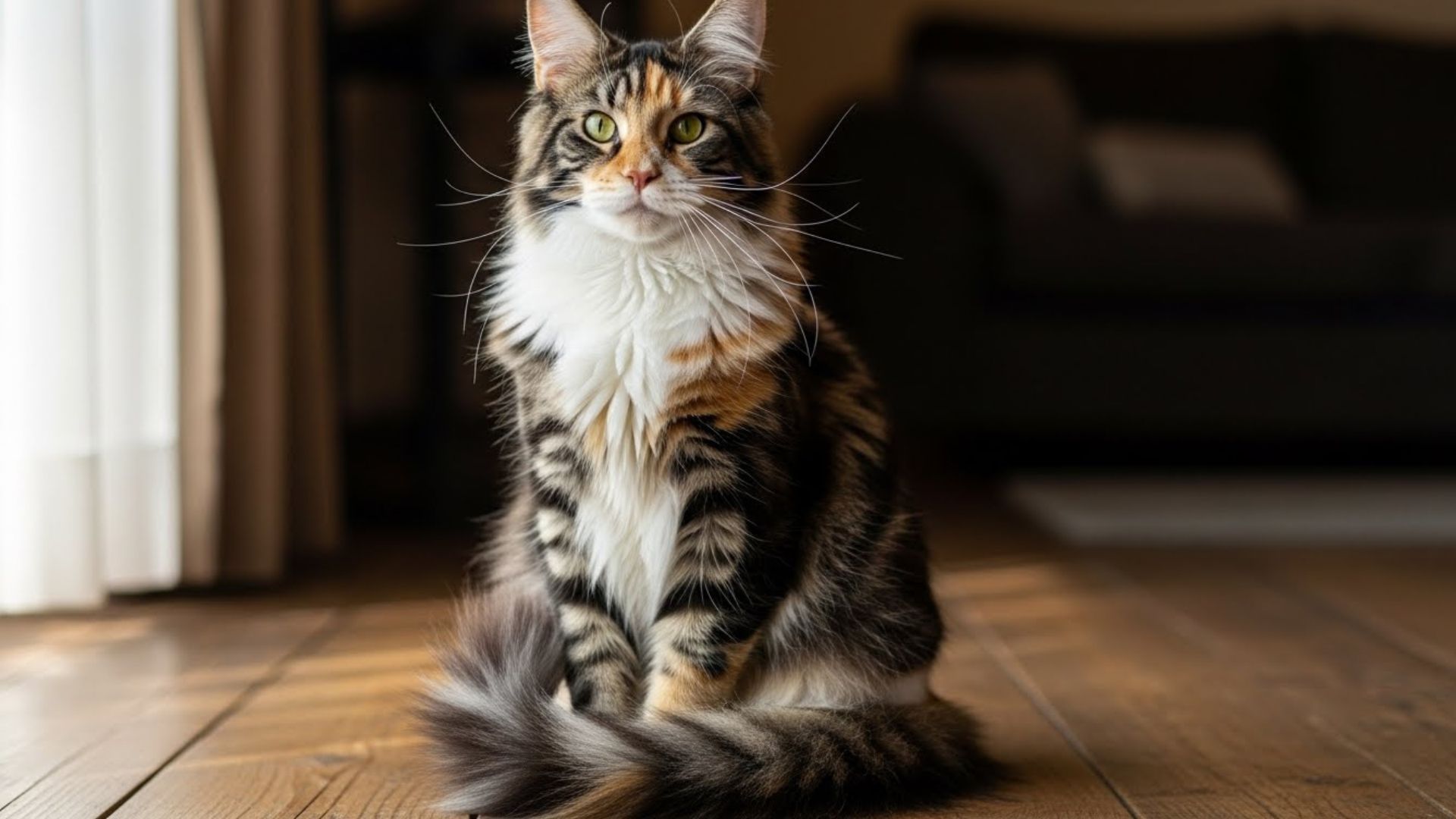
A cat’s coat is often the first thing people notice, and for good reason. From bold spots to swirling stripes and striking color contrasts, coat patterns can be just as expressive as a cat’s personality. Some patterns developed naturally, while others were refined through careful breeding over time.
For cat owners, understanding these unique markings adds a deeper appreciation for what makes each cat one of a kind. It can also help explain why two cats of the same breed may look completely different.
In this article, we explore cats with the most unique coat patterns, highlighting how these eye catching designs contribute to their individuality and appeal in homes around the world.
Cat Breeds with the Most Unique Coat Patterns
1. California Spangled Cat
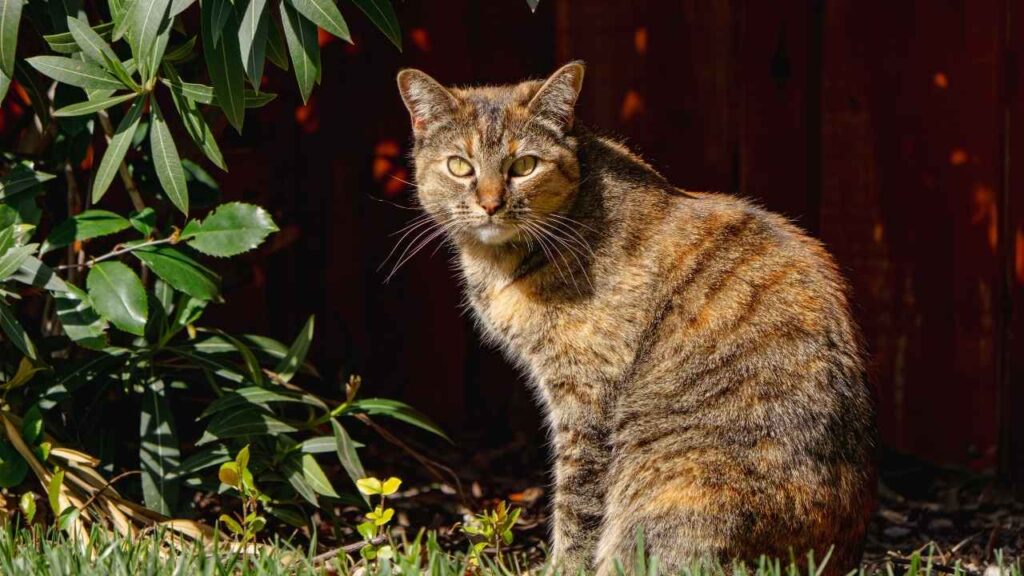
The California Spangled Cat was developed in the United States during the 1980s with the goal of resembling a small wild leopard. Its coat features clear, well defined spots that stand out against a lighter background. The body is athletic and lean, giving the pattern a sleek, flowing appearance.
One of the most striking features is the variety of spot shapes, which can appear round, oval, or square. These spots are intentionally placed to look random rather than lined up in rows. The overall effect is a dramatic, eye catching coat that looks natural and bold.
As per PetMD, the fur itself is short and close lying, which helps the pattern remain crisp and visible. Colors range across several shades, but the contrast between spots and background is always emphasized. This clarity is a defining part of the breed’s look.
Beyond appearance, the California Spangled Cat was designed to raise awareness about wildlife conservation. Its coat pattern plays a central role in that original mission. Today, it remains a rare but memorable breed.
Fun Fact
The breed was inspired by concerns about disappearing wild cats. Its spotted coat was meant to remind people of leopards and other endangered animals.
2. Egyptian Mau
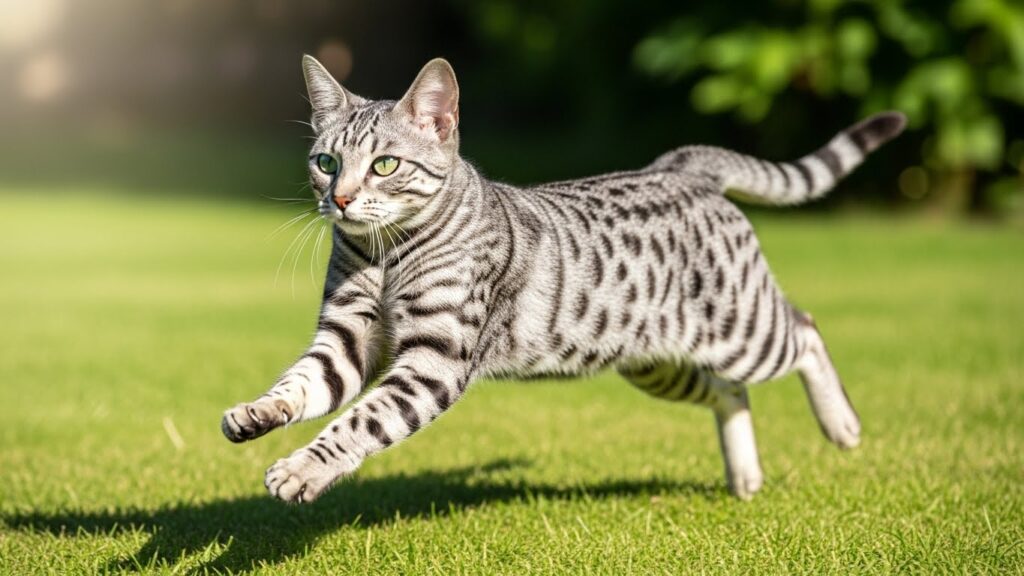
As per CFA, the Egyptian Mau is one of the few domestic cats with naturally occurring spots. These spots appear on the coat, skin, and even under the fur, making the pattern especially distinctive. No two Maus have the same arrangement.
Their coat pattern includes random spots paired with a strong contrast between background color and markings. The pattern often extends to the belly, which is also spotted. A dark stripe runs along the spine, adding definition to the overall look.
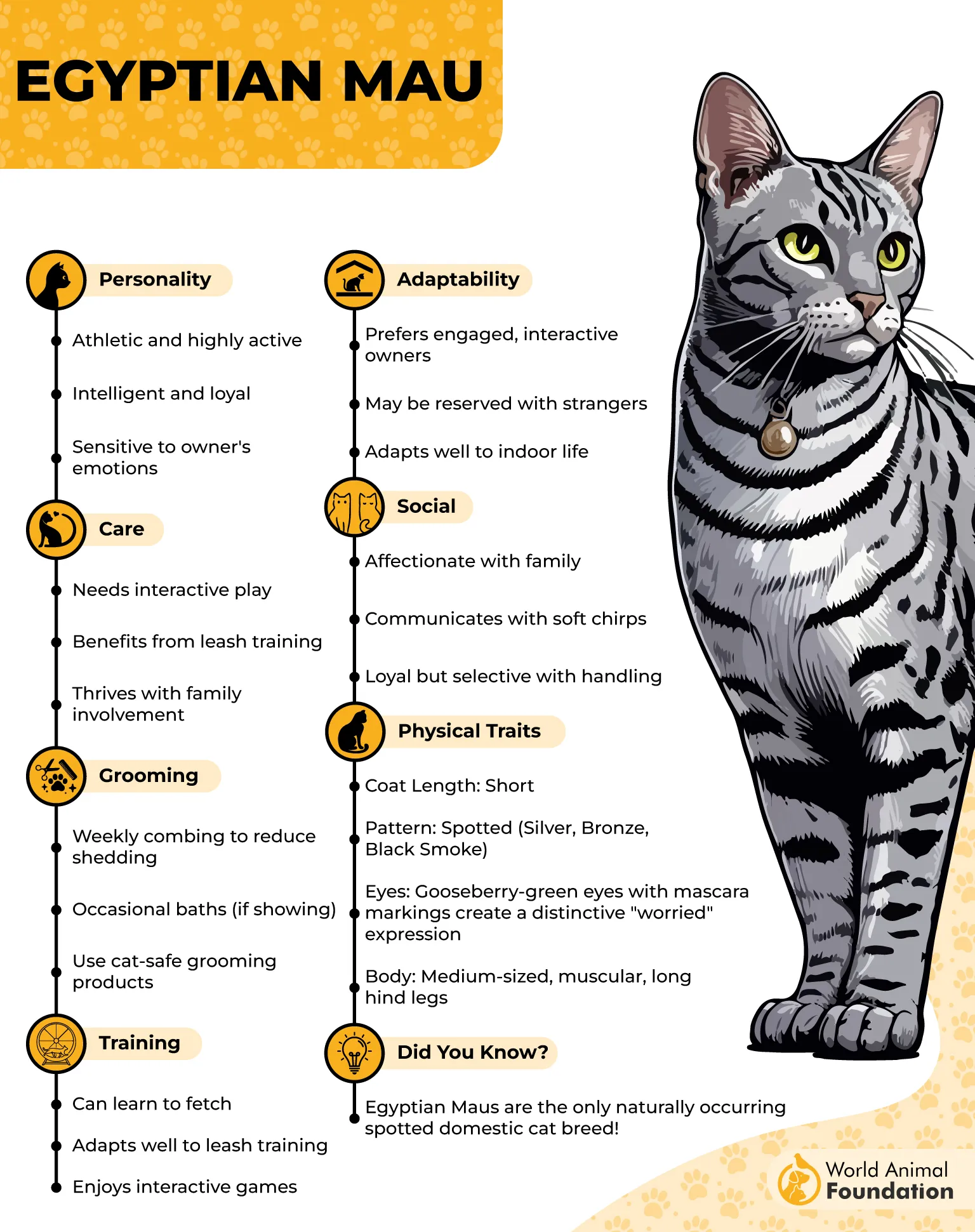
The fur is short and silky, which enhances the sharpness of each spot. Common color varieties include silver, bronze, and smoke, each highlighting the pattern in a different way. The combination creates a refined yet striking appearance.
In addition to spots, the Egyptian Mau has a characteristic facial marking often called a worried look. This comes from lines that frame the eyes and forehead. Together, these features make the breed instantly recognizable.
Fun Fact
The Egyptian Mau’s spots are not man made through breeding. They occur naturally, which is rare among spotted domestic cats.
3. Abyssinian
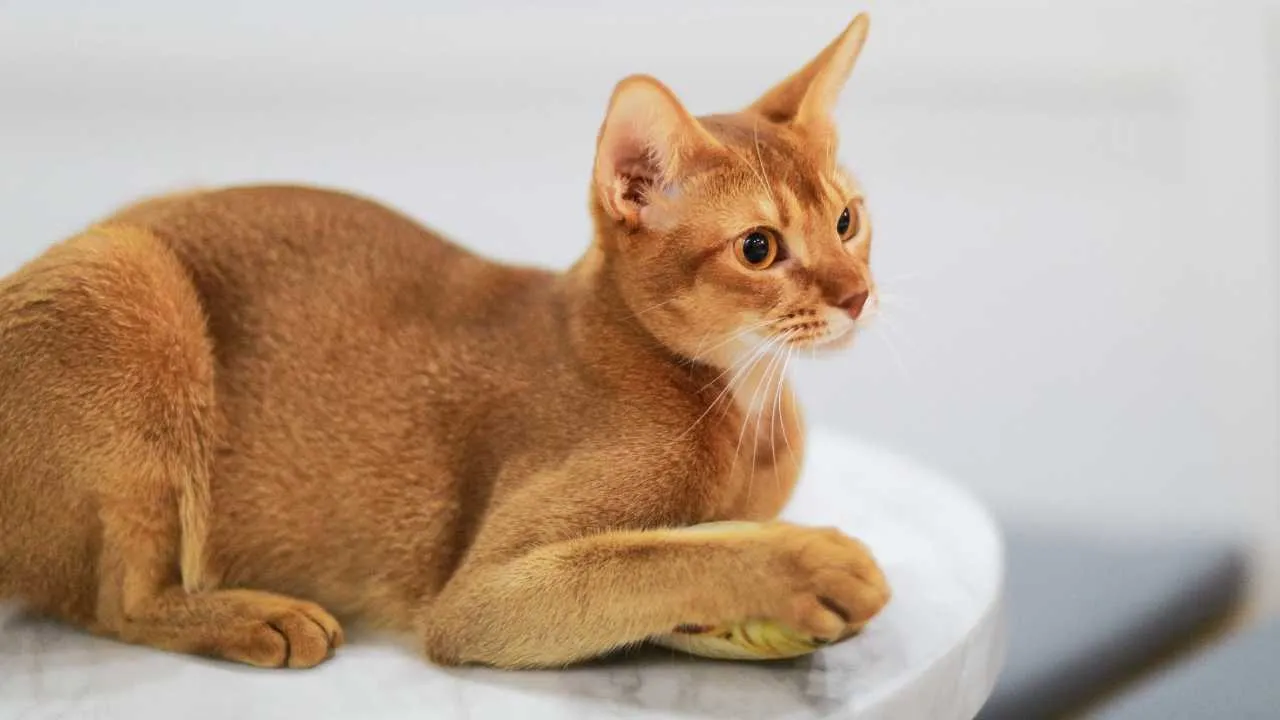
The Abyssinian does not have stripes or spots in the traditional sense. Instead, its coat features a ticked pattern where each hair has multiple bands of color. This creates a shimmering, textured appearance across the body.
Purina states that the ticking is evenly distributed, giving the coat a warm, glowing look. There are no clear markings on the body, which sets this breed apart from others. The effect is subtle but visually rich.
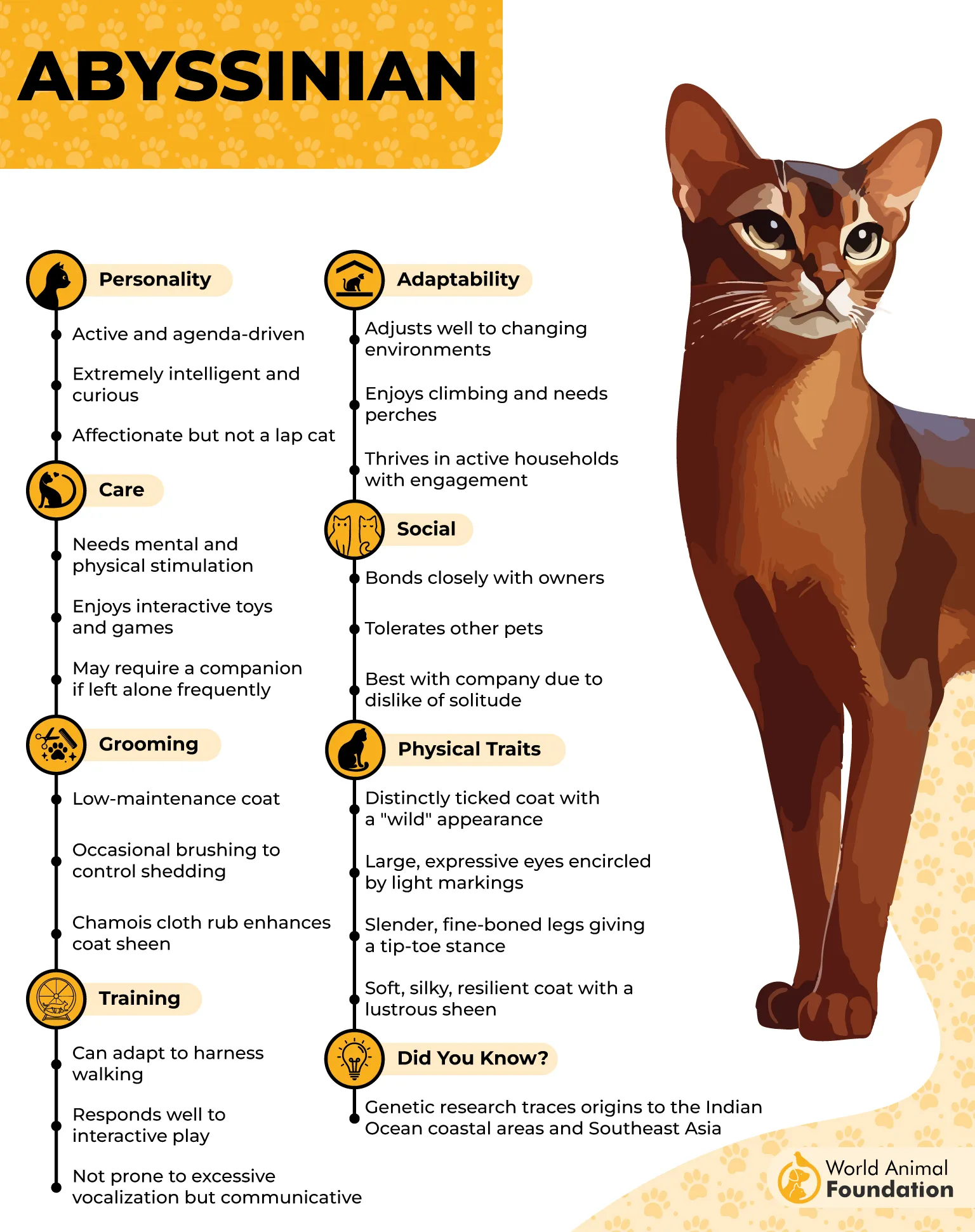
Color variations include ruddy, blue, fawn, and sorrel, all showing the same banded hair pattern. The short coat lies close to the body, making the ticking more visible. Light often enhances the depth of color.
This pattern is one of the oldest known coat types in domestic cats. It contributes to the breed’s elegant and refined appearance. Many people find it striking because it looks simple at first glance but detailed up close.
Fun Fact
Each individual hair on an Abyssinian has multiple color bands. This is what creates the breed’s signature ticked look.
4. Ocicat
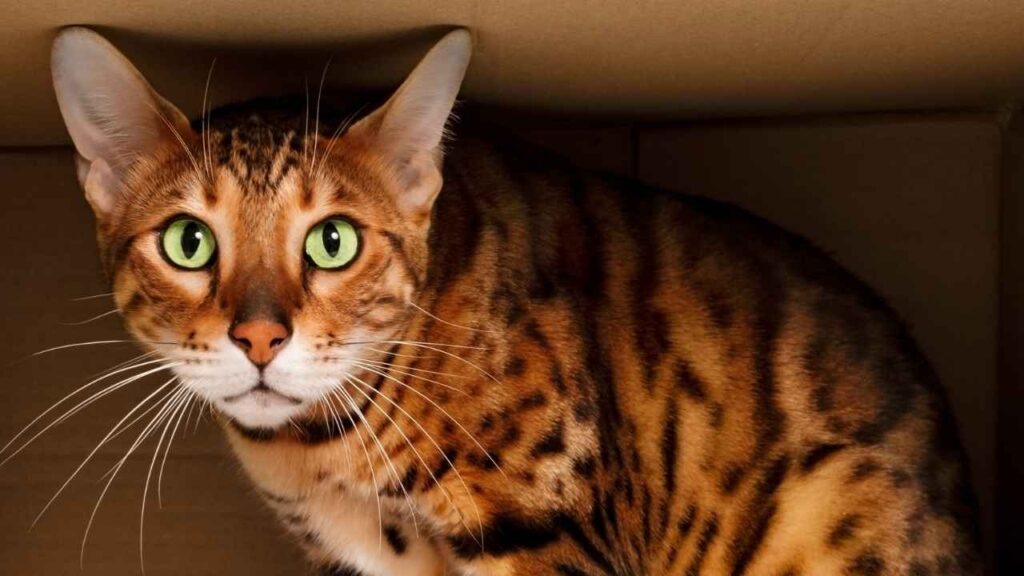
The Ocicat is known for its bold spotted coat that closely resembles a wild cat. Despite the appearance, the breed is fully domestic. The spots are large, thumbprint shaped, and arranged in clear rows along the body.
These spots contrast strongly with the background color, making them easy to see even from a distance. The pattern continues down the legs and tail, with darker markings at the tip. The overall look is symmetrical and dramatic.
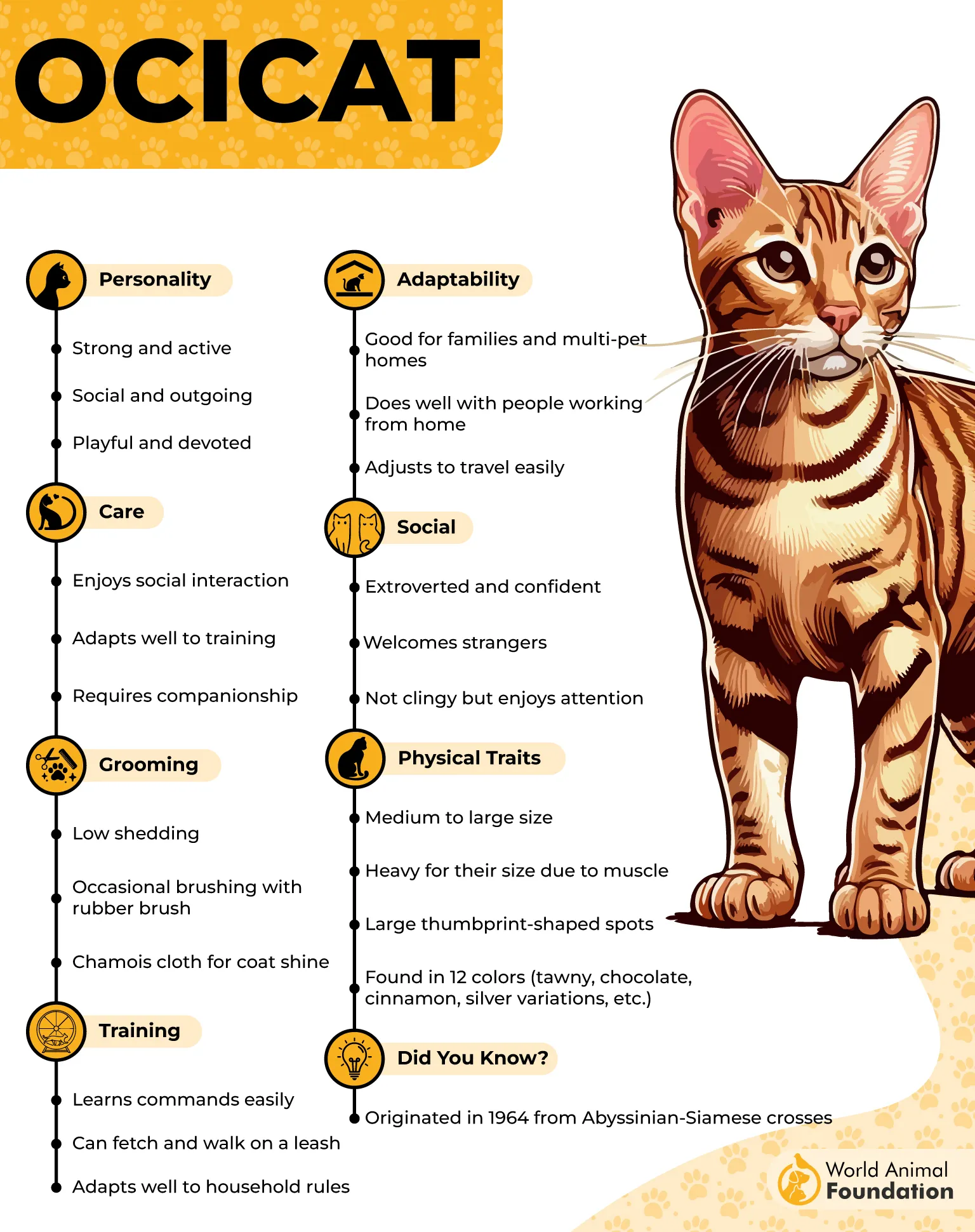
Ocicats come in a wide range of recognized colors, each paired with the same distinctive spotting. The short, satiny coat helps keep the markings sharp and well defined. Texture plays a key role in highlighting the pattern.
The breed was intentionally developed to combine a wild look with a polished finish. The coat is central to its identity and appeal. It remains one of the most visually striking spotted breeds.
Fun Fact
The Ocicat gets its name from its resemblance to an ocelot. Despite the name, it has no wild cat ancestry.
5. Bengal
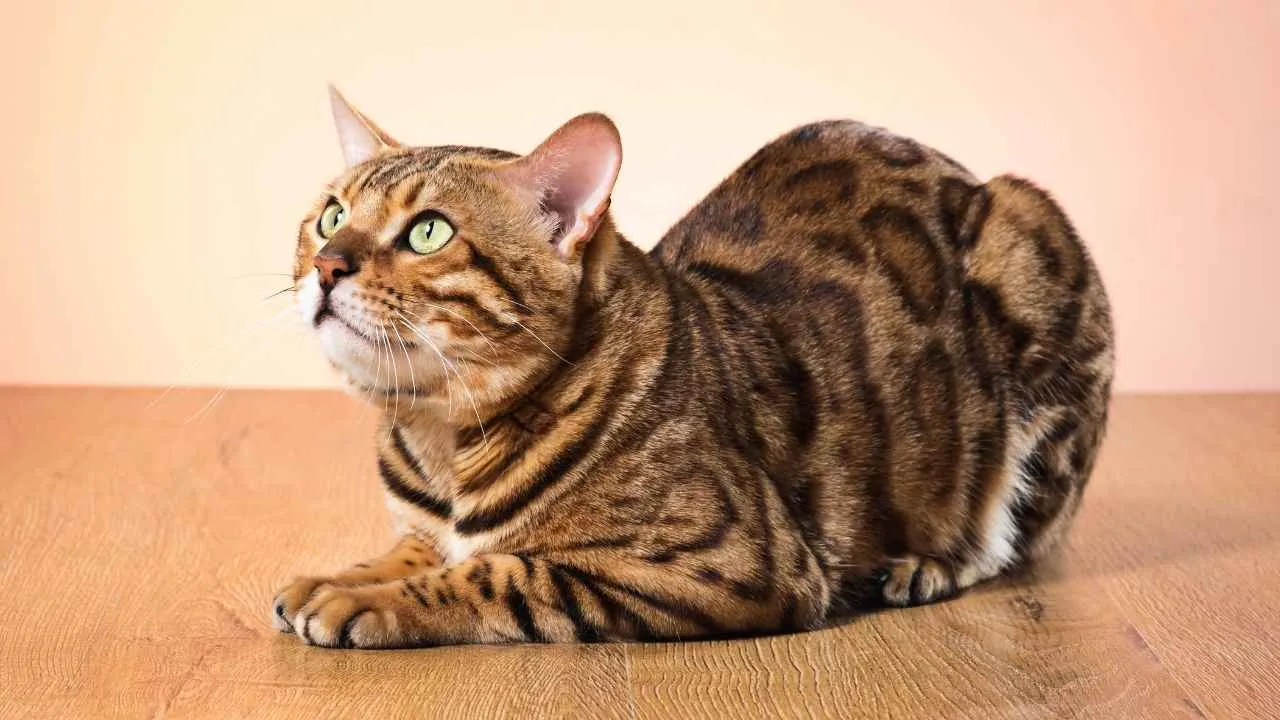
The Bengal cat is famous for its dramatic coat patterns, which include spots and marbling. These patterns are large, flowing, and high contrast, giving the cat a bold appearance. The coat often has a glossy or glittered effect.
Spotted Bengals may display rosettes, which are two toned spots similar to those seen on leopards. Marbled Bengals have swirling patterns that move horizontally along the body. Both styles are carefully developed and visually complex.
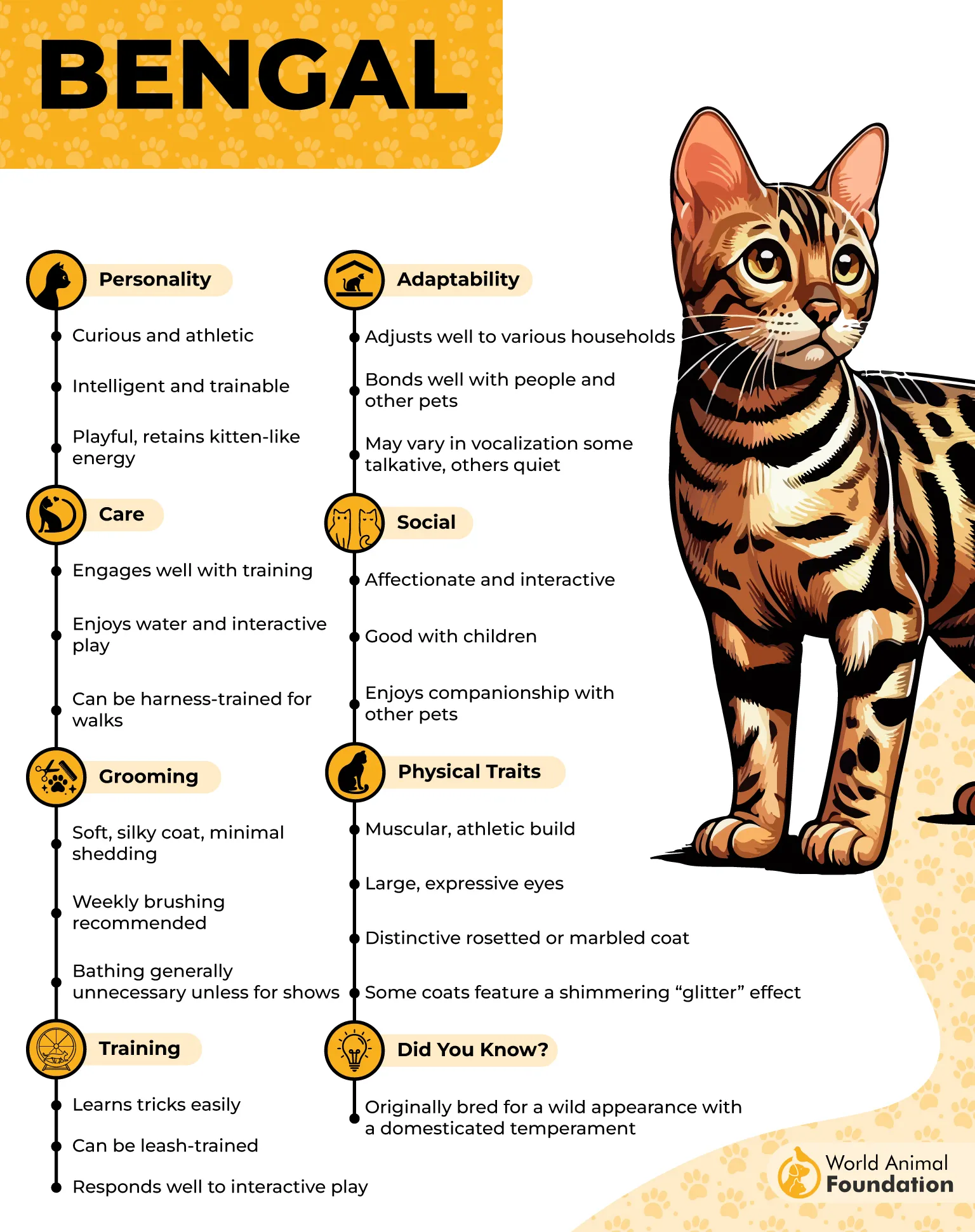
The fur is short and dense, enhancing the clarity of each marking. Colors vary, but contrast between pattern and base coat is always emphasized. Light often makes the coat appear to shimmer.
The Bengal’s coat is one of the most recognized in the cat world. Its patterns are intentionally bred to stand out while remaining consistent across the body. This combination makes the breed instantly identifiable.
Fun Fact
Some Bengal coats appear to sparkle in sunlight due to a natural sheen in the fur. This effect is often described as glitter.
6. Savannah
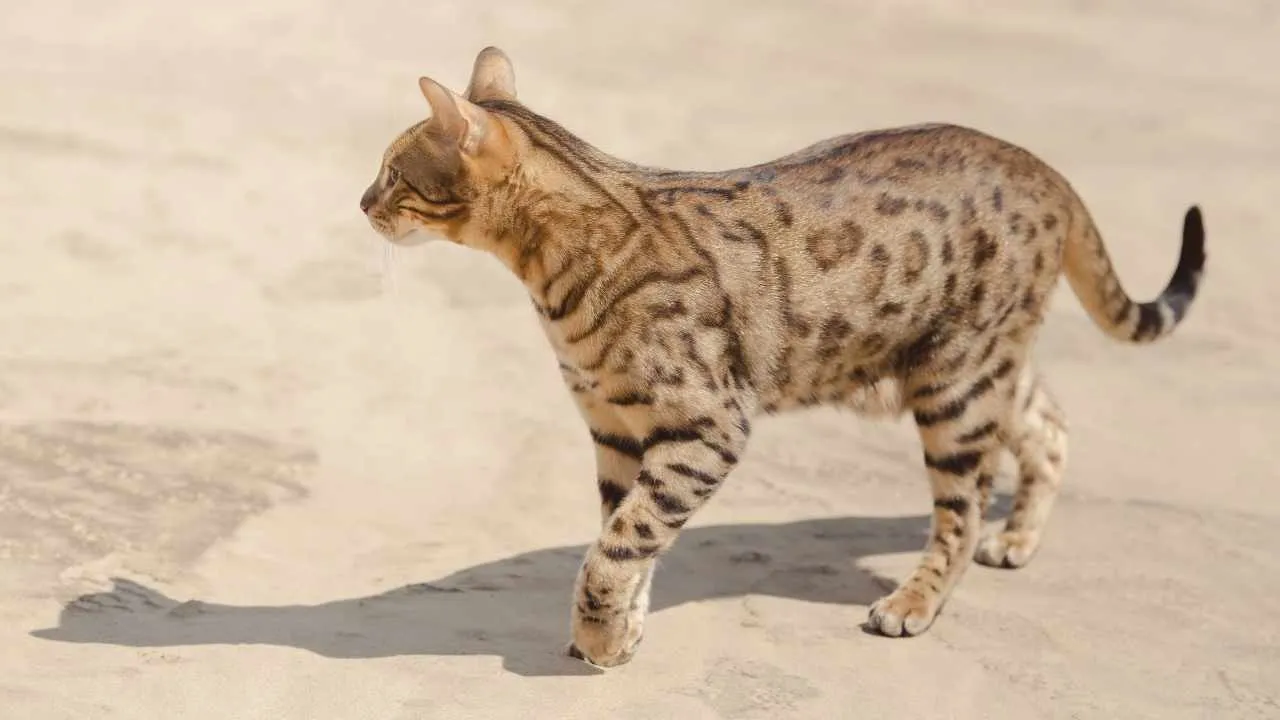
The Savannah is a tall, lean cat that many cat lovers notice immediately because it strongly resembles wild cats. Its coat shows a clear spotted tabby pattern that creates a bold, athletic look. This breed is often admired for a brown coat that highlights contrast and movement.
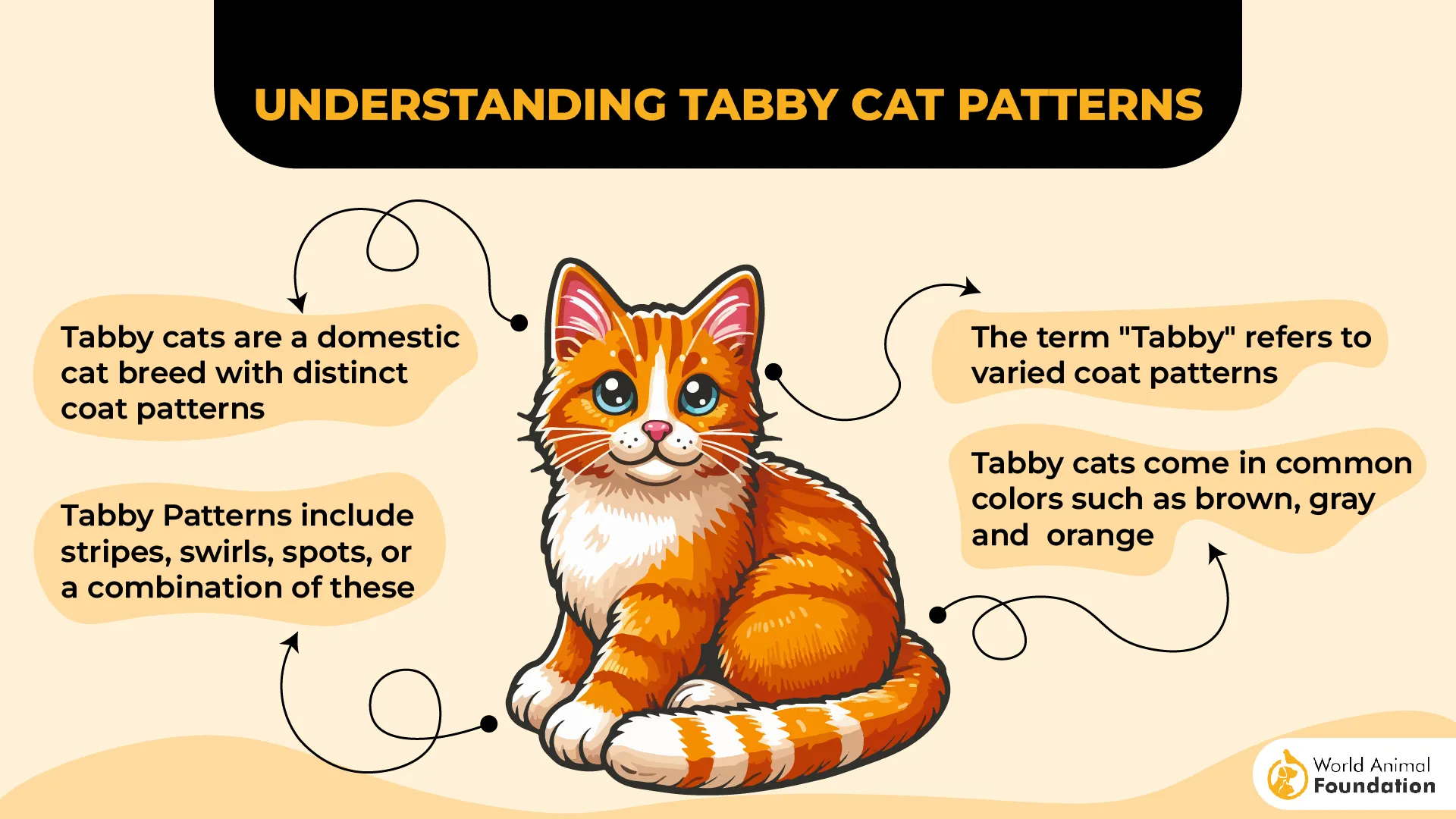
Color pattern variety comes from how cats carry different genes that control pigment. Darker colors appear when eumelanin production is expressed more strongly, while lighter areas depend on how pigment is diluted. Savannah cats commonly show rich brown color with black markings.
Unlike mixed breed cats, Savannahs have a very consistent appearance. The spots are evenly spaced and well defined, creating a unique pattern that looks intentional rather than random. This balance makes the coat visually striking without being busy.
The overall effect is powerful and elegant. Many people meet a Savannah and remember the coat first, even before noticing size or posture.
Fun Fact
Savannah kittens are often described as curious and alert from an early age. Their striking appearance makes them memorable at first glance.
7. Toyger
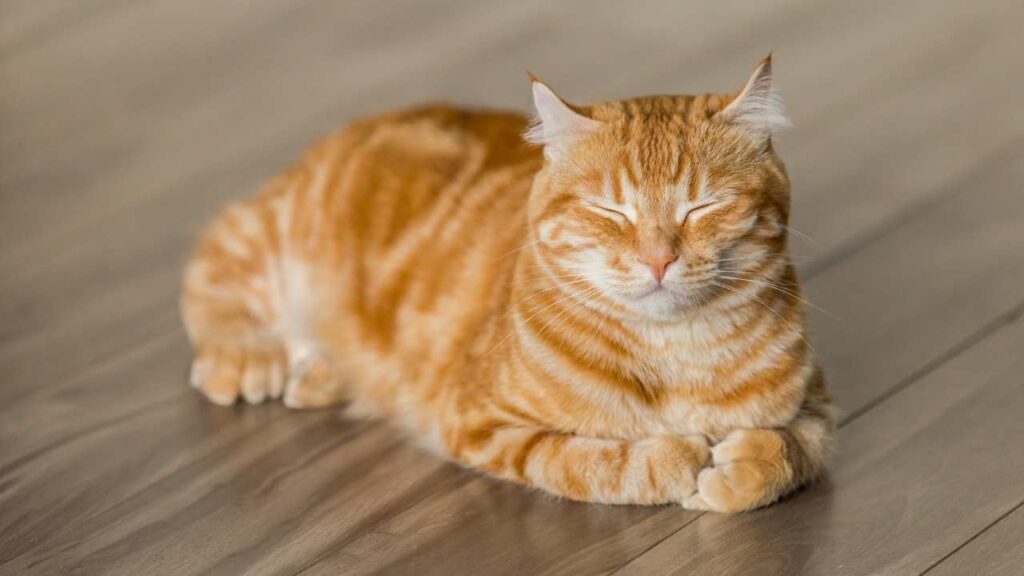
The Toyger was developed to showcase a bold striped coat inspired by wild animals. Its unique pattern features thick vertical stripes instead of spots, giving it a dramatic look. The base is usually a warm brown color that enhances contrast.
This color pattern relies on how pigment is determined by dominant and recessive allele combinations. Dark striping appears where melanin is more heavily expressed, while lighter areas soften the overall look. These darker colors help define the tiger-like design.
Unlike other breeds, the Toyger does not show rosettes or classic tabby swirls. The stripes are intentionally broken and branched to look natural. This gives the coat a sense of motion even when the cat is still.
Toygers are often admired simply for their design. The coat feels like living artwork rather than decoration.
Fun Fact
The Toyger name blends “toy” and “tiger.” The goal was to create a domestic cat with a wild inspired appearance.
8. Serengeti Cat
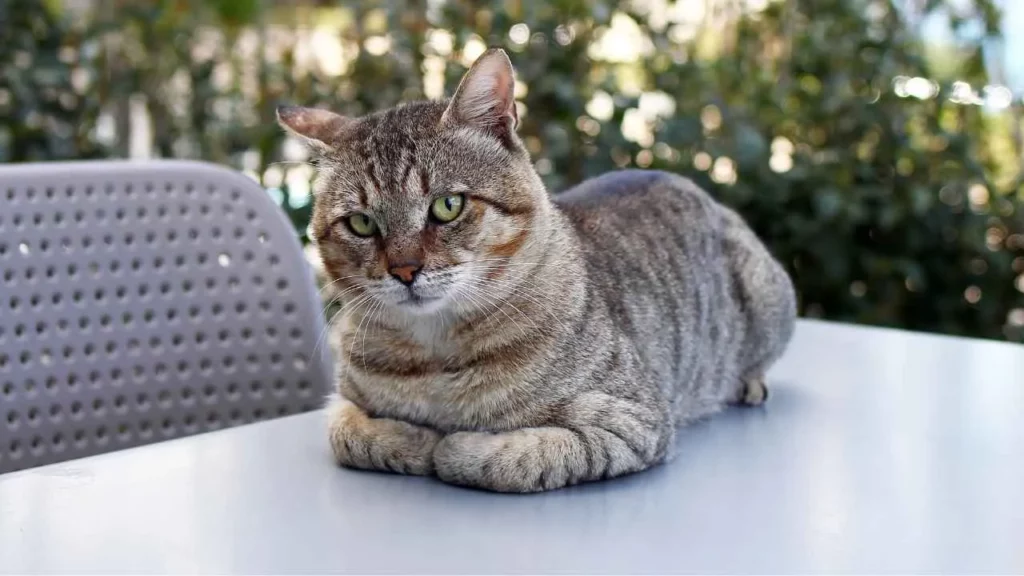
The Serengeti cat is known for a sleek body and a clean spotted coat. Its spots are solid and round, not rosettes, creating a sharp and modern look. This breed stands out among cat breeds for clarity of markings.
Colors and patterns vary, but darker colors are common because of how pigment is expressed. The primary gene influencing coat tone allows strong contrast between spots and background. This makes the pattern easy to see even from far away.
Unlike cats with rarest coat colors or diluted shades, the Serengeti focuses on bold visibility. There is no chinchilla pattern or black smoke involved. Instead, the goal is sharp definition.
The result is a coat that feels intentional and refined. Many people comment on how balanced the pattern looks.
Fun Fact
The Serengeti was named after the African plains. Its coat was designed to echo that landscape visually.
9. Cheetoh
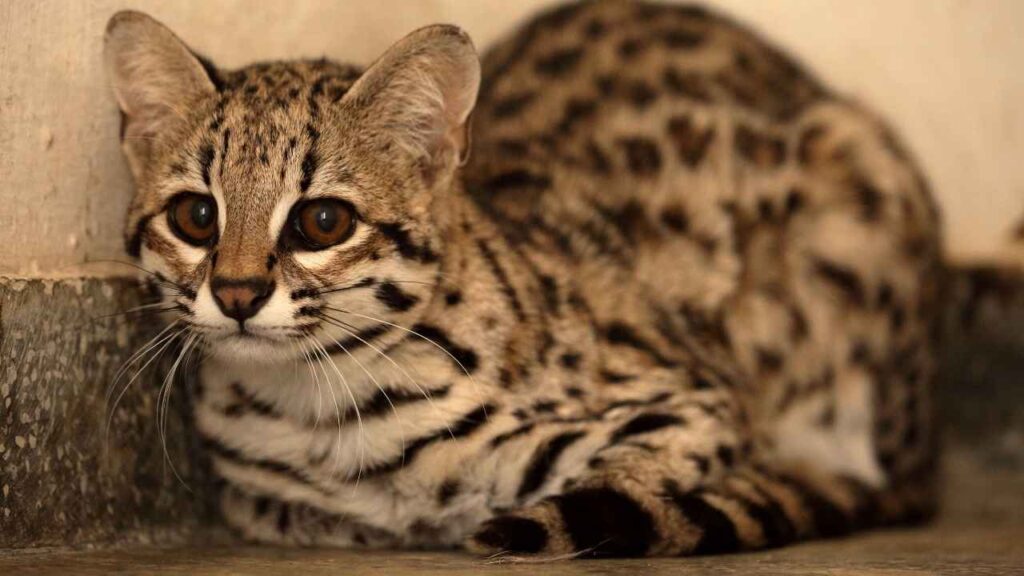
The Cheetoh is famous for its large size and dramatic rosette pattern. These rosettes resemble those seen in wild cats and add depth to the coat. Each marking appears layered rather than flat.
Color expression can include chocolate coat tones, black coat color, or even cream and lilac variations. These differences depend on how melanin inhibitor gene activity and other genes interact. In some cases, diluted pigment creates softer contrast.
Some Cheetohs may carry recessive allele b, which influences chocolate or cinnamon shades. Colorpoint pattern and red gene influence are not typical, but genetic variation still plays a role. The final look depends on which genes are expressed.
This complexity makes every coat beautiful in a slightly different way. No two look exactly half the same.
Fun Fact
The Cheetoh was developed to highlight a bold wild look without aggression. Its name reflects the dramatic style of the coat rather than behavior.
Conclusion
Unique coat patterns show just how much variety exists in the cat world. From a chinchilla coat pattern to bold spots or flowing stripes, each trait is shaped by genetics, such as a dense pigment gene or a dominant allele that controls how colors appear.
These influences explain why some cats show blue eyes, vivid green eyes, lilac color, or warm gold and orange tones. Different colors add personality, whether a kitty is curled on the couch or exploring daily life with confidence.
A coat can be just one bit of what makes a cat special, but it often becomes the first thing people notice and remember. Other breeds such as the Siamese cat and Persian are also admired for distinctive color traits and eye-catching appearances.
