




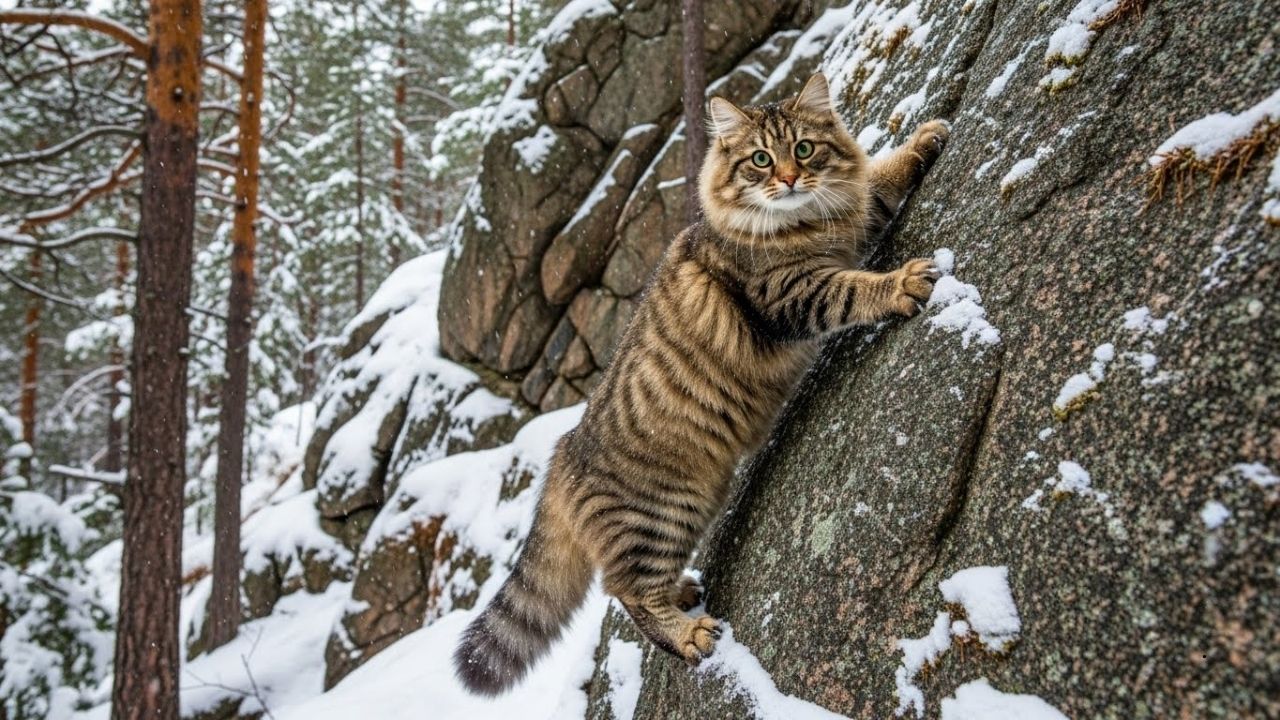
Welcome to your guide on cat breeds with strong climbing ability. Whether you are a seasoned feline lover or a first-time cat owner, you already know that cats are born explorers who love to scale new heights.
Some breeds take this instinct to another level, turning cat trees, shelves, and even door frames into vertical playgrounds.
In this article, we celebrate the breeds whose natural agility, balance, and adventurous personalities make them exceptional climbers and engaging companions for homes that can match their energy and curiosity.
Cat Breeds with Strong Climbing Ability
1. Maine Coon
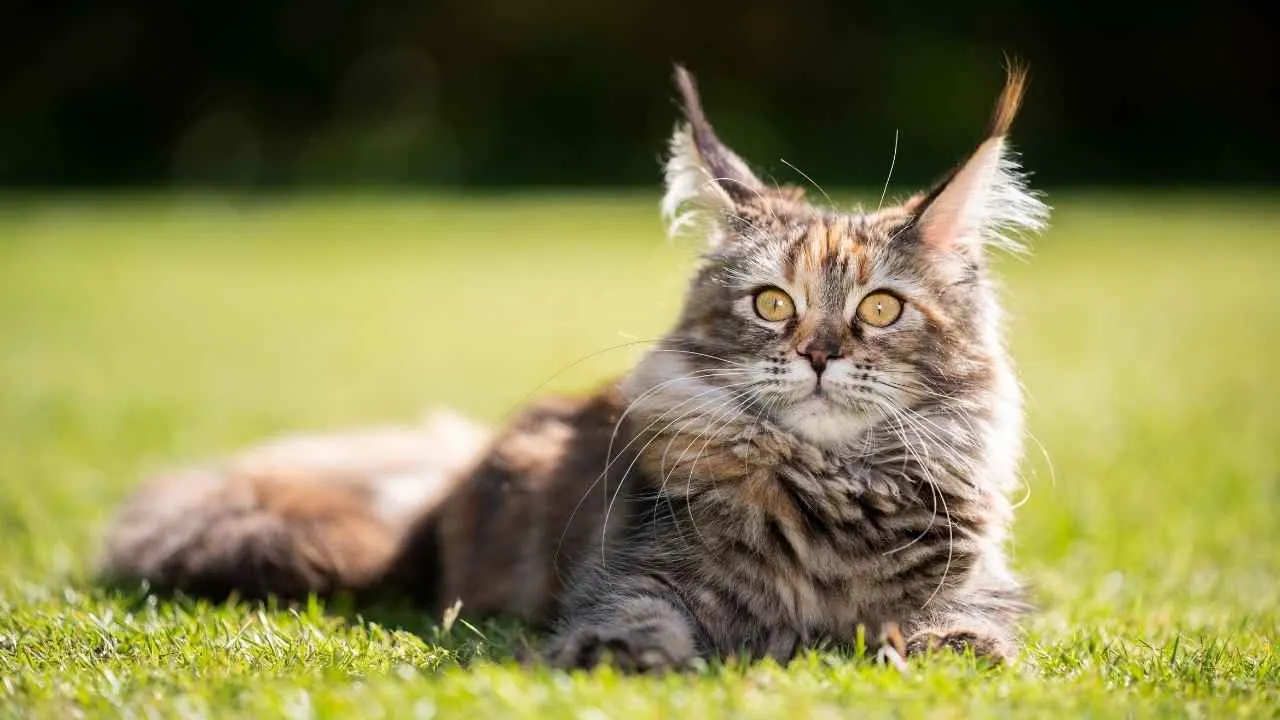
According to PetMD, Maine Coons are known for their large size, tufted ears, and calm confidence that fills a room without demanding attention. They are often described as gentle and people-focused, enjoying interaction while still keeping a laid-back attitude. Their intelligence shows in how quickly they learn routines and navigate their environment.
This breed is naturally curious and enjoys exploring vertical spaces at its own pace. Maine Coons tend to investigate shelves, tall furniture, and window perches with careful, deliberate movements rather than wild leaps. Their strong build supports steady climbing and controlled descents that look almost effortless.
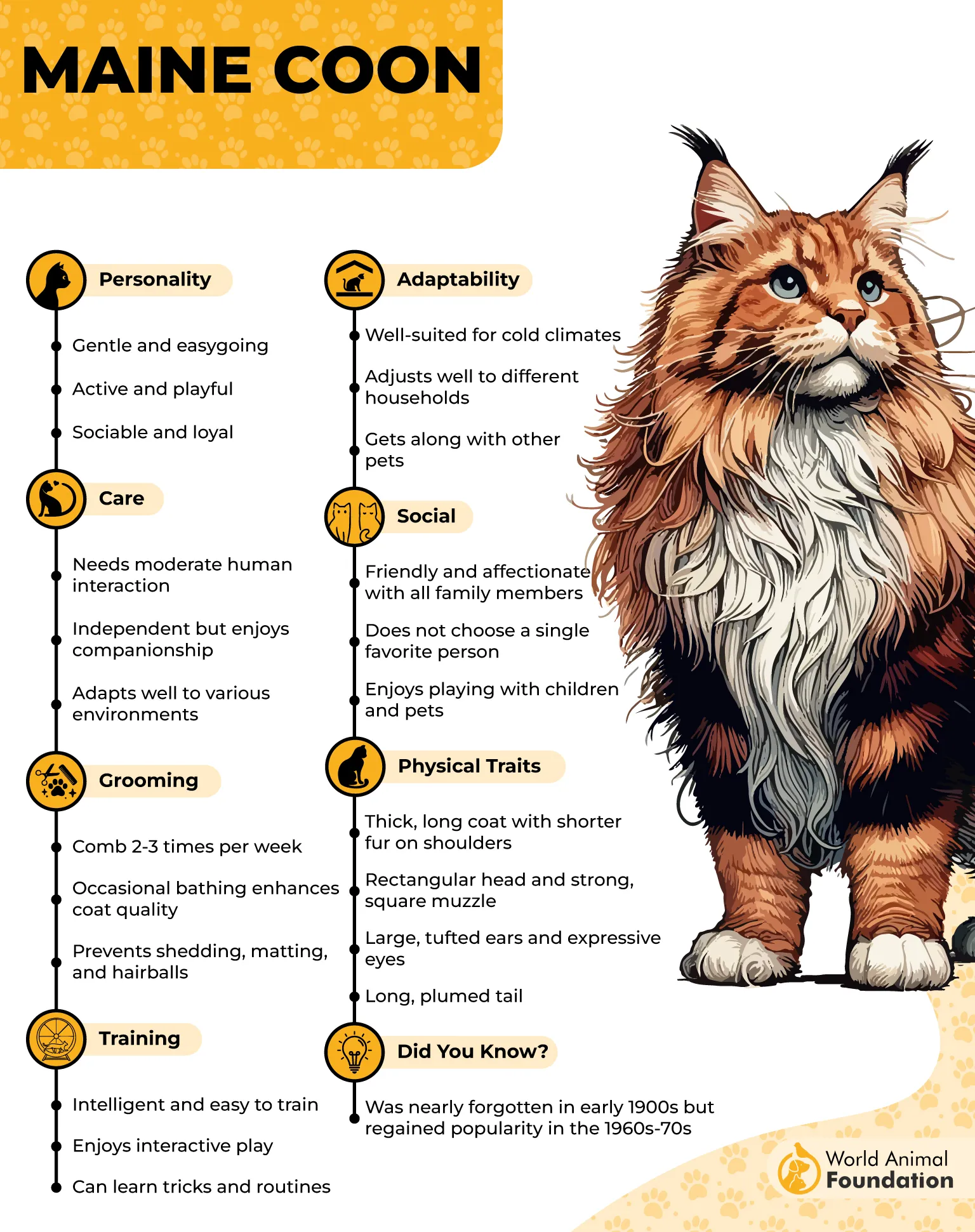
Despite their adventurous side, Maine Coons are usually easygoing at home. They often balance playtime with long lounging sessions, especially when they can observe household activity from a higher vantage point. Their adaptable personality makes them comfortable in many living situations.
Why This Cat Is a Good Fit
Enjoys indoor climbing structures without constant chaos
Comfortable sharing space with people and other pets
Uses height for observation rather than nonstop action
2. Abyssinian
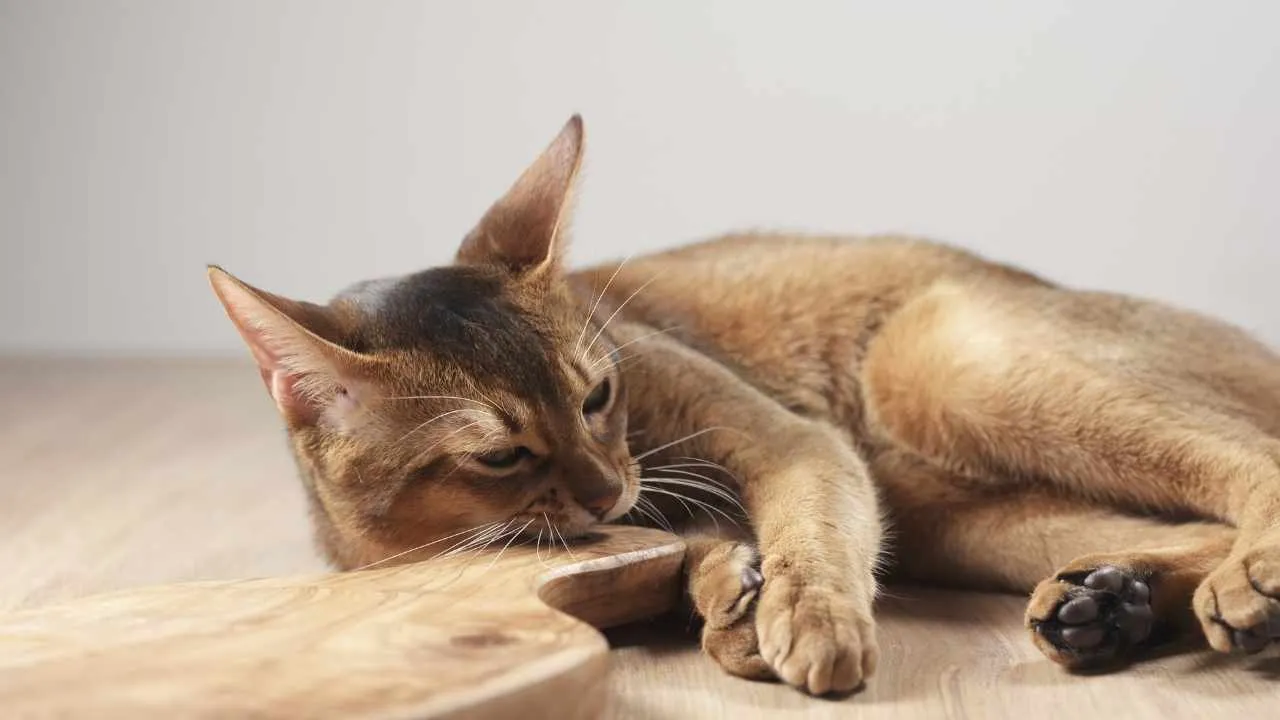
The Abyssinian is sleek, alert, and always looks like it has somewhere important to be. This breed is famous for its expressive face and fine coat that highlights every graceful movement. Abyssinians thrive on engagement and prefer being part of whatever is happening at home.
Highly active and agile, Abyssinians love climbing as a way to satisfy both curiosity and energy. They are quick to scale bookcases, cat trees, and cabinets, often choosing the highest point available. Their movements are fast, light, and playful, making climbing feel like a game.
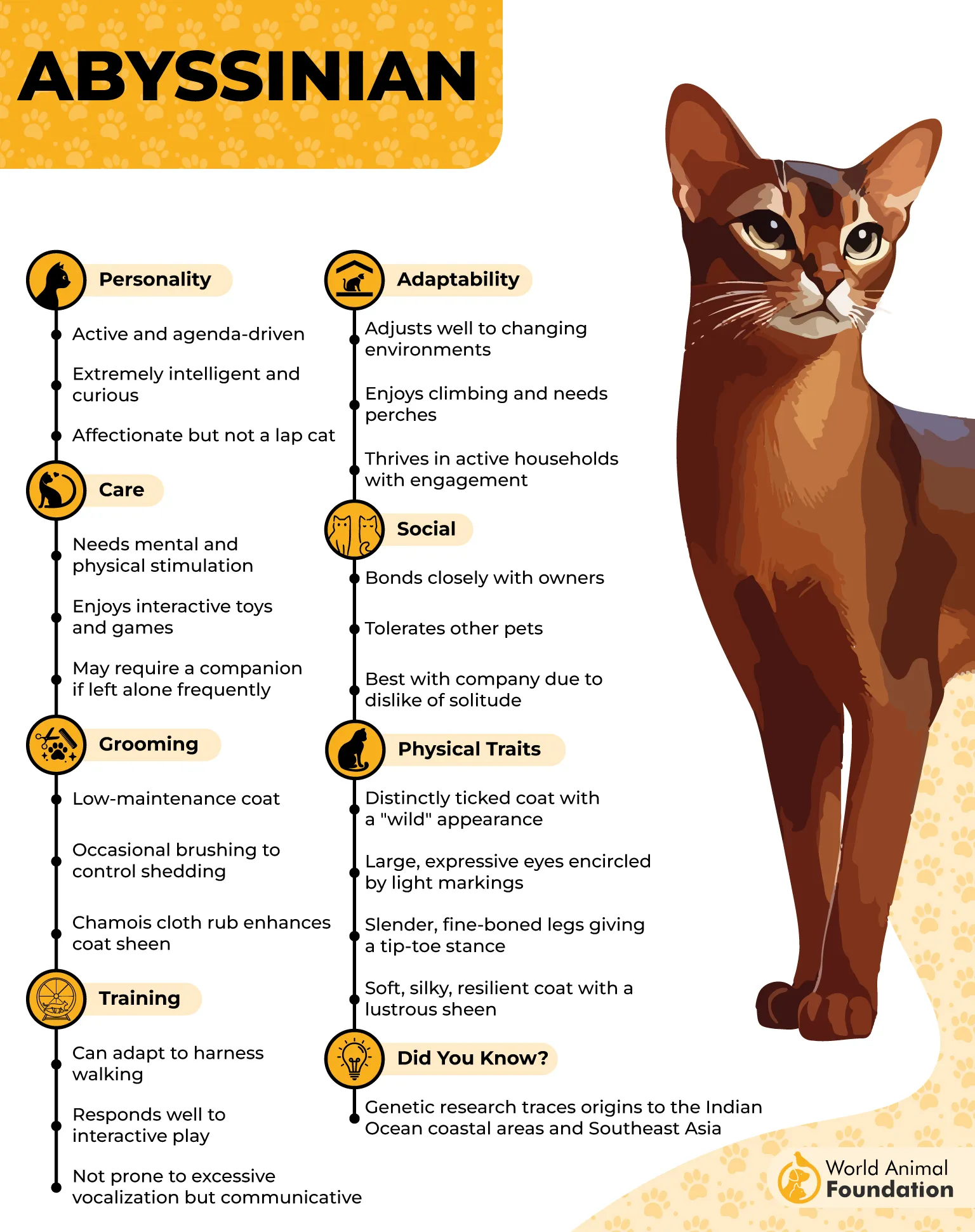
CFA states that Abyssinian cats are social cats that form strong bonds with their humans. They enjoy interactive play and mental challenges more than quiet alone time. Providing vertical space indoors helps keep them entertained and prevents boredom.
Why This Cat Is a Good Fit
Turns indoor vertical space into daily entertainment
Stays mentally sharp through active exploration
Prefers tall viewpoints over floor-level lounging
3. Bengal
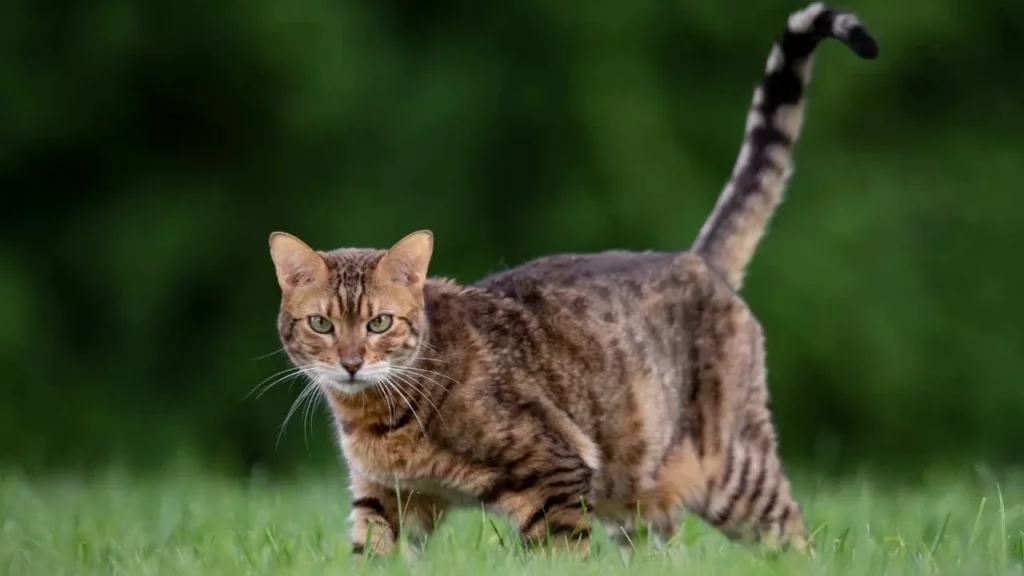
Bengals are bold, athletic, and full of personality that demands attention. Their striking coat often gets noticed first, but their confidence and intelligence quickly steal the show. Bengals tend to be curious and highly aware of their surroundings.
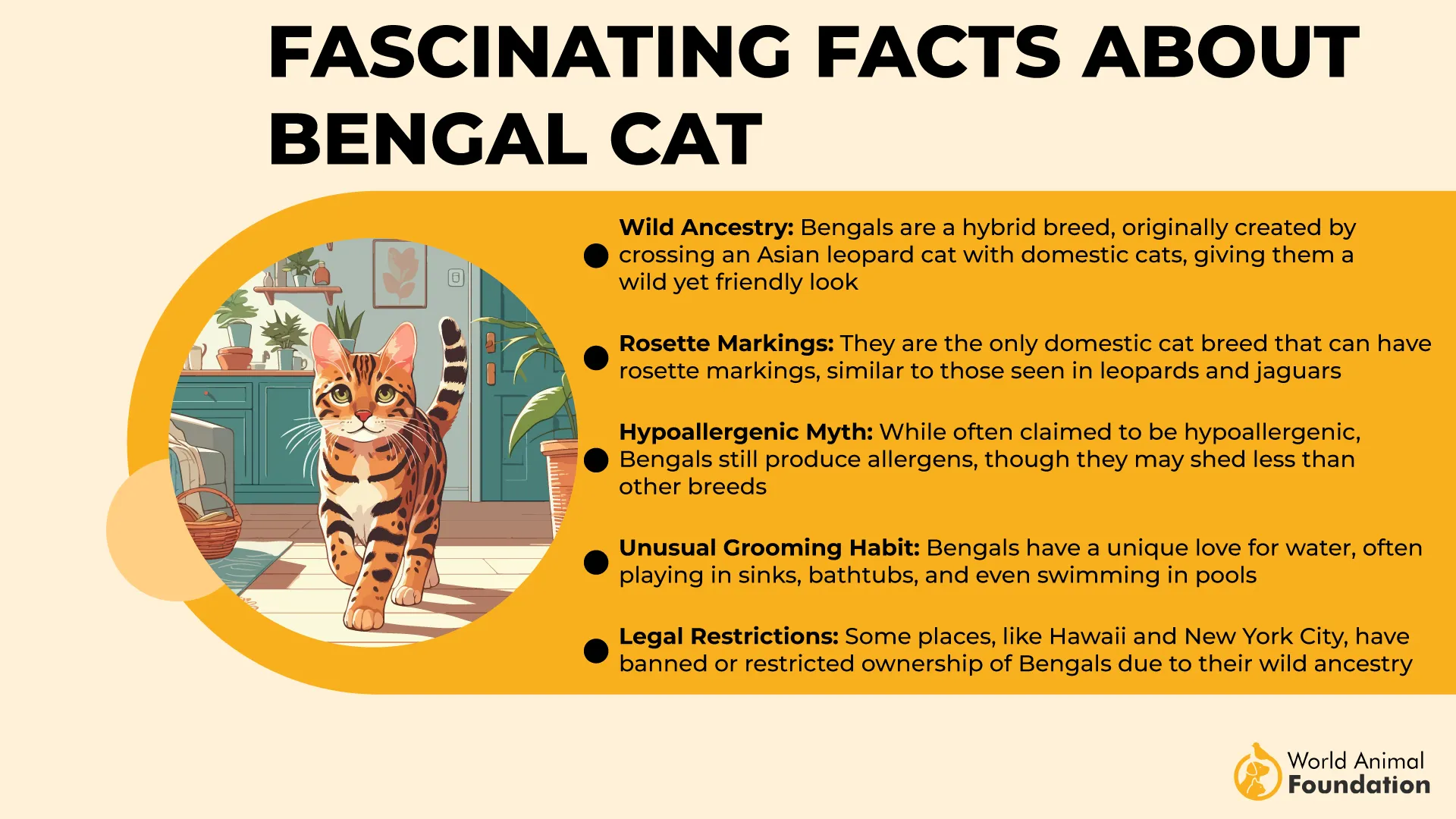
Climbing comes naturally to this breed and often feels like a personal mission. Bengals enjoy jumping, scaling, and surveying their territory from above, especially in homes with layered furniture or climbing towers. Their energy level means they rarely ignore an opportunity to go higher.
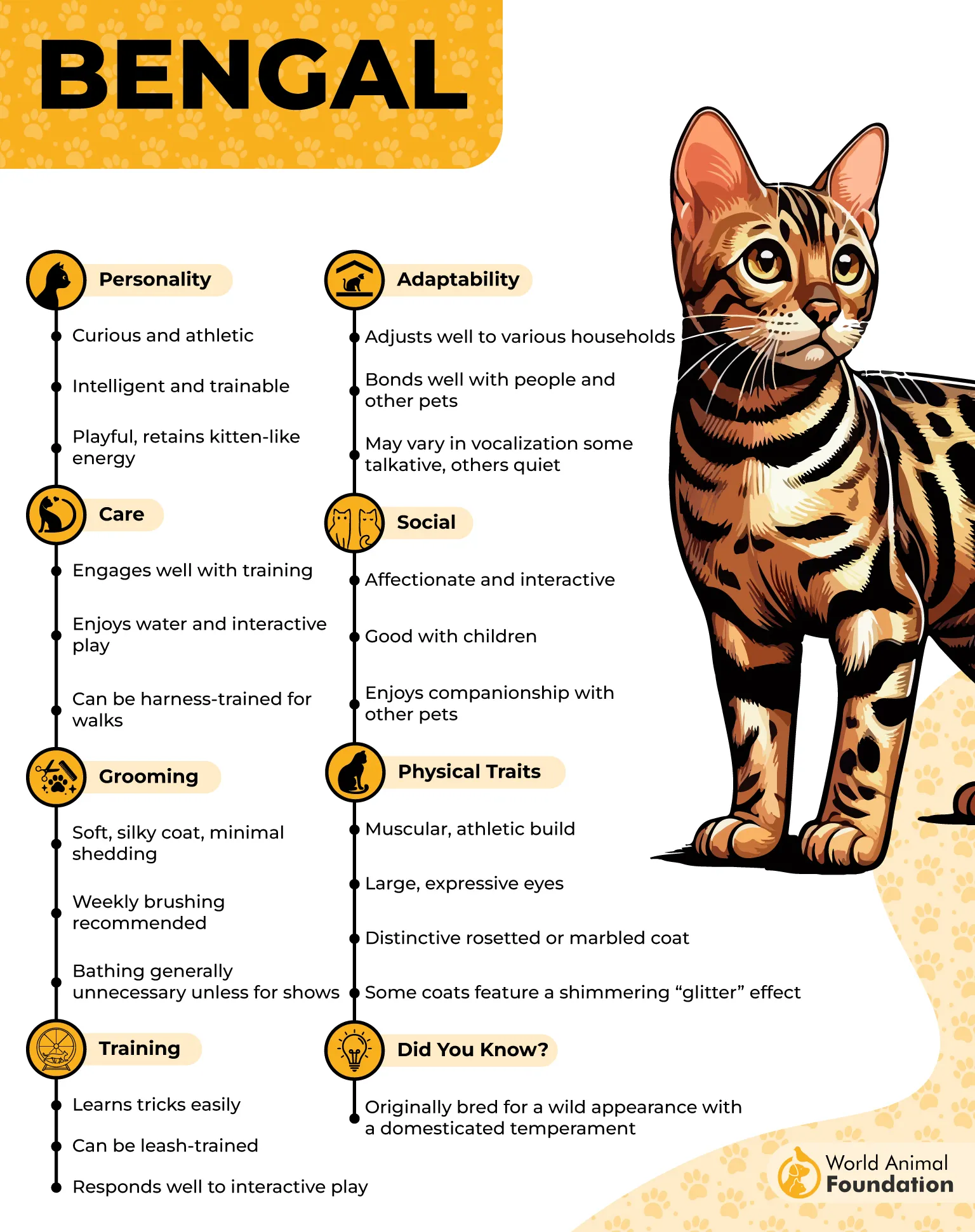
At home, Bengal Cats benefit from structure and stimulation. They enjoy routines that include play, exploration, and problem-solving. Without enough physical outlets, they may invent their own adventures indoors.
Why This Cat Is a Good Fit
Thrives in homes with tall cat furniture
Uses climbing to release excess energy indoors
Enjoys exploring every vertical inch of the house
4. Siamese
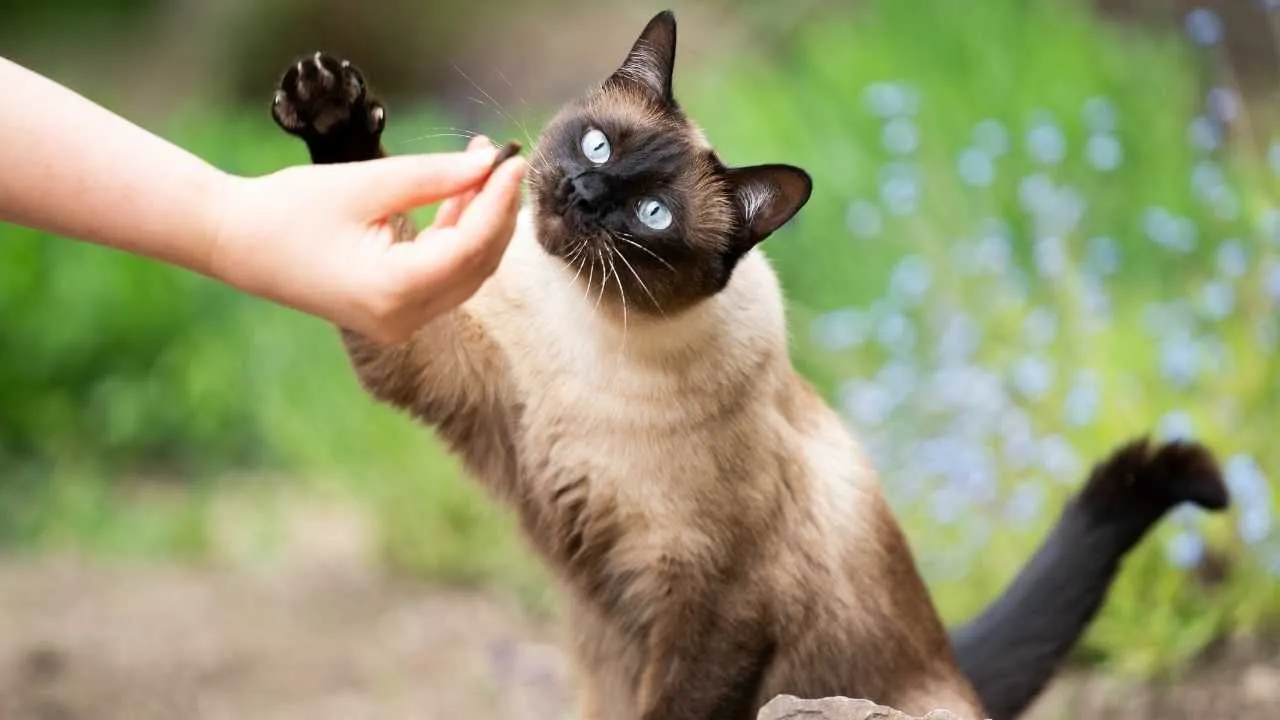
Siamese cats are vocal, affectionate, and deeply connected to their people. They love attention and are known for following their owners from room to room. Their expressive nature makes them feel more like a companion than a background pet.
This breed is also surprisingly athletic and enjoys climbing as part of its daily activity. Siamese cats often seek out high places where they can watch and communicate with the household. Height gives them a front row seat to everything they find interesting.
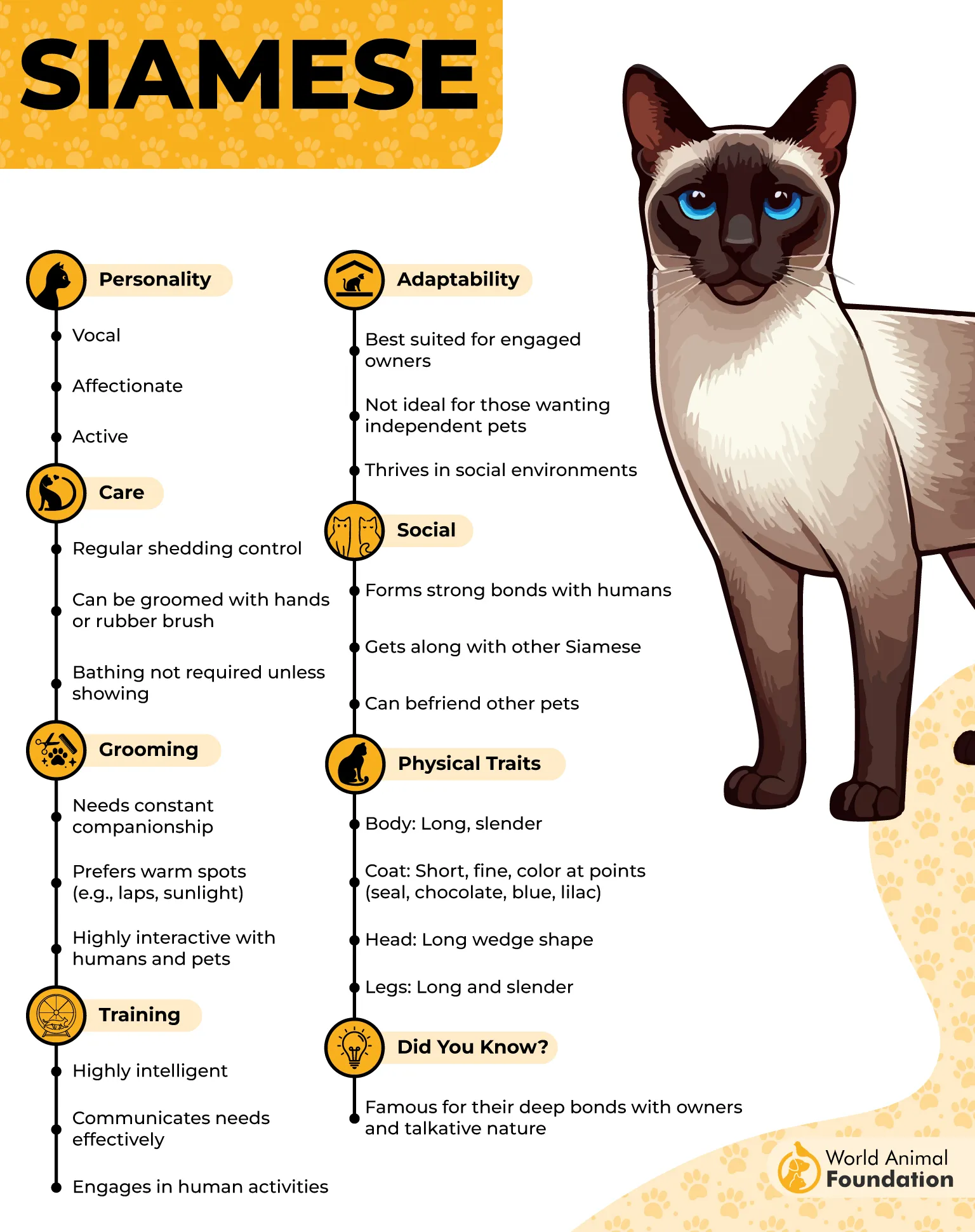
Siamese cats do best in environments where they are mentally stimulated. Interactive toys, climbing shelves, and human interaction help keep them satisfied. They prefer homes where they are not left bored or ignored.
Why This Cat Is a Good Fit
Enjoys indoor climbing combined with social interaction
Uses high spaces to stay connected with people
Adapts well to active indoor households
5. Siberian
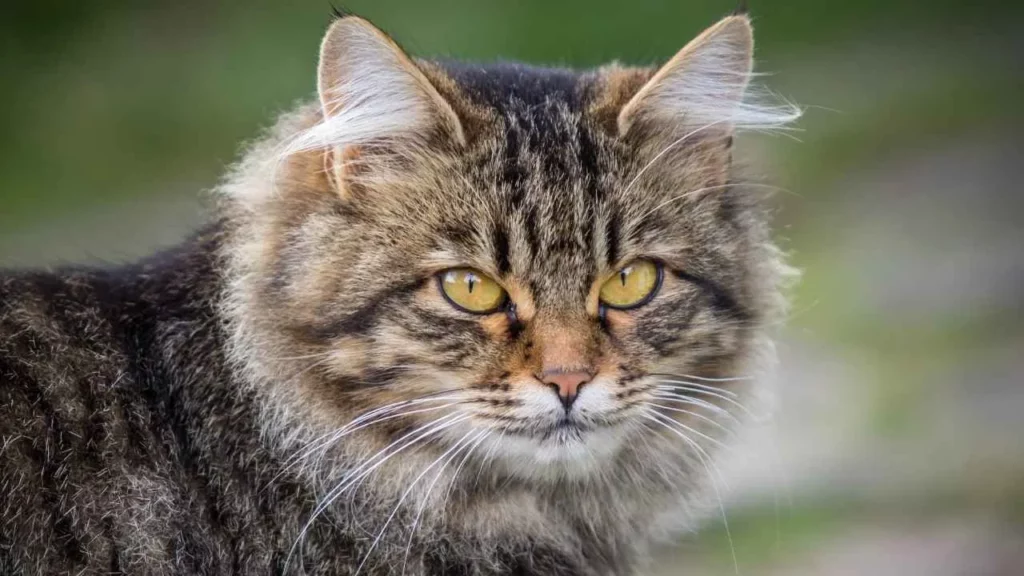
As per Purina, Siberians are sturdy, fluffy, and quietly confident cats with a calm presence. They are known for being affectionate without being demanding, often choosing when to initiate contact. Their strong bodies reflect a history of physical resilience.
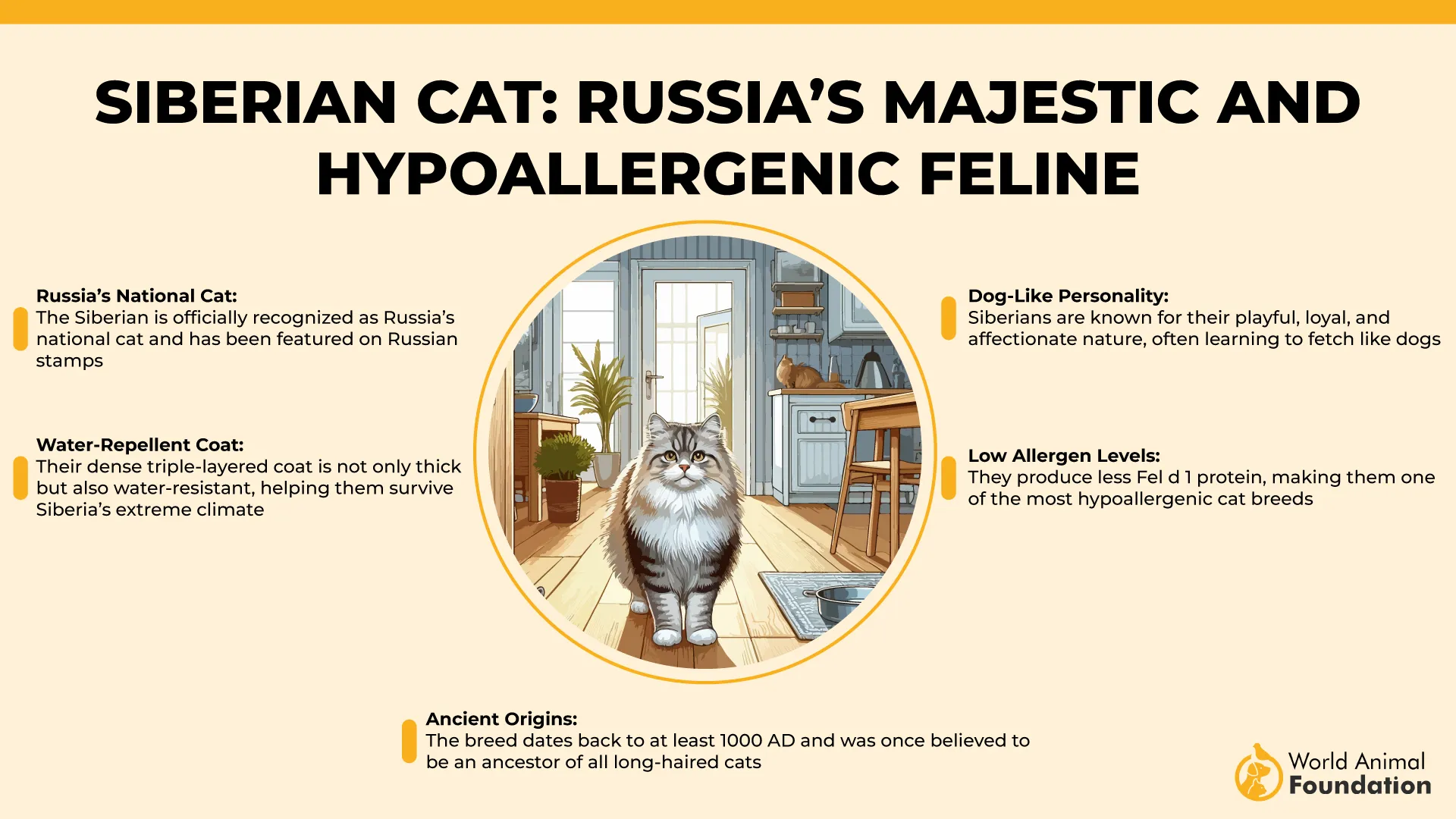
Climbing for Siberians is about strength and balance rather than speed. They can easily handle tall furniture and enjoy elevated resting spots that feel secure. Their powerful legs support smooth, controlled movement upward.
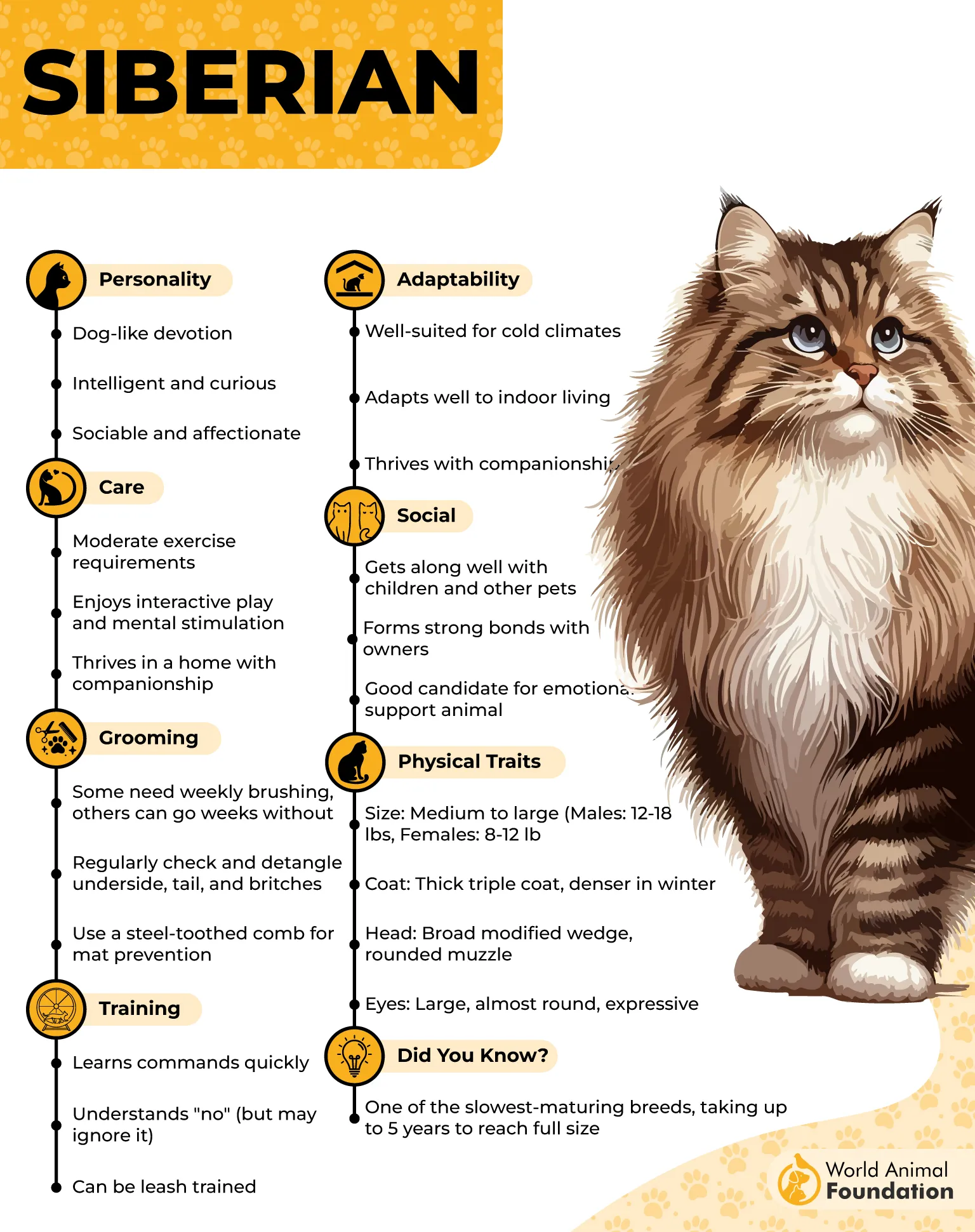
Indoors, Siberians tend to balance play with relaxation. They enjoy interactive moments but also value peaceful observation. Providing climbing options allows them to exercise naturally while maintaining their relaxed demeanor.
Why This Cat Is a Good Fit
Comfortable navigating tall indoor spaces
Enjoys climbing without constant hyperactivity
Blends physical strength with calm behavior
6. Norwegian Forest Cat
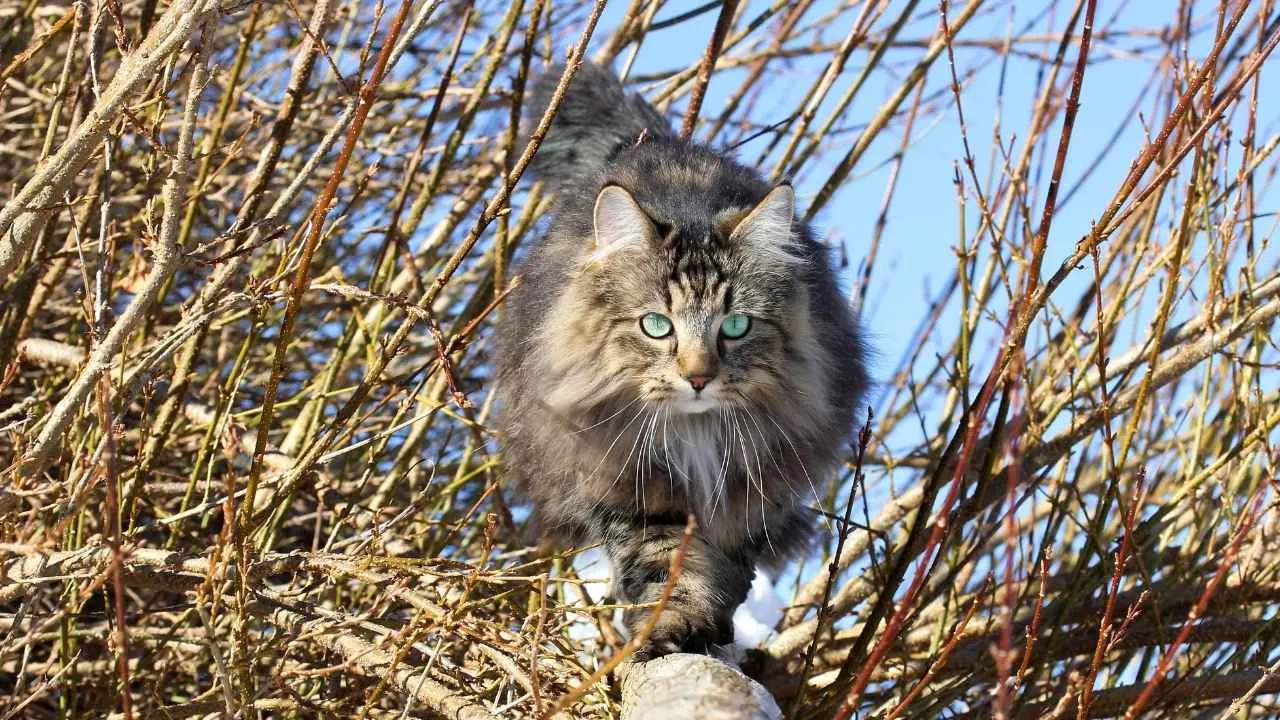
The Norwegian Forest Cat has a majestic appearance paired with a practical personality. This breed is independent yet friendly, often choosing companionship on its own terms. Its thick coat and solid frame give it a rugged look.
Climbing is deeply ingrained in this breed’s behavior. Norwegian Forest Cats are confident climbers that enjoy tall structures and elevated resting spots. They often prefer sturdy, stable surfaces that support their size and strength.
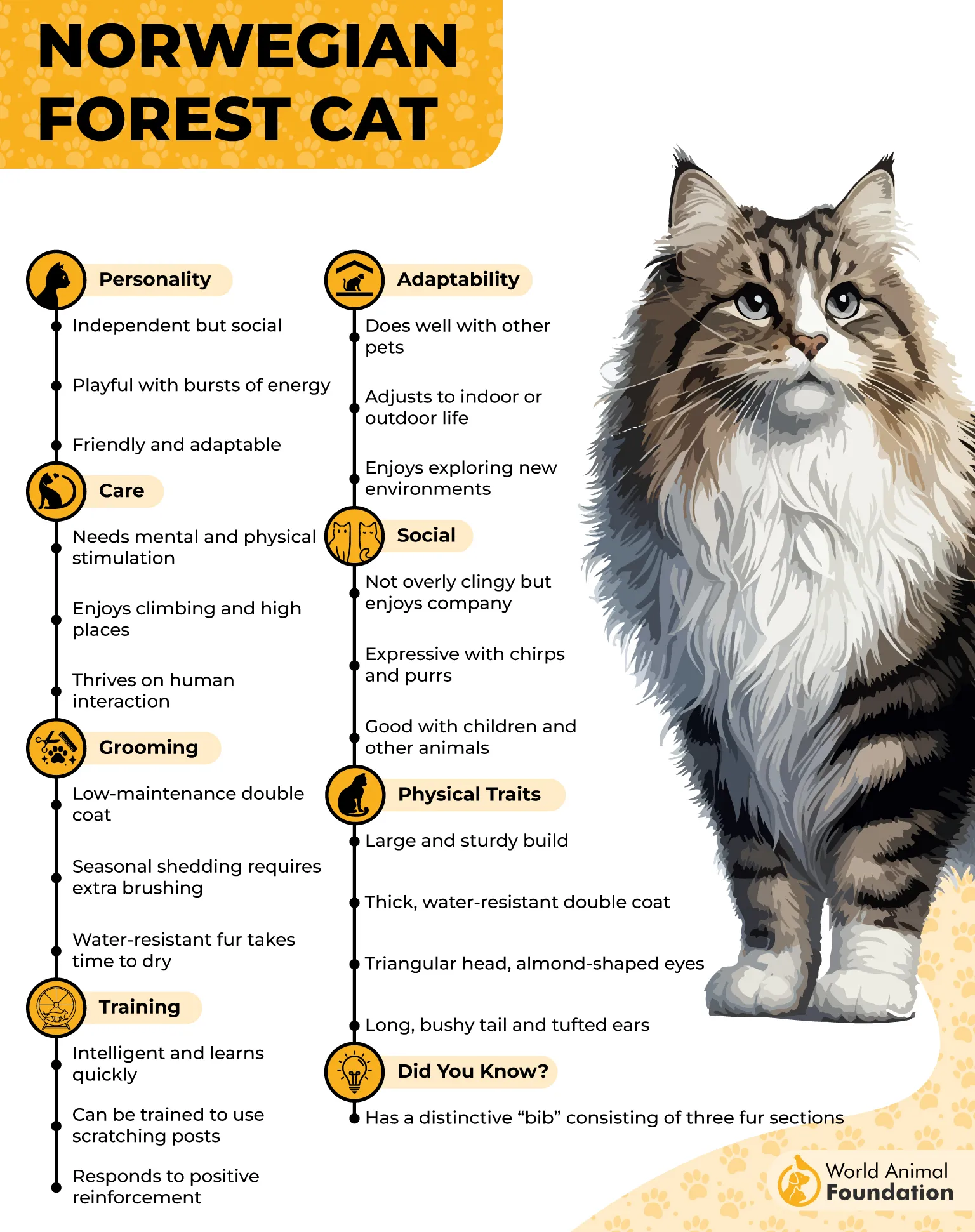
At home, they appreciate space to explore vertically. While not overly demanding, they enjoy having options to move, climb, and observe. Indoor environments with height variety suit their natural instincts well.
Why This Cat Is a Good Fit
Naturally comfortable with indoor climbing setups
Prefers sturdy vertical spaces over fragile furniture
Enjoys observing the home from above
7. Burmese
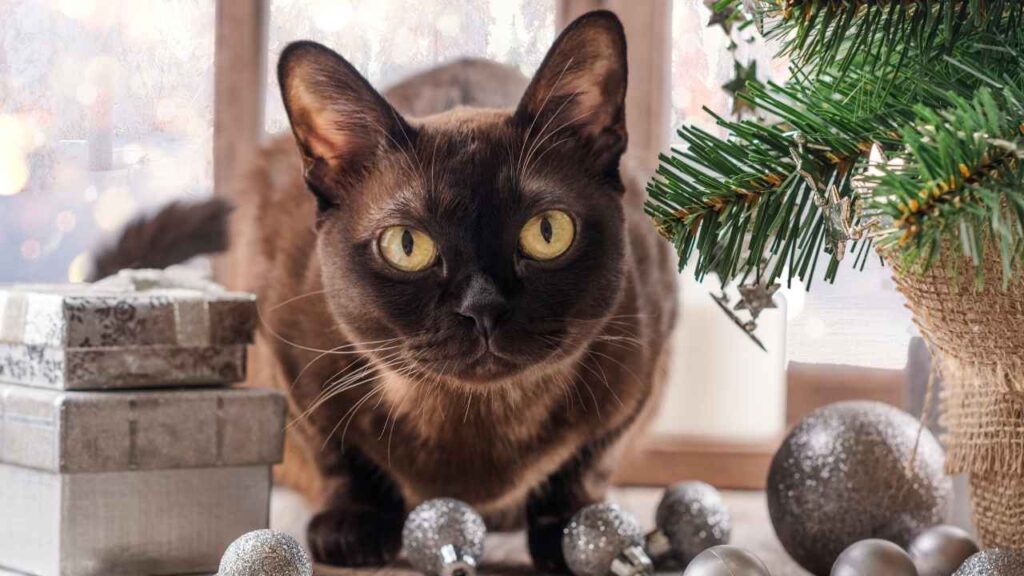
Burmese cats are affectionate, playful, and deeply people-oriented. They are known for their smooth coats and expressive eyes that seem to follow every movement. Burmese cats often act more like energetic companions than independent loungers.
This breed enjoys climbing as part of interactive play rather than solo exploration. Burmese cats often climb to stay close to their humans, choosing spots that keep them involved. Their athletic build supports quick jumps and confident movement.
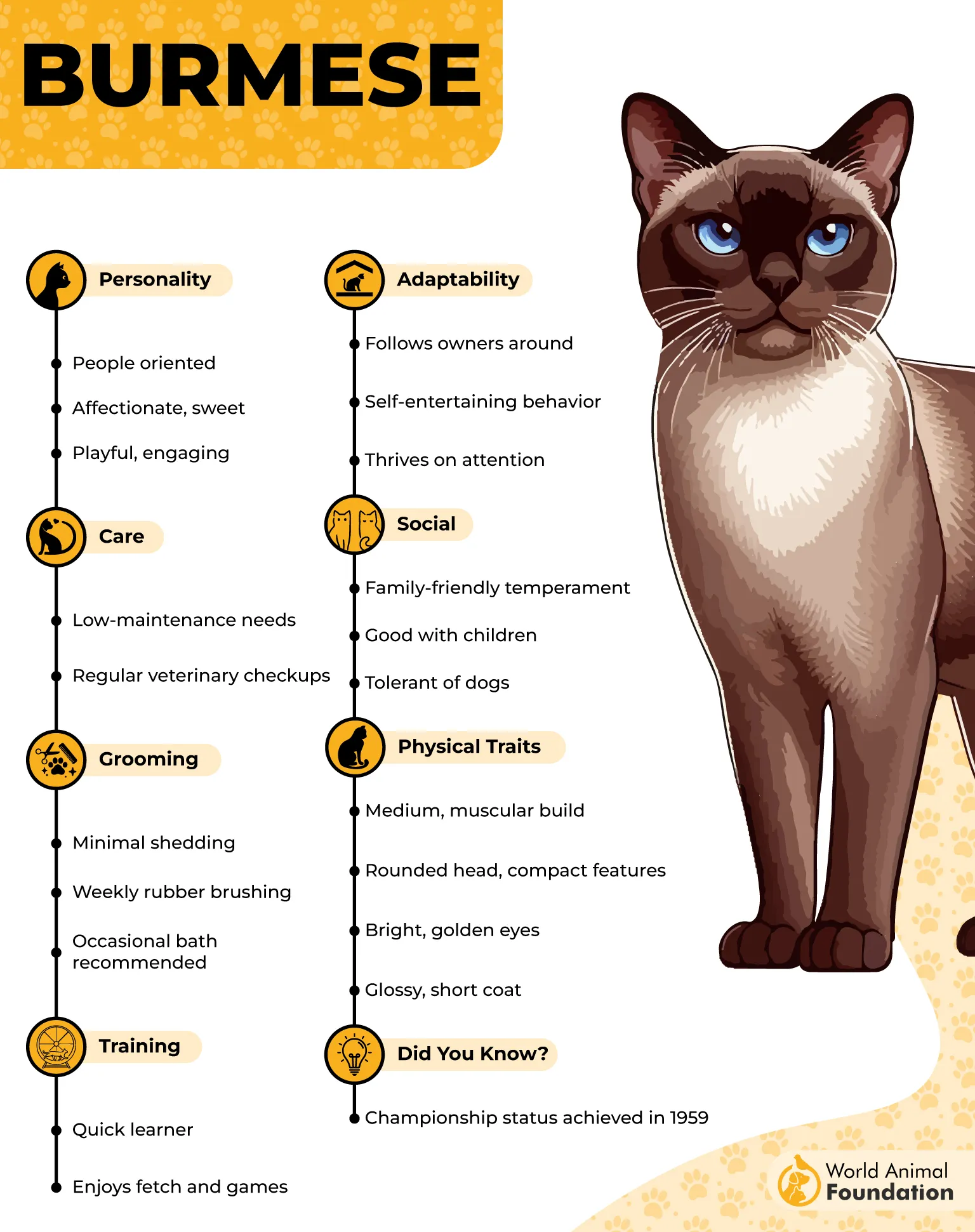
Indoors, Burmese cats thrive in environments filled with activity. They enjoy climbing structures that allow them to interact, watch, and play. Mental stimulation and physical movement go hand in hand for this breed.
Why This Cat Is a Good Fit
Uses climbing to stay engaged indoors
Enjoys vertical play tied to human interaction
Fits well in lively indoor homes
Conclusion
From domestic cats that rule the couch to those constantly exploring the highest shelves, strong climbers bring extra excitement into the cat world. Many athletic cat breeds share traits like muscular legs, powerful hind legs, sharp claws, and keen intelligence that make climbing trees or tall furniture feel effortless.
Whether it is a playful cat breed with a wild appearance or an intelligent cat that loves interactive games and puzzle feeders, these energetic cat breeds thrive when given room to move.
Beyond the breeds already covered, other breeds such as the Savannah cat, Egyptian Mau, Cornish Rex, Devon Rex, Oriental Shorthair, and Japanese Bobtail also reflect wild ancestry, sturdy bodies, and a wild look that sets them apart from other cats.
