




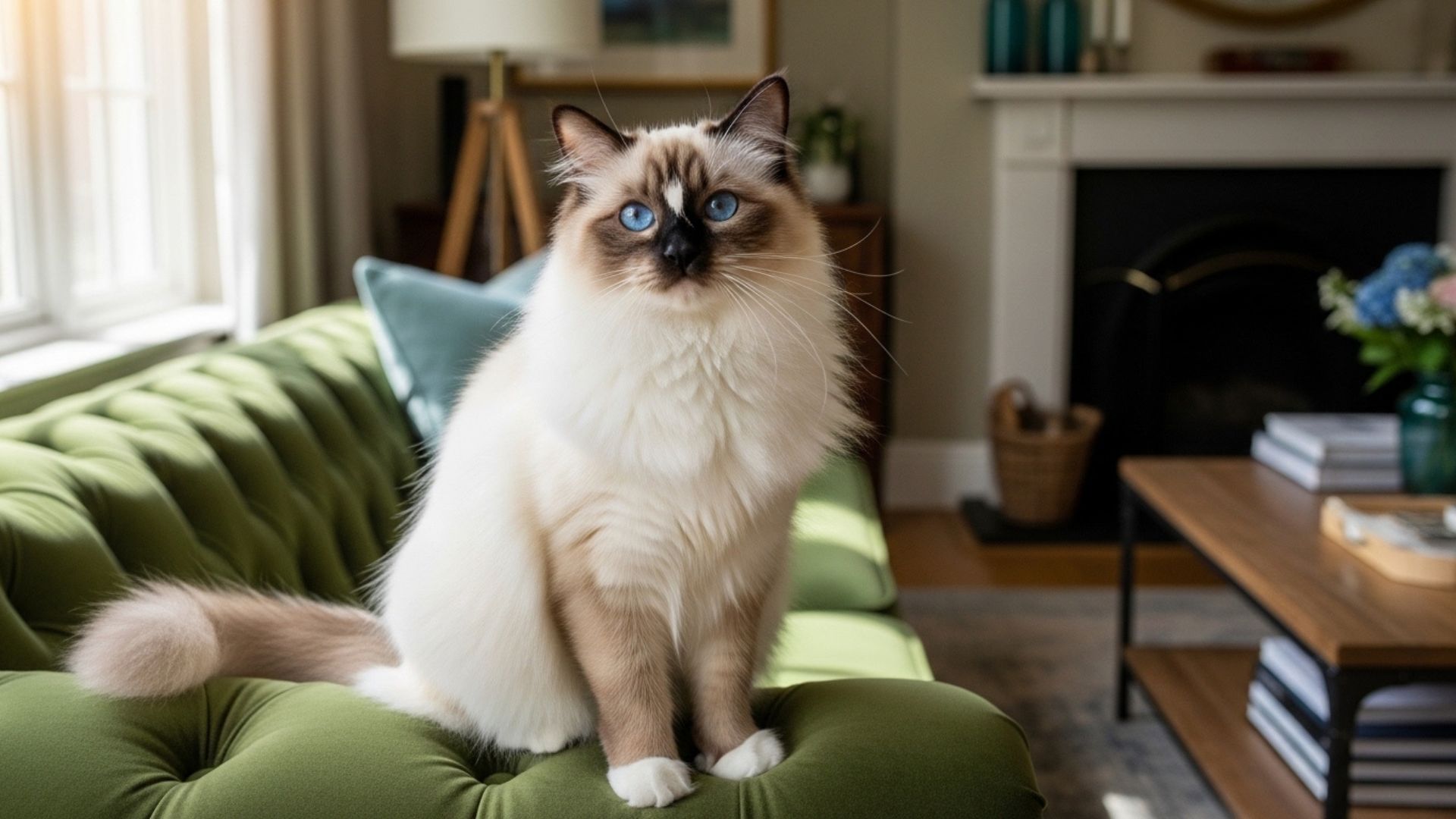
Cats communicate in many fascinating ways, and among the most charming sounds they make are chirps and trills—soft, bird-like vocalizations that often signal excitement, curiosity, or affection.
These sounds are especially common in social and expressive breeds, adding another layer to the bond between cats and their human companions. Just as distinctive voices can define a breed’s personality, physical traits like coat quality also help shape a cat’s overall appearance and charm.
Smooth coat transitions are one such feature that quietly enhances a breed’s elegance. When colors blend seamlessly, or fur lies flat against the body, the result is a sleek and polished look.
Coat texture and color blending can create a flowing visual effect, whether the fur is short and glossy or slightly plush. These subtle transitions make certain cats appear almost sculpted, highlighting their natural grace.
Much of this beauty comes down to genetics. Genes controlling pigment, pattern, and hair texture influence how colors distribute and how smoothly a coat flows across the body. Combined with expressive behavior—like chirping or trilling—these traits make many smooth-coated cats visually striking and uniquely engaging companions.
Cat Breeds With Smooth Coat Transitions
1. Burmese
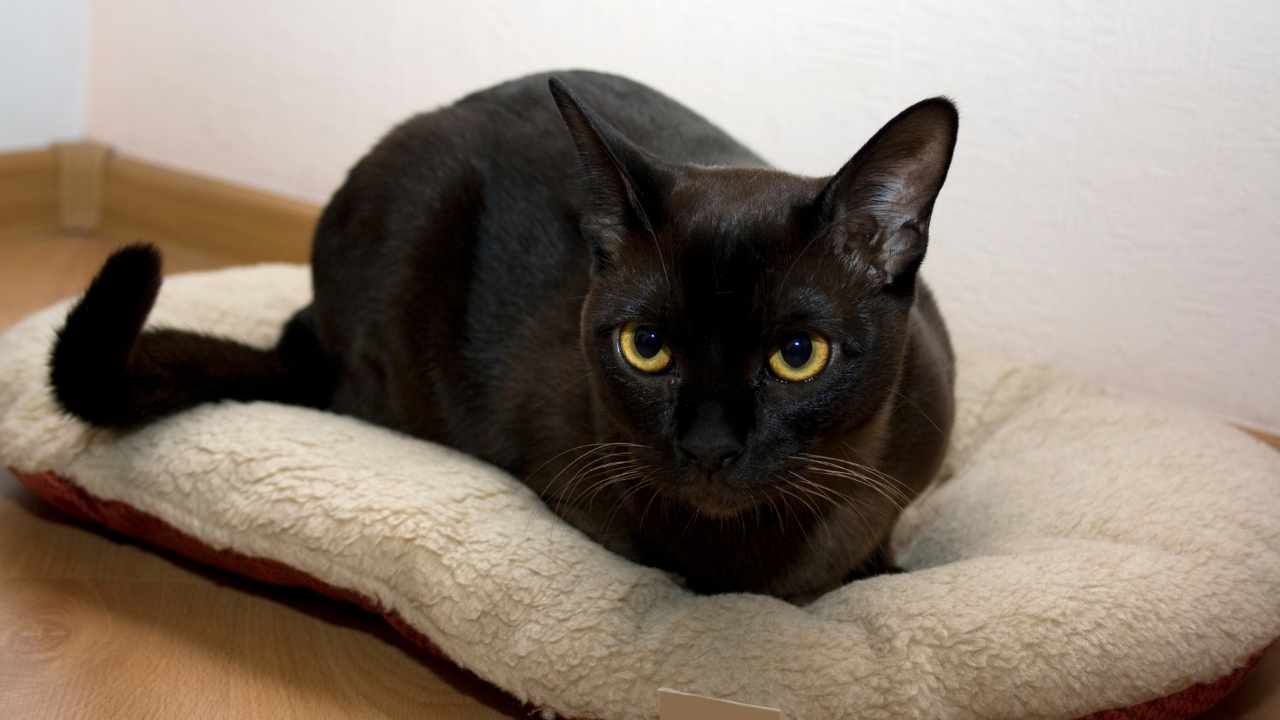
The Burmese, sometimes called the “Sable Burmese” or traditional Burmese, is a sleek and affectionate cat that originated in Southeast Asia. Hill’s Pet explains that younger Burmese cats are active and curious, and they usually adjust easily to changes.
Known for its muscular body, golden eyes, and satin-like coat, this breed is admired for both elegance and personality. Its short, fine fur lies flat against the body, giving the Burmese a polished and graceful appearance.
The Sleek Feline with Naturally Blended Fur
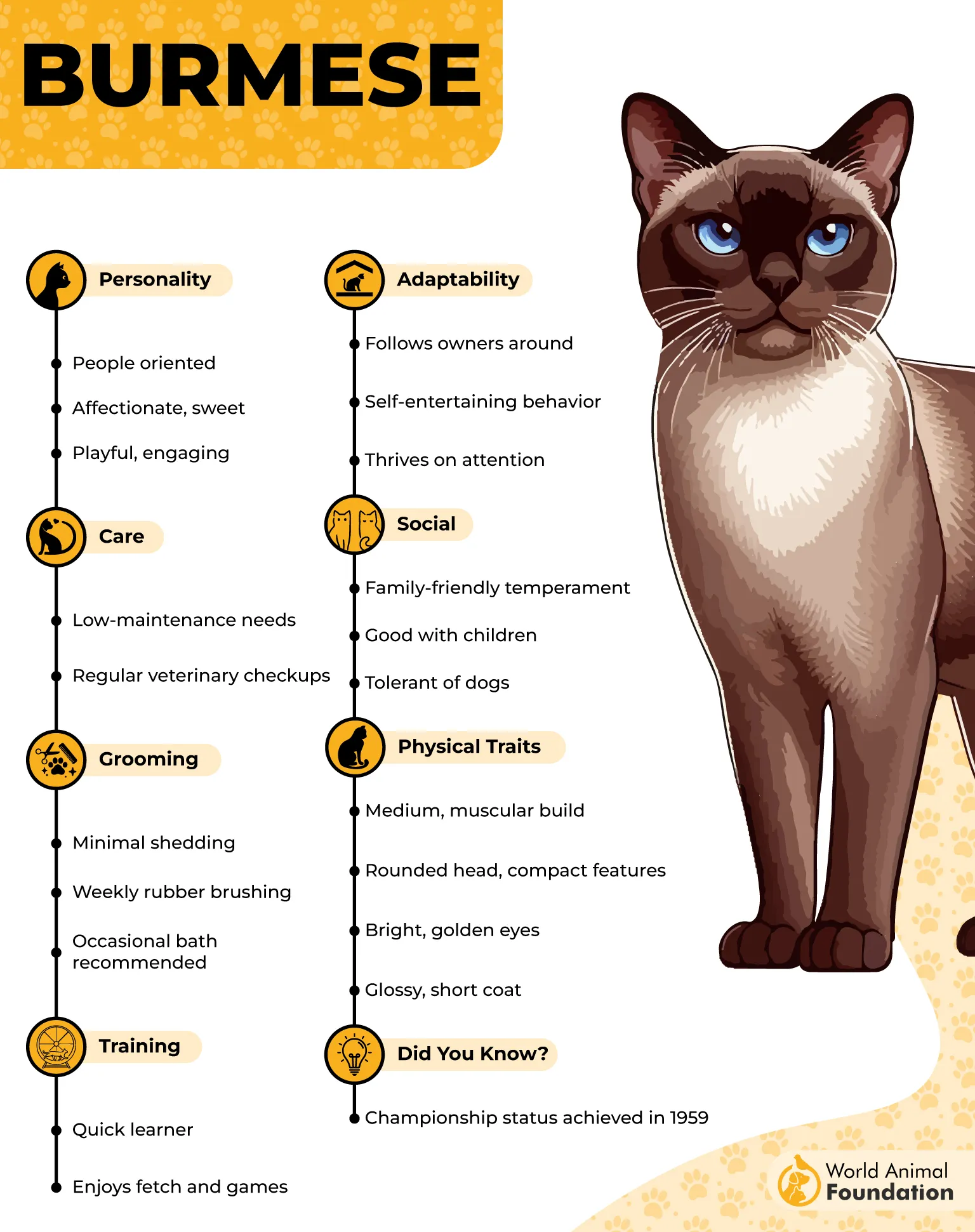
One of the most striking features of the Burmese is its smooth coat transition, where colors blend softly across the body. The fur typically appears darker along the face, legs, and tail, while the chest and belly show slightly lighter tones, creating a natural gradient.
This seamless blending occurs because of a temperature-sensitive genetic trait that influences pigmentation. As a result, the coat can deepen in shade as the cat ages or in cooler conditions, producing subtle shifts in color that enhance its glossy look.
The Burmese coat is short, straight, and nearly free of undercoat, allowing the fur to lie close to the body. This texture highlights the cat’s muscular structure and gives the coat a silky, satin-like sheen that many owners find irresistible to touch.
Beyond their elegant coats, these short-haired cats are playful, affectionate companions that enjoy close interaction with their families. Their lively personalities and expressive eyes make them both visually striking and engaging household pets.
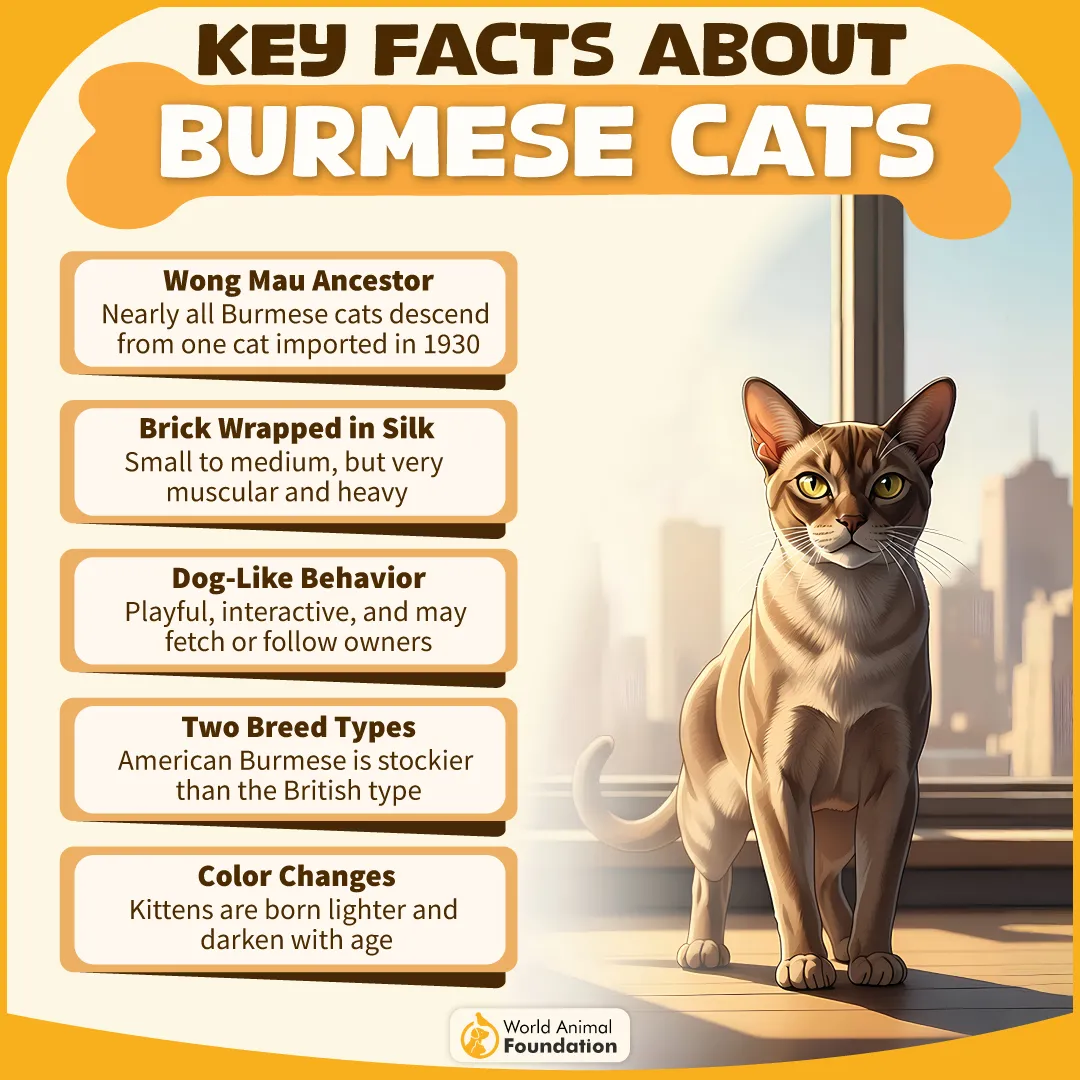
Fact: Burmese kittens are born lighter in color, and their coat gradually darkens as they mature.
FAQ: Why does the Burmese cat’s coat appear smoothly blended?
The breed carries a special gene that creates gradual color transitions across the body, producing the Burmese cat’s distinctive smooth coat flow.
2. British Shorthair
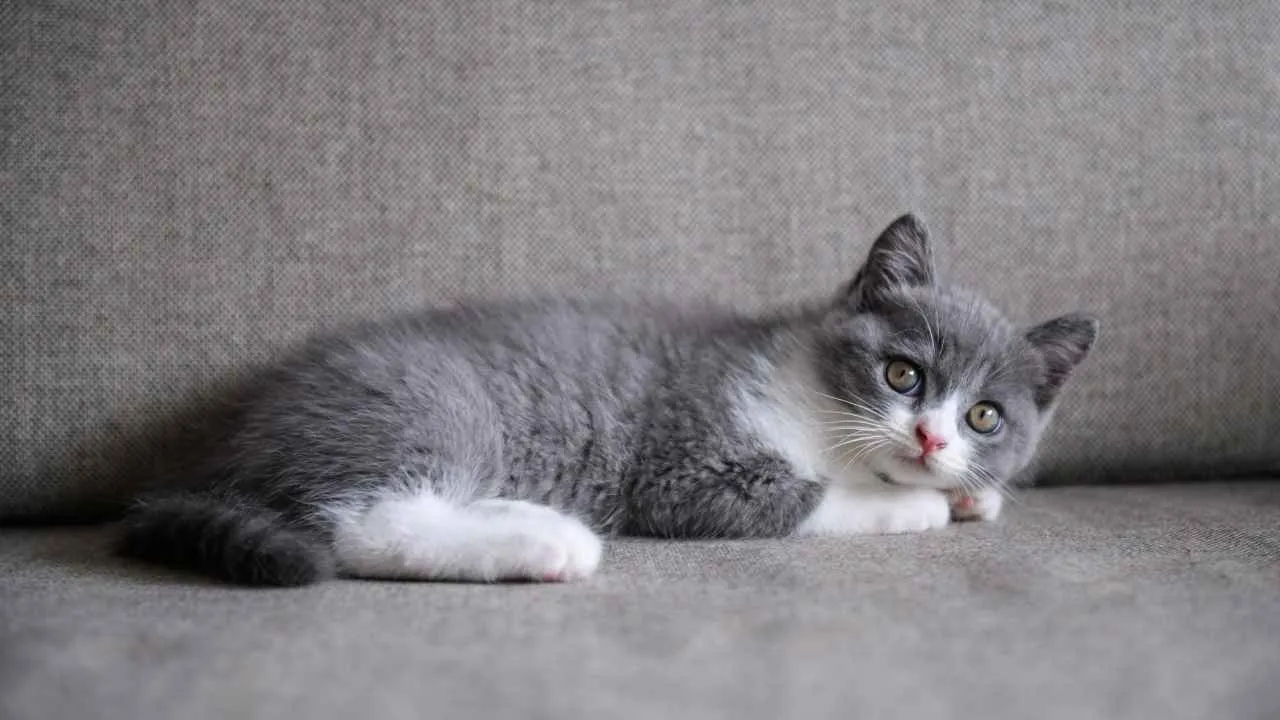
The British Shorthair, often called the British Blue, is one of the oldest and most recognizable cat breeds from the United Kingdom.
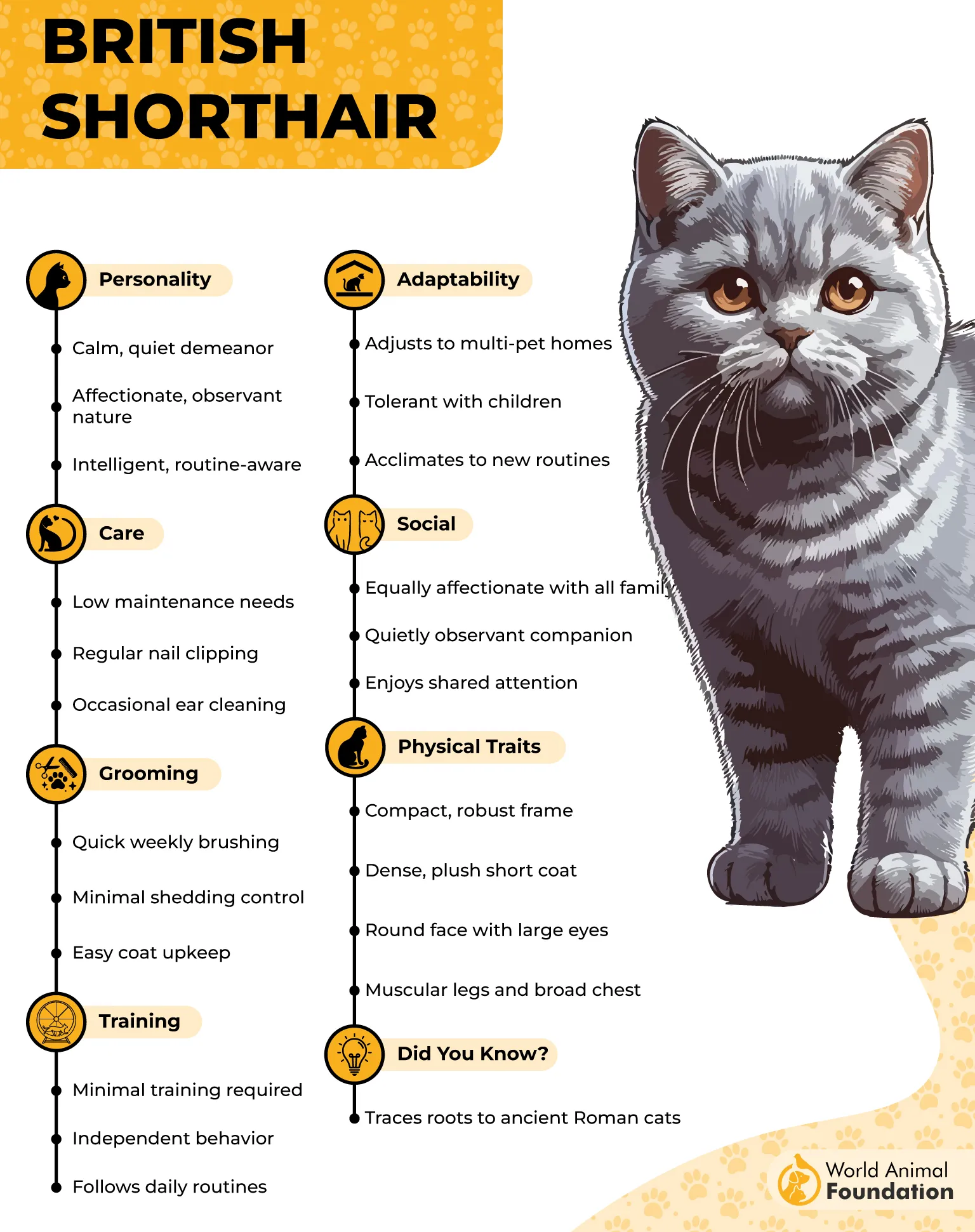
Their gentle temperament and charming appearance make them popular companions in many homes. Purina explains that British Shorthairs have a round, sturdy build with a broad chest and strong legs.
A Graceful Cat Known for Its Seamless Coat Flow
British Shorthairs have a dense, plush coat that creates a smooth and uniform surface across the body. The thick coat forms a soft, rounded silhouette, giving the cat its well-known teddy-bear appearance.
The coat’s texture allows colors to appear evenly distributed, producing a seamless visual flow rather than sharp contrasts. This effect is especially noticeable in the classic blue variety, where the fur shows a consistent gray tone with a subtle sheen.
British Shorthairs possess short, tightly packed hair that stands slightly away from the body while remaining smooth to the touch. As the cat matures, the coat develops a firmer, velvety texture that enhances the breed’s polished look.
Beyond their elegant coats, British Shorthairs are easygoing and affectionate pets. They adapt well to families and tend to be calm companions that enjoy quiet time with their owners.
Fact: Although the blue variety is the most famous, British Shorthairs actually appear in a wide range of coat colors and patterns.
FAQ: Why does the British Shorthair’s coat appear so smooth and even?
The breed’s dense, uniform fur distributes color evenly across the body, creating the British Shorthair’s signature seamless coat flow.
3. Tonkinese
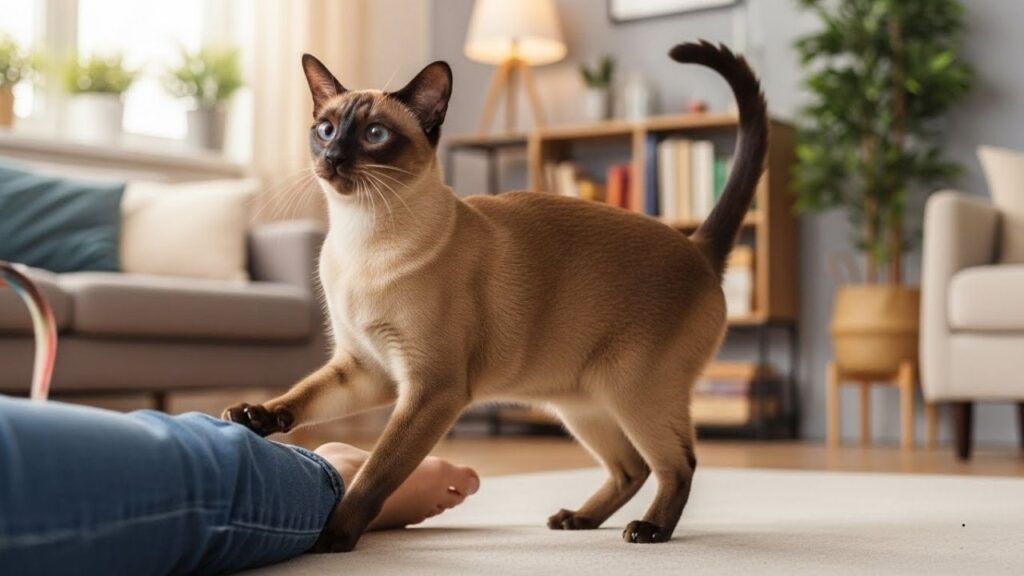
The Tonkinese is often called the Tonk. Known for its sociable personality, intelligence, and affectionate nature, this cat blends the elegant look of its parents with a friendly temperament. Its sleek body, expressive eyes, and soft vocalizations make the Tonkinese a charming companion.
PetMD explains that the Tonkinese was developed by crossing the Siamese and Burmese to combine their best qualities. The result is a social, intelligent, and deeply curious cat.
The Elegant Breed with Soft Color Transitions
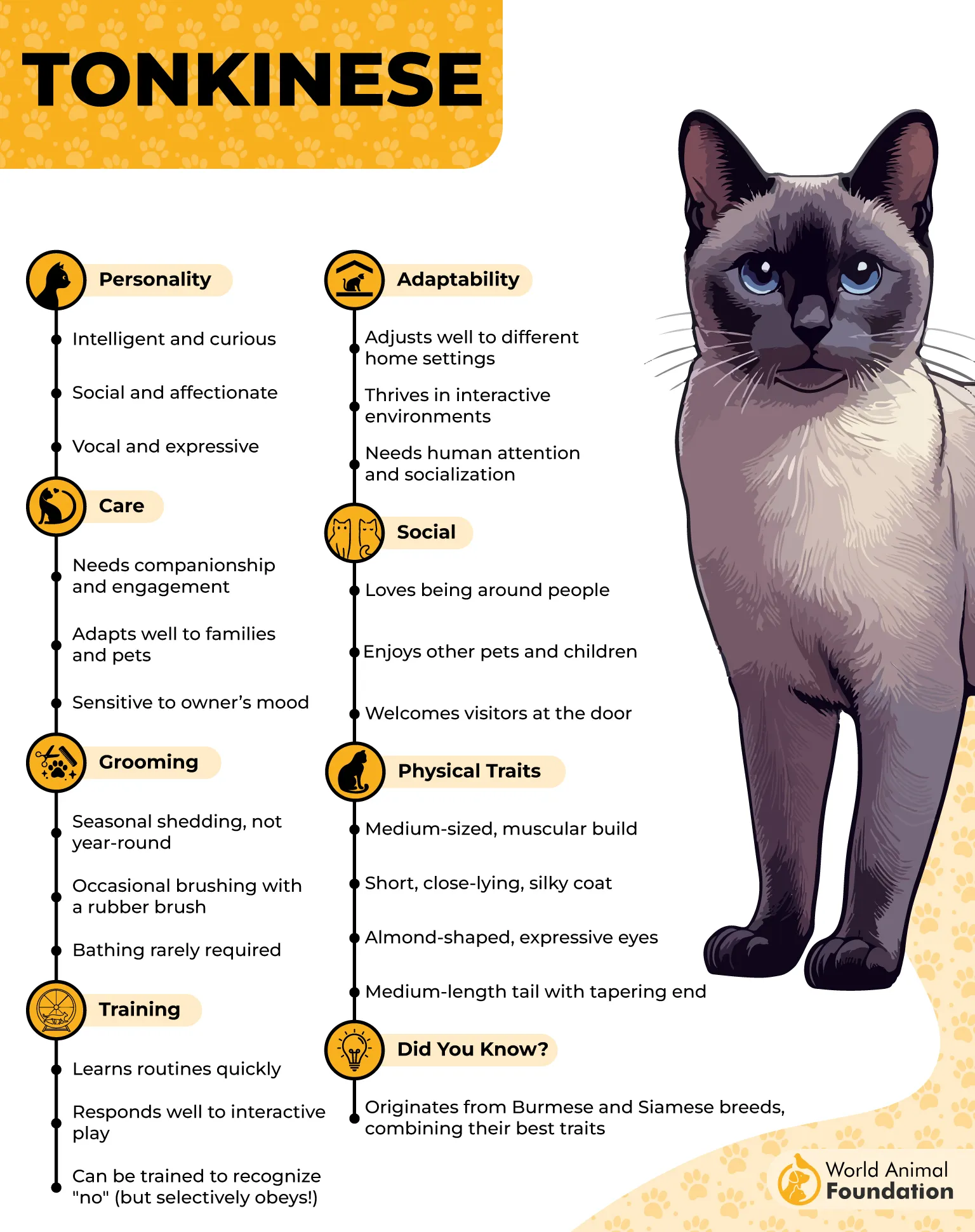
One of the Tonkinese’s most distinctive traits is its short, silky coat that lies close to the body. The smooth fur creates subtle color transitions, giving the coat a blended appearance rather than sharp contrasts.
These cats often display muted shades such as champagne, blue, platinum, or natural tones. The coloration gradually shifts between lighter and darker areas, producing a soft, seamless look across the body.
Their fur is frequently compared to mink because of its fine texture and natural sheen. This glossy coat reflects light gently, highlighting the breed’s graceful form while maintaining a smooth visual flow of color.
As a result of their Siamese and Burmese heritage, Tonkinese coats combine softness with elegant shading. The balanced pattern enhances their refined appearance while remaining easy to maintain.
Fact: The Tonkinese developed from Siamese and Burmese breeding, inheriting its silky coat texture and softly blended color patterns from both parent breeds.
FAQ: Why do Tonkinese cats have such smooth color transitions in their coats?
Their unique genetics create subtle shading between darker and lighter areas, producing the breed’s signature softly blended coat pattern.
4. Russian Blue
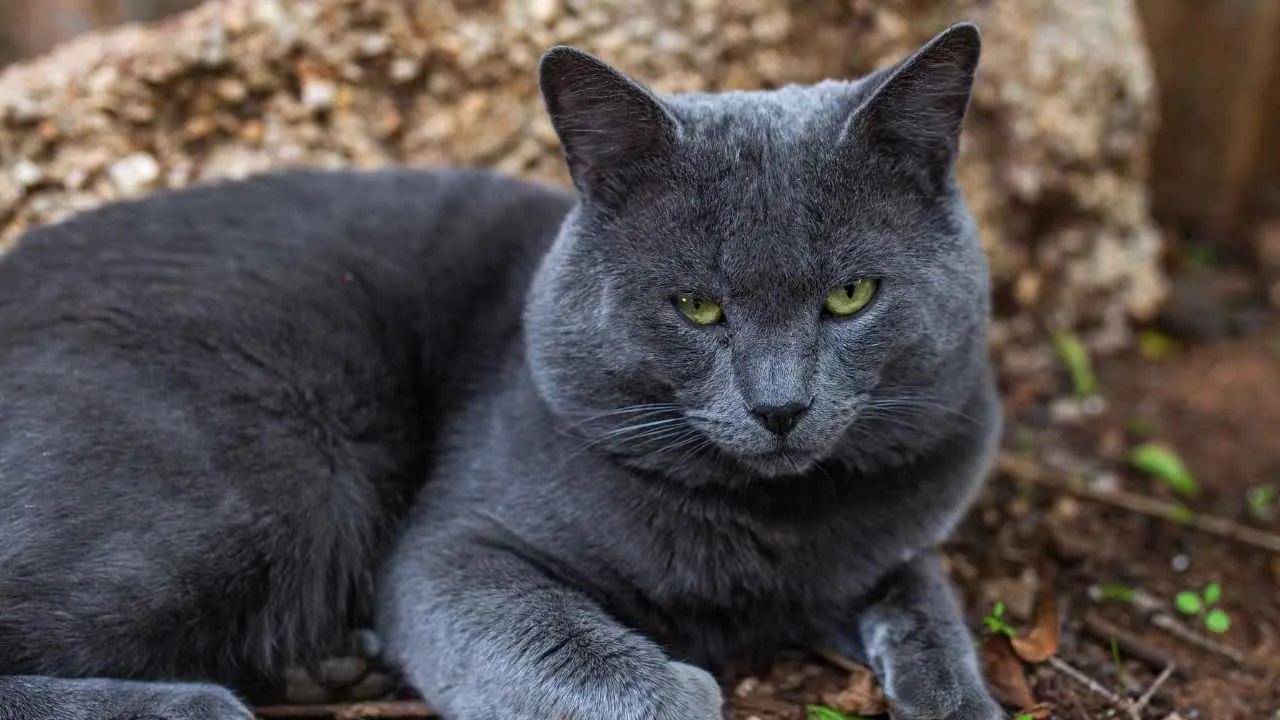
The Russian Blue, also known historically as the Archangel Cat, Spanish Cat, or Maltese Cat, is an elegant feline believed to have originated near the Russian port of Arkhangelsk.
This breed is admired for its graceful body, long, slender legs, and striking green eyes that contrast beautifully with its silvery coat. Quiet yet affectionate, Russian Blues often form strong bonds with their chosen human companions.
A Refined Feline with Smooth and Even Fur Texture
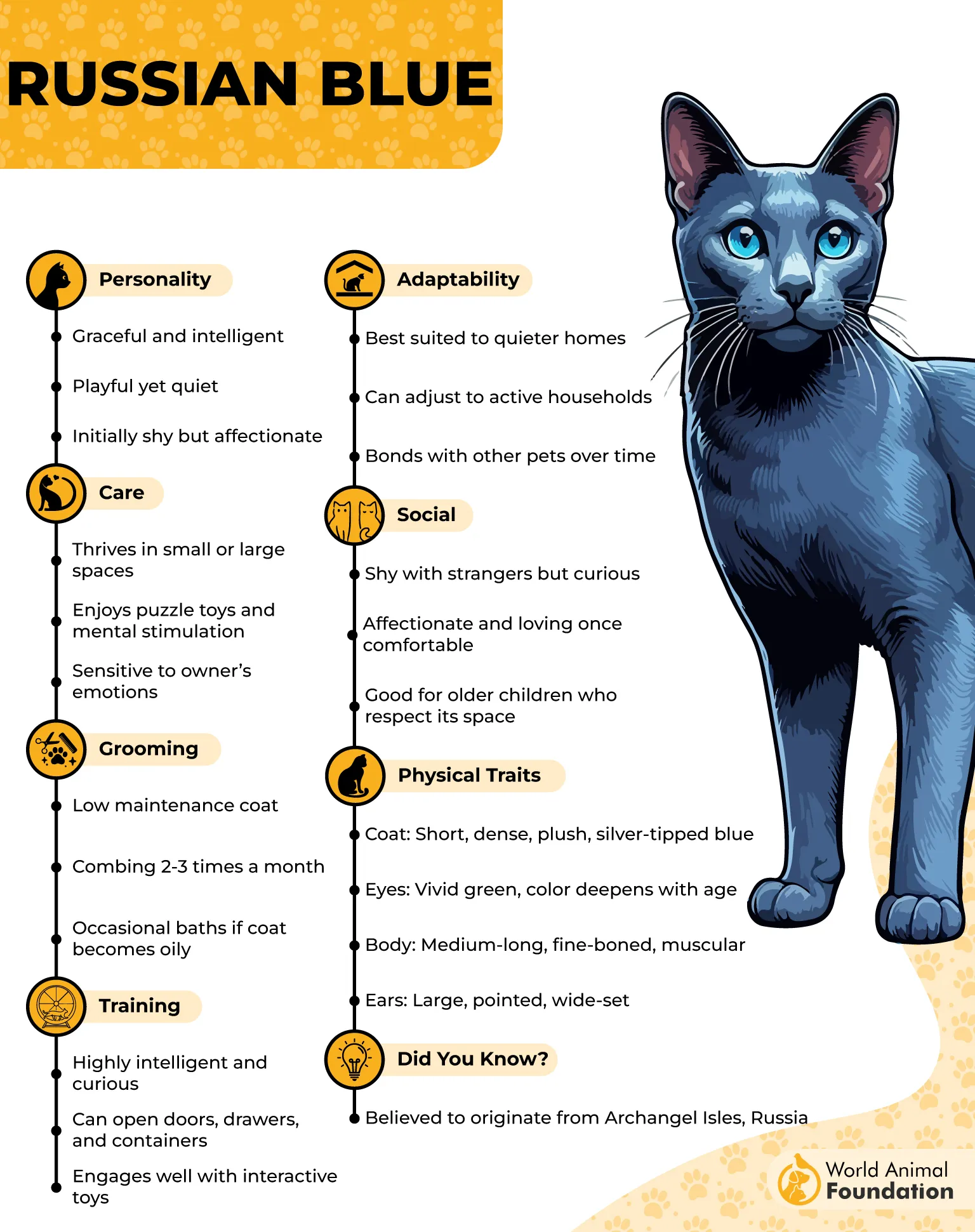
The Russian Blue is best known for its distinctive double coat, which is short, dense, and incredibly soft. The fur stands slightly away from the body, creating a plush texture that feels velvety when touched.
Its signature blue-gray coat carries a delicate silver tipping that gives the fur a luminous effect. This subtle shimmer produces a smooth visual transition across the coat, enhancing the breed’s refined appearance.
Unlike many short-haired cats, the Russian Blue’s coat contains a thick underlayer that makes the fur appear fuller while remaining sleek and even. The balanced texture allows the color to look uniform and polished from head to tail.
Because the coat is both dense and fine, it maintains its smooth structure with minimal grooming. The even fur texture contributes greatly to the breed’s sophisticated and well-groomed look.
Fact: The Russian Blue’s plush double coat contains more hairs per square inch than many other cat breeds, giving it its famously soft and velvety texture.
FAQ: Why does the Russian Blue’s coat look so smooth and even?
The breed’s dense double coat with silver-tipped hairs creates a uniform surface that reflects light softly, producing its smooth and polished appearance.
5. Scottish Fold
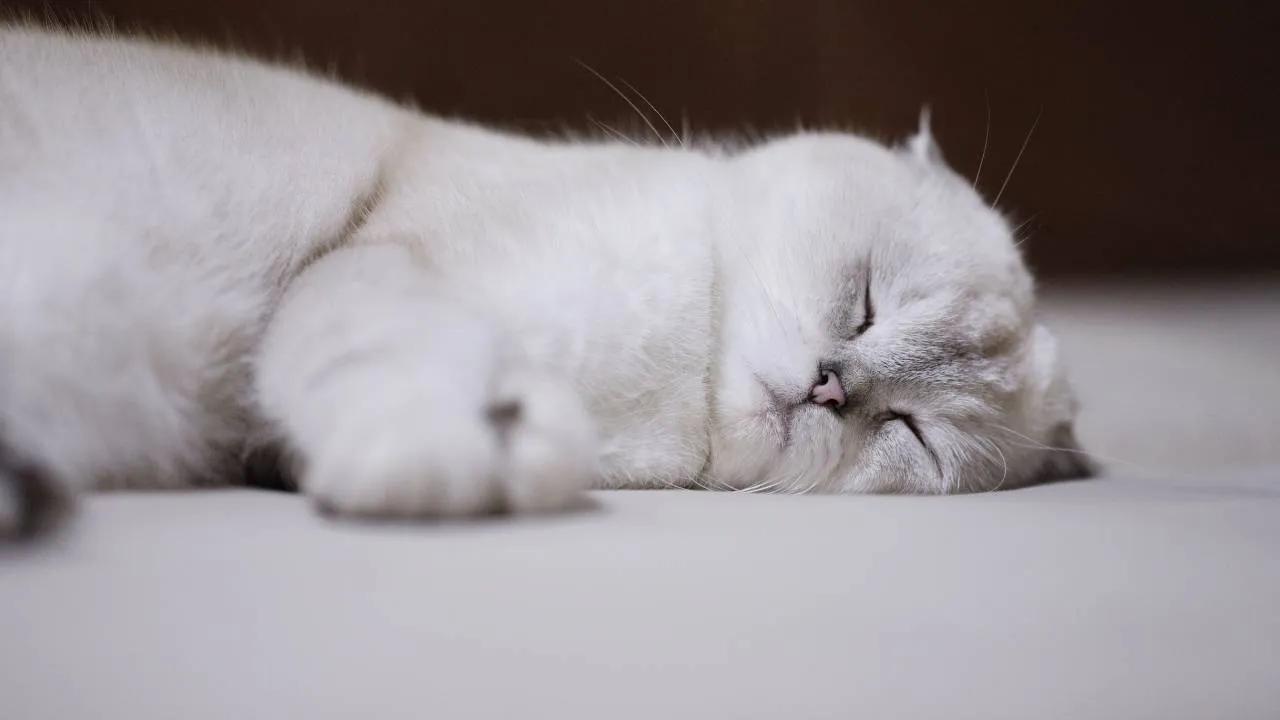
The Scottish Fold, sometimes affectionately called the “Lop-eared cat,” is instantly recognizable for its distinctive folded ears and rounded facial features.
Originating in Scotland, this breed developed from a natural mutation that causes the ears to bend forward, giving it a gentle, owl-like expression. Scottish Folds are admired for their friendly temperament and their ability to bond closely with families.

The Polished Cat with a Harmonious Coat Pattern
Scottish Folds possess a dense, plush coat that feels soft and velvety when touched. Whether short-haired or long-haired, the fur lies smoothly along the body, creating a polished appearance.
Their coats appear especially balanced because the colors and patterns blend evenly across the body. From solid shades to tabby, tortoiseshell, or colorpoint varieties, the coat often displays gentle transitions that enhance the cat’s rounded silhouette.
The thick texture of the fur adds to the breed’s refined look while maintaining a smooth surface. Daily grooming helps keep the coat neat and highlights the natural harmony of its color patterns.
Along with their elegant coat, Scottish Folds are known for their calm and sociable personality. They adapt well to different homes and often enjoy relaxing near their human companions.
Fact: Scottish Folds can appear in both short-haired and long-haired varieties, and their coats come in a wide range of colors and patterns.
FAQ: Why does the Scottish Fold’s coat appear so balanced and smooth?
Their dense, plush fur distributes color evenly across the body, creating the breed’s characteristic harmonious coat pattern.
6. Chartreux
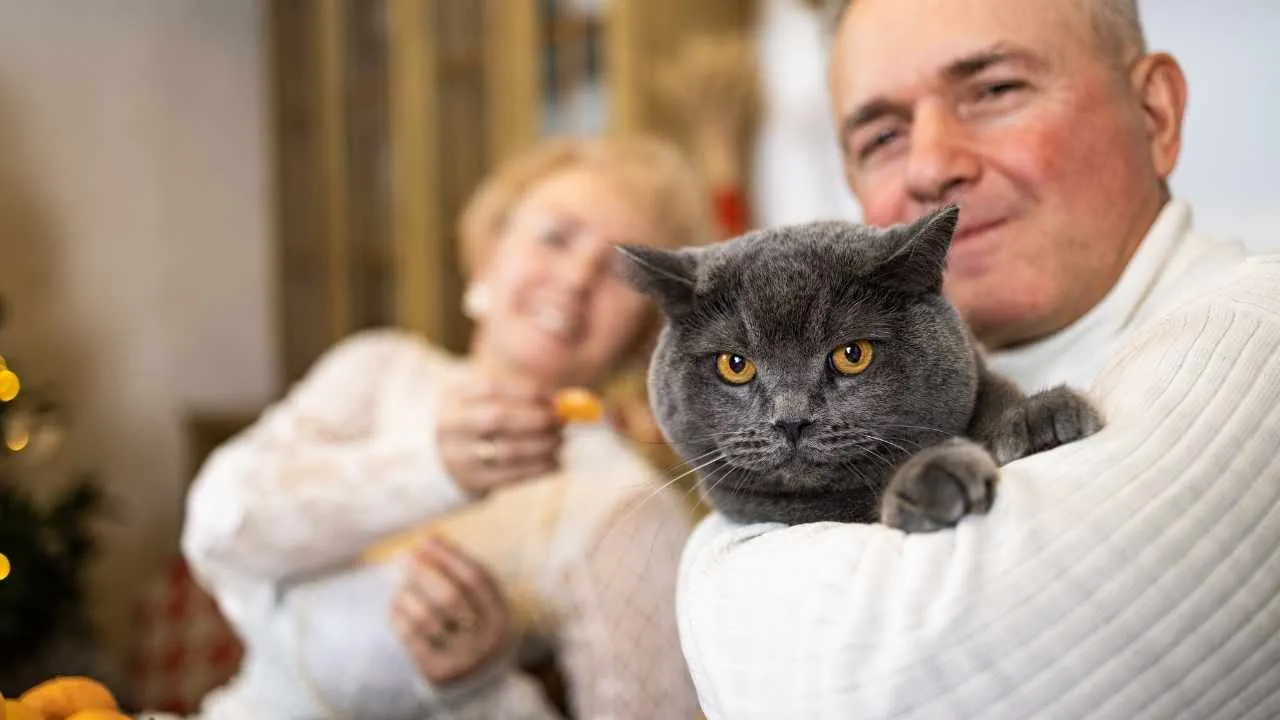
The Chartreux, sometimes affectionately described as the “smiling blue cat of France,” is a historic breed admired for its calm temperament and striking blue-gray coat.
Originating in France, this sturdy yet graceful feline is known for its muscular build, rounded features, and expressive copper or golden eyes. Quiet and observant, the Chartreux forms strong bonds with its family while maintaining a thoughtful and gentle nature.
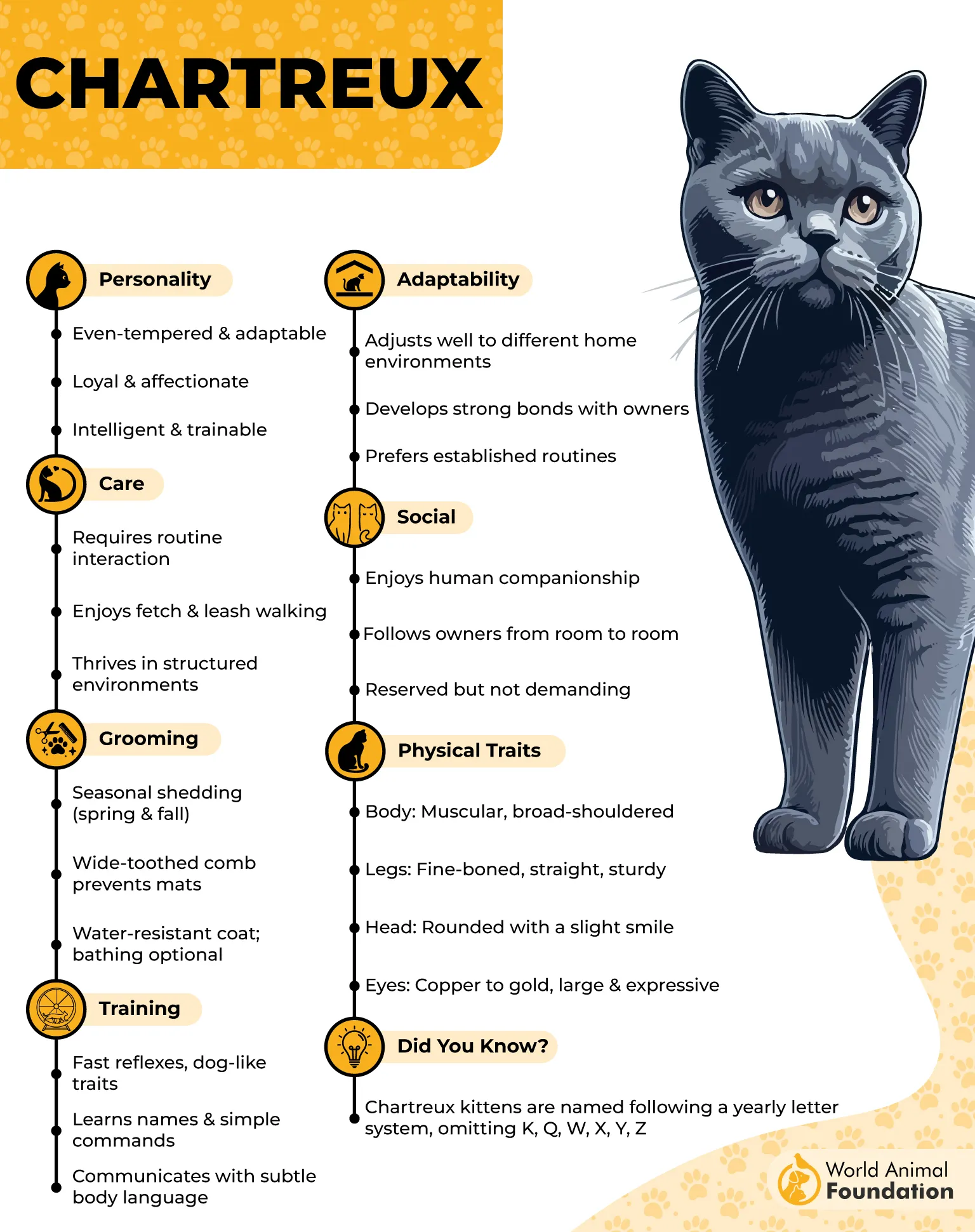
A Beautiful Breed with Gentle Fur Gradients
They feature a thick, woolly double coat. The short fur is dense and slightly water-resistant, creating a plush texture that feels soft yet resilient to the touch.
The coat’s blue-gray color often shows subtle tonal shifts that create gentle gradients across the body. These natural variations give the fur a smooth and harmonious appearance rather than sharp color contrasts.
Because the coat is packed with a rich underlayer, it maintains a soft, cushioned look while still lying neatly along the body. Weekly brushing helps preserve the coat’s smooth texture and keeps the natural gradients clear and well defined.
Beyond its elegant coat, the Chartreux is known for its quiet personality and dog-like devotion. Many individuals form especially strong bonds with one person while remaining affectionate with the entire household.
Fact: The Chartreux is famous for its dense blue-gray coat and large copper or gold eyes that give the breed its characteristic gentle “smile.”
FAQ: Why does the Chartreux coat show soft color gradients instead of sharp contrasts?
The breed’s dense blue-gray fur reflects light differently across the coat, creating subtle tonal shifts that produce its smooth and gentle gradient effect.
7. Birman
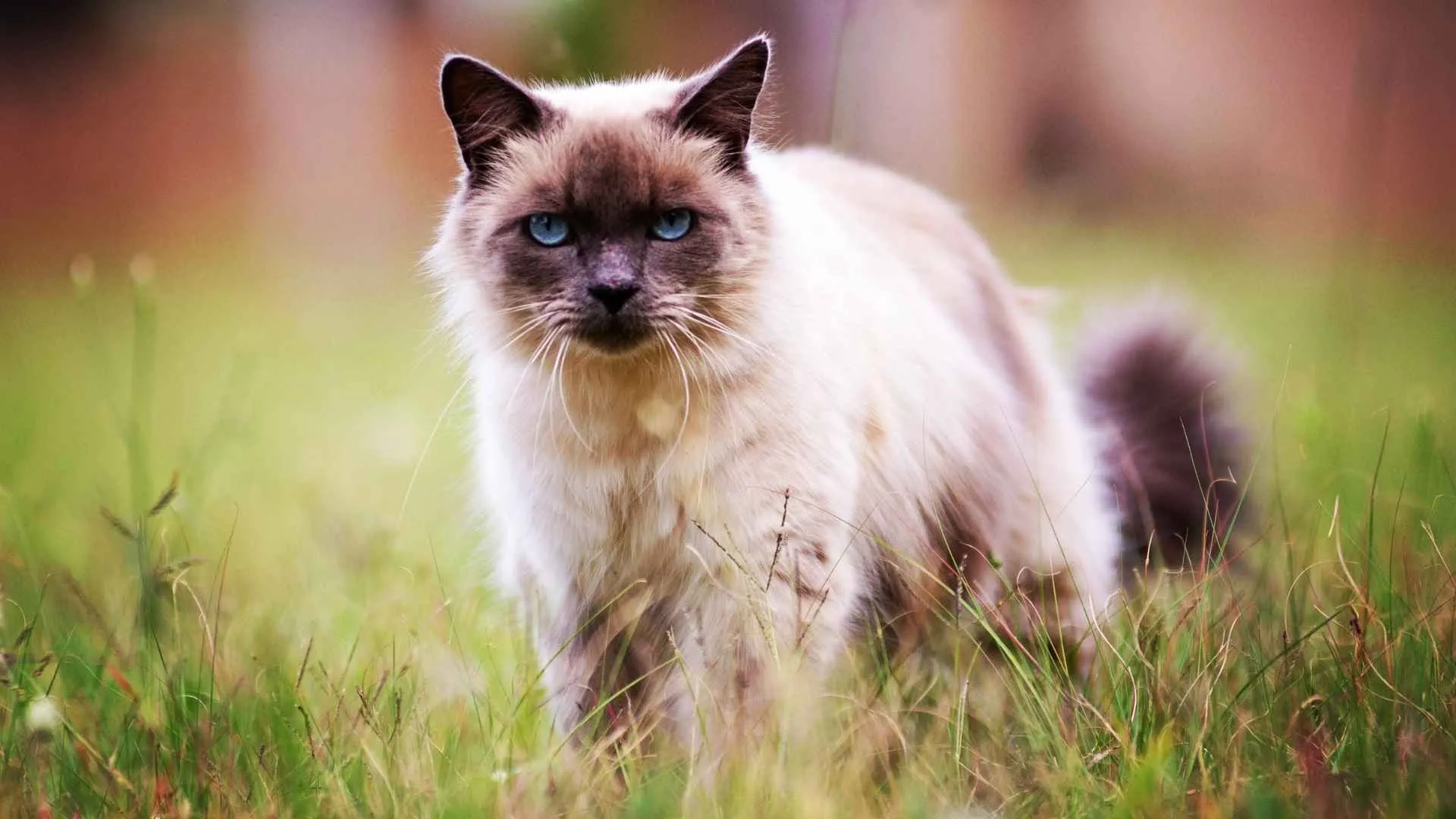
The Birman, often called the Sacred Cat of Burma, is a graceful and affectionate breed admired for its striking blue eyes and elegant color-pointed coat.
With its rounded head, gentle expression, and calm personality, the Birman carries an air of quiet dignity. This beautiful cat is also known for its signature white “gloves” on the paws, which add to its distinctive appearance.

The Smooth-Coated Companion with Perfect Color Balance
One of the Birman’s most admired features is its silky medium-length coat. Unlike many long-haired breeds, the fur lacks a heavy undercoat, allowing it to fall smoothly along the body while remaining soft and manageable.
The coat displays a classic color-point pattern with lighter fur on the body and darker shades on the face, legs, and tail. This natural gradient creates a balanced and harmonious transition between colors.
Many Birmans also show a faint “golden mist” tint across the body, which softens the contrast between the pale coat and darker points. Combined with the breed’s symmetrical markings, the overall effect appears smooth and visually refined.
Their elegant ruff around the neck adds texture without disturbing the coat’s gentle color flow. This silky fur, paired with their calm temperament, gives the Birman a graceful and balanced appearance.
Fact: The Birman’s signature white “gloves” on the front paws and “laces” on the back paws are produced by the breed’s unique bicolor gene.
FAQ: Why does the Birman’s coat show such smooth color transitions?
The breed’s color-point pattern naturally blends lighter body fur with darker extremities, creating a balanced and seamless shift in coat color.
Conclusion
Cat breeds with smooth coat transitions stand out for their balanced color flow, soft textures, and refined appearance.
Breeds such as the Burmese, British Shorthair, Tonkinese, Russian Blue, Scottish Fold, Chartreux, and Birman showcase how genetics and coat structure create seamless gradients and polished fur patterns.
Their coats often feature subtle shading, silky textures, or plush density that allows colors to blend naturally across the body. These elegant transitions enhance each breed’s graceful silhouette while also making their coats visually striking and pleasant to touch.
Many other popular breeds are also admired for distinctive coat qualities, including the Norwegian Forest cat, Persian cats, Maine Coons, and the Siberian cat, which are known for their luxurious fur.
Breeds like Himalayan cats, Bengal cats, Exotic Shorthairs, and the American Shorthair highlight the diversity of feline coats, from plush and silky to sleek and patterned. Together, these cats demonstrate how coat texture, color distribution, and genetics shape the remarkable beauty found across different feline breeds.
