




Bringing home a pedigreed cat often comes with the expectation of beauty, charm, and good health. However, selective breeding for specific traits can sometimes have unintended consequences. When certain physical features are prioritized, genetic diversity may be reduced, increasing the likelihood of inherited conditions. One area where this can become noticeable is digestive health, as some cat breeds are more vulnerable to stomach sensitivities than others.
Not every cat from a predisposed breed will experience problems, especially when ethical breeders carefully screen for genetic issues. Still, identifying responsible breeding practices can be difficult, and cats bred primarily for appearance may face a higher risk of health complications. Digestive sensitivities, in particular, can surface as food intolerances, frequent upset stomachs, or difficulty processing certain ingredients.
Understanding which cat breeds are known for sensitive digestion allows owners to take proactive steps. From choosing the right diet to recognizing early warning signs, informed care can make a significant difference. This guide explores cat breeds with delicate digestive systems and offers insight to help ensure a healthier, more comfortable life for your feline companion.
7 Cat Breeds with Sensitive Digestion
1. Persian
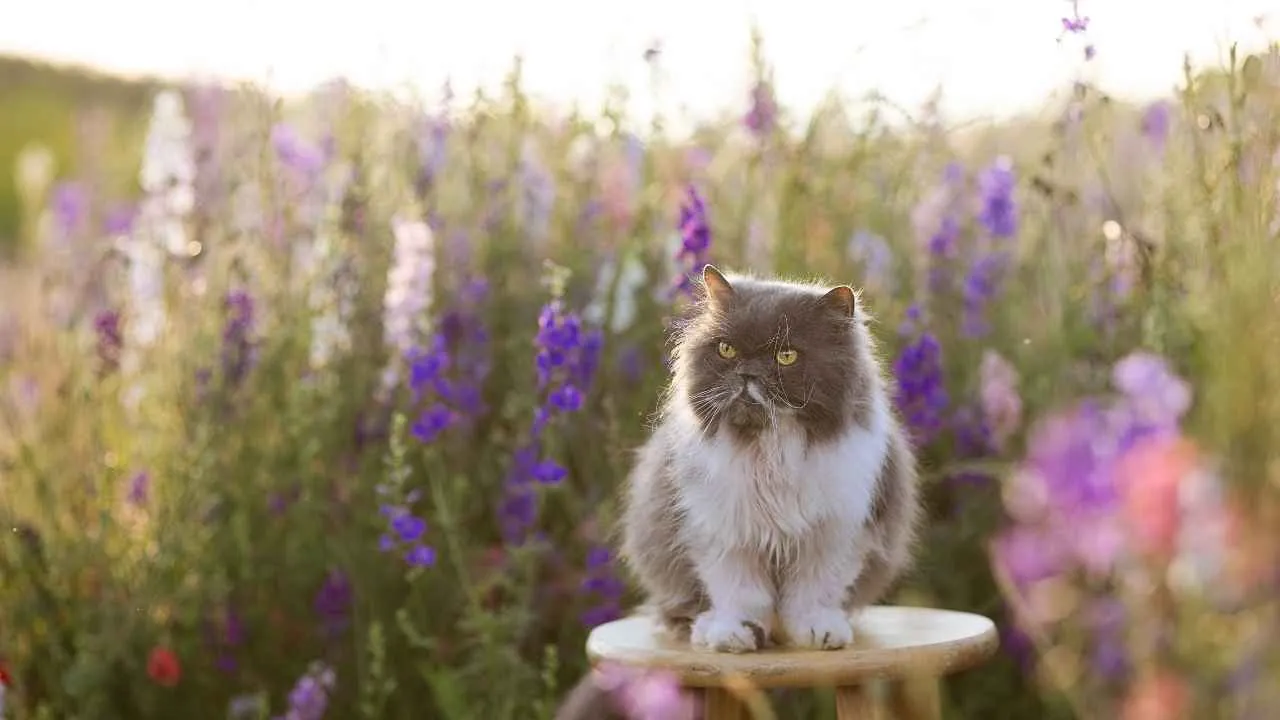
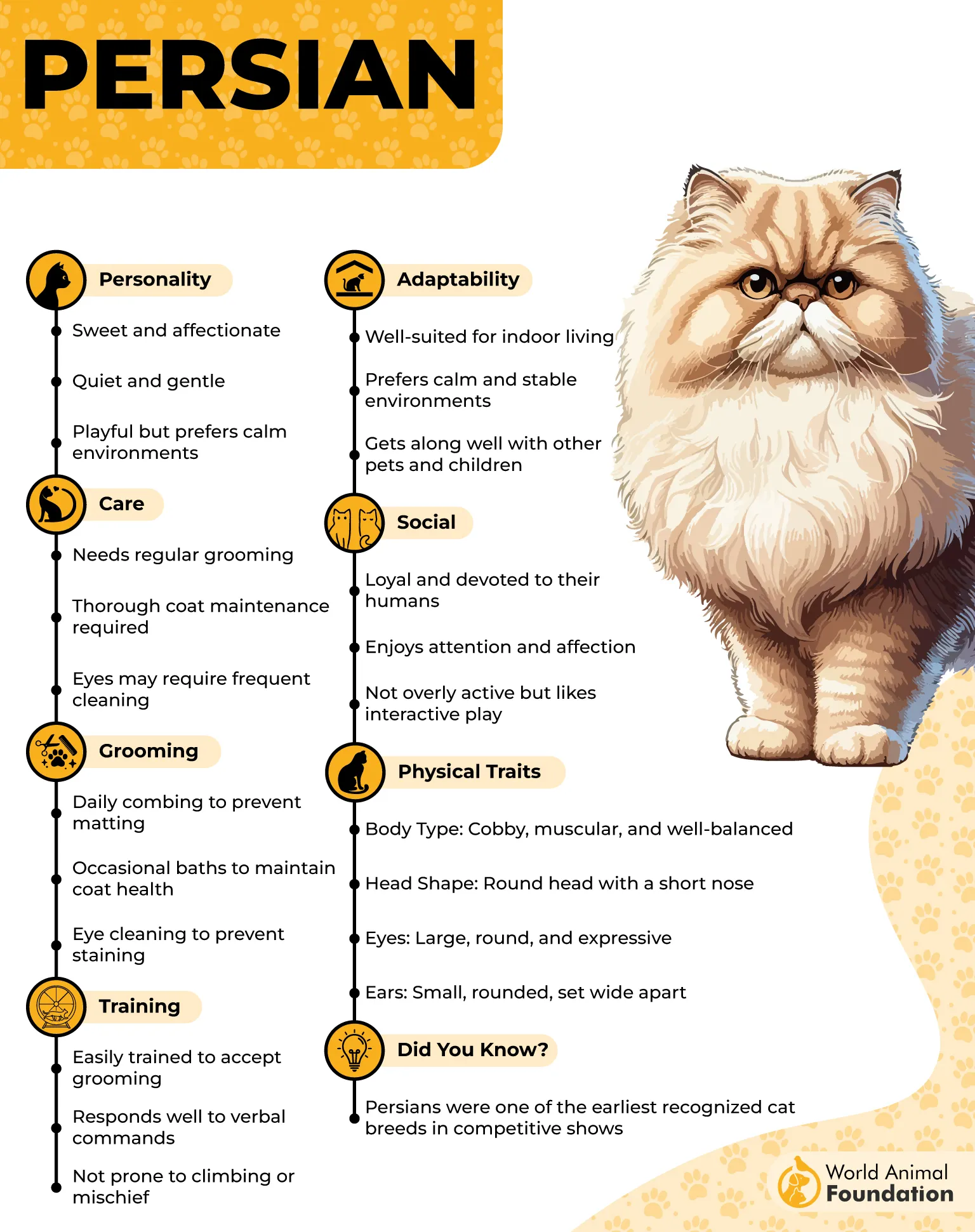
Also called the Persian Longhair, this ancient Mesopotamian breed is instantly recognized by its flat face, round features, and abundant, flowing coat.
According to Spruce Pets, even though Persian cats may sometimes look grumpy, they are typically gentle and affectionate companions.
While admired for their plush appearance and calm demeanor, Persians are also known for health challenges tied to their distinctive anatomy.
Sensitive digestion in cats often involves difficulty processing food, frequent stomach upset, or chronic gastrointestinal conditions. Persians are prone to issues such as irritable bowel syndrome, which can result in recurring vomiting or diarrhea and requires careful dietary management.
Because digestive sensitivity can be worsened by stress or poor nutrition, Persians benefit from consistent routines, high-quality diets, and close veterinary monitoring. Their brachiocephalic structure may also contribute to overall discomfort, making proactive health care especially important.
Understanding sensitive digestion means recognizing early symptoms and responding quickly to changes in appetite or digestion.
Fun fact: Persian cats are genetically prone to irritable bowel syndrome, which can significantly impact their digestive health if not managed properly.
2. Siamese

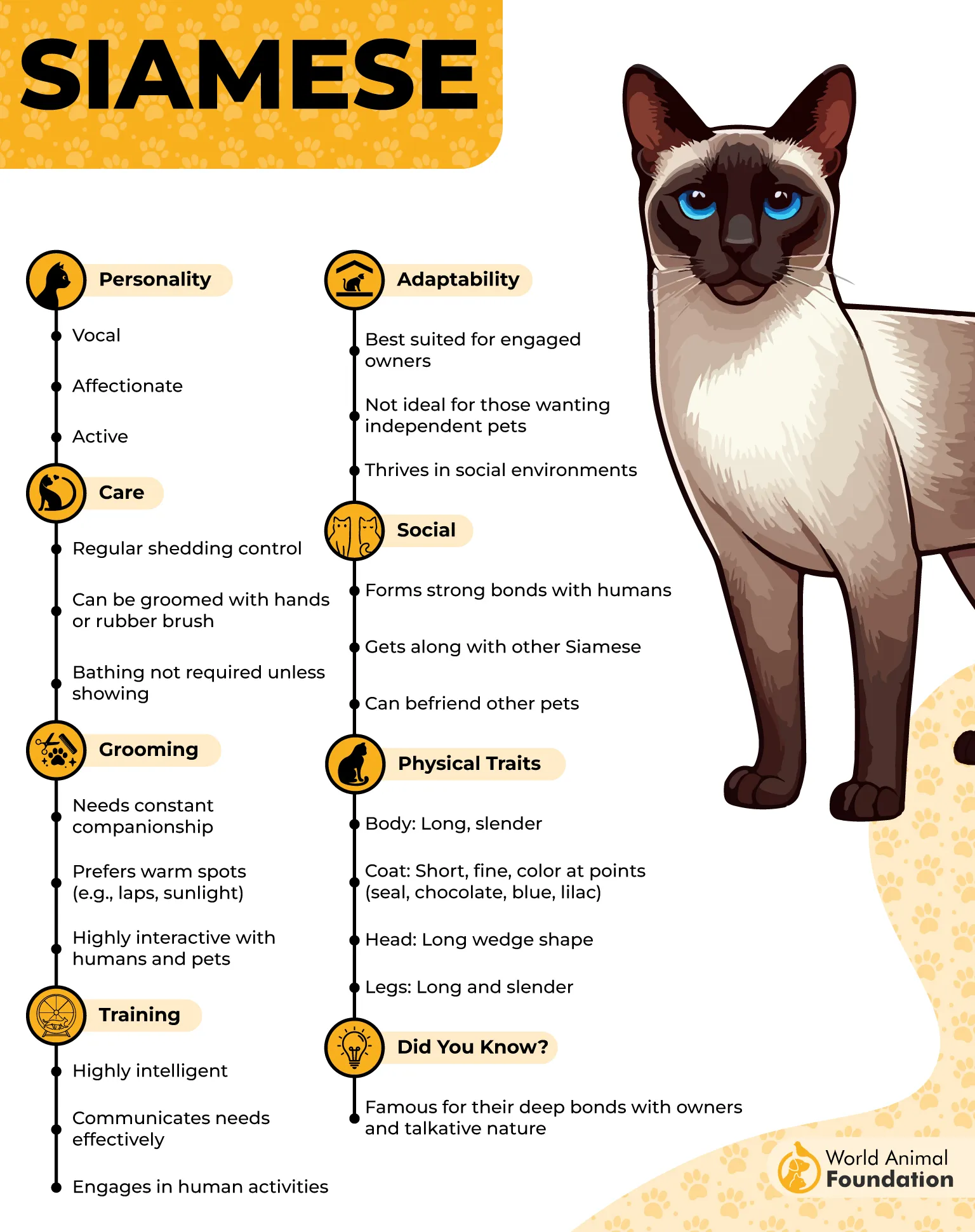
Also called the Royal Cat of Siam, the Siamese originates from Thailand and is known for its sleek coat, pointed markings, and expressive personality. This affectionate, extroverted breed forms strong bonds with its owners and is famously vocal and people-oriented.
According to PetMD, Siamese cats have distinctive, attention-grabbing traits that have helped shape their long history. The source notes that, in addition to their large ears and vivid baby-blue eyes, they have a slim, sleek body with darker color points on the ears, face, paws, and tail.

When it comes to digestion, Siamese cats are prone to sensitive stomachs due to their genetic makeup. Common causes include food intolerances and inflammatory bowel disease, which can be triggered by low-quality ingredients, fillers, or abrupt changes in diet.
Sudden food switches often lead to vomiting or diarrhea in this breed, making consistency especially important. A nutrient-dense, high-quality diet with minimal artificial additives helps reduce digestive stress and supports overall gut health in sensitive felines like the Siamese.
Because they are active and energetic, Siamese cats require balanced nutrition without compromising digestibility. Monitoring eating habits and stool quality can help catch issues early.
Fun fact: Siamese cats that avoid serious genetic conditions can live into their late teens, despite having a lower average lifespan than many breeds.
3. Sphynx
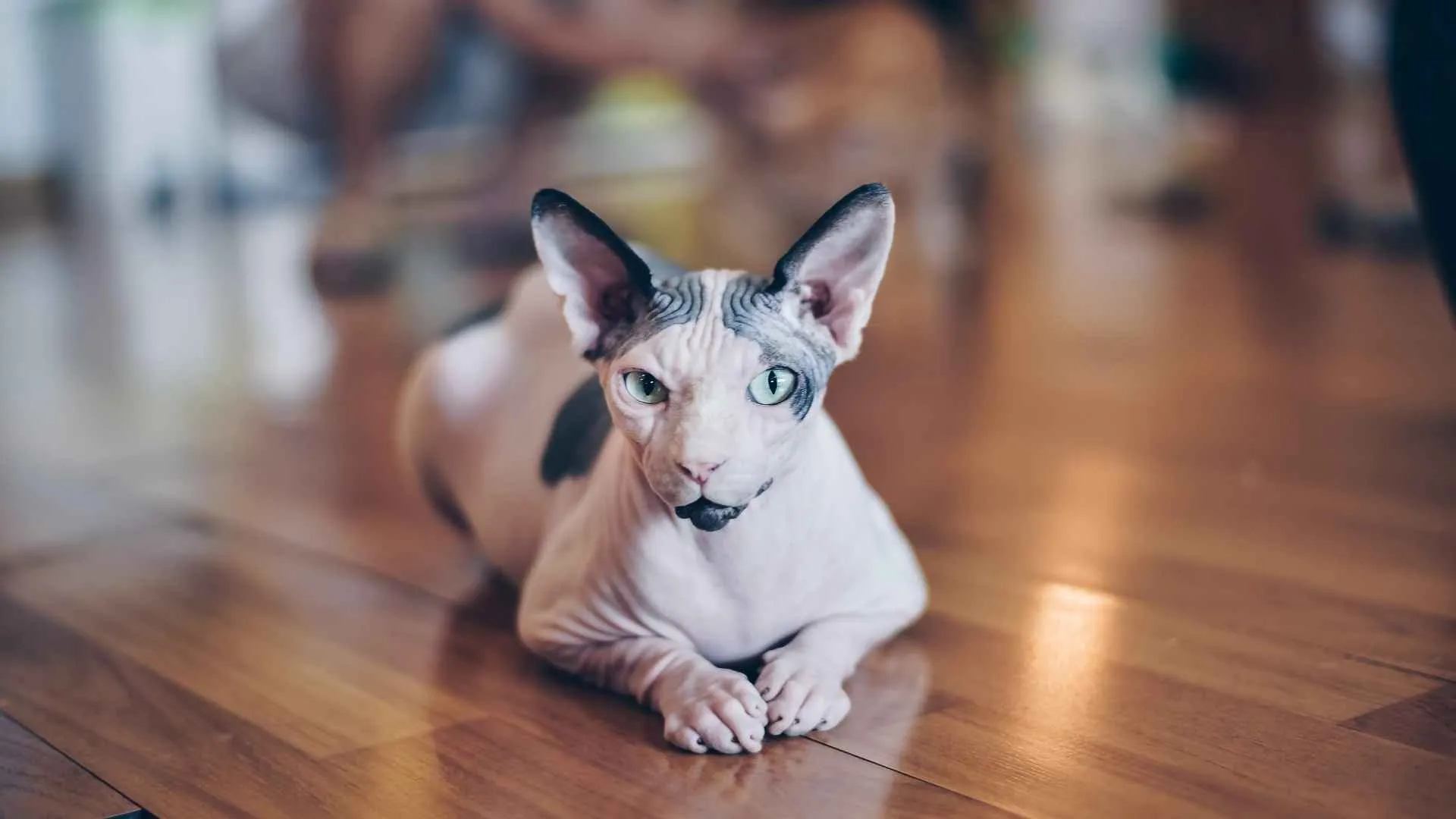
Also called the Canadian Sphynx or formerly the Canadian Hairless, this distinctive breed is instantly recognized by its hairless body, oversized ears, and expressive features.
According to Petplan, they are intelligent, playful, and easy to train. The source also explains that they seek companionship, which can make them a loyal and affectionate addition to the household.
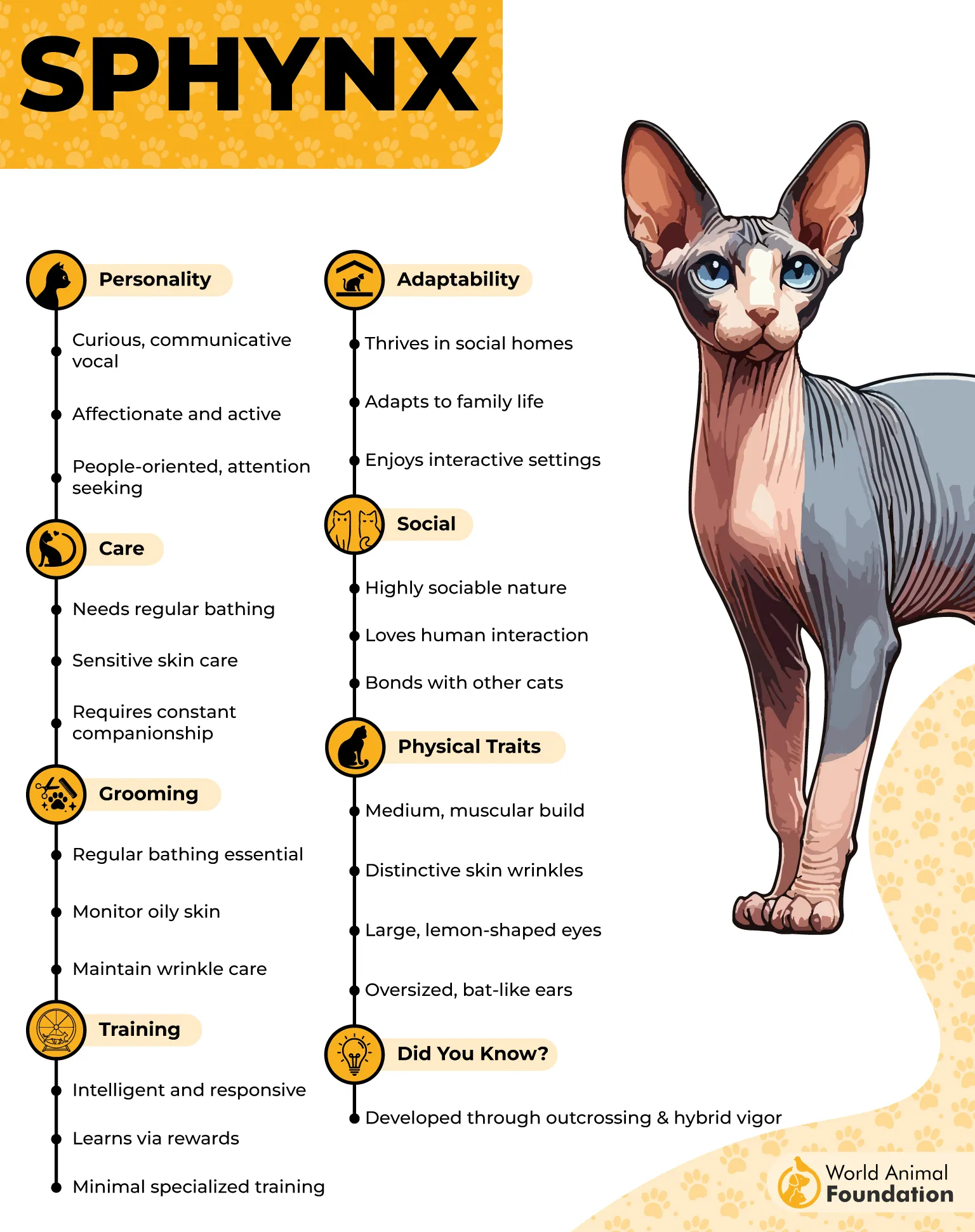
Genetics play a significant role in the Sphynx’s overall health, including digestion. The breed’s limited early gene pool and autosomal recessive hairless gene contributed to various inherited sensitivities, which can extend to the gastrointestinal system in some individuals.
Cats with sensitive digestion, like the Sphynx, often benefit from carefully selected diets and consistent feeding routines. Because their bodies work harder to regulate temperature and metabolism, digestive balance can be more easily disrupted by sudden food changes or low-quality ingredients.
Understanding the breed’s genetic background helps explain why digestive care is so important for Sphynx cats. Fun fact: the Sphynx breed began in 1966 after a hairless kitten named Prune was born in Toronto, marking the foundation of the modern breed.
4. Bengal
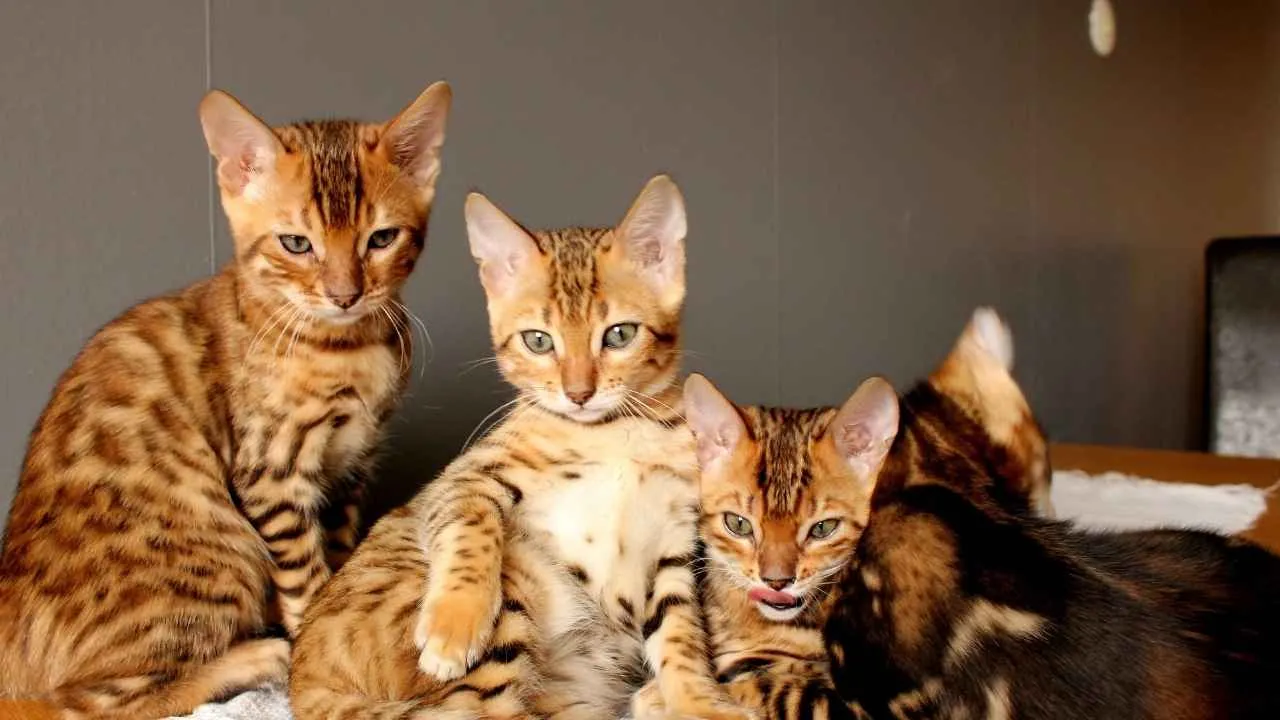
Often simply called the Bengal cat, this striking hybrid was developed by crossing the Asian Leopard Cat with domestic cats, giving it a sleek, glossy coat and bold, leopard-like spotting.
When it comes to sensitive digestion, watch closely for subtle signs your Bengal isn’t tolerating food well. Repeated vomiting, loose stools, excessive gas, or a sudden drop in appetite can point to gastrointestinal upset and may worsen if the diet changes too quickly.
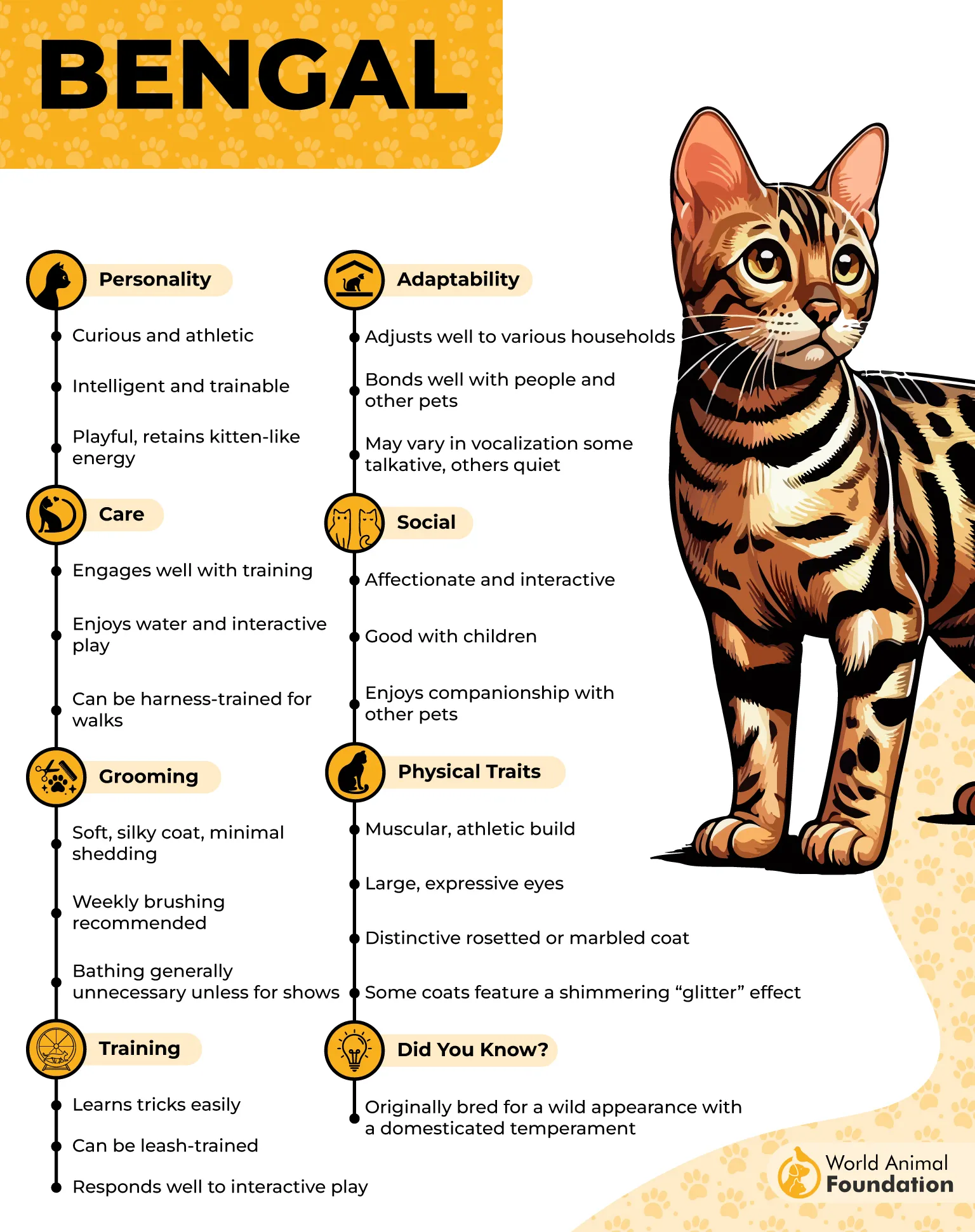
Because Bengals can be high-drive and intense, stress may amplify stomach troubles. If you notice weight loss, recurring diarrhea, or a dull coat alongside digestive issues, it’s smart to track meals and symptoms so a vet can pinpoint triggers and rule out underlying illness.
While digestion is one concern, overall health screening matters for this breed too.
Fun fact: Bengals have been noted to carry predispositions to pyruvate kinase deficiency, progressive retinal atrophy, and hypertrophic cardiomyopathy.
5. Ragdoll
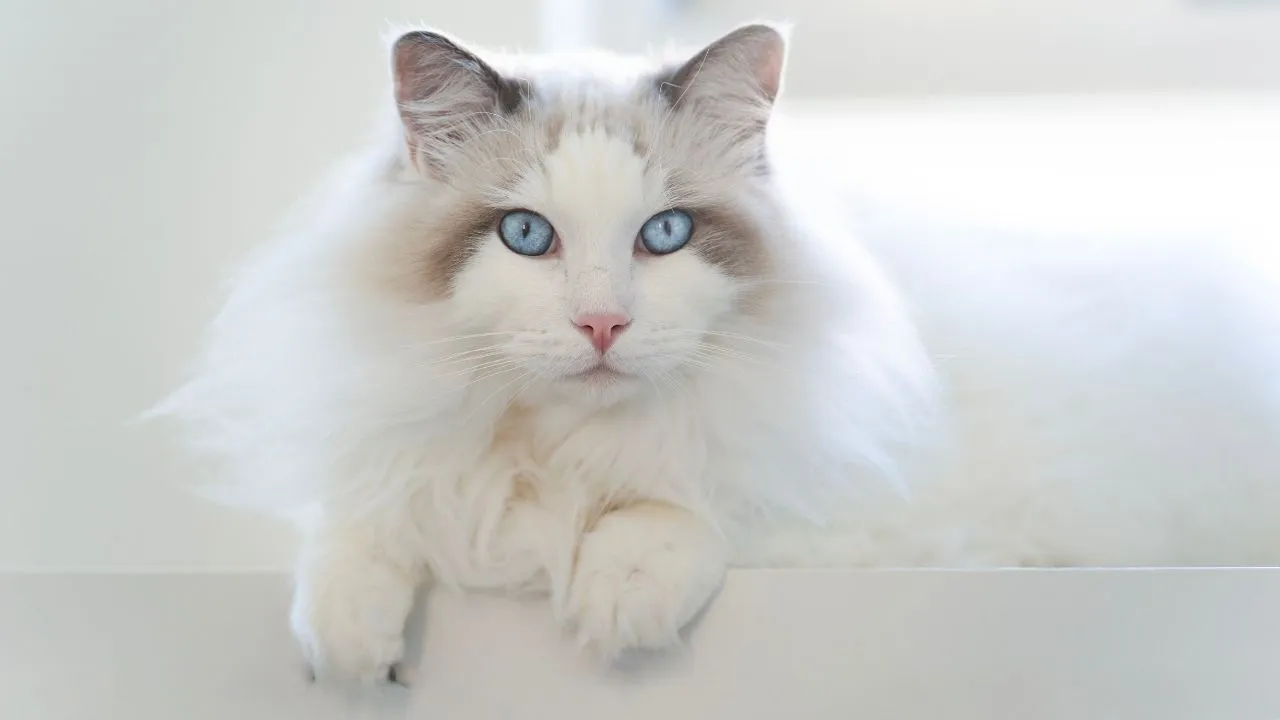
Also known for their nickname “puppy-like cats,” Ragdolls are large, long-haired felines with pointed coats and striking blue eyes. They earned their name from their tendency to relax completely when held, reflecting their famously calm and gentle temperament.
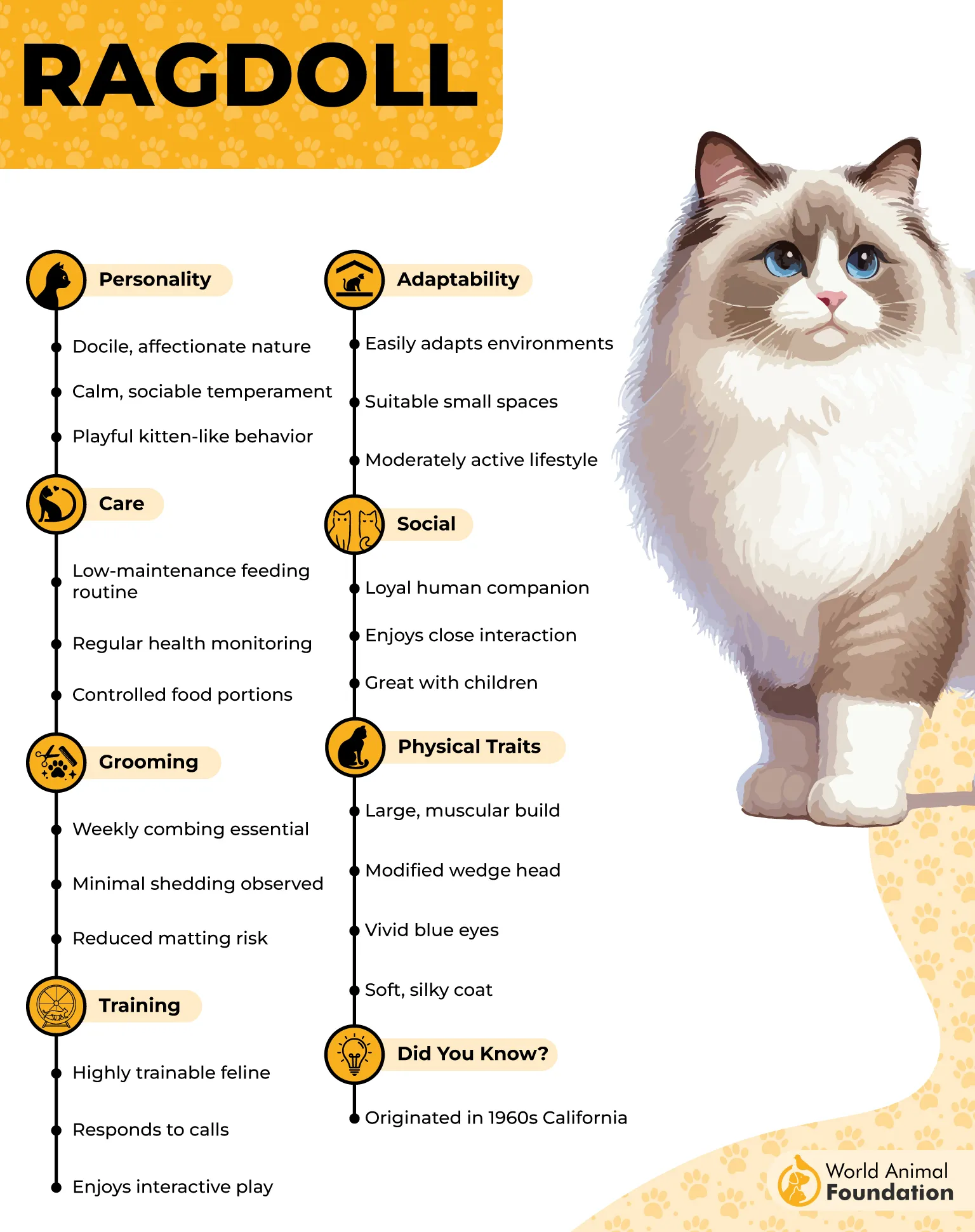
When it comes to sensitive digestion, Ragdolls can benefit from carefully selected diets. Foods high in fillers, artificial additives, or excessive carbohydrates may trigger stomach upset, so simple, high-quality ingredients are often easier for them to process.
Because this breed is prone to bladder stones, diets overly rich in magnesium or low in moisture should be avoided. Dry foods without proper balance can stress both the urinary system and digestion, making hydration and vet-approved nutrition especially important.
Owners should also be cautious with rich treats and sudden diet changes, which may overwhelm a Ragdoll’s system.
Fun fact: Ragdolls are known to go completely limp when picked up, a trait that inspired the breed’s name.
6. Maine Coon
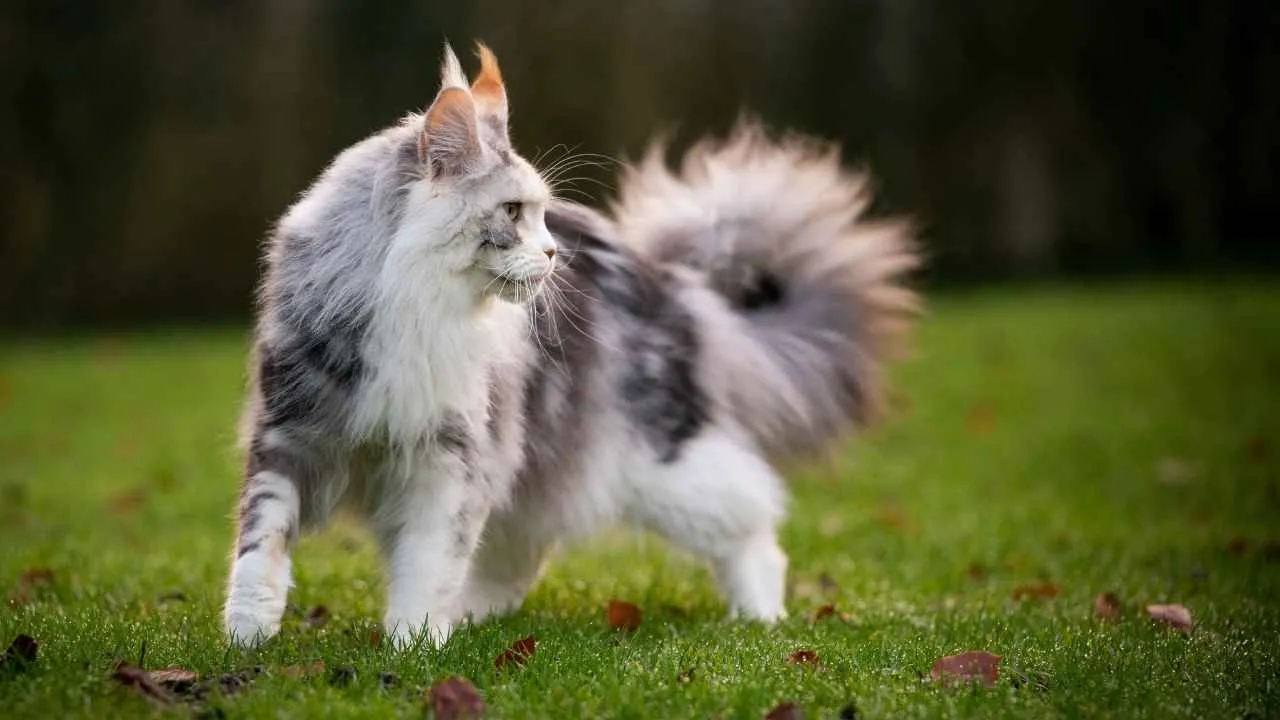
Also called the “gentle giant,” the Maine Coon is one of the largest domesticated cat breeds, known for its dense, fluffy coat and sturdy build. Originally from New England, this breed is admired for its friendly nature and impressive size.
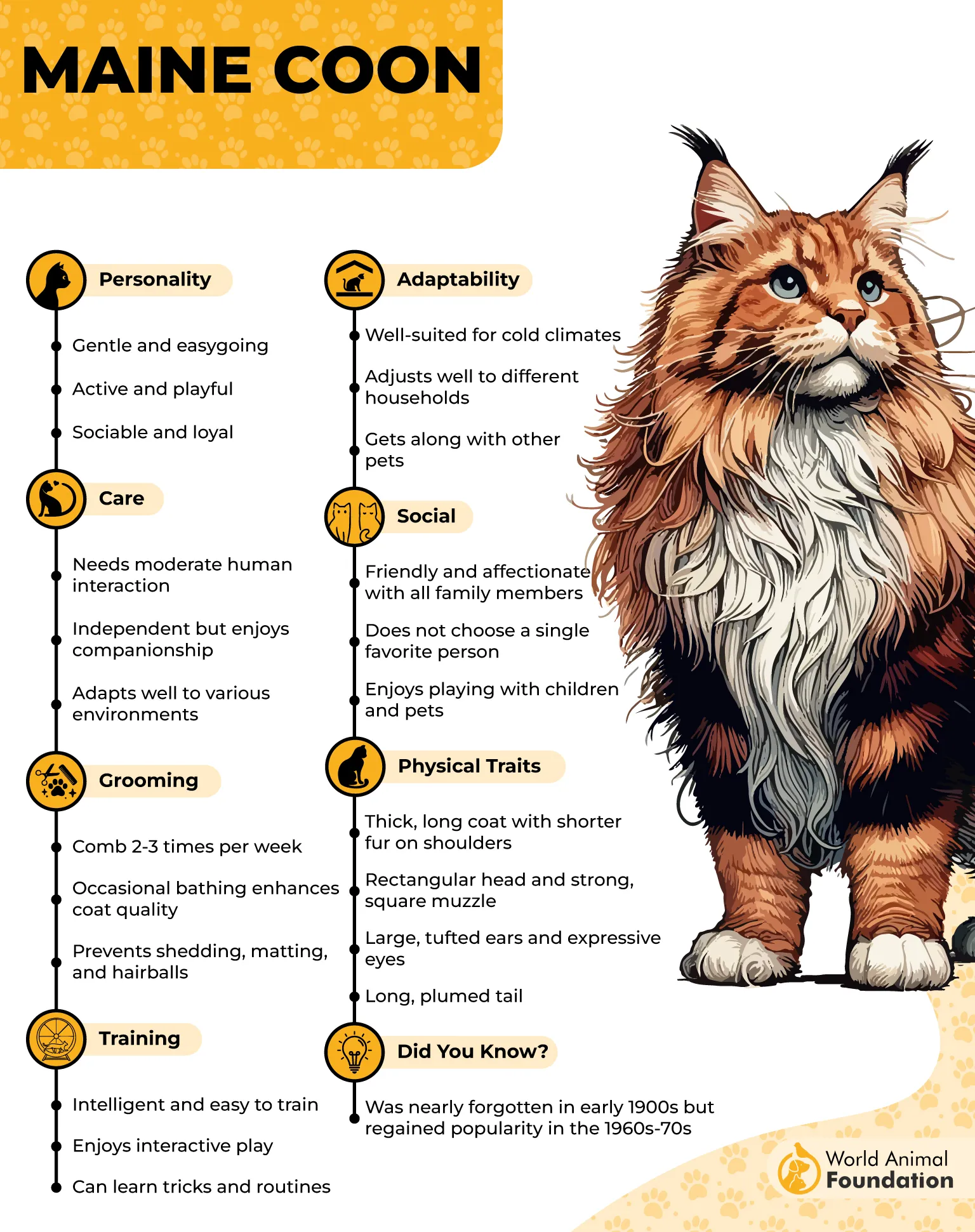
Because of their large bodies and high energy levels, Maine Coons need carefully timed meals to support digestion. Consistent feeding schedules help regulate their sensitive stomachs, preventing overeating while ensuring they receive enough calories to fuel daily activity.
Spacing meals evenly throughout the day can also reduce digestive stress. High-quality, filler-free food offered at regular intervals is easier on their system and supports muscle maintenance, coat health, and overall nutrient absorption.
Hydration works hand in hand with feeding routines for this breed. Scheduled meals paired with access to fresh water or moisture-rich food can ease digestion and support urinary health.
Fun fact: Maine Coons are prone to sensitive stomachs, making diet quality and meal timing especially important.
7. Scottish Fold
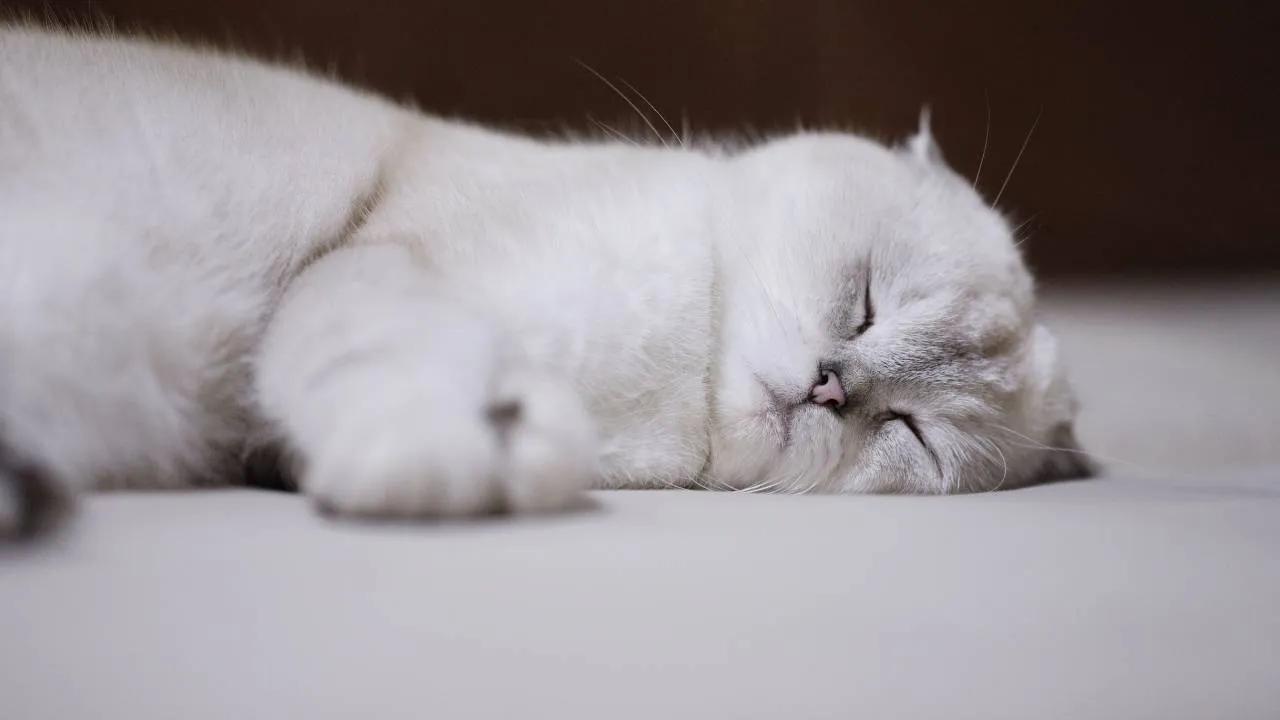
Also called the Scottish Fold cat, this breed is instantly recognized for its forward-folded ears and round, owl-like expression, though some have straight ears due to genetics. Known for a sweet, affectionate temperament, Scottish Folds are sturdy cats with a calm, family-friendly nature.

When it comes to sensitive digestion, Scottish Folds benefit from consistent routines and carefully selected diets. Cats with underlying genetic vulnerabilities may be more prone to digestive upset, making high-quality, easily digestible food an important part of daily care.
Managing digestive sensitivity also means paying attention to changes in appetite, stool, or behavior. Regular veterinary checkups help rule out underlying issues that could affect digestion and allow early adjustments to diet or feeding schedules for better comfort.
Proactive health management plays a key role in keeping this breed happy and balanced.
Fact: Scottish Folds can undergo DNA testing to help identify inherited conditions such as hypertrophic cardiomyopathy and polycystic kidney disease.
Conclusion
Cats with sensitive digestion require thoughtful care, as many cats experience stomach problems tied to genetic predisposition, food sensitivities, or underlying health conditions.
A cat’s digestive system and gastrointestinal tract can react poorly to certain foods, common food allergens, or sudden new food, leading to gastrointestinal distress, frequent vomiting, or other intolerance symptoms.
Paying close attention to early signs, such as changes in the cat’s eating habits, helps protect overall cat’s digestive health of the cat and prevent more serious health issues.
For cats with sensitive stomachs, supporting gastrointestinal health starts with a balanced diet, proper digestive support, and high-quality cat food, whether dry cat food or carefully chosen alternatives.
Ingredients like digestive enzymes, healthy fats, beneficial bacteria, or even bone broth may support a healthy gut microbiome and help the body absorb nutrients.
For every cat parent, monitoring persistent symptoms, scheduling regular veterinary check ups, and adjusting a cat’s dietary needs ensures your feline friend gets the comfort and care your cat deserves.
