




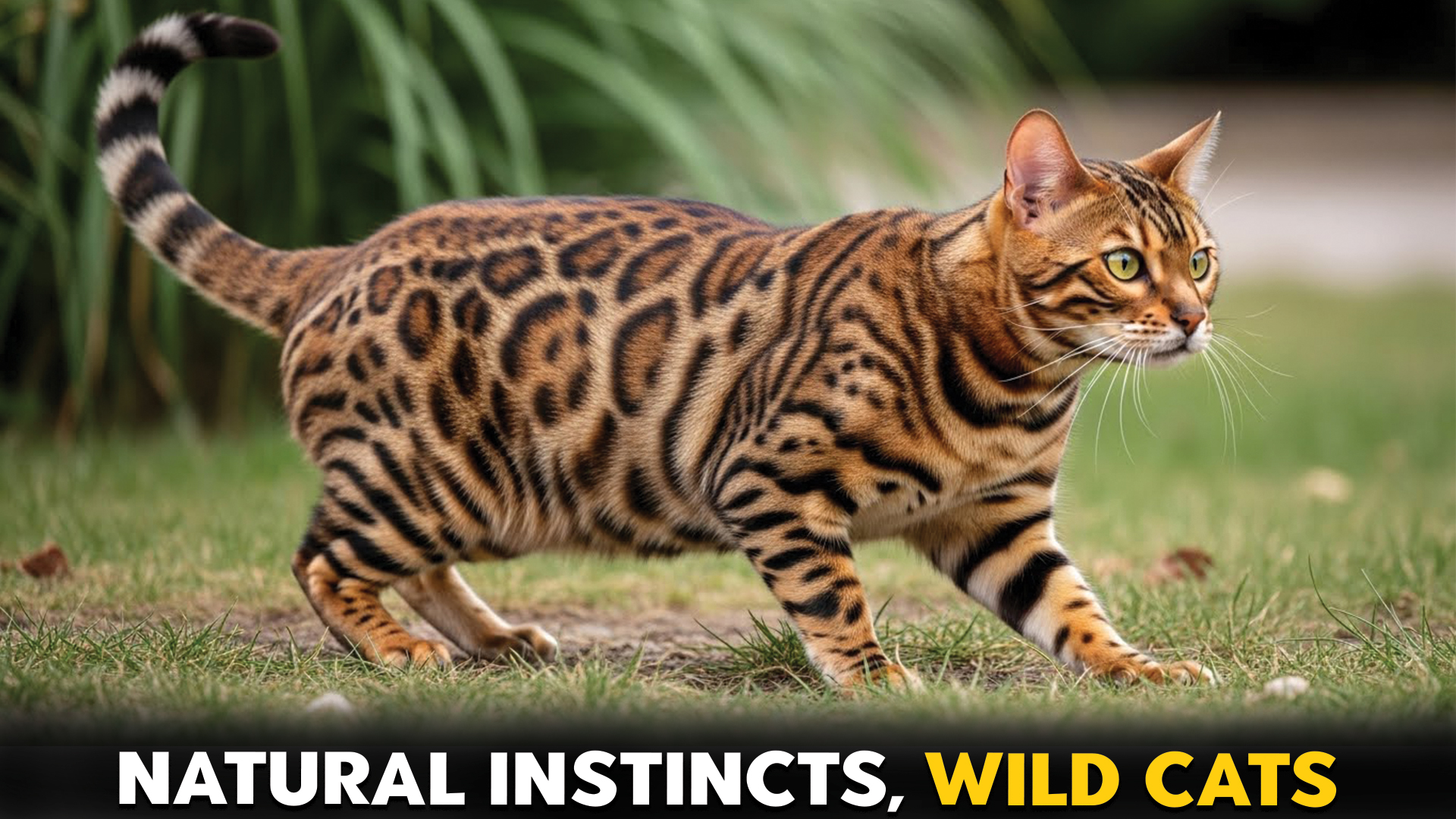
Some cats move through life with quiet intensity. Their eyes follow motion instinctively. Their bodies stay still, ready, controlled. These cats are not restless. They are not bored. They are driven by something older than comfort.
Natural hunting instinct shapes how certain cat breeds see the world. It influences how they watch, how they play, and how they react to movement. Even in calm homes, this instinct remains active. It shows in sudden focus, measured steps, and purposeful engagement.
These cats respond to their environment with awareness rather than impulse. They notice details others miss. They wait, observe, and act with precision. Living with a cat like this feels different. It requires understanding rhythm, space, and stimulation.
This article explores cat breeds with natural hunting instincts, examining how instinct influences behavior, energy, and daily interaction.
Key Takeaways
A sudden sound or flicker across the room is all it takes for certain cats to switch into full hunting mode.
Abyssinians and Egyptian Maus turn ordinary toys into full hunting routines, stalking with focus and striking with precision.
Bengals and Savannahs add speed and power to the mix, using height, jumps, and sharp timing to mirror real pursuit.
As you move through the list, each breed reveals a different side of the hunt that keeps homes lively and instincts alive.
Cat Breeds with Natural Hunting Instincts
1. Abyssinian
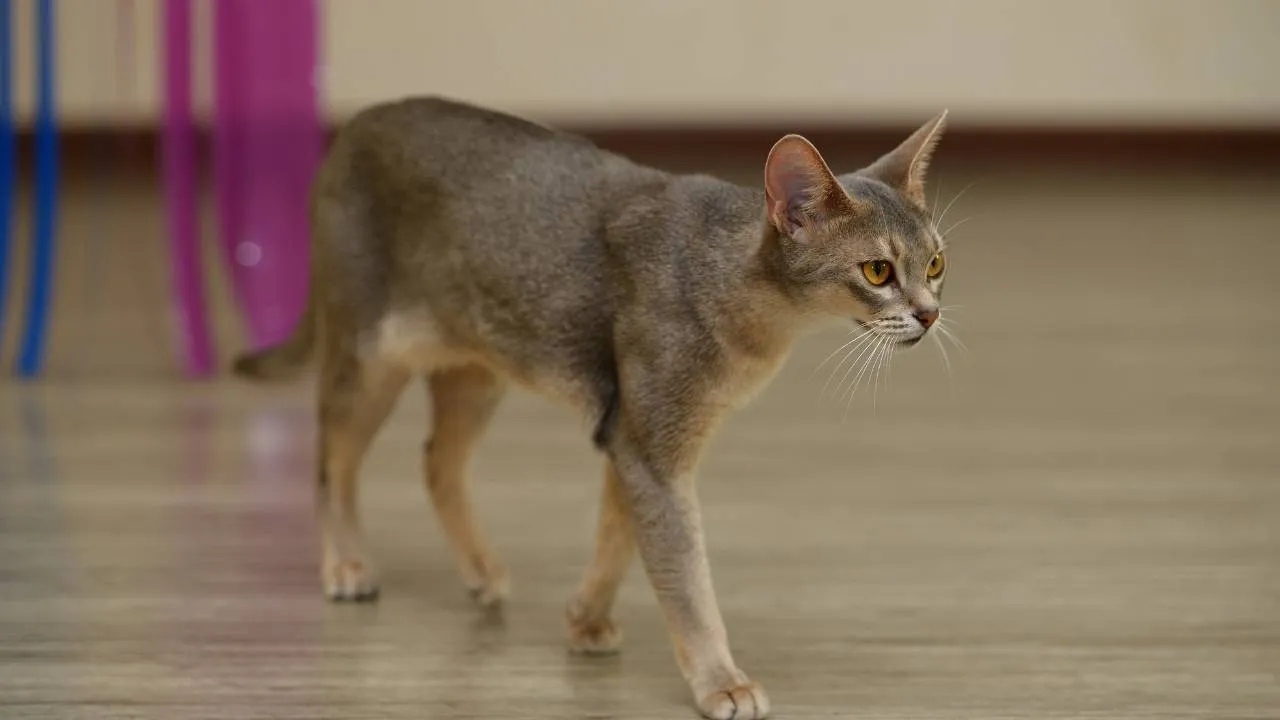
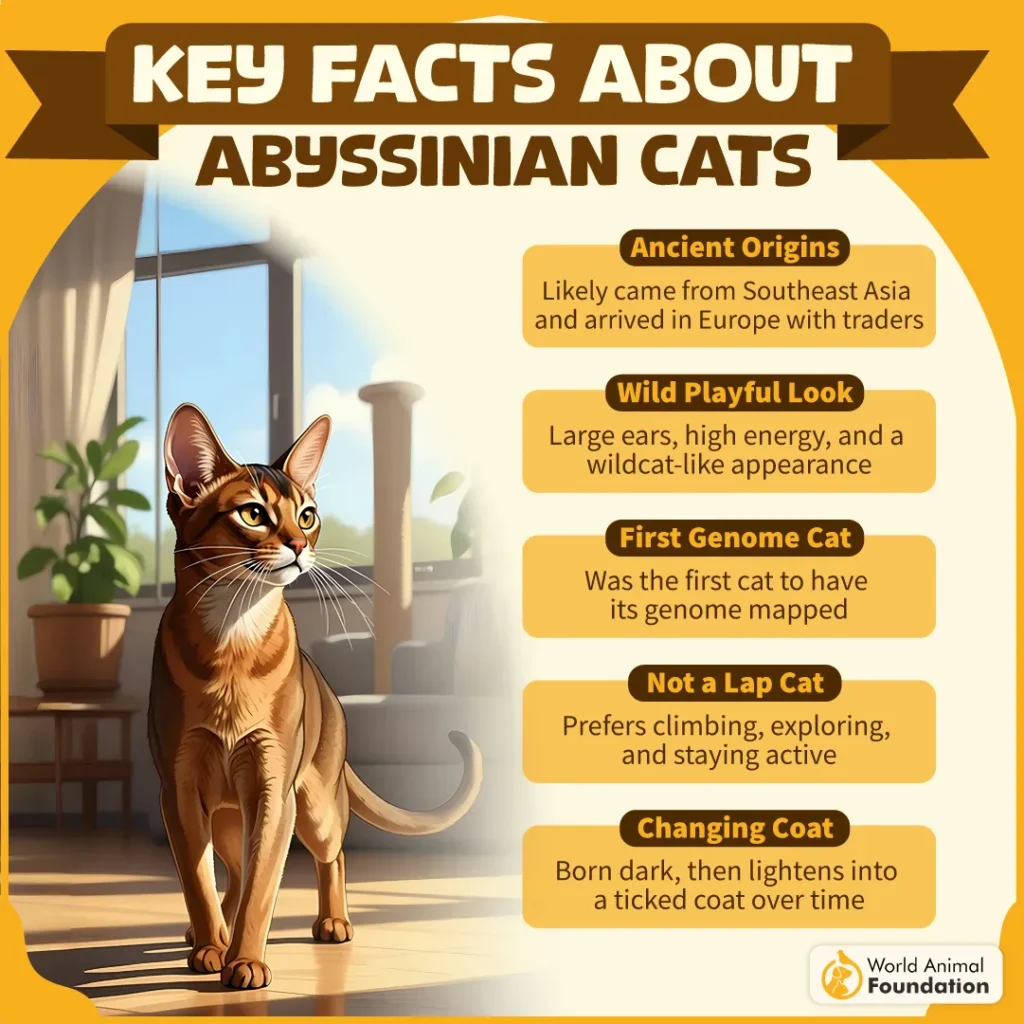
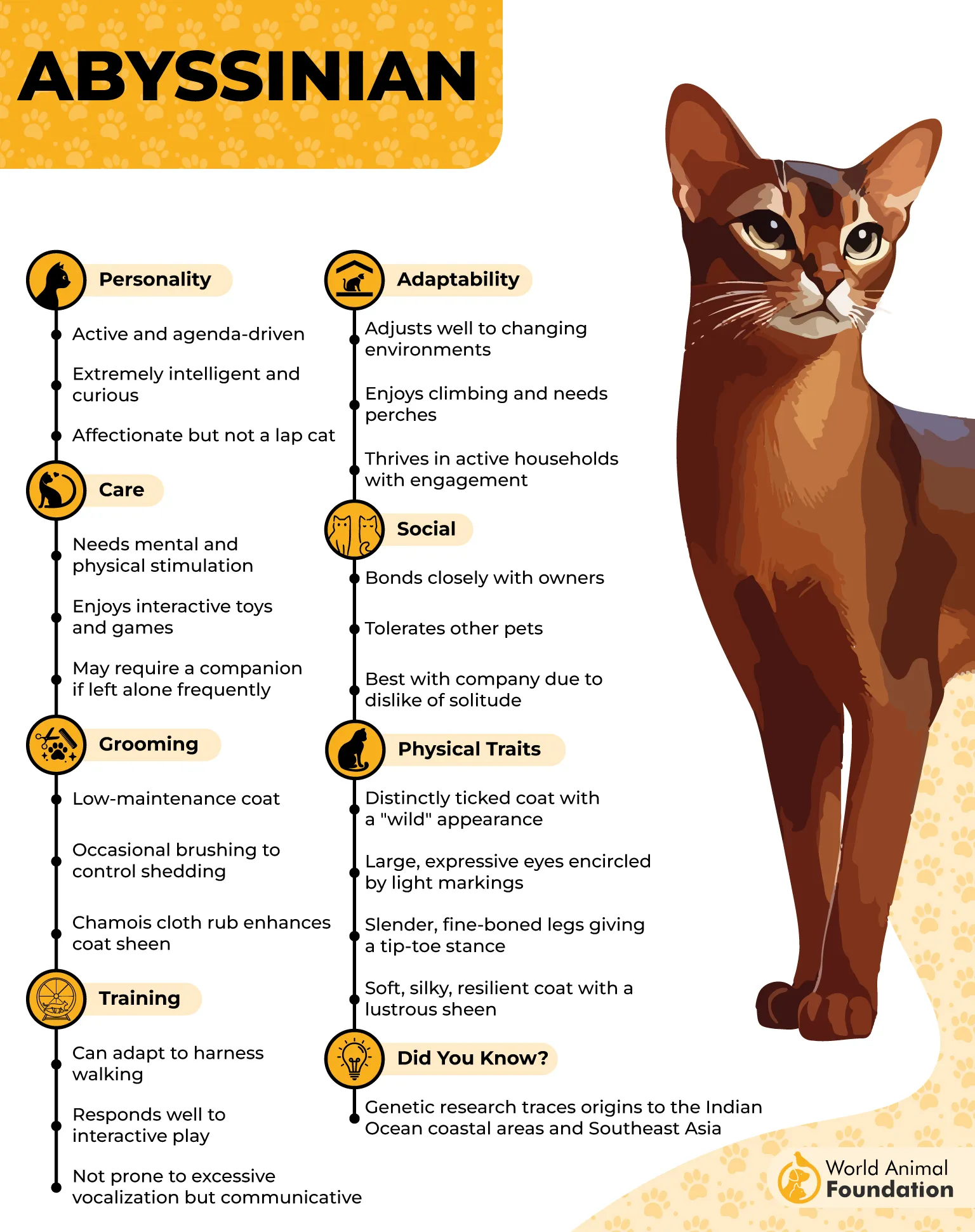
Abyssinians are lively cats with endless curiosity, making them quick to explore corners, shelves, and hidden spaces. Their playful energy often mimics hunting behaviors, as they stalk and pounce on moving objects around the home. This constant activity keeps them alert and sharp, even in confined areas.
Hunting Skills in Action
Their natural instincts show clearly during interactive play sessions, especially with toys that mimic prey. Small bursts of focus and agility reveal how they approach a chase strategically.
A few of their hunting behaviors are:
Tracking and stalking toys with precision
Pouncing accurately on moving targets
Retrieving lightweight items with enthusiasm
Social and Engaged
These cats often invite interaction, blending affection with their energetic pursuits. They can redirect their hunting drive toward games with humans or other pets, keeping them mentally stimulated. Their lively presence ensures they are constantly part of whatever is happening in the home.
2. Egyptian Mau
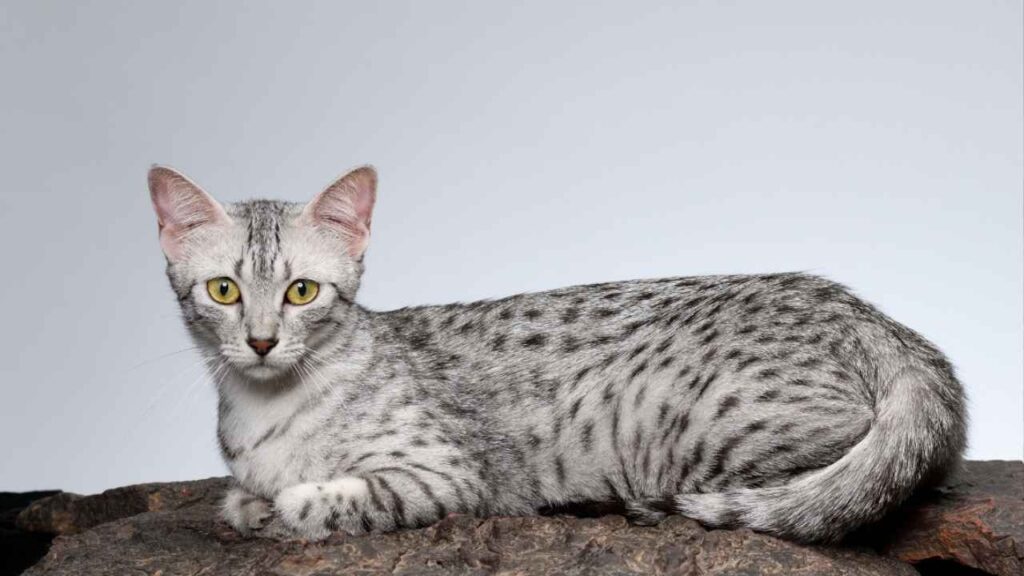
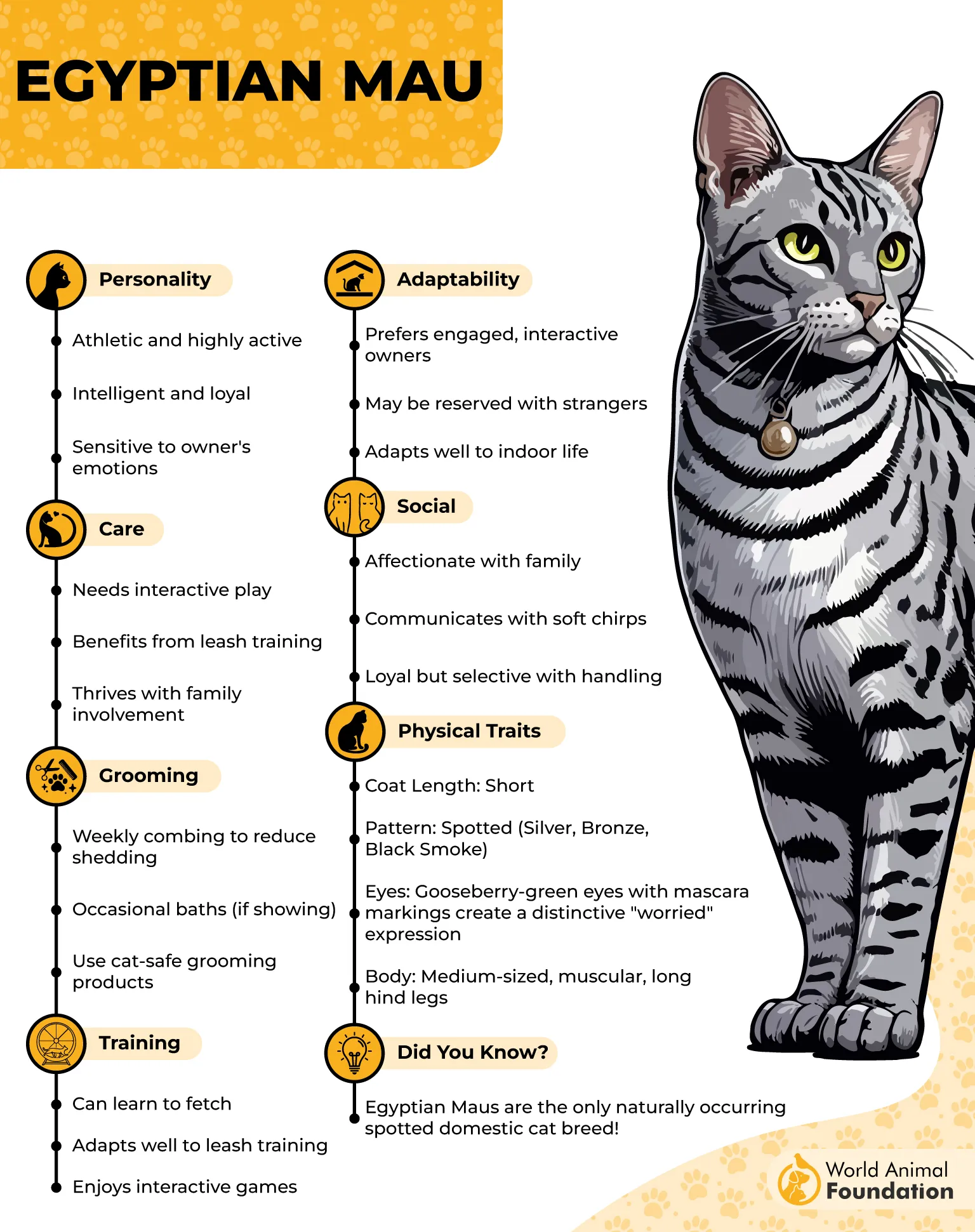
The Egyptian Mau is a cat built for fast, precise movements, making it perfect for hunting games around the house. She reacts instantly to toys, shadows, or moving objects, showing her instinct to chase, as per Purina. Her energy and alertness keep her exploring shelves, corners, and unexpected high spots.
Hunting Instinct in Action
Her playful nature extends beyond toys, blending curiosity with sharp focus. Observing her movements highlights how hunting instincts appear in everyday play.
You can see her focus in these little actions:
Chases and retrieves toys efficiently
Plays with water, even turning on faucets
Uses kneading and tail swishing to signal contentment
Social Connection
She bonds deeply with her humans, expressing happiness through soft meows and gentle purring. Her loyalty makes interactive play more rewarding, while she remains cautious around strangers. Children and other pets who match her energy often enjoy long, engaging sessions together.
3. Bengal
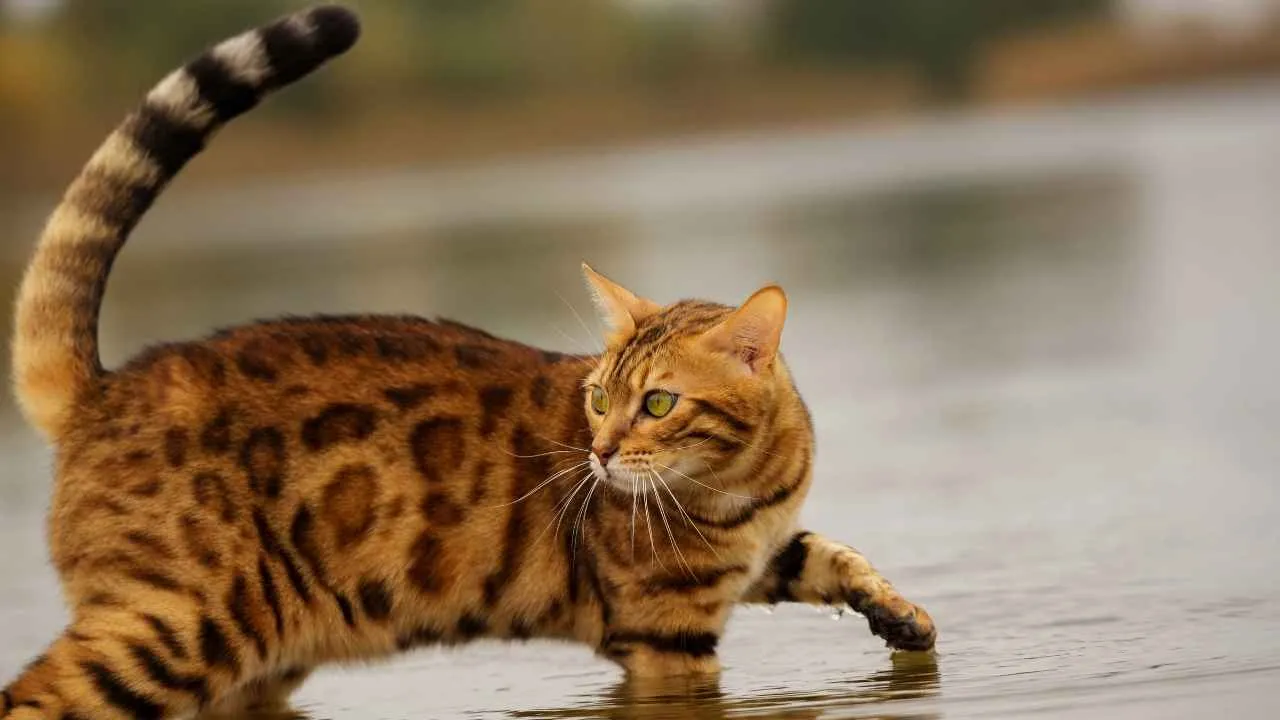
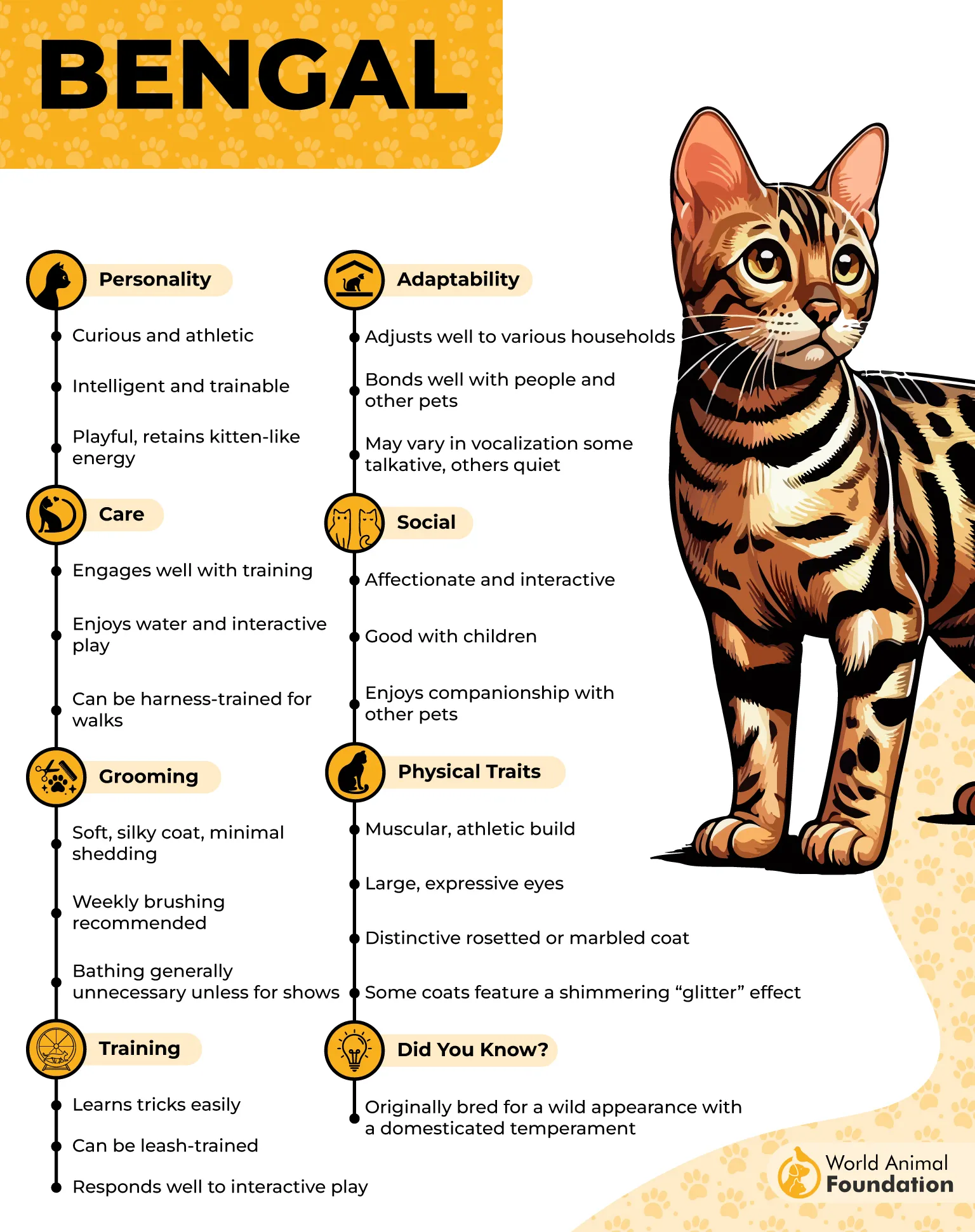
Bengal cats are energetic and alert, moving through their space with a confidence that draws attention. Their curiosity drives them to explore every corner, making them highly aware of what’s happening around them. This active nature makes them particularly sharp hunters in a home environment.
Playful Intelligence
They combine agility with problem-solving skills, which helps them interact with toys, obstacles, and other pets in dynamic ways. Their high energy needs can be channeled effectively through guided play and exploration.
You see their focus on these traits:
Quick reflexes for catching moving targets
Strong focus when tracking small objects
Active interaction with climbing or jumping setups
Territory and Social Dynamics
Bengals are selective with companions, showing caution around smaller or timid pets. Their territorial sense helps them guard personal spaces while staying confident with proper introductions, as PetMD stated. This careful balance ensures they remain aware of prey-like movement in their surroundings.
4. Siamese
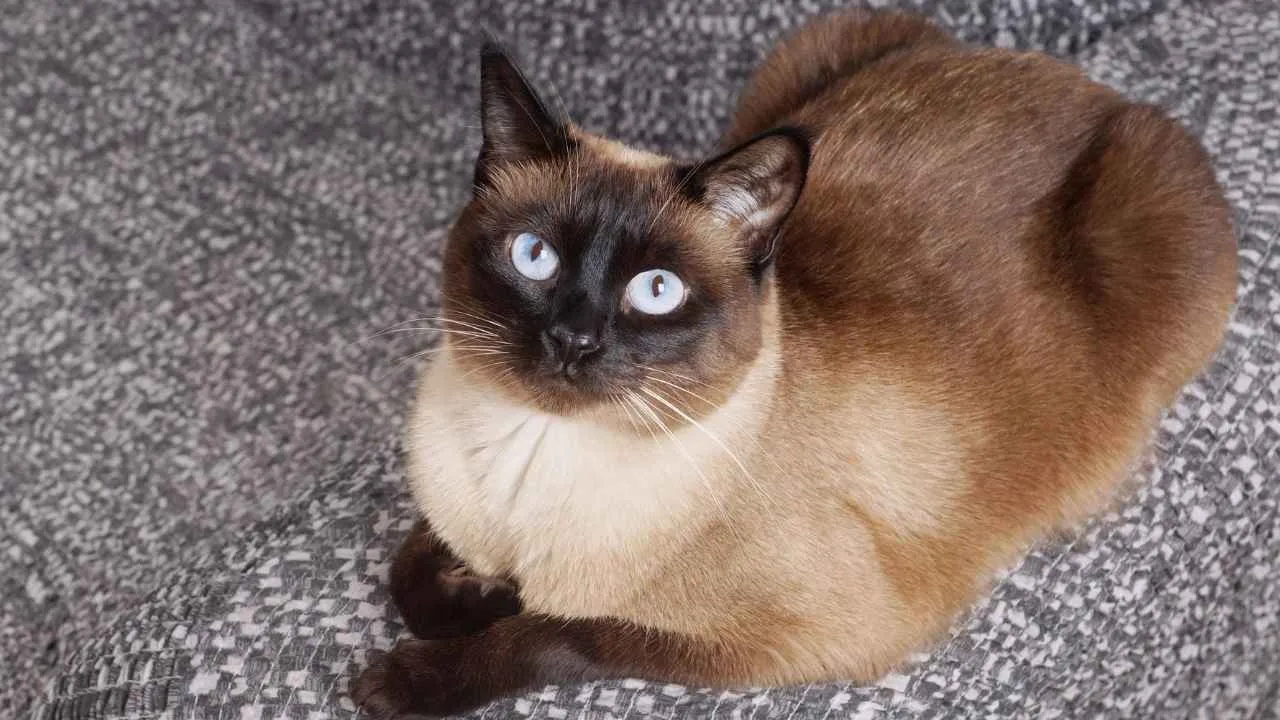
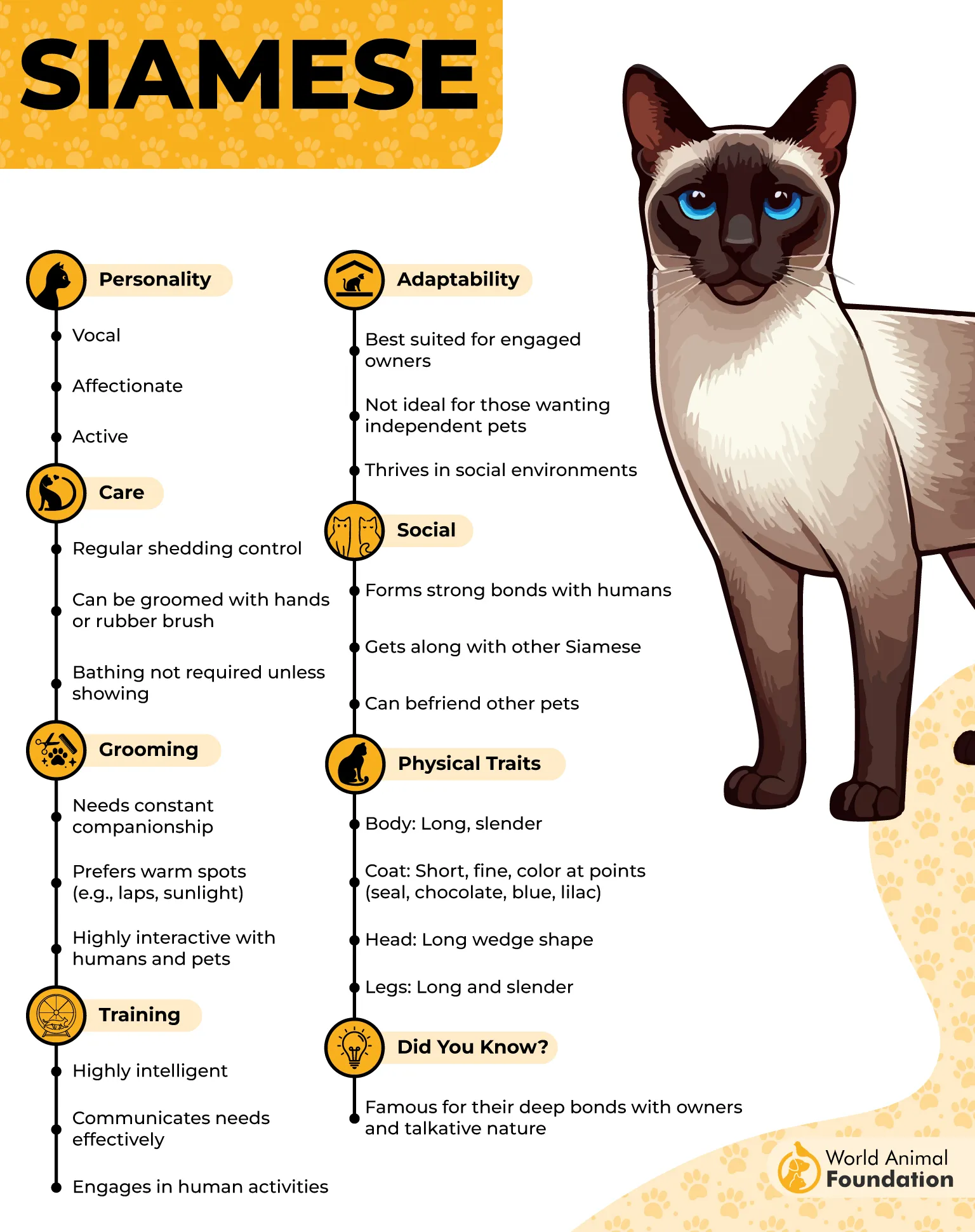
Siamese cats stay mentally switched on, which plays directly into their natural hunting instincts. They track movement quickly, react to subtle sounds, and stay focused longer than most breeds. This constant alertness turns everyday spaces into active hunting zones.
Intelligence That Guides the Hunt
Problem-solving comes naturally to Siamese cats, and that sharp mind supports how they stalk and plan. They do not rush blindly, choosing timing and distance with care.
This mindset shows up clearly in how they approach targets:
Fast reaction to motion
Strong focus on moving objects
Persistent pursuit once engaged
Vocal Signals and Social Strategy
Siamese cats rely on vocal cues to express excitement, curiosity, or intent, as mentioned by Britannica. Their wide range of sounds often appears during play or when tracking movement. This communication style reflects an active hunter that stays engaged with its environment.
5. Savannah
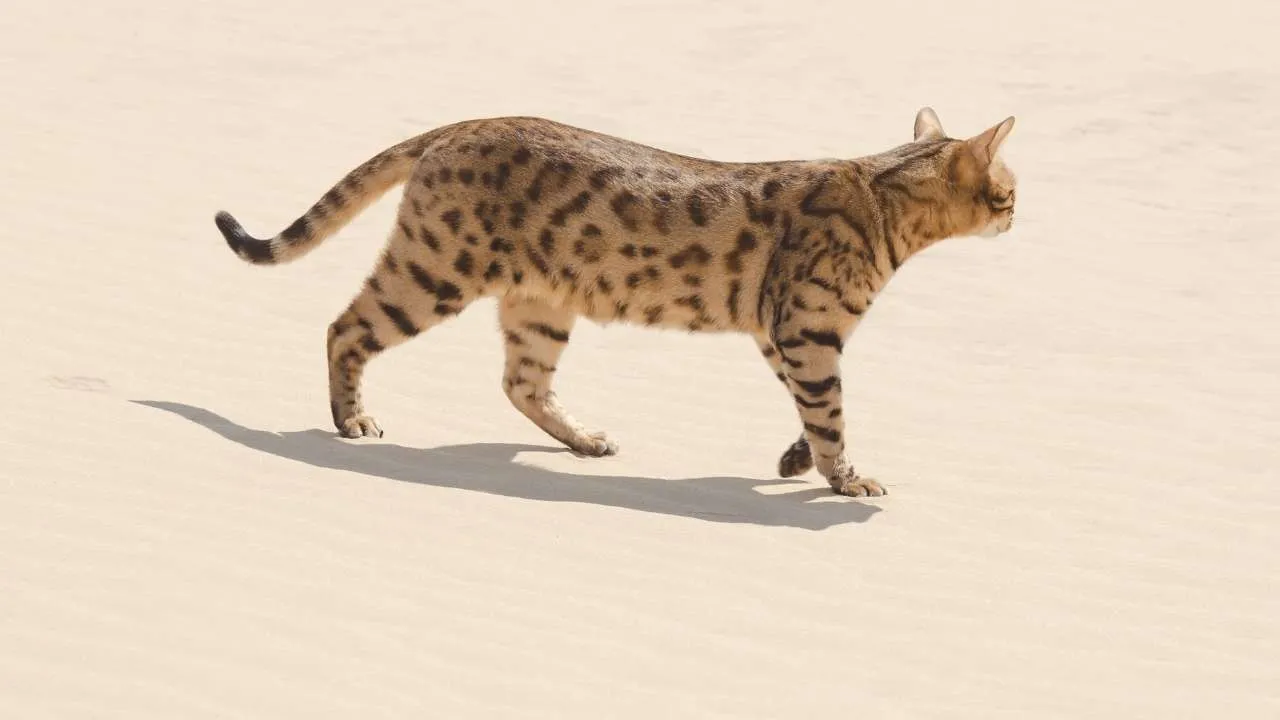
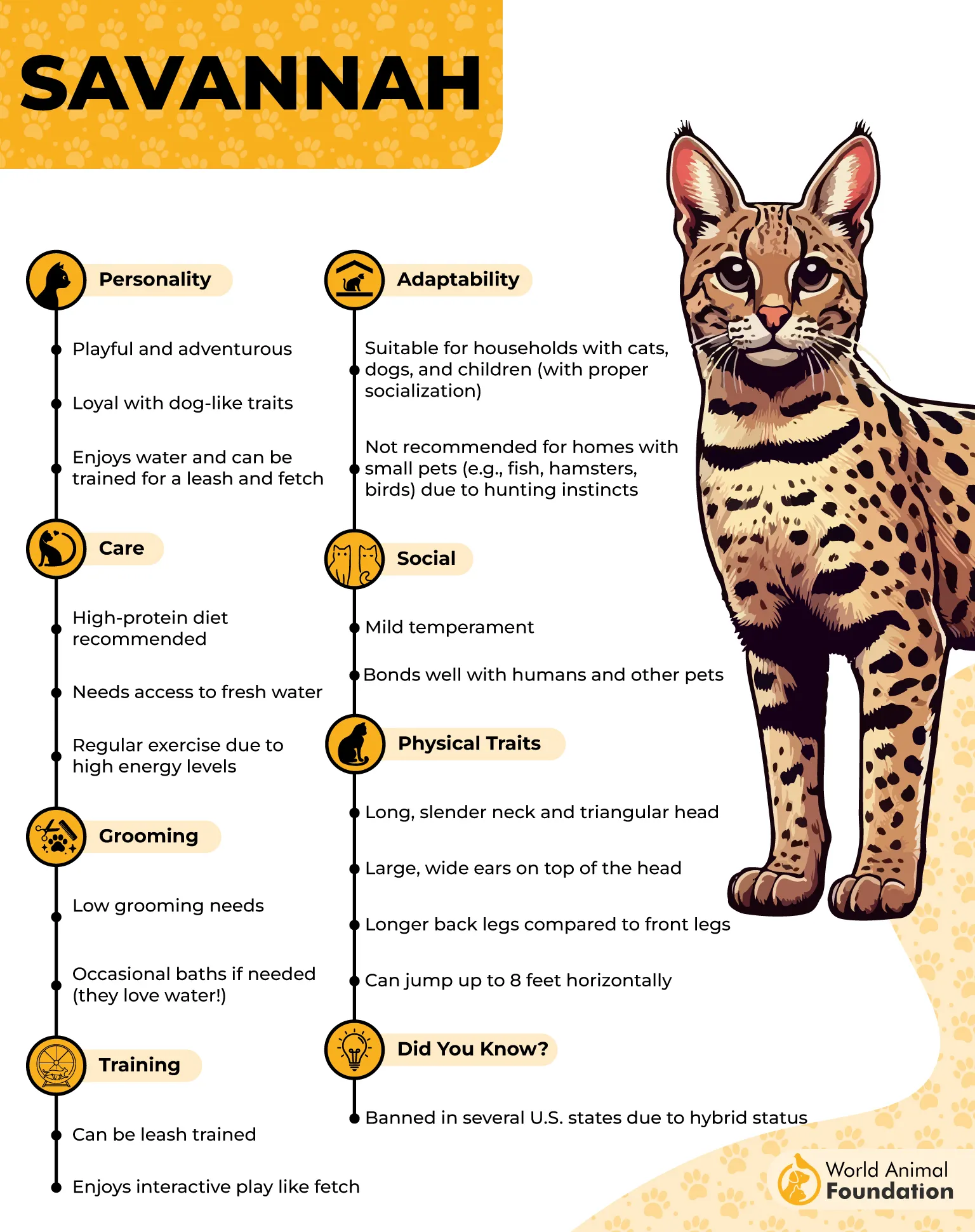
Savannah cats move with purpose, using their long legs and flexible bodies to stalk, chase, and react quickly. That physical design supports sharp hunting behavior inside the home, especially during play that mimics pursuit. Height and reach add an edge when tracking movement across rooms or vertical spaces.
Play That Mirrors the Hunt
Savannah cats stay mentally engaged through active play that closely resembles real hunting patterns. Games often turn into full pursuit sequences rather than short bursts.
That intensity shows up clearly during everyday interactions:
Rapid target fixation
High jumping accuracy
Strong chase follow-through
Curiosity Without Hesitation
Savannah cats are known for exploring without caution, which feeds directly into their hunting instincts. Interest in water, new spaces, and moving objects keeps their senses switched on. This constant awareness makes them quick to notice small shifts, sounds, or sudden motion.
6. Maine Coon
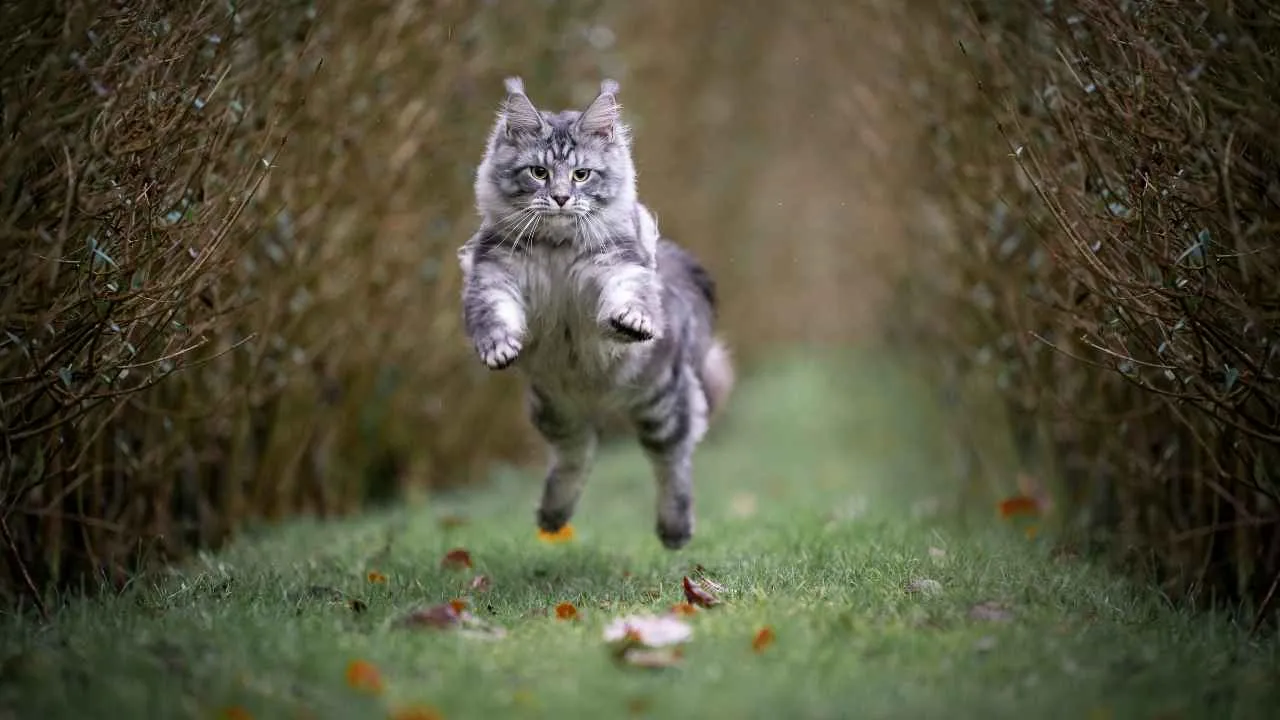
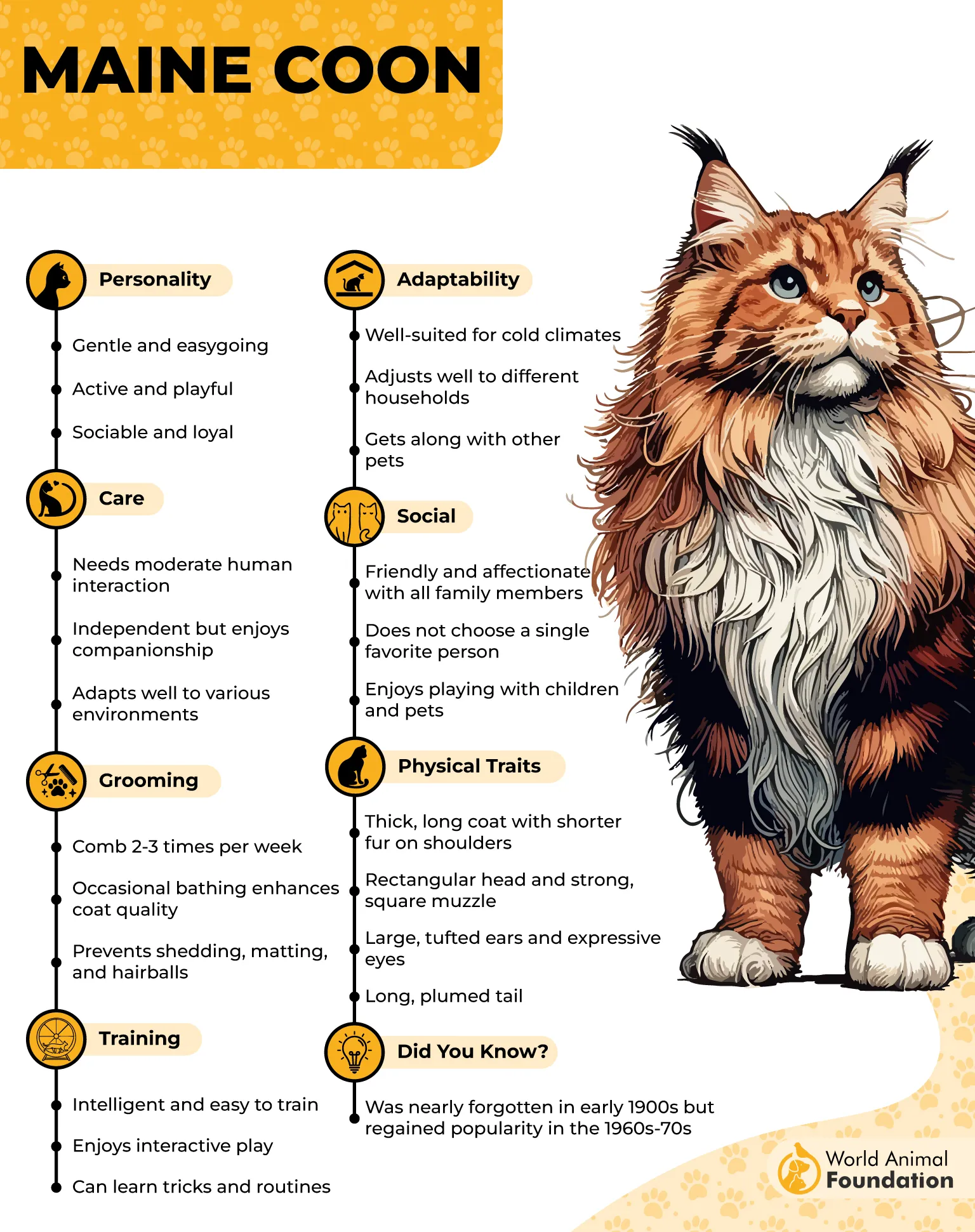
Maine Coon shows strength through a broad chest and solid frame that supports steady movement during a hunt. This physical presence helps this big breed track prey with patience rather than quick bursts alone. That balance plays a clear role in its long-standing reputation as a capable mouser.
Instincts Shaped by Real Work
Maine Coon developed practical hunting habits through constant exposure to pest control tasks in demanding environments. The rhythm of its hunting style reflects focus more than flash.
Watch how these traits come together in action:
Persistent tracking
Precise paw control
Calm capture style
Coat That Supports the Hunt
Maine Coon wears a long water-resistant coat that protects the body while moving through cold and damp spaces. This natural shield allows longer hunting sessions without distraction from harsh conditions. Strong limbs and a wide stance help maintain stability on slippery or uneven ground.
7. Turkish Angora
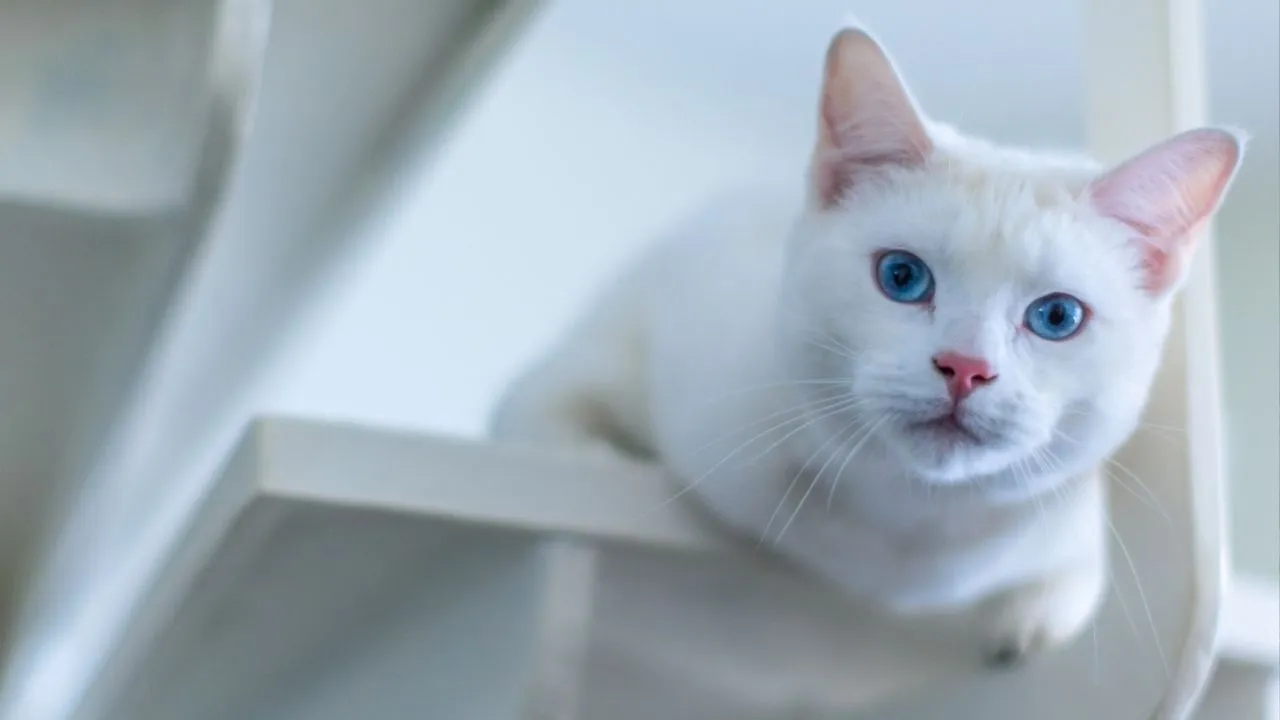
Turkish Angora stands out for its constant awareness of surroundings and movement. This alert nature links closely to strong hunting instincts, especially in indoor spaces where small sounds never go unnoticed. Light steps, quick turns, and focused staring often appear during moments of quiet.
Self-directed and Observant
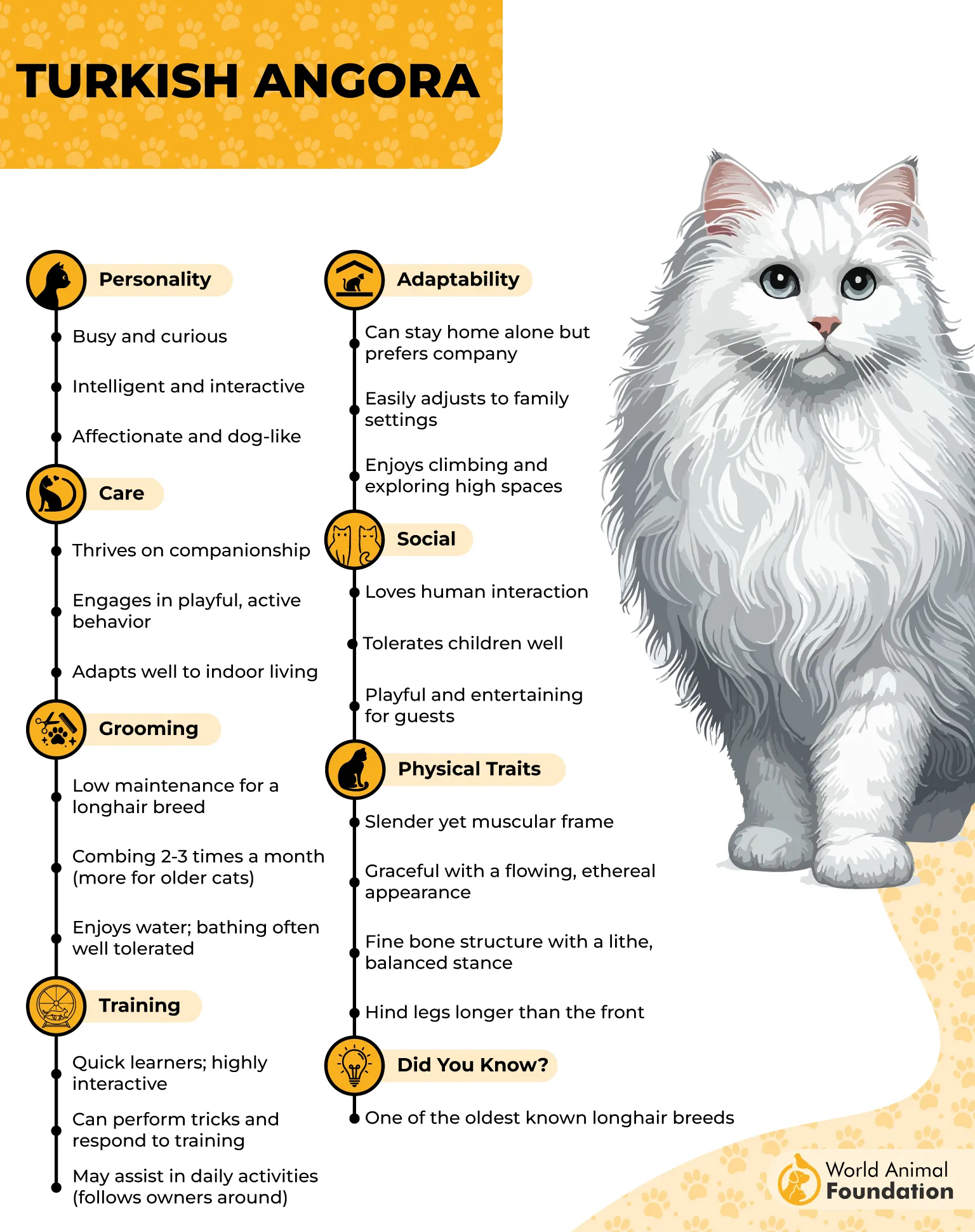
Turkish Angora developed as a self-sufficient cat, which shows in how it studies spaces and routines. That independence supports natural hunting behavior inside homes, where it tracks patterns rather than waiting for stimulation.
A few behaviors reveal this clearly:
Watches movement from high points
Follows sounds across rooms
Fixates on small shifting objects
Intelligence Fuels the Chase
Turkish Angora is highly intelligent and actively involved in daily activities. That mental sharpness fuels stalking style play and problem-solving around targets. Games that involve hiding or movement often turn into focused hunt-like sessions without much prompting.
Conclusion
Living with a domestic cat that carries strong hunting abilities changes everyday routines. Even indoor cats reveal instincts through focused play, sudden stillness, and precise movement. This cat’s behavior reflects generations shaped by hunting mice and reacting to motion. Compared to other cats, these breeds stay alert longer and engage more intensely with their surroundings.
Their hunting abilities are not about aggression, but awareness and control. When given space, toys, and interaction, they channel those skills constructively. These cats keep homes active, mentally engaging, and unpredictable in the best way, reminding us that instinct never fully disappears over time.
