




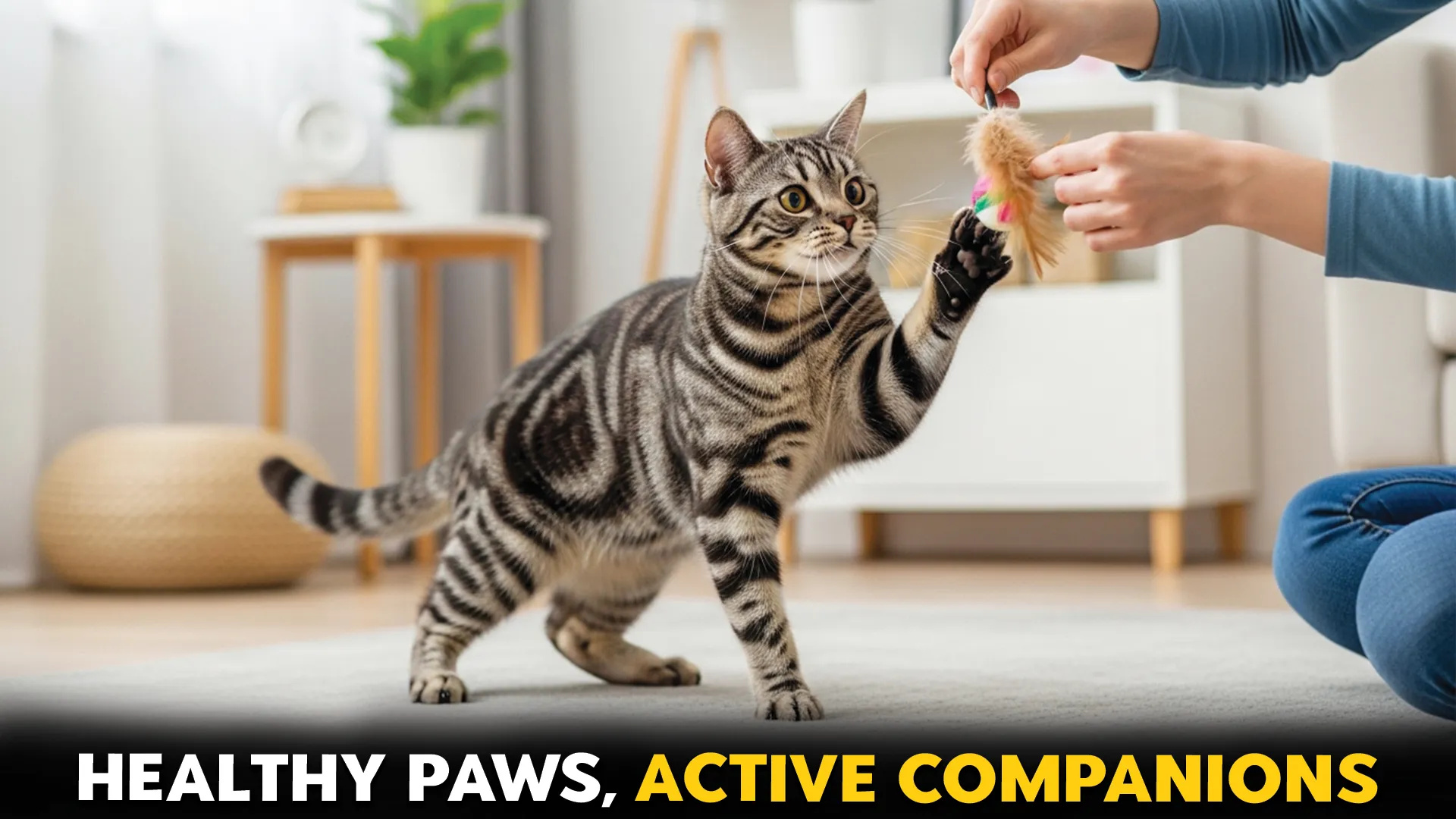
When choosing a feline companion, health often matters just as much as personality or appearance. While no cat is completely immune to illness, some breeds are known for their overall resilience and fewer inherited health concerns. For cat owners who value longevity and peace of mind, selecting a breed with a strong health track record can make everyday care simpler and more reassuring.
Breeds developed with broader gene pools or fewer extreme physical traits often experience fewer hereditary conditions. Lifestyle factors matter too—cats with balanced energy levels, adaptable temperaments, and moderate grooming or dietary needs tend to maintain better overall well-being throughout their lives.
Low-maintenance health matters because it allows owners to focus on bonding rather than constant medical management. In this article, we’ll explore cat breeds with minimal health issues and explain how thoughtful breeding, genetics, and everyday care combine to support a longer, healthier life for your feline companion.
Cat Breeds with Minimal Health Issues
1. Balinese
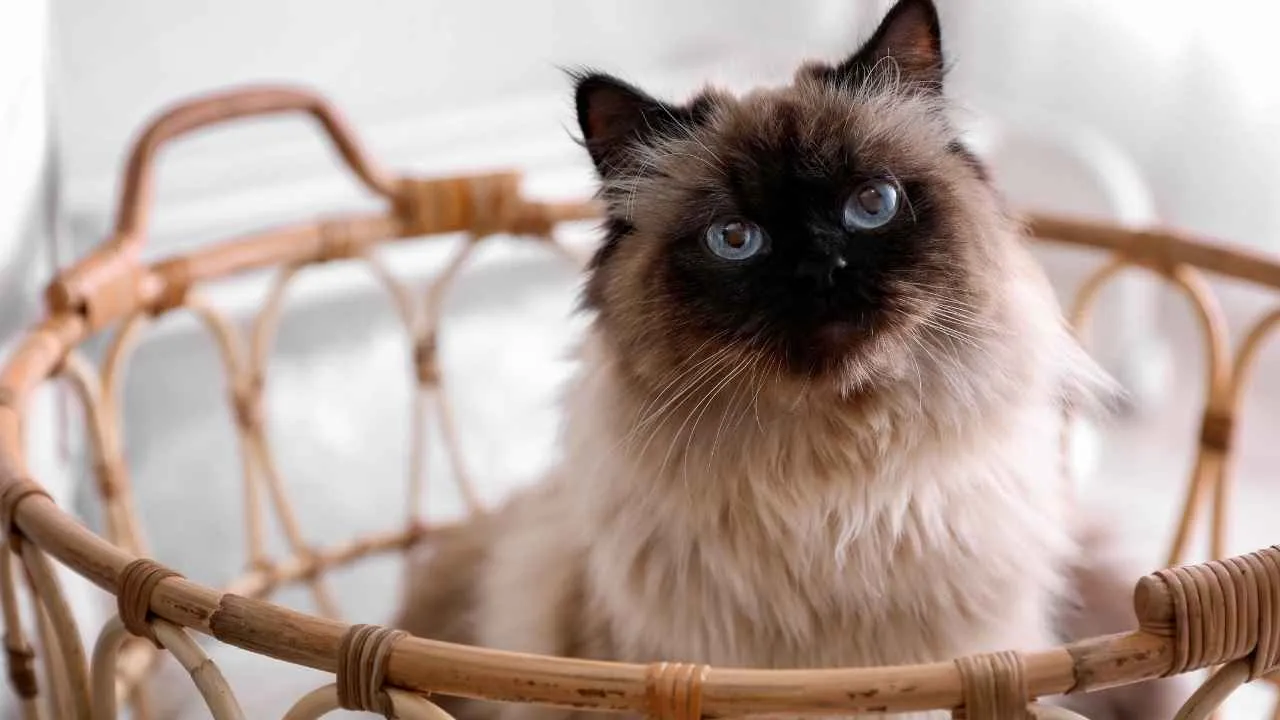
Also known as the long-haired Siamese, the Balinese is an elegant, color-pointed breed developed in the United States during the 1950s.
According to Britannica, the Balinese is a long-haired cat breed admired for its elegant, dance-like movements and captivating aqua-colored eyes. With piercing, large ears and a silky coat without an undercoat, this cat is graceful, social, and strikingly refined.

Many individuals live well beyond 15 years, with some reaching their late teens or early twenties, reflecting generally strong genetics and good vitality.
Their lack of a dense undercoat means less matting and fewer skin issues, contributing to lower grooming stress and easier overall care. Active but balanced, they benefit from regular play and engagement that supports both physical and mental health.
While mostly healthy, responsible breeding and routine veterinary care help manage the few conditions seen in the breed.
Interesting fact: Balinese cats are known to be exceptionally long-lived, with many reported to reach 18–22 years of age.
2. Bombay

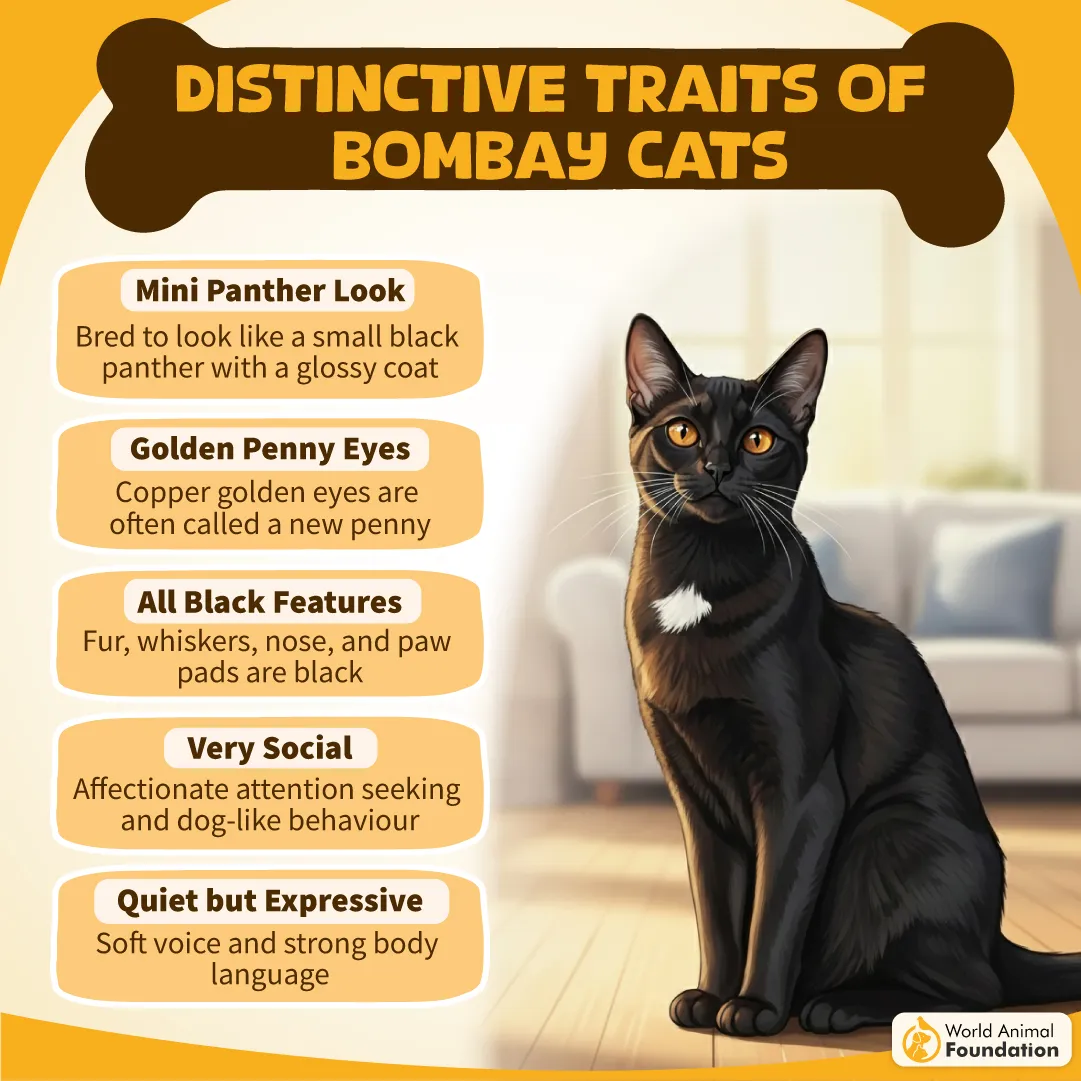
Also known as the “mini panther,” the Bombay is a sleek, muscular cat that gives it a wild appearance. Developed from Burmese and American Shorthair lines, this breed is affectionate, people-oriented, and surprisingly sturdy.
According to PetMD, the Bombay cat closely resembles a friendly miniature black panther, featuring a sleek black coat, copper-colored eyes, black paw pads and whiskers, and a distinctive, graceful walk.
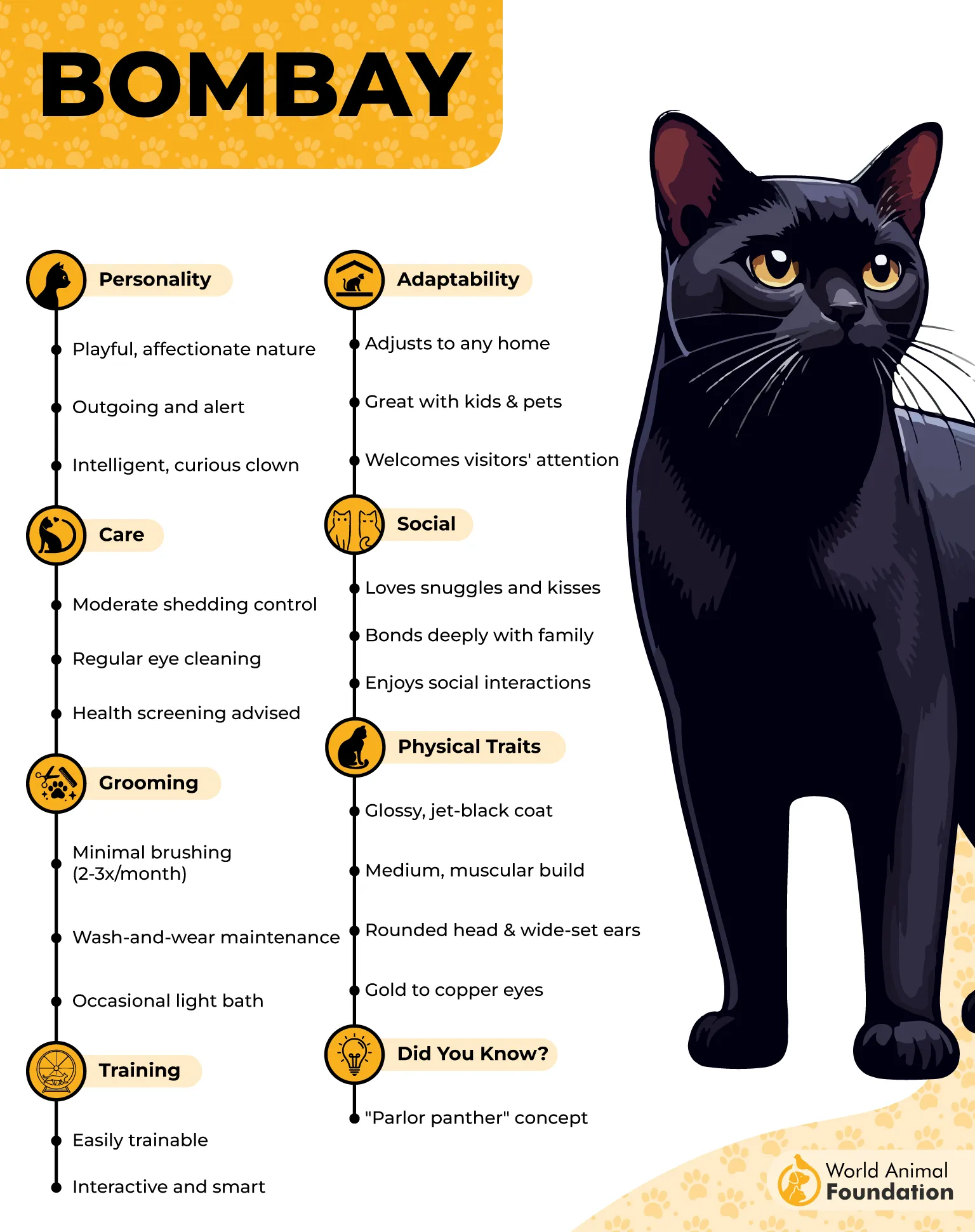
Bombays are often associated with strong overall health when responsibly bred. Their robust build and active nature support good circulation and muscle tone, helping them maintain resilience with proper care and regular activity.
A balanced diet plays a key role in keeping this breed healthy. Bombays love food, so portion control and high-quality protein help prevent obesity while supporting immunity, joint strength, and a glossy coat.
With mindful feeding and weight management, Bombays tend to enjoy long, healthy lives with minimal medical intervention.
Interesting fact: Bombay cats can live up to 20 years and are generally healthy, with hypertrophic cardiomyopathy being the primary condition breeders monitor.
3. Siberian

Also known as the Siberian Forest Cat, the Siberian is a muscular breed from Russia, built to survive harsh climates with its dense triple coat. According to WebMD, these cats are a large and attractive breed known for being friendly, outgoing, and curious, which makes them well-suited to many different types of households.
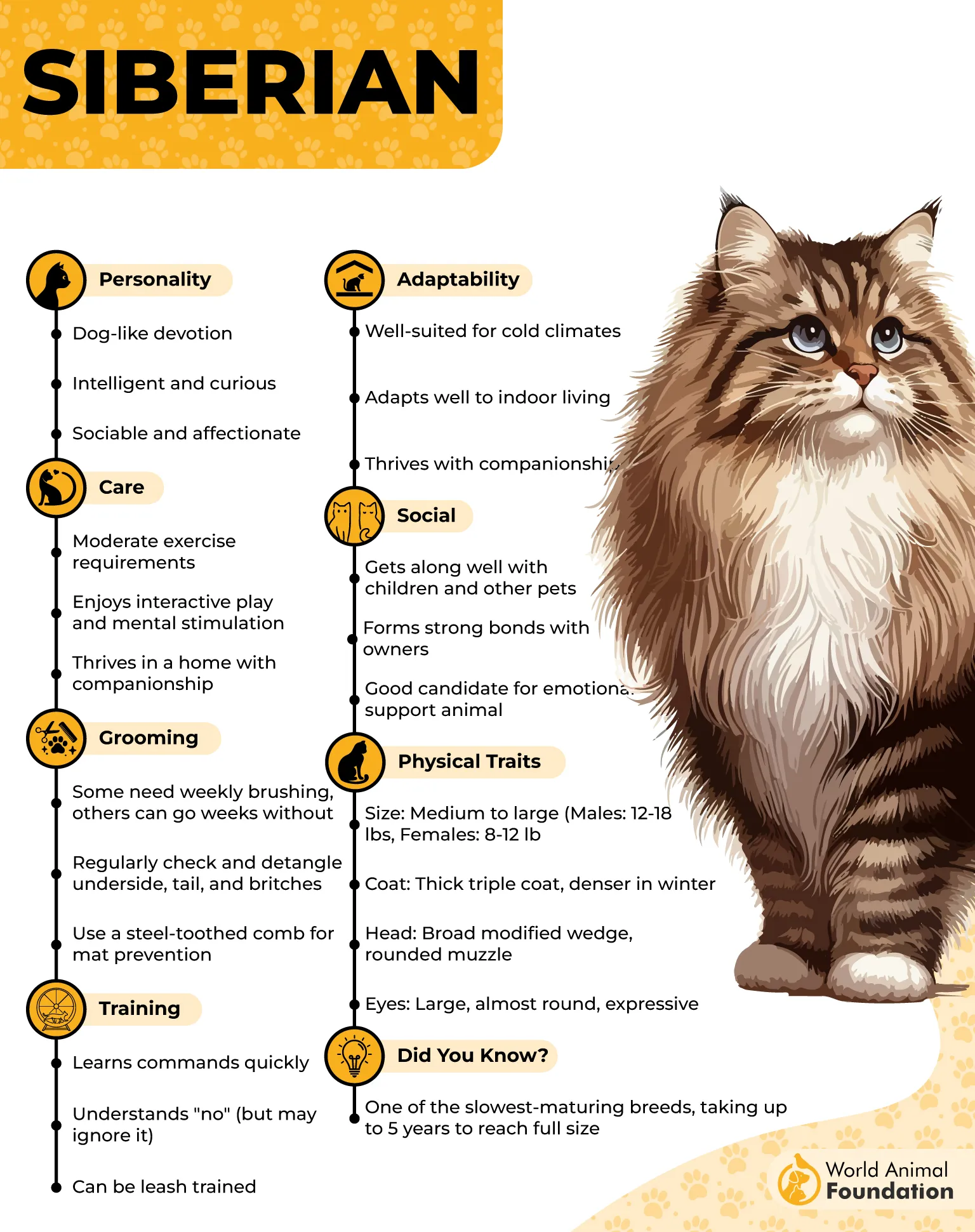
When it comes to health, the Siberian often fits the profile of a hardy breed with few inherited conditions. Thanks to a relatively broad gene pool and natural development, they’re generally robust and less prone to extreme, breed-specific issues.
Their active lifestyle and love of climbing support strong muscles and overall fitness, which contributes to long-term well-being. While their adventurous nature means homes should be safely set up, their physical strength and adaptability work in their favor, health-wise.
Responsible breeding remains important, as conditions like hypertrophic cardiomyopathy can occur in some lines.
Interesting fact: Siberian cats are considered a generally healthy breed with a life expectancy of around 10–18 years when bred and cared for properly.
4. Siamese
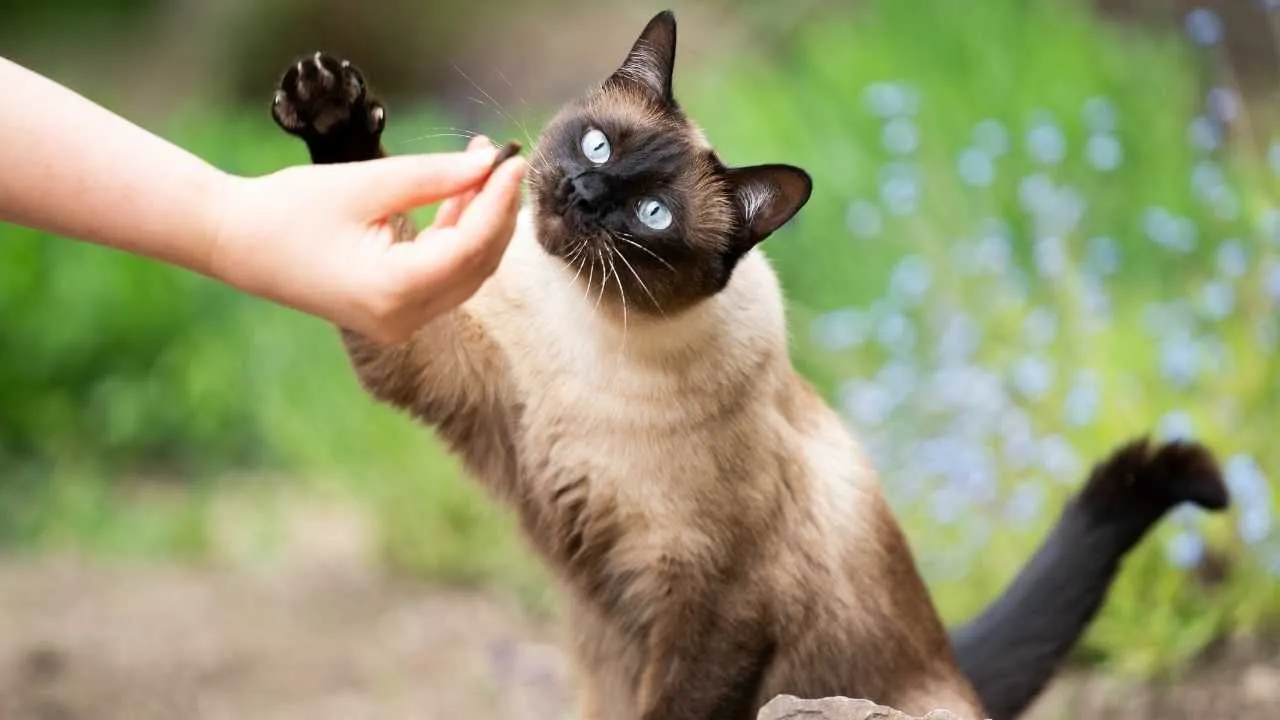
Also known as the Thai cat, the Siamese is a sleek, short-haired breed recognized for its striking blue eyes, colorpoint coat, and vocal, people-oriented personality. Originating in Thailand, this intelligent and active cat has remained popular for centuries due to its charm and longevity.
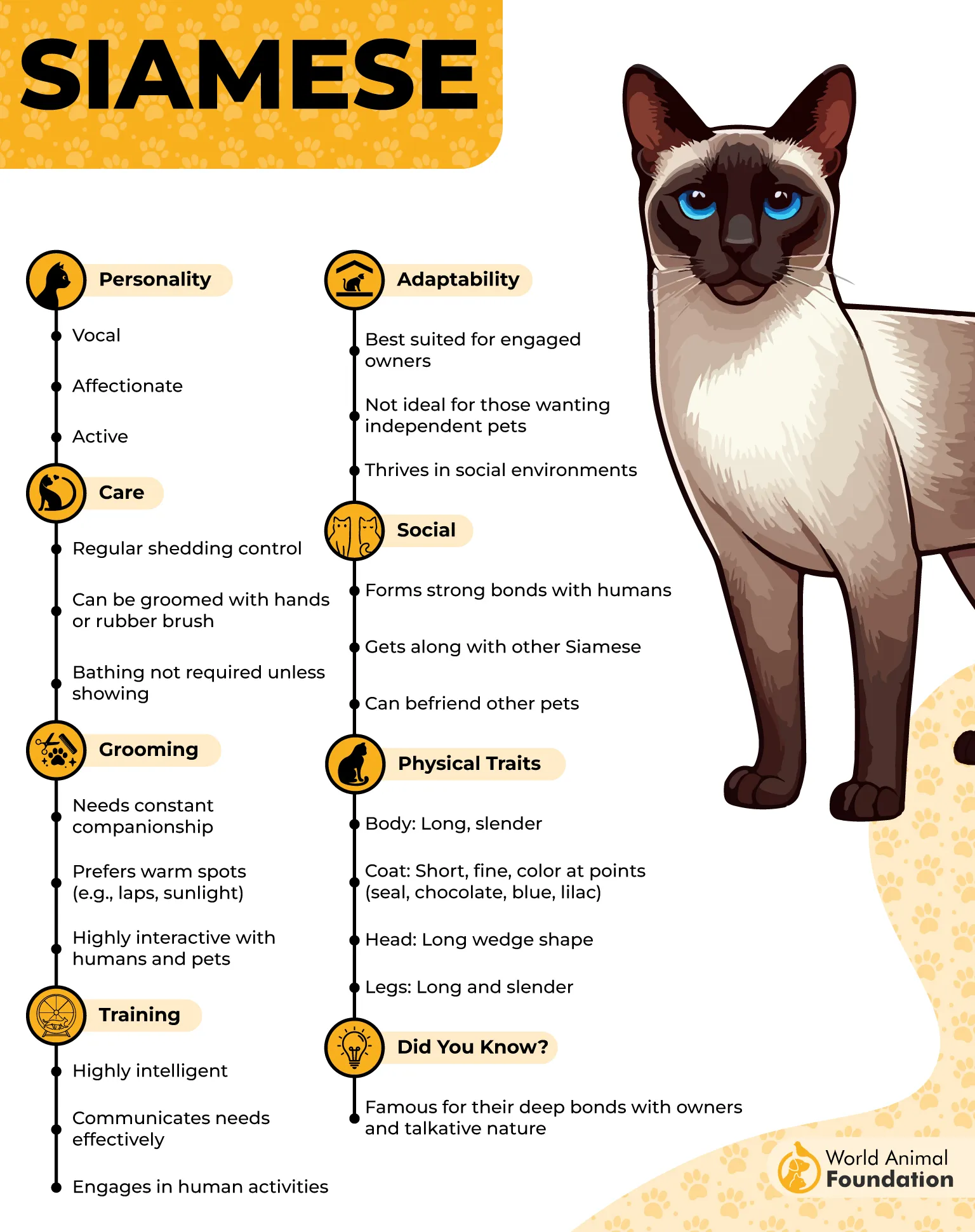
When considering low risk for genetic disorders, Siamese cats are generally regarded as relatively healthy compared to many extreme-feature breeds. With proper care, they commonly live 15 years or longer, and some individuals have been known to reach their early 20s.
That said, their overall health benefits greatly from attentive ownership. Regular veterinary checkups help manage breed-associated risks such as dental issues, asthma, or eye conditions, ensuring problems are caught early rather than becoming severe.
Their lean build, short coat, and active lifestyle support good physical condition, while mental stimulation reduces stress-related behaviors.
Interesting fact: Siamese cats may appear cross-eyed due to inherited traits like strabismus, which typically does not significantly affect their vision.
5. Russian Blue
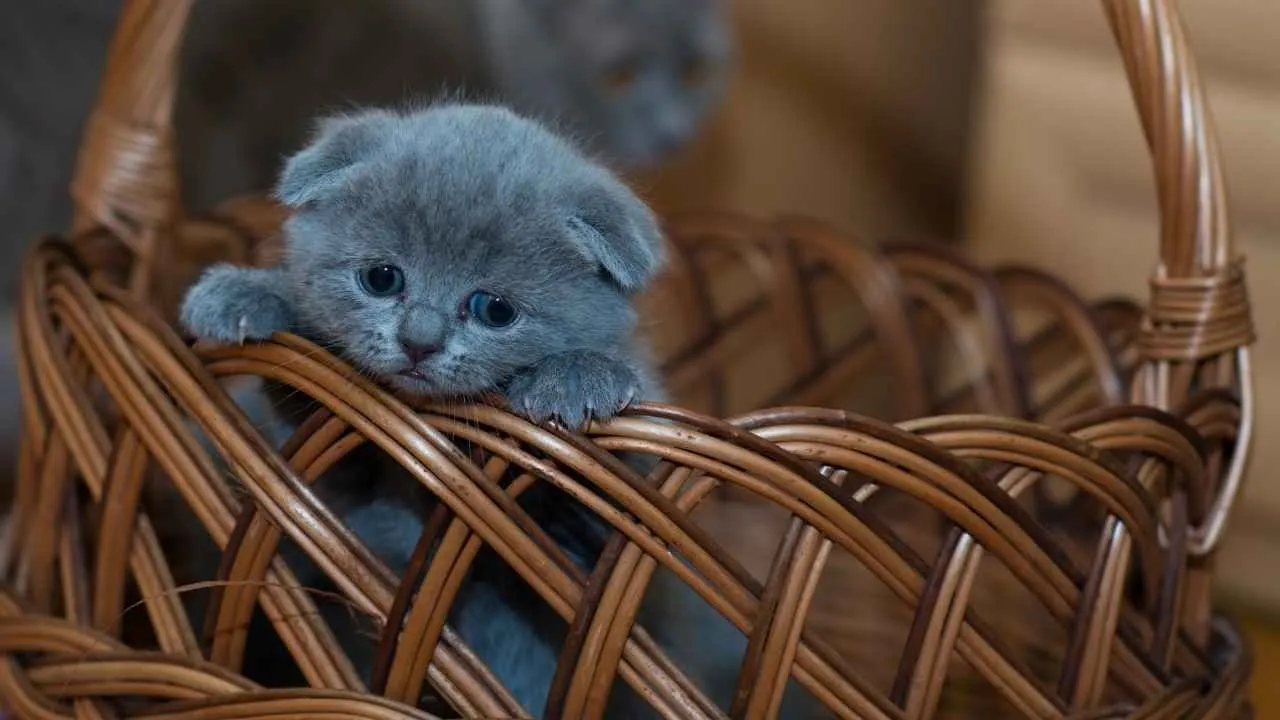
Also known as the Archangel Blue, the Russian Blue is an elegant, medium-sized cat with a shimmering blue-gray coat and vivid green eyes. Originating from northern Russia, this breed is admired for its quiet nature, refined build, and calm presence.
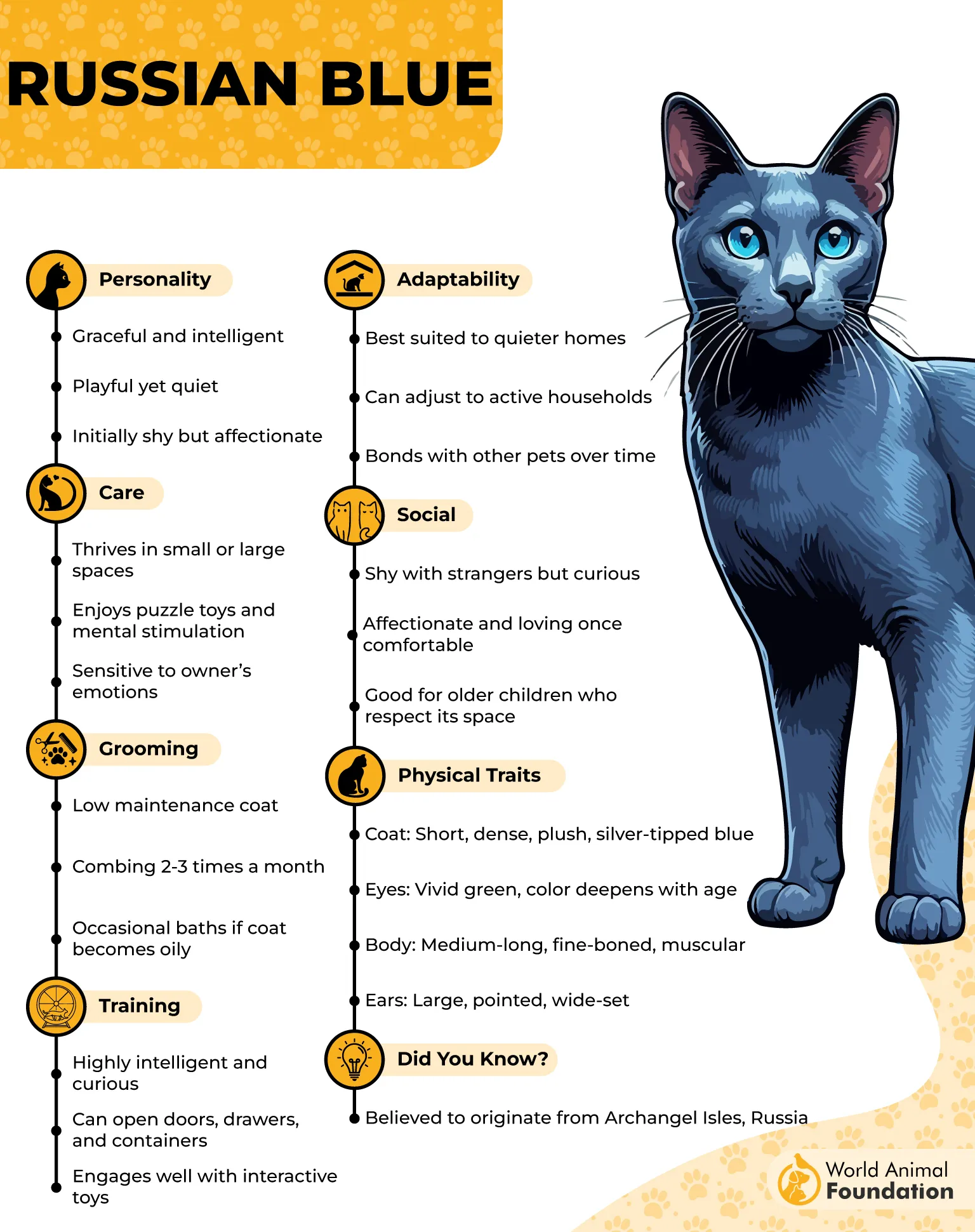
Often fitting the idea of resilient and easy to care for, Russian Blues are known for their overall hardiness and lack of breed-specific genetic disorders. Their balanced temperament and adaptability help reduce stress, which plays a key role in long-term health.
Low grooming needs further support for its low-maintenance reputation. Their short, dense coat sheds minimally and usually requires only occasional brushing, making routine care simple and consistent for owners.
Russian Blues are intelligent and playful without being demanding, capable of entertaining themselves when needed.
Interesting fact: Many of these cats live well into their late teens or longer.
6. Ragdoll
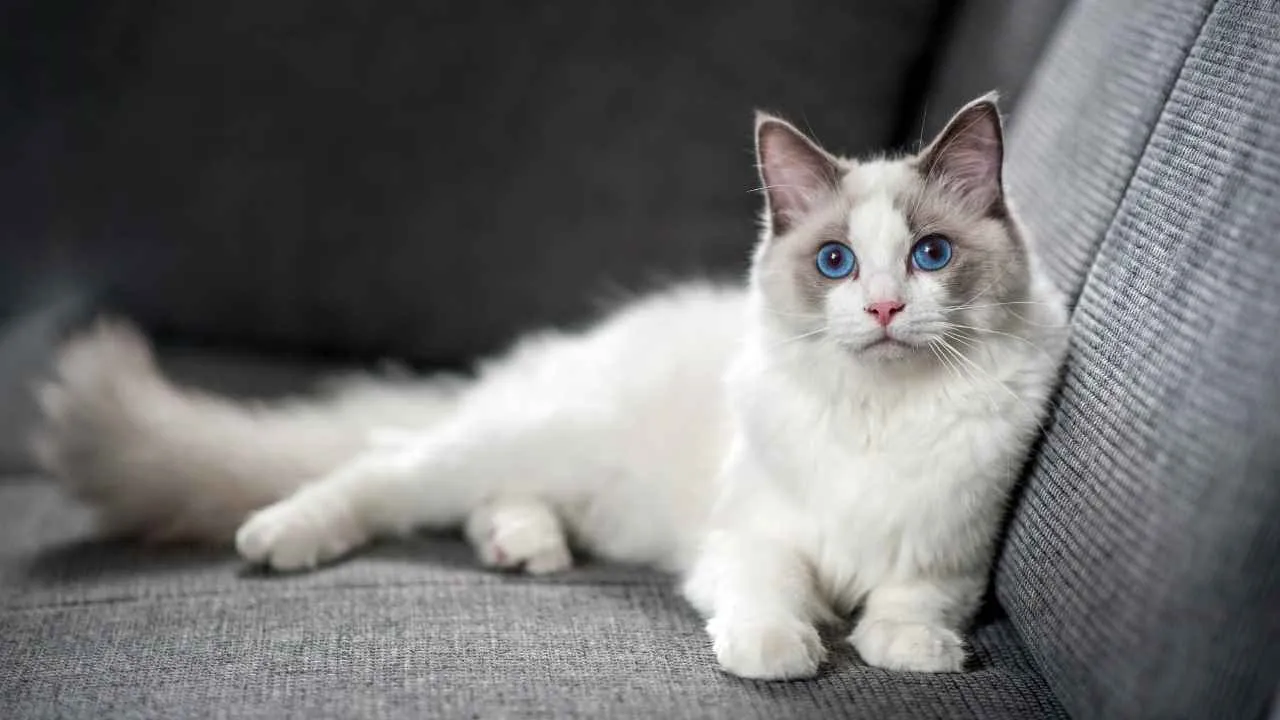
Also known as the “floppy cat,” the Ragdoll is a large, blue-eyed breed recognized for its placid temperament and semi-long coat. Developed in the United States, this affectionate cat matures slowly and keeps a kitten-like demeanor well into adulthood.
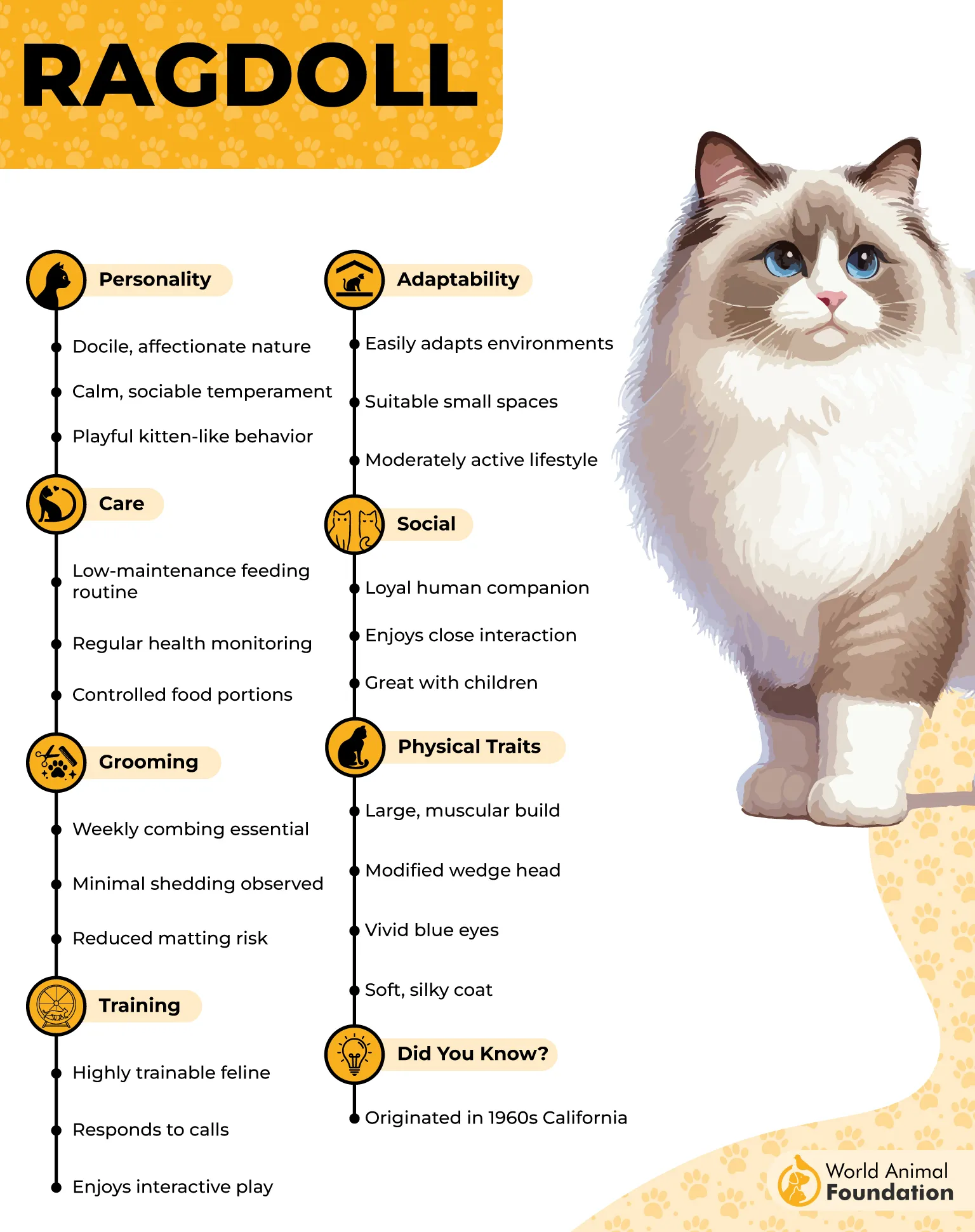
When considering consistently healthy across generations, Ragdolls generally earn a positive reputation. With responsible breeding and routine veterinary care, many live long, stable lives with relatively few recurring health concerns compared to more extreme breeds.
Their health success is closely tied to lifestyle. Proper nutrition, regular grooming, and mental stimulation—especially for indoor cats—help maintain their overall well-being. While they require attention and dislike long periods alone, stress-related behaviors or illnesses are uncommon in well-cared-for Ragdolls.
Potential owners should be aware of a known predisposition to heart conditions like hypertrophic cardiomyopathy, making reputable breeders and early screening important.
Interesting fact: Ragdolls take up to four years to finish growing and can live around 17 years when bred and cared for responsibly.
7. Nebelung
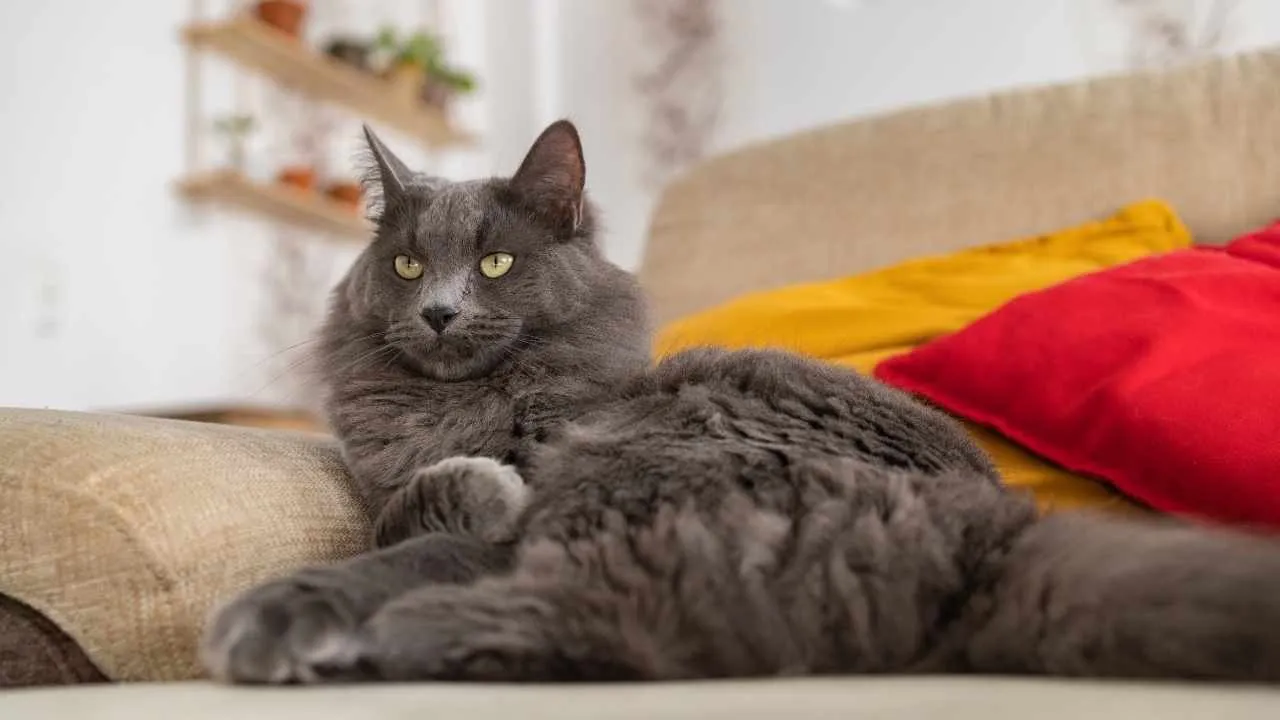
Also known as the long-haired cousin of the Russian Blue, the Nebelung is a rare and elegant breed recognized for its silky blue-gray coat with subtle silver tipping and vivid green eyes. Medium-sized and muscular, this cat combines grace with quiet strength.
Fitting the idea of a strong build with minimal medical concerns, the Nebelung is generally considered a healthy breed. Developed in the 1980s with careful outcrossing, it has avoided many extreme physical traits linked to inherited conditions.
Their balanced body structure and moderate energy level support long-term wellness, especially when paired with portion control and routine care. Nebelungs are not prone to breed-specific genetic disorders, making preventive health easier for attentive owners.
They do best with consistent routines, dental care, and weight management, rather than specialized medical intervention.
Interesting fact: Despite being a relatively new breed, Nebelungs typically enjoy a lifespan of 11–18 years and are widely regarded as naturally healthy cats.
8. LaPerm

Also known as the Dalles LaPerm, the LaPerm is a distinctive American breed recognized for its naturally curly coat and people-oriented personality. Originating from Oregon barn cats, this medium-boned cat is affectionate, curious, and physically well-balanced.
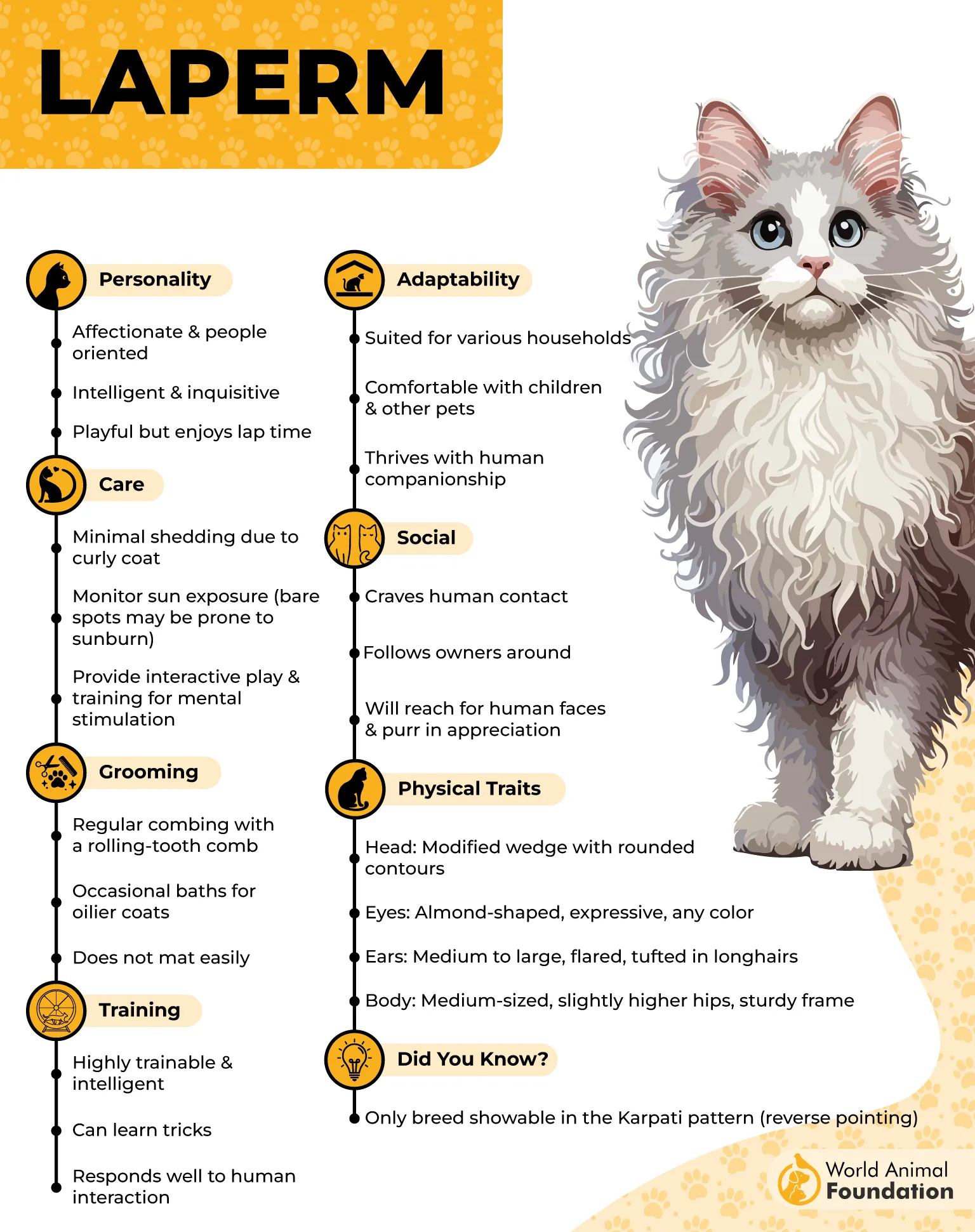
When it comes to overall health, the LaPerm fits the profile of an adaptable and physically sound breed. Because it developed from a natural genetic mutation rather than extreme selective breeding, it tends to have fewer inherited health concerns than many highly stylized breeds.
Their moderate size and athletic build support long-term mobility and general wellness, while their playful nature encourages regular activity. With proper stimulation, LaPerms maintain a healthy weight and behavior without requiring specialized care routines.
Coat changes throughout life are normal and not linked to illness, making grooming straightforward despite the curls.
Interesting fact: LaPerm kittens may be born bald or lose their fur early, with their full curly coat not fully developing until around three years of age.
9. Havana Brown
Also known as the Chestnut Brown or Swiss Mountain Cat, the Havana Brown is a sleek, medium-sized breed developed in the United Kingdom during the 1950s from Siamese and Domestic Shorthair lines. It’s instantly recognizable by its solid mahogany coat, green eyes, and refined, muscular build.
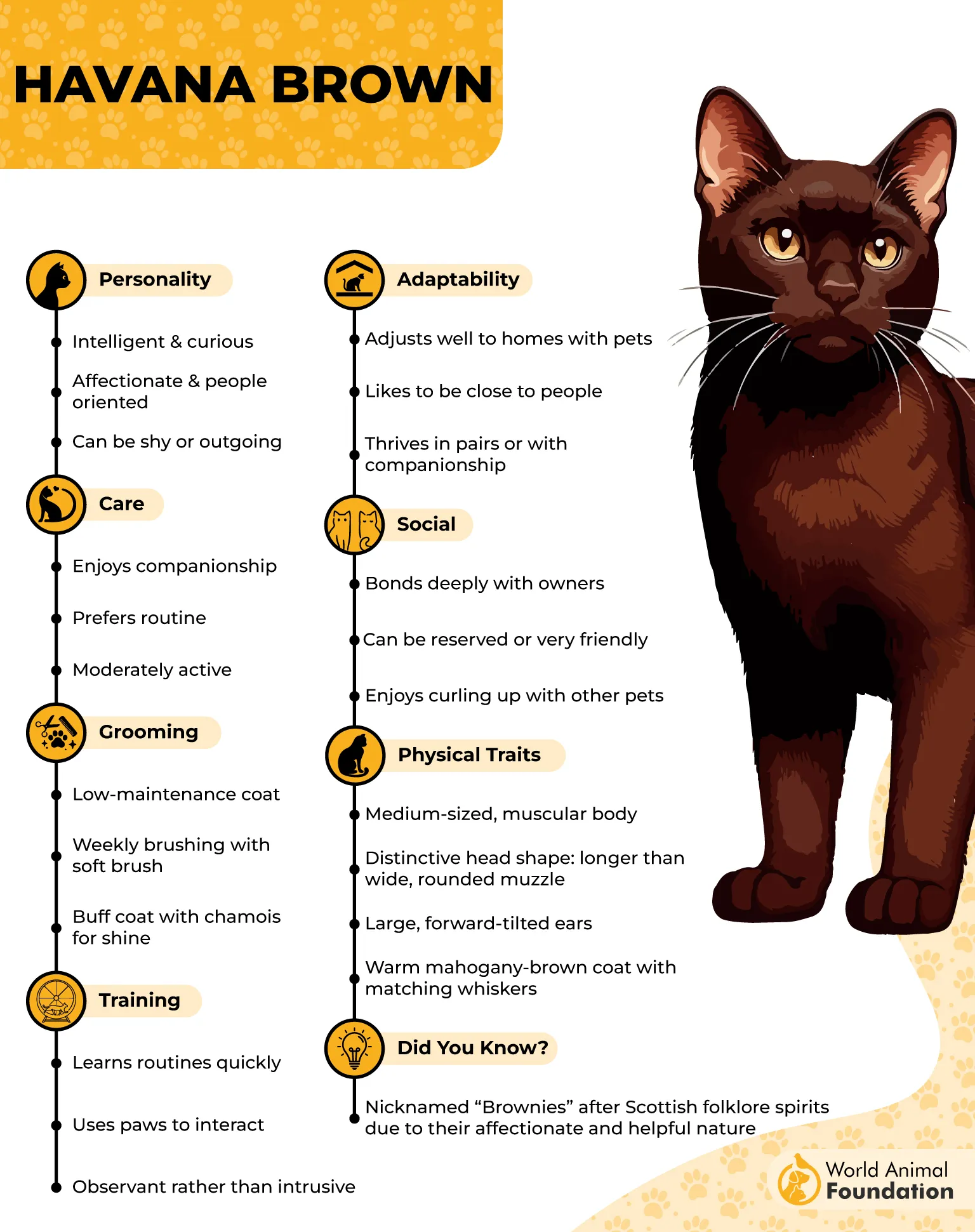
Considered a healthy choice for first-time owners, the Havana Brown is generally robust and not prone to many inherited conditions. Its short, silky coat requires minimal grooming, making routine care simple and stress-free.
These cats stay healthy when given regular playtime and social interaction, as they’re naturally active and enjoy engaging with family members. Maintaining a balanced diet is important, as they can gain weight if overfed, but their playful nature helps keep them fit.
Their affectionate temperament and adaptability also reduce stress-related health concerns, supporting long-term well-being.
Interesting fact: Havana Browns are closely related to Siamese cats and can live up to about 15 years with proper care.
10. British Shorthair
Also known as the British Blue, the British Shorthair is a sturdy, round-faced breed admired for its plush coat and calm, dignified presence. With a long history in the UK, this cat is easygoing, family-friendly, and known for overall physical resilience.
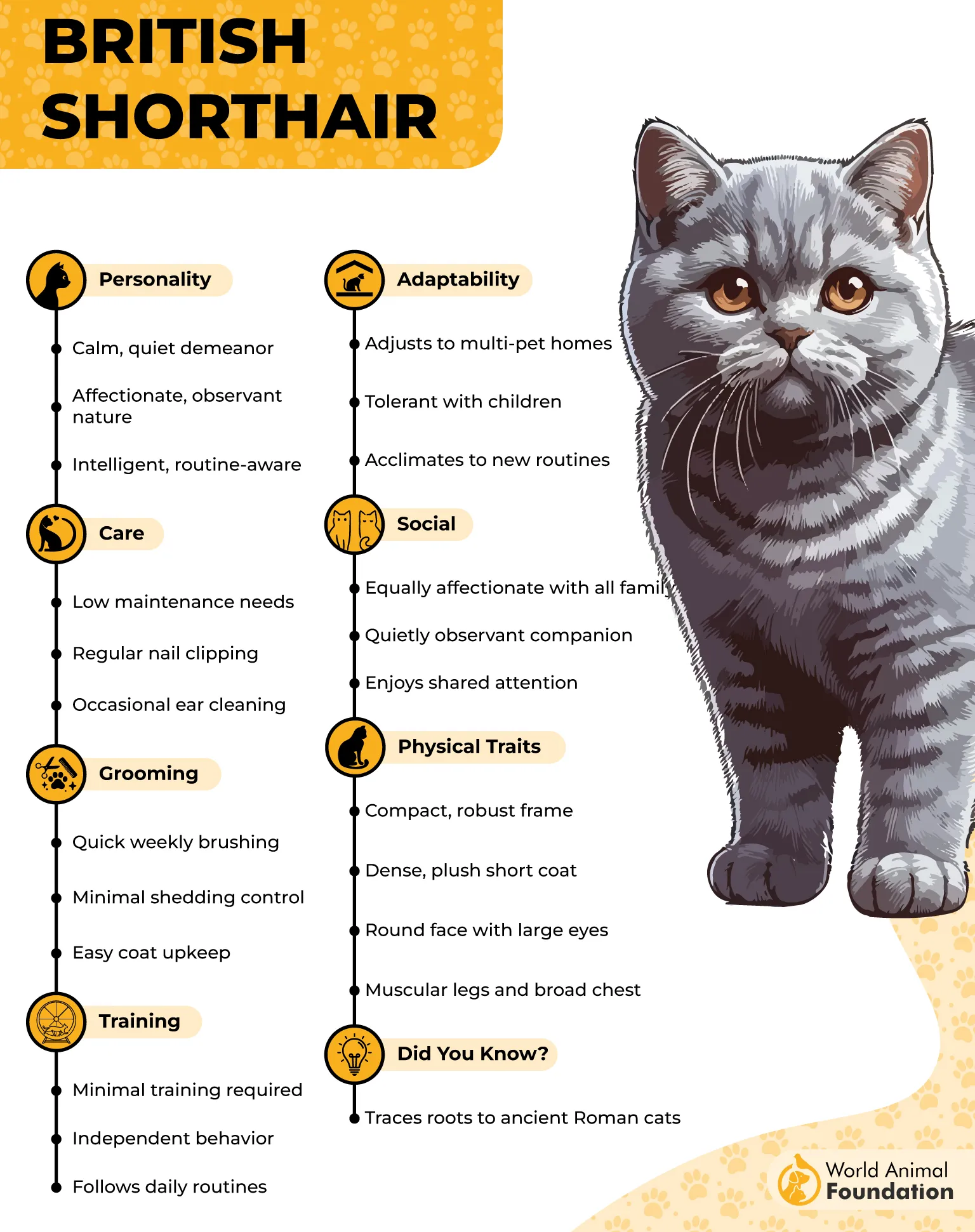
When it comes to balanced genetics and longevity, the British Shorthair stands out for its broad gene pool. This diversity has helped the breed avoid many inherited conditions seen in more extreme-looking cats, supporting steady health across generations.
Most British Shorthairs live comfortably well into adulthood with routine care and proper nutrition. While some lines may face mild concerns, such as kidney issues or brachycephalic-related sensitivities, responsible breeding greatly reduces these risks for typical pet owners.
Their slow-maturing, solid build pairs well with a low-stress lifestyle, making preventive care straightforward.
Interesting fact: British Shorthairs can live up to 20 years, and many lines carry blood type B—something breeders monitor closely to maintain the breed’s long-term health.
Conclusion
Choosing cats with fewer inherited concerns can make a real difference in long-term cats’ health and peace of mind. While most cats can develop issues over time, healthy cat breeds often benefit from stronger genetic diversity, balanced structure, and fewer extreme traits.
Compared with some purebred cats prone to conditions like polycystic kidney disease, heart disease, or progressive retinal atrophy, these breeds tend to enjoy a longer average lifespan with fewer ongoing health problems, especially when adult weight is well managed.
That said, health isn’t limited to one path. Mixed-breed cats and rescue cats often thrive due to broad genetics, while certain other breeds require more careful screening. Even many beloved fluffy cats can live well with proper care, genetic tests, and prevention of issues like kidney disease or skin infections. For cat lovers, informed choices support healthier lives across other cat breeds too.
