




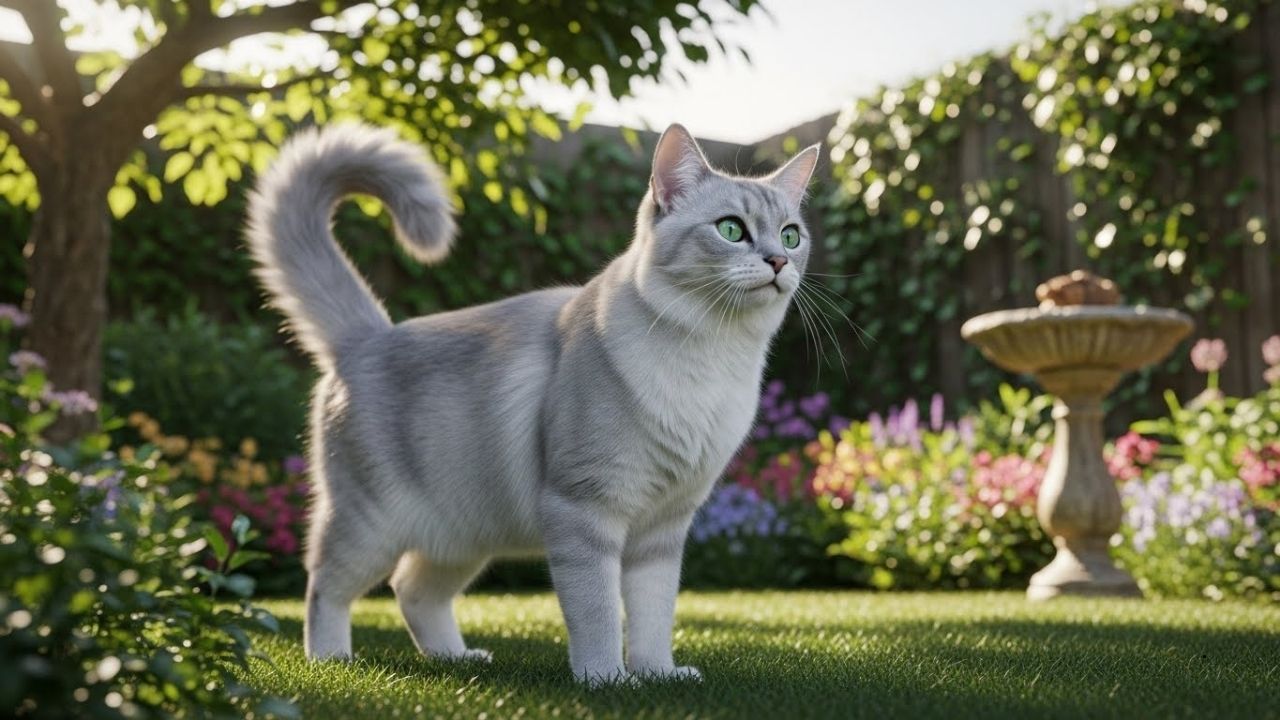
Picking a cat is equal parts emotion and logic. First, you notice the eyes, the fluff, or the attitude. Then the practical thoughts creep in, especially around health and how much peace of mind you want as the years go by.
Some cat breeds have a reputation for being genetically less complicated. That reputation often comes from how they developed over time, with fewer twists in their lineage and fewer inherited surprises waiting down the road.
Learning why certain breeds stand out can help you make a calmer, more confident choice. It sets the tone for what to expect, what to watch for, and how to enjoy life with a cat that fits smoothly into your home from day one.
Fun Fact
The word “moggies” is a common nickname for mixed-breed cats in parts of the world. It is a playful term for cats that are not tied to a specific breed standard, and many people love them for their unpredictable looks and wonderful personalities.
Cat Breeds with Low Genetic Disorders
1. Siberian
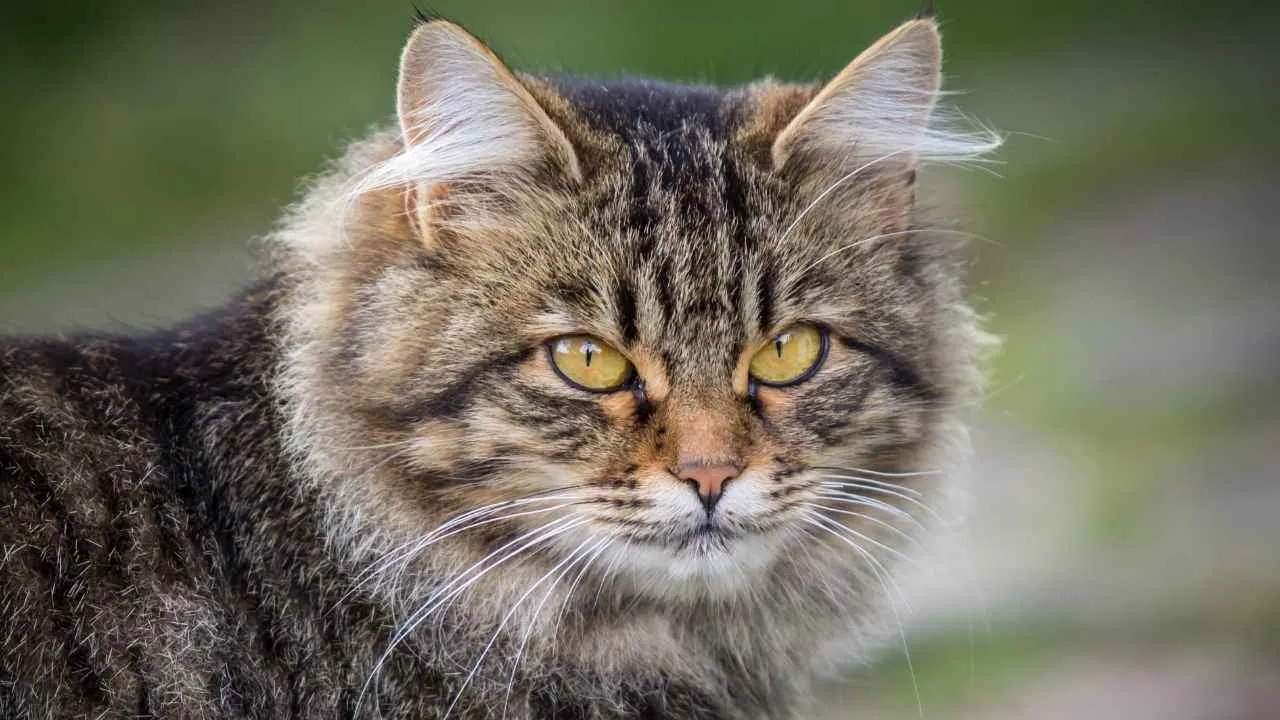
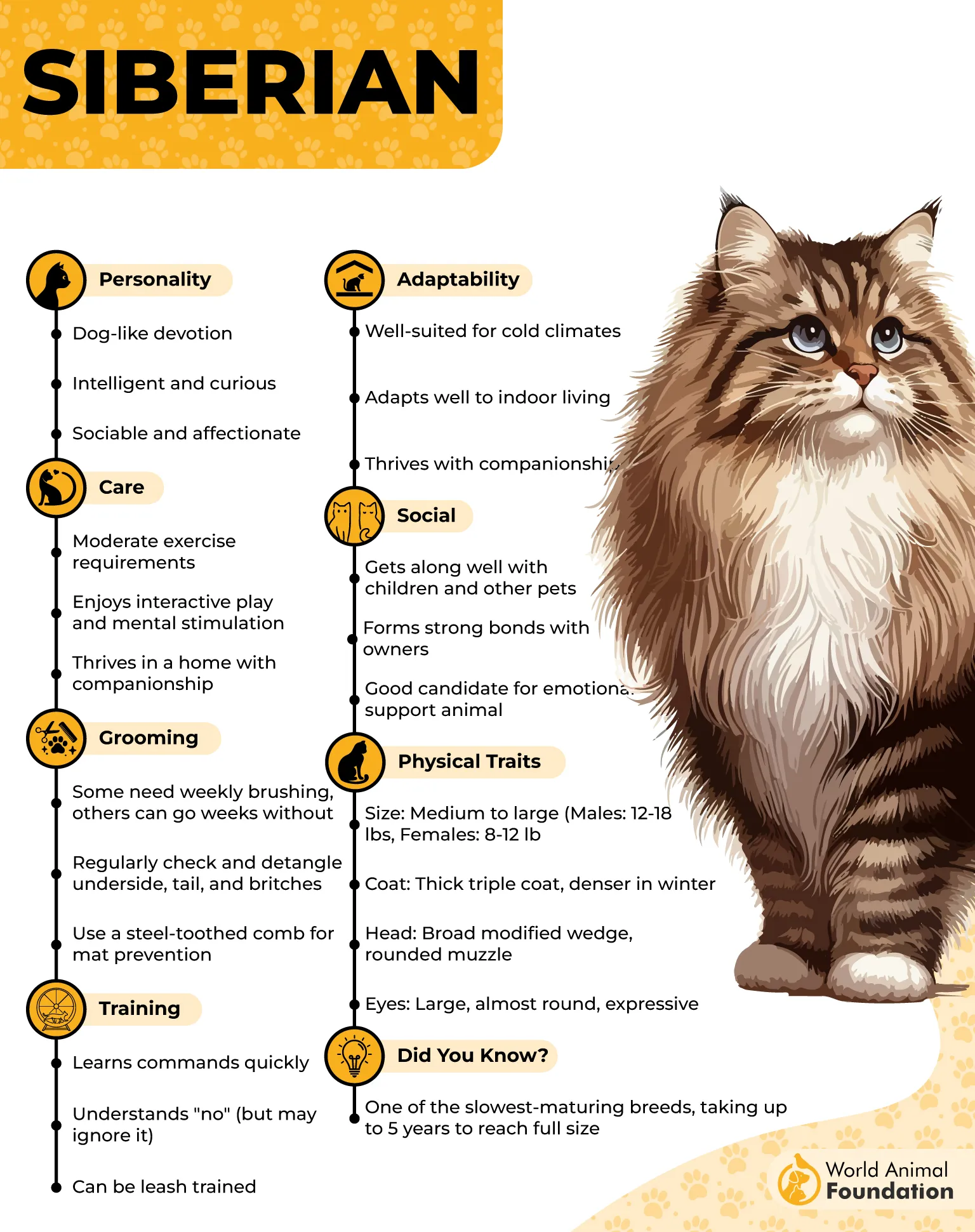
The Siberian cat looks ready for cold-weather duty, complete with a fluffy tail and bold neck ruff. This naturally occurring cat breed is affectionate and often enjoys staying close to the people it trusts. Many Siberians are bright and athletic, so a calm afternoon can turn into a “watch me climb” performance.
A Siberian usually enjoys a balance of play, training, and rewards, and the vibe is often well-balanced. Their triple coat needs regular attention, but it is often manageable with a weekly comb-through. During seasonal shedding, extra grooming helps, and quick hands-on checks can catch mats early.
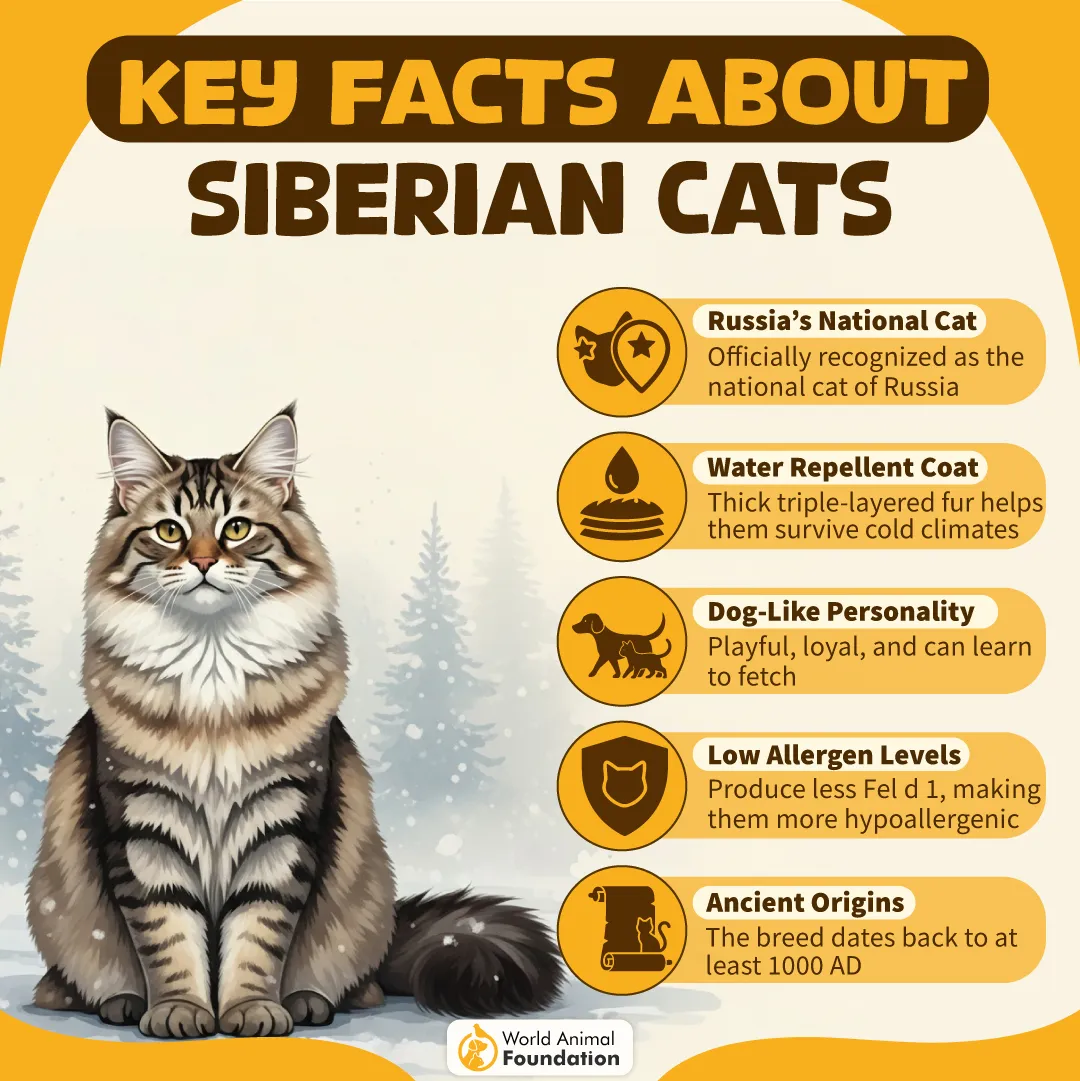
As mentioned by PetMD, Siberians are generally considered healthy, but heart concerns like hypertrophic cardiomyopathy can still occur and may increase the risk of blood clots. Signs of congestive heart failure can include low appetite, lethargy, and difficulty breathing, though some cats show no symptoms and are only diagnosed after a vet detects a heart murmur. Treatment may include medication and a low-stress environment.
Fun Fact
A Siberian’s coat is made of three hair types: guard hair, awn hair, and undercoat. This breed is also known as the National Cat of Russia, which feels very on brand for such a majestic floof.
2. Russian Blue
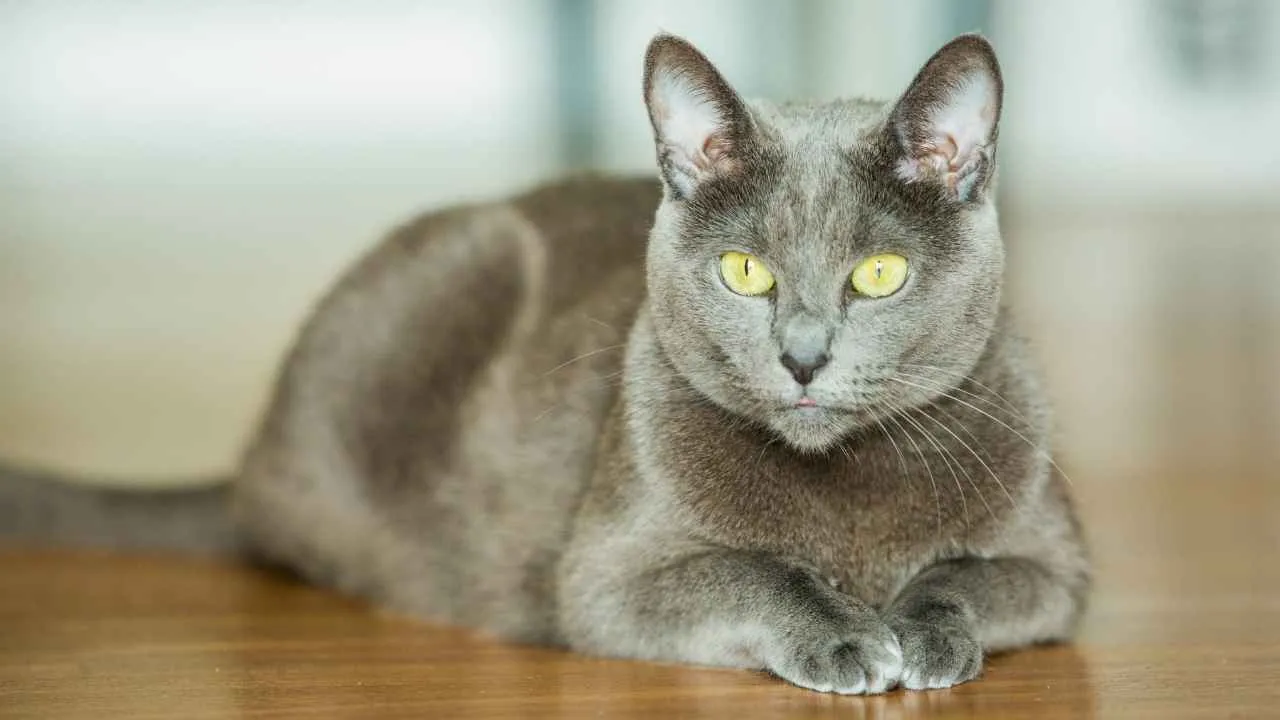
The Russian Blue cat brings instant elegance with a bluish-gray coat tipped in silver and vivid green eyes. Look closer, and you may spot a detail fans love: mauve or lavender footpads. Many Russian Blues come off a bit reserved at first, as if they are politely assessing the room.
Russian Blues are described as robust with no known genetic diseases. They often prefer an orderly routine, so predictable meals and a calmer home can suit them well. Regular veterinary visits still matter, especially as age-related problems like kidney or thyroid disease can appear.
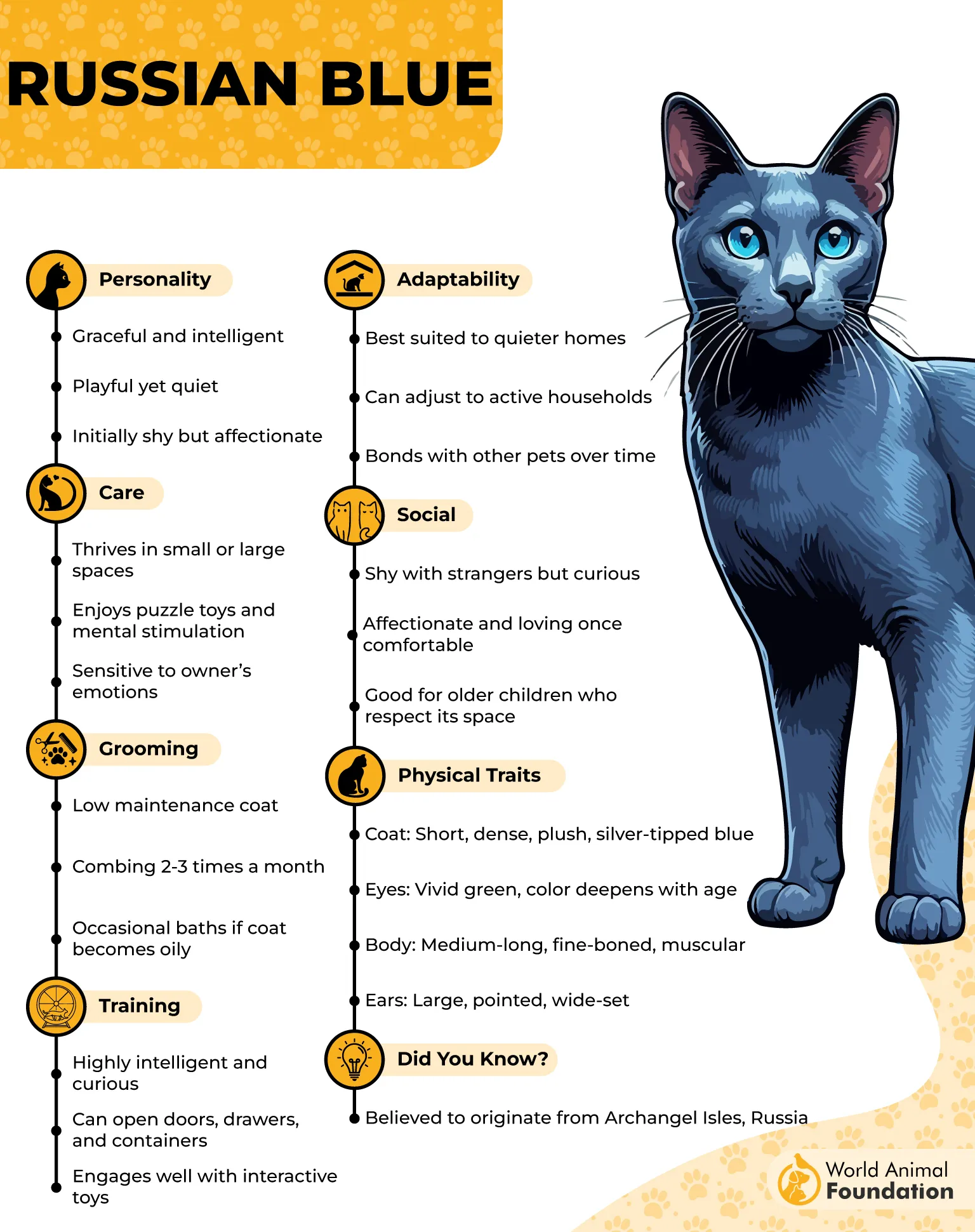
Once settled, this cat breed keeps life interesting with playful energy that can last well past kittenhood. Some enjoy fetch, and many put their smarts to work on doors, containers, and other “forbidden puzzles.” Day-to-day care is usually simple because they keep themselves tidy, and a gentle brush or even petting helps remove loose hair.
Fun Fact
Russian Blues were shown at London’s Crystal Palace in 1875 under the name “Archangel cats.” The nickname ties to Arkhangelsk, a northern Russian port sometimes linked to the breed’s origins.
3. Balinese

The Balinese cat breed is clever, inquisitive, and famously chatty, so silence lovers may want earplugs. Many are playful and demanding in a funny, lovable way, with a talent for turning attention into a daily requirement. They can also be trained more easily than many breeds when you lean on positive reinforcement.
Because Balinese cats crave company, long stretches alone can lead to distress and unwanted mischief. With proper introductions, they can do well with children, dogs, and other pets, making them a popular family cat. They are active and curious, so toys, scratching posts, and tall perches help channel that energy.

As mentioned by Purina, Balinese cats can be affected by progressive retinal atrophy, an inherited condition where parts of the eye gradually deteriorate and may lead to blindness, and a DNA test is available to help determine whether a cat has the potential to be affected.
Fun Fact
The Balinese name is not about geography; the breed has no connection to Indonesia. Breeders chose the name because the cat’s grace reminded them of dancers in the Temples of Bali.
4. Bombay

The Bombay cat has a sleek black coat, copper eyes, and a confident strut that earns the “mini panther” reputation. Personality-wise, this cat breed is all about people and prefers being included in daily routines. If you want a cat who supervises everything, the Bombay is ready to clock in.
Bombays are described as healthy, with no clear evidence of breed-specific genetic issues, though breeder input can still be useful. Weight management and routine dental care matter, and regular veterinary exams help catch kidney or pancreas concerns that may appear in senior years.
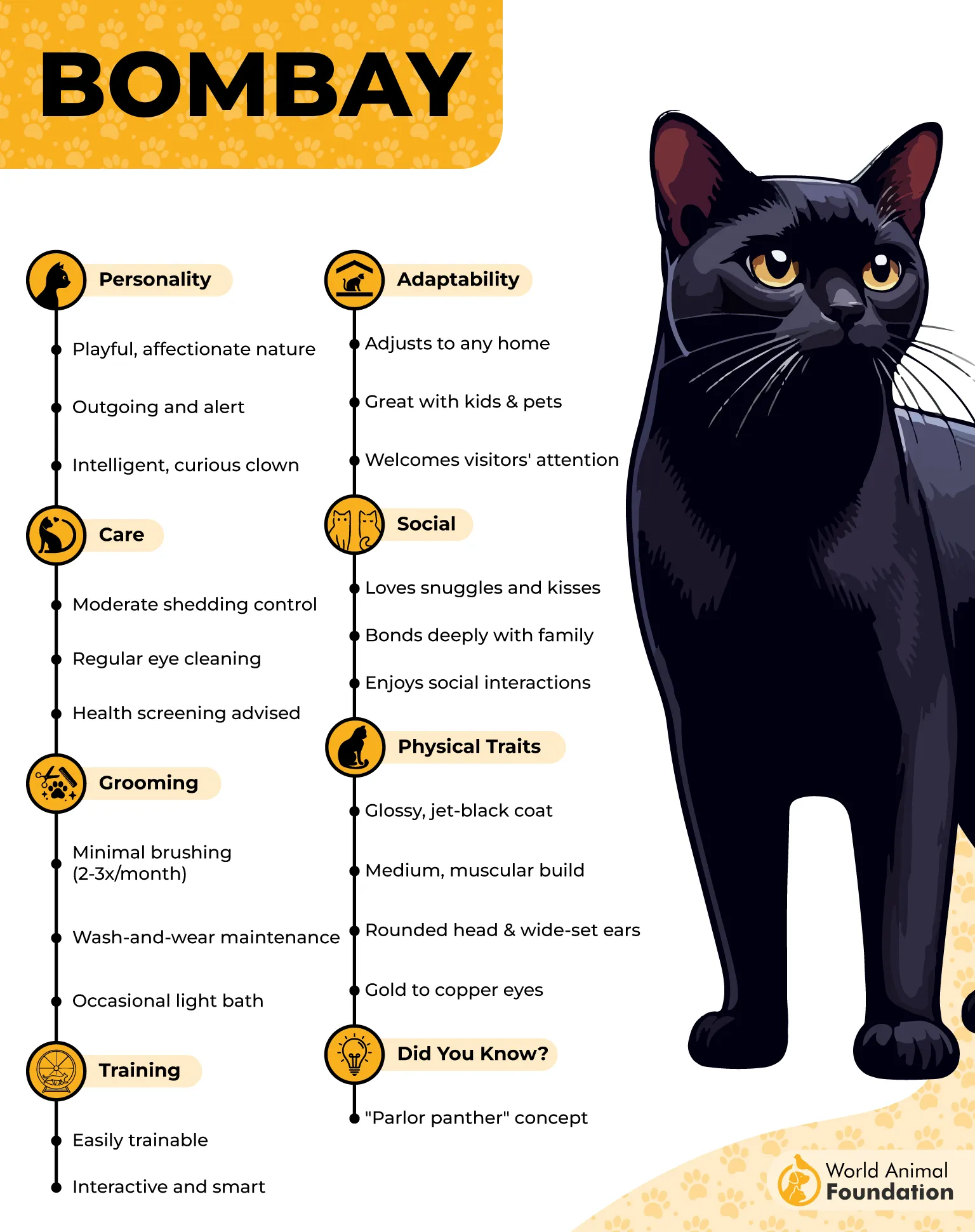
Play is a big bonding tool here, and some Bombays will fetch toys as long as you keep cheering. They often get along well with children, visitors, and other pets, which can make introductions smoother. Many are also pleasantly chatty, offering updates when they want attention or a lap reservation.
Fun Fact
The Bombay was developed by breeding a sable Burmese with a black American Shorthair. Even the paw pads and whiskers are black, which is a level of commitment most wardrobes cannot match.
5. British Shorthair
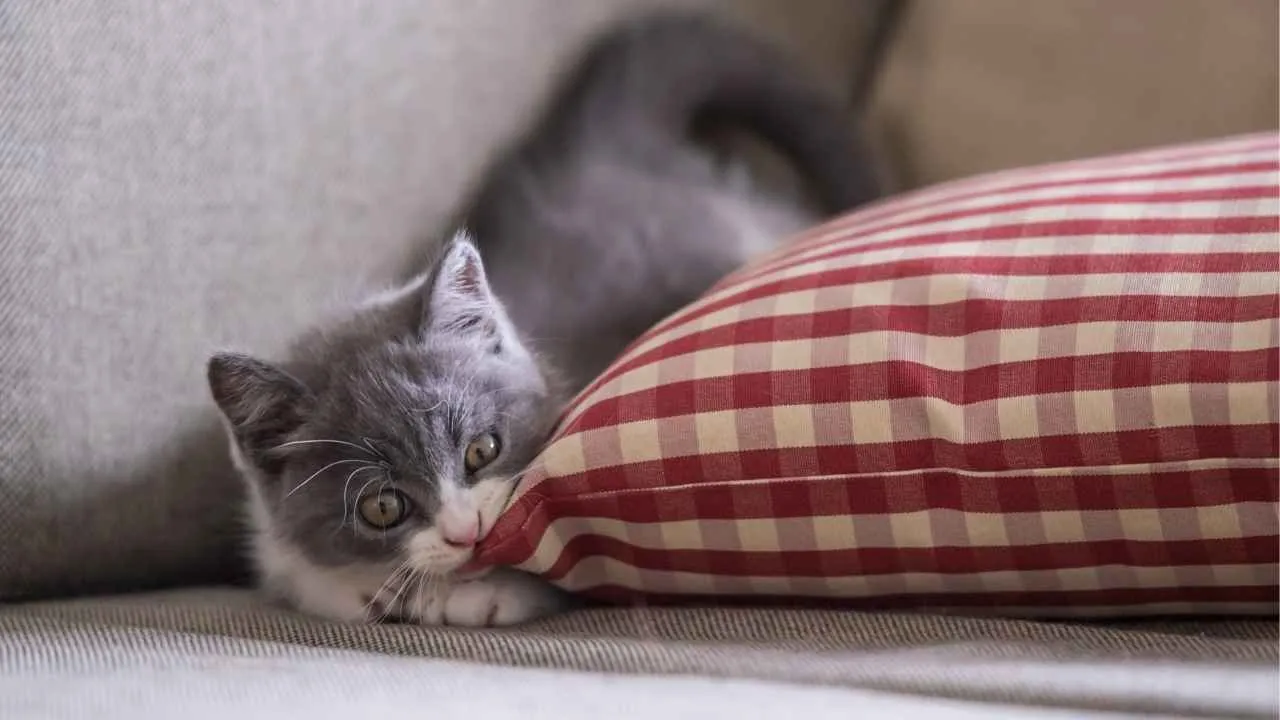
The British Shorthair cat is calm, friendly, and happiest being a steady presence in your space. Many enjoy company without being overly clingy, often choosing the “sit nearby” approach. Their laid-back style can work well in both houses and apartments.
That famously thick coat feels velvety, yet it can mat, so weekly brushing helps keep it comfortable. They are not known for high athleticism, though they enjoy moderate exercise. Because activity needs are modest, thoughtful portion sizes help prevent weight gain.
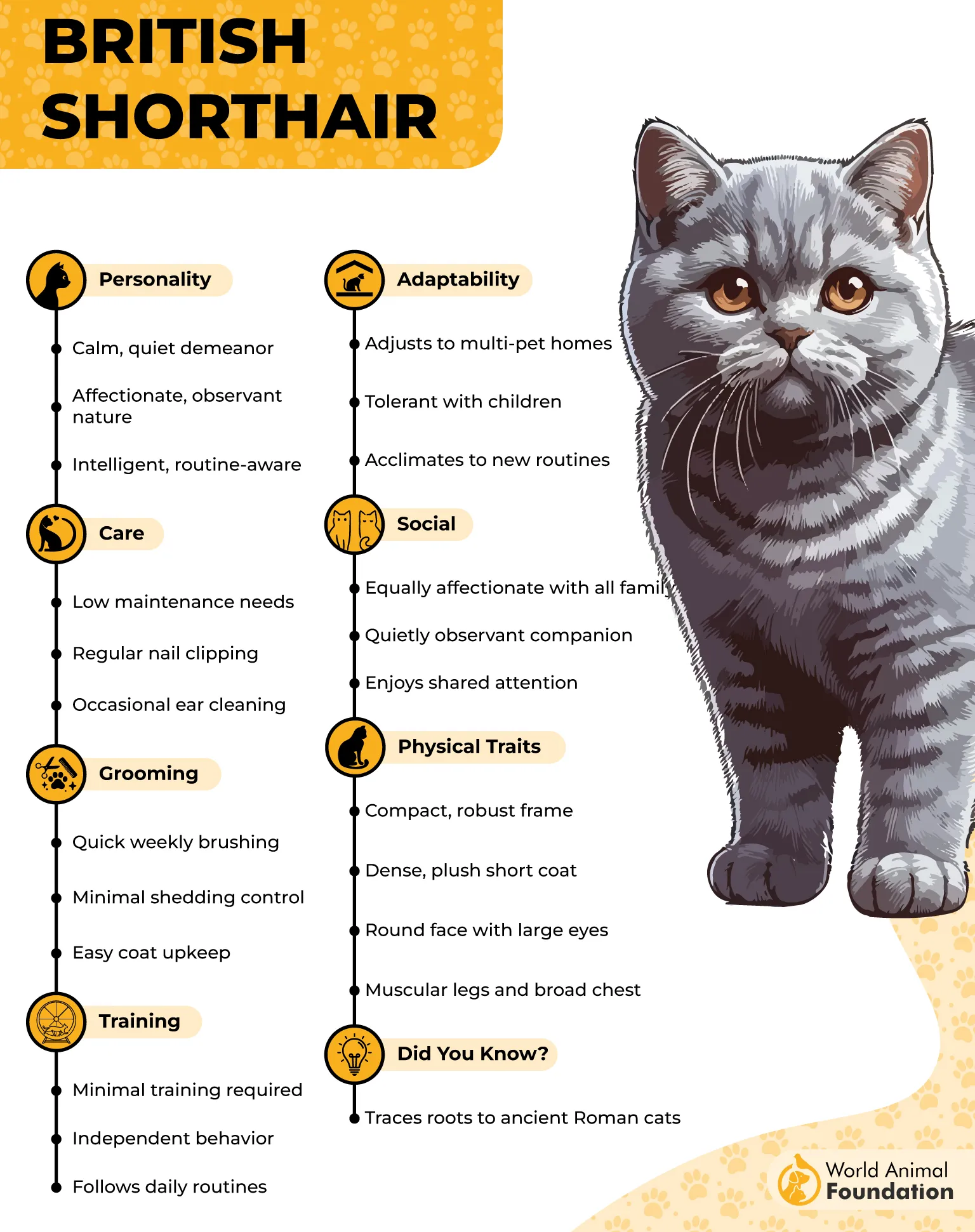
Indoor living is recommended, since these cats are not especially fast or agile, and their dense coat can make heat a problem. They are generally hardy with few breed-related concerns, but they can have an increased risk of polycystic kidney disease. Some cats may show no obvious issues, while others can develop signs of kidney failure such as increased drinking, vomiting, weight loss, or blood in the urine.
Fun Fact
Lewis Carroll reportedly based the Cheshire Cat on the British Shorthair’s signature smiley expression. The breed is also believed to trace back to cats brought to England with Roman troops.
6. Nebelung

The Nebelung cat breed has bluish-gray fur with a silvery sheen and striking green eyes that look airbrushed. Many Nebelungs are shy in new situations and may keep a low profile around strangers. Once comfortable, they often become affectionate, intelligent companions who bond closely with a favorite person.
Routine is a big deal for this cat breed, and sudden changes can make them anxious. Early socialization helps reduce nervous habits and supports a more confident adult. They are playful and curious, so toys and enrichment are important, and some can even be trained to walk on a leash.
Their long double coat is not a heavy shedder, but weekly grooming helps prevent mats and tangles. Nebelungs are not predisposed to specific health problems, though overfeeding can lead to obesity and related problems. They can be fussy eaters, so once they love a food, portions still need a referee.
Fun Fact
“Nebelung” comes from the German word “Nebel,” meaning mist or fog. The breed was developed in the United States and later received new-breed status from The International Cat Association.
7. Ragdoll
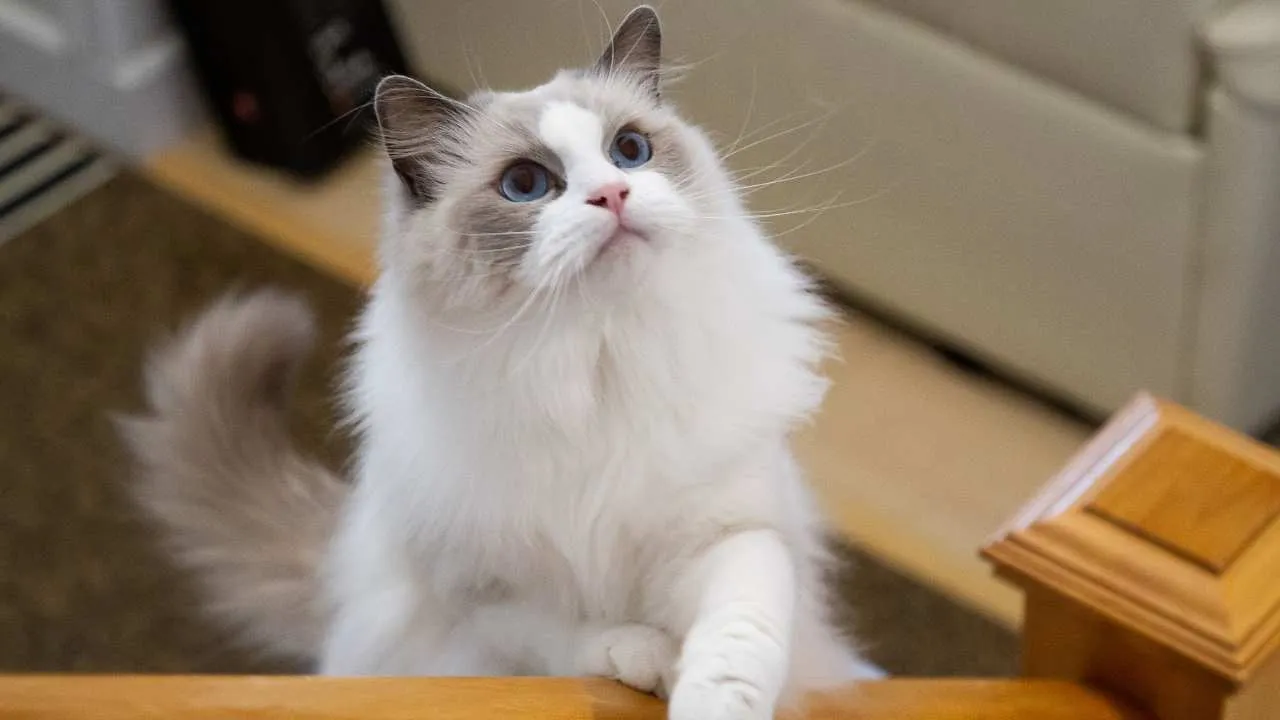
Ragdoll cats are known for relaxed temperaments, playful sweetness, and bright blue eyes that steal the spotlight. These large cats are often patient with children and tend to play gently, sometimes keeping their claws politely to themselves. Many Ragdolls stay close to their people, following them around and settling in for couch cuddles.
Their semi-long coat is super-soft and does best with regular brushing using a steel comb to prevent tangles. Activity needs are usually low, and many are perfectly content lounging with short, easy play sessions. Some can learn fetch, though most prefer games that keep at least one paw on the ground.
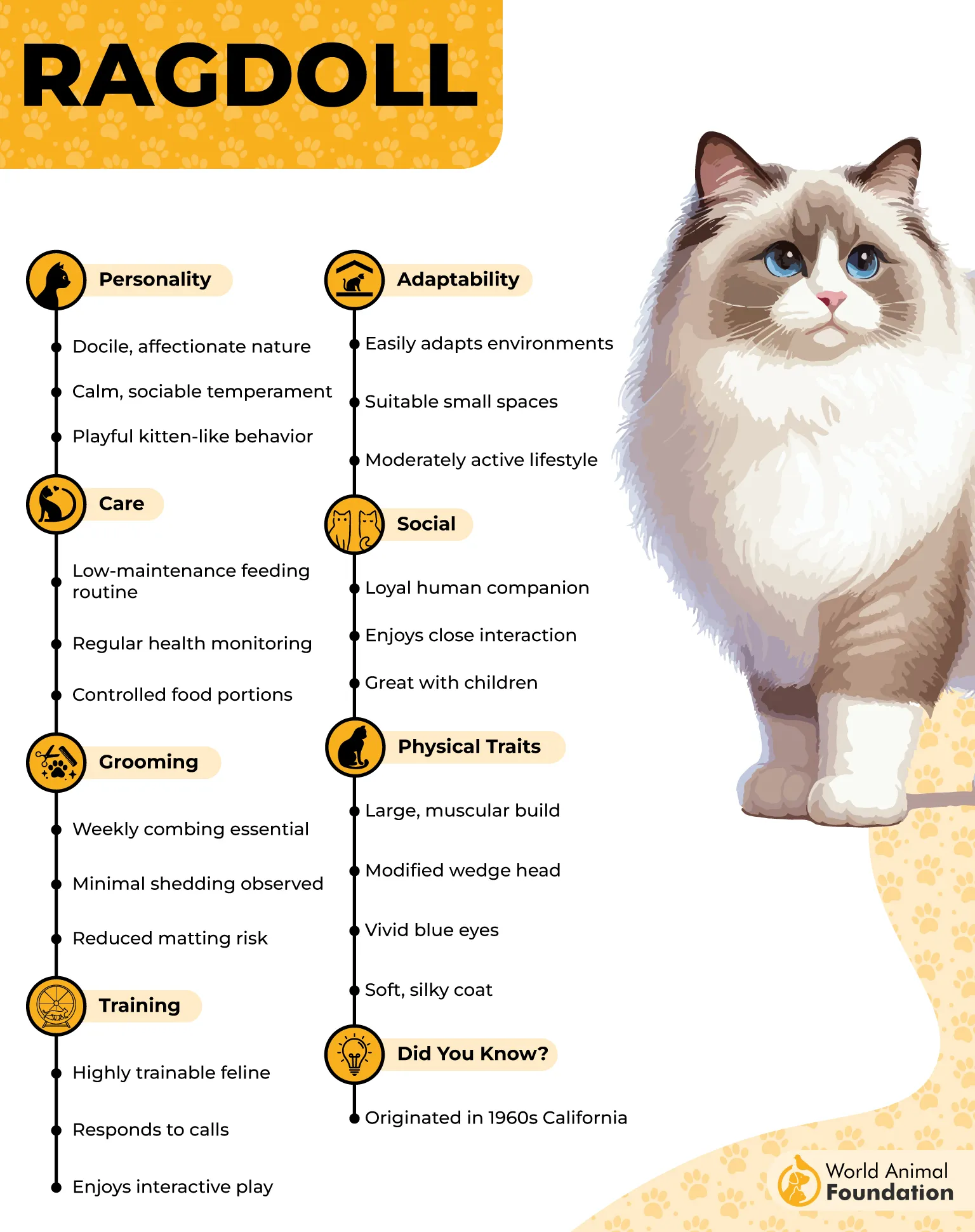
According to WebMD, hypertrophic cardiomyopathy (HCM) is the most common heart disease in cats and is one of the key health concerns for Ragdolls. They can develop signs of this disease such as exhaustion or difficulty breathing.
Fun Fact
Ragdolls were developed in California by breeder Ann Baker, starting with a long-haired white cat named Josephine. The breed name comes from their tendency to go limp when carried, like a classic ragdoll toy.
8. Siamese
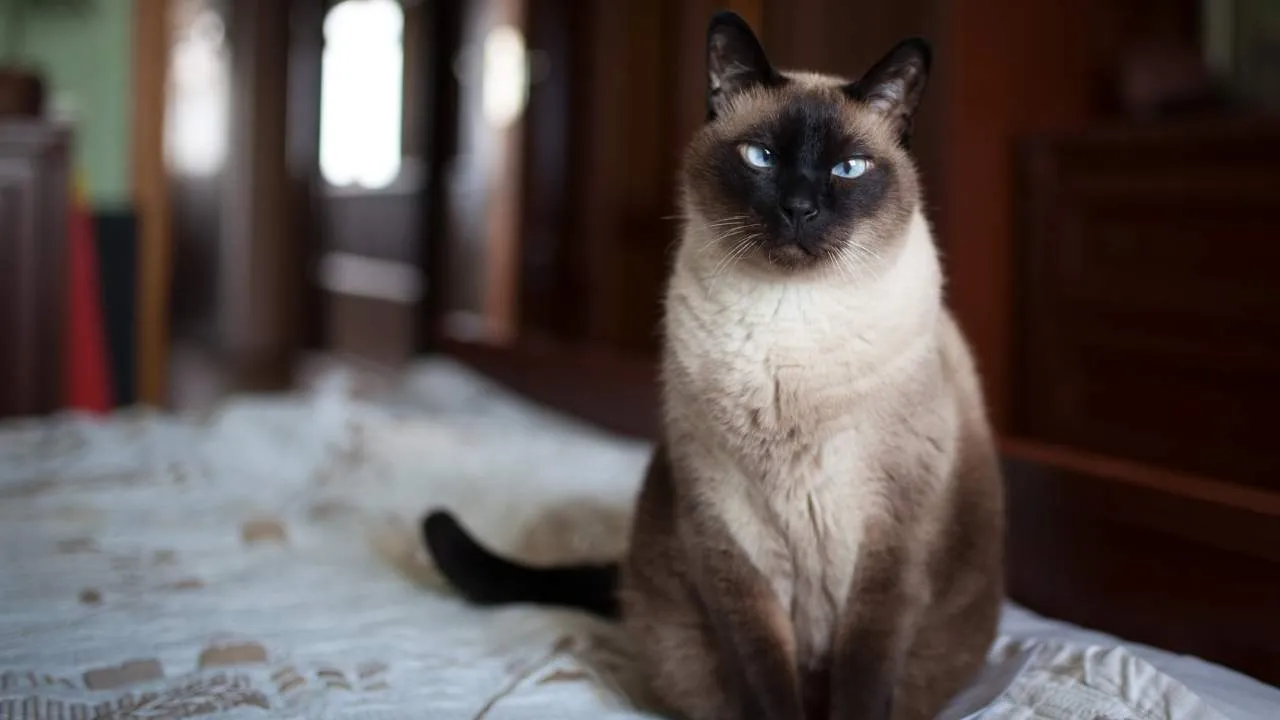
Siamese cats have big personalities and even bigger opinions, and many love “talking” with a loud, low-pitched voice. This cat breed is playful, curious, and can get mischievous when left to invent its own entertainment. Many enjoy fetch, leash walks, and exploring high spots and hiding places around the home.
Siamese is a generally healthy breed, with a few genetic issues to keep on your radar. Reported concerns include some respiratory problems, amyloidosis, crossed eyes or a kinked tail, gingivitis, and a higher incidence of mast cell tumors. Their short coat is low-maintenance, and a weekly comb-through is often enough.
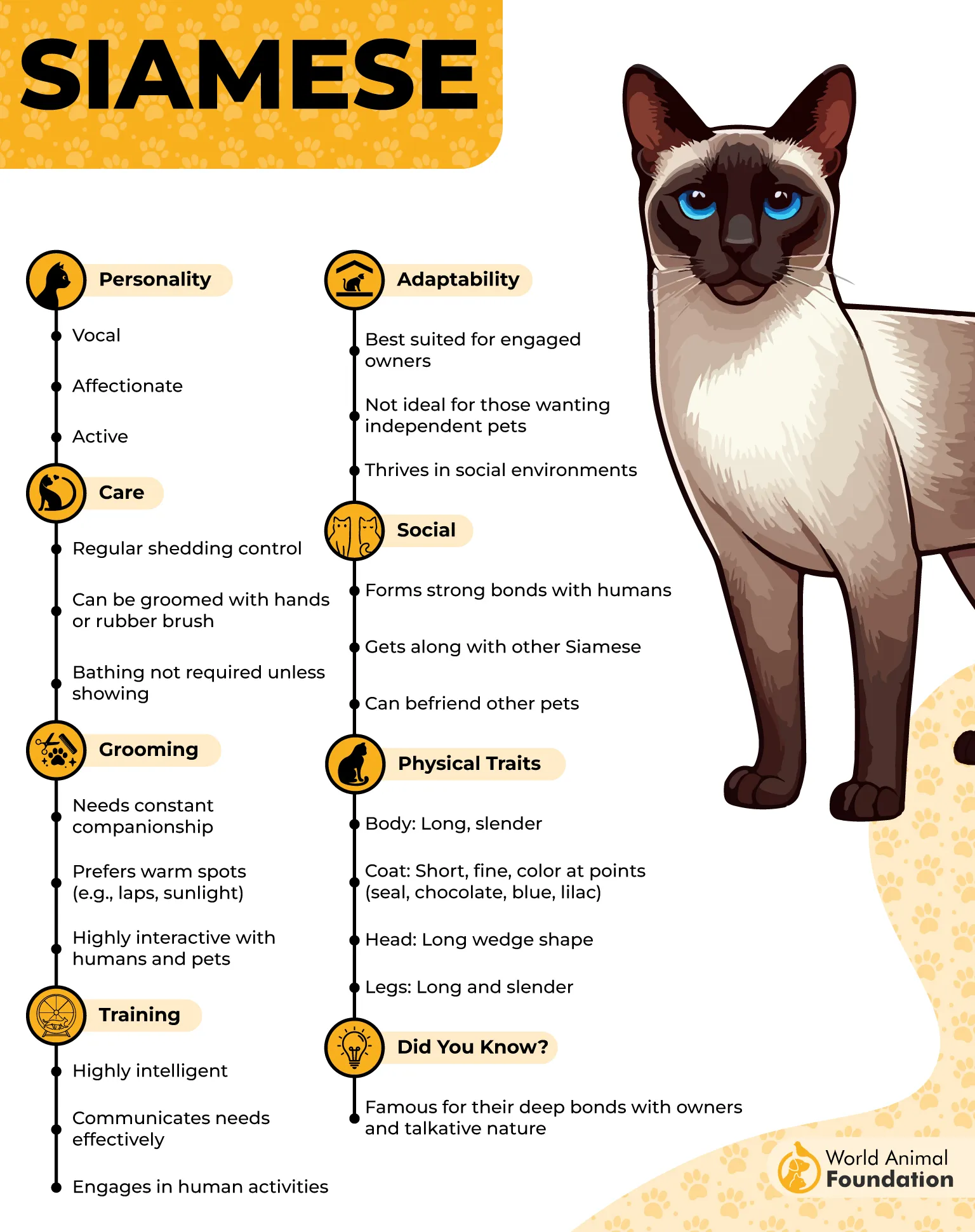
The Siamese tends to be affectionate and happiest when included in daily life. They often do well with children and can get along with other cats and dogs, though attention is usually their favorite currency. If your schedule is busy, puzzle toys, trick training, and a companion pet can help keep boredom from taking over.
Fun Fact
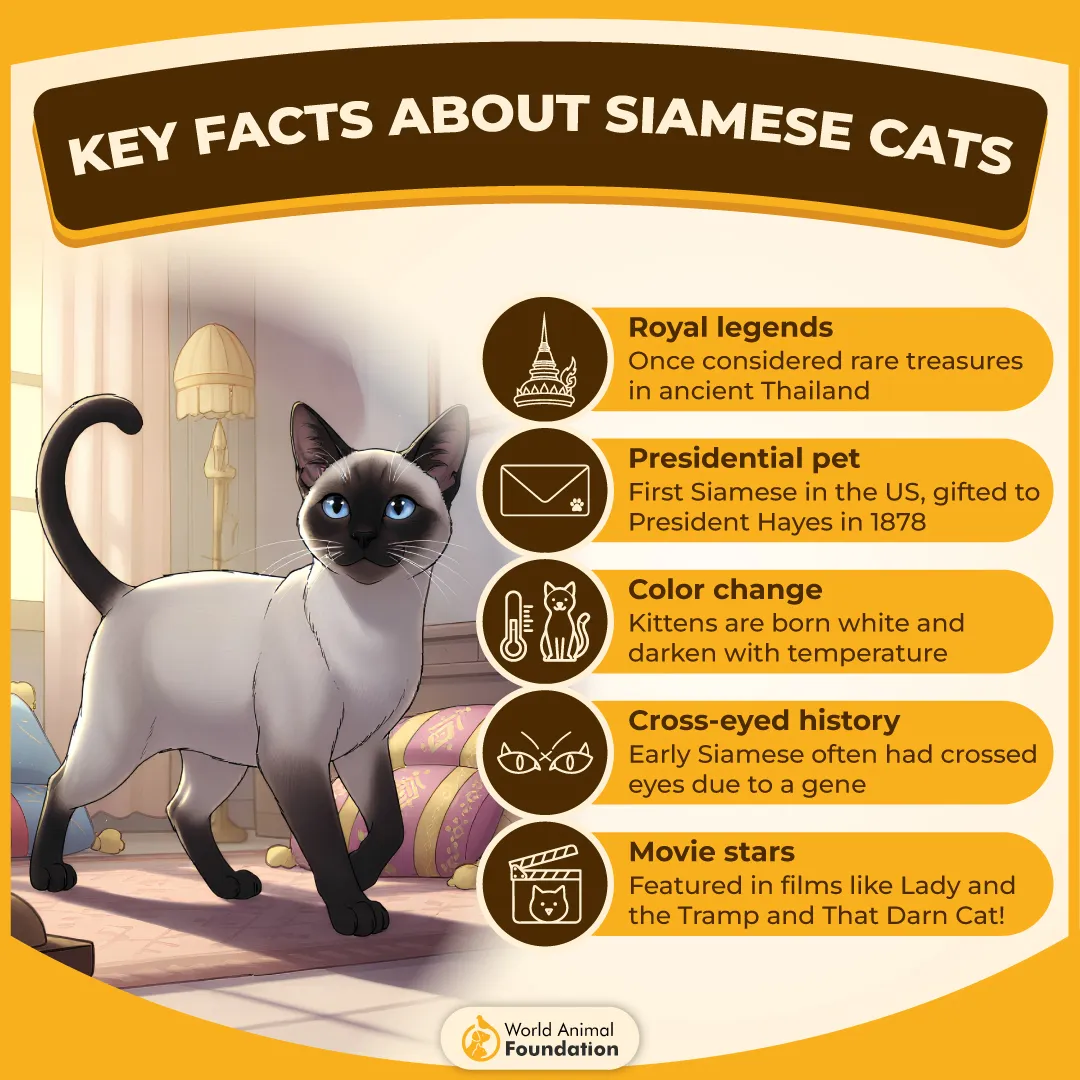
Siamese cats are mentioned in the “Tamra Maew” (Cat Poems), an ancient Thai collection dedicated to cats. Their pointed coat can darken with age, so the same cat can look a little more dramatic over time.
9. American Shorthair
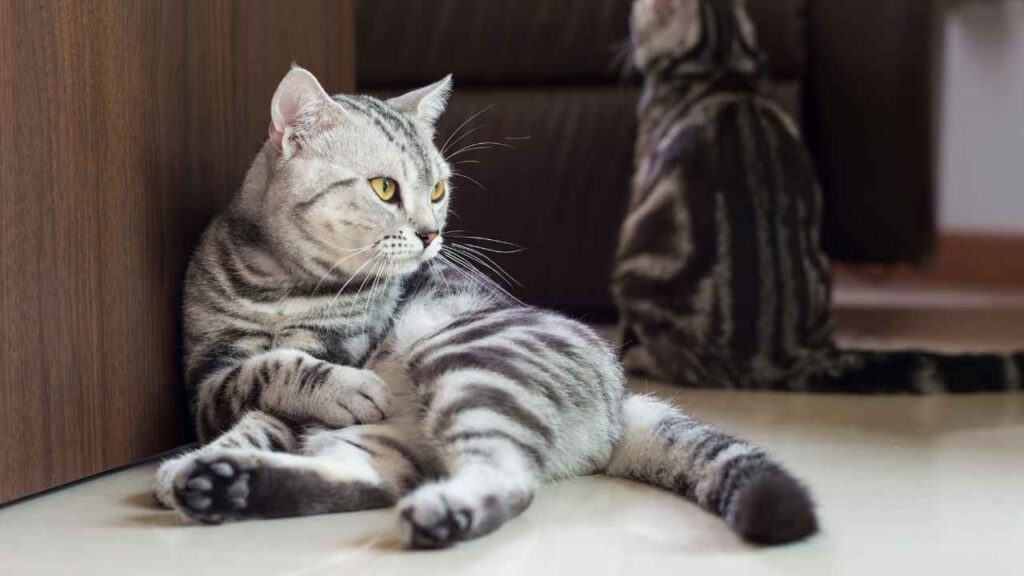
American Shorthair cats are gentle, easygoing companions with a playful, curious streak that keeps life entertaining. They are well-muscled and powerful, a legacy of their history as hardworking rodent hunters on ships and farms. Many do well with children and other pets, and they usually enjoy attention without demanding it nonstop.
This cat breed is intelligent enough to learn tricks and enjoy interactive puzzles. Exercise is often handled through play sessions, toys, and climbing time, followed by serious napping commitments. They shed year-round with seasonal peaks, and weekly brushing helps manage the thick coat.
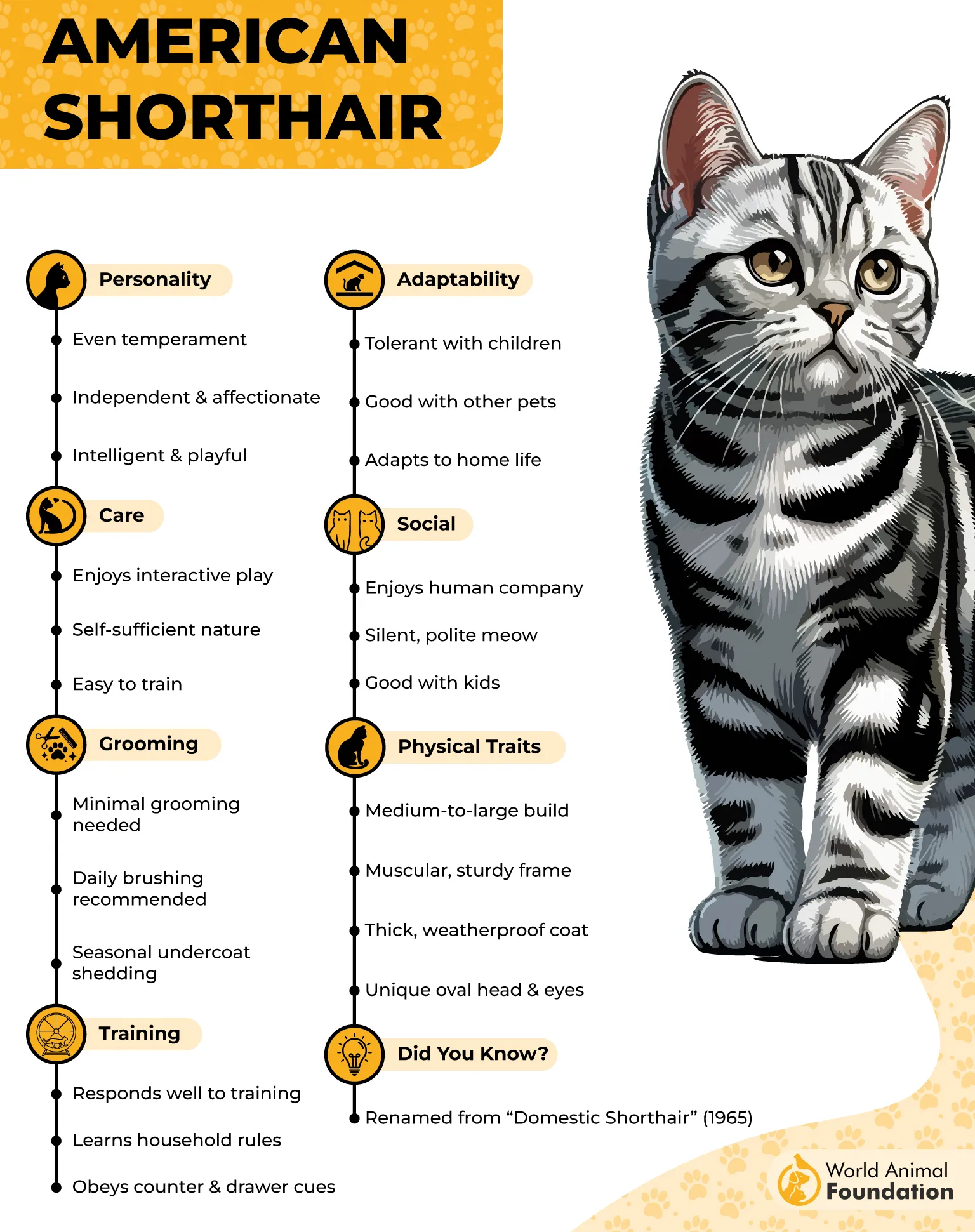
American Shorthairs are described as robust and not genetically prone to any particular health conditions. Still, common concerns can include obesity, hypertrophic cardiomyopathy, dental problems, and feline lower urinary tract disease, so regular vet care and smart feeding matter.
Fun Fact
The breed name “American Shorthair” was adopted in 1966 to distinguish it from mixed domestic shorthairs, helping preserve the breed’s genetic diversity. Some accounts also suggest early ancestors may have sailed to North America on the Mayflower, which is one impressive travel story for a cat.
Conclusion
Finding cat breeds with low genetic disorders is about making informed, thoughtful choices to support your cat’s long-term health. Even cats that are generally healthy can still face health issues linked to genetics, and some breeds carry a higher risk for serious problems. Regular veterinary visits and consistent preventive care are the best ways to support a happy, healthy life, even when your cat is considered a healthy breed. For early detection of certain health issues, pet owners can also consider DNA or genetic testing to learn more about their cat’s potential genetic health risks.
The breeds discussed above are considered to have a lower risk of genetic disorders, and each brings its own charm, quirks, and a special kind of companionship. Choose the personality that fits your home, keep up with routine preventive care, and you’ll have a great shot at many happy years together. Any of these cats can be a fantastic match for you.
Other breeds, such as the Maine Coon and LaPerm, may also be considered when looking for cats with lower genetic disorder concerns.
