




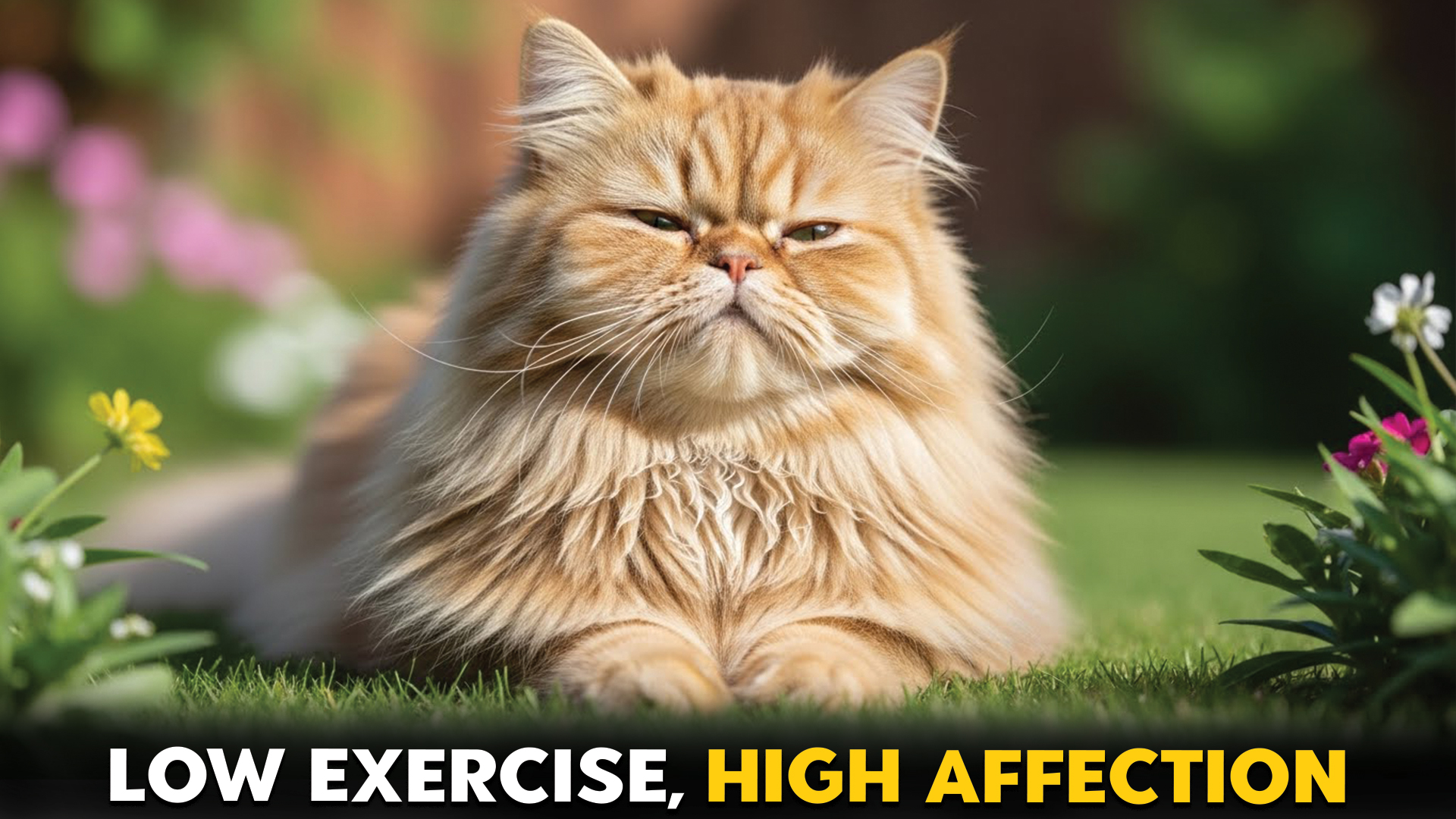
If your idea of the perfect pet is one that prefers lounging over leaping, cat breeds with low exercise needs may be exactly what you’re looking for. While every cat benefits from a bit of daily play, some breeds are naturally more relaxed and content with a slower pace of life. Understanding these differences can make all the difference when choosing a feline companion that truly fits your lifestyle.
Low-energy cat breeds are especially well-suited to apartment living, busy households, and seniors seeking calm companionship. Rather than demanding constant stimulation, these cats are often happy entertaining themselves or curling up nearby while you go about your day.
Their laid-back nature makes them ideal for people who value peace, routine, and quiet bonding moments over high-octane play sessions.
That doesn’t mean these cats lack personality or charm. Many still enjoy short bursts of play and interactive toys, but they’re just as satisfied relaxing beside their favorite humans. In this article, we’ll explore cat breeds known for their easygoing temperaments and modest exercise needs.
Cat Breeds with Low Exercise Needs
1. Persian
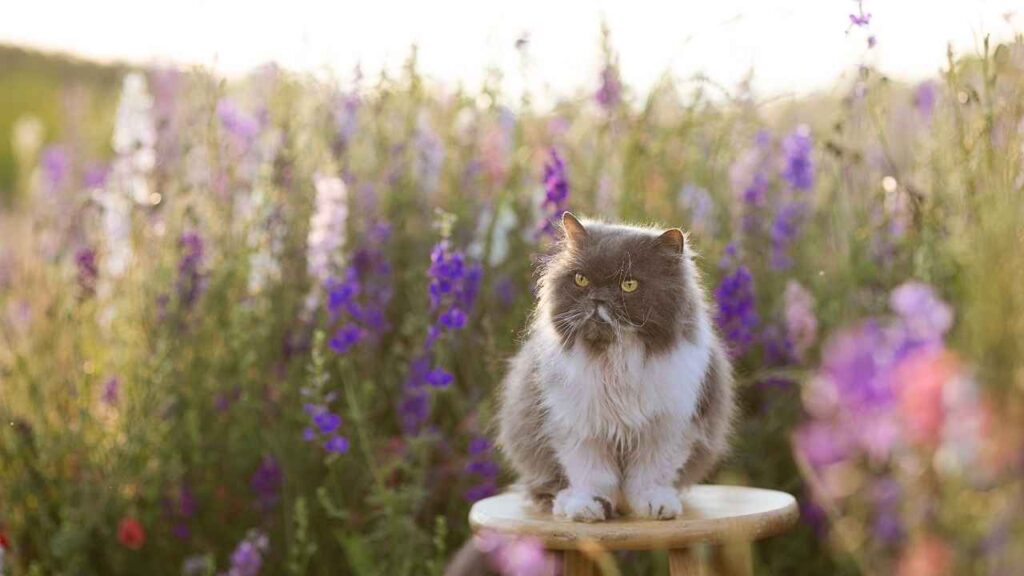
Also known as the Longhair or Shirazi, the Persian is one of the most recognizable and beloved cat breeds in the world. With a flat face, round eyes, and flowing coat, this breed is synonymous with calm companionship and indoor elegance.
According to ASPCA, the Persian cat is widely known and admired for its sweet, gentle, and calm temperament.
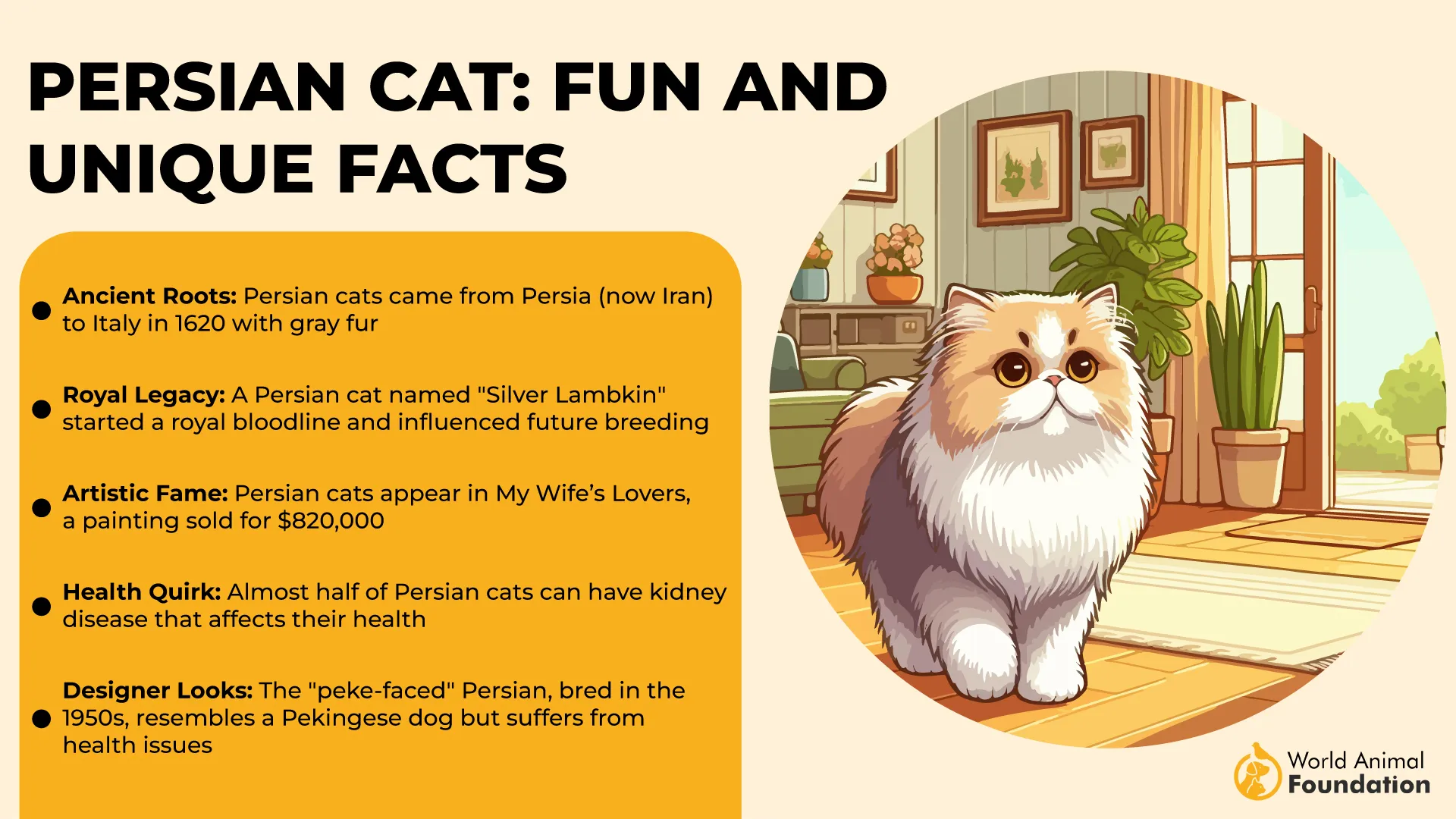
Persians are the definition of low-energy cats, preferring quiet routines and cozy lounging over constant activity. They’re happiest relaxing beside their humans, making them ideal for owners who want an affectionate presence without high exercise demands.
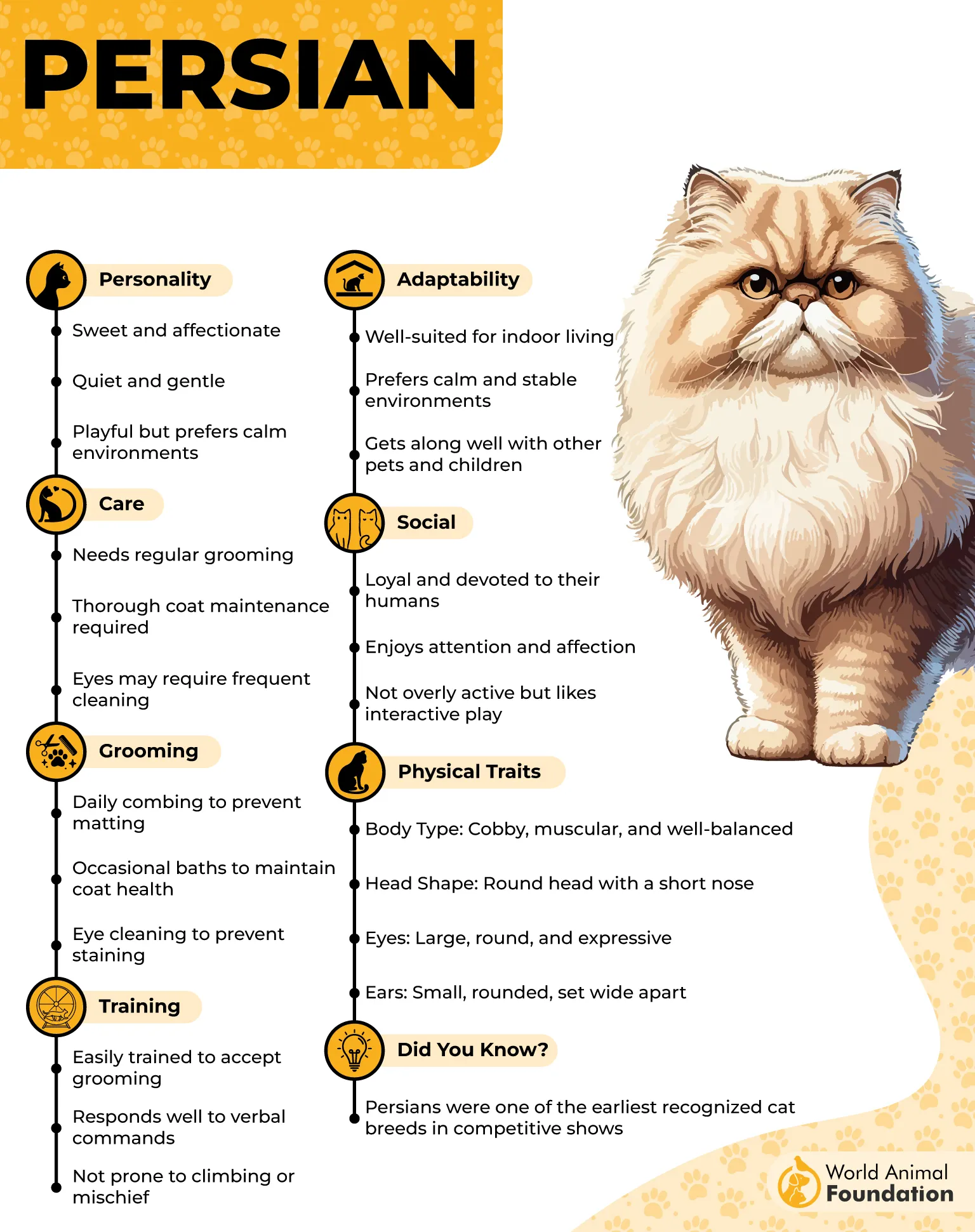
Unlike more active breeds, Persians rarely channel excess energy into mischief. They’re content to nap, observe their surroundings, and enjoy gentle interaction, which fits perfectly with a laid-back household or apartment lifestyle.
That said, light daily play is still important to keep them mentally engaged and maintain a healthy weight. Short sessions with interactive toys are usually enough, as Persians tire quickly and return to their favorite pastime—resting.
Fact: Persians are considered a low-energy breed and typically prefer lounging over jumping or climbing.
2. Ragdoll
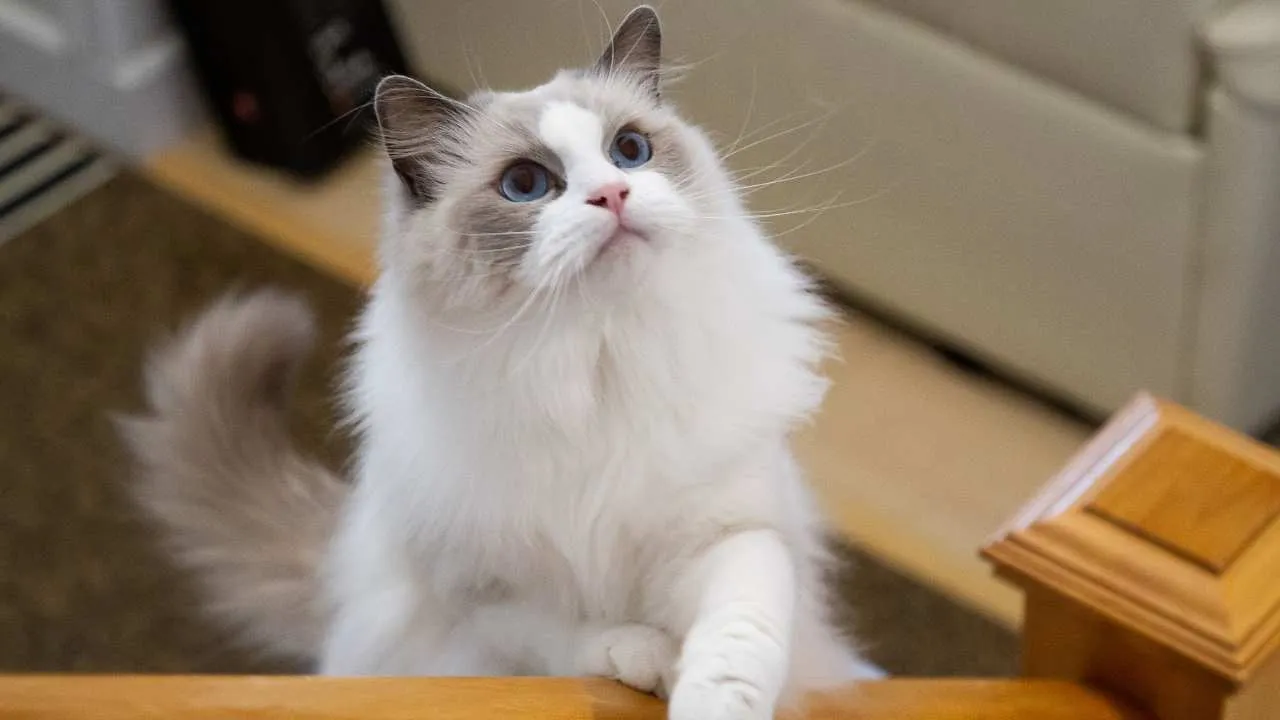
Also known simply as the Ragdoll cat, this large breed is famous for its floppy, relaxed posture and calm demeanor. With a soft voice, plush coat, and affectionate personality, the Ragdoll is often described as the ultimate laid-back lap cat that thrives on gentle companionship.
According to PetMD, the Ragdoll is named for its well-known tendency to relax so completely during petting, cuddling, or being held that it becomes noticeably floppy.
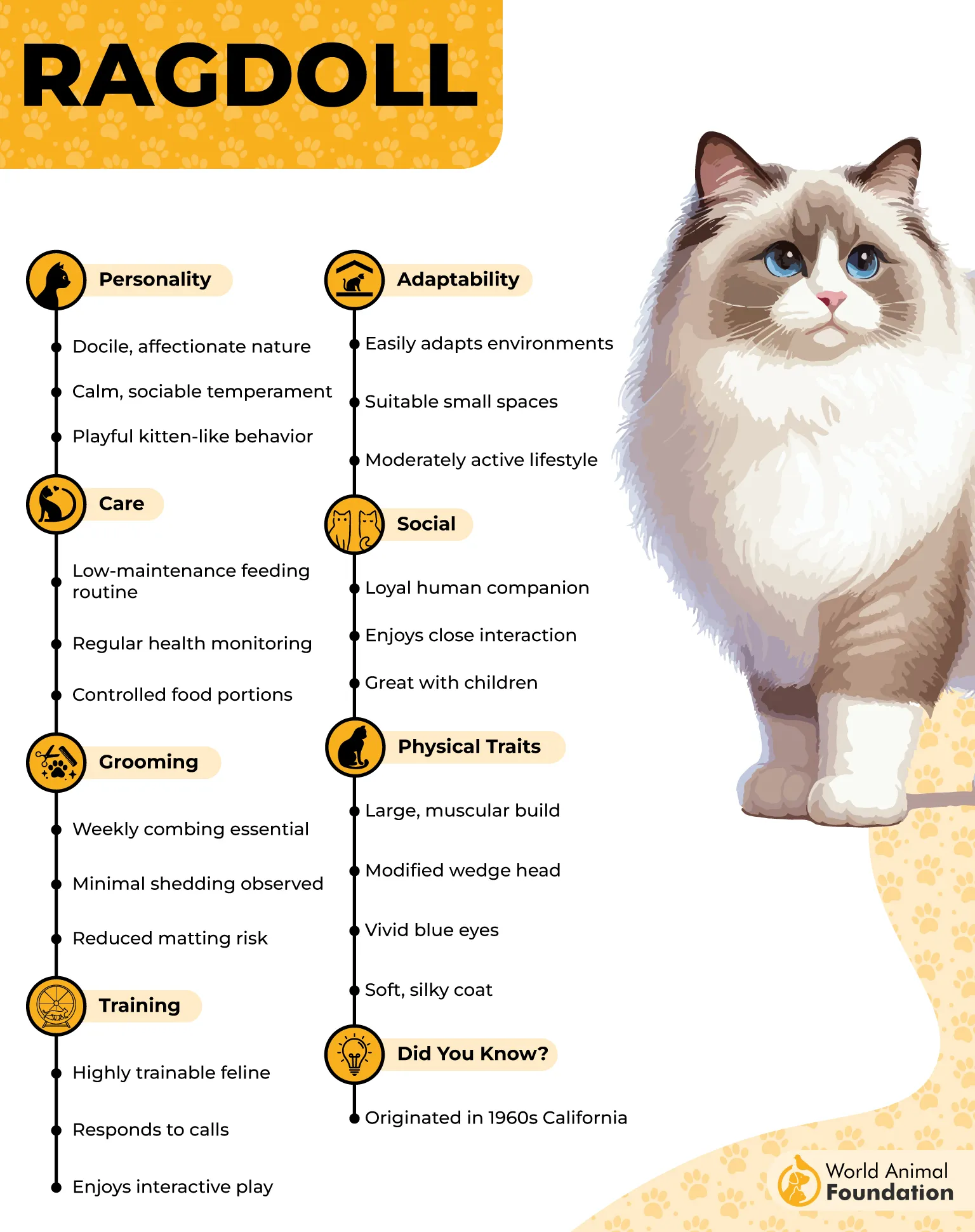
Ragdolls typically need less exercise than many other breeds because of their naturally placid temperament. Rather than racing around the house, they prefer slow-paced play or stretching out beside their humans, making them well-suited to quieter homes and relaxed routines.
A strong desire for human company balances their low activity level. Ragdolls enjoy interactive moments but won’t demand constant stimulation, which explains why they’re content with minimal exercise as long as they feel emotionally secure and engaged.
Because they mature slowly and retain kitten-like softness for years, Ragdolls benefit more from mental enrichment than intense physical activity. Regular grooming and calm play sessions help keep them healthy without overstimulation.
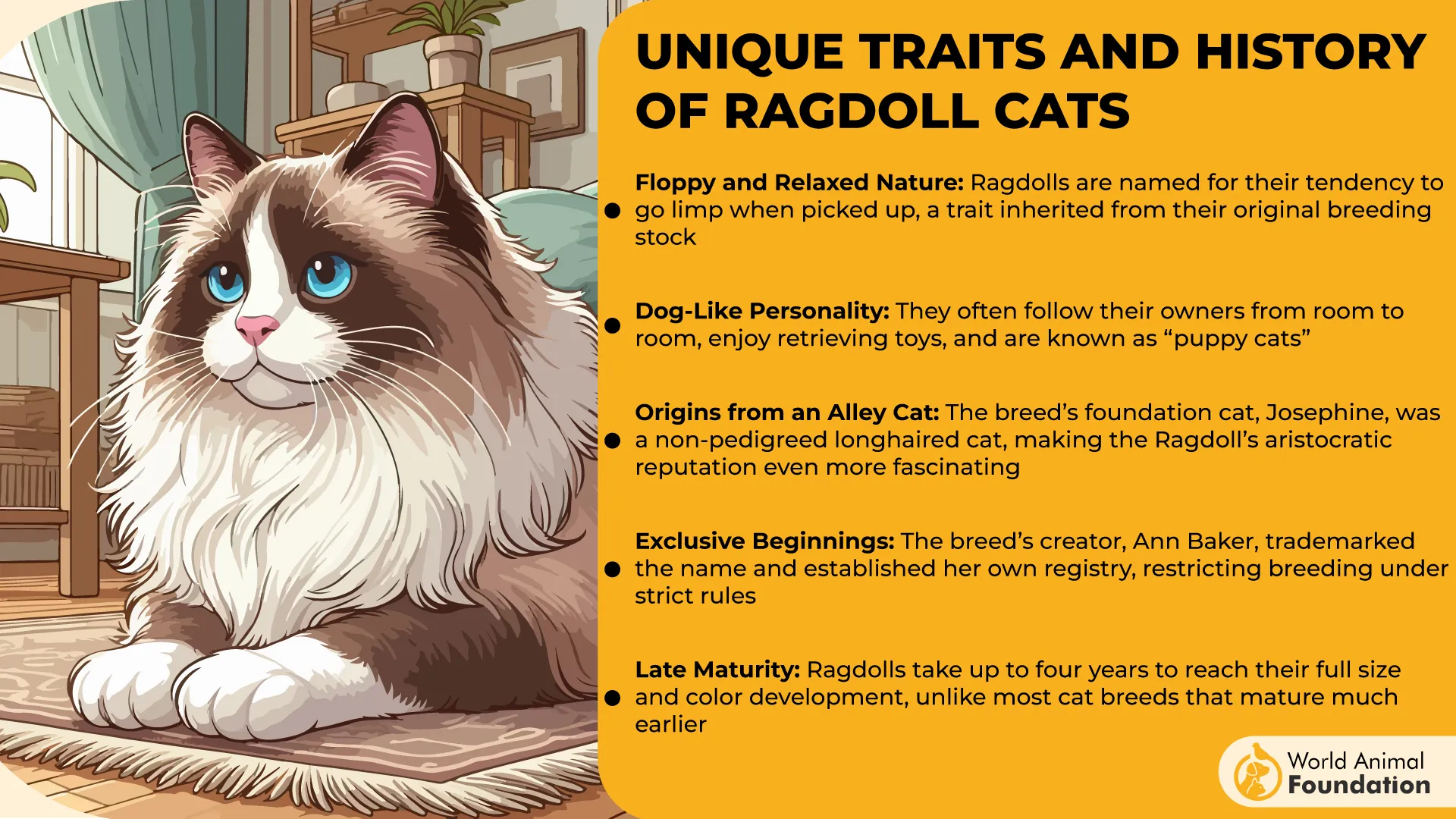
Fact: Ragdoll cats take several years to fully mature and often go limp when picked up, which is how they earned their name.
3. British Shorthair
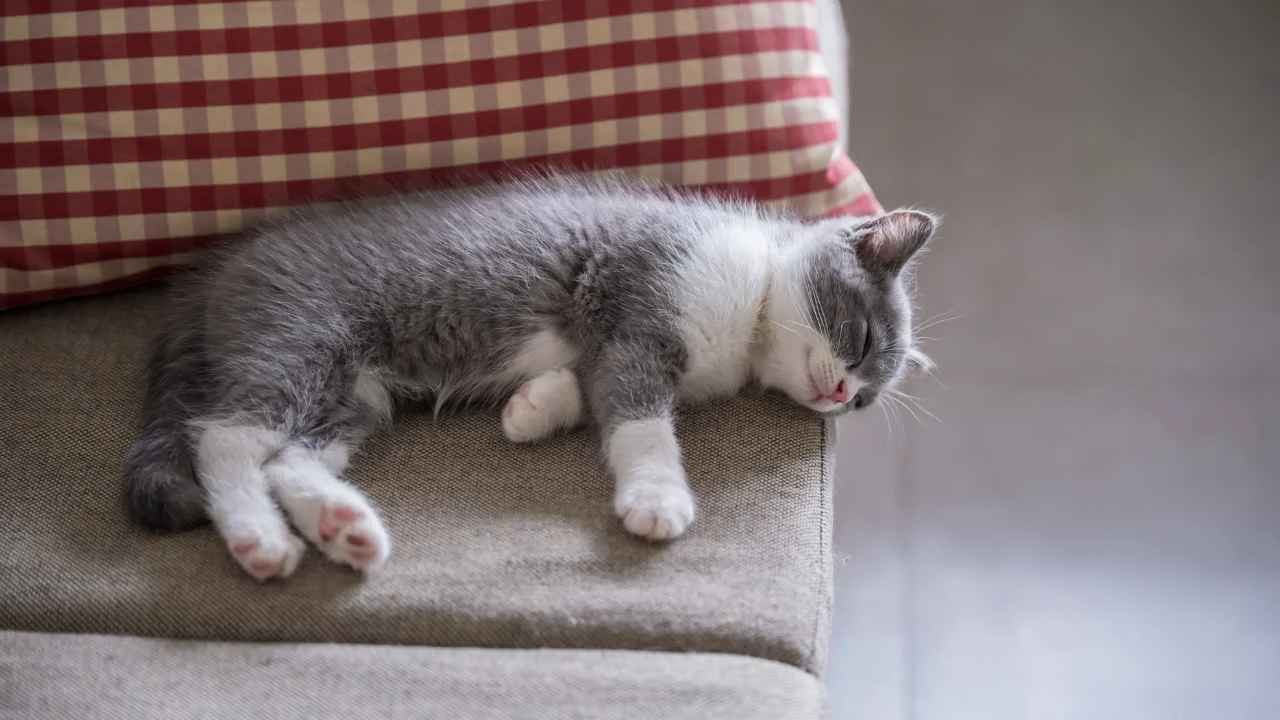
Also known simply as the British Blue in its most iconic color, the British Shorthair is instantly recognizable for its round face, dense coat, and teddy bear–like build.
According to WebMD, British Shorthairs are typically calm cats and can often thrive even when left on their own. This classic breed is prized for its calm presence and balanced temperament, making it a favorite in relaxed households.
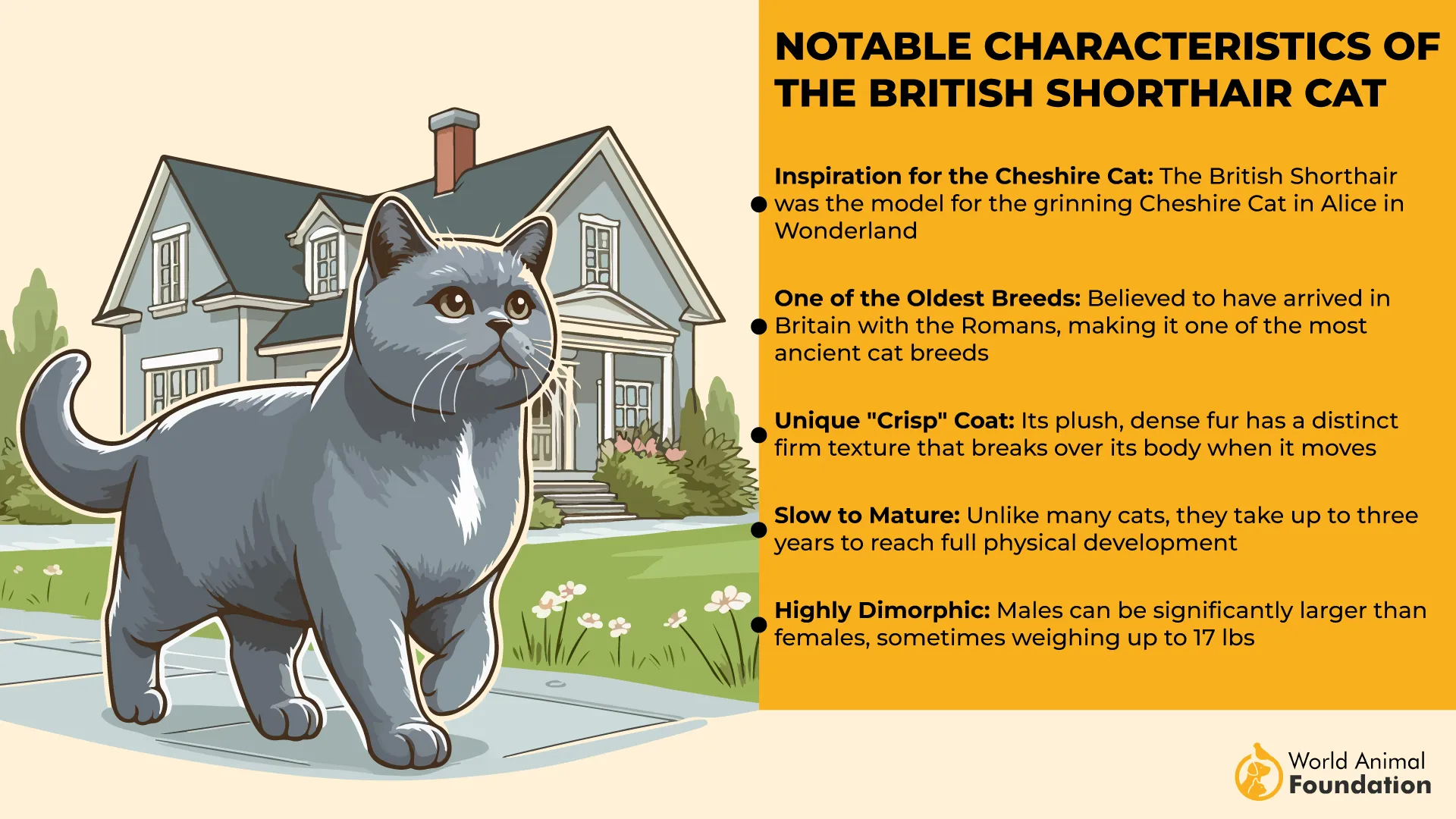
British Shorthairs are well known for their low exercise needs and unhurried lifestyle. While they enjoy attention, they aren’t clingy and are perfectly content lounging in sunny spots or resting nearby while their humans go about the day.
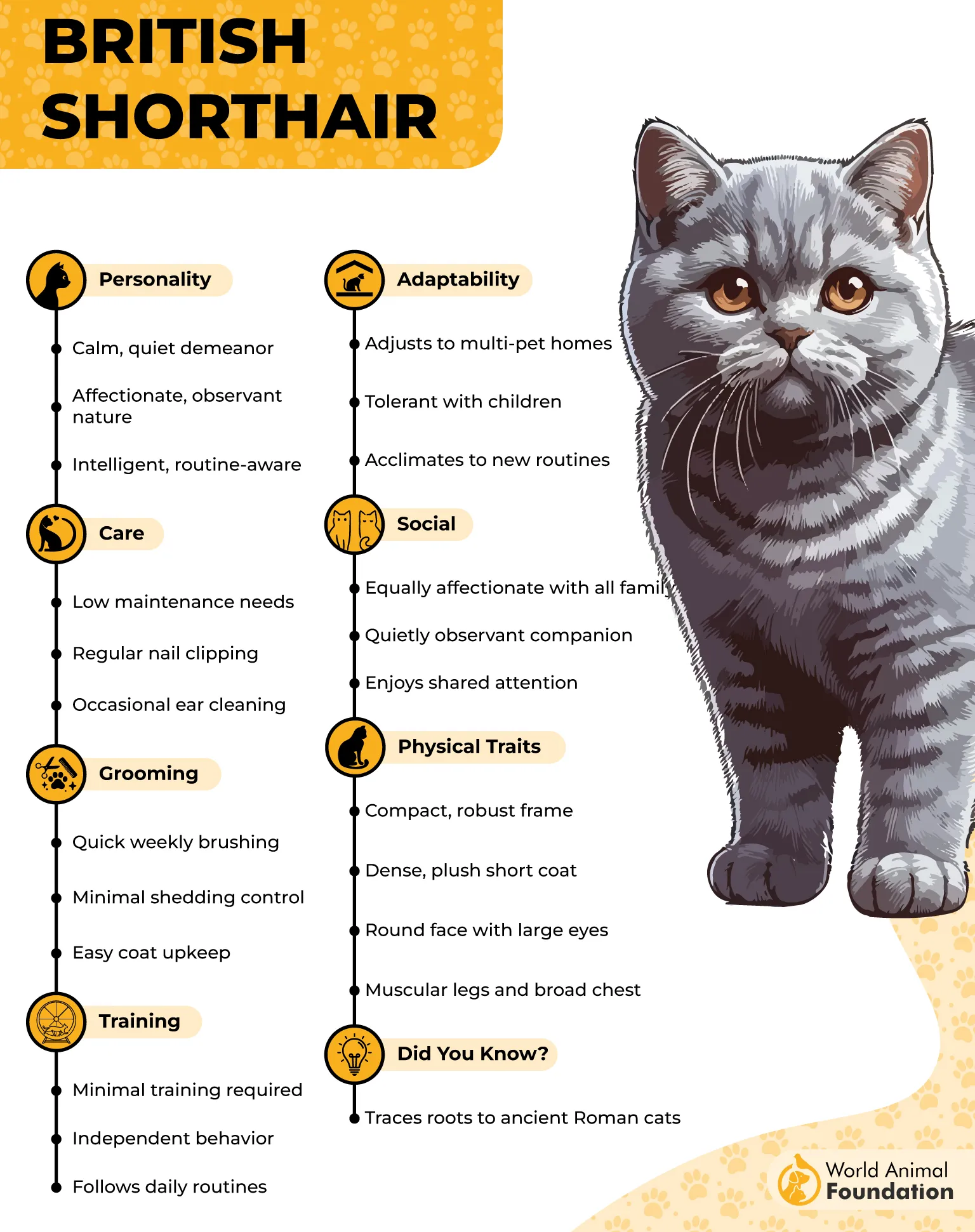
As low-activity cats, they display a composed and independent personality. Short play sessions suit them well, and they’re just as happy entertaining themselves as they are engaging briefly with toys or puzzles.
Their placid nature deepens with age, making them ideal companions for owners seeking a peaceful, low-maintenance cat. They prefer being close rather than constantly handled, reflecting a gentle affection that doesn’t demand constant stimulation.
Fact: British Shorthairs tend to become less active as they mature, often favoring rest over high-energy play.
4. Exotic shorthair
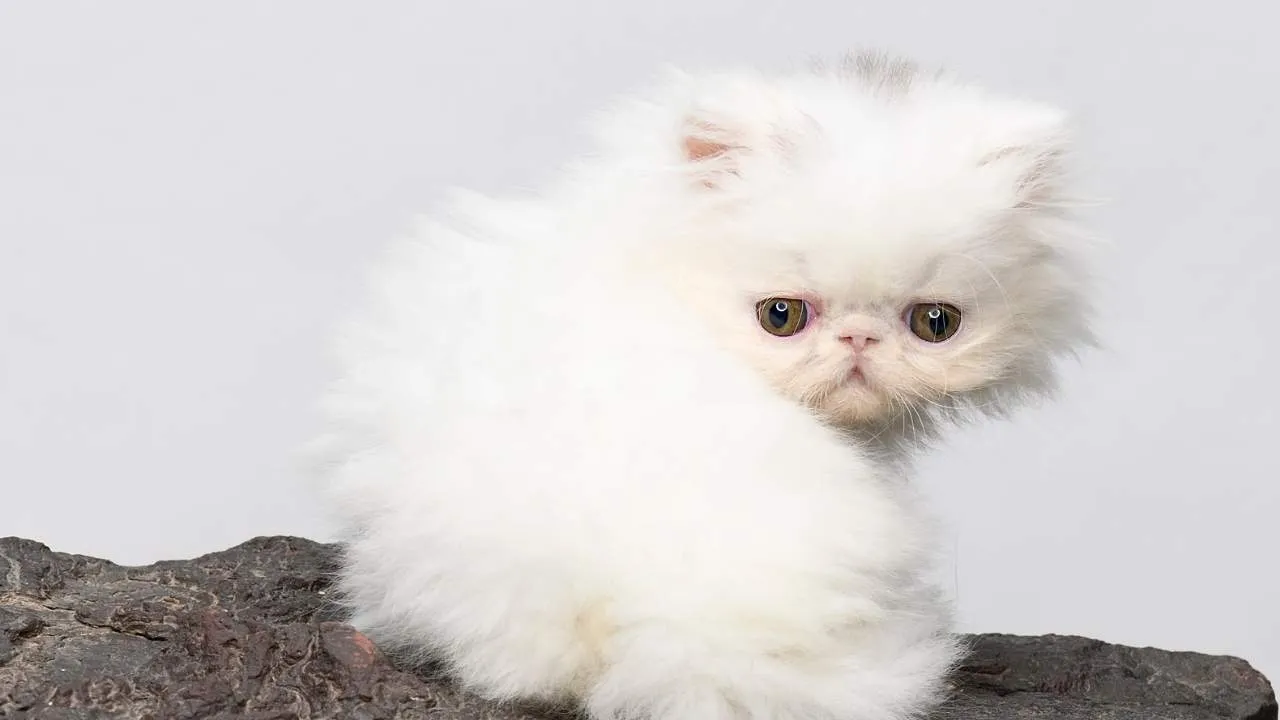
Often called the “Persian without the fuss,” the Exotic Shorthair—sometimes nicknamed the Exotic—was developed from Persian and American Shorthair lines. Its round face, plush short coat, and calm expression give it a teddy-bear look paired with an easygoing personality.
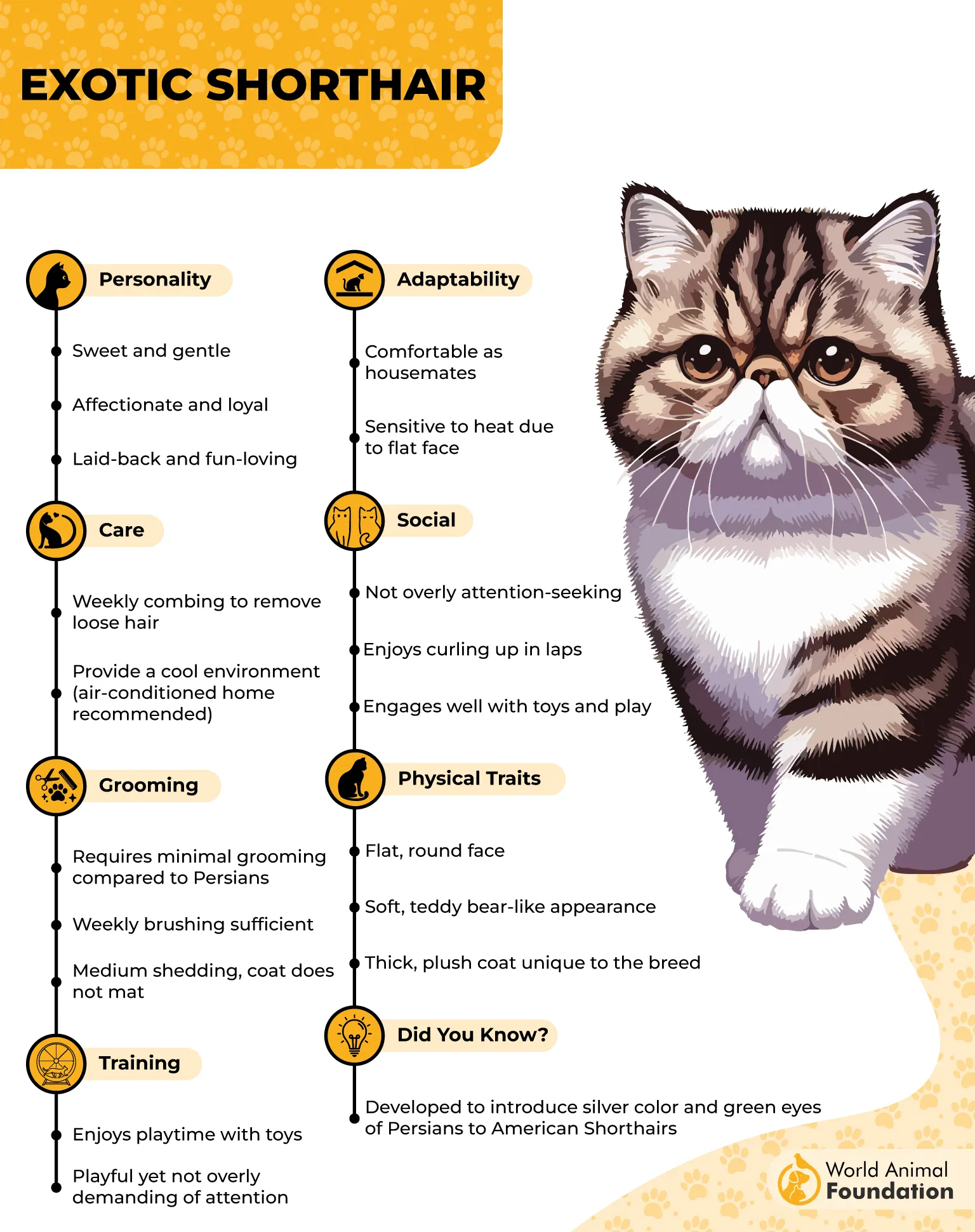
When it comes to low exercise needs, this breed truly shines. Exotic Shorthairs enjoy brief play sessions but prefer quiet companionship over constant activity, making them ideal for relaxed households. They’re content lounging nearby, watching their surroundings rather than racing around the home.
For apartment living, their mellow temperament is a major advantage. These cats are affectionate without being demanding, happily spending time curled up in laps or resting in cozy spots. Short interactive play keeps them healthy, but they don’t require high-energy routines.
Care is straightforward and well-suited to a low-key lifestyle. Weekly brushing, balanced nutrition, and gentle play are usually enough to keep them content and fit.
Fact: The Cat Fanciers’ Association describes the Exotic Shorthair as sweet, quiet, and especially fond of relaxing with its owners.
5. Birman
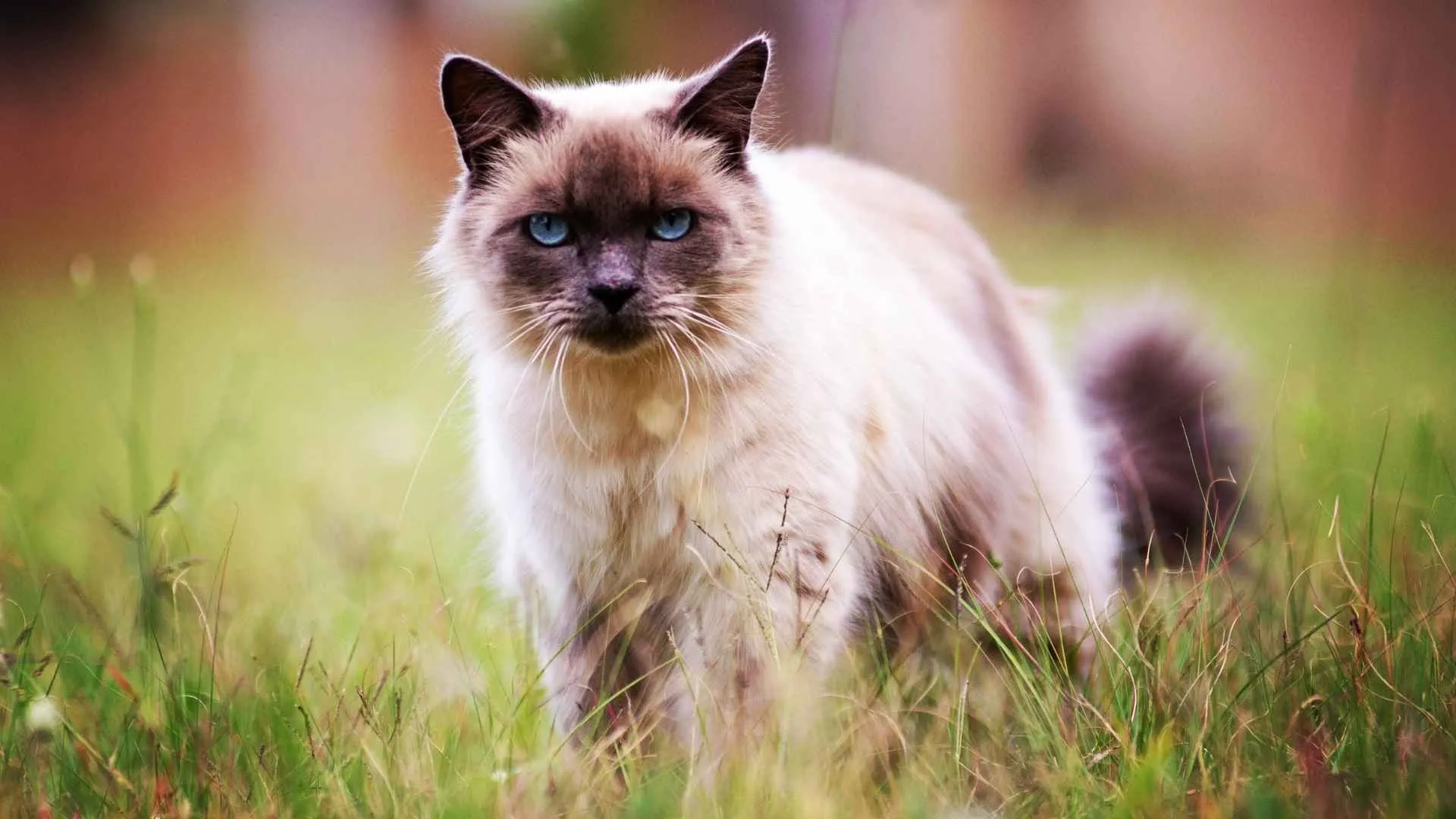
Also known as the Sacred Cat of Burma, the Birman is instantly recognizable by its silky color-point coat, striking blue eyes, and signature white “gloves.” Revered for its calm beauty and affectionate temperament, this breed has long been admired as a devoted companion.

Birmans are well-suited to homes that favor a slower pace. Unlike highly energetic cats, they enjoy short play sessions followed by long periods of rest, often choosing a warm lap over constant activity. This relaxed nature makes them ideal for owners seeking a low-exercise feline.
Because Birmans are less active, maintaining a healthy routine is important. Gentle daily play, portion control, and interactive toys help prevent weight gain while still respecting their laid-back personality. They thrive on companionship and should not be left alone for extended periods.
From a health perspective, their stocky build means owners should monitor diet and activity carefully. Regular vet visits help manage risks such as obesity or urinary issues, ensuring they stay comfortable and healthy well into adulthood.
Fact: All Birman cats have blue eyes and four distinct white paws, regardless of coat color.
6. Selkirk Rex
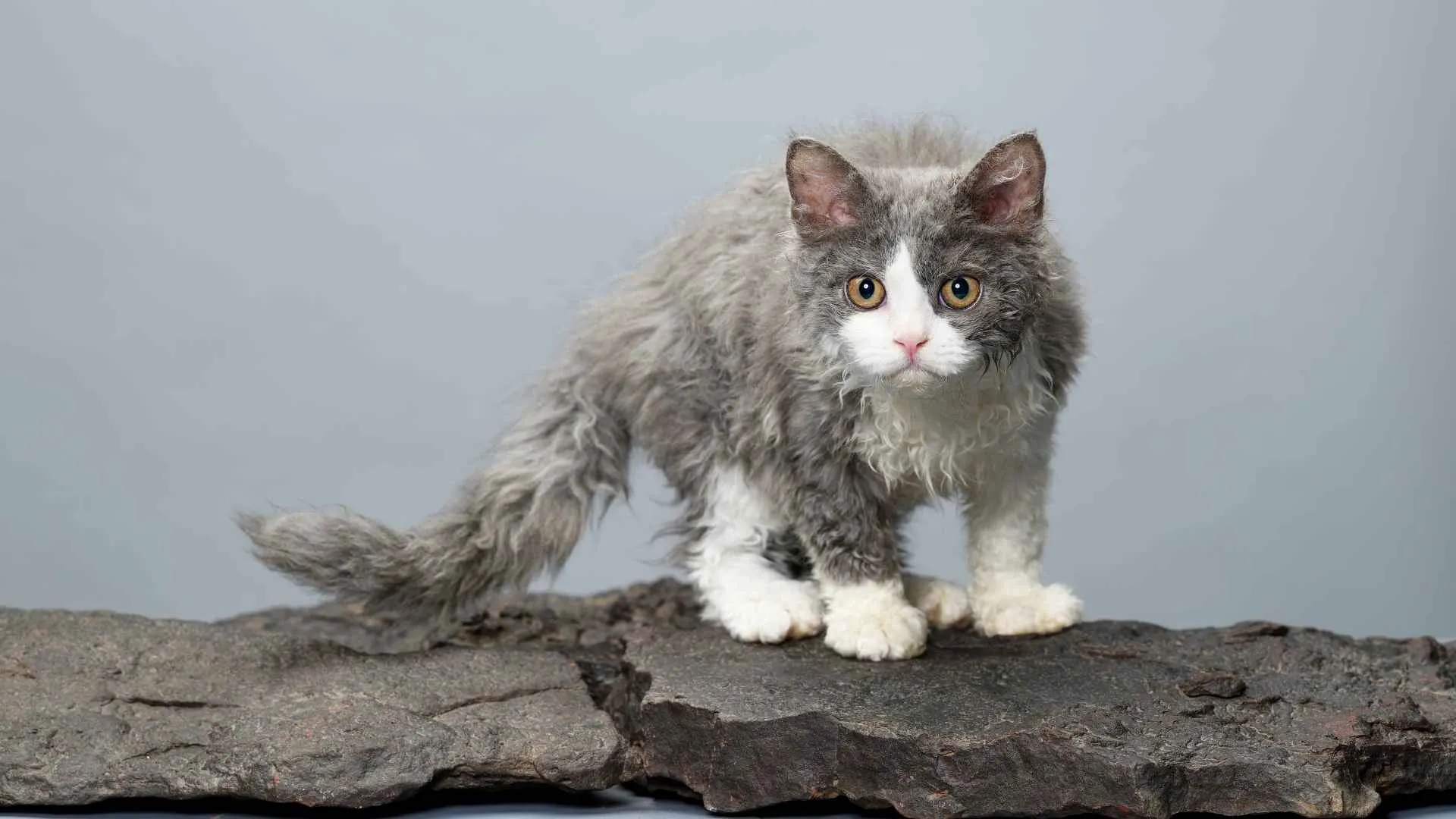
Often nicknamed the “cat in sheep’s clothing,” the Selkirk Rex is instantly recognizable for its plush, curly coat and round features. Originating in the United States, this breed stands apart from other Rex cats thanks to its sturdy build and exceptionally calm, affectionate nature.
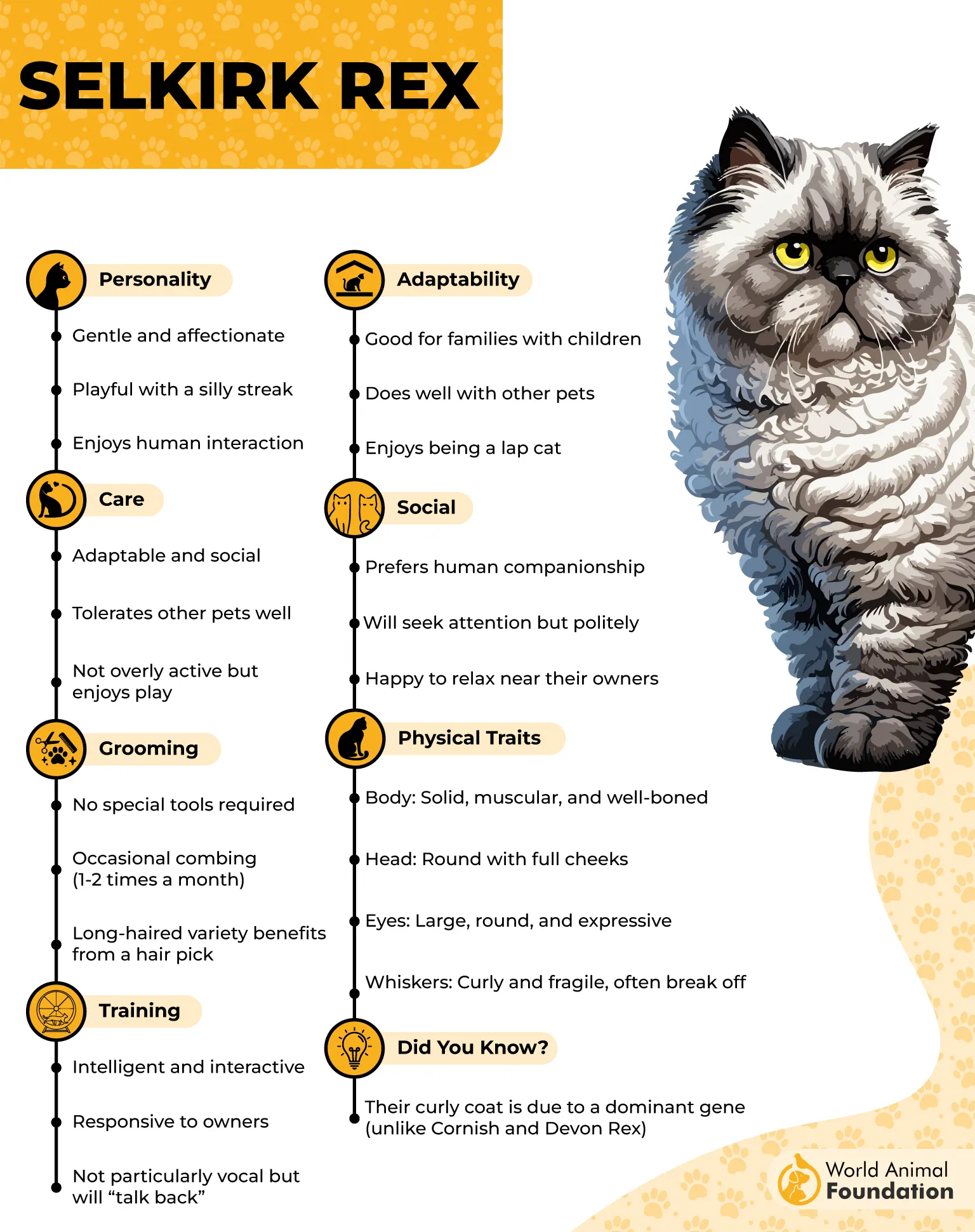
When it comes to activity level, the Selkirk Rex is wonderfully low-key. They enjoy short play sessions but are far more interested in lounging nearby or curling up on a lap, making them ideal for owners seeking a relaxed companion rather than a high-energy climber.
Because they’re not overly active, preventing weight gain is an important consideration. Gentle daily play, controlled portions, and puzzle feeders can help keep this easygoing breed fit without forcing intense exercise they don’t naturally crave.
Their tolerant personality also means they’re less demanding and less vocal than many breeds, reducing stress-related overeating. Maintaining a consistent routine, balanced meals, and occasional interactive play supports both their health and laid-back lifestyle.
Fact: Selkirk Rex cats come in both short- and long-haired varieties, all with their signature curly coats.
7. Himalayan
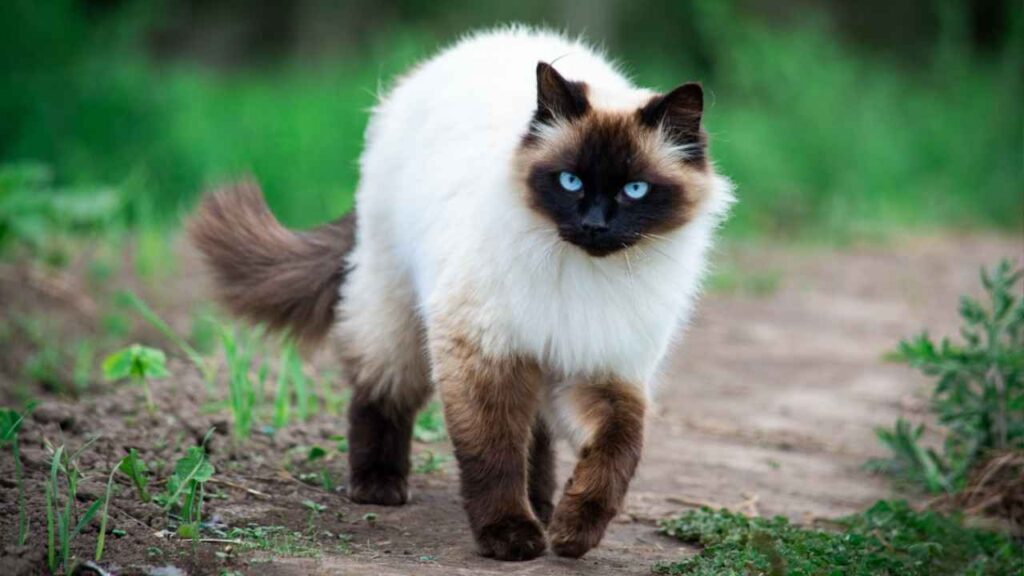
Also known as the Colorpoint Persian, the Himalayan is a graceful blend of Persian elegance and Siamese coloring. This long-haired beauty is instantly recognizable by its plush coat, round face, and striking point coloration on the ears, face, paws, and tail.
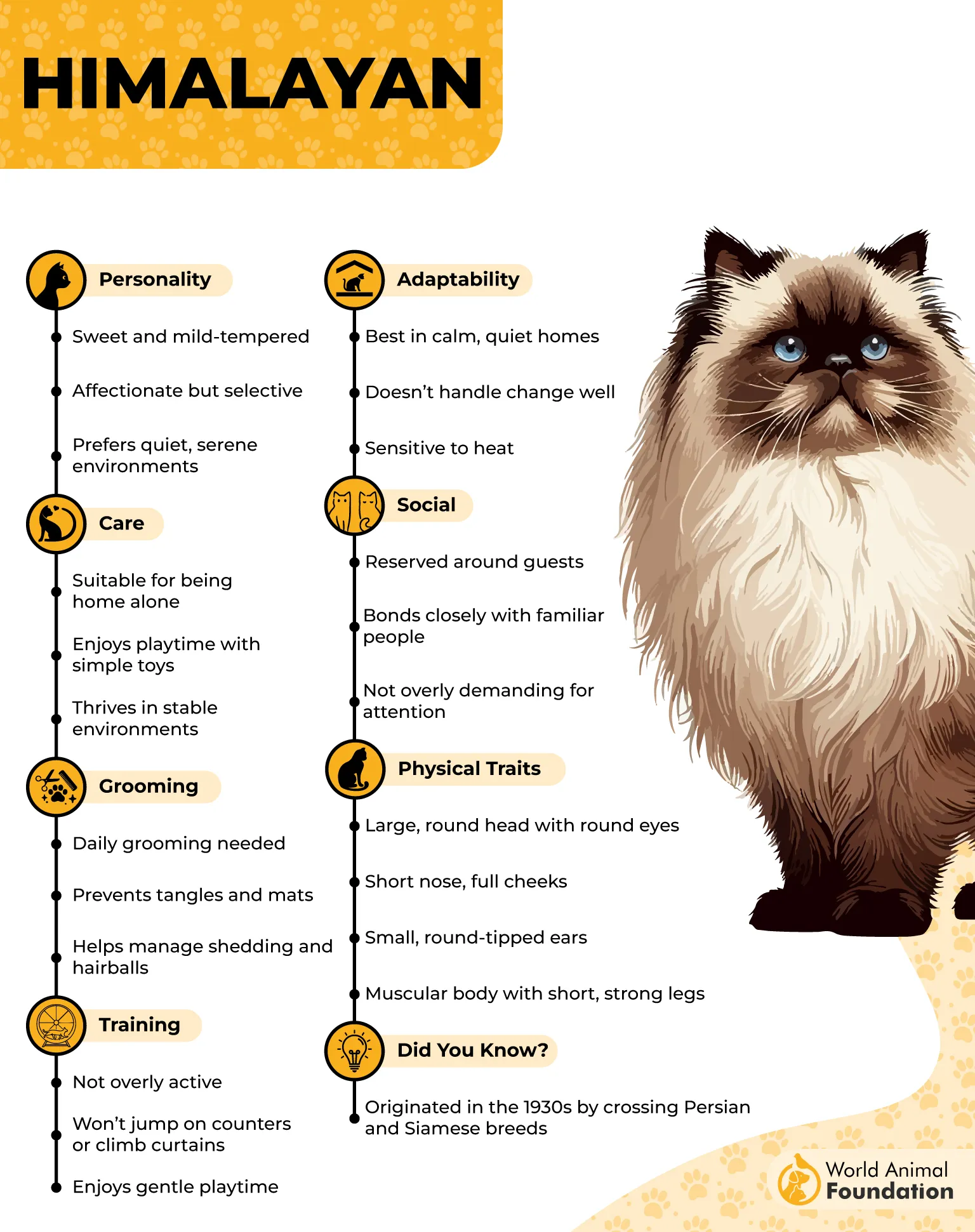
True to its calm reputation, the Himalayan is a low-energy cat that prefers serenity over constant activity. Rather than racing around the house, it enjoys brief, gentle play sessions followed by long stretches of relaxation, making it ideal for quieter households and indoor living.
Mental stimulation for this laid-back breed doesn’t require intense exercise. Simple puzzle toys, soft interactive play, and window perches provide enough engagement to keep their minds active without disrupting their relaxed routine. They thrive on predictable environments and gentle interaction.
Affection is where the Himalayan truly shines. These cats form deep bonds with their owners and are happiest lounging beside them, soaking up attention and companionship.
Fact: The Himalayan is known for its gentle, mellow temperament and is content spending most of its day resting indoors.
8. American Shorthair

Also known as the ASH, the American Shorthair is a classic companion cat admired for its rounded face, short ears, and calm, adaptable personality. Originally working barn cats, they’ve transitioned beautifully into relaxed, indoor-friendly pets.
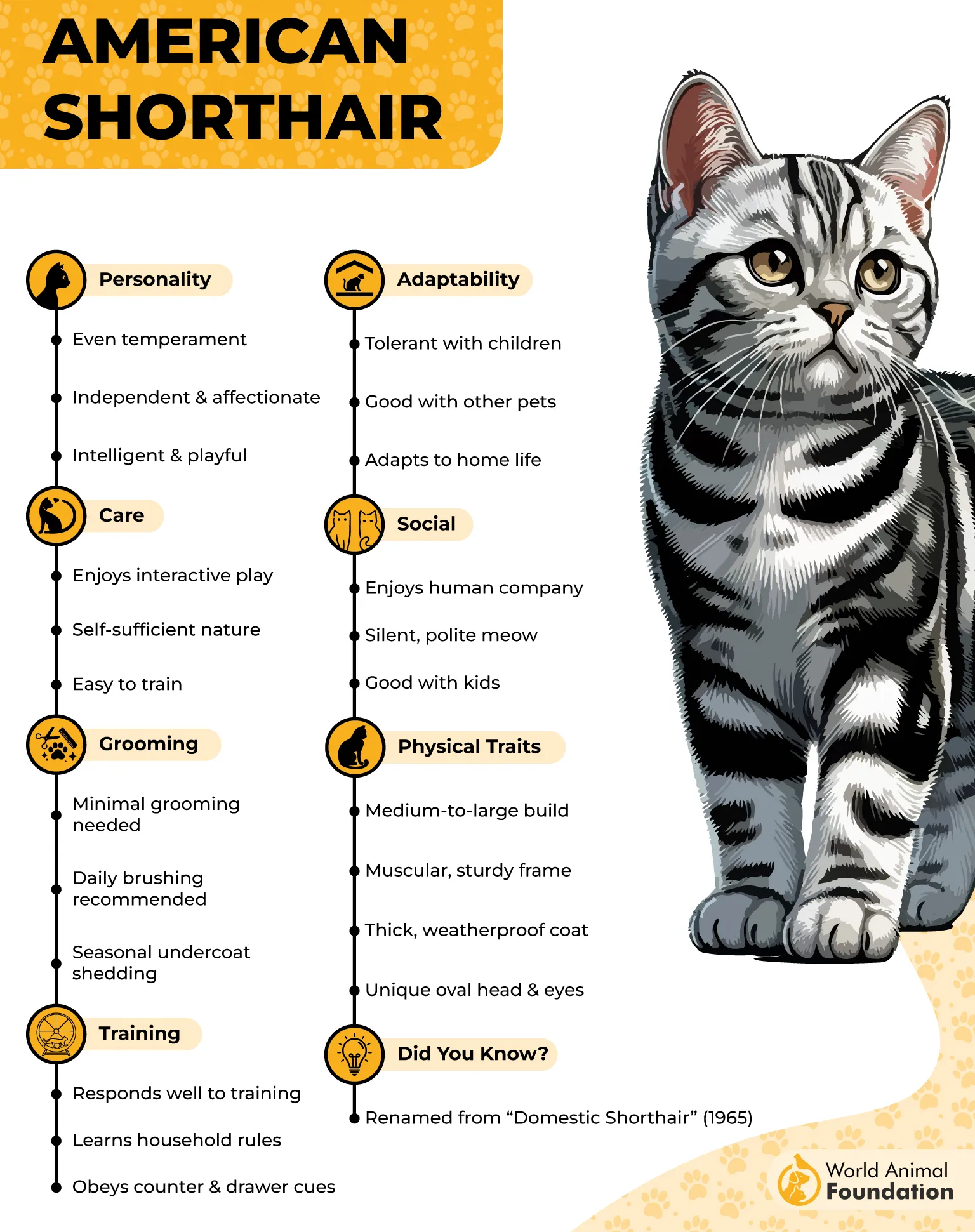
When it comes to low exercise needs, this breed truly shines. American Shorthairs enjoy short play sessions but are just as content quietly observing their surroundings or lounging near their favorite people without demanding constant stimulation.
They thrive in stable indoor environments where routine and comfort matter more than high-energy activity. Apartments, family homes, and quieter households suit them well, especially when cozy resting spots and window views are available.
Because of their naturally laid-back lifestyle, owners should encourage light daily movement to support overall wellness.
Fact: Due to limited activity levels, American Shorthairs can be prone to weight gain if their exercise and diet aren’t gently managed.
9. Russian Blue
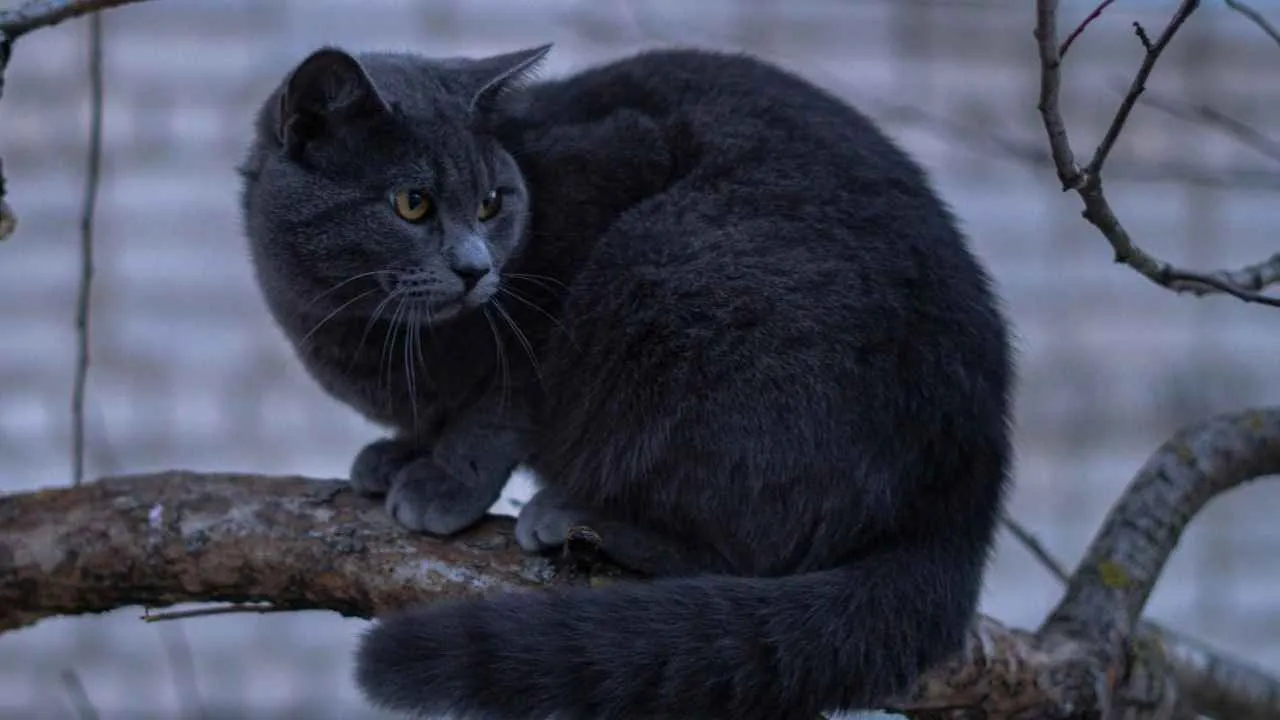
Also known as the Archangel Blue, the Russian Blue is a naturally occurring breed admired for its plush blue-gray coat and luminous green eyes. Calm, elegant, and reserved, this cat is well-suited to quiet homes that value routine and tranquility.
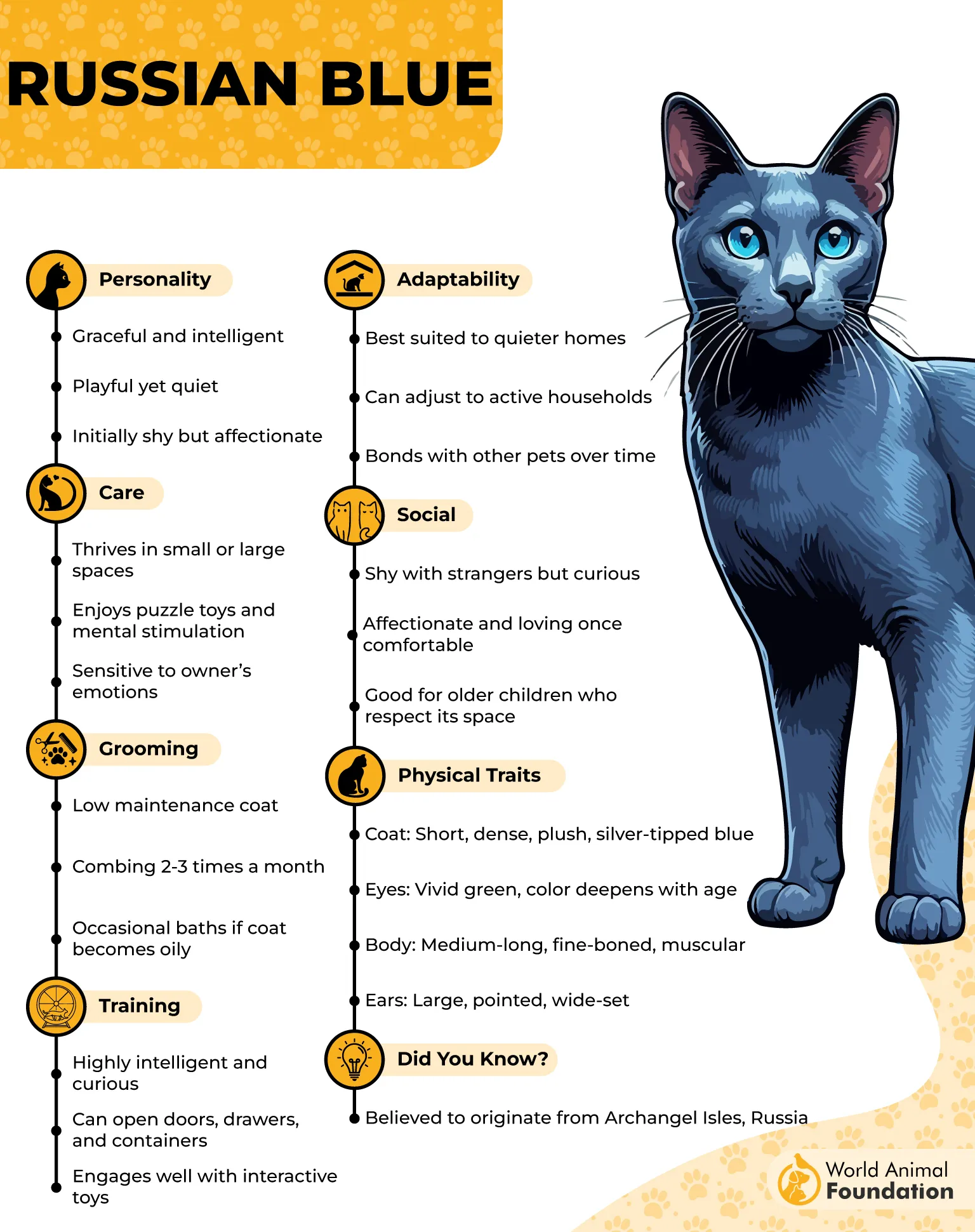
When it comes to low exercise needs, the Russian Blue truly shines. Rather than demanding constant activity, it prefers short, gentle play sessions followed by long periods of rest. This makes it an excellent match for apartment living or owners who enjoy a slower daily rhythm.
Despite its relaxed nature, the breed is emotionally attentive and enjoys staying close to its favorite person. Russian Blues often follow their owners from room to room, content to observe rather than participate, and are perfectly comfortable relaxing alone when left for the day.
For anyone choosing a low-energy cat, the Russian Blue offers the ideal balance of independence and affection. Its quiet demeanor, minimal space requirements, and preference for calm environments make it easy to integrate into a laid-back lifestyle.
Fact: Russian Blue cats are a naturally occurring breed with an average lifespan of 15–20 years.
Conclusion
Choosing cat breeds with low exercise needs can make pet ownership far more enjoyable for people with busy schedules or a preference for a calm indoor life. These laid-back cats suit apartments, quieter homes, and cat lovers who want a furry friend that’s not overly demanding.
From gentle giants like the Maine Coon to relaxed companions such as the Scottish Fold, each specific breed brings a unique cat’s personality that fits well with limited activity. Many of these cats are incredibly independent, happy spending time in the same room as their cat’s person without constant play.
Compared to other cat breeds, these relaxed felines adapt well to living with other pets and even an older cat. While different breeds vary in grooming needs, keeping coats healthy through daily grooming and simple cat care helps prevent pent-up energy.
The right low-energy cat proves that a calm companion can still form a deep bond without needing nonstop exercise.
