




Some cat breeds carry more than just distinctive looks—they carry centuries of carefully preserved heritage. In this article, we’ll explore seven cat breeds with isolated genetic lines, tracing how their histories, homelands, and limited breeding pools have shaped the cats we admire today.
But what are isolated genetic lines in cats? Simply put, they develop when a breed originates in a specific region and remains relatively untouched by outside breeding. Over time, this limited gene pool preserves certain physical traits and temperaments.
Geographic isolation plays a powerful role in shaping cat breeds. When populations are separated—by mountains, islands, or cultural traditions—their traits become refined and consistent.
However, limited gene pools also matter in breeding because they can both protect a breed’s authenticity and require thoughtful management to maintain long-term health and genetic diversity.
Cat Breeds with Isolated Genetic Lines
1. Korat
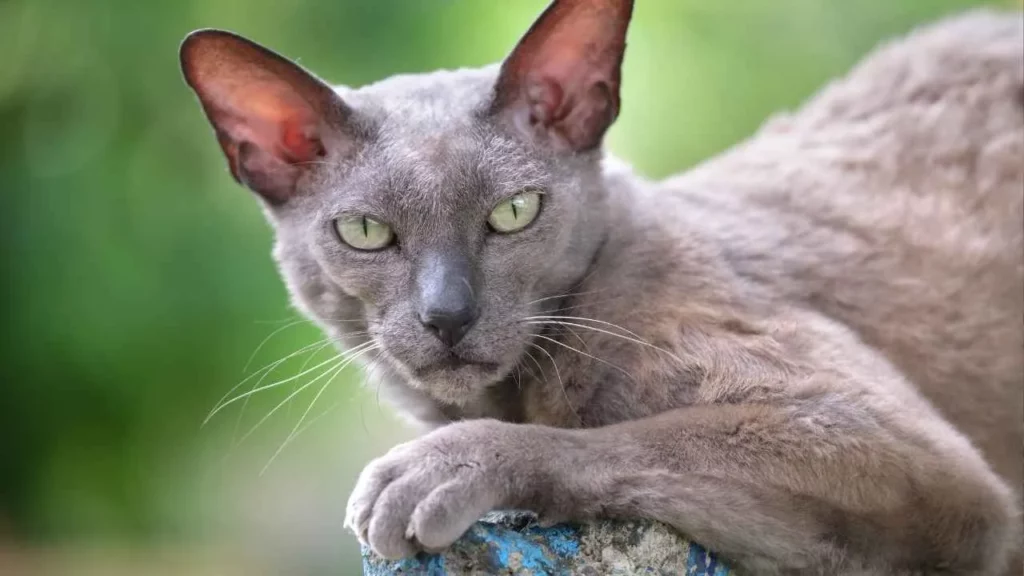
According to Britannica, the Korat is a short-haired cat breed recognized as one of the oldest natural breeds and is traditionally believed to bring good luck to its owner.
The Korat, also known in Thailand as Si-Sawat—meaning greyish-blue and symbolizing prosperity—originated in the Korat province of northeastern Thailand. Prized for its silver-tipped blue coat and luminous green eyes, this rare breed has long been cherished as a national treasure and traditional good-luck wedding gift.
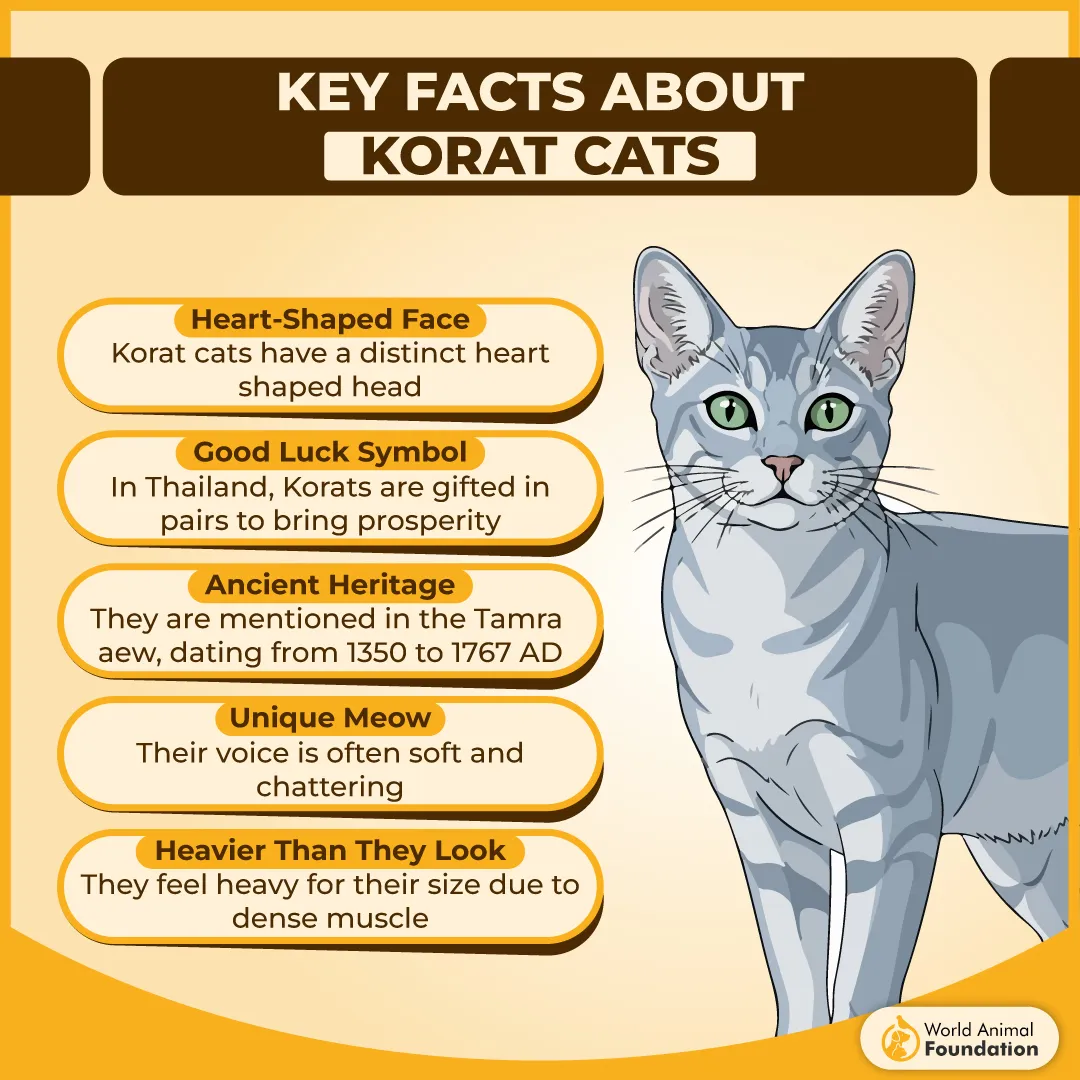
Shaped by geographic isolation, the Korat developed in a region of granite outcrops where its shimmering coat blended naturally with the landscape. Because the breed remained largely untouched by outside influences, today’s Korats closely resemble their ancient Thai ancestors.
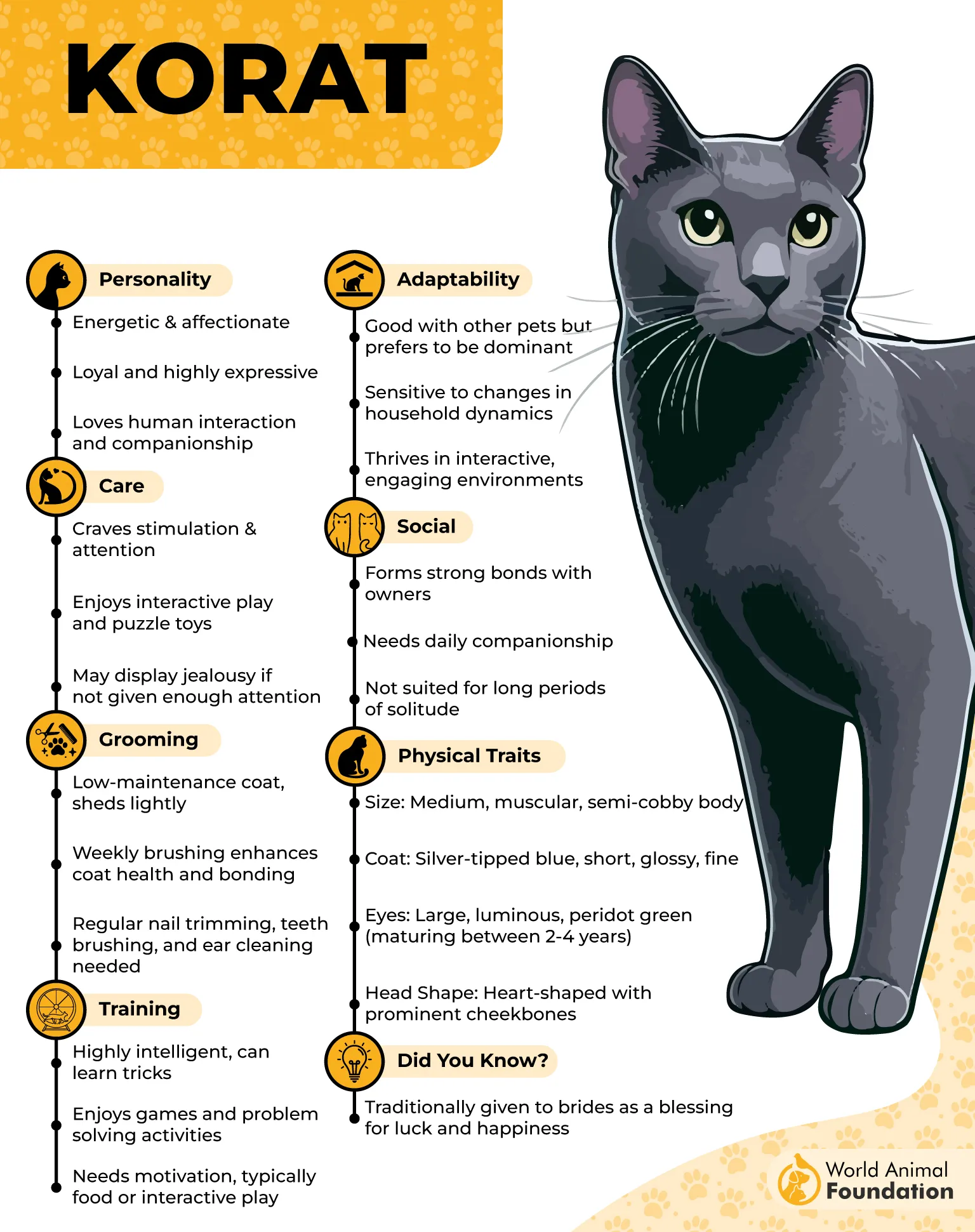
This limited gene pool helped preserve the Korat’s distinct appearance and expressive, people-oriented temperament. However, careful breeding is essential, as isolation has also meant monitoring inherited conditions such as GM1 gangliosidosis through responsible screening.
Highly intelligent and deeply bonded to their families, Korats demand interaction and mental stimulation. Notably, the earliest known record of the breed appears in Thailand’s “Cat-Book of Poems,” dating back to the Ayudhya period (1350–1767).
2. Siberian
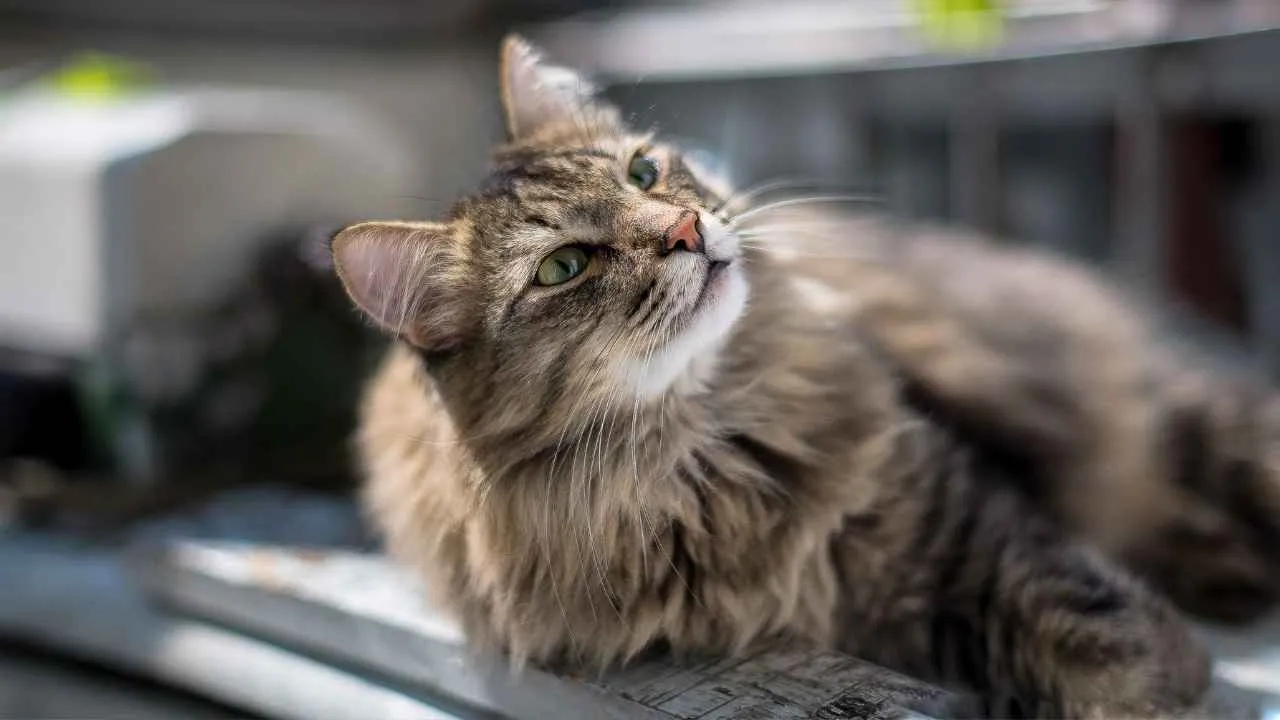
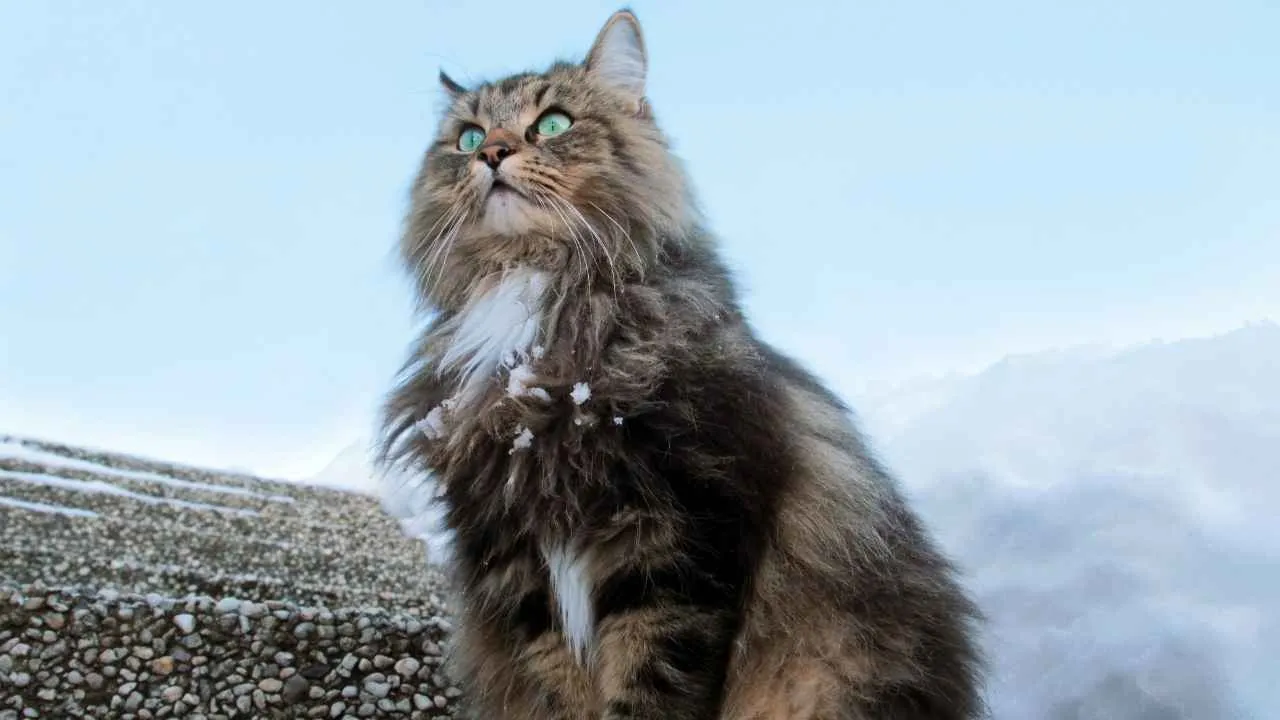
According to PetMD, the Siberian cat’s fluffy tail, distinctive triple-layered coat, and pronounced neck ruff make it well equipped to withstand the cold winters of its native homeland.
The Siberian, formally known as the Siberian Forest Cat and once called the Moscow Semi-Longhair or Russian Longhair, is Russia’s national cat. Recognized for its dense, semi-long waterproof coat and powerful build, this ancient landrace developed naturally in the harsh climates of Siberia and Northern Russia.
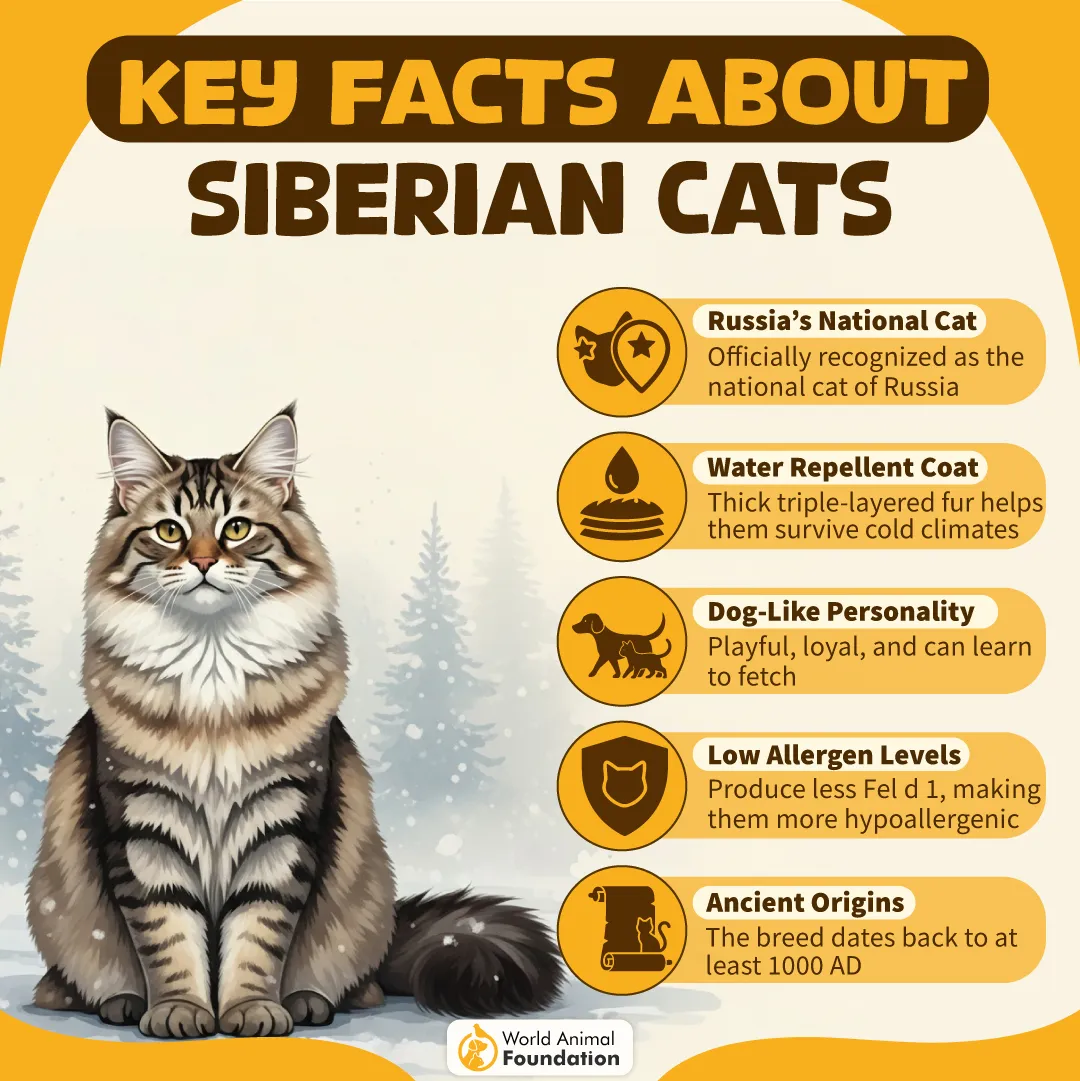
Originating from isolated Russian regions, the Siberian evolved with minimal outside influence, allowing its genetic identity to remain remarkably consistent. Its early development in remote areas helped preserve traits suited for extreme cold, including a thick double undercoat and bushy tail.
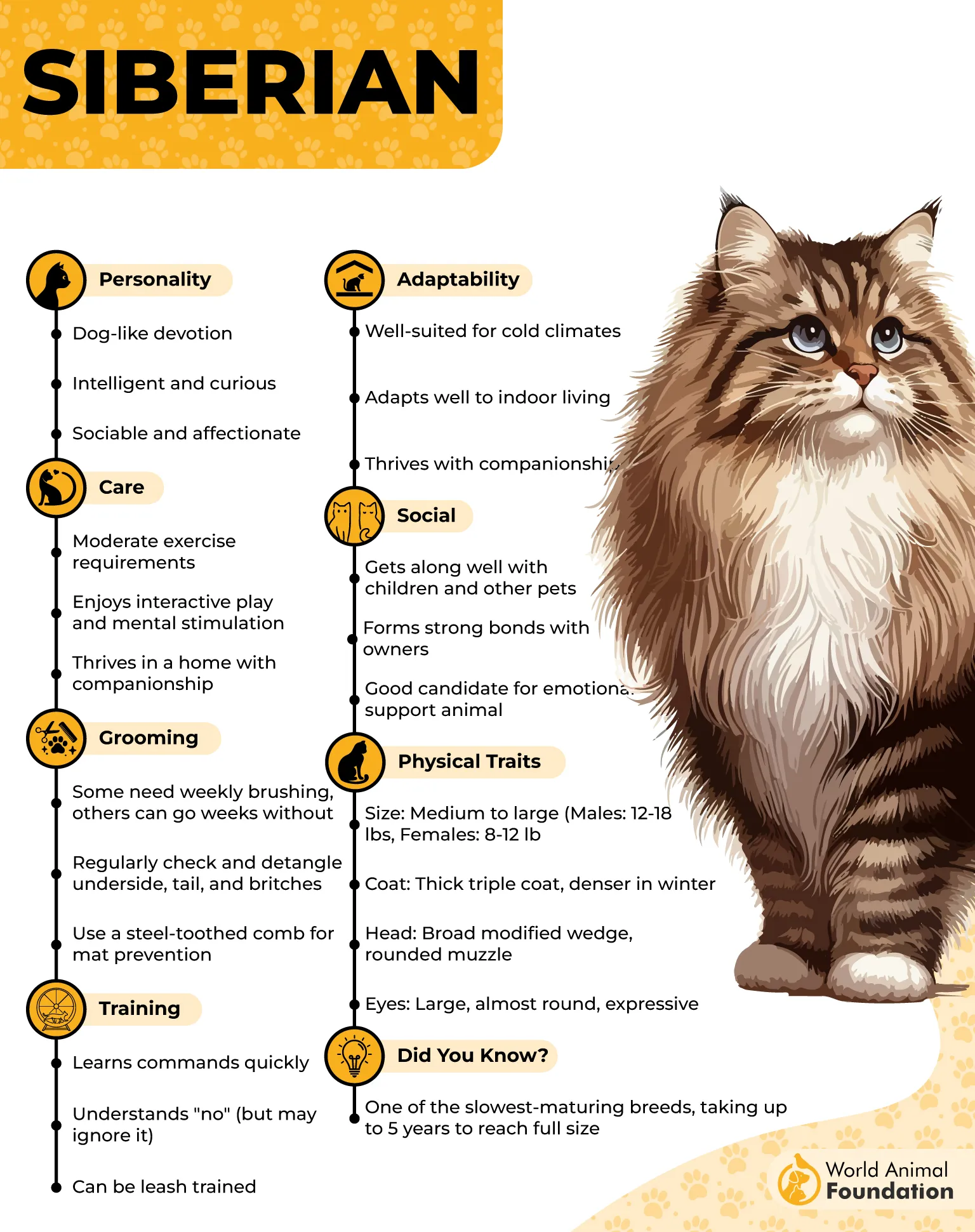
Although once a natural landrace, the breed has been selectively bred under formal standards since the late 1980s. All registered Siberians today have documented pedigrees, reflecting careful breeding practices that maintain the integrity of this historically distinct gene pool.
Often considered hypoallergenic, the Siberian is known to produce lower levels of the Fel d 1 allergen than many other breeds. Interestingly, research on native Russian Siberians confirmed they produce less Fel d 1 compared to non-Siberian cats.
3. Norwegian Forest Cat
According to WebMD, Norwegian Forest Cats are described as sociable and playful in temperament and capable of adapting to a variety of environments.
The Norwegian Forest Cat, often called the “Wegie” or historically referred to as “Skogkatt” and even “Huldrekatt,” is a natural Scandinavian breed shaped by centuries of survival. With its thick, water-resistant coat, tufted ears, and sturdy frame, this forest-dwelling feline carries a look steeped in Norse legend.
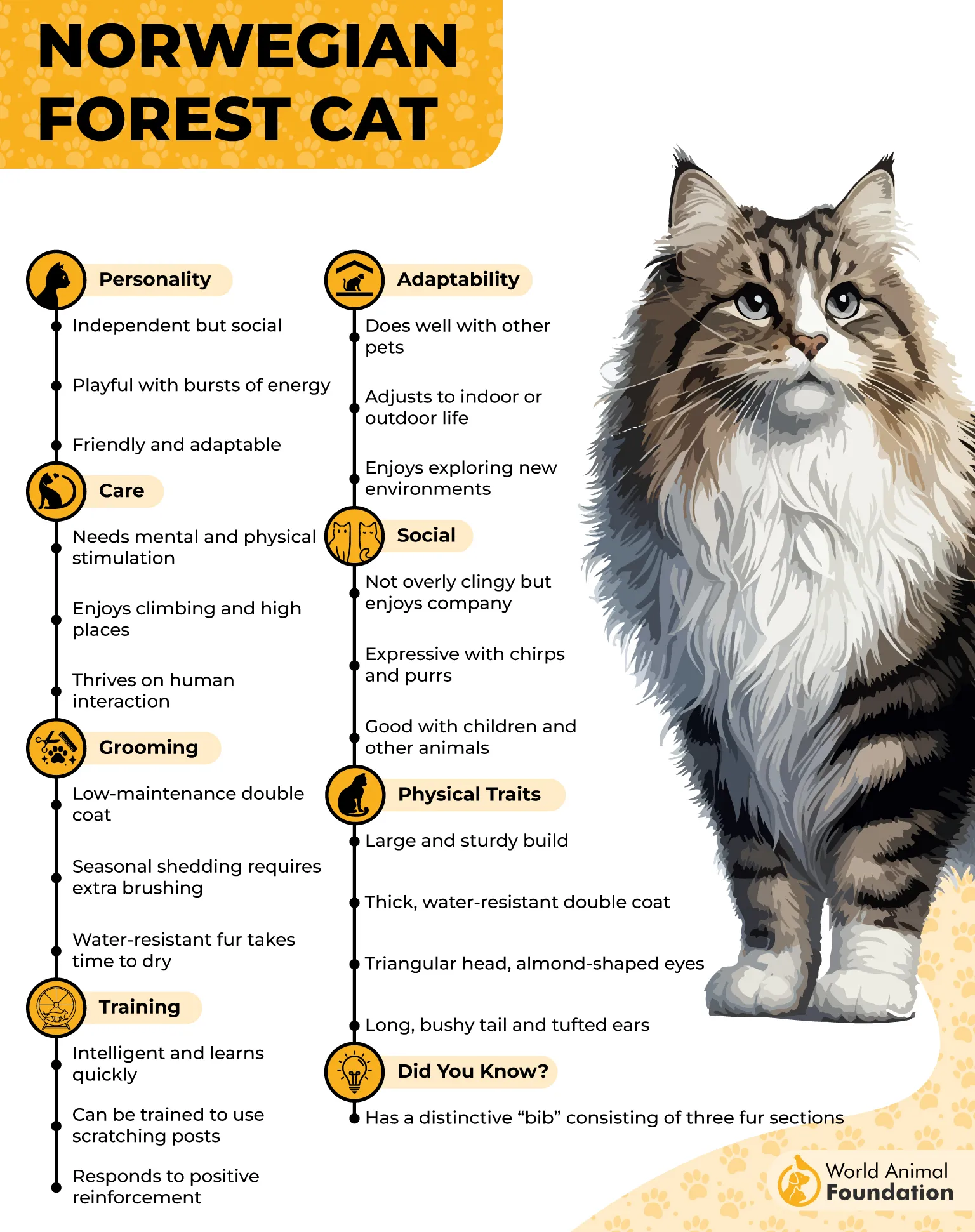
Unlike many modern pedigrees, the Norwegian Forest Cat developed largely through natural selection in Norway’s rugged landscape. Geographic isolation in remote farms and coastal villages helped preserve its hardy build and dense coat, creating a relatively distinct genetic line over generations.
Viking trade routes may have introduced outside cats centuries ago, but once established in Scandinavia, the population adapted to harsh winters and limited outside influence. This environmental separation refined traits suited for climbing, hunting, and enduring cold climates.
Recognized as Norway’s official cat in the 1970s and brought to the U.S. in 1979, the breed achieved CFA championship status in 1993. Interestingly, Norse mythology describes giant forest cats pulling the goddess Freya’s chariot.
4. Japanese Bobtail
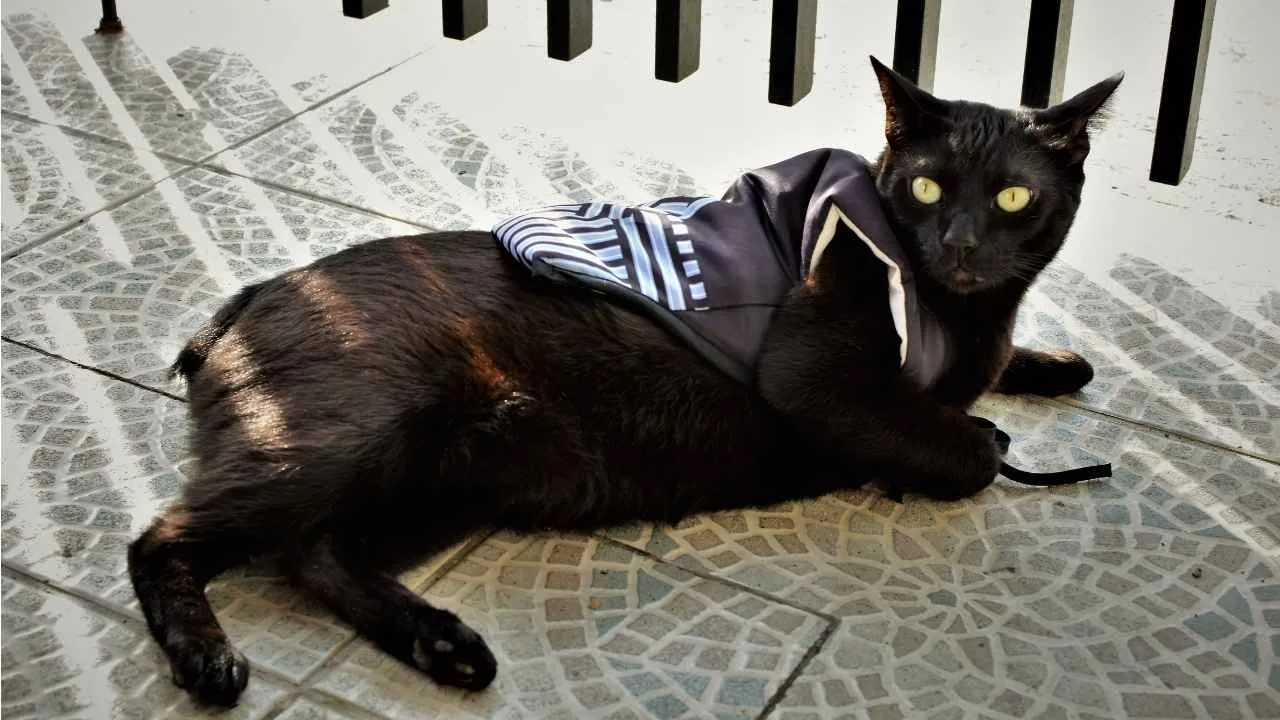
The Japanese Bobtail, sometimes simply called the Bobtail, is one of the oldest natural cat breeds, native to Japan and Southeast Asia. Instantly recognizable by its rabbit-like tail, this lively feline appears in centuries-old art and folklore as a symbol of luck and prosperity.
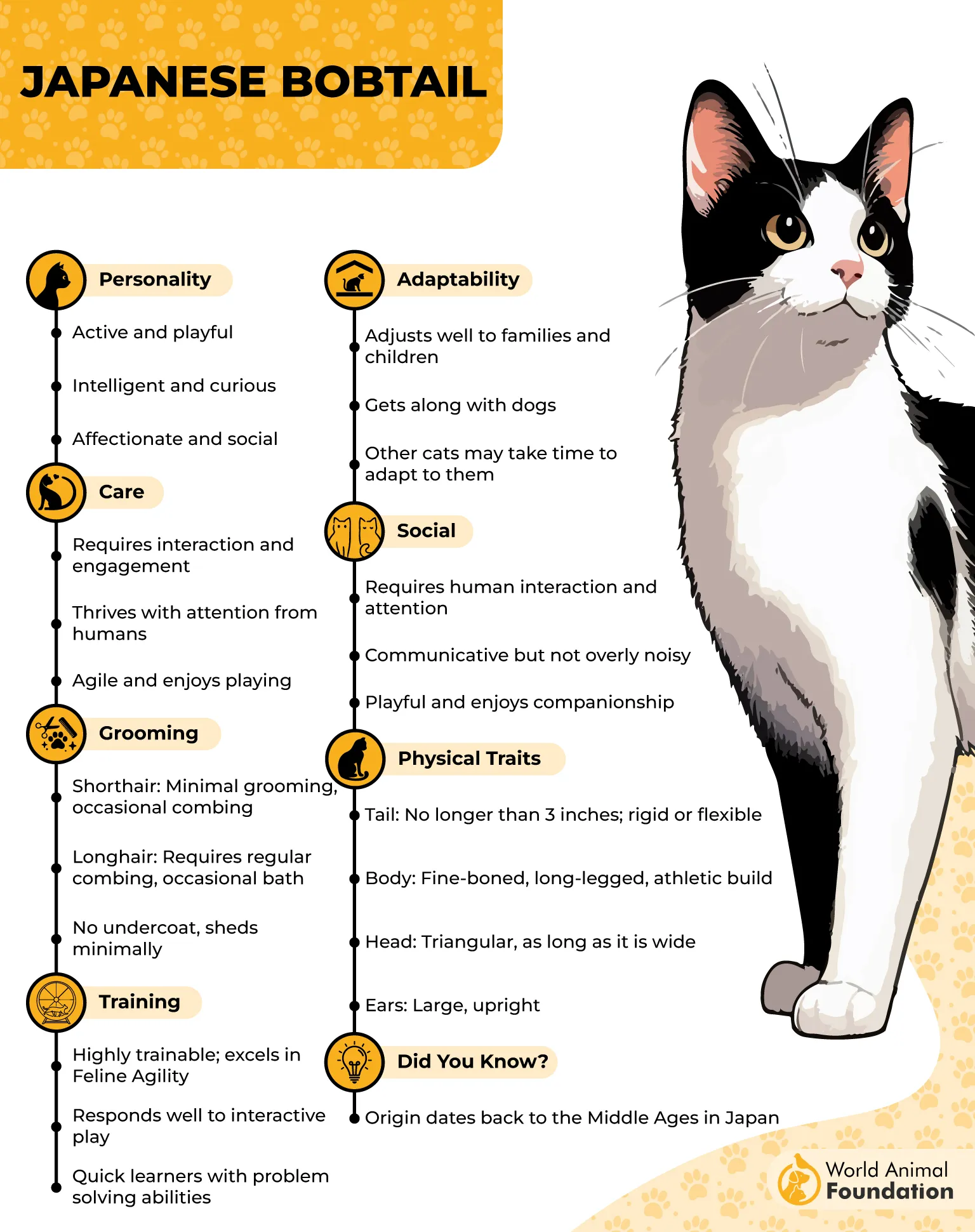
For generations, the Japanese Bobtail developed within a relatively contained geographic area, helping preserve its distinctive short tail and refined features. This regional continuity contributed to a stable genetic identity shaped more by history than by heavy modern alteration.
Because its breeding population remained concentrated in Japan for centuries, the gene pool stayed comparatively narrow. Such isolation helped maintain signature traits—like the pom-pom tail and commonly seen white coat with colored patches—while keeping the breed visually consistent.
Though now recognized worldwide, the Japanese Bobtail remains closely tied to its cultural roots. Notably, the iconic “beckoning cat” statue with one raised paw is modeled after this historic and regionally treasured breed.
5. Turkish Van
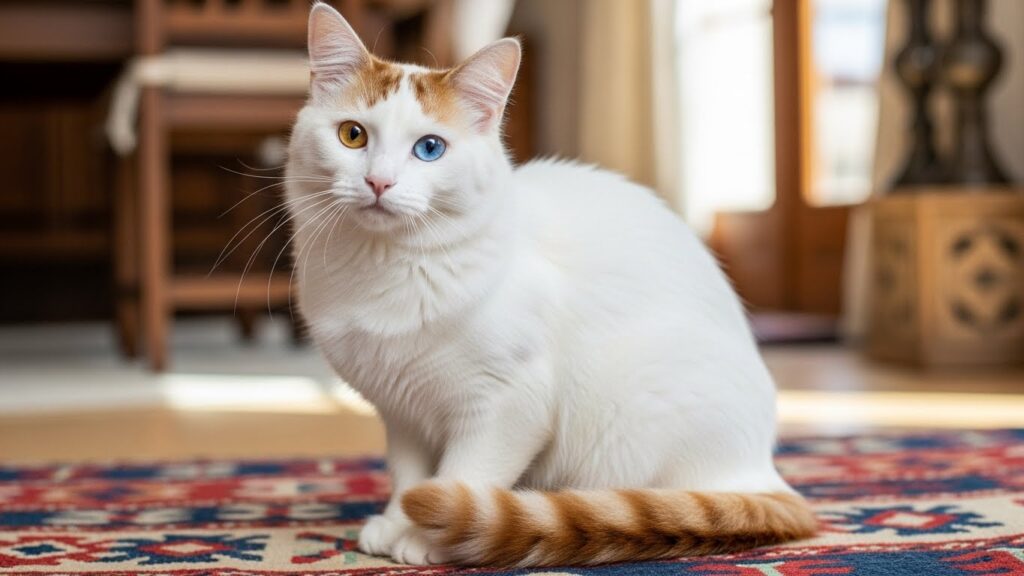
The Turkish Van, sometimes called the “Van Cat,” traces its roots to the Lake Van region of Turkey and the surrounding areas of central and southwest Asia. Recognized for its chalk-white body, colored head markings, and long, plumed tail, this striking breed is also known for its powerful hind legs and water-loving reputation.
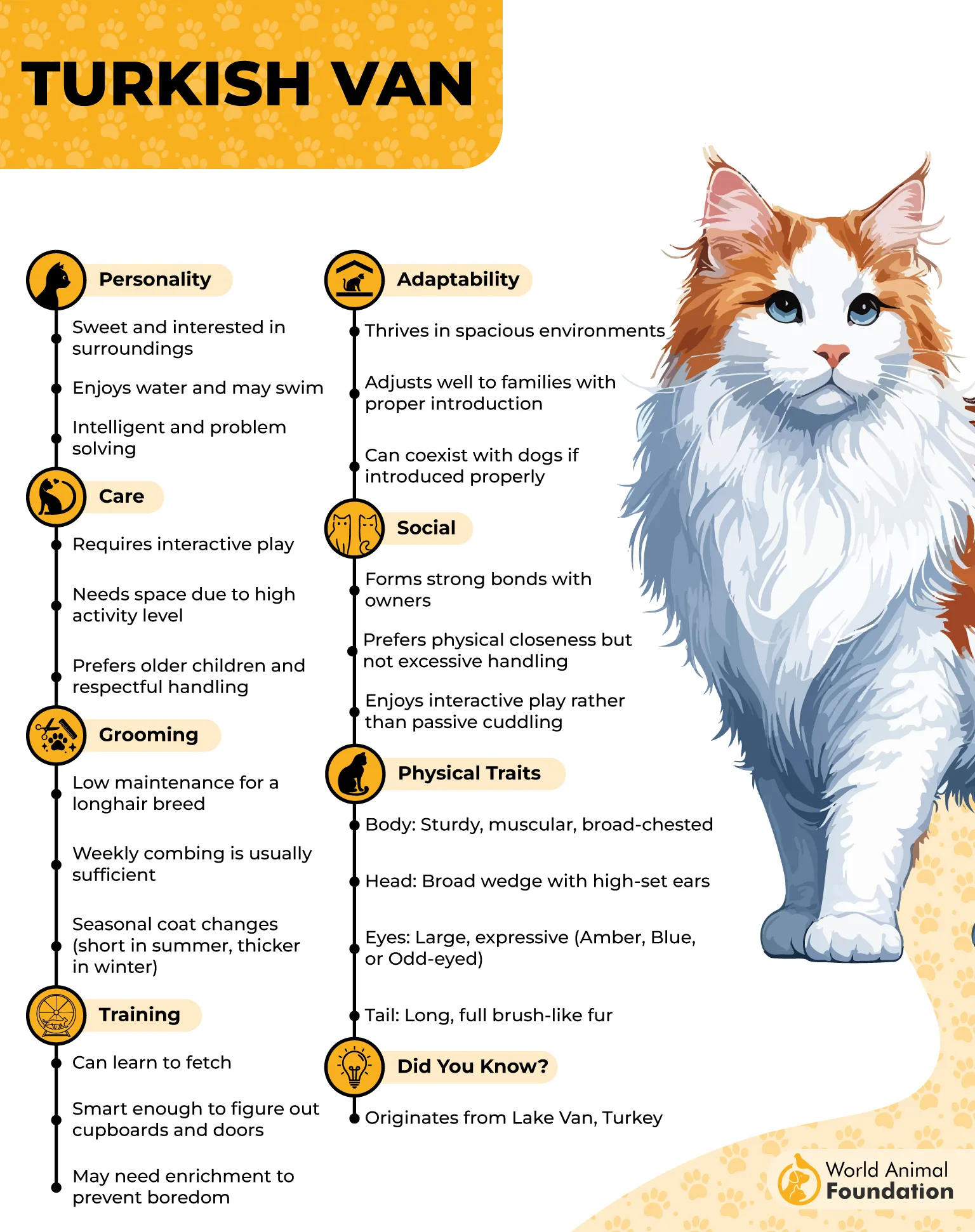
Considered an ancient natural breed, the Turkish Van developed in relative geographic isolation near Lake Van. This separation helped preserve its distinctive coat pattern and athletic build, limiting outside influence for centuries.
Modern breeding began in 1955 when a pair was brought to the United Kingdom, where kittens with consistent markings established the foundation line. Carefully managed imports later expanded the gene pool while maintaining the breed’s original characteristics.
Highly intelligent and interactive, Turkish Vans are vocal, playful companions who enjoy closeness on their own terms. Notably, the breed did not achieve official recognition in the United Kingdom until 1969, despite its much older regional history.
6. Cyprus Cat
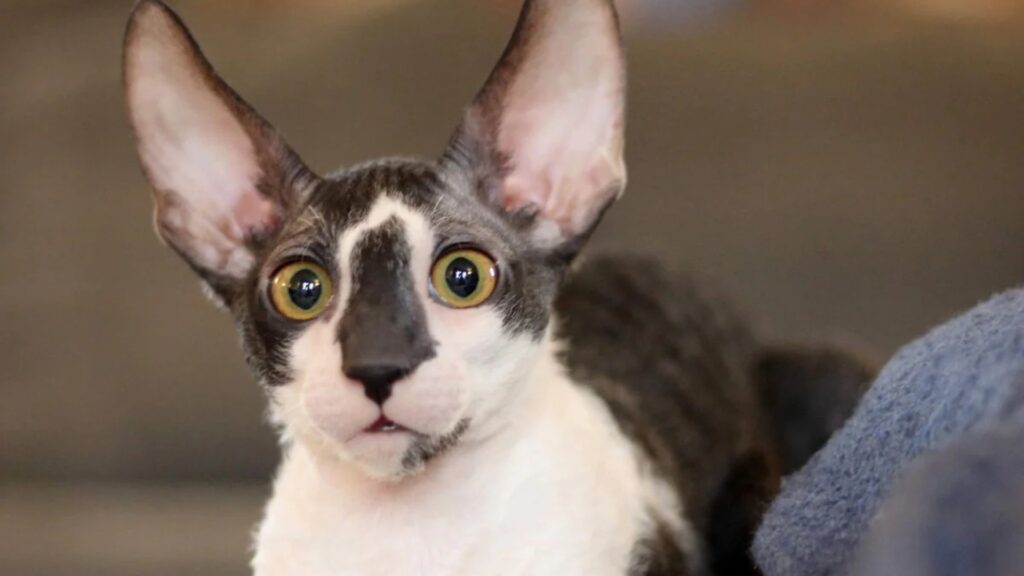
The Cyprus Cat, also known as the Aphrodite Cat or Cyprus Shorthair, is a naturally developed breed from the island of Cyprus. Shaped by centuries of geographic separation, this hardy feline evolved with minimal outside influence, resulting in a distinct regional type closely tied to its Mediterranean homeland.
Island life played a major role in refining the Cyprus Cat’s genetic line. With limited outside breeding and a clearly defined territory, the population developed traits suited to the local climate and landscape, preserving its natural characteristics over generations.
Like many territorially attached cats, this breed forms strong bonds with familiar surroundings and can be cautious in unfamiliar environments. Geographic isolation helped stabilize its physical and behavioral traits, but it also means careful breeding practices are essential to maintain long-term health.
Naturally curious and athletic, Cyprus Cats require safe spaces, vertical retreats, and secure shelter to thrive. Notably, cats are highly territorial and often feel safest when they have access to elevated hiding places where they can observe their surroundings undisturbed.
7. Sokoke
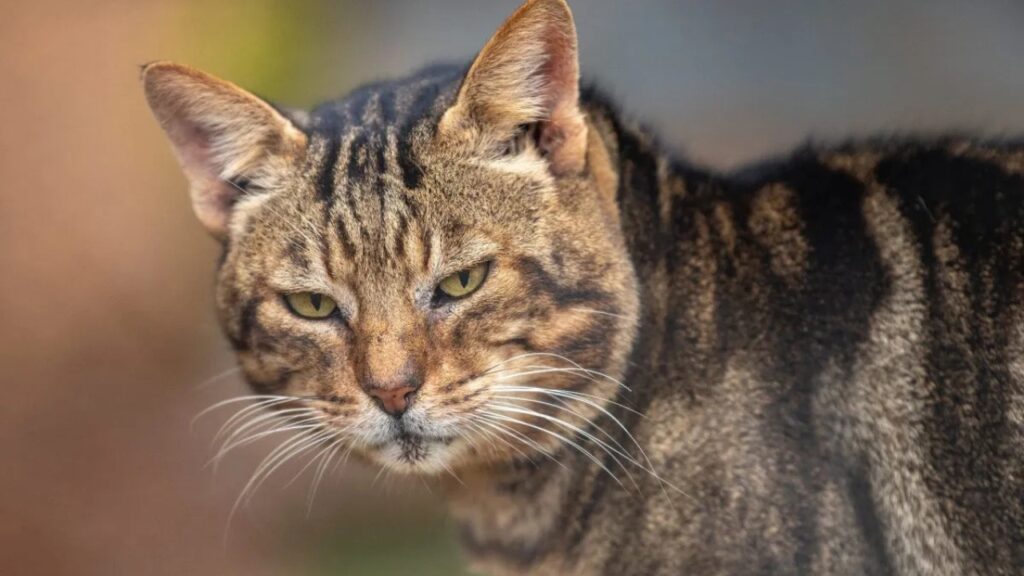
The Sokoke, also known as the Sokoke Forest Cat and formerly called the African Shorthair, is one of the rarest natural breeds in the world. Originating in Kenya’s Arabuko-Sokoke Forest, this lean, long-legged cat is known for its distinctive wood-grain tabby coat and striking amber to light-green eyes.
The Sokoke developed in geographic isolation, breeding freely within a protected forest environment for generations. This separation helped preserve its unique ticked, blotched tabby pattern—often described as resembling tree bark—before formal breeding programs began.
Because the original population was small and region-specific, modern breeders carefully manage bloodlines to maintain genetic diversity. Limited gene pools make thoughtful breeding essential, especially since the forest population itself has become increasingly rare.
Despite its wild appearance, the Sokoke is highly intelligent, social, and deeply bonded to its humans. Interestingly, the breed was first developed from naturally occurring forest cats discovered in Kenya in the late 1970s.
Conclusion
Cat breeds with isolated genetic lines offer a fascinating glimpse into how geography and selective breeding shape domestic cats. These specific population isolates preserve traits refined over generations. Unlike broader random-bred cat populations, pedigreed breeds often descend from a small founder group.
Careful feline breeding and breed development—guided by cat breeders, cat registries, and organizations help maintain defining features such as coat colour, body type, and temperament seen in breeds.
However, genetically isolated and pedigreed cats can carry disease-associated variants due to limited gene pools. By studying genetic markers, mitochondrial DNA, the kit gene, and the tyr gene in white cats and other select cats, breeders can reduce the risk and support responsible animal care across many breeds showcased at cat shows and within the cat fancy.
