




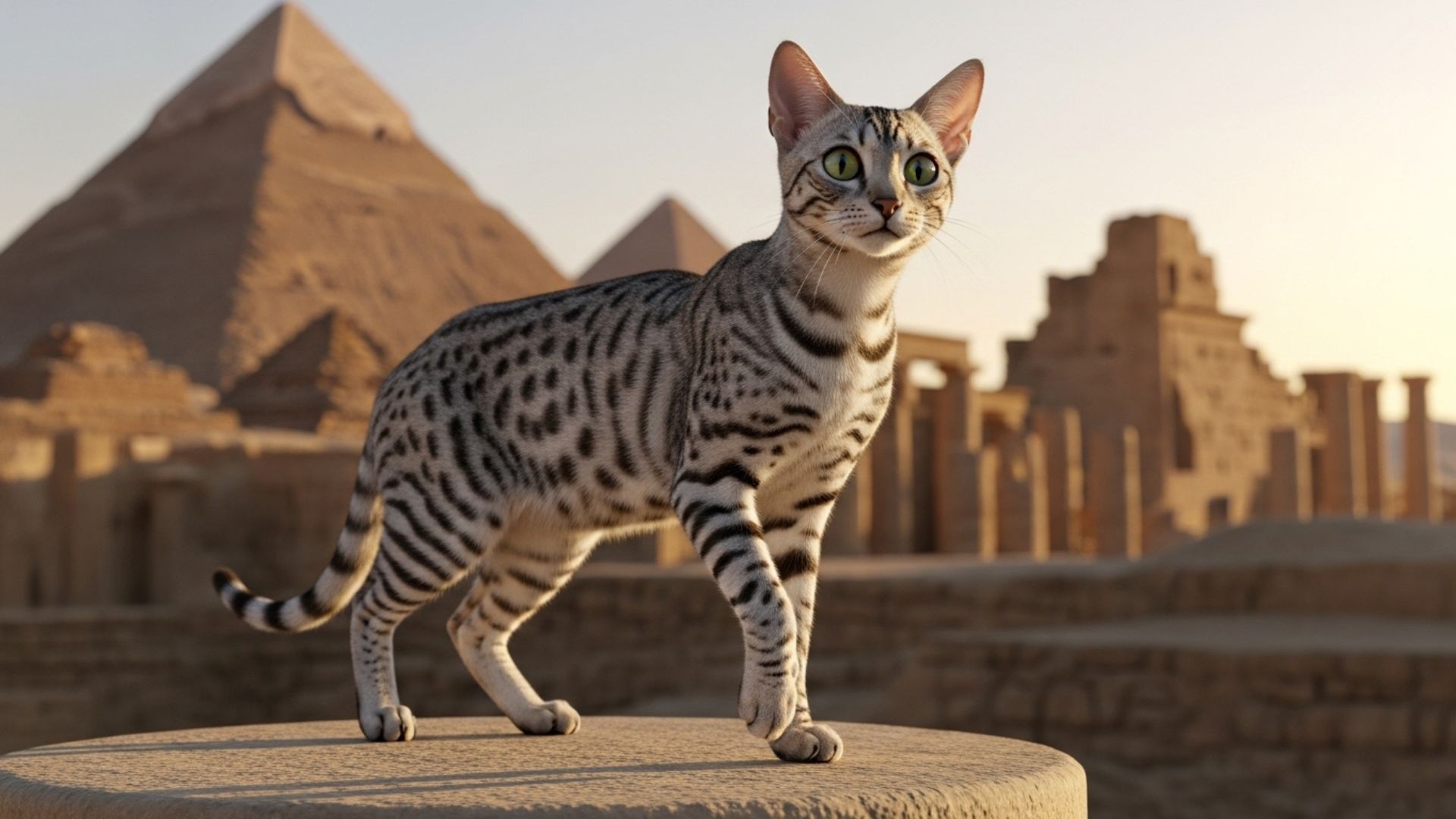
Cats have padded alongside people through temples, palaces, farms, and city streets, leaving their mark on history as well as our homes. Some modern breeds still reflect those early roles, shaped by geography, culture, and close bonds with humans.
From cats once revered in ancient societies to natural breeds that developed long before formal breeding programs, these felines carry stories that go far beyond looks alone.
Exploring cat breeds with historic significance offers a glimpse into how cats helped control pests, inspired art and folklore, and earned their place as beloved companions. It is a reminder that every whisker and pawprint connects today’s house cats to a fascinating past.
Cat Breeds with Historic Significance
1. Egyptian Mau
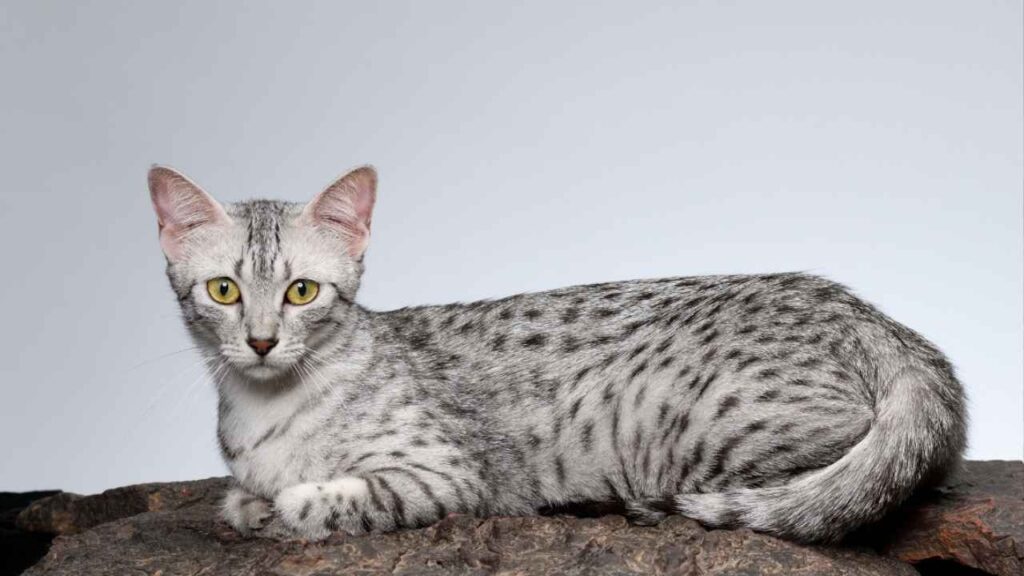
The Egyptian Mau is often linked to ancient Egypt, where cats were closely tied to daily life and cultural symbolism. This breed stands out for its naturally spotted coat, a trait that appears in early artwork and historical depictions of cats. The Mau developed with little human-directed breeding, keeping its original look and instincts.
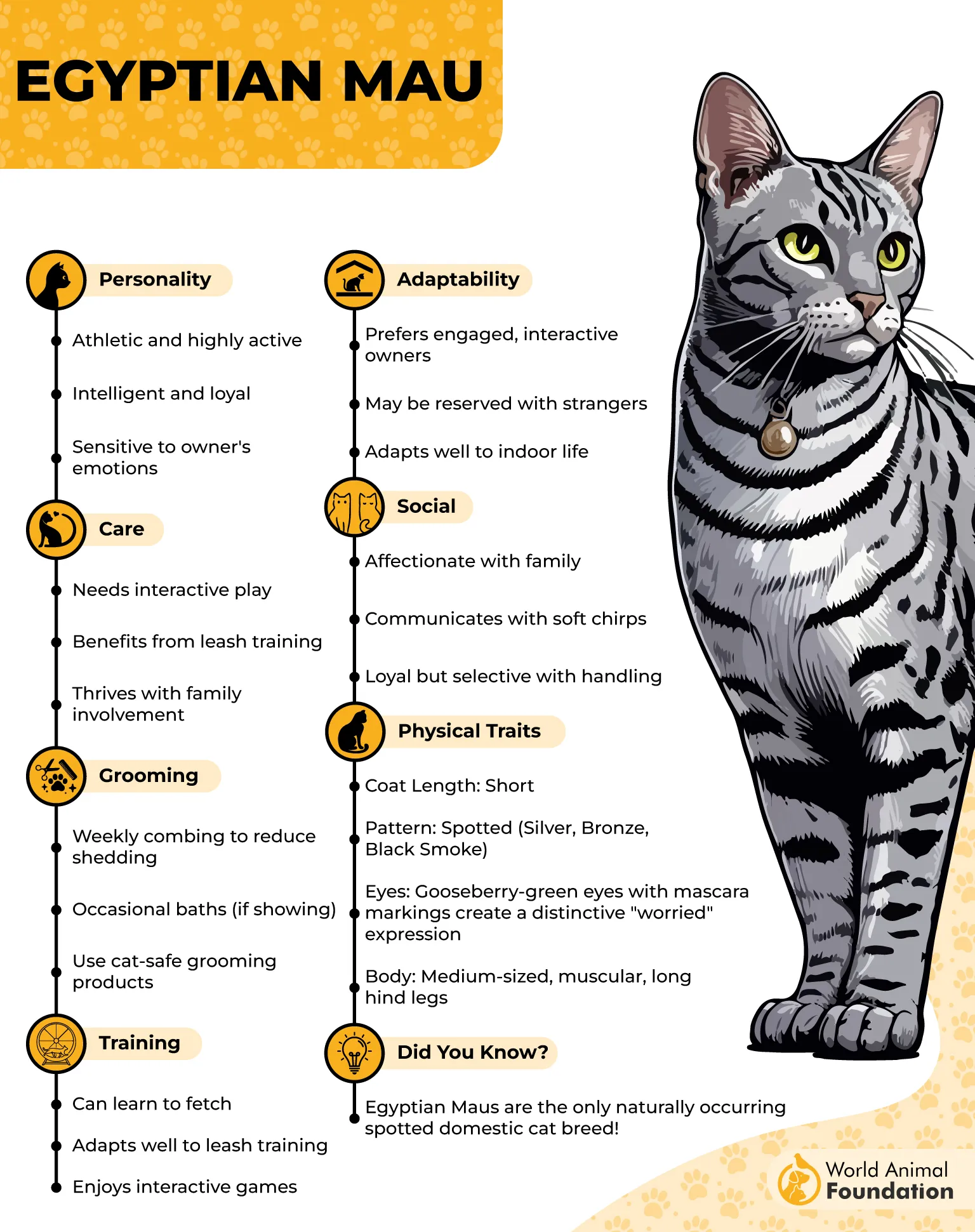
Known for quick movements and alert behavior, the Egyptian Mau has a reputation for being lively and curious. CFA describes the breed as people-oriented while still valuing independence, which gives it a balanced personality. Many Maus form strong bonds with their households but choose when they want attention.
The breed’s history adds to its appeal, especially for owners who enjoy pets with a story behind them. Living with the ancient Egyptian Mau often feels like sharing space with a small piece of the past. Their expressive faces and active nature keep things interesting without being overwhelming.
Fun Fact
The Egyptian Mau is one of the few domestic cat breeds with natural spots, meaning humans did not design their pattern. They basically came pre-decorated.
2. Persian
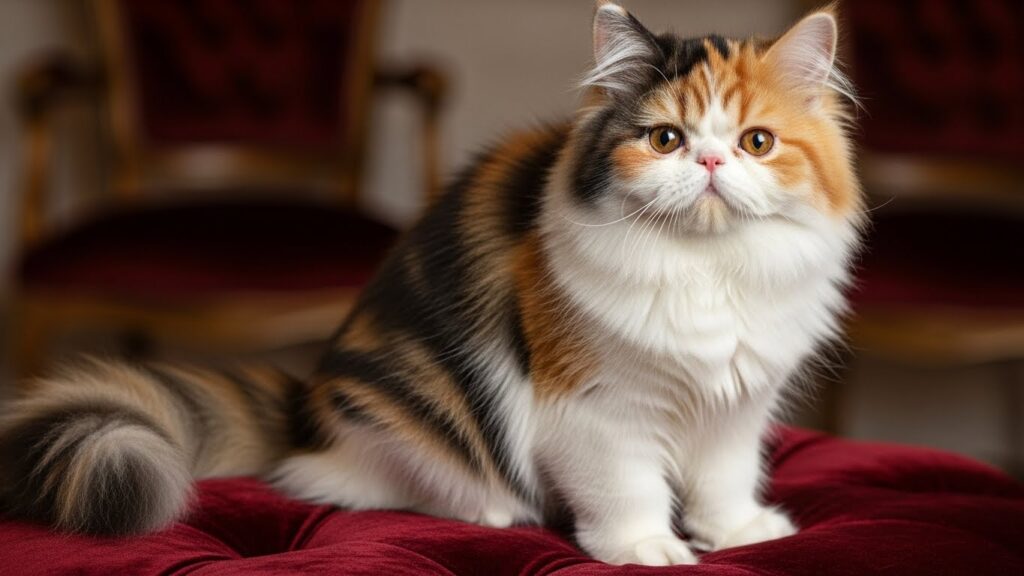
The Persian cat traces its roots to regions once known as Persia, now part of modern-day Iran. Early accounts describe these long-haired cats as treasured companions, admired for their distinctive appearance. Over time, they became associated with luxury and refinement in various cultures.
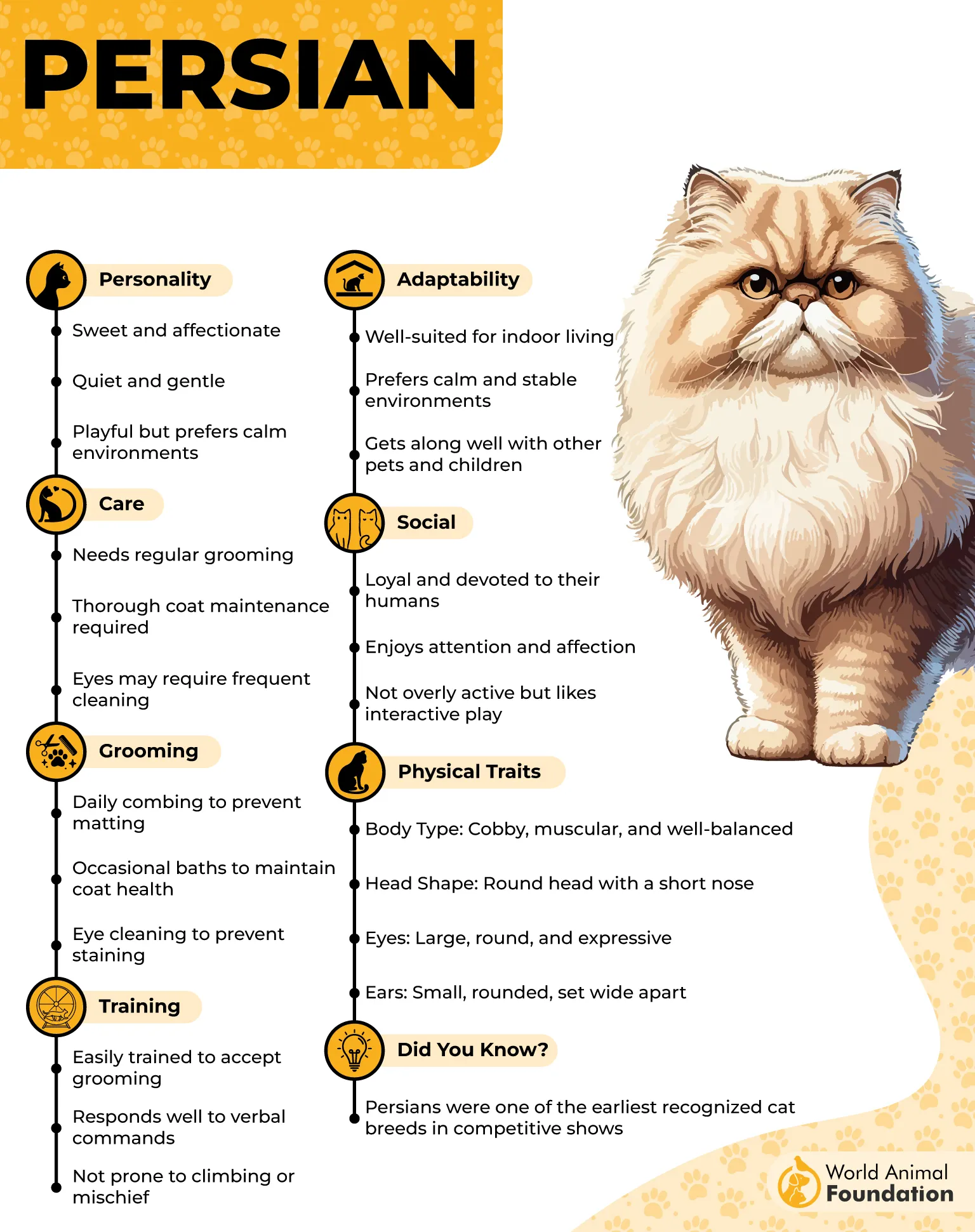
Persians are one of the most popular cat breeds, often admired for their calm and laid-back nature. Purina states that they tend to enjoy quiet environments and predictable routines, preferring cozy spots over constant activity. This breed is affectionate without being demanding, making them easy to live with.
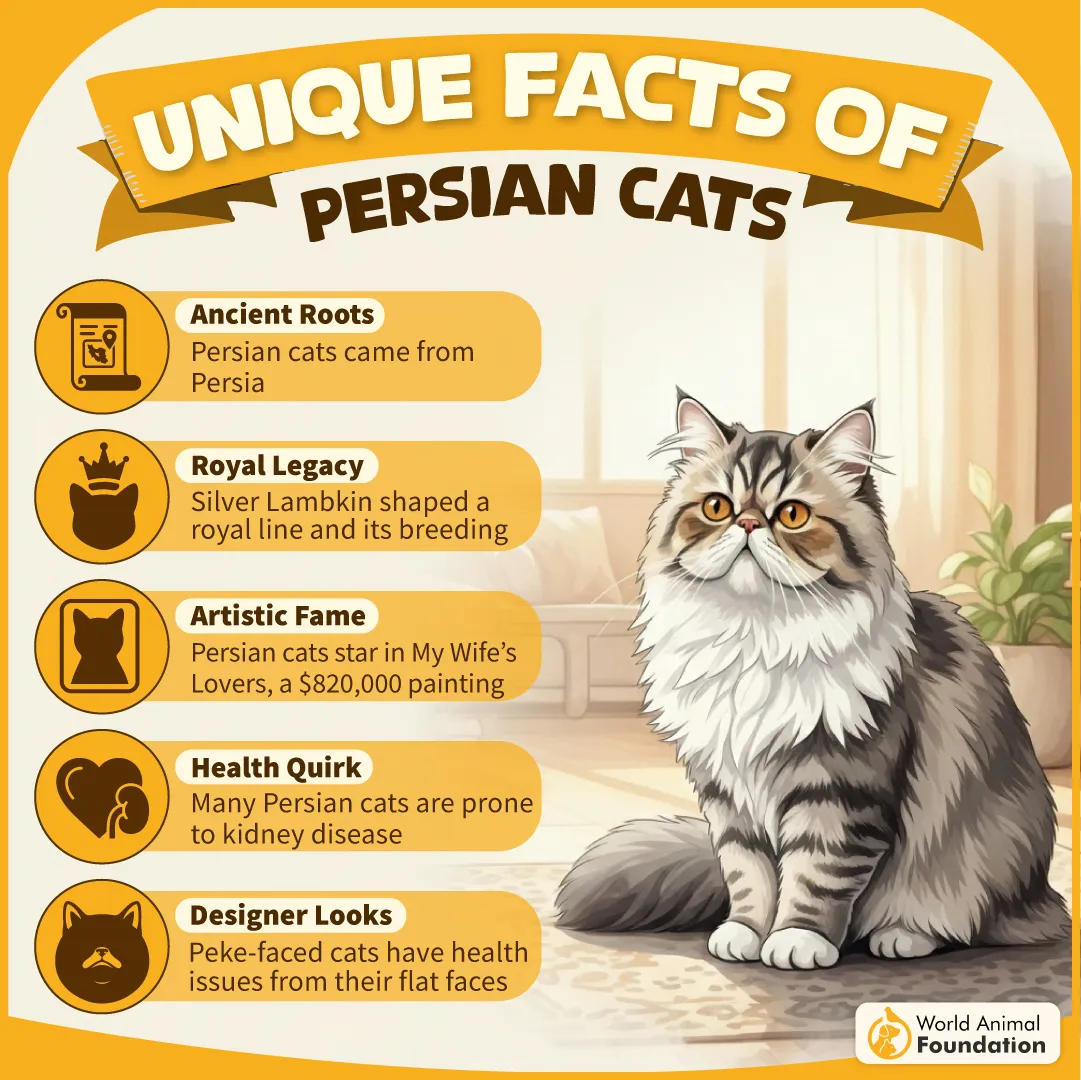
Their long history of companionship shows how cats gradually moved from working roles to cherished household pets. Owning a Persian feels like continuing a tradition that spans centuries. Their gentle presence and timeless look give them lasting appeal.
Fun Fact
Persians are known for their calm personalities, but they were once so prized that they were exchanged as luxury gifts between nobles and royalty.
3. Siamese

According to PetMD, the Siamese cat originated in Thailand, formerly known as Siam, where it was kept in temples and royal households. Historical records and stories often describe these cats as valued and protected members of society. Their sleek bodies and striking features made them easy to recognize even centuries ago.
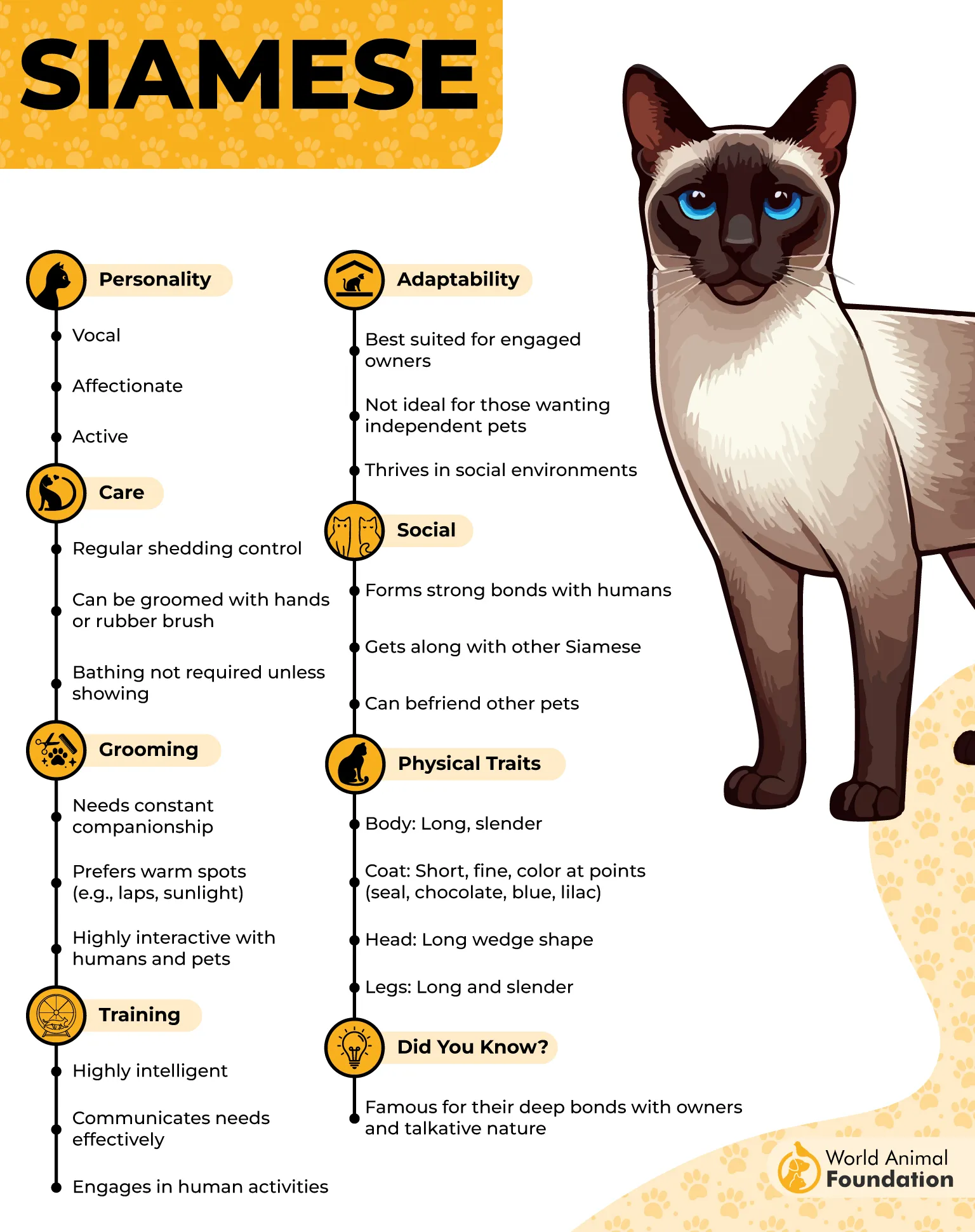
The elegant Siamese cats are widely known for their affectionate nature and for being vocal and social. They often seek interaction and enjoy being part of everyday activities rather than watching from afar. Many descriptions highlight their intelligence and tendency to form strong attachments to people.
This breed’s past shows how cats could hold a special status beyond pest control. The Siamese still carries that sense of importance in its confident behavior. Life with one is rarely quiet, but it is usually full of personality.
Fun Fact
Siamese cats are famous chatterboxes and will often “talk back” if you speak to them, as if the conversation requires their input.
4. Turkish Angora
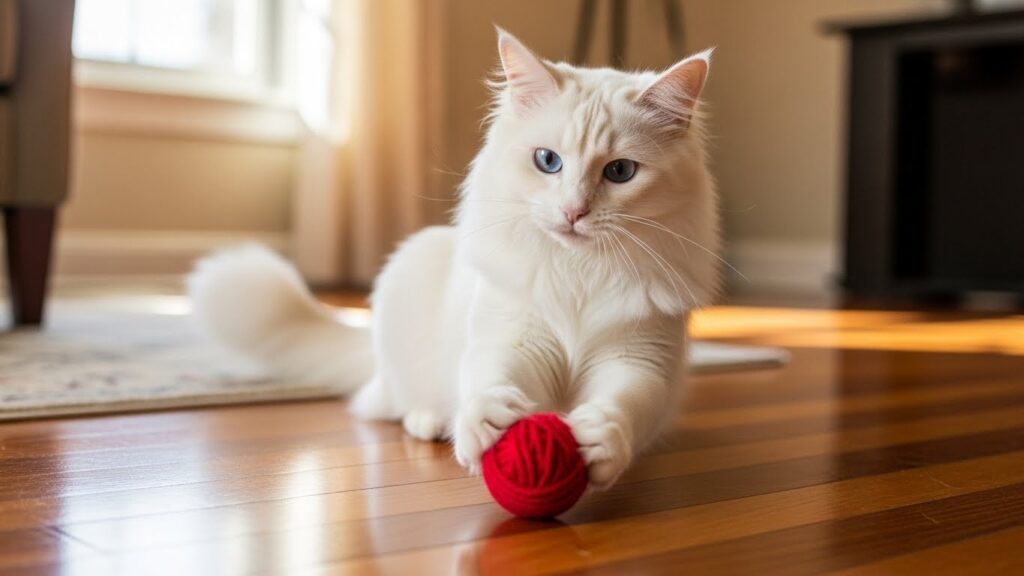
The Turkish Angora comes from Turkey and is considered one of the oldest natural cat breeds. It developed in the Ankara region, adapting to its environment without heavy human interference. This natural origin helped preserve its elegant build and soft, silky coat.
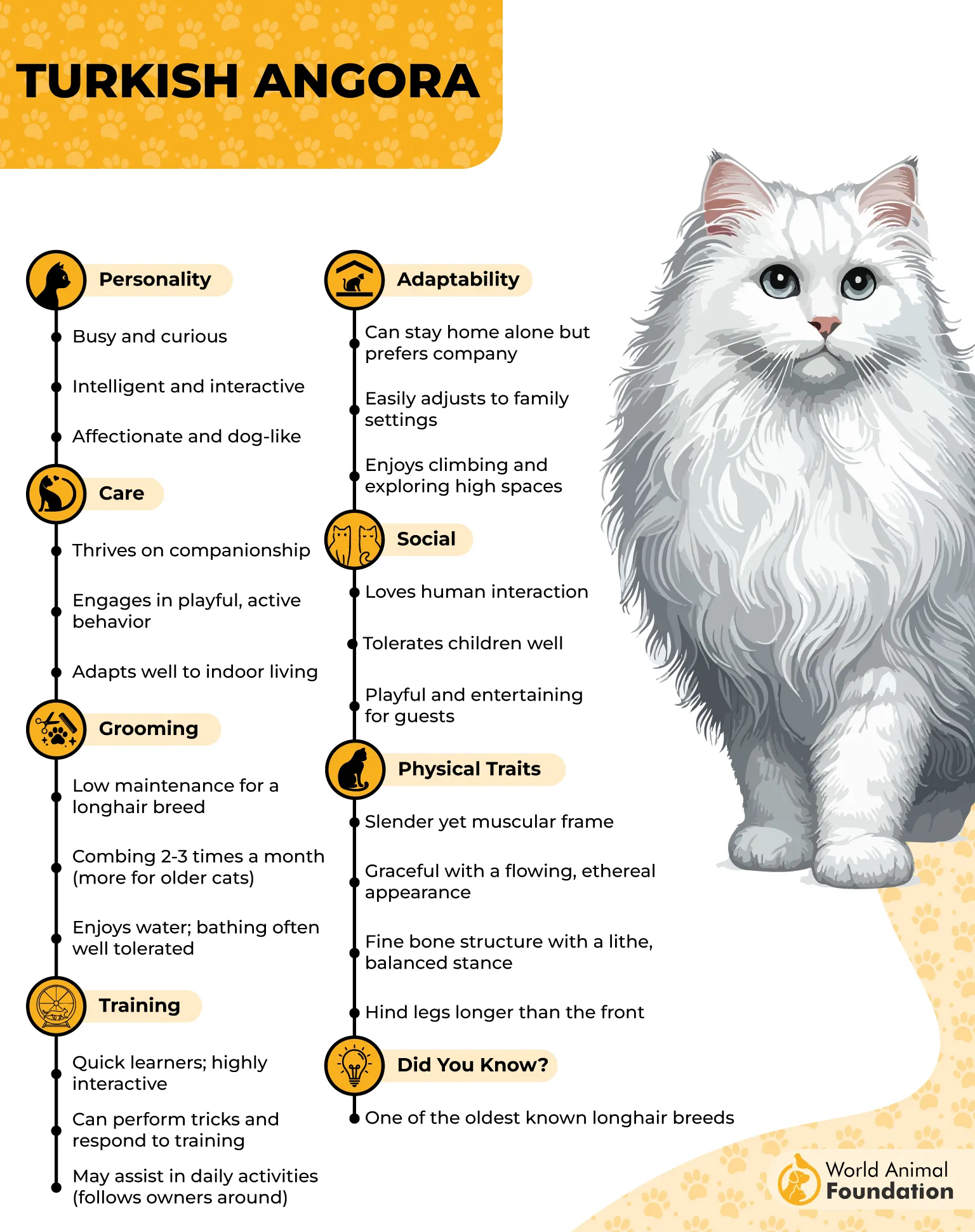
Often described as playful and agile, the Turkish Angora enjoys movement and exploration. Many sources mention that these cats are clever and enjoy interactive play. They tend to bond closely with their people while keeping an independent streak.
Their long-standing presence shows how certain breeds remained unchanged over time. Sharing a home with a Turkish Angora feels like welcoming a graceful piece of history. They combine ancient roots with a lively, modern attitude.
Fun Fact
Turkish Angoras have been documented for centuries and were once kept in protected settings because they were considered national treasures.
5. Maine Coon
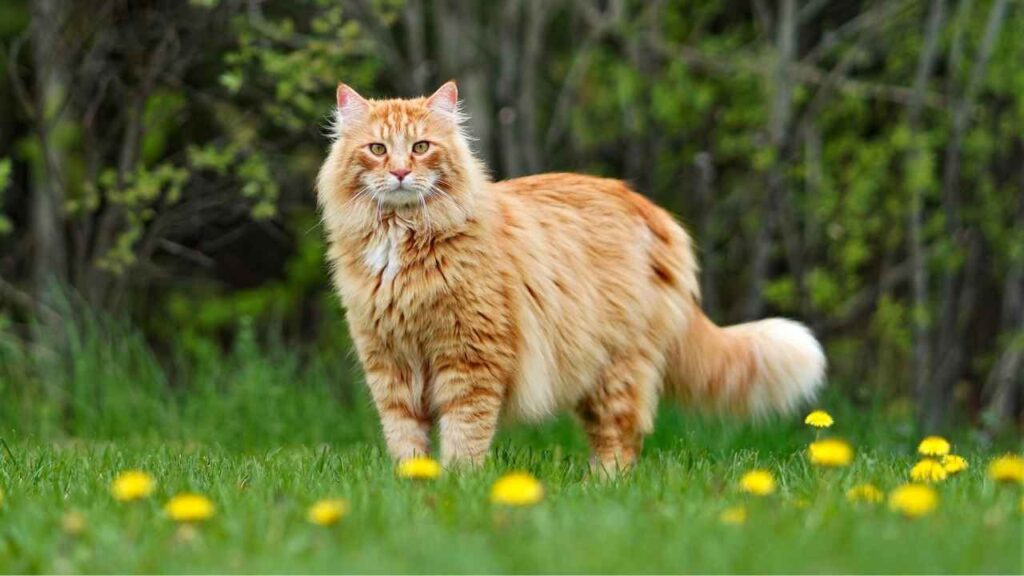
The majestic Maine Coon is one of the oldest cat breeds to develop in North America. Early accounts describe it as a hardy working cat, valued for surviving tough climates. Its strong build and thick coat reflect practical origins rather than decorative breeding.
This breed is often recognized for its large size, tufted ears, and friendly nature. Maine Coons tend to be social without being clingy, fitting well into different household dynamics. Many descriptions point out their playful side, which often lasts well into adulthood.
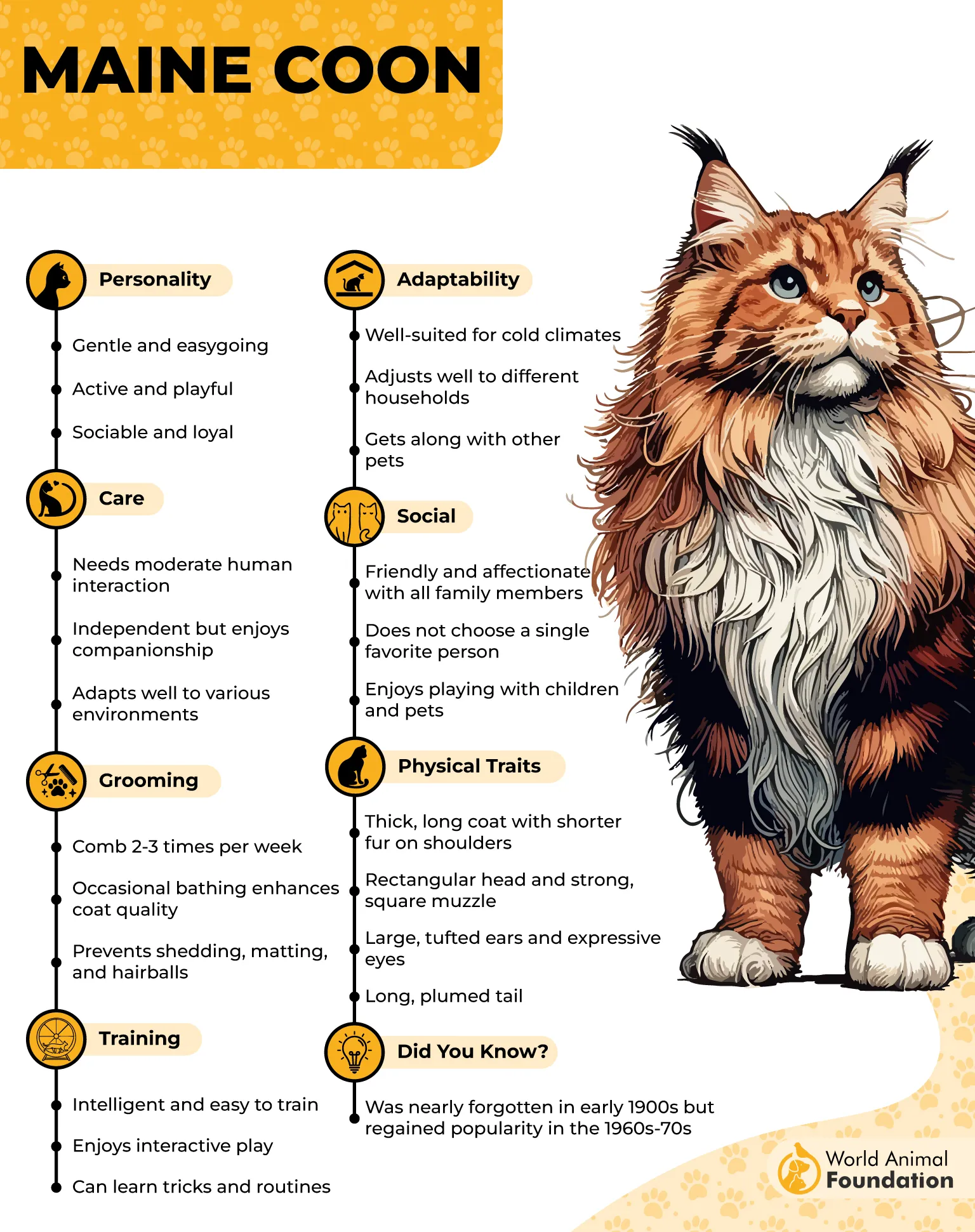
The Maine Coon’s history highlights how cats supported daily life in early settlements. Owning one connects modern pet owners to a uniquely American past. Their size and charm make them hard to ignore.
Fun Fact
Maine Coons are often called “gentle giants,” and many enjoy playing fetch, proving that size does not cancel out goofiness.
6. Japanese Bobtail
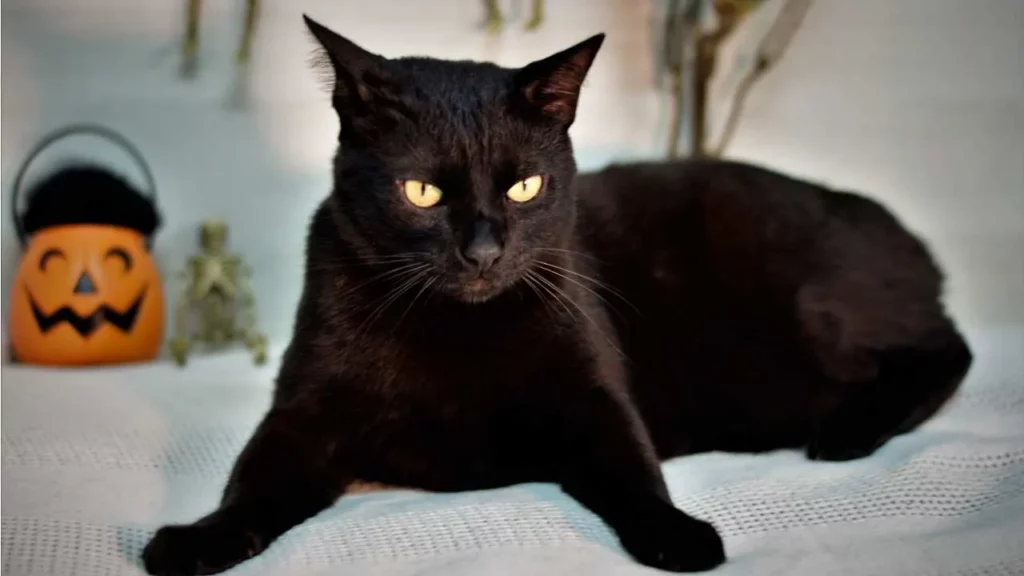
The Japanese Bobtail has been part of Japanese culture for centuries and appears frequently in art, folklore, and traditional stories. Its short, pom-like tail is the result of a natural genetic mutation, not selective breeding. Historical references place these cats in homes, temples, and even silk factories, where they were valued companions.
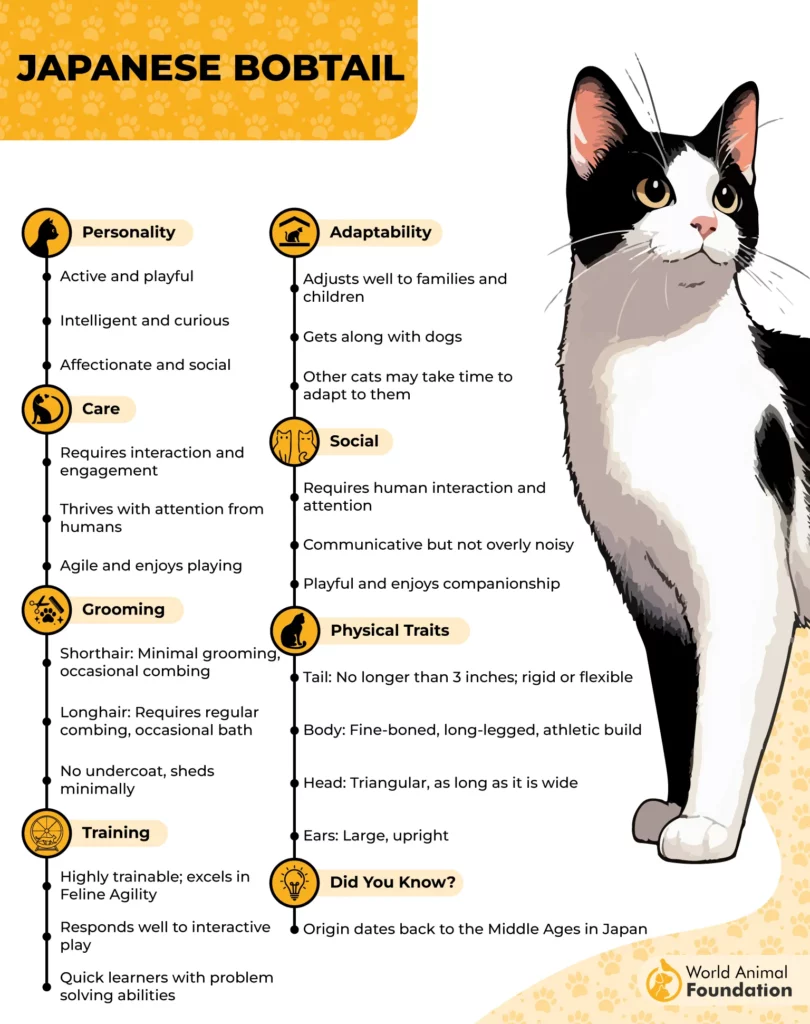
This breed is often described as active and expressive, with a tendency to engage with people rather than observe from a distance. Japanese Bobtails are known for their playful energy and curiosity, often following their owners from room to room. Sources also note that they adapt well to busy households and enjoy interaction.
The Japanese Bobtail’s long cultural presence gives it a strong symbolic role beyond being a pet. It represents good fortune and harmony in Japanese tradition. Living with one feels like sharing space with a cat that has been welcomed indoors for generations.
Fun Fact
The Japanese Bobtail’s short tail comes in many shapes, and no two are exactly alike. It is often compared to a fingerprint, but fluffier.
7. Norwegian Forest Cat

The Norwegian Forest Cat developed in the cold climates of Northern Europe, where strength and adaptability were essential. Historical accounts connect this breed to Norse folklore, where it was often depicted as a powerful and capable cat. Its thick coat and sturdy frame are signs of natural survival rather than decorative breeding.
These cats are known for being confident yet gentle. Norwegian Forest Cats often enjoy climbing and observing their surroundings, showing instincts shaped by outdoor environments. Despite their independent streak, they are described as calm companions that bond steadily with their families.
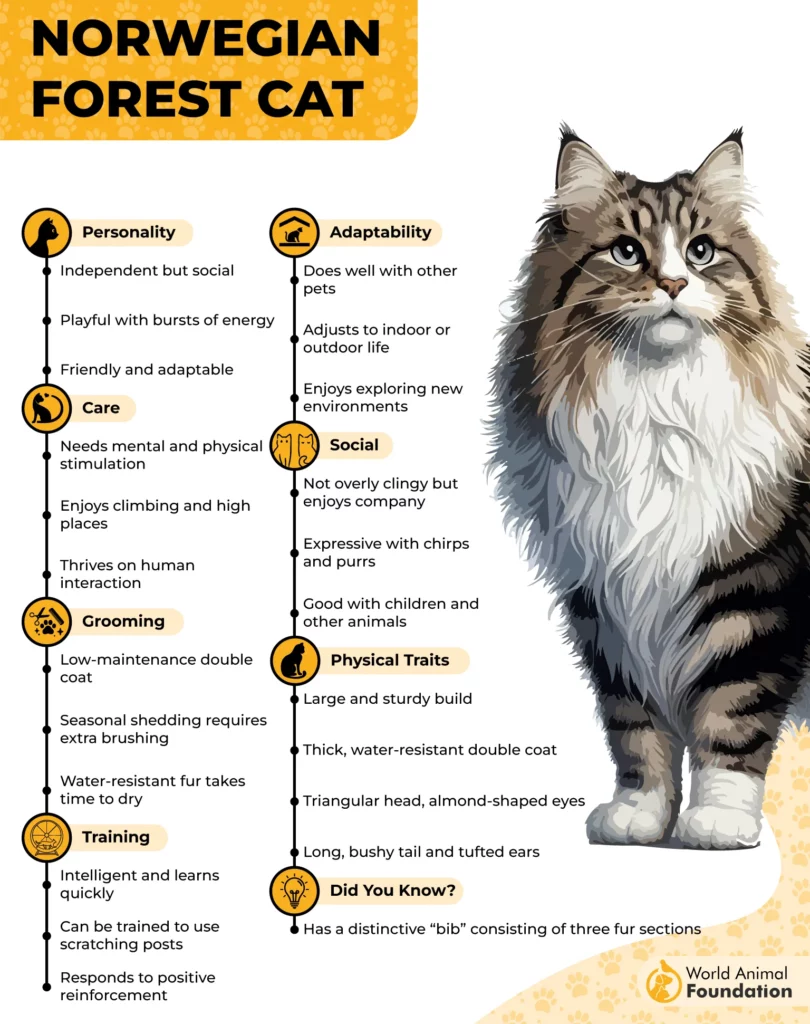
Their history highlights how cats adapted to harsh conditions alongside humans. The Norwegian Forest Cat still reflects that balance of independence and companionship. It brings a quiet sense of resilience into modern homes.
Fun Fact
This breed’s thick coat helped it thrive in cold northern climates, and it naturally sheds seasonally like a built-in winter jacket.
8. Abyssinian
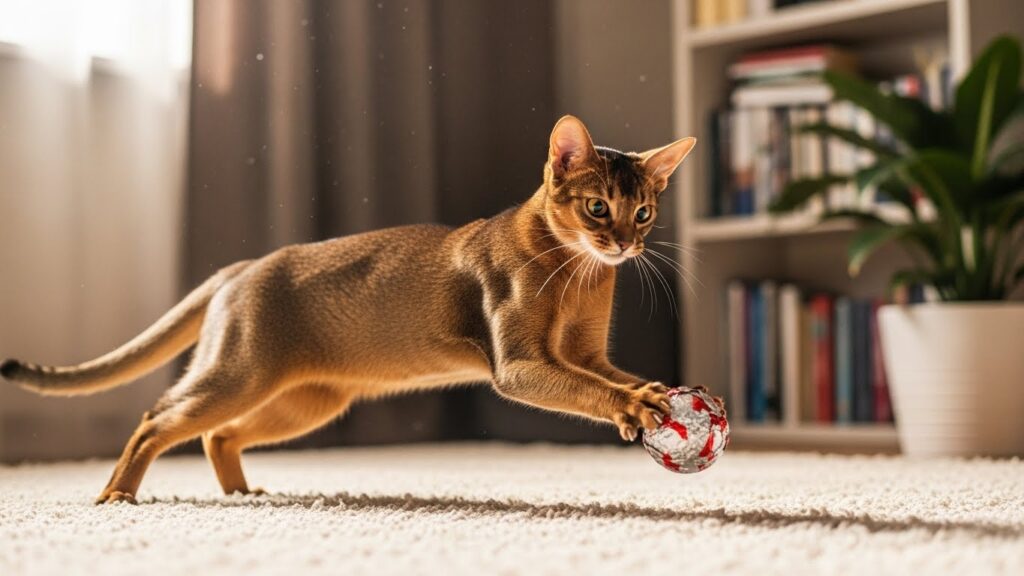
The Abyssinian is often linked to ancient regions near the Nile, based on its resemblance to cats shown in early artwork. While exact origins remain unclear, the breed is considered one of the oldest in appearance. Its short coat and athletic build reflect a natural, early cat type.
Abyssinians are widely described as energetic and curious. They enjoy climbing, exploring, and being involved in household activities. Sources frequently mention that this breed prefers engagement over lounging, keeping owners on their toes.

This breed’s appeal lies in how closely it resembles early domestic cats. Living with an Abyssinian feels dynamic and interactive. Their look and behavior both hint at a time when cats were agile partners rather than passive pets.
Fun Fact
Abyssinians are famous for rarely sitting still and often prefer to perch on high places, supervising everything like tiny feline managers.
9. Russian Blue
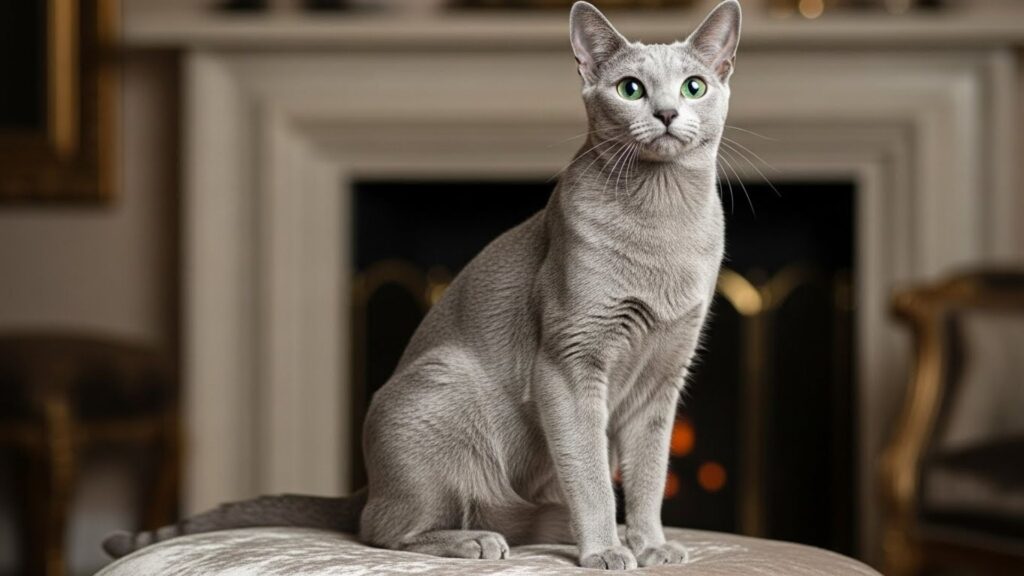
The Russian Blue is believed to have originated in the northern regions of Russia, where its dense coat helped protect it from cold climates. Historical records suggest these cats were admired for their beauty and temperament. They later gained popularity beyond their homeland due to their refined appearance.
This domesticated cat is often described as quiet and observant. Russian Blues tend to form strong bonds with their owners while remaining reserved around strangers. Their calm demeanor makes them feel thoughtful rather than aloof.
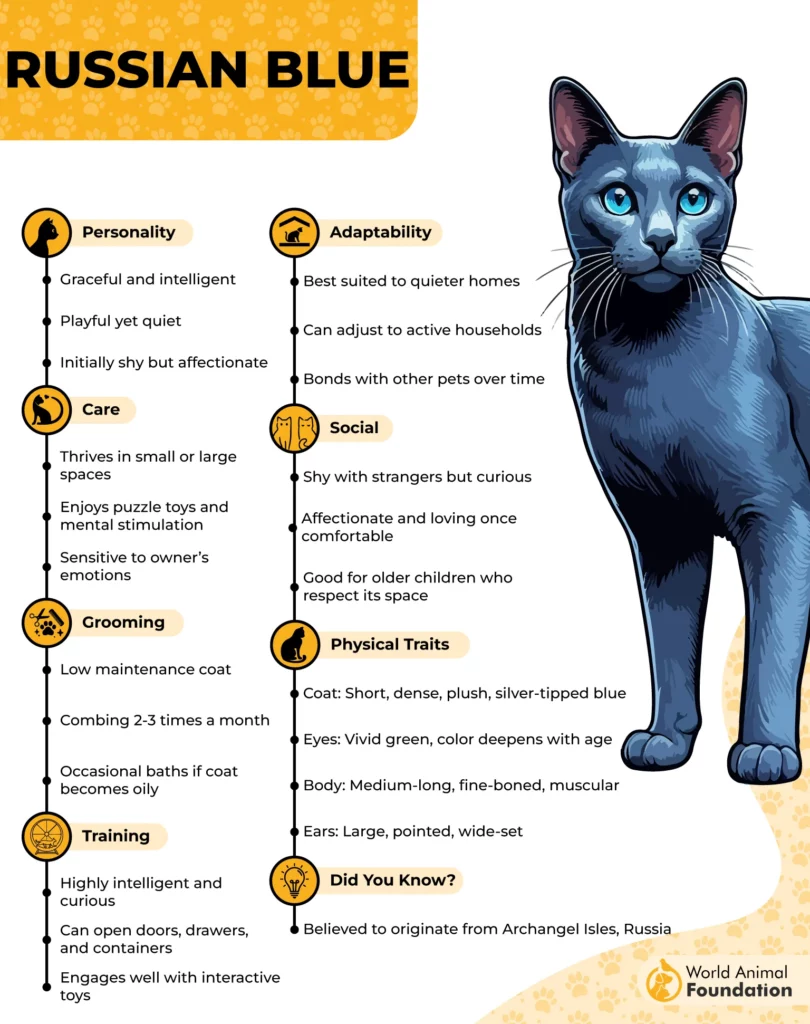
The Russian Blue’s story shows how cats transitioned from regional treasures to global companions. Its understated presence carries a sense of old-world elegance. Sharing a home with one often feels peaceful and intentional.
Fun Fact
Russian Blues are known for their shimmering silver-tipped fur that can make them look like they are glowing in the right light.
10. Chartreux
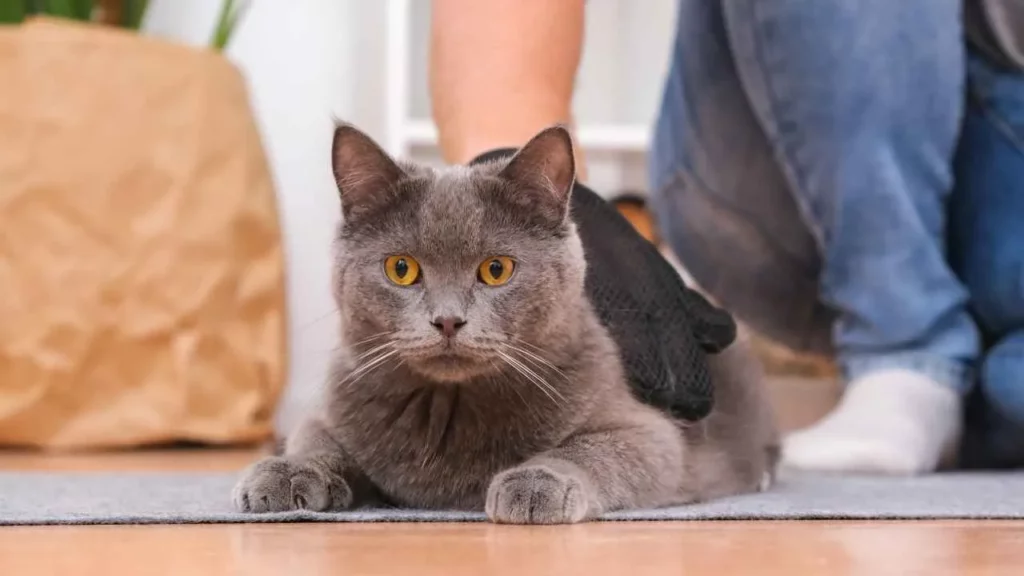
The Chartreux cat has deep historical ties to France and is often associated with monasteries and rural life. Early writings reference these cats as skilled hunters and valued companions. Their sturdy build reflects usefulness rather than ornamentation.
Chartreux cats are known for being quiet and observant. They tend to communicate with soft sounds and expressive eyes rather than loud vocalizations. Many descriptions highlight their loyalty and steady presence.
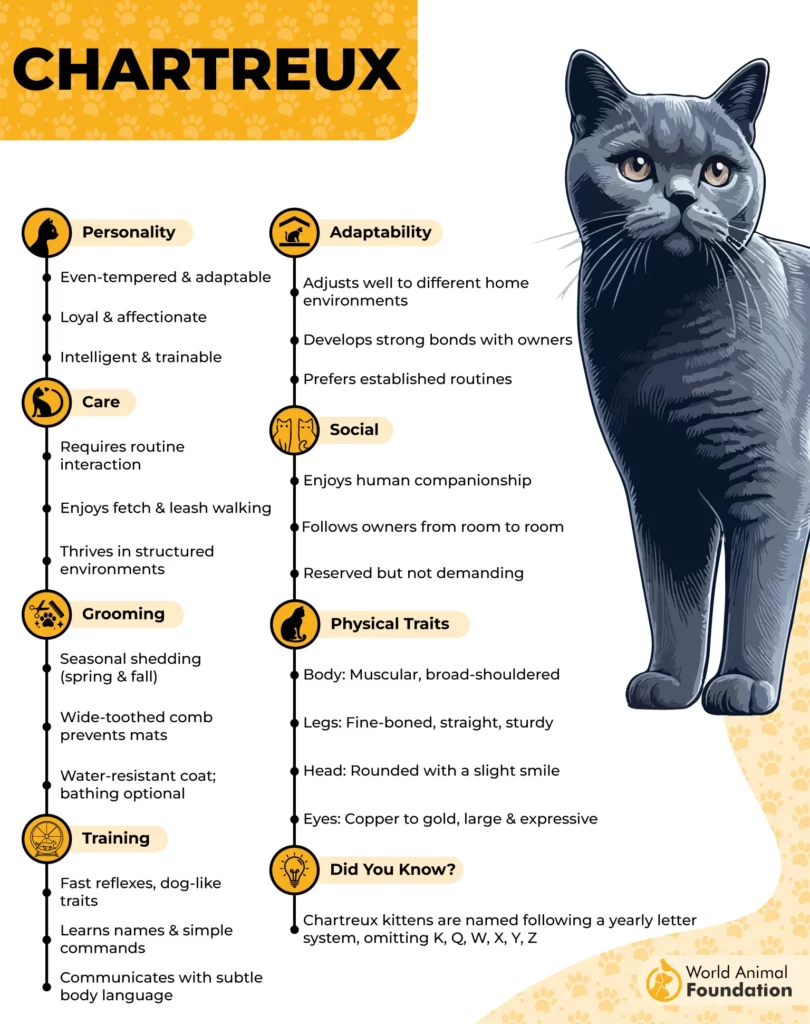
The breed’s long history emphasizes the practical role cats once played. The Chartreux still carries that grounded, purposeful nature today. It feels like a calm nod to the past wrapped in plush fur.
Fun Fact
The Chartreux is sometimes called the “smiling cat” because of the natural curve of its mouth and expressive face.
Conclusion
Historic cat breeds remind us that cats have always been more than cute companions curled up on the couch throughout human history. From ancient temples and royal courts to rugged forests and early farms, the world’s oldest cat breeds earned their place beside human companions through adaptability, charm, and a little mystery.
Cat species discussed by the Cat Fancier’s Association and The International Cat Association, like the Egyptian Mau, Siamese, Maine Coon, and Norwegian Forest Cat, carry living links to the past, blending history with modern personality.
Learning about ancient cat breeds still around today adds depth to cat ownership and makes every purr feel more meaningful. Whether you love graceful feline companions, wild cats, or energetic explorers, these historically significant cat breeds show how centuries of shared life shaped the cats we adore now.
Historic Cat Breeds Quiz 🐾
Which cat breed is known for its naturally spotted coat?
Which breed was once exchanged as a luxury gift among royalty?
Which cat breed is famous for being highly vocal and social?
Which breed is strongly linked to Japanese folklore and symbolism?
Which breed developed to survive harsh Nordic climates?
