




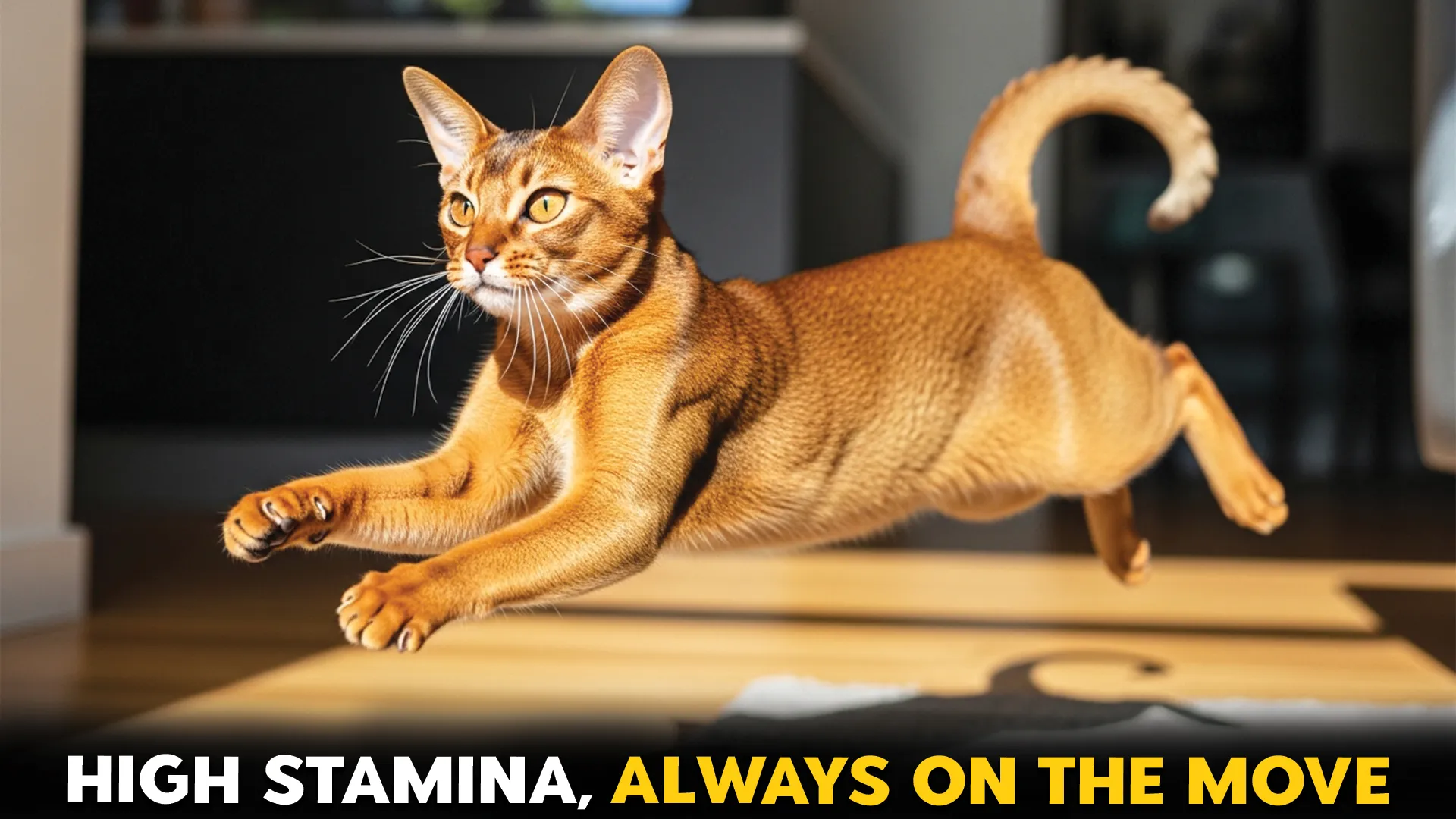
Some cats nap all day. Others treat your hallway like an Olympic training ground. If you’re searching for a feline companion that can keep up with active kids, busy households, or endless play sessions, high-stamina breeds are in a league of their own. These are the cats who don’t just chase a toy once — they demand round two, three, and four.
High-stamina cats combine muscular strength, quick reflexes, agility, and mental sharpness. Rooted in their natural hunting instincts, these traits make them powerful, flexible, and remarkably enduring. While they may not rival tigers or jaguars, some domestic breeds showcase impressive athleticism and resilience.
These cats often have lean, strong builds, sharp intelligence, and a constant desire for stimulation. With the right environment and daily interactive play, their boundless enthusiasm becomes one of their most rewarding qualities.
Cat Breeds with High Stamina
1. Abyssinian
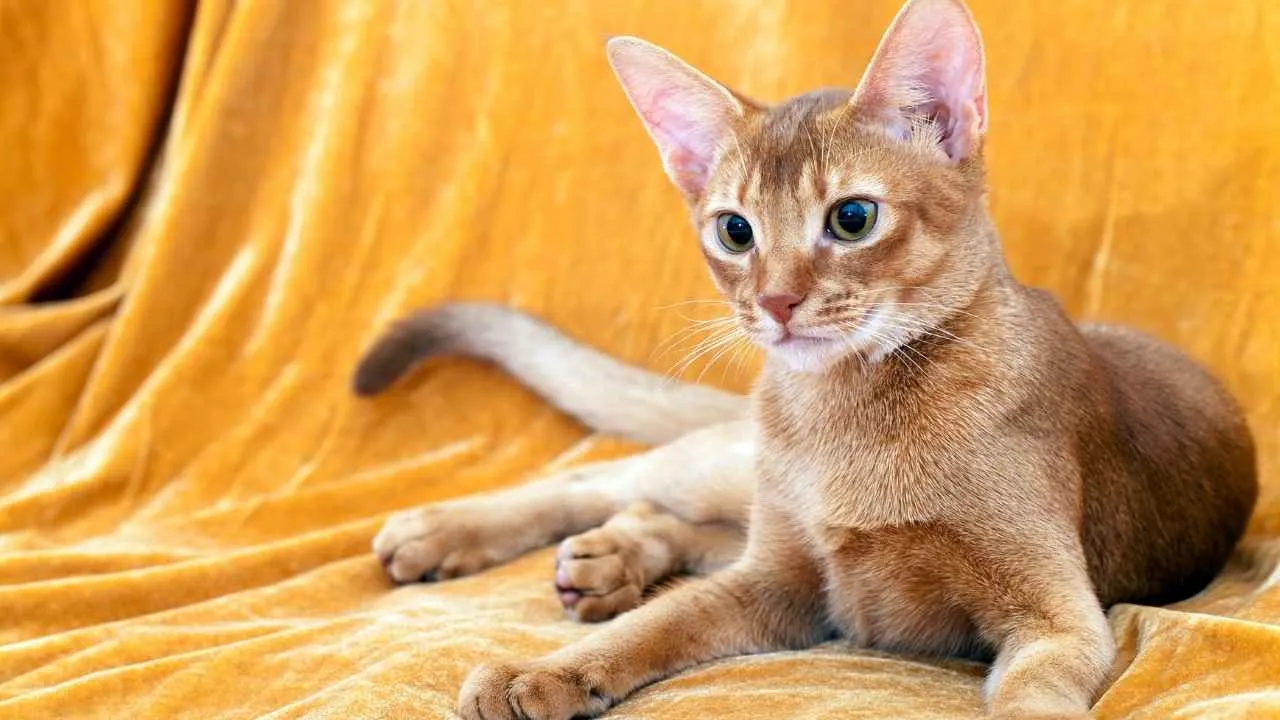
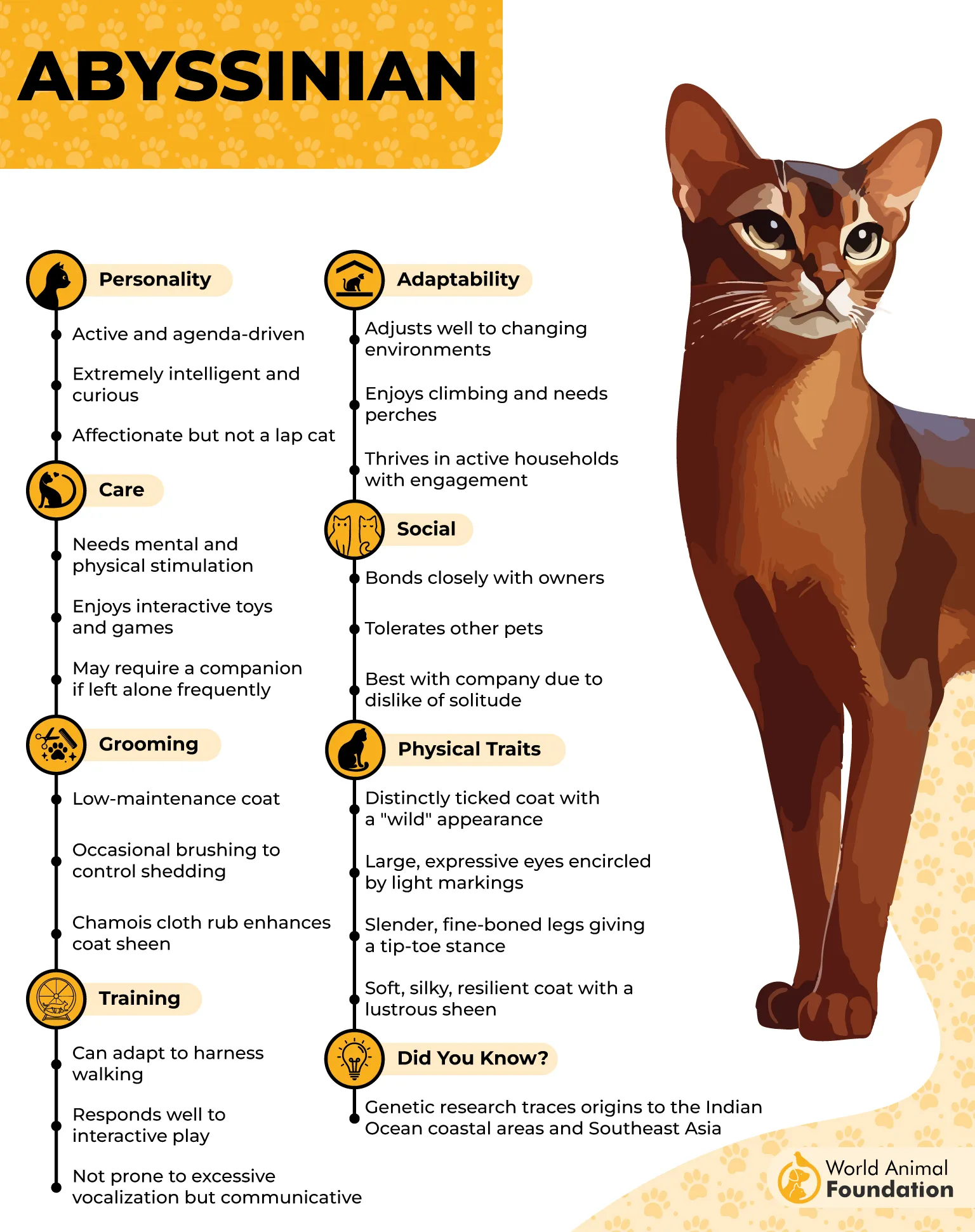
The Abyssinian, often affectionately called the “Aby,” is one of the oldest known cat breeds, with roots traced to Southeast Asia despite long-standing myths linking it to ancient Egypt. With its ticked coat, sleek build, and alert expression, this elegant cat combines beauty with athleticism.
Medium-sized and muscular, the Abyssinian is admired for both its striking appearance and lively personality. According to Hill’s Pet, although the Abyssinian is an active breed, it is generally easy to keep in the home.
Built for Speed and Agility
The Abyssinian is the definition of high stamina. Lean muscles and a long, athletic frame allow this breed to sprint, leap, and climb with remarkable ease. Their natural speed and balance make them unstoppable during interactive play sessions.
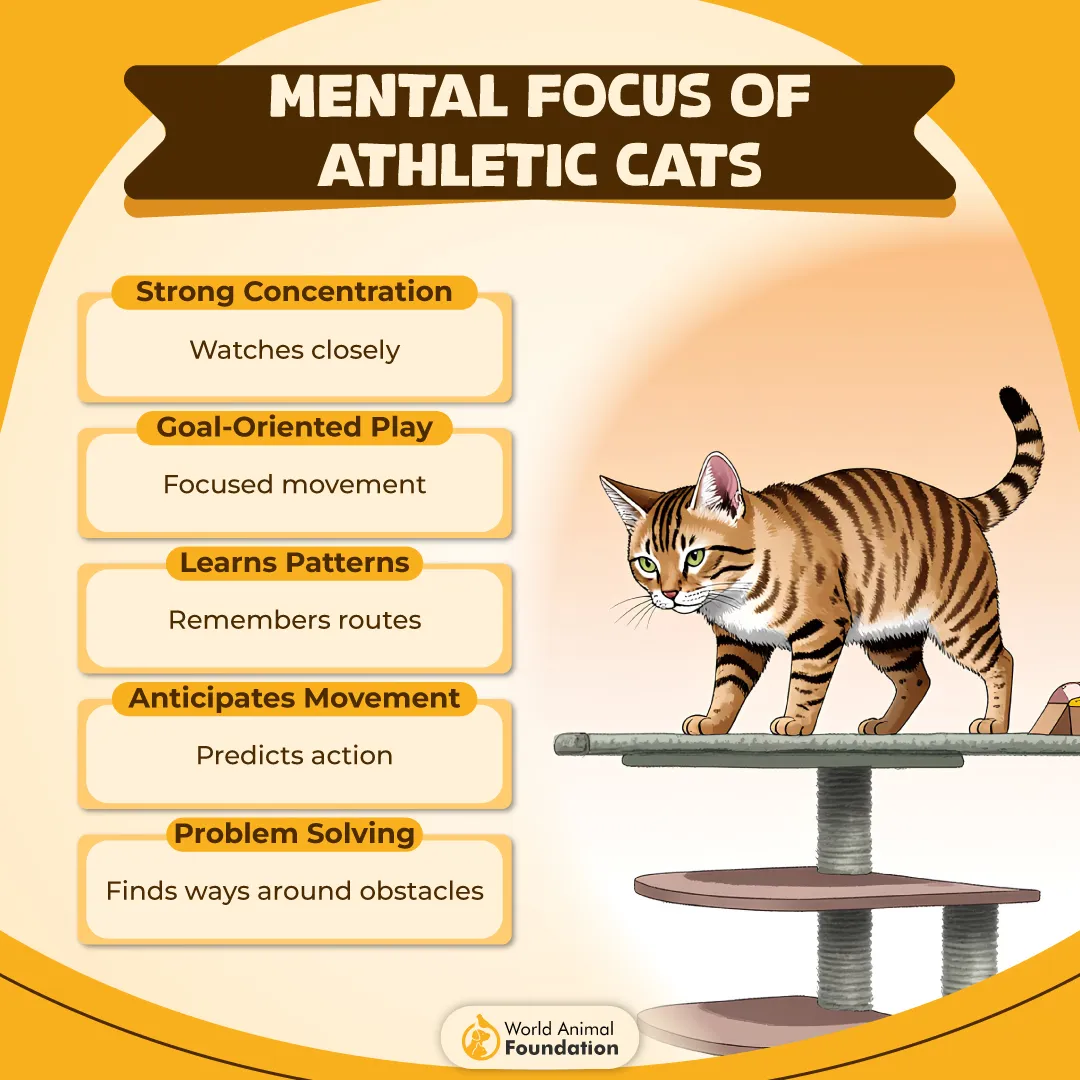
Curious and intelligent, Abys explore every corner of their environment. They excel at puzzle toys, enjoy games of fetch, and happily chase string toys for extended periods. This is not a laid-back lap cat — it’s a performer that thrives on movement and engagement.
Their endurance is matched by strong social instincts. They actively communicate with their families and prefer involvement in daily activities rather than observing from afar.
2. Bengal
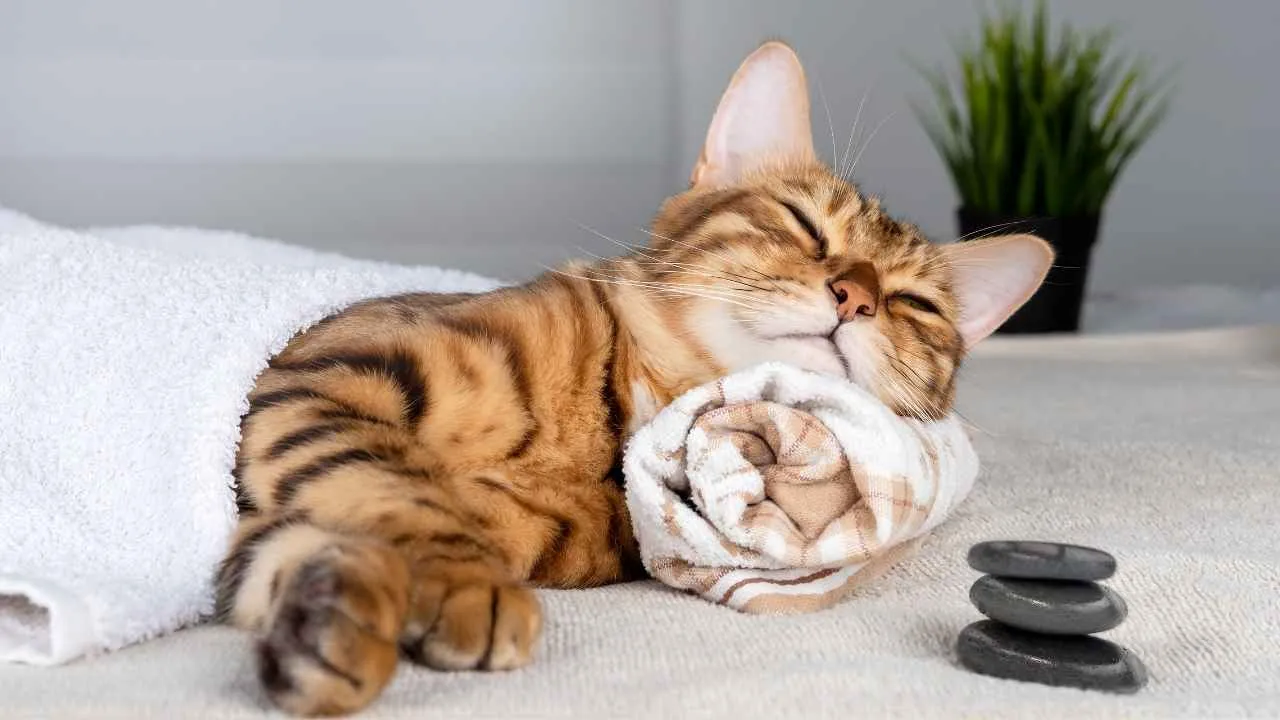
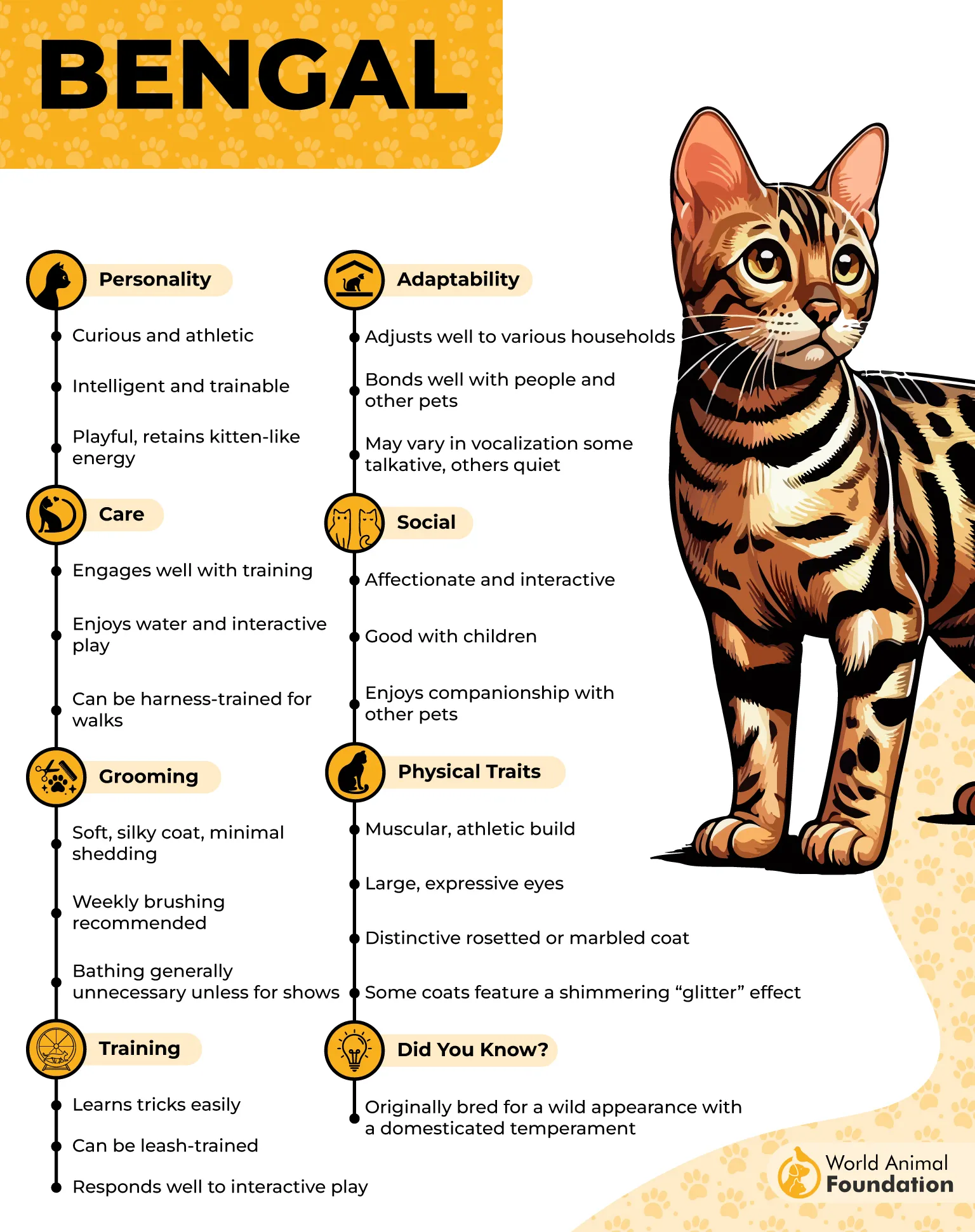
The Bengal, developed in the United States in the 1970s, was created by crossing domestic cats with the Asian leopard cat. Known for its bold, leopard-like spots and sleek, muscular frame, this breed combines wild beauty with a domestic temperament.
Highly sought after, Bengals are admired for their intelligence, athleticism, and striking coat patterns. According to Petplan, because of their intelligence and high energy levels, training a Bengal cat can be demanding yet rewarding and requires considerable time and patience.
A Tireless Explorer
Bengals are bursting with stamina and rarely content to sit still for long. Their powerful bodies and impressive jumping ability allow them to scale shelves, leap onto cabinets, and dominate vertical spaces with ease. A home with climbing trees and perches is essential to match their physical drive.
Curious by nature, they investigate everything — from cupboards to sinks — and many even show fascination with water. Without proper stimulation, their intelligence can turn into mischief, leading to cabinet raids or shredded paper. Puzzle feeders, rotating toys, and interactive play sessions help channel their energy productively.
Training with positive reinforcement works exceptionally well for this clever breed. Bengals thrive in homes that provide space, enrichment, and daily engagement to satisfy their adventurous spirit.
3. Egyptian Mau
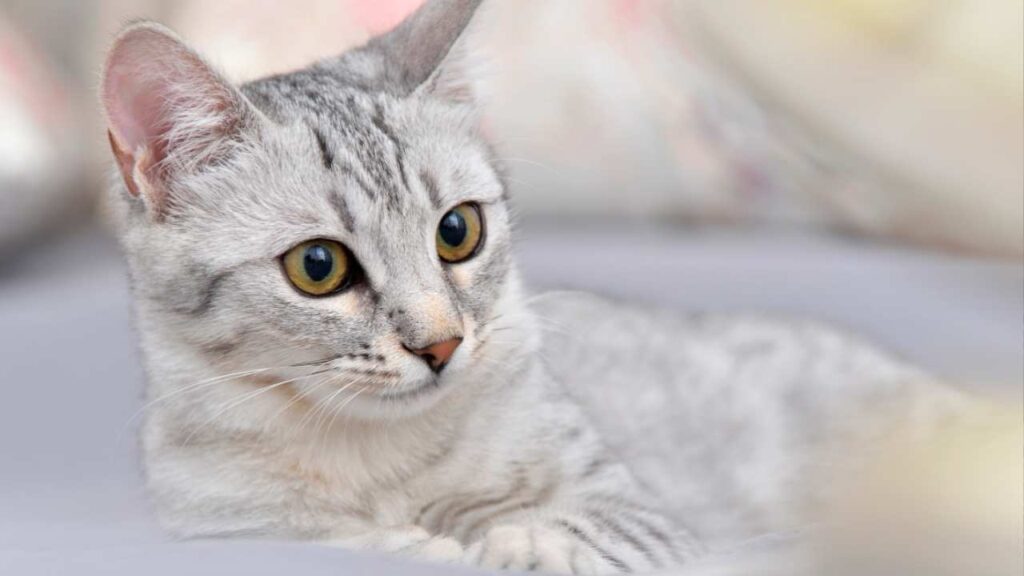
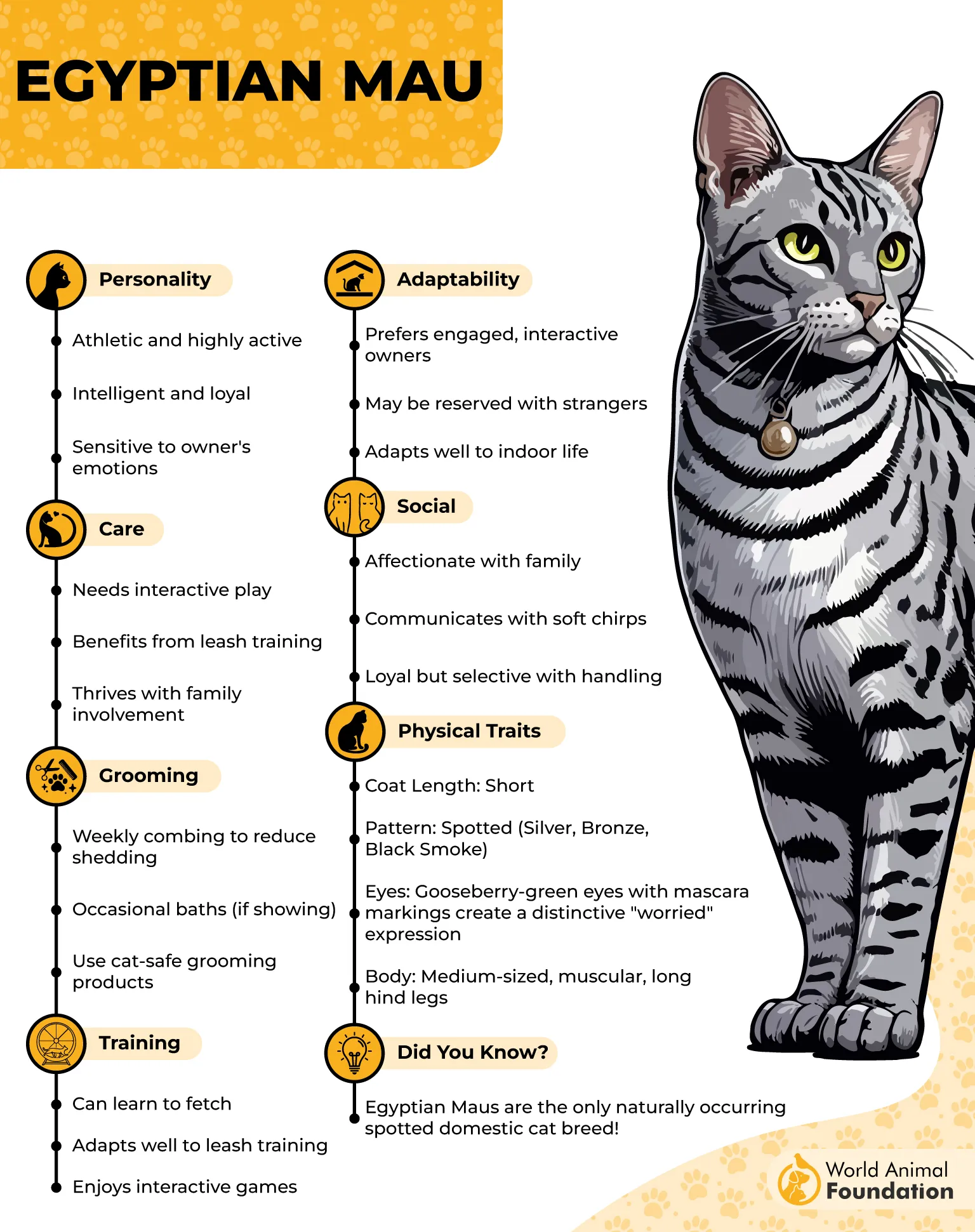
The Egyptian Mau, whose name “Mau” simply means cat in Egyptian, is a naturally spotted breed with ancient roots. According to Purina, the breed’s distinctive markings and large, round eyes create an appealing, slightly worried expression that is characteristic of the breed.
Athletic and Always on the Move
Renowned as the fastest domestic cat, the Egyptian Mau can reach speeds of up to 30 mph. Their slightly longer back legs give them a powerful stride, almost as if they are standing on tiptoe, ready to sprint. Speed and agility define this breed’s impressive stamina.
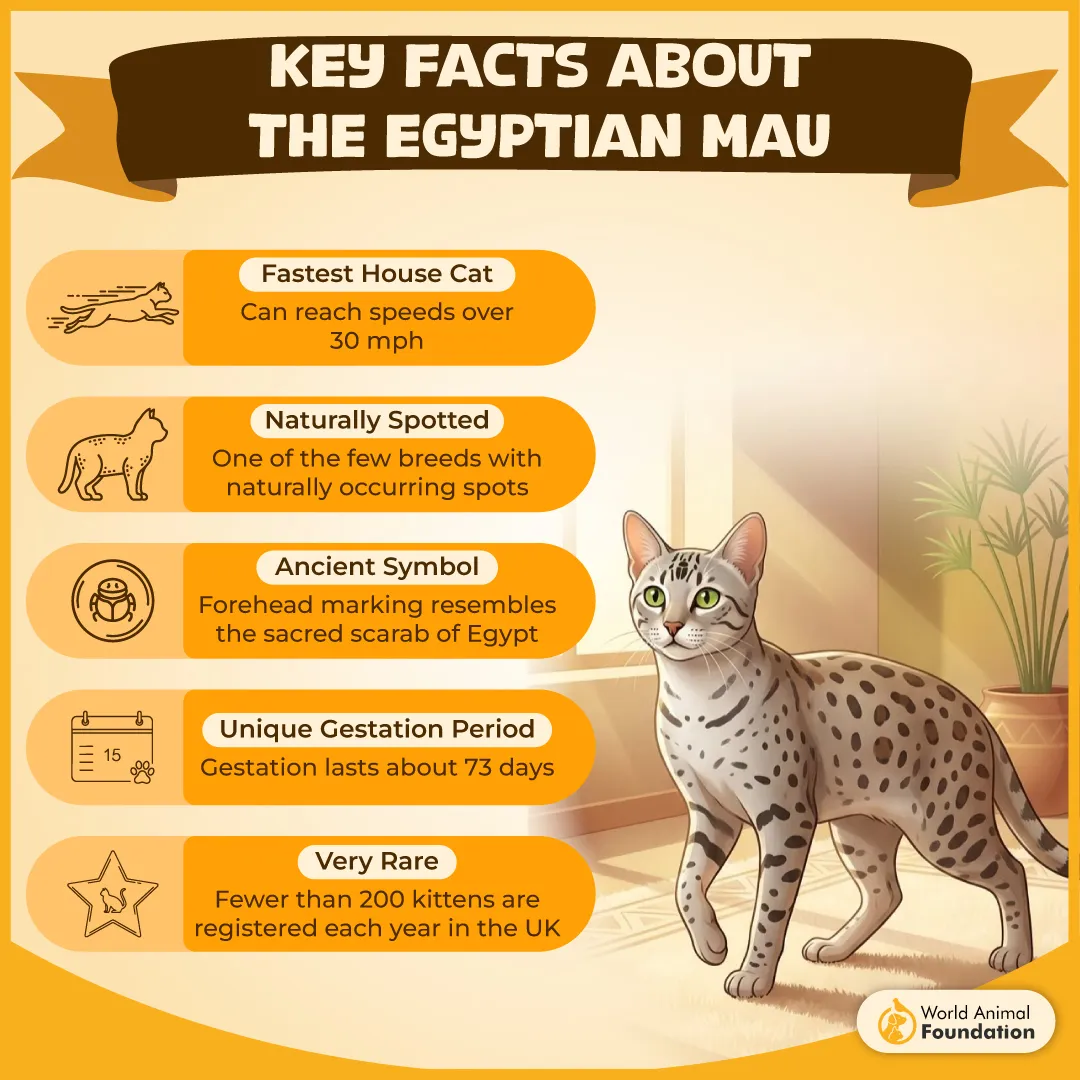
Maus thrive on active play, especially games that mimic hunting. Feather wands, climbing trees, and challenging toys keep them mentally and physically engaged. Without enough stimulation, their energy can turn into boredom-driven mischief.
Highly social and intelligent, they prefer interactive sessions with their humans rather than playing alone. Their enthusiasm and endurance make them perfect for households that can match their pace.
4. Savannah
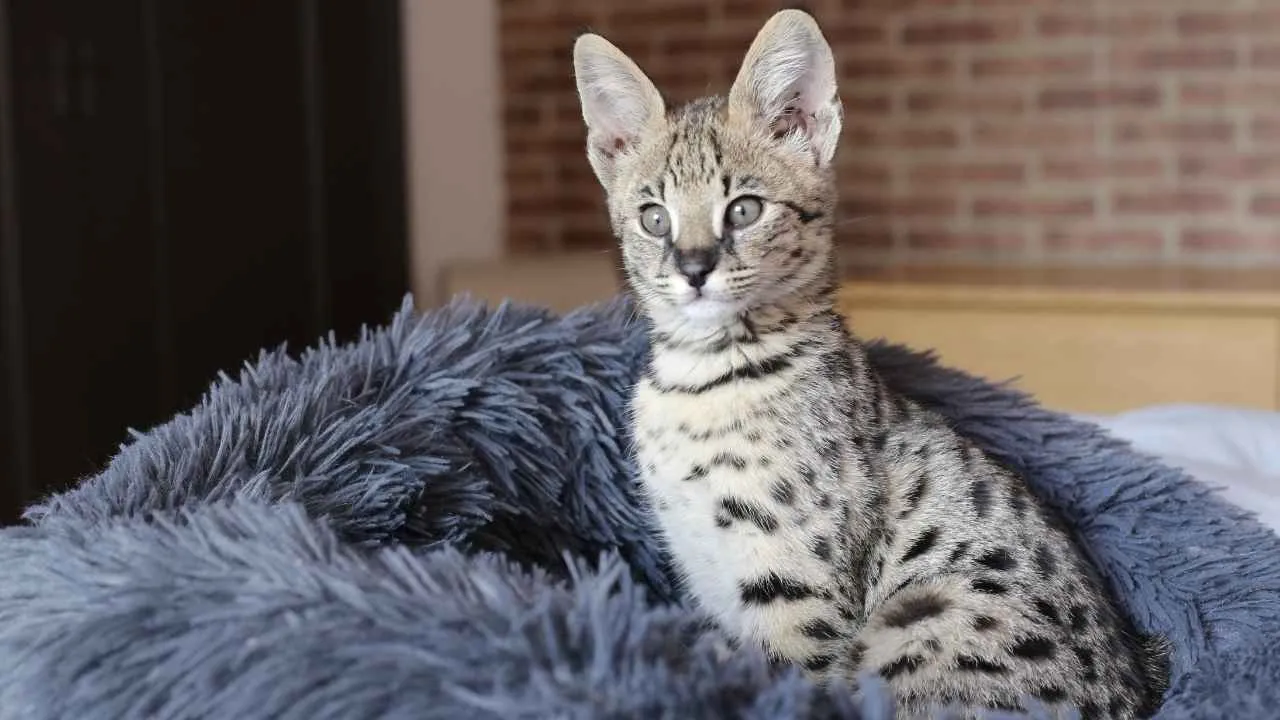
The Savannah, sometimes referred to as the Serval hybrid, is a striking breed developed by crossing a domestic cat—often Siamese—with the wild African serval.
First bred in the early 1980s, this tall, long-legged cat is instantly recognizable by its spotted coat, large upright ears, and lean, muscular frame. Named after the serval’s native habitat, the Savannah carries an unmistakable wild presence.
Power, Precision, and Playfulness
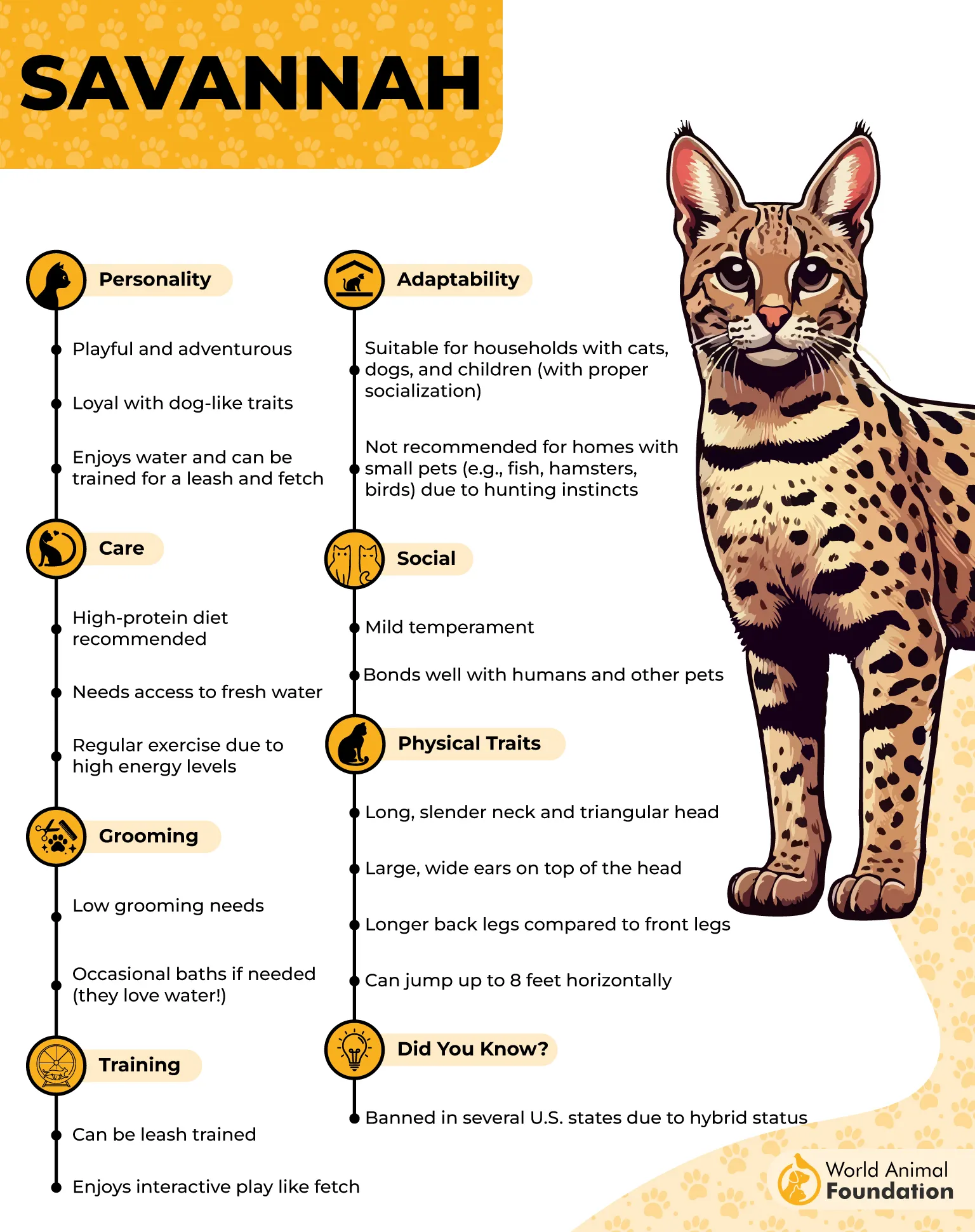
Few domestic breeds rival the Savannah’s raw athleticism. With the ability to leap up to 8 feet from a standing position, these cats dominate vertical space with effortless precision. Their long back legs and powerful build give them explosive jumping strength and remarkable stamina.
Savannahs demand constant engagement and physical outlets for their energy. Climbing towers, secure outdoor leash walks, and interactive games are essential to keep them balanced. Without sufficient stimulation, their strong prey drive and intelligence can quickly turn into restlessness.
Loyal and clever, they often bond closely with their humans and respond well to training. However, early-generation F1 Savannahs can cost up to $20,000 and may face legal restrictions in some areas.
5. Oriental Shorthair
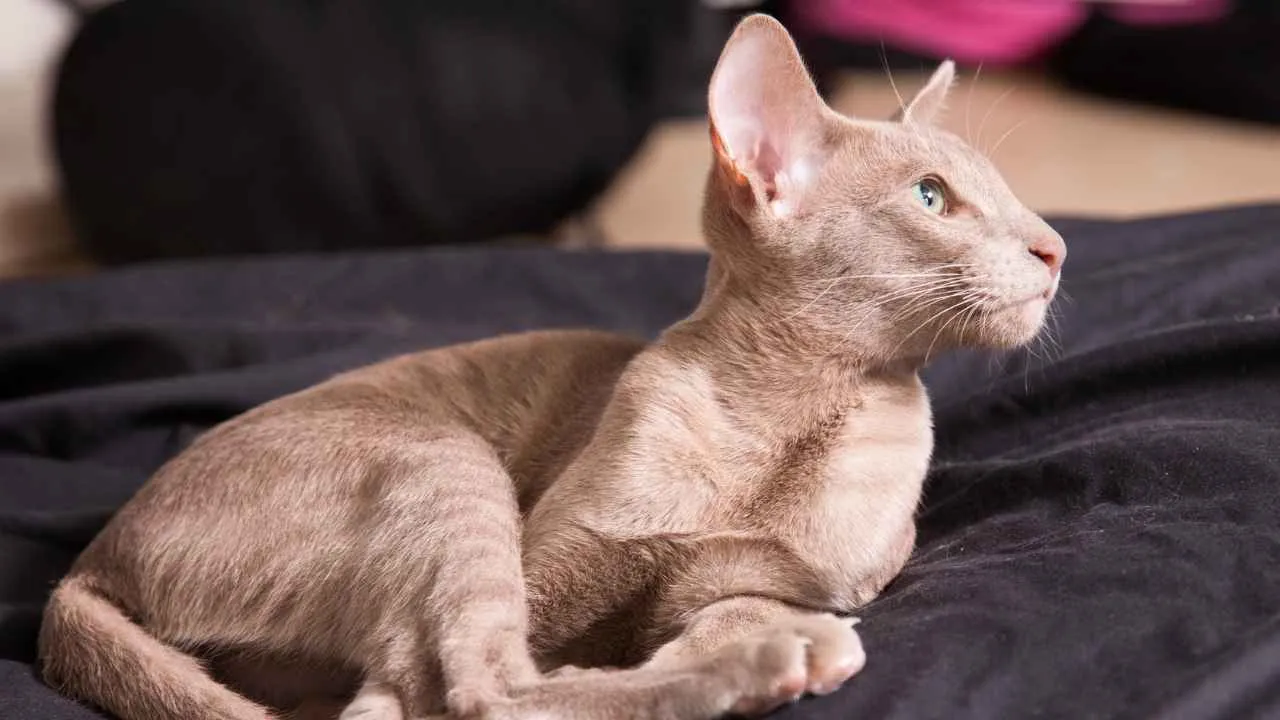
The Oriental Shorthair, developed in the 1960s from Siamese crossed with British, European, and American Shorthairs, is a sleek and charismatic breed.
Closely related to the Siamese, it shares the same elegant frame, large ears, and expressive personality, but appears in a dazzling range of colors and patterns. Confident and inquisitive, this cat brings nonstop energy into the home.
The Marathon Runner of the Cat World
Orientals are true endurance athletes. They sprint, leap, and climb with graceful precision, often choosing the highest perch in the room as their command center. Their stamina allows them to stay active far longer than many other breeds.
This livewire personality thrives on constant stimulation. Interactive toys, climbing trees, puzzle games, and even trick training help channel their boundless drive. They enjoy learning games like fetch or simple commands, turning playtime into a mental workout.
Highly social and extroverted, Orientals want to be involved in every household activity. They greet their owners enthusiastically and dislike being left alone for long periods.
6. Ocicat
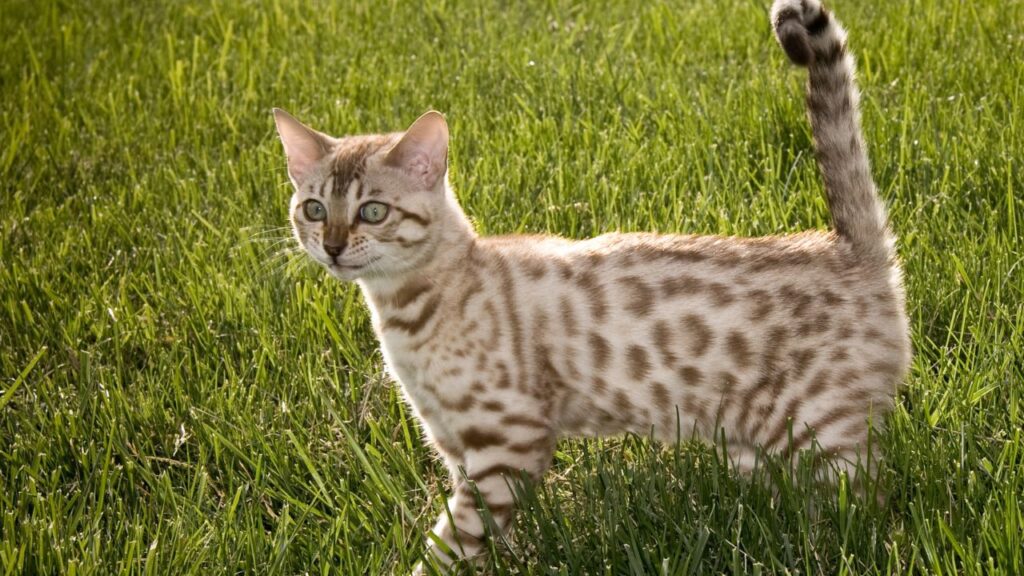
The Ocicat, sometimes simply called the “Oci,” was first developed in 1964 from crosses involving Siamese and Abyssinian cats.
Though it resembles a wild ocelot with its bold spotted coat and muscular build, the Ocicat is a fully domestic breed with no recent wild DNA. Its athletic frame and stalking posture hint at the speed and strength beneath its striking appearance.
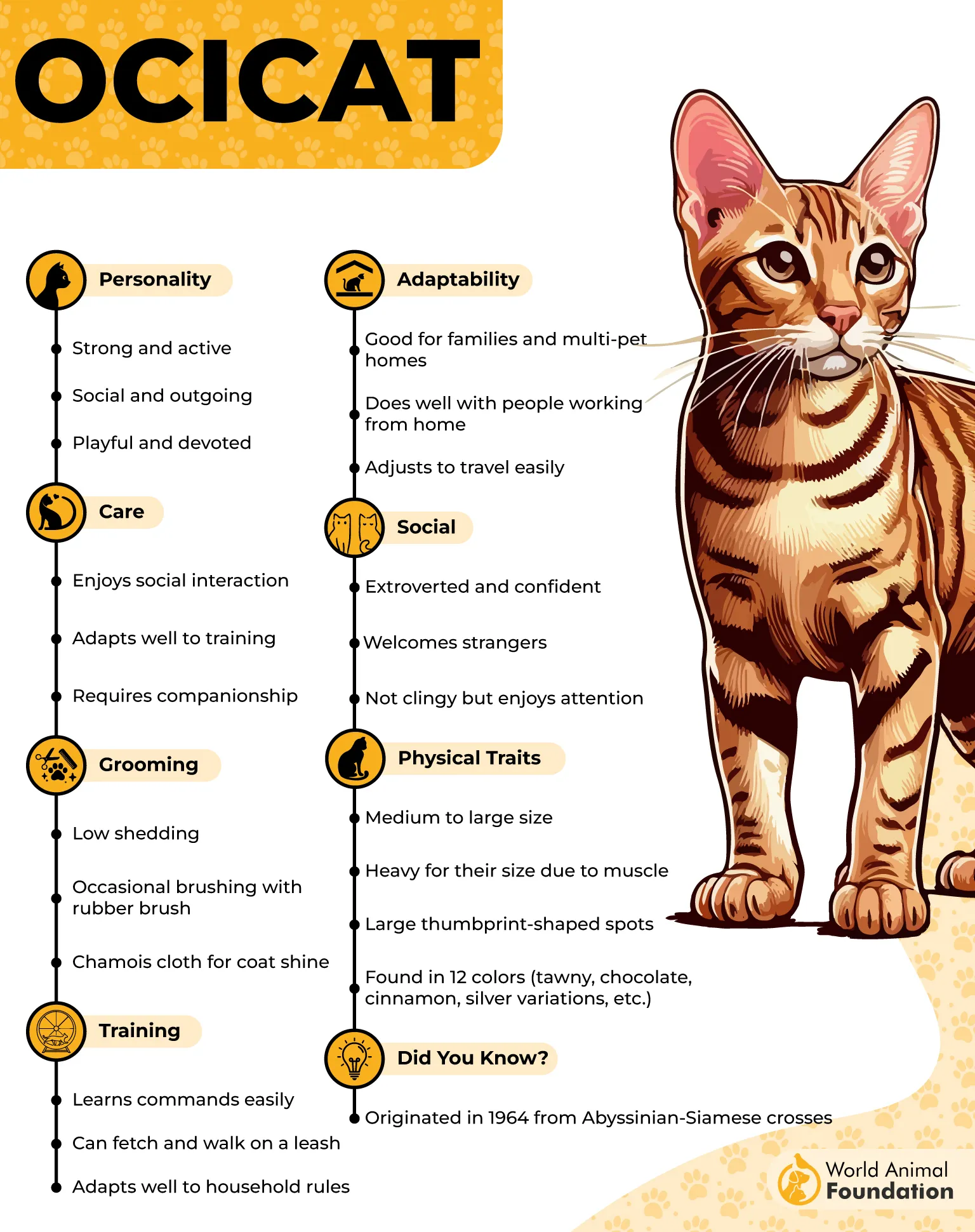
Highly Intelligent and Energetic
Ocicats are natural athletes with impressive stamina. Their well-developed muscles allow them to sprint, climb, and turn household furniture into an obstacle course. Built for speed, they combine power with graceful precision.
Intelligence is one of their defining traits. These cats quickly learn their names, respond when called, and often master games like fetch or leash walking. Puzzle feeders, treat mazes, and interactive toys are ideal for keeping their sharp minds engaged.
Highly social, Ocicats thrive on human interaction and frequently follow their owners from room to room. They adapt well to multi-pet households, provided energy levels are compatible.
7. Somali
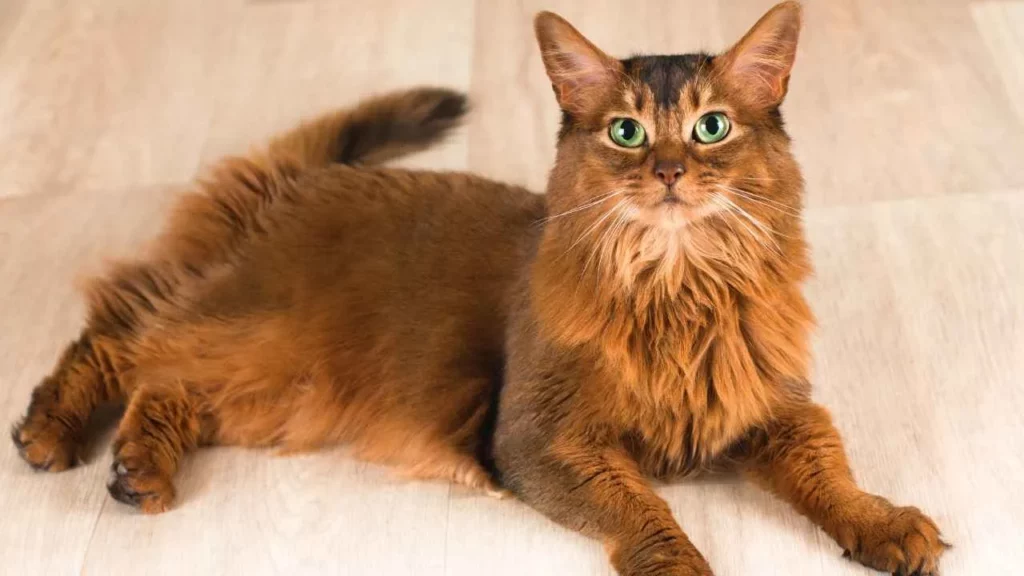
The Somali, often described as the long-haired counterpart of the Abyssinian, is a striking, fox-like breed with a bushy tail and ticked semi-long coat.
Sharing ancestry with the Abyssinian, this medium-sized cat combines athletic grace with a playful, sociable personality. Almond-shaped eyes and warm coat tones give the Somali an exotic yet friendly expression.
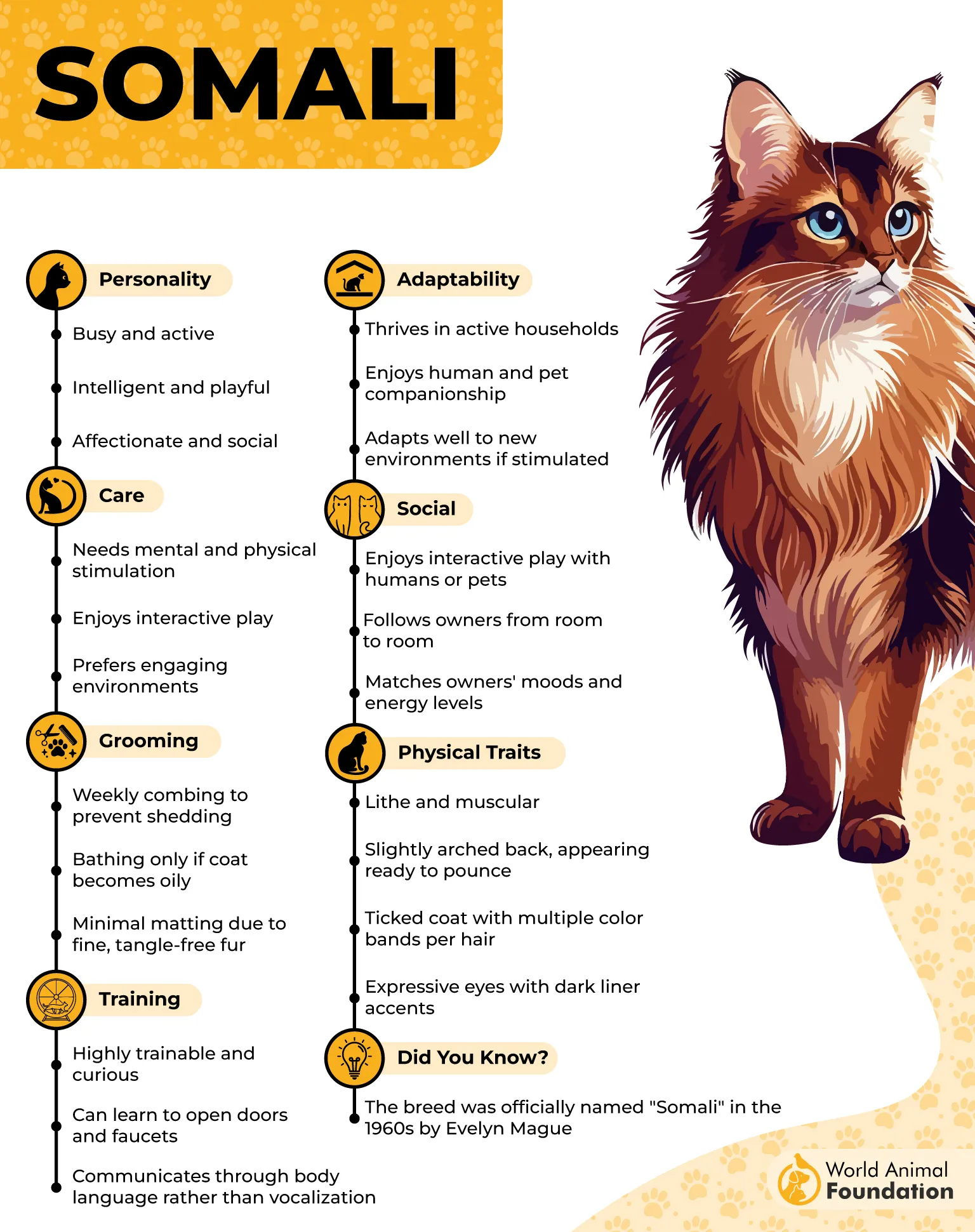
Muscular, Fast, and Fearless
Somalis are built for movement, with a sturdy, muscular frame and long, agile legs. They sprint through hallways, leap onto high perches, and explore every level of the home with fearless confidence. Their stamina makes them ideal for active households.
Highly intelligent and curious, they crave regular play and mental challenges. Many can learn to fetch, walk on a leash, or even participate in agility-style activities. Without enrichment, boredom quickly sets in, so puzzle toys and interactive sessions are essential.
Deeply social, Somalis greet their owners enthusiastically and enjoy being involved in daily routines. Their silky, ticked coat requires consistent grooming to keep it in top condition.
8. Turkish Angora
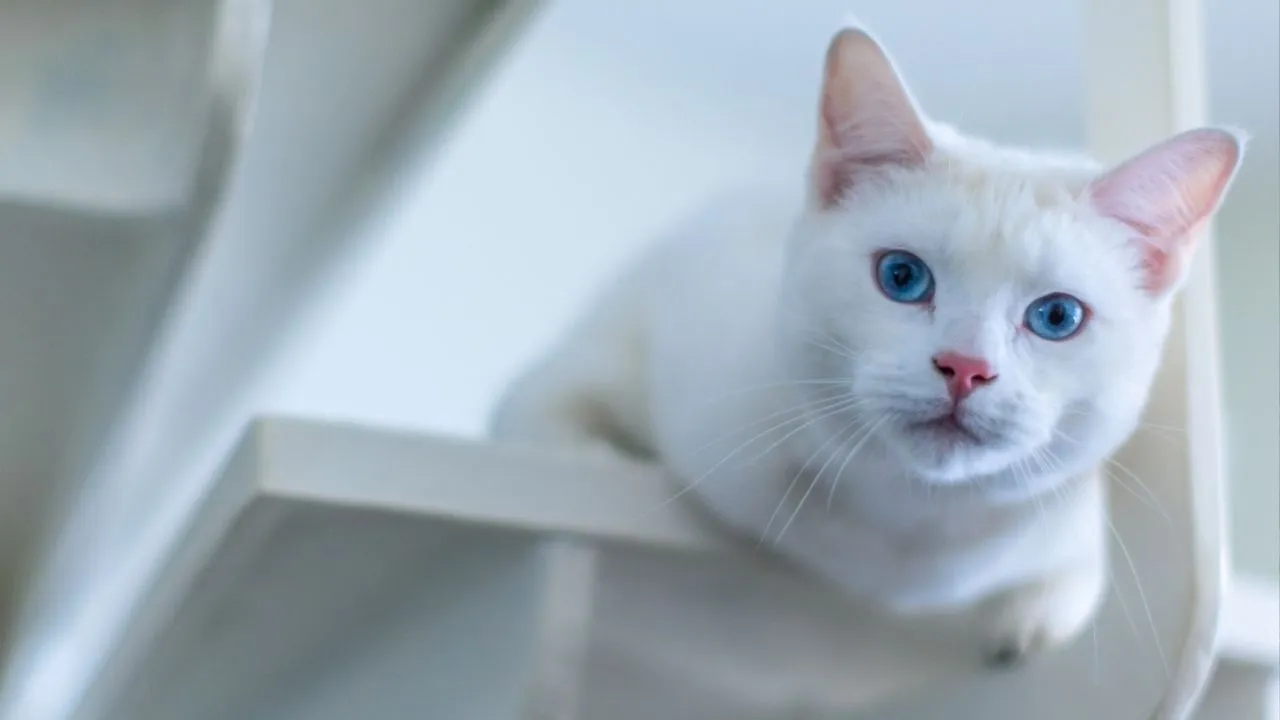
The Turkish Angora, sometimes simply called the Angora or Turkish Cat, is a natural breed treasured in its homeland for centuries.
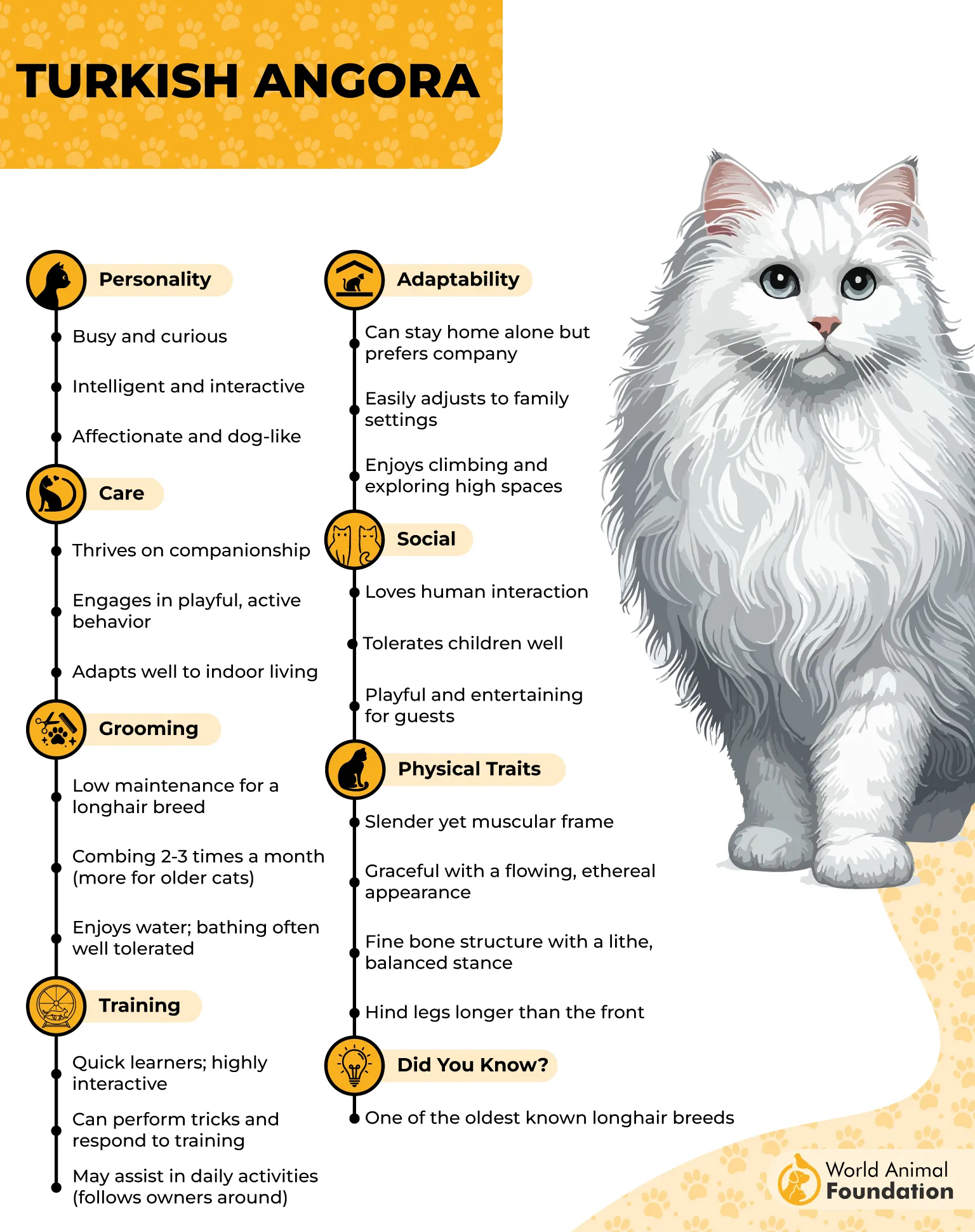
Recognized for its long, silky coat, plumed tail, and ballerina-like grace, this elegant feline carries both beauty and strength. Though often associated with white coats and blue or green eyes, the breed appears in many colors and patterns.
Natural Hunter with Boundless Drive
Behind that refined appearance lies an energetic and determined athlete. With longer hind legs that power impressive leaps, the Turkish Angora easily claims the highest perch in the room. Climbing cat trees and surveying their territory from above is second nature to them.
Highly active and clever, they crave daily play that taps into their hunting instincts. Flying toys, puzzle feeders, and interactive games keep their sharp minds satisfied and prevent mischievous behavior. Without enough stimulation, they may invent their own entertainment.
Affectionate yet strong-willed, Angoras like to supervise household activities and often assume the alpha role among other pets. They thrive on involvement and human interaction.
9. Japanese Bobtail
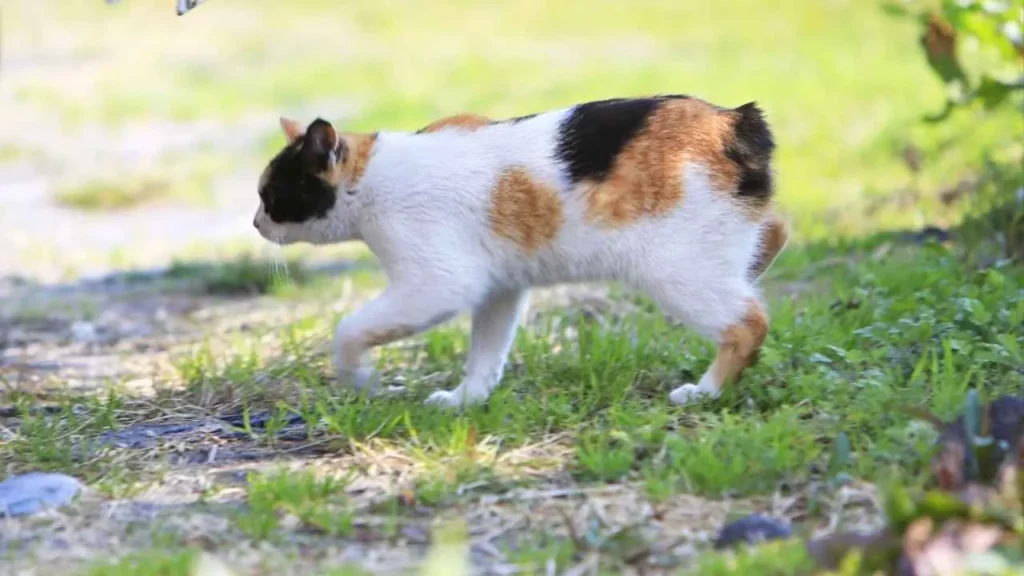
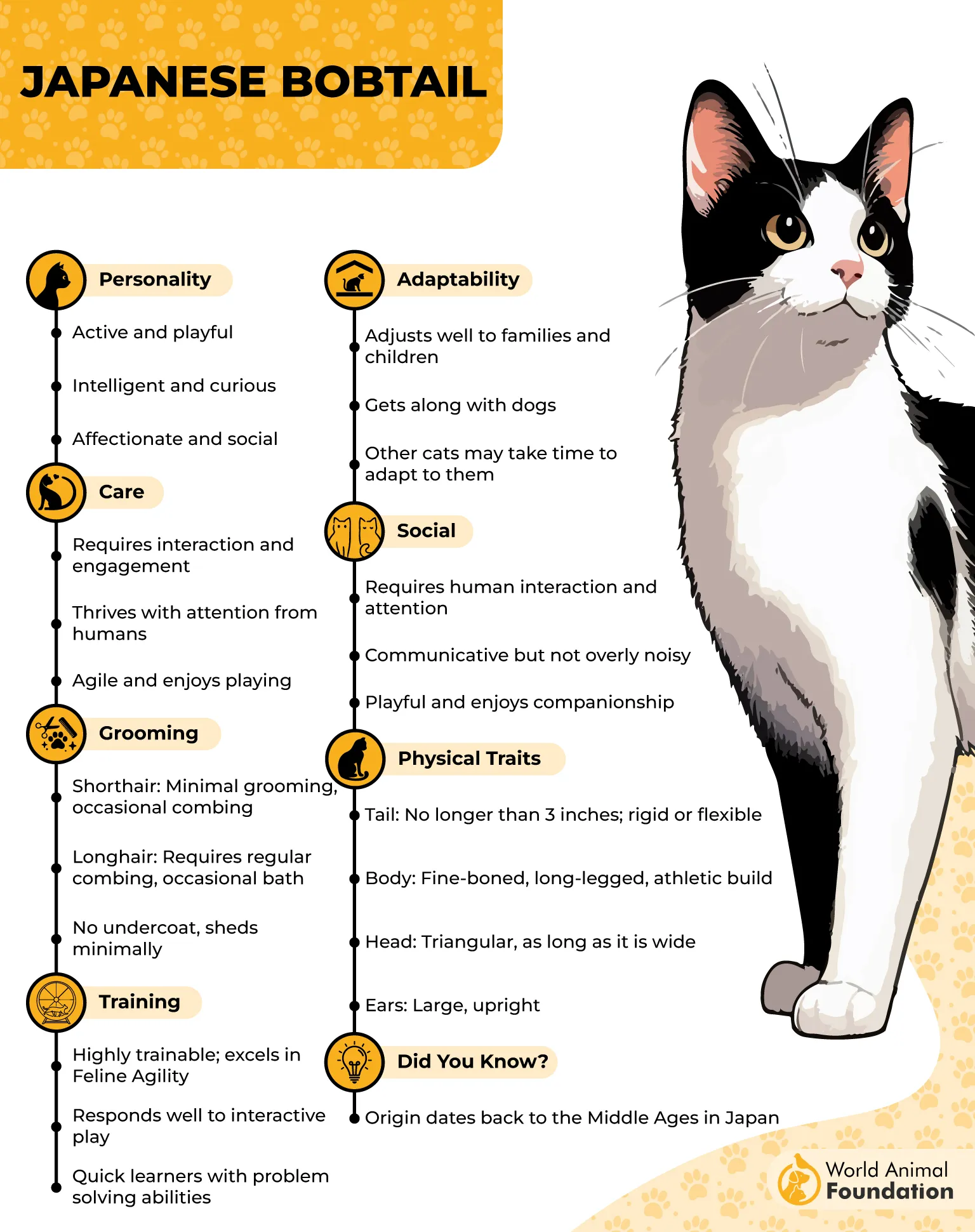
The Japanese Bobtail, sometimes simply called the Bobtail, is a naturally occurring breed recognized for its short, pom-pom tail and slender, athletic frame.
With a history in Japan stretching back over 1,000 years, this distinctive cat has long been admired for its lively personality. Though often seen in Japanese folklore and art, it is equally celebrated in modern cat fancier circles.
Agile, Alert, and Adventure-Ready
Built for motion, the Japanese Bobtail is constantly on the move. They leap onto shelves, dash through obstacle-like furniture setups, and eagerly investigate high perches. Their natural athleticism makes them well-suited for agility-style games and interactive play.
Highly intelligent and people-oriented, Bobtails thrive when learning tricks, playing fetch, or solving puzzle toys. Many even enjoy water play, adding to their adventurous spirit. Without regular engagement, their curiosity may lead them into every cupboard and corner of the home.
Outgoing and vocal, they often follow their humans from room to room, chatting in soft chirps. While affectionate, they prefer action over long lap sessions.
Conclusion
Cat breeds with high stamina bring unmatched excitement into the home. These energetic cat breeds combine a muscular body, sharp instincts, and impressive endurance.
Many have wild cat ancestry or a striking wild appearance that reflects their athletic roots within the big cat family. To keep playful cat breeds mentally and physically satisfied throughout the day, cat parents should provide tall cat trees, sturdy scratching posts, puzzle toys, and interactive sessions that let them play game after game without boredom or destructive behaviors.
Even compared to big cat species like the snow leopard, domestic felines retain natural skills for hunting prey. With proper enrichment, leash training, and time to spend time engaging with their humans, these playful cats truly thrive alongside other cats and loving families.
