




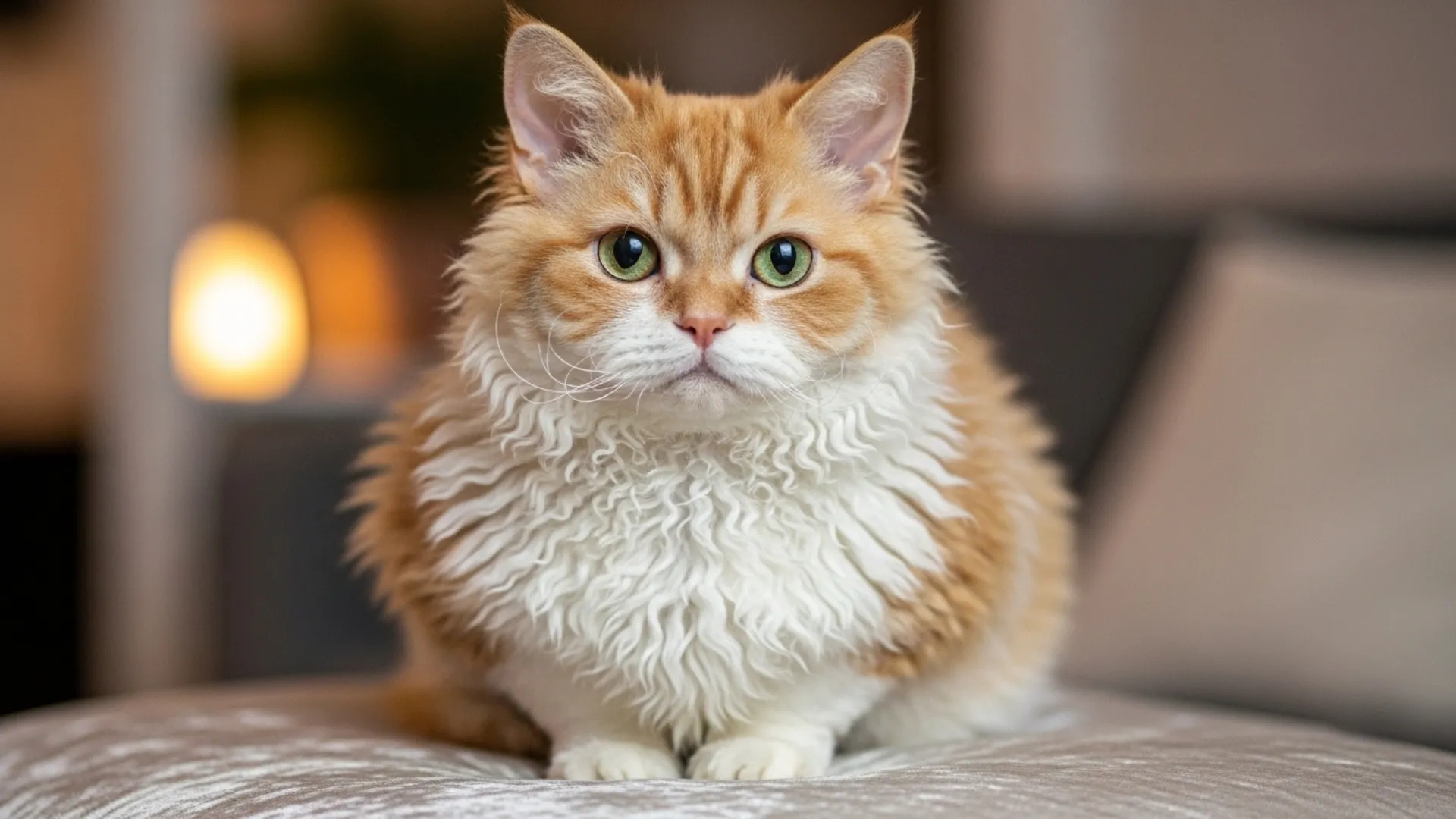
Large cat breeds with high coat density are admired for their plush, full-bodied appearance and irresistibly soft texture. This density refers to the number of hair layers and how closely they grow together, creating a thick, voluminous coat. From silky long-haired breeds to dense short-haired varieties, these cats stand out for both beauty and structure.
Dense fur serves more than just aesthetic appeal—it plays a vital role in protection and temperature control. Most cats have double or even triple-layered coats, combining a soft insulating undercoat with a longer outer layer that repels moisture. This natural design helps them stay warm in colder months while shedding excess undercoat to remain comfortable in warmer seasons.
The genetics behind these coats influence not only thickness but also texture and seasonal changes. Caring for such fur requires regular attention to prevent tangles and manage shedding. With proper maintenance, these richly coated, long-haired cats remain healthy, comfortable, and visually striking throughout the year.
Cat Breeds with High Coat Density
1. Selkirk Rex
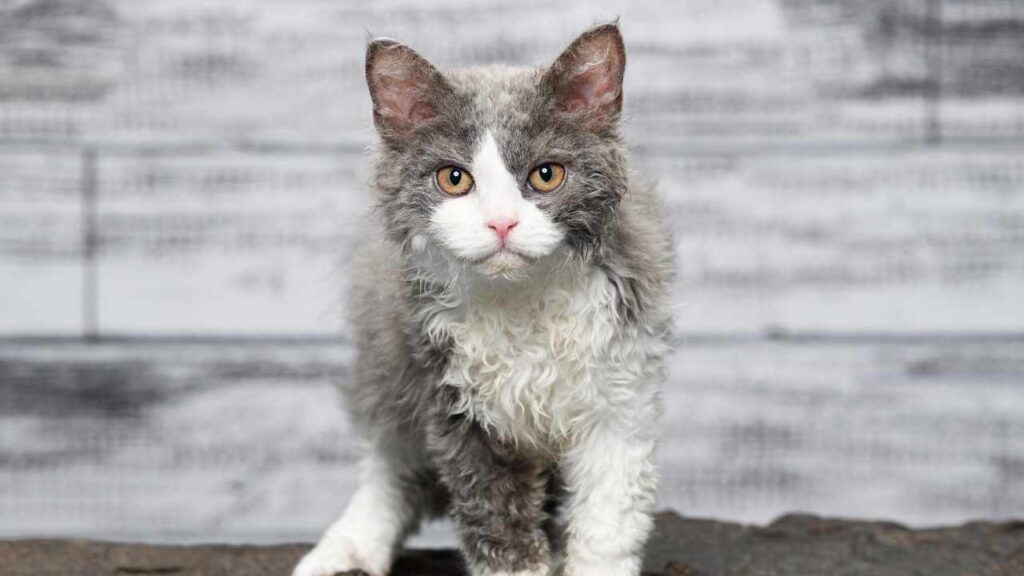
The Selkirk Rex, often nicknamed the “poodle cat,” is a distinctive breed known for its dense, curly coat, tufted ears, and plush texture. Influenced by Persian lineage, this cat combines a soft, wool-like appearance with a sturdy, well-rounded build.
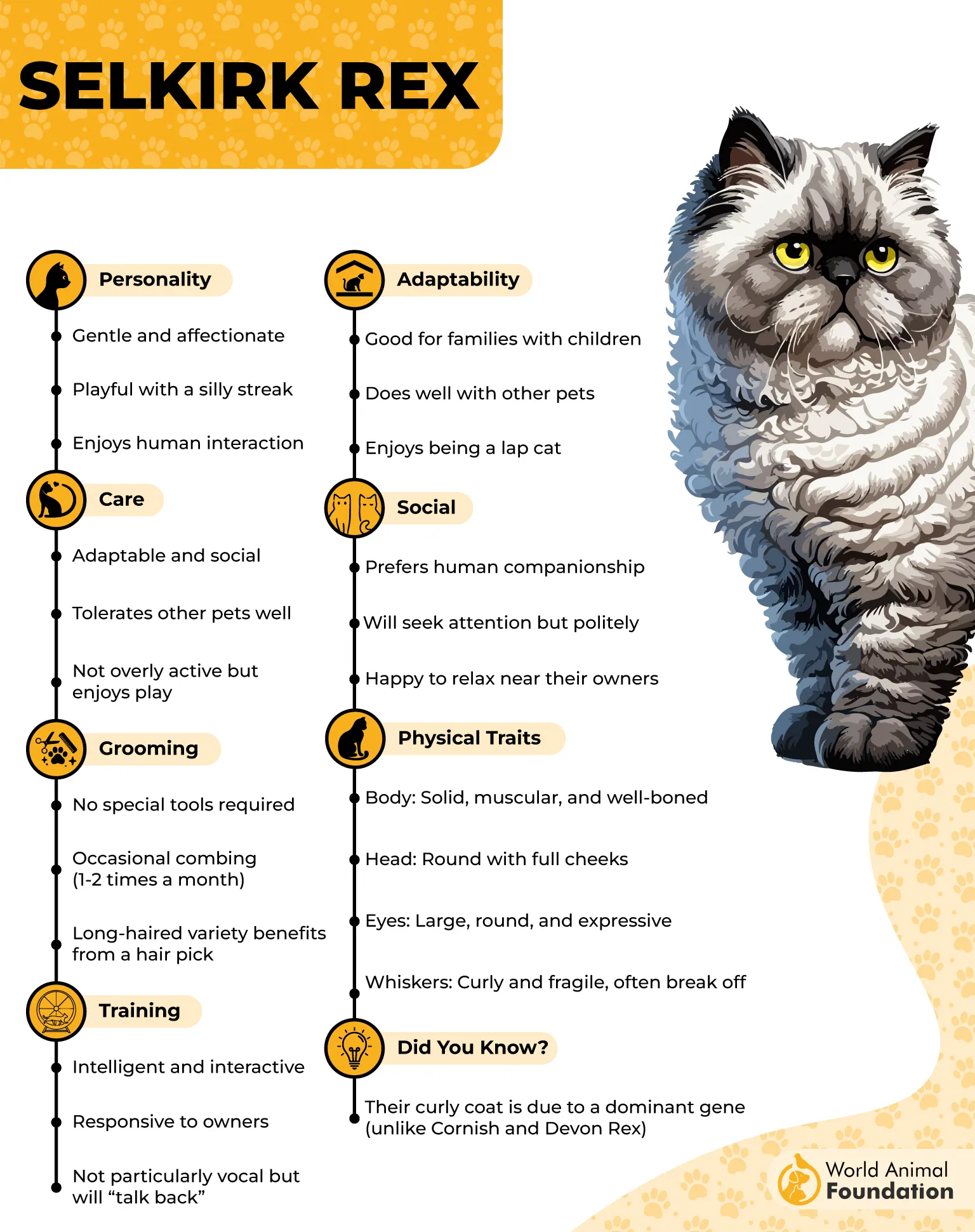
The Thick-Coated Feline with Luxurious Density and relaxed temperament
What sets this breed apart is its exceptionally thick coat, formed by a genetic mutation that creates loose, bouncy curls across the body. The fur can be short or long, but in both cases, it feels dense and full, giving it a rich, voluminous look.
Unlike many other long-haired breeds, excessive brushing can disrupt its natural curls, making the coat appear frizzy rather than defined. Instead, gentle maintenance helps preserve the coat’s structure and keeps it looking soft and well-formed.
The Selkirk Rex is also known for its affectionate and playful personality, often described as relaxed yet entertaining. Its plush coat, combined with its cuddly nature, makes it especially appealing to those who enjoy tactile companionship.
Fact: The Selkirk Rex’s signature curly coat comes from a natural genetic mutation and is further enhanced by its Persian ancestry.
2. Chartreux
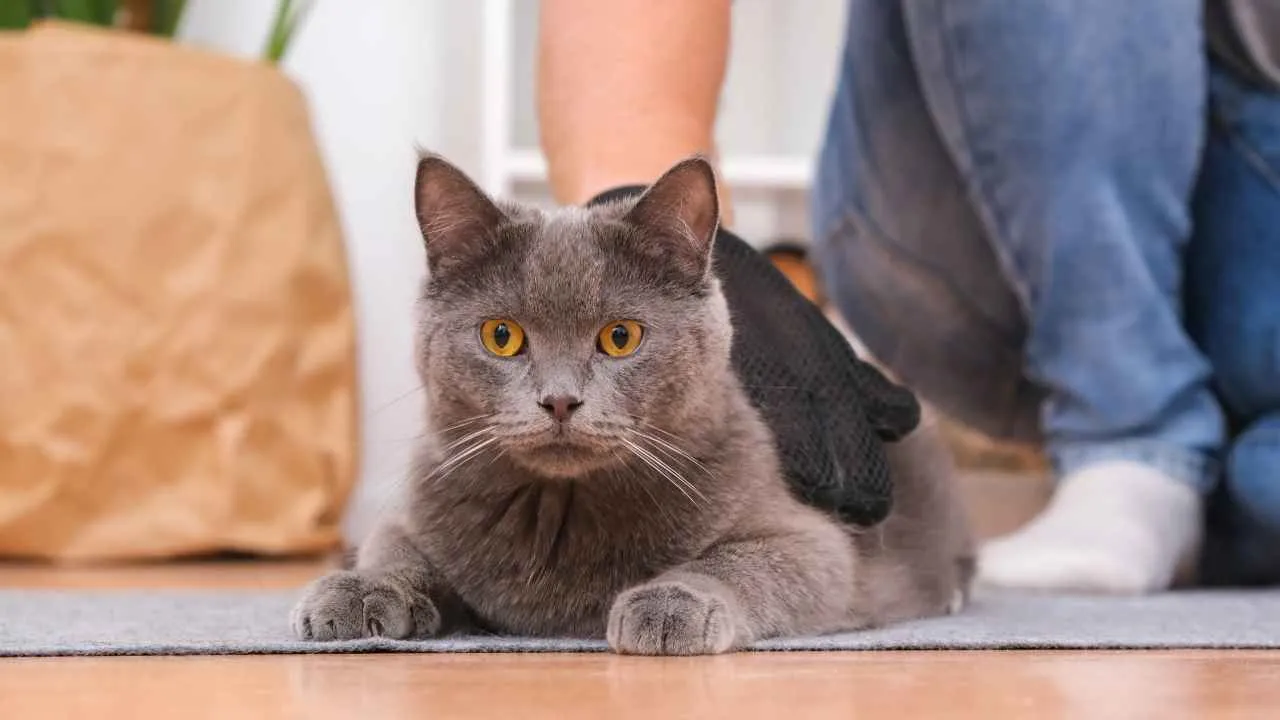
The Chartreux, often called the French blue cat, is a distinctive breed recognized for its solid blue-gray coat and gentle “smiling” expression. Though sometimes confused with the British Shorthair, it has a more refined face and uniquely woolly fur texture.
According to Hill’s Pet, the Chartreux has a thick, dense coat that becomes fuller in winter, with a slightly firm texture that serves as protection.
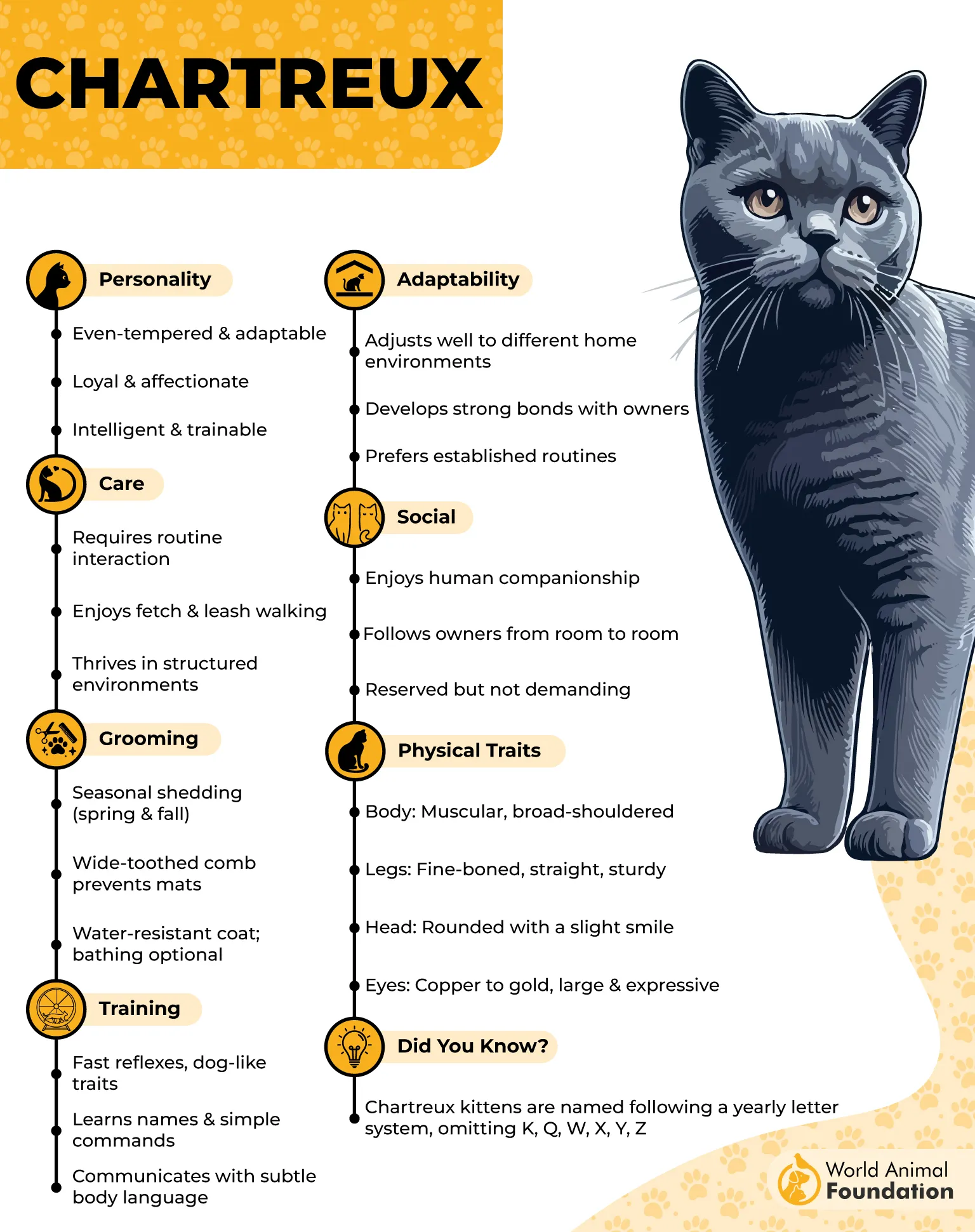
A Plush Companion Known for Its Full Fur Layers
This breed’s coat is remarkably dense, featuring a thick, soft underlayer that lifts the outer fur slightly away from the body. The result is a plush, almost water-resistant brown tabby texture that feels both full and springy to the touch.
Its double-layered coat becomes especially thick with seasonal changes, requiring more frequent brushing during shedding periods. Despite its short length, the fur holds impressive volume, giving the cat a rounded, well-padded appearance.
Like any other cat, Chartreux are calm, affectionate, and quietly playful, often forming strong bonds with their families. Their sturdy build and dense coat reflect their history as capable hunters with both strength and resilience.
Fact: The Chartreux’s dense, woolly coat includes a thick undercoat that can become heavier during seasonal shedding periods.
3. American Bobtail
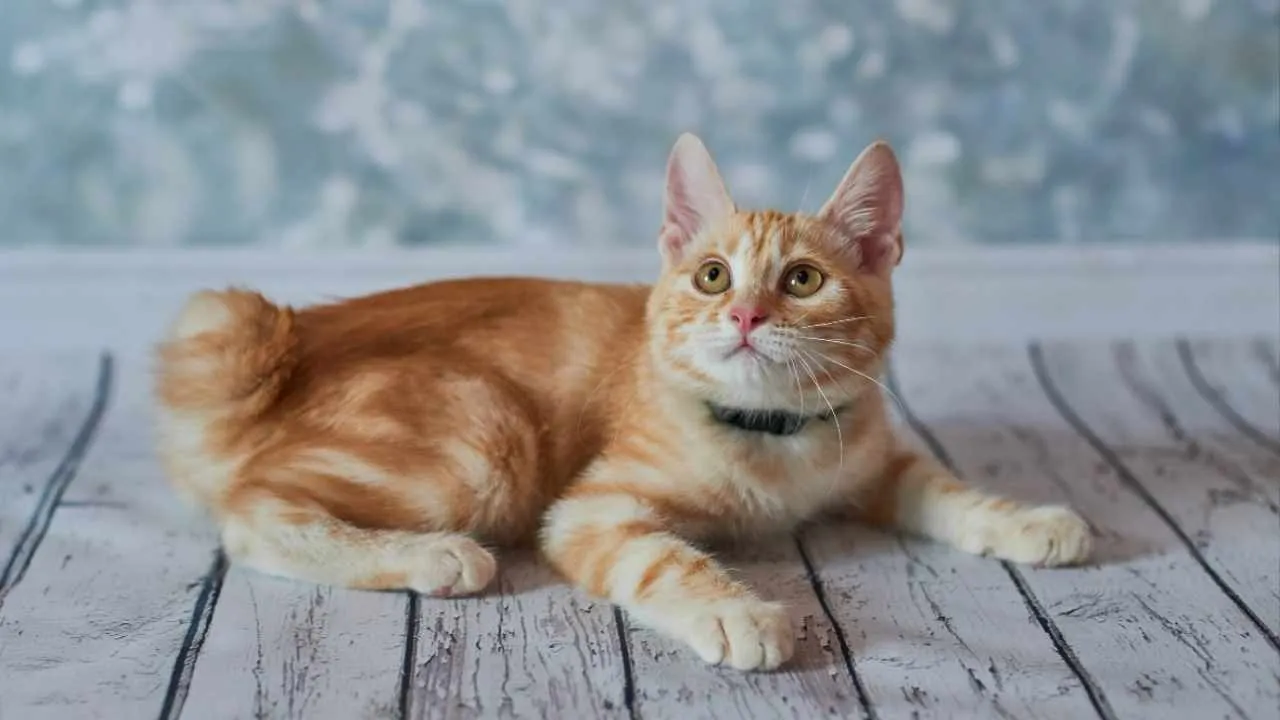
The American Bobtail, sometimes simply called the Bobtail, is known for its wild appearance and naturally shortened tail. With a sturdy build and expressive features, this breed combines rugged looks with a friendly and affectionate nature.
According to WebMD, American Bobtails have a wildcat-like appearance with soft fur, varied coat styles, and a distinctive short tail. They are low-maintenance and typically only need brushing once or twice a week.
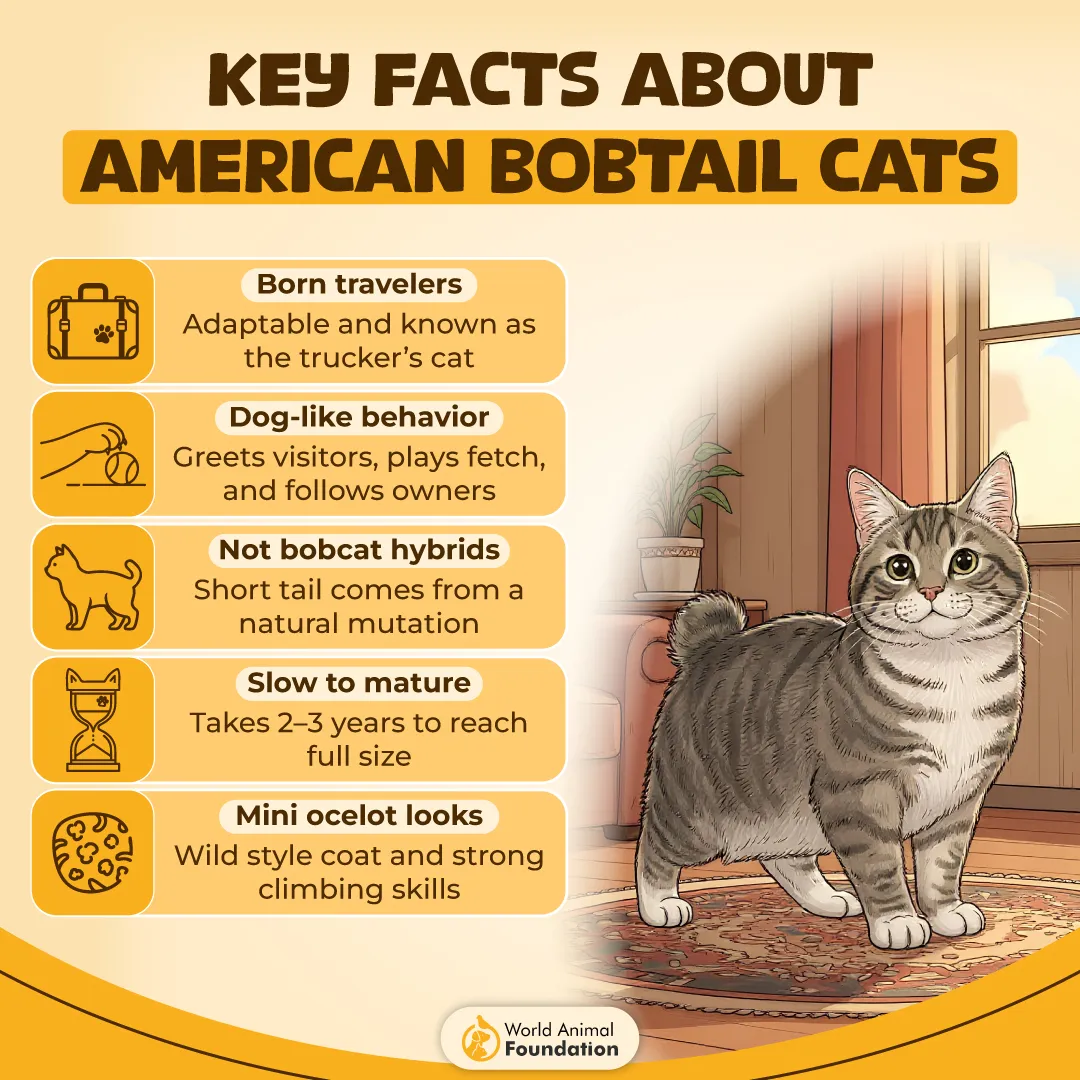
The Fluffy domestic Cat with Naturally Dense Undercoat
One of the defining traits of this breed is its double-layered coat, which includes a firm outer layer and a soft, insulating undercoat. This structure gives the fur a noticeably thick and cushioned feel.
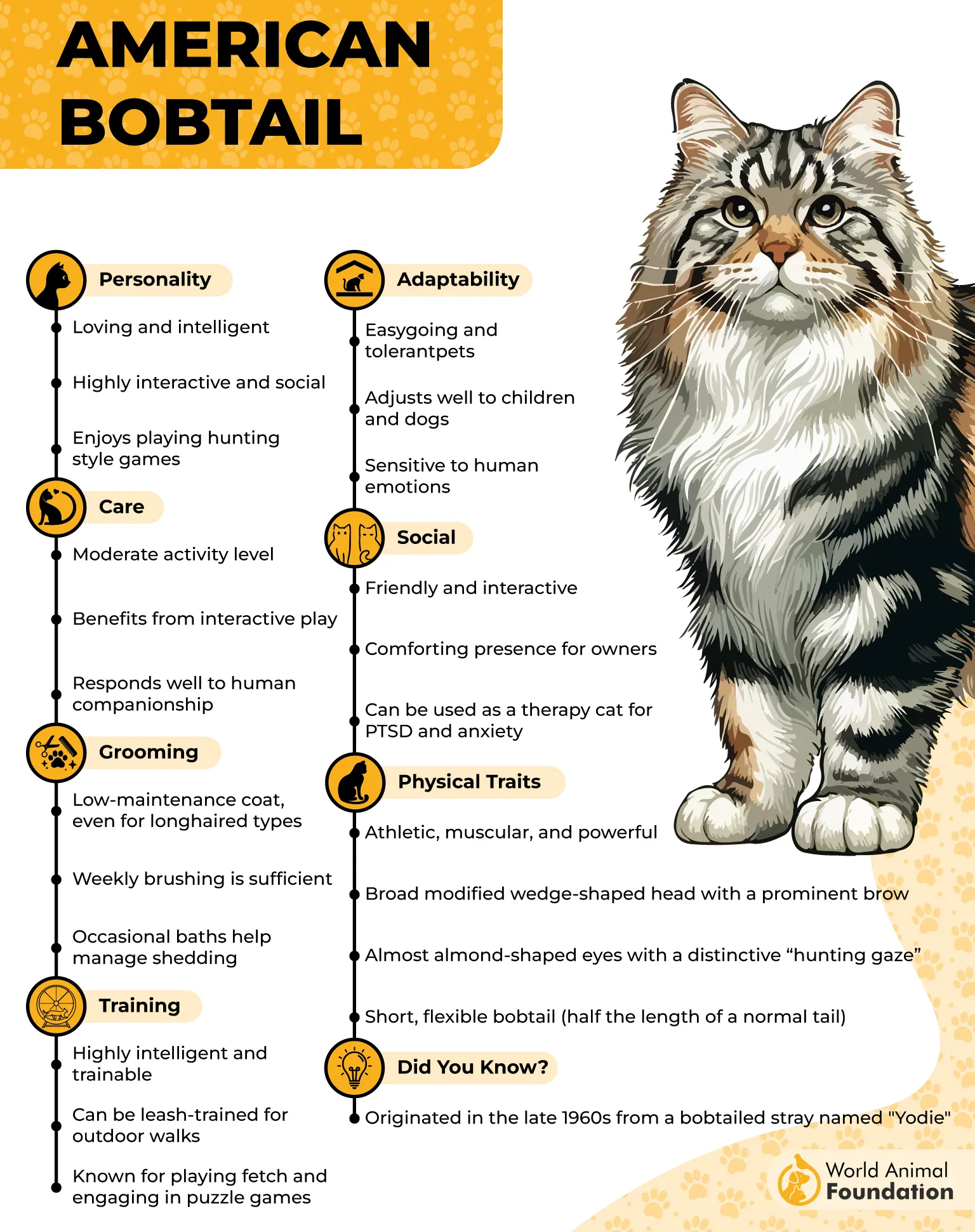
Shorthaired Bobtails actually have medium-length fur with a dense underlayer, while longhaired varieties display a slightly shaggy coat that adds to their full, textured appearance. The coat often appears fuller around the neck, belly, and tail.
Despite their robust coat, these cats are adaptable and easygoing, with playful personalities and strong bonds with their families. Their dense fur contributes to both their rugged look and their ability to handle varying environments.
Fact: The American Bobtail features a double coat with a soft underlayer that adds to its overall coat density and texture.
4. Maine Coon
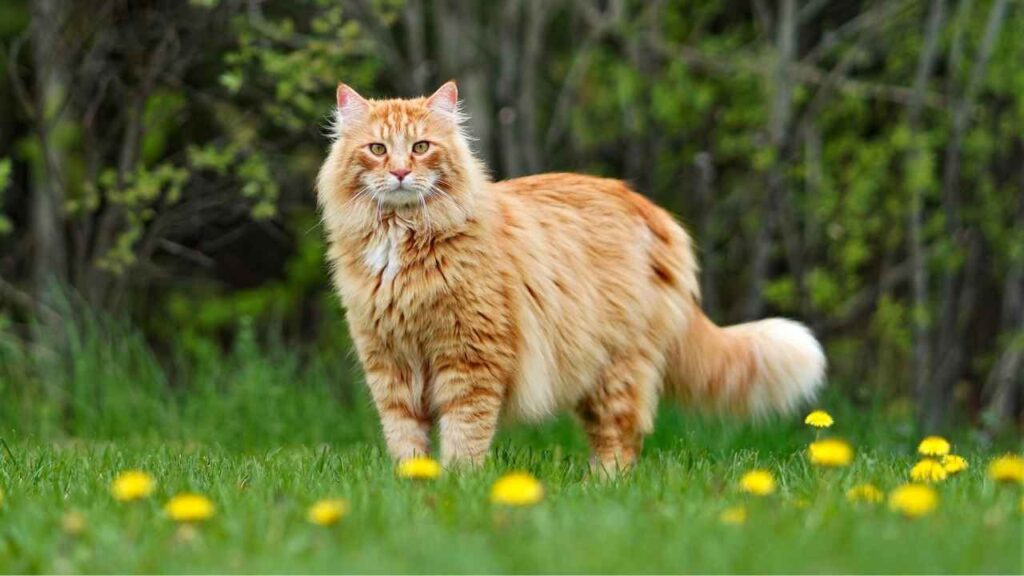
The Maine Coon, often called the “gentle giant,” is one of the largest and most highly intelligent domestic cat breeds, admired for its rugged build and luxurious coat. Originating in North America, it developed features suited to harsh climates, including its thick, weather-resistant fur.
According to Petplan, Maine Coon cats come in many colors—especially silver tabby and ginger—with unique patterns often marked by an “M” on the forehead. Their coat is striking, and care can be enjoyable when introduced gently from a young age using positive reinforcement.
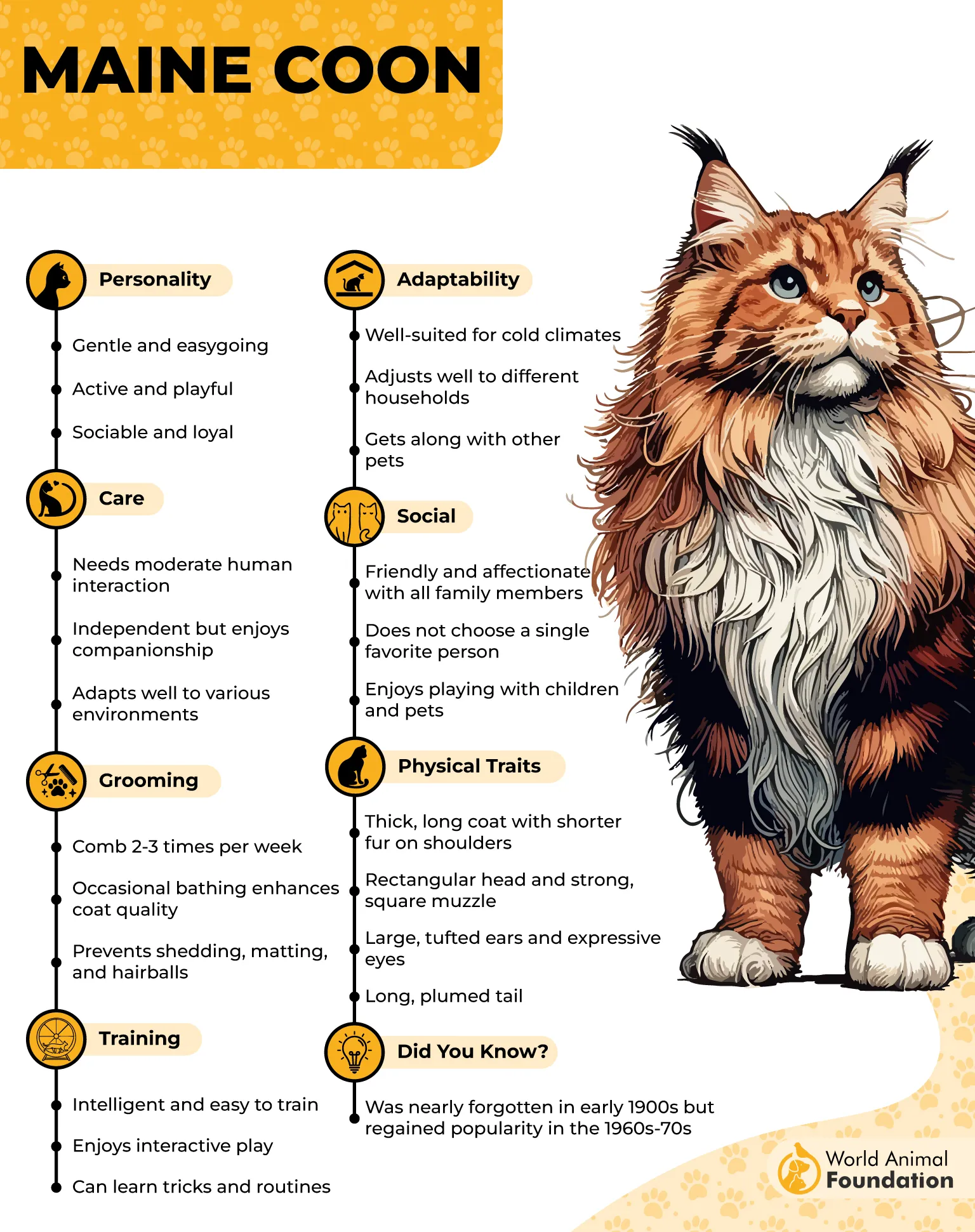
A Rich-Coated big house cat with Soft, Heavy Fur
This breed’s coat is built for protection, featuring a dense insulating underlayer paired with a longer, water-repellent outer coat. Together, these layers create a heavy, full texture that feels both soft and substantial.
The fur is shorter on the head and shoulders but becomes longer along the back, belly, and tail, adding to its overall volume. This variation enhances its dense appearance while providing natural protection against cold and moisture.
Seasonal changes can make the coat even thicker, especially in colder environments, requiring regular care to keep it well-maintained. Despite its fullness, the coat is designed to shed less frequently outside of these seasonal shifts.
Fact: The Maine Coon’s double coat includes a dense insulating layer and a protective outer layer that helps repel water and harsh weather.
5. Norwegian Forest Cat
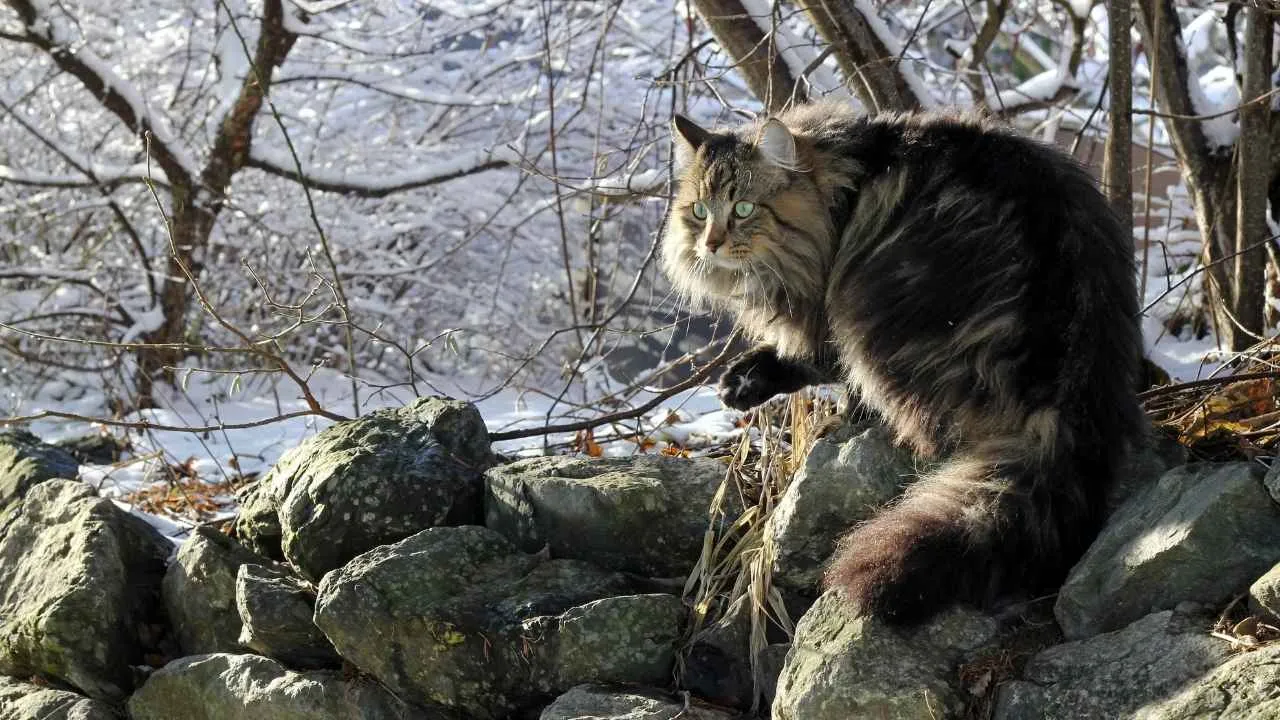
The Norwegian Forest Cat, one of the biggest domestic cats, also known as the “Wegie” or Skogkatt, is a large, long-haired breed developed to withstand the harsh climates of Scandinavia. With its strong build and rugged appearance, it is perfectly adapted to cold environments.
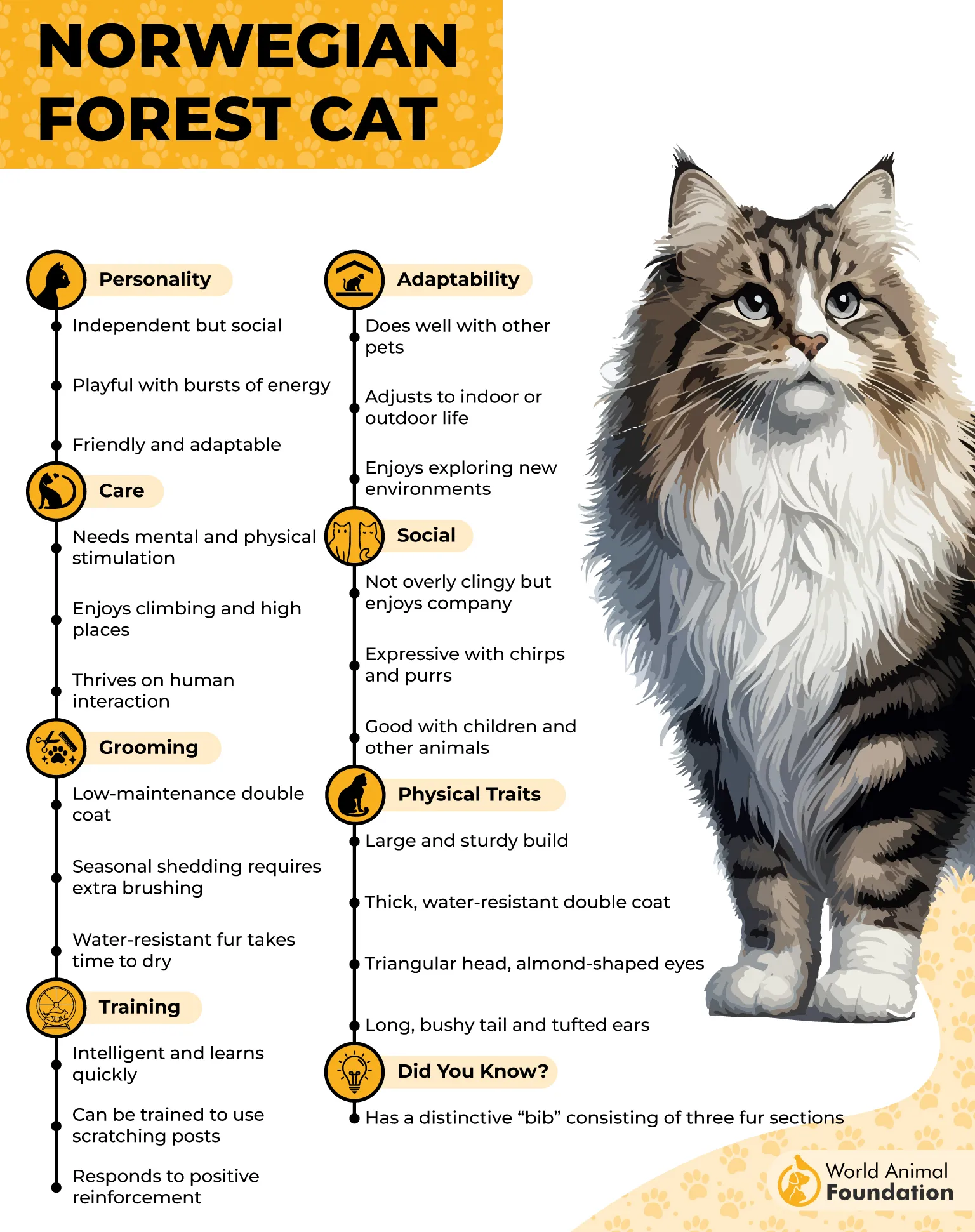
The Voluminous Feline with Impressive Coat Thickness
This big cat features a dense double coat designed for insulation, with a thick underlayer that traps warmth and a water-resistant outer layer that shields against moisture. The result is a full, voluminous coat with remarkable depth.
Its semi-long fur grows heavier around the chest, belly, and tail, enhancing its overall thickness and giving it a dramatic, fluffy outline. Regular brushing helps maintain this dense coat and prevents tangles.
Seasonal shedding occurs twice a year, during which the coat becomes even more abundant before transitioning. Despite this, the texture remains manageable with consistent care, especially since these cats typically enjoy human interaction.
Fact: The Norwegian Forest Cat’s coat includes a dense insulating underlayer and a water-repellent outer layer, developed for survival in cold climates.
6. Siberian Cat
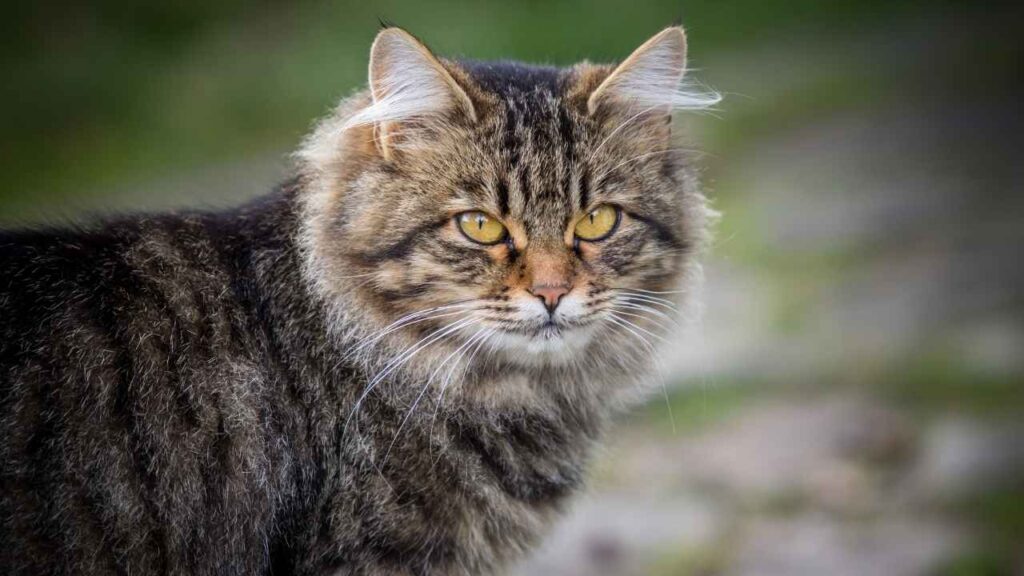
The Siberian Cat, sometimes simply called the Siberian, is a powerful, long-haired breed originating from Russia. Known for its strong build and striking eyes, it develops slowly and carries a rich, weather-adapted coat.
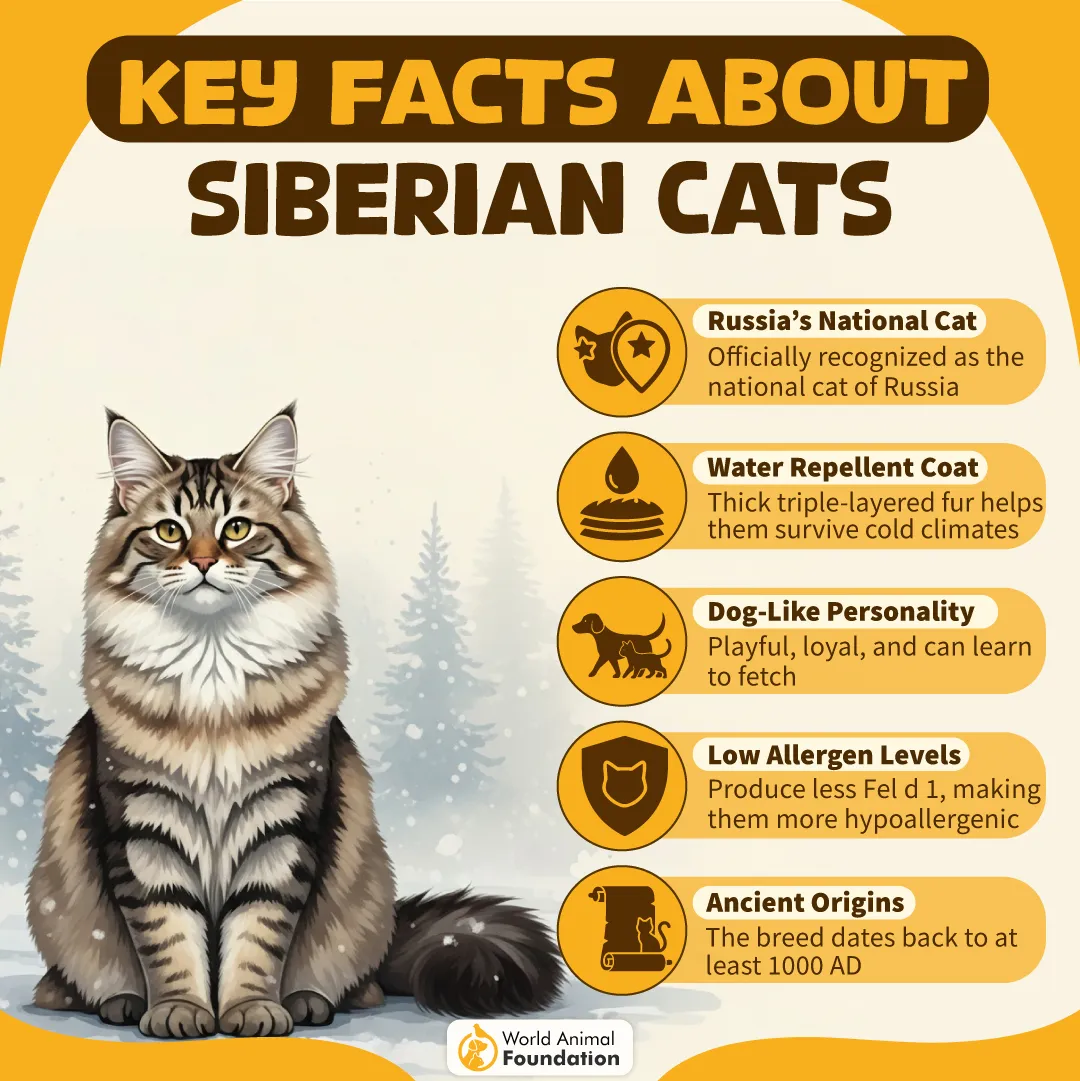
According to PetMD, the Siberian has a triple-layered coat—guard hair, awn hair, and undercoat—that comes in many colors. While it needs regular care, it may require less maintenance than expected.
A Dense-Furred Cat Built for Cold Environments
This breed is defined by its impressive triple-layered coat, consisting of a soft insulating undercoat, a middle layer, and a protective outer coat. Together, these layers create exceptional density and natural insulation.
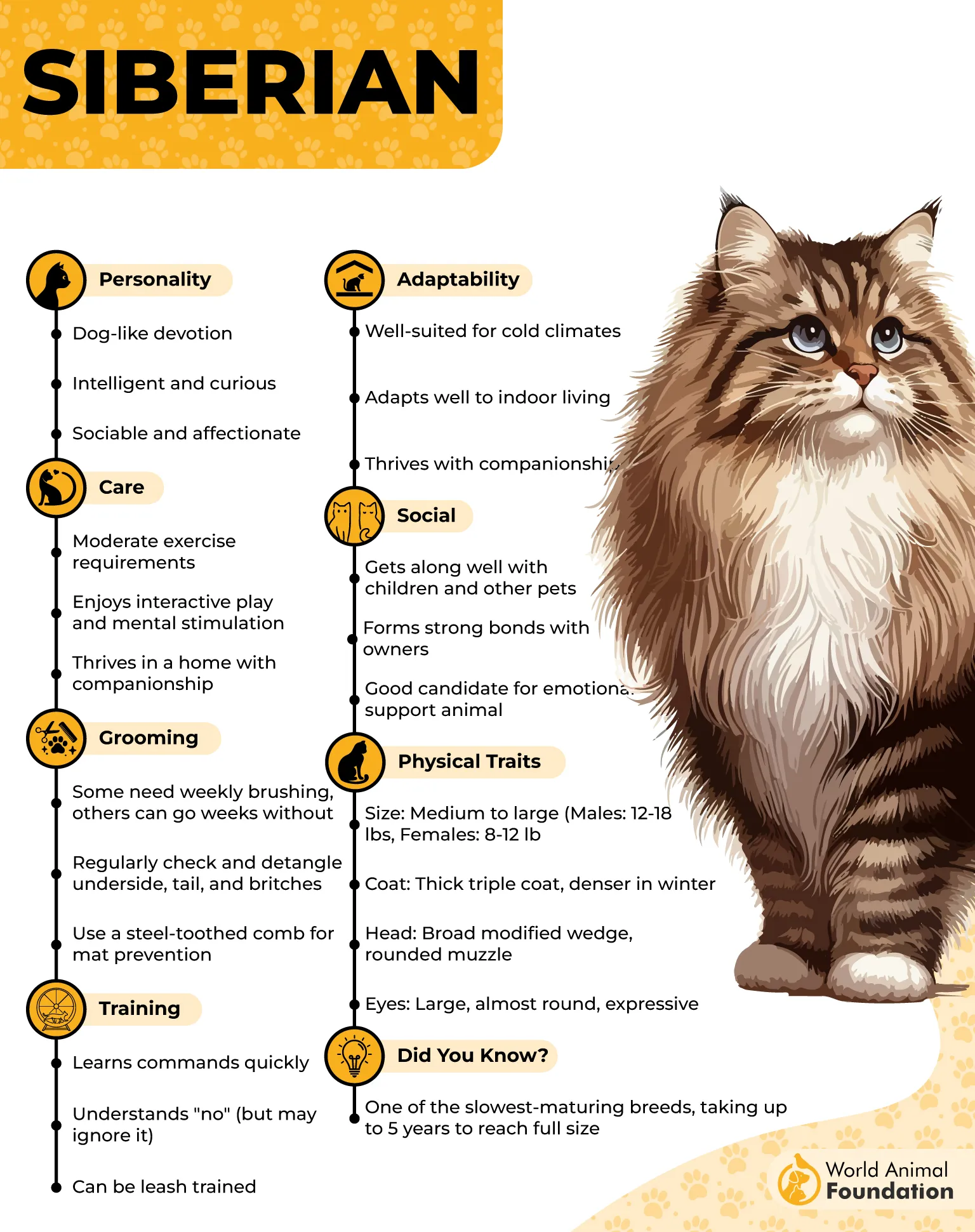
The fur becomes especially thick around the neck, forming a mane-like ruff, while additional tufts grow between the toes and ears. This layered structure helps the cat retain warmth and stay protected in extreme climates.
Seasonal changes influence coat density, with heavier growth in colder months and partial shedding during warmer periods. Despite its fullness, regular light care is usually enough to keep the coat healthy and free of tangles.
Fact: The Siberian Cat has a triple coat made up of three distinct layers, helping it withstand harsh, cold environments.
7. Ragdoll
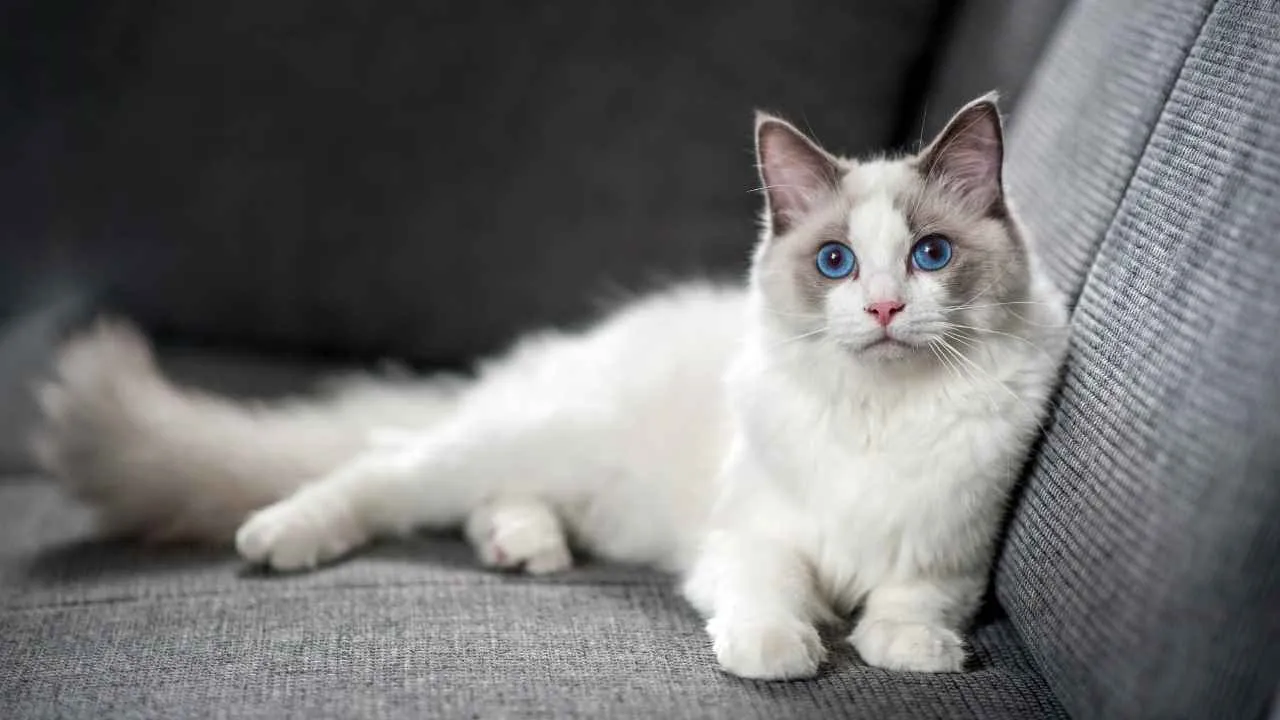
The Ragdoll, often nicknamed the “puppy cat,” is a large, affectionate breed known for its relaxed nature and silky coat. Famous for going limp when held, it combines gentle behavior with a plush, eye-catching appearance.
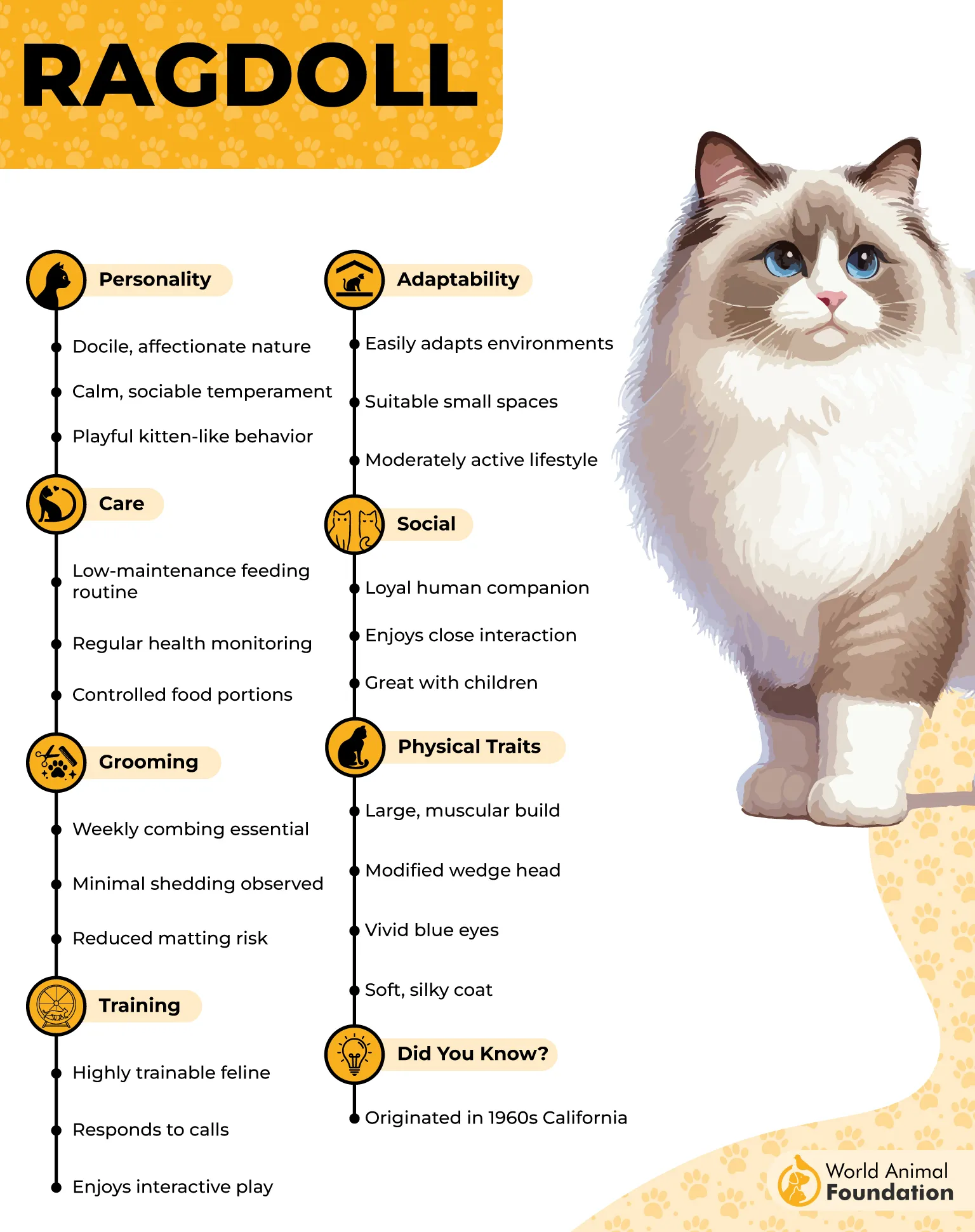
The Soft and Full-Coated Companion with Strong Fur Coverage
This breed features a semi-long to long coat that feels smooth and silky, with noticeable fullness around the neck forming a thick mane. The fur creates a soft, layered look without feeling overly heavy.
Its coat extends into a bushy tail and dense fur along the hind legs, often referred to as “knickerbockers,” adding to its overall volume. Fine strands also grow between the toes, contributing to its well-insulated structure.
Seasonal changes can affect coat density, with heavier fur during cooler months and lighter shedding in warmer conditions. Despite its full coverage, moderate brushing is usually enough to keep it looking neat.
Fact: The Ragdoll’s coat becomes fuller around the neck and hind legs, creating a mane and dense “knickerbockers” that enhance its thick appearance.
Conclusion
Cat breeds with high coat density stand out for their rich, plush fur that gives them a full and luxurious appearance. These dense coats not only enhance their visual appeal but also serve functional purposes, such as insulation and protection. From velvety textures to thick, layered fur, each breed showcases how coat density contributes to both beauty and structure.
While these domesticated cats are undeniably striking, their coats require consistent care to stay in top condition. Regular brushing helps manage loose hair and maintain the coat’s natural texture, while proper nutrition supports healthy fur growth. Understanding coat density allows owners to better meet grooming needs and appreciate the unique qualities that make these breeds so visually impressive.
