




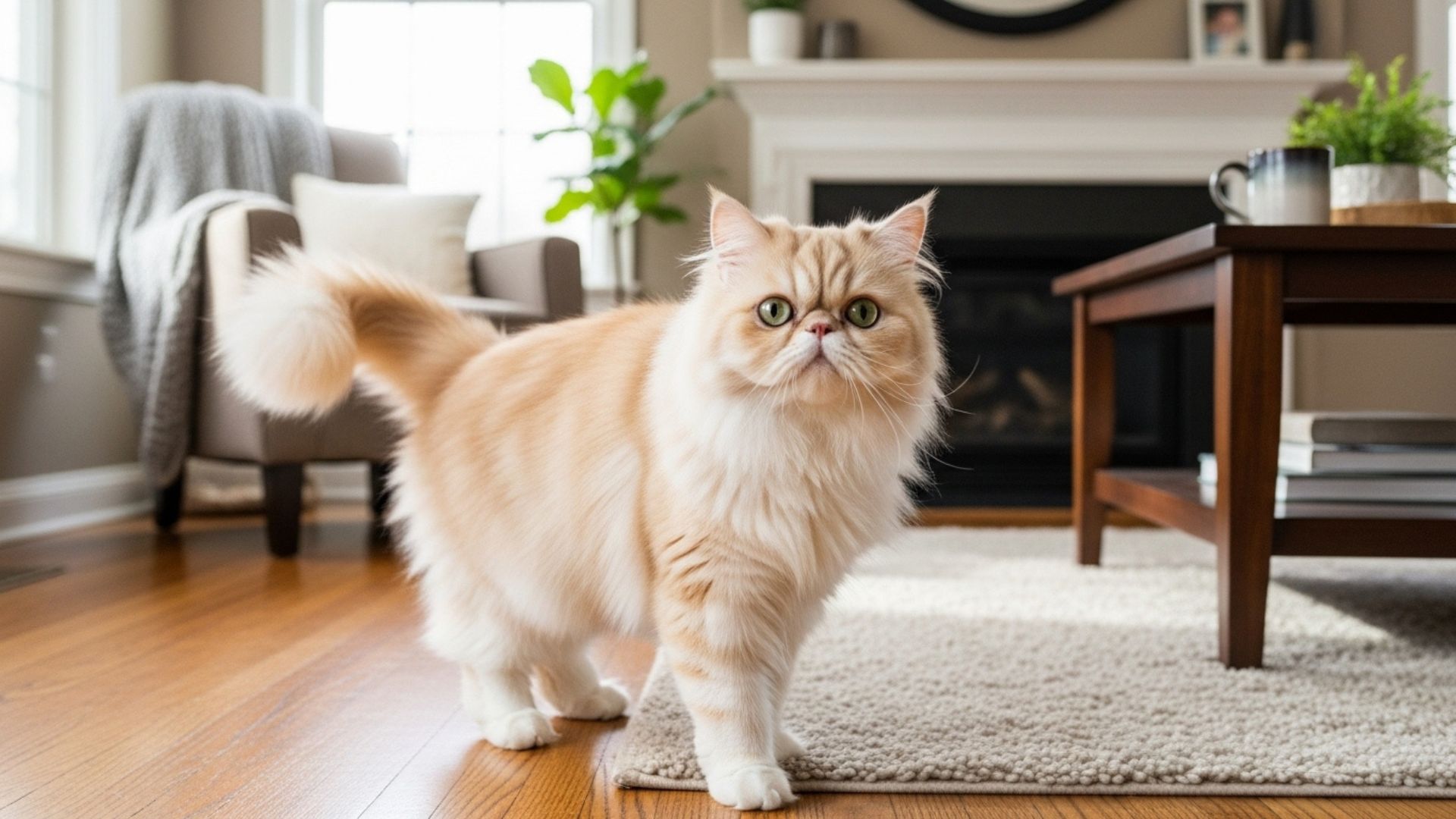
For cat lovers around the world, few things are as irresistible as a feline with a luxuriously plush coat. Whether it’s long, silky fur that begs to be stroked or a dense, cloud-like undercoat perfect for cuddles, certain breeds stand out for their soft, touchable coats that make them wonderful companions.
In this article, we’ll explore some of the cat breeds best known for their extremely plush coats, describe what makes their fur so special, and help you appreciate the variety of textures and grooming needs these beautiful cats bring into our lives.
Cat Breeds With Extremely Plush Coats
1. British Shorthair
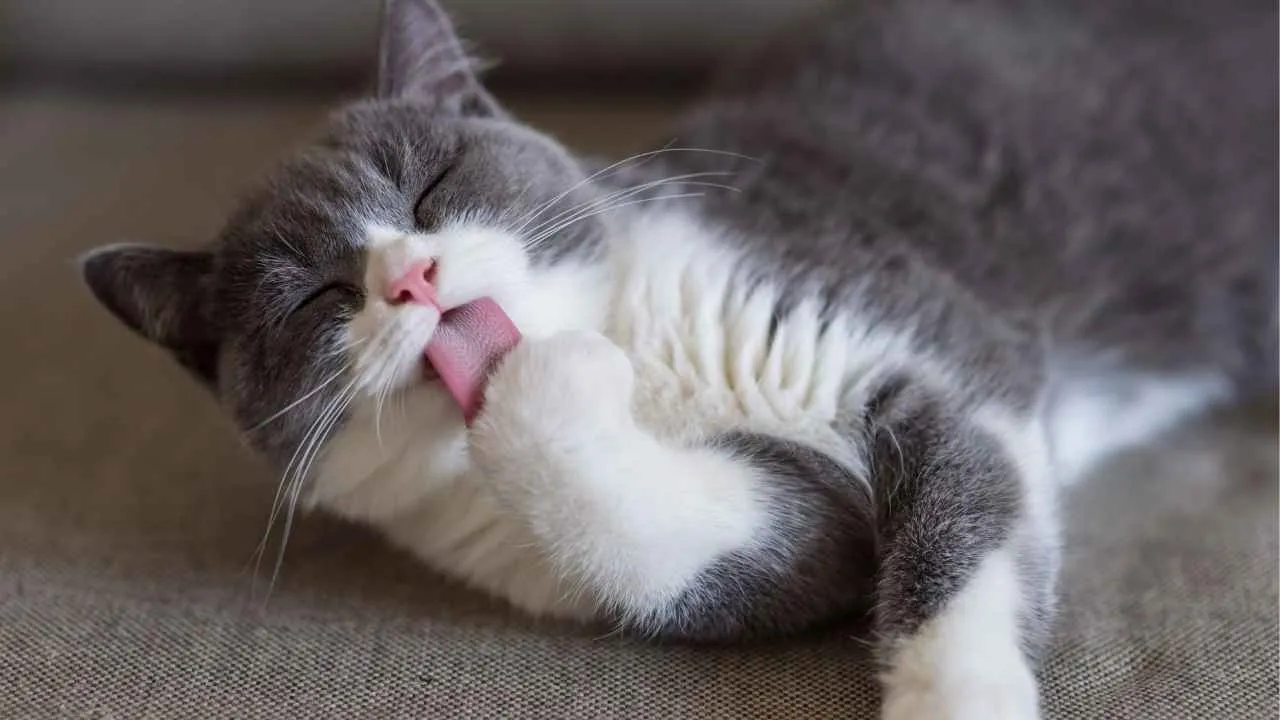
The British Shorthair is famous for a dense, plush coat that feels more like velvet than fur. Its rounded face and solid build give it a teddy bear look that makes people want to scoop it up. The coat stands away from the body, adding to that soft, cushioned feel.
Personality-wise, this breed is calm, steady, and quietly affectionate. British Shorthairs enjoy being near their people without demanding constant attention or lap time. They tend to handle busy homes with patience and rarely get rattled by everyday noise.
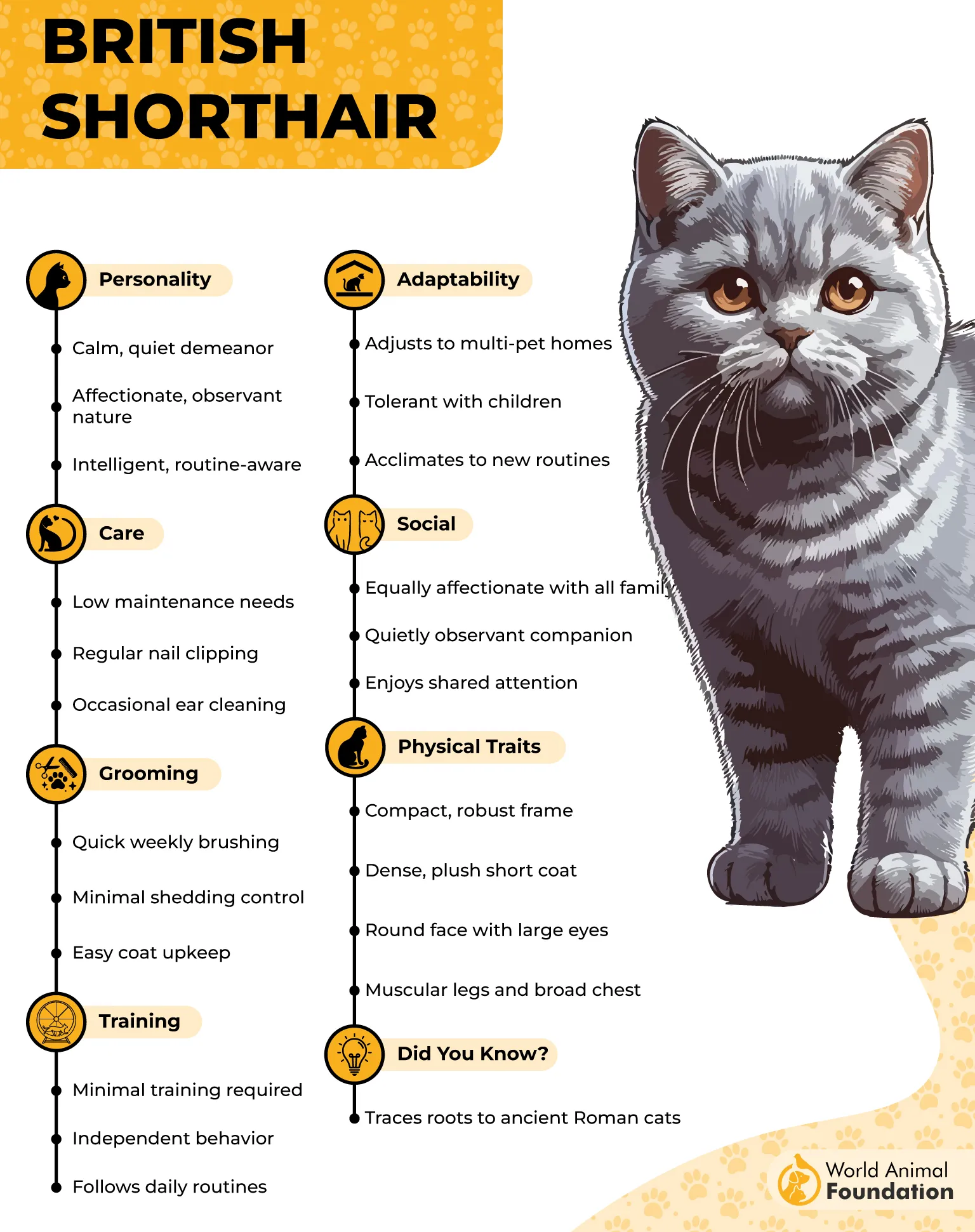
As per Purina, this breed adapts well to indoor life and is content with simple routines. While playful, it prefers short bursts of activity followed by long naps in a favorite spot. The plush coat does shed, especially during seasonal changes, but it is easier to manage than it looks.
Grooming Tips and Needs
Brush once or twice a week to remove loose fur and keep the dense coat from packing down.
A rubber grooming brush works well for lifting shed hair without irritating the skin.
Extra brushing during seasonal shedding helps reduce fur buildup on furniture and clothing.
2. Selkirk Rex
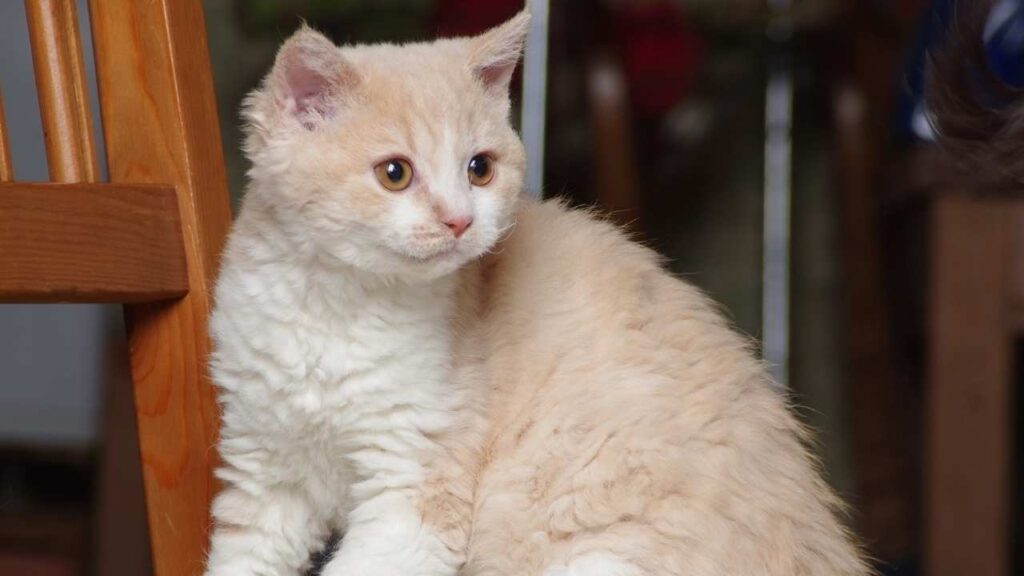
The Selkirk Rex stands out immediately thanks to its curly, plush coat that looks like it came from a cartoon. The curls can appear loose or tight and may cover the entire body, including the whiskers. Its fur feels springy and soft, making every petting session memorable.
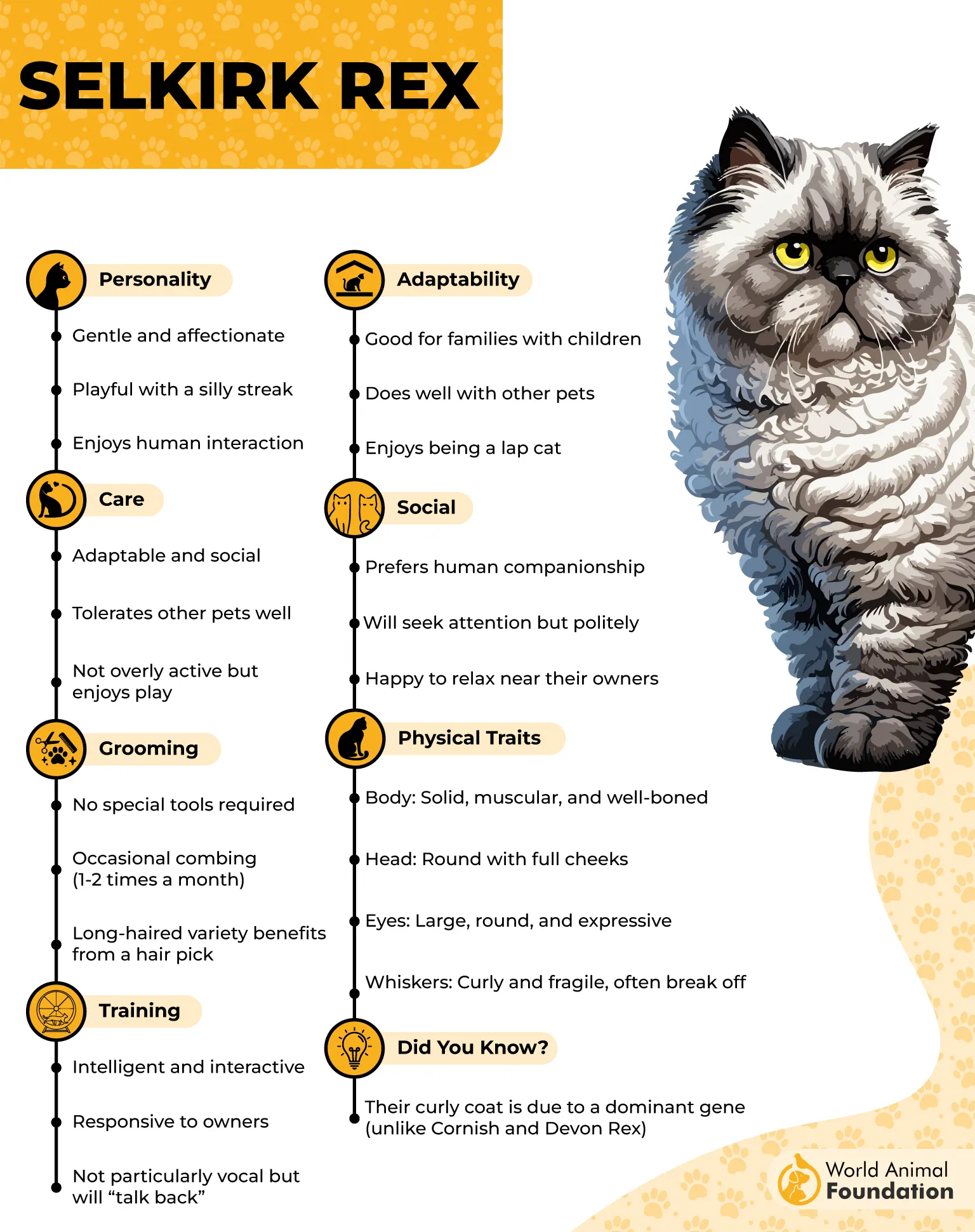
Behind the unusual coat is a relaxed and playful cat with a goofy sense of humor. According to WebMD, Selkirk Rex cats enjoy attention and often follow their people from room to room. They are known for being social without being overwhelming, which makes them easy to live with.
This breed does well in households where interaction is part of daily life. The coat is softer than many curly breeds and should be handled gently to avoid flattening the curls. Despite the fancy look, the Selkirk Rex prefers comfort over chaos.
Grooming Tips and Needs
Use fingers or a wide-tooth comb instead of regular brushes to preserve the curl pattern.
Avoid over-brushing, which can pull out curls and make the coat look frizzy.
Occasional gentle baths can help refresh the coat, followed by air drying to maintain curl shape.
3. Siberian Cat
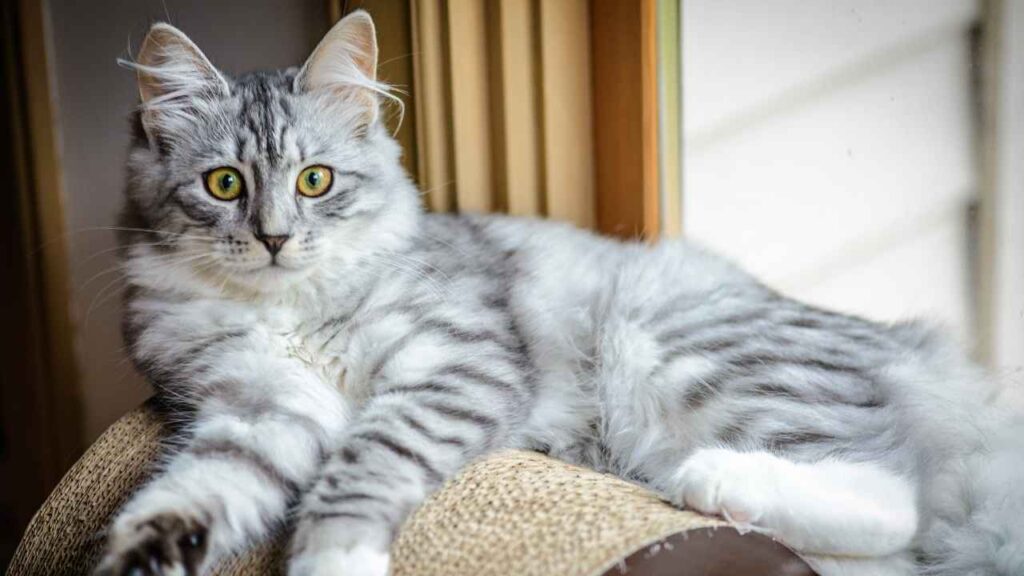
The Siberian has a thick, plush coat designed for harsh climates, and it shows. Its fur is layered and full with inner and outer coats, giving the cat a powerful, fluffy appearance that feels substantial to the touch. Despite the volume, the coat has a natural texture that resists tangling.
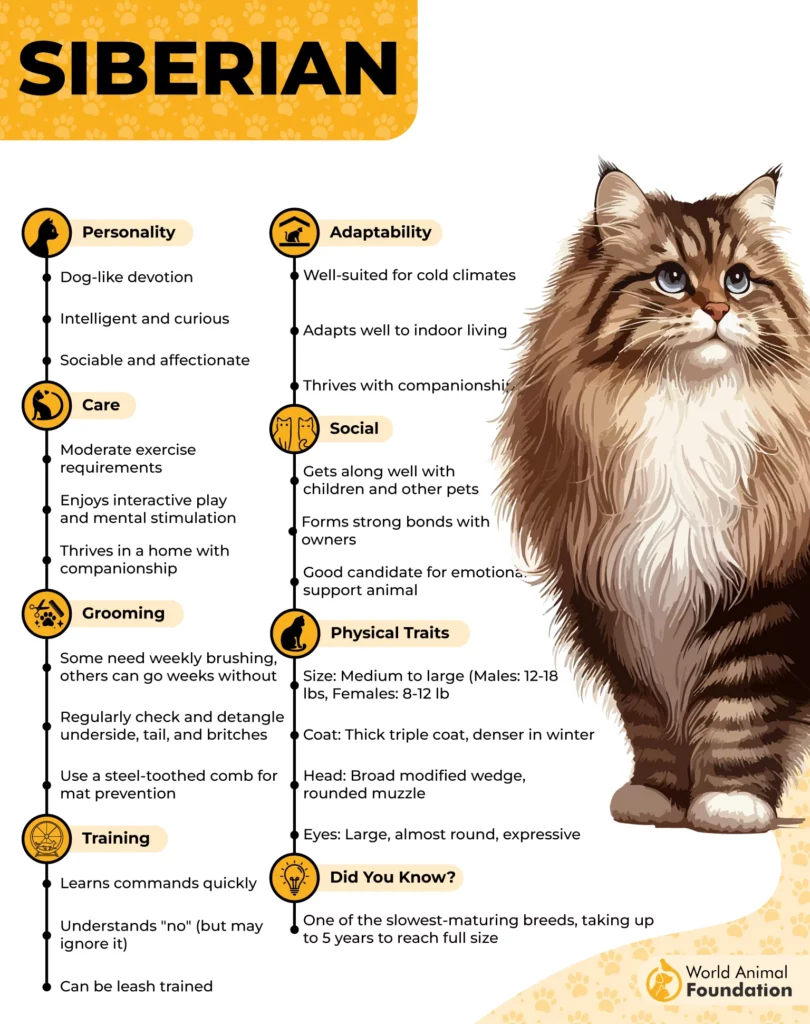
According to the CFA, Siberians are known for their confidence and athletic ability. They enjoy climbing, jumping, and exploring their space while still being affectionate with their families. This breed often bonds closely with people and enjoys being part of daily routines.
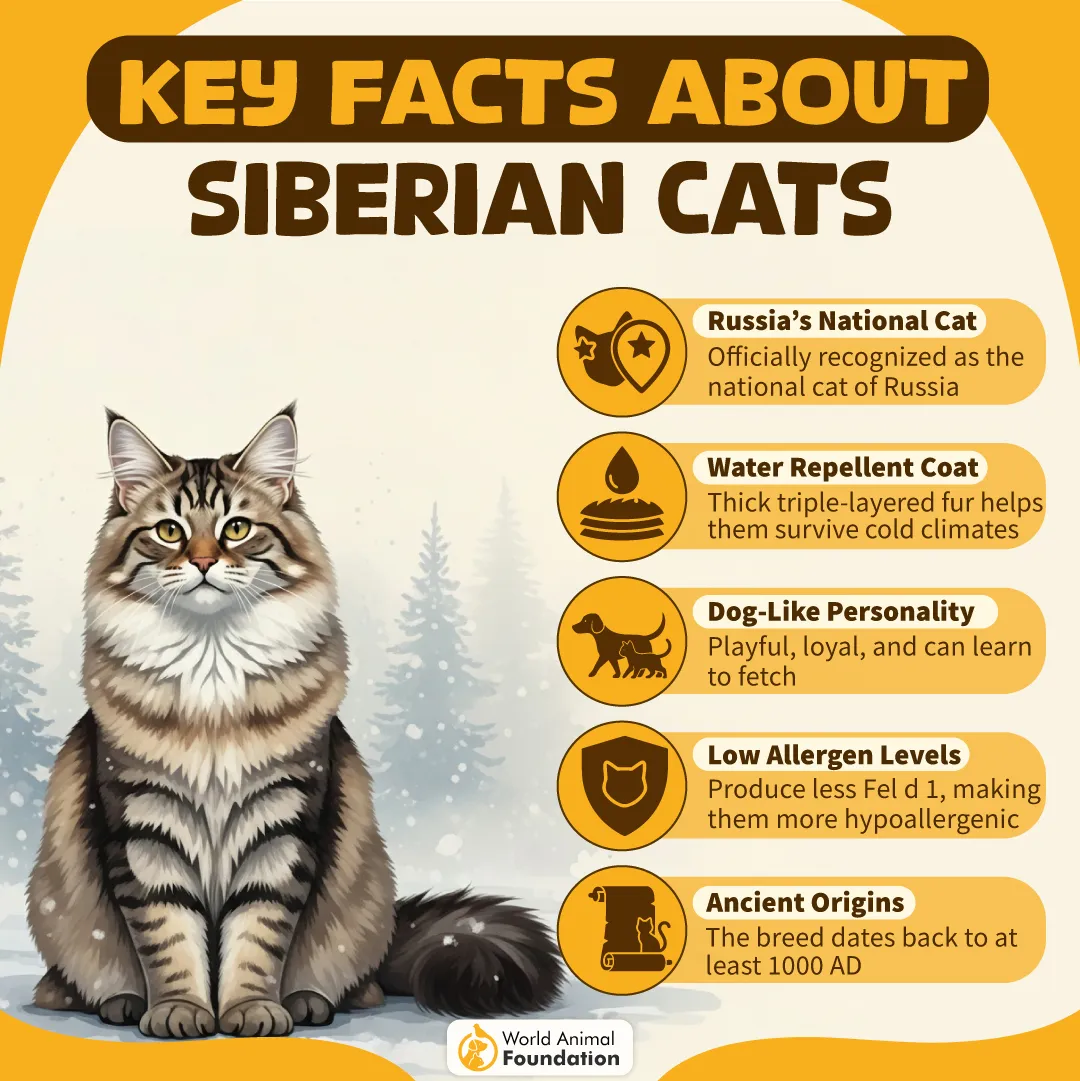
Although active, Siberian cats adapt well to indoor living when given enough stimulation. Their coat sheds more heavily at certain times of year, which can surprise new owners. Regular grooming helps manage loose fur and keeps the coat looking its best.
Grooming Tips and Needs
Brush several times a week during heavy shedding periods to manage loose undercoat.
Focus on friction areas like the chest, belly, and behind the legs, where mats can form.
A sturdy metal comb helps reach deeper layers of the thick coat without tugging.
4. Persian Cats

The Persian is the classic image of a long-haired cat breed with a silky coat and a fluffy tail. Its flowing fur is fine and soft, creating an elegant look that feels as smooth as silk. This breed’s appearance alone has made it one of the most recognizable cats in the world.
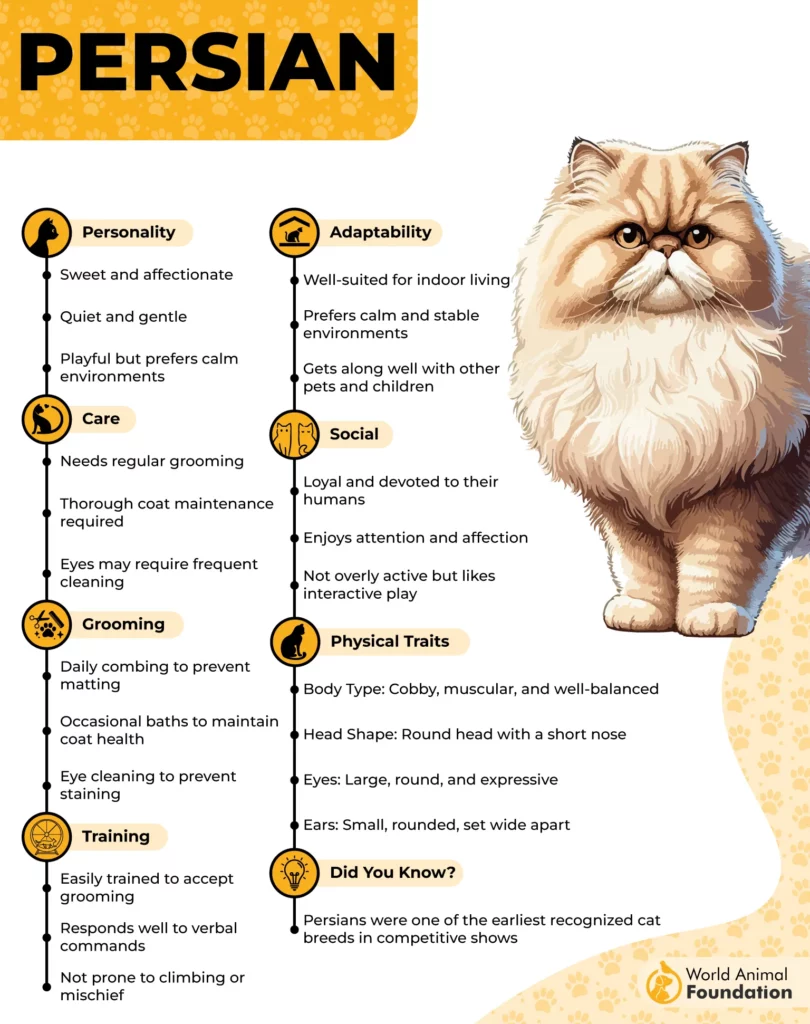
Persians are gentle, quiet companions that prefer peaceful environments. They enjoy lounging near their people and rarely demand rough play or constant movement. Their calm nature makes them well-suited for relaxed households.
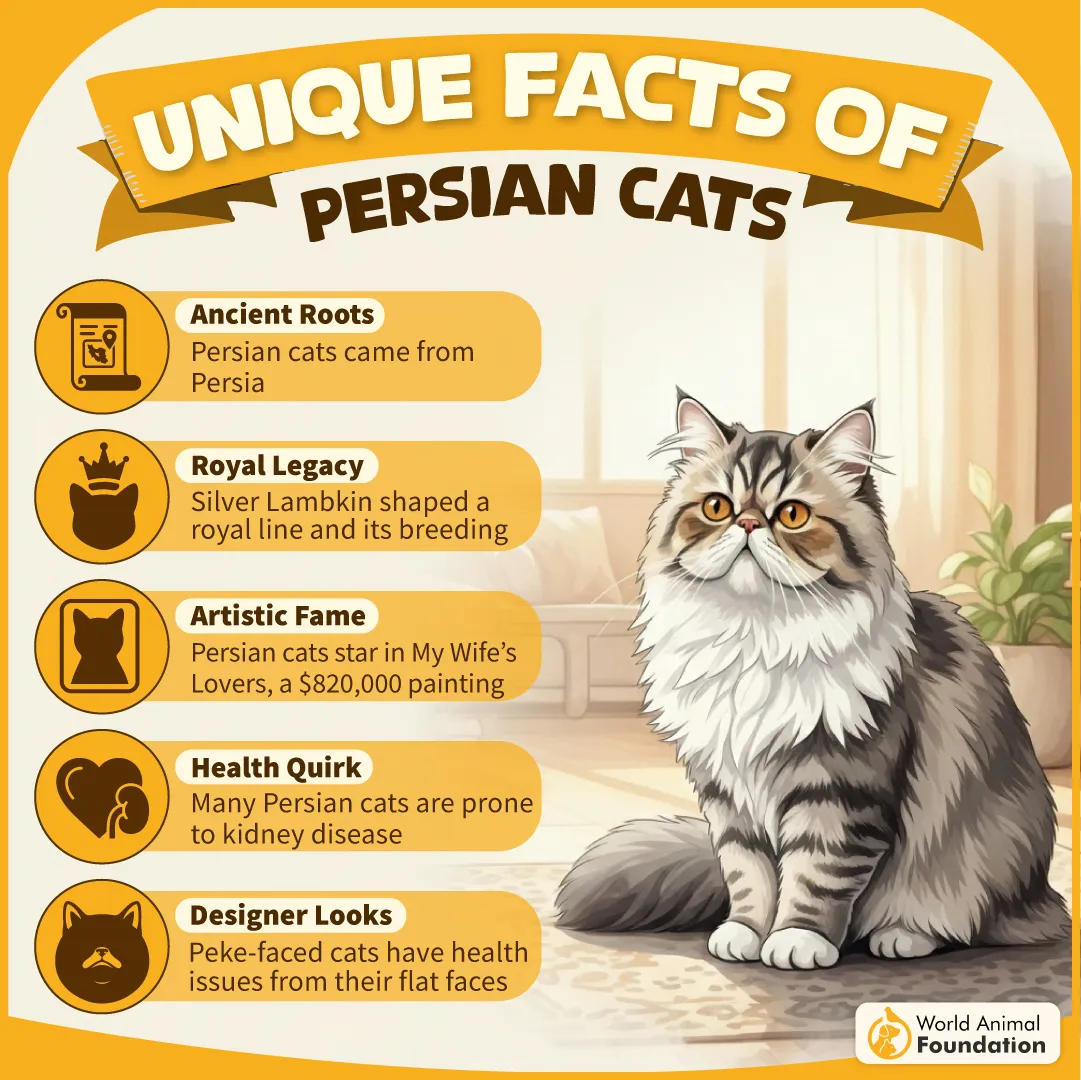
Because of their fluffy coat and facial structure, Persians are best kept indoors. Daily care is part of life with this breed, and skipping grooming can quickly lead to tangles. Owners who enjoy routine care often find the process soothing and rewarding.
Grooming Tips and Needs
Daily brushing is necessary to prevent mats and keep the long coat comfortable.
Use a combination of a wide-tooth comb and a soft brush to fully detangle the fur.
Regular eye cleaning supports coat hygiene by preventing facial staining and buildup.
5. Ragamuffin
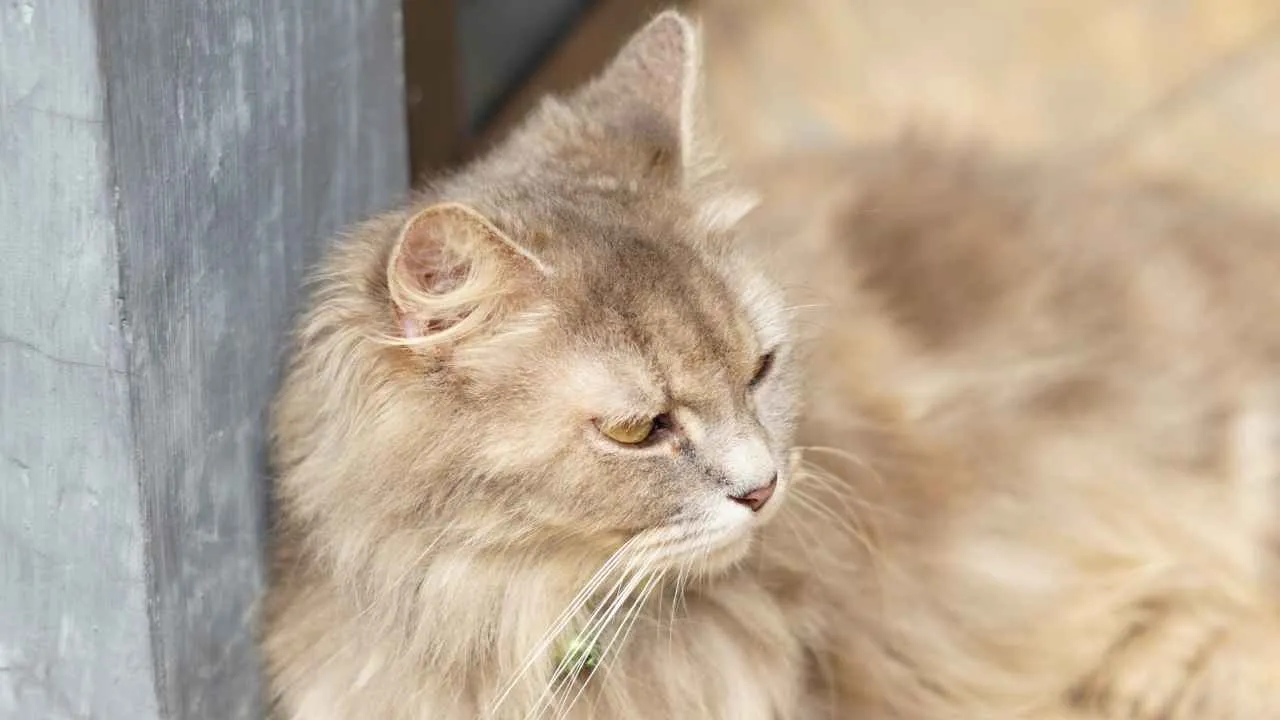
The Ragamuffin has a thick, plush coat that feels soft and smooth rather than woolly. Its fur lies flat against the body and resists matting more than many long-haired breeds. The overall look is full and cuddly without appearing unkempt.
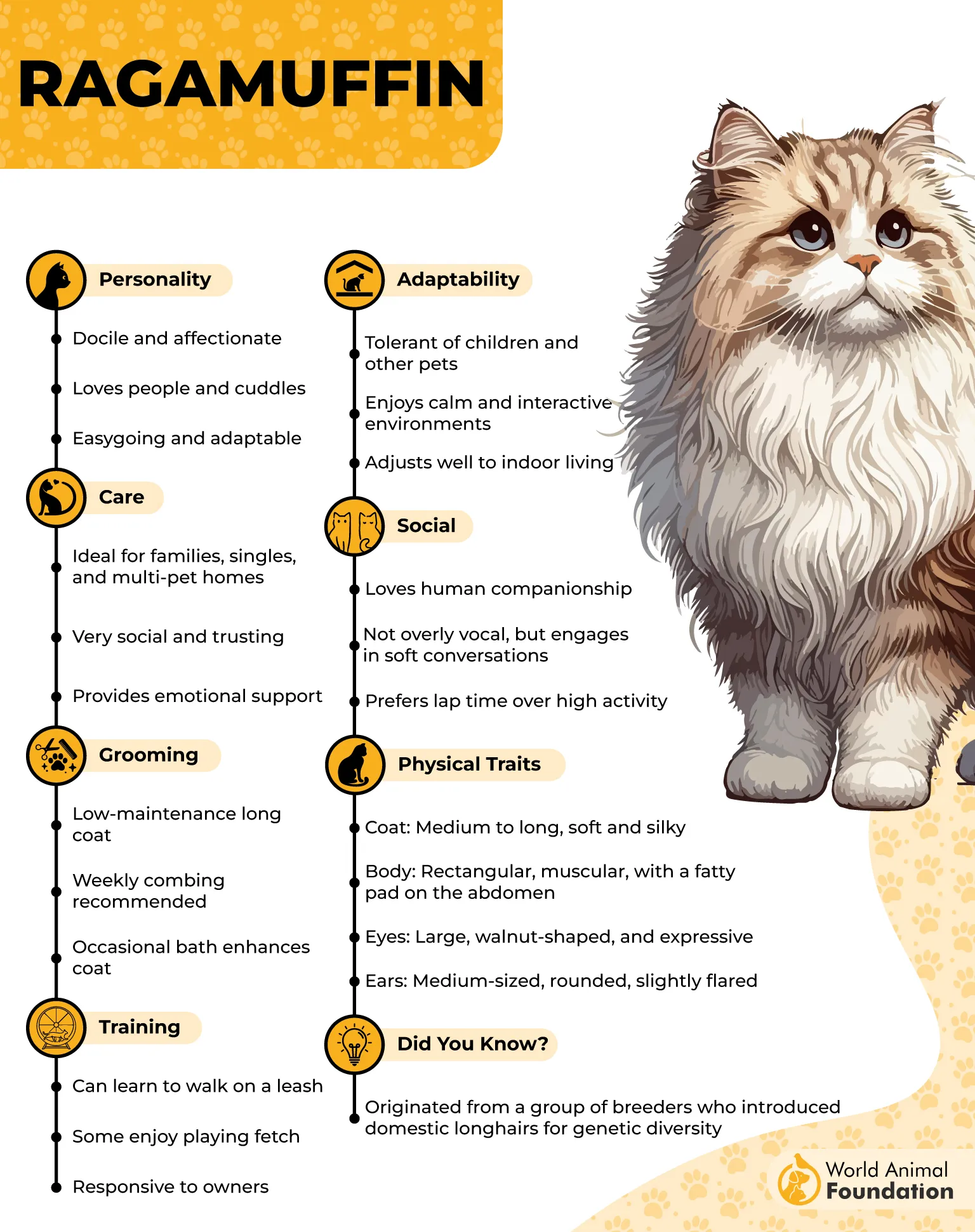
This breed is known for a calm, affectionate personality that pairs well with its inviting coat. Ragamuffins enjoy being handled and are often comfortable with longer grooming sessions. Their relaxed nature makes coat care easier, even for owners with limited grooming experience.
Although the coat is long, it is considered relatively low maintenance compared to similar breeds. Regular brushing keeps shedding under control and helps maintain the coat’s silky texture. Indoor living supports coat cleanliness and reduces the chance of tangles caused by outdoor debris.
Grooming Tips and Needs
Occasional brushing two to three times weekly to keep the plush coat smooth and knot-free.
A metal comb helps reach deeper layers without pulling the soft fur.
Routine grooming supports a tidy coat that stays comfortable indoors.
6. Scottish Fold
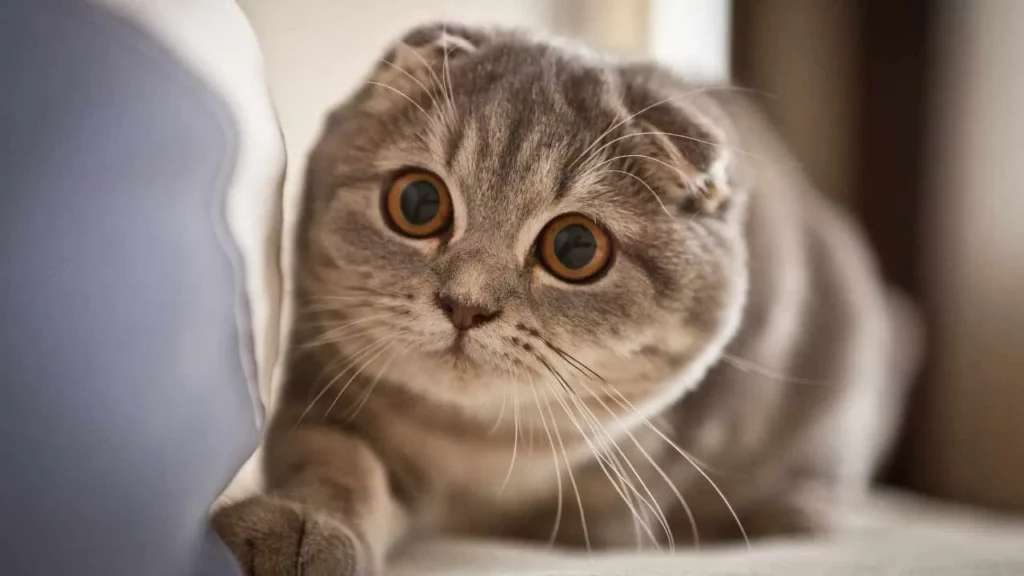
The Scottish Fold has a dense, plush coat that feels thick and springy to the touch. Both shorthaired and longhaired varieties share this padded texture, which gives the breed a rounded, soft appearance. The coat adds to the breed’s signature sweet expression.
Scottish Folds are gentle cats that tolerate grooming well when handled calmly. They tend to enjoy quiet routines and adapt easily to regular brushing sessions. Their coat does shed, but not excessively when maintained properly.

This breed does well as an indoor cat, where coat condition is easier to manage. Consistent grooming helps distribute natural oils and keeps the fur from looking dull. Longhaired Scottish Folds may need slightly more attention around the tail and chest.
Grooming Tips and Needs
Weekly brushing helps manage shedding and keeps the coat plush.
Longhaired coats benefit from extra combing in friction areas.
Gentle grooming suits their calm, easygoing nature.
7. Exotic Shorthair
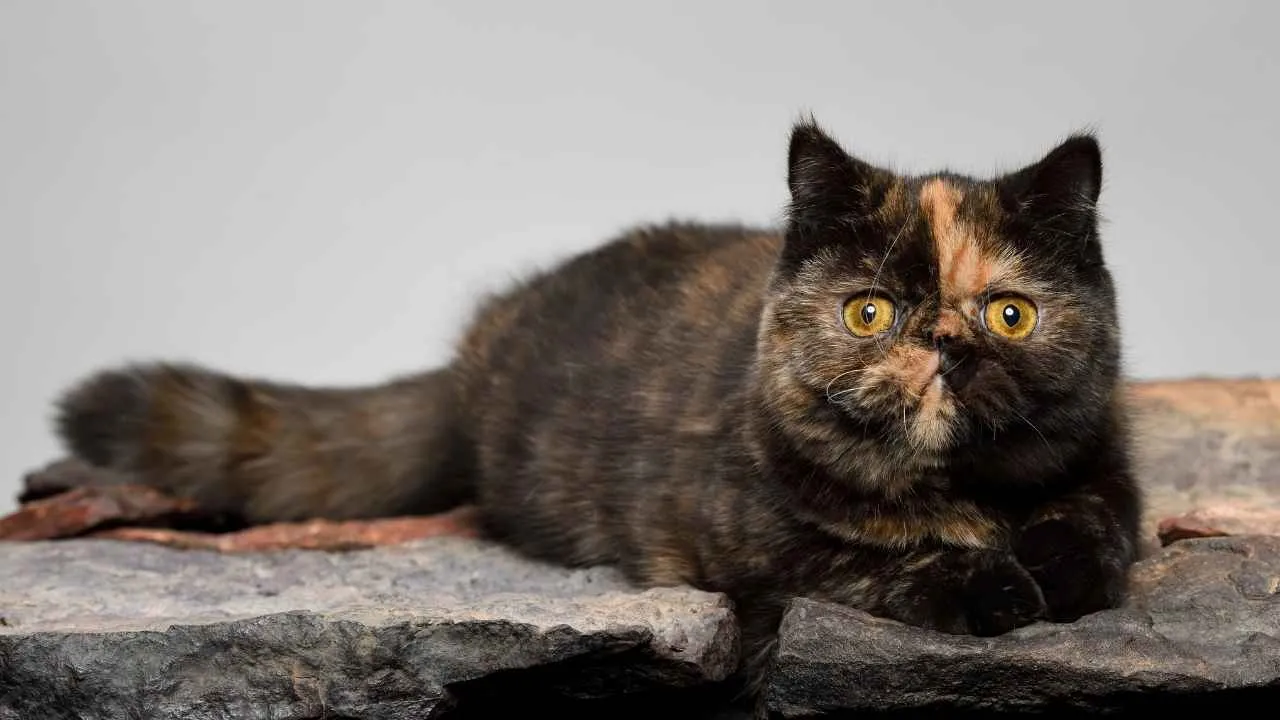
The Exotic Shorthair has a short but extremely dense and dense double coat that feels plush, almost like velvet. Its fur stands out from the body, creating a rounded, stuffed-animal look. The texture is one of the breed’s most defining features.
Exotics are laid-back cats that enjoy comfort and routine. Their coat requires less effort than long-haired breeds, but it still benefits from regular care. Because of the dense fur, loose hair can build up if brushing is skipped.
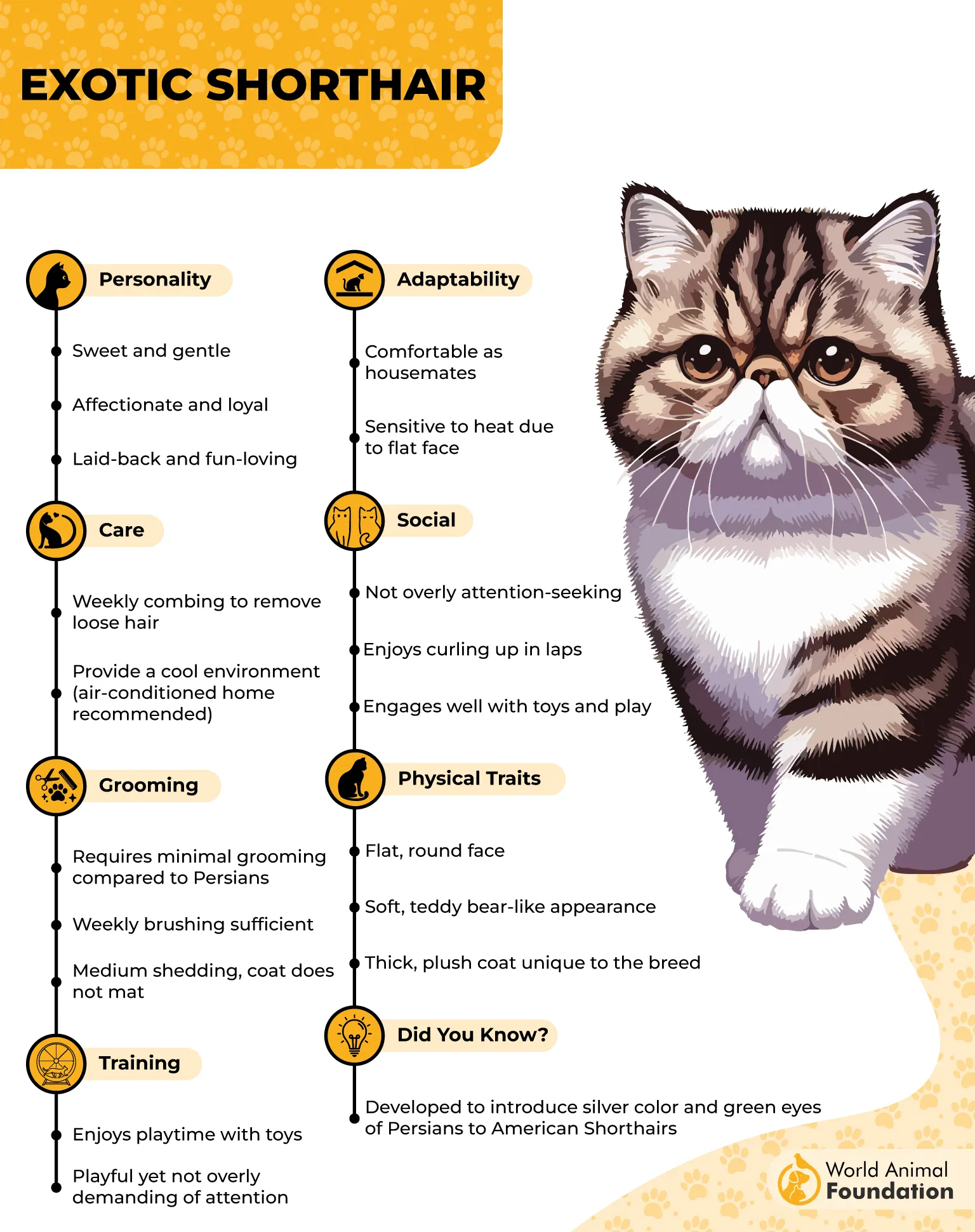
This breed is well-suited for indoor life, where coat cleanliness is easier to maintain. While grooming demands are moderate, facial structure means extra attention around the face and neck. Regular care keeps the coat neat and reduces shedding around the home.
Grooming Tips and Needs
Brush once or twice a week to lift loose hair from the dense coat.
Rubber or soft-bristle brushes work best for short, plush fur.
Light face cleaning supports overall coat hygiene.
Conclusion
Fluffy cat breeds bring a special kind of charm into a home, offering softness, warmth, and plenty of personality along with their beautiful fur. While the most fluffy cat breeds may look like living pillows, each one comes with its own grooming needs and daily care expectations.
Understanding coat type, shedding patterns, and maintenance routines helps owners keep their cats comfortable and healthy. Regular brushing, gentle handling, and a clean indoor environment go a long way toward preserving that luxurious texture people love so much.
With the right care and a little patience, these fluffy companions reward their humans with cozy cuddles, striking appearances, and coats that stay just as impressive as the day they were first admired.
These catswith their luxurious coats and bushy tails charm cat lovers all over the world.
