




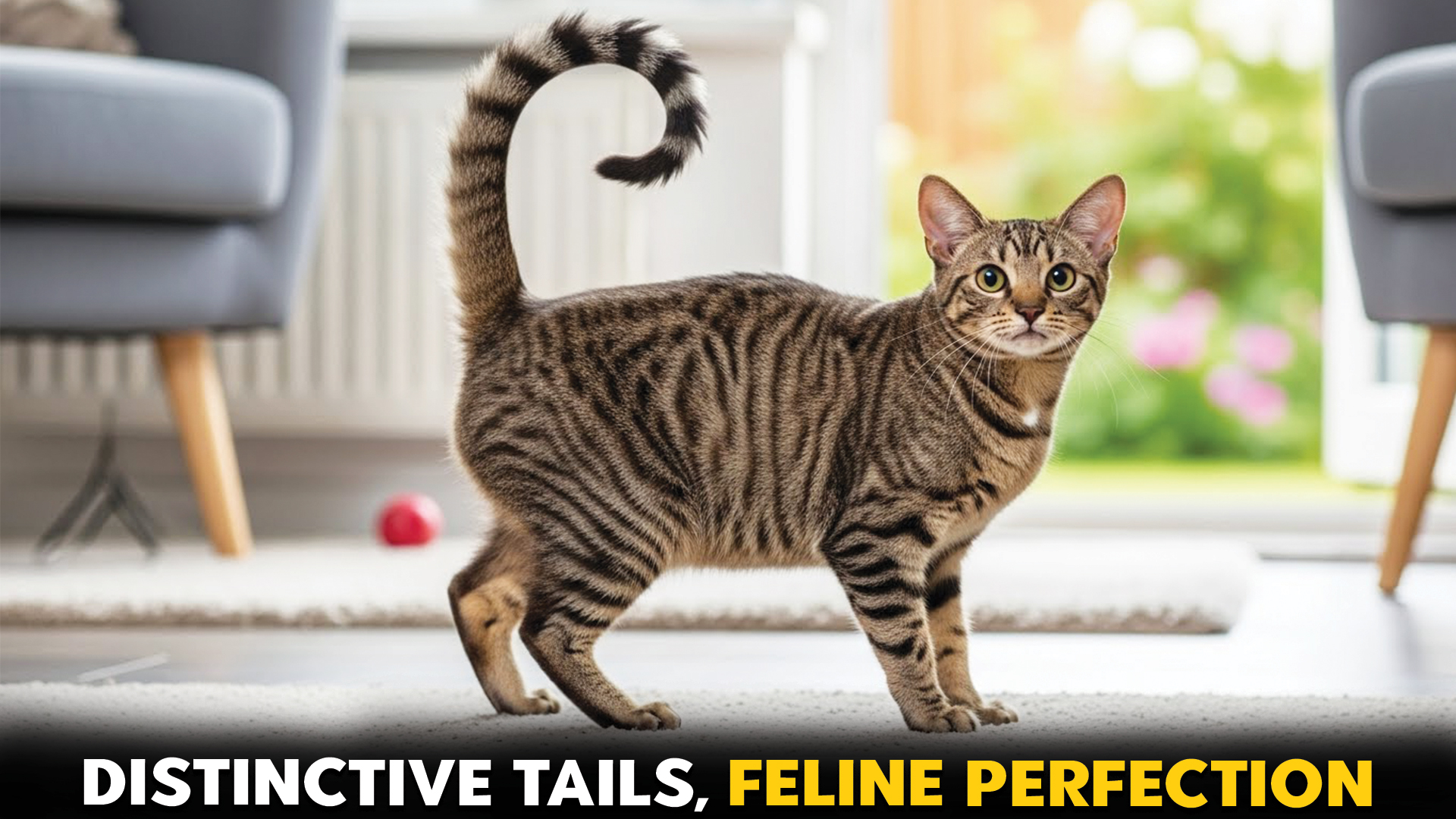
A cat’s tail is more than just a fluffy add-on. It is an expressive, functional part of their body that helps them balance, communicate, and show emotion. Some breeds have tails that stand out from the crowd with unique shapes, curls, or lengths that catch the eye and spark curiosity.
In this article, we will explore cat breeds known for their distinctive tails, what makes these tails special, and how they reflect the personality and history of each breed.
Whether it is a kinked, curled, bobbed, or plume-like tail, these features add character and charm that many cat lovers appreciate. Understanding these traits can make choosing a pet even more interesting and fun.
Cat Breeds with Distinctive Tail Shapes
1. Japanese Bobtail Cat
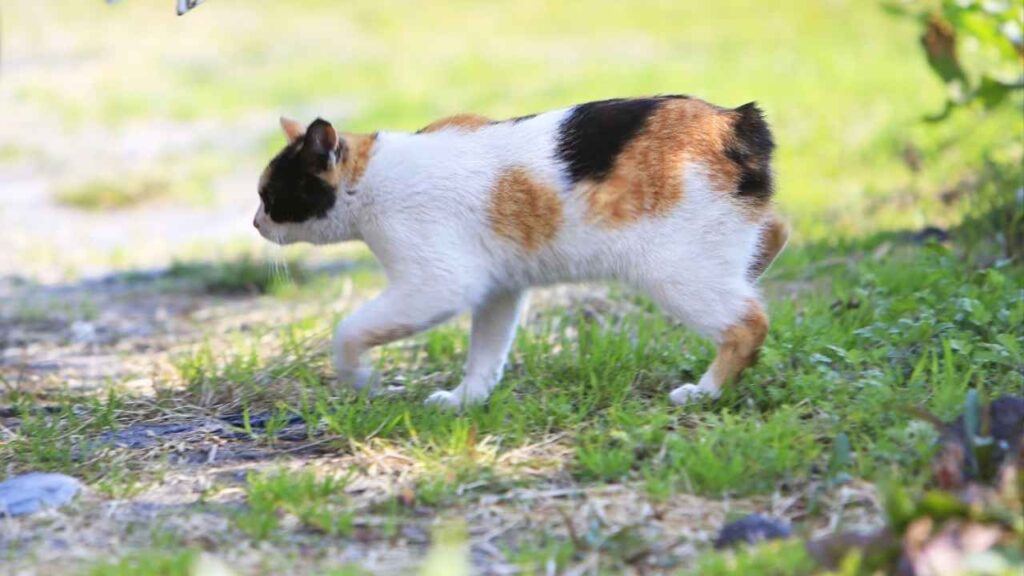
The Japanese Bobtail is instantly recognizable by its short, pom pom-style tail that looks more like a bunny’s than a typical cat’s. Each tail is unique in shape and angle, even for the cats in the same litter, created by natural bends and curves rather than a straight line. The tail is flexible and expressive, often flicking as the cat moves or plays.
According to the Cat Fancier’s Association (CFA), this breed is lively, intelligent, and deeply social. Japanese Bobtails enjoy interaction, games, and being part of household activity rather than watching from a distance. Their playful behavior pairs well with their animated tail movements, which often reflect their mood.
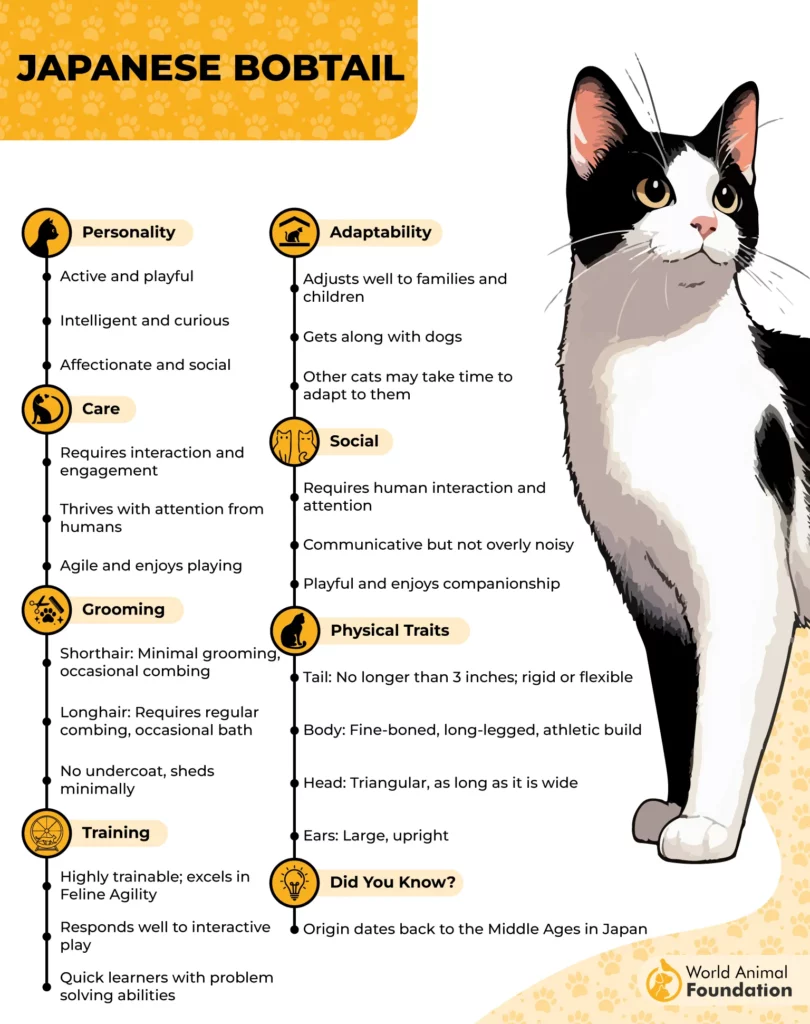
Despite the unusual tail, Japanese Bobtails are agile and well-balanced. They adapt easily to indoor environments and enjoy climbing and exploring. Their distinctive tail adds charm without limiting movement or comfort.
Why This Cat Is a Good Fit
Great for families who enjoy interactive, playful cats.
Compact tail makes indoor living easy and fuss-free.
Adds visual personality without special care needs.
2. Pixie-Bob
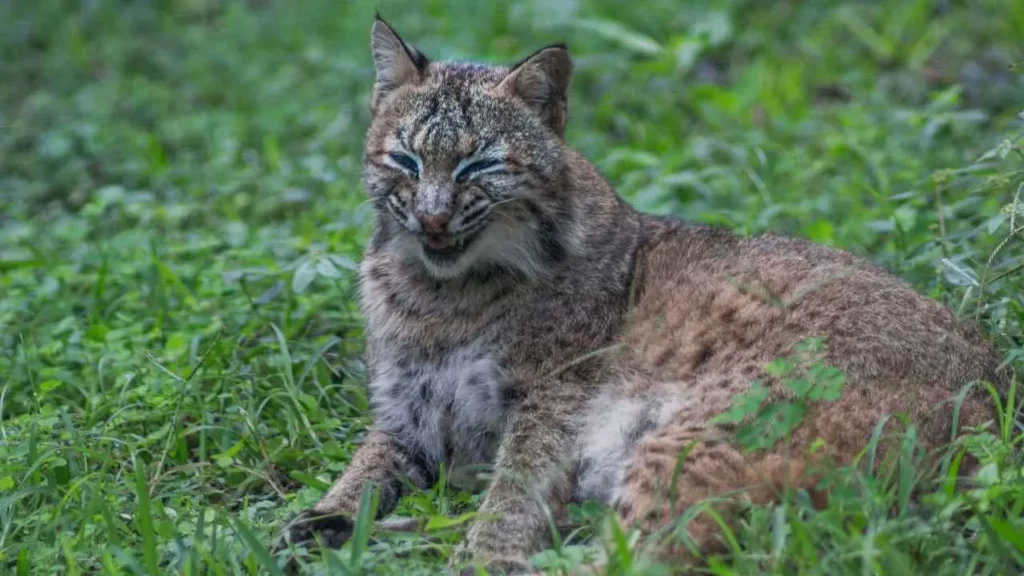
The Pixie-Bob has a naturally short tail that ranges from very small to just below hock length. The tail may be straight, kinked, or slightly curved, giving each cat an individual look. This bobbed tail contributes to the breed’s sturdy, wild-inspired appearance.
Pixie-Bobs are known for their calm, loyal nature and strong bond with people. They often enjoy interactive play but balance it with relaxed downtime. Their personality is steadier than high energy, making them easy to live with.
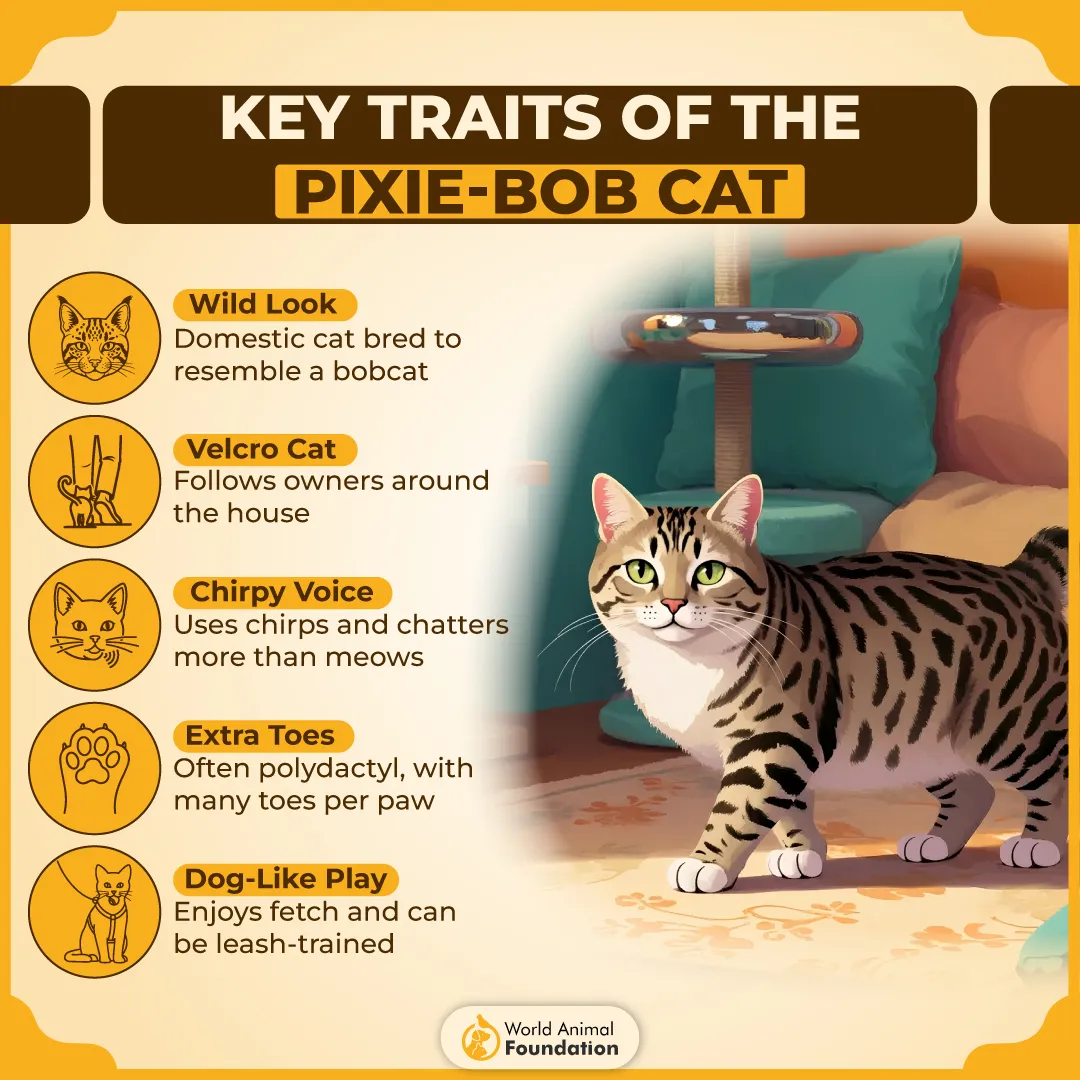
As per Purina, this breed does well in structured indoor environments where routines are consistent. The short tail does not affect balance or movement and requires no special care. Owners often appreciate the tail as a subtle but eye-catching feature.
Why This Cat Is a Good Fit
Suit households that prefer a calm, people-focused cat.
Short tail is low maintenance and practical indoors.
Unique look without demanding behavior.
3. Oriental Shorthair
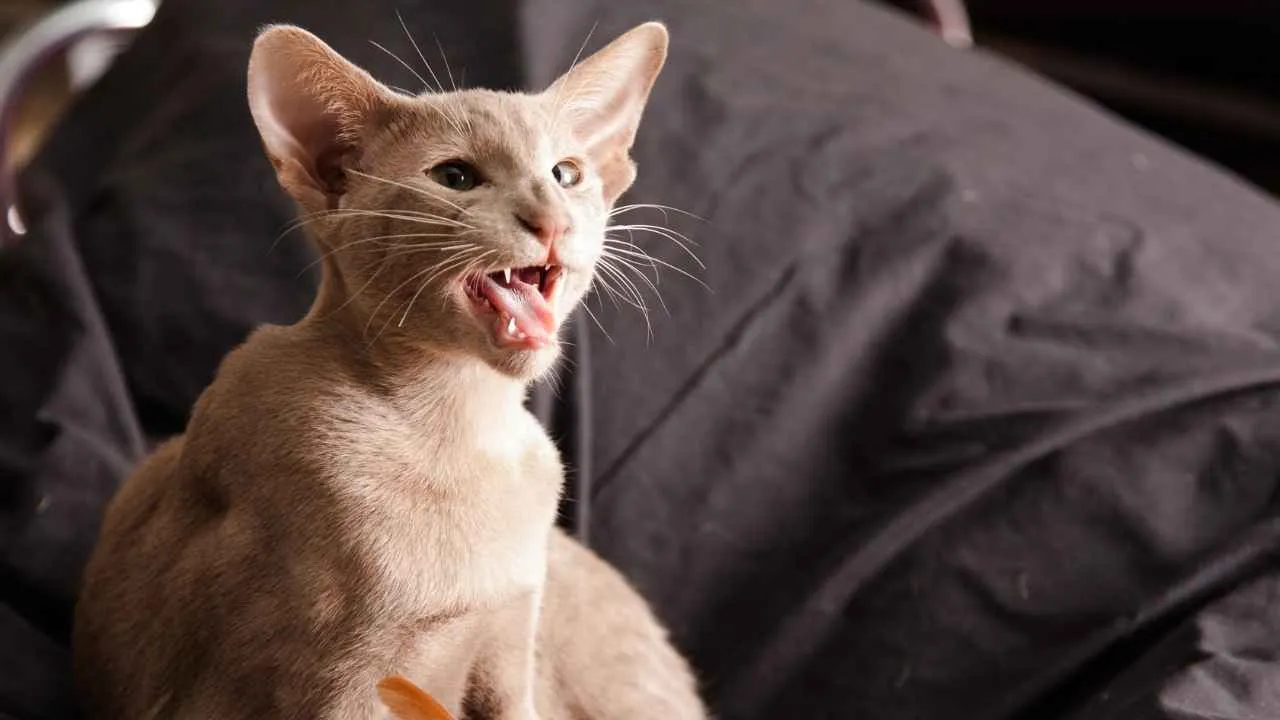
According to the TICA, the Oriental Shorthair is known for its long, slender tail that tapers to a fine point. The tail is flexible and expressive, often used dramatically during movement or play. Its length complements the breed’s sleek body shape.
Highly social and curious, Oriental Shorthairs stay involved in everything happening around them. They enjoy climbing, exploring, and communicating with their people. The tail often acts as a visual extension of their energetic personality.
This breed thrives on interaction and mental stimulation. The long tail requires awareness in tight spaces, but no special grooming due to their short hair. For owners who enjoy an expressive cat, the tail adds flair to everyday behavior.
Why This Cat Is a Good Fit
Ideal for owners who enjoy active, engaging cats.
Tail adds elegance without extra care.
Works well in homes that encourage play and movement.
4. Siamese
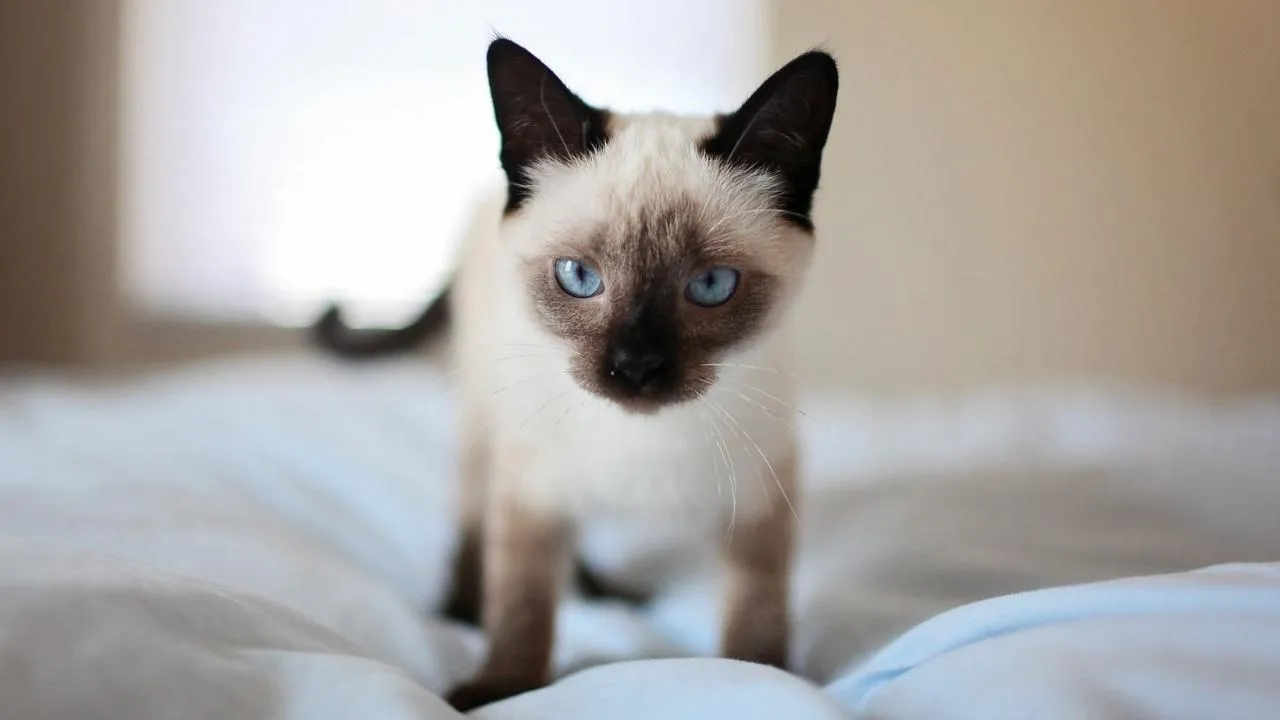
The Siamese has a long, thin tail that tapers smoothly toward the tip. In some lines, slight bends or kinks may appear, adding character to the classic silhouette. The tail is an important part of the breed’s graceful appearance.
Siamese cats are vocal, social, and closely bonded to their people. They use body language along with sound, and the tail often mirrors their emotional state. Play, curiosity, and interaction remain strong traits throughout life.
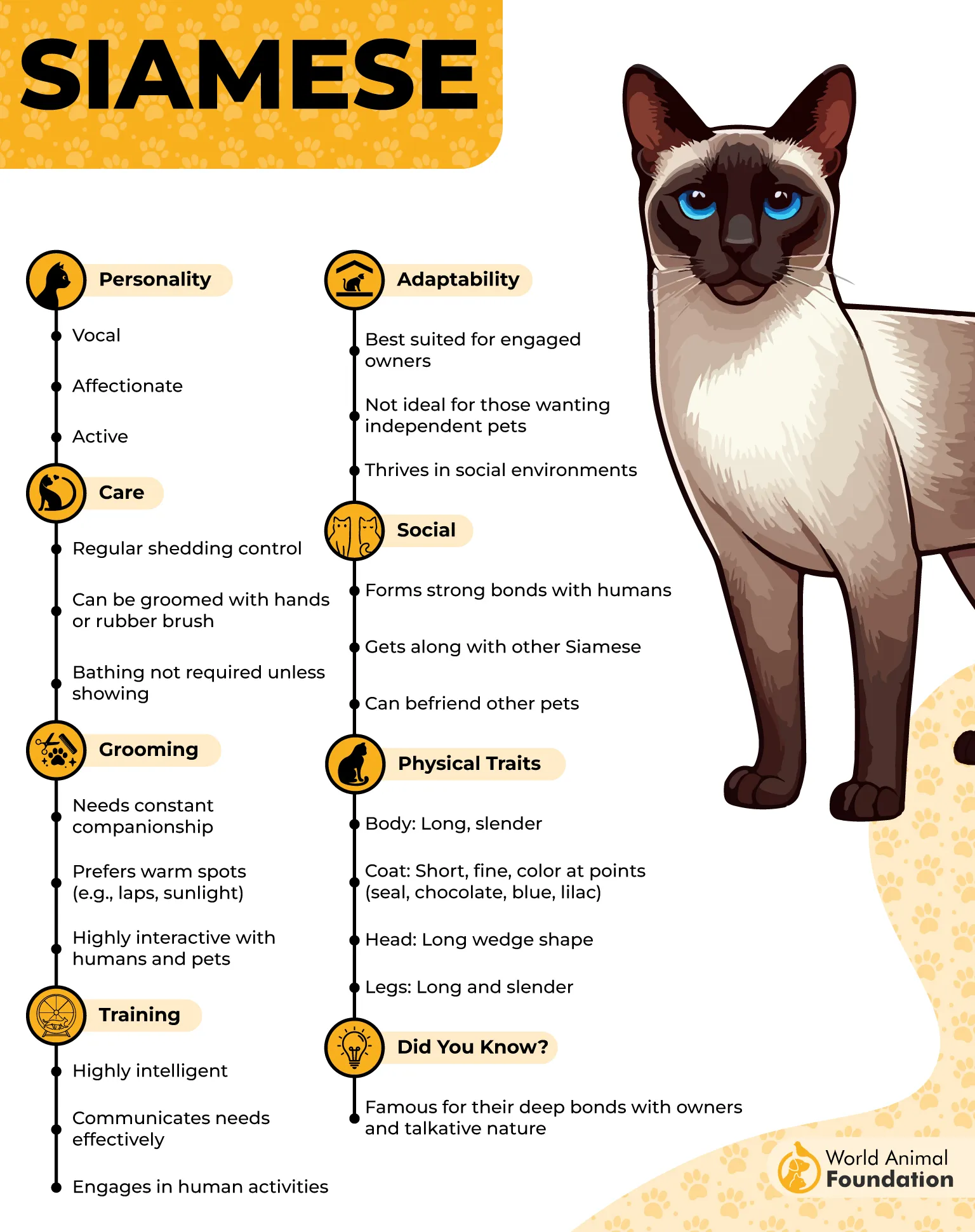
This breed adapts well to indoor living when given attention and stimulation. The tail requires no special grooming but is often noticed due to constant movement. For many owners, it becomes part of the Siamese charm.
Why This Cat Is a Good Fit
Excellent for people who enjoy expressive companions.
Long tail enhances communication and personality.
Thrives in interactive indoor homes.
5. Maine Coon
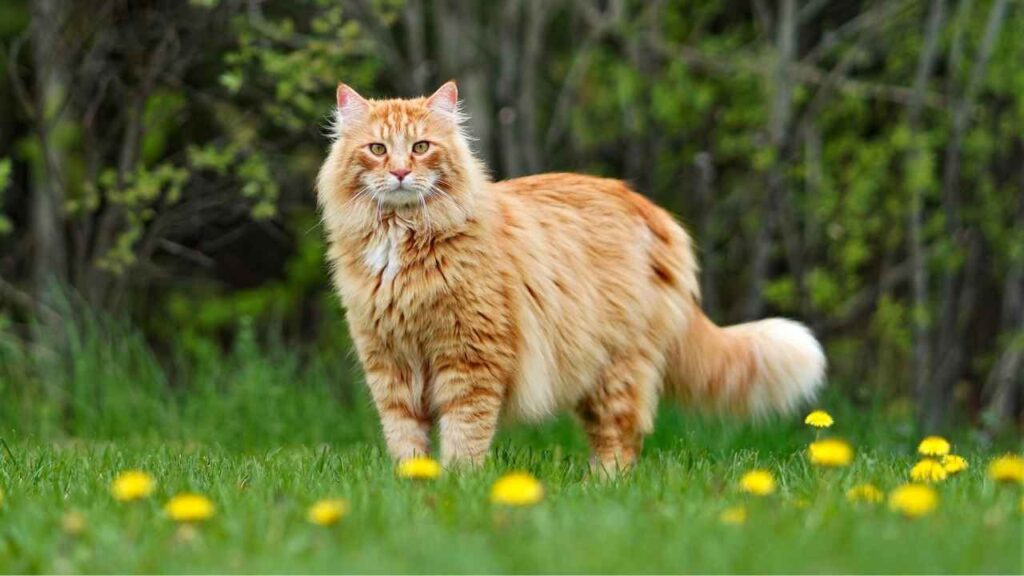
The Maine Coon is a large cat, famous for its long, flowing, bushy tail that often looks as dramatic as the rest of its body. The tail is wide at the base and heavily furred, creating a plume-like appearance that is easy to spot across a room. Most cats use this tail to wrap around themselves when resting, which adds to its visual appeal.
Beyond looks, the Maine Coon cat is known for a friendly and adaptable personality. It tends to be social without being demanding and often enjoys following family members from room to room. The tail is frequently in motion, swaying or flicking as the cat explores or plays.
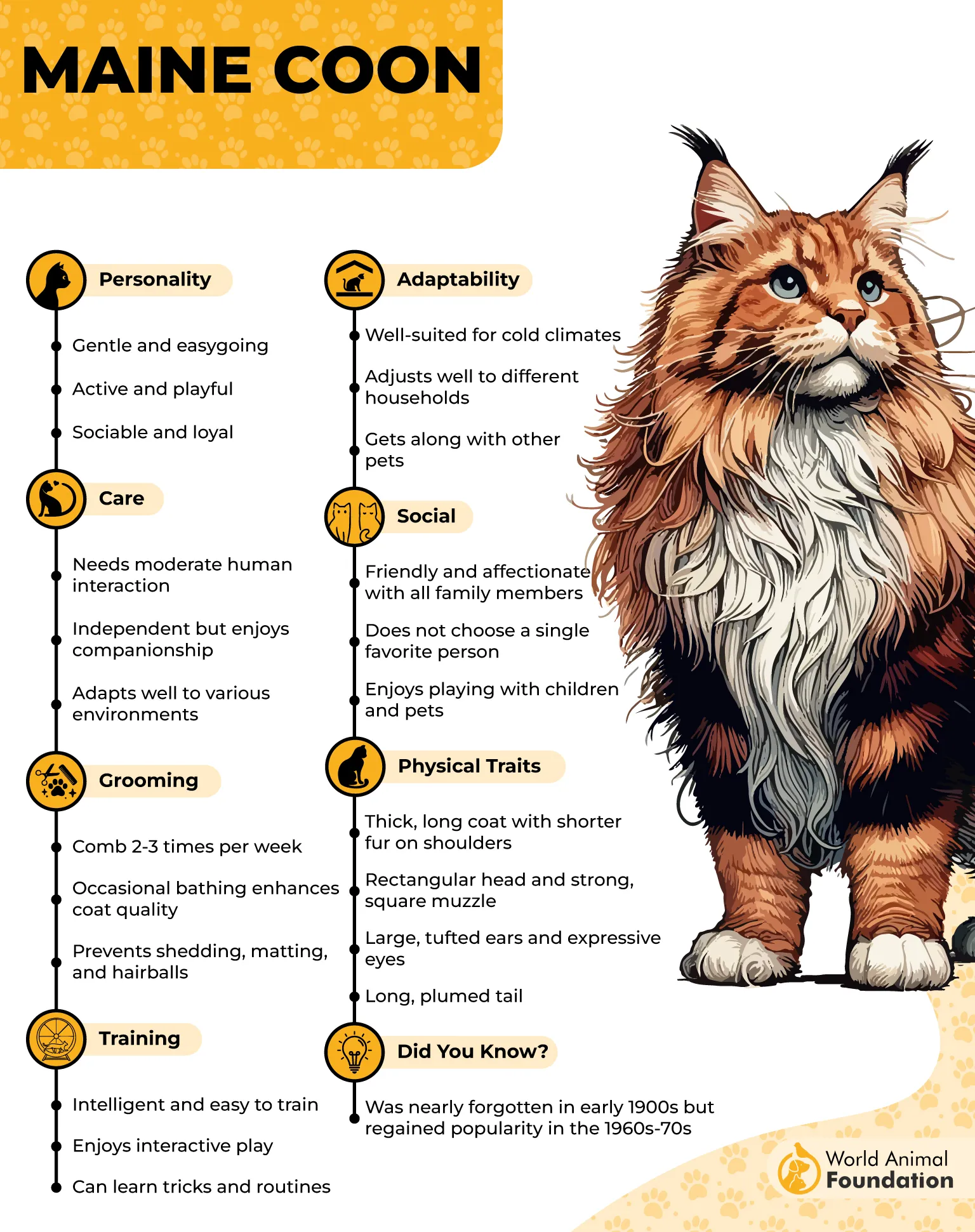
Despite their size, Maine Coons adjust well to indoor living when given space to stretch and climb. The long tail does require awareness in tight areas, but does not need special care beyond regular grooming. For many owners, the tail becomes one of the breed’s most admired features.
Why This Cat Is a Good Fit
Great for families who enjoy gentle but playful cats.
Fluffy tail adds visual drama without limiting indoor comfort.
Suit homes that appreciate a bold, eye-catching look.
6. Norwegian Forest Cat
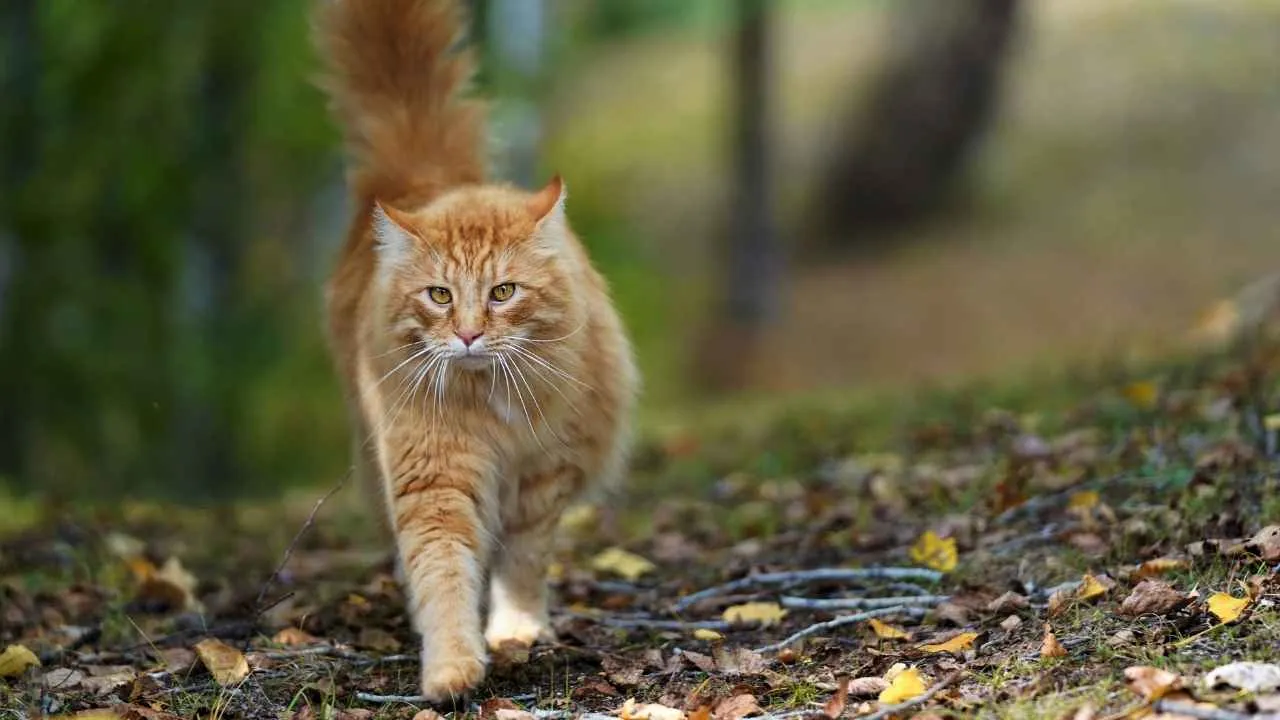
The Norwegian Forest Cat has a thick, bushy tail that matches its rugged appearance. The tail is long, full, and heavily coated, giving it a balanced and powerful silhouette. It often looks especially impressive when carried upright.
This breed is calm, confident, and quietly affectionate. Norwegian Forest Cats enjoy independence but still value companionship. Their tail movements are subtle, often reflecting a relaxed and thoughtful nature.
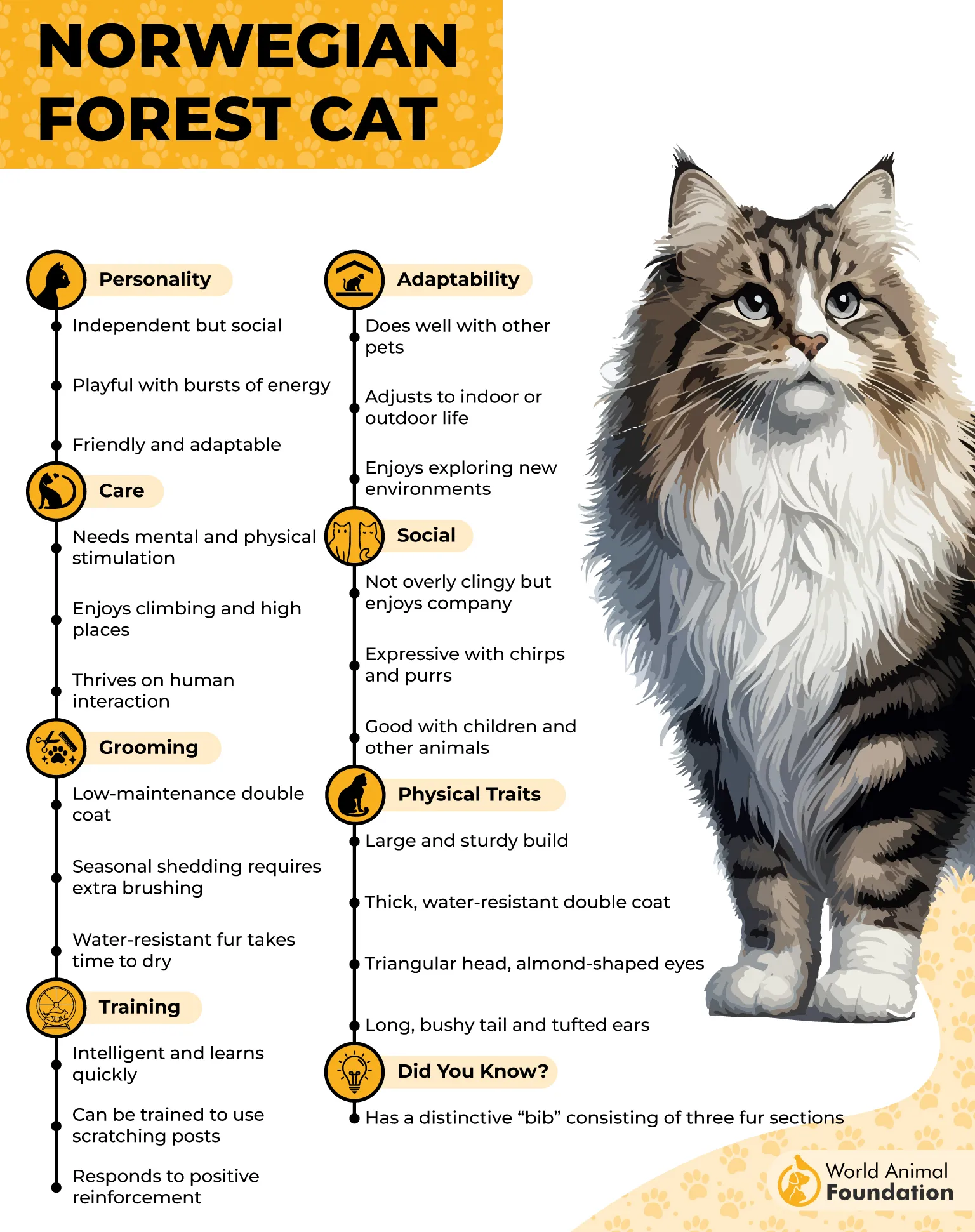
Well-suited to indoor life, this cat appreciates vertical space and cozy resting spots. The tail’s dense fur requires routine grooming to prevent tangles. Pet parents often find the tail adds elegance without demanding constant attention.
Why This Cat Is a Good Fit
Ideal for owners who enjoy a calm, steady companion.
Bushy tail adds character without high maintenance.
Works well in homes with space to climb and lounge.
7. Savannah

The Savannah has a long, lean tail that complements its tall, athletic frame. The tail is usually thick and expressive, helping balance during movement and play. It stands out due to its length and active motion.
Savannah cats are alert, curious, and highly energetic. They enjoy exploring their environment and often use their tail as part of their body language. The tail frequently moves with purpose, reflecting focus and excitement.
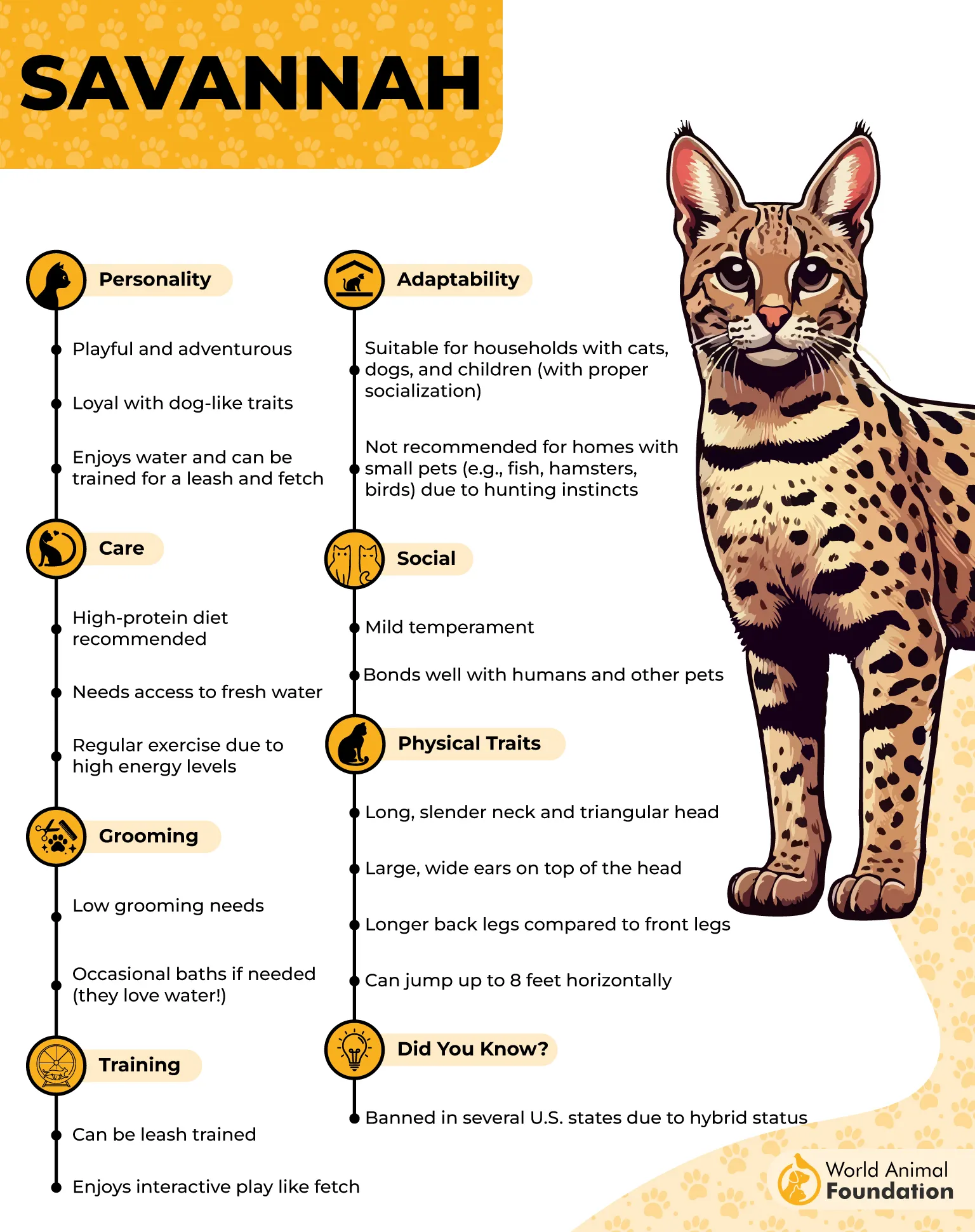
This domesticated breed benefits from structured indoor environments with room to move. While the tail does not require special grooming, it is often noticed due to constant activity. Owners should expect a visually striking cat with an equally striking tail.
Why This Cat Is a Good Fit
Best for experienced owners who enjoy active cats.
Tail highlights the breed’s athletic personality.
Thrives in homes that offer space and enrichment.
Conclusion
Domestic cat breeds with distinctive tail shapes bring extra personality and visual interest to everyday life. From bobbed and kinked tails to long, flowing plumes, these unique features often reflect a breed’s history, selective breeding, genetic mutation, movement style, and communication habits.
While tail shape alone should never determine pet choice, it can add to the charm that makes each breed memorable. Understanding how tail length, shape, and fur density differ helps owners appreciate both appearance and behavior.
Whether you prefer a short, expressive tail or a dramatic, bushy plume, these cat breeds prove that tails are more than decoration. They are part of what makes each cat unique, expressive, and endlessly fascinating for cat lovers everywhere.
