




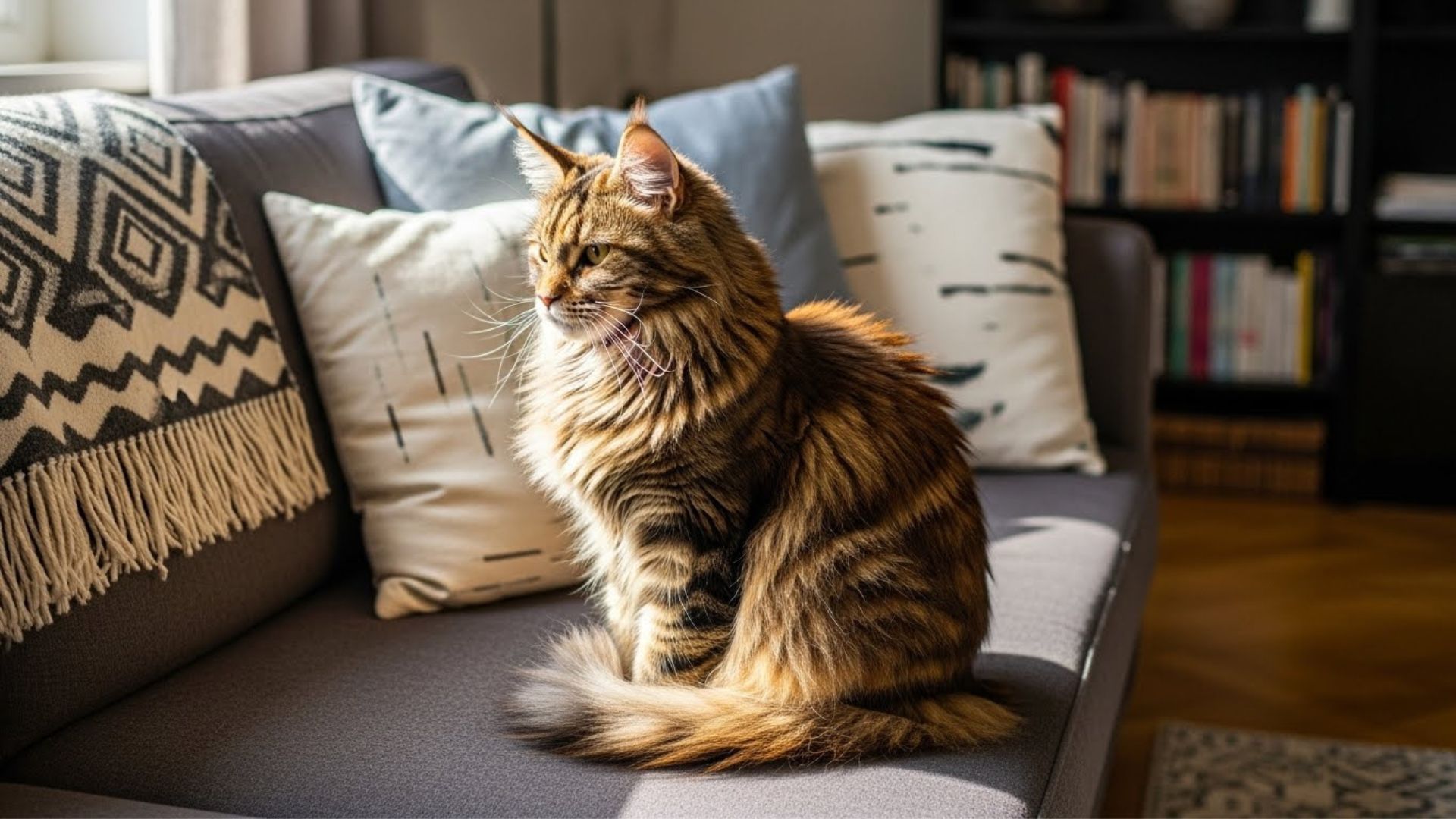
Some cats come wrapped in coats so thick and plush they feel more like living pillows than pets. Breeds with dense double coats have a soft insulating underlayer topped with longer guard hairs, giving them extra fluff and a distinctive look.
These coats can be stunning, but they also come with unique care needs and personality traits that surprise many owners. From cold weather adaptability to serious shedding seasons, double-coated cats have their own rules of engagement.
In this article, we’ll take a closer look at cat breeds known for dense double coats, what makes their fur different, and what that means for everyday life. If you’ve ever admired a cat that looks permanently cozy, you’re in the right place.
Cat Breeds with Dense Double Coats
1. Siberian
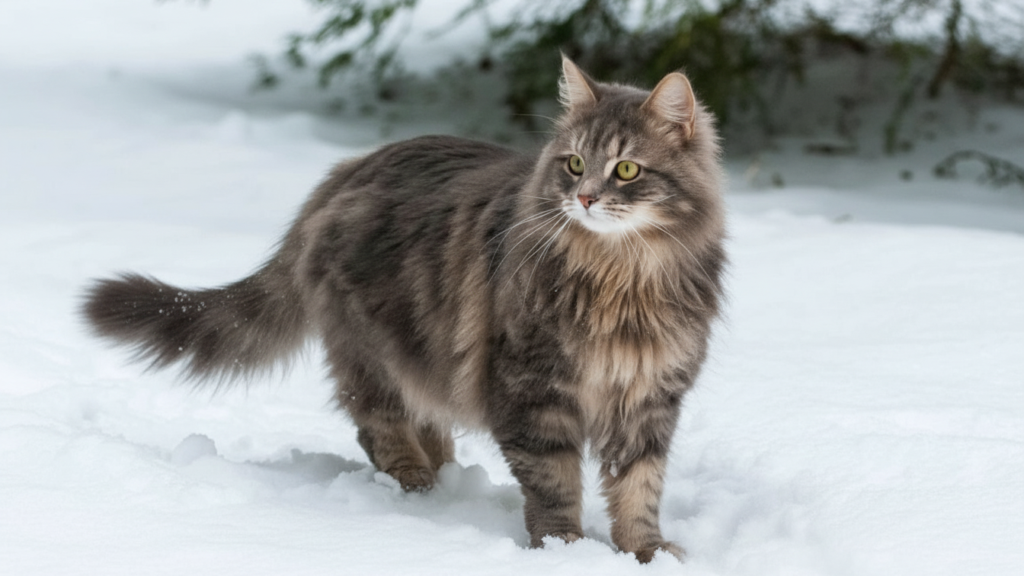
According to the CFA, the Siberian Cat is known for a thick, water-resistant coat made up of multiple layers that help protect it in harsh climates. The fur feels plush and dense, with longer outer hairs and a softer undercoat that adds serious volume. Seasonal shedding is part of life with this breed, especially when temperatures change.
Beyond the impressive coat, Siberians are often described as confident and friendly cats. They tend to enjoy human company without being overly demanding and are comfortable moving through busy households. Many are agile jumpers and enjoy climbing, which pairs well with their sturdy build.
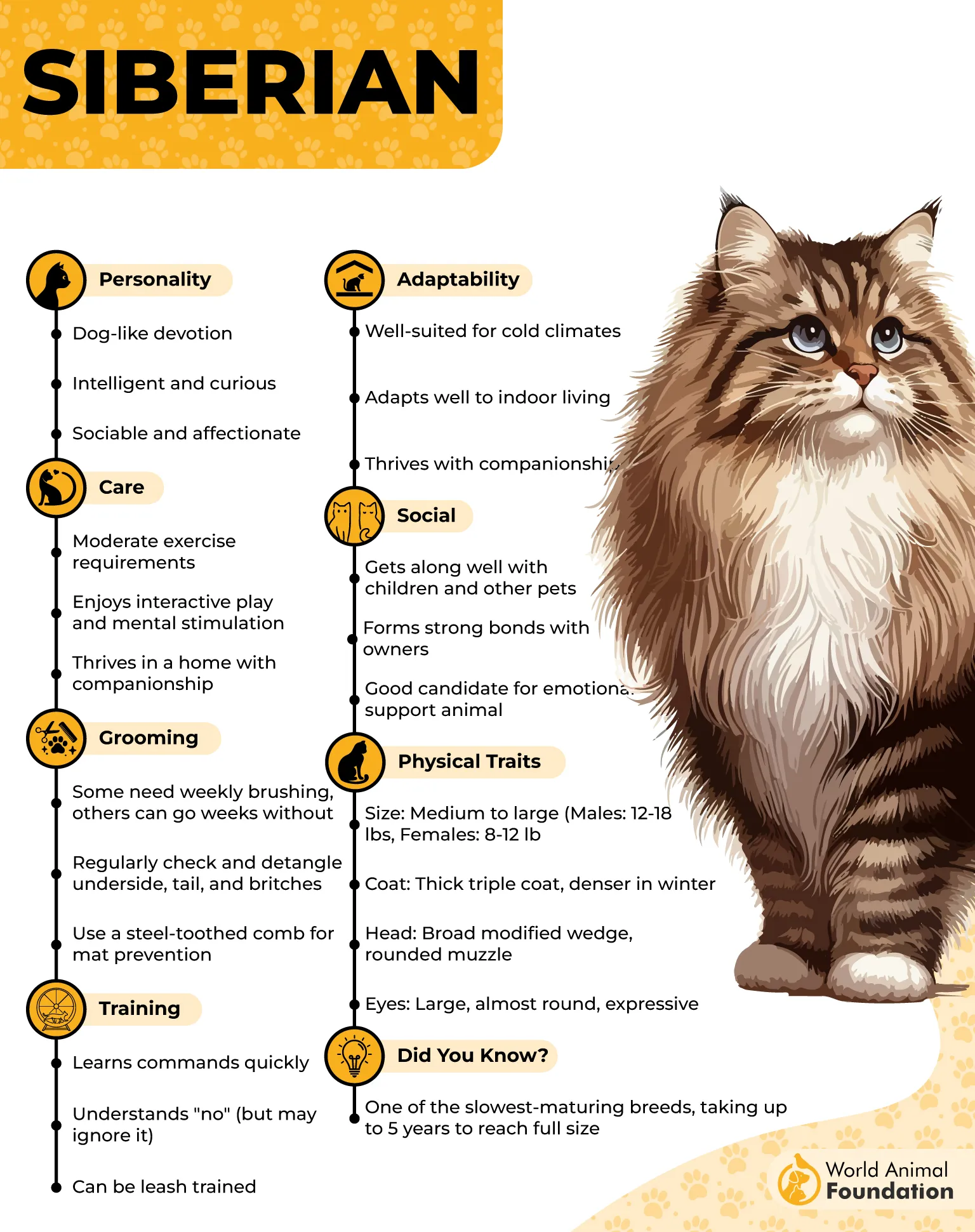
Siberians usually adapt well to indoor routines when given enough stimulation. Their coats require regular brushing to prevent tangles and remove loose hair, especially around the neck and tail. While they look wild and rugged, their temperament is often calm and social, making them surprisingly easy to live with once grooming becomes routine.
Why This Cat Is a Good Fit
A thick coat makes indoor spaces feel permanently cozy
A balanced personality suits homes with steady daily routines
Handles indoor life well with climbing and play opportunities
2. Maine Coon
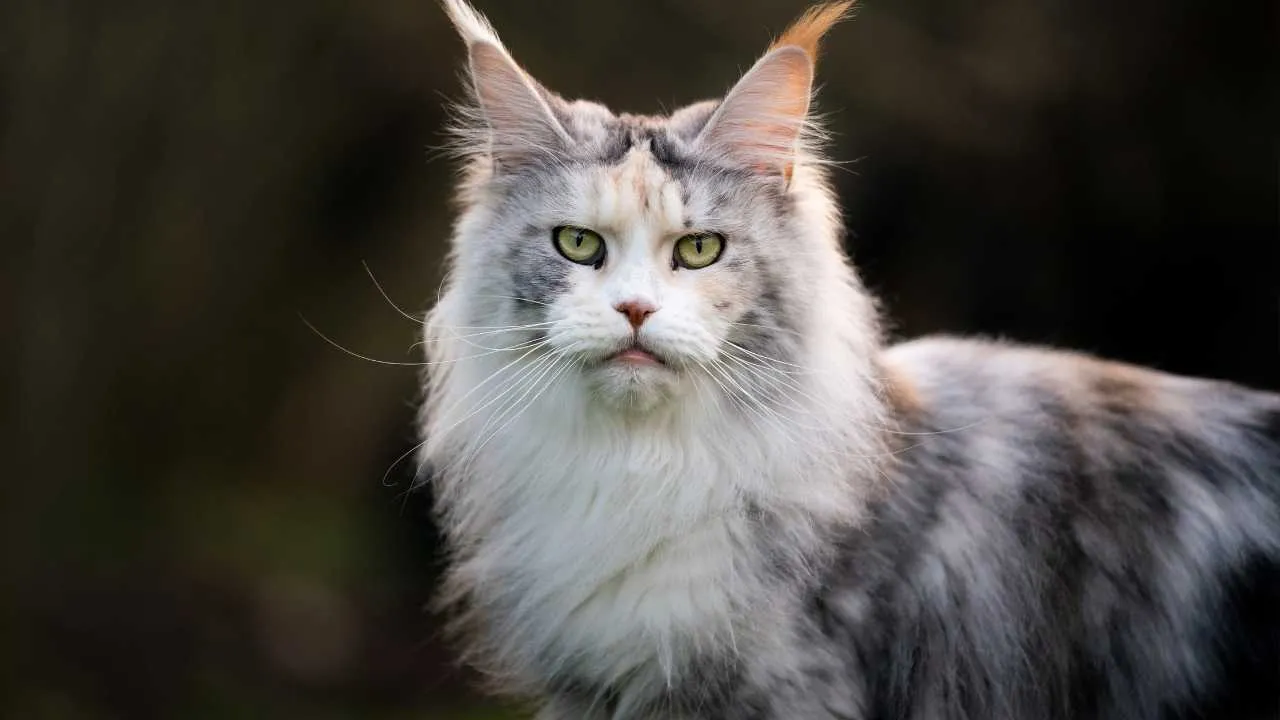
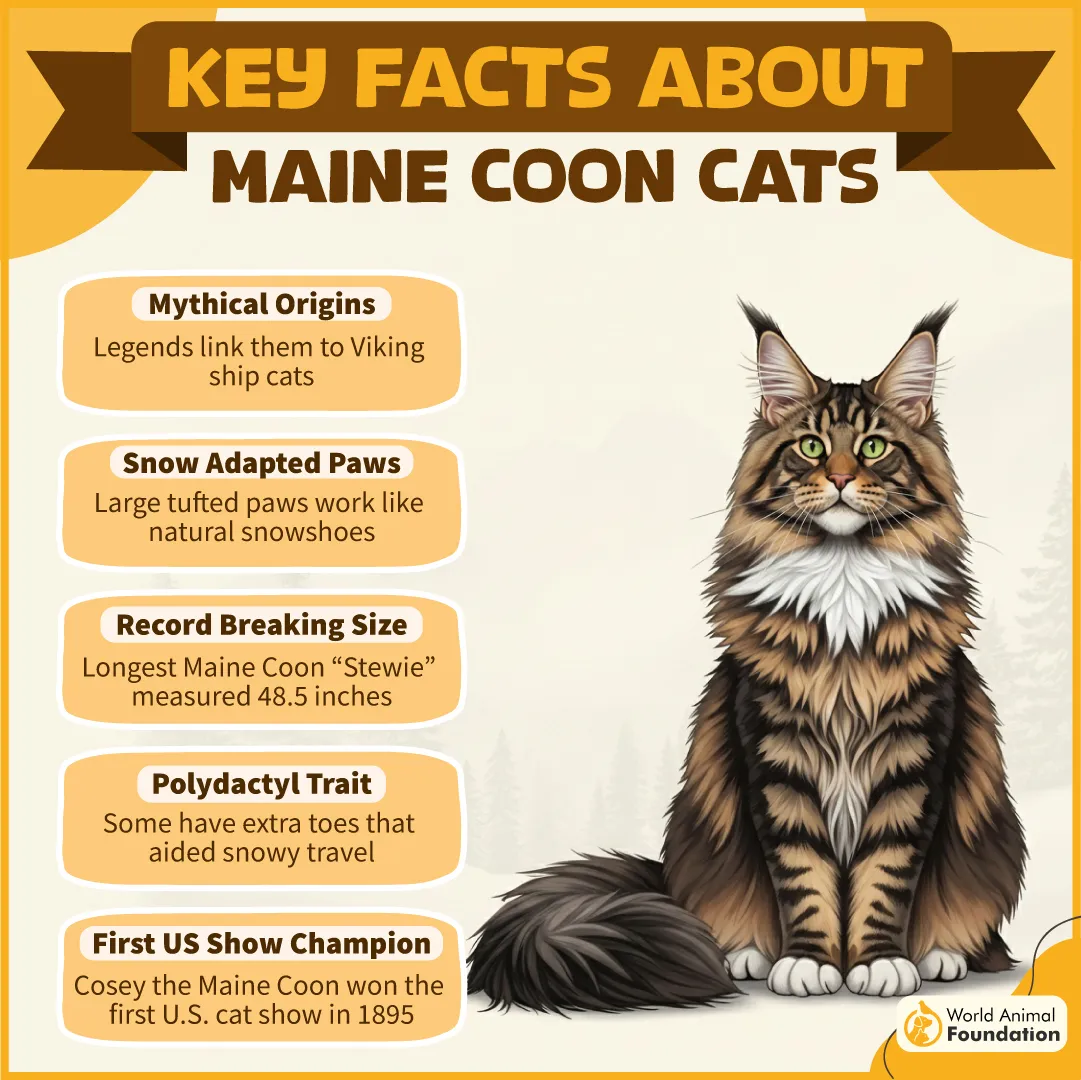
The Maine Coon is a cat lover’s favorite, known for its large size, tufted ears, bushy tail, and flowing, luxurious coat that feels shaggy rather than fluffy. The fur is longer around the chest and tail, creating a layered look that adds to its rugged appearance. This coat is developed to handle cold conditions and still requires regular upkeep indoors.
Maine Coons are often described as gentle giants because of their good nature. They tend to be social without being clingy, often choosing to stay near their people rather than on top of them. Their playful side often shows through slow, deliberate games rather than frantic bursts of energy.
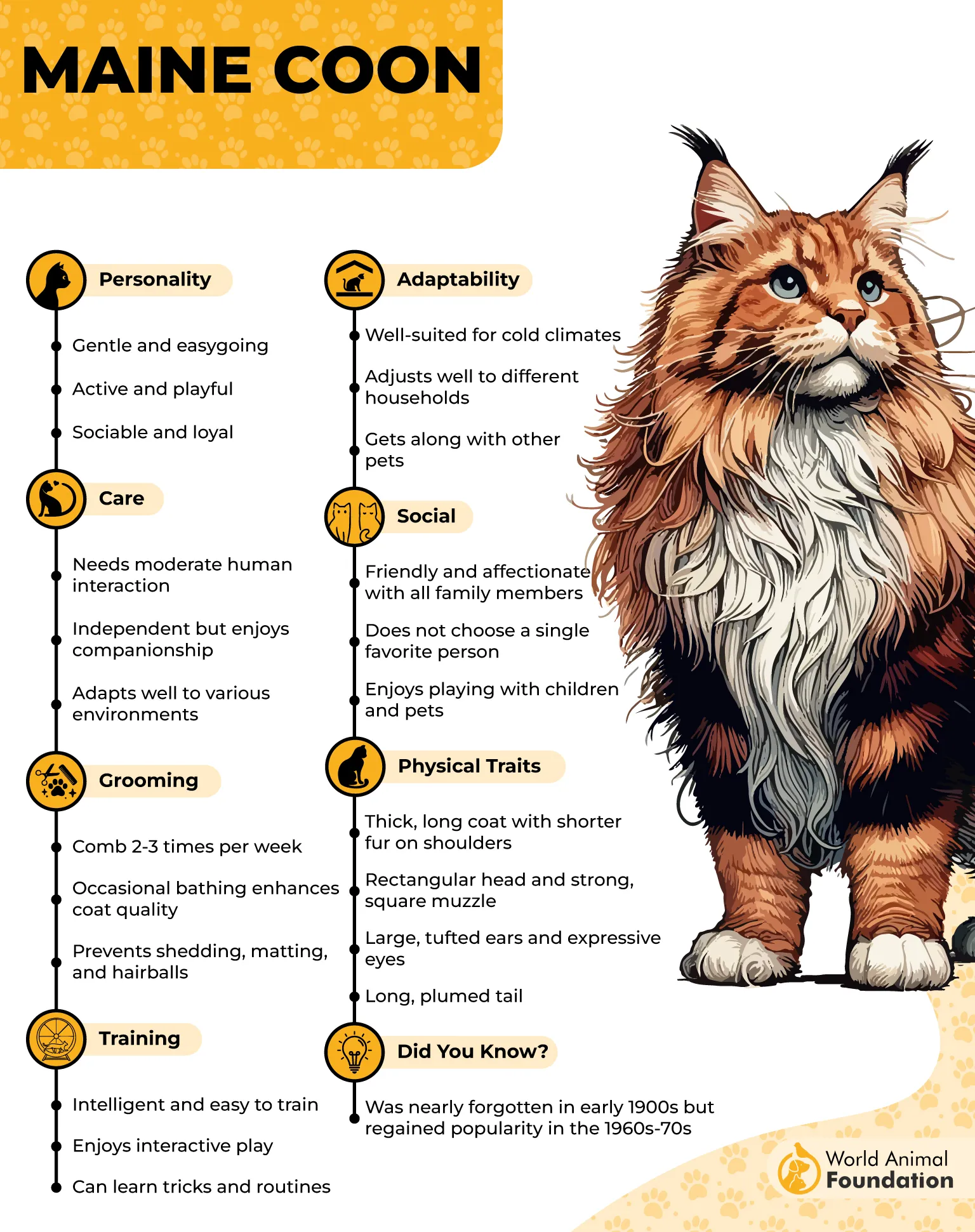
PetMD states that Maine Coons generally settle into indoor life with ease when given space to stretch out. Frequent grooming is important to manage shedding and prevent mats, especially during seasonal coat changes. Their relaxed attitude and tolerance for household activity make them a popular choice for larger families.
Why This Cat Is a Good Fit
Dense coat brings visual drama to indoor environments
Easygoing nature suits busy households
Enjoys indoor lounging mixed with light play
3. Norwegian Forest Cat
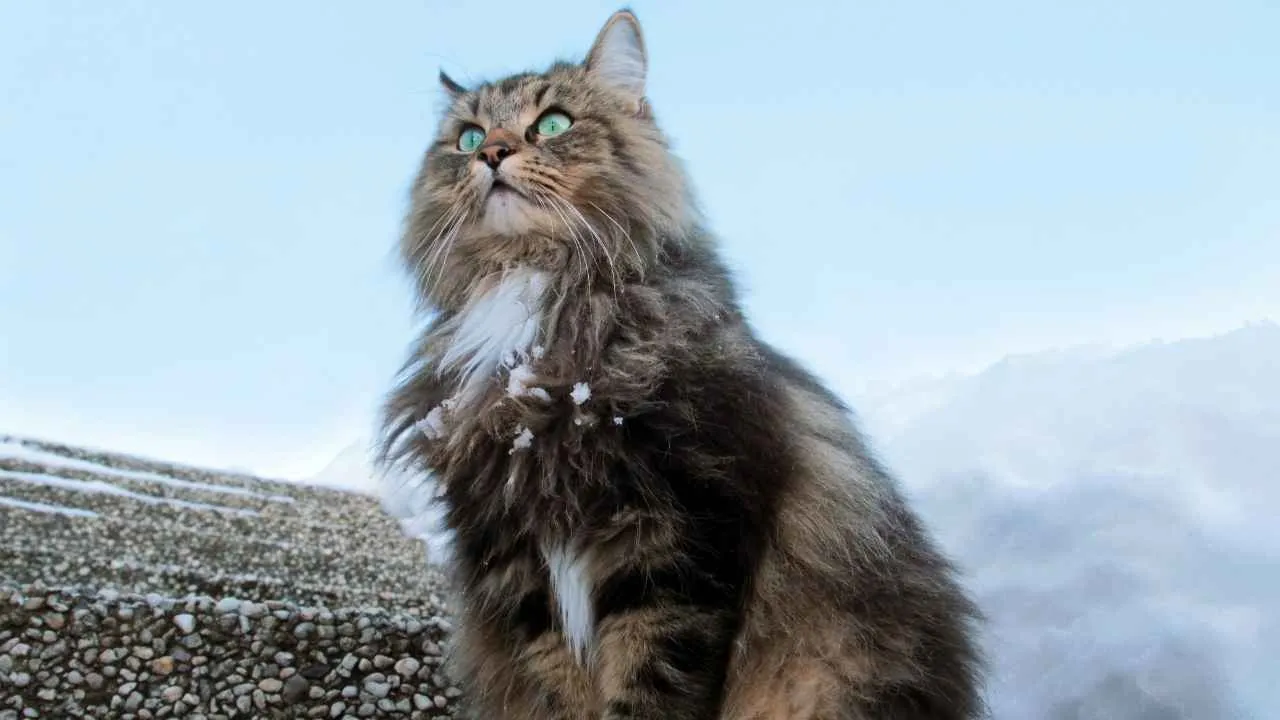
The Norwegian Forest Cat is a long-haired breed known for its thick double coat designed to handle cold and damp environments. Its fur includes a woolly undercoat and a longer, glossy outer layer that sheds water. The coat is especially full around the neck and hindquarters, giving the cat a powerful silhouette.
As per Purina, these cats are often described as independent but friendly. They enjoy attention on their own terms and are comfortable spending time alone when needed. Norwegian Forest Cats are strong climbers and often prefer vertical spaces where they can observe their surroundings.
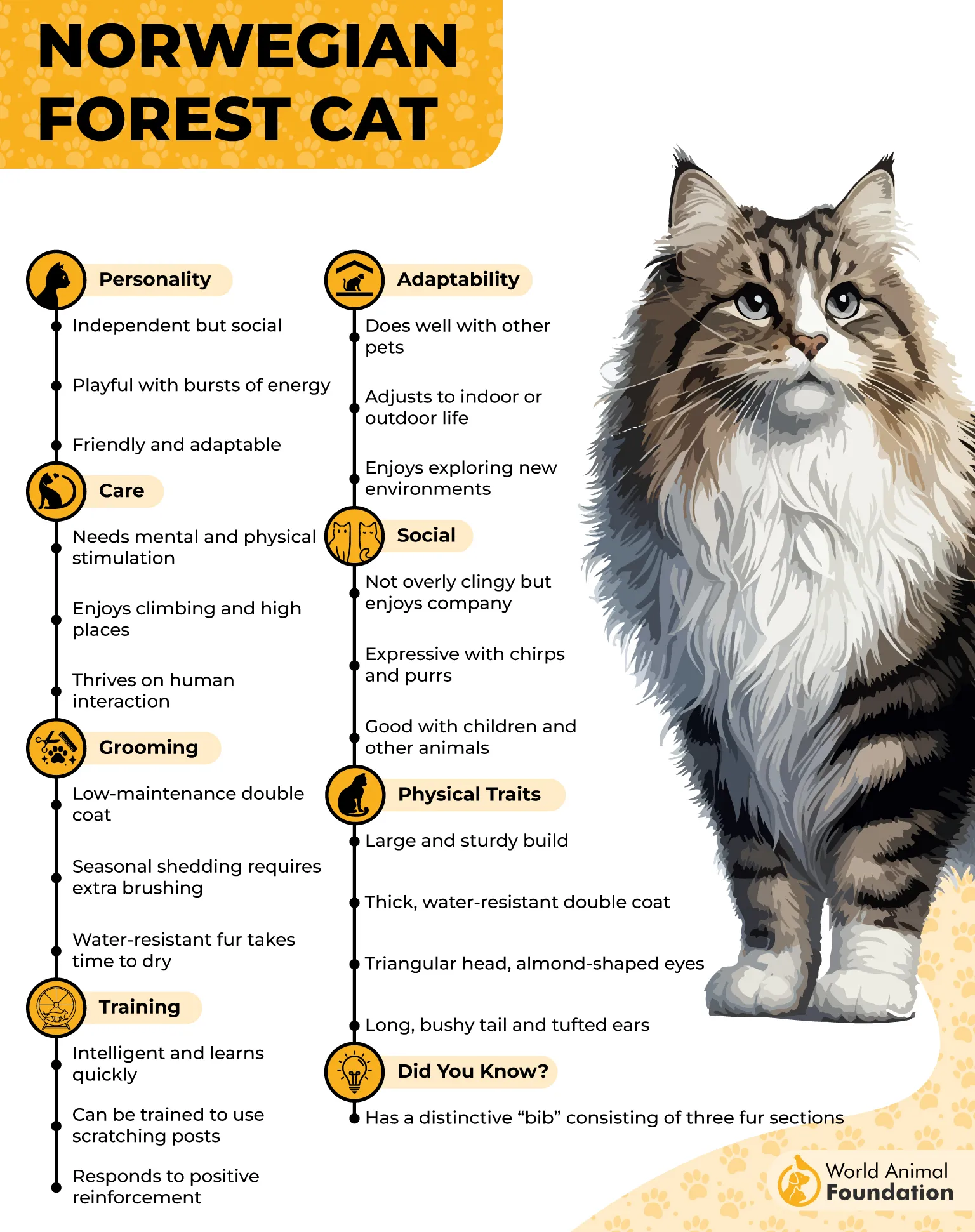
When kept indoors, this breed benefits from regular grooming and brushing to manage shedding. They are generally calm and adaptable, making them easier to integrate into established routines. Their quiet confidence and impressive coat give them a dignified presence without demanding constant focus.
Why This Cat Is a Good Fit
Double coat adds a bold, natural look to indoor homes
Independent streak suits cat owners with varied schedules
Thrives indoors with access to climbing spaces
4. Ragamuffin
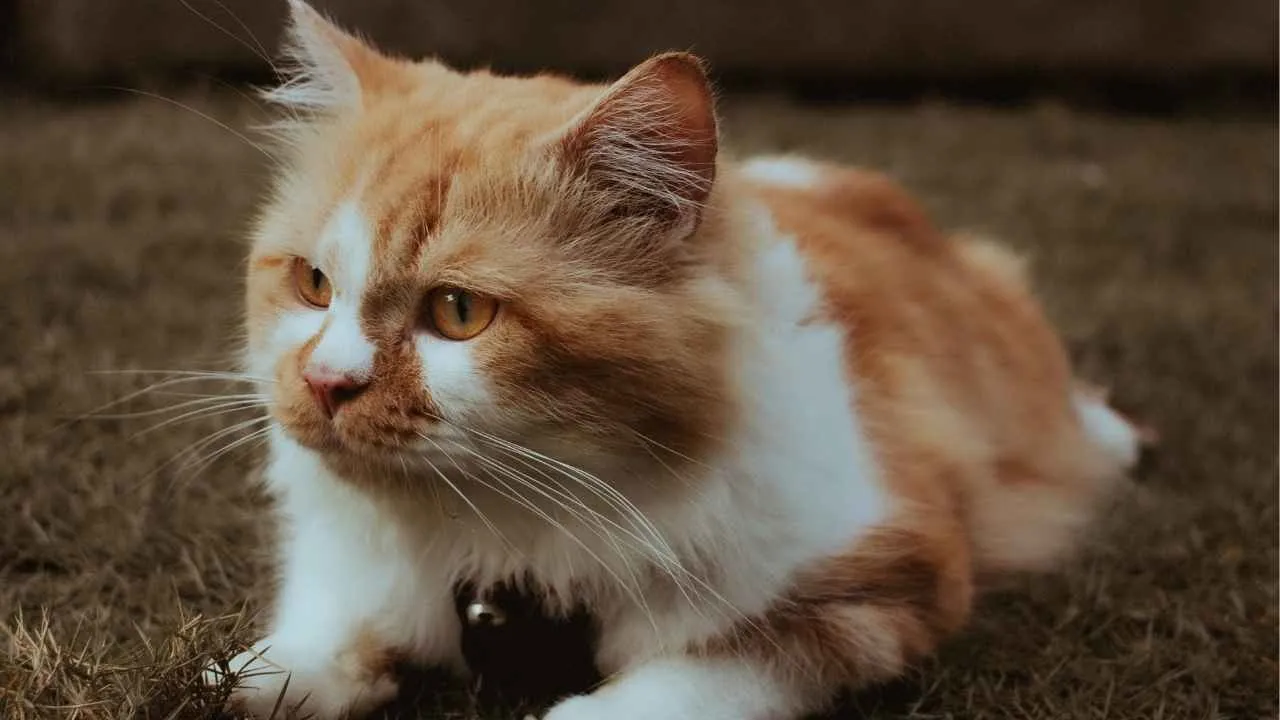
Ragamuffins are known for their exceptionally soft, dense coats that feel plush to the touch. The fur is long and thick without being prone to heavy matting when brushed regularly. Their rounded bodies and full coats give them a cuddly, almost stuffed animal appearance.
This breed is widely described as affectionate and relaxed. Ragamuffins often enjoy being held and tend to go limp when picked up, which has earned them a reputation for being easygoing companions. They are typically gentle and patient, even in active households.
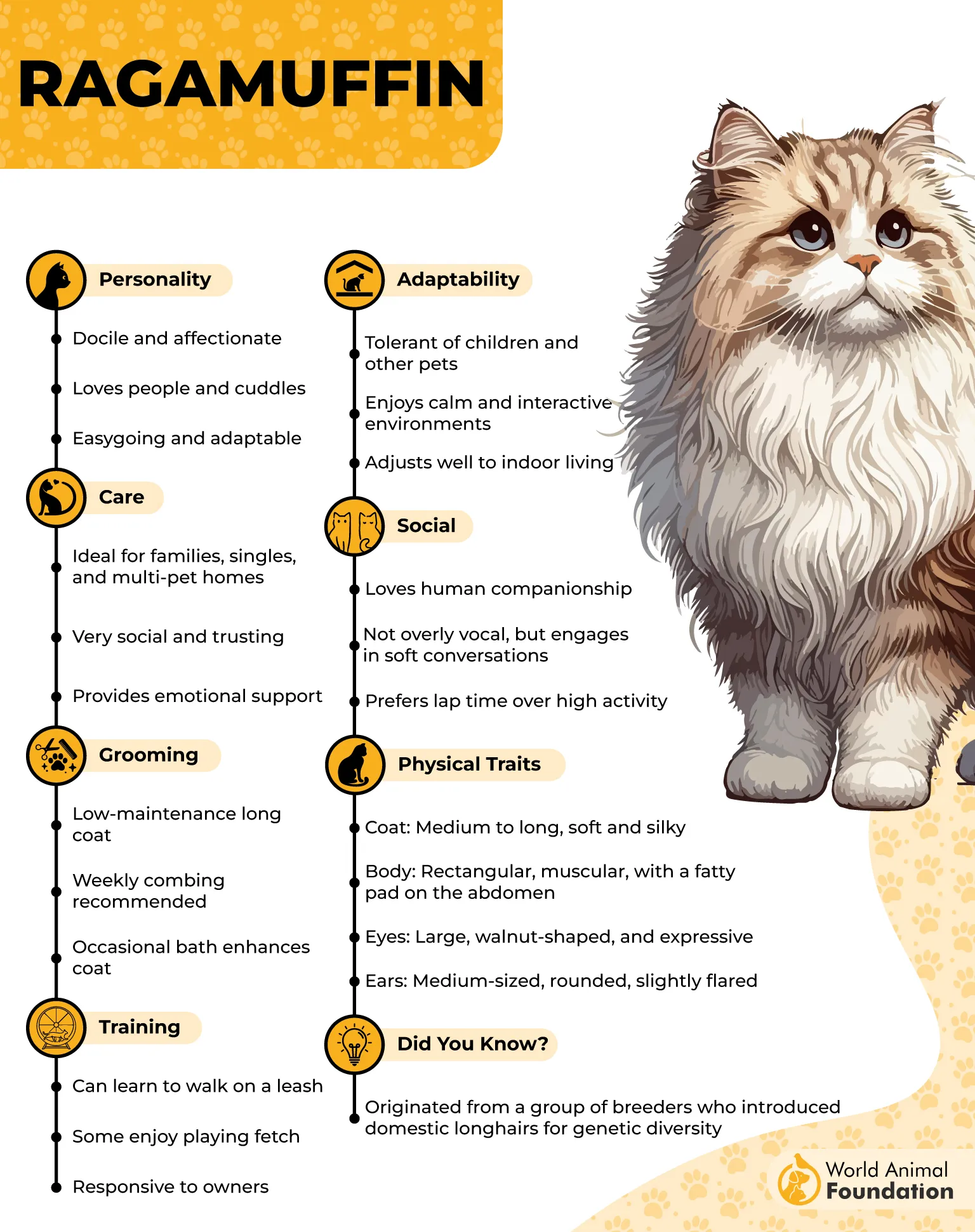
Ragamuffins adjust well to indoor living and prefer comfortable, calm environments. Their coats benefit from consistent grooming, though the texture is often easier to manage than it looks. With their laid-back personalities and love of human contact, they fit smoothly into homes that value quiet companionship.
Why This Cat Is a Good Fit
A thick coat brings softness and warmth to indoor spaces
A calm temperament works well for family settings
Enjoys indoor comfort and close human contact
5. Persian
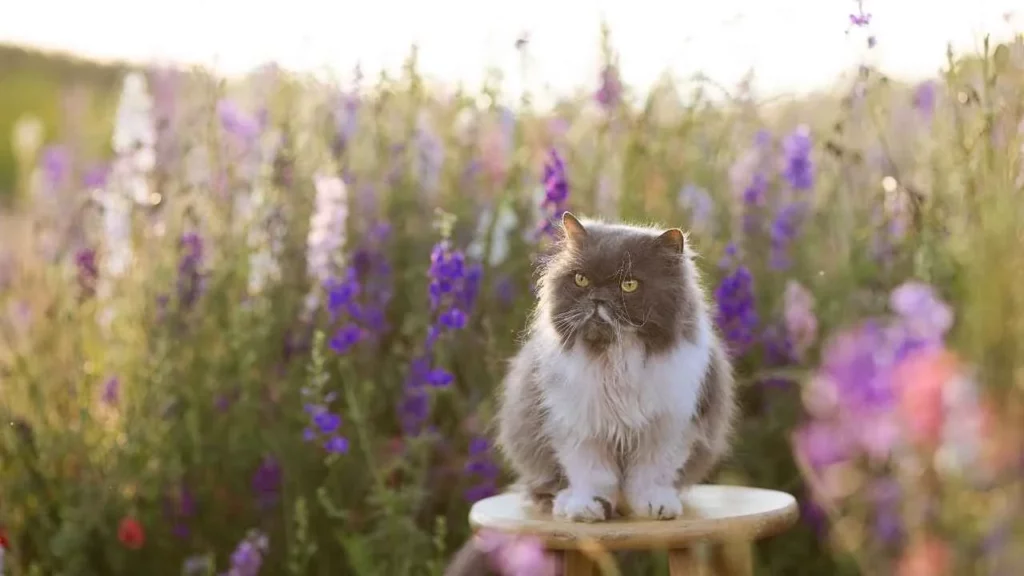
Persian cats are instantly recognizable for their long, flowing double and triple coats that include a dense underlayer beneath the outer fur. The coat is thick, soft, and designed to provide insulation, which is why it requires consistent grooming to stay clean and tangle-free. Without regular care, the fur can mat easily, especially around the chest and legs.
Personality-wise, Persians are often described as calm and laid back. They tend to prefer quiet environments and predictable routines rather than constant activity. Many enjoy lounging in their favorite spots and observing their surroundings instead of chasing nonstop excitement.
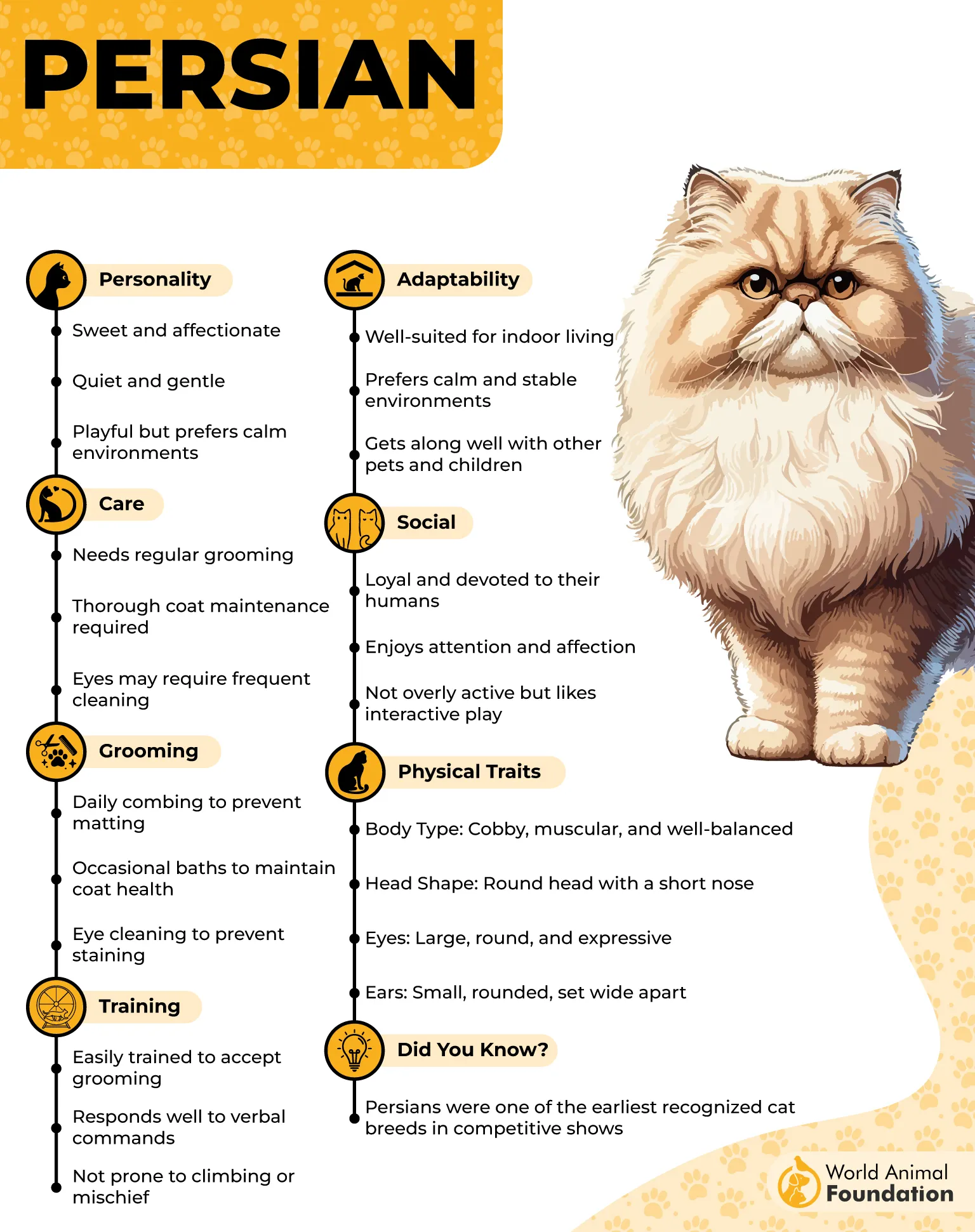
Persians are well-suited to indoor living, where their coats stay cleaner and more manageable. Their grooming needs are part of daily life, not an occasional task, but many cat lovers find the routine relaxing. With their gentle nature and love of comfort, Persians often become peaceful companions who bring a steady, soothing presence to the home.
Why This Cat Is a Good Fit
Dense double coat stays protected in indoor environments
A calm personality matches quiet households and apartments
Prefers cozy routines over high-energy chaos
6. British Shorthair

The British Shorthair may have shorter fur, but its coat is famously thick and plush due to a dense undercoat. This semi-long coat gives the fur a firm, crisp texture rather than a silky coat. The result is a sturdy, teddy bear look that feels substantial to the touch.
British Shorthairs are known for being independent yet affectionate in subtle ways. They often enjoy company without demanding constant attention and may sit nearby instead of climbing into laps. Their calm demeanor makes them less likely to get into trouble when left alone for periods of time.
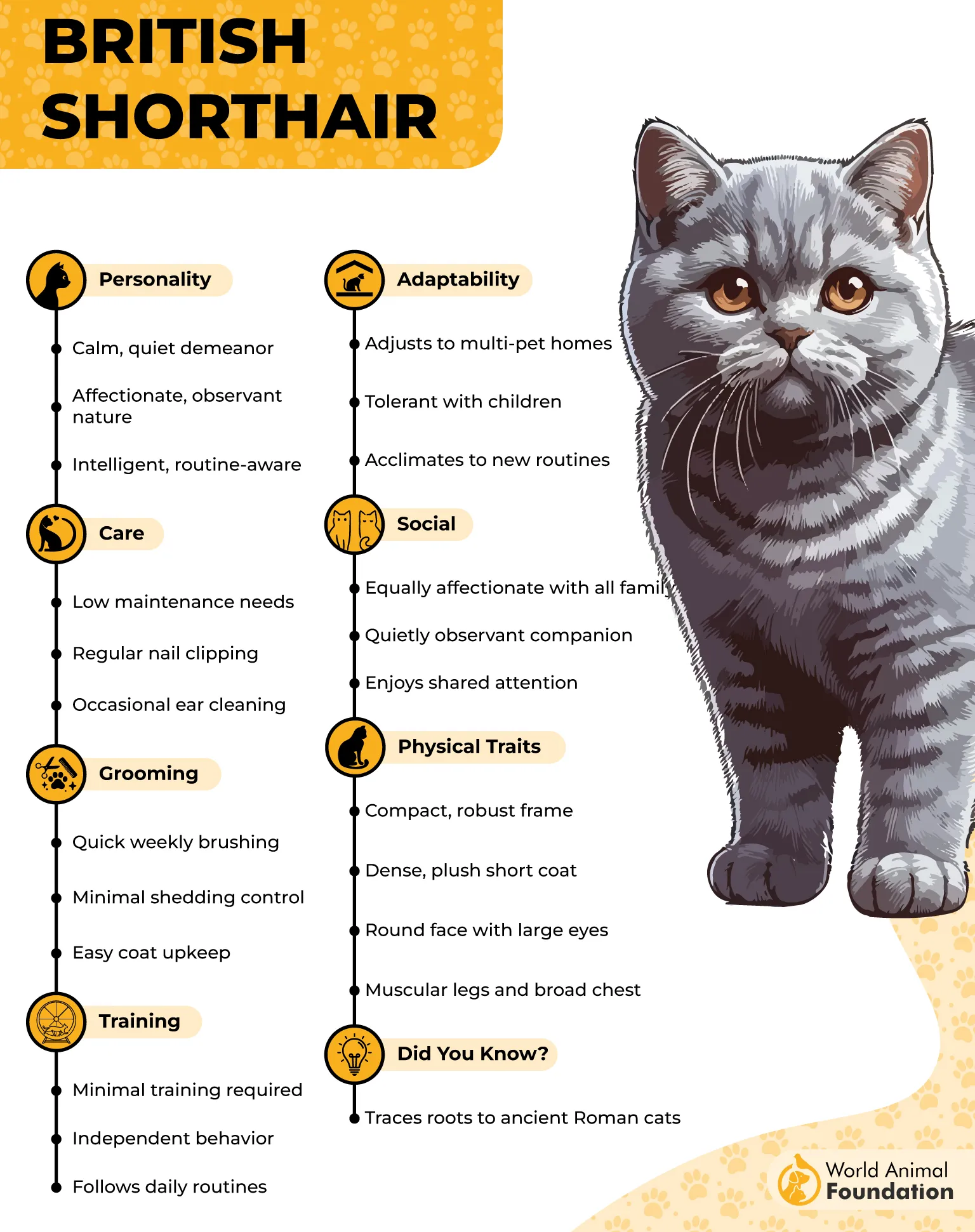
This breed adapts easily to indoor life and does not require intensive grooming despite its dense coat. Regular brushing helps manage shedding, especially during seasonal changes. With their relaxed attitude and low-drama personality, British Shorthairs fit well into homes that appreciate a peaceful but friendly cat.
Why This Cat Is a Good Fit
Thick double coat thrives in stable indoor temperatures
Low energy style suits apartments and smaller spaces
Independent nature works well for busy owners
7. Scottish Fold
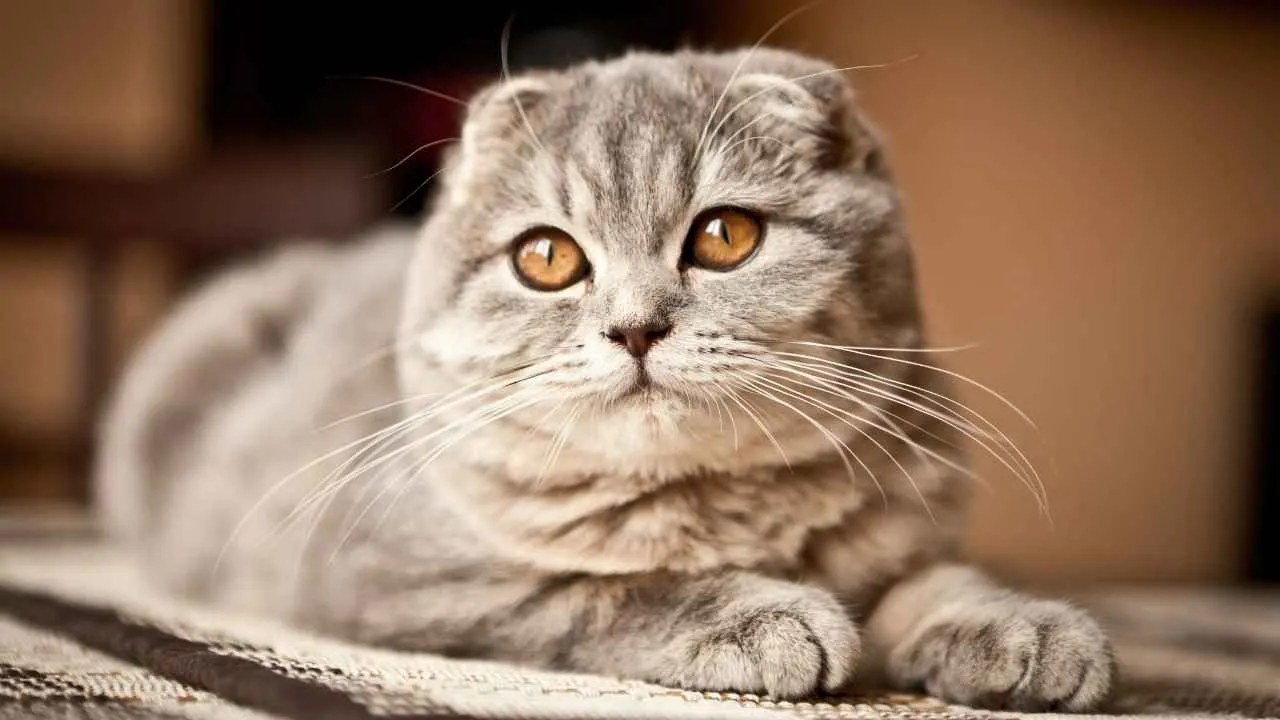
Scottish Folds can have a dense fur that feels plush and springy, whether short or long. The undercoat adds noticeable thickness, giving the fur a full, padded feel. This density means regular brushing helps keep shedding under control.
These cats are often described as sweet and adaptable. Scottish Folds tend to enjoy human interaction but are not overly demanding about it. They are known for choosing comfortable spots around the house and settling into relaxed poses that match their gentle personalities.

Scottish Folds generally adjust well to indoor environments and enjoy consistent routines. Their grooming needs are moderate, though the cat’s fur benefits from weekly brushing and routine care. With their calm behavior and affectionate but mellow nature, they blend easily into homes looking for a quiet, friendly companion.
Why This Cat Is a Good Fit
Dense coat stays comfortable in indoor settings
A gentle personality fits family homes and apartments
Enjoys relaxed routines without constant stimulation
Conclusion
Cats with dense double coats offer more than just impressive fluff. These long-haired cat breeds are built for insulation, comfort, and visual appeal. Their thick undercoats and protective outer layers give them a distinctive look, but they also come with specific grooming routines and shedding cycles to keep the cat’s coat looking at its best.
Just like short-haired cats, double-coated cats range from calm lap lovers to confident climbers, making it easier to find a match for different lifestyles. Most thrive indoors with regular brushing, stable routines, and enough enrichment to stay content.
If you’re drawn to other long-haired breeds that look perpetually cozy and don’t mind a little extra fur care, the Turkish Angora and Himalayan, with their silky long hair, can be deeply rewarding companions. With the right expectations, these fluffy felines bring beauty, warmth, and steady companionship into any home.
