




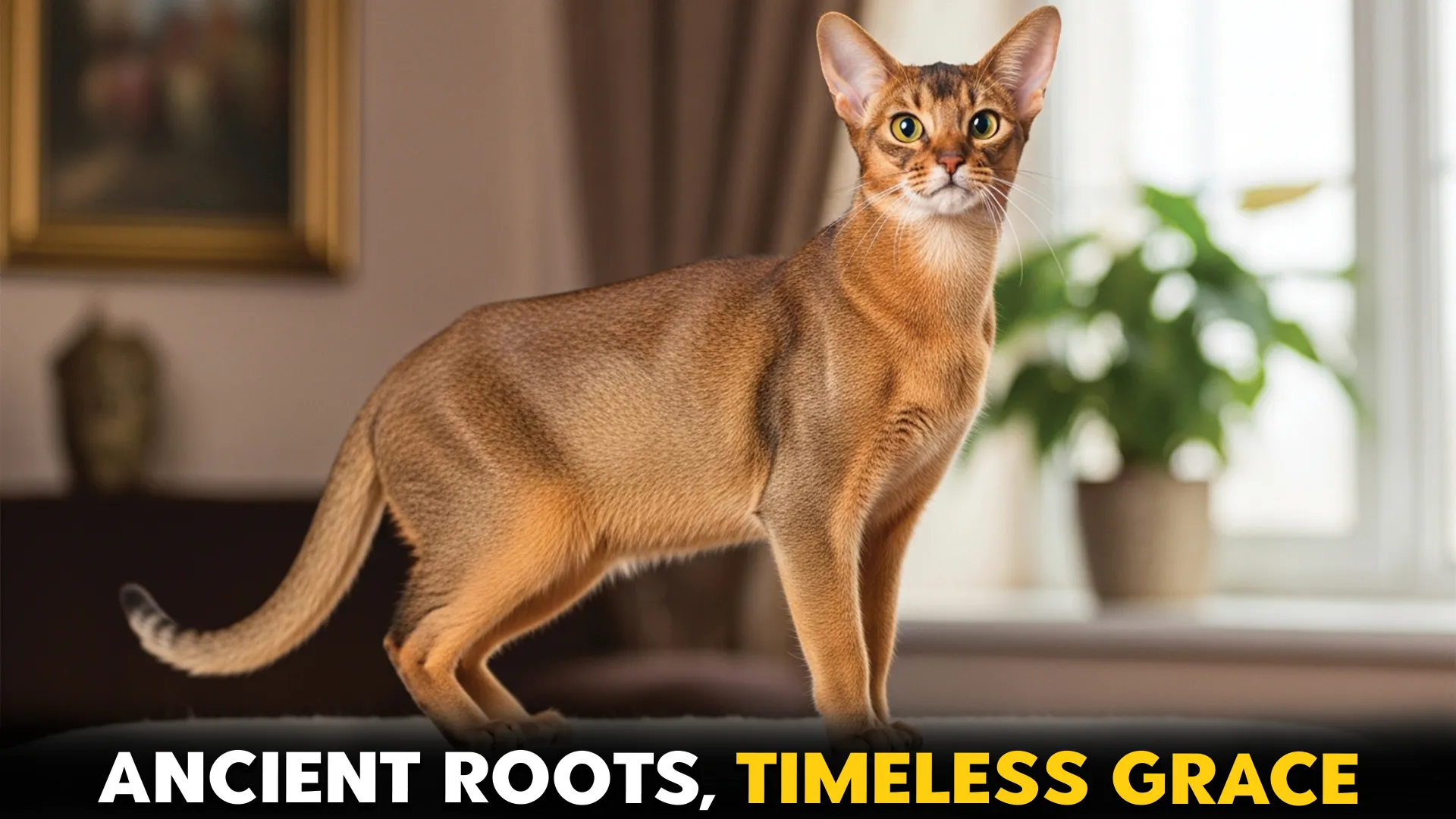
Cats may spend their days lounging on sofas and waiting for dinner to appear, but beneath that pampered lifestyle lies an ancient legacy. Long before they became beloved household companions, cats descended from wild ancestors that roamed parts of Asia millions of years ago.
Over time, these early felines forged a quiet partnership with humans, drawn to settlements by rodents and gradually earning their place by our side. That slow, natural bond is what sets certain breeds apart as truly ancient.
These breeds trace their roots back thousands of years, often shaped more by environment and survival than selective breeding. Archaeological evidence suggests domestication began around 10,000–12,000 years ago, and some modern cats still closely resemble those early companions that lived alongside ancient civilizations.
From sacred symbols in ancient temples to skilled mousers on early trade routes, these cats played vital roles in human history. In this article, we’ll explore ten cat breeds whose bloodlines stretch deep into the past, offering a living connection to the earliest chapters of feline domestication.
Cat Breeds with Ancient Bloodlines
1. Egyptian Mau
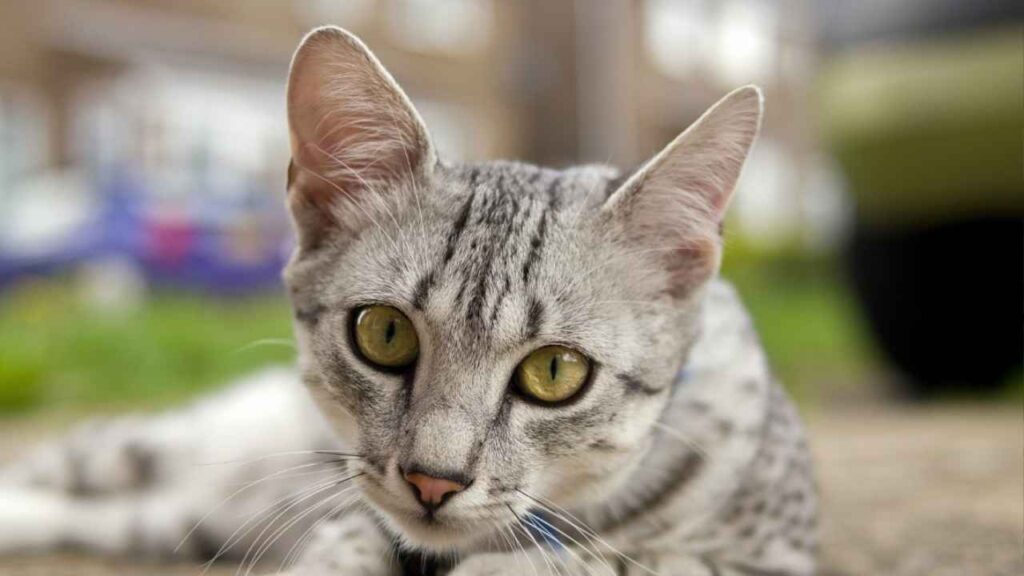
The Egyptian Mau, sometimes simply called the Mau (from the ancient Egyptian word for “cat”), is widely regarded as one of the oldest surviving cat breeds.
According to Britannica, the Egyptian Mau is a short-haired cat breed that tends to be reserved with strangers while remaining loving and loyal toward its owners.
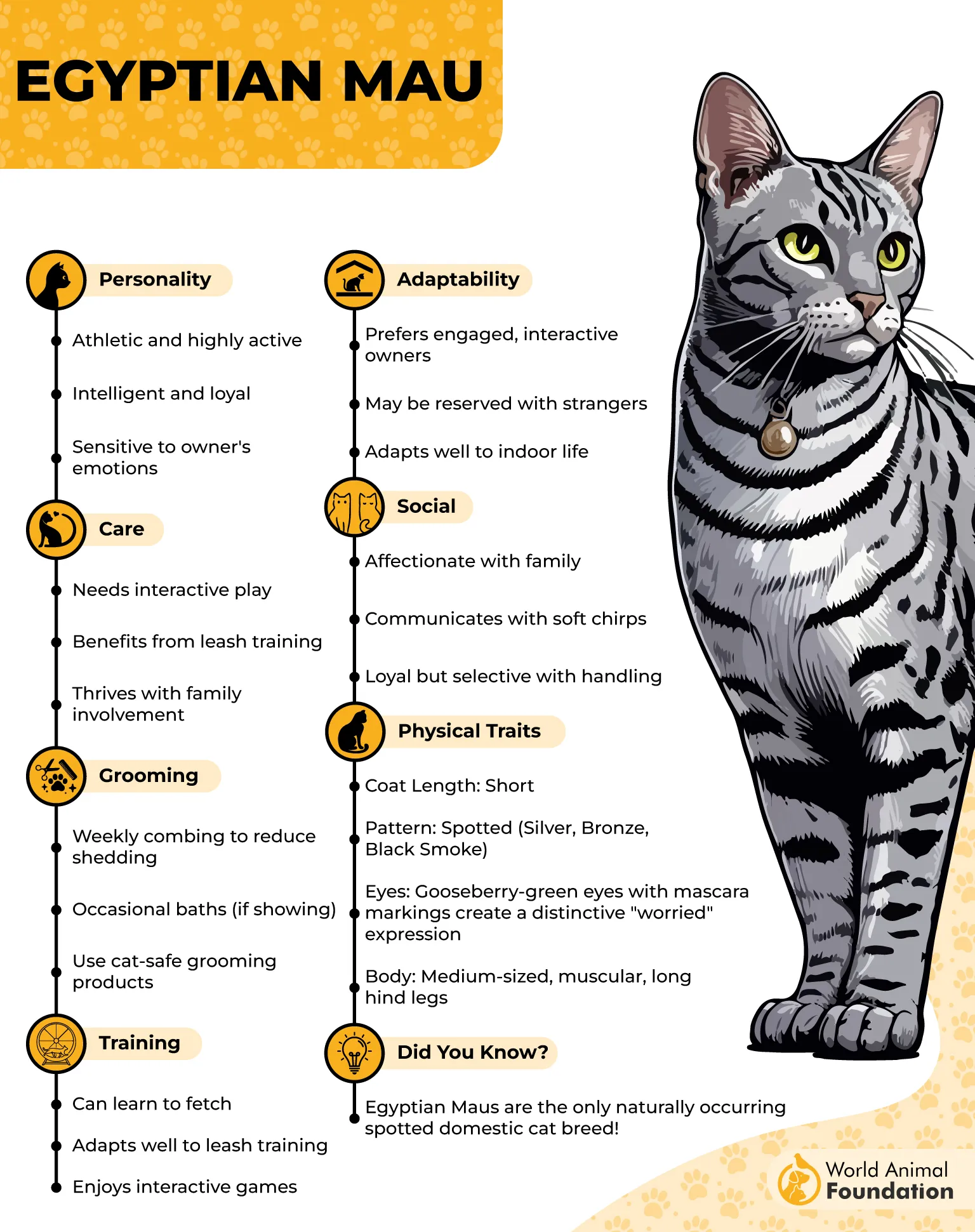
As a breed with true ancient bloodlines, the Egyptian Mau is often linked directly to cats worshipped in ancient Egypt over 3,000 years ago. Images on papyri and temple frescoes show spotted cats that look remarkably like modern Maus, reinforcing the idea that their appearance has changed very little over millennia.
Their historical significance goes beyond imagery. Egyptian Maus were found mummified and buried alongside pharaohs, believed to serve as companions in the afterlife. This sacred status highlights how deeply embedded they were in early human–cat relationships.
Despite their wild, athletic look, Maus are loyal and deeply bonded to their chosen people. They can be reserved with strangers, but once trust is earned, they form lasting connections that echo their long partnership with humans.
Fact: The Egyptian Mau is the only naturally domesticated cat breed with both spotted fur and spotted skin.
2. Abyssinian
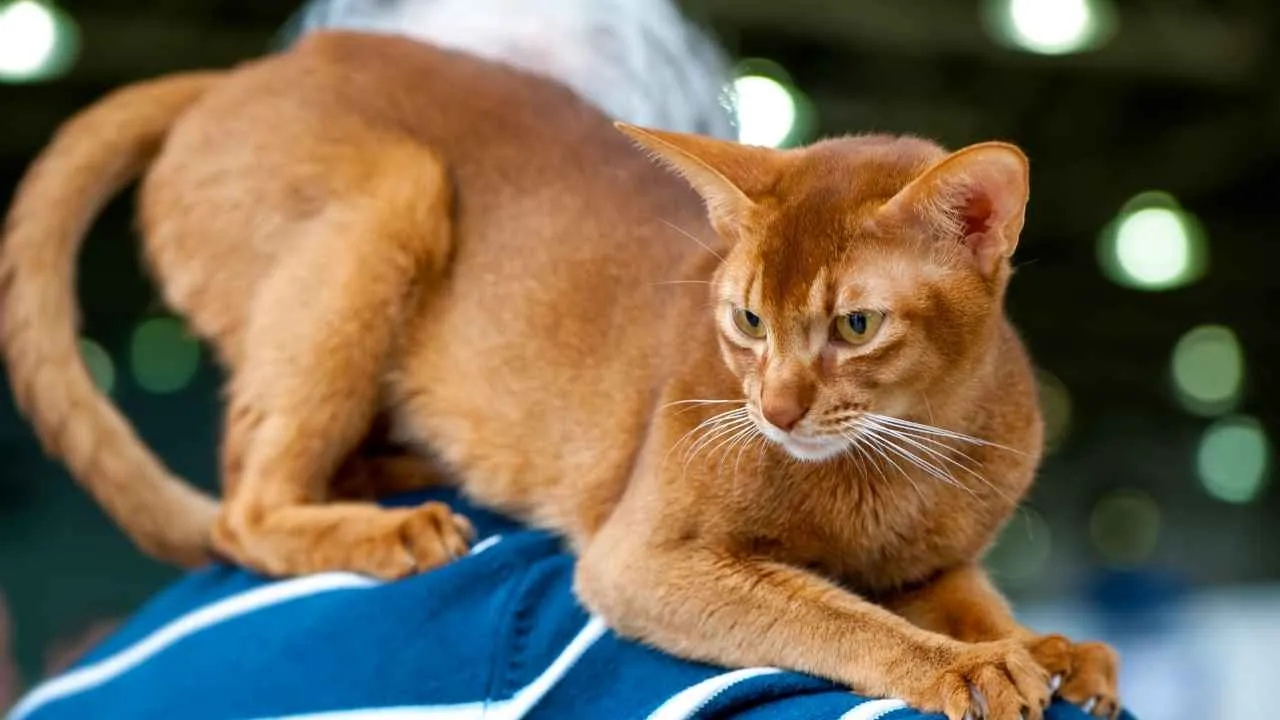
Often referred to simply as the Aby, the Abyssinian is considered one of the oldest recognized cat breeds in the world. According to PetMD, Abyssinian cats closely resemble the cats shown in ancient Egyptian murals.
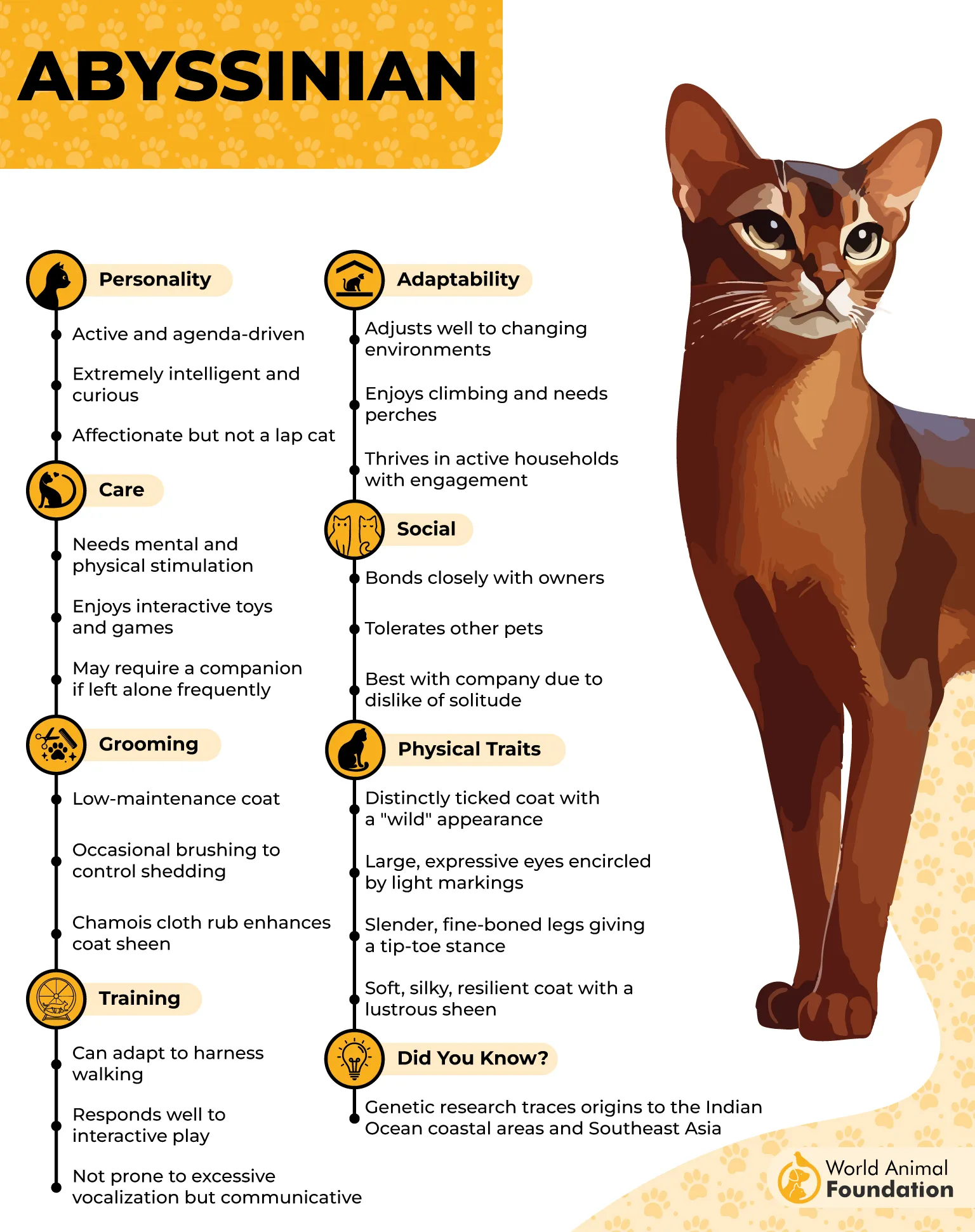
Many historians note striking similarities between Abyssinians and cats depicted in ancient Egyptian art, reinforcing their reputation as a breed with deep historical ties. Their slender, muscular build and expressive almond-shaped eyes echo the look of early domesticated cats that lived alongside ancient civilizations.
Beyond appearance, Abyssinians carry an energetic spirit that feels timeless rather than modern. Curious and highly intelligent, they move with purpose, exploring their surroundings much like their ancestors once did in temples and settlements thousands of years ago.
Despite their ancient lineage, they remain affectionate companions, blending historical mystique with modern charm.
Fact: An Abyssinian named “Zula” famously won first prize at the Crystal Palace cat show in 1871 after being brought to England from Ethiopia.
3. Siamese
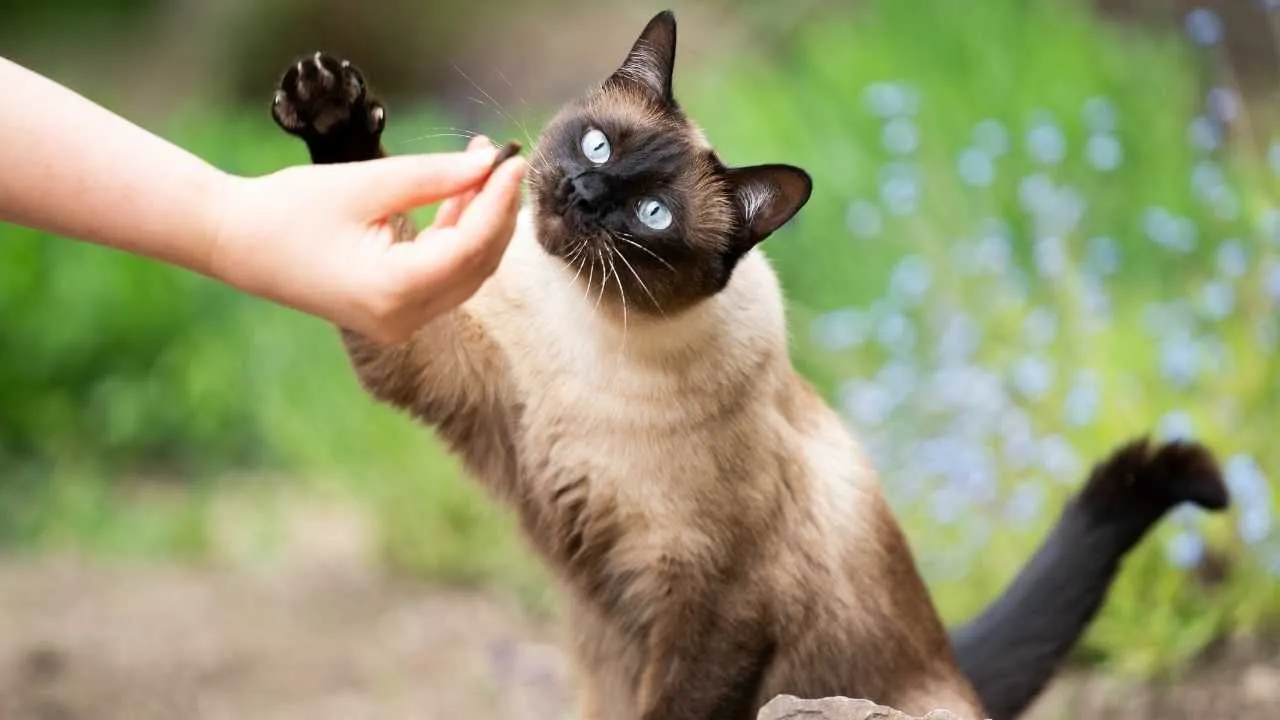
The Siamese, also known as the Thai cat or Wichien Maat, is one of the oldest recognizable cat breeds, originating in what is now Thailand. With a sleek, slender build, striking blue eyes, and large triangular ears, this short-haired breed has remained visually distinctive for centuries.
According to WebMD, people have long been drawn to them because of their distinctive appearance and highly intelligent temperament.
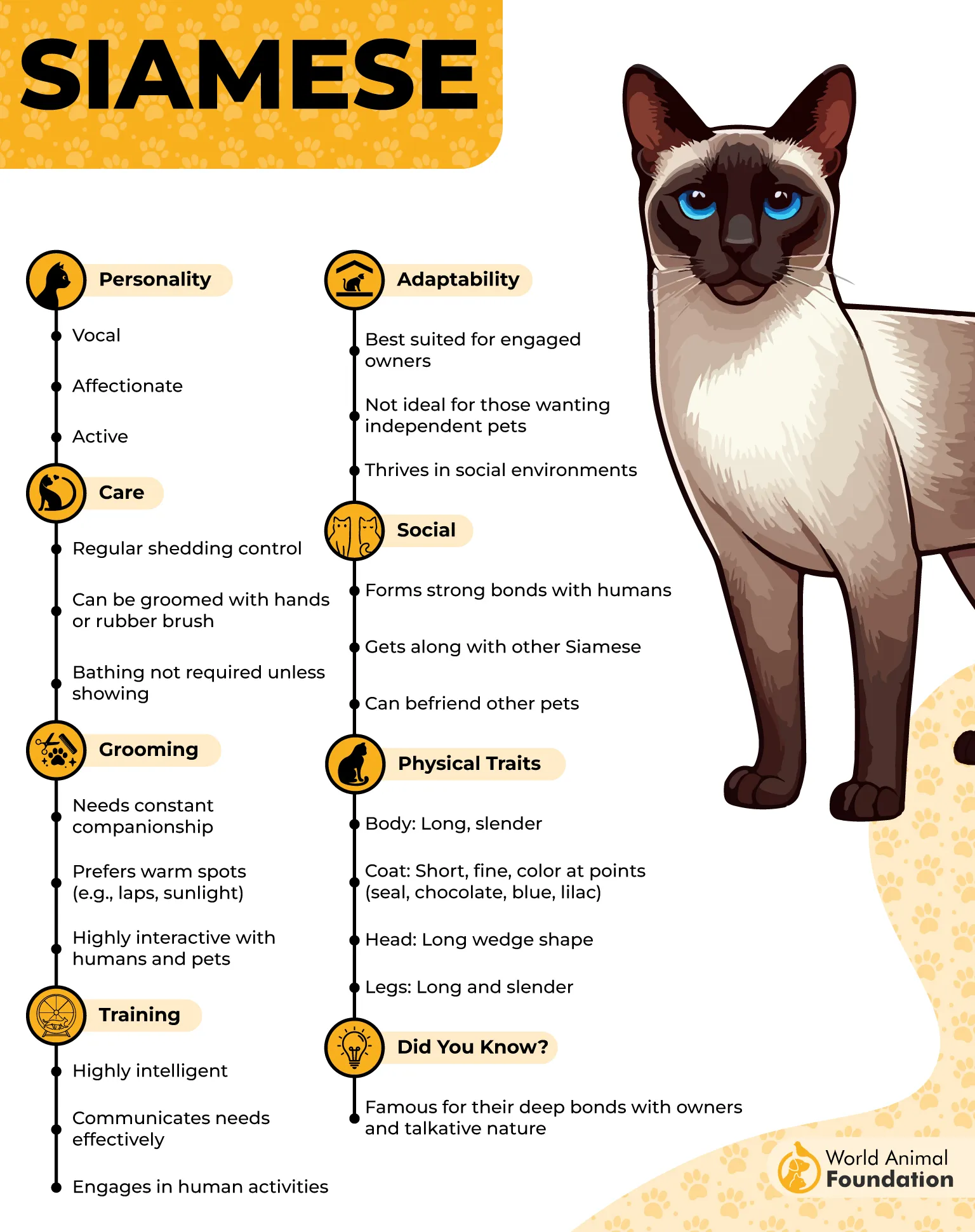
As a truly natural breed, the Siamese wasn’t shaped by modern selective breeding. It’s famous color-point coat developed through a genetic mutation, concentrating darker pigment on the face, ears, legs, and tail—features that gradually emerge as the cat matures.
Ancient records suggest Siamese cats lived near sacred temples and royal courts. References in 14th-century Thai manuscripts link them to Buddhist monks and nobility, reinforcing their reputation as cats shaped by environment, culture, and time rather than human design.
Today, Siamese cats retain many ancestral traits: high intelligence, strong human bonds, and a famously vocal personality. Their deep attachment and sensitivity echo the close human relationships they formed thousands of years ago.
Fact: The earliest written evidence of Siamese cats appears in a 14th-century Thai manuscript called Tamra Maew (“The Cat Book Poems”).
4. Turkish Angora
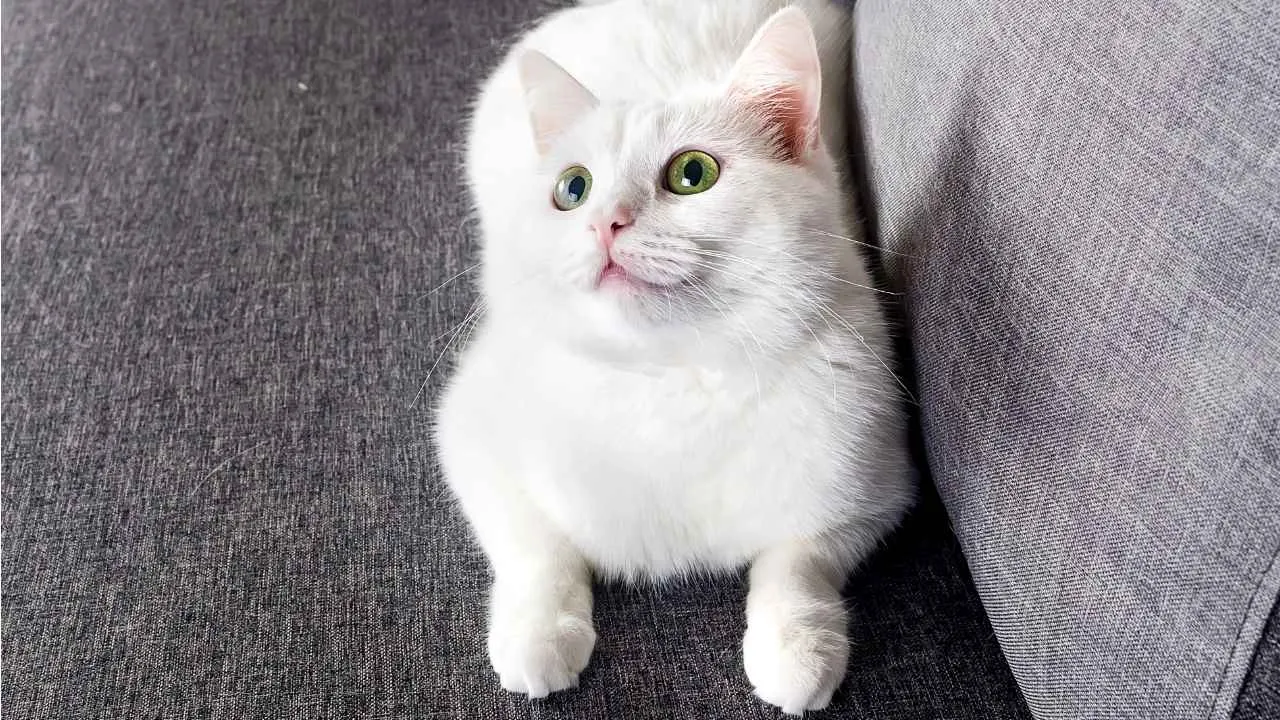
The Turkish Angora, also known as the Ankara cat or Angora, is one of the oldest natural long-haired cat breeds still in existence. Originating in central Turkey, this elegant feline is famed for its silky coat, almond-shaped eyes, and graceful, athletic build.
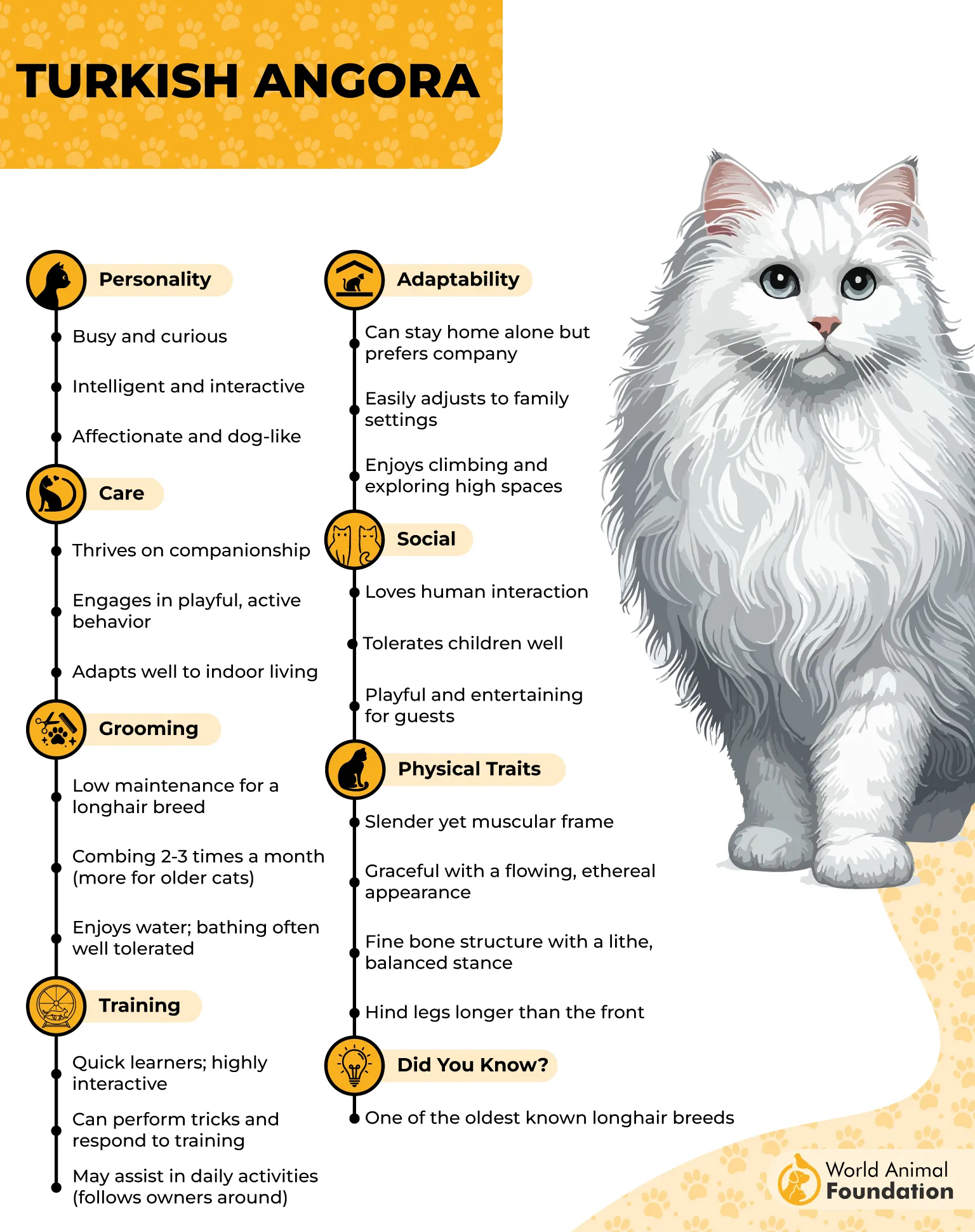
As a true ancient breed, the Turkish Angora evolved naturally over centuries in a harsh mountain climate, developing a fine coat without an undercoat. Historical records mention long-haired Turkish cats as early as the 1500s, and they were once considered national treasures, especially the white Angoras with blue, gold, or odd-colored eyes.
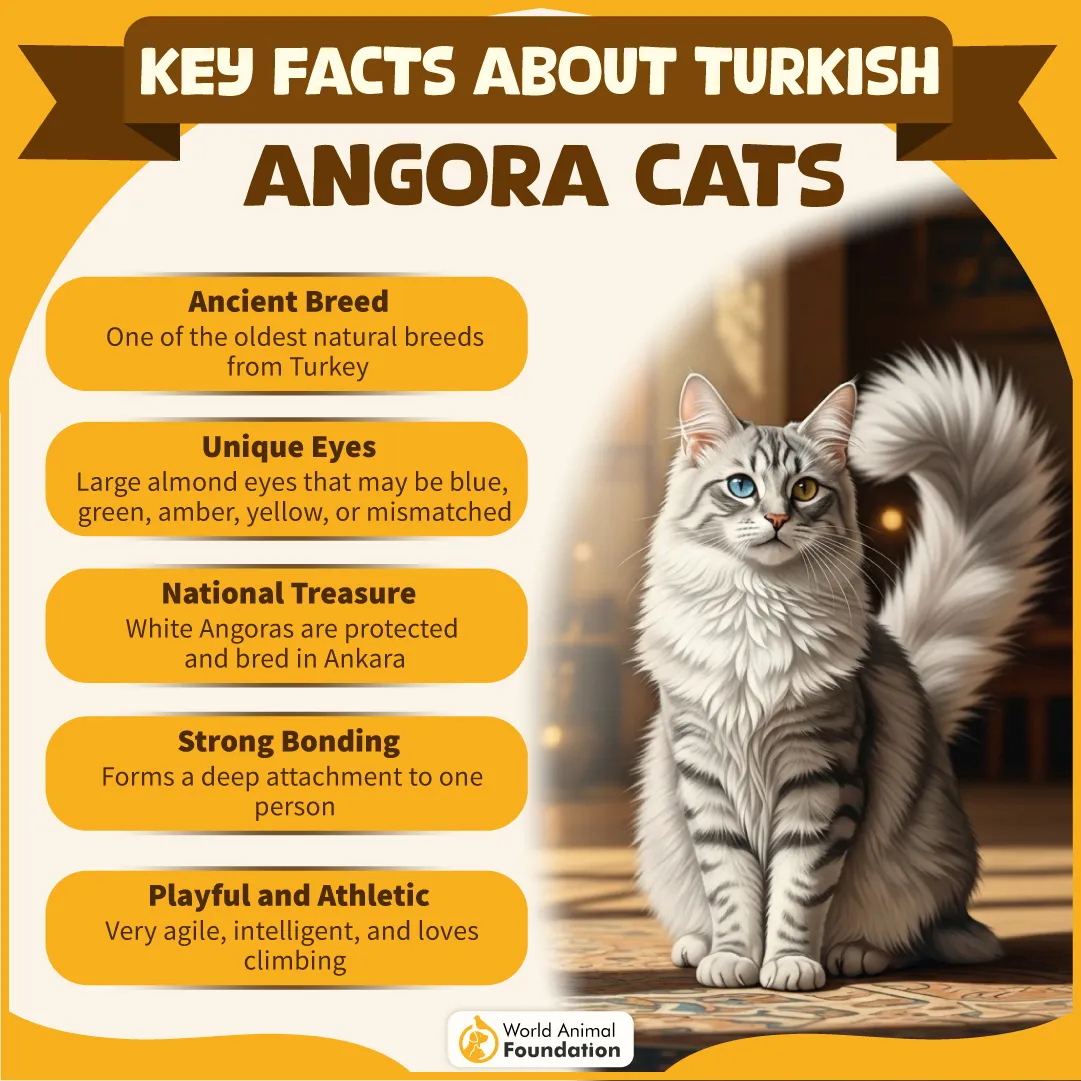
Despite their refined appearance, these cats are lively, intelligent, and people-oriented. They thrive in active households, enjoy interactive play, and are known for their curiosity—including a fascination with water—making them surprisingly modern companions for such an old lineage.
After nearly disappearing due to crossbreeding in the early 1900s, the breed was preserved through a government-backed program at the Ankara Zoo.
Fact: Turkish Angoras are one of the oldest naturally occurring cat breeds and were formally protected in Turkey to prevent extinction.
5. Korat
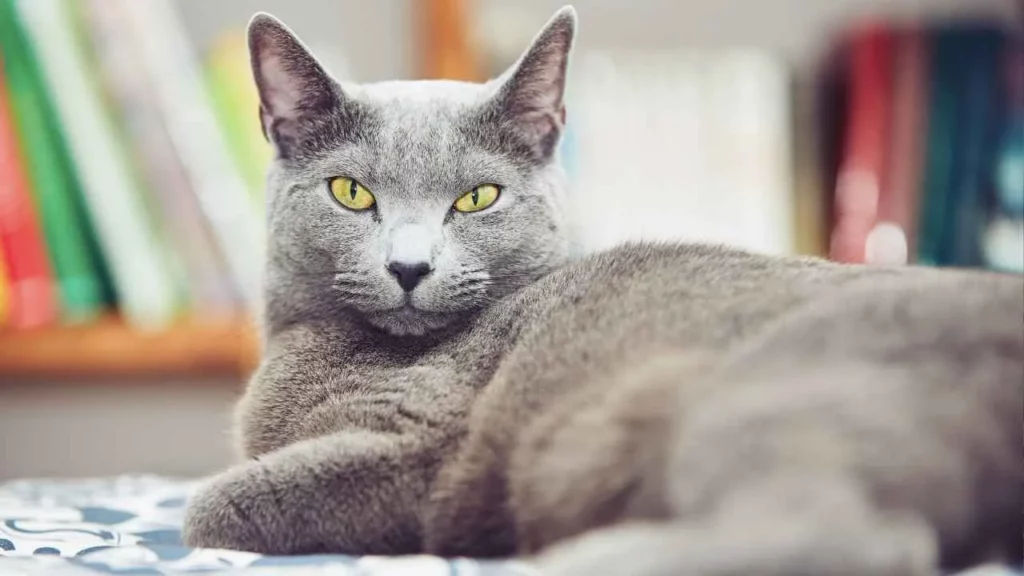
The Korat, also known in Thailand as Si-Sawat, is a natural cat breed with deep roots in Southeast Asia. Originating in Thailand, this silver-grey feline has been revered for centuries and is easily recognized by its heart-shaped face, sleek body, and luminous green eyes.
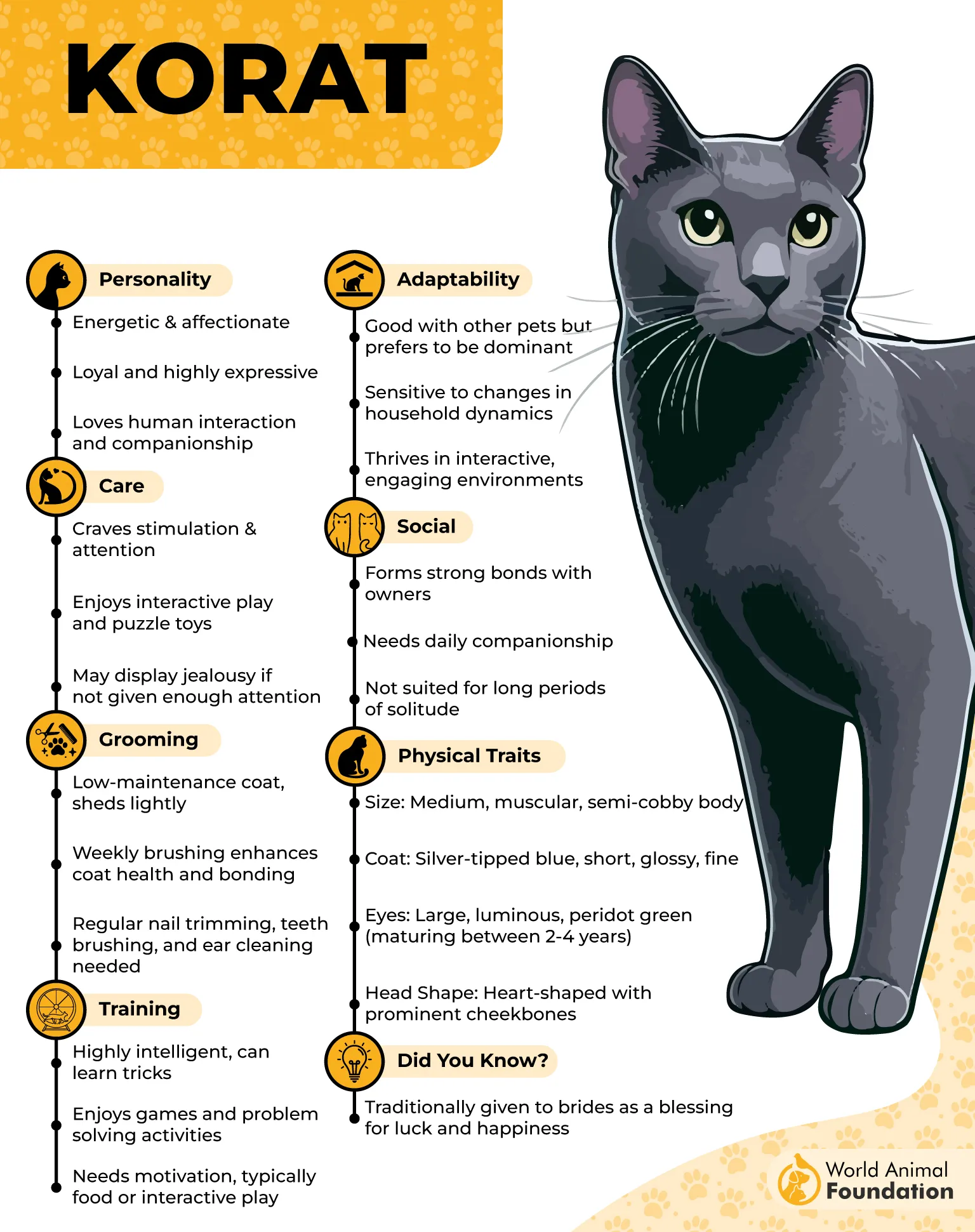
What makes the Korat especially significant among ancient breeds is its appearance in the Cat-Book Poems, a historic Thai manuscript dating back to the 1400s. These texts documented cats believed to bring good fortune, and the Korat’s depiction has remained remarkably consistent over time, highlighting how little the breed has changed.
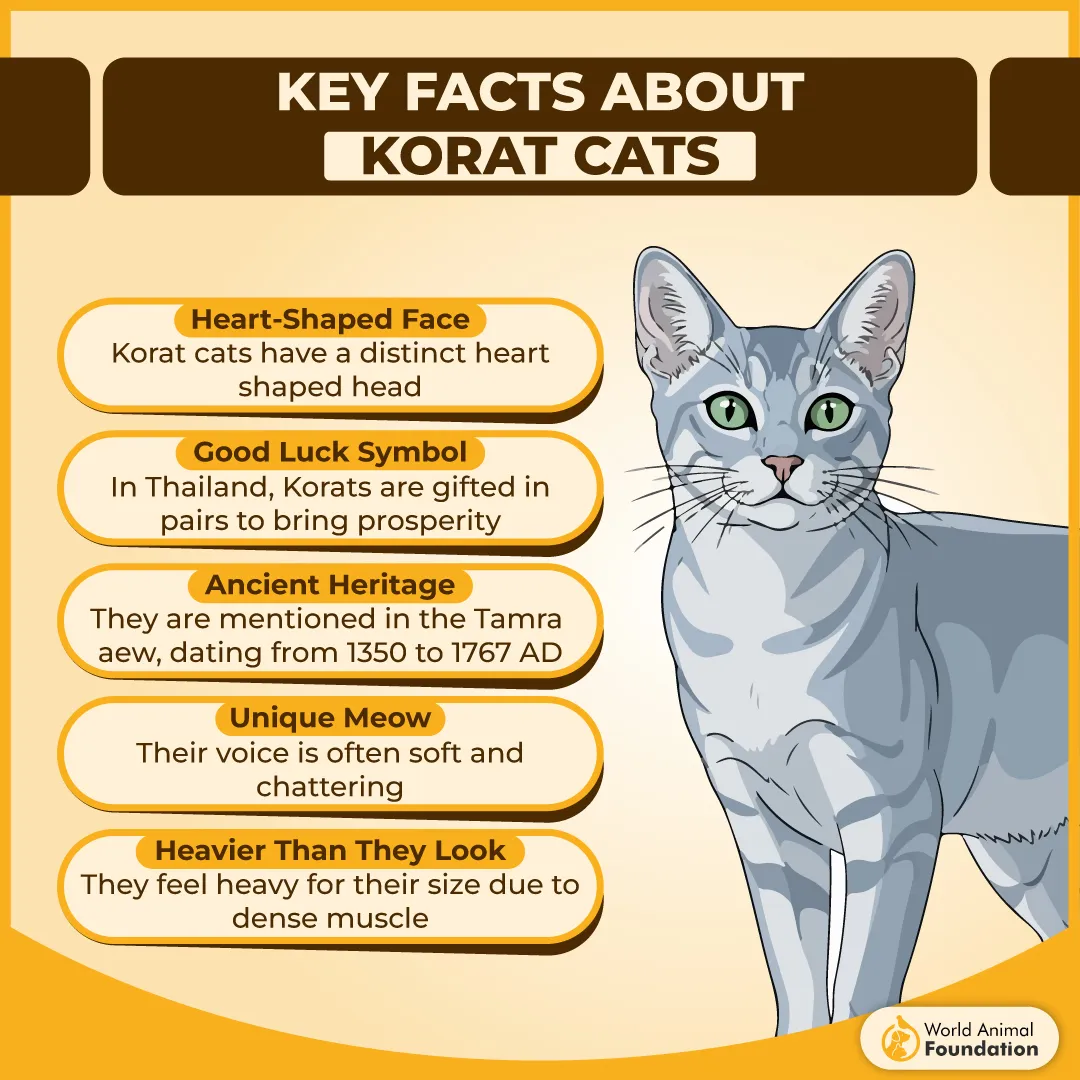
Unlike many modern breeds shaped by selective breeding, the Korat developed naturally. Its lean frame, minimal body fat, and sharp intelligence reflect survival traits passed down through generations. Korats are known for strong memory skills and an impressive ability to navigate unfamiliar environments.
Historically, Europeans later referred to Korats as “blue Siamese” when they encountered them in the late 1800s, but their lineage is far older.
Fact: The Korat has been documented in Thai manuscripts from the Ayutthaya period, between 1351 and 1767.
6. Japanese Bobtail
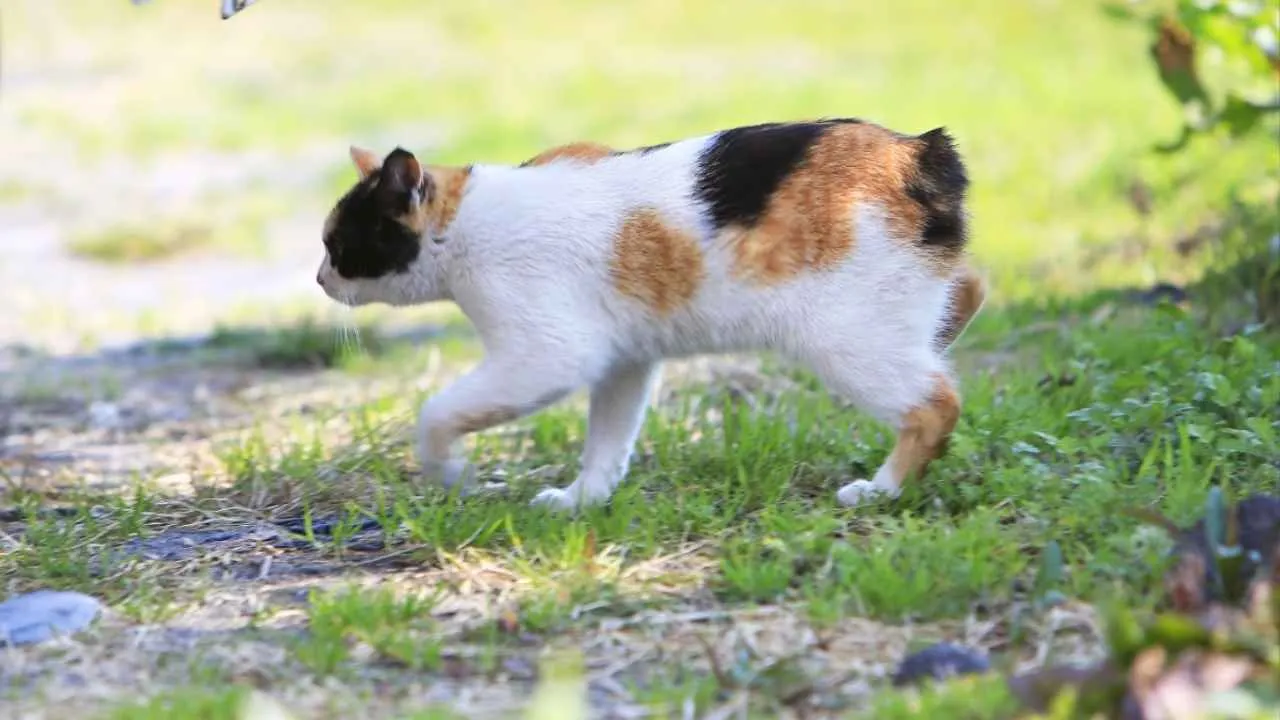
The Japanese Bobtail, also known in Japan as Kazoku-neko, is instantly recognized by its short, pom-pom tail and elegant, lightweight build.
This small cat typically weighs under 10 pounds and has been a familiar presence in East Asia for centuries, making it one of the oldest naturally occurring breeds still seen today.
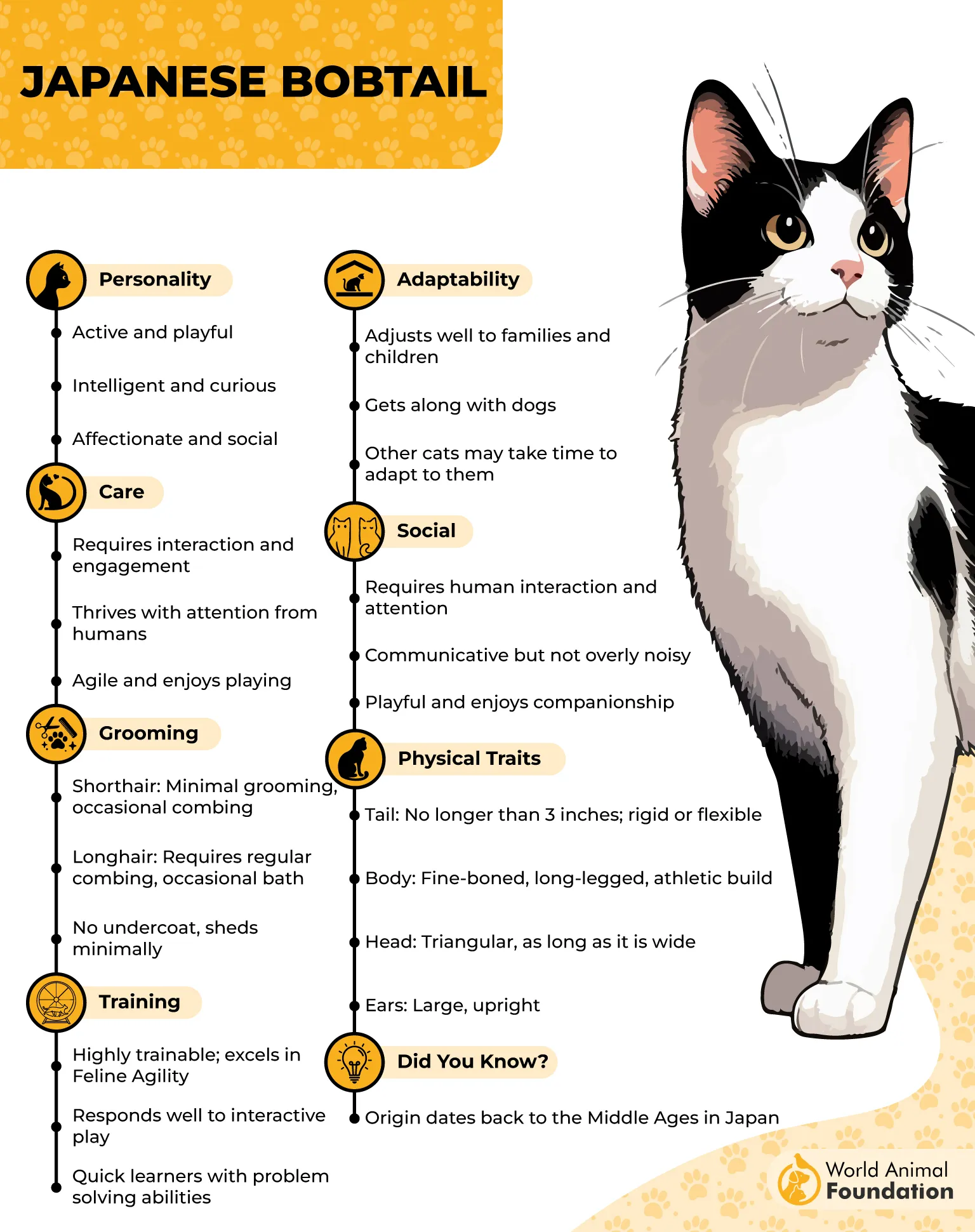
Artwork from as early as the 500s C.E. depicts Japanese Bobtails in woodblock prints and traditional illustrations, often symbolizing good fortune and prosperity. Their consistent appearance across centuries suggests a breed that has remained remarkably unchanged through generations, shaped more by culture and environment than by modern selective breeding.
Beyond symbolism, these cats played an important practical role. In China, Japanese Bobtails were valued for controlling rats on silkworm farms, a task so vital that ownership was restricted to protect the silk trade. Their intelligence and hunting skills made them indispensable working cats.
In Japan, they earned similar respect for guarding food stores from mice, cementing their place in daily life and folklore.
Fun fact: Japanese Bobtails were illustrated as lucky cats in art as early as the 500s C.E., highlighting their long-standing cultural significance.
7. Chartreux
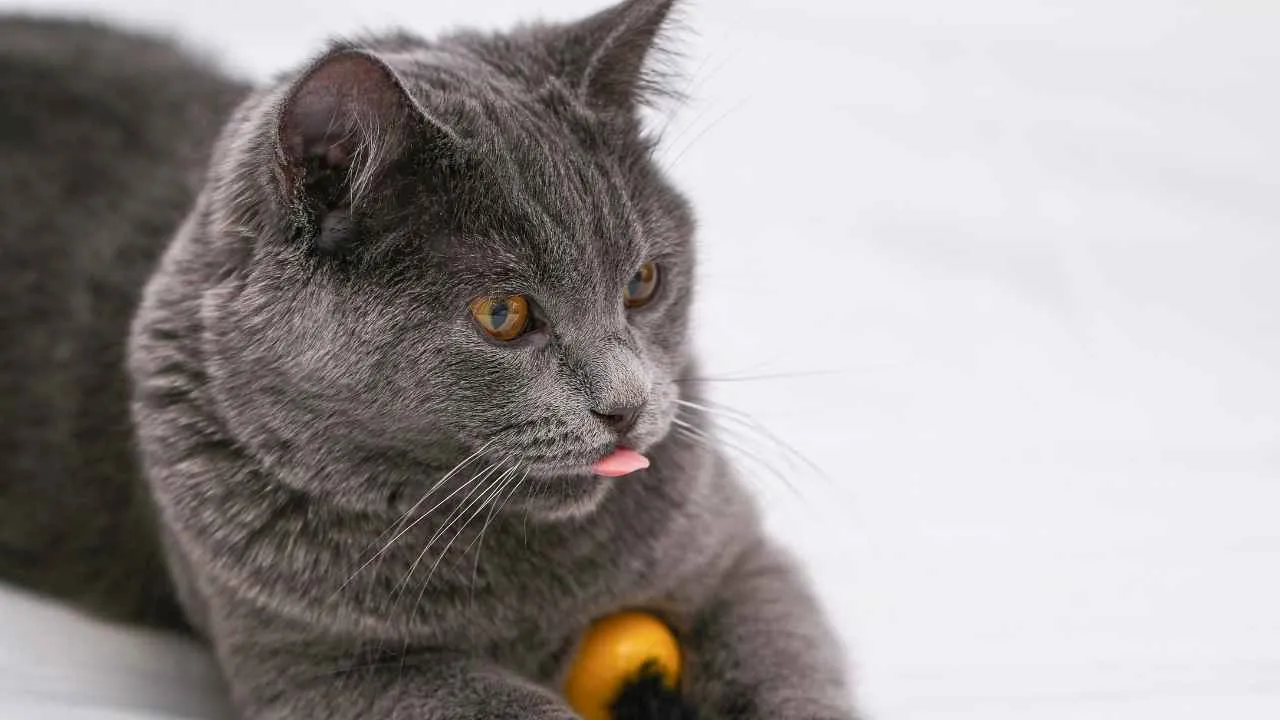
Often referred to as the Silent Blue Cat, the Chartreux is an ancient French breed instantly recognized by its dense blue-gray coat, copper eyes, and gentle smile. Its roots trace back centuries, with strong ties to monasteries and early European life.
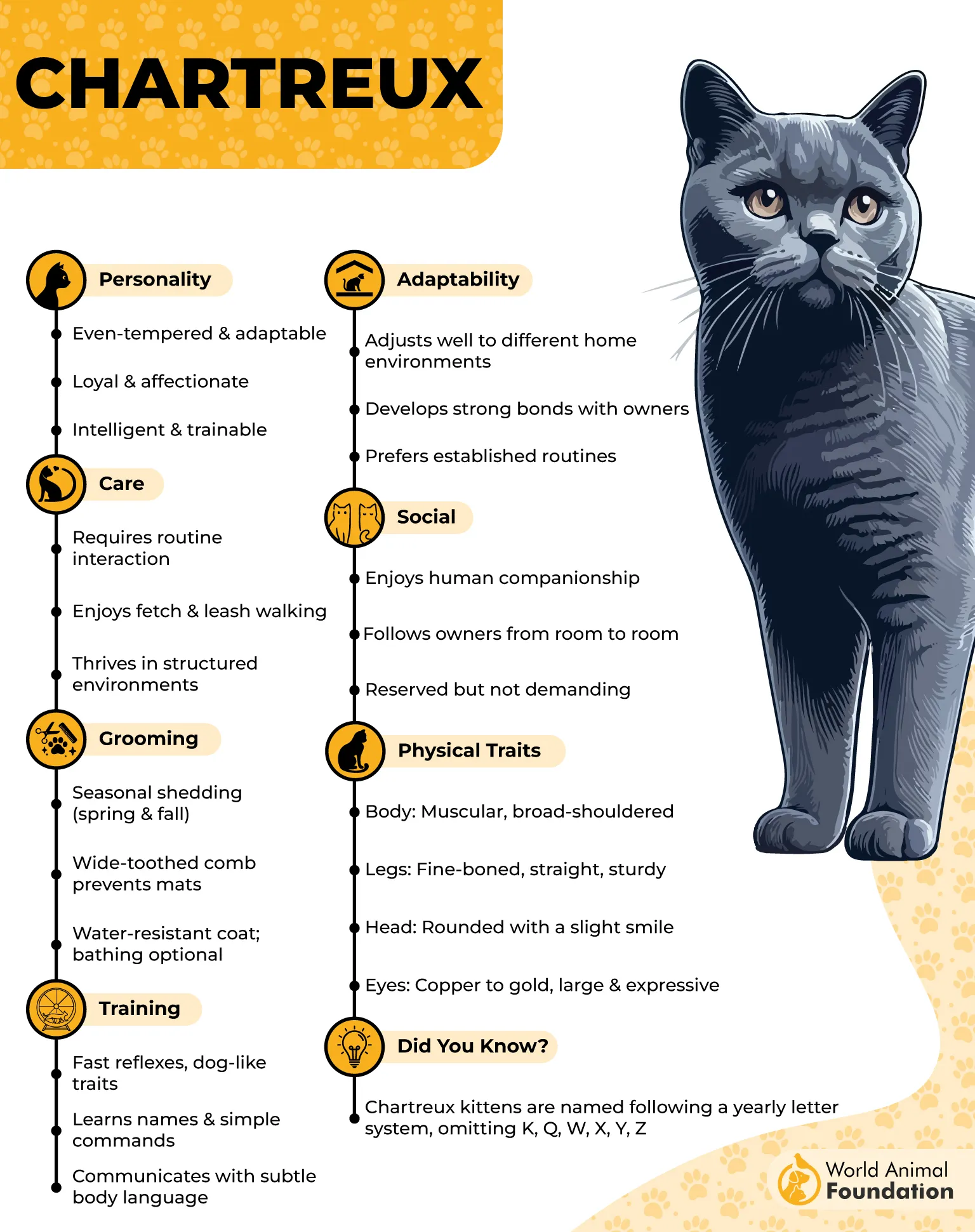
Believed to have arrived in France via Crusaders from the Middle East, the breed was later nurtured by Carthusian monks. These monks valued the Chartreux for both pest control and its naturally quiet demeanor, shaping a calm, observant cat well suited to sacred spaces.
That quiet intelligence remains today. Chartreux cats are deeply bonded to their families, preferring familiar routines and subtle communication over loud demands. Their ritual-loving nature and habit of following owners echo a long history of close human companionship.
Despite their reserved presence, they’re surprisingly interactive—some even fetch toys or walk on a leash.
Fact: One of the earliest written mentions of the Chartreux dates back to 1558, in a poem by French writer Joachim du Bellay.
8. Persian
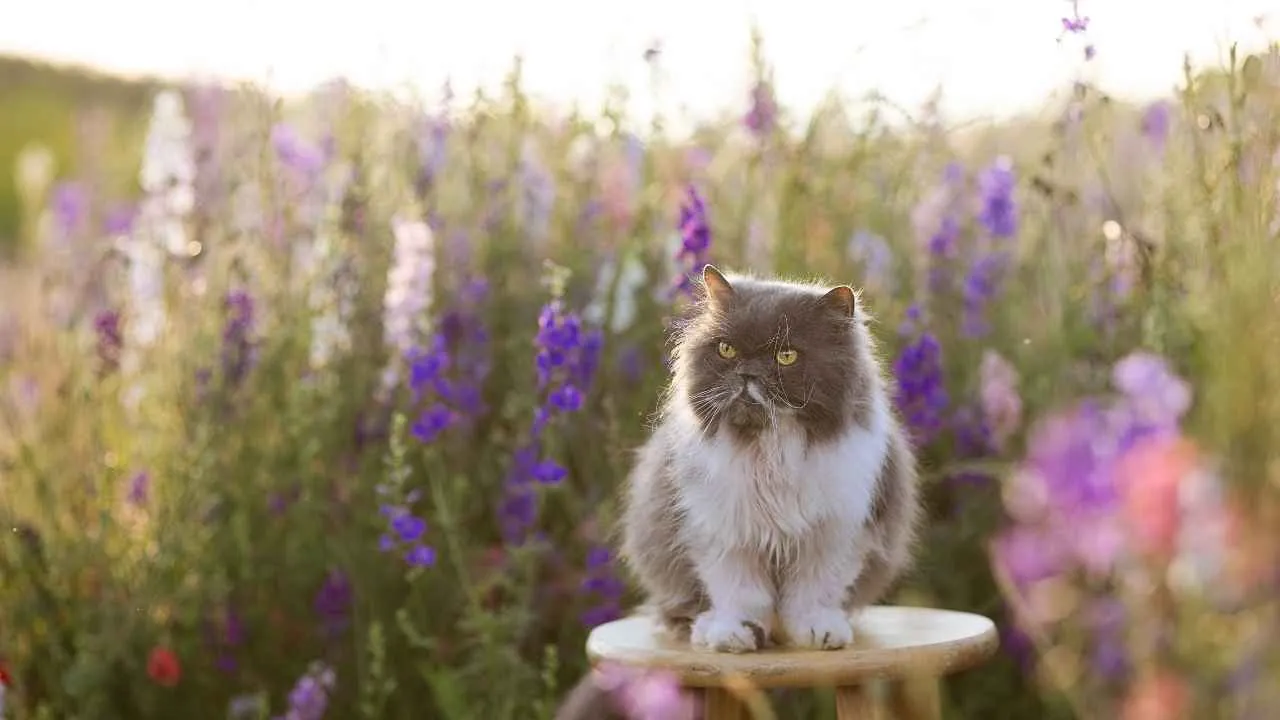
Often called the Persian Longhair, the Persian cat is one of the most recognizable ancient breeds, with roots commonly linked to ancient Persia (modern-day Iran). Revered by nobility, this breed became known for its luxurious coat, round face, and calm, dignified presence.
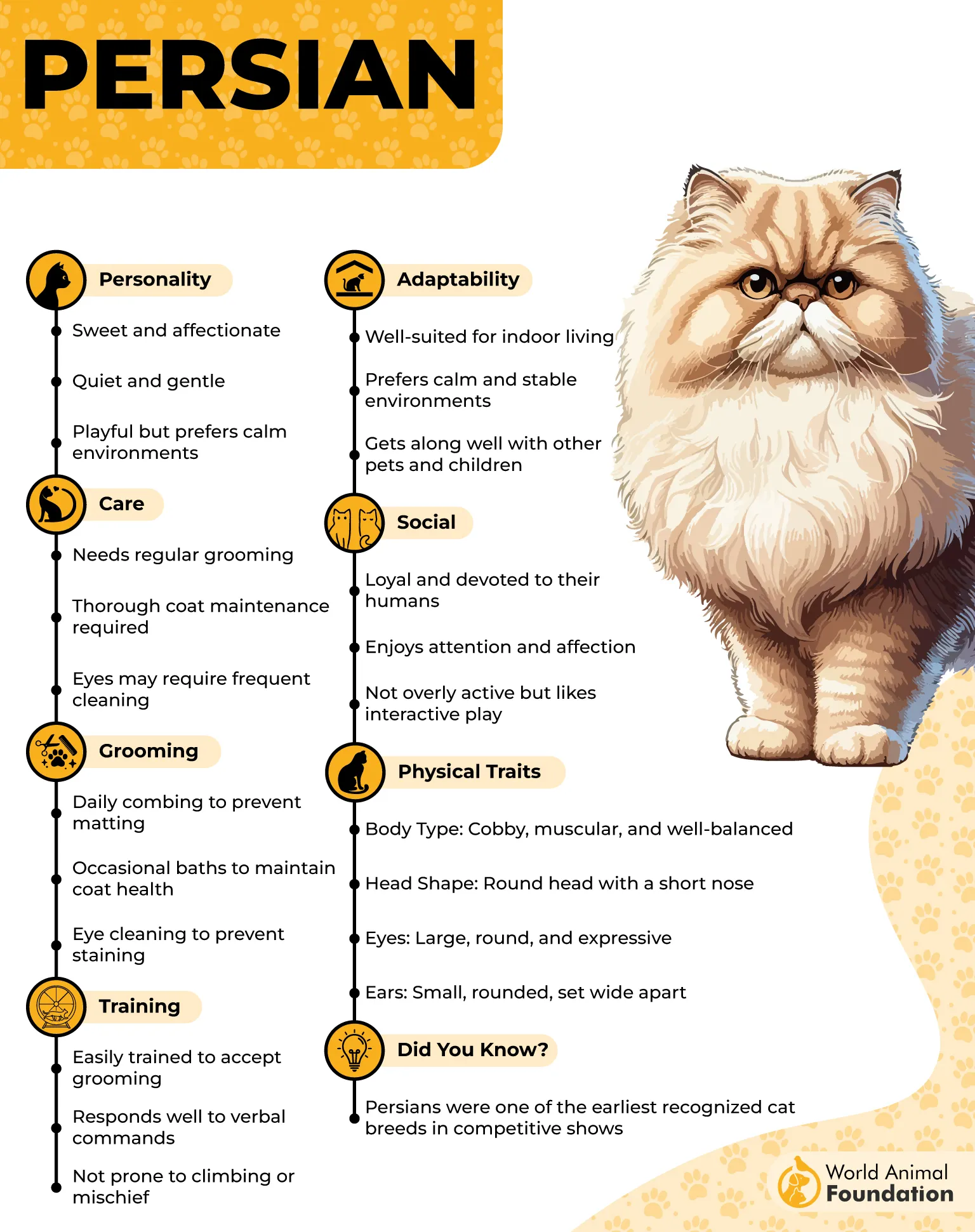
Persians are considered a natural breed shaped more by environment than modern breeding, which supports their place among cats with ancient bloodlines. Early Persians likely looked less extreme than today’s flat-faced cats, but their serene temperament and affinity for quiet human companionship have remained consistent for centuries.
Their long history alongside humans reflects a role as treasured companions rather than hunters. Persians thrived in peaceful households, bonding closely with gentle people and favoring predictable routines—traits that helped preserve the breed across generations and continents.
While modern Persians have developed distinctive features over time, their historical significance remains strong.
Fact: Persian cats were exhibited at the very first cat show at London’s Crystal Palace in 1871, highlighting their long-standing prominence in feline history.
9. Norwegian Forest Cat
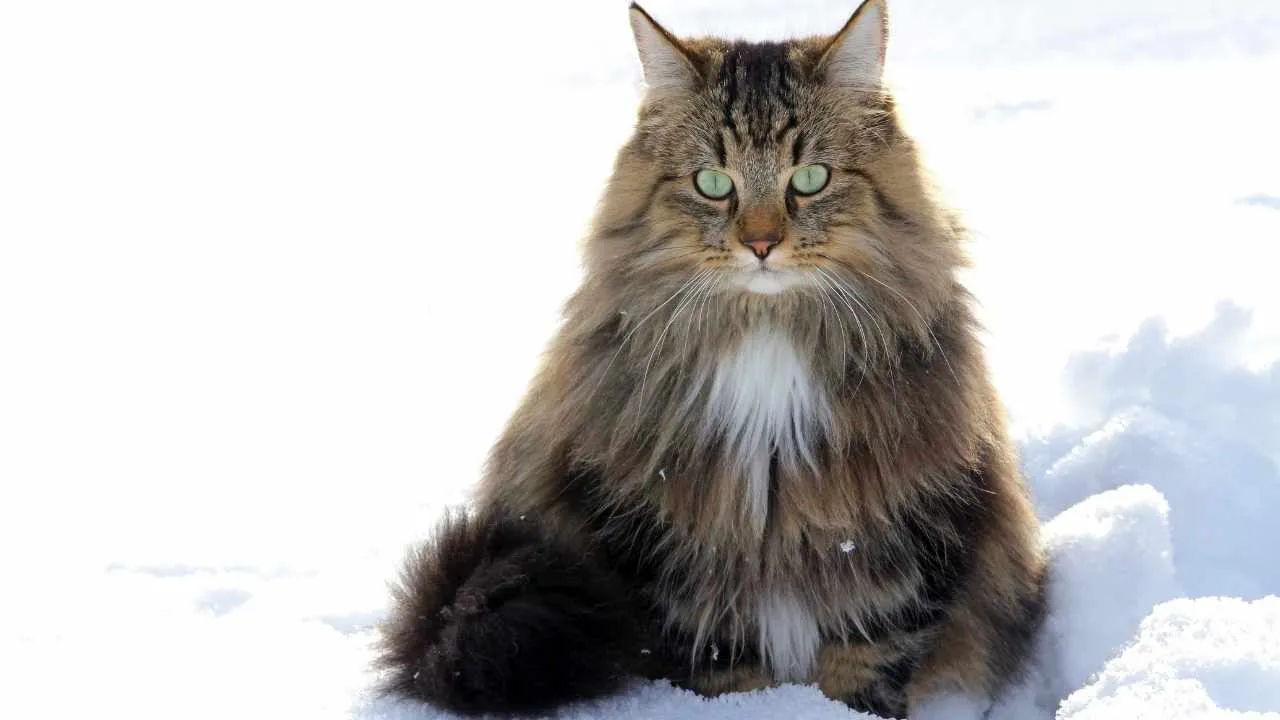
Known as the Norwegian Forest Cat, or Wegie, this ancient breed is believed to descend from cats that traveled alongside Vikings over a thousand years ago. Large, rugged, and naturally evolved, it reflects centuries of survival in harsh Scandinavian climates.
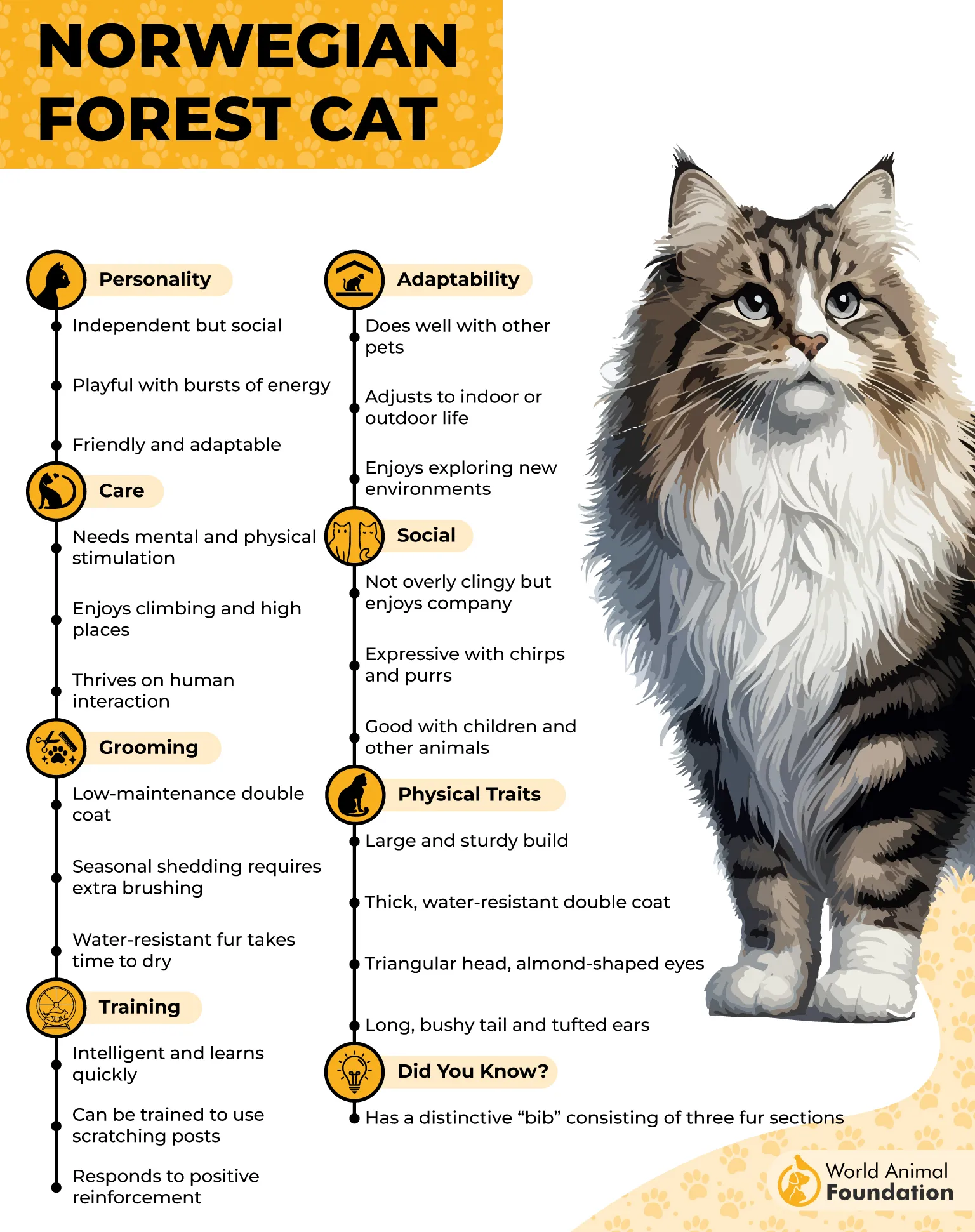
Its ancient bloodlines are woven into Norse mythology, where powerful long-haired cats were said to pull the goddess Freyja’s chariot. These legends, paired with historical accounts of Viking voyages, place the breed firmly among Europe’s oldest natural cats.
Built for endurance, the Norwegian Forest Cat has a muscular frame, lynx-tipped ears, and a thick double coat designed to withstand extreme cold. This physical resilience mirrors its genetic continuity, shaped by nature rather than modern selective breeding.
Despite its wild origins, the breed balances independence with quiet loyalty, adapting seamlessly to human companionship over centuries.
Fact: The Norwegian Forest Cat was declared the official cat of Norway by King Olav V in the 1950s.
10. Siberian
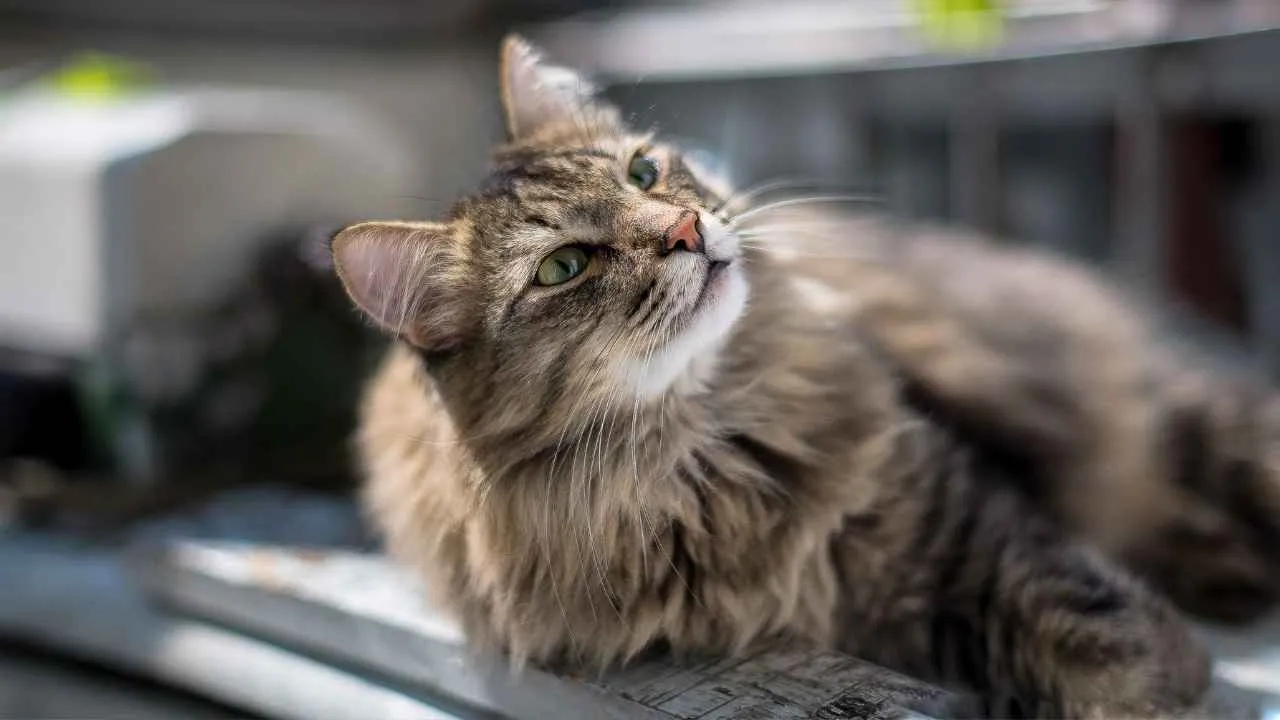
Known as the Siberian Forest Cat and sometimes referred to as the Neva Masquerade (for its colorpoint variety), the Siberian is Russia’s native long-haired cat. This powerful, thick-coated breed developed naturally in the harsh forests of Siberia and is considered one of the oldest living domestic cat lineages.
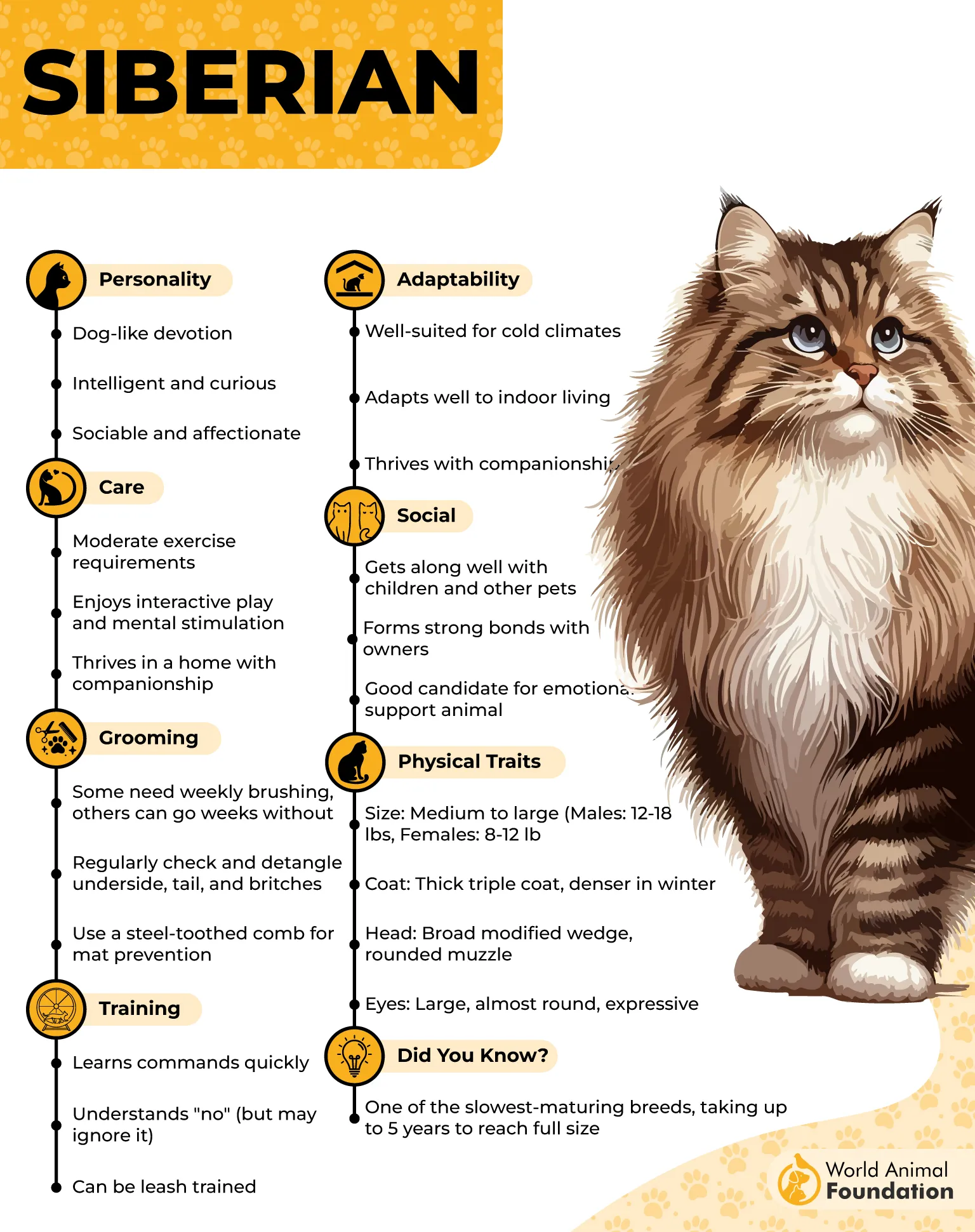
As a true survivor of history, the Siberian evolved without human interference, relying on strength, agility, and intelligence to endure brutal winters. Their dense, water-resistant coat and sturdy build reflect centuries of natural selection rather than modern breeding trends.
These cats were deeply woven into Russian rural life, protecting grain stores from rodents and earning admiration for their loyalty. Folklore often portrayed them as guardians of children or mystical protectors, reinforcing their ancient cultural importance.
Despite their wild origins, Siberians adapted seamlessly into family homes, maintaining calm temperaments and strong bonds with humans.
Fact: The earliest recorded references to Siberian cats date back to around 1000 AD, making them one of the oldest documented cat breeds in history.
Conclusion
Exploring cat breeds with ancient bloodlines reveals how closely today’s house cats remain connected to wild cats and early human history. Many of the world’s oldest cat breeds emerged as native breeds shaped by harsh climates, practical needs, and close bonds with human companions.
From controlling the rat population to surviving remote regions near the Indian Ocean, these cats were originally bred for purpose as much as presence. Their long breeding history highlights why these lines endure.
For cat lovers and pet parents, choosing an ancient cat breed means welcoming a living link to the past. Other oldest cat breeds with tufted ears and resilient builds, these felines balance independence with loyalty. Their evolution into trusted companions proves that ancient roots still thrive in modern homes.
