




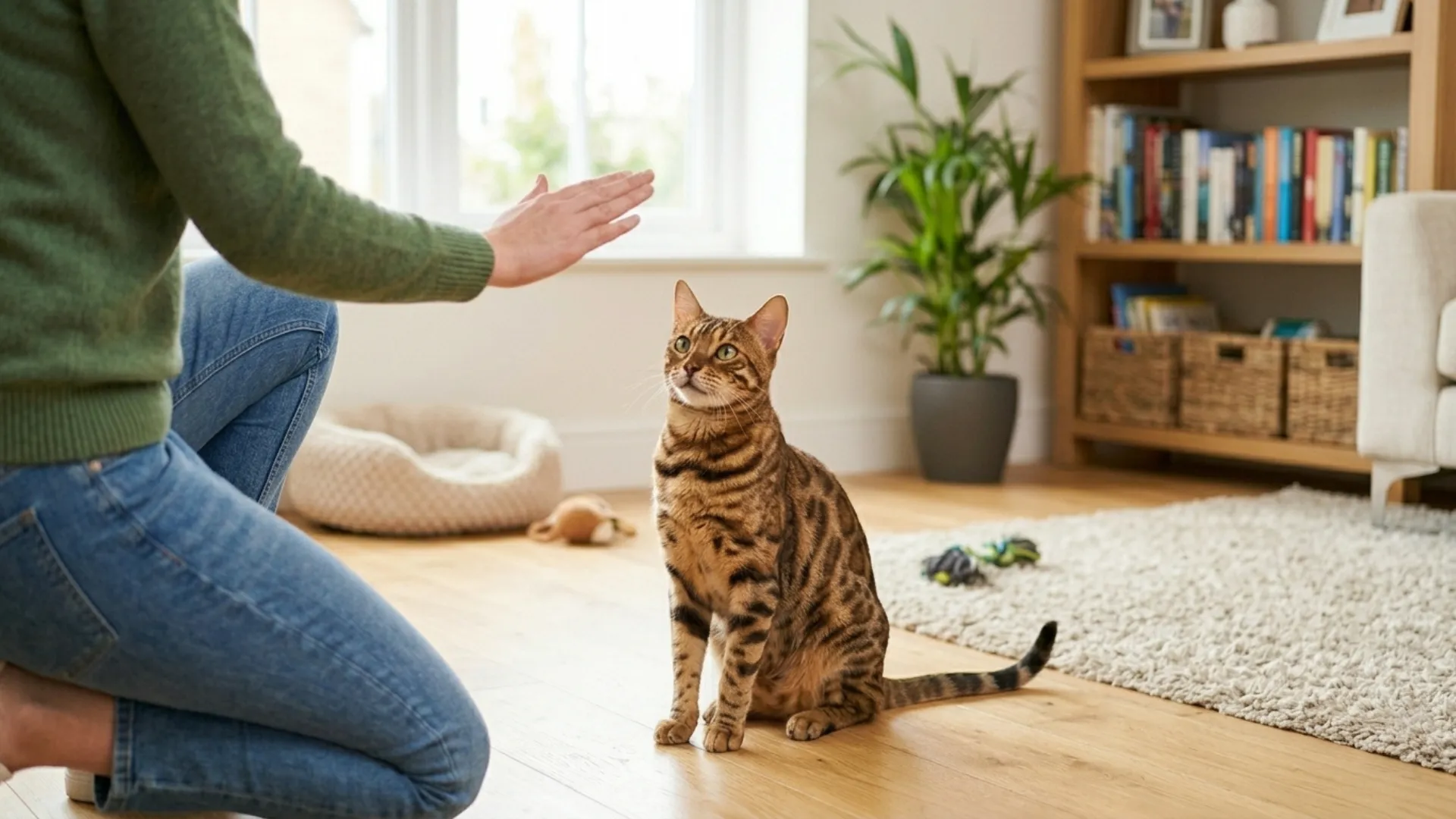
Some cats seem to understand far more than they are given credit for, quickly learning routines, recognizing cues, and even responding to commands. While all cats possess a unique level of intelligence, certain breeds are especially known for their trainability, sharp minds, and eagerness to engage with people.
Highly trainable cats are often energetic, observant, and eager to explore their surroundings. Many enjoy learning tricks, playing interactive games, and mastering tasks that challenge both their minds and bodies. These breeds tend to recognize patterns, adapt quickly to new situations, and form strong connections with their owners, making training sessions both rewarding and enjoyable.
Teaching cats commands requires patience, consistency, and positive reinforcement. Reward-based methods using treats, praise, or play help encourage desired behaviors while building trust and confidence.
Interactive training sessions, puzzle toys, and regular mental enrichment can keep intelligent cats engaged and motivated. With the right approach, these clever felines can learn impressive commands and become highly responsive companions that thrive on interaction and learning.
Cat Breeds That Understand Commands Easily
1. Siamese
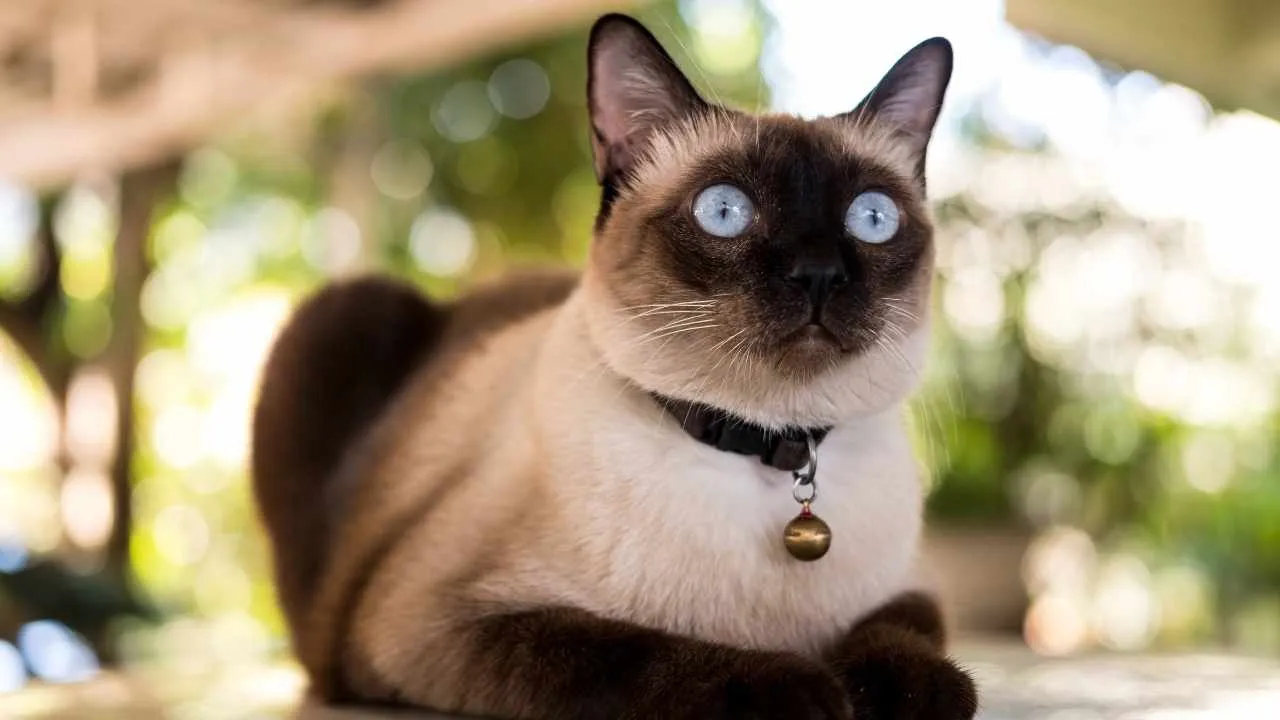
The Siamese is also known as the Thai Siamese and affectionately nicknamed the “Meezer”. According to Purina, Siamese cats are long, graceful, and elegant companions with a distinctive appearance that makes them one of the most recognizable cat breeds in the world.
The Highly Intelligent Feline That Quickly Understands New Commands
Siamese cats excel at learning because they are naturally curious and eager to interact with people. Their sharp minds encourage them to investigate every corner of the home, and many owners find that they quickly grasp commands, routines, and even simple tricks.
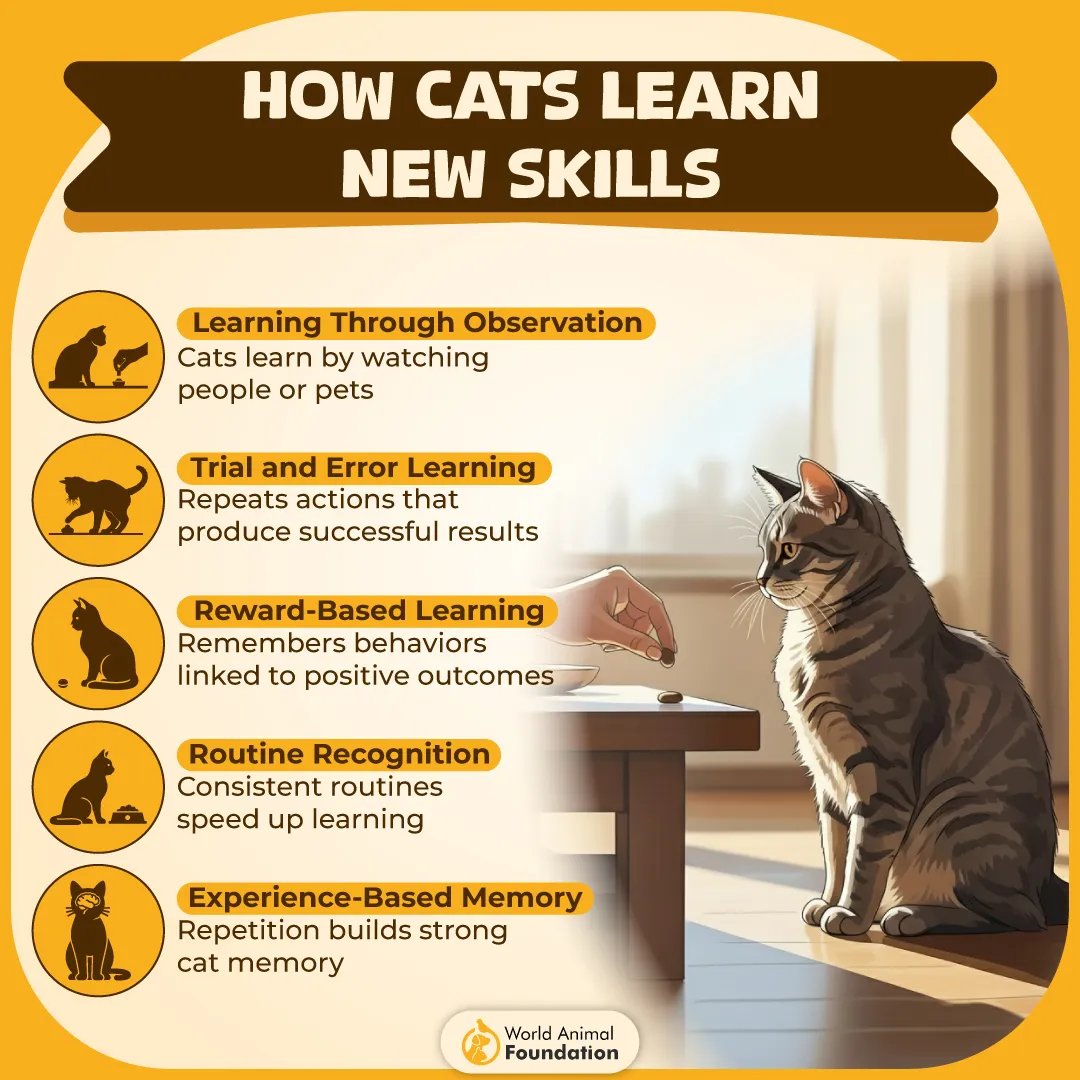
Training sessions are especially rewarding with this breed. These smart cat breeds respond well to positive reinforcement, making it possible to teach commands such as “sit,” “come,” and even games like fetch. Clicker training and treat-based rewards help keep them focused and motivated.
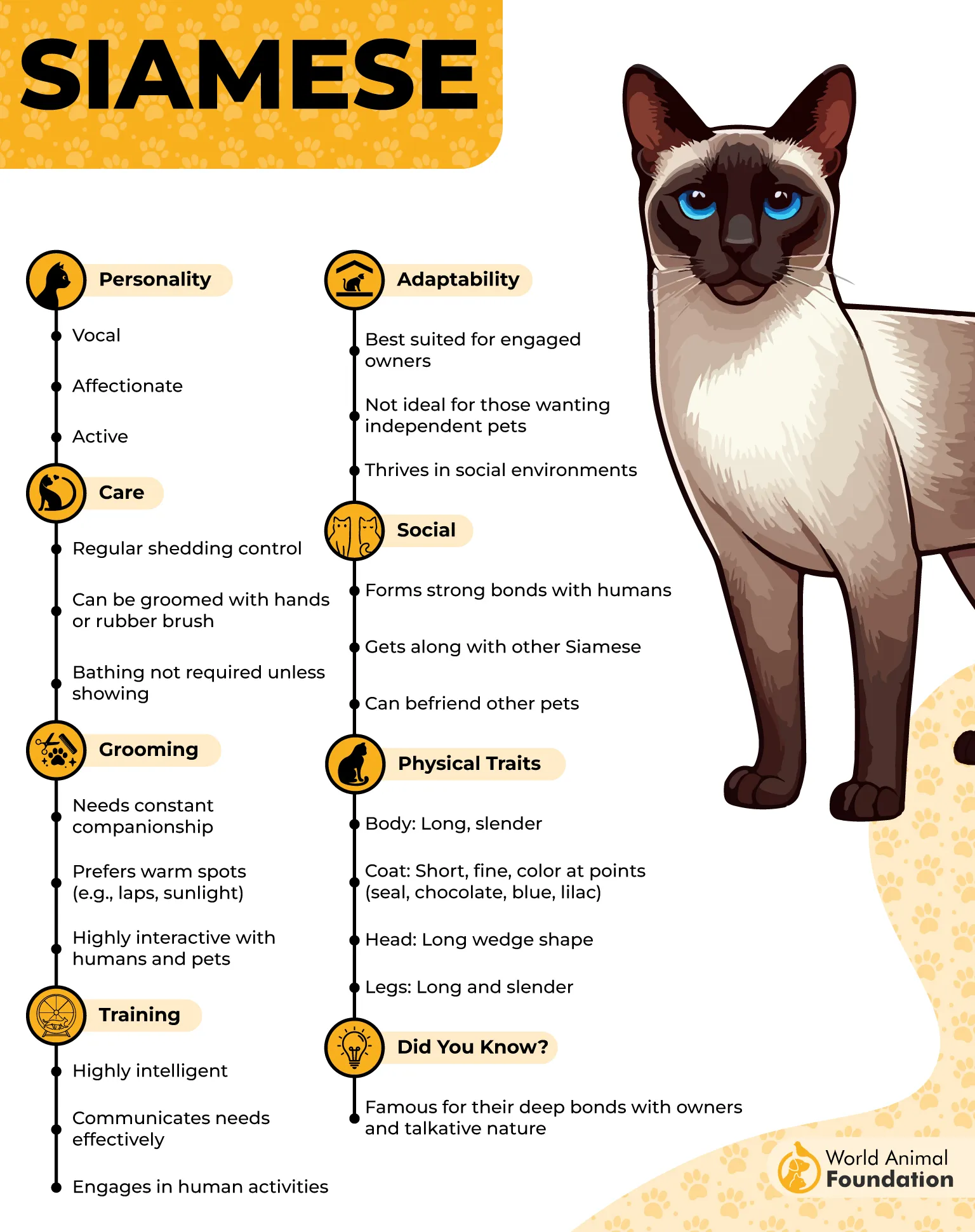
Their people-oriented nature also contributes to their trainability. Siamese cats love attention and enjoy participating in family activities, so they often see training as another opportunity to bond with their favorite humans. Daily mental stimulation helps keep their active minds engaged.
Fact: Siamese cats can even learn to walk on a leash when trained patiently with positive reinforcement.
2. Bengal
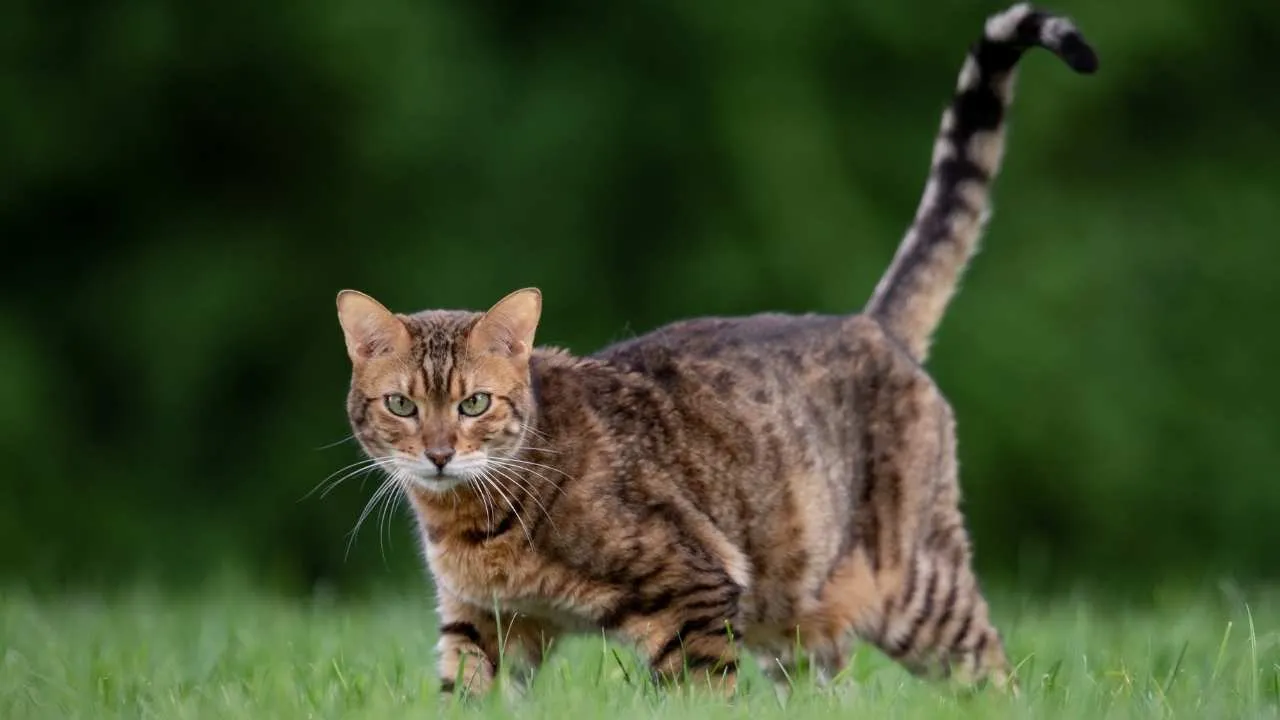
The Bengal, often called the “mini leopard,” is a striking breed known for its spotted or marbled coat and athletic physique. Developed from domestic cats with Asian leopard cat ancestry, this intelligent feline combines exotic beauty with an energetic and engaging personality.
A Curious and Trainable Cat That Loves Learning Through Interaction
Bengals are exceptionally quick learners who enjoy activities that challenge both their minds and bodies. Their natural curiosity encourages them to investigate everything around them, making training sessions feel more like exciting games than structured lessons.
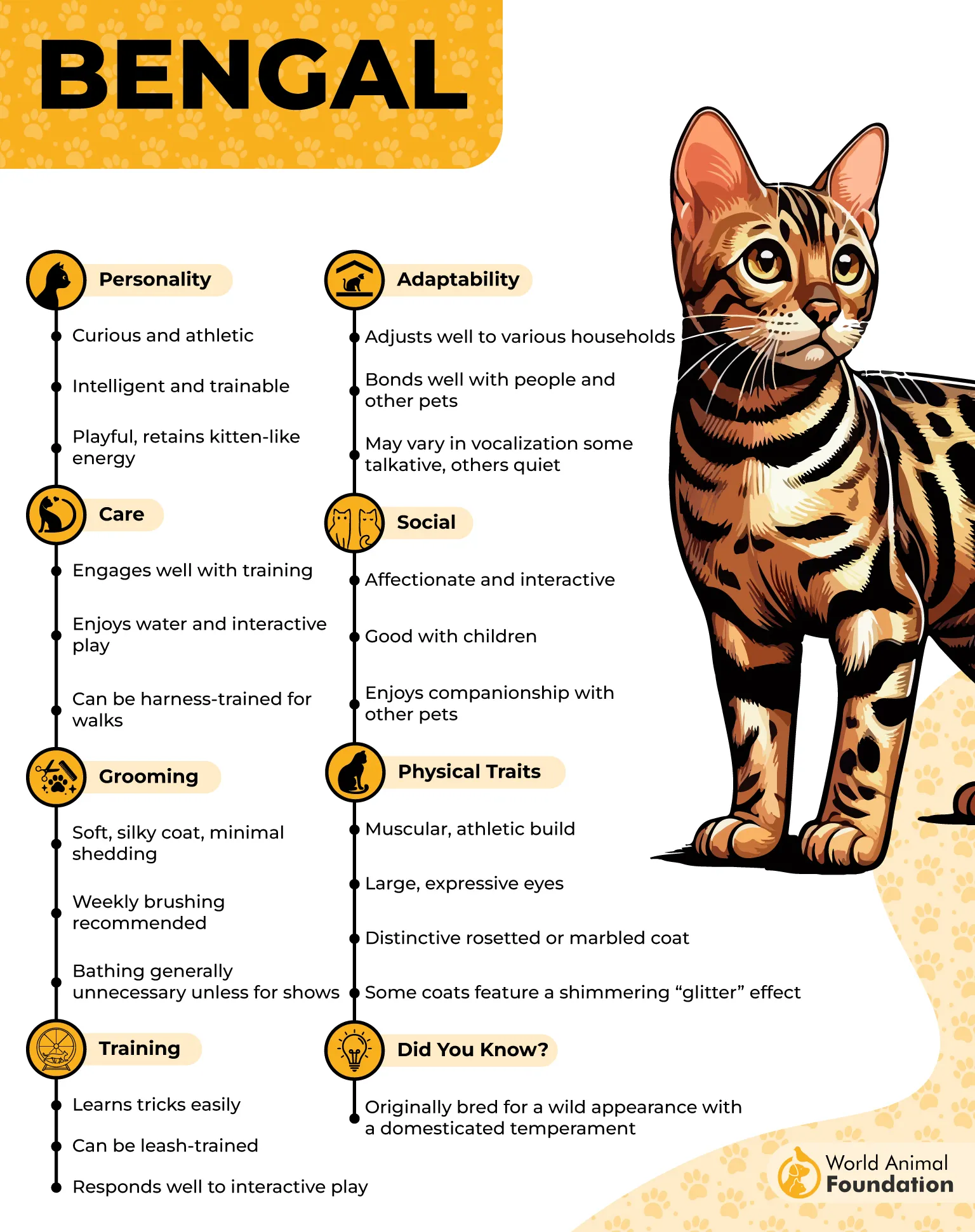
Because they thrive on interaction, Bengals respond well to learning through play. Many can master puzzle feeders and quickly understand routines or commands when rewarded with attention and positive reinforcement. Their eagerness to participate makes them one of the most trainable cat breeds.
Mental stimulation is essential for this active feline. Climbing towers, interactive toys, and one-on-one training help channel their intelligence in productive ways. Without enough engagement, they may create their own entertainment by exploring drawers, switches, or other household items.
Fact: Many Bengal owners report that their cats not only learn to play fetch but also show an unusual fascination with water.
3. Maine Coon
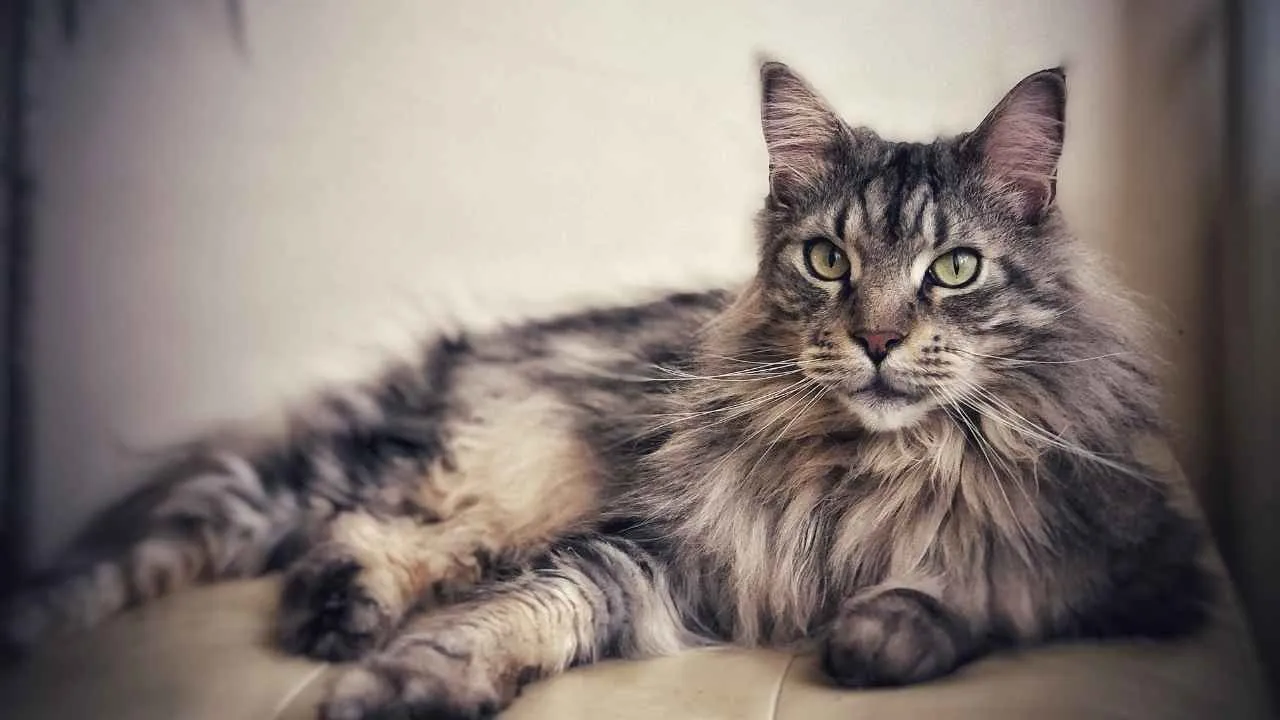
The Maine Coon, often called the “gentle giant,” is one of the most beloved and largest cat breeds. Known for its shaggy coat, adaptable personality, and impressive intelligence, this breed has a long history as both a skilled hunter and a loyal family companion.
The Quick-Learning Companion Known for Exceptional Responsiveness
Centuries of adapting to changing environments helped shape the Maine Coon into a remarkably smart breed. Their eagerness to interact with people and willingness to please make them highly responsive during training sessions.
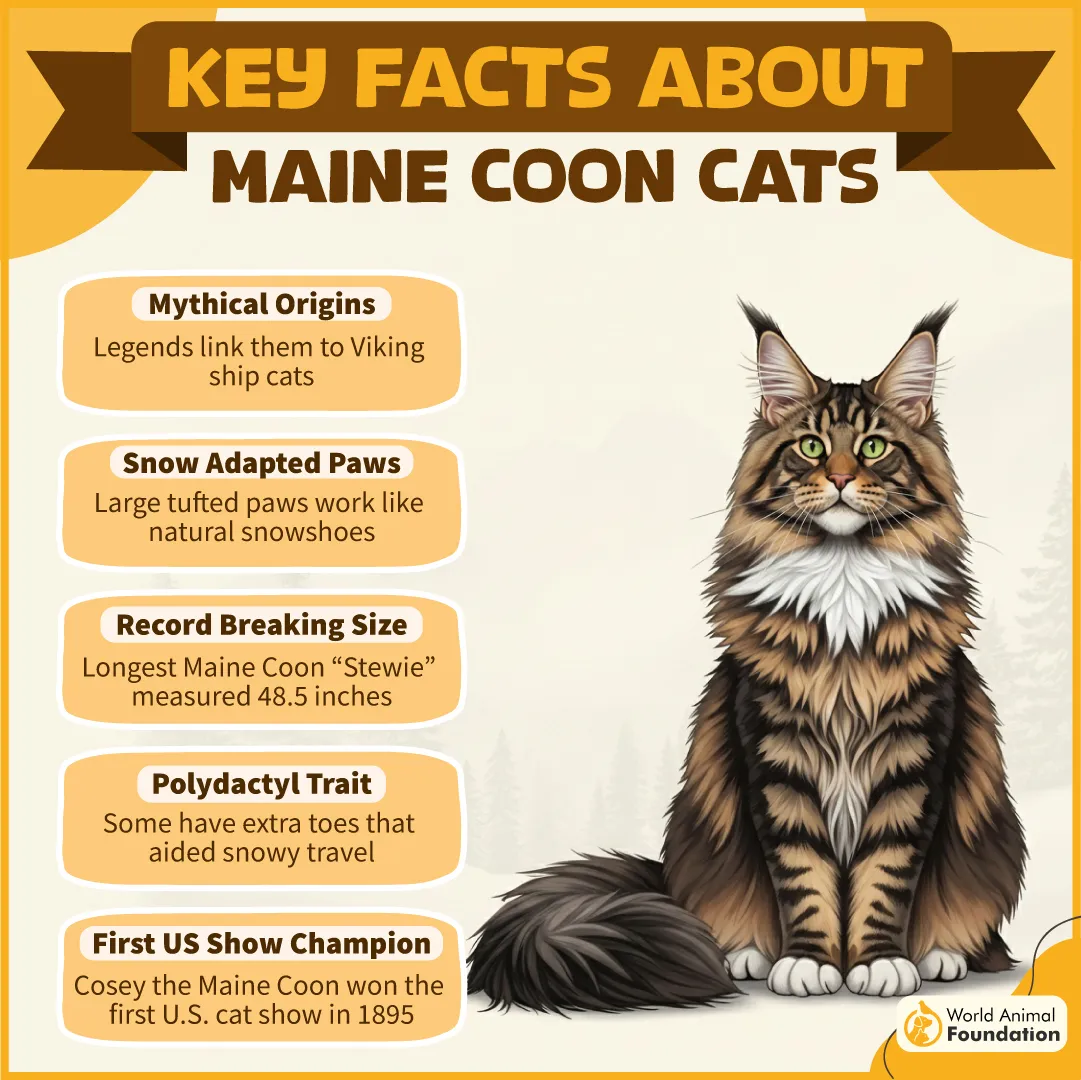
Unlike some independent breeds, Maine Coons enjoy learning new routines and tricks. They quickly understand household patterns and often respond well to commands when training is paired with positive reinforcement, praise, or play-based rewards. Their patient nature also makes them easy to work with.
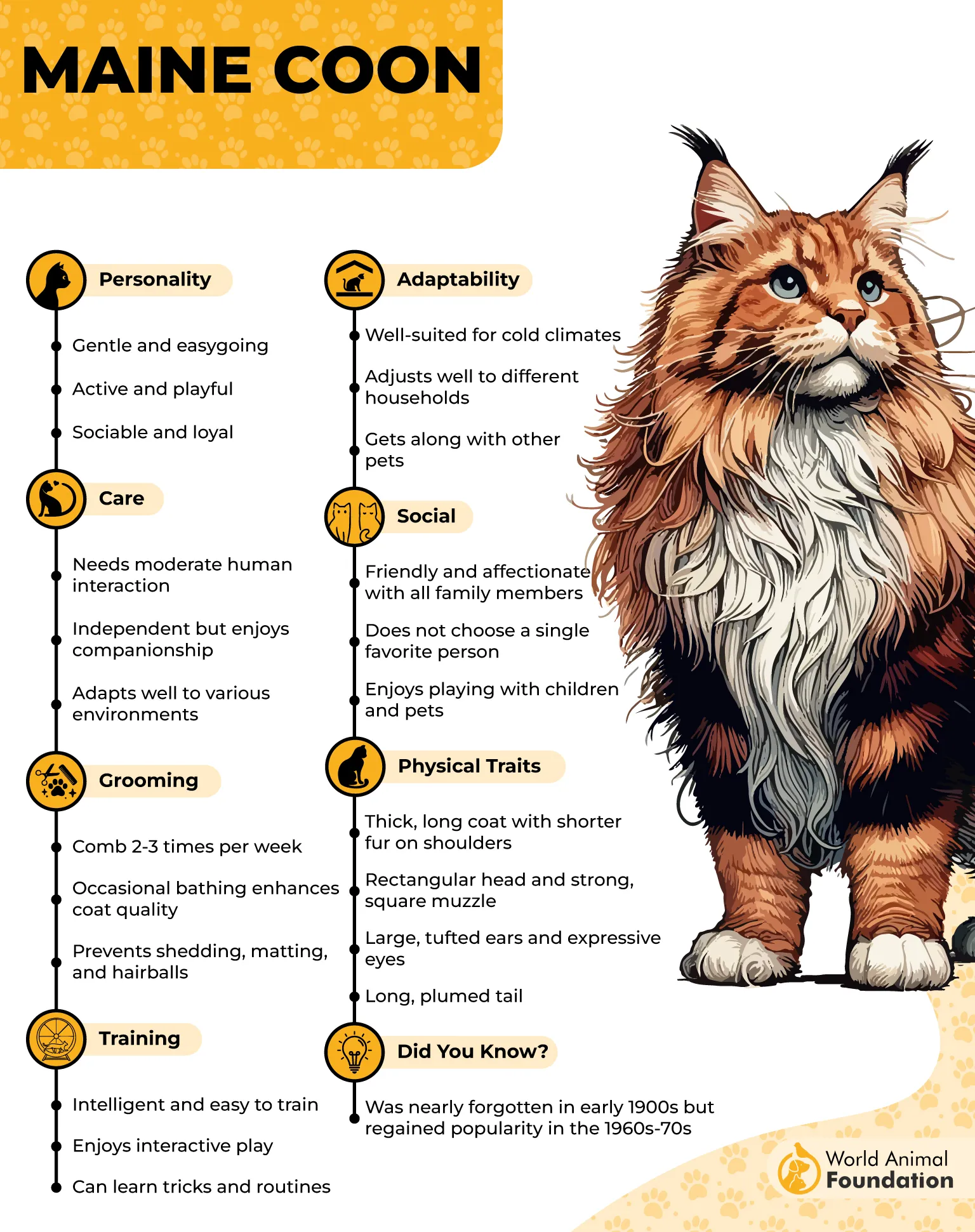
This breed’s strong bond with humans further enhances its trainability. Maine Coons have an affectionate nature and are social, and often stay close to their favorite people, making them attentive learners. Their playful personality and curiosity help keep them engaged when practicing commands or interactive games.
Fact: The Maine Coon is the official state cat of Maine and is known for making distinctive chirping sounds instead of traditional meows.
4. Burmese

The Burmese, sometimes called the “Velcro cat” because of its devotion to people, is an affectionate breed that originated in Burma. This intelligent feline is well known for forming strong bonds with its family.
According to Hill’s Pet, Burmese cats are medium-sized companions with a compact, muscular build and heavy bone structure, often feeling heavier than their appearance suggests.
An Active and Clever Breed That Thrives During Training Sessions
Burmese cats enjoy engaging with their owners. Their combination of intelligence, curiosity, and eagerness to interact makes them especially receptive to training, whether learning simple commands or more advanced tricks.
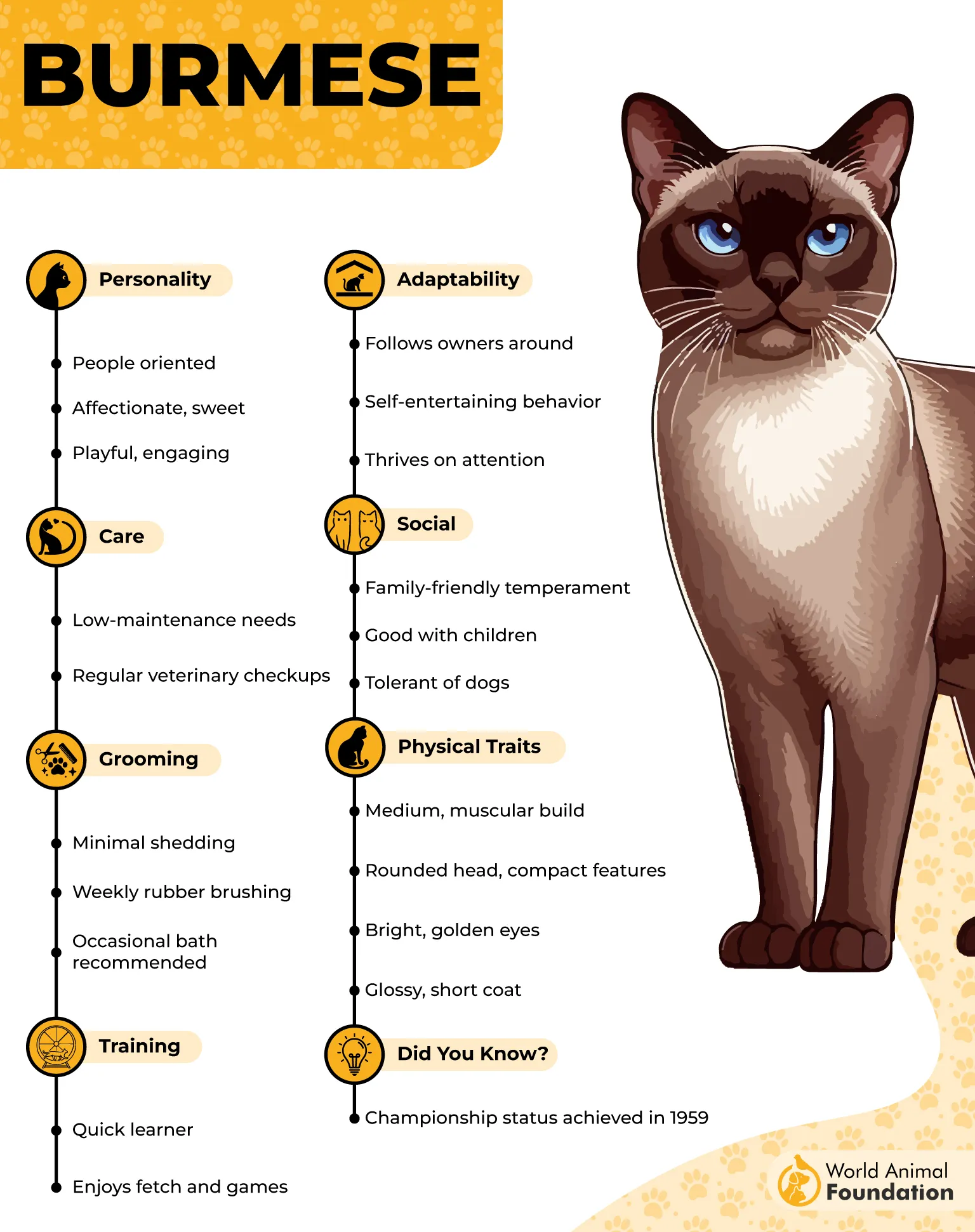
These cats can often master behaviors such as coming when called, sitting on cue, waving, or even retrieving toys. Positive reinforcement works particularly well with the breed, as Burmese are highly motivated by attention, play, treats, and praise from their favorite humans.
Their social nature also contributes to their success during training sessions. Burmese enjoy being involved in family activities and tend to stay focused when learning alongside people they trust. Because they dislike long periods of isolation, regular interaction helps keep their minds active and responsive.
Fact: Many Burmese cats can be trained to walk on a leash and often adapt well to car rides and veterinary visits when introduced to them early.
5. Cornish Rex
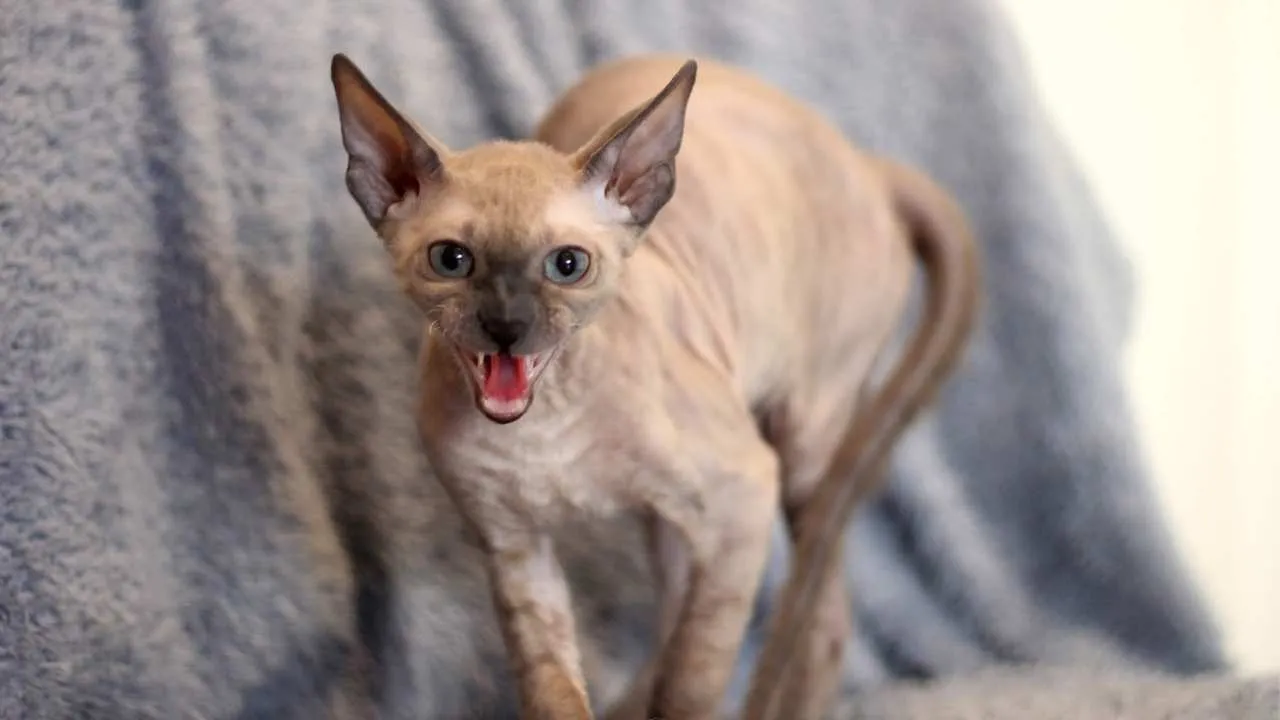
The Cornish Rex is a distinctive breed recognized for its slim build, large ears, and unique wavy coat. Unlike many cats, this highly social feline thrives on companionship and prefers being involved in nearly every aspect of household life.
The Social Cat That Enjoys Engaging with Owners and Following Cues
Cornish Rex cats form strong bonds with their families and actively seek interaction throughout the day. Rather than spending long periods alone, they enjoy following their owners from room to room, greeting visitors, and participating in daily activities.
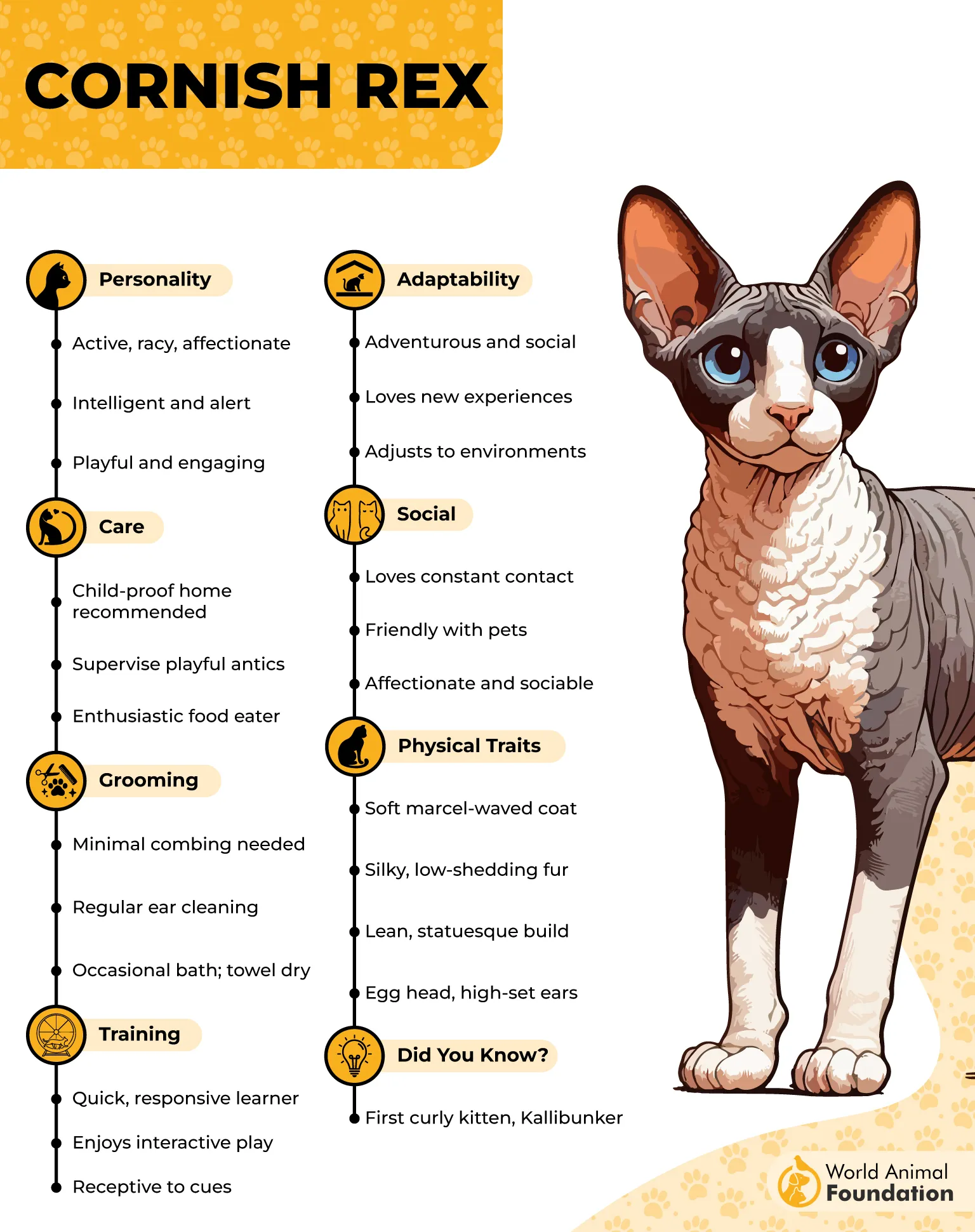
Their intelligence and curiosity make them excellent learners. They quickly grasp new behaviors, tricks, and commands when rewards and attention are involved. Many even enjoy games that challenge their problem-solving abilities.
Play is a major part of the Cornish Rex personality. Whether chasing wand toys, retrieving objects, or exploring climbing structures, they stay mentally engaged through interactive activities. Their eagerness to communicate and cooperate with people often makes training feel more like a game.
Fact: Thanks to their dexterity and sharp minds, some Cornish Rex cats can learn to open doors and cabinets and may even perform tricks well into their senior years.
6. Turkish Van
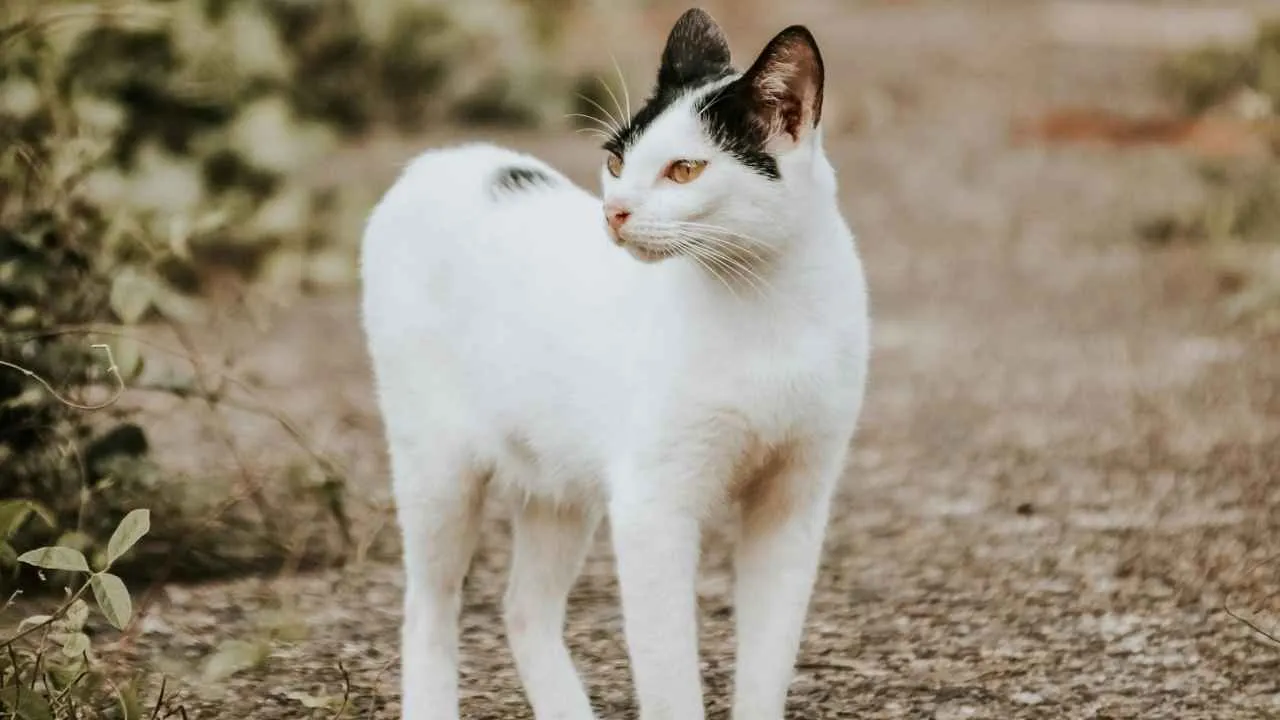
The Turkish Van is often called the “Swimming Cat”. Known for its strong build and distinctive coat pattern, this intelligent feline combines athleticism with a highly social personality.
According to PetMD, Turkish Van cats are a natural breed from the Lake Van region of Turkey, famous for their love of water and dog-like traits, including the ability to learn games such as fetch.
A Problem-Solving Feline That Masters Commands with Ease
Turkish Vans’ curiosity and eagerness to interact with people make them excellent candidates for learning commands, tricks, and interactive games that strengthen the bond with their owners.
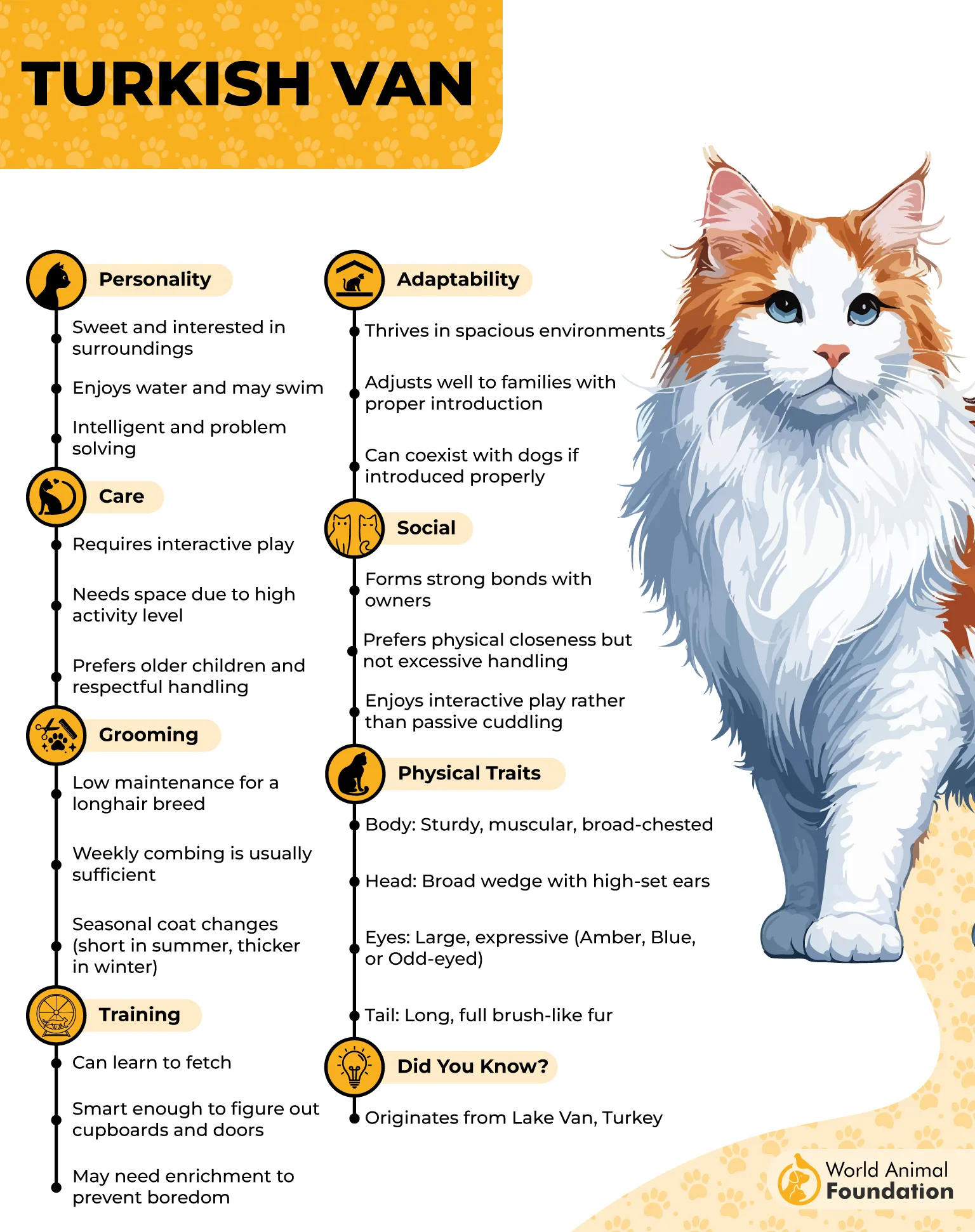
Training sessions are especially rewarding with this breed because they respond well to positive reinforcement. Whether using treats, affection, or play as rewards, Turkish Vans often pick up behaviors quickly and enjoy the mental stimulation that comes from mastering new tasks.
Their dog-like tendencies further support their trainability. Many Turkish Vans happily play fetch, engage with puzzle toys, and participate in clicker training. Because they thrive on attention and companionship, they remain enthusiastic learners when training is made fun and engaging.
Fact: The Turkish Van is widely regarded as one of the most dog-like cat breeds and is famous for its natural attraction to water, with some cats willingly swimming or playing in pools and lakes.
7. Scottish Fold
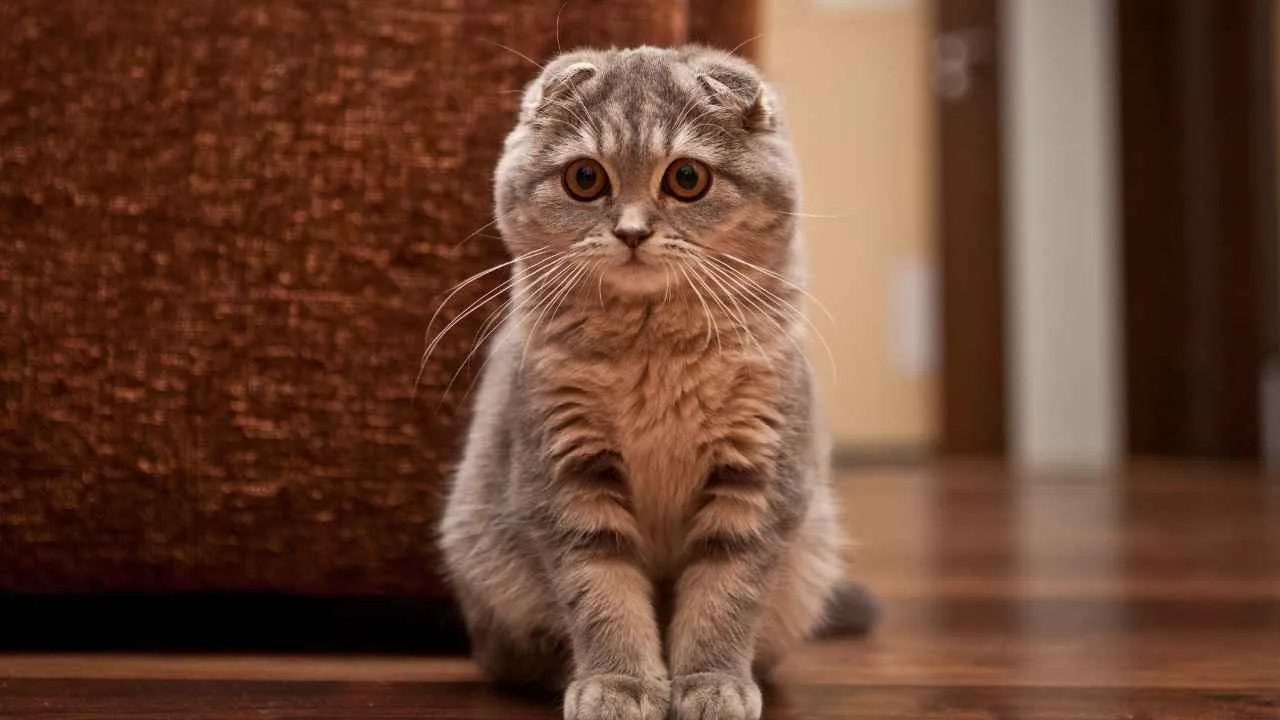
The Scottish Fold is famous for its adorable forward-folding ears and sweet expression. Known for its calm temperament and adaptable nature, this affectionate cat fits comfortably into a variety of households and forms strong bonds with its family.
The Adaptable and Obedient Cat That Excels at Learning New Skills
Scottish Folds are observant, making them surprisingly receptive to training and household routines. They enjoy activities that challenge their minds and are often eager to engage with toys, games, and exercises that encourage learning.

Because they thrive on human interaction, these cats quickly recognize patterns and respond well to consistent guidance. Interactive toys and training sessions help keep them mentally stimulated while reinforcing positive behaviors and new commands.
Their easygoing personality also contributes to their success as learners. Unlike more independent breeds, Scottish Folds enjoy spending time with their owners and often follow them around the home, creating plenty of opportunities for bonding and skill-building activities. Their willingness to adapt allows them to learn comfortably in both lively and quiet environments.
Fact: Scottish Folds are highly adaptable cats that typically adjust well to new homes, children, other pets, and different household routines while remaining affectionate and people-oriented.
Conclusion
Cats may have a reputation for independence, but some breeds are remarkably responsive to training and communication. With the right motivation, patience, and consistency, these intelligent felines can learn commands, routines, and even fun tricks that strengthen the bond with their owners.
Breeds that understand commands easily are often curious, people-oriented, and eager to interact with their families. Their ability to recognize patterns and respond to positive reinforcement makes training both enjoyable and rewarding.
Mental stimulation is just as important as physical activity for these cats. Interactive play, puzzle toys, and short training sessions help keep their minds engaged while encouraging good behavior and confidence.
Choosing a trainable cat breed can make daily life more interactive and enriching. Whether learning simple cues or mastering advanced tricks, these clever companions prove that cats are capable of far more than many people expect when given the opportunity to learn.
