




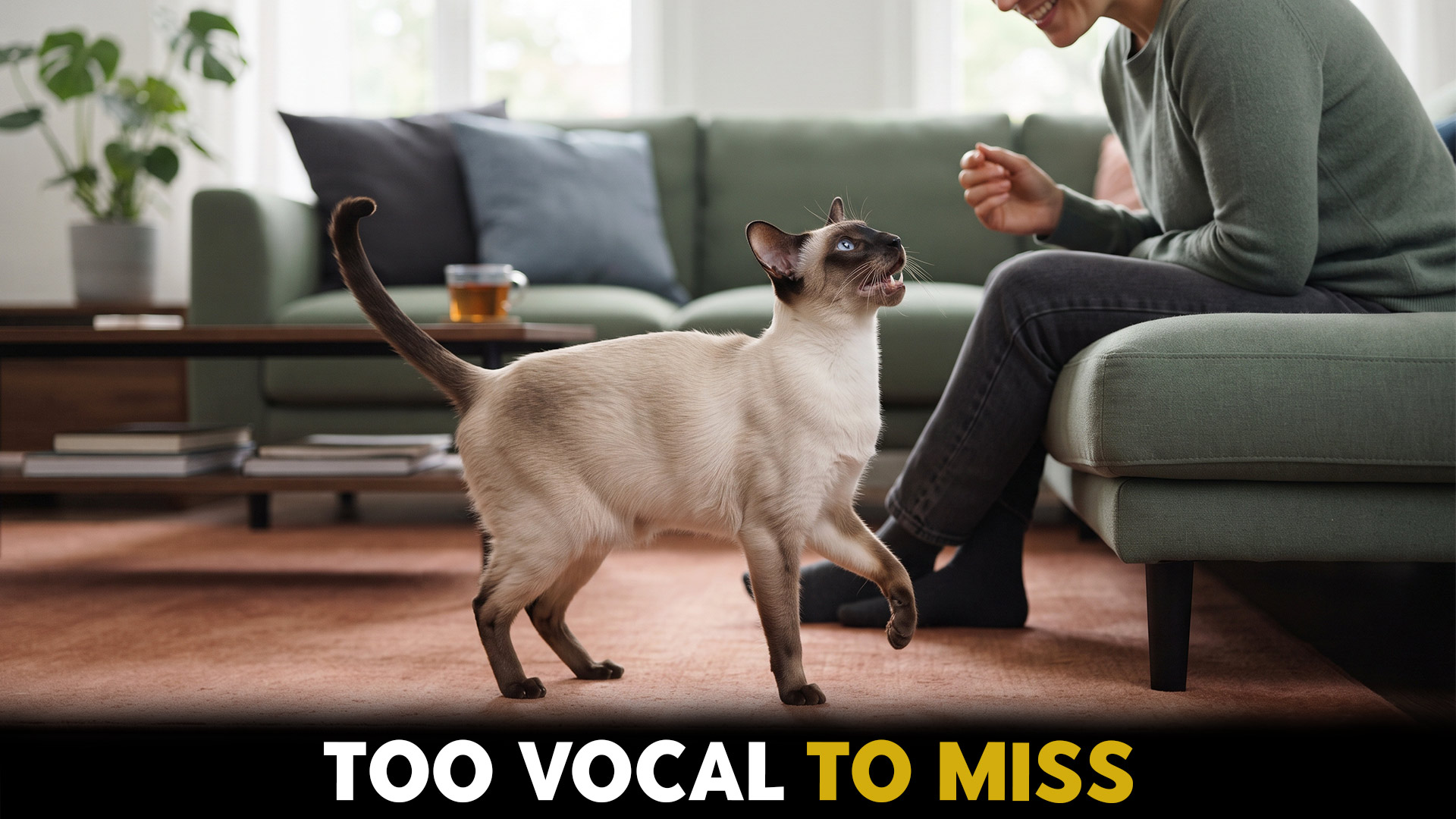
You say hello, and your cat answers. You ask what’s wrong, and somehow, the conversation continues. While cats are often associated with quiet independence, certain breeds happily challenge that stereotype with a steady stream of meows, chirps, trills, and purrs.
For these expressive felines, vocalizing is more than random noise. Many use different sounds to seek attention, express excitement, or interact with the people they trust. Their social nature can make everyday life feel a little more lively and occasionally, hilariously opinionated.
If you enjoy a companion who never seems short of something to say, these seven talkative breeds may be right up your alley.
FACT: Some vocal cat breeds can use a surprisingly wide range of sounds, including meows, chirps, trills, and purrs, to communicate with humans.
Cat Breeds That Talk Back to Owners
1. Siamese
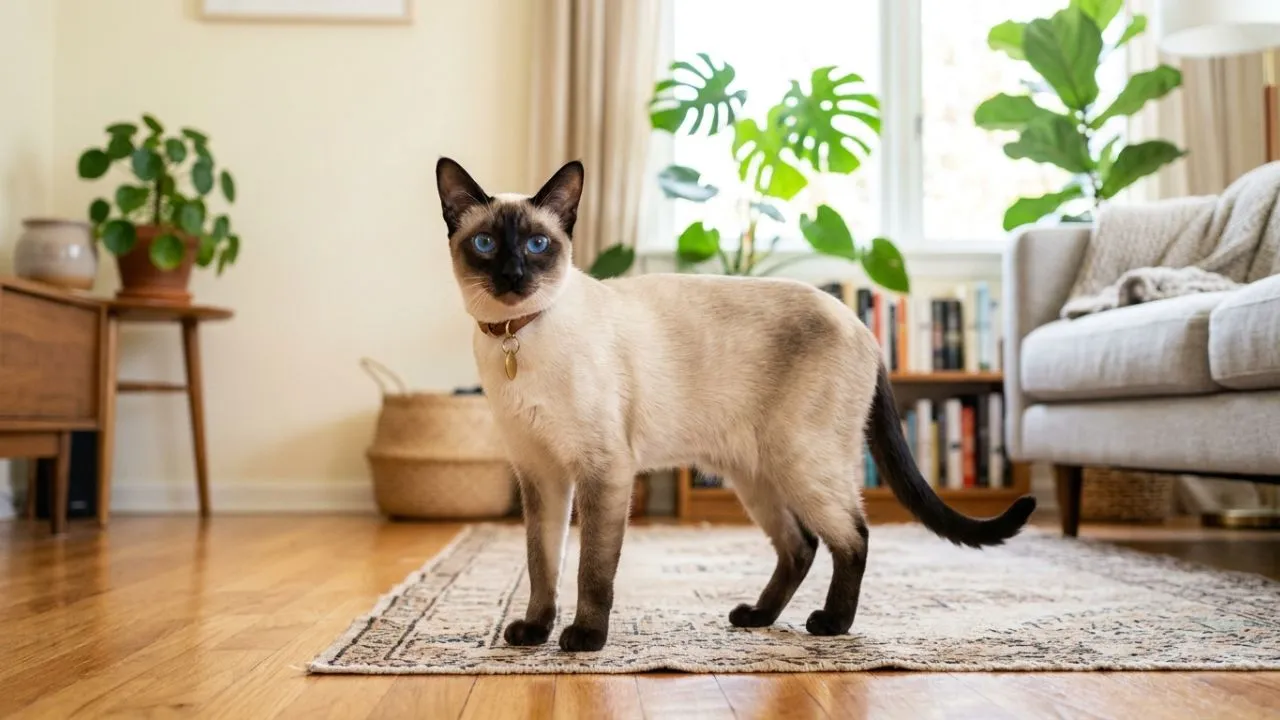
The Siamese is practically the unofficial household spokesperson, rarely keeping its opinions to itself. Known for an extensive vocal range, this people-focused breed uses meows, yowls, chirps, and trills to communicate with those around it. Its strong desire for human interaction makes these conversations feel like an ongoing part of daily life.
Rather than simply making noise, Siamese cats often seem determined to get a response. Their intelligence and curiosity can make them highly engaged with household activities, whether they are seeking attention, reacting to something interesting, or expressing what they want.
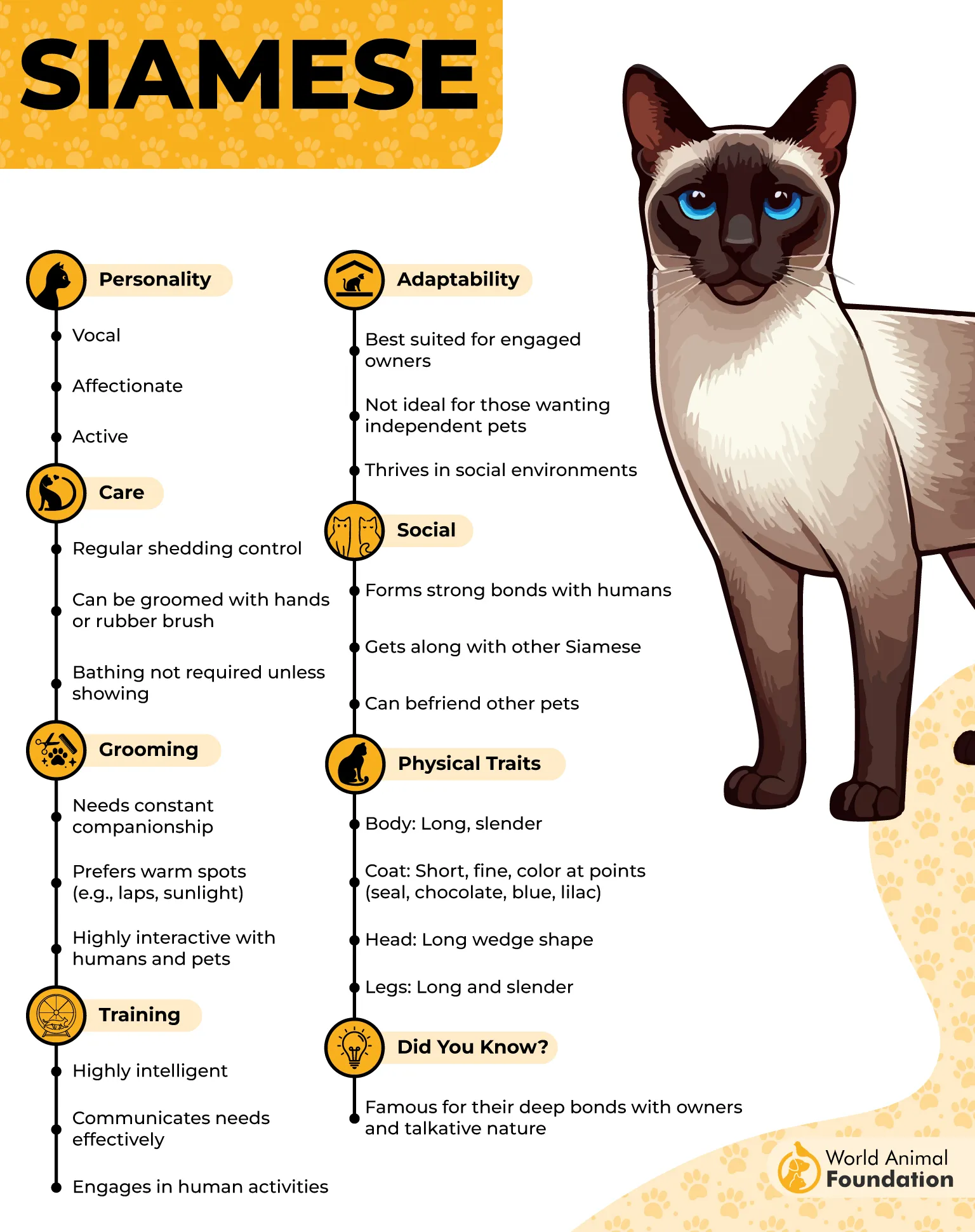
Affection is another reason this breed stays involved with its owners. A Siamese may climb onto a lap or even make its way up to a person’s shoulders, turning ordinary moments into opportunities for close companionship.
With roots in Thailand and a history stretching back centuries, the Siamese combines an outgoing personality with a distinctive appearance. Its glamorous look and expressive nature have helped make it one of the world’s most recognizable cat breeds.
2. Oriental Shorthair
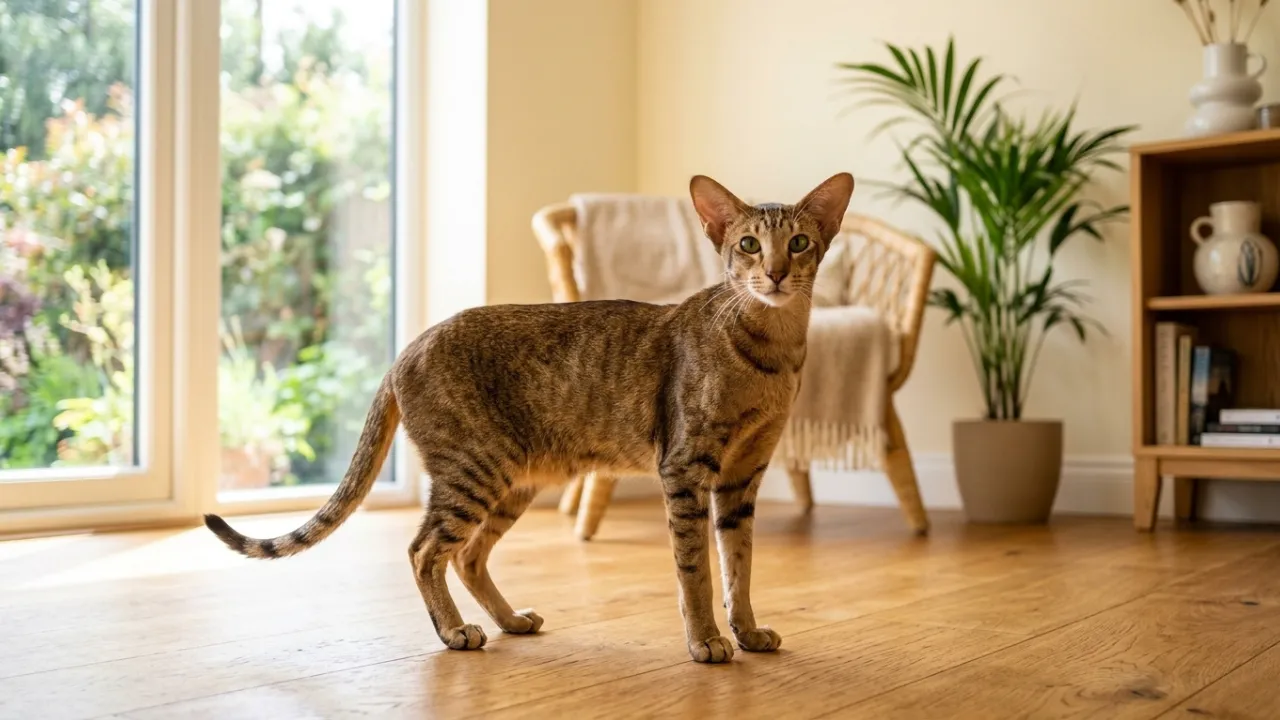
The Oriental is a sleek, people-oriented cat that forms strong bonds with its family and often chooses a favorite person. Its affectionate personality comes with plenty of vocal expression, making this breed especially engaging for owners.
Expect this cat to have something to say about almost everything. The Oriental is known for its persistent vocalizing and may use different sounds to express excitement, displeasure, curiosity, or a desire for attention. Silence is rarely its preferred response.
Intelligent and endlessly curious, the Oriental likes to stay involved in household activities. Its commentary can continue throughout the day, particularly when it wants interaction or has been left alone for too long. Rather than quietly observing, it often makes its presence known.
This chatty cat’s personality stems from its close connection to the Siamese, from which the Oriental was developed. According to PetMD, owning an Oriental Shorthair requires regular interactive play sessions.
3. Bengal
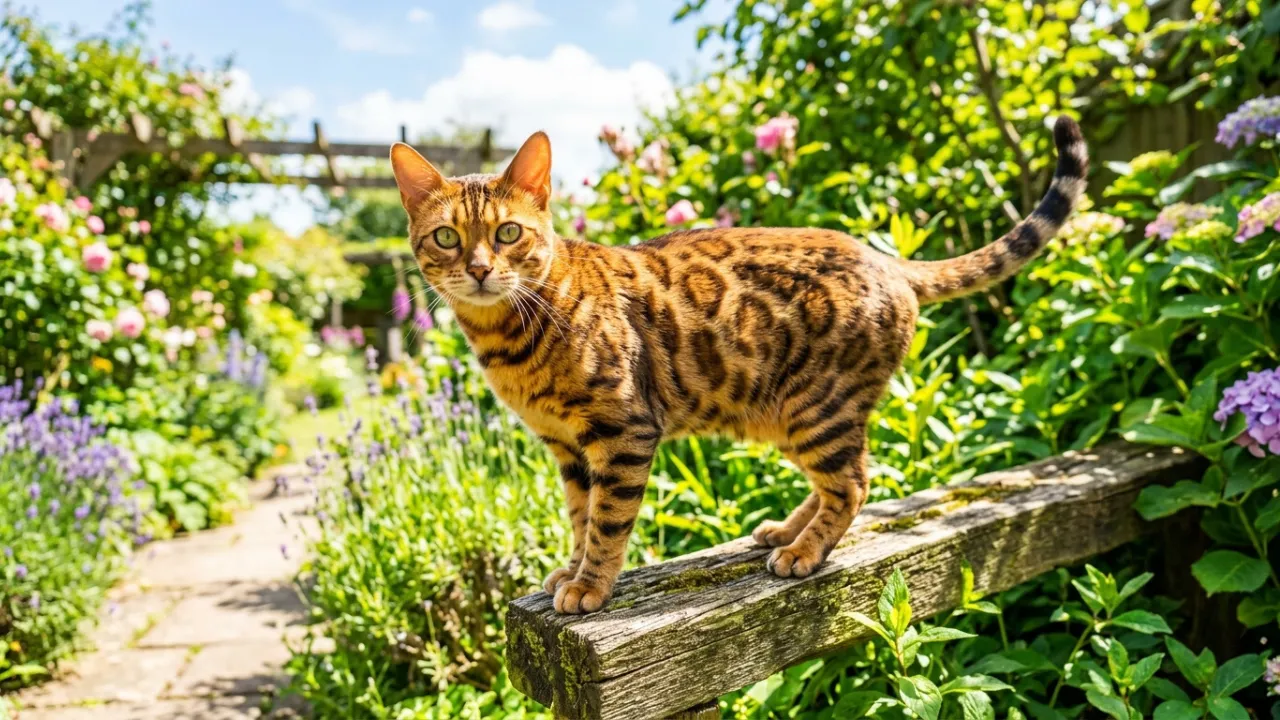
With its leopard-like appearance and energetic personality, the Bengal brings plenty of character to the home. This domesticated breed is known for being playful, affectionate, and highly engaged with its surroundings, often turning everyday moments into opportunities for interaction.
When something catches its attention, the Bengal may have plenty to say. Its vocal repertoire includes meows, chirps, and distinctive yowls, allowing it to communicate with owners in surprisingly expressive ways. Some Bengals are especially talkative and readily respond when spoken to.
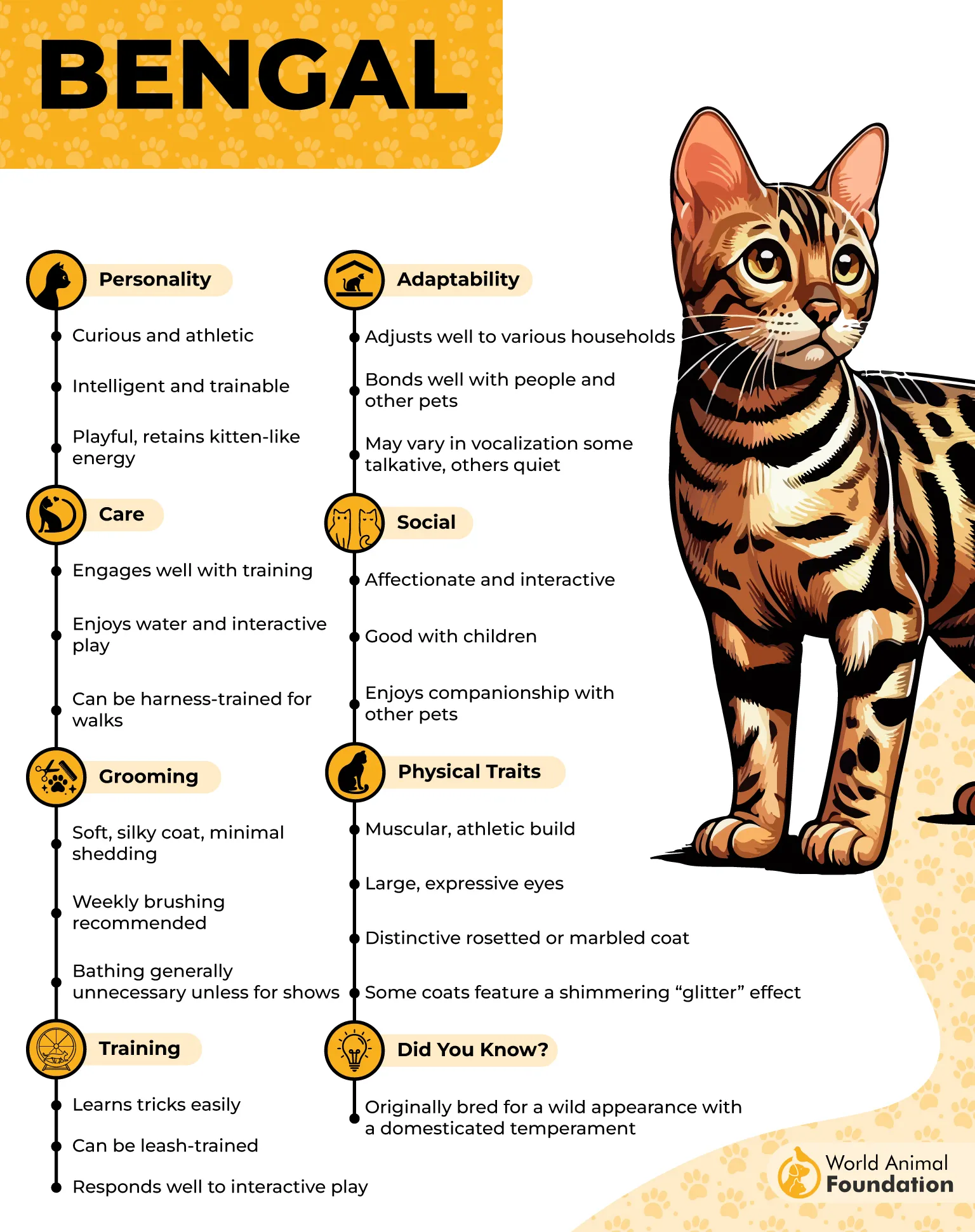
The breed’s wild-looking appearance comes from its ancestry, which includes the Asian leopard cat alongside several domestic cats. Its plush coat is decorated with distinctive spots, while eye colors can range from blue and green to golden shades.
Bengals are particularly entertaining when exploring outdoor spaces, where their curiosity and alert nature come alive. Their vocal reactions can make them seem like enthusiastic commentators, announcing interesting sights, sounds, or discoveries as they investigate their surroundings.
4. Sphynx
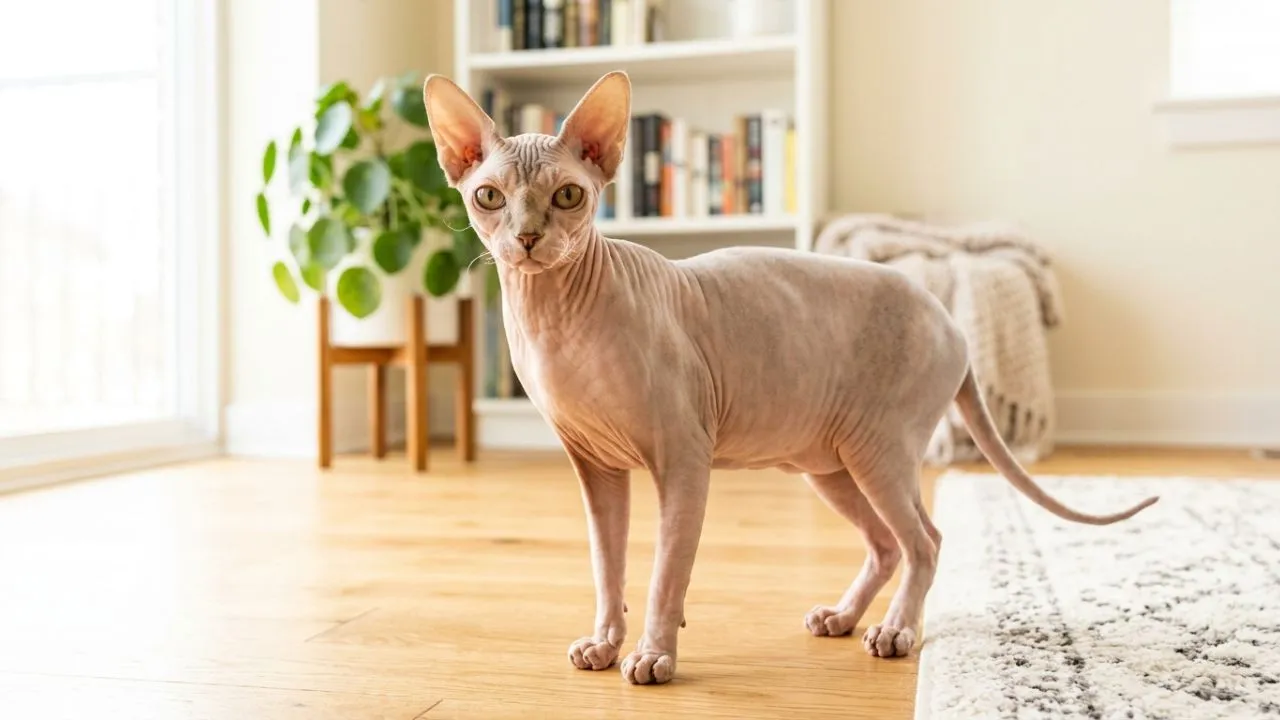
The Sphynx is a highly social cat that rarely misses an opportunity to interact with its favorite people. Its distinctive hairless appearance may grab attention, but its personality is what truly makes this breed memorable. These cats enjoy being involved in household activities and often prefer staying close to their owners.
Their need for companionship also comes through in their vocal behavior. Sphynx cats use meows, chirps, trills, and occasional yowls to communicate, creating plenty of back-and-forth exchanges with their humans. Their sounds can be surprisingly expressive, especially when they want attention.
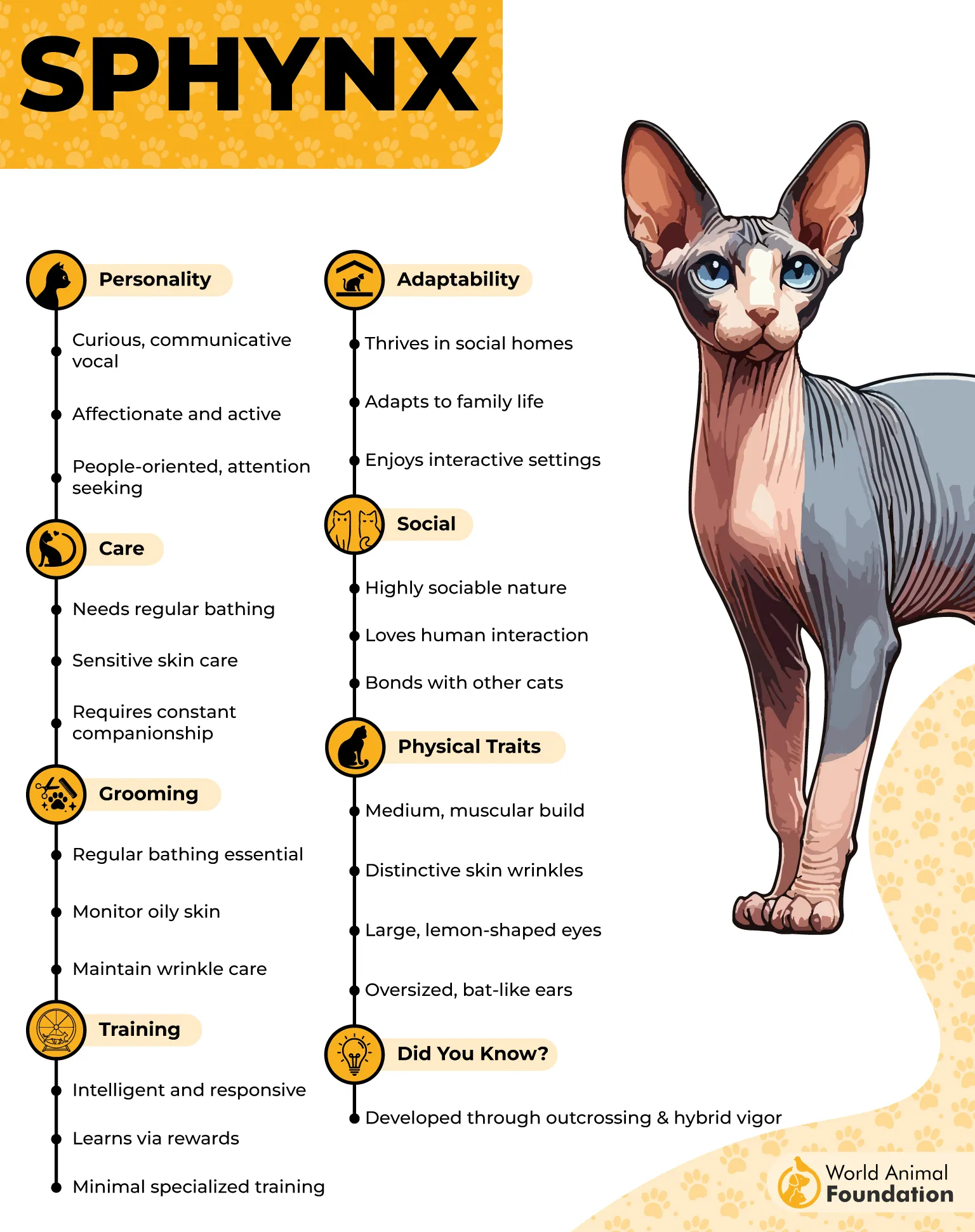
Often described as “Velcro cats,” Sphynx tend to follow their owners around rather than spending long periods alone. They thrive on interaction and may vocalize when they want affection, company, or simply a response from their human. According to Hill’s Pet, it has a witty sense of humor that contrasts with its serious-looking expression.
Despite their nearly hairless appearance, many Sphynx have a fine layer of soft, peach-like fuzz. Their lively, affectionate temperament makes their frequent vocalizations feel less like noise and more like an invitation to engage with them.
5. Burmese
The Burmese is a deeply people-oriented cat that thrives on interaction and affection. Rather than quietly observing from a distance, it often seeks out its owners and stays involved in household activities. Its playful personality makes everyday moments feel more social, especially when this affectionate breed wants attention.
What makes the Burmese especially fitting for this list is its talent for answering back. It uses a soft, musical voice to express itself, often responding to its humans with gentle meows and trills. These sounds are less forceful than the loud calls associated with some other talkative breeds.
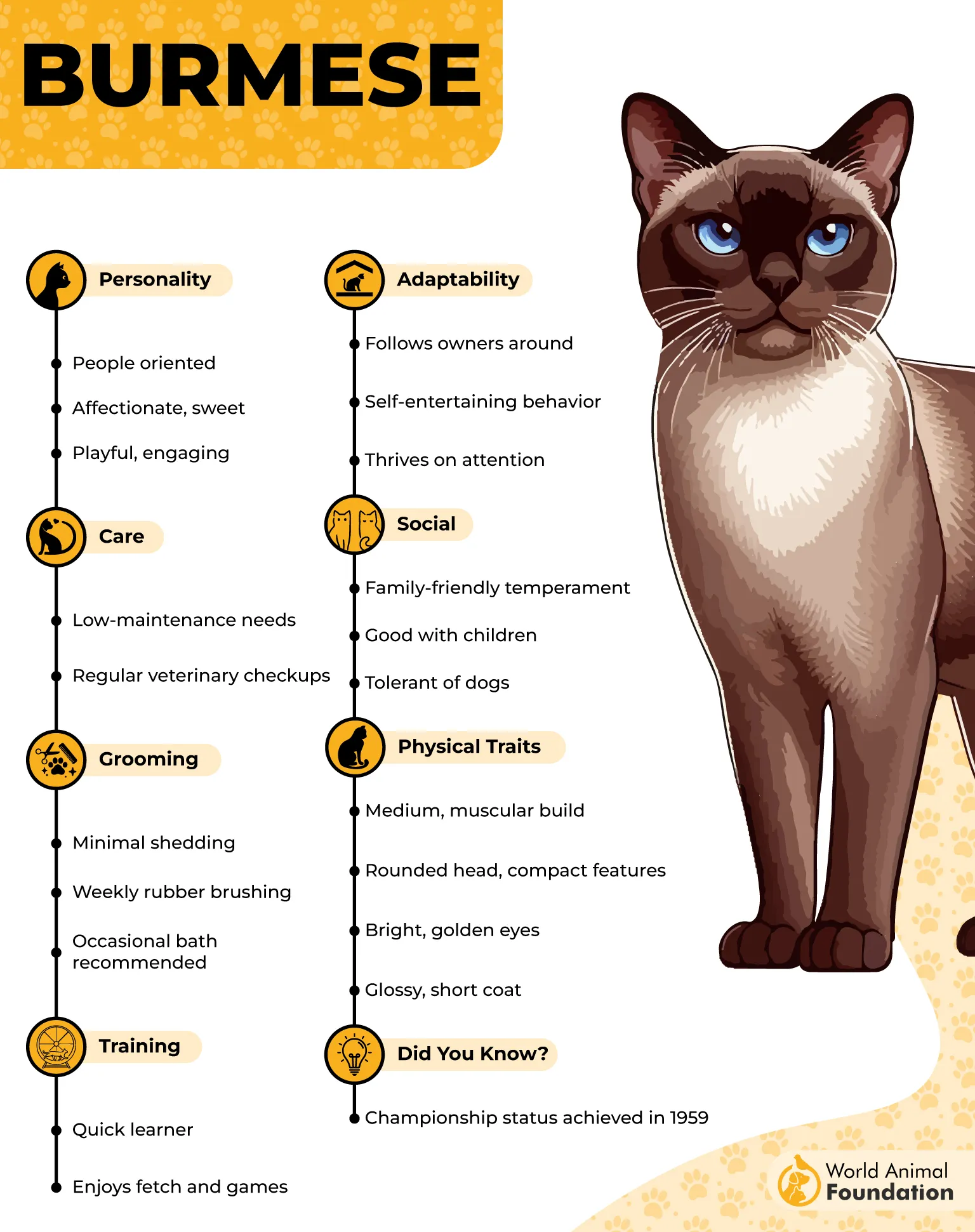
The breed’s conversational nature feels almost like a two-way exchange. Speak to a Burmese, and you may receive a vocal response, particularly when it wants affection or interaction.
A Burmese does more than simply vocalize; it engages with its favorite people through sweet sounds and attentive companionship, making conversations feel surprisingly personal.
6. Japanese Bobtail
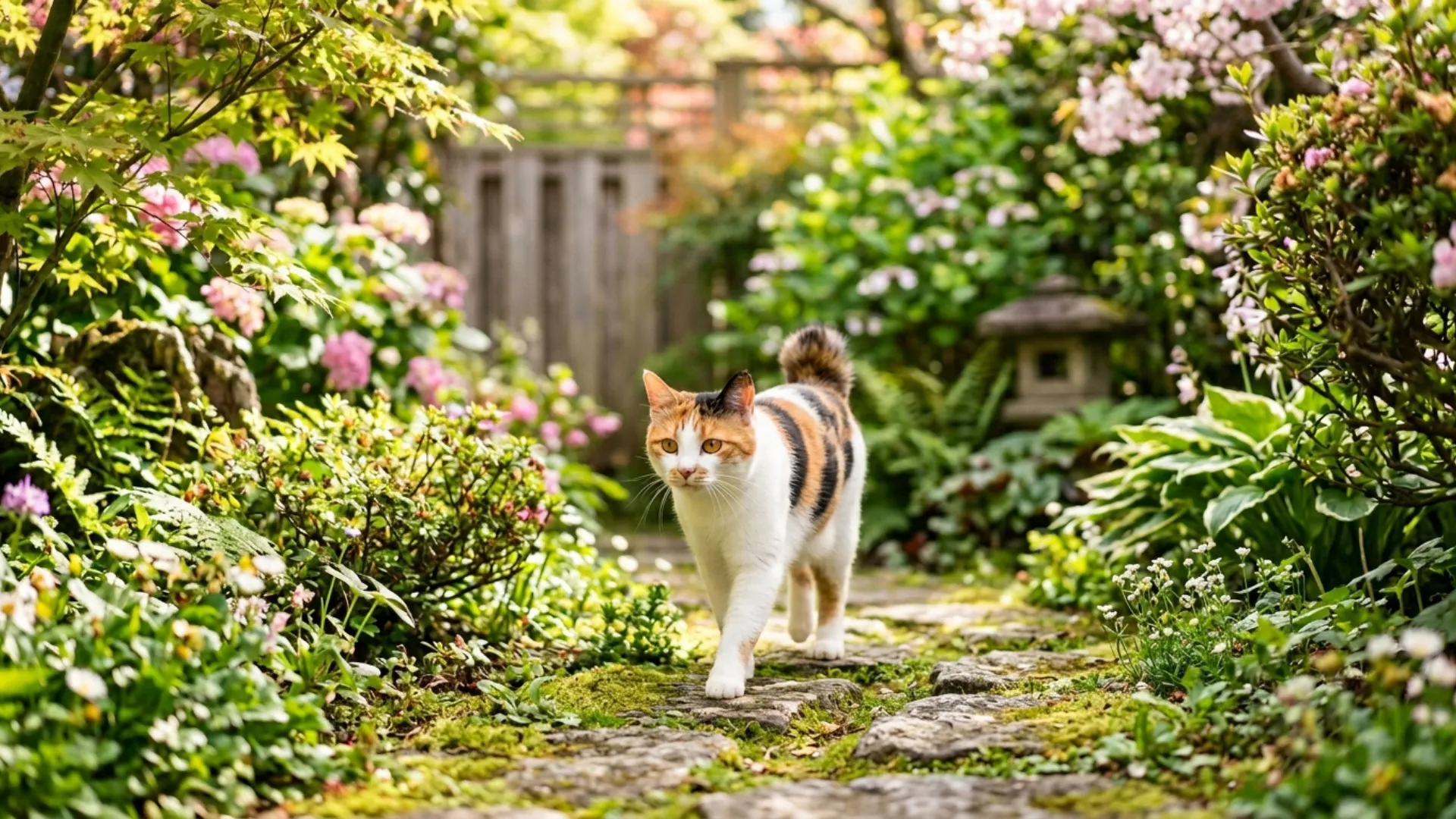
The Japanese Bobtail brings a surprisingly musical personality to the home. Its soft, melodic voice includes chirps, trills, and sing-song meows, creating the impression of a cat that genuinely wants to join the conversation.
Rather than relying on loud yowls, this expressive breed uses a gentle range of sounds to communicate. Speak to a Japanese Bobtail, and you may find yourself receiving an enthusiastic little response in return.
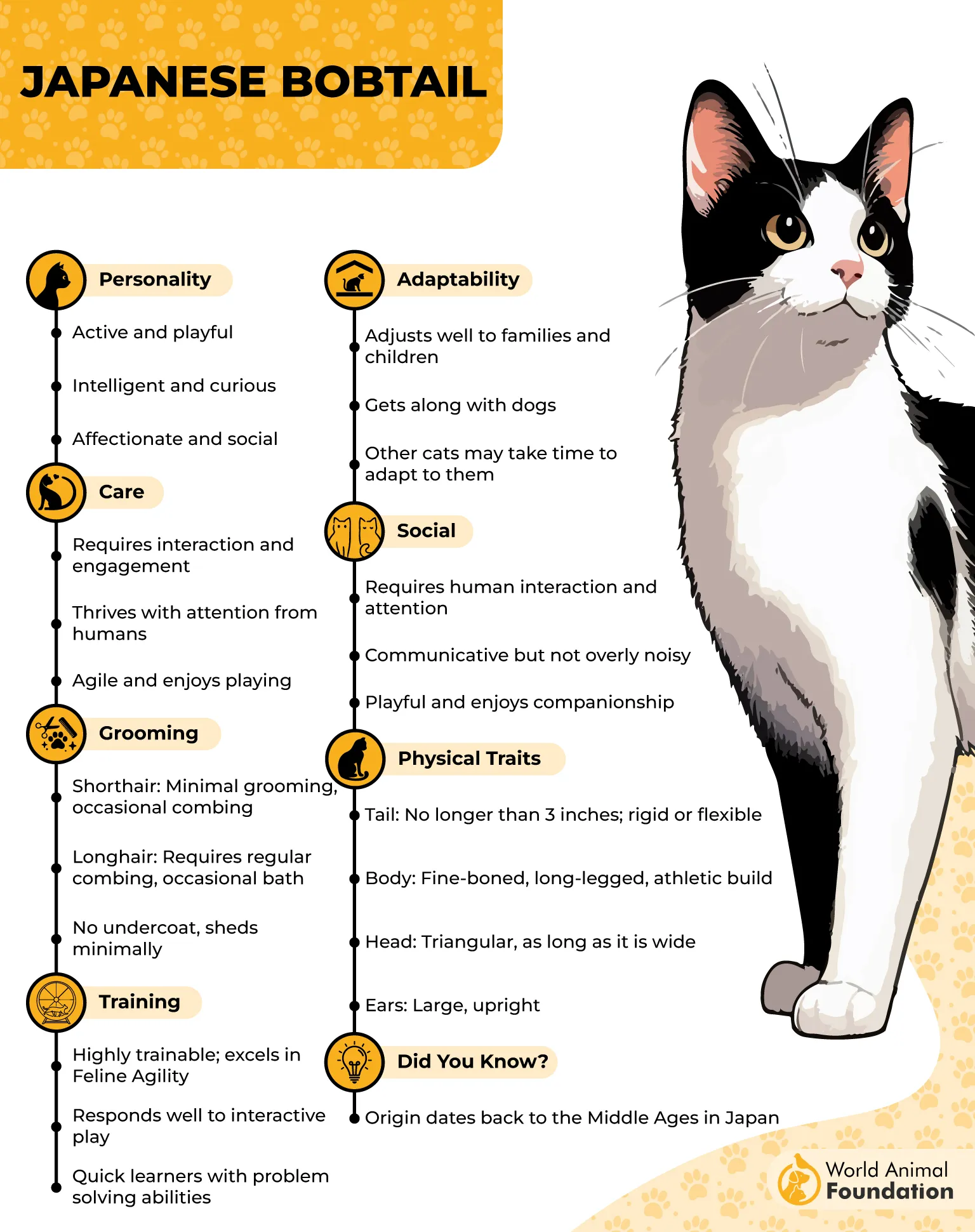
Developed naturally in Japan, the breed has a long history of being valued for its social and outgoing nature. Japanese Bobtails enjoy staying involved with their families and often use their voices to remain part of household activity. According to Purina, the Japanese Bobtail is traditionally believed to symbolize good luck and prosperity.
Beyond their vocal charm, these cats are active, intelligent, and friendly companions. Their shorthaired coats are easy to maintain, while longhaired Bobtails generally benefit from weekly brushing.
7. Tonkinese
The Tonkinese has a naturally chatty personality, inherited from its vocal Siamese and Burmese heritage. Its communication goes beyond ordinary meows, with chirps, trills, and expressive purrs adding variety to its conversations.
This social cat often responds when its owner speaks directly to it, almost as though it is joining the discussion. Its people-oriented nature keeps it close to family members, while its curiosity encourages plenty of interaction throughout the day.
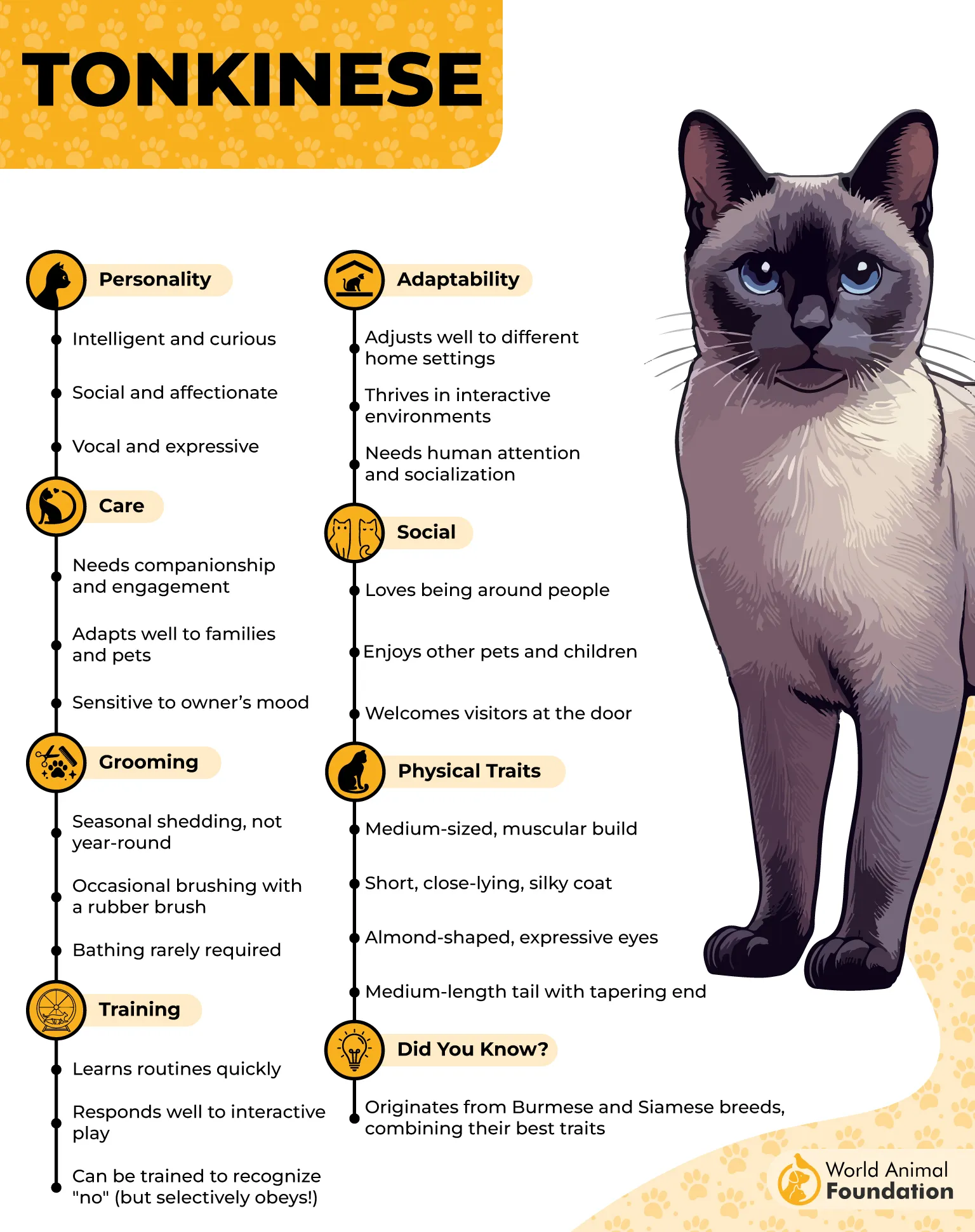
Playfulness also fuels its chatter. Tonkinese cats enjoy fetch, tag, and hide-and-seek, and their excitement during these games can bring out cheerful meows and enthusiastic purring.
Their puppy-like loyalty and playful, almost mischievous character make them especially engaging companions. Even visitors may receive a lively vocal welcome as the Tonkinese rushes to the door, ready to greet them with plenty of conversation.
Conclusion
Choosing a talkative cat can bring a lively rhythm to everyday life. These vocal breeds use meows, chirps, trills, and purrs to express themselves and stay connected with their people.
Some are especially affectionate and enjoy responding when spoken to, while other cats combine their chatter with playful antics and plenty of personality. Their communication can make interactions feel surprisingly engaging.
From social companions to energetic entertainers, each breed has its own way of making its voice heard. Understanding these differences can help you find a cat whose temperament fits naturally into your household.
For owners who enjoy an interactive relationship with their pets, a vocal cat can be wonderfully rewarding. With the right match, everyday conversations, playful moments, and affectionate exchanges can become part of the fun.
