




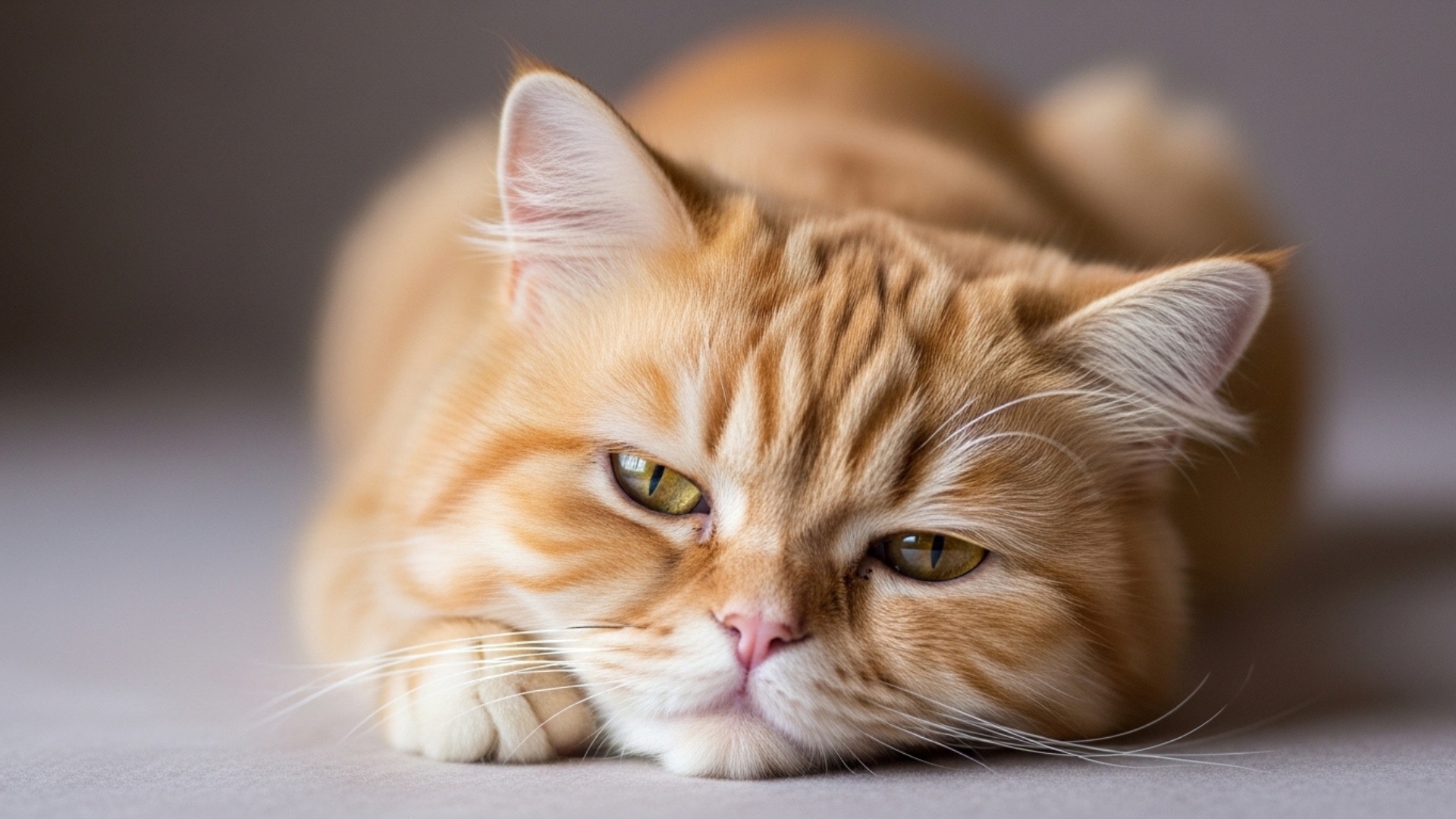
There’s something oddly comforting about a softly snoring cat curled up nearby. But do cats really snore?
Here’s what to know: Gentle snoring is actually a common respiratory phenomenon in felines, especially during deep sleep when the body fully relaxes. As the tissues in the nose and throat loosen, airflow can create that familiar rhythmic sound—often mistaken for purring if you’re not listening closely.
Why are some breeds more likely to snore than others? Head shape plays a major role. Brachycephalic, or flat-faced, breeds like Persians, Exotic Shorthairs, and Himalayans have shorter skulls and narrower airways, making them more prone to noisy breathing while they rest.
Selective breeding for rounder faces and shorter noses has amplified this tendency over time.
When soft snoring is completely normal, it usually happens in deep, relaxed sleep and stops once your cat shifts position. However, persistent snorting, labored breathing, or discomfort may signal underlying concerns that deserve veterinary attention.
Understanding the difference helps you enjoy those tiny nighttime rumblings with peace of mind.
Cat Breeds That Snore Softly
1. Persian
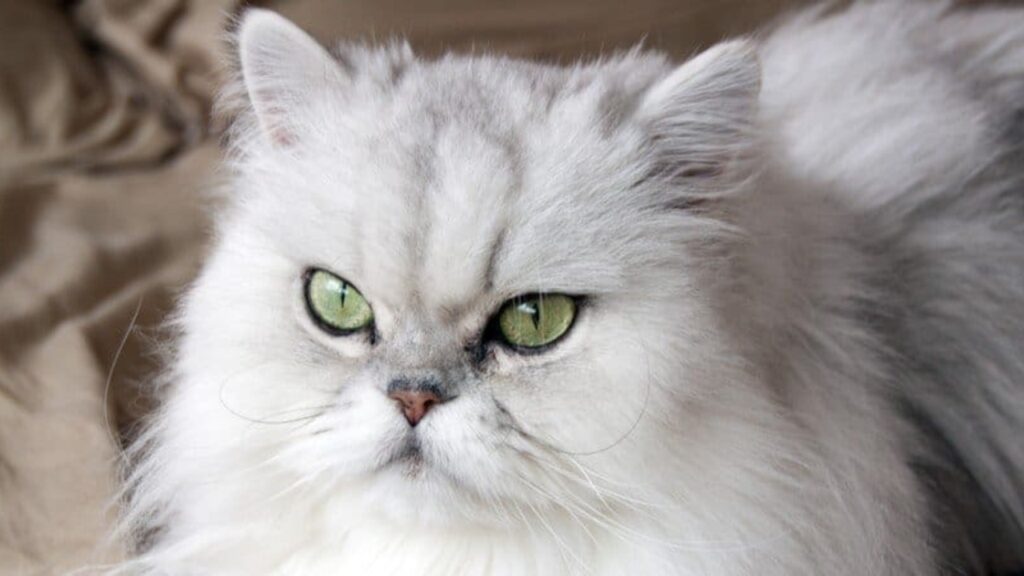
The Persian—often admired as the ultimate long-haired show cat—is known for its luxurious, silky coat and distinctive flat, “peke-faced” profile.
With large round eyes and a very short muzzle, this brachycephalic breed carries a regal appearance that sets it apart in the feline world.
According to PetMD, Persians are described as docile and intelligent cats that serve as excellent companions in calm and mellow households.
The Flat-Faced Nap Lover
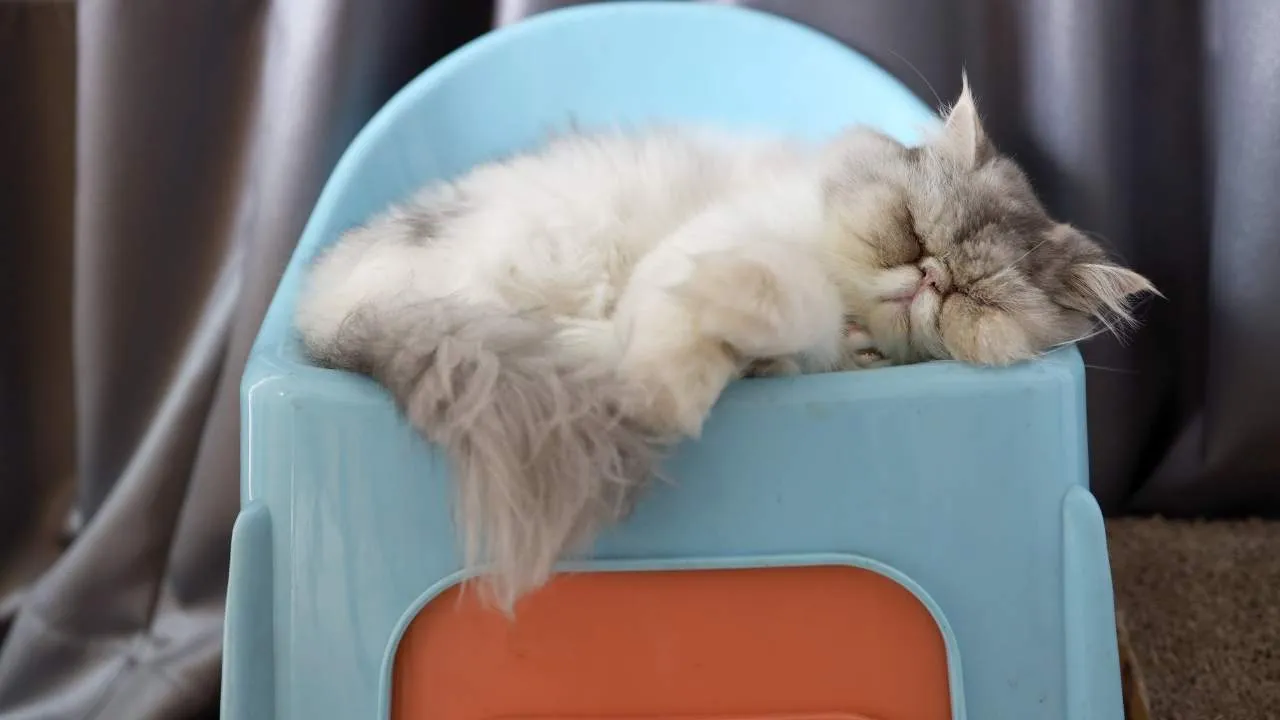
Because of their shortened skull and narrowed airways, Persians are more prone to soft snoring, especially when deeply relaxed. You may notice gentle rumbling when they’re curled tightly, lying on their backs, or pressed against a cushion.
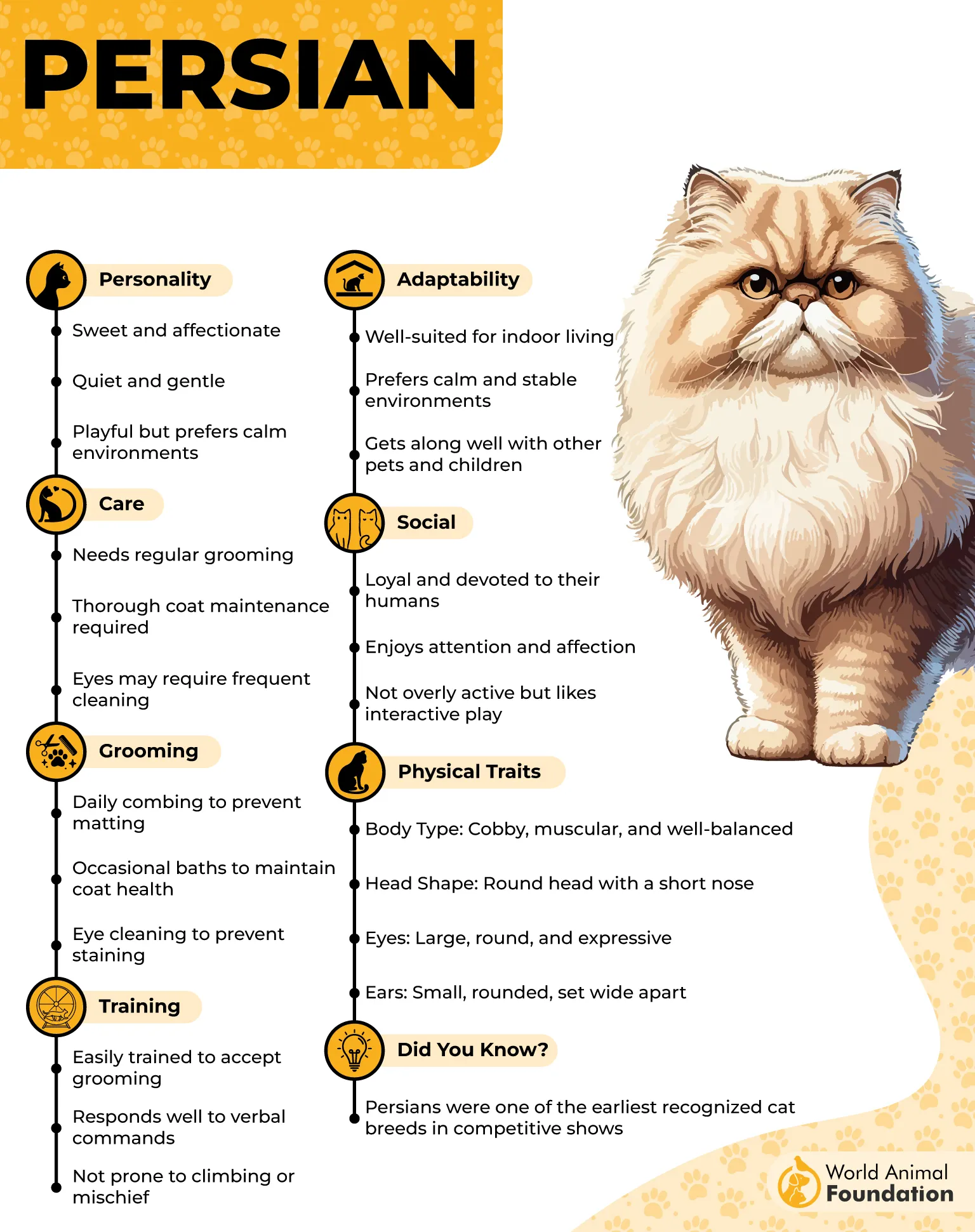
Their calm, laid-back personality means they spend plenty of time napping, which makes those quiet snores more noticeable. While mild snoring is common, sudden or excessive noise should always prompt a veterinary check.
Despite their respiratory quirks, Persians are affectionate and devoted once bonded, preferring peaceful cuddles over energetic play.
FAQs
Do all Persian cats snore? Not all, but their flat facial structure makes soft snoring more common than in longer-faced breeds.
When should I worry about a Persian’s snoring? If it becomes louder, sudden, or paired with labored breathing, consult a vet promptly.
Fun fact: Persians didn’t originally have extremely flat faces—the look became popular due to selective breeding for a more exaggerated profile.
2. Exotic Shorthair
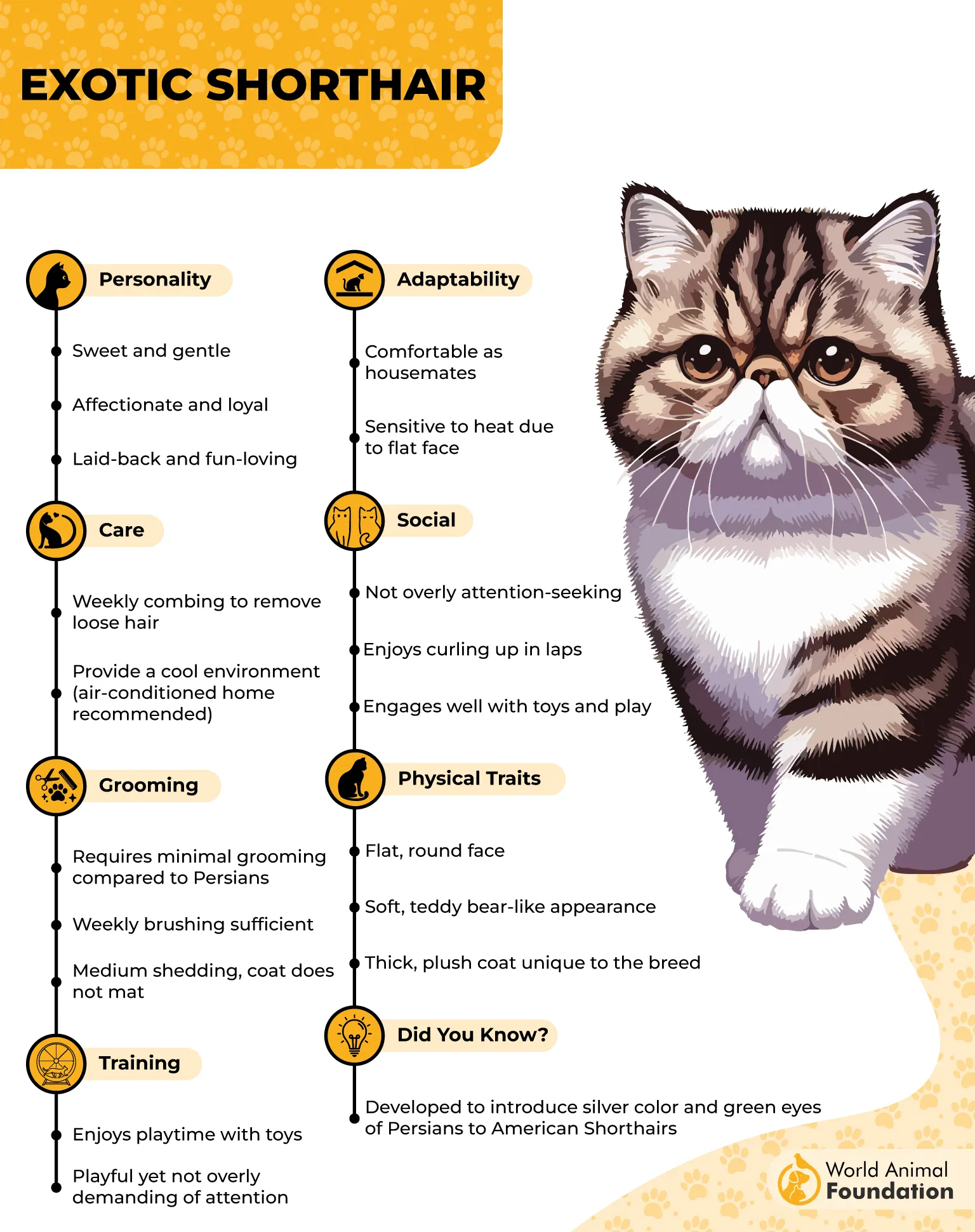
The Exotic Shorthair—often described as the short-haired Persian—is a round-faced charmer developed in the United States by crossing Persians with breeds like the American Shorthair. According to WebMD, Exotic Shorthairs are described as affectionate and gentle in temperament.
A Relaxed Sleeper with Gentle Snores
Thanks to their short muzzle and compact airways, Exotic Shorthairs are prone to soft snoring, especially when deeply asleep. Their gentle rumbling is most noticeable when they’re stretched out or resting on their backs.
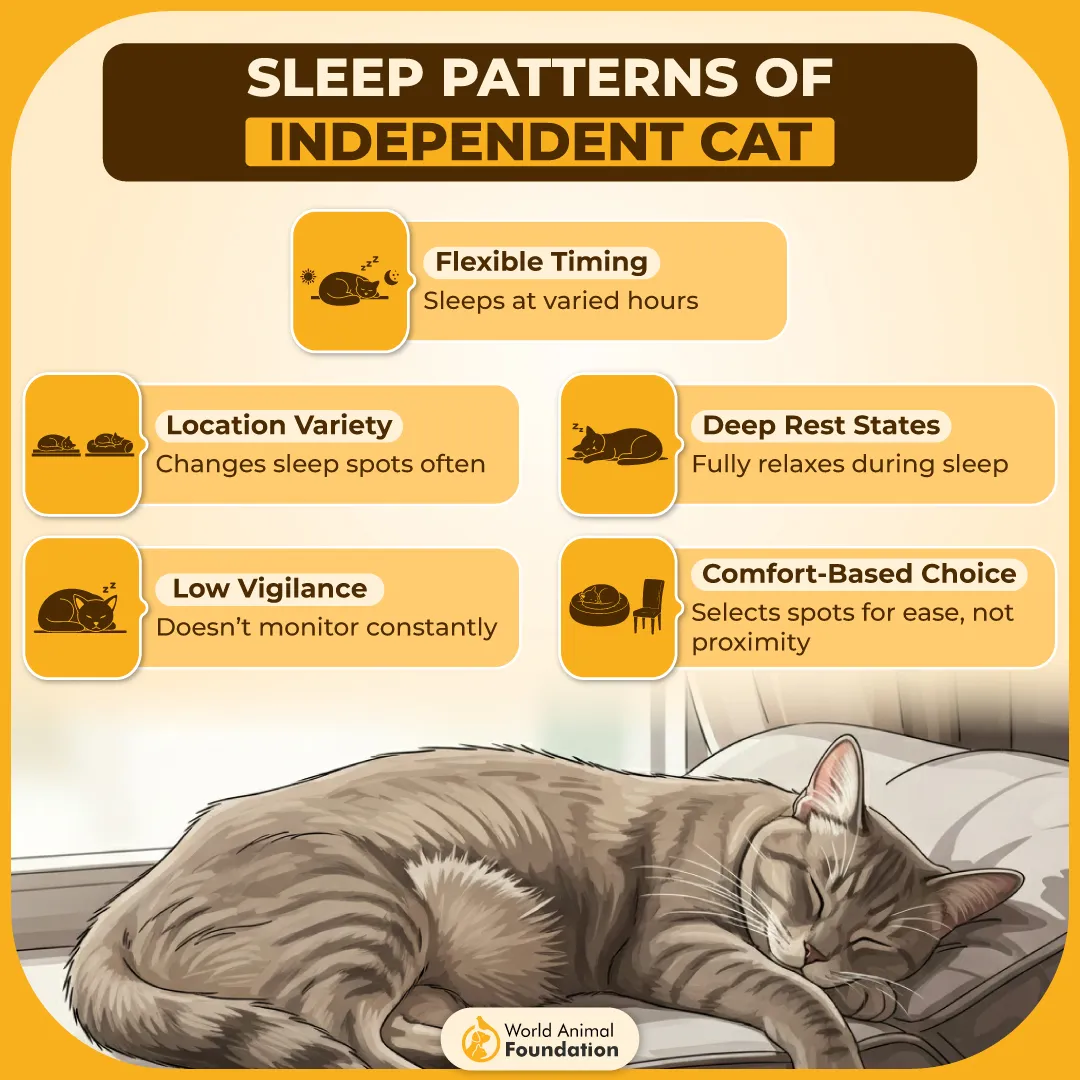
Known for a calm and easygoing temperament, they are true homebodies who enjoy long naps in cozy spots.
Because of their facial structure, they can be at risk for brachycephalic airway issues, particularly in hot weather or if overweight. Careful monitoring helps keep their quiet snores harmless and comfortable.
FAQs
Is it normal for Exotic Shorthairs to snore softly? Yes, their flat-faced structure makes light snoring fairly common during deep sleep.
When is snoring a concern in this breed? Open-mouth breathing, labored breathing, or overheating require immediate veterinary attention.
Fun fact: The Exotic Shorthair was intentionally created in the 1950s to offer the Persian’s look with a shorter, easier-care coat.
3. Himalayan
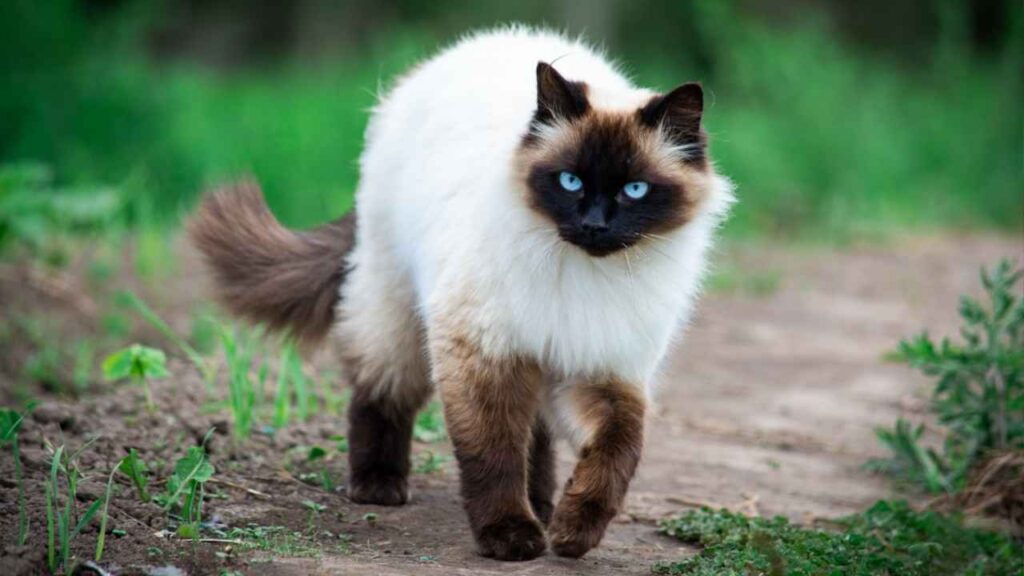
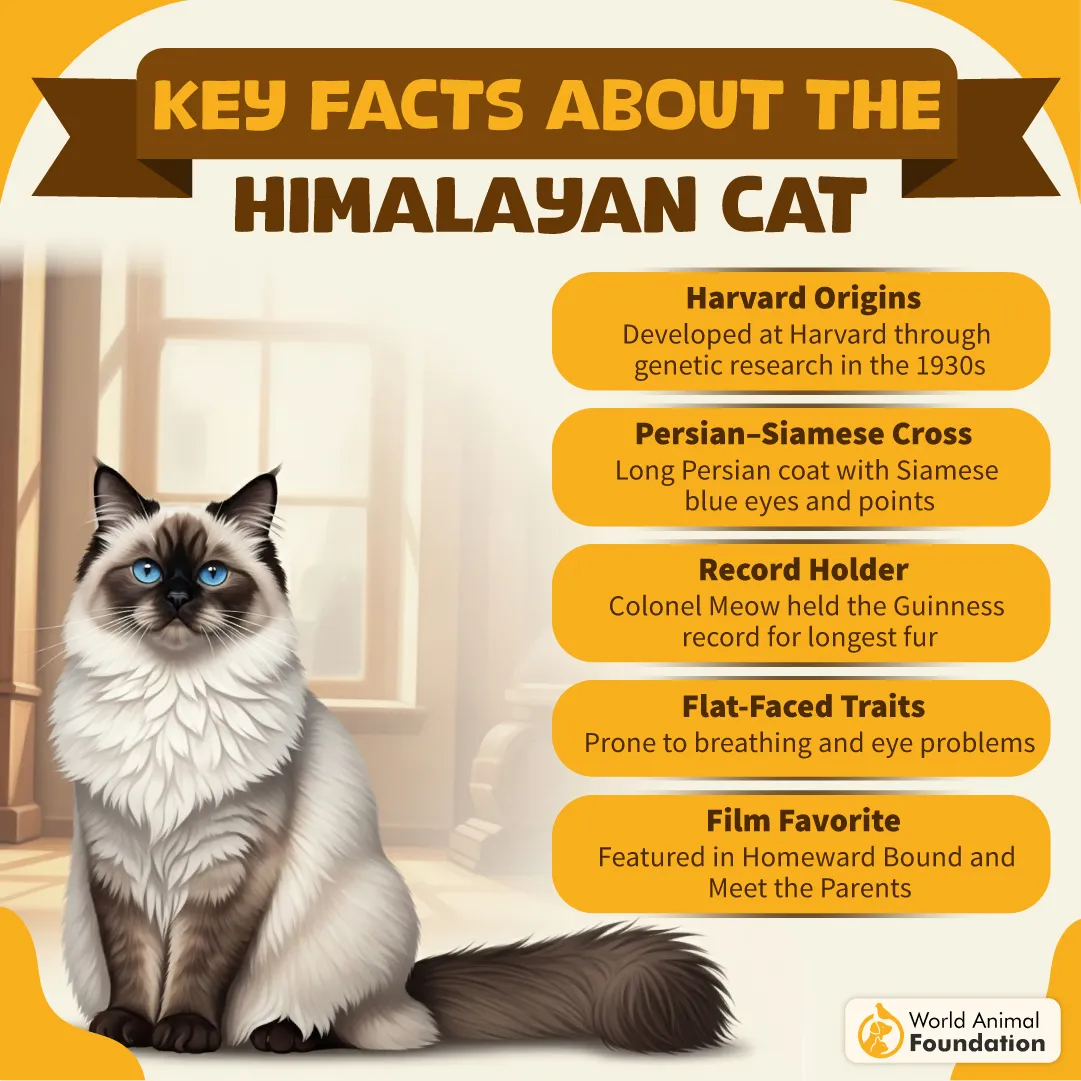
The Himalayan, affectionately called the “Himmie,” is a cross between the Persian and Siamese, blending silky long fur with striking blue eyes and colorpoint markings.
With a rounded body, broad chest, and slightly flattened muzzle, this sturdy cat looks grand and plush. According to Purina, the Himalayan cat is described as sweet and mild-tempered in nature.
Compact Features, Cozy Breathing Sounds
Because many Himalayans inherit a brachycephalic, or flat-faced, structure from their Persian lineage, they’re known for soft snoring during deep sleep. Their shortened nasal passages can create gentle breathing sounds, especially when curled up comfortably.
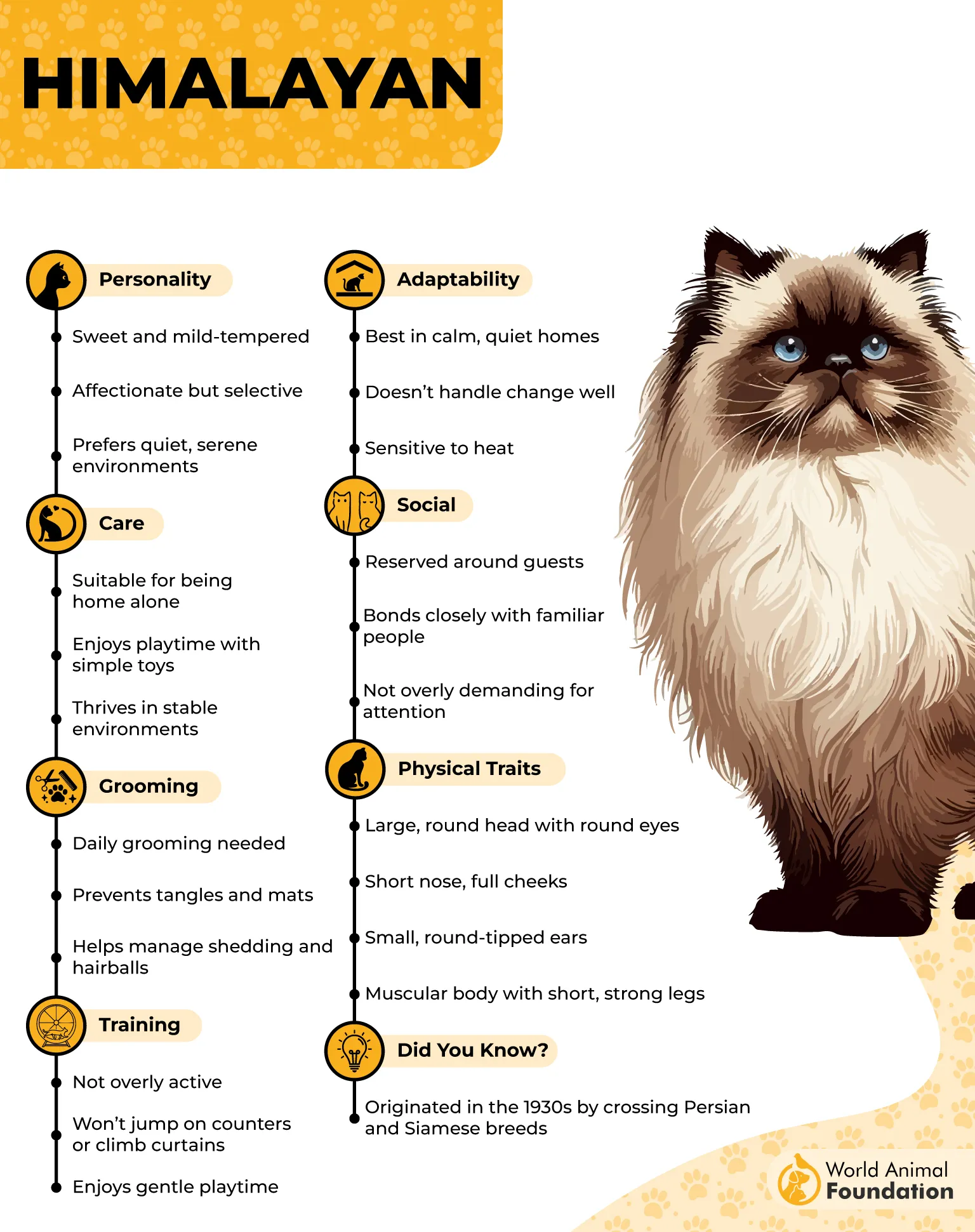
Low energy and fond of lounging, Himmies adore warm naps beside their favorite person. While light snoring is common, changes in intensity or labored breathing should prompt a veterinary check.
Their relaxed personality and love of cuddles make them champion nappers, but weight control is important since extra pounds can worsen breathing noises. Regular grooming and health monitoring also support easier rest.
FAQs
Why does my Himalayan make soft snoring sounds while sleeping? Their compact facial structure can narrow airways, causing mild snoring when fully relaxed.
Is snoring in the Himalayans ever a concern? Yes, persistent loud snoring or breathing struggles may signal respiratory issues needing veterinary advice.
Fun fact: The Himalayan combines the Persian’s flattened features with the Siamese’s signature blue eyes and pointed coat pattern.
4. Scottish Fold
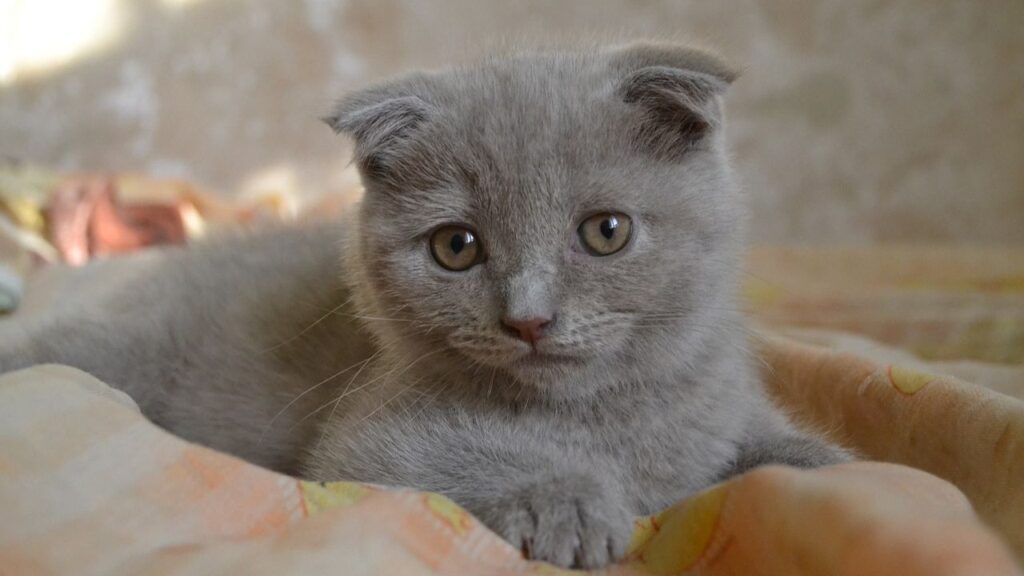
The Scottish Fold, sometimes simply called the “Fold,” is instantly recognized by its cap-like folded ears and round, owl-like face. Medium in size with a sturdy, well-padded body and expressive, round eyes, this breed’s gentle look matches its famously calm temperament.

The Deep Sleeper with a Soft Rumble
With a slightly flattened face and shortened nose, some Scottish Folds are prone to light snoring during deep sleep. Their relaxed airways can produce a soft rumble, especially when they’re fully stretched out and completely at ease.
True homebodies, Folds enjoy quiet companionship and will often follow their favorite person from room to room. Though playful and intelligent, they’re not overly active, which makes their peaceful naps even more frequent—and occasionally audible.
Because they share mild brachycephalic traits, monitoring breathing and maintaining a healthy weight helps keep snoring gentle and harmless. Any sudden breathing difficulty or stiffness in the tail should be evaluated promptly.
FAQs
Do Scottish Folds commonly snore softly? Yes, their slightly compact facial structure can lead to mild snoring during deep sleep.
When should I worry about a Fold’s snoring? If snoring becomes loud, labored, or paired with open-mouth breathing, consult a veterinarian.
Fun fact: The Scottish Fold’s signature ears are the result of a natural genetic mutation that doesn’t affect their hearing.
5. Selkirk Rex
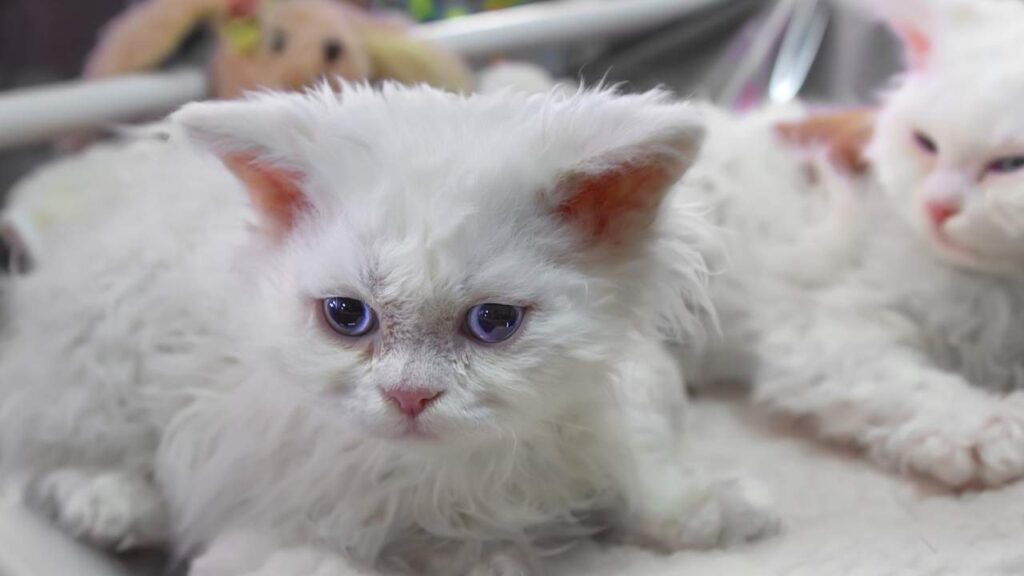
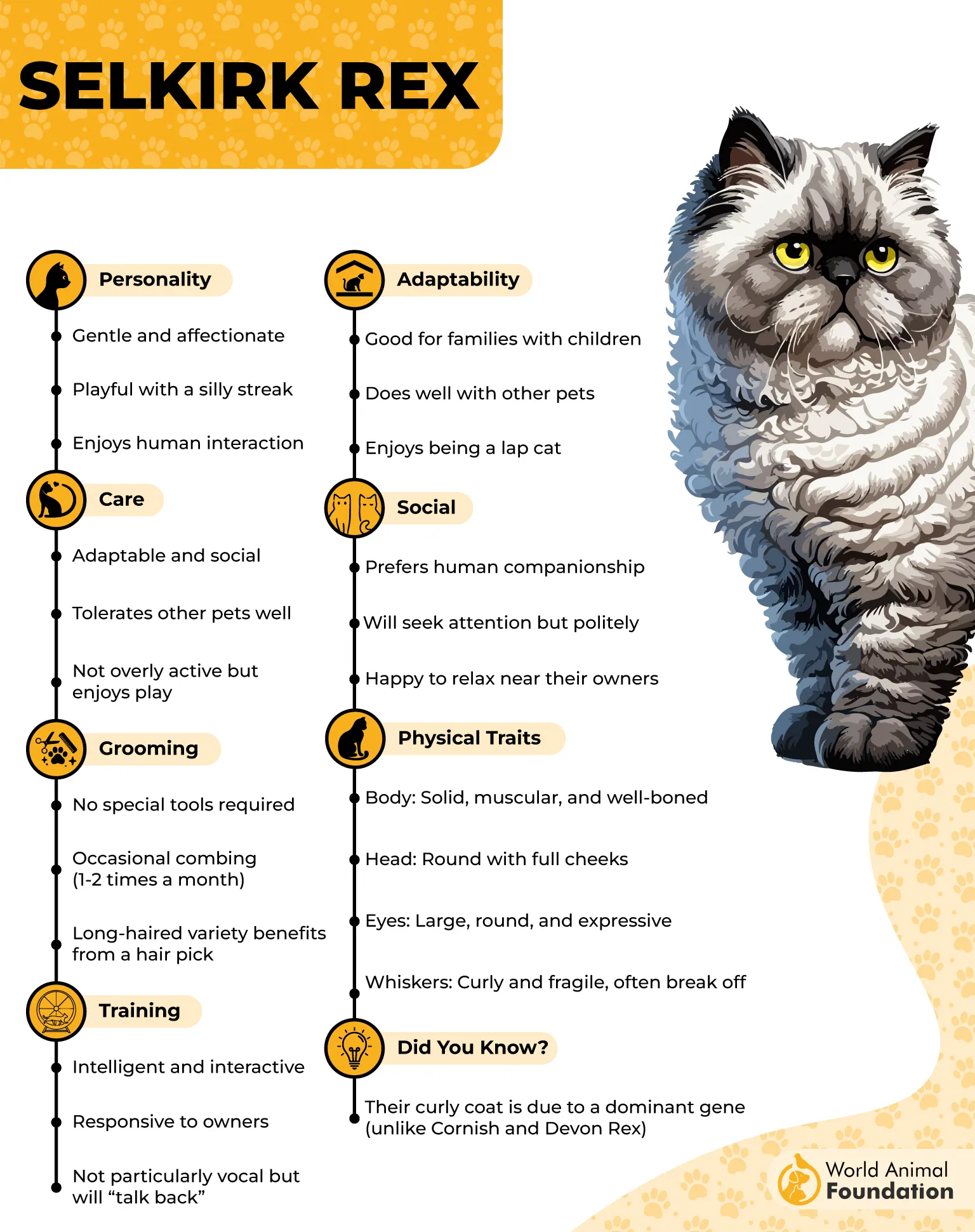
The Selkirk Rex, sometimes called the “Curly-Coated Cat” or “Cat in Sheep’s Clothing,” is famous for its plush ringlets and even curly whiskers. Developed from a Montana rescue in 1987 and later crossed with Persians and British Shorthairs, this sturdy breed can weigh up to 16 pounds and has a sweet, teddy-bear look.
Calm, Cuddly, and Slightly Snort
Thanks to their slightly shortened nose inherited from brachycephalic ancestors, some Selkirk Rex cats produce soft snorts or gentle snores while sleeping. Their relaxed throat tissues can narrow the airway just enough to create a mild nighttime rumble.
These cats are true lap lovers who prefer cozy naps over high-speed zoomies. Because they’re laid-back and prone to weight gain, portion control is important—extra pounds can worsen breathing sounds.
While light snoring can be harmless, brachycephalic airway syndrome may cause louder breathing, sleep apnea, or heat sensitivity. Early veterinary guidance helps maintain comfortable, easy rest.
FAQs
Do Selkirk Rex cats snore because of their flat features? Mild snoring can occur due to their compact facial structure and narrowed airways.
When is a snort more than just a cute quirk? Open-mouth breathing, frequent infections, or overheating require prompt veterinary care.
Fun fact: Curly-coated Selkirk kittens often lose their curls temporarily before they return—curlier than ever—by about 2 years old.
6. British Longhair
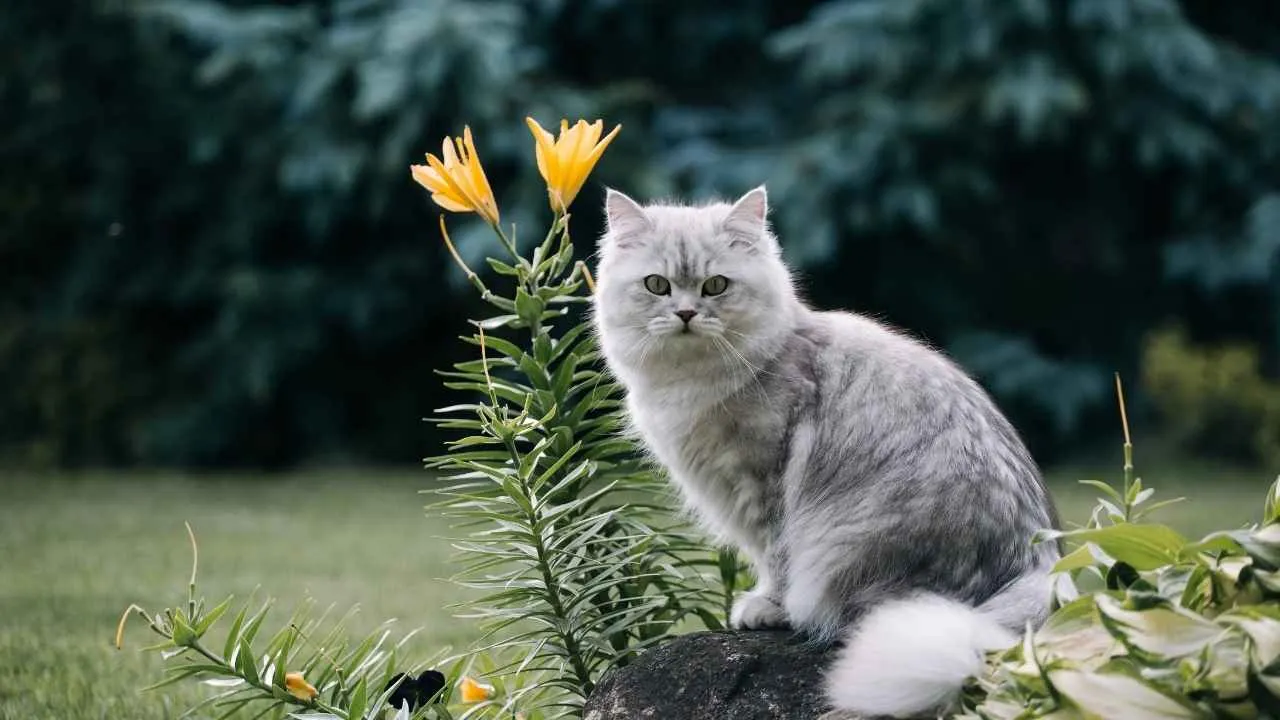
The British Longhair—also known as the Highlander, Britannica, or Lowlander—is the semi-longhaired cousin of the British Shorthair. Developed by crossing British Shorthairs with Persians, this plush-coated breed features a round head, short, broad nose, strong legs, and a dense ruff that gives it a teddy-bear look.
Plush-Coated and Peacefully Noisy
With its slightly shortened nose and compact facial structure, the British Longhair may produce gentle snuffles or soft snores during deep sleep. These cozy breathing sounds are often most noticeable when the cat is fully relaxed and curled into its thick fur.
Calm and even-tempered, Highlanders are not overly active and prefer lounging in comfortable spots. Because of their sturdy build and love of food, maintaining a healthy weight is essential to prevent heavier breathing at rest.
Their semi-long coat requires regular grooming, but their peaceful nature makes care routines manageable. Any sudden change in snoring intensity or signs of breathing difficulty should be discussed with a veterinarian.
FAQs
Do British Longhairs snore because of their short nose? Mild snoring can occur due to their compact facial features, especially during deep sleep.
Is soft snoring normal for this breed? Yes, light, steady snoring while resting is often harmless, but labored breathing is not.
Fun fact: The British Longhair was officially recognized as its own breed in 2017, though its roots trace back to early Persian crosses.
7. Devon Rex
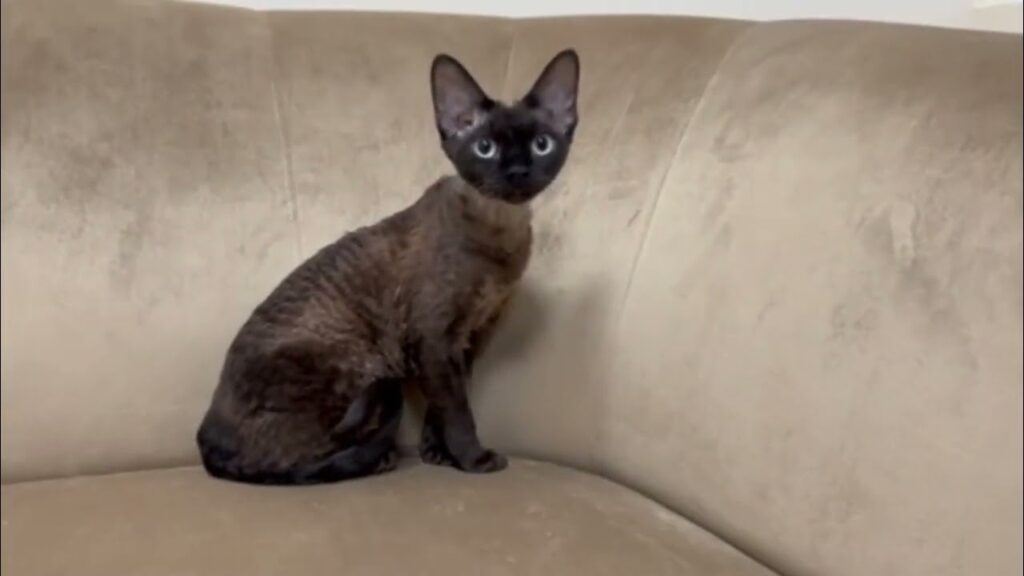
The Devon Rex—nicknamed the “Elf,” “Poodle Cat,” or even “Monkey in a Catsuit”—originated in Devonshire, England. Weighing 6–9 pounds, this small-to-medium breed has prominent cheekbones, a short nose, oversized, low-set ears, and a silky, crushed-velvet coat that curls tightly against the body.
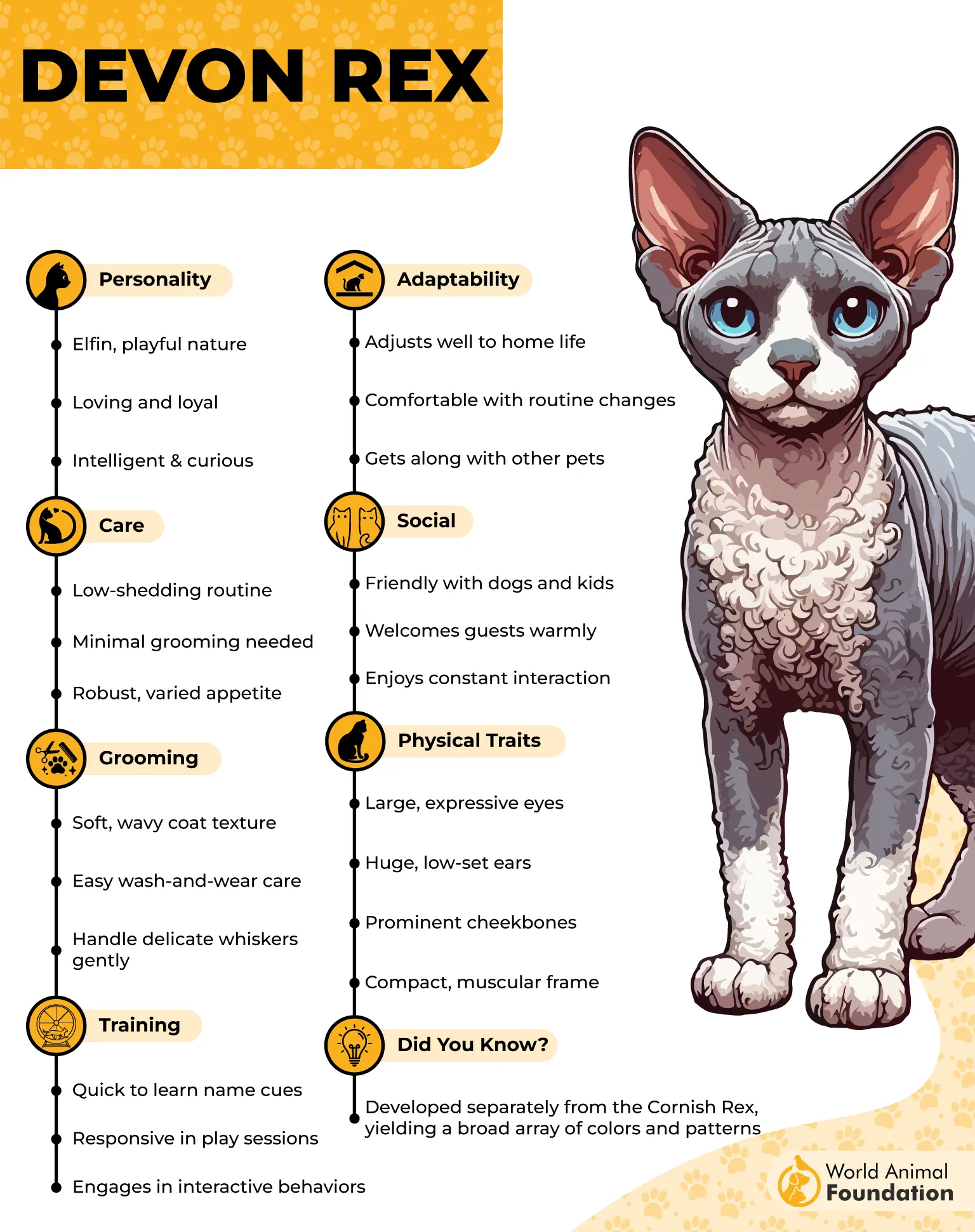
The Quiet Companion with a Tiny Snuffl
Unlike extreme flat-faced breeds, the Devon Rex has a short but defined muzzle, which can occasionally create a faint snuffle during deep sleep. Their relaxed throat tissues may produce a barely noticeable breathing sound when fully at rest.
Devons adore warmth and often curl up in laps or perch on shoulders, making soft nighttime sounds more obvious in close quarters. Though playful and energetic by day, they sleep soundly and rarely vocalize loudly.
While mild snuffling can be normal, this breed may be prone to respiratory sensitivities like asthma. Any wheezing, persistent coughing, or labored breathing deserves veterinary attention.
FAQs
Do Devon Rex cats snore often? Not typically, but a soft snuffle can occur when they’re deeply relaxed.
Is a tiny snuffle during sleep normal? Yes, as long as breathing remains steady and there are no signs of distress.
Fun fact: The very first Devon Rex, discovered in 1960, was a curly-coated kitten named Kirlee found near an old mine in England.
Conclusion
Soft snoring in cats can be surprisingly sweet, especially in breeds with flattened facial features. Many brachycephalic cats have smaller nostrils, a narrow nasal cavity, or an elongated soft palate that makes the upper airway slightly noisier when cats sleep.
In these cases, light sounds as your cat breathes are often perfectly normal. Still, pet parents and cat owners should remember that overweight cats or changes in a cat’s weight can increase pressure on upper airway tissues and worsen snoring. A simple shift in sleeping position may even reduce snoring in some cats.
However, persistent snoring, trouble breathing, nasal discharge, a runny nose, or other symptoms like losing weight can signal an underlying health issue. Chronic nasal inflammation, upper respiratory infections, foreign objects, or respiratory illness may cause cats to suffer from difficulty breathing.
If your cat started snoring suddenly or shows signs of breathing problems, a prompt vet visit helps rule out a serious health problem and protect your cat’s nose and upper airway.
