





When most people think of training a pet to respond to voice commands, dogs usually steal the spotlight. But can cats really learn voice commands? Absolutely. While they may show their intelligence in subtler ways, many cats are capable of learning to come when called, enter a carrier on cue, or even perform simple tricks—all with the right motivation and positive reinforcement.
What makes a cat highly trainable often comes down to a blend of curiosity, confidence, and a desire to interact. Some breeds are especially quick to connect words with actions, particularly when training includes tasty treats and engaging mental challenges. For these cats, learning isn’t just possible—it’s enriching, helping prevent boredom and encouraging healthy stimulation.
The link between intelligence and responsiveness lies in a cat’s ability to observe, adapt, and apply what they’ve learned in new situations. Certain breeds seem naturally attuned to human communication, reading tone and mood with surprising accuracy.
If you’re ready to discover which felines respond best to your voice, you might be surprised by just how clever—and conversational—cats can be.
Cat Breeds That Respond Well to Voice Commands
1. Siamese
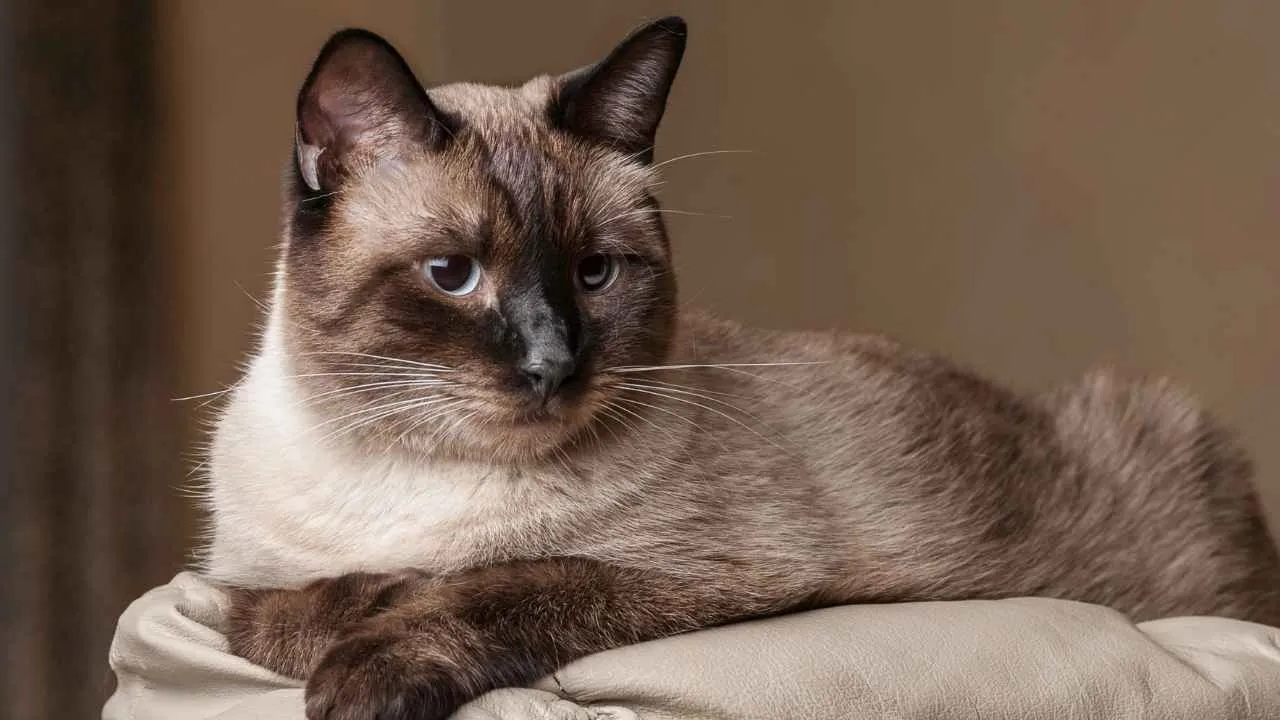
The Siamese—sometimes called the “Royal Cat of Siam”—is instantly recognizable by its sleek, slender body, almond-shaped blue eyes, and color-point coat.
Famous for their striking looks and famously loud voice, these highly social felines form deep bonds and rarely miss a chance to “talk” to their favorite humans.
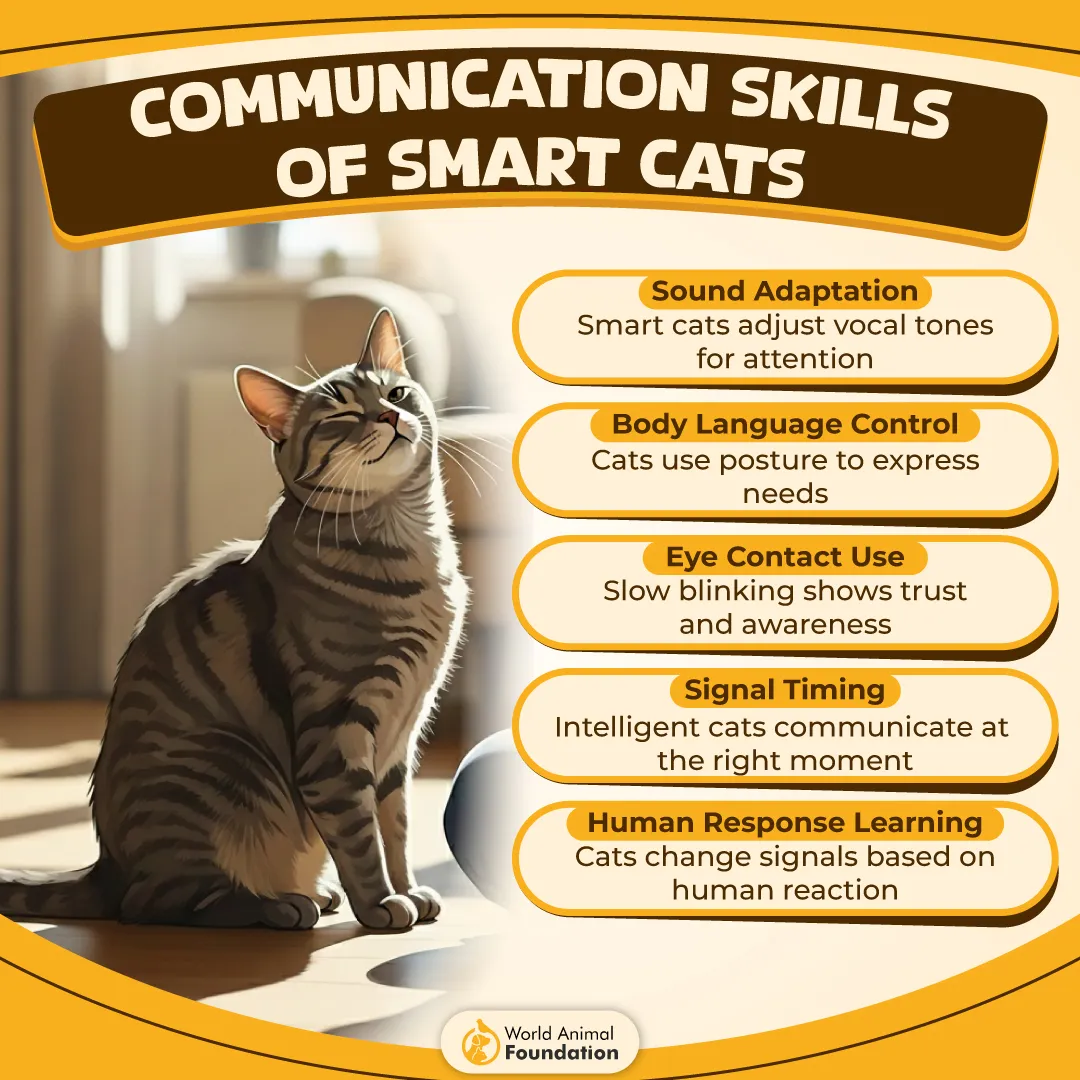
According to WebMD, the Siamese is a cat breed that originated in Thailand and is now regarded as one of the most popular breeds in North America and Europe.
The Quick Learner with Sharp Focus
Siamese cats are exceptionally responsive to voice cues, often learning their names and simple commands after only a few repetitions. Their strong desire to interact makes them attentive listeners, especially when training feels like a shared conversation.
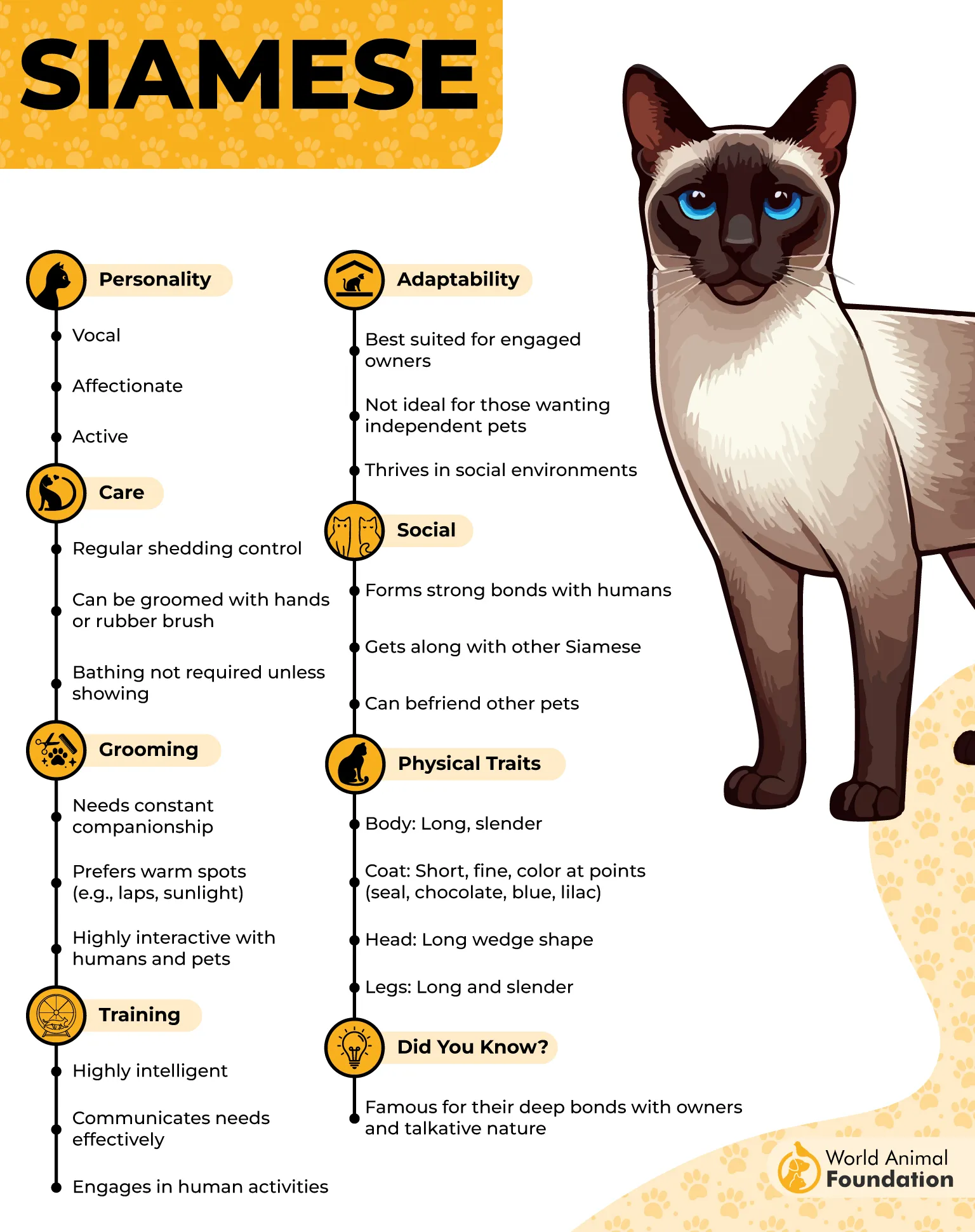
Intelligent and curious, they thrive on short, positive training sessions with immediate rewards. While they can be stubborn at times, consistency and patience help them master routines, recall cues, and even leash walking with a proper harness.
Because they dislike being left alone, they’re most engaged in homes where someone is present to stimulate their active minds.
Fun fact: Siamese cats are known for having such varied vocalizations that many owners believe they understand full sentences rather than just single commands.
2. Bengal
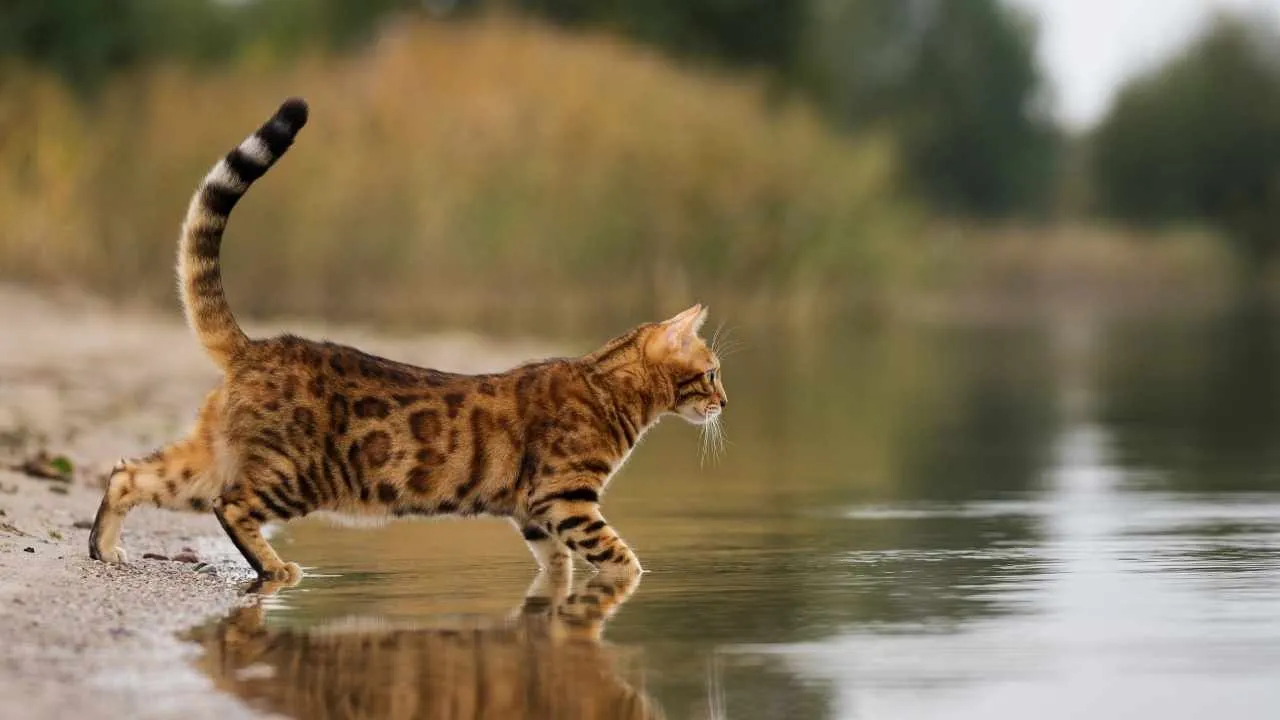
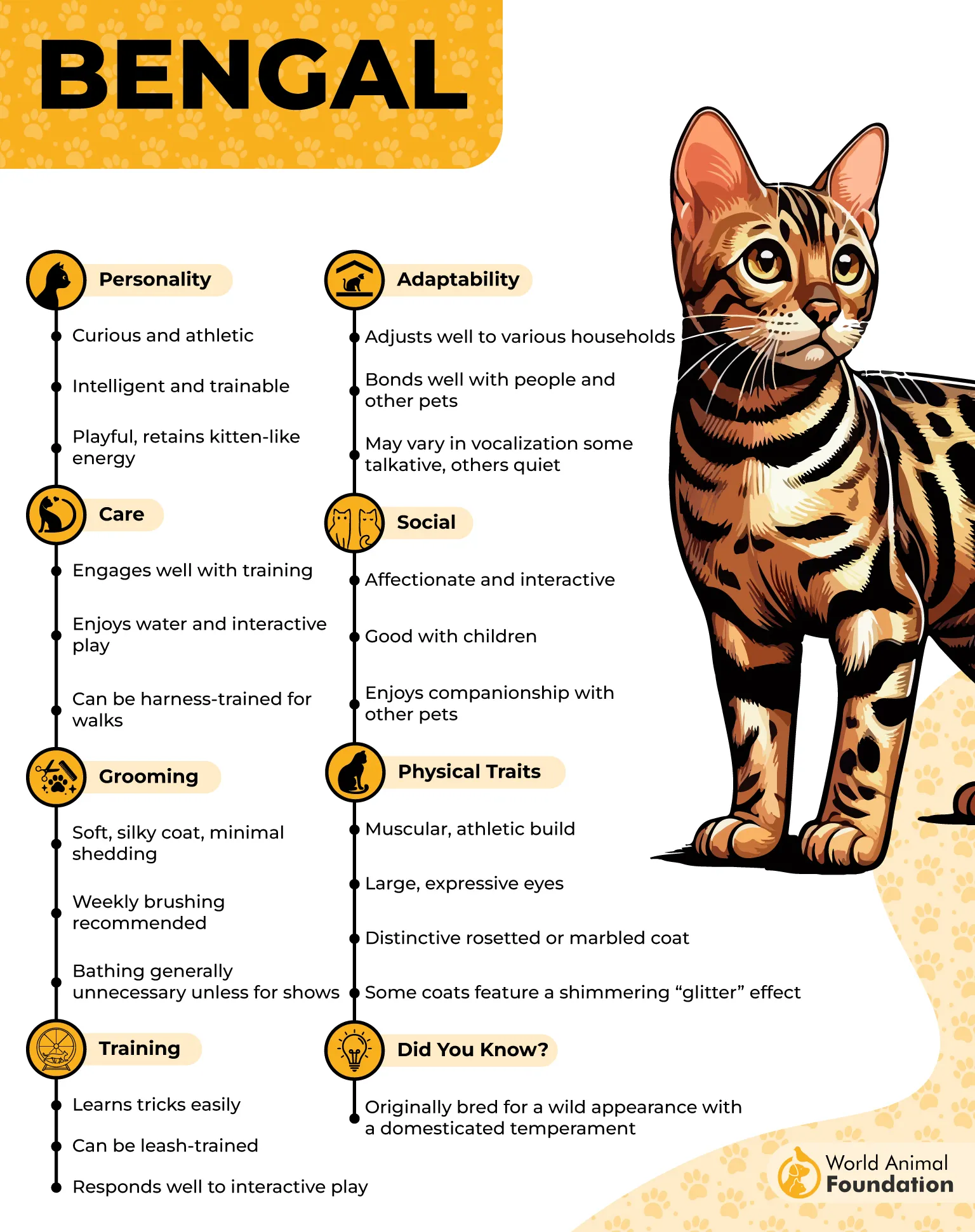
The Bengal—often nicknamed the “mini leopard”—is a hybrid breed developed from the Asian leopard cat and domestic lines. With its bold rosette or marbled coat, this striking feline blends exotic appearance with an intensely curious and people-oriented personality.
According to Purina, Bengal cats are described as having an athletic build with well-defined muscles, resulting in a lean and well-balanced appearance.
Highly Social and Eager to Engage
Bengals thrive on interaction, which makes them especially responsive to voice-based training. Their alert nature means they quickly tune in to tone changes, often reacting immediately when they hear enthusiasm or redirection in your voice.
Because they crave mental challenges, structured training sessions keep them focused and satisfied. Many enjoy learning complex behaviors such as navigating obstacles, targeting objects, or responding to multi-step cues when properly motivated.
Without daily engagement, their intelligence can turn into restlessness, so consistent communication helps strengthen both responsiveness and trust.
Fun fact: Bengal coat patterns like rosettes are directly inherited from their wild Asian leopard cat ancestry.
3. Abyssinian
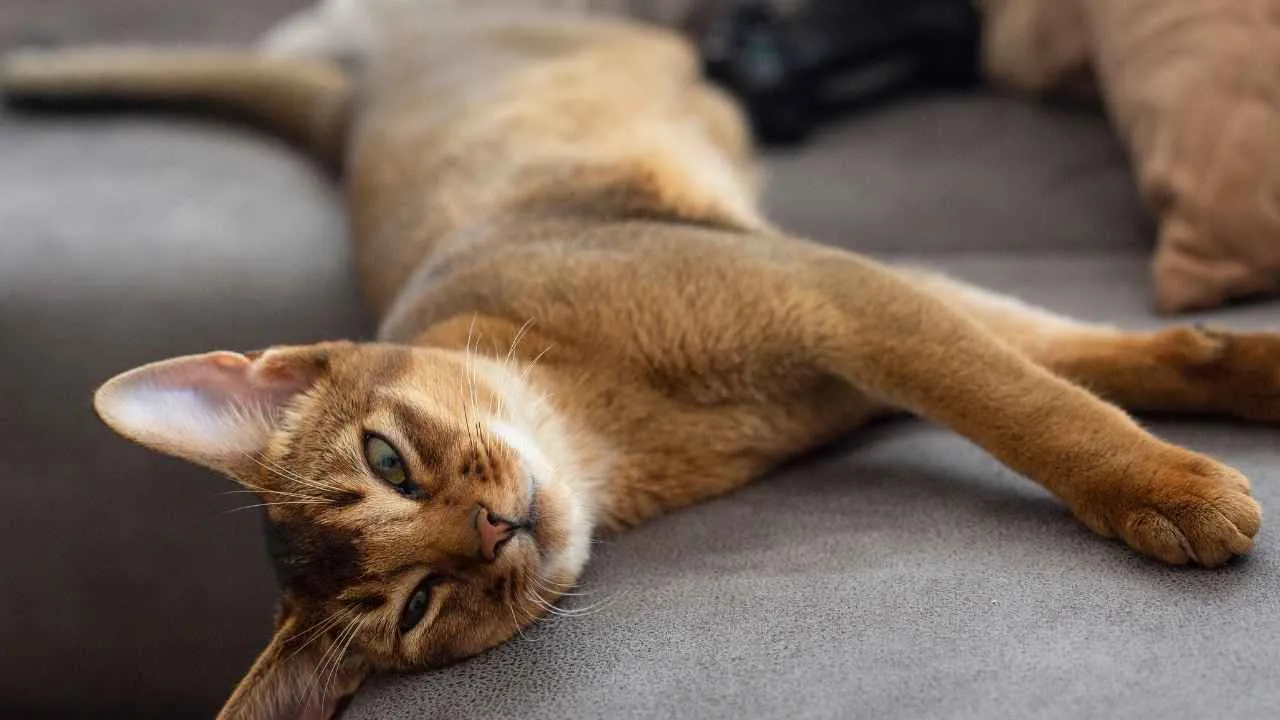
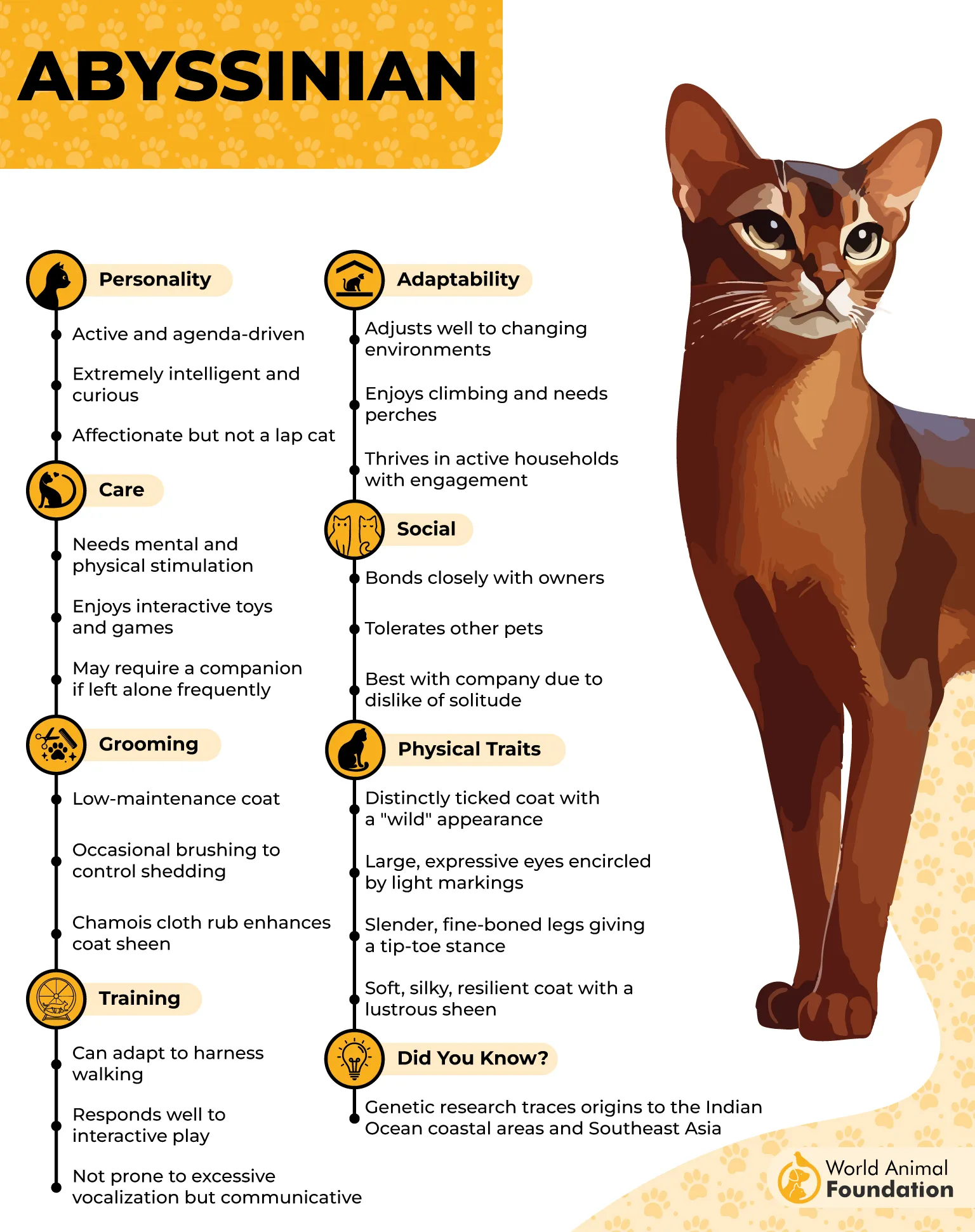
The Abyssinian—often affectionately called the “Aby”—is a sleek, ticked-coat breed known for its warm, tawny coloring and athletic frame. According to PetMD, Abyssinians are described as loyal, intelligent, and energetic cats.
These feline forms strong attachments to their family and thrive in environments that offer both space and stimulation.
Curious, Clever, and Command-Ready
Abyssinians are natural problem-solvers who approach training like a puzzle to conquer. Their sharp focus and eagerness to explore make them highly receptive to structured voice commands, especially when paired with praise or clicker reinforcement.
These agile cats enjoy mastering interactive challenges, from leash walking to retrieving toys. Because they get bored easily, short but frequent training sessions help channel their energy into productive learning.
They are not overly vocal, yet they communicate clearly and attentively respond when engaged directly.
Fun fact: Abyssinians are known for using their paws with remarkable dexterity, sometimes manipulating objects almost like tiny hands.
4. Scottish Fold
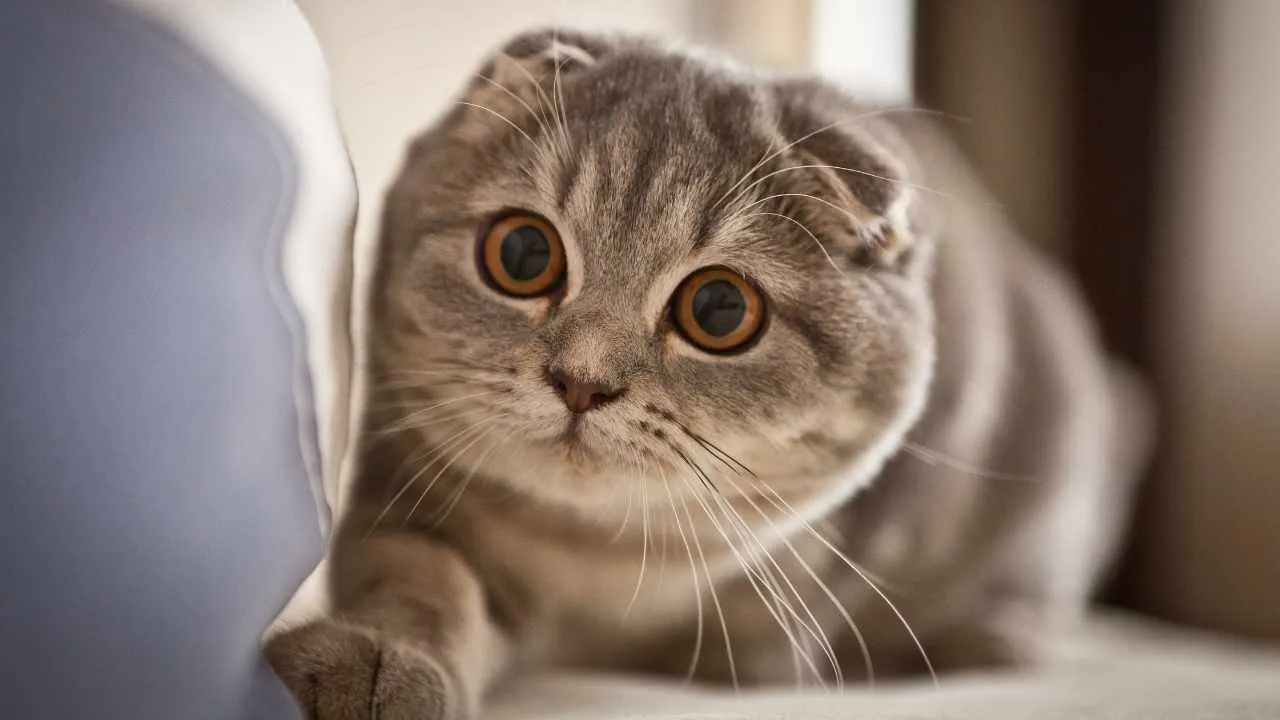
The Scottish Fold—instantly recognized for its signature folded ears—is a medium-sized breed with a rounded head, large expressive eyes, and a soft, padded appearance. That distinctive ear fold comes from a natural genetic trait affecting cartilage, giving the cat its signature cap-like look and sweet expression.

A Talkative Companion Who Listens Back
Despite their quiet charm, Scottish Folds are attentive listeners who react noticeably to familiar voices. Their ears may be folded, but they swivel and adjust to track sound, making them highly responsive when their name is called.
These cats combine gentle vocalizations with sharp intelligence, often learning routines and verbal cues quickly. They tend to observe carefully before responding, showing a thoughtful, measured approach to training rather than impulsive behavior.
Scottish Folds also excel at problem-solving, methodically figuring out how to access hidden treats or open cabinets.
Fun fact: Scottish Folds are known for their exceptional spatial awareness and have been observed opening drawers and even refrigerator doors.
5. Burmese
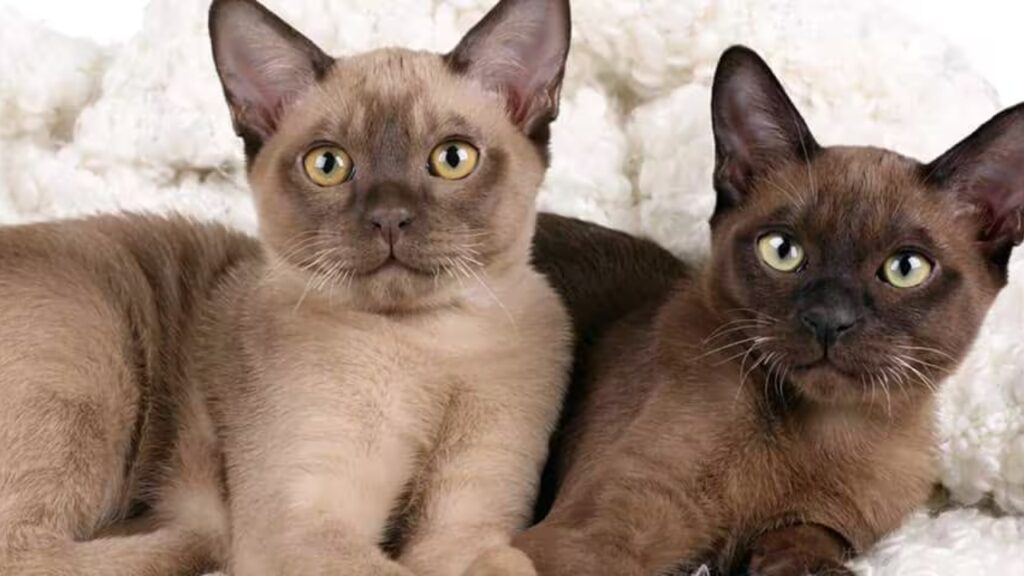
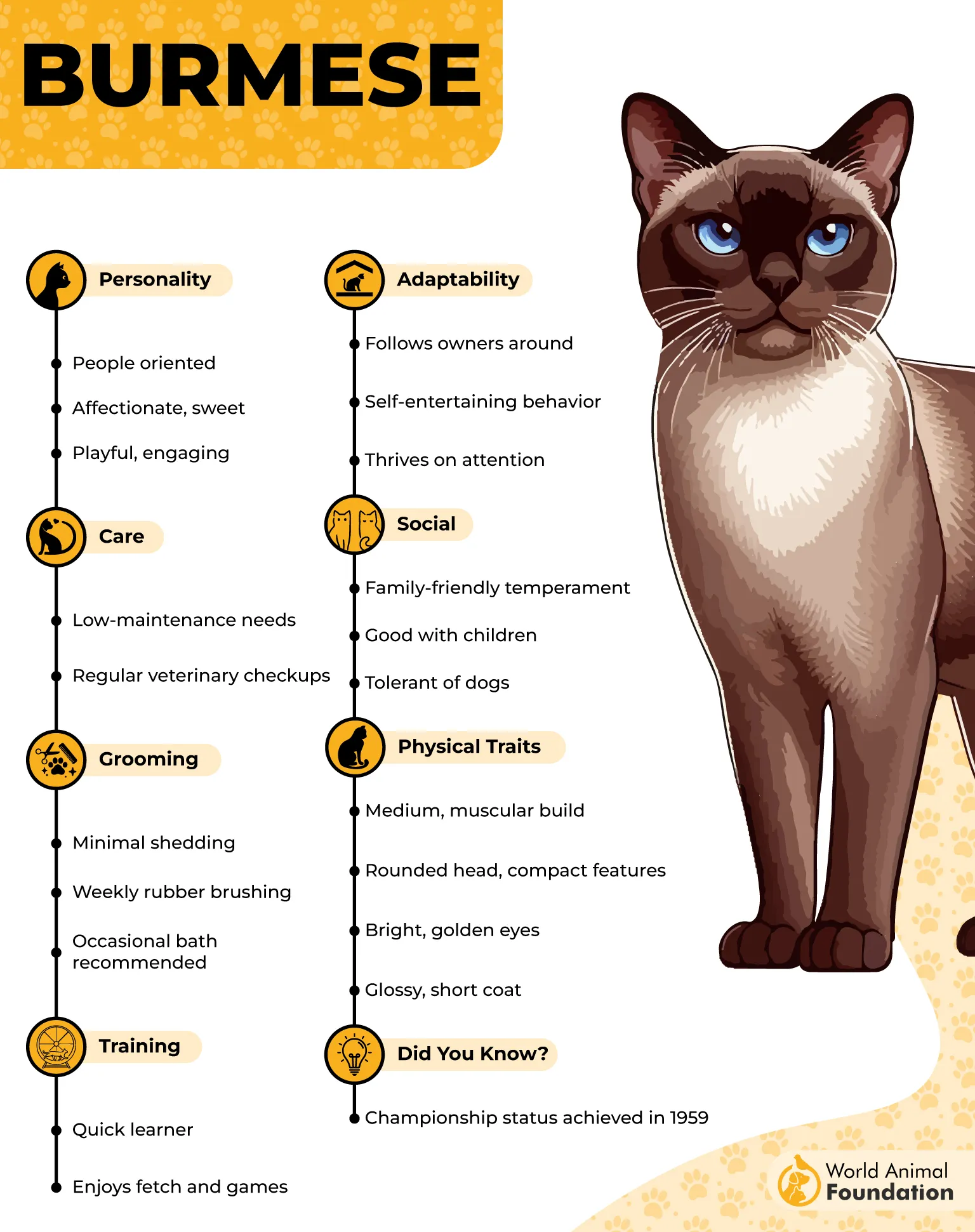
The Burmese, sometimes called the “Sable Cat” in its classic brown shade, traces back to a feline named Wong Mau brought from Burma in the early twentieth century. With a sleek coat, expressive golden eyes, and compact, muscular build, this Oriental breed is known for its lively spirit and deep attachment to people.
Agile Mind, Fast Reactions
Burmese cats are quick thinkers who respond rapidly to voice cues, especially when training feels like a shared game. Their alert nature and eagerness to participate make them highly receptive to consistent verbal commands and positive reinforcement.
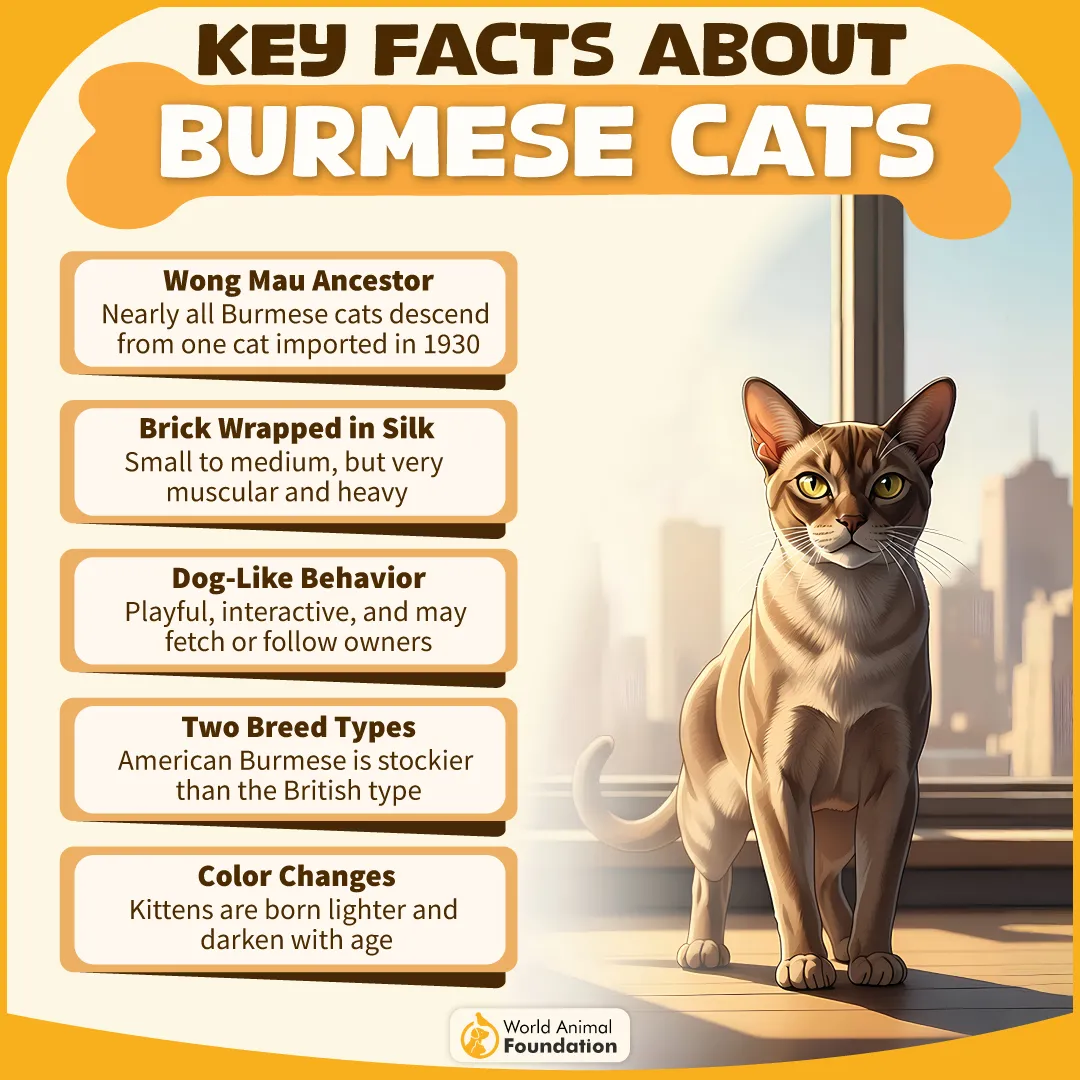
Emotionally intuitive, they seem to read tone and facial expressions with surprising accuracy. This sensitivity strengthens their responsiveness, as they often repeat behaviors that earn praise, treats, or affection.
Because they dislike being alone, Burmese thrive in interactive homes where mental challenges and daily play keep their agile minds engaged.
Fun fact: Burmese cats are often described as emotionally intelligent, adjusting their behavior based on their owner’s mood.
6. Maine Coon
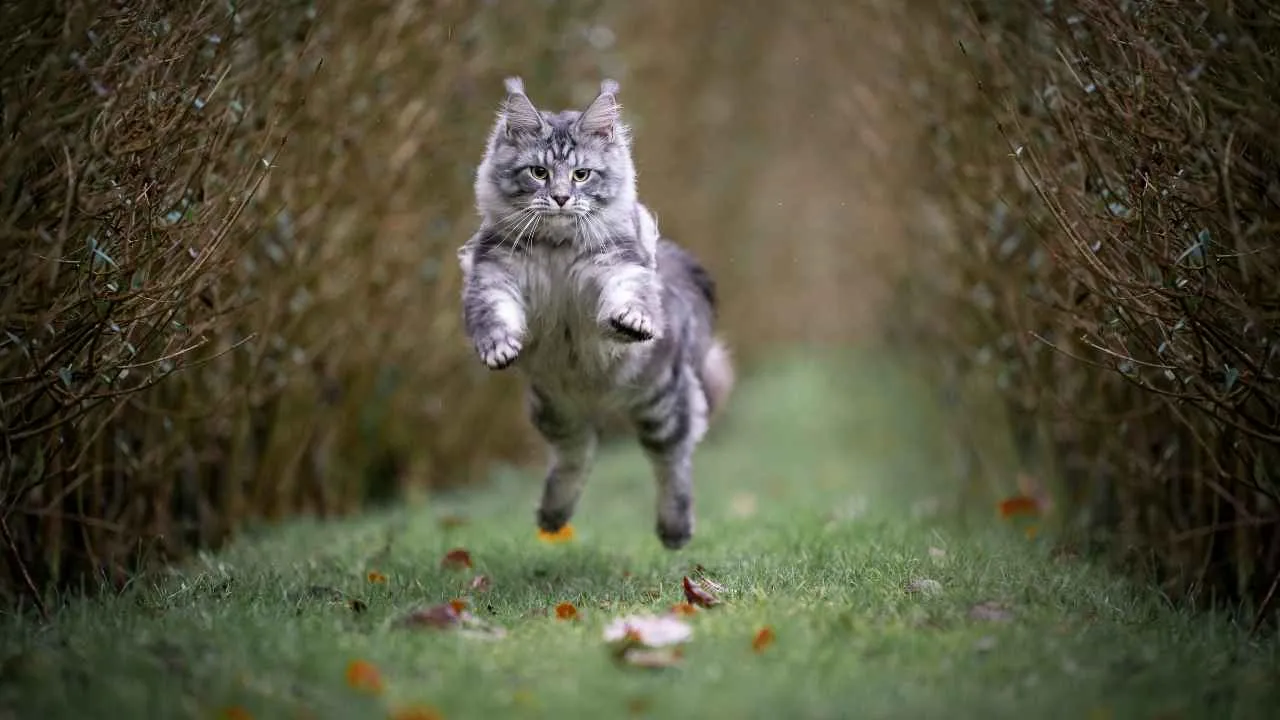
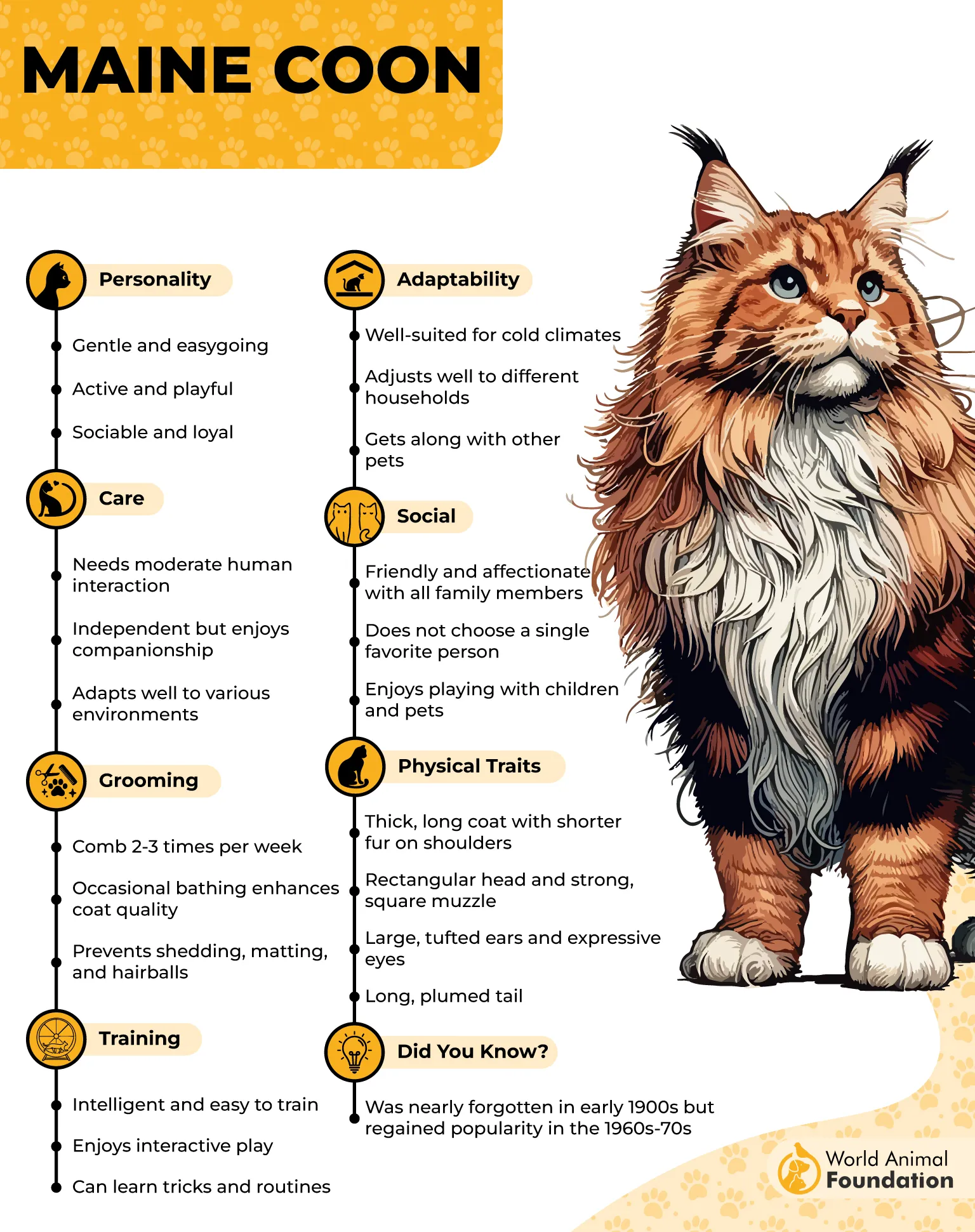
The Maine Coon—often called the “gentle giant” of the cat world—is one of the largest domesticated breeds, recognized for its tufted ears, bushy tail, and thick, water-resistant coat. Originally a working cat in North America, this sociable and intelligent feline forms strong bonds with its family and adapts well to multi-pet households.
Loyal and Attentive to Their Owner’s Voice
Maine Coons are deeply devoted to their people and tend to shadow them from room to room. This close attachment makes them especially responsive to familiar tones, often coming when called or reacting to specific verbal cues.
Highly intelligent and blessed with excellent memory, they quickly connect words with actions. With consistent positive reinforcement, they can learn to fetch, walk on a leash, or follow simple voice commands as part of interactive play.
Though not overly vocal, they communicate through soft chirps and trills, showing attentiveness without constant meowing.
Fun fact: Many Maine Coons are fascinated by water and may paw at faucets or even attempt to join their owners in the shower.
7. Savannah
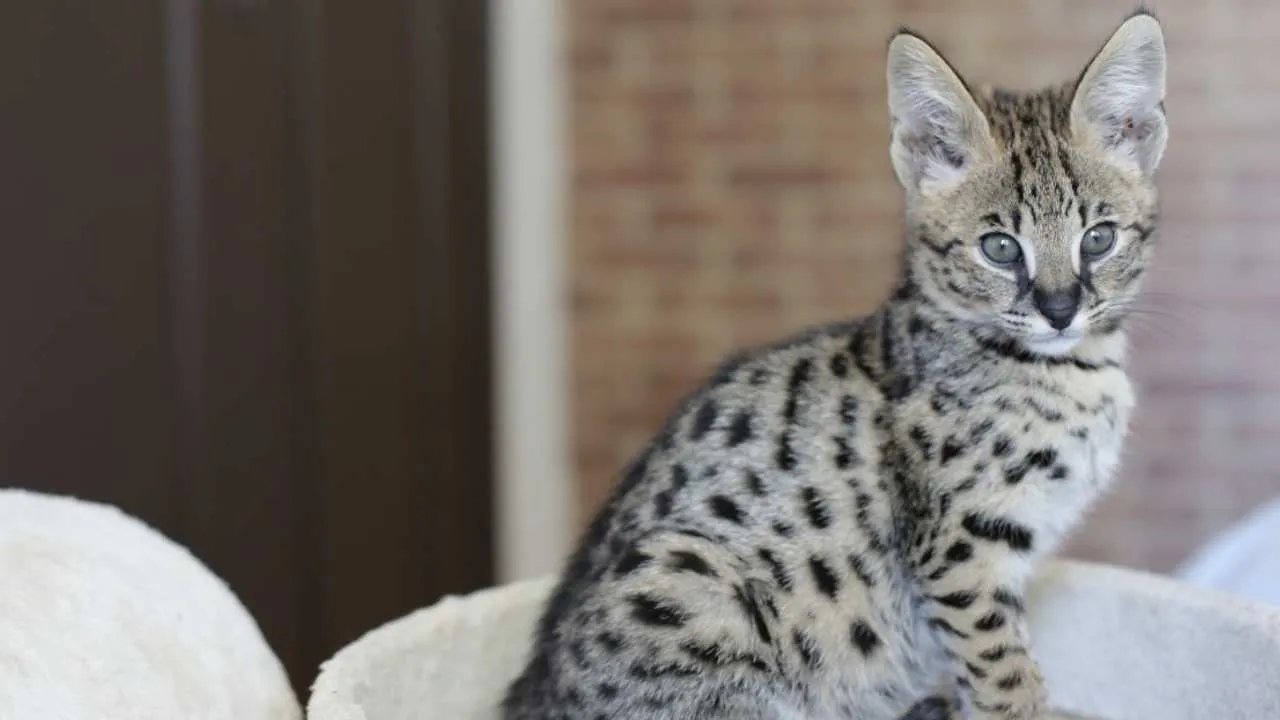
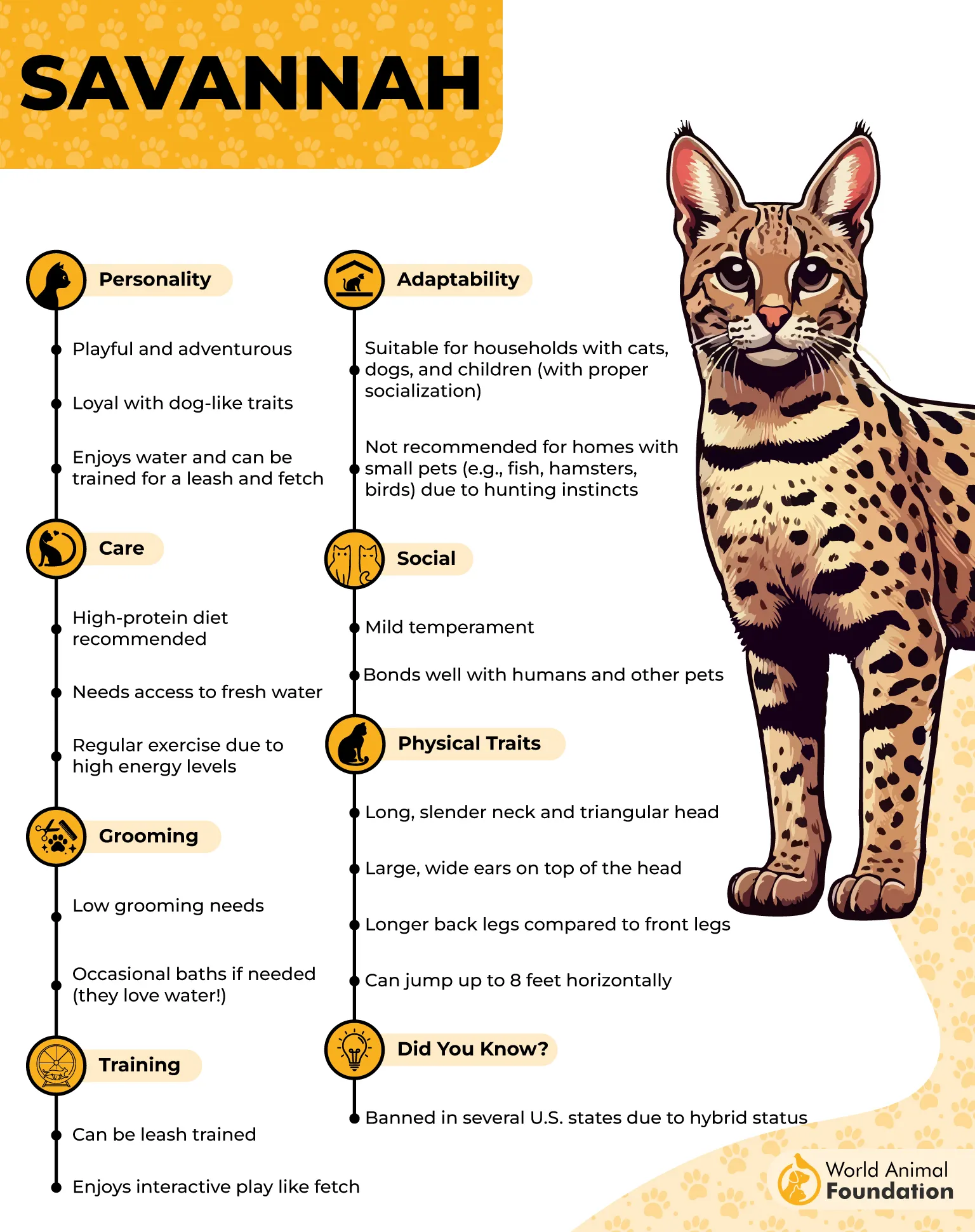
The Savannah cat—sometimes described as a serval hybrid—is a striking cross between a domestic cat and the African serval. With long legs, bold spotted coats, and tall ears, this exotic-looking feline carries a wild elegance paired with a surprisingly affectionate and loyal temperament.
Playful, Smart, and Responsive
Savannahs are intensely alert and quick to react to voice cues. Their sharp intelligence allows them to associate specific words with actions, making them capable of learning complex commands.
Highly energetic and curious, they thrive on mental challenges and structured play. Many can master leash walking, retrieve objects, and respond to recall commands when rewarded with praise or treats.
Though independent at times, they form deep bonds with their owners and actively seek engagement rather than passive cuddling.
Fun fact: Some Savannah cats have been known to figure out how to manipulate door handles and light switches through observation and practice.
Conclusion
Training a cat to respond to voice cues isn’t just possible—it can be incredibly rewarding. These breeds prove that intelligence, curiosity, and a strong bond with their humans make a real difference.
While every cat’s personality is unique, these felines often learn to obey commands, play fetch, and actively engage in daily routines around the house. Whether you’re a longtime cat lover or welcoming one cat into your life, understanding how temperament shapes responsiveness is key.
Even compared to wild cats, these social companions thrive on interaction, mental stimulation, and connection. Of course, not all lap cats or other breeds will respond the same way, but with patience, rewards like wet food, and consistent cues, they’ll jump at the sound of your voice.
