




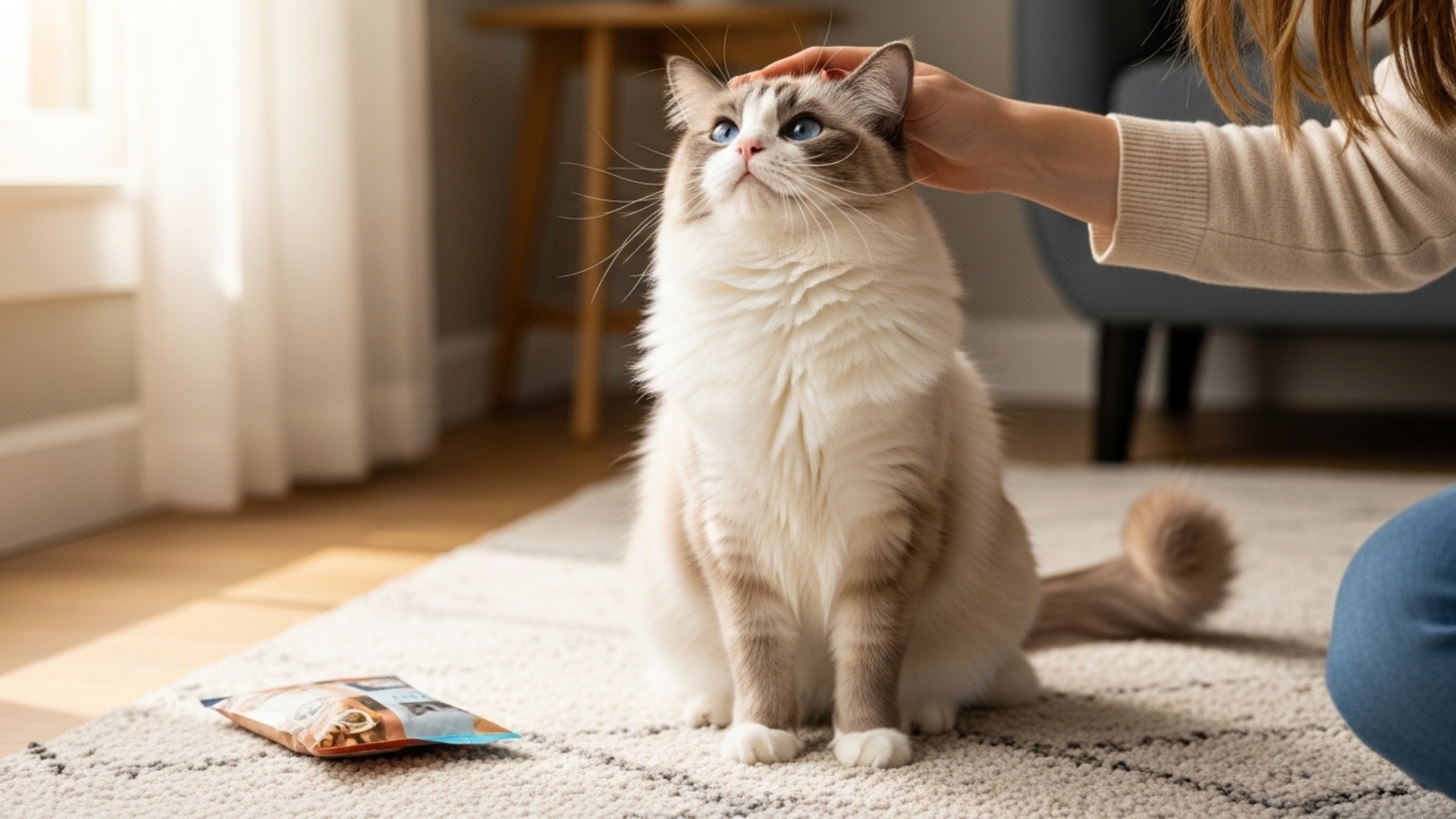
Cats often get labeled as aloof or food-obsessed, but that stereotype doesn’t tell the whole story. In fact, research has shown that many cats choose human interaction over food when given the option. So, do cats really care about praise?
For some breeds, a warm voice, gentle petting, or simple acknowledgment can be even more rewarding than a treat tossed across the floor.
Understanding what motivates different cat breeds is key to building a stronger bond. While positive reinforcement commonly includes food, it can just as powerfully involve praise, touch, or play. Timing and consistency matter, but the reward itself doesn’t always have to be edible.
Some cats light up at verbal encouragement and thrive on social connection.
Why do some cats value affection over treats? Personality, breed tendencies, and early socialization all play a role. For these praise-responsive felines, your attention isn’t just a bonus—it’s the ultimate reward.
Cat Breeds That Respond Better to Praise Than Food
1. Siamese
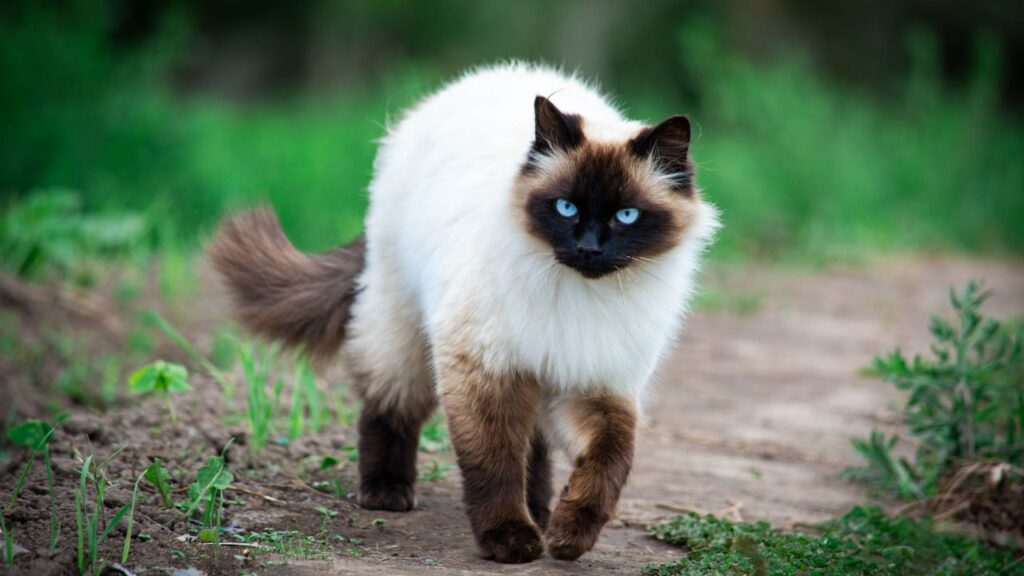
The Siamese, often simply called the “Meezer,” is one of the most iconic and talkative breeds in the world. With their pointed coats, striking blue eyes, and sleek build, these cats have long been admired for both beauty and personality.
According to PetMD, adopting a Siamese cat requires dedicating time to individual bonding through interactive play and training.
Thrives on Attention and Verbal Encouragement
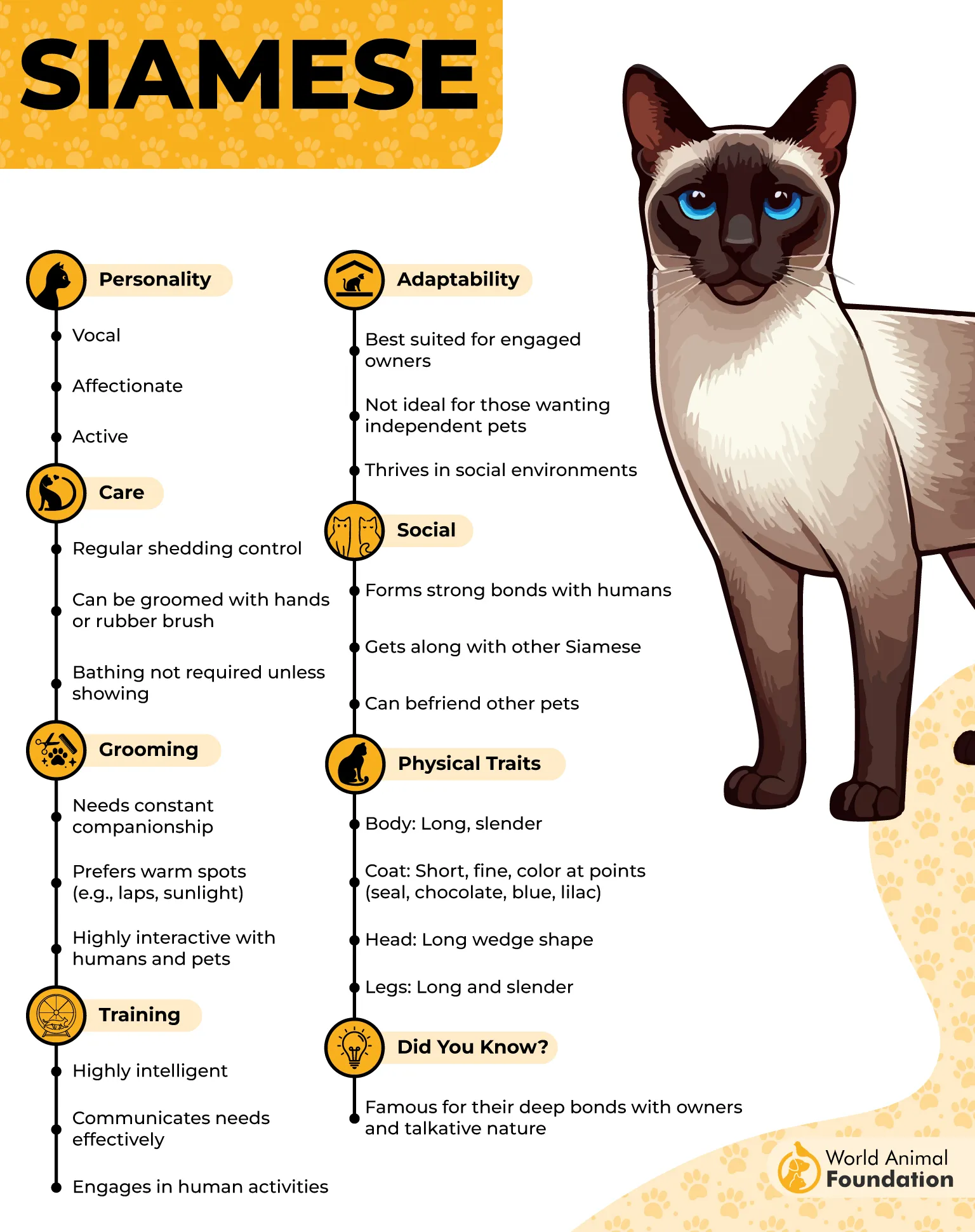
Siamese cats crave interaction and don’t hesitate to demand it. They respond enthusiastically to verbal praise, often chirping back when spoken to, as if holding a full conversation. A warm tone and gentle acknowledgment can motivate them far more than a tossed treat.
Highly intelligent and deeply bonded to their chosen person, they flourish with consistent attention. Praise, petting, and interactive play reinforce good behavior quickly, especially when offered immediately. Because they’re so socially driven, isolation can lead to sadness or destructive habits.
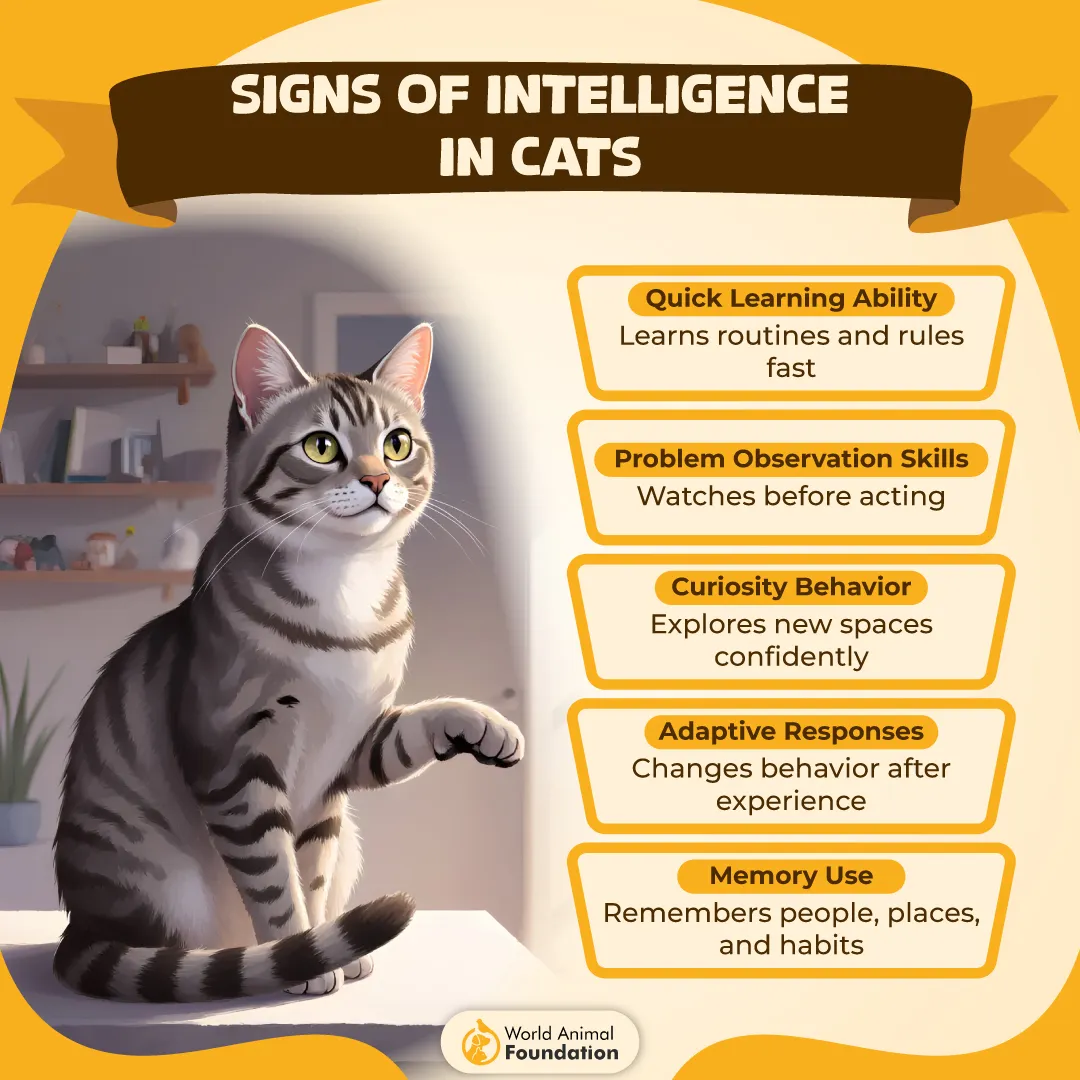
Food may catch their interest, but it’s your approval that truly matters. In fact, Siamese cats are known to form such strong attachments that many experts recommend adopting them in pairs to prevent loneliness.
2. Ragdoll
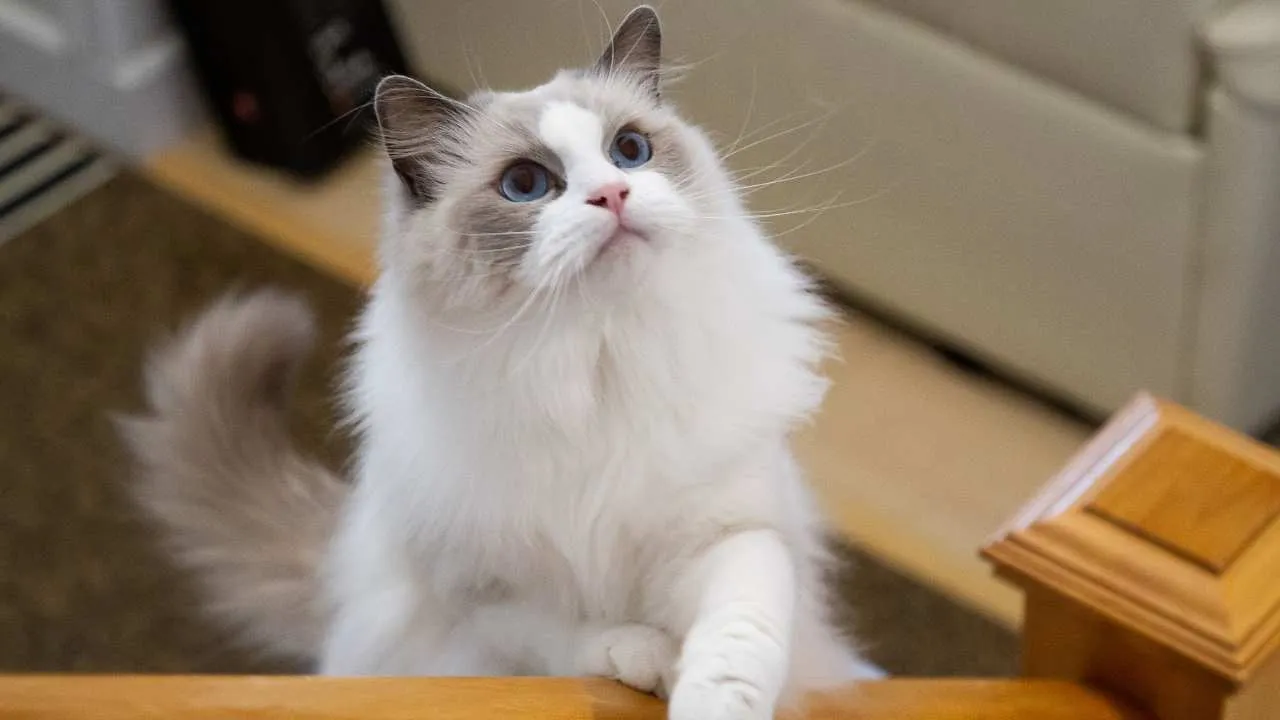
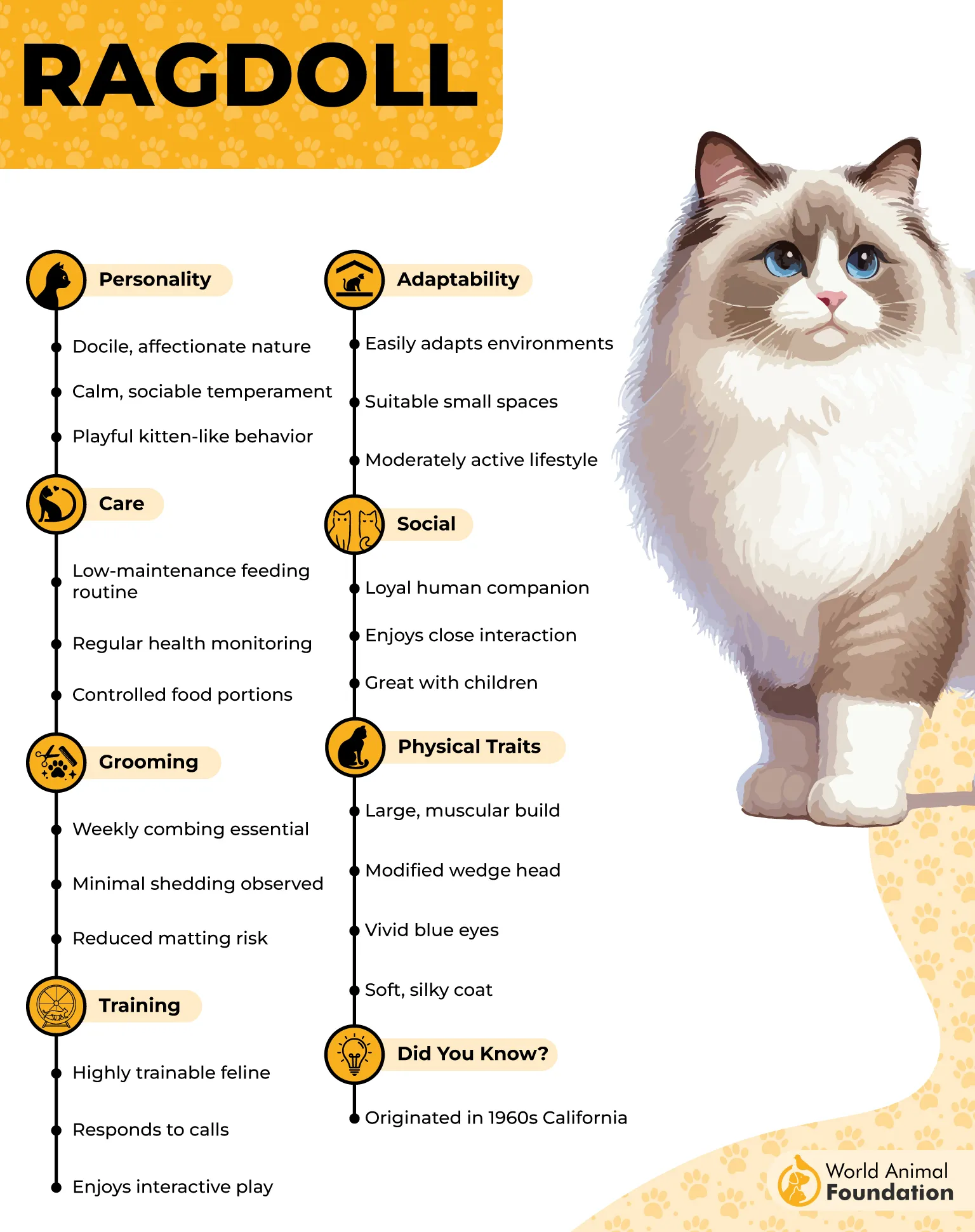
The Ragdoll, sometimes called the “gentle giant,” is famous for its striking blue eyes, plush semi-long coat, and famously floppy nature when picked up. One of the largest domestic breeds, this velvety-pawed beauty is adored for both its looks and its sweet, easygoing temperament.
According to Petplan, Ragdolls are considered exceptional companions because of their empathetic nature and strong sensitivity to human emotions.
Deeply Bonded and Praise-Driven
Ragdolls form intense emotional bonds with their people and genuinely seek connection. While treats can help during training, they respond especially well to soft praise and encouraging words, quickly picking up voice commands and even subtle body cues.
Their calm, docile personality makes them eager to please, and positive reinforcement brings out their intelligence. Whether learning to use a scratching post or playing a lively game of fetch, they thrive when affection and verbal approval are part of the reward.
Though relaxed in nature, they love interactive play that involves their humans. In fact, Ragdolls are known for melting into your arms when held—an affectionate trait that inspired their name.
3. Burmese
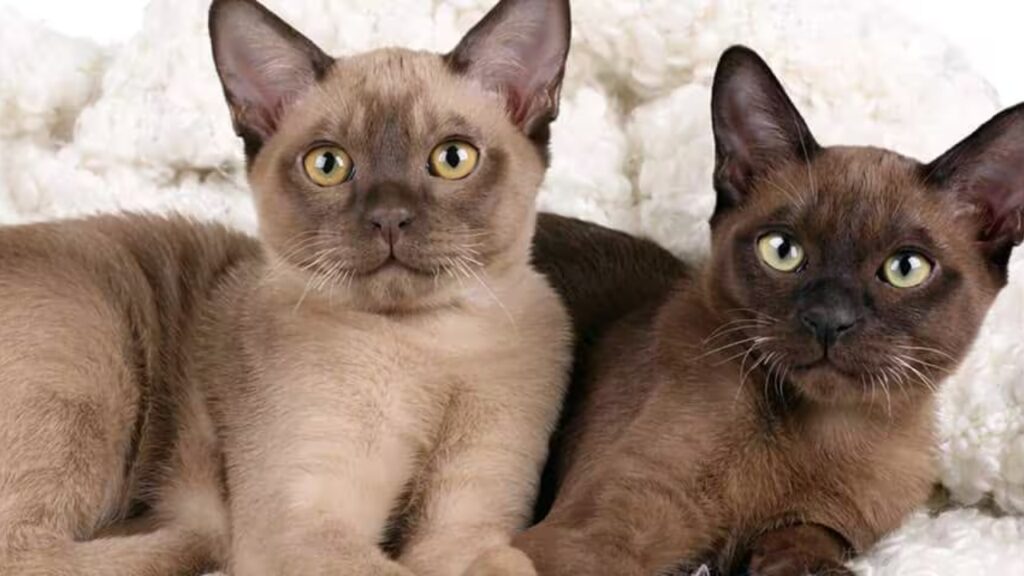
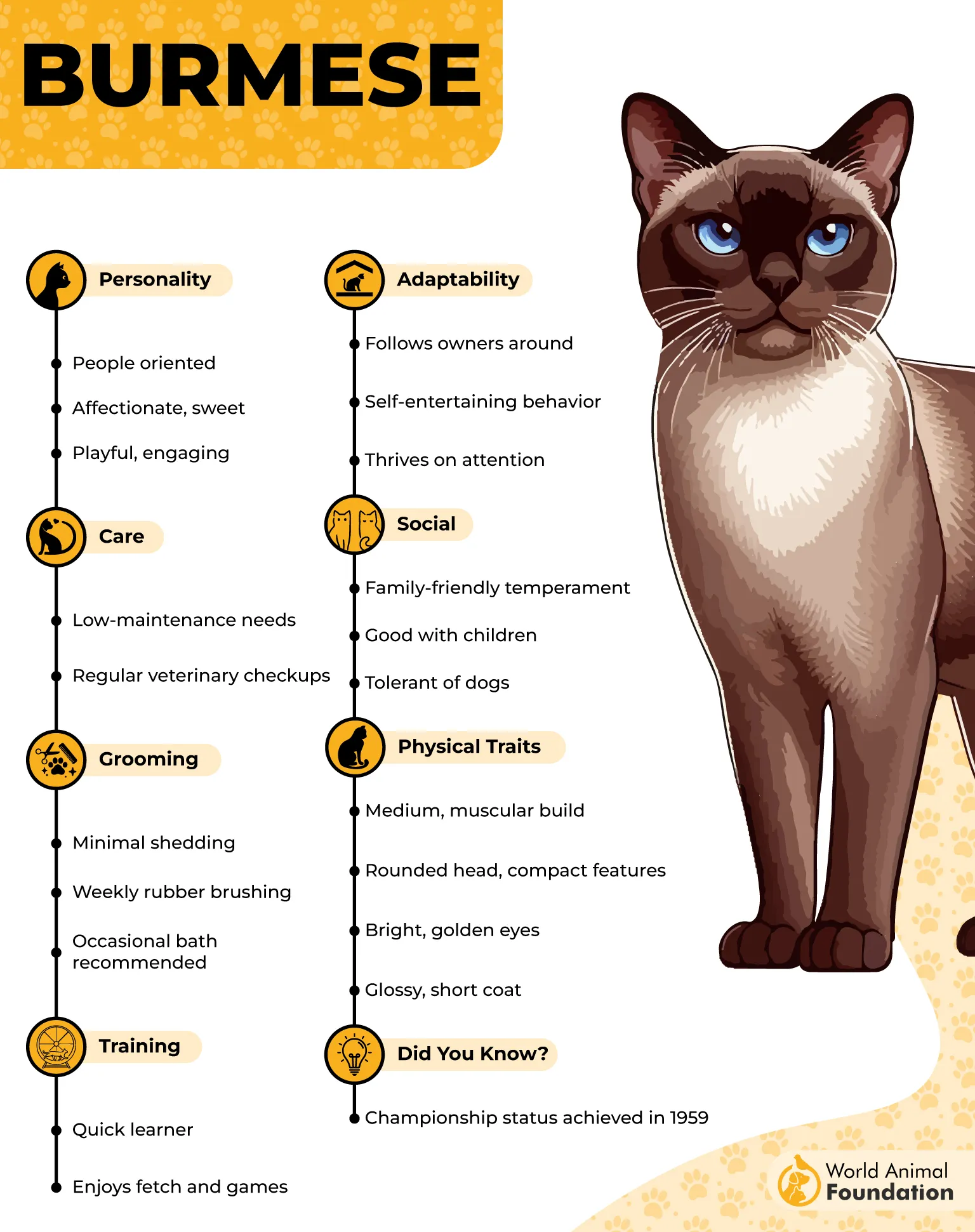
The Burmese, sometimes referred to as the “brick wrapped in silk” for its solid, muscular build and glossy coat, traces its roots to Burma (modern-day Myanmar).
With expressive golden eyes and a people-focused personality, this elegant breed has long been admired for its devotion and charm. According to Purina, this breed is described as sociable and somewhat dependent, as well as notably talkative in nature.
Intelligent and Eager to Please
Burmese cats are quick learners who genuinely enjoy impressing their humans. While they can be food-motivated, they respond just as enthusiastically—if not more—to praise, affection, and excited encouragement when they master a new trick.
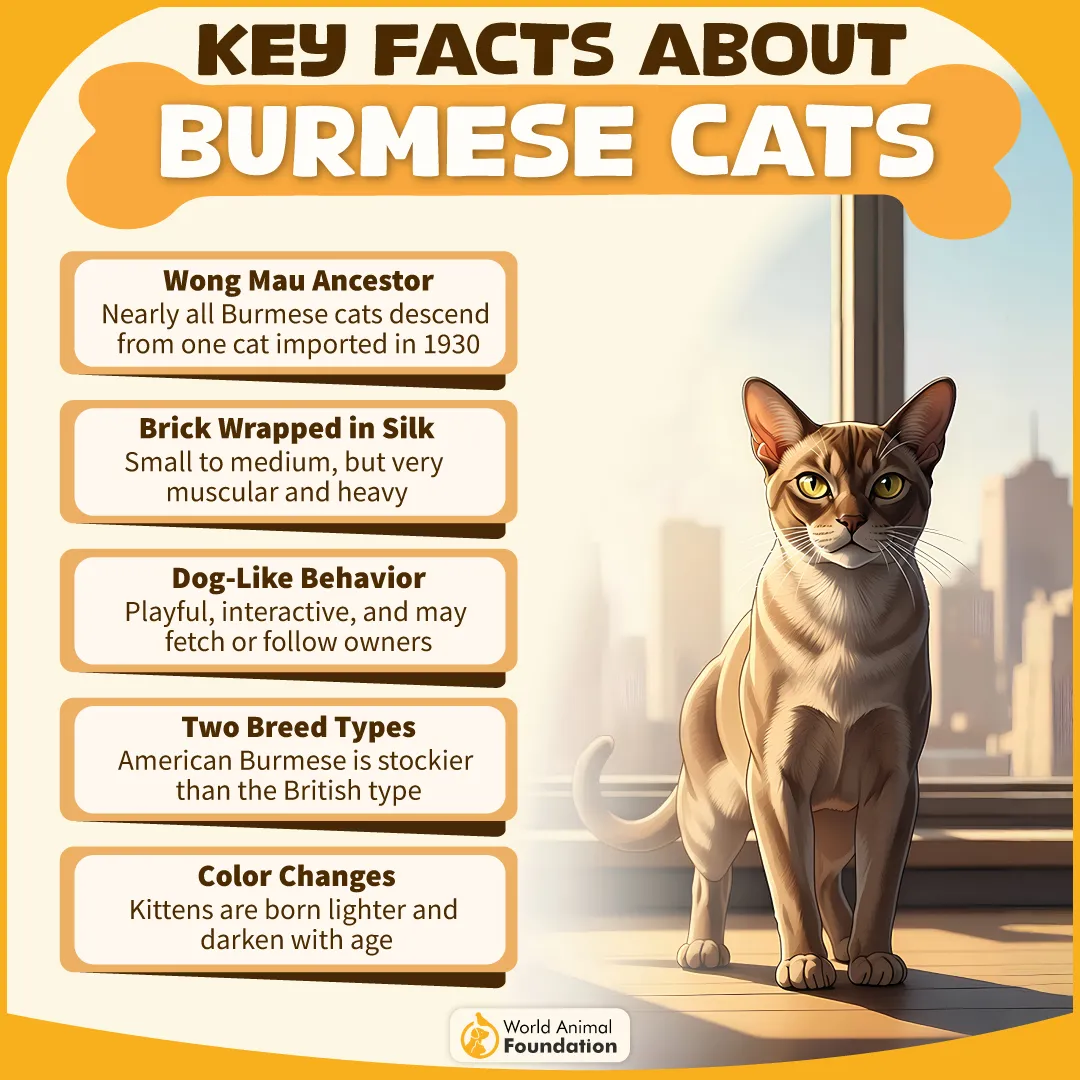
Highly social and deeply attached to their families, they thrive on positive reinforcement. A cheerful tone, gentle petting, or shared play session can reinforce good behavior just as effectively as treats, especially since overfeeding should be avoided to maintain a healthy weight.
These clever felines love being involved in daily life, often watching closely or following you from room to room. In fact, Burmese cats were once considered sacred companions in their homeland, valued for their beauty and strong bond with humans.
4. Tonkinese
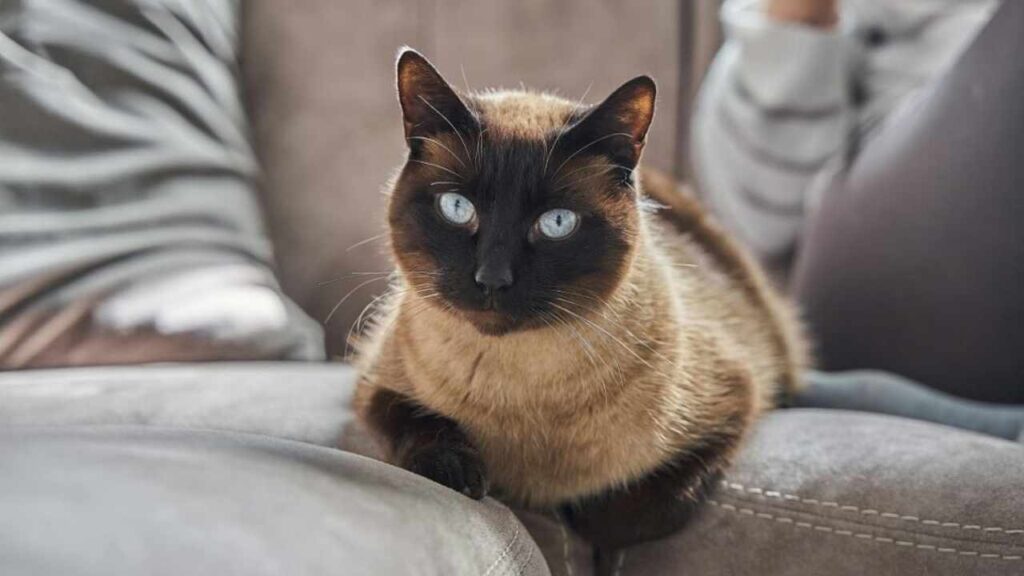
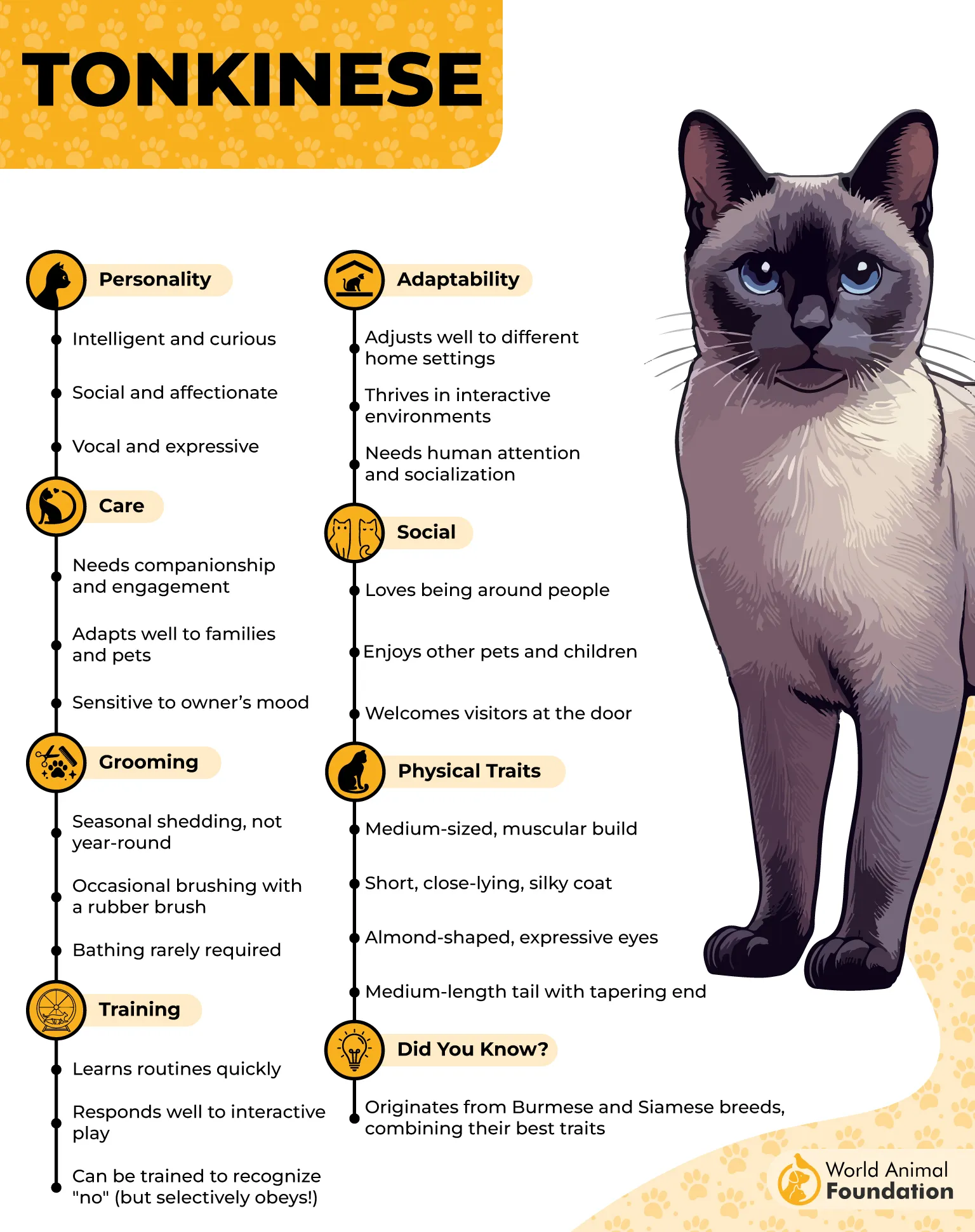
The Tonkinese, a charming blend of Siamese and Burmese lineage, is known for its sleek coat, expressive eyes, and lively personality. This social, medium-built cat thrives on companionship and is often described as talkative, affectionate, and deeply people-oriented.
Sensitive and Emotionally Responsive
Tonkinese cats are highly intelligent and quick to learn, but what truly motivates them is connection. While treats can help during training, they respond especially well to verbal praise, gentle touch, and interactive play shared with their favorite human.
Emotionally intuitive, they often seem to read moods and offer extra affection when needed. Consistent routines—like greeting you at the door or joining you at bedtime—strengthen their sense of security and make praise-based reinforcement even more effective.
Because they dislike being left alone for long periods, they flourish in homes where attention is plentiful. Interestingly, some Tonkinese develop unique
5. Sphynx
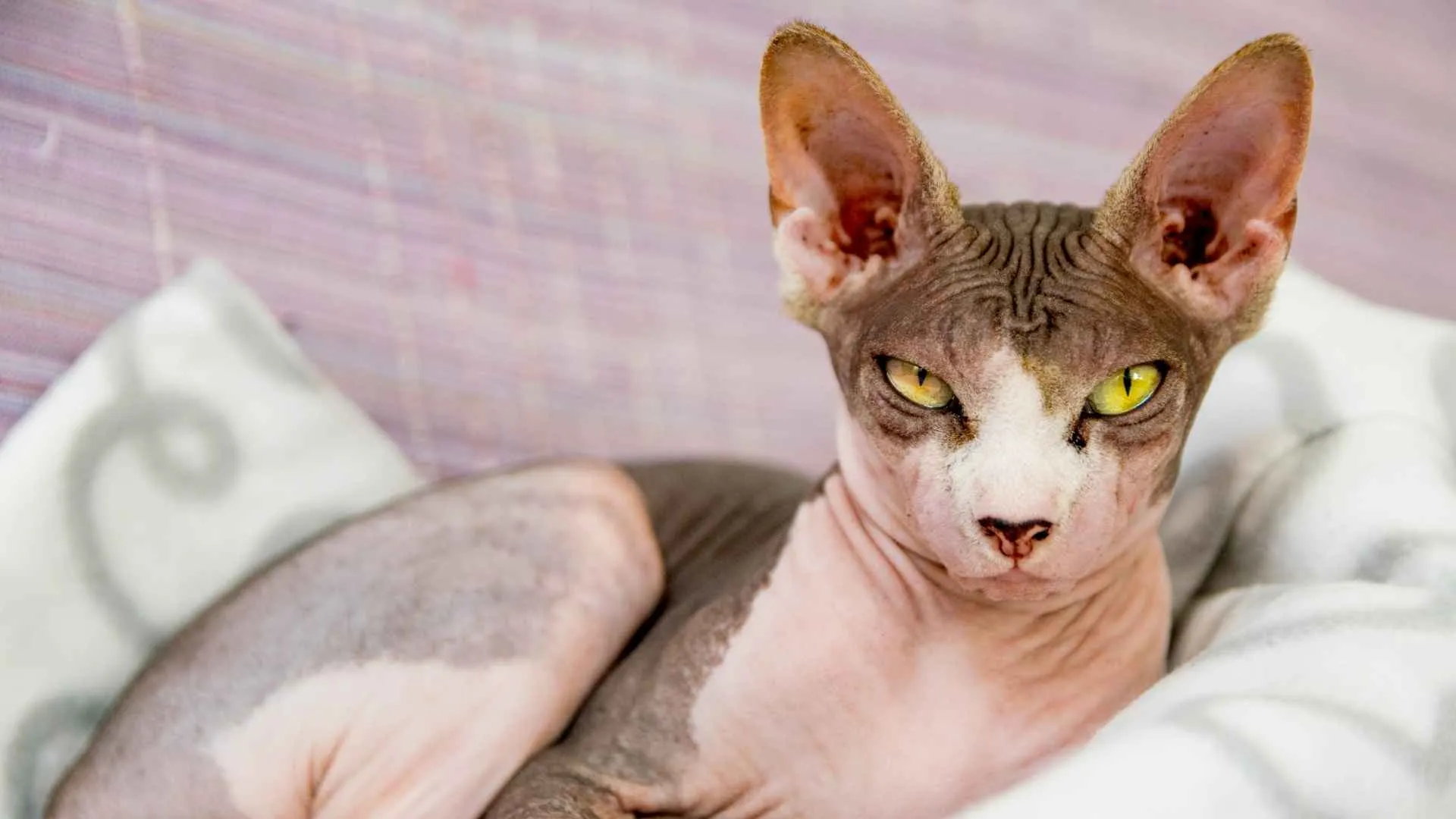
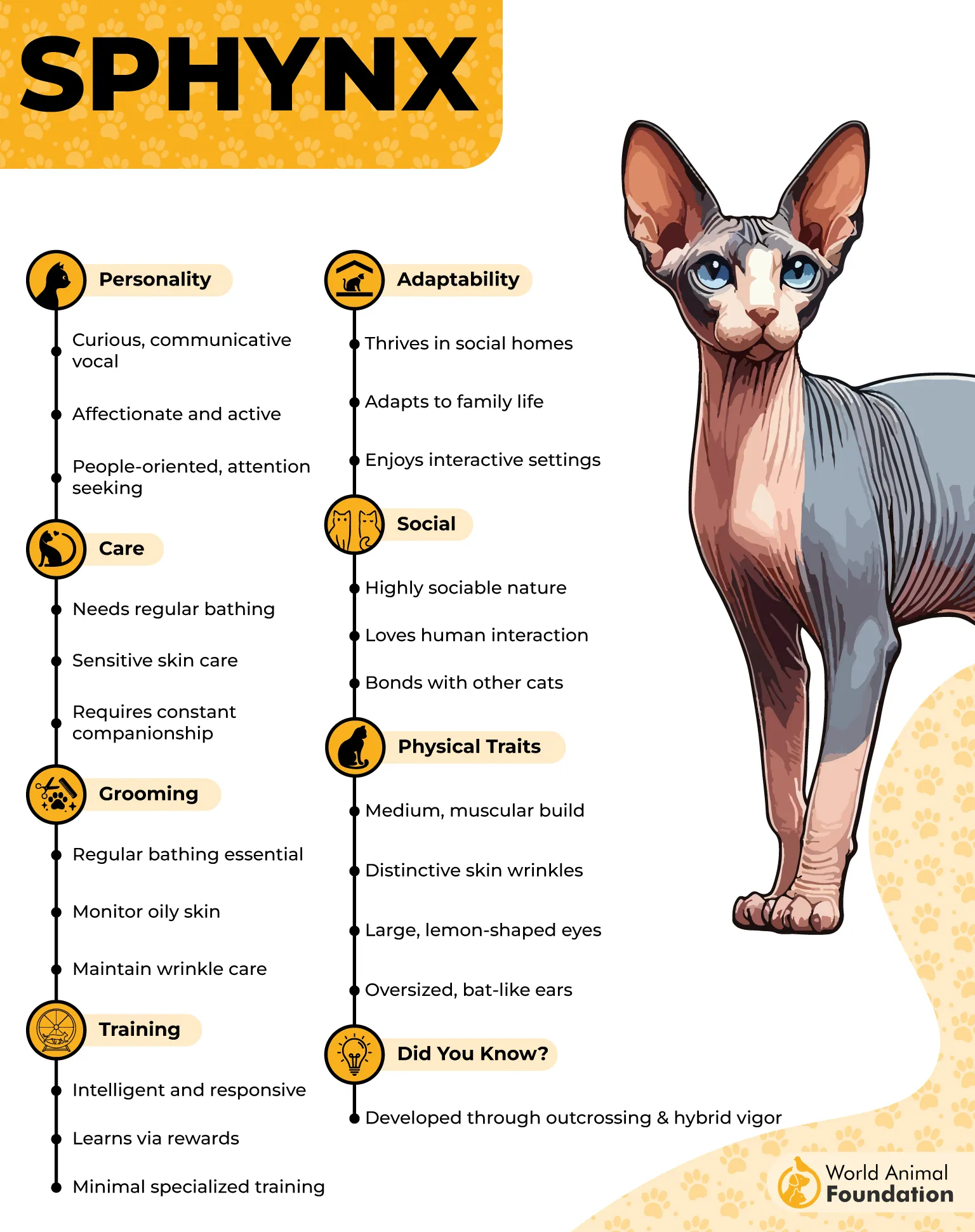
The Sphynx, often called the “hairless cat,” is instantly recognizable for its bare skin, large ears, and expressive eyes. Beneath that striking appearance is an affectionate, high-energy breed known for intelligence, curiosity, and a deep attachment to its humans.
Social and Highly People-Oriented
Sphynx cats crave interaction and respond beautifully to positive reinforcement. While treats can help, calm praise, enthusiastic words, and affectionate fussing often motivate them just as strongly during training sessions.
Their eagerness to please makes teaching simple commands—like coming when called—surprisingly easy. Interactive play, puzzle toys, and consistent routines reinforce good behavior, especially when paired with verbal encouragement and bonding time.
Because they dislike being alone, they may follow you from room to room like a devoted shadow. In fact, many Sphynx owners describe them as mischievous problem-solvers capable of learning tricks and even figuring out how to open doors or turn on faucets.
6. Devon Rex
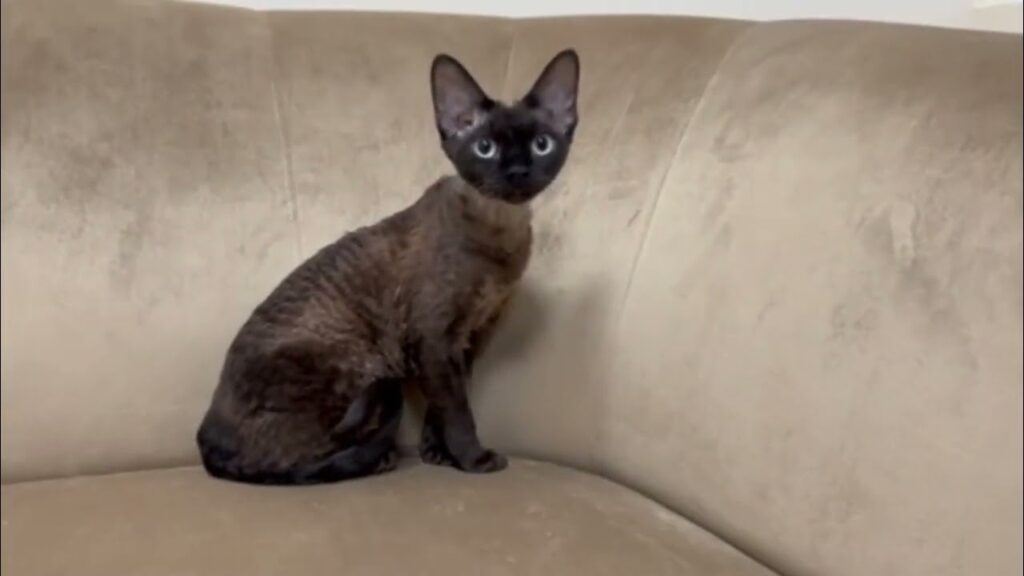
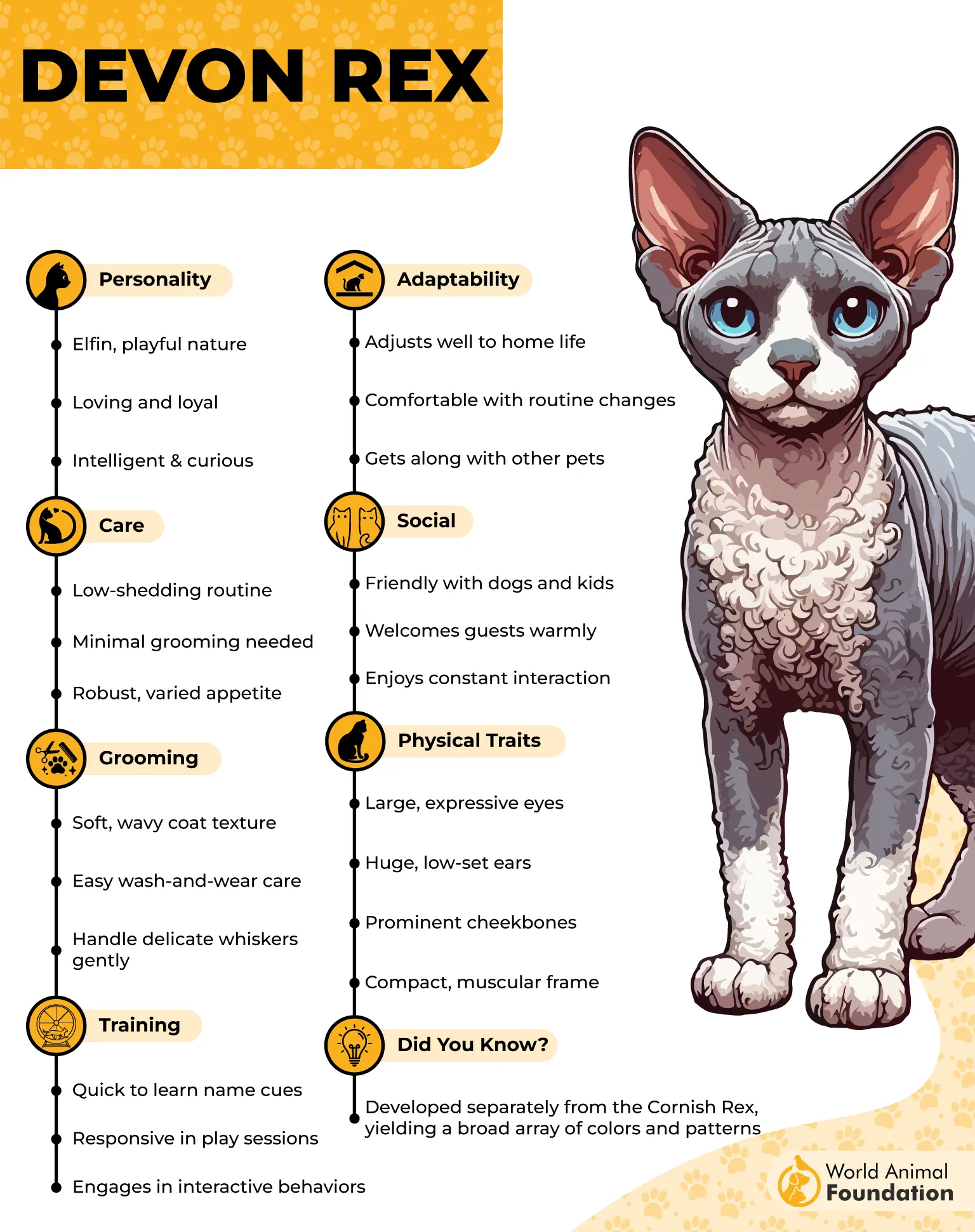
The Devon Rex, sometimes nicknamed the “pixie cat” for its elfin face and oversized ears, is famous for its soft, wavy coat and mischievous charm. Descended from a unique genetic line known as “Gene II Rex,” this curly-coated companion stands apart from the Cornish Rex in both build and texture.
Affection-Seeking and Approval-Loving
Devon Rex cats are bright, curious, and deeply interactive. While small treats can help during training, they are especially responsive to enthusiastic praise, affectionate words, and shared playtime, which reinforce their desire to connect.
Positive reinforcement works best with this breed. Immediate verbal encouragement or a cuddle after a correct response strengthens learning without causing stress. Their dog-like devotion means they often aim to please, making praise a powerful motivator.
Energetic and playful, they happily perform tricks before curling up under your chin for attention. Interestingly, the Devon Rex carries all three hair types—guard, awn, and down—though the guard hairs are sparse and rexed, creating their signature loose curls.
7. Abyssinian
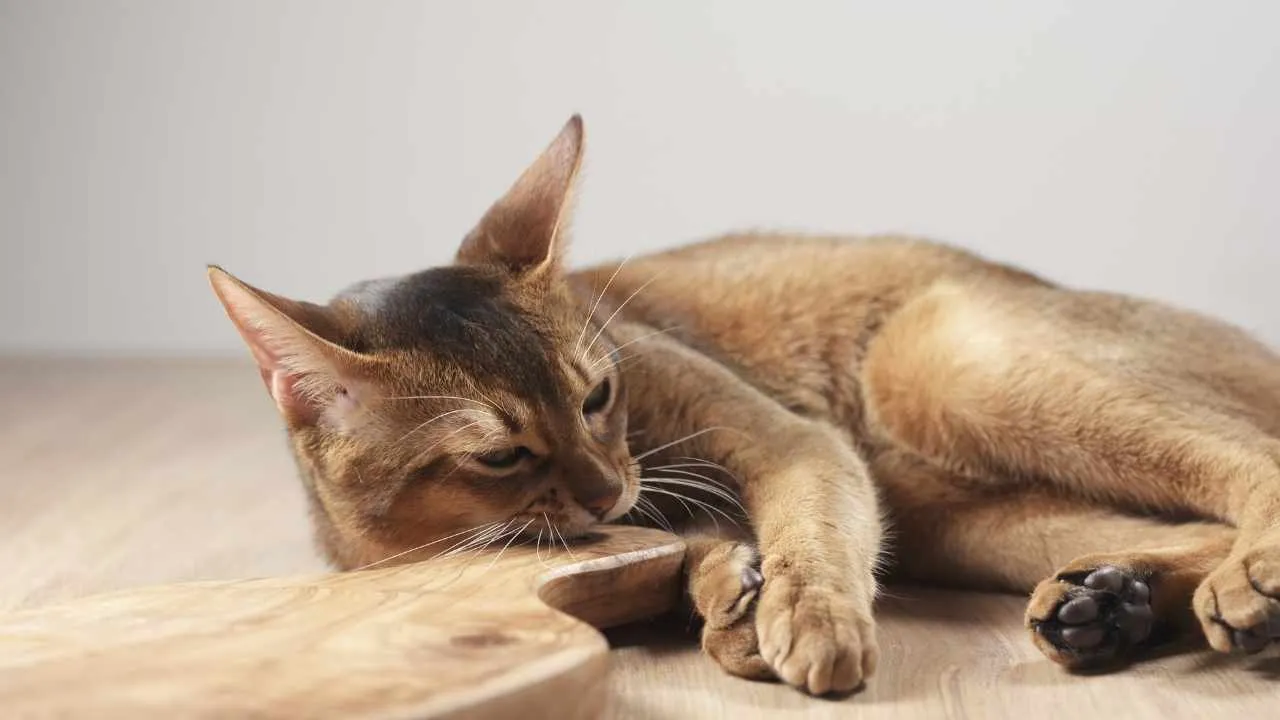
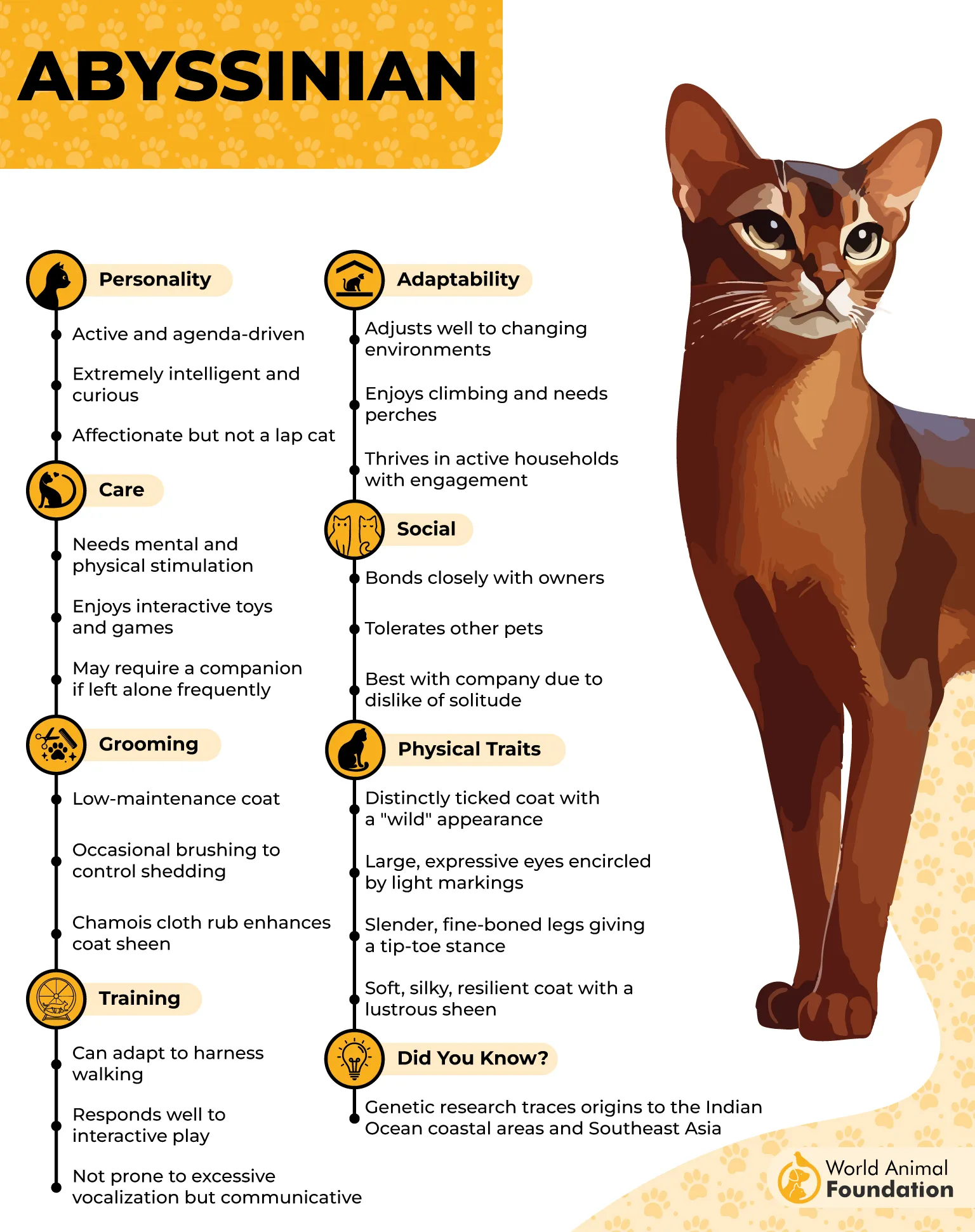
The Abyssinian, often affectionately called the “Aby,” is one of the oldest known domestic breeds, with roots linked to the Indian Ocean region and tales connecting it to ancient Egypt. Recognizable by its ticked coat, large ears, and sleek, athletic frame, this regal cat carries a lively, kitten-like spirit well into adulthood.
Forms Strong Emotional Connections
Abyssinians are deeply social and thrive on meaningful interaction. While they enjoy play and stimulation, they often respond more enthusiastically to praise and shared engagement than to food rewards alone.
Quick learners with sharp minds, they excel when positive reinforcement includes warm encouragement and attention. Regular play sessions, climbing opportunities, and verbal approval keep them mentally satisfied and emotionally connected to their people.
Though independent for short stretches, they prefer companionship and may follow their favorite person from room to room. Interestingly, Abyssinian kittens are born with darker coats that gradually lighten over a period of as long as two years.
Conclusion
Some trainable cat breeds thrive not on treats alone, but on connection. As we’ve seen, certain domestic cats, like the Siamese, Ragdoll, Burmese, Tonkinese, Sphynx, Devon Rex, and Abyssinian, are deeply motivated by praise, attention, and quality time.
These are often considered among the most trainable cat breeds because they bond closely with family members and respond beautifully to positive training methods.
Whether you start training with simple cat tricks, leash training, or interactive playing games with favorite toys, encouragement can be just as powerful as food rewards.
While breeds like the Maine Coon, Turkish Van, American Shorthair, or even hybrids linked to the Asian leopard cat have their own strengths, the key is understanding your feline companion’s personality.
Many of the easiest cat breeds to work with are those that feel emotionally connected. For these easily trainable companions, praise isn’t just a reward—it’s the motivation that makes learning stick.
