




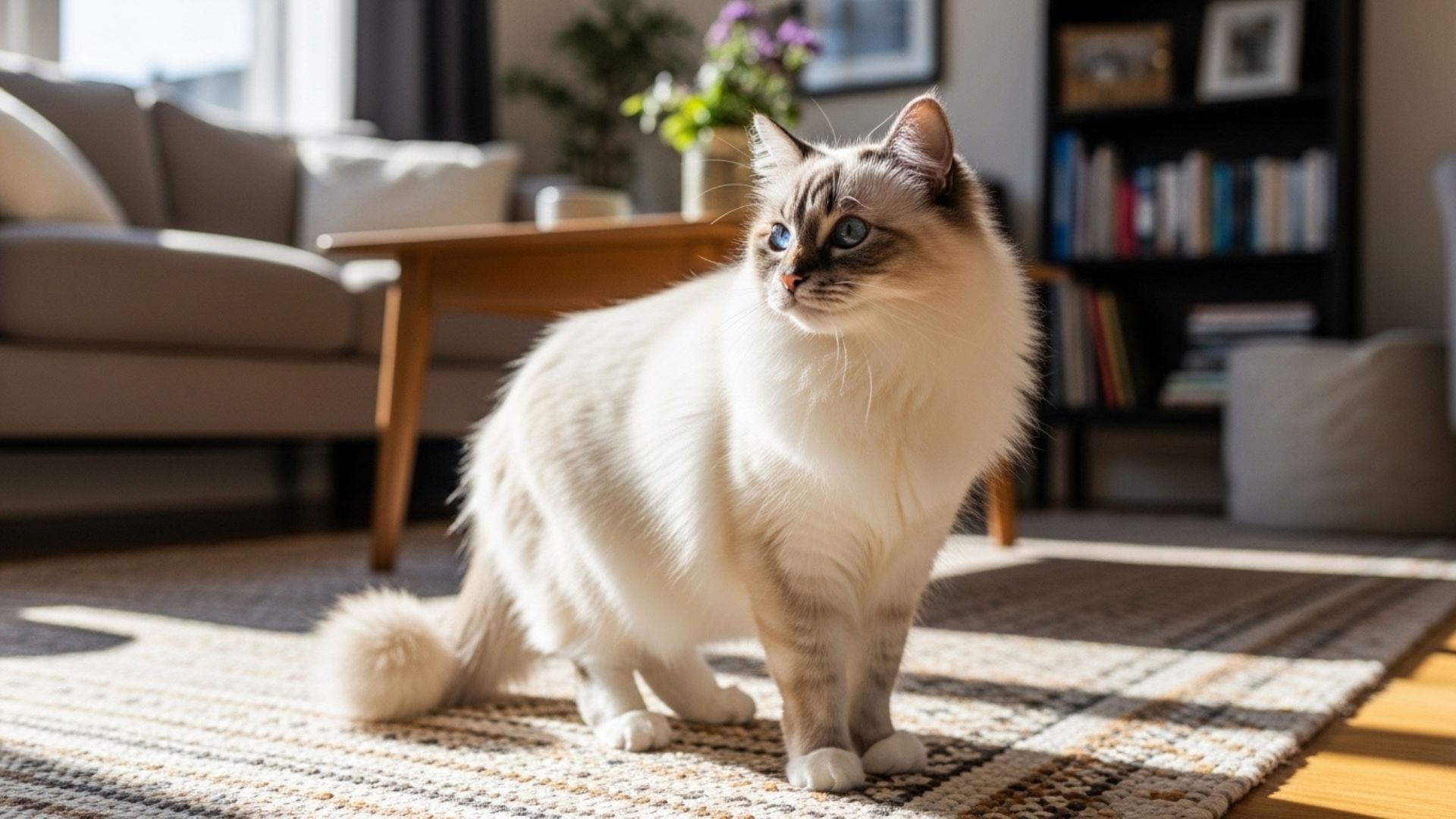
Cats have a reputation for ignoring house rules, but that stereotype doesn’t tell the whole story. While some felines are fiercely independent, others are surprisingly cooperative and attentive to household boundaries.
With consistency, positive reinforcement, and clear cues, many cats can understand which countertops, rooms, or furniture pieces are off-limits. Some breeds, especially those known for their affectionate and people-focused nature, are naturally more responsive to guidance and eager to please their humans.
Temperament plays just as important a role as training. Calm, social breeds often thrive on human interaction, making them more attuned to household expectations. When a respectful personality meets patient training, you may find that your cat not only understands the rules but chooses to honor them.
In this article, we’ll explore seven cat breeds that respect no-go zones—and why certain cats are more likely to follow the rules than you might expect.
Cat Breeds That Respect No-Go Zones
1. Ragdoll
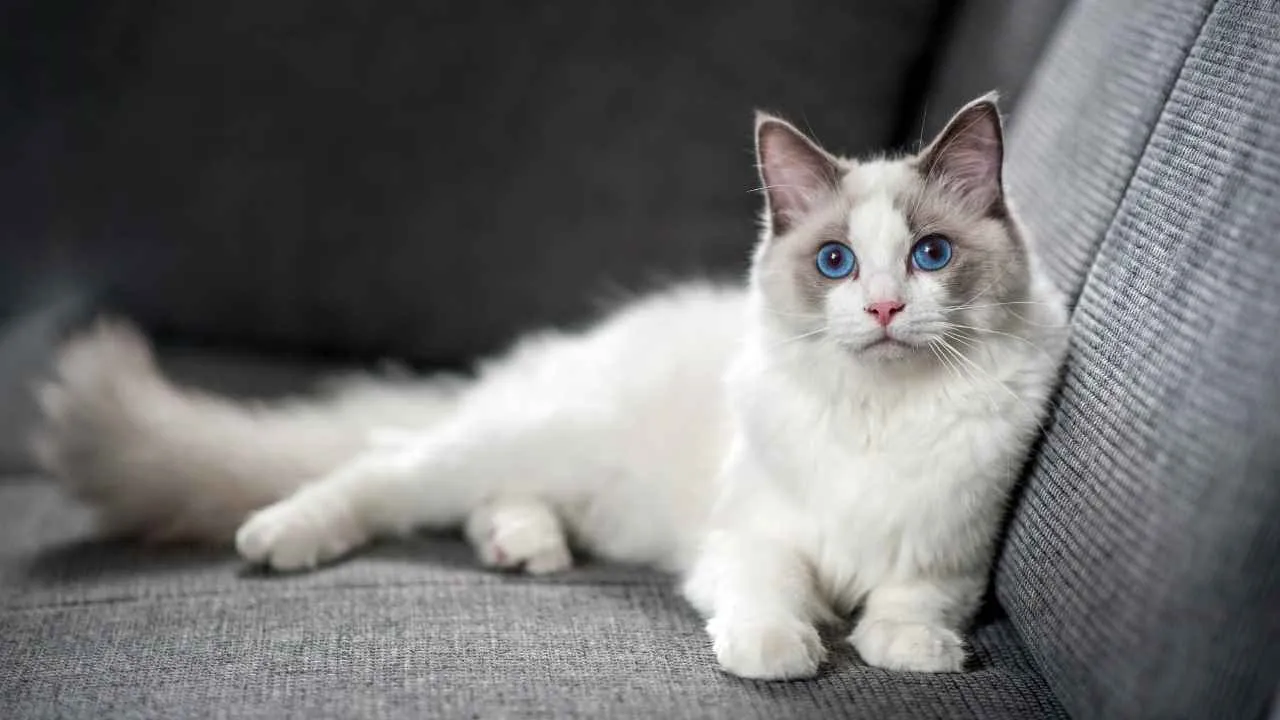
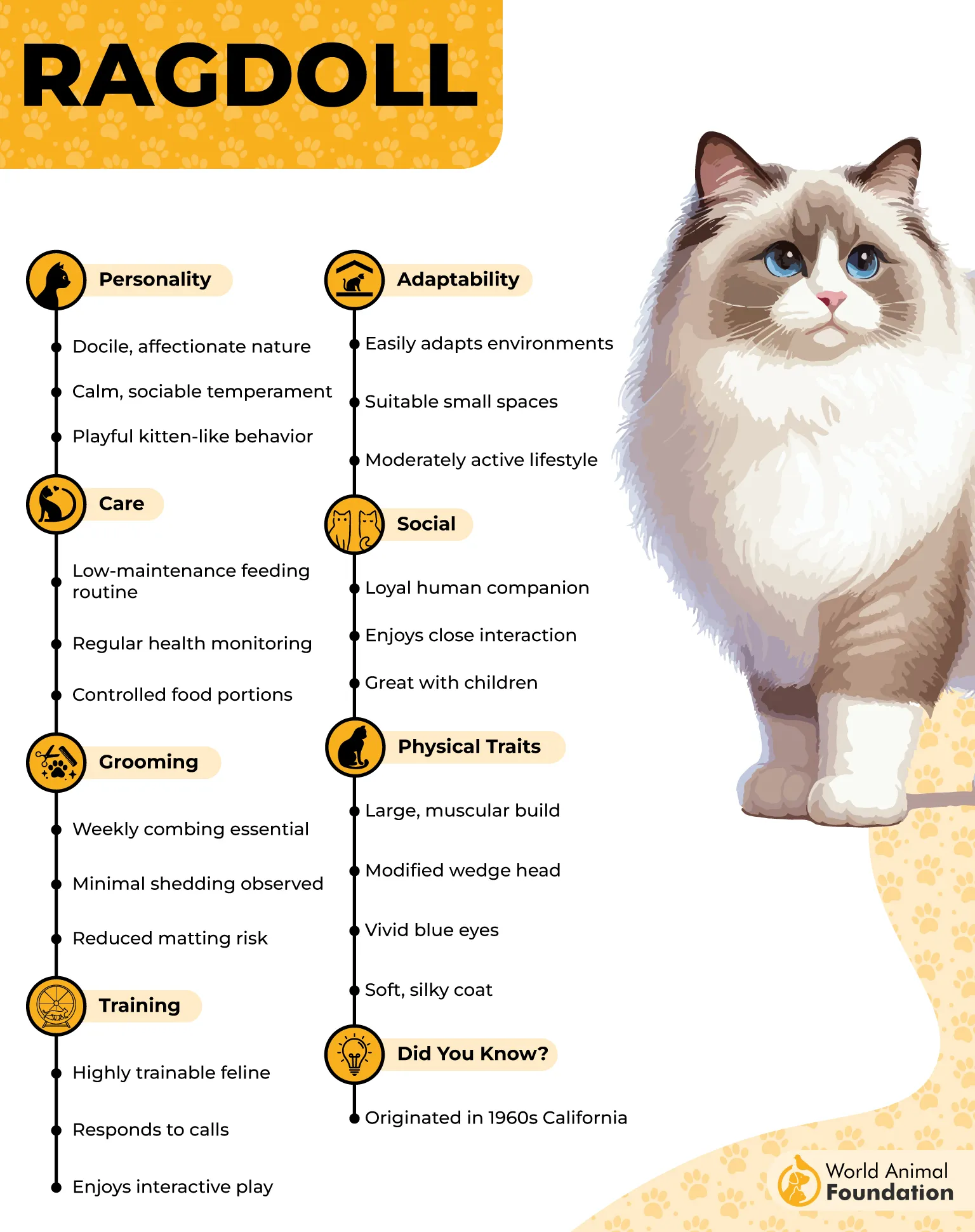
The Ragdoll, sometimes described as a gentle giant, was developed in California during the 1960s by breeder Ann Baker. Known for vivid blue eyes and pointed patterns such as bi-color and mitted, this affectionate breed is famous for relaxing completely in your arms—earning its name.
According to Britannica, the Ragdoll is a long-haired cat breed recognized for its tendency to completely relax its muscles when picked up, giving it the appearance of a limp rag doll.
Calm, Observant, and Naturally Well-Behaved?
Carefully bred for a laid-back temperament, Ragdolls tend to be attentive and highly in tune with their home environment. Their steady, easygoing personality makes them more inclined to respect clearly established no-go zones when boundaries are introduced consistently.
Rather than testing limits, they prefer trailing their humans from room to room, greeting them warmly and staying nearby without causing disruption. This people-focused nature helps them adapt smoothly to structure and routine.
Intelligent and responsive to treats or praise, they learn household expectations with gentle guidance. Interestingly, the breed traces back to an exceptionally calm white foundation cat named Josephine, selected specifically for her remarkably docile temperament.
2. Maine Coon
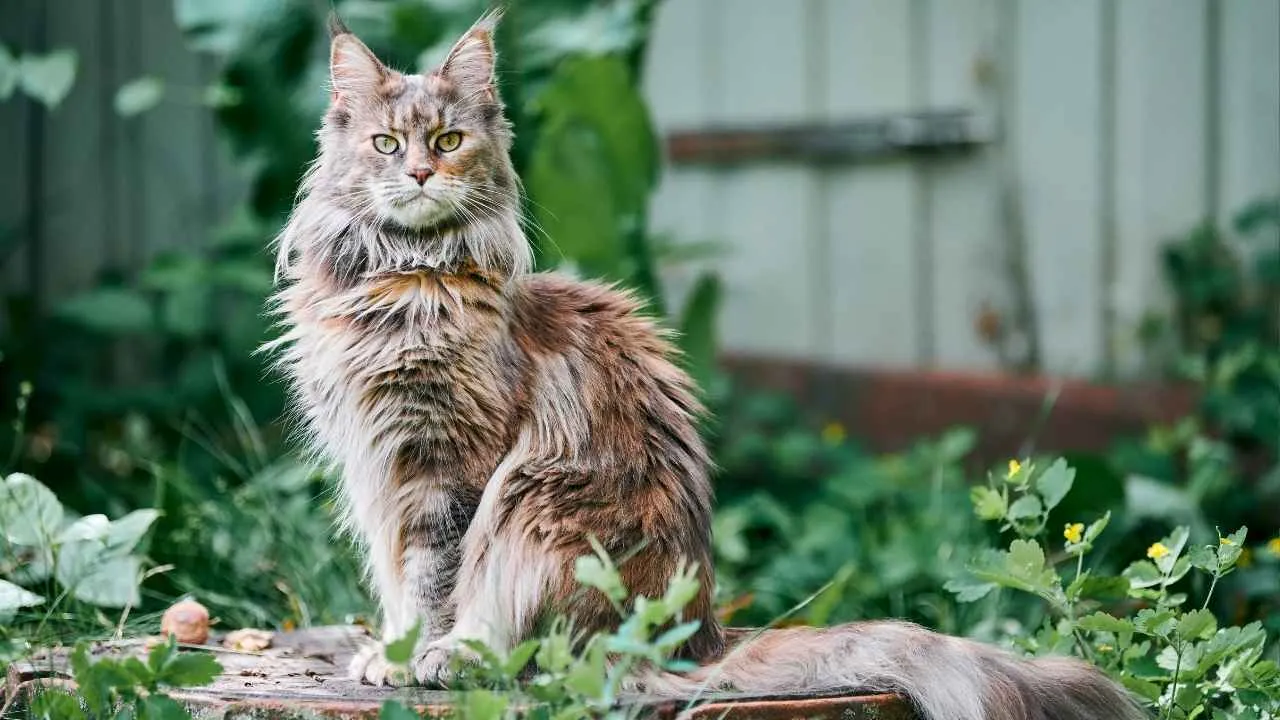
The Maine Coon, often called the “Gentle Giant,” is one of the largest domesticated cat breeds and likely arrived in America with early seafarers.
Recognized for its shaggy, semi-water-repellent coat and rugged build, this sociable feline combines striking looks with a warm, family-oriented temperament. According to PetMD, the Maine Coon originated in the state of Maine and continues to hold the distinction of being the official state cat.
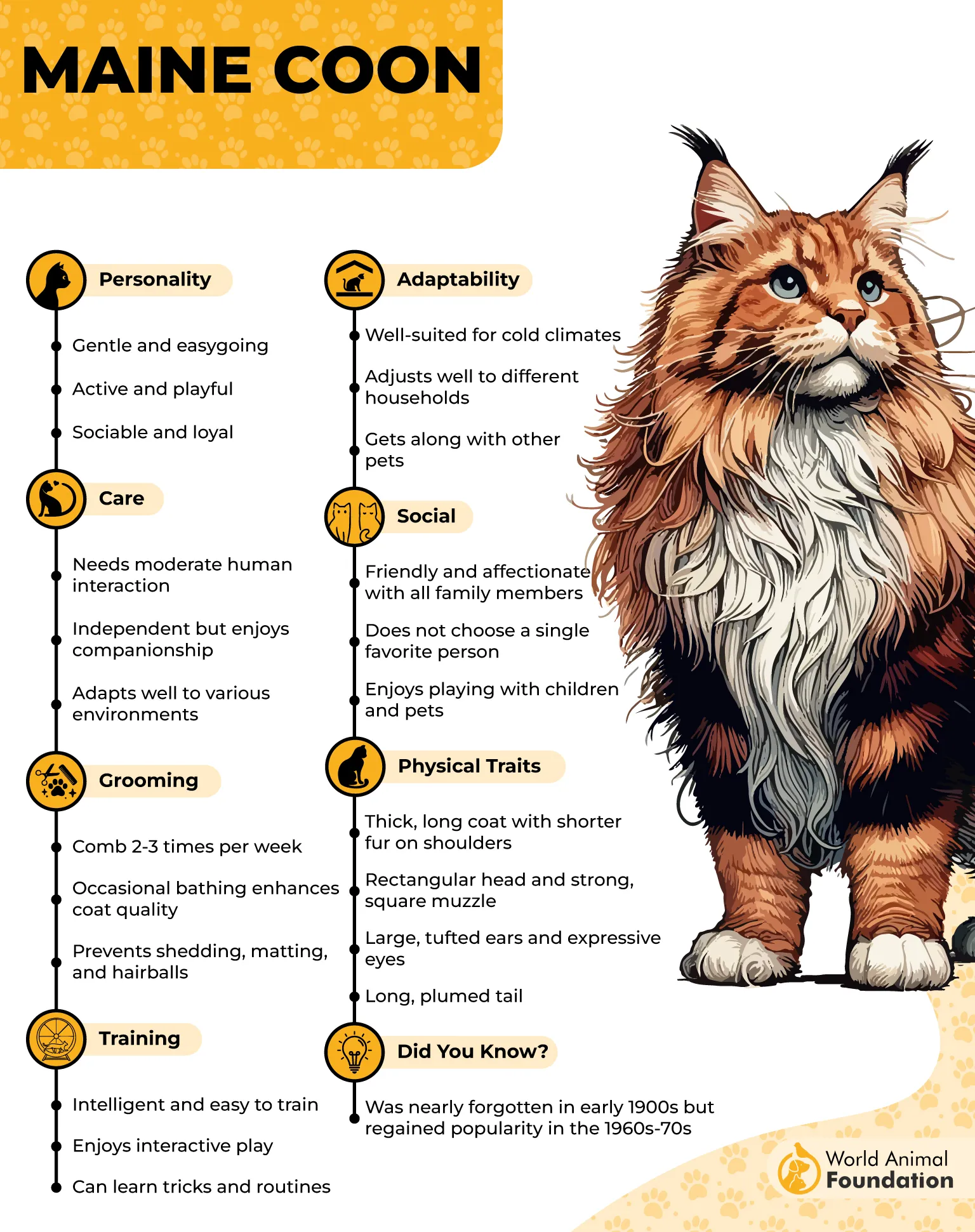
Intelligent and Responsive to Training?
Centuries of adapting to harsh climates and barn life helped shape the Maine Coon’s sharp mind and flexible nature. Today, that intelligence makes them highly responsive to structured training and consistent household rules.
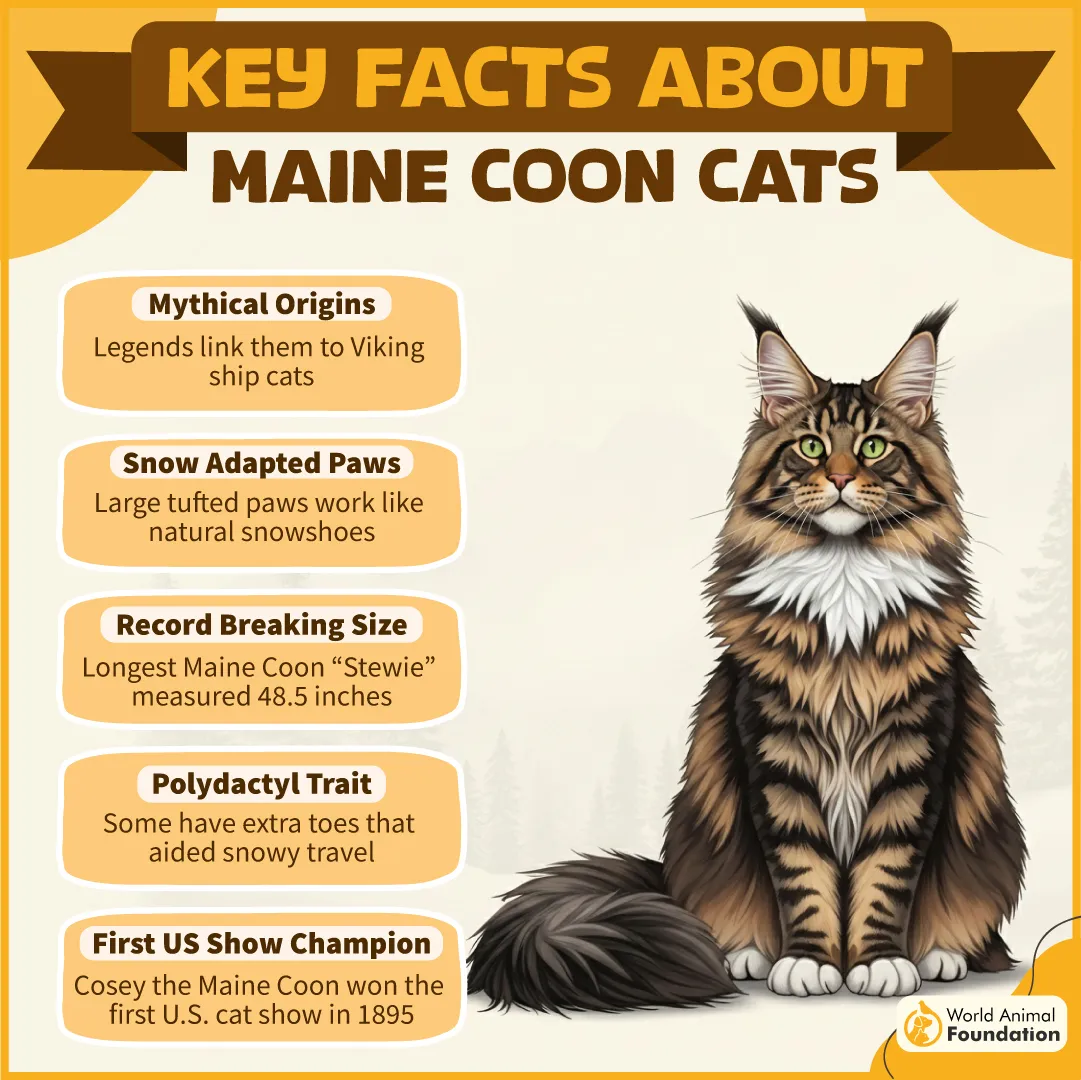
Eager to please and quick to pick up new behaviors, they can learn boundaries, such as no-go zones, with patience and positive reinforcement. Their balanced personality—part independent, part people-focused—helps them respect limits without becoming overly defiant.
Active and adventurous, they thrive on play and mental engagement, yet they are also capable of settling calmly when expectations are clear. Interestingly, Maine Coons are often able to learn leash walking and are known for their natural fondness for water.
3. Birman
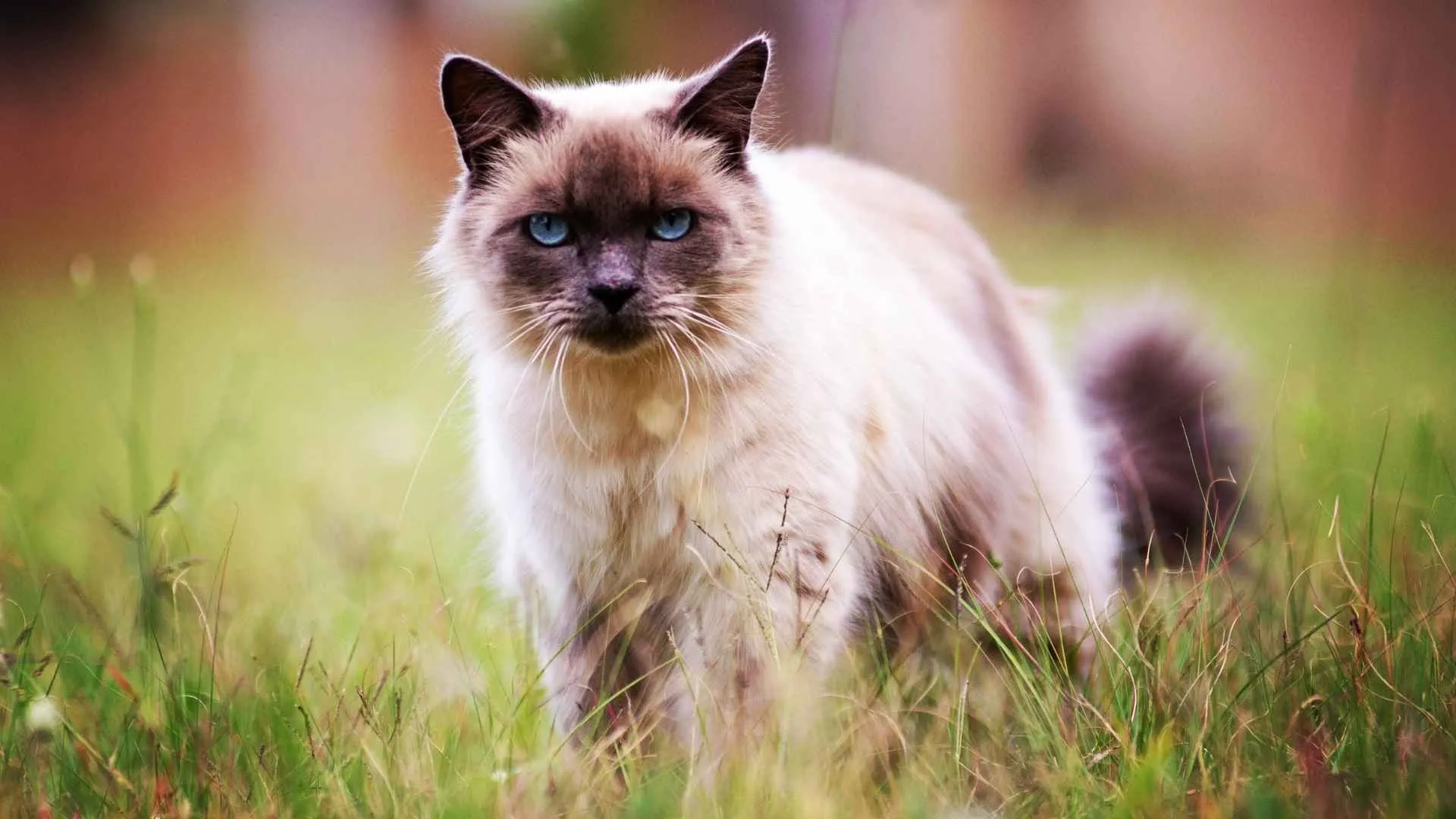
The Birman, also known as the Sacred Cat of Burma, is a striking colorpoint breed admired for its silky coat, deep blue eyes, and signature white “gloves.”
Originating from Burma and later developed in France, this elegant yet sturdy cat is cherished for both beauty and companionship. According to WebMD, Birman cats are described as loyal and affectionate, preferring to stay close to their owners.

Loyal and Eager to Please?
Birmans are deeply people-oriented and often form strong bonds with one favorite family member. Their affectionate and attentive nature makes them more inclined to follow household routines and respect established no-go zones.
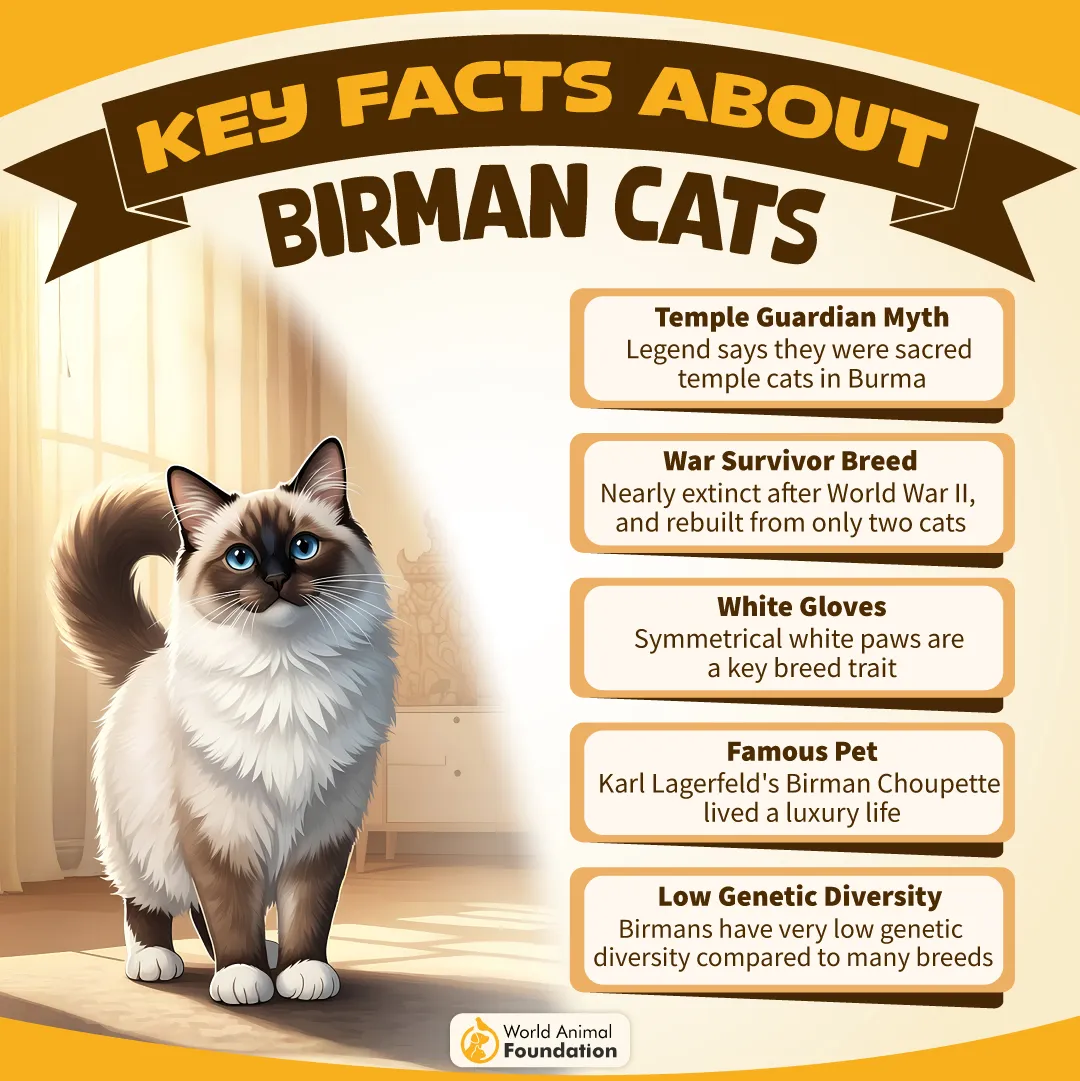
Naturally calm and even-tempered, they respond well to gentle guidance and consistent boundaries. Because they enjoy human company and dislike prolonged isolation, they are motivated to cooperate rather than challenge rules.
Intelligent and quietly communicative, Birmans will express their needs in soft, refined chirps rather than loud demands. Interestingly, many breeders follow a French tradition of naming kittens born each year with the same starting letter of the alphabet.
4. Ragamuffin
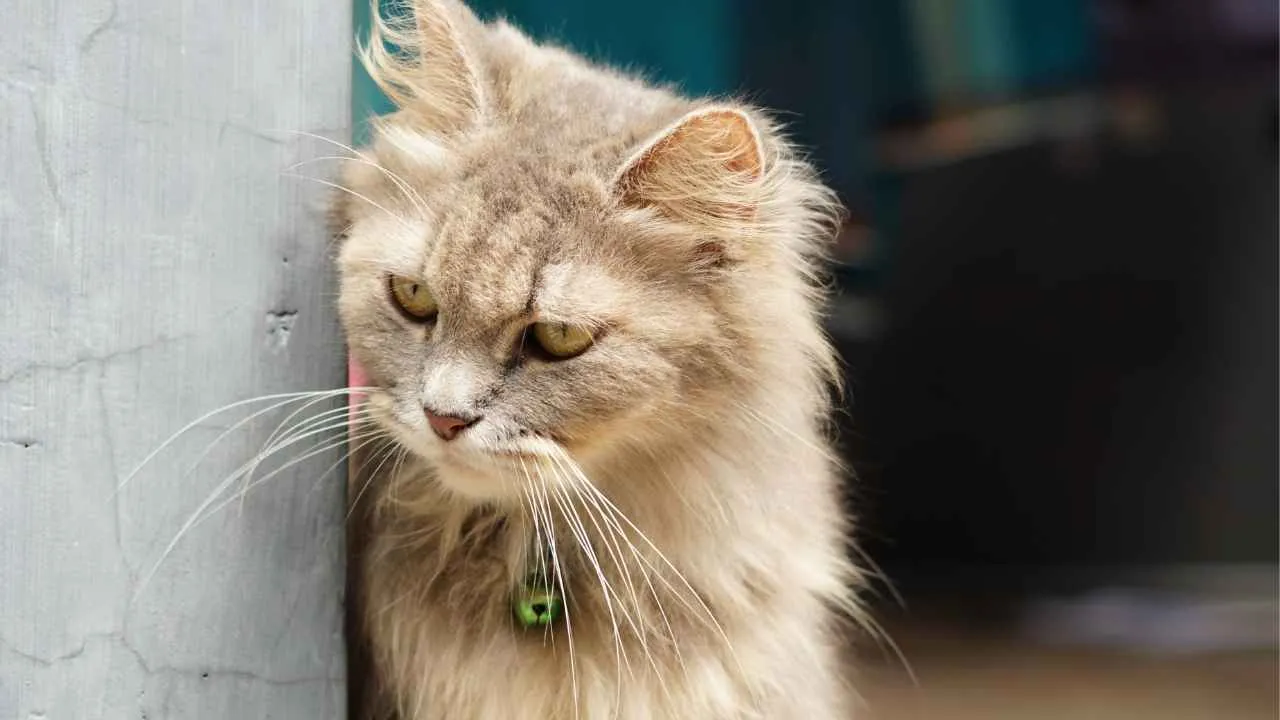
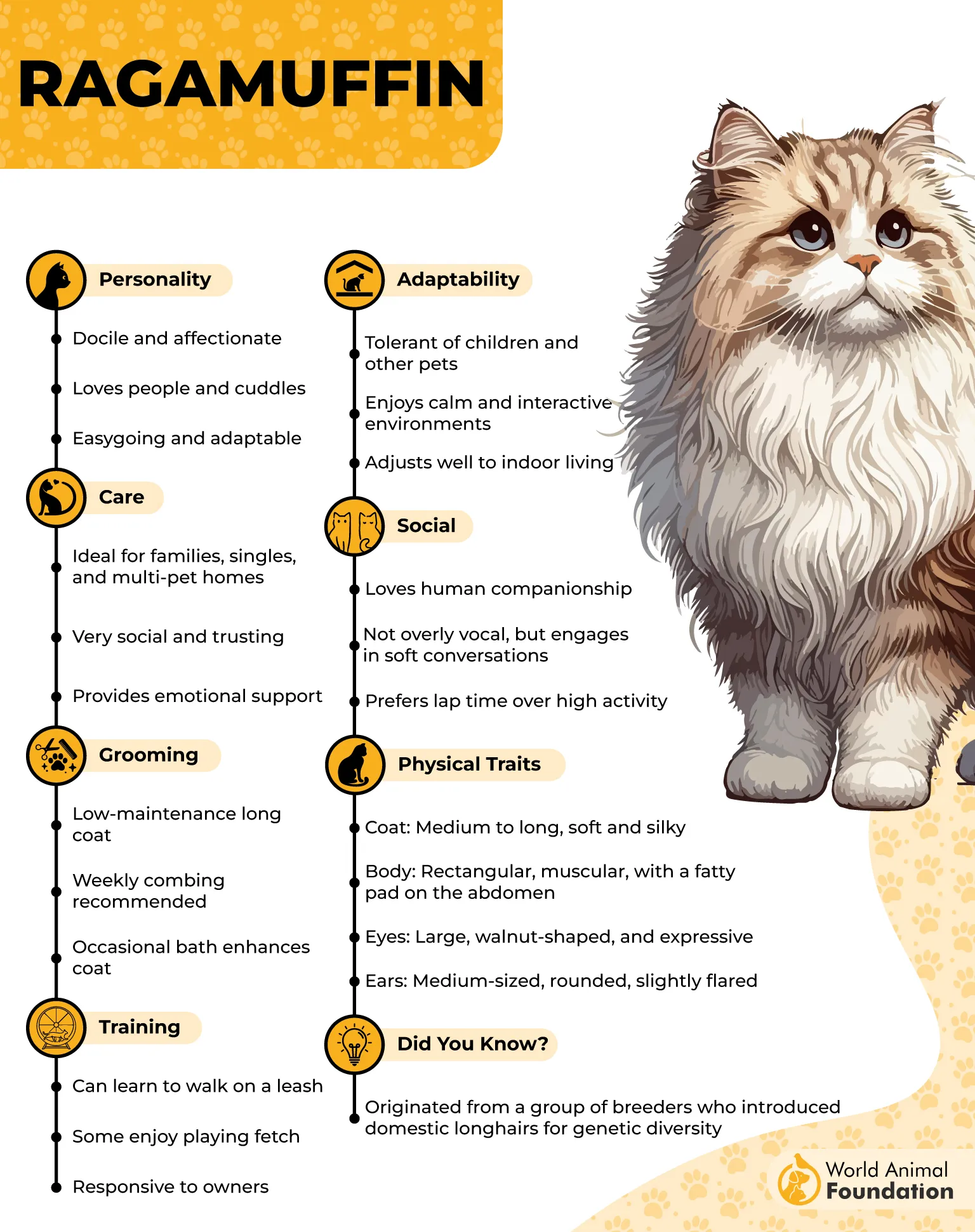
The RagaMuffin, sometimes linked to its Ragdoll ancestry and once associated with the “Cheribum” lines, is a large, teddy bear–like breed developed in the United States. With a soft, medium-long silky coat, expressive walnut-shaped eyes, and a plumed tail, this affectionate cat is known for its sweet, rounded features and gentle charm.
Gentle Personality with Low Mischief Levels?
RagaMuffins are notably even-tempered and adaptable, qualities that make them more likely to respect no-go zones in the home. Rather than testing boundaries, they prefer staying close to their humans, often following them from room to room without causing disruption.
Their calm demeanor allows them to adjust smoothly to changes in routine, whether living with large families, seniors, or in apartment settings. Because they are highly people-oriented and trusting, they respond well to consistent guidance and gentle correction.
Although relaxed, they still enjoy playtime when invited and engage without becoming overly mischievous. Interestingly, unlike the Ragdoll, the RagaMuffin comes in almost all coat colors and patterns—except pointed varieties.
5. Chartreux
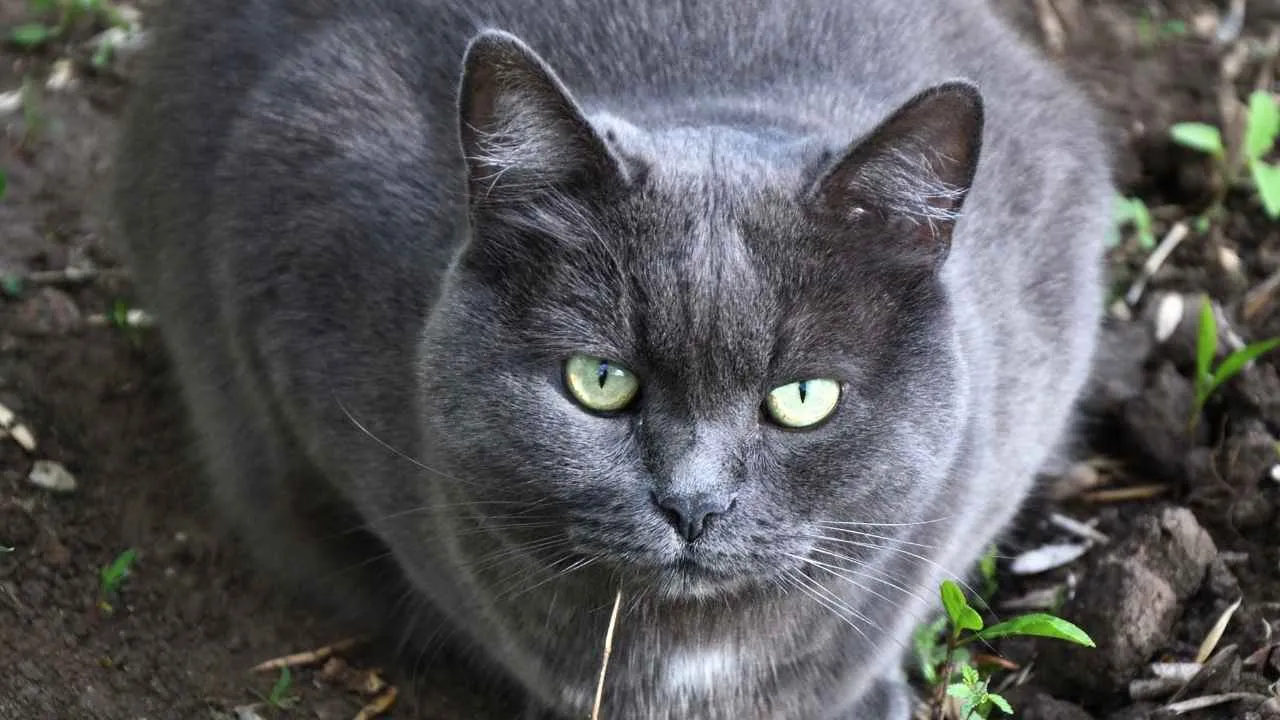
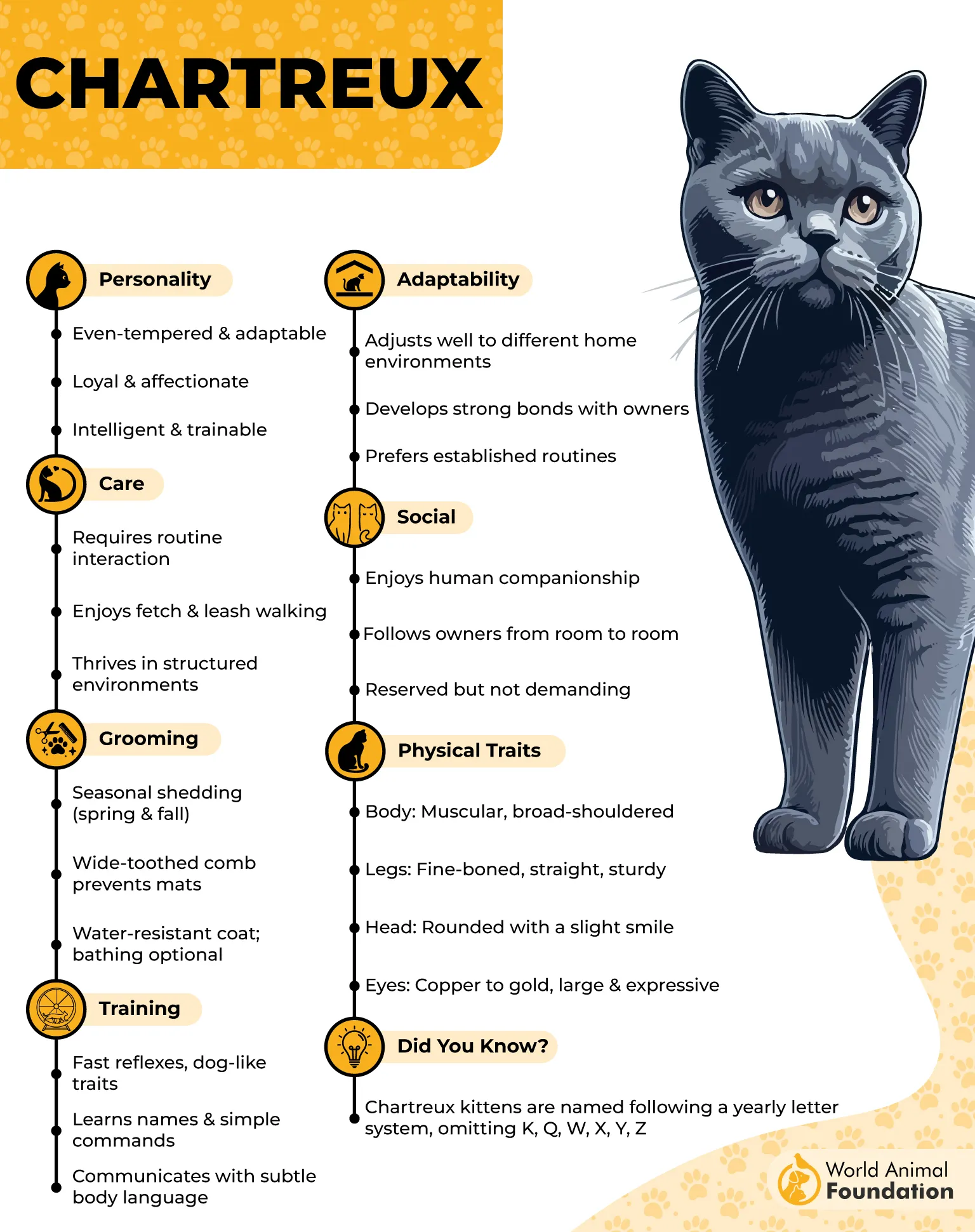
The Chartreux, sometimes called the French Blue, is a historic breed believed to date back to the 13th century. Closely linked to France and possibly cared for by Carthusian monks at the Grande Chartreuse Monastery, this blue-gray cat is admired for its dense coat, copper-to-gold eyes, and serene expression.
Independent but Surprisingly Rule-Abiding?
Though intelligent and curious, the Chartreux is notably even-tempered and non-confrontational. Rather than challenge boundaries, this breed tends to observe quietly and adapt to established household routines with ease.
Independent by nature, the Chartreux can spend time alone without becoming destructive or resentful. When introduced to no-go zones consistently, they are more likely to respect them, often choosing to watch from a comfortable distance instead of pushing limits.
While playful in short bursts—chasing toys or climbing briefly—they balance activity with long, restful naps. Interestingly, the Chartreux is considered a national treasure in France and has been referenced in French literature for centuries.
6. American Shorthair
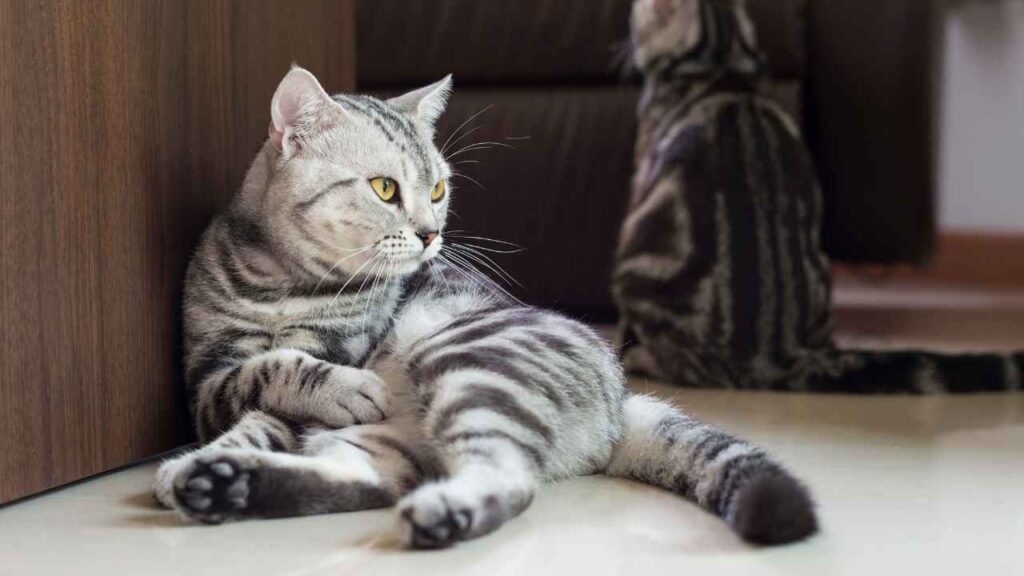
The American Shorthair, often considered the classic “housecat” of North America, is admired for its sturdy build and wide range of coat colors, including the iconic silver tabby. With a short, dense coat and an easygoing expression, this breed combines photogenic charm with a balanced temperament.
Quiet, Composed, and Non-Intrusive?
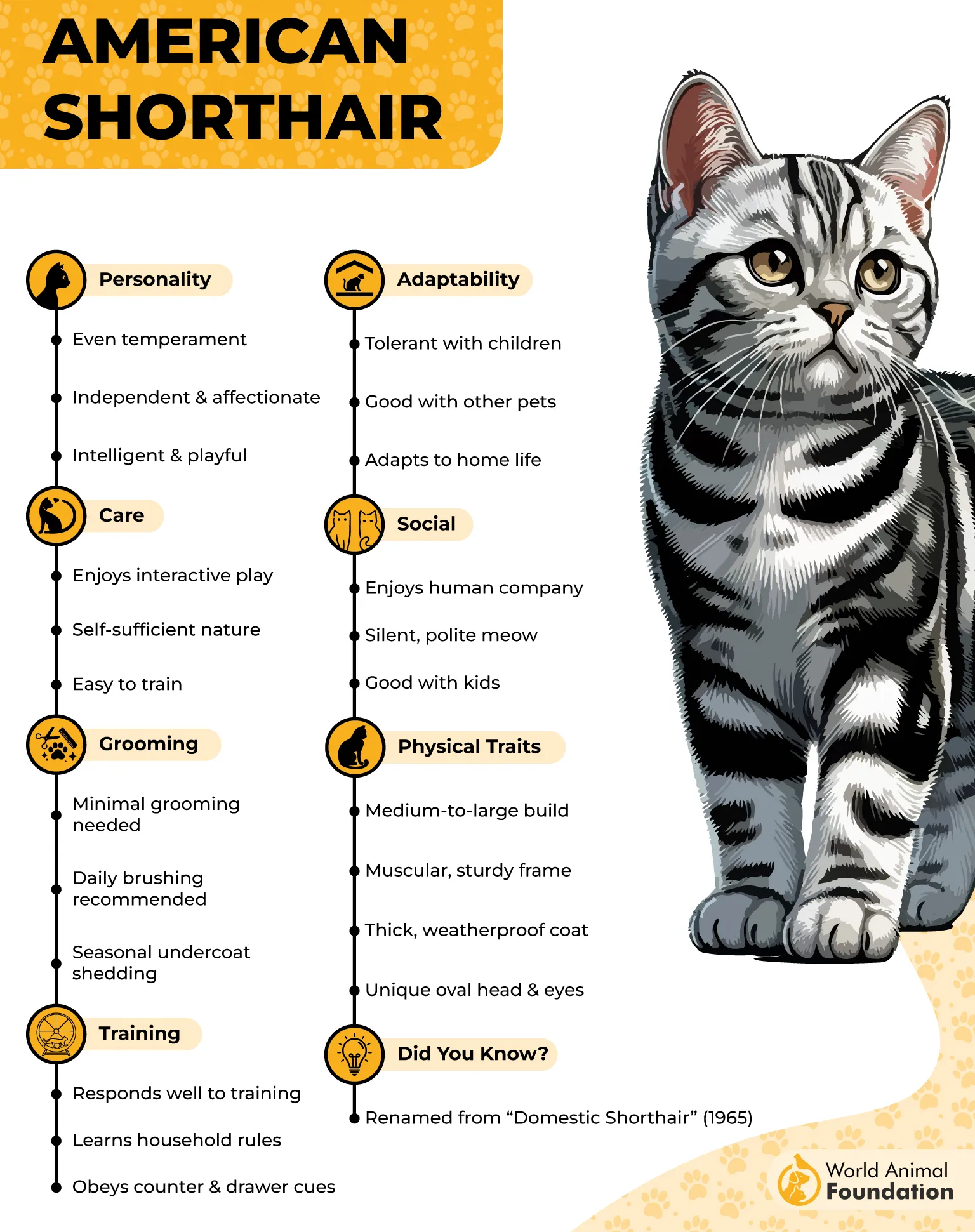
Known for its calm and even disposition, the American Shorthair tends to adapt well to household structure. This steady personality makes it more receptive to learning boundaries and respecting clearly defined no-go zones.
Highly responsive to positive reinforcement, these cats are often praised for their trainability. Their ability to learn quickly has even made them suitable for acting and modeling roles, a testament to their focus and cooperation.
Affectionate yet not overly demanding, they’re content to lounge in a sunny spot when attention isn’t available. Notably, the American Shorthair’s capacity for learning is one reason it responds so well to consistent, reward-based training.
7. Selkirk Rex
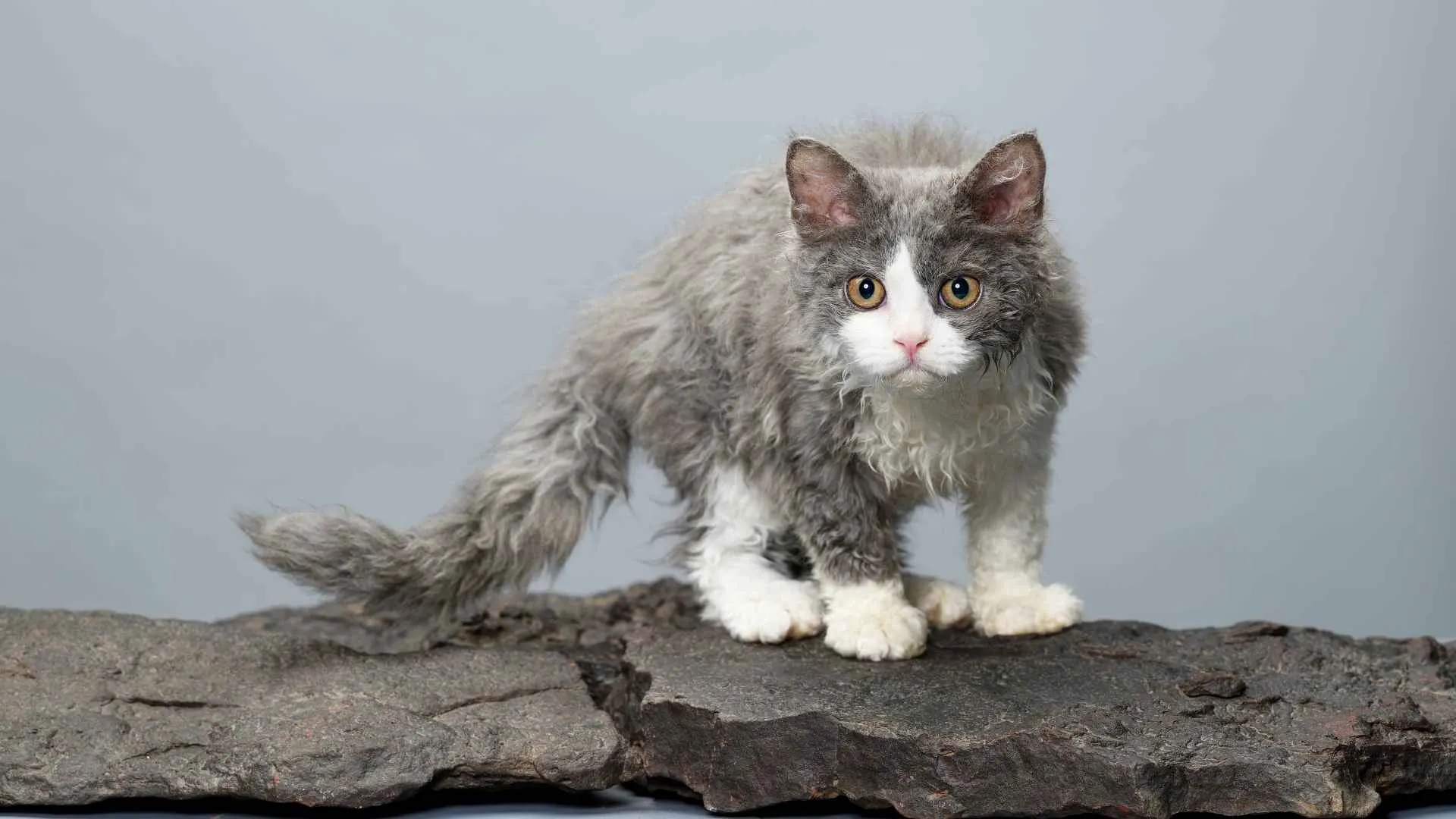
The Selkirk Rex, sometimes simply called the Selkirk, is one of only four curly-coated cat breeds, alongside the Cornish Rex, Devon Rex, and LaPerm. Developed in the United States in 1987, this distinctive breed is known for its plush, wavy coat—even curly whiskers—and its sturdy, round-faced appearance.
Adaptable and Home-Aware?
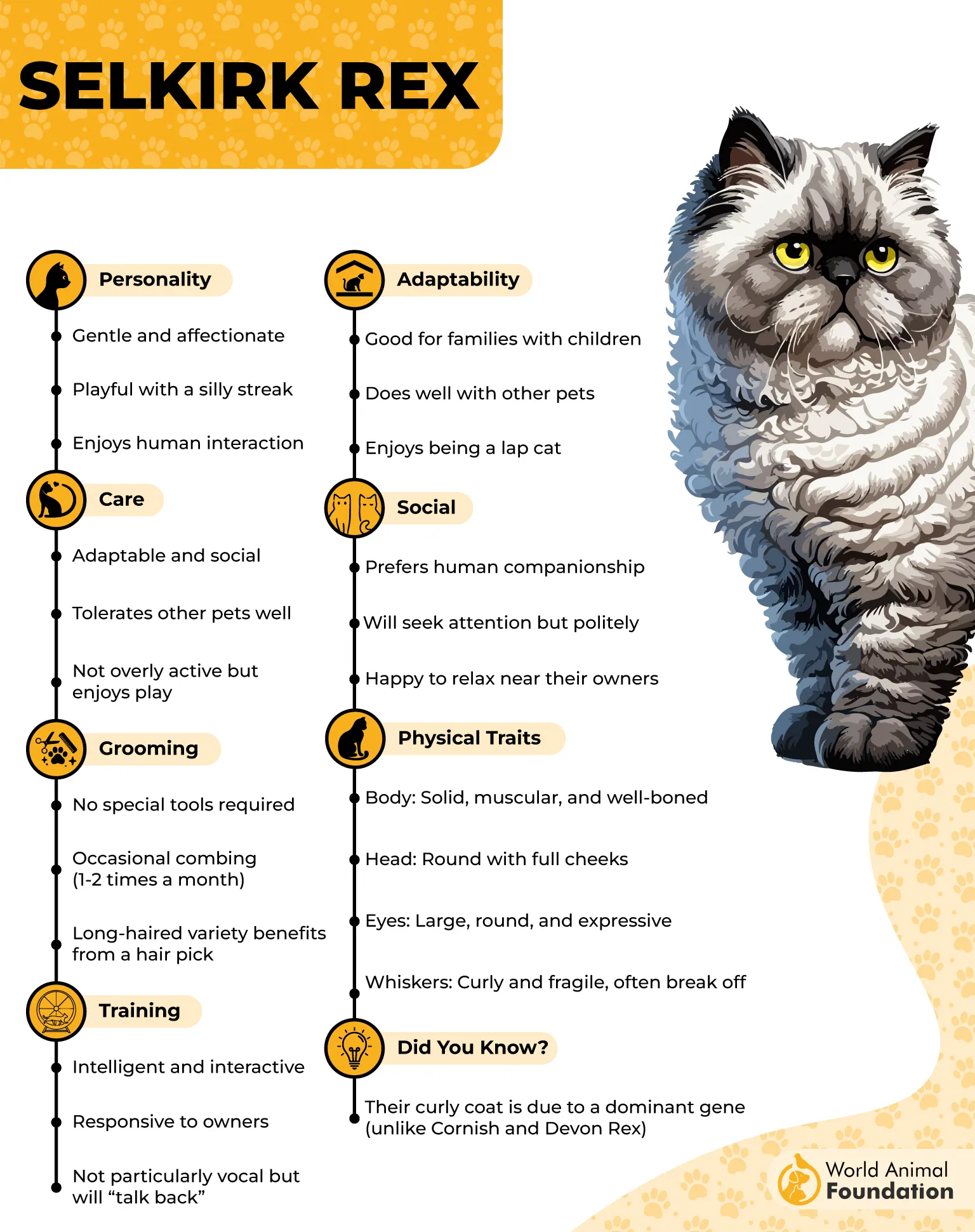
Originating from a spontaneous mutation discovered in a shelter kitten named Miss Depesto, the Selkirk Rex carries a dominant curly coat gene. Careful breeding with Persians helped establish the line, while preserving its calm, people-oriented temperament.
Naturally adaptable, Selkirks tend to settle comfortably into apartments or larger homes alike. Their balanced energy level and tolerant nature make them more inclined to respect household boundaries rather than constantly test them.
Affectionate without being overly demanding, they often follow family members quietly from room to room. Interestingly, the curly coat trait is inherited as an autosomal dominant gene, meaning only one parent needs to carry it for curls to appear in some kittens.
Conclusion
Not all felines ignore the house rules. While most cats are known for their independent streak—unlike dogs—certain breeds are naturally more attentive and responsive to boundaries.
Calm, people-oriented companions show that there is such a thing as a respectful indoor cat. With consistent guidance, even a new cat can learn which spaces are off-limits, whether it’s one room, countertops, or specific furniture.
Of course, every individual cat is different, and temperament plays a major role. Some kittens adapt quickly to living indoors or even indoors only, while others—like farm cats in a rural area—may be used to roaming freely among birds and other pets.
The only reason success varies is personality combined with training. Even some breeds can thrive with structure when expectations are clear. For any devoted cat lady seeking the best cat for a peaceful home, choosing from certain breeds can make sharing space with other cats much smoother.
