




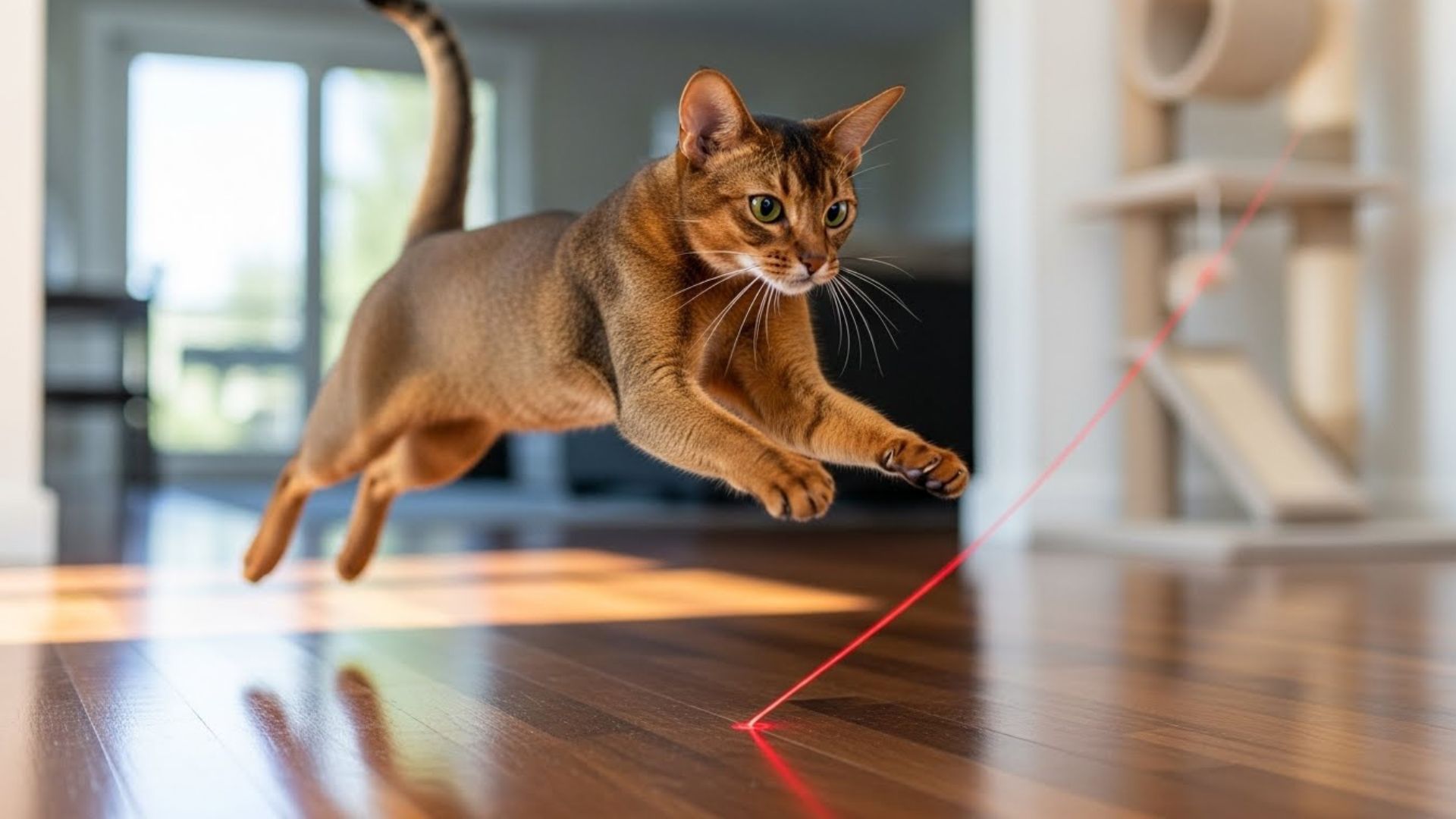
Cats may have a reputation for lounging the day away, but some breeds are built for constant motion. These high-energy felines thrive on activity, exploration, and interactive play, making them a perfect match for busy households that enjoy staying engaged. Their need for movement isn’t random—genetics, ancestry, and natural instincts all play a role in shaping why certain cat breeds require far more physical and mental stimulation than others.
High-activity cat breeds differ noticeably from their laid-back counterparts. Instead of being content with a sunny nap spot, they crave climbing, chasing, problem-solving, and daily challenges. Many of these cats retain strong hunting behaviors or wild ancestry, which translates into boundless curiosity and athleticism. Without enough outlets for their energy, boredom and frustration can quickly set in, often leading to unwanted behaviors.
Choosing an active cat means embracing a lifestyle that includes regular play sessions, enrichment, and interaction. These breeds flourish with owners who enjoy involvement and structure. In this guide, we’ll explore nine cat breeds known for their high activity levels and what makes them stand out from more relaxed feline companions.
9 Cat Breeds That Require High Activity
1. Bengal
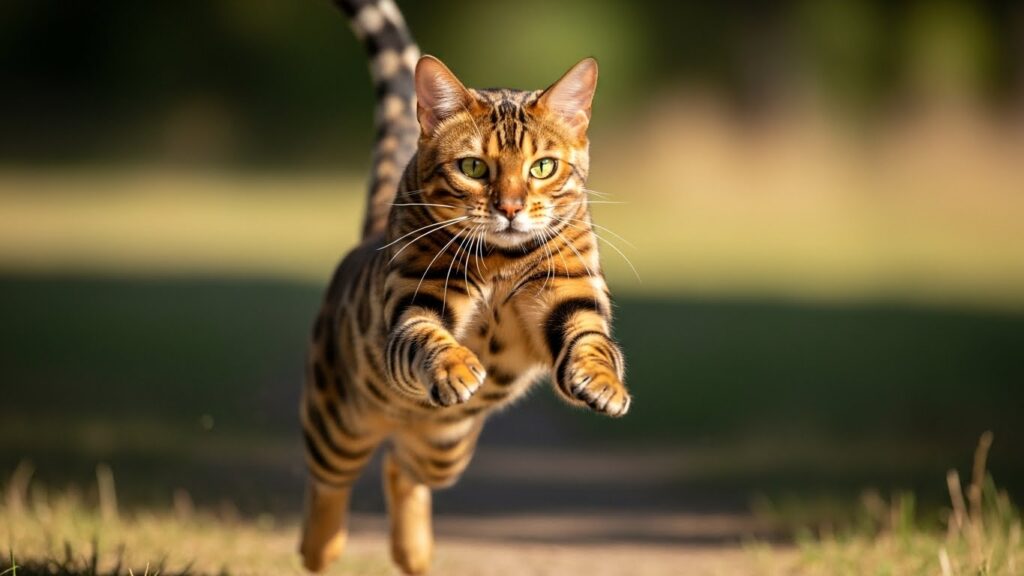
Also known simply as the Bengal cat, this breed stands out for its sleek, spotted coat and unmistakable wildcat influence inherited from the Asian leopard cat. Despite the exotic look, Bengals are fully domestic and famously bold, curious, and intelligent companions.
According to PetMD, they’re often great candidates for leash and harness training because they’re comfortable spending time outdoors.
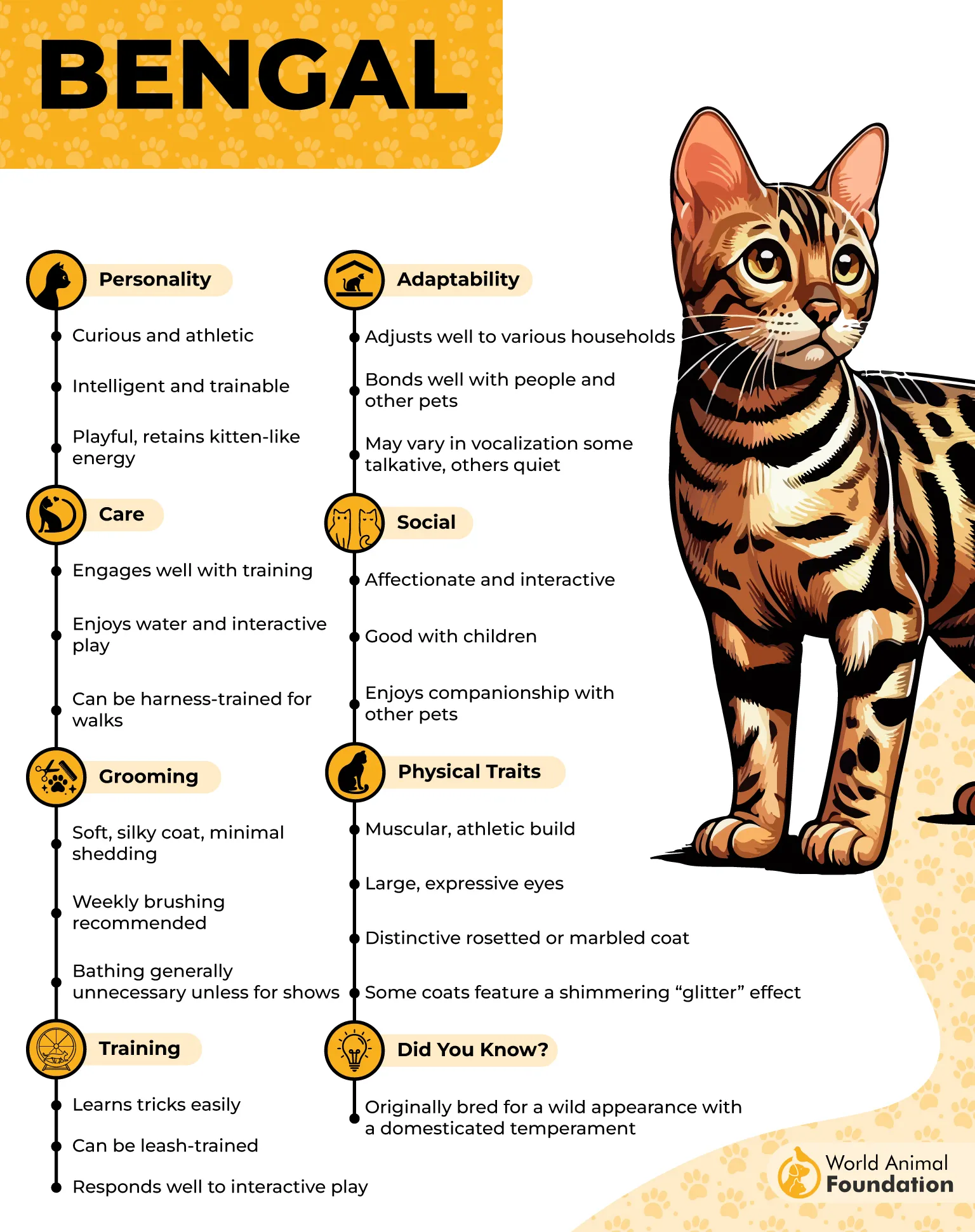
True to their reputation, Bengals are always on the move. They thrive in homes that provide constant activity, whether that’s climbing tall cat trees, chasing interactive toys, or exploring every available surface. A quiet, low-stimulation environment rarely suits their restless nature.
Mental engagement is just as important as physical exercise for this breed. Puzzle feeders, training sessions, and games that challenge their problem-solving skills help prevent boredom. Without enough stimulation, Bengals often invent their own entertainment—sometimes at the expense of household order.
Bengals also enjoy interactive bonding with their humans and can even be trained for leash walks or water play. Their athleticism and curiosity make them ideal for experienced owners who enjoy an active lifestyle.
Fact: Bengals were originally developed by crossing domestic cats with Asian leopard cats, giving them their signature energetic and adventurous personality.
2. Savannah
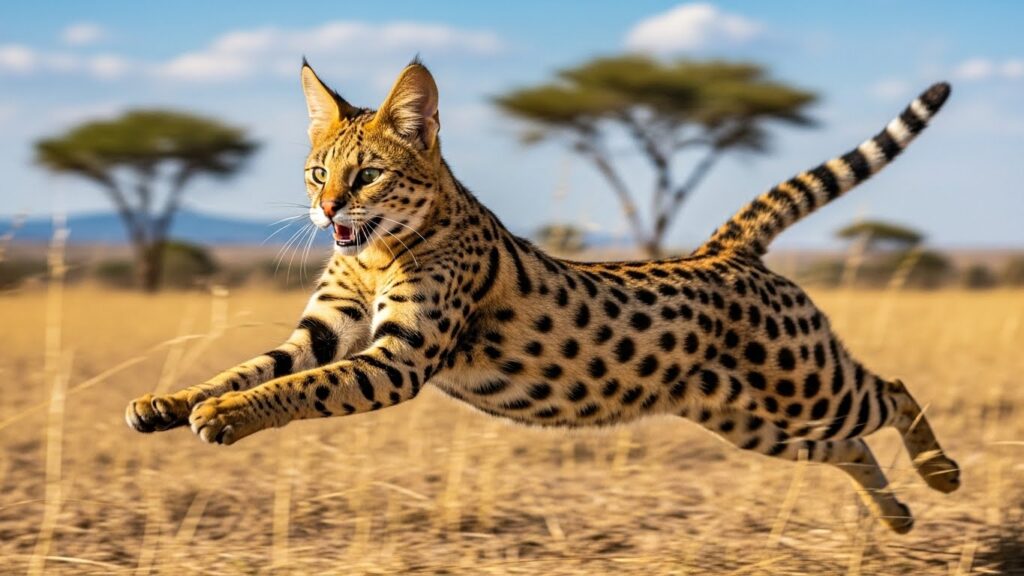
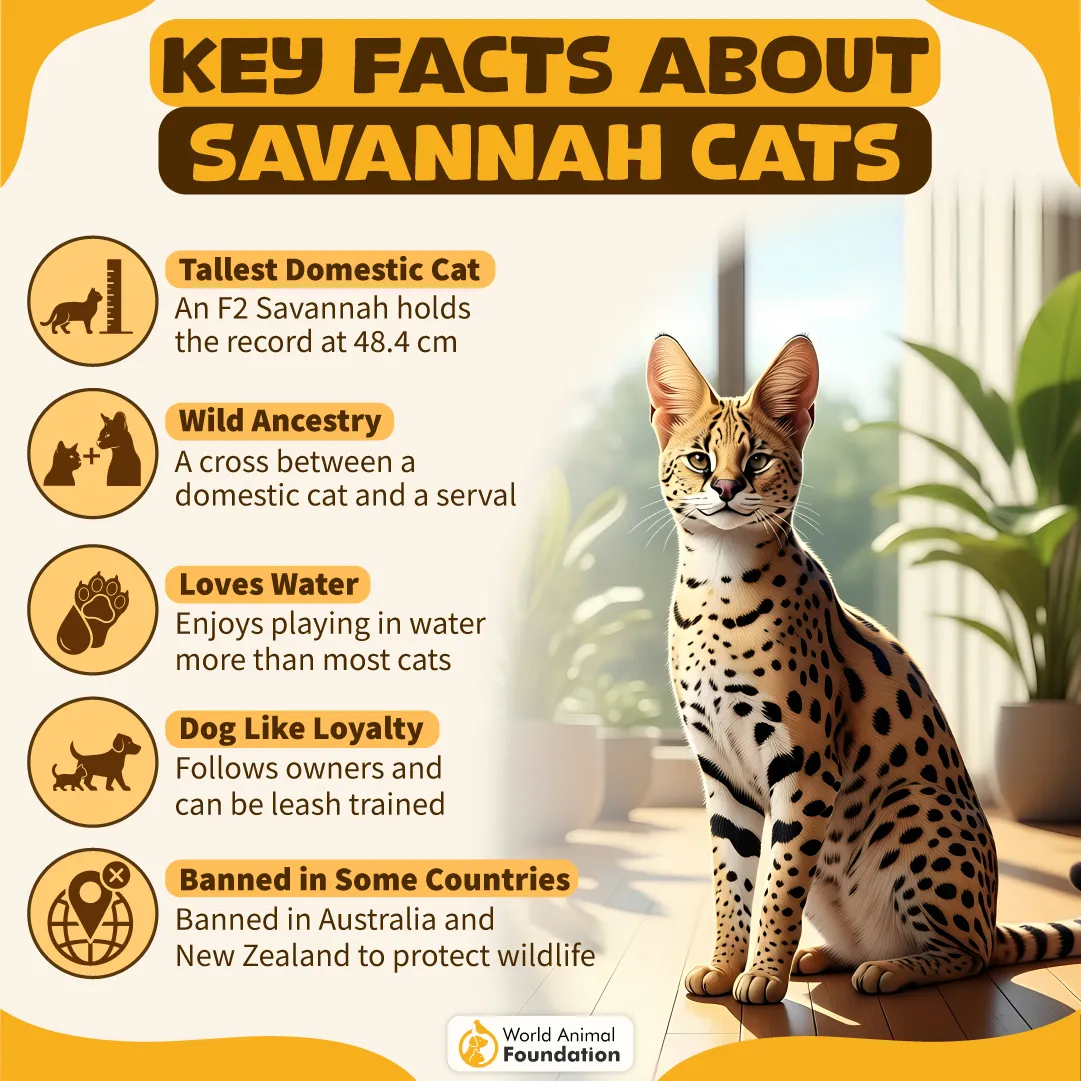
Also known simply as the Savannah cat, this striking hybrid blends domestic elegance with serval ancestry. Its long legs, spotted coat, and alert posture give it a bold presence, matched by a confident and curious personality that thrives on action.
According to Purina, Savannah cats have strong hunting instincts, so they may not be the best fit for homes with pets like fish, hamsters, or birds.
As a playful and athletic companion, the Savannah demands constant engagement. These cats love running, leaping, and climbing to high vantage points, often turning homes into vertical playgrounds. Quiet downtime is rare unless it follows an intense burst of activity.
Mental stimulation is just as critical as physical exercise. Savannahs excel at interactive games, puzzle toys, and advanced training, with many learning to play fetch or walk on a leash. Without daily challenges, boredom can quickly lead to mischief.
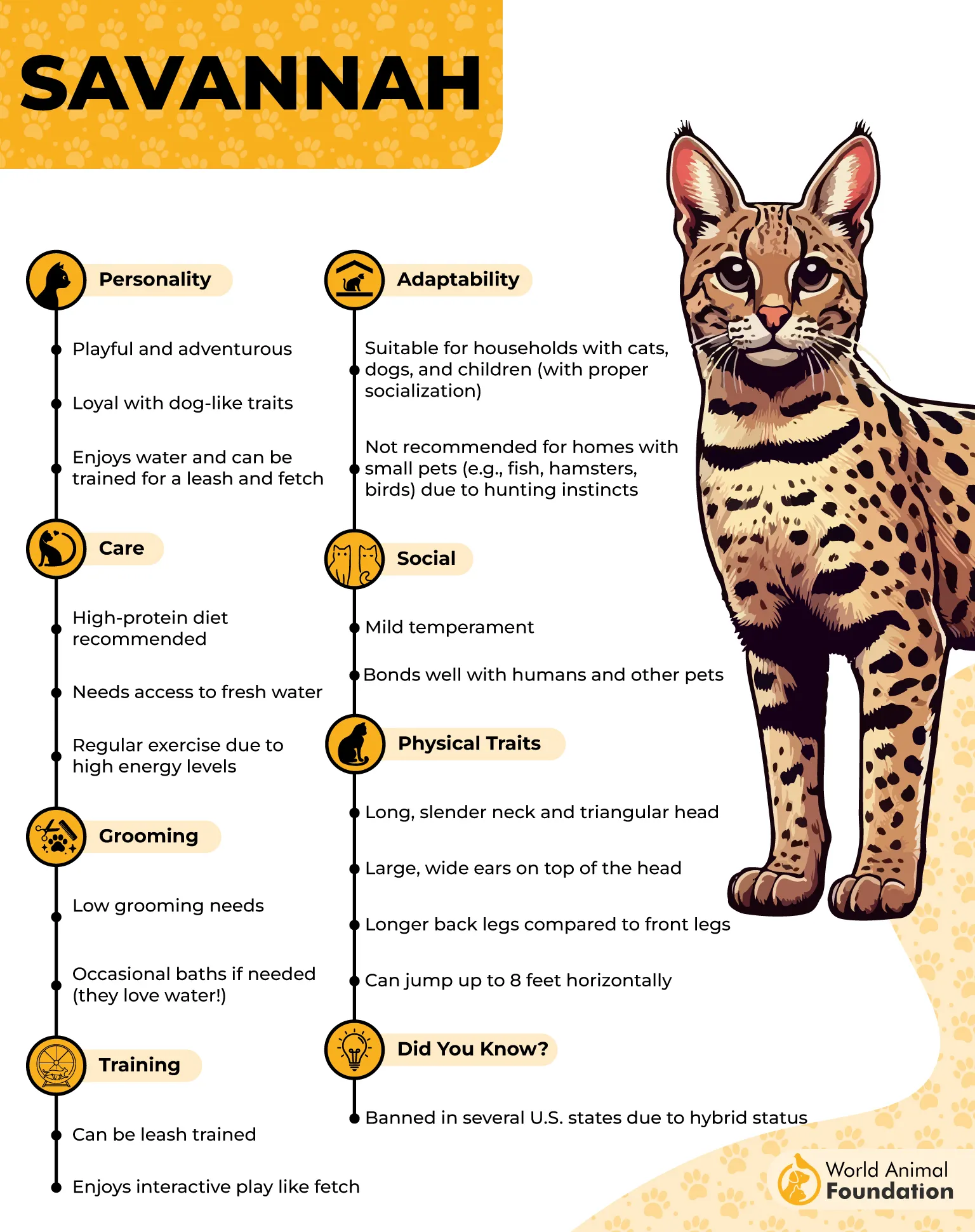
Their fascination with water sets them apart, as many Savannahs happily splash, swim, or investigate running taps. Best suited for experienced owners, this breed flourishes in spacious, enriched environments.
Fact: A Savannah cat named Scarlett’s Magic once held the Guinness World Record for the tallest domestic cat—earning the title twice.
3. Abyssinian
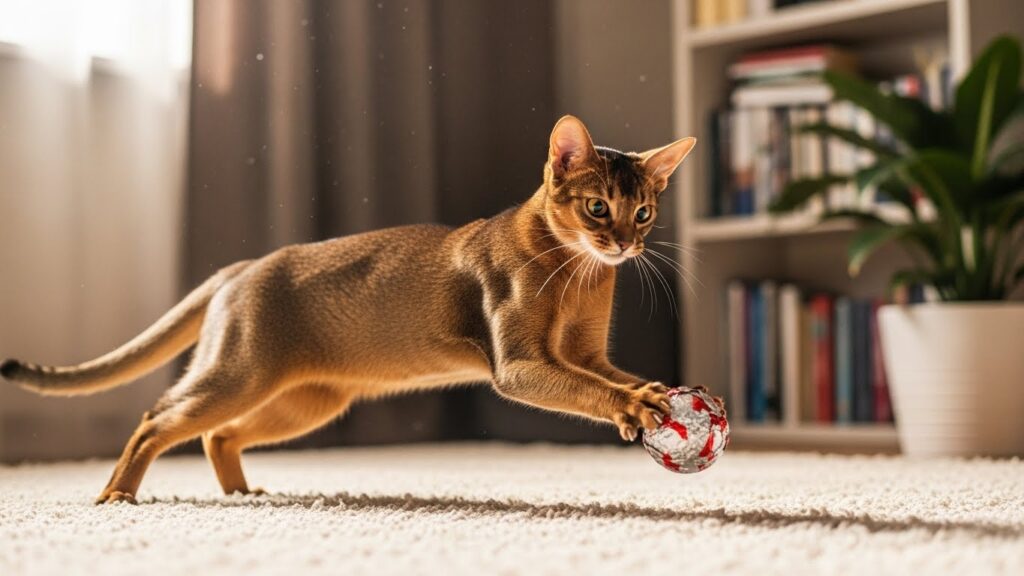
Also called the Aby, the Abyssinian is instantly recognizable by its ticked coat and alert, expressive face. According to Britannica, the Abyssinian is a sleek cat with relatively slender legs and a long, tapering tail.
This ancient-looking breed is built for motion, with a lean, athletic frame and an inquisitive personality that rarely slows down.
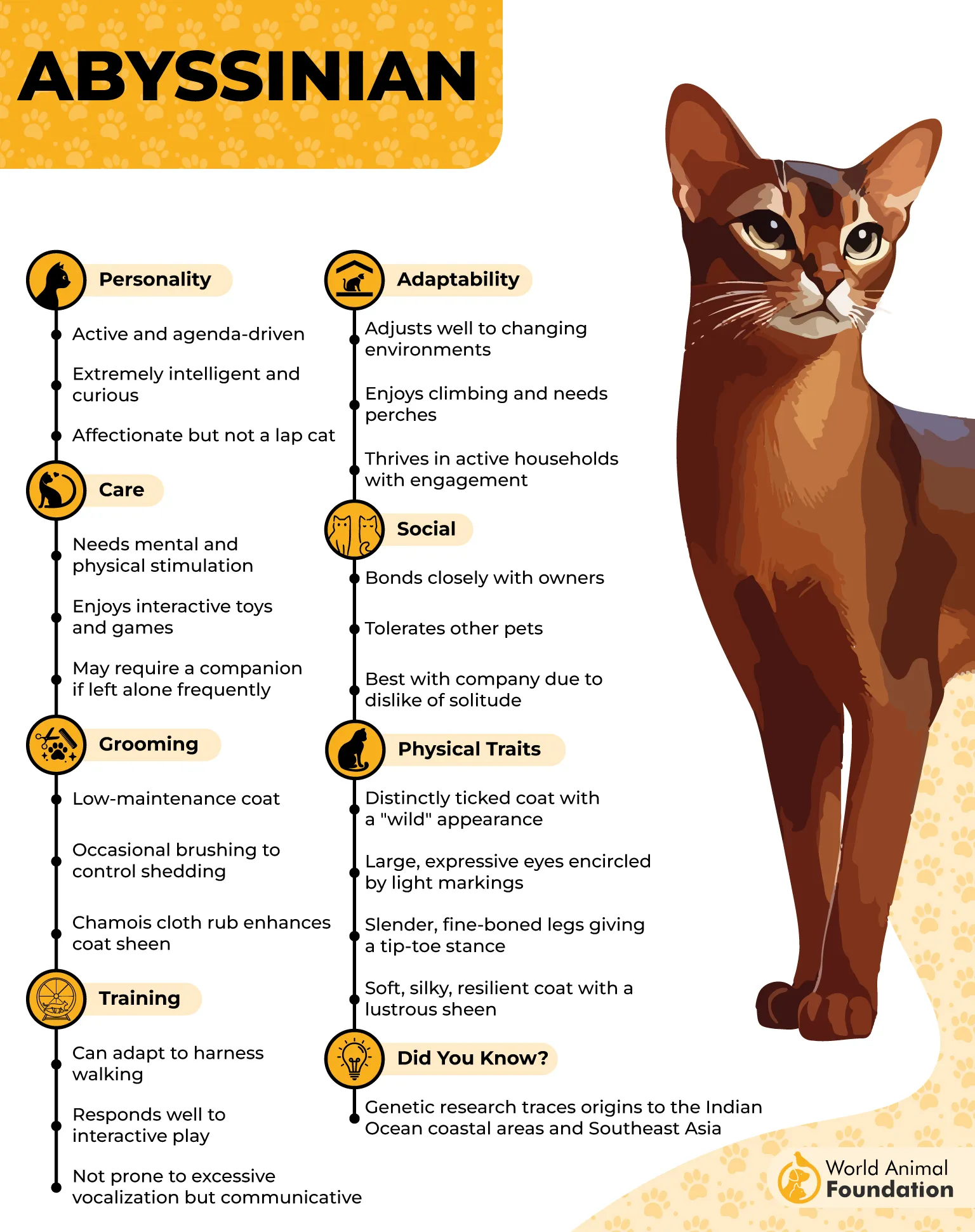
High intelligence meets high energy in everything an Abyssinian does. These cats love vertical space, racing up furniture, leaping between perches, and investigating every corner of their environment. A home without climbing options or daily play quickly becomes boring for them.
Mental stimulation is just as essential as physical exercise. Interactive toys, puzzle feeders, and games like fetch keep their sharp minds engaged. Abys are social by nature and prefer homes where people—or even other pets—are around to share the action.
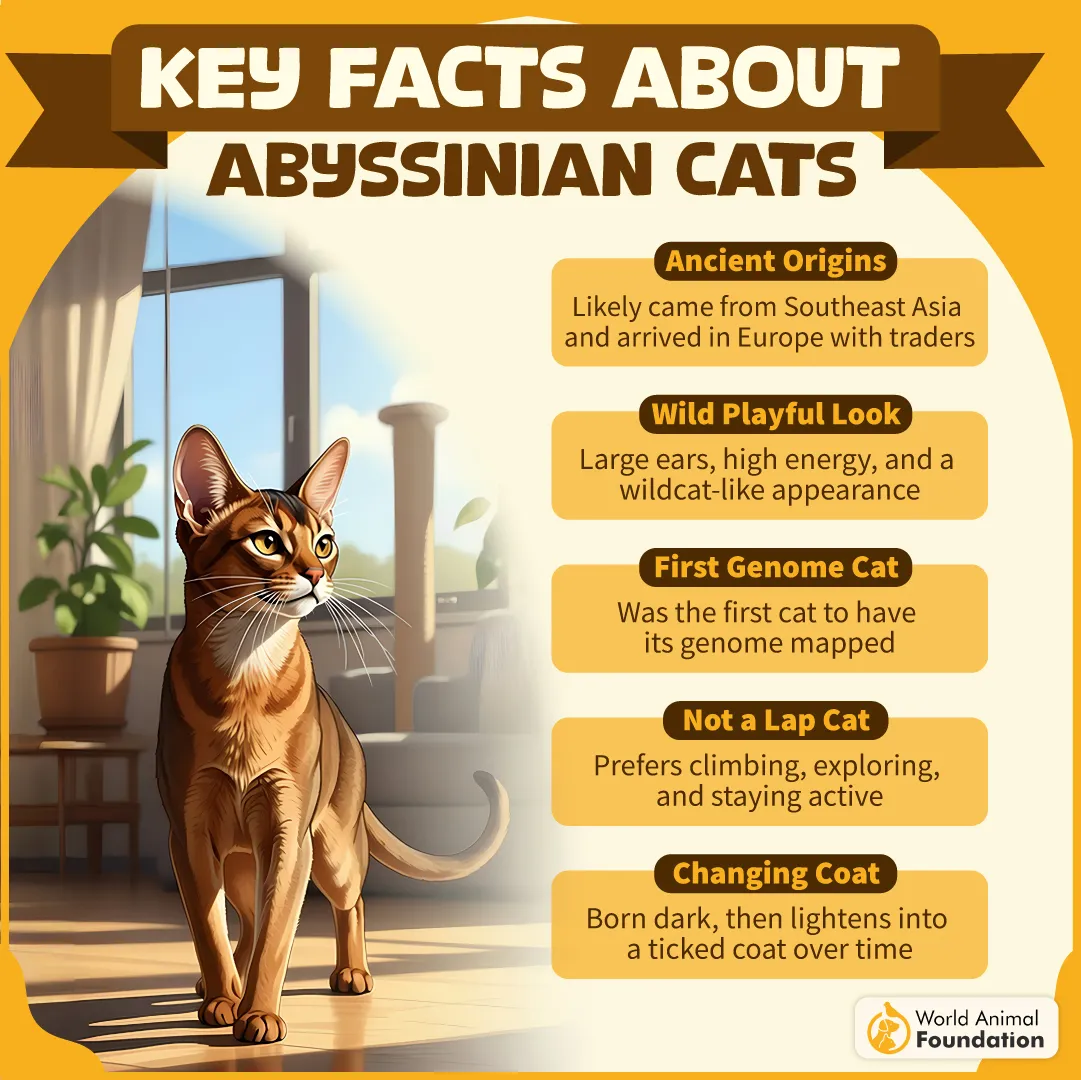
Despite their constant motion, Abyssinians form strong bonds with their families and enjoy being involved in daily routines. They are not typical lap cats, but they show affection through presence, play, and curiosity.
Fact: Abyssinians are known to become destructive if understimulated, making daily enrichment essential for their well-being.
4. Siamese
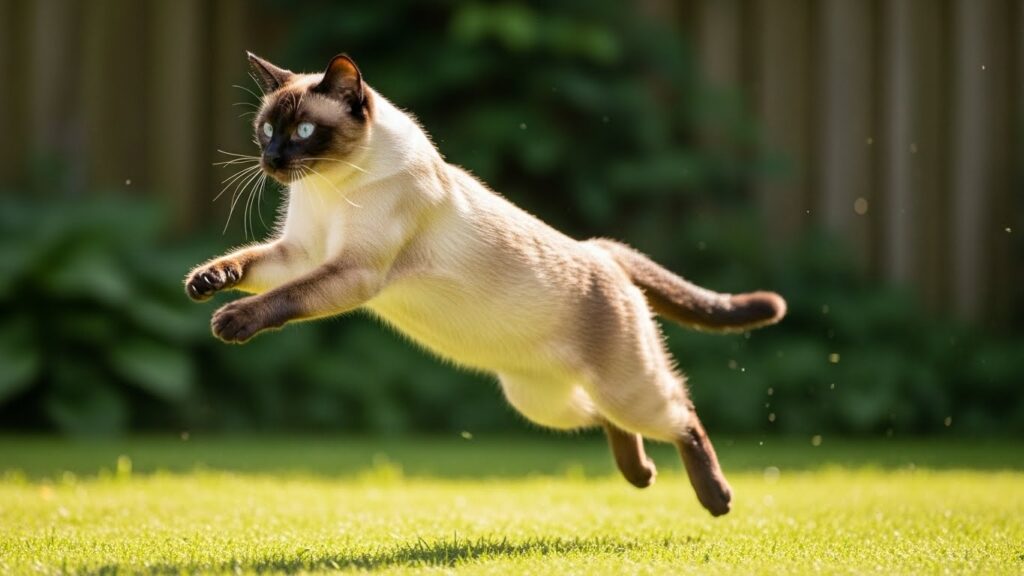
Also known as the Thai cat in its traditional form, the Siamese is instantly recognizable by its sleek body, striking color-point coat, and piercing blue eyes. This ancient breed pairs elegance with an intense need for interaction and movement.
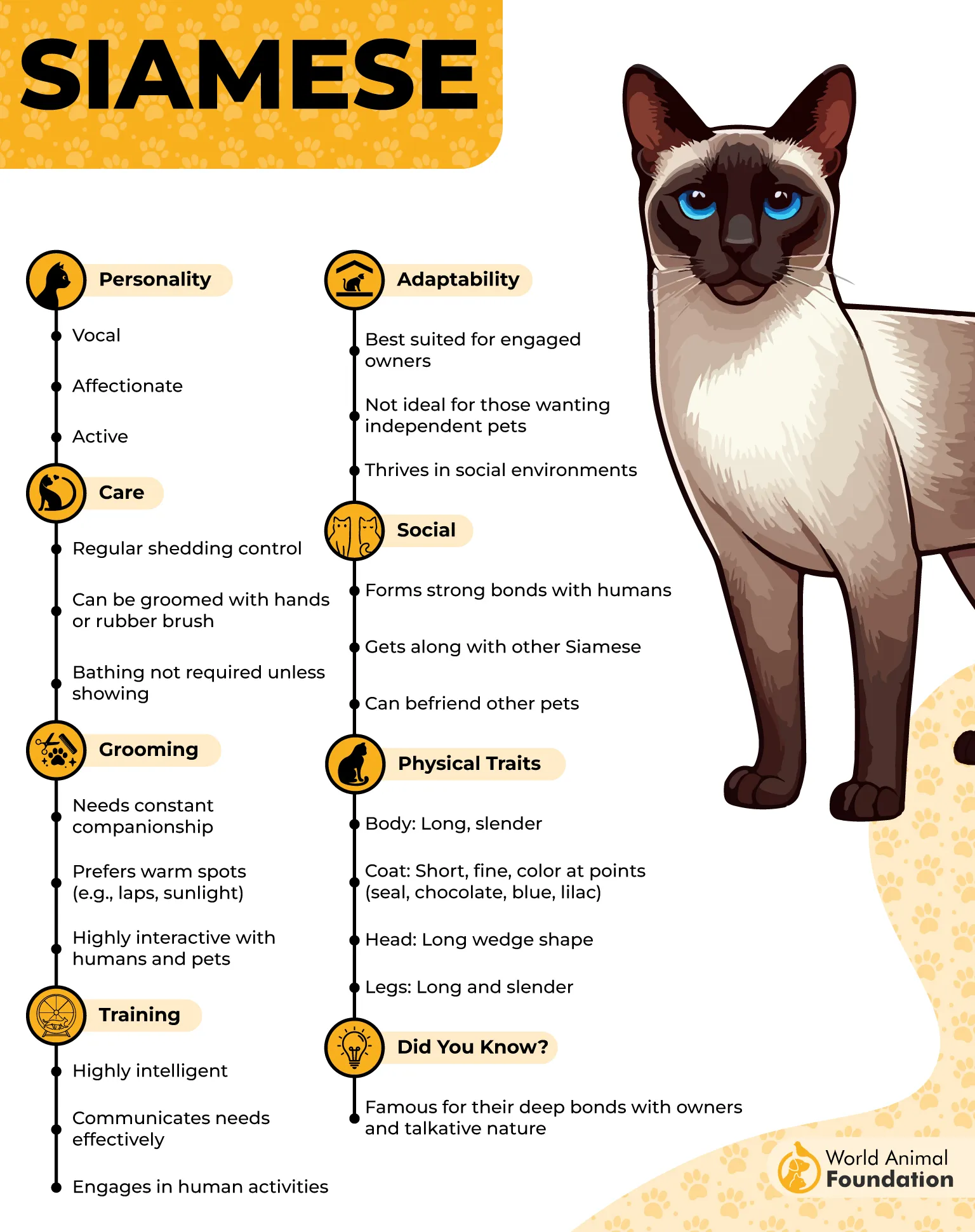
Built for speed and stamina, Siamese cats are constantly in motion, darting between rooms, scaling furniture, and turning daily life into a game. Their athletic build and sharp reflexes make them natural climbers who thrive in homes with vertical space and engaging setups.
Mental stimulation is just as important as physical exercise for this breed. Siamese cats enjoy puzzle toys, interactive games, and even leash training, but only when activities respect their independent streak and strong preferences.
Highly social and affectionate, they bond deeply with their people and often seek play sessions that involve conversation and attention. Without enough engagement, boredom sets in quickly, leading to restless behavior.
Fact: In ancient Thailand, Siamese cats were once reserved exclusively for royalty, highlighting their long history as a prized and energetic companion.
5. Oriental Shorthair
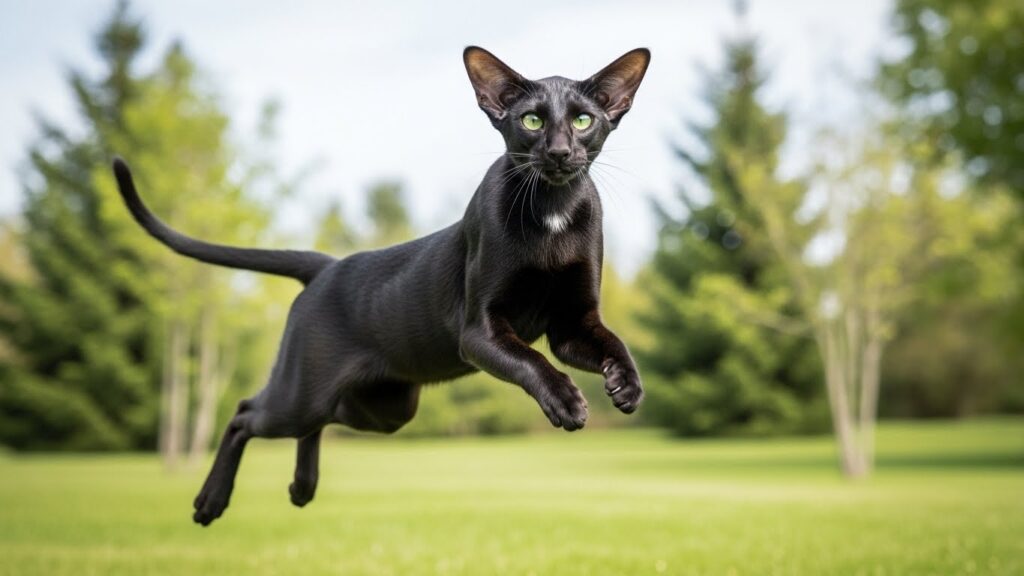
Also known simply as the Oriental, this sleek Siamese hybrid is instantly recognizable by its long lines, oversized ears, and wide range of coat colors and patterns. Beyond looks, the Oriental Shorthair is famous for its boundless energy, sharp intelligence, and deeply social nature.
Best described as curious, busy, and adventure-loving, this breed rarely sits still. Orientals want to explore every room, climb every surface, and stay involved in whatever their humans are doing. Without regular stimulation, they can quickly become restless and frustrated.
Mental challenges are just as important as physical activity for these cats. Interactive toys, food puzzles, and training games help channel their energy productively. Many Orientals enjoy learning tricks, playing fetch, and racing through obstacle-style play setups around the home.
Highly people-oriented, Oriental Shorthairs thrive on interaction and companionship. They prefer households where someone is often around to engage with them, as long periods alone can dampen their spirited personality.
Fact: Oriental Shorthairs are closely related to Siamese cats and are widely known for being exceptionally vocal and constantly communicative.
6. Cornish Rex
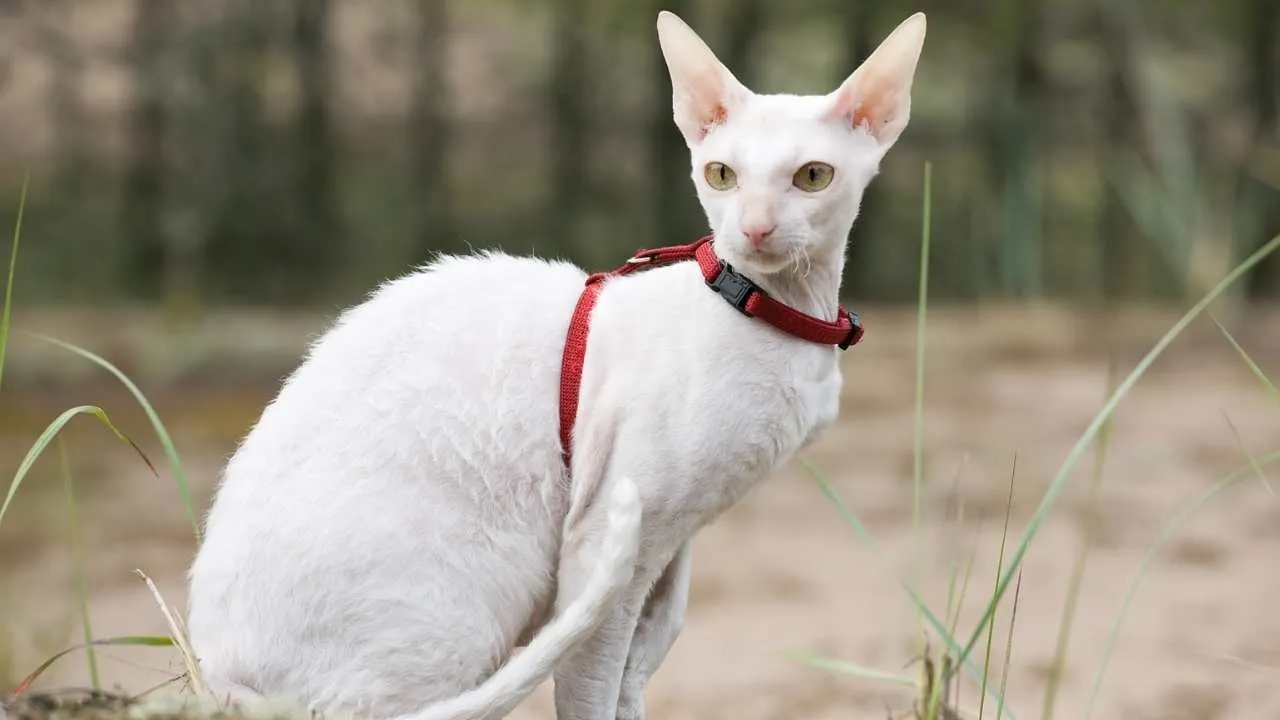
Also called the “Greyhound of the cat world,” the Cornish Rex is instantly recognizable for its sleek frame, oversized ears, and signature soft, wavy coat. Originating from a natural mutation in England, this breed pairs a striking look with an endlessly playful personality.
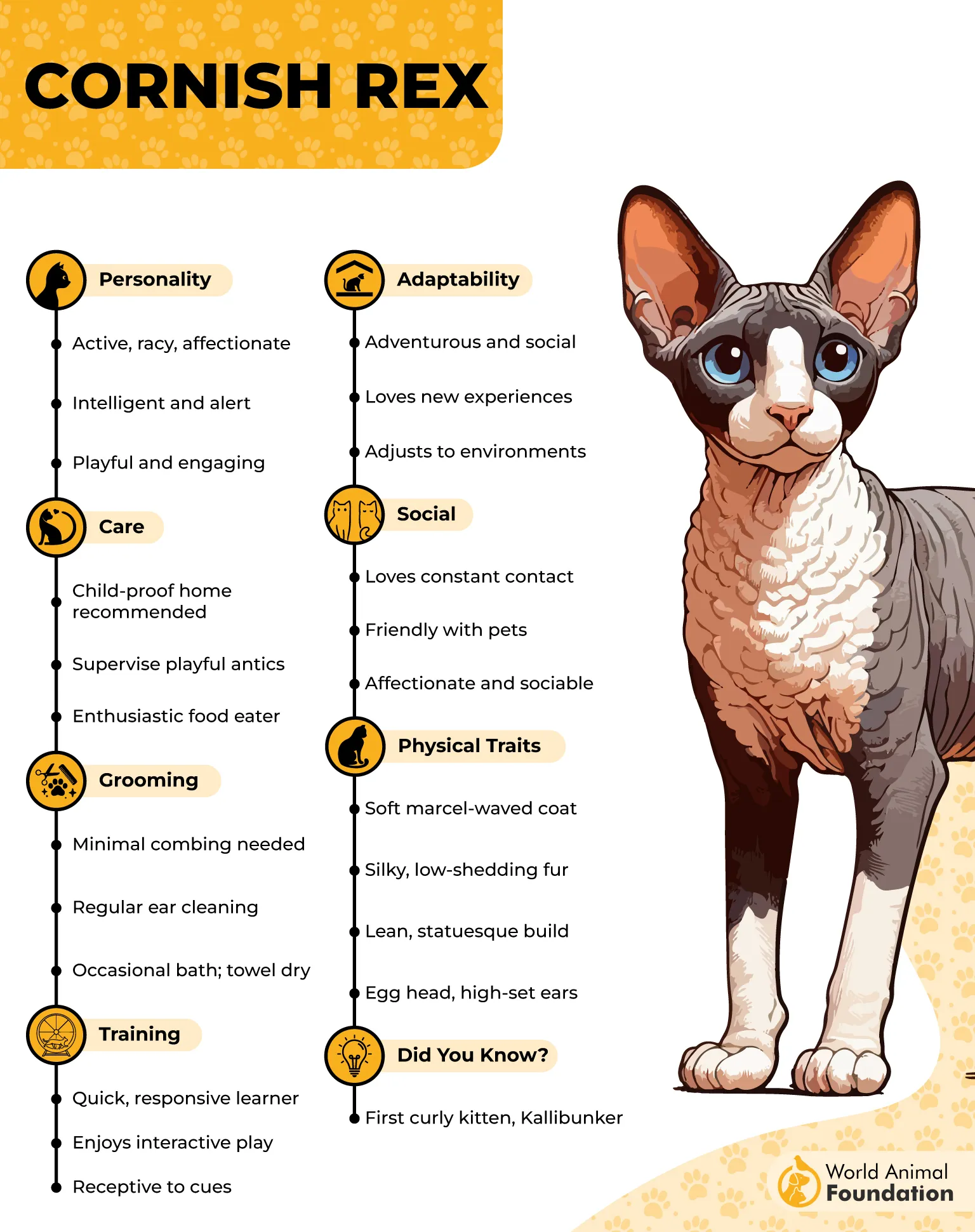
A true high-energy cat, the Cornish Rex thrives on movement and interaction. They turn nearly everything into a game and eagerly involve their humans, making daily playtime a necessity rather than a bonus. Without regular activity, their curiosity quickly finds mischief.
As natural climbers and explorers, Cornish Rex cats love vertical spaces. Tall cat trees, wall shelves, and window perches help satisfy their urge to get up high while keeping household items safe. Their athletic build allows for impressive leaps and agile maneuvers.
Mental stimulation is just as important as physical exercise. These intelligent cats enjoy puzzle toys, learning tricks, and even leash walking. Interactive play strengthens the bond and keeps their boundless energy focused in positive ways.
Fact: Cornish Rex cats are so agile and energetic that many can be trained to play fetch and perform tricks using positive reinforcement.
7. Devon Rex
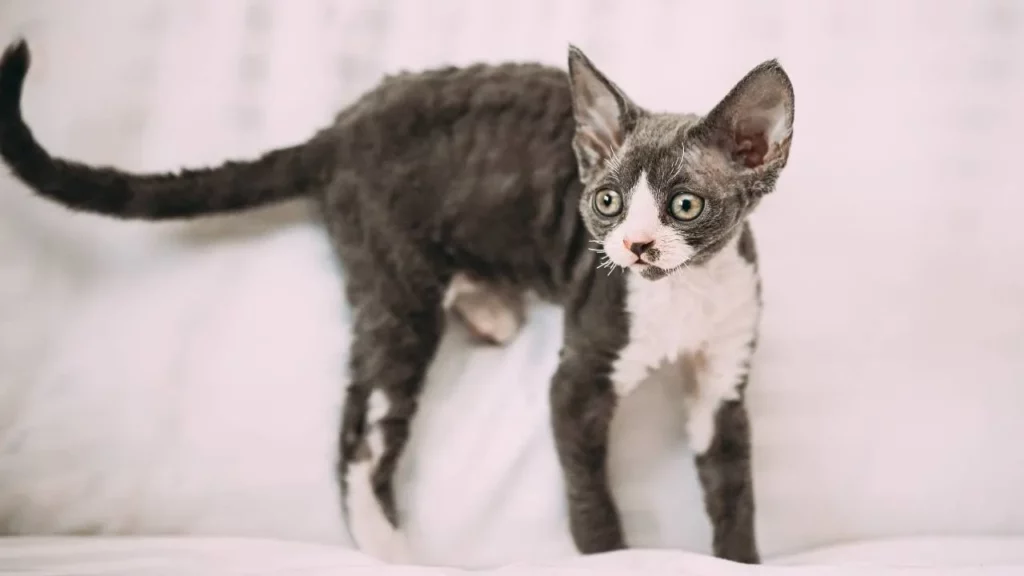
Often called the “Pixie Cat” or “Poodle Cat,” the Devon Rex is instantly recognizable by its wavy coat, oversized ears, and elfin expression. Small in stature but huge in personality, this breed is social, curious, and always eager to be involved in daily life.
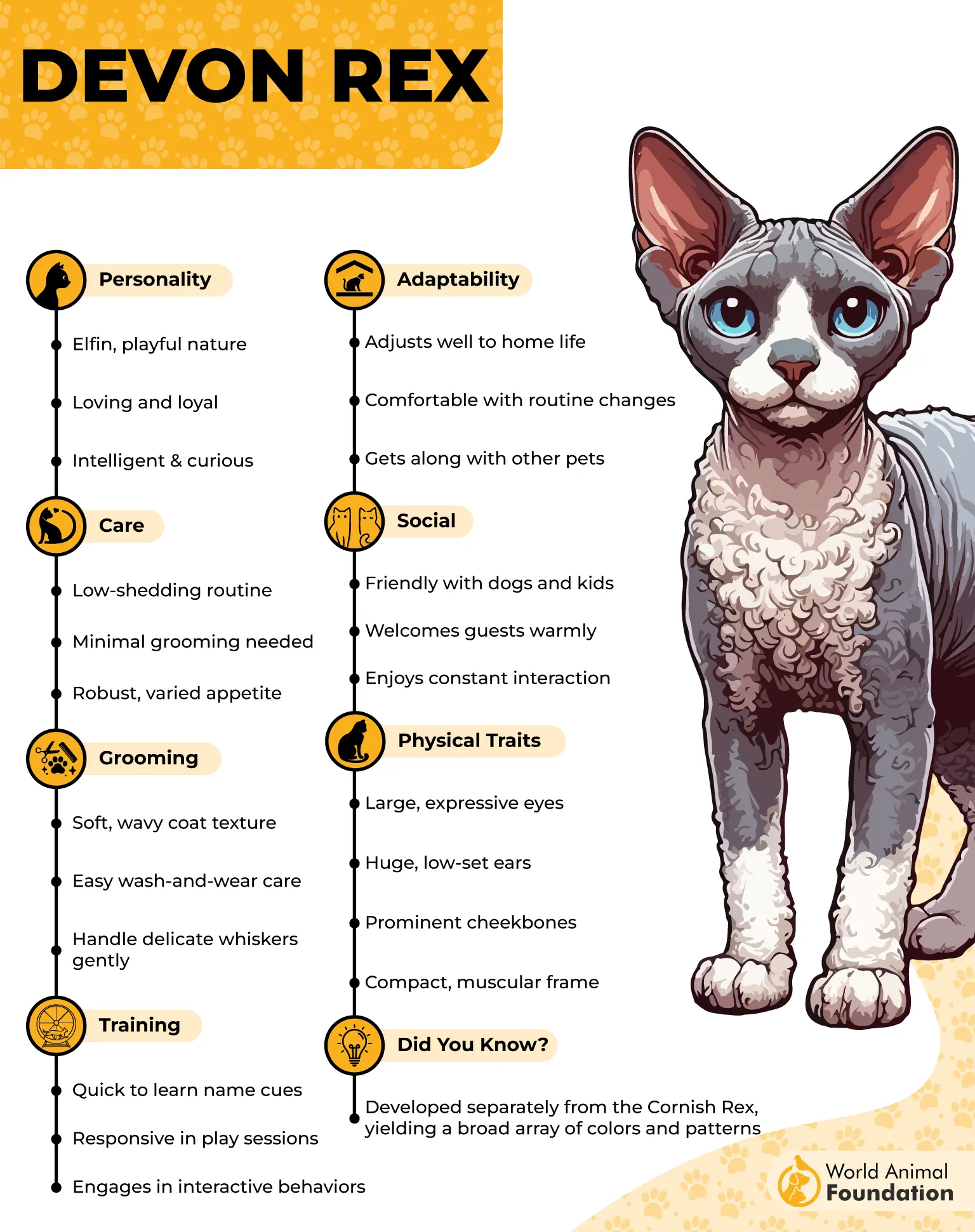
True to the theme of Constantly Engaged and Alert, Devon Rex cats demand interaction throughout the day. They love chasing wand toys, leaping after laser dots, and inventing games that keep both body and mind busy. Sitting still for long simply isn’t their style.
Highly intelligent and alert, the Devon Rex thrives on enrichment. Cat trees, shelves, and interactive toys are essential, as they’ll explore every corner of their environment. Many owners find these cats perched high, observing everything with intense curiosity.
Their energy is matched by a strong desire for human companionship. Devon Rex cats excel at training, often mastering clicker games or simple tricks faster than most breeds.
Fact: The Devon Rex originated from a unique genetic mutation in England during the 1950s, separate from the Cornish Rex lineage.
8. Turkish Angora
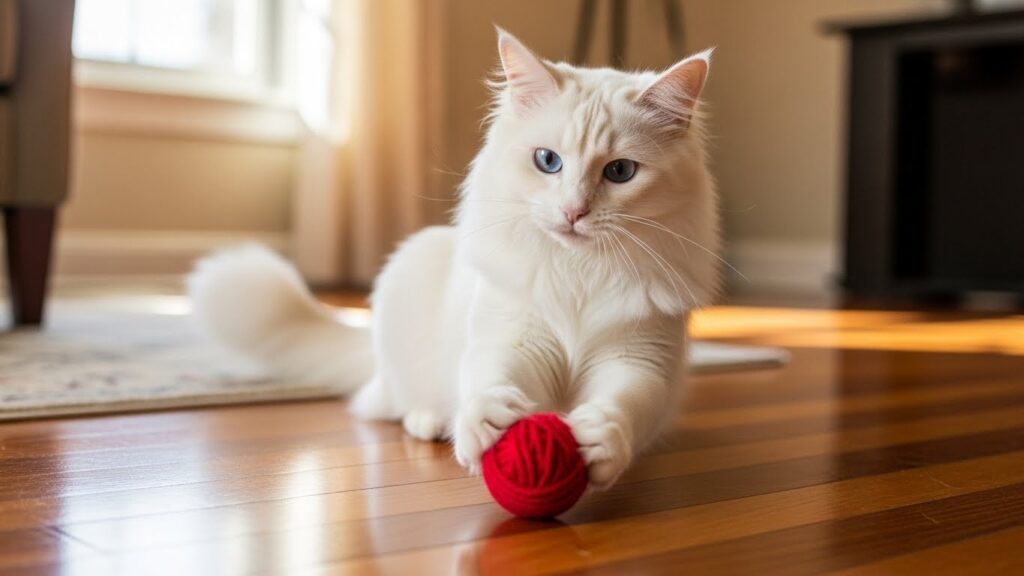
Also known as the Ankara cat, the Turkish Angora is an ancient long-haired breed admired for its silky coat, striking eyes, and naturally athletic build. This elegant feline is curious, alert, and far more energetic than its refined appearance might suggest.
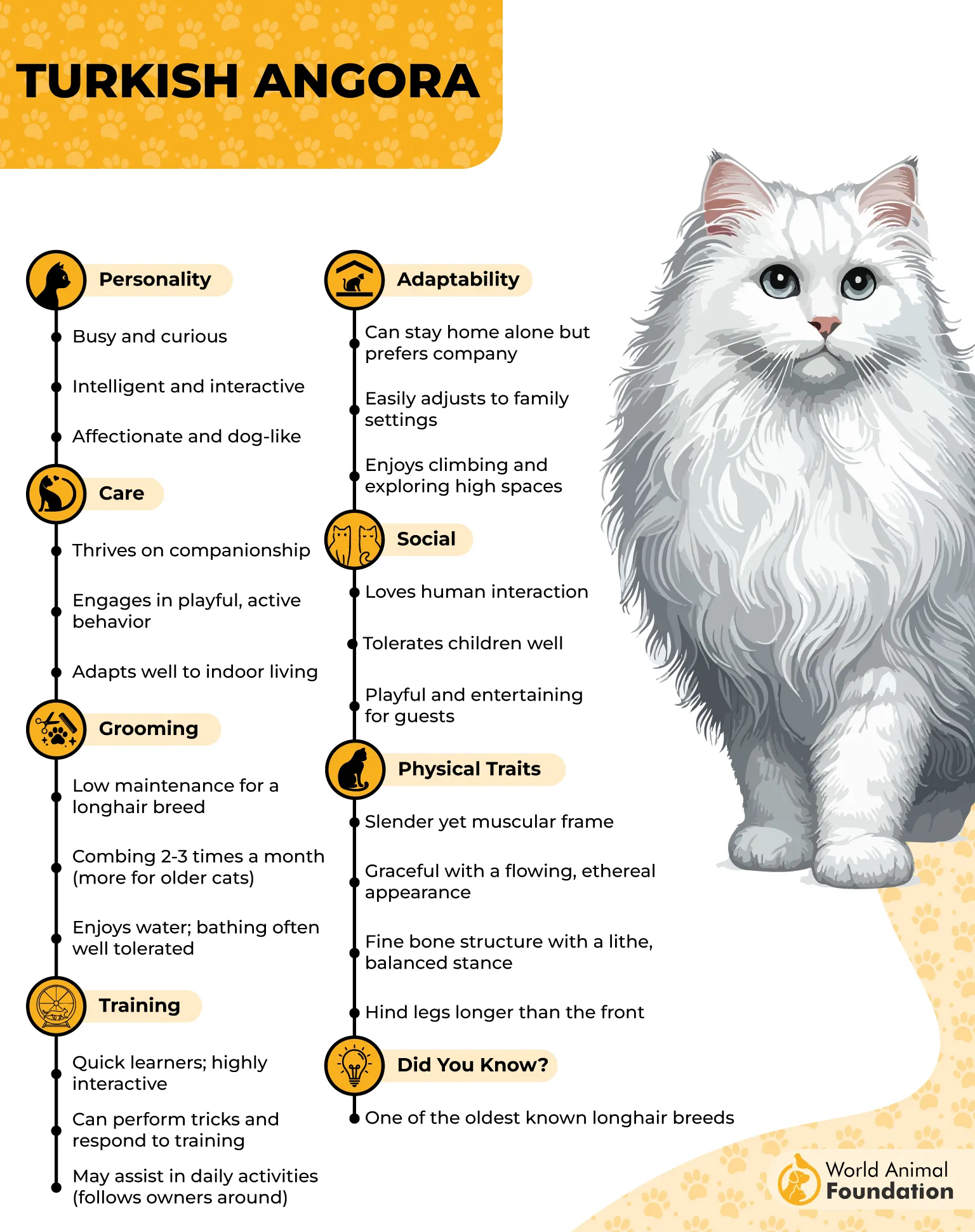
High activity is part of everyday life for a Turkish Angora. These cats love climbing to elevated spots, exploring shelves, and racing through rooms, making vertical space and interactive play essential in their routine.
Their energy is paired with a sharp, working mind that craves stimulation. Puzzle feeders, clicker training, and games like fetch keep boredom at bay while strengthening the bond between cat and owner.
Although not typical lap cats, Turkish Angoras enjoy staying close to their people, often shadowing them from room to room and initiating play.
Fact: Turkish Angoras are often described by veterinarians as “gymnasts in fur coats” because of their constant climbing and agile movement.
9. Ocicat
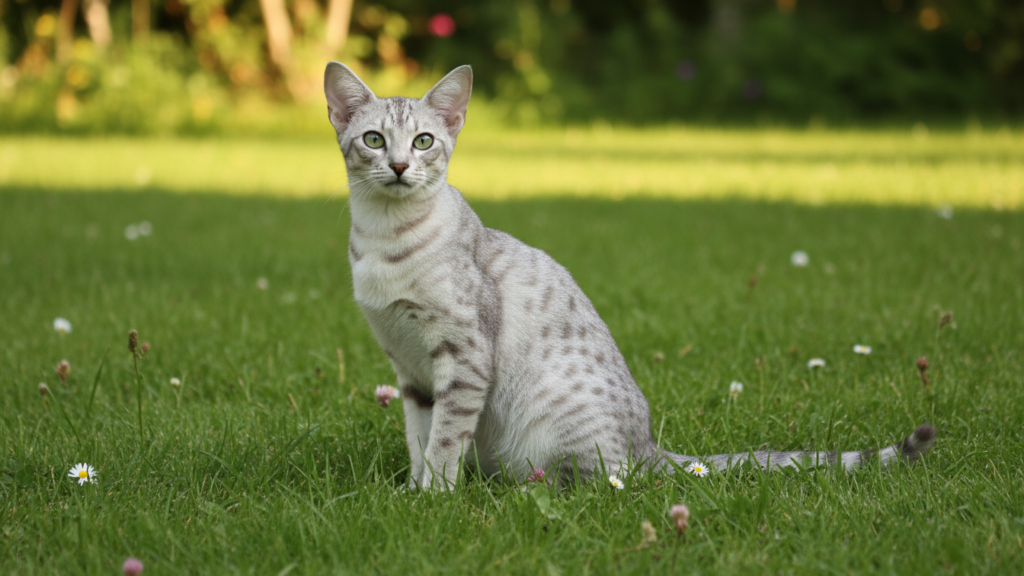
Often mistaken for a wild hybrid, the Ocicat gets its name from its ocelot-like spots but is entirely domestic. Developed from Siamese and American Shorthair lines, this sleek, muscular cat combines a bold look with an outgoing, people-focused personality.
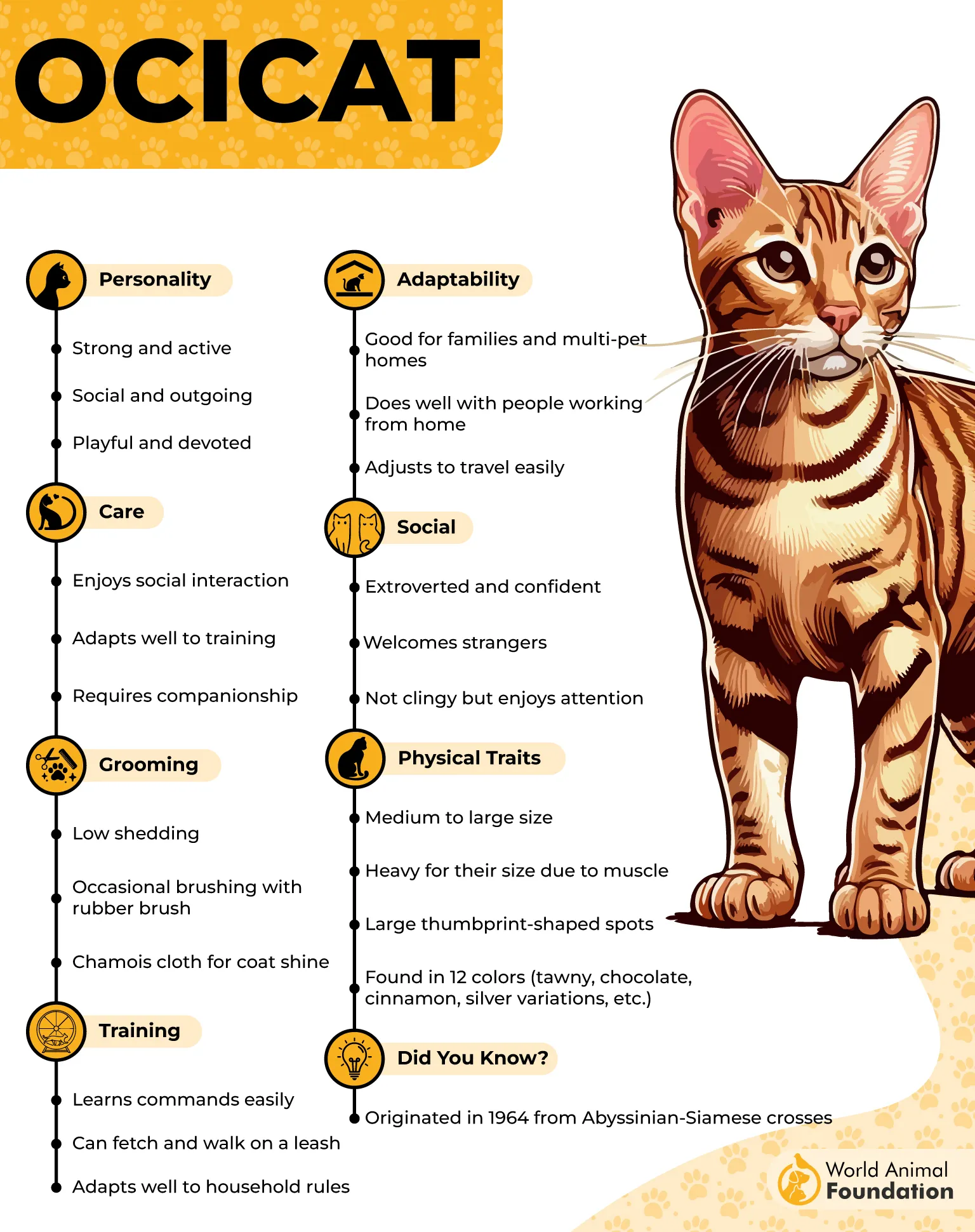
Living up to its reputation for endless energy in a sleek frame, the Ocicat thrives on movement and interaction. It loves sprinting through the house, making impressive jumps, and turning everyday spaces into personal obstacle courses. A quiet home without stimulation won’t keep this breed satisfied for long.
Mental challenges are just as important as physical play. Ocicats excel at learning tricks, responding to their names, and mastering interactive games. Many owners describe them as dog-like thanks to their enthusiasm for fetch, leash walks, and even car rides.
Highly social and confident, Ocicats do best in busy households with other pets or frequent human interaction. They dislike being left alone and will vocalize their boredom if ignored.
Fact: Ocicats were intentionally bred in the 1960s to look wild while retaining a friendly, trainable domestic temperament.
Conclusion
Choosing from cat breeds that require high activity means welcoming a companion that thrives on movement, curiosity, and daily engagement.
These playful cat breeds—such as the Bengal, Ocicat, Turkish Van, and Egyptian Mau—are extremely active and tend to remain playful well beyond kittenhood.
They’re fun-loving, super smart, and eager to play games, learn new tricks, and interact with other cats or even other animals. Without enough stimulation, they can get bored quickly, which may lead to destructive behaviors, making scratching posts and interactive toys essential for good health.
If you want a cat that fits active families and loves to spend time with people, these highly active companions are a great match. Some owners find them through a local shelter or rescue organization, including later generations of energetic breeds from Southeast Asia.
While their needs differ from other breeds—whether it’s a dense coat, short legs, or constant motion—they reward effort with personality, intelligence, and endless energy.
