





Some cats barely blink at the click of a camera, while others dart away the moment they hear the shutter snap. Why do some cats react to camera sounds? The answer often lies in a mix of intelligence, curiosity, and heightened sensory awareness.
Cats that are naturally alert and quick to notice small environmental changes may interpret a camera’s click, beep, or focus noise as something worth investigating—or avoiding.
Cats hear higher frequencies than humans and can detect subtle mechanical sounds we might ignore. For a sound-aware cat, even the faint whirr of autofocus or a digital shutter can stand out sharply. Intelligent breeds, known for strong problem-solving skills and sharp memory, may quickly associate camera noises with past experiences.
Research suggests that activity level and temperament are partly inherited, meaning some breeds are naturally more observant and reactive. Curious, high-energy cats that thrive on mental stimulation are often the first to notice—and respond to—the camera in your hand.
Cat Breeds That React to Camera Sounds
1. Siamese
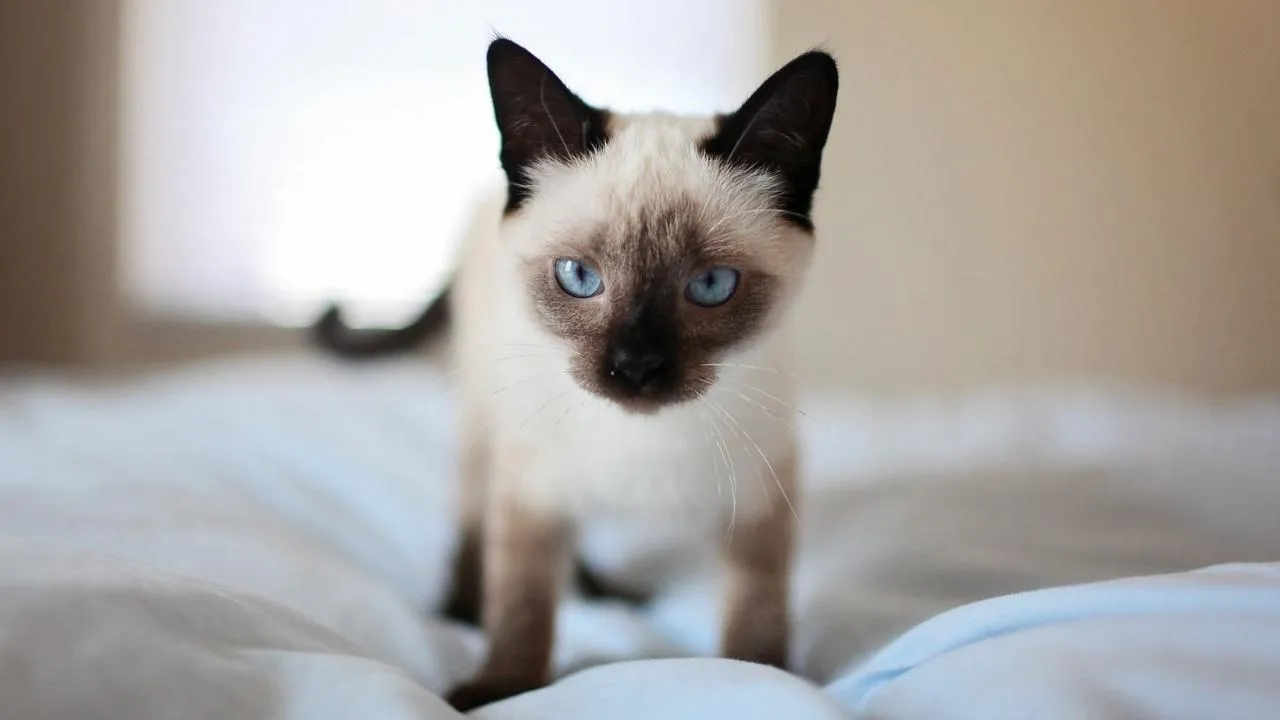
The Siamese, sometimes called the Royal Cat of Siam, is instantly recognizable for its sleek body, almond-shaped blue eyes, and striking color points. This elegant, short-haired breed is famous for its vocal personality and strong attachment to its humans.
According to Britannica, this breed is described as affectionate and loyal, occasionally prone to destructive behavior, and is considered by some enthusiasts to be the most intelligent of domestic cats.
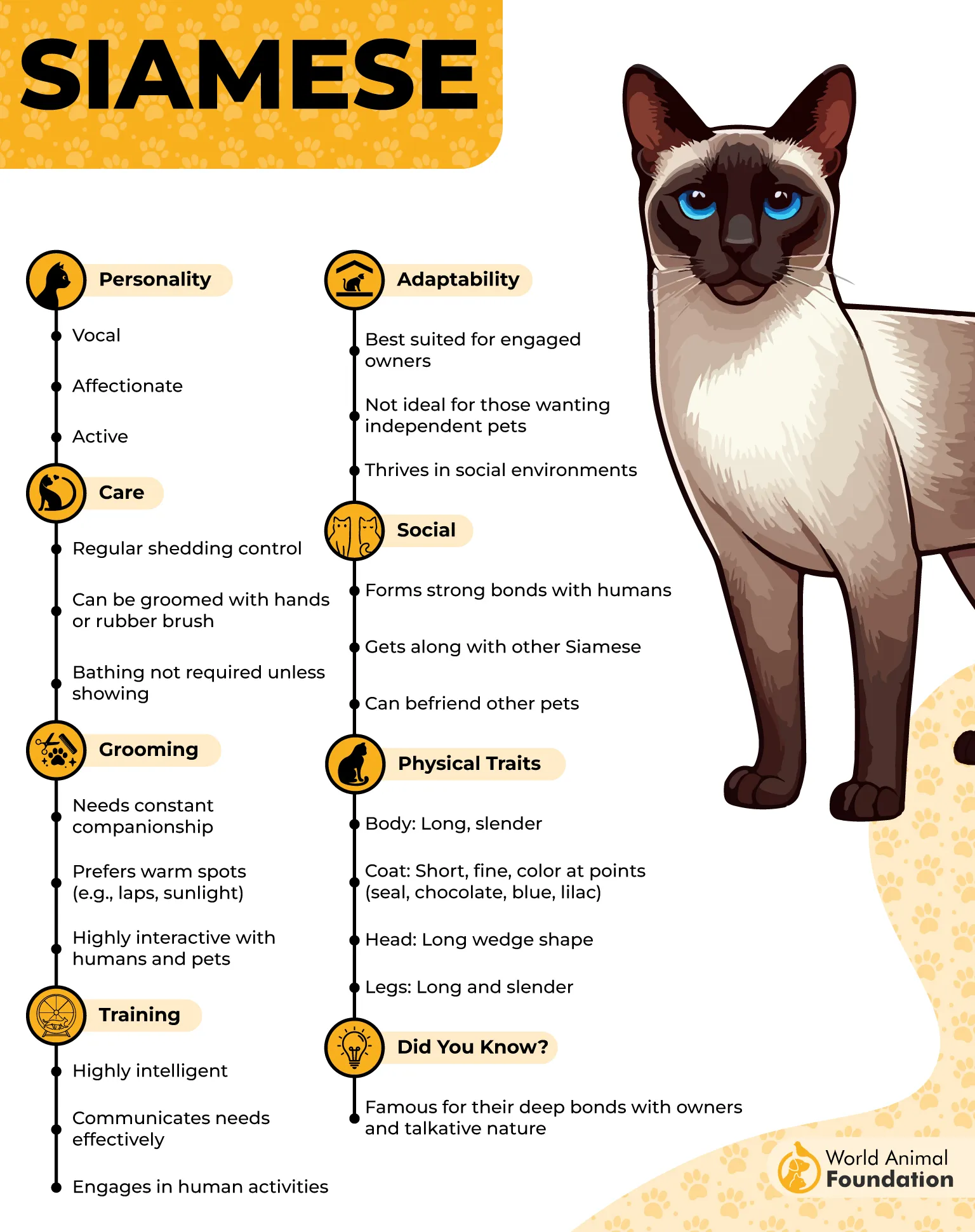
Naturally Curious About New Sounds?
Highly intelligent and endlessly playful, Siamese cats are quick to notice unfamiliar noises—camera clicks included. Their sharp minds and alert nature mean they often turn toward the sound, investigating rather than ignoring it.
These talkative felines thrive on interaction and mental stimulation, so a sudden shutter sound may spark curiosity or even a “conversation.” If they feel left out of the action, they’ll likely voice their opinion in a range of expressive tones.
Because they bond closely with their caretakers and learn routines quickly, Siamese cats may even anticipate when the camera comes out. A fun fact: these clever cats can be trained to play games, walk on a leash, and even learn how to open doors if you’re not careful.
2. Bengal
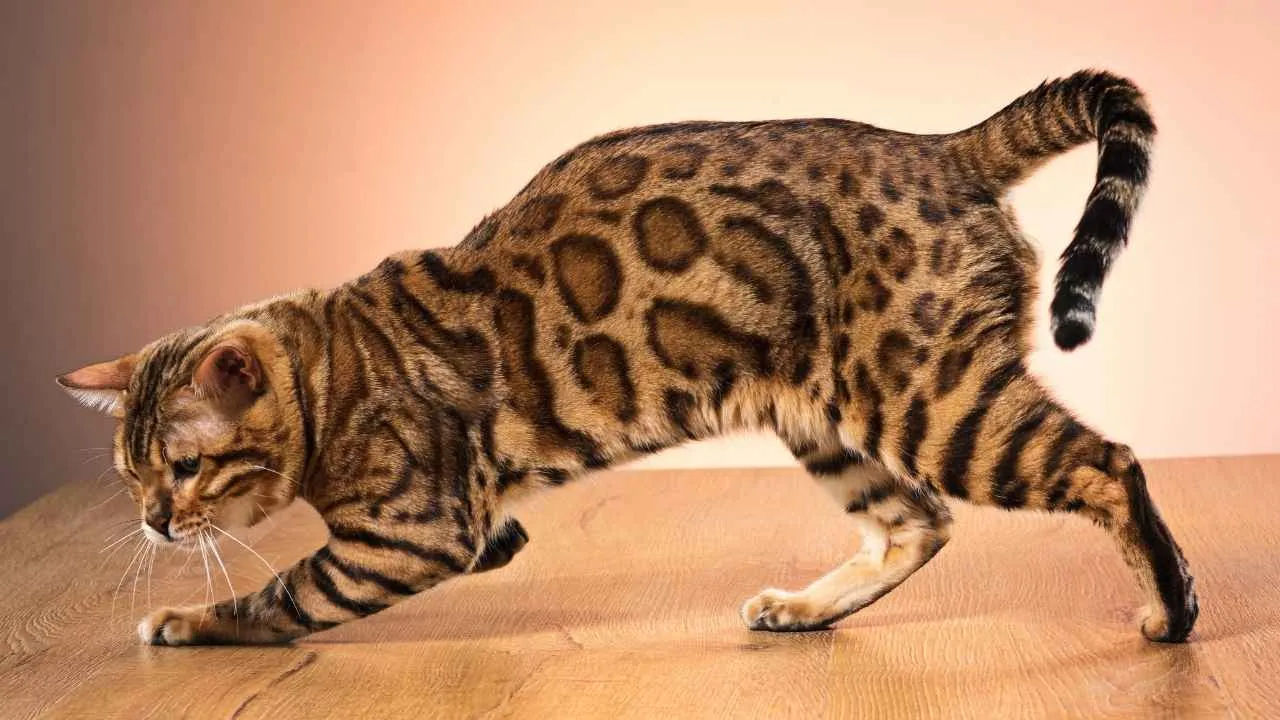
The Bengal, a hybrid of a domestic cat and the Asian leopard cat, is famed for its exotic, leopard-like coat and athletic build.
According to PetMD, Bengals are highly active cats that typically require a more stimulating environment and energetic lifestyle than many other domestic breeds.
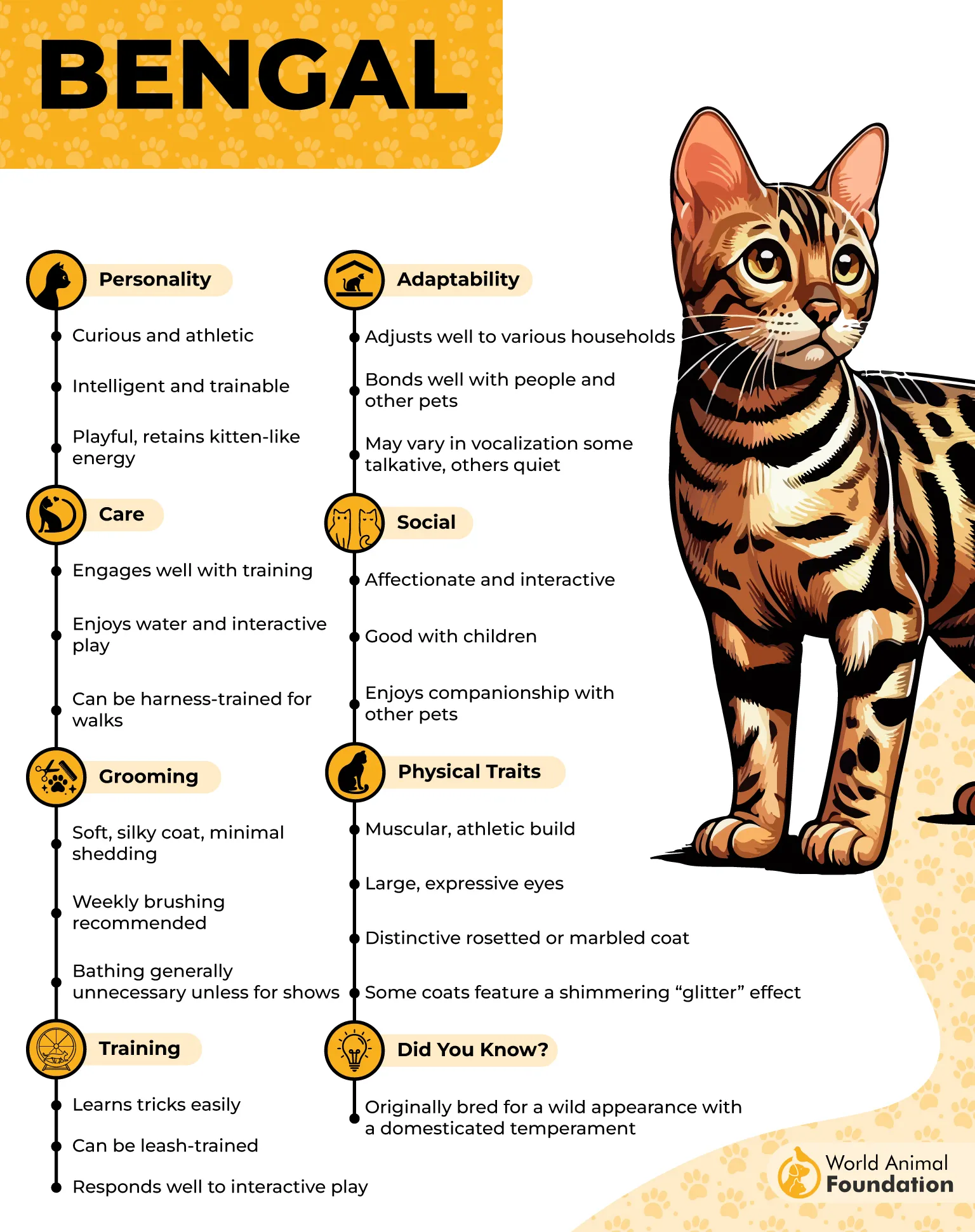
Alert and Highly Observant
Bold, inquisitive, and always on the lookout, Bengals are quick to react to sudden sounds like a camera shutter. Their sharp hearing and naturally vigilant temperament mean they rarely miss a click, often swiveling their heads or leaping to a higher perch to investigate.
Exceptionally smart and problem-solving by nature, they’re known to open drawers, flip switches, and even retrieve toys. That same curiosity makes them highly responsive to new stimuli, including unfamiliar noises in their environment.
Because they crave mental and physical stimulation, interactive toys and puzzle feeders are essential to keep them engaged and prevent mischief. A fun fact: the Bengal is one of the few cat breeds that genuinely enjoys water, often splashing in sinks or bathtubs like its wild ancestors.
3. Abyssinian
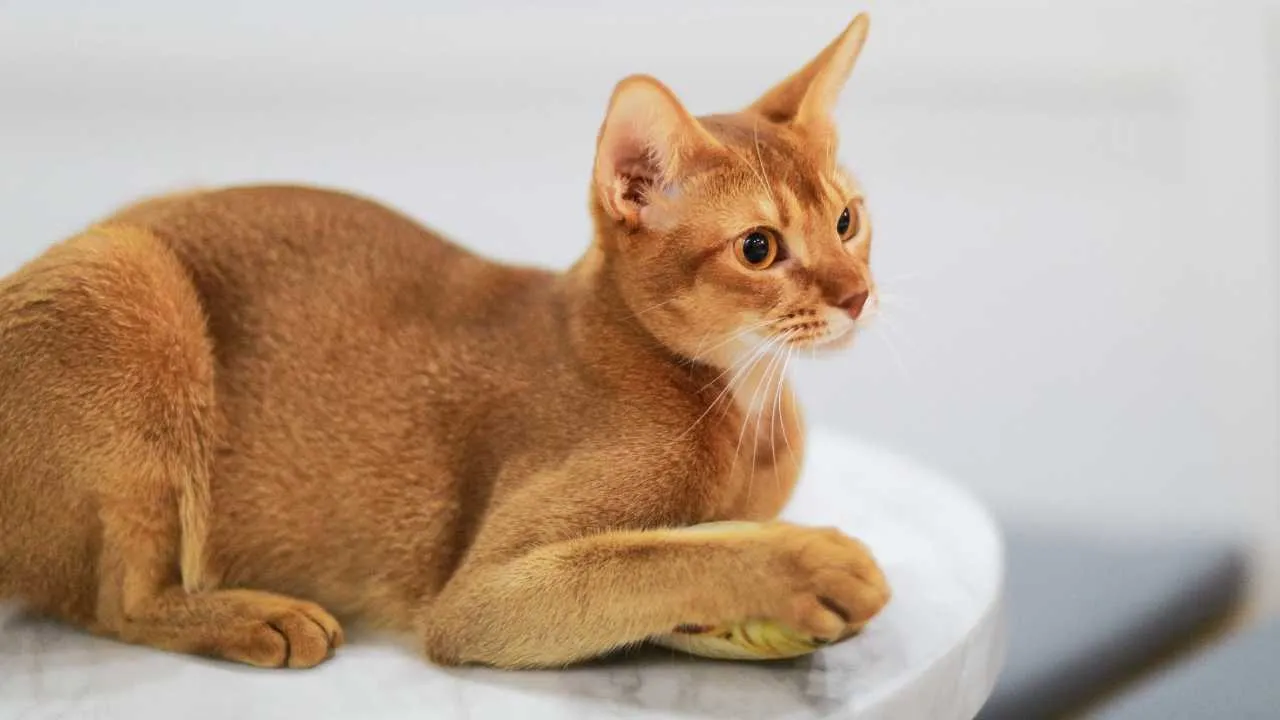
The Abyssinian—often called the “Aby”—is believed to have roots in Southeast Asia and is frequently linked to the cats seen in ancient Egyptian art.
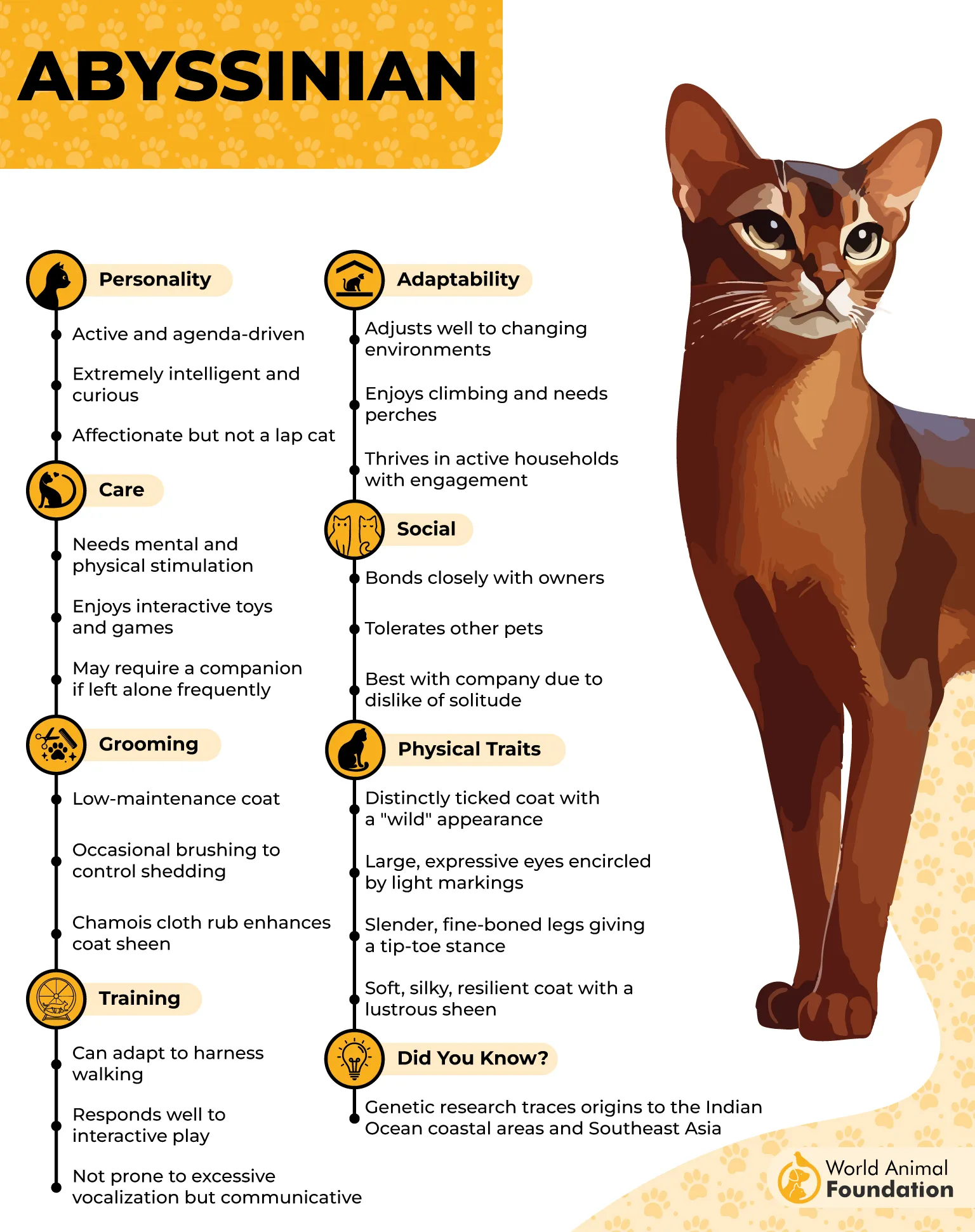
According to Purina, the Abyssinian is often described as a “supermodel” among cats, distinguished by its large ears, small oval paws, long, slender tail, and a fine, short, glossy coat.
Quick Reflexes and Sharp Hearing
Exceptionally attentive, Abyssinians are quick to swivel their ears toward sudden sounds like a camera shutter. Their heightened awareness and love of observation mean they rarely ignore unfamiliar clicks or beeps.

Nicknamed the “Einstein of the cat world,” this breed thrives on curiosity and exploration. They prefer perching up high to survey their surroundings, making them especially reactive to noises coming from different angles.
Highly trainable and always in motion, Abys enjoy interactive games, puzzle toys, and even leash walks. A notable fact: they’re one of the most intelligent cat breeds and can quickly learn tricks—or invent their own games if left unstimulated.
4. Oriental Shorthair
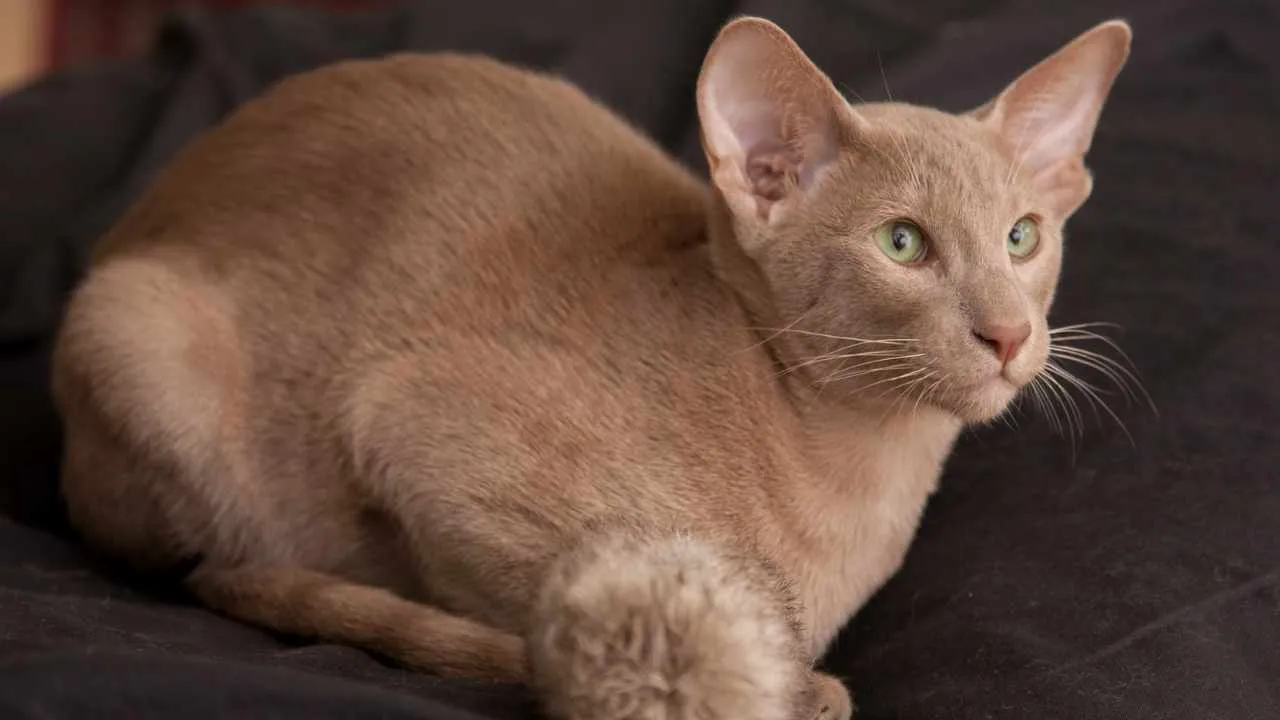
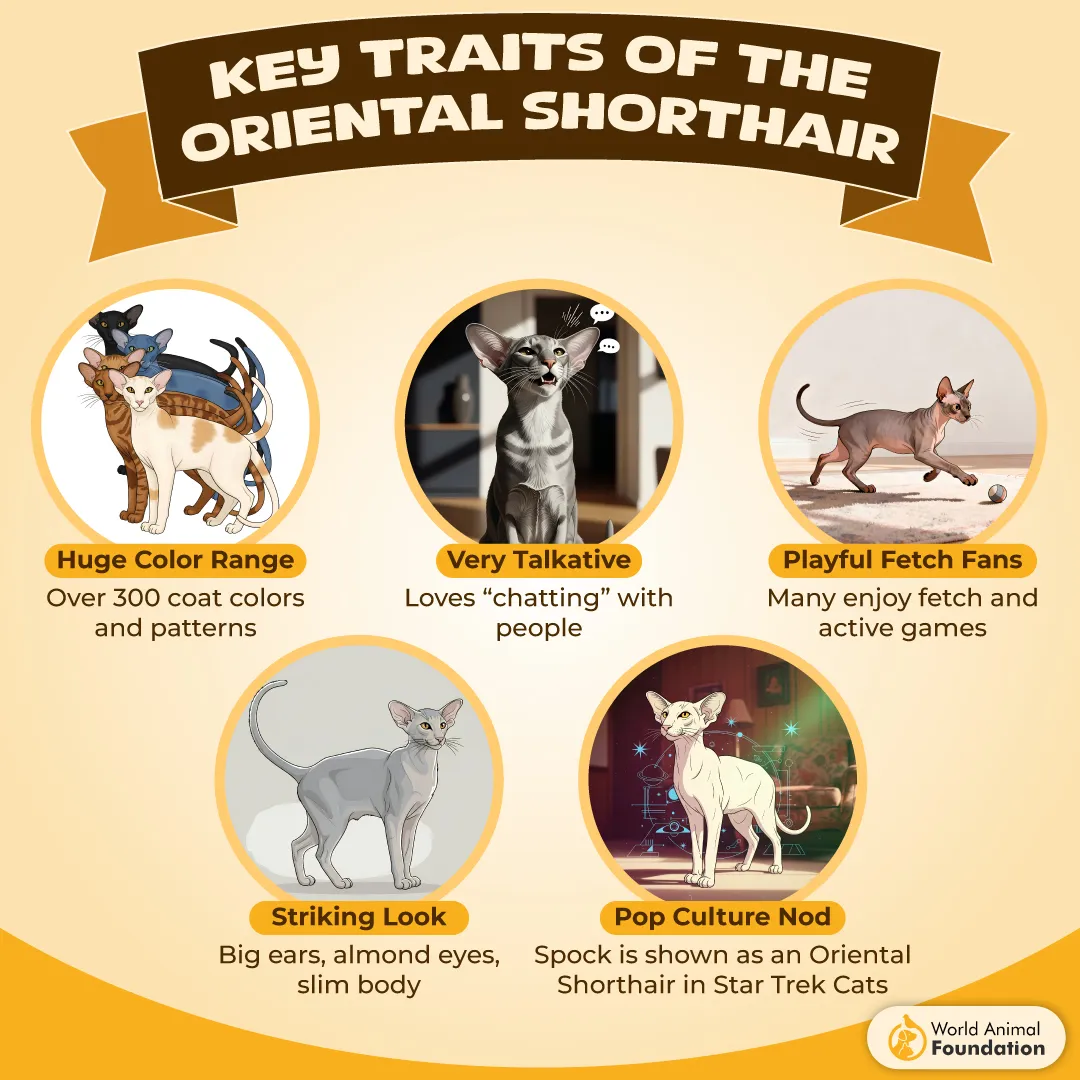
The Oriental Shorthair, often nicknamed the “Rainbow Cat” for its incredible range of coat colors and patterns, is a Siamese hybrid celebrated for its sleek frame, oversized ears, and almond-shaped eyes. Elegant and refined, this breed pairs striking looks with remarkable intelligence and curiosity.
Vocal and Responsive by Nature
Highly social and people-focused, the Oriental Shorthair is quick to react to unfamiliar sounds. Their large, alert ears capture even faint noises, and they often respond with head tilts, bright-eyed stares, or inquisitive chirps.
Because they crave interaction, these cats are rarely indifferent to activity around them. A sudden shutter sound may prompt them to investigate, vocalize, or even pose expectantly, especially if they associate the moment with attention.
True to their expressive nature, Oriental Shorthairs “talk” frequently and use a wide range of tones to communicate. A notable fact: this breed was developed to preserve the Siamese personality while expanding coat color variety.
5. Devon Rex
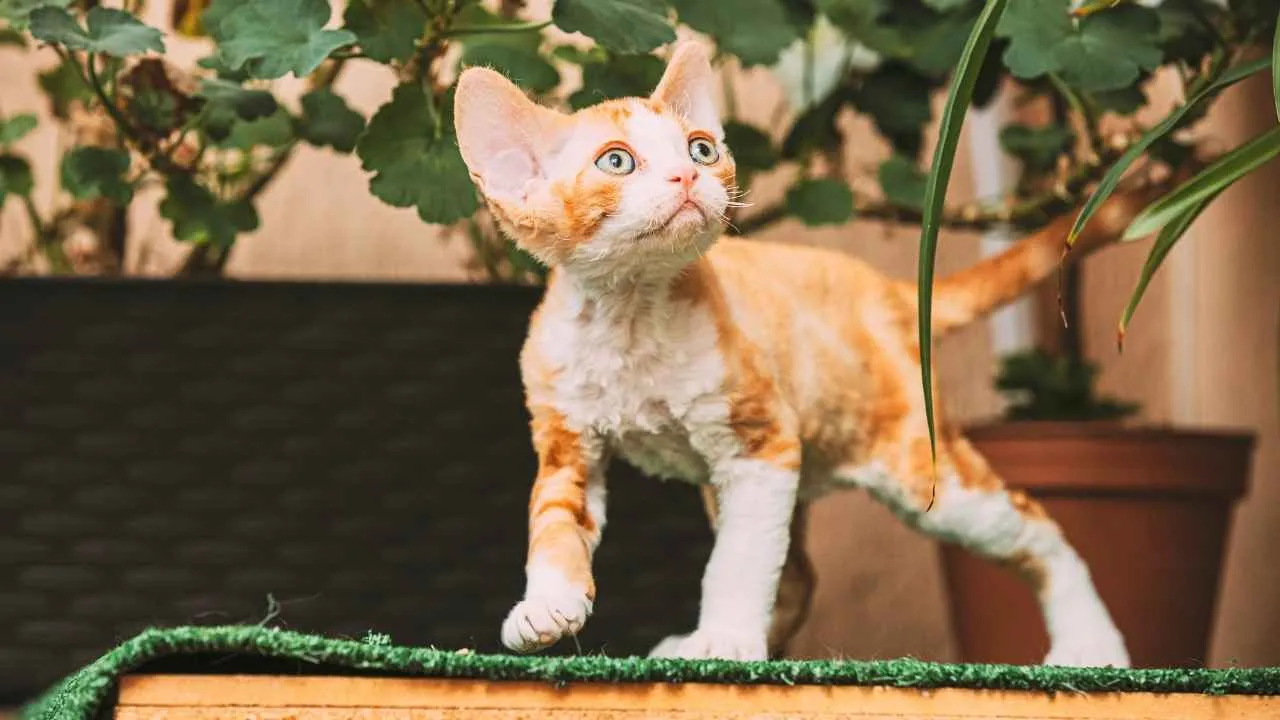
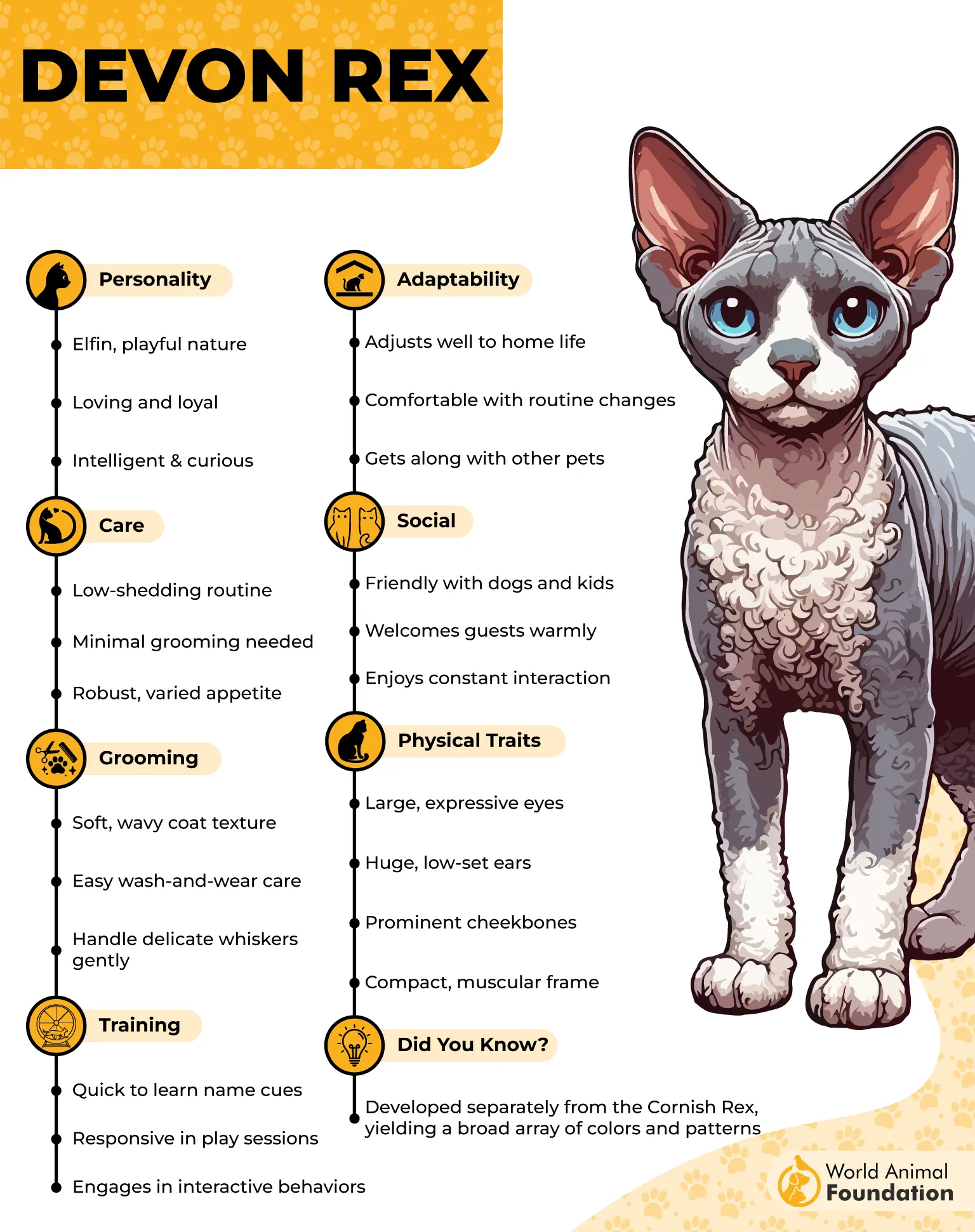
The Devon Rex, often called the “Poodle Cat” for its soft, curly coat, is an elfin-looking breed with oversized ears and a mischievous sparkle. Originating in England in the late 1950s from a spontaneous genetic mutation, this rare and highly sought-after cat combines elegance with playful charm.
Sensitive to Sudden Noises
Exceptionally intelligent and inquisitive, the Devon Rex is quick to notice unfamiliar sounds—including the sharp click of a camera shutter. Their large ears act like radar dishes, swiveling toward sudden noises as they assess what’s happening around them.
Though playful and people-oriented, they prefer a calm setting and can be startled by abrupt, high-pitched sounds. A camera snap may prompt a curious head tilt, wide-eyed stare, or even a soft trill in response.
Devons are talkative without being loud, expressing themselves through chirps and gentle peeps rather than harsh meows. A notable fact: due to their rarity, Devon Rex kittens typically cost between $1,000 and $3,000 from reputable breeders.
6. Cornish Rex
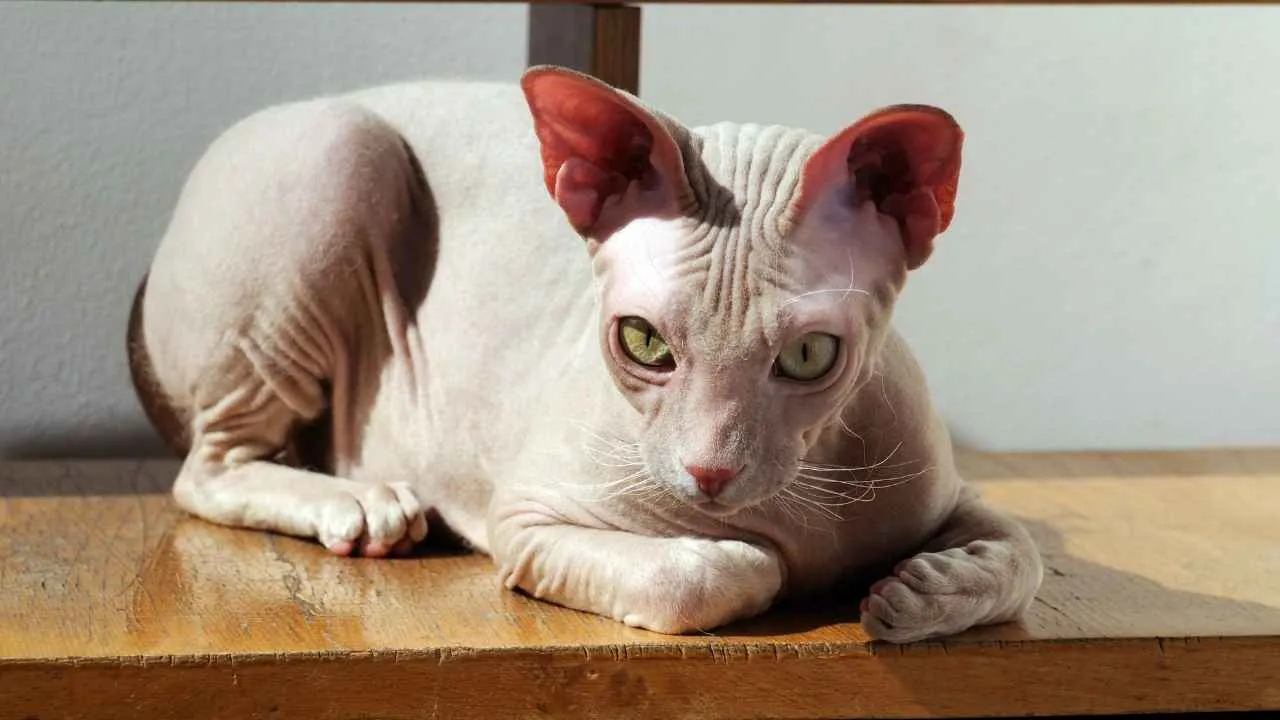
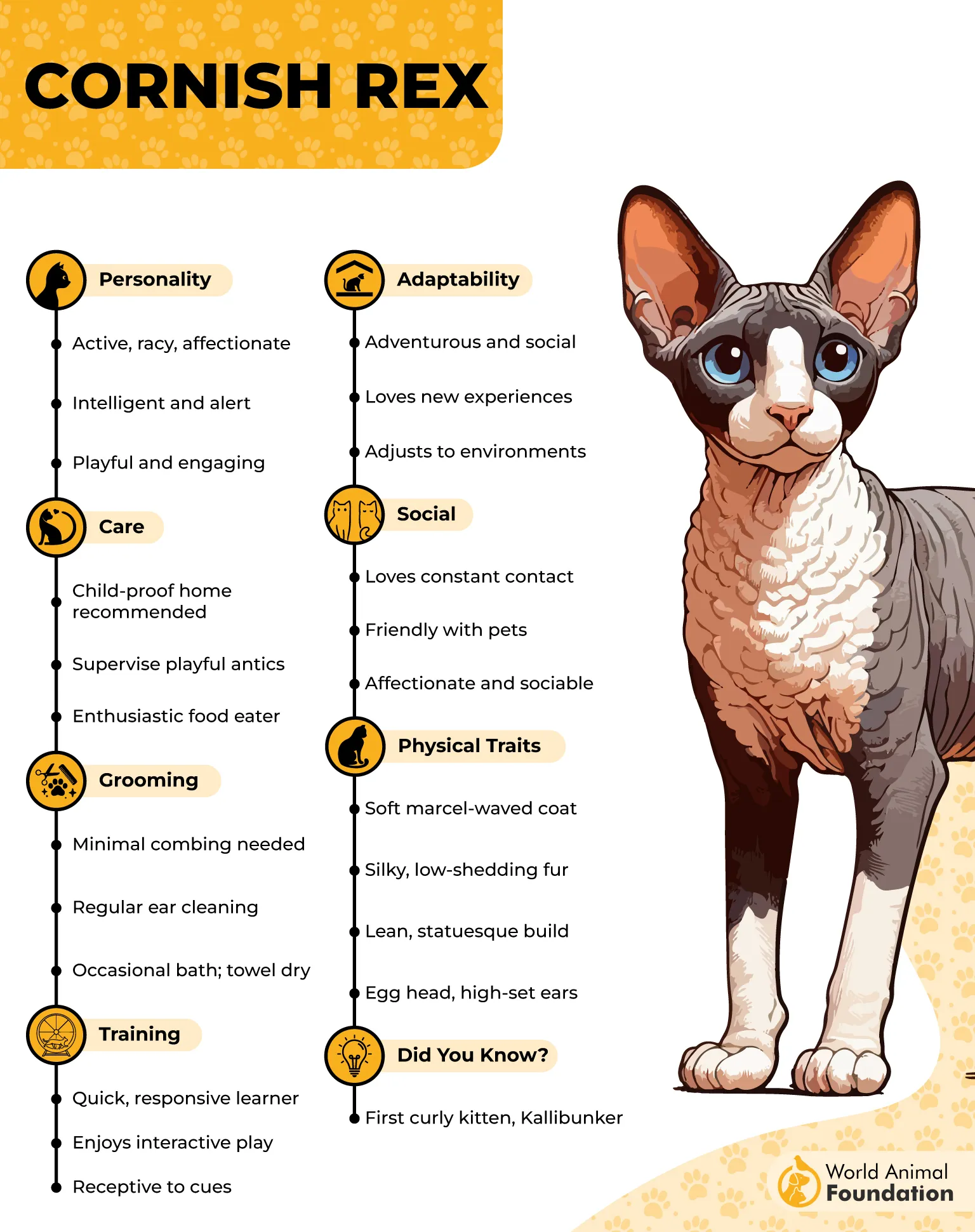
The Cornish Rex, sometimes affectionately called the “Peter Pan” of the cat world, is instantly recognizable for its slim, athletic frame and distinctive wavy coat. Originating in England, this curly-coated breed is sociable, interactive, and famously clever, with a playful streak that lasts well into adulthood.
Intelligent and Environmentally Aware
Exceptionally sharp and observant, the Cornish Rex notices even the faintest environmental changes. Their alert nature often leads to quick head turns, perked ears, and focused stares when they hear unfamiliar sounds.
Because they are natural problem-solvers, they don’t just react—they investigate. A shutter snap may prompt them to leap onto a higher perch for a better view or approach the source with curious confidence.
These dexterous cats are known for opening cabinets and mastering puzzle feeders, showing how tuned-in they are to their surroundings. A notable fact: the Cornish Rex is often described as incredibly intelligent and mischievous, frequently figuring out how to access drawers and hidden treats with ease.
7. Burmese
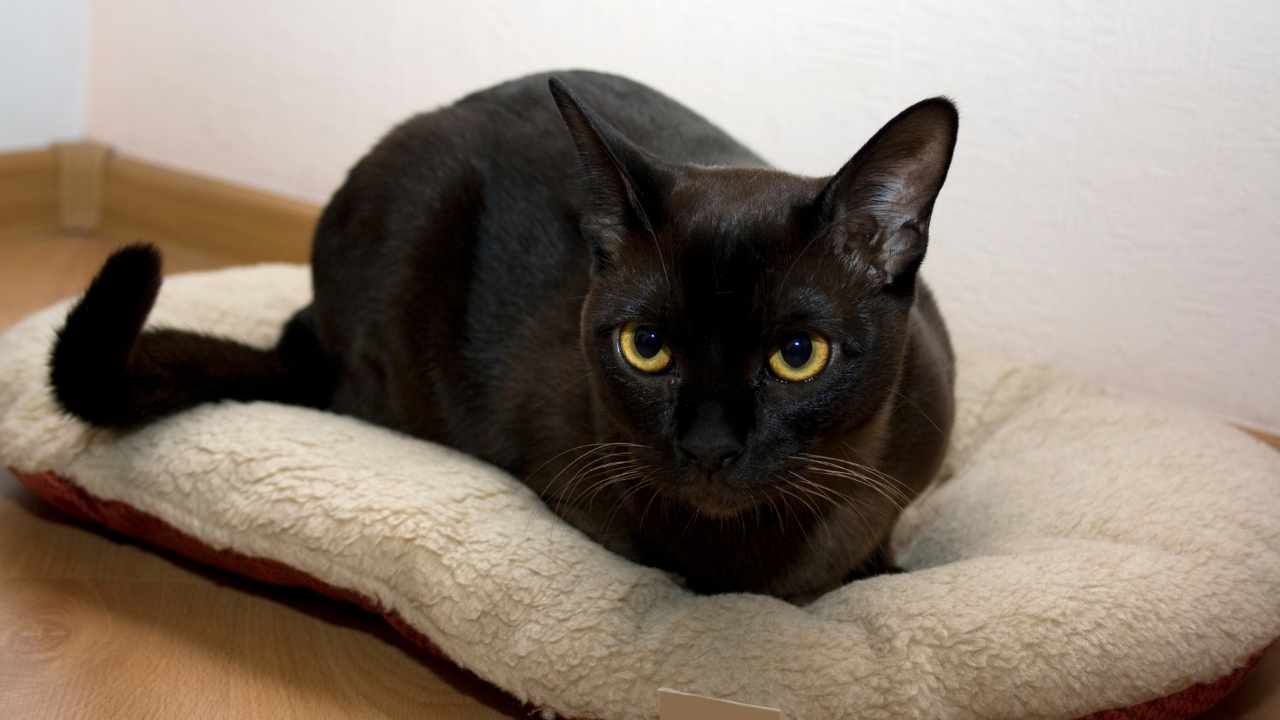
The Burmese, sometimes described as “dog-like” for its deep devotion, is a sleek, short-haired breed known for its velvety coat and expressive eyes. Originating from Southeast Asian lines, this friendly and affectionate cat is energetic, highly trainable, and thrives on close human companionship.
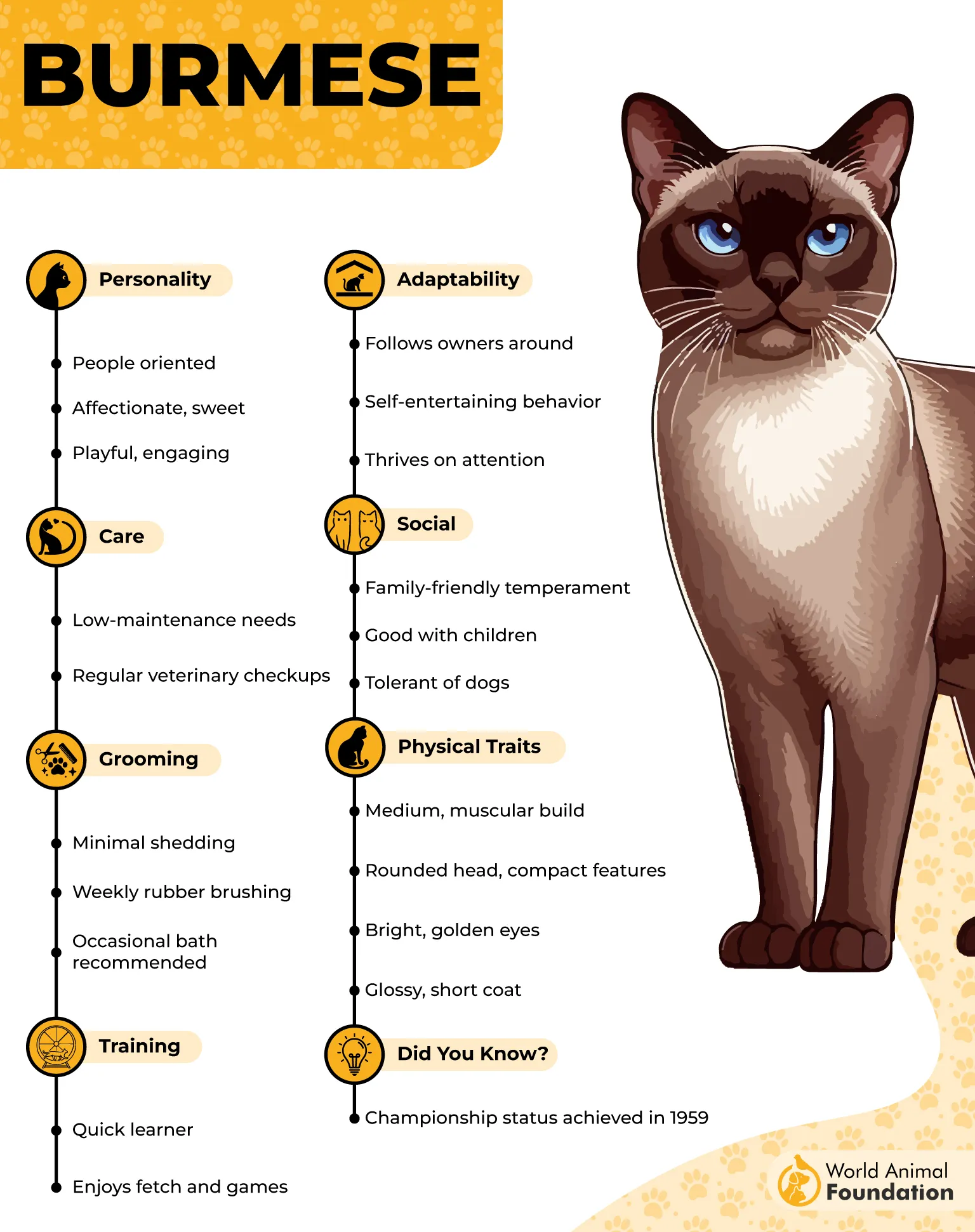
Playful but Easily Startled
Lively and curious, the Burmese are always alert to what’s happening around them. When a camera shutter clicks, they’re likely to swivel their head instantly or dart closer to investigate, reacting with quick, attentive movements.
Their sharp hearing and strong attachment to their people mean they stay tuned in to every sound in the room. While bold in play, sudden or unfamiliar noises can momentarily startle them before curiosity takes over.
These cats love interactive games, learning tricks, and even playing fetch, so channeling their alert energy into enrichment helps them stay confident. A notable fact: Burmese cats are often called “dog-like” because of their intense loyalty and tendency to follow their humans everywhere.
Conclusion
Cats experience the world through incredibly sharp senses, and many animals—especially intelligent, curious breeds—are quick to notice even subtle sounds.
That tiny shutter sound can feel like a sudden sign in their environment, prompting them to turn toward the lens, flick their ears, or pause mid-play as if trying to catch what just happened. For some, it’s curiosity; for others, it’s heightened sound awareness.
If you’ve ever tried to snap a perfect picture of your kitty for a social media account or short video, you’ve likely seen this reaction firsthand.
Just as birds take flight at unfamiliar noises, certain animals are simply more sound-aware than others. Understanding these traits helps you anticipate your cat’s response and capture those camera-ready moments with ease.
