




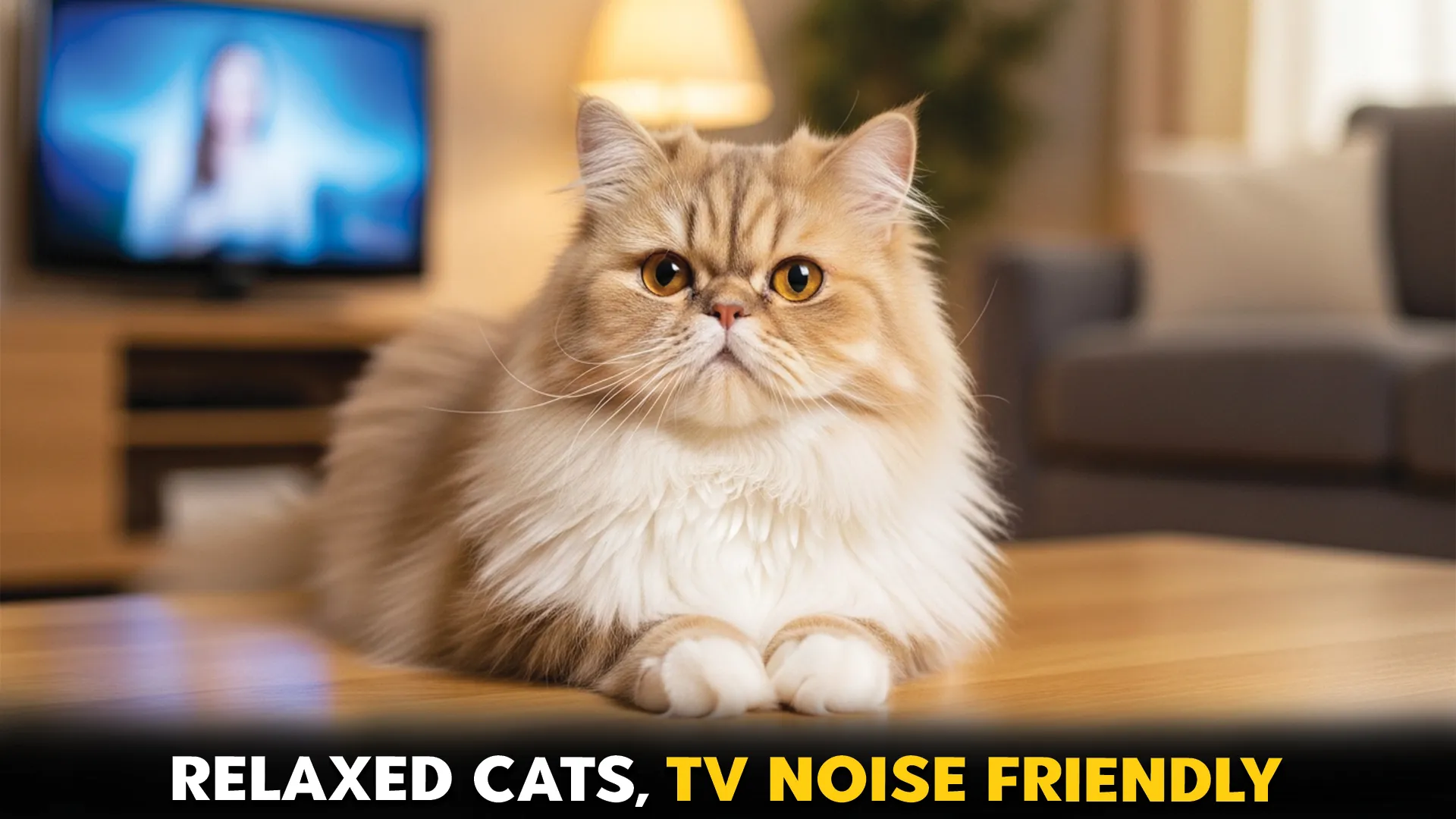
Cats experience the world through incredibly sharp hearing, which means everyday household sounds can feel amplified to them. Why some cats are sensitive to sound often comes down to genetics, early socialization, and temperament. While certain felines startle at sudden noises, others remain relaxed—even when the television blares with dramatic music or action scenes.
TV noise can affect feline behavior in subtle ways. Loud explosions, high-pitched dialogue, or rapid changes in volume may trigger alertness or anxiety in more sensitive cats. In contrast, calmer breeds tend to observe quietly, perhaps flicking an ear or glancing at the screen before settling back into a nap. Understanding this difference is key for households where background noise is part of daily life.
Traits that make a cat more noise-tolerant include a laid-back personality, confidence, and lower overall reactivity. Adult cats, in particular, are often steadier than energetic kittens. Choosing a breed known for its mellow nature can help ensure peaceful evenings, even during your favorite high-volume TV marathon.
Cat Breeds That React Calmly to TV Noise
1. Ragdoll
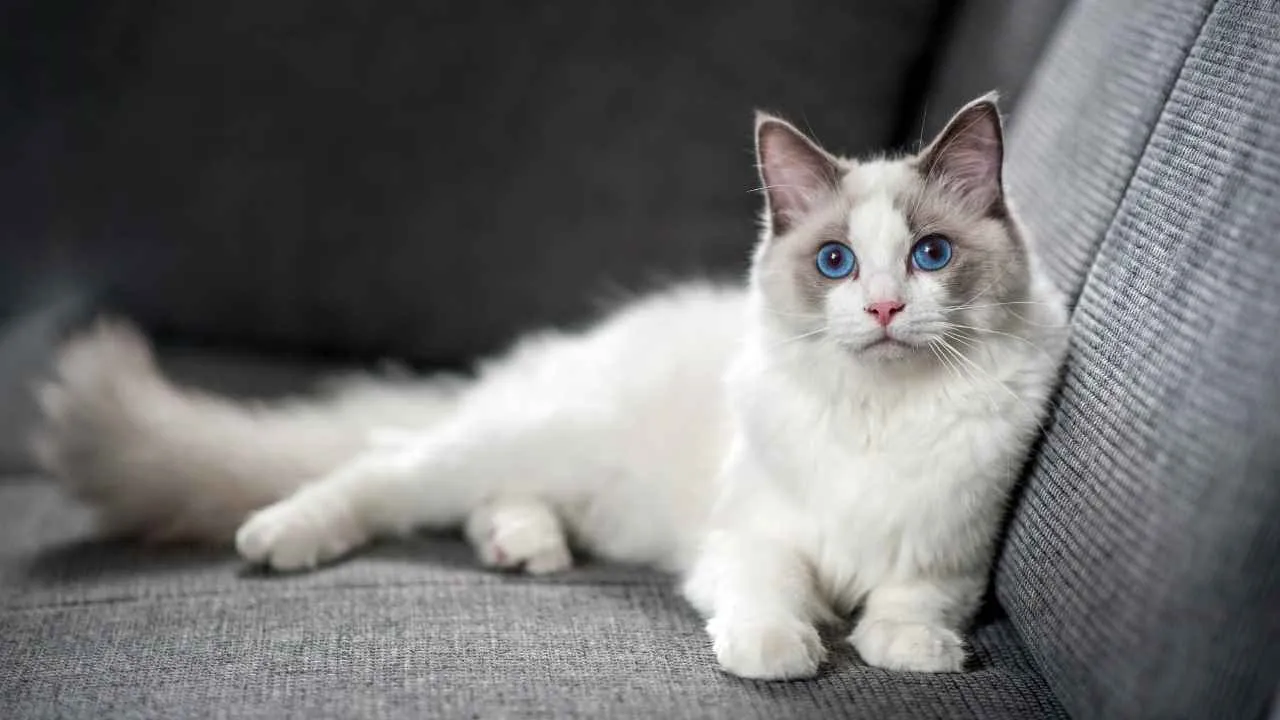
The Ragdoll, sometimes called the Rag Doll Cat, is a large, gentle breed known for its affectionate personality. Famous for its relaxed nature and tendency to go limp when picked up, this breed is admired for its calm temperament and strong bond with its owners.
According to Petplan, despite being one of the largest domestic cat breeds, they are described as loyal and playful, and are bred for their exceptionally soft coats and distinctive blue eyes.
Easygoing and Unbothered by Background Noise
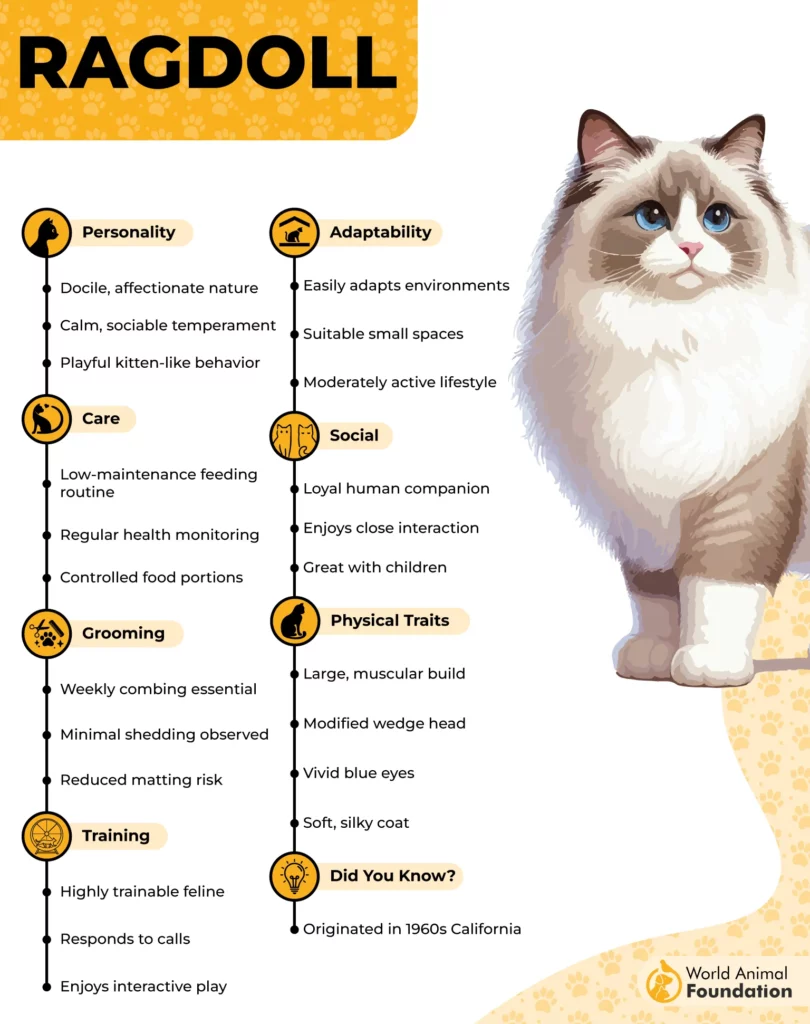
Ragdolls are known for their laid-back personality and peaceful demeanor. Their calm temperament allows them to remain relaxed even when household sounds like television noise are present in the background.
Because they are highly affectionate and people-oriented, Ragdolls often enjoy lounging near their owners while daily activities take place. Instead of reacting nervously to loud sounds, they typically stay comfortable and quietly observe their surroundings.
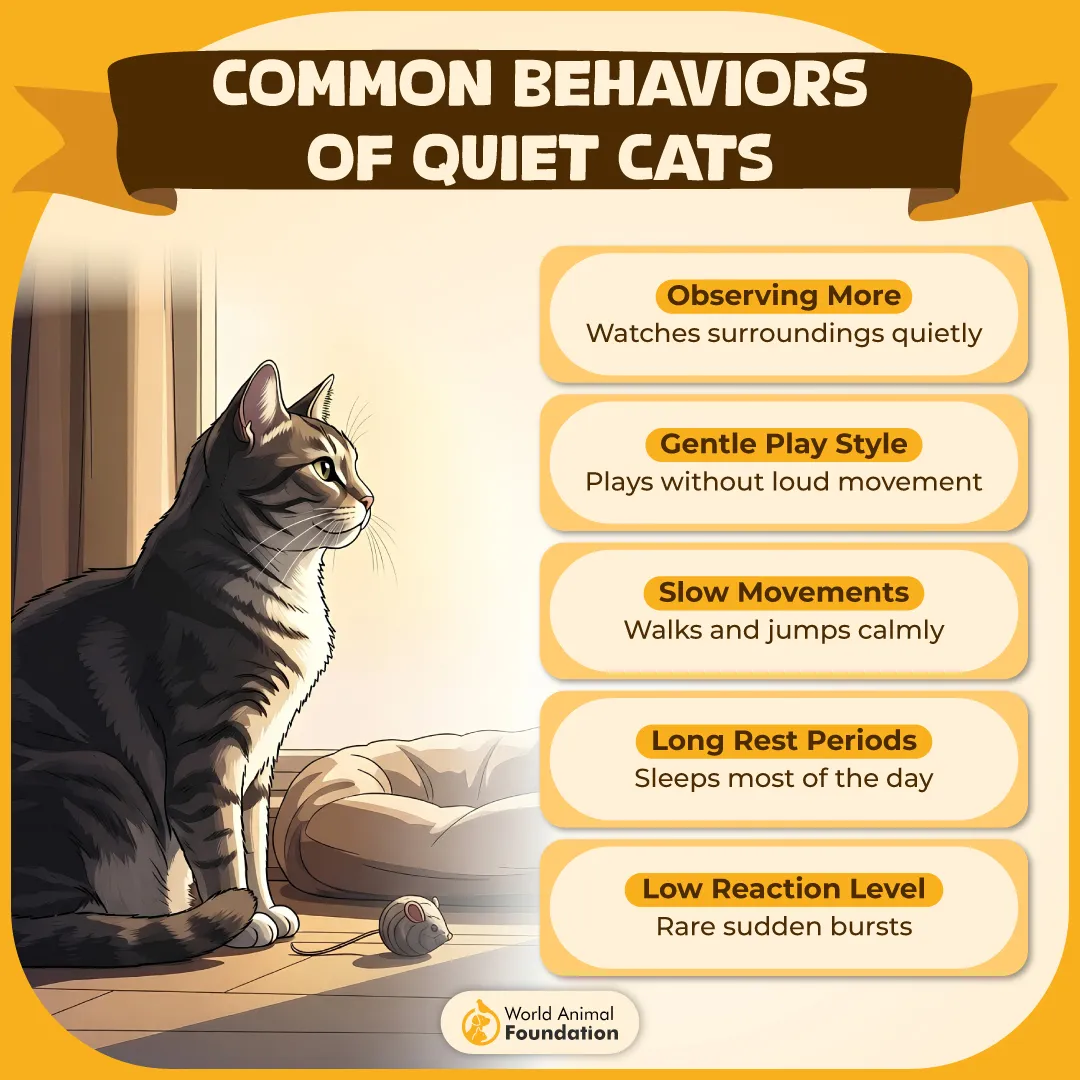
Their gentle and easygoing attitude also makes them excellent companions for relaxed homes. Whether resting on the couch or sitting beside their owners, Ragdolls are unlikely to become stressed by normal indoor noises such as conversations or television shows.
A notable fact: The Ragdoll breed earned its name because these cats often go limp like a rag doll when gently picked up.
2. British Shorthair
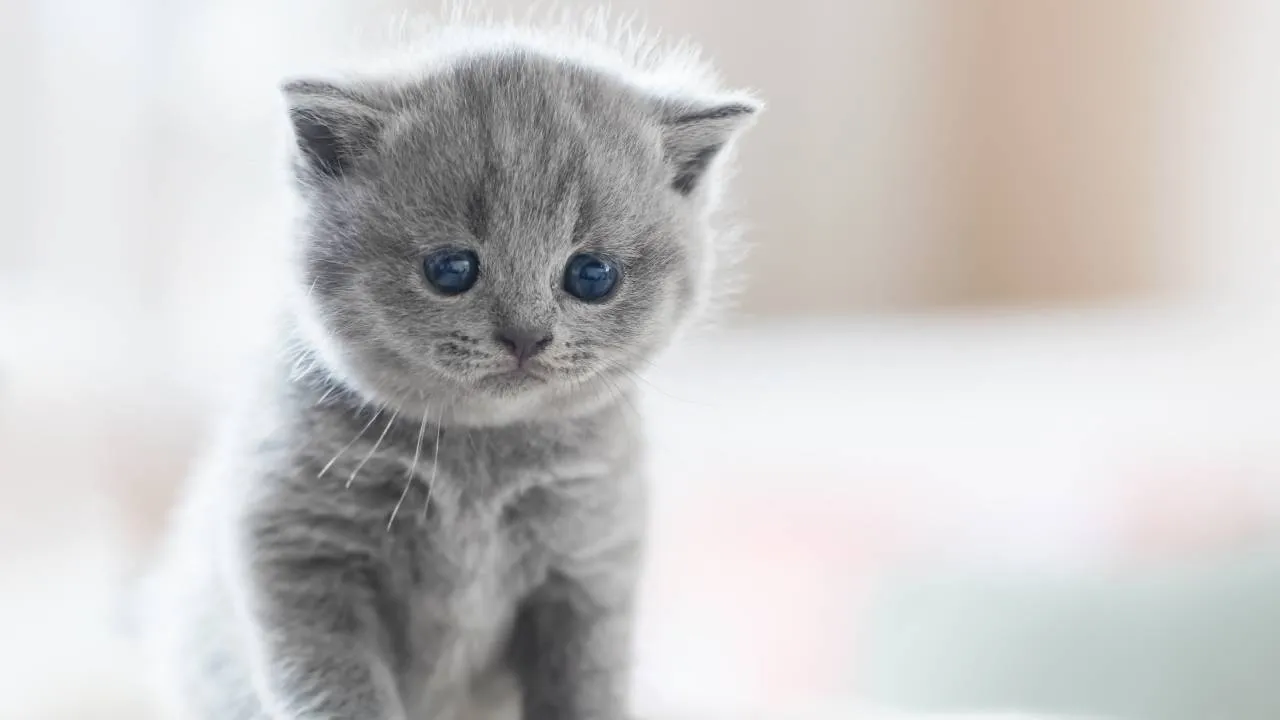
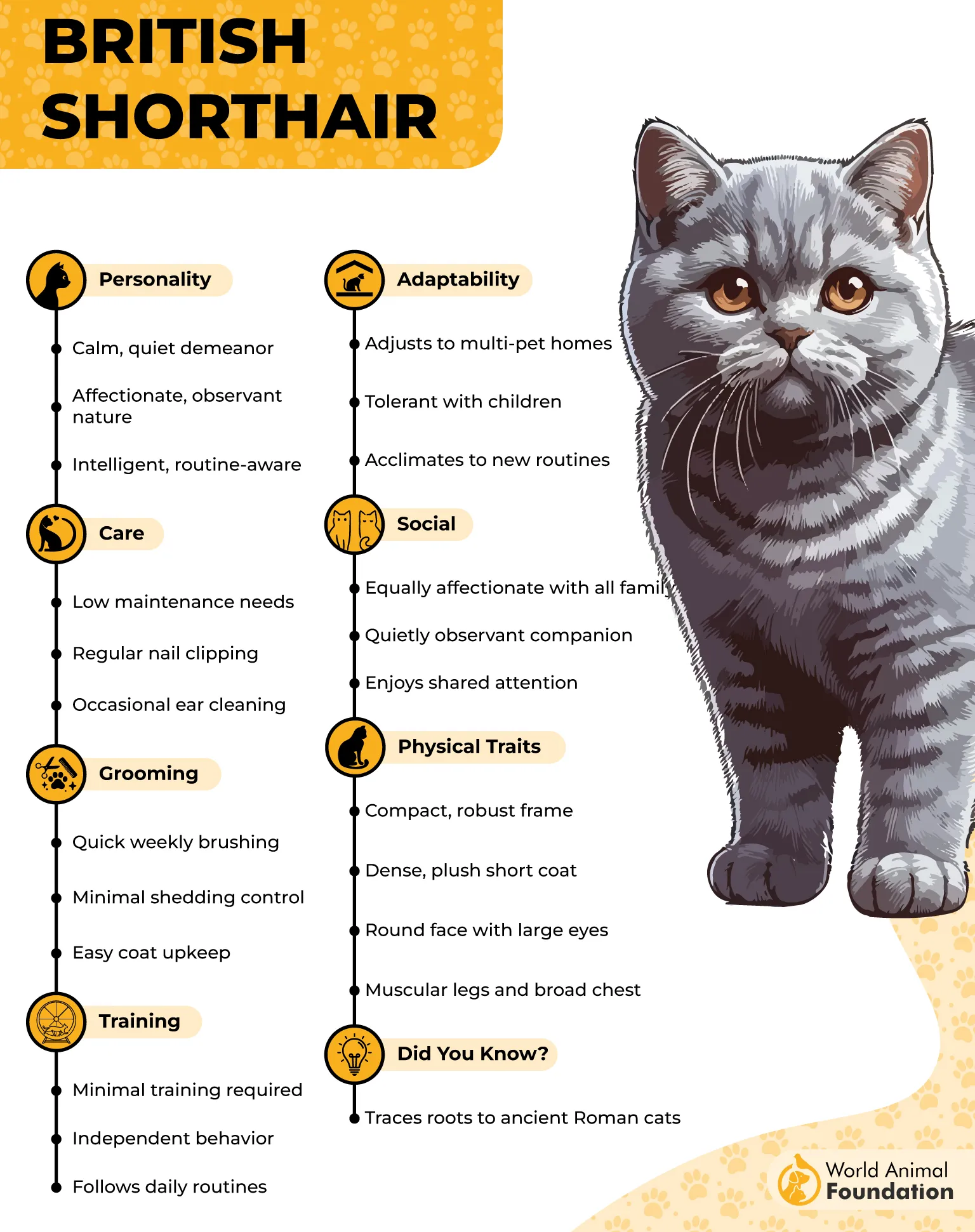
The British Shorthair, sometimes simply called the Brit, is admired for its round face, sturdy build, and famously plush coat. Best known in its classic blue-gray shade, this medium-to-large breed also appears in a wide range of colors and patterns, all paired with a calm, composed expression.
According to Purina, the British Shorthair is an easygoing cat that appreciates affection without being overly demanding and generally prefers not to be carried.
A Relaxed Companion for Movie Nights
British Shorthairs are celebrated for their easygoing temperament and steady demeanor. They rarely overreact to everyday household sounds, making them well-suited to homes where the TV hums in the background.
Rather than darting away at sudden noises, they’re more likely to blink slowly and relocate at an unhurried pace. Their low reactivity makes them ideal companions for families, apartment living, or homes with children.
Though affectionate, they value personal space and are not overly clingy, which adds to their balanced nature.
A notable fact: Even common disturbances like vacuum cleaners or unexpected visitors are often met with calm indifference by this famously laid-back breed.
3. Persian
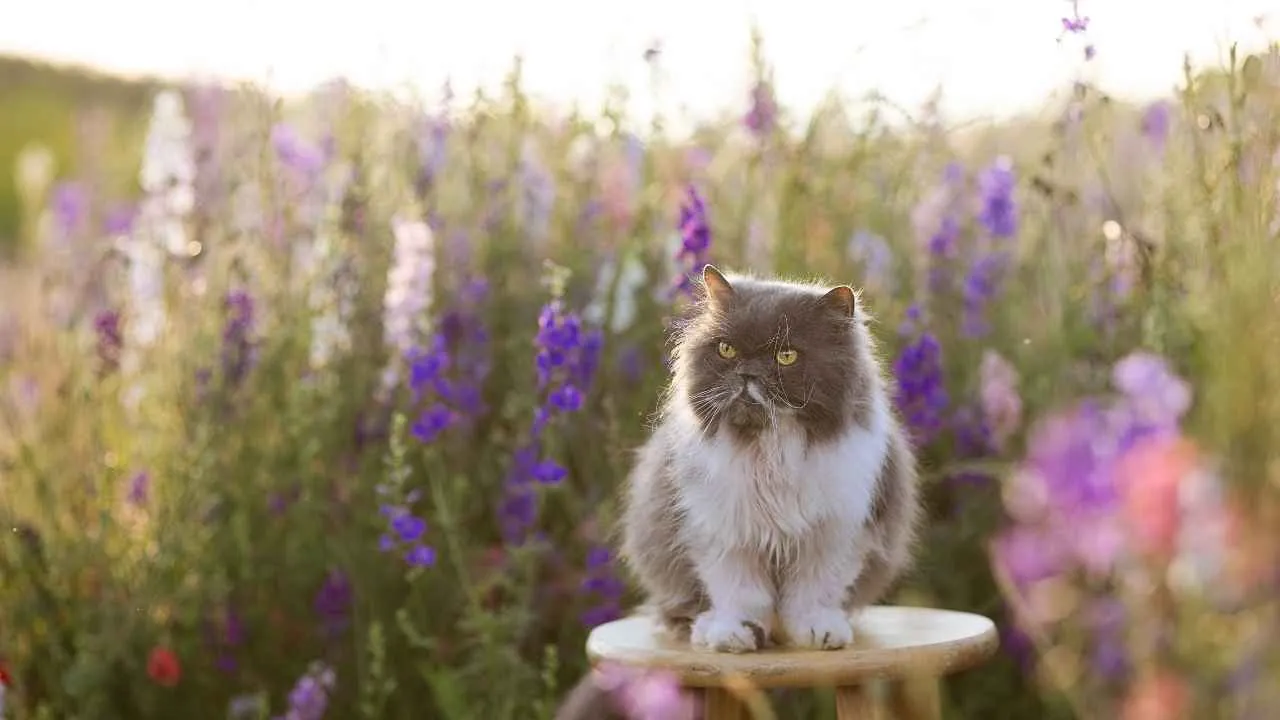
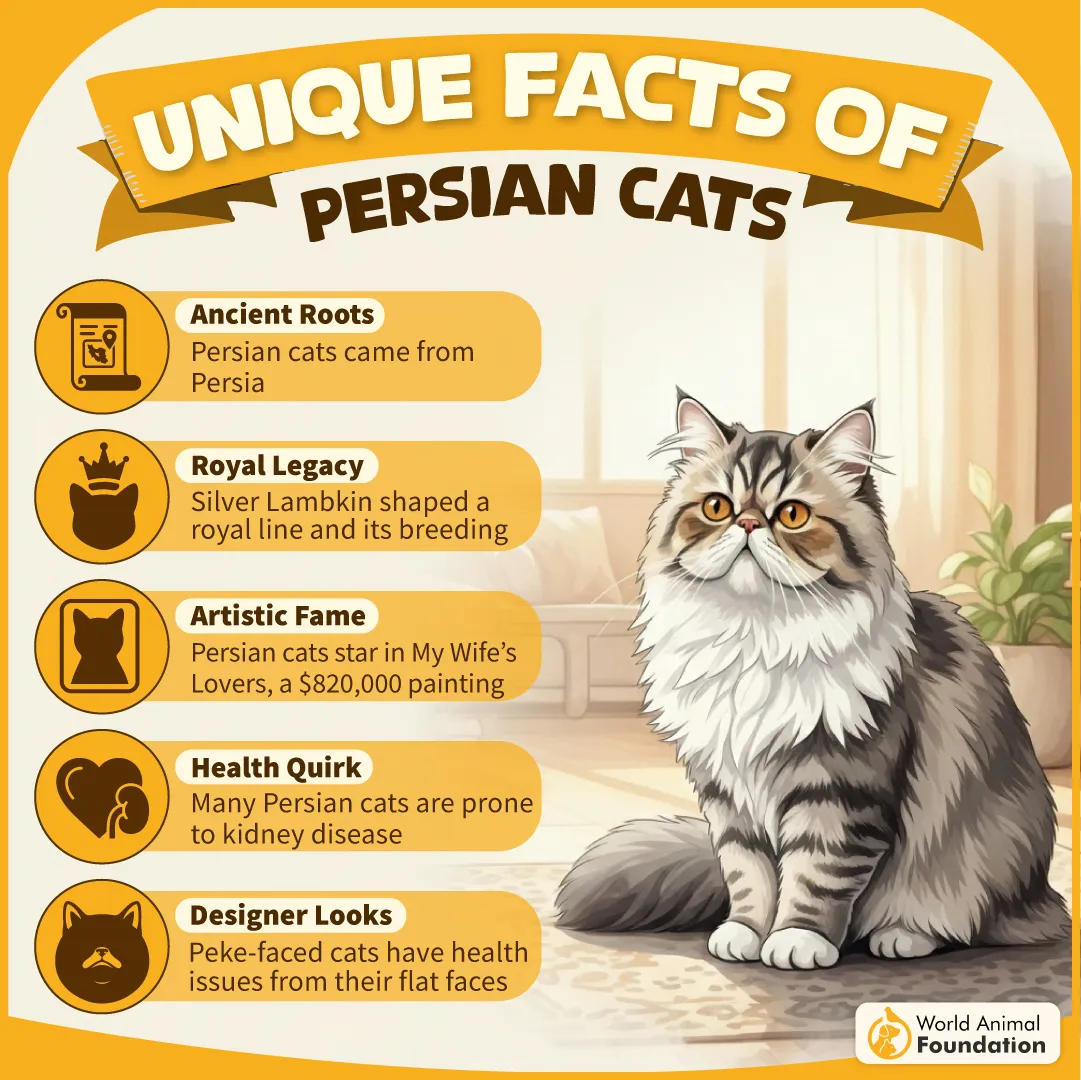
The Persian, sometimes called the Longhair, is instantly recognized by its flowing coat and expressive, round face. Known for their refined beauty and serene presence, Persians have long been cherished as classic companion cats.
According to PetMD, Persian cats are described as cute and sweet-tempered, qualities that make them especially appealing for cuddling and close companionship.
Calm Temperament, Even at High Volume
Persians are famously mellow and prefer observing the world from a cozy perch rather than reacting dramatically to it. Even when the TV volume rises, they’re more likely to blink slowly and continue lounging than to bolt from the room.
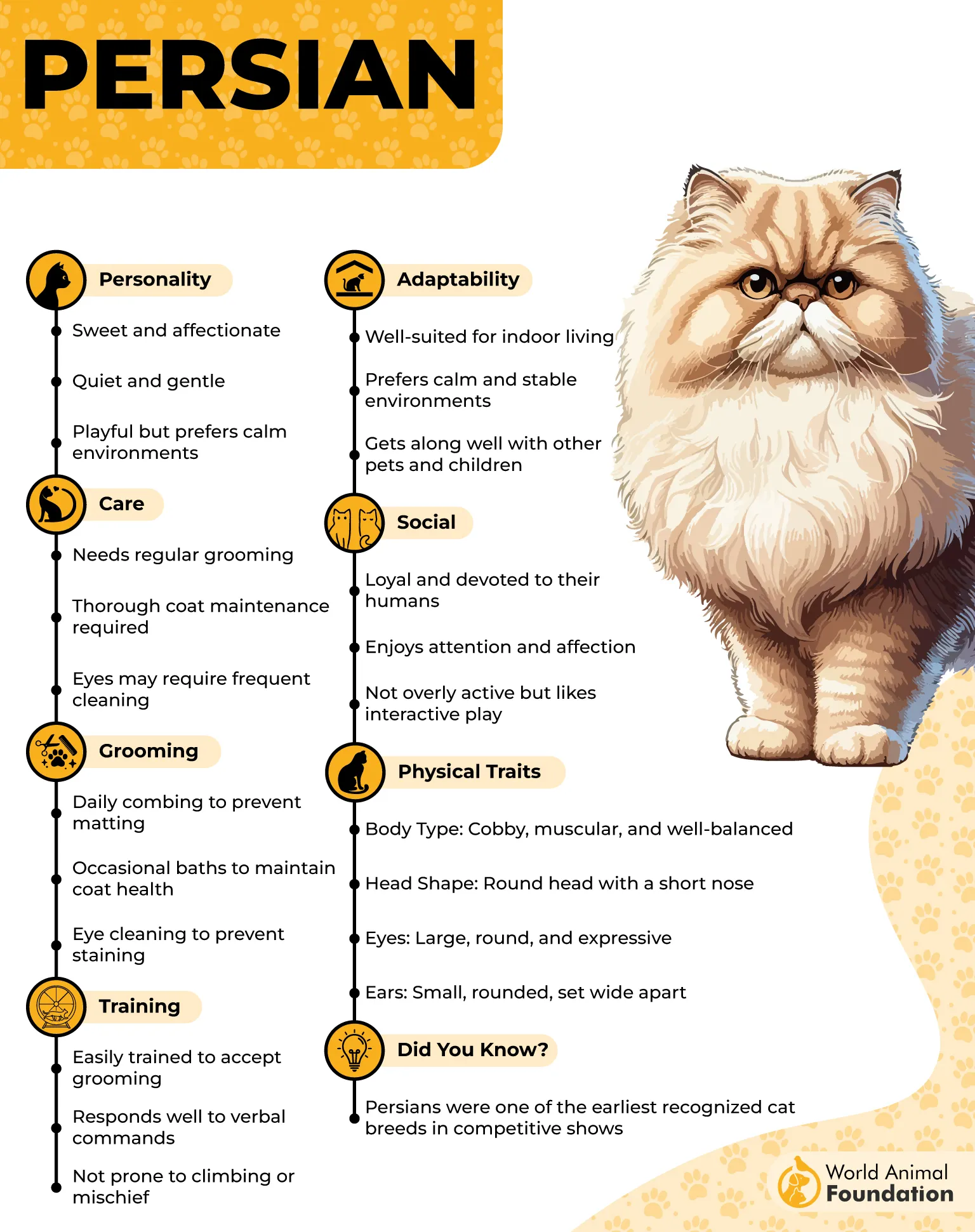
Their quiet, gentle nature makes them well-suited to households that value peace and routine. While sudden changes can cause mild stress, steady background noise like television chatter rarely disrupts their relaxed demeanor.
Affectionate yet independent, Persians enjoy cuddling but are content to rest nearby without constant attention.
A notable fact: This breed is widely admired for its sweet, musical voice, which is used sparingly compared to more vocal cats.
4. Exotic Shorthair
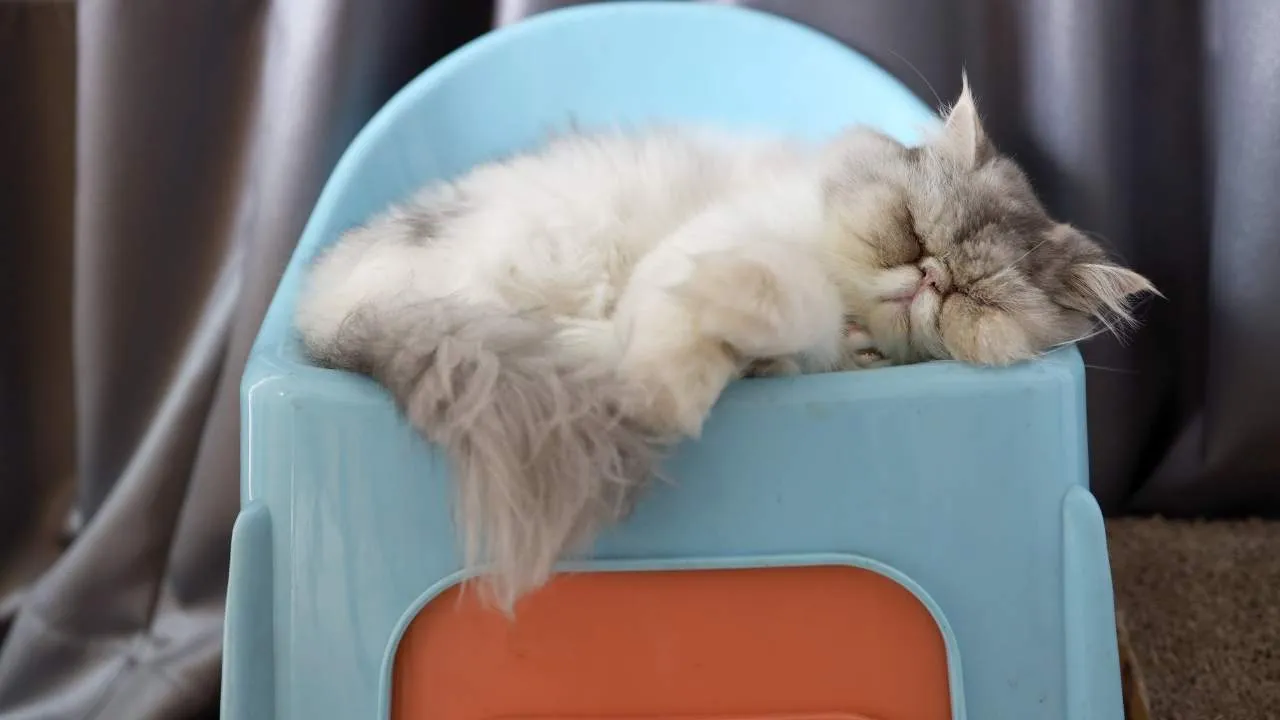
The Exotic Shorthair, often nicknamed the “lazy man’s Persian,” shares the same round face and sweet expression as its longhaired cousin—but with a plush, short coat. Once briefly called the Sterling for its striking silver coloring, this breed is admired for its teddy bear look and gentle charm.
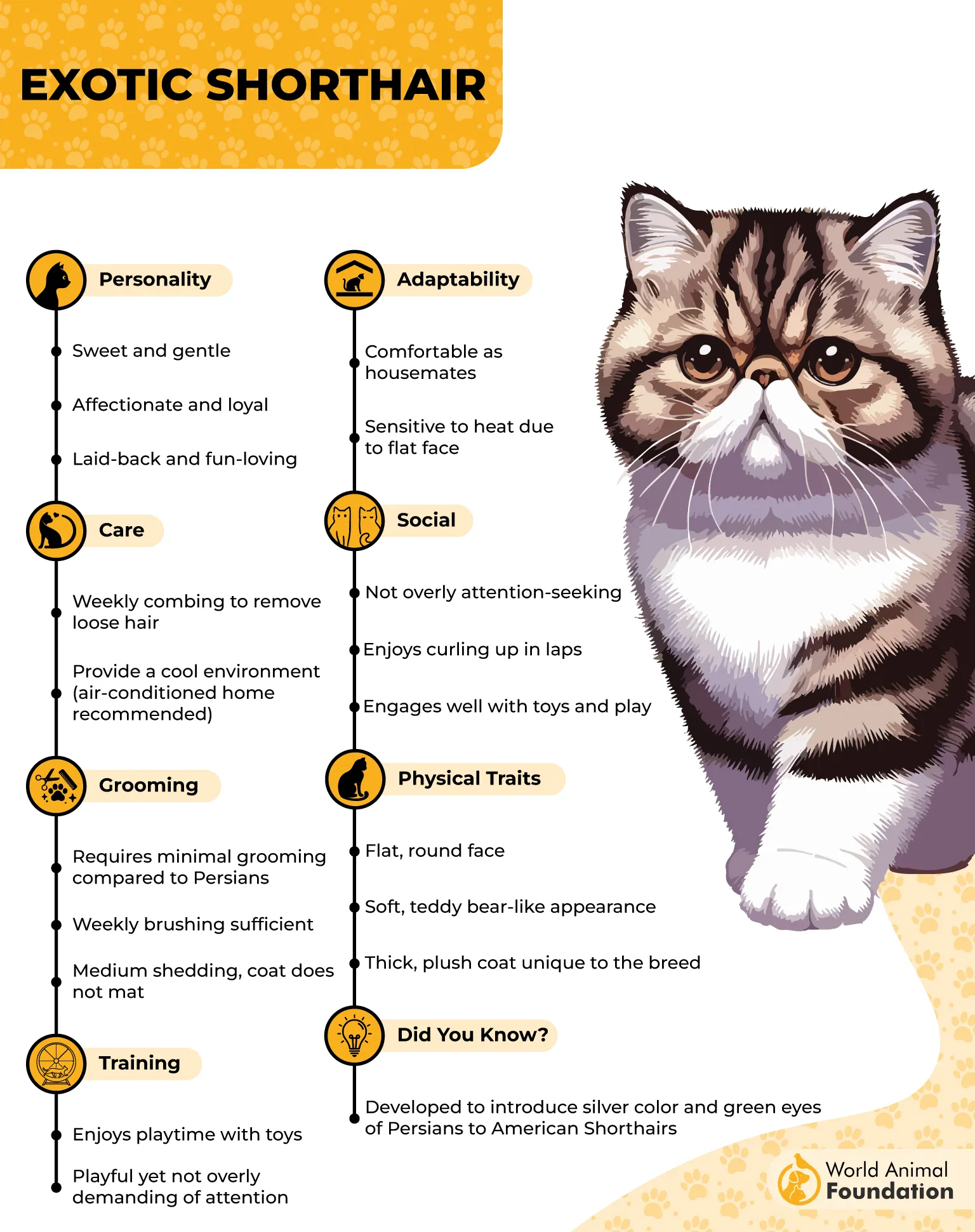
Gentle and Adaptable to Busy Homes
Exotic Shorthairs are affectionate and loyal, yet noticeably calm in temperament. Unlike more boisterous breeds, they tend to remain composed, even when the television or household activity adds background noise.
Their adaptable nature makes them comfortable in both quiet apartments and moderately busy homes. They’re generally content lounging nearby, observing rather than reacting dramatically to sudden sounds.
While playful and sociable, they’re not overly vocal or excitable, which contributes to their steady demeanor.
A notable fact: The breed was originally named “Sterling” due to its beautiful silver coat before being officially renamed Exotic Shorthair.
5. Chartreux
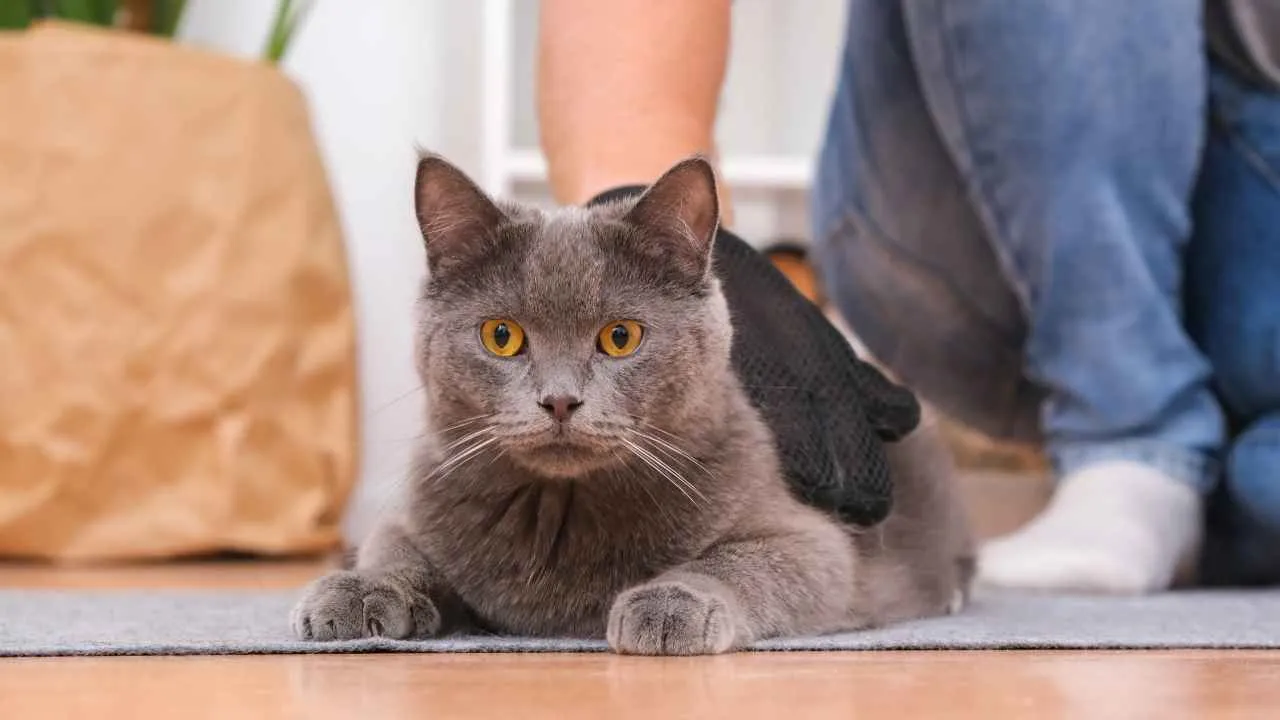
The Chartreux, a rare French breed sometimes linked to monastery legends, is instantly recognizable by its dense blue-gray coat and copper-to-gold eyes. With a broad, rounded head and a subtle “smiling” expression, this sturdy yet elegant cat carries a calm, dignified presence.
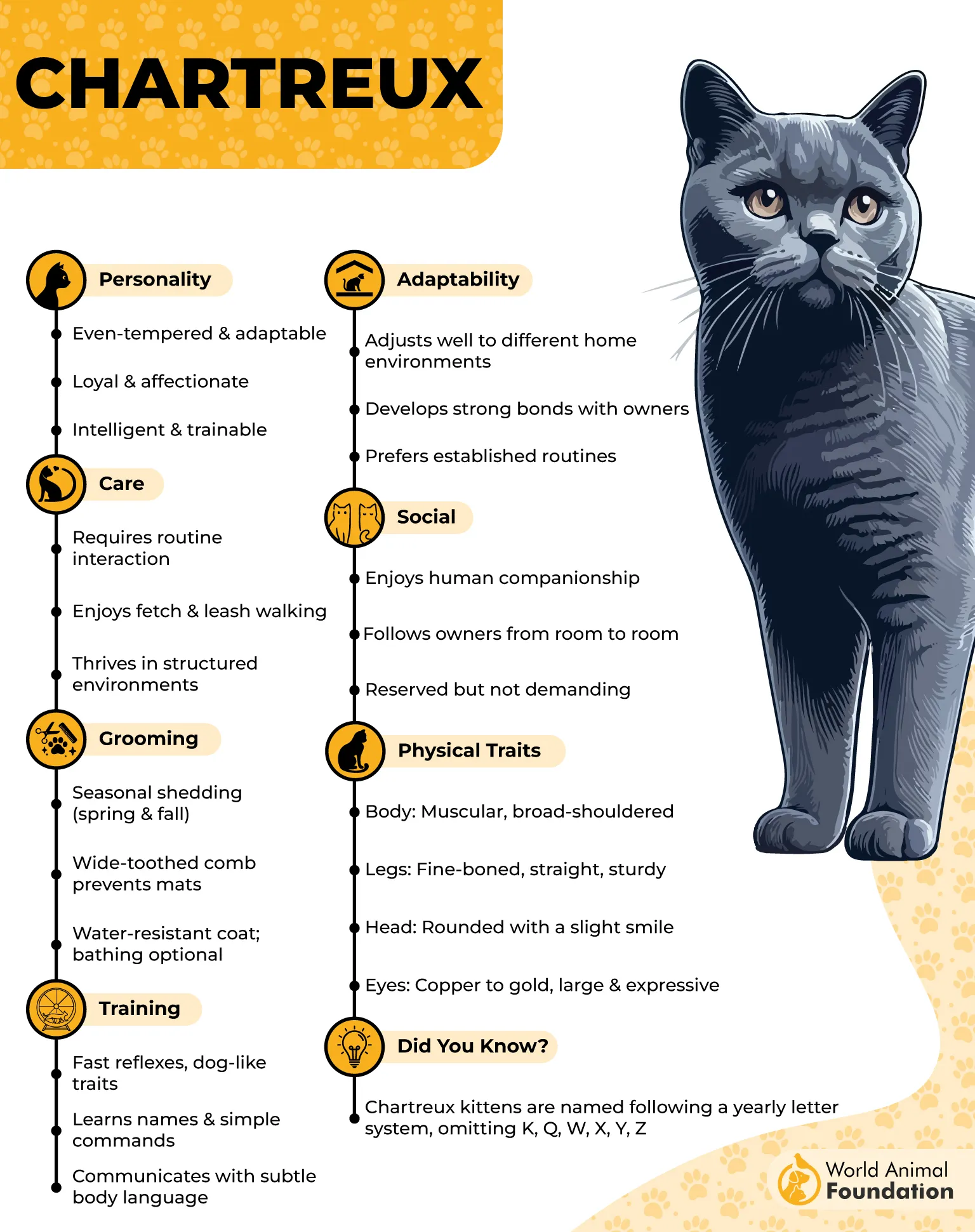
Confident and Rarely Startled
Chartreux cats are known for their steady temperament and quiet nature, often described as more reserved than many other breeds. This composed outlook helps them remain unfazed by background sounds, including television noise.
Rather than reacting dramatically, they tend to observe with calm curiosity before resuming their relaxed posture. Early socialization and gentle exposure to household activity further support their confident demeanor.
Playful yet balanced, they can switch from interactive games to peaceful lounging with ease.
A notable fact: The Chartreux is considered a French treasure and has even been referenced in poetry and classical art dating back to the 16th century.
6. Ragamuffin
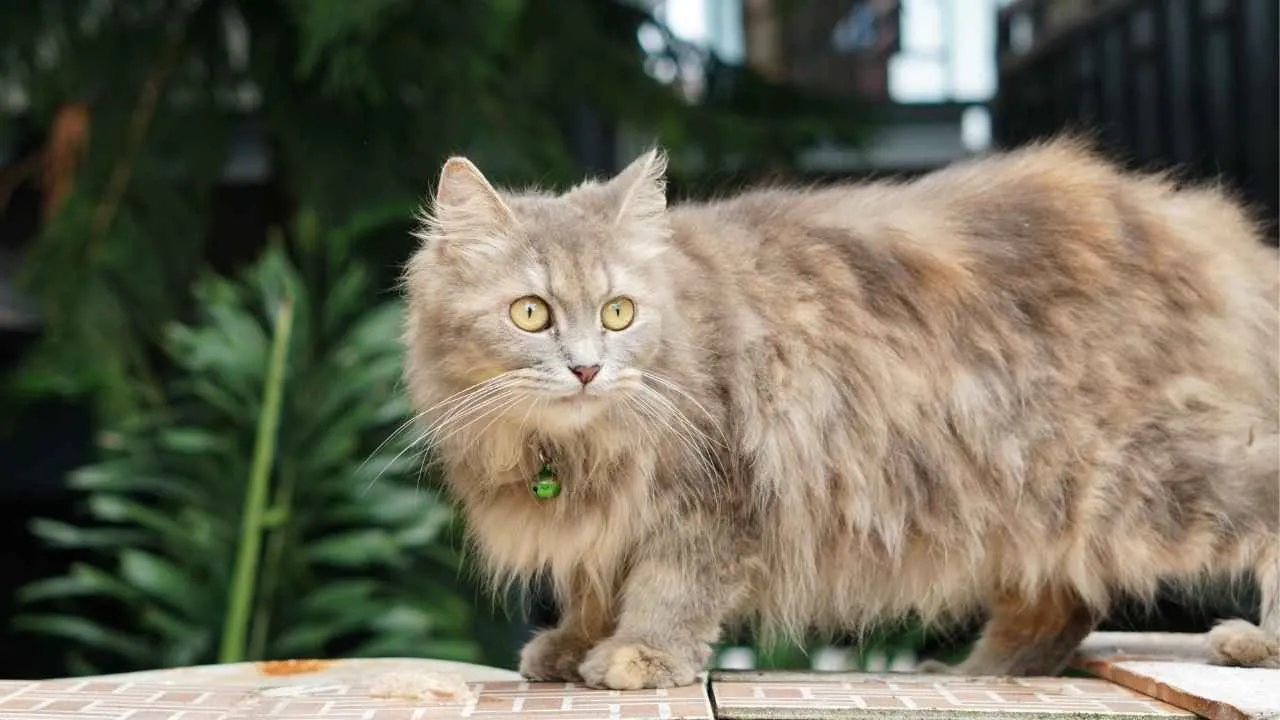
The Ragamuffin, sometimes styled as RagaMuffin, developed from Ragdoll lines and was bred to be the ideal family companion. With a plush semi-long to long coat, oval blue eyes, and a sturdy build, this breed combines size with sweetness.
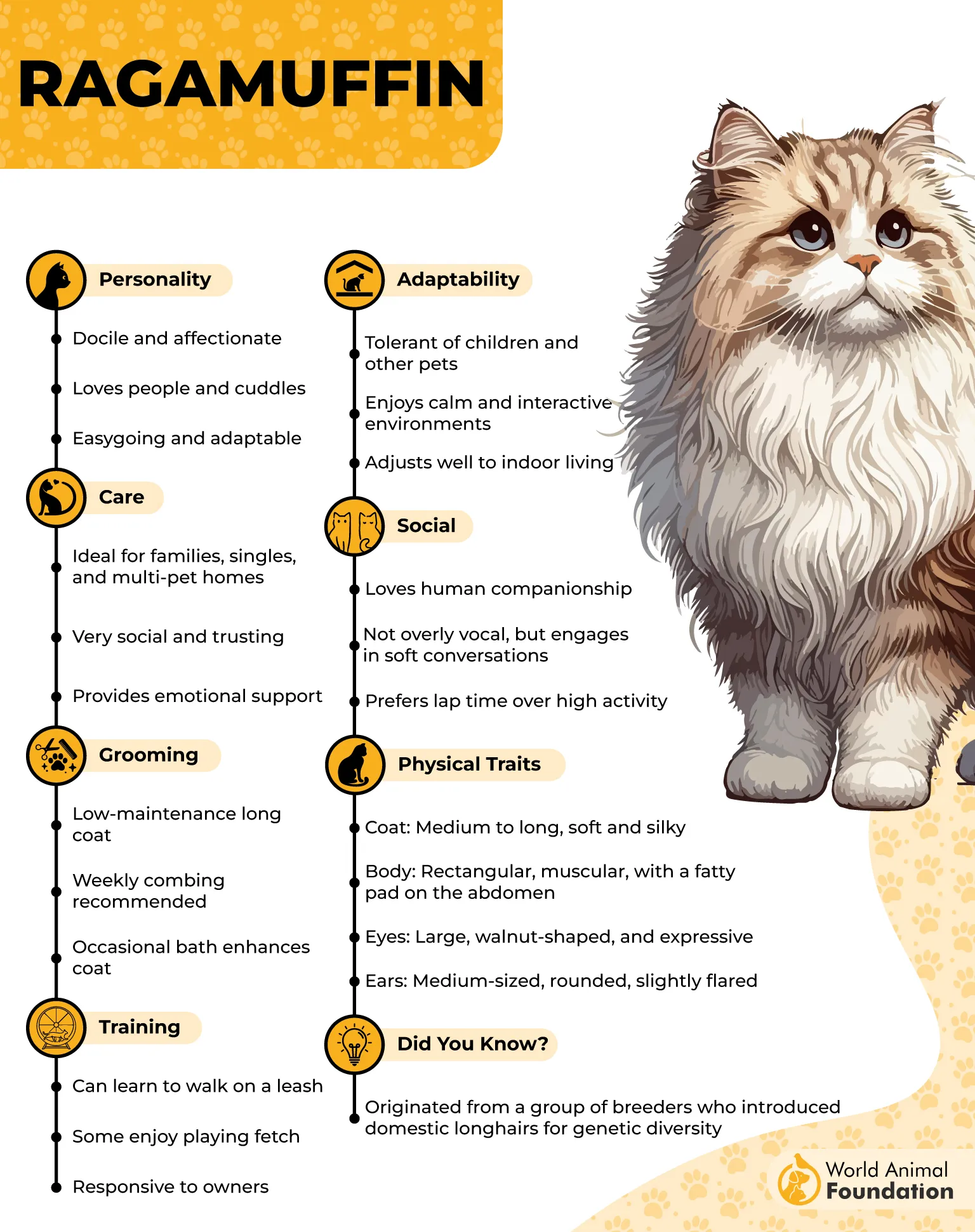
Laid-Back Personality with Low Reactivity
Ragamuffins are known for their even temper and adaptability, rarely becoming unsettled by changes in routine or everyday household sounds. This relaxed outlook helps them remain composed when the TV volume rises.
Rather than darting away at sudden noise, they’re more likely to stay nearby, calmly observing or stretching out on the couch. Their tolerant nature makes them especially suited to apartments or homes with children and other pets.
Highly social yet unflappable, they enjoy interactive play but balance it with long, peaceful lounging sessions.
A notable fact: Like their Ragdoll relatives, Ragamuffins mature slowly and often keep their kitten-like charm until about 4 years of age.
7. Selkirk Rex
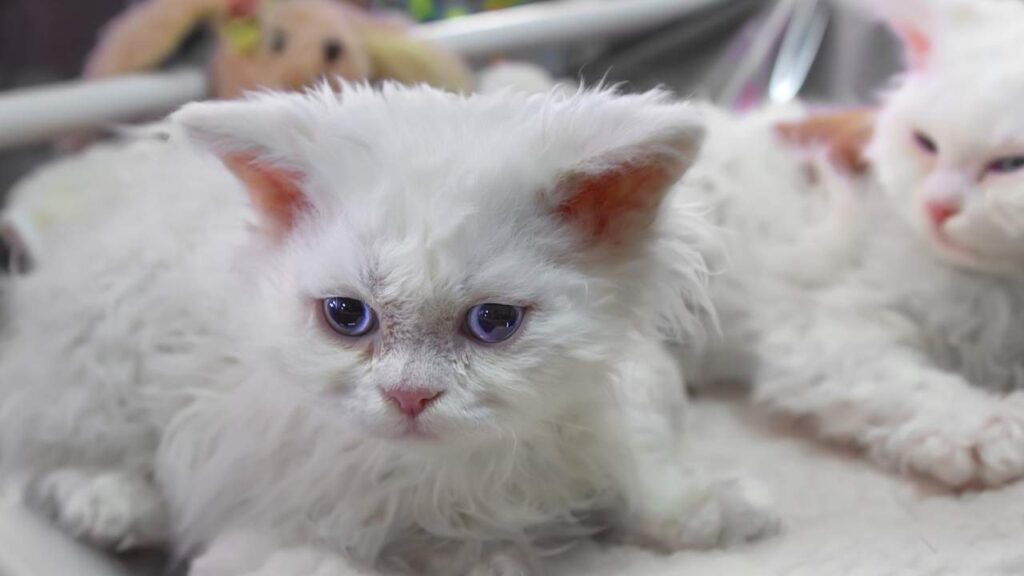
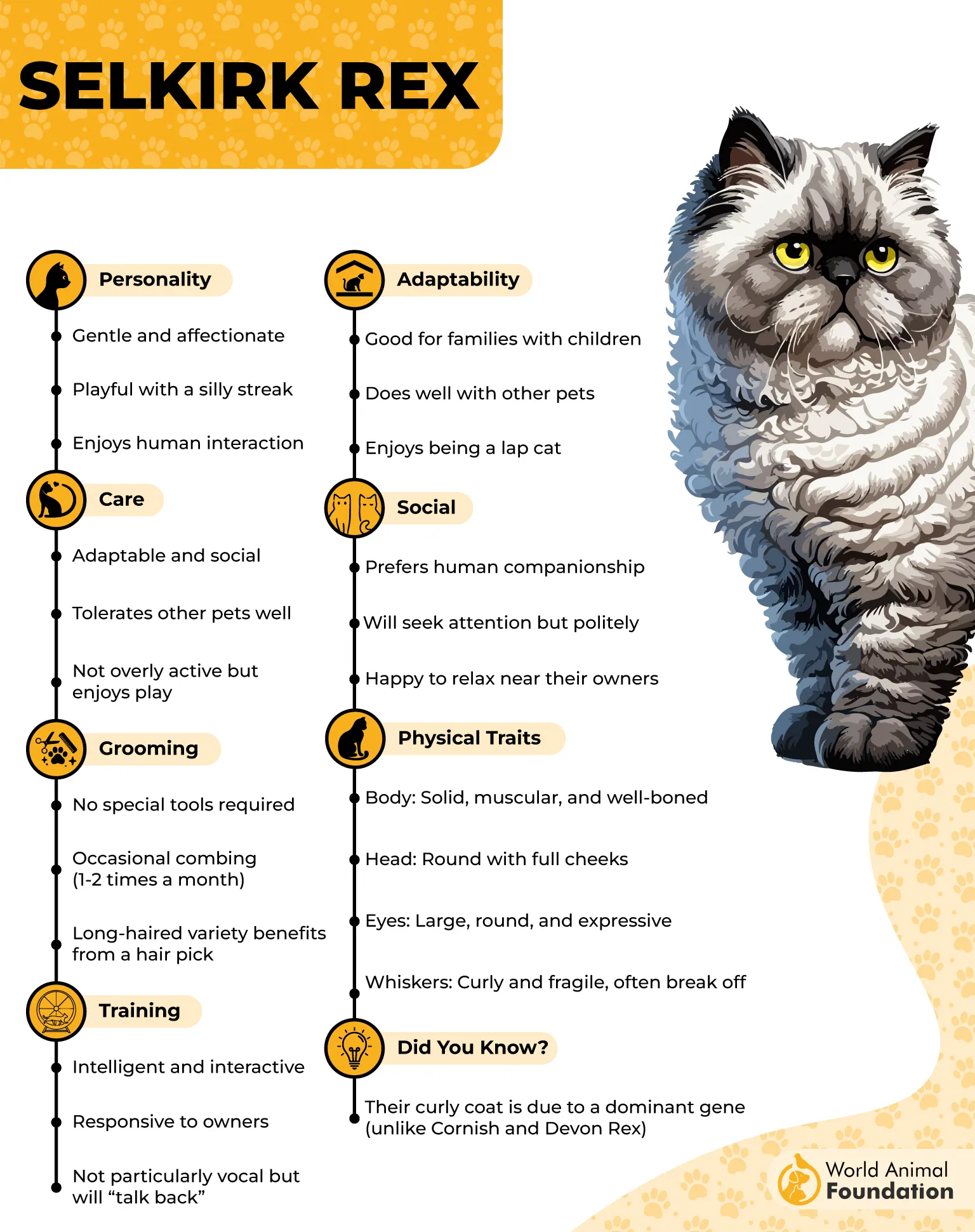
The Selkirk Rex, often called the “cat in sheep’s clothing,” is a medium-sized American breed known for its plush, curly coat and teddy bear charm.
Developed in the United States from a spontaneous curly-coated kitten, it blends the easygoing nature of the British Shorthair, the sweetness of the Persian, and the playfulness of the Exotic.
Quiet, Composed, and Family-Friendly
Selkirk Rex cats are notably quiet, tolerant, and even-tempered, which helps them remain steady in homes where televisions and daily activity create background noise. Rather than startling easily, they tend to observe calmly and settle back into their relaxed routine.
Balanced yet lively, they enjoy gentle interaction without becoming overstimulated. Their adaptable personality makes them comfortable in both busy family households and quieter apartments.
Due to their patient nature with children and other animals, they bring a soft, reassuring presence to shared living spaces.
A notable fact: The Selkirk Rex’s signature curly coat traces back to a single wavy-coated kitten discovered in Montana in the late 1980s.
Conclusion
Not all felines respond the same way to background noise, but the breeds featured in this article show how calm temperament and steady confidence make a difference.
While most cats may flick their ears at sudden sounds from the cat TV or react to loud scenes, these breeds are more likely to sit nearby, quietly observing rather than bolting from the room. Their balanced personalities help them tolerate everyday household noise with ease.
Of course, other cats may be more sensitive to fast-moving images, birds, fish, or lively videos flashing across the screen. Some might meow, post up in front of the TV, or wait intently for movement.
Understanding your cat’s personality can help you encourage relaxed behavior and create a peaceful space where both you and your feline companion can unwind together.
