




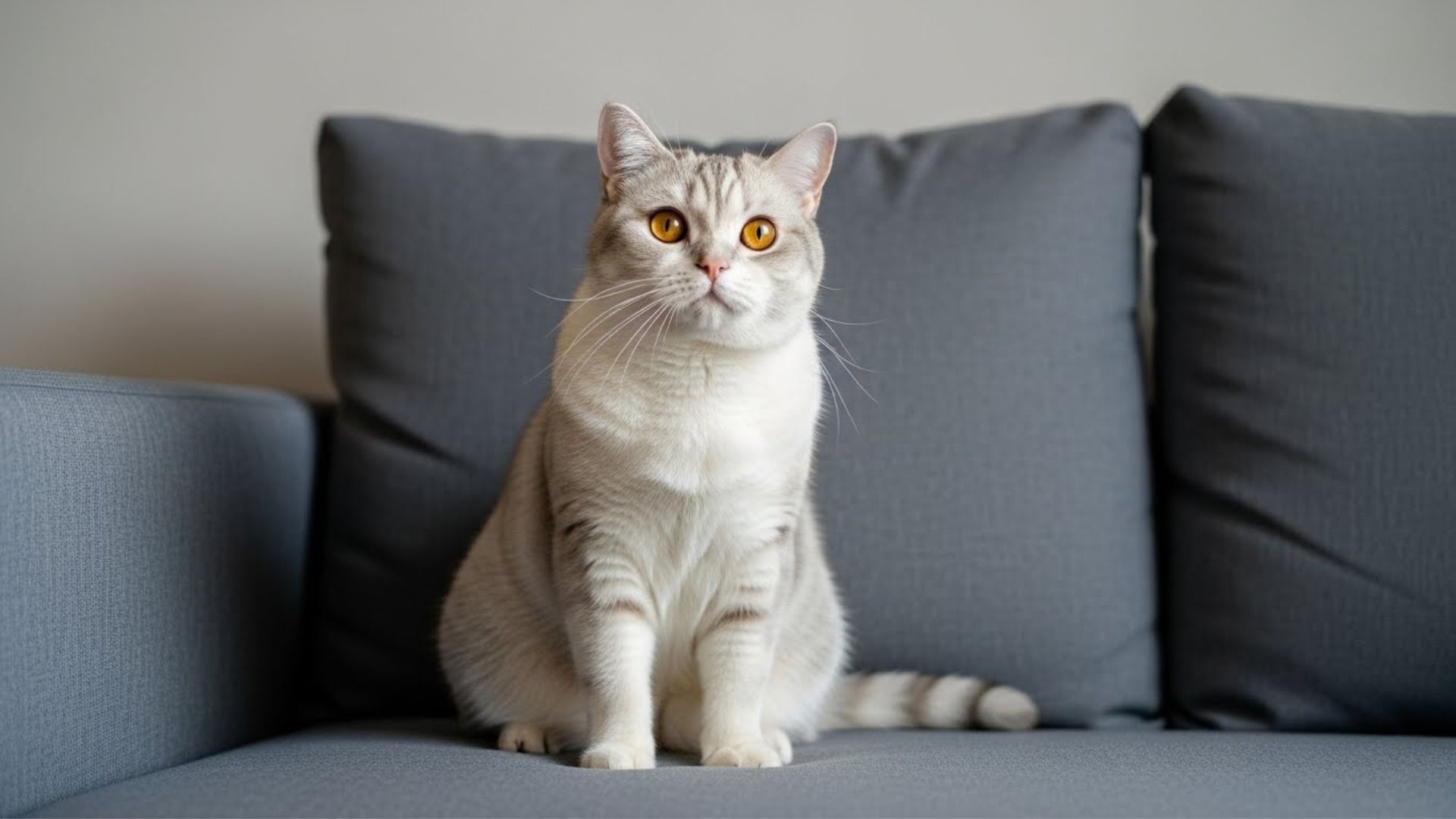
Scratching is an instinctive part of feline behavior, helping cats stretch, maintain healthy claws, and communicate through scent marking. While it’s completely natural, it can be discouraging when sofas, curtains, or wooden furniture become unintended targets. Fortunately, scratching habits aren’t the same across all cats—some breeds are naturally gentler with their environment or easier to guide toward appropriate alternatives.
A cat’s tendency to scratch furniture is often influenced by temperament, energy level, and adaptability. Breeds with calmer personalities or a strong desire to please their owners are typically more responsive to training and redirection. When paired with proper enrichment—such as designated scratching posts and routine play—these cats are far less likely to develop destructive habits around the home.
Choosing the right breed can make a noticeable difference for households that value a tidy living space. In this article, we’ll explore cat breeds known for being furniture-friendly and explain what makes them a great choice for owners seeking harmony between pets and home décor.
9 Cat Breeds That Rarely Scratch Furniture
1. Ragdoll
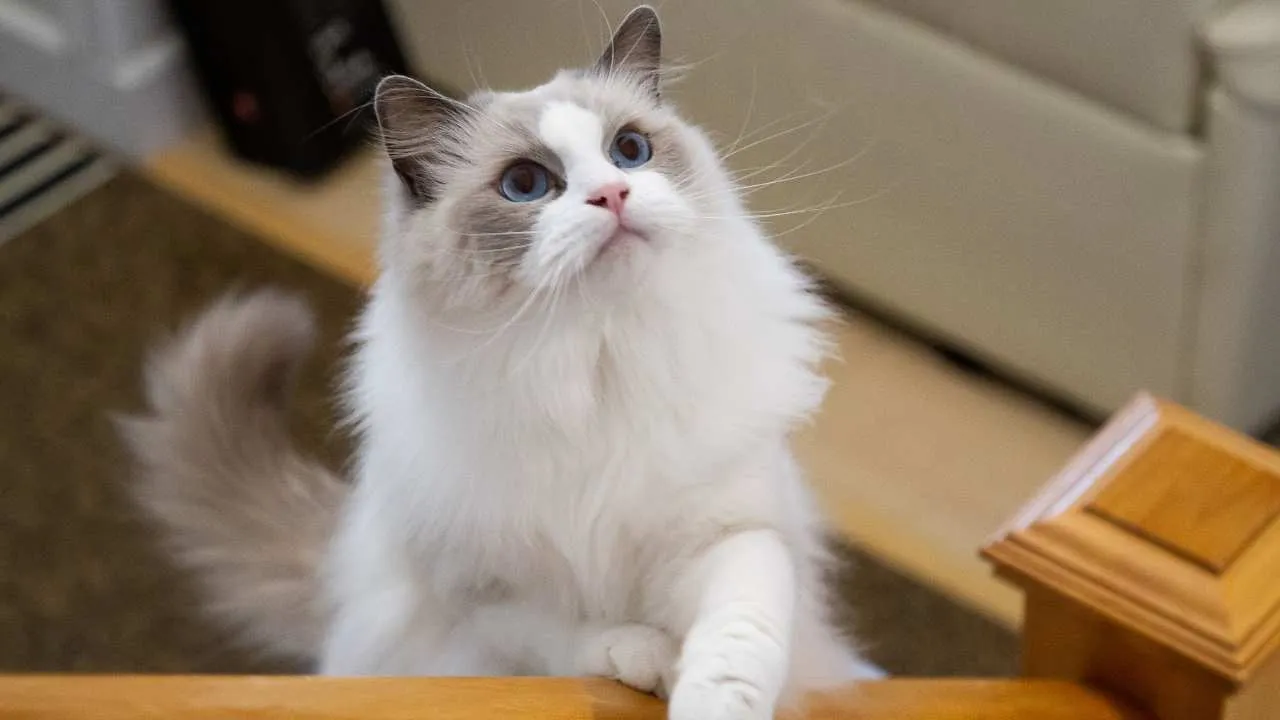
Also known as the Ragdoll cat, this breed is easily recognized by its large size, soft semi-long coat, and striking blue eyes.
According to Britannica, the Ragdoll is a long-haired cat breed known for relaxing all its muscles when picked up, making it resemble a limp rag doll. Often called “gentle giants,” Ragdolls are famous for their people-oriented personalities and dog-like loyalty.
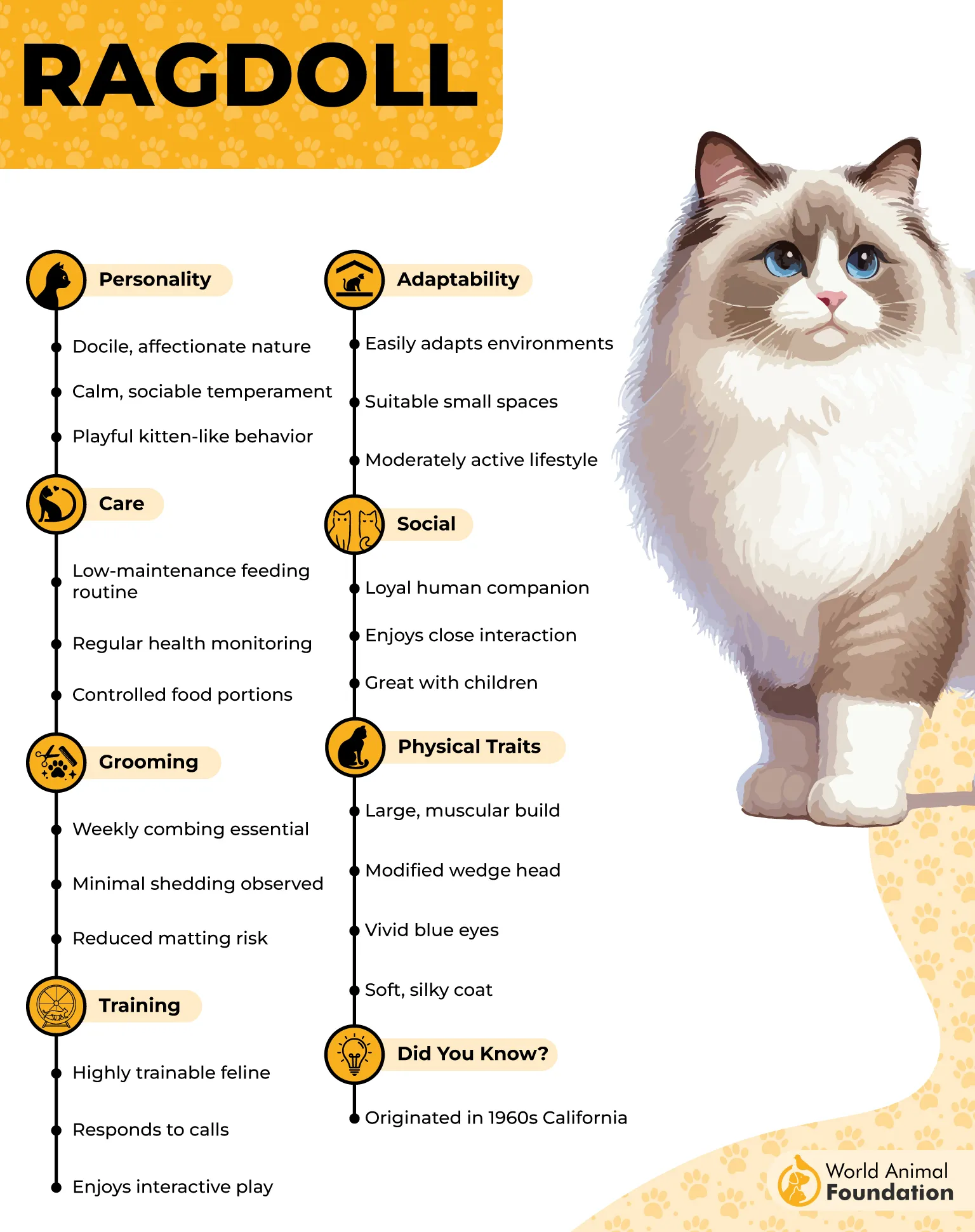
One reason Ragdolls rarely scratch furniture is their calm demeanor. They prefer lounging near their owners over engaging in high-energy or territorial behaviors, which reduces the urge to claw couches or curtains.
Why some cats scratch furniture less than others often comes down to temperament and energy level. Ragdolls are naturally easygoing and respond well to simple redirection, such as using a scratching post for routine nail maintenance.
While they still need an outlet for healthy scratching, their gentle nature makes them less destructive overall. Fun fact: despite the misconception, Ragdolls do scratch, but their laid-back personality makes unwanted scratching easier to manage with proper guidance.
2. British Shorthair
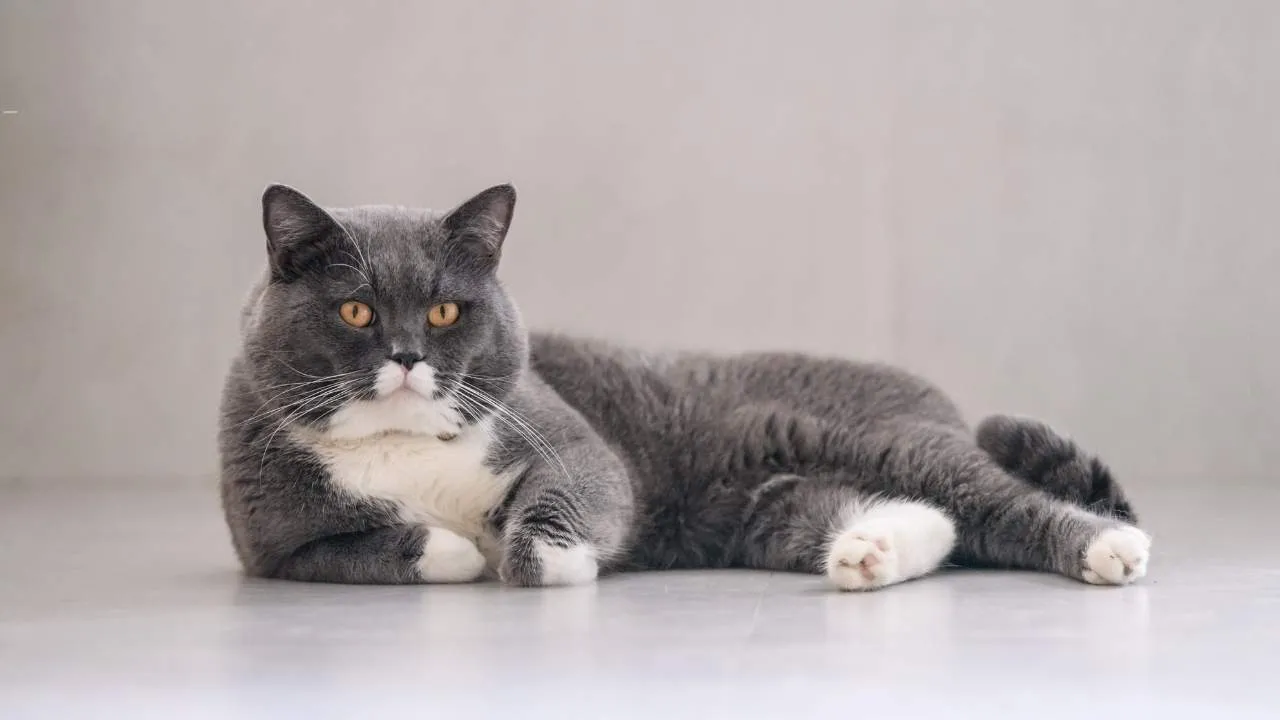
Also known simply as the Brit, the British Shorthair is a classic breed recognized for its round face, dense plush coat, and sturdy, muscular build. This easygoing cat is calm by nature and values comfort, routine, and quiet companionship.
According to PetMD, British Shorthairs enjoy spending time alone, but they’re also adaptable and gentle, which makes them great pets for many types of households.
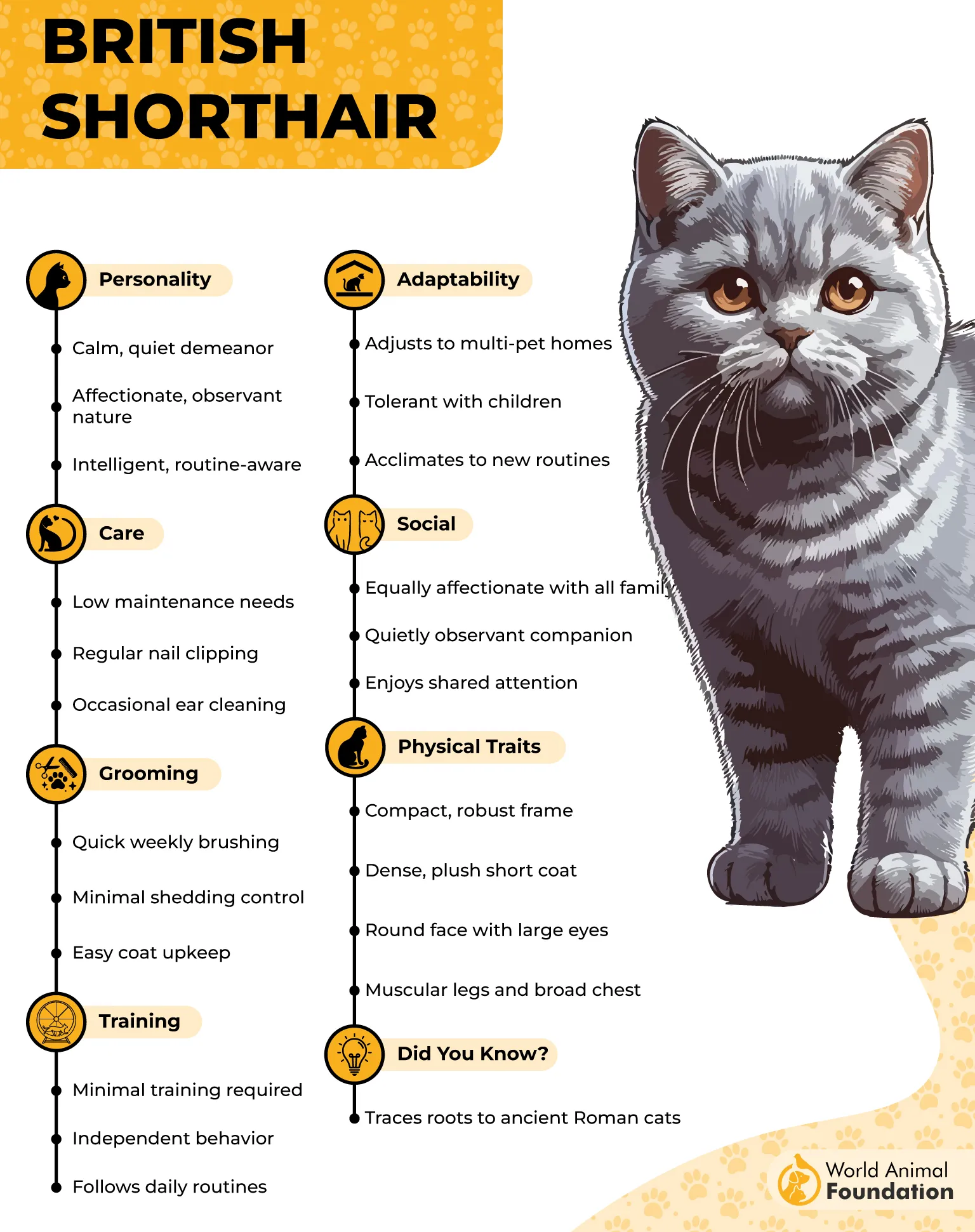
These cats are rarely territorial or hyperactive, which means they’re less driven to mark furniture with their claws compared to more energetic breeds.
Understanding natural scratching behavior in cats helps explain why this breed is so furniture-friendly. British Shorthairs are independent and content, often choosing to rest nearby rather than roam the house looking for stimulation, especially when appropriate scratching posts are introduced early.
They do enjoy occasional play and gentle exercise, but without the frantic energy that leads to destructive habits.
Fun fact: British Shorthairs are known for tolerating time alone well and often prefer sitting beside their owners rather than climbing or clinging.
🛋️ Furniture-Friendly Cat Breed Selector
Pick a breed to see its scores instantly.
3. Scottish Fold
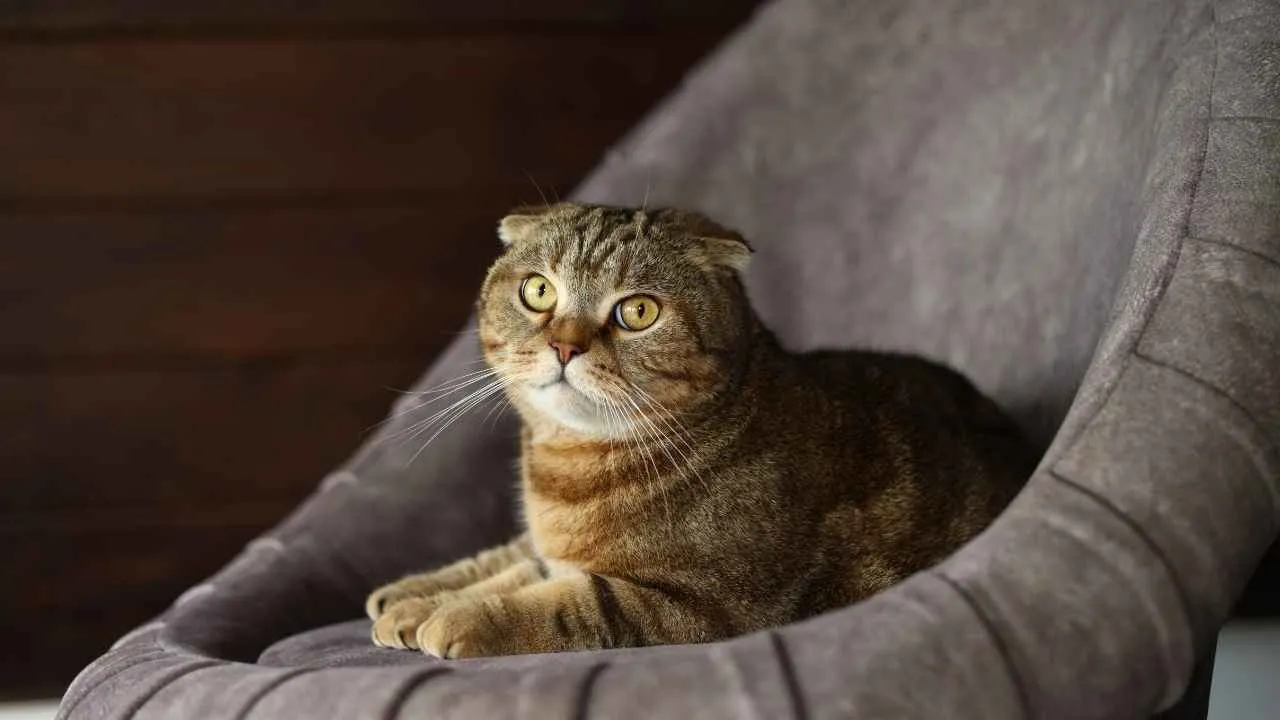
Also known simply as the Fold, the Scottish Fold is easily recognized by its forward-folded ears and round, expressive eyes.
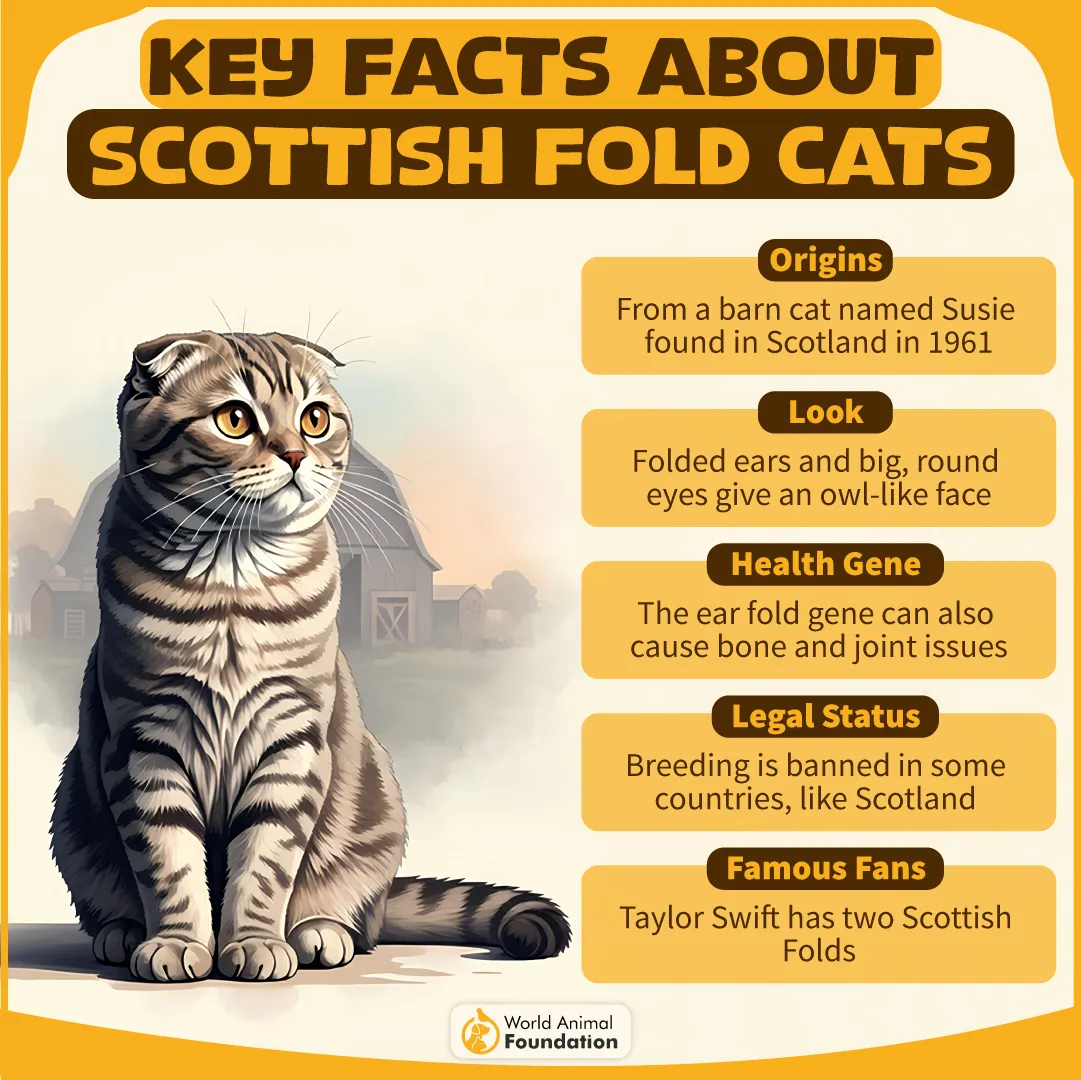
According to WebMD, Scottish Folds are social and loving cats. Originating in Scotland, this breed is prized for its sweet disposition and calm, easygoing presence in the home.

Personality plays a major role in scratching habits, and Scottish Folds are naturally gentle and quiet. Their relaxed temperament means they’re less likely to engage in destructive behaviors, making them a good choice for homes concerned about furniture damage.
Rather than constant activity, these cats prefer observing their surroundings or engaging in soft, interactive play. This balanced energy level, combined with curiosity that doesn’t tip into hyperactivity, helps reduce stress-related scratching.
They also respond well to positive reinforcement and adapt quickly to new environments, further minimizing unwanted habits.
Fun fact: some Scottish Folds can develop tail stiffness, so their tails should always be handled gently to avoid discomfort.
4. Persian
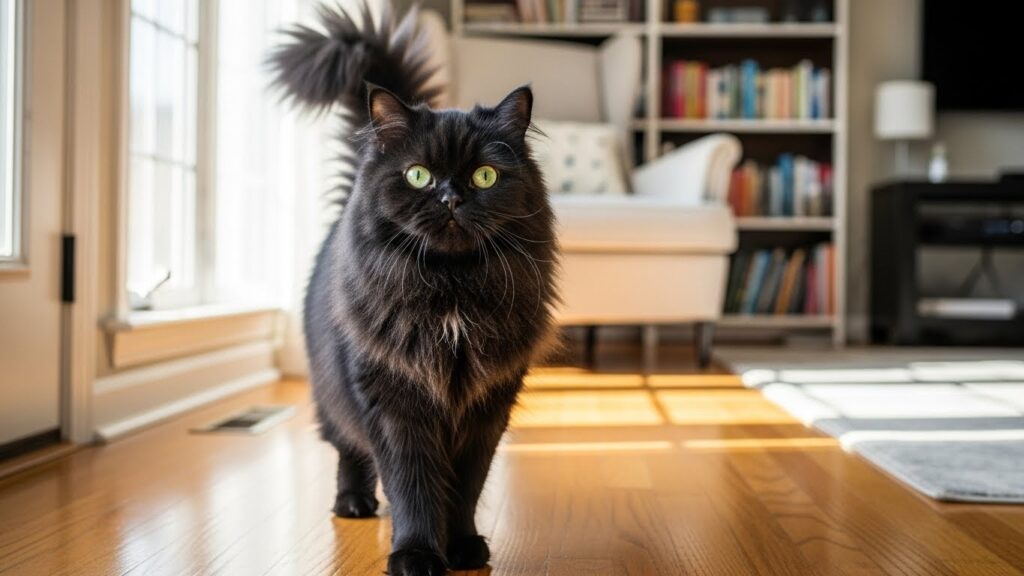
Also known as the Persian Longhair, this breed is instantly recognized for its flowing coat, round face, and gentle expression. Persians are famously calm, preferring quiet surroundings and predictable routines over constant activity.
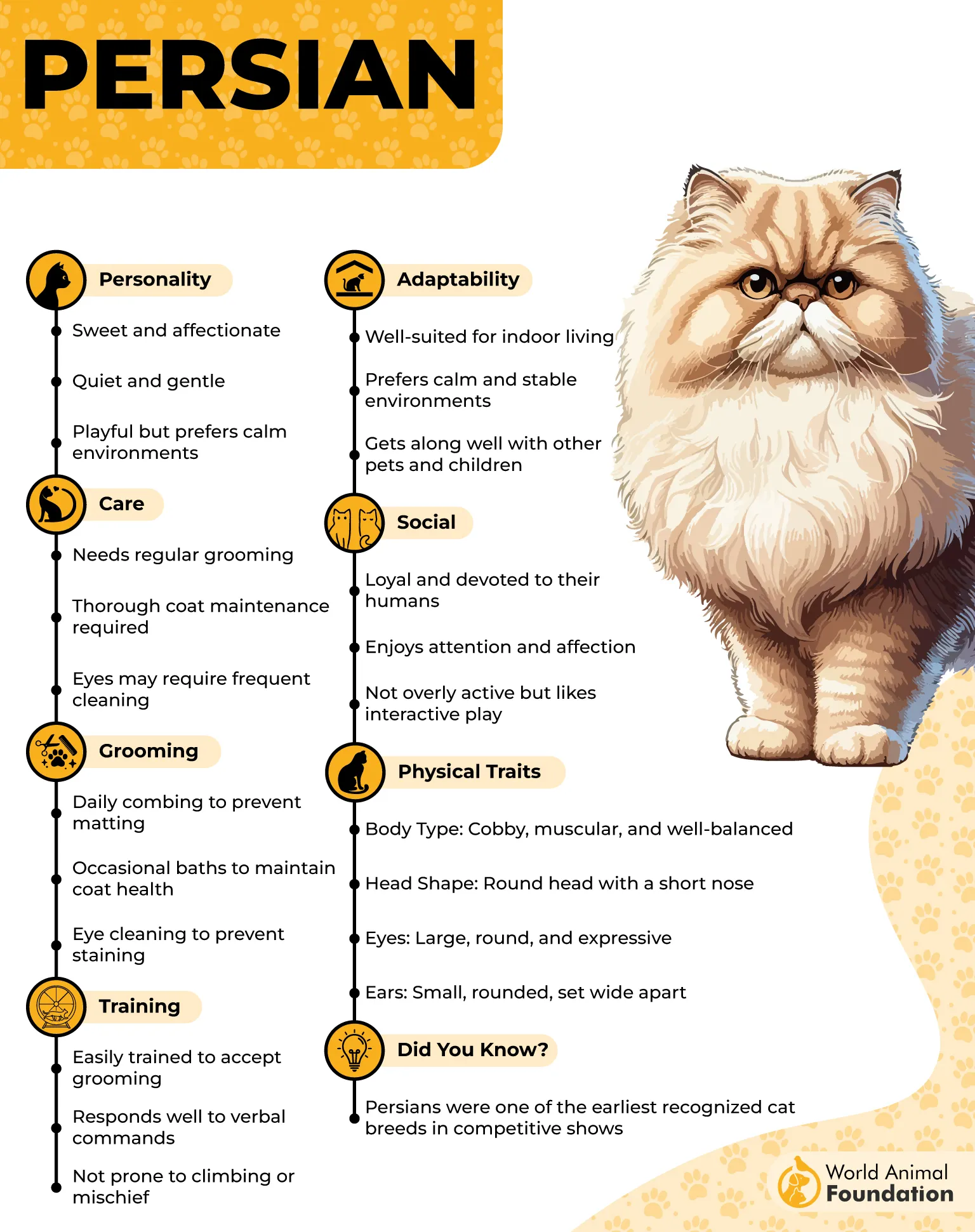
Their relaxed nature means they’re far less driven to scratch out of boredom or excess energy, especially in peaceful homes.
Rather than climbing or clawing, Persians are content lounging on soft surfaces or observing their surroundings from a favorite spot. With proper enrichment like scratching posts and regular attention, they rarely redirect their instincts toward furniture.
Their independence also plays a role, as they’re selective with affection and avoid overly rambunctious behavior.
Fun fact: Persians are known to prefer lounging over vigorous play, which contributes to their low tendency to scratch furniture.
5. Burmese
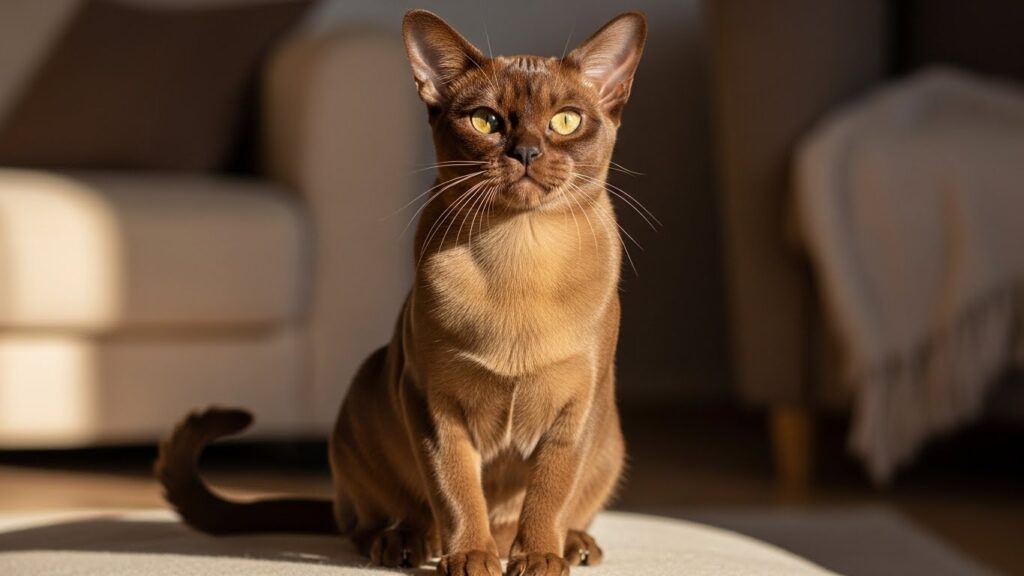
Also known as the European Burmese in some registries, the Burmese cat is admired for its sleek coat, expressive eyes, and compact, muscular build. This breed is highly people-oriented, thriving on companionship and daily interaction within the home.
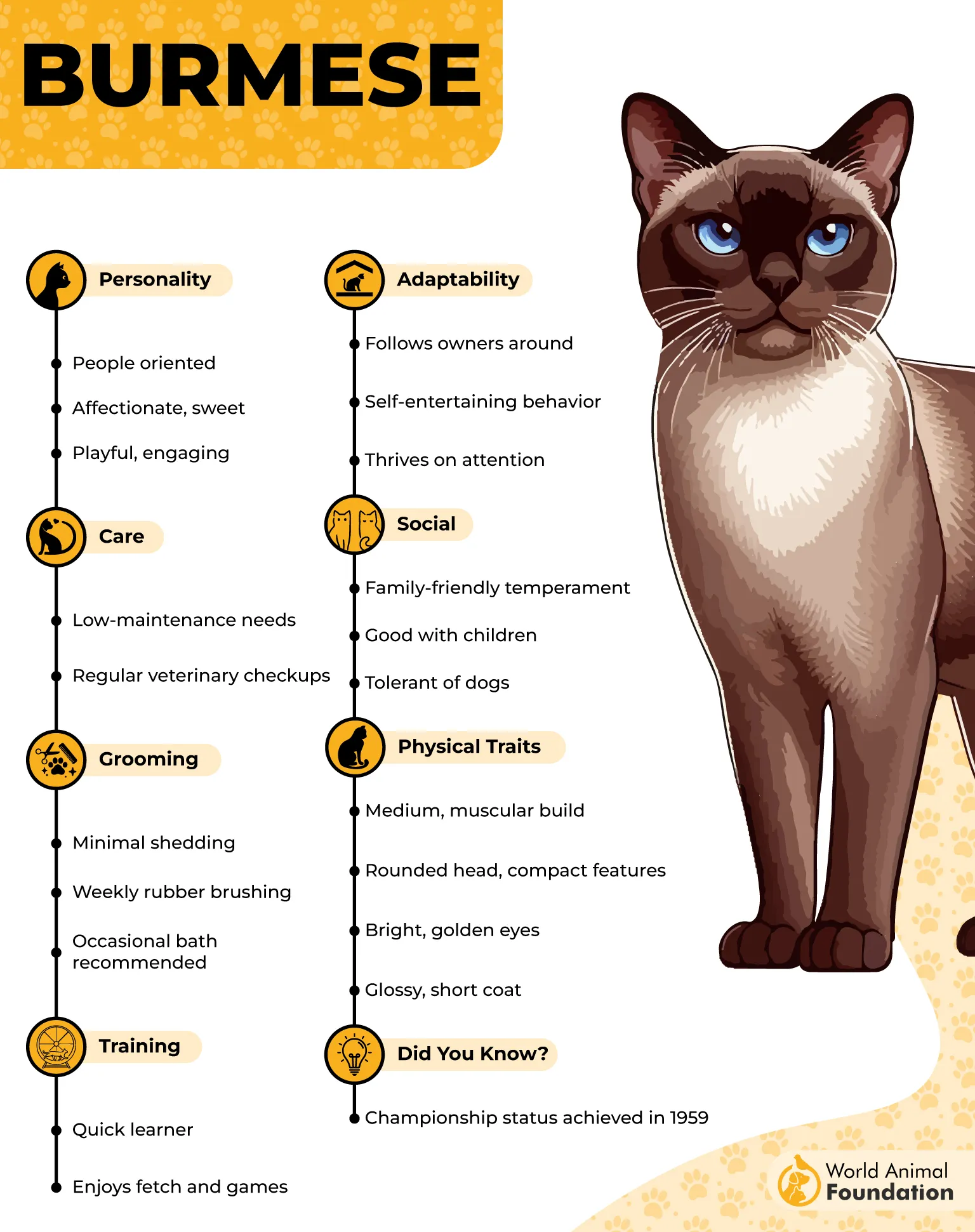
When it comes to furniture-friendly behavior, Burmese cats stand out for their low tendency toward destructive scratching. Their strong bond with owners makes them responsive to redirection, and they’re quick to learn where scratching is appropriate.
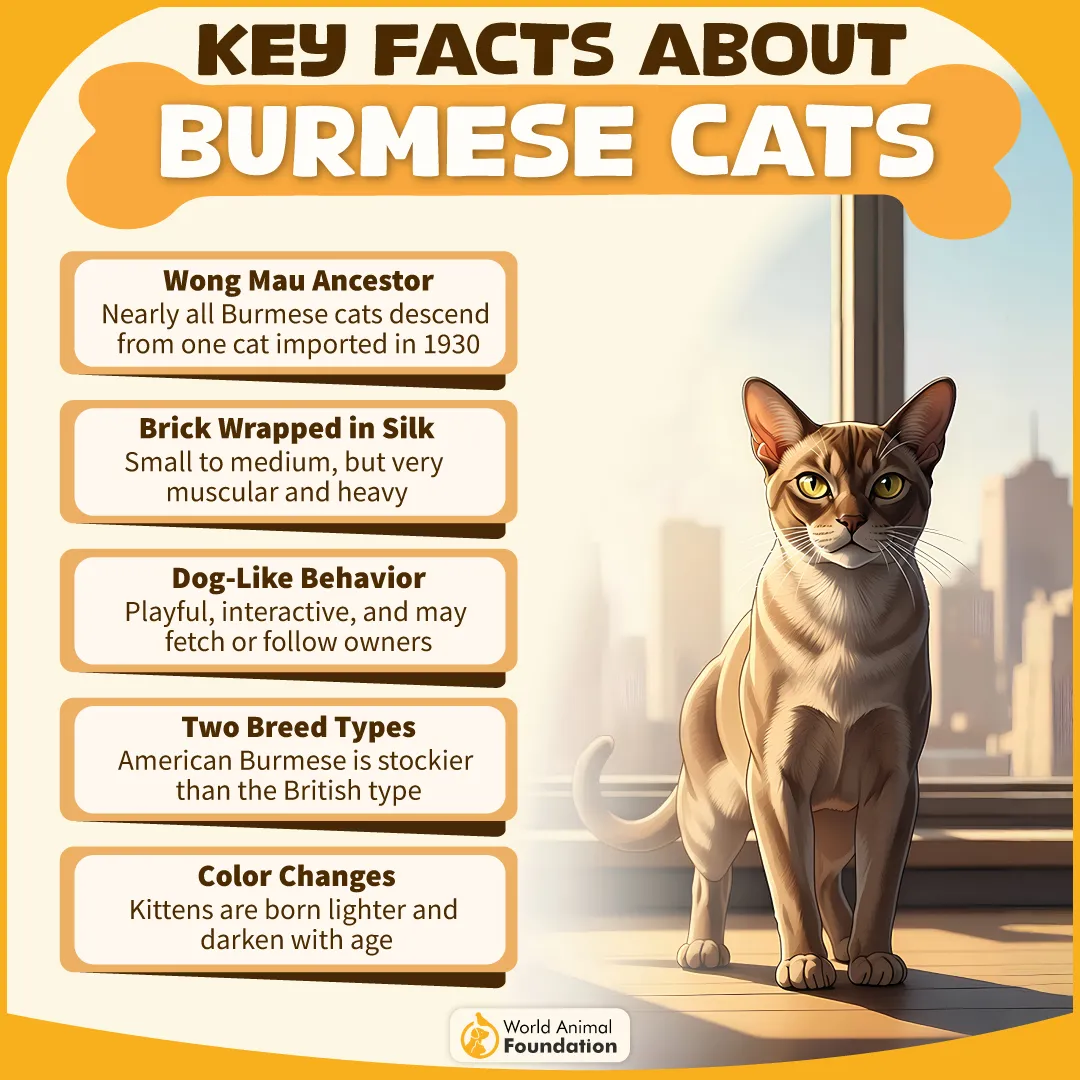
Cat breeds known for minimal destructive scratching often share a desire to please, and the Burmese fits this trait well. Regular play, interactive toys, and accessible scratching posts usually satisfy their instincts without targeting couches or curtains.
Their playful yet balanced energy keeps them engaged without chaos.
Fun fact: Burmese cats are often described as “dog-like” because they can learn games such as fetch and form exceptionally strong attachments to their owners.
6. Birman
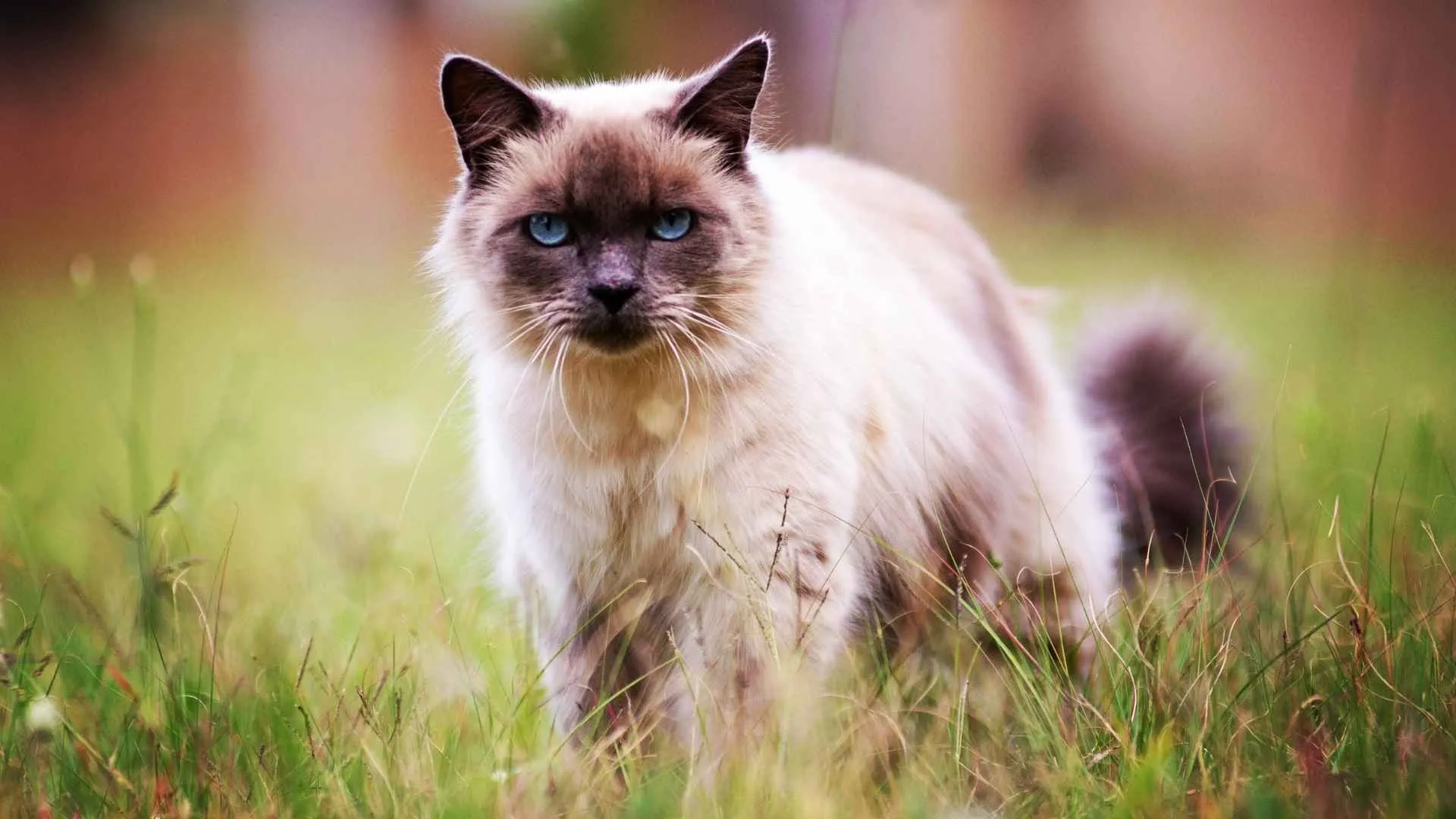
Also known as the Sacred Cat of Burma, the Birman is admired for its deep blue eyes, silky color-pointed coat, and calm, affectionate personality. Often linked to temple legends, this breed carries a gentle presence that blends easily into peaceful homes.

Birmans are among the cat breeds that rarely scratch furniture, largely due to their relaxed temperament. They prefer staying close to their people, lounging quietly nearby rather than releasing excess energy on couches or curtains.
The role of training and environment is key to keeping Birman behavior balanced. Providing scratching posts, enrichment toys, and regular play prevents boredom while reinforcing good habits through positive reinforcement rather than correction.
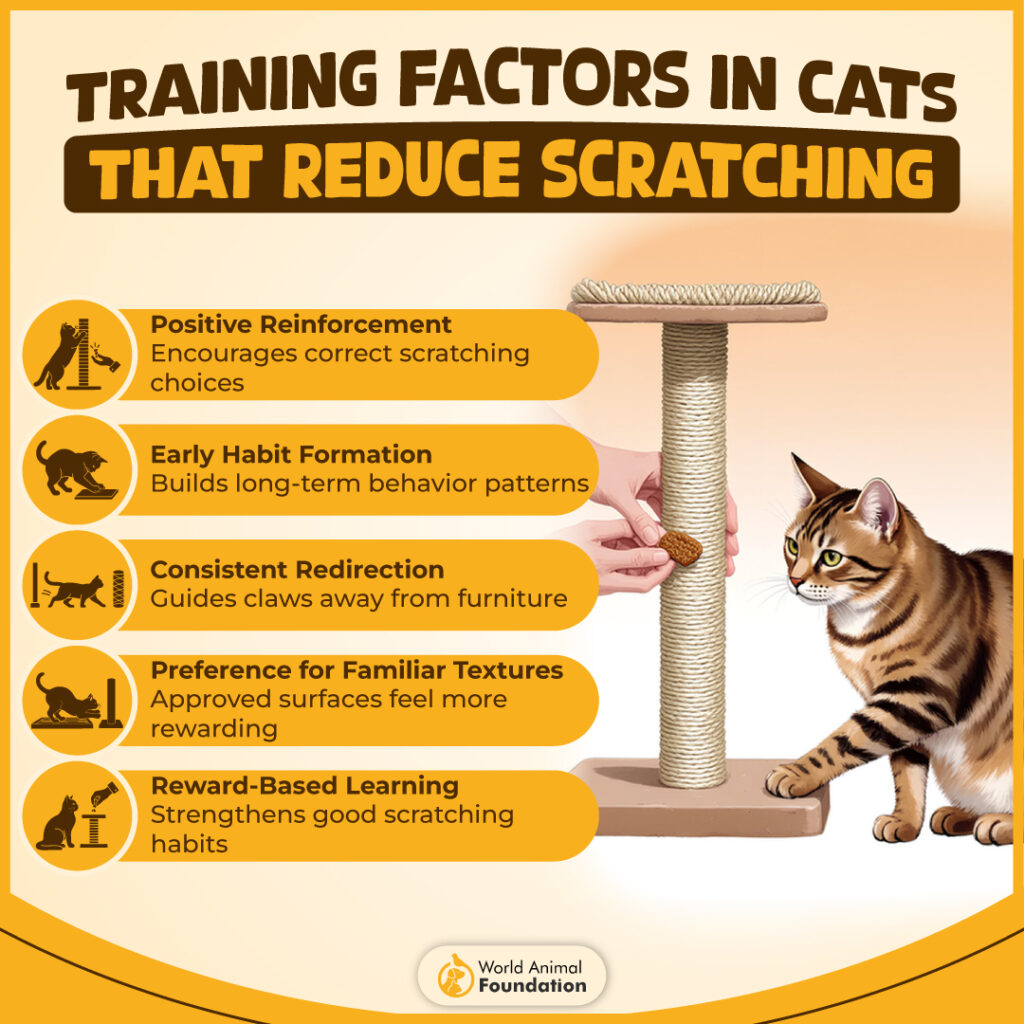
They also benefit from having a secure, designated space to retreat when overwhelmed, which reduces stress-related behaviors.
Fun fact: Birmans are known to respond especially well to training games and food-dispensing toys that keep them mentally engaged without overstimulation.
7. Exotic Shorthair
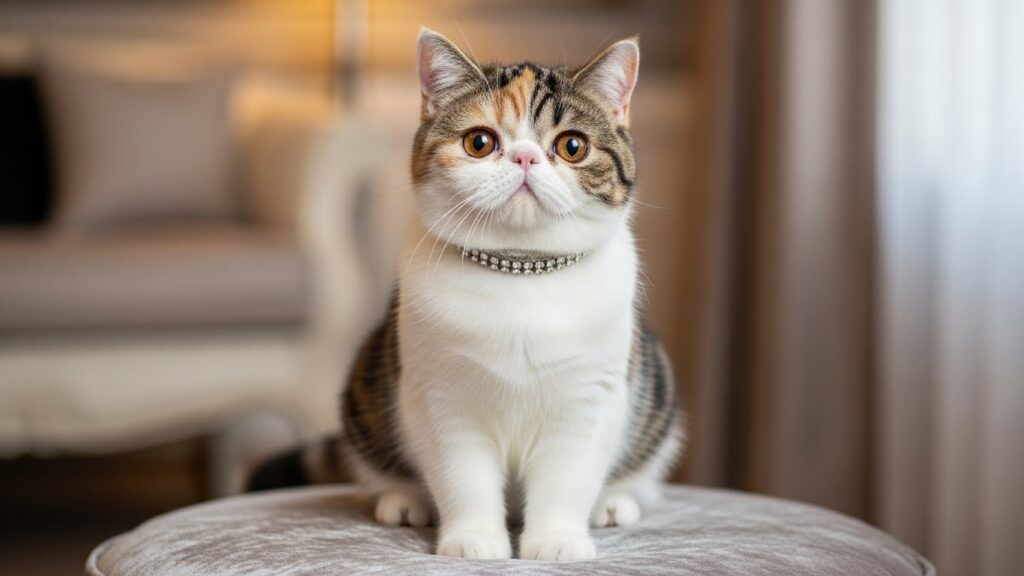
Also known as the Shorthaired Persian, the Exotic Shorthair is loved for its round face, plush coat, and relaxed personality. This breed shares the Persian’s gentle nature but comes with a short, dense coat that’s easier to maintain in everyday homes.
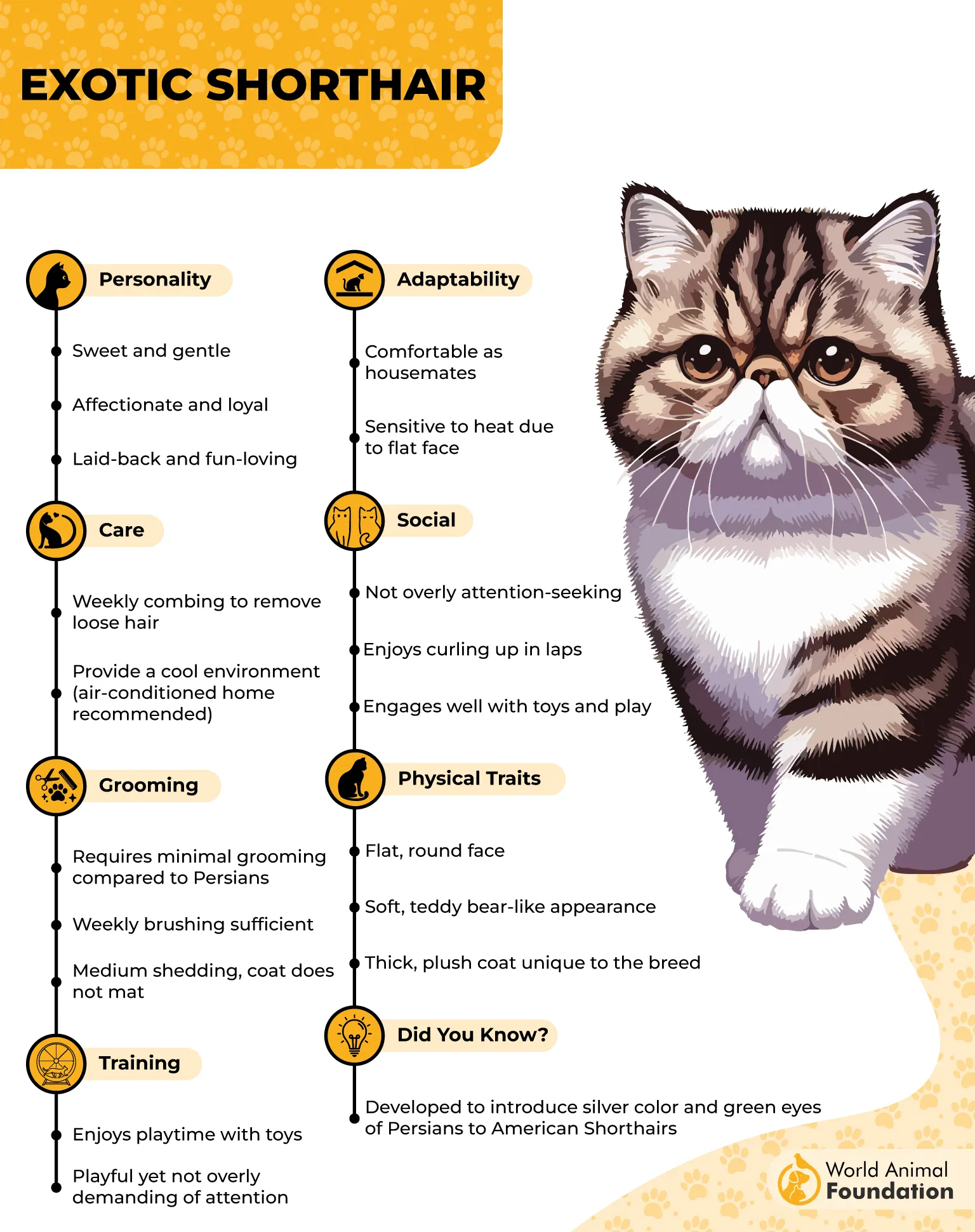
Thanks to their mellow temperament, Exotic Shorthairs are less inclined toward excessive scratching. They prefer lounging and quiet companionship over high-energy activity, which naturally lowers the risk of furniture becoming a target.
Scratching posts play an important role in keeping this breed furniture-friendly. When placed in accessible areas, these posts give Exotic Shorthairs an appropriate outlet to stretch and maintain their claws without damaging sofas or curtains.
Routine nail trims and consistent redirection reinforce good habits and protect household items.
Fun fact: Exotic Shorthairs are known for being calm, apartment-friendly cats that are less active than many other breeds, making them easier to manage indoors.
8. Russian Blue
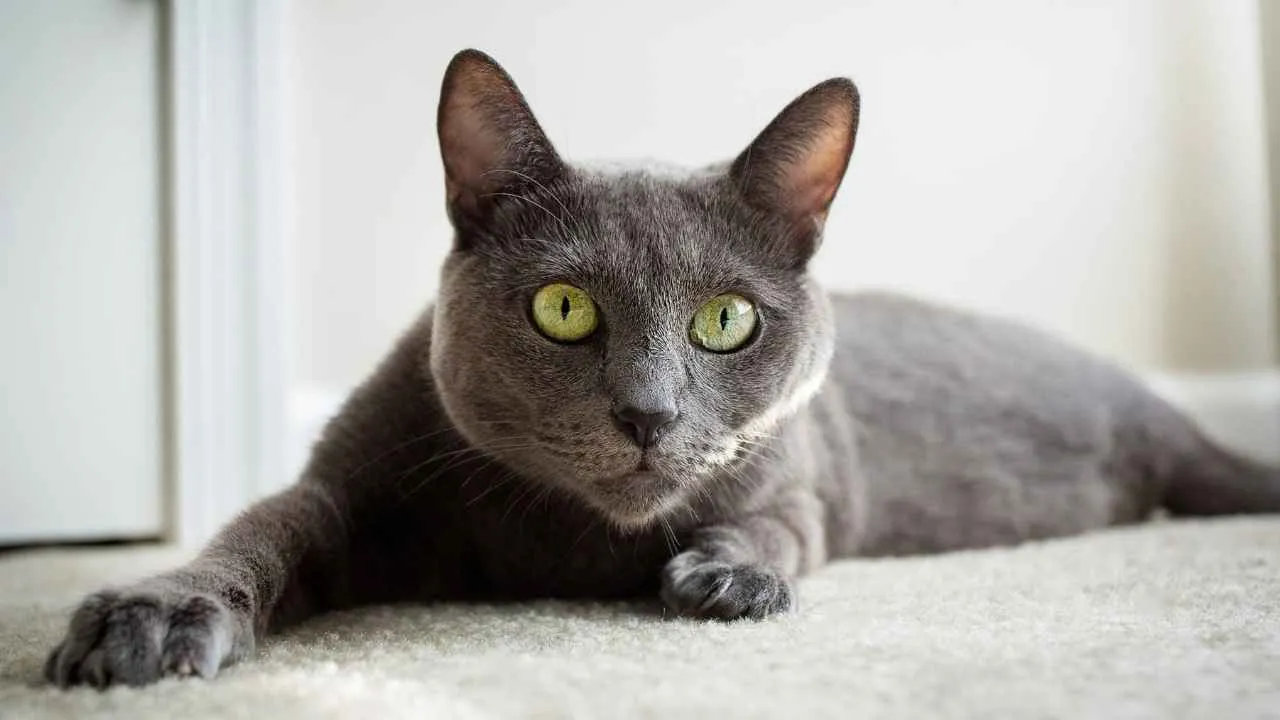
Also known simply as the Russian Blue cat, this breed is admired for its blue-gray coat, emerald-green eyes, and refined, elegant presence. Naturally calm and reserved, the Russian Blue prefers peaceful surroundings and predictable routines over chaotic activity.
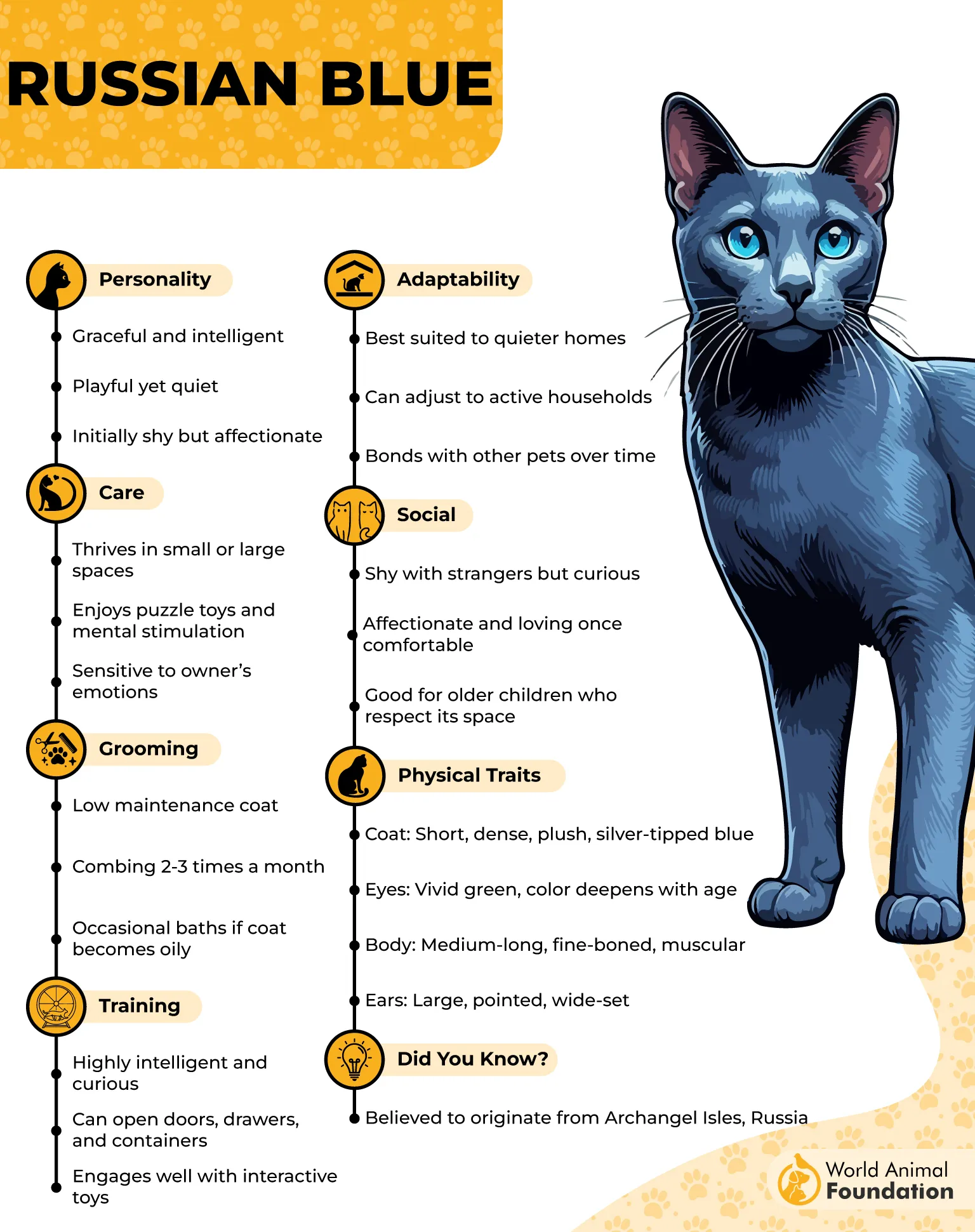
This gentle temperament plays a big role in why the breed rarely scratches furniture. Russian Blues are selective about their environment and tend to avoid hyperactive behaviors, making them less likely to claw sofas or curtains when their needs are met.
Best furniture-friendly cat care tips for this breed include providing a few well-placed scratching posts and maintaining a calm household atmosphere. With appropriate outlets for stretching and play, they consistently choose posts over furniture.
Their intelligence and self-sufficiency also help prevent boredom-related scratching.
Fun fact: Russian Blues are known to enjoy interactive play and can even be trained to play fetch.
9. Maine Coon
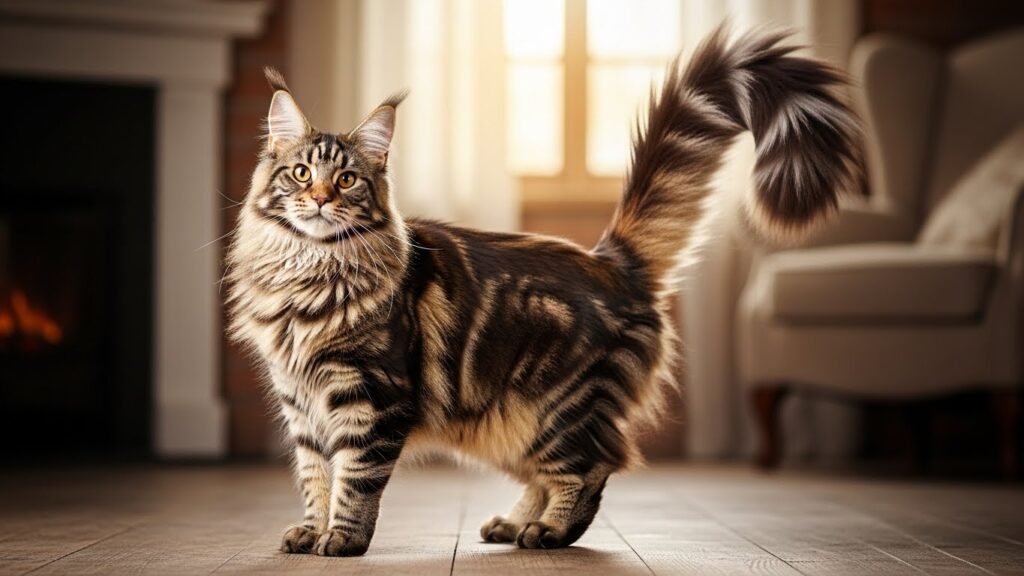
Often called the “gentle giant,” the Maine Coon is one of the largest domestic cat breeds, recognized for its tufted ears, long coat, and friendly demeanor. Despite their impressive size, these cats are calm, sociable, and surprisingly considerate around the home.
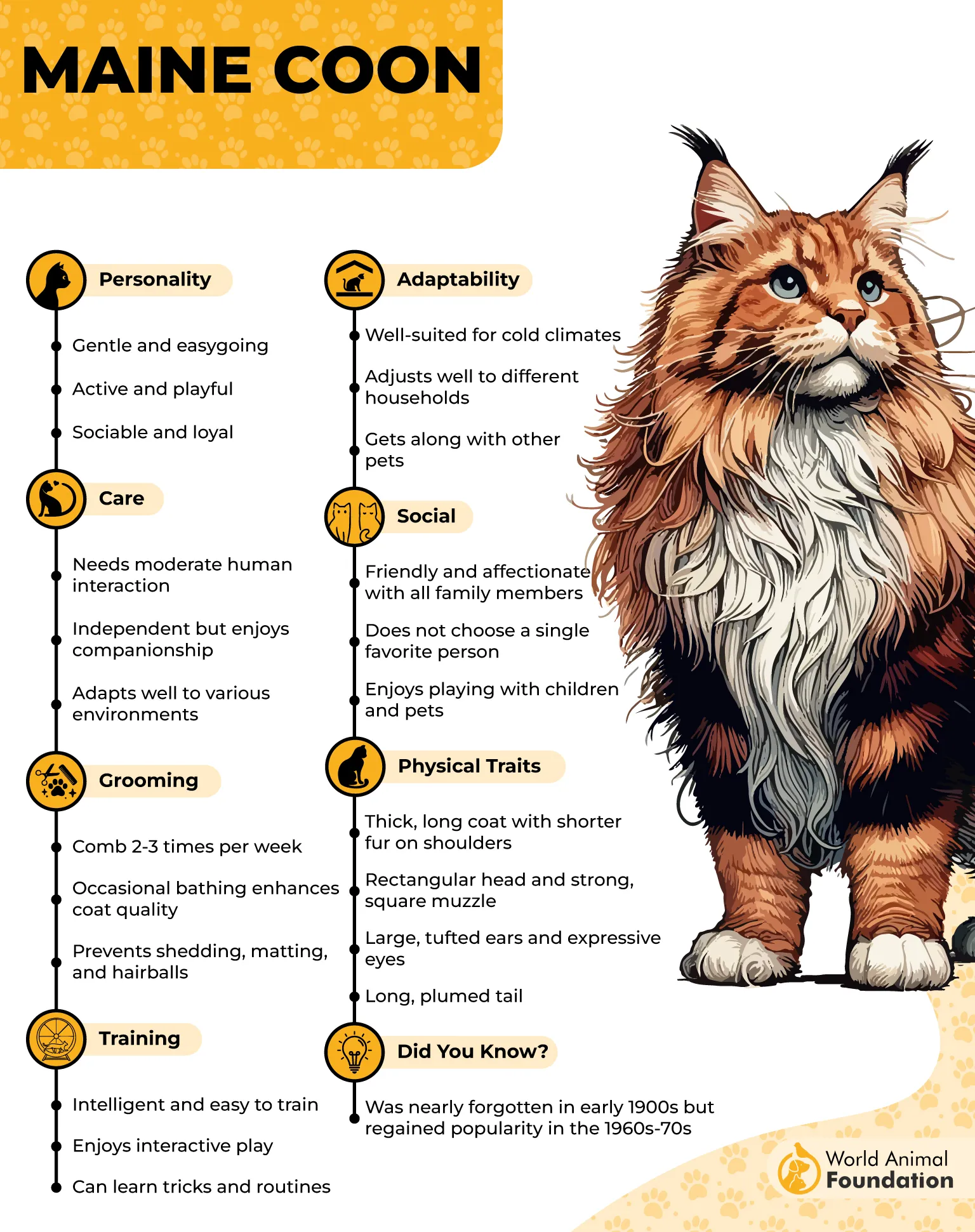
When it comes to furniture, Maine Coons tend to scratch less destructively than many breeds. Their high intelligence and trainable nature make them quick to adopt scratching posts and designated surfaces when introduced early.
Choosing the right cat for a scratch-free home often depends on temperament, and Maine Coons excel here. They enjoy routine, respond well to redirection, and are more interested in interaction and play than in clawing furniture out of boredom.
Providing sturdy scratching options helps satisfy their natural instincts without damaging décor.
Fun fact: Maine Coons are known as “gentle giants” due to their large size paired with a notably calm and easygoing personality.
Conclusion
Cat breeds that rarely scratch furniture show that cat’s behavior varies widely across different cat breeds. While scratching is a natural behavior and most cats need an outlet, some breeds are more easily guided toward appropriate surfaces like scratching posts and cat trees.
These cats are often highly intelligent, calm, and responsive to training, making them well suited for tidy homes and apartment living where space and furniture matter more.
For many households, choosing the right feline friend means fewer worries and stronger relationships. Cats that scratch less tend to form strong bonds with their people, adapt well around other cats and other animals, and fit comfortably into shared spaces.
Especially those seeking low maintenance companions will appreciate breeds that redirect instincts easily while still enjoying play, affection, and daily routines cats love.
Rarely Scratch Furniture Cats 🐾 Can You Guess All 5?
Which breed is known for going limp when picked up?
Which calm breed prefers routine and tolerates alone time well?
Which breed is instantly recognized by folded ears?
Which breed is known for a long coat and love of lounging?
Which large breed is called a “gentle giant”?
