




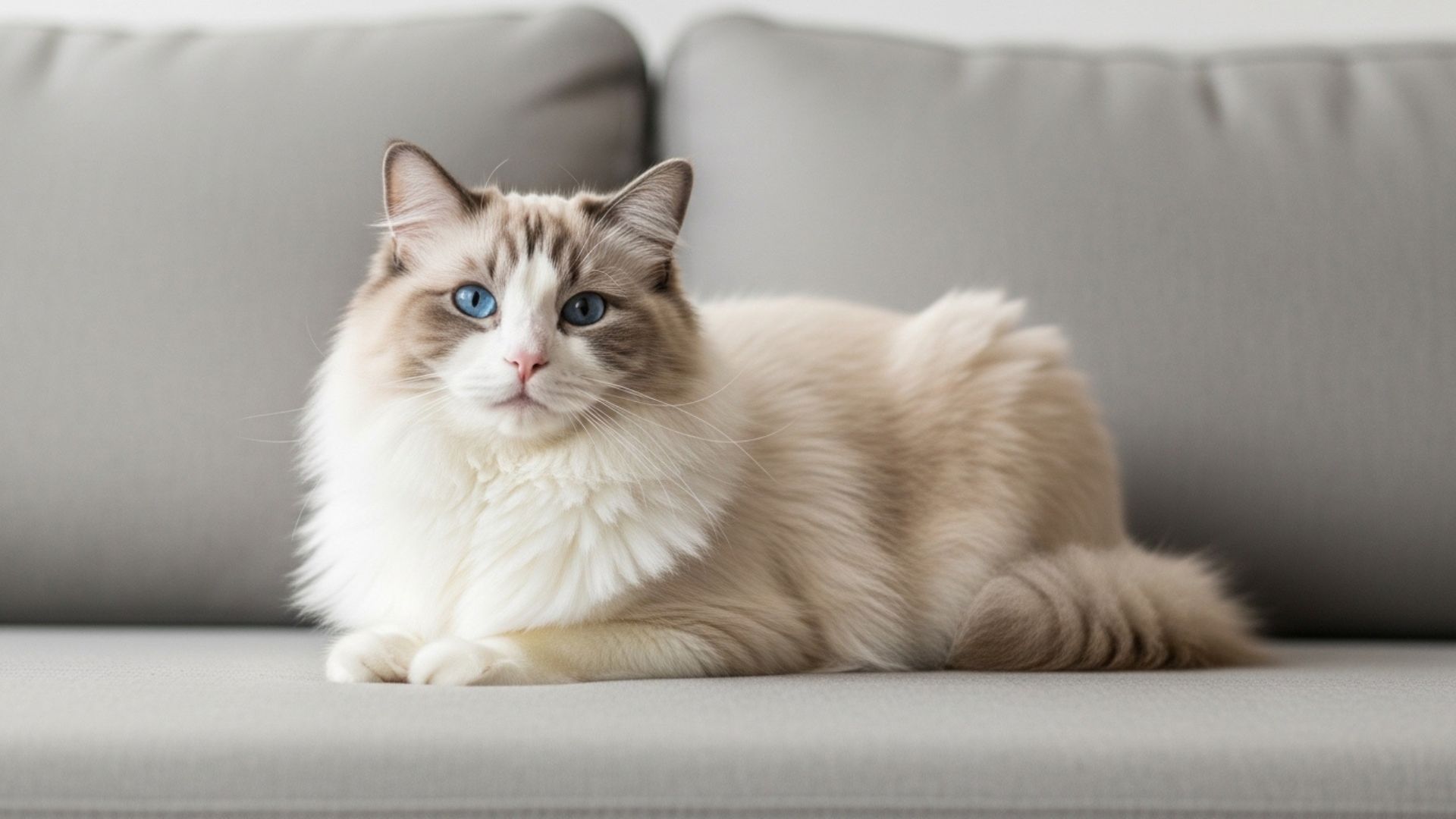
Not every cat is built for marathon zoomies or high-flying acrobatics. Some felines are naturally content with a slower rhythm—preferring a sunny windowsill, a cozy lap, or a quiet corner over constant motion. If you’re searching for a companion that thrives in a peaceful home, exploring cat breeds that rarely overexert can help you find the perfect match.
Why do some cats prefer a calm, low-energy lifestyle? Research suggests that activity levels are influenced in part by breed traits, with genetics playing a meaningful role in shaping temperament. While every cat is an individual, certain breeds consistently display more relaxed tendencies, making them well-suited for apartments, busy families, or seniors seeking gentle companionship.
Understanding what “rarely overexert” really means is key. These cats aren’t lazy or unhealthy—they still need daily play and mental stimulation. However, they’re happiest with moderate activity and plenty of downtime. Their balanced energy makes them ideal for those who appreciate affection without the whirlwind of nonstop antics.
Cat Breeds That Rarely Overexert
1. Persian
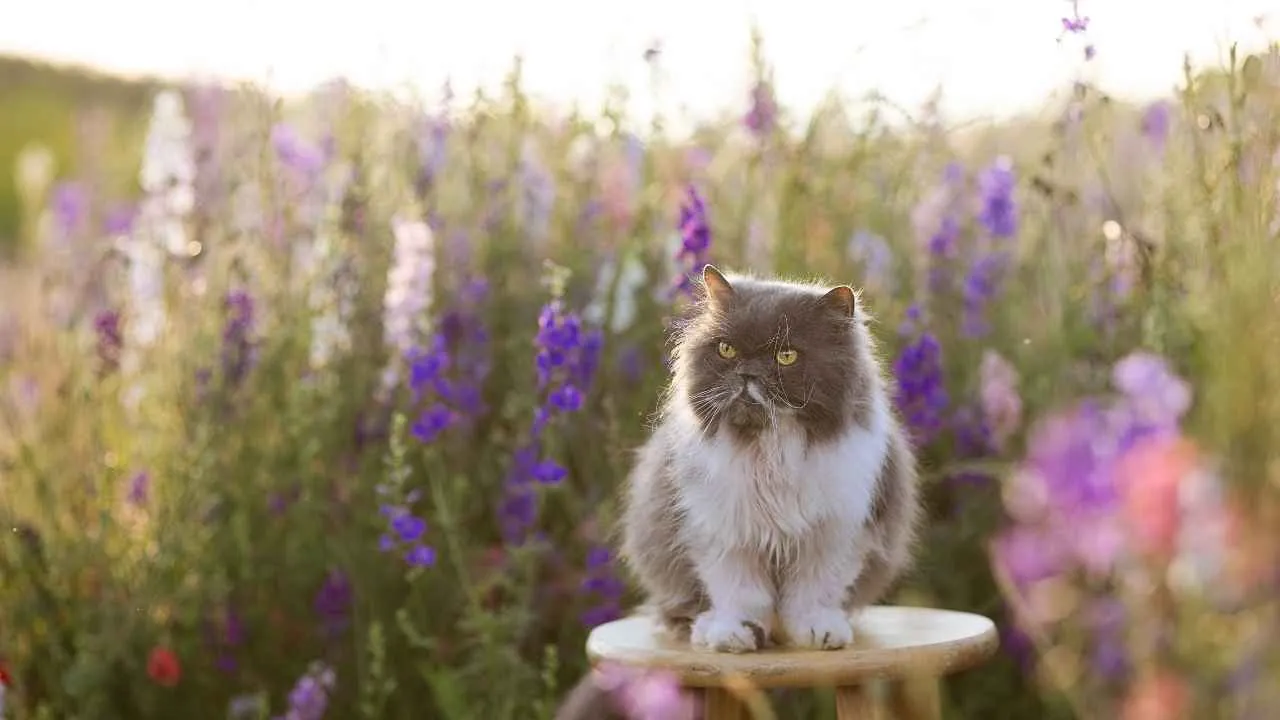
The Persian, also known as the Persian Longhair or Shirazi cat, is one of the most recognizable breeds in the world. With its round, flat face, flowing coat, and expressive eyes, this elegant feline is admired for a serene presence that perfectly matches its luxurious appearance.
According to Petplan, when provided with adequate affection and proper care—including appropriate feeding, litter maintenance, and grooming—a Persian cat is likely to remain a calm and quiet companion.
Naturally Relaxed and Easygoing
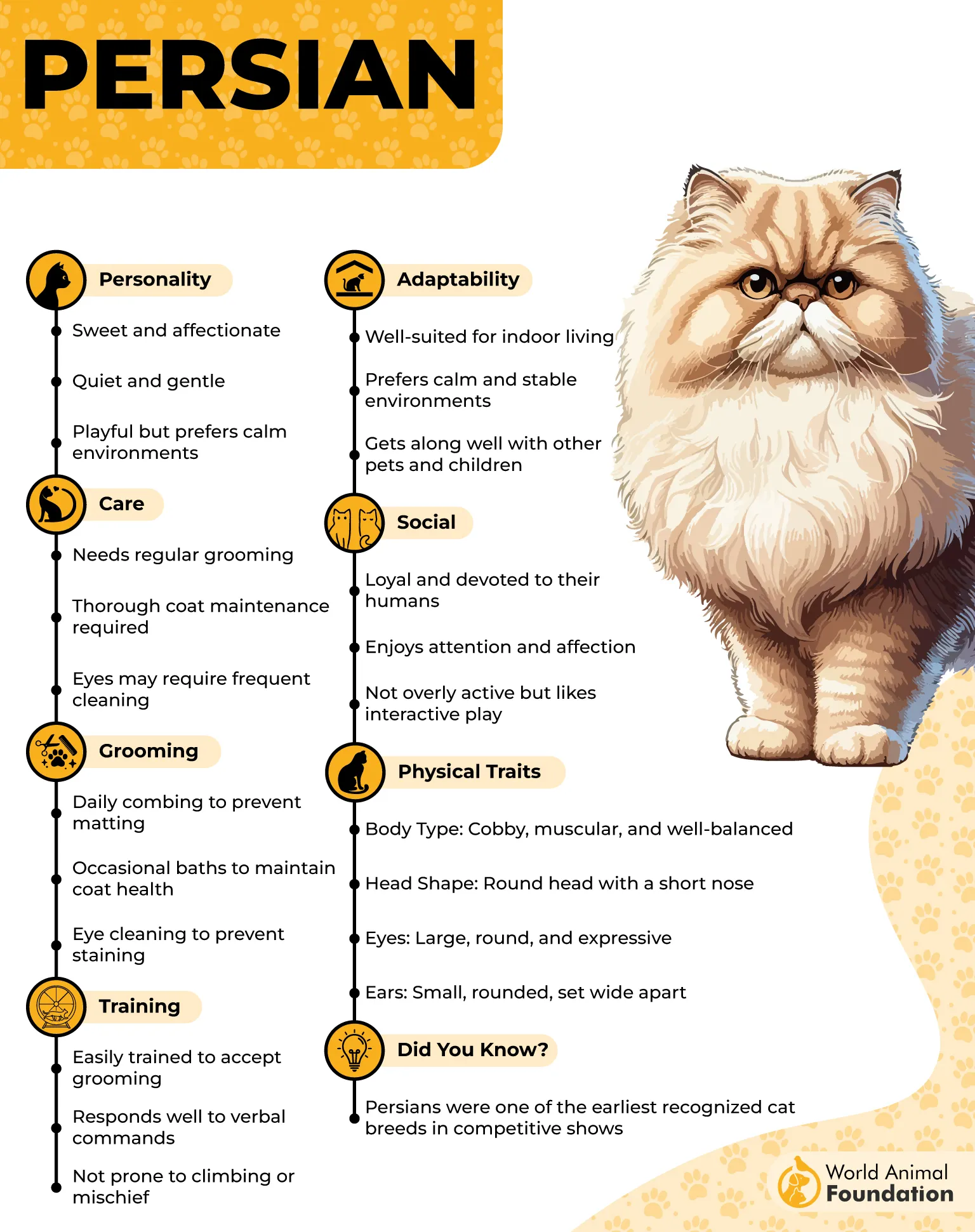
Persians are famously calm housemates who thrive in peaceful indoor settings. Rather than racing from room to room, they prefer lounging on soft furniture or quietly observing their surroundings from ground level.
While they enjoy gentle play with cat toys, they rarely overexert themselves or engage in rough activity. Even when left alone for part of the day, they remain content and undemanding, communicating more through soft gazes than loud vocalizations.
Though their long coat requires daily brushing to prevent tangles, their temperament is wonderfully low-key. A notable fact: you’ll seldom find a Persian perched atop high cabinets, as they prefer staying safely close to the floor.
2. Ragdoll
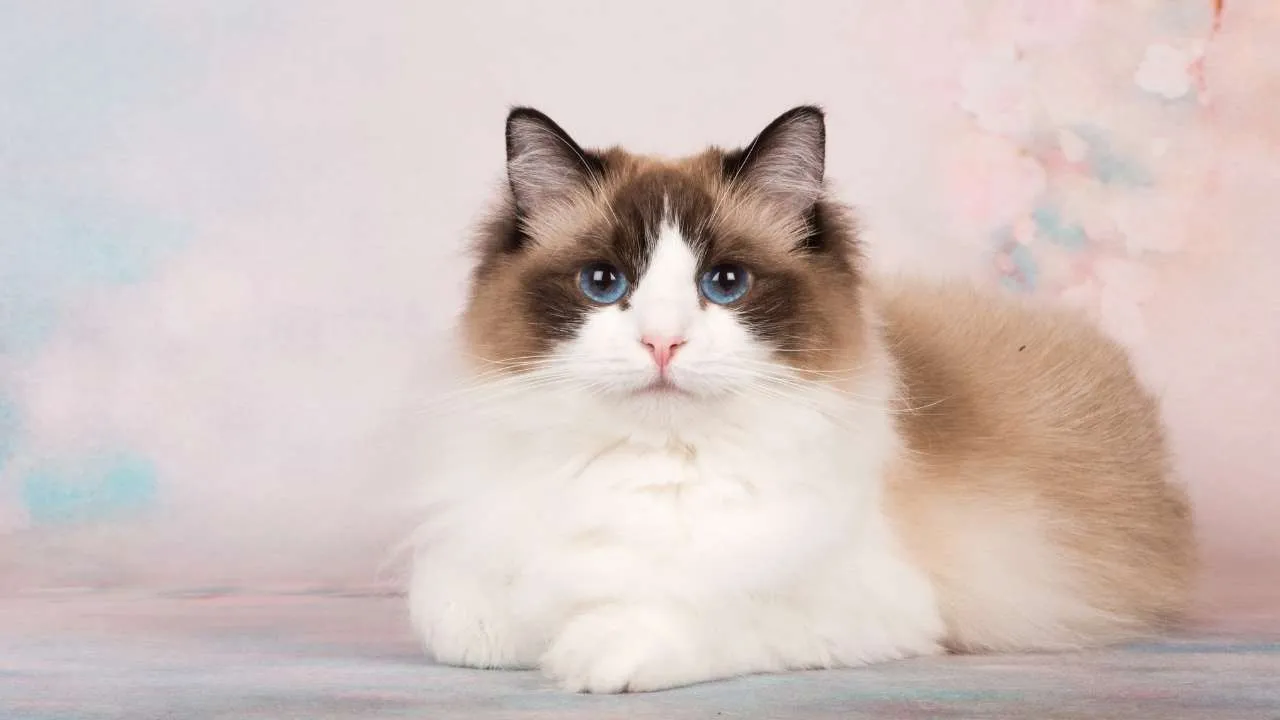
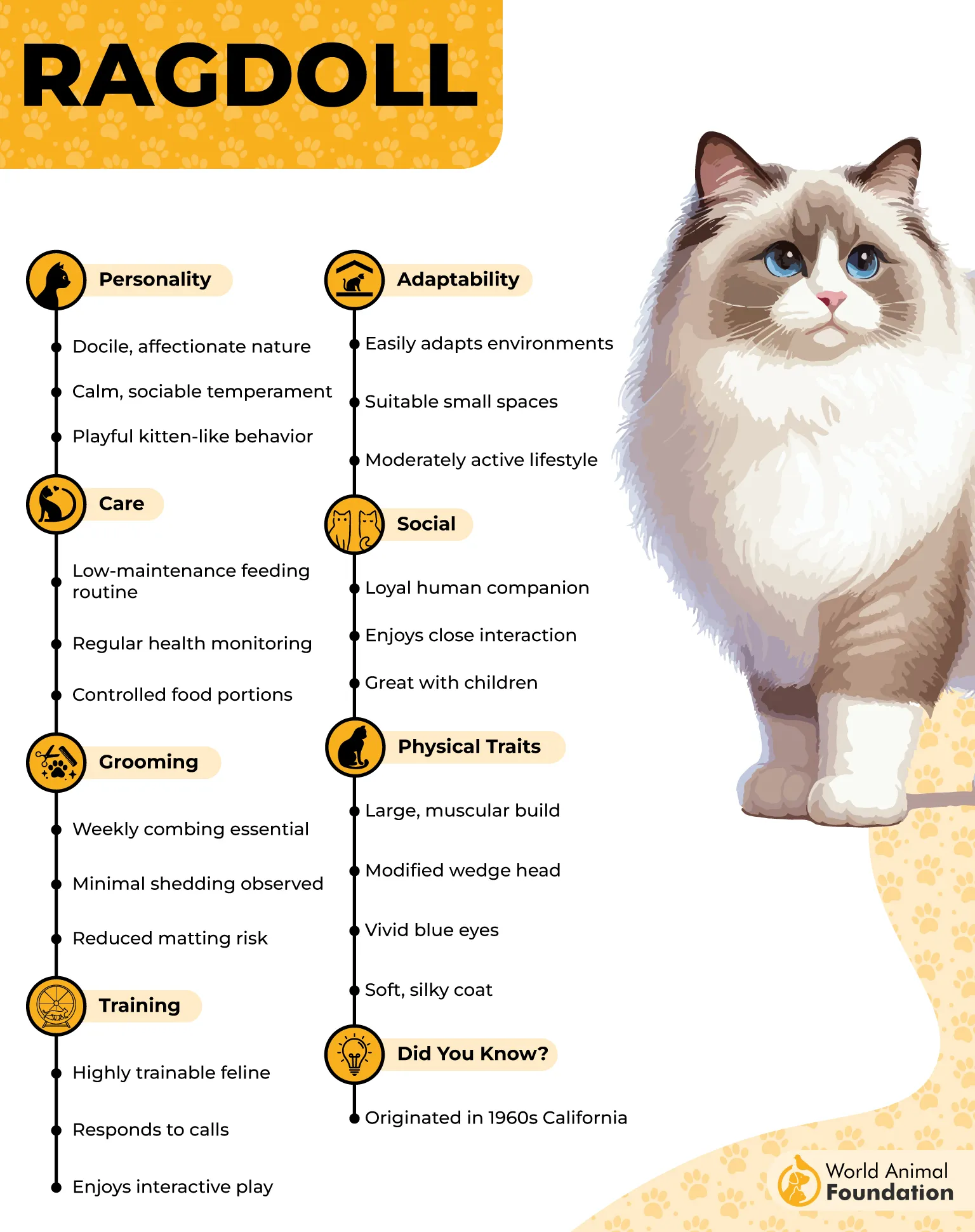
The Ragdoll, often affectionately called the “gentle giant,” is one of the largest domestic cat breeds, known for its striking blue eyes and silky coat. According to Purina, this breed is well-suited for first-time cat owners and is known to enjoy playing games while remaining active within the home.
A Gentle Companion with Minimal Zoomies
Despite their size, Ragdolls are remarkably calm and rarely overexert themselves. They prefer slow strolls around the house, cozy naps, and relaxed play rather than high-speed bursts of energy.
Sociable and affectionate, they enjoy being involved in daily life—following their owners, sitting close by, or snuggling at bedtime. Even in busy households, their easygoing temperament keeps them steady and composed.
Known for going limp when picked up, they thrive on gentle interaction and can even learn simple games like fetch. A notable fact: their placid, patient personality makes them especially well-suited for homes with children and other pets.
3. British Shorthair
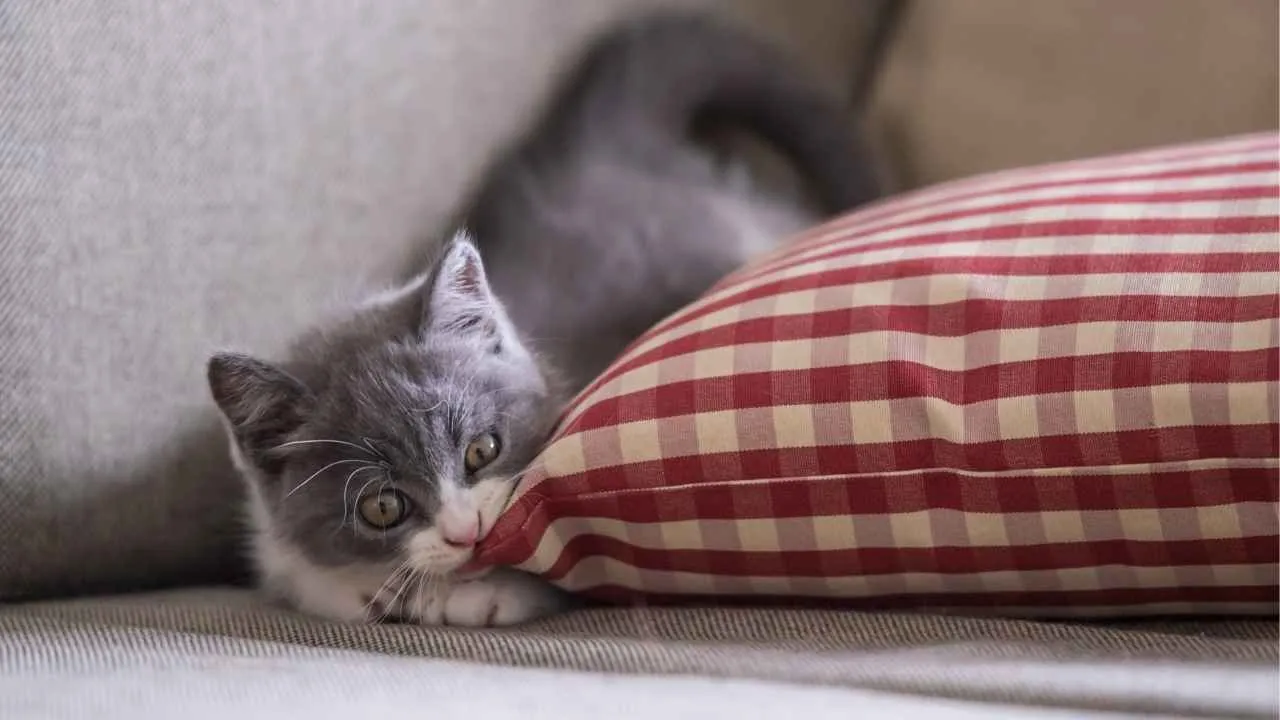
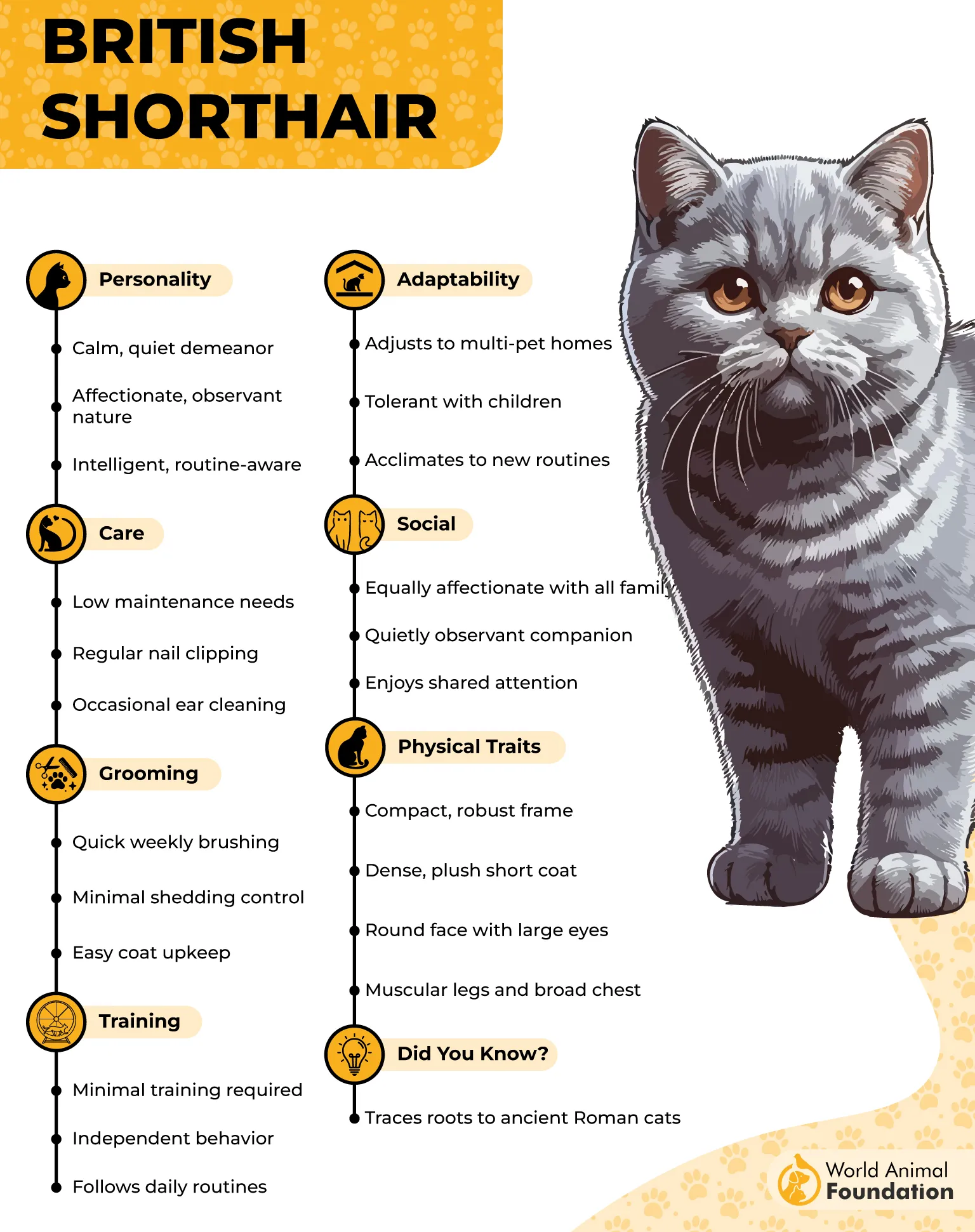
The British Shorthair, often nicknamed the “British Blue” in its classic gray coat, is a sturdy, teddy bear–like feline with a dense plush coat and round features. Popular across Europe and beyond, this breed is admired for its balanced temperament and quietly confident demeanor.
According to WebMD, British Shorthairs are described as friendly and relaxed pets that enjoy human companionship and spending time resting on the couch.
Quiet, Composed, and Low-Impact
British Shorthairs are known for their calm, measured energy. While kittens may show bursts of playfulness, adults typically adopt a more sedentary lifestyle, preferring a sunny nap spot over energetic leaps or frantic zoomies.
They enjoy being near their people but aren’t clingy or overly demanding. Instead of constant activity, they observe their surroundings with quiet curiosity, conserving energy and maintaining a steady, unhurried pace.
Rarely dramatic or overly vocal, they communicate subtly through body language rather than noise. A notable fact: as they mature, their naturally mellow personality makes them one of the least likely breeds to be found scaling the top of the refrigerator.
4. Scottish Fold
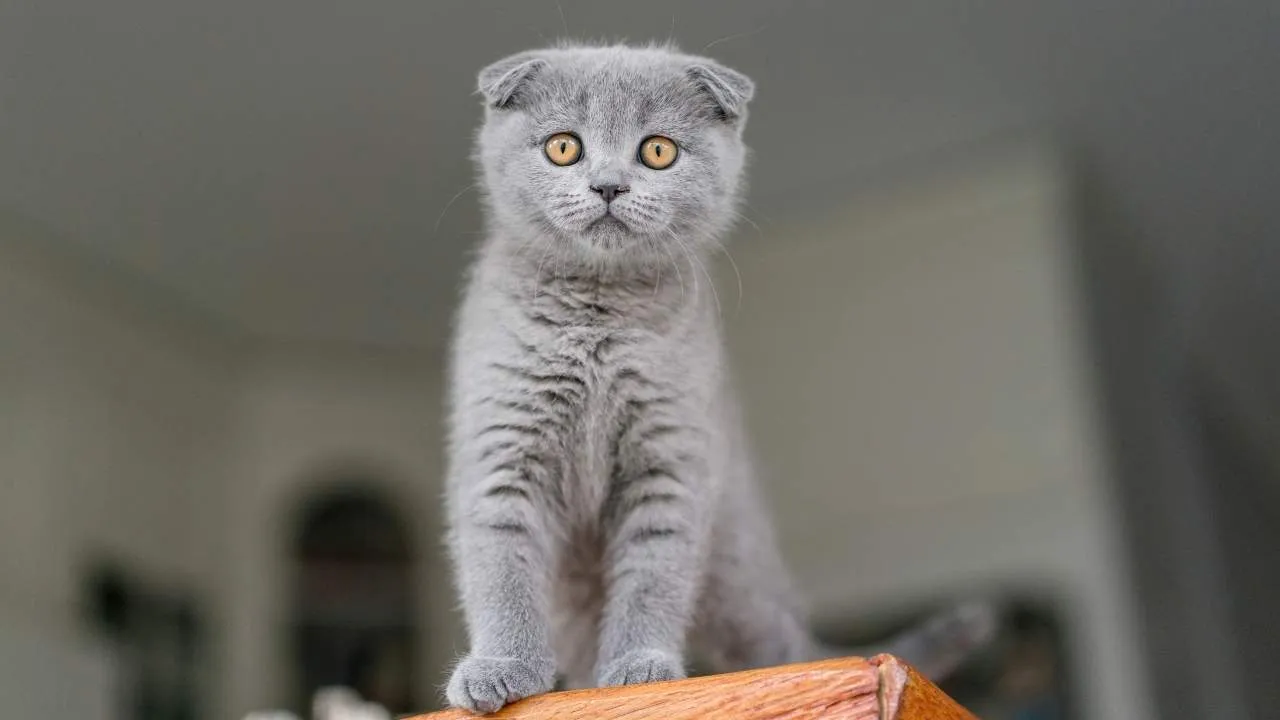
The Scottish Fold, instantly recognized by its signature folded ears, is sometimes affectionately described as owl-like or teddy bear–faced. Available in both shorthair and longhair varieties, this sweet-natured breed is admired for its round features, expressive eyes, and easygoing charm.

More Lounging Than Leaping
Scottish Folds are notably low in activity, preferring cozy laps and relaxed companionship over high-energy antics. While playful in short bursts, they rarely overexert themselves and are content with calm interaction.
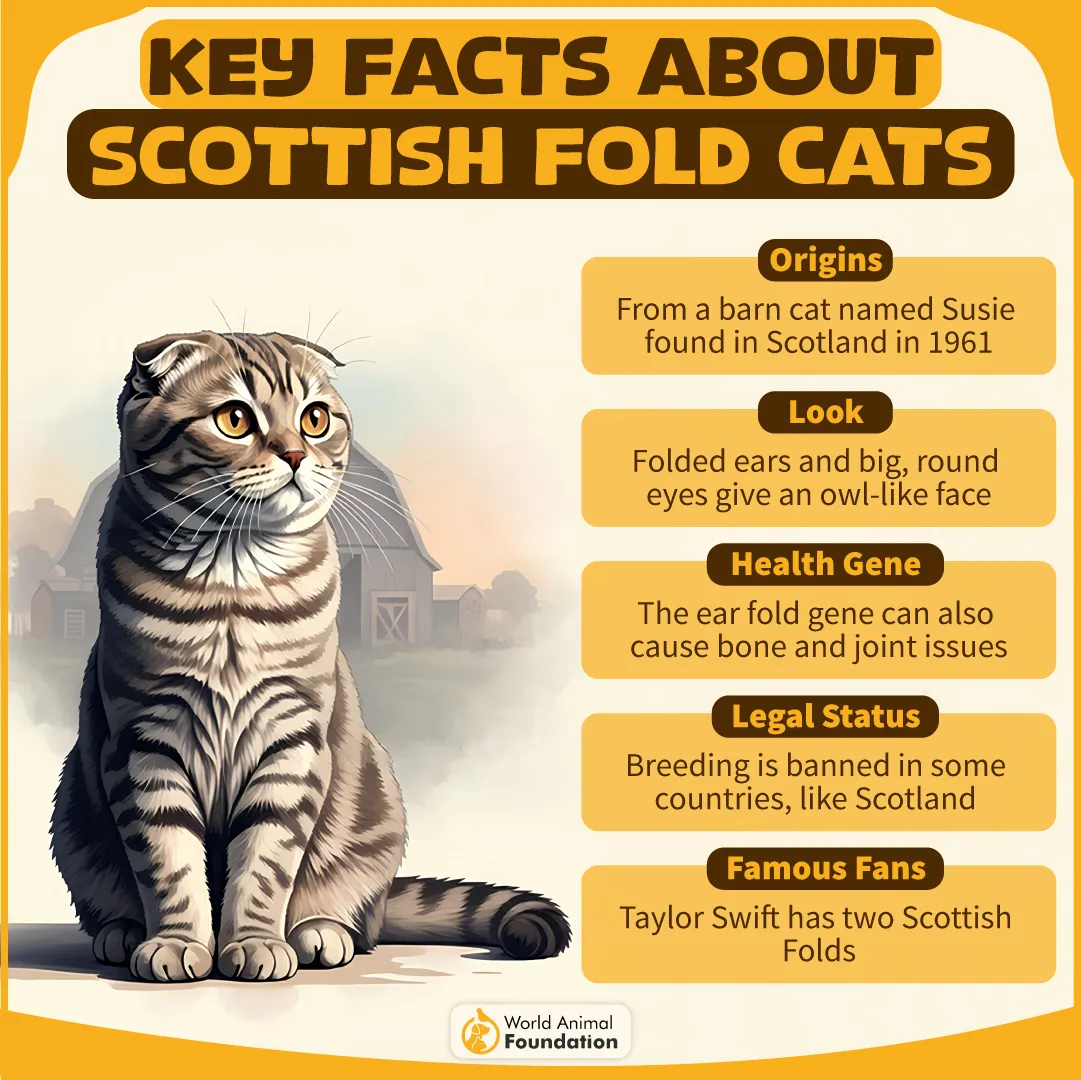
They thrive on human company yet remain undemanding, often bonding closely with one person and quietly following them from room to room. Their soft voices and mellow temperament make them pleasant housemates in both lively and quiet homes.
Smart and adaptable, they can learn routines and simple training with ease. A notable fact: every Scottish Fold traces back to a white barn cat named Susie, born in Scotland in 1961, whose unique folded ears started the breed.
5. Exotic shorthair
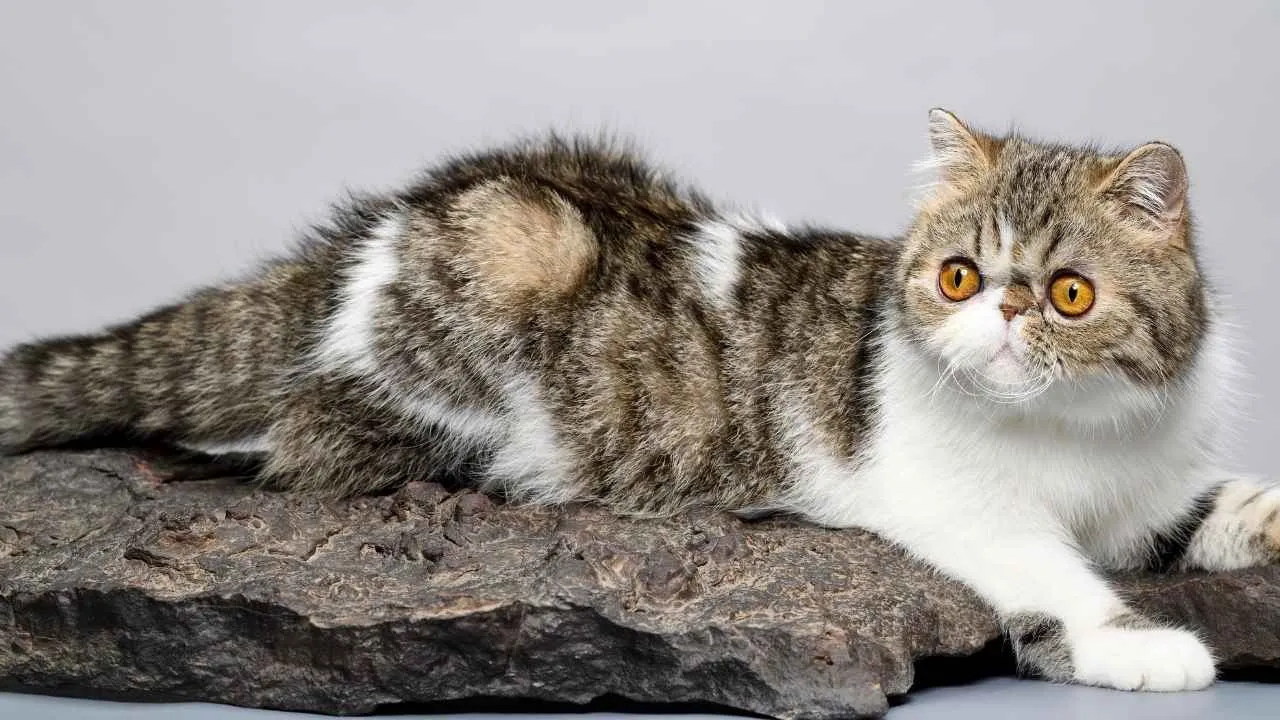
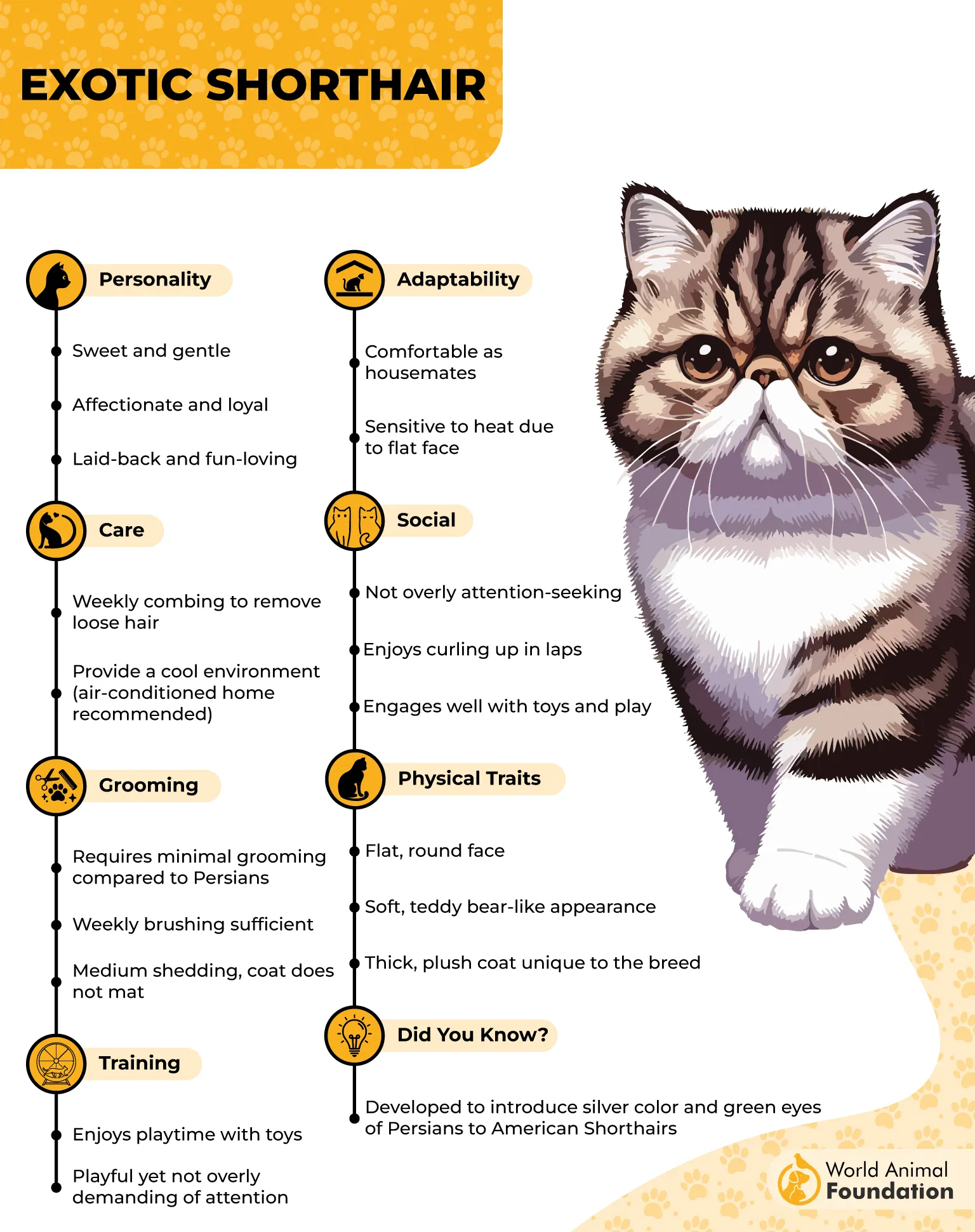
The Exotic Shorthair, often described as “a Persian without the pretensions,” was developed by crossing the Persian with the American Shorthair. With its round face, plush coat, and expressive eyes, this sweet-natured breed combines classic charm with a low-key personality.
Calm Temperament, Steady Movements
Exotic Shorthairs are affectionate and eager to please, yet they’re not prone to bursts of frantic activity. Their movements are measured and steady, making them one of the breeds least likely to overexert themselves indoors.
While they enjoy short play sessions and gentle interaction, they much prefer curling into a warm lap over racing through the house. Their relaxed demeanor makes them especially well-suited for apartment living or quieter households.
Responsive to positive reinforcement, they adapt easily to routines and basic training without becoming overstimulated. A notable fact: the Cat Fanciers’ Association describes the Exotic Shorthair as sweet, affectionate, and quiet—traits that perfectly reflect its calm presence.
6. Birman
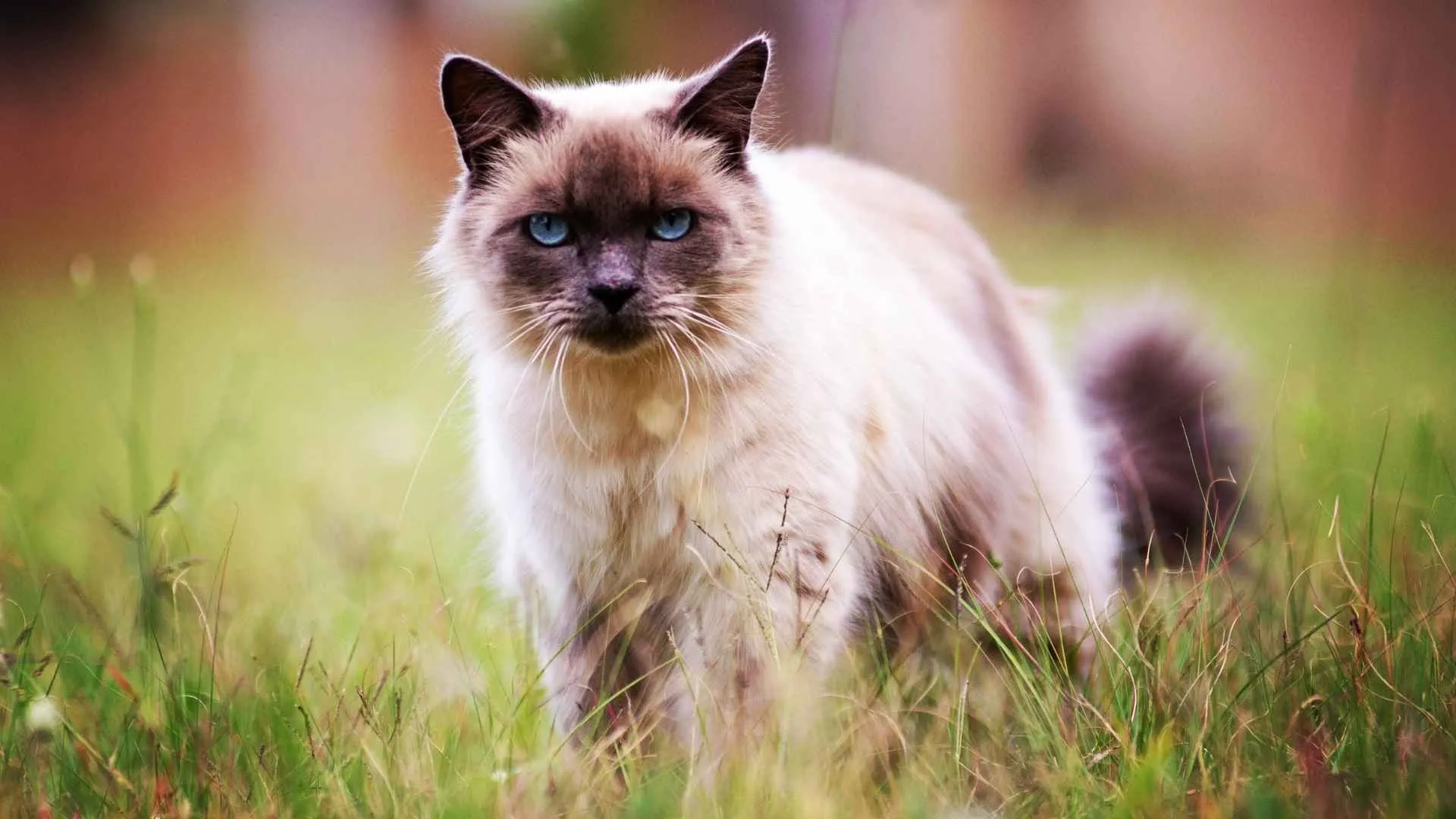
The Birman, often called the “Sacred Cat of Burma,” is admired for its silky color-point coat, deep blue eyes, and signature white-gloved paws. Originally bred as a companion cat, this elegant feline pairs striking beauty with a gentle, people-oriented personality.

Independent but Never Hyperactive
Birmans are playful and curious, yet their energy remains measured rather than intense. They enjoy a light game or brief exploration, but they rarely push themselves into frantic bursts of activity.
Affectionate and social, they thrive on companionship while still appreciating moments of quiet independence. Instead of demanding constant stimulation, they balance interaction with calm downtime, making them ideal for peaceful households.
Though capable of outdoor play in safe spaces, they are generally low-maintenance and soft-voiced indoors. A notable fact: despite their playful streak, Birmans are considered less active than many other breeds and are known for being genuinely quiet housemates.
7. Maine Coon
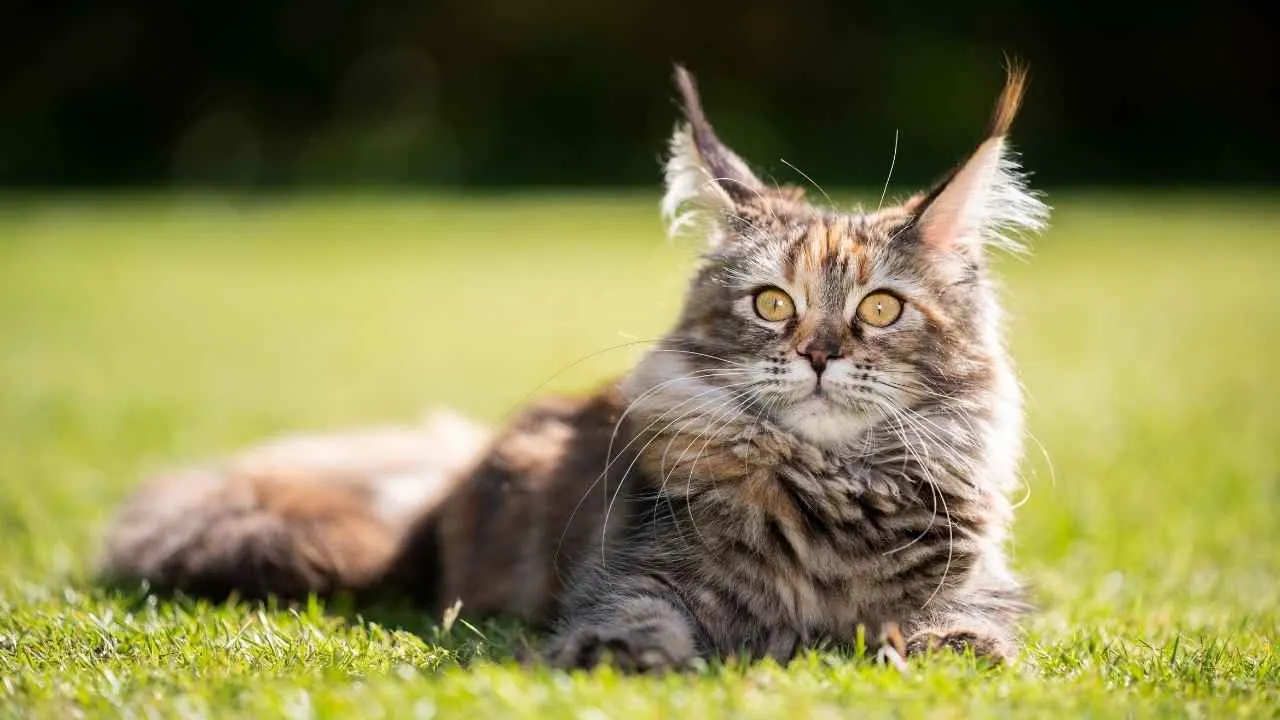
The Maine Coon, affectionately known as the “gentle giant,” is one of the largest domestic cat breeds, admired for its tufted ears, bushy tail, and shaggy coat. Despite its impressive size and bold appearance, this people-oriented feline is famous for a sweet, balanced temperament.
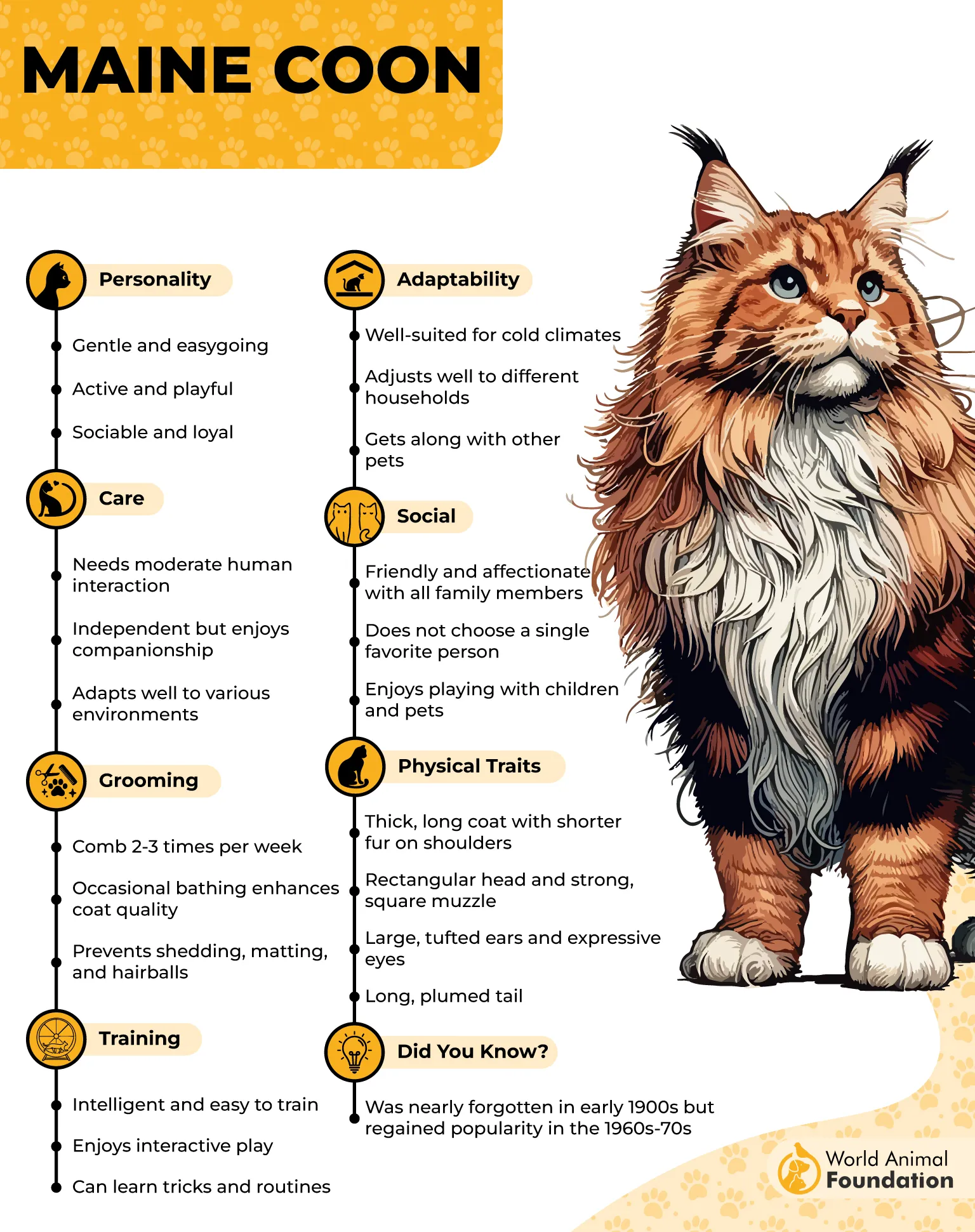
A True Lap Cat with Moderate Energy
Maine Coons combine playful curiosity with surprising composure. While they may enjoy occasional zoomies, they rarely overexert themselves and are typically content relaxing near their favorite humans.
Highly intelligent and family-focused, they appreciate interactive toys and puzzle feeders that stimulate their hunting instincts without constant physical intensity. Their moderate energy level makes them adaptable to both active households and quieter routines.
Kind and patient with children and other pets, they thrive on inclusion rather than nonstop activity. A notable fact: although they are one of the biggest cat breeds, many Maine Coons will happily curl up on your lap—if there’s enough room.
Conclusion
Choosing cat breeds that rarely overexert is ideal for families seeking calm, steady feline friends. While moderate play is normal and healthy, these kitties are less likely to push themselves to extremes.
Still, cat owners should notice any sudden changes—such as panting, labored breathing, pale gums, hiding, or appearing overly tired—as these signs could signal an underlying cause that requires veterinary attention.
Difficulty breathing is never normal in cats and may indicate a medical emergency, including respiratory disease or congestive heart failure. If other symptoms occur, especially in older cats, prompt veterinary care is essential.
A vet may recommend blood work and further tests to determine illness and treatment. Unlike dogs, cats rarely pant after exercise, so if you’re concerned, keep them cool and seek veterinary advice immediately.
