




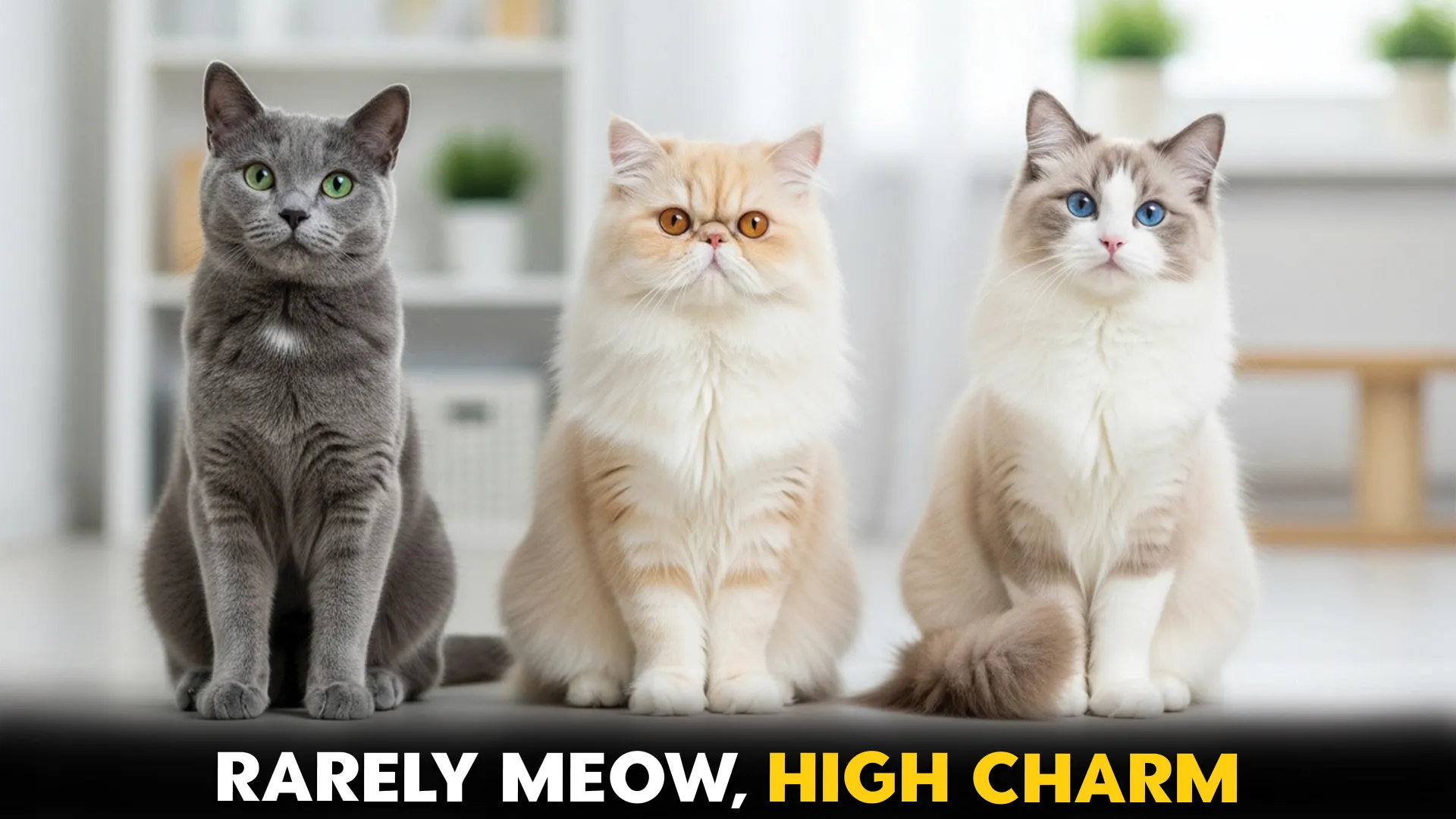
For some cat lovers, silence truly is golden. While many felines are famous for their chatty commentary—especially at 2 a.m.—others communicate in far subtler ways. If you crave companionship without constant vocal updates, exploring cat breeds that rarely meow can lead you to a peaceful, purr-filled home.
Certain breeds are genetically predisposed to be more reserved, expressing themselves through body language, soft chirps, or steady eye contact instead of frequent meowing. Understanding feline communication beyond sound reveals that cats rely heavily on posture, tail movement, and gentle purring to connect.
So, are certain breeds less vocal than others? Absolutely. While individual temperament varies, some cats are consistently mellow and low-key. With proper enrichment and daily play, these quiet companions offer affection and presence—without the midnight serenades.
Cat Breeds That Rarely Meow
1. Chartreux
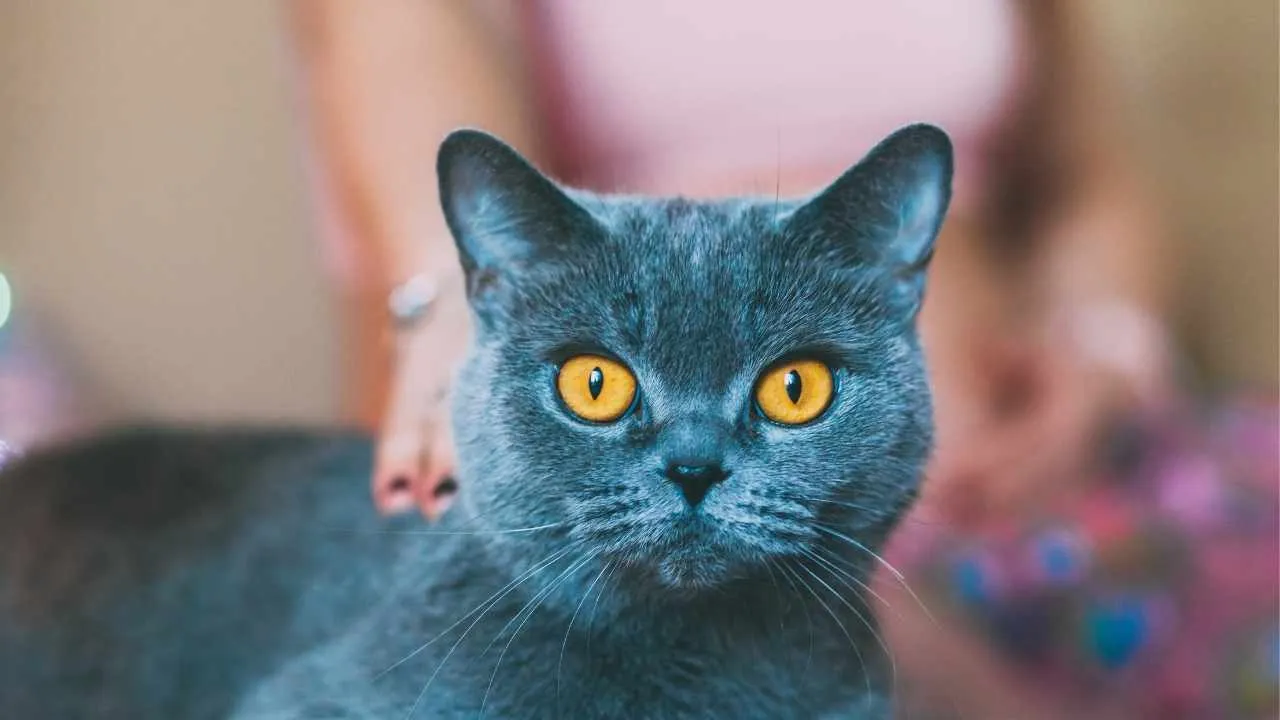
The Chartreux, a rare natural breed that developed without deliberate human intervention, is instantly recognizable by its solid blue-gray coat and copper-to-gold eyes. They have a slightly woolly double coat tipped in silver and a signature “smiling” expression.
According to PetMD, the Chartreux is characterized by a calm temperament and quiet disposition, making it one of the sweetest short-haired breeds and a suitable companion for individuals of all ages, as well as other pets.
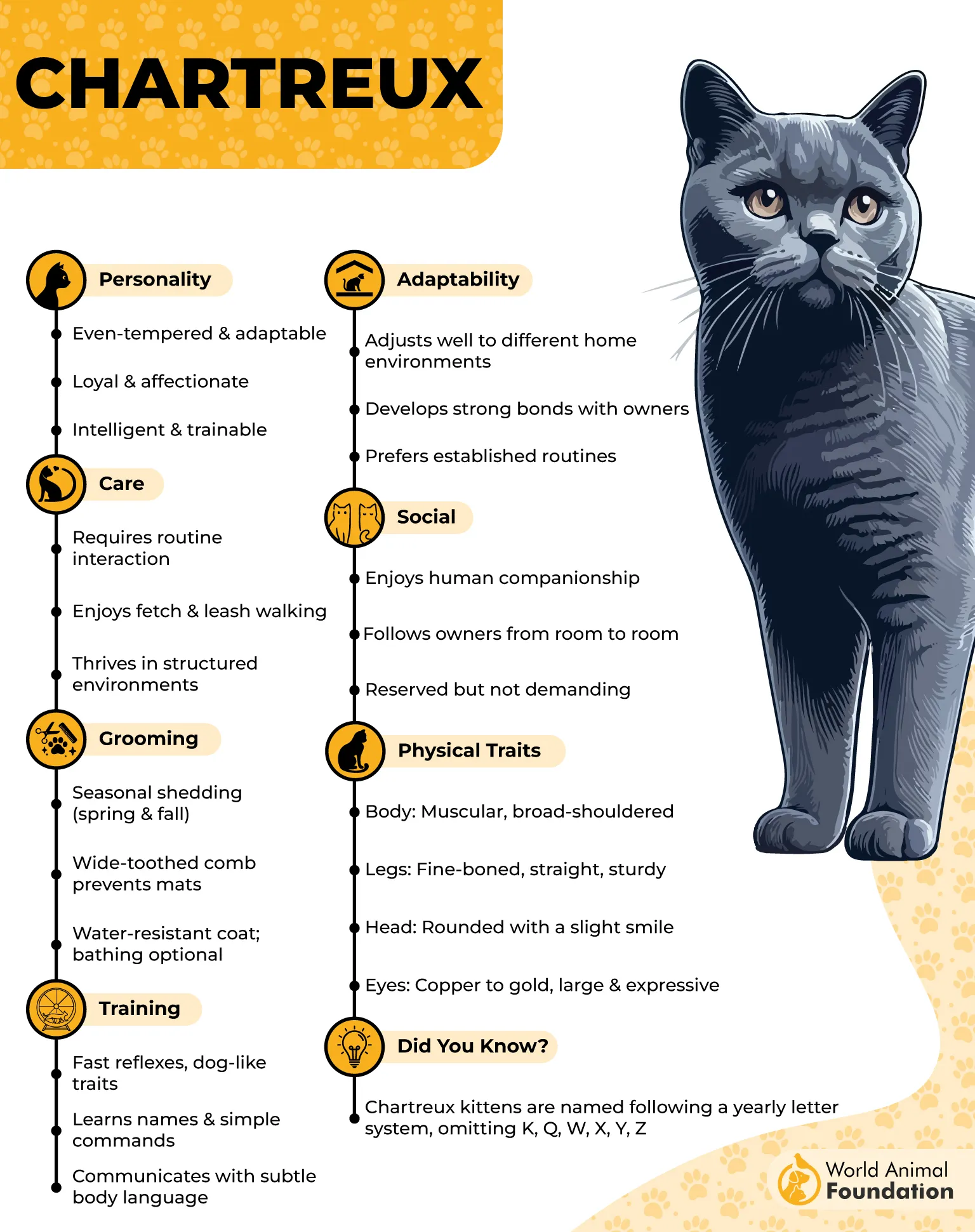
Calm, Gentle, and Soft-Spoken
Chartreux cats are famously reserved in voice, often communicating through soft murmurs and expressive body language rather than persistent meowing. Their tranquil temperament makes them ideal for households seeking a peaceful, low-noise companion.
Though historically valued as skilled mousers, they channel their playful instincts into interactive toys instead of vocal demands. Intelligent and adaptable, they settle comfortably into apartments or smaller homes without becoming disruptive.
While affectionate, they can be slightly selective, forming especially strong bonds with one or two favorite people. A notable fact: the Chartreux’s plush coat has a unique, sheep’s-wool texture that naturally parts at the neck and chest.
2. Russian Blue
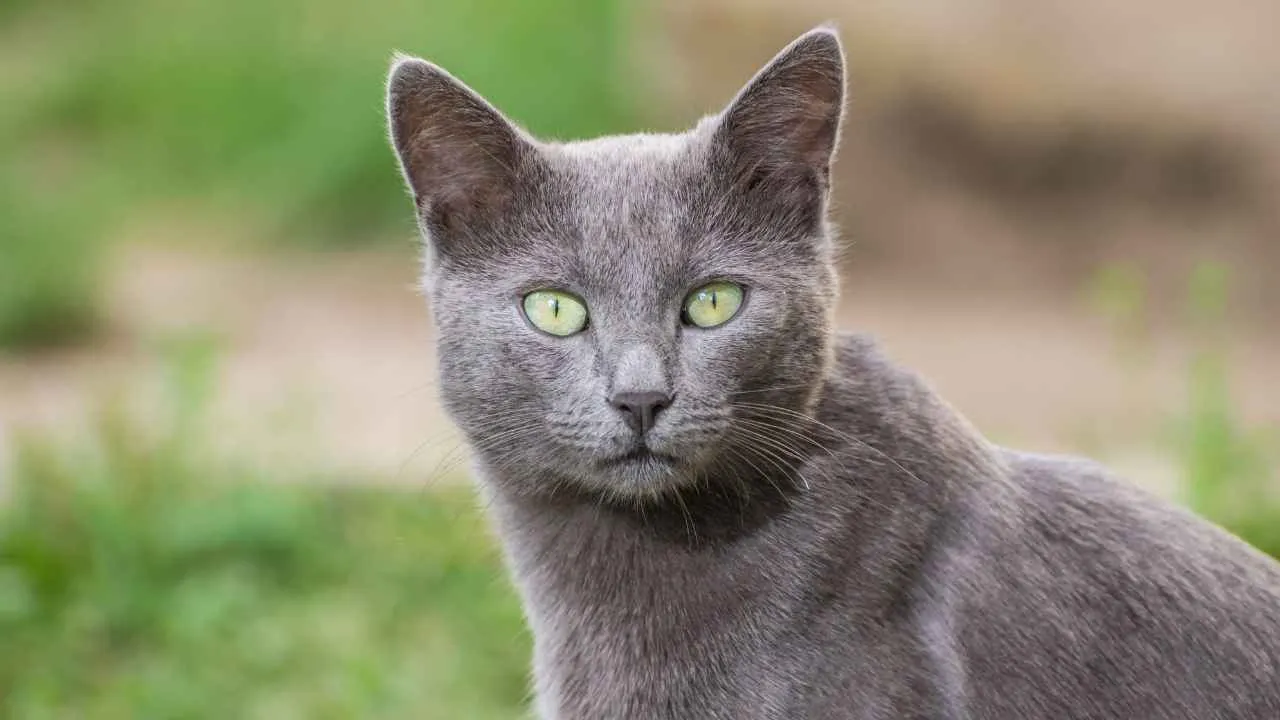
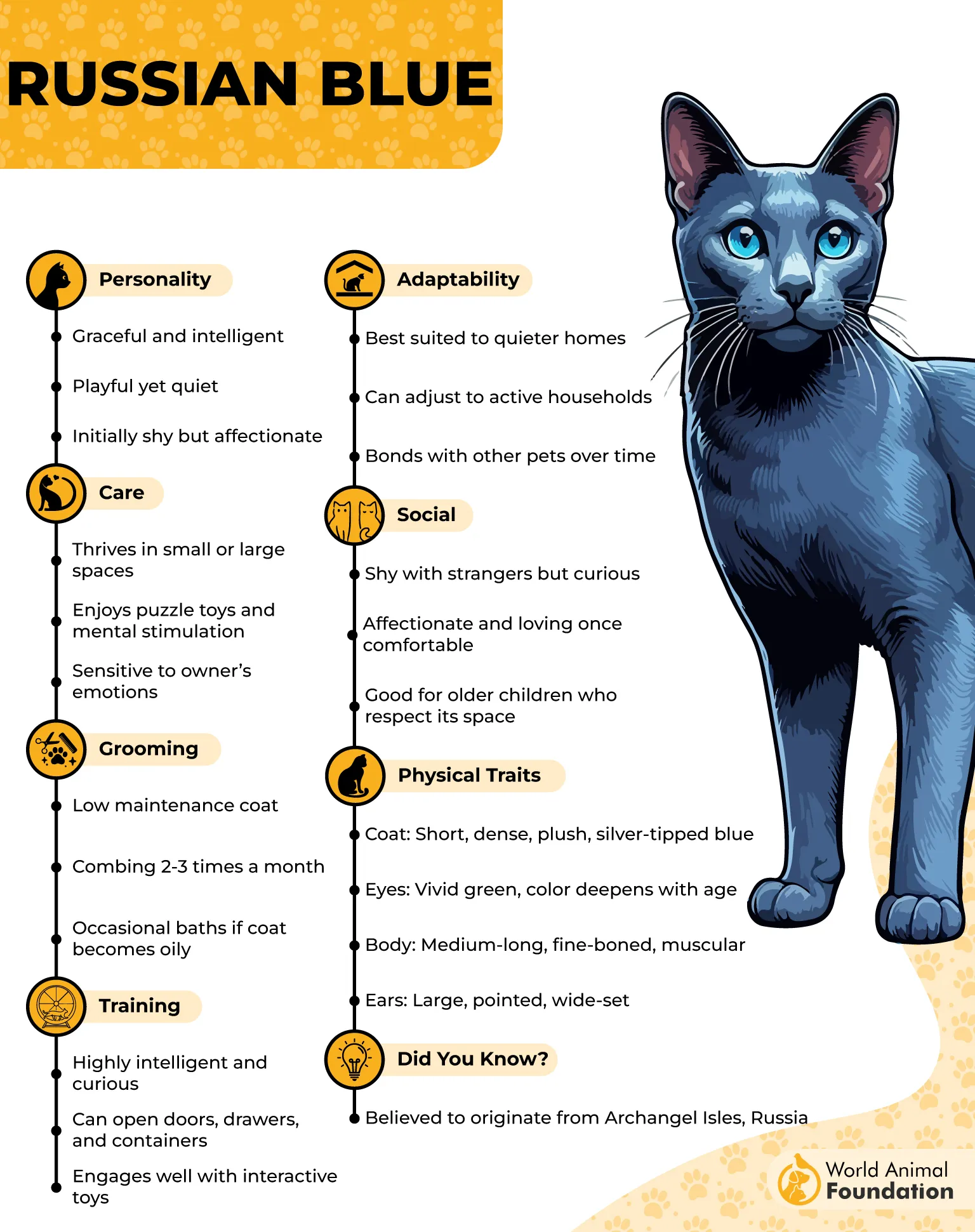
The Russian Blue, sometimes called the Archangel Blue, is admired for its shimmering blue-gray coat, vivid green eyes, and graceful build.
Elegant yet understated, this intelligent breed carries itself with quiet dignity and a naturally reserved charm. According to Hill’s Pet, the Russian Blue is described as a long and slender cat with a triangular-shaped head.
The Quiet Companion
While Russian Blues can “talk,” their voices are typically soft and gentle rather than loud or persistent. They communicate in subtle meows to request food or attention, making them well-suited to calm households that value peace.
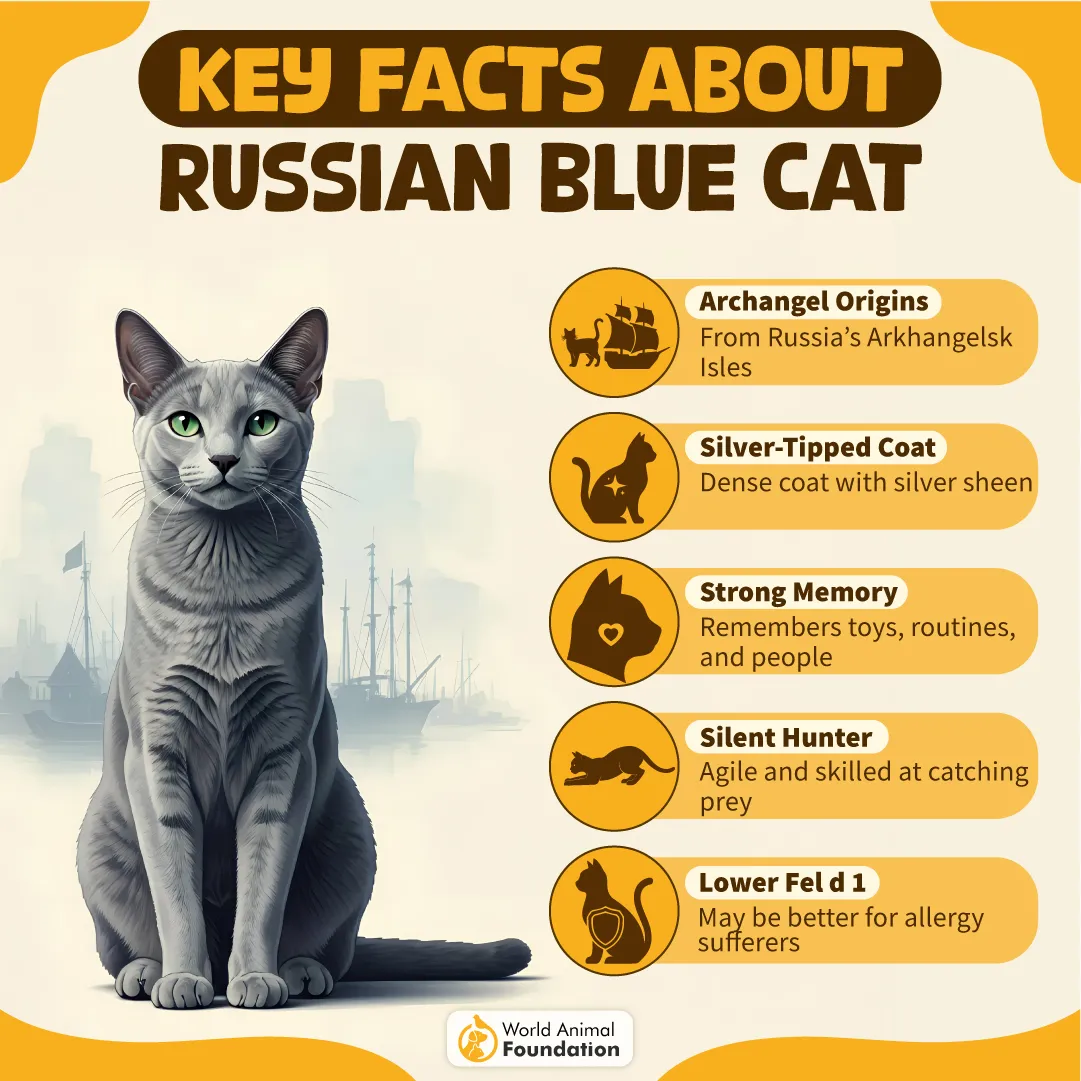
Deeply loyal to their chosen people, they may follow you from room to room or perch nearby to observe. Around strangers, however, they tend to be shy and discreet, preferring silent assessment over vocal greeting.
Independent yet affectionate, Russian Blues appreciate routine and stability, often acting as reliable little alarm clocks at mealtime. A notable fact: although playful and agile in youth, they are known for embracing a quiet, predictable lifestyle as they mature.
3. Persian
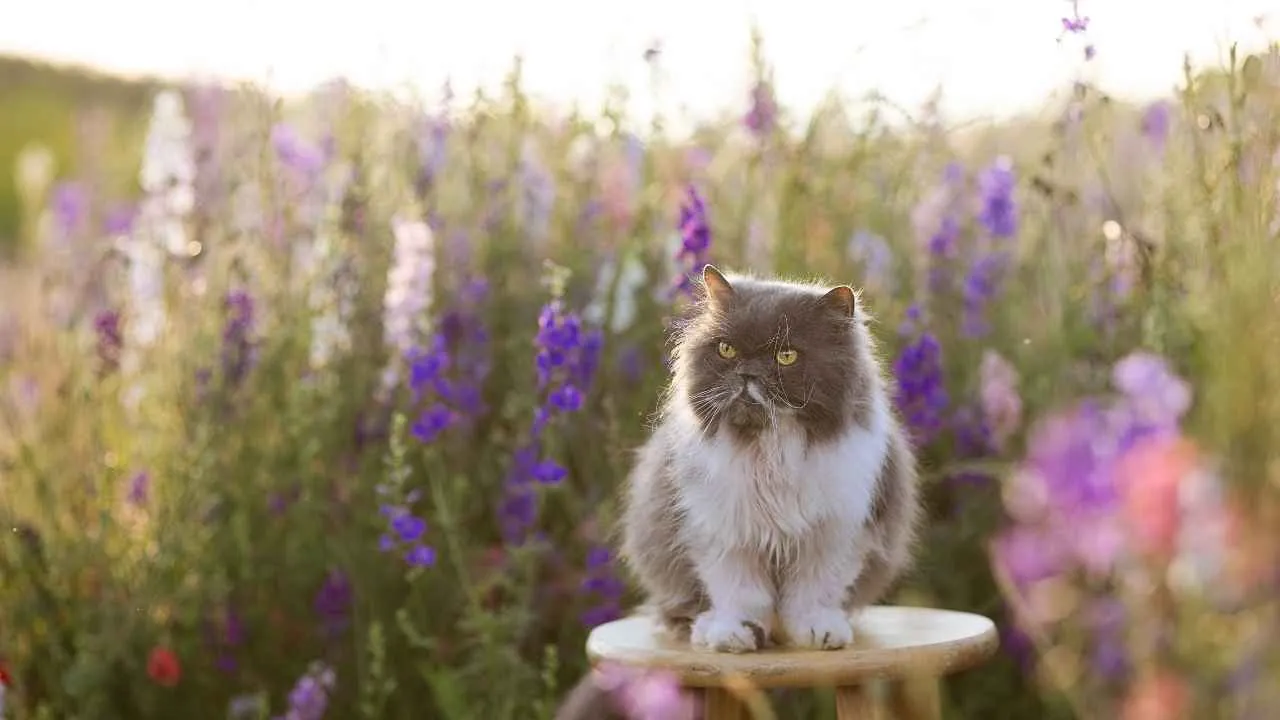
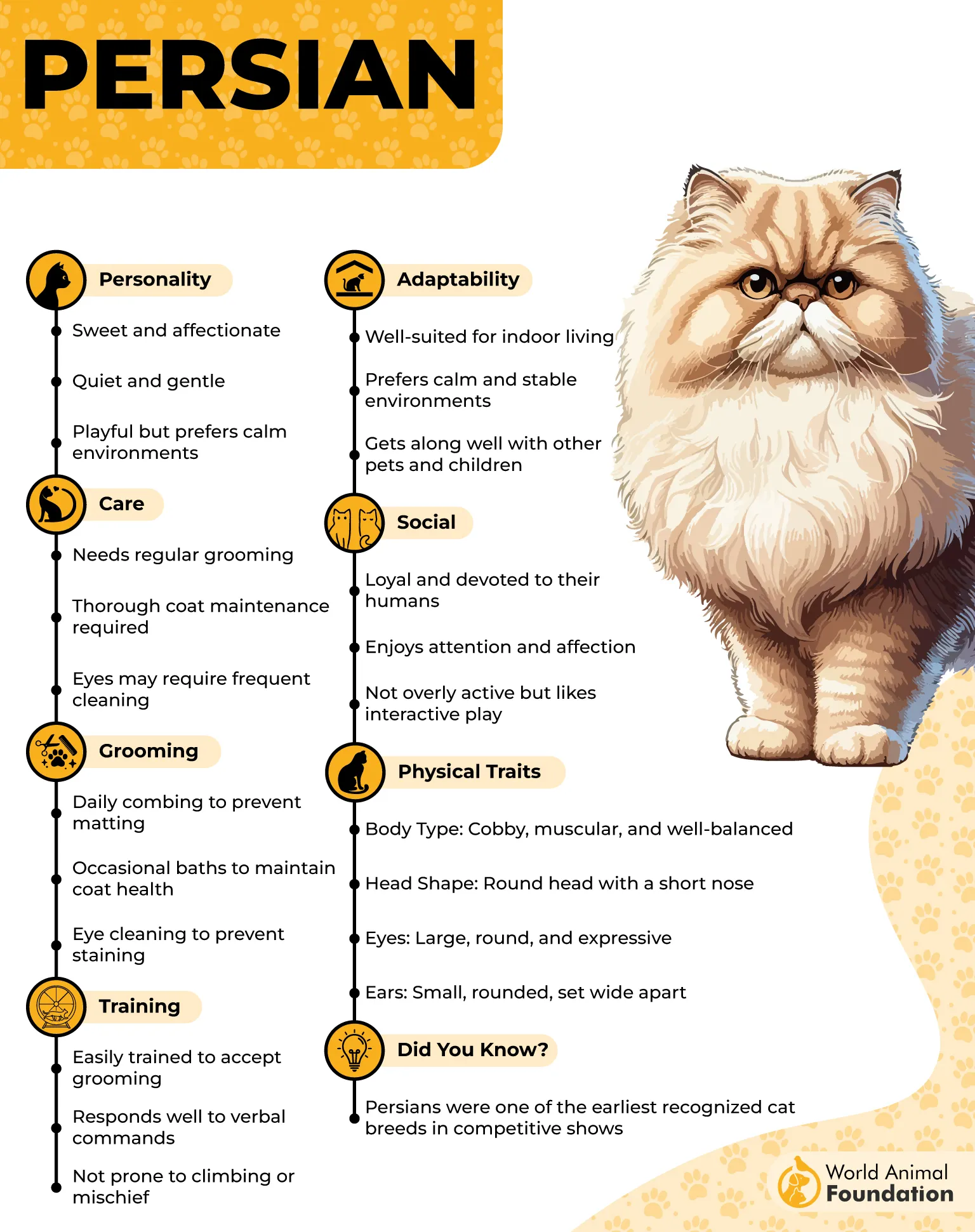
The Persian, also known as the Persian Longhair or Shirazi cat, is instantly recognizable for its round, flat face, flowing coat, and sweet expression.
One of the oldest and most popular purebred cat breeds, this elegant feline is admired for its serene presence and unmistakable charm. According to Petplan, Persian cats are generally recognized as caring and gentle in temperament.
Affectionate but Not Chatty
Persians are famously gentle and reserved, rarely raising their voices unless truly necessary. When they do “speak,” it’s usually in the form of soft chirps or delicate meows that reflect their calm, composed temperament.
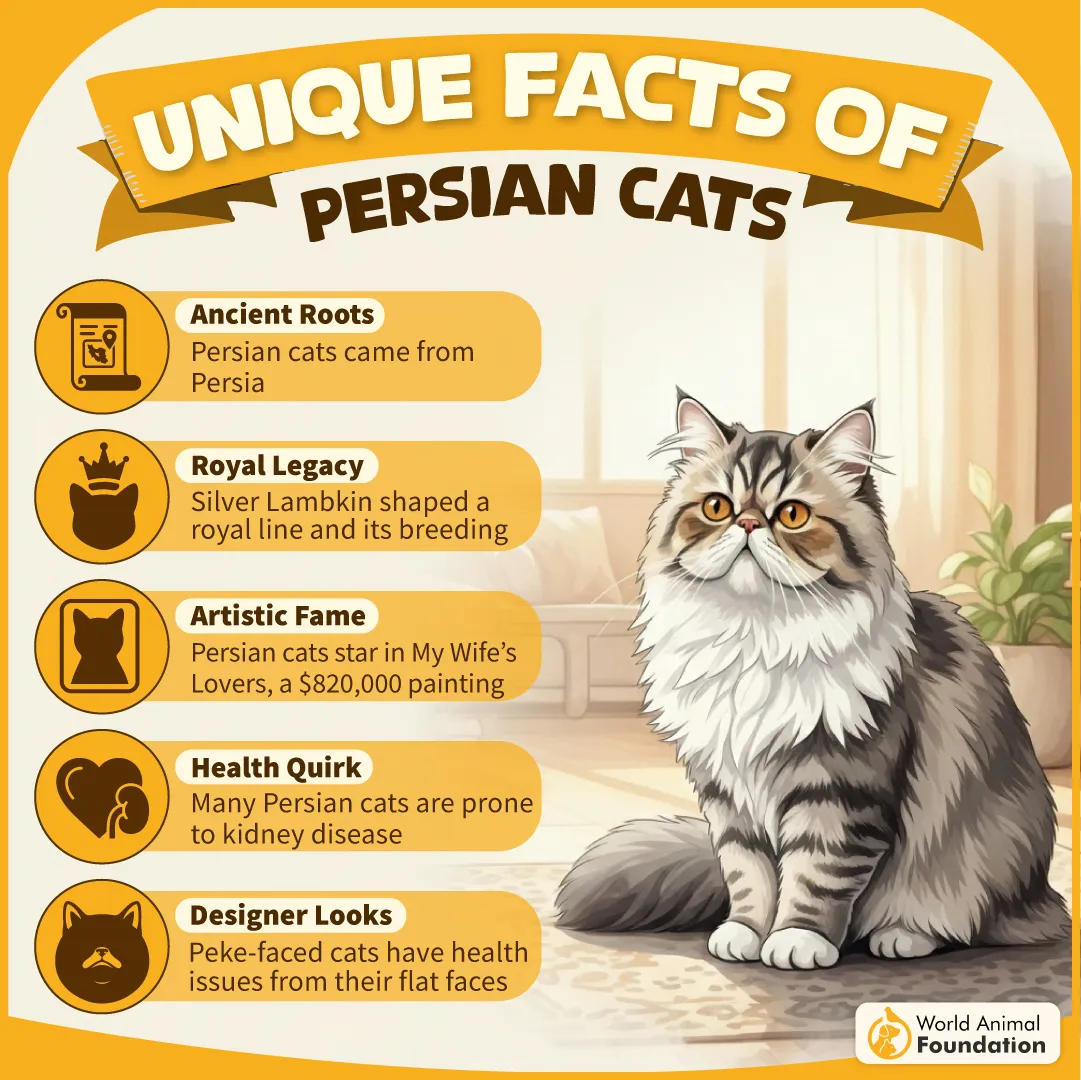
Rather than following you around with constant commentary, they prefer expressing affection through quiet companionship. A well-socialized Persian will happily curl up beside a trusted person, offering loyalty and warmth without overwhelming noise.
Though their luxurious coat requires regular grooming, their personality remains low-maintenance and peaceful. A notable fact: even their meow is described as soft and sweet, perfectly matching their reputation as tranquil lap cats.
4. Ragdoll
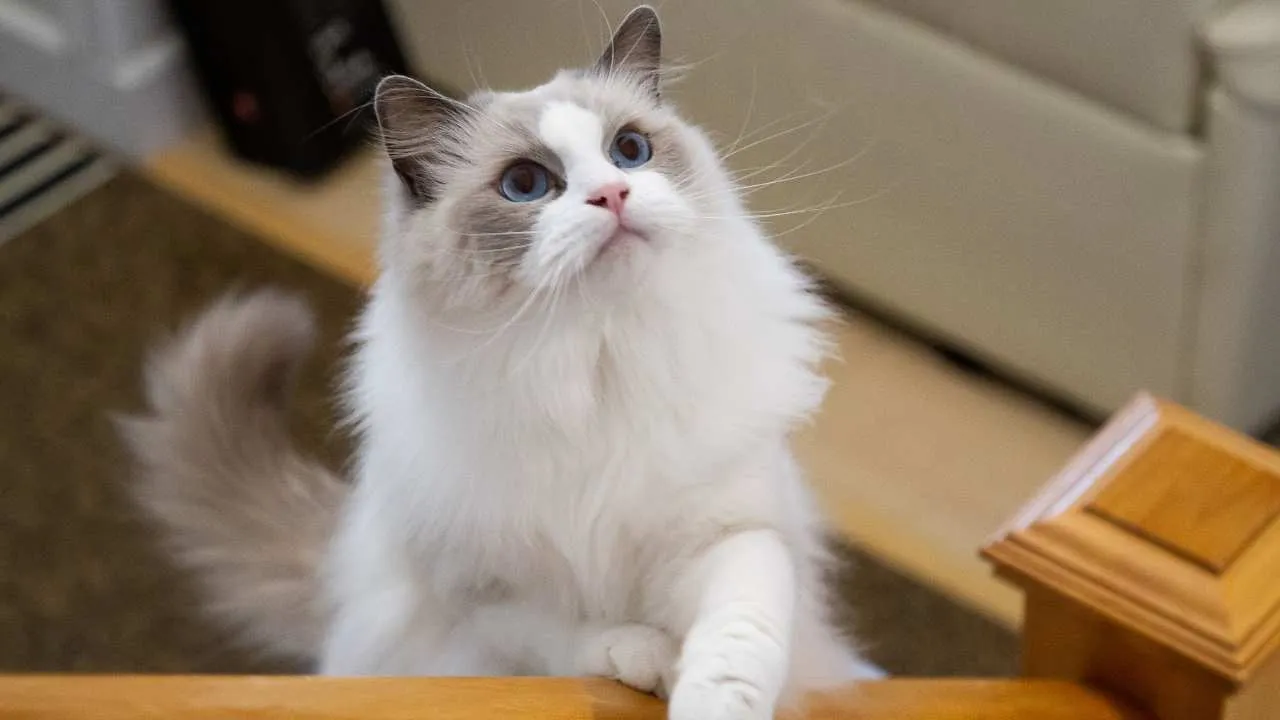
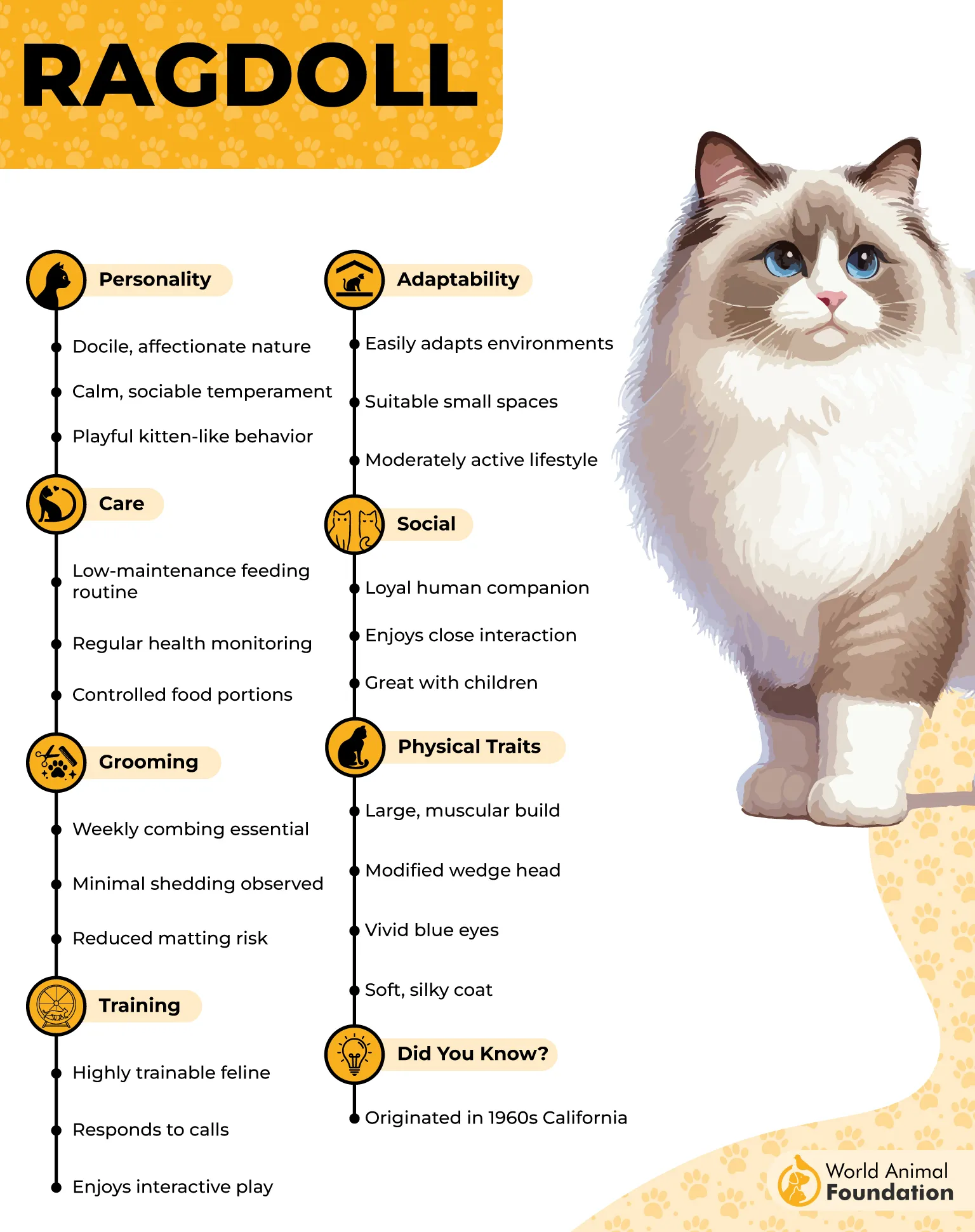
The Ragdoll, often simply known by its breed name, is a striking blue-eyed feline with a silky semi-long coat and a famously relaxed demeanor. Loved for their affectionate, “melting” response when held, these big cats earned their name from their tendency to go limp like a rag doll in loving arms.
Independent and Low-Vocal
Although not completely silent, Ragdolls are known for their soft, gentle voices. Their meows are typically quiet and sweet, making them a wonderful choice for households seeking a calm, low-noise companion.
Rather than vocalizing constantly, they express affection through physical closeness. These placid lap cats prefer curling up beside their humans, offering steady companionship without demanding attention through loud calls.
Exceptionally tolerant with children and friendly toward other pets, they thrive in laid-back environments. A notable fact: despite their large size and popularity as cuddle partners, Ragdolls are widely regarded as one of the calmest and quietest cat breeds.
5. American Shorthair
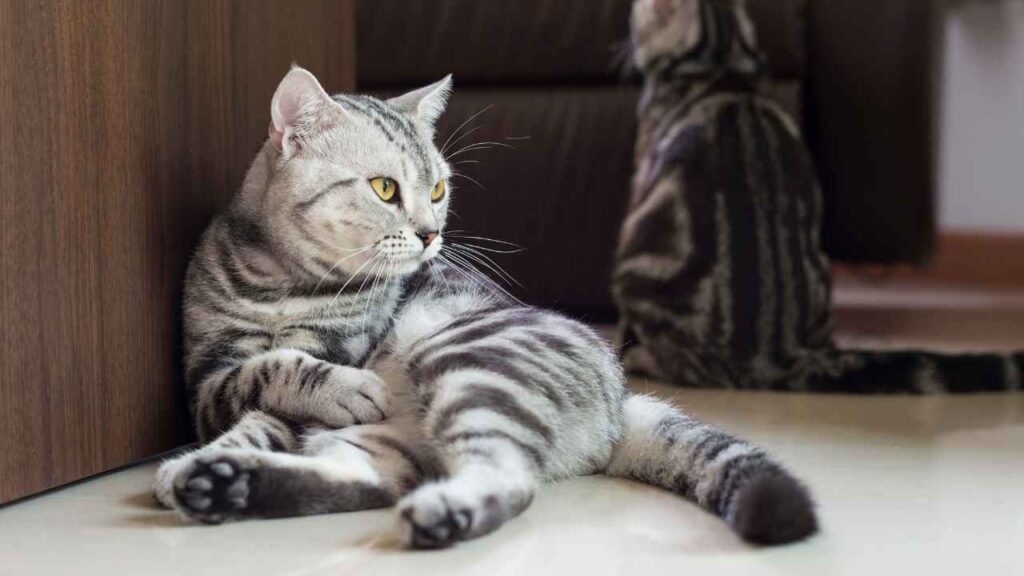
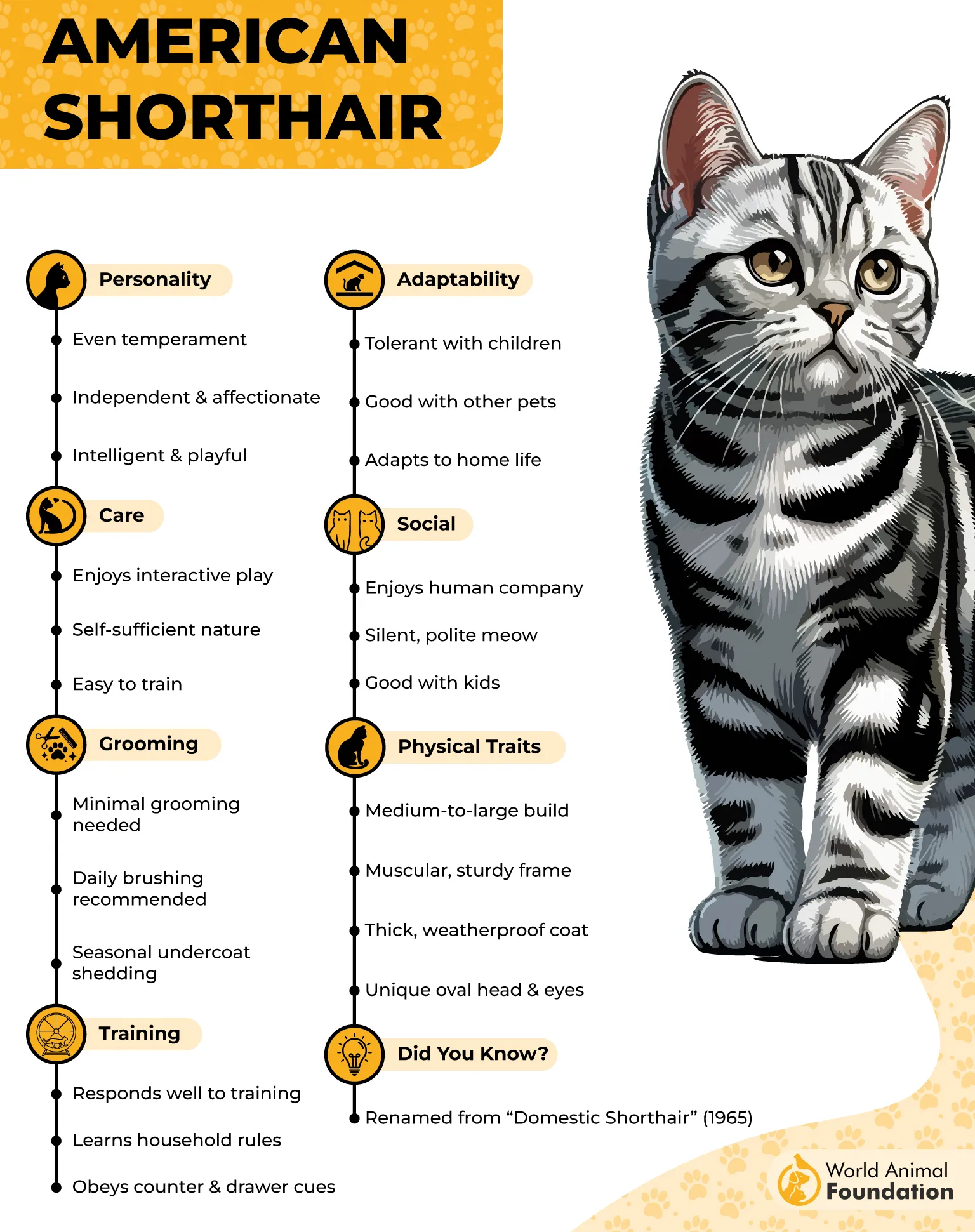
The American Shorthair, once known as the Domestic Shorthair in its early colonial days, traces its roots to seafaring cats brought to the U.S. in the 1600s. Medium-sized and sturdy, this breed is admired for its wide range of over 60 coat colors and patterns, including the striking silver tabby.
Relaxed and Rarely Noisy
American Shorthairs are valued for their easygoing temperament and generally quiet presence. While a few individuals may be talkative, most prefer calm observation over constant meowing, making them suitable for apartments and peaceful homes.
Affectionate yet independent, they bond well with children, other cats, and even dogs. Instead of vocal demands, they express themselves through playful interaction and steady companionship.
Low-maintenance and typically healthy, they benefit from daily play to prevent weight gain due to their relaxed lifestyle. A notable fact: thanks to their hardy origins as shipboard mousers, American Shorthairs often enjoy a longer-than-average lifespan of 15 to 20 years.
6. Scottish Fold
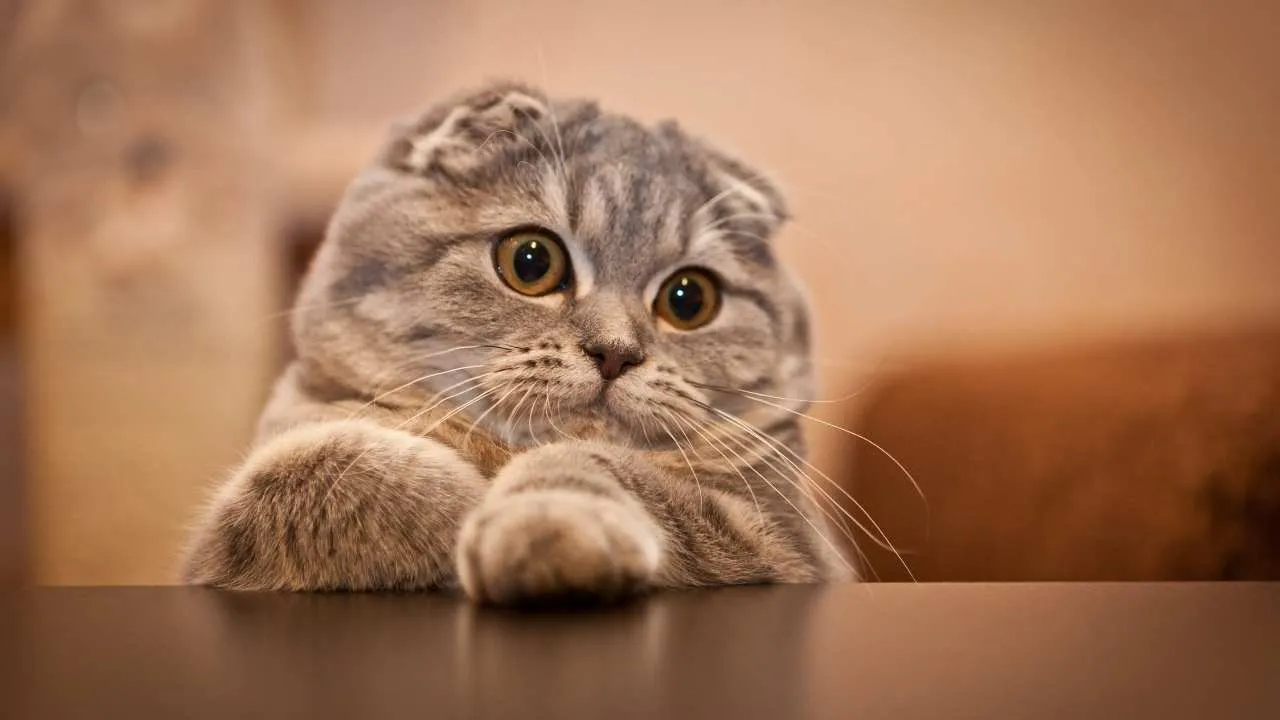
The Scottish Fold, sometimes affectionately called the “Highland Fold” in its longhaired variety, is instantly recognizable for its signature folded ears and wide, round eyes. Interestingly, all kittens are born with straight ears, and only some develop the iconic fold as they mature.

Subtle Communicator
Scottish Folds are known for their gentle, easygoing temperament and soft-spoken voices. While they do meow, their vocalizations are typically quiet and polite, making them a great match for households that appreciate a peaceful atmosphere.
Rather than demanding attention loudly, they prefer calm companionship and will often follow their favorite people from room to room. Their communication style leans more toward expressive eyes and attentive presence than persistent chatter.
Affectionate and patient with children, they enjoy interactive games like fetch but won’t initiate midnight concerts. A notable fact: despite their charming demeanor, Scottish Folds are prone to certain health issues, making it essential to choose a responsible breeder.
7. Birman
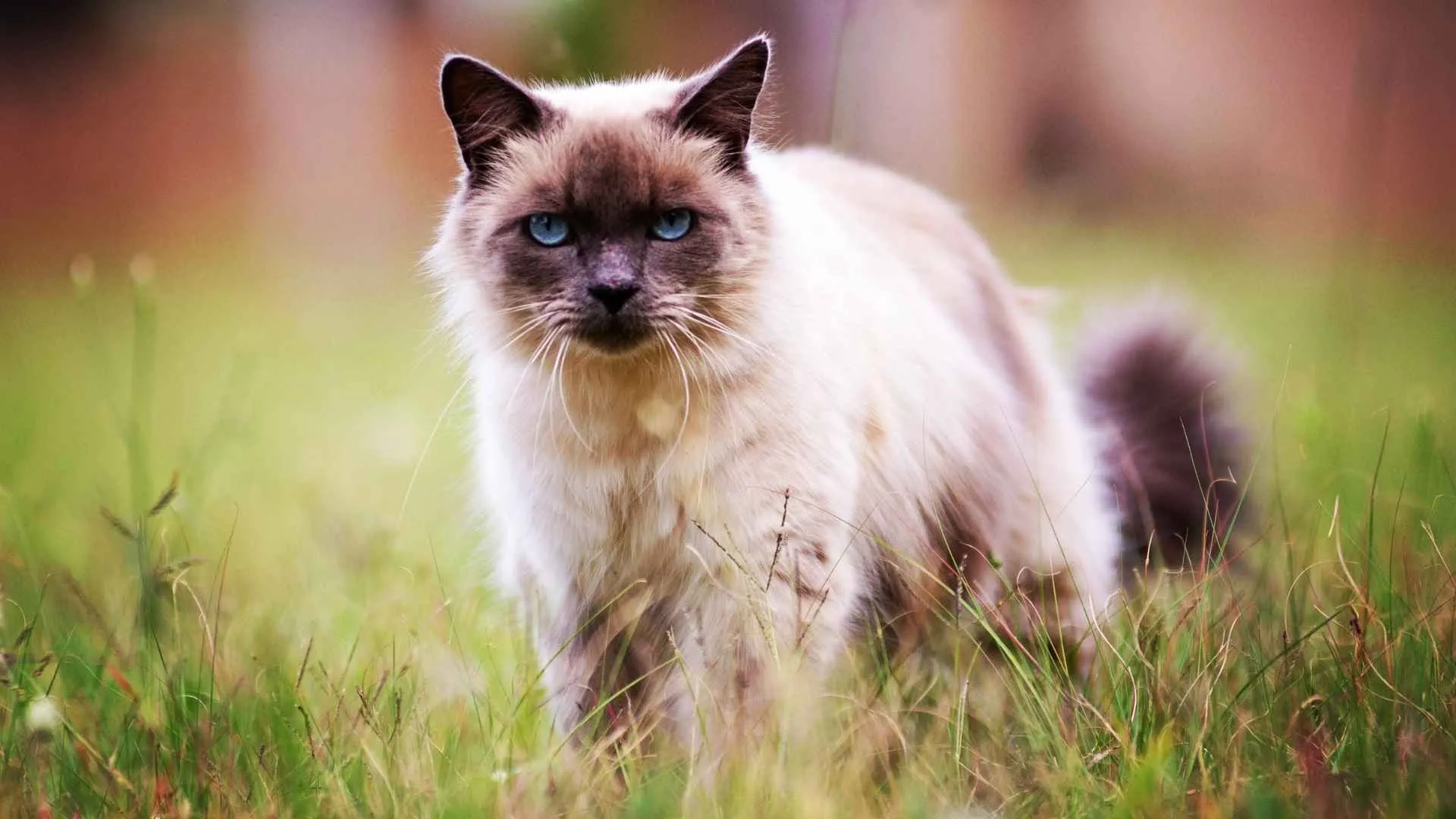
The Birman, often called the “Sacred Cat of Burma,” is a medium-sized, blue-eyed beauty known for its silky coat and signature white “mittens.” With a color-point pattern and sturdy build, this elegant breed carries an air of mystery rooted in legends from Burma before arriving in France in the early 1900s.

Peaceful and Soft-Natured
Birmans are admired for their calm temperament and gentle presence. Though affectionate and people-oriented, they typically express themselves in soft, delicate voices rather than loud or persistent meows.
They enjoy trailing their humans from room to room, offering companionship without overwhelming noise. While playful—especially in their younger years—they gradually settle into a more relaxed rhythm, making them ideal for quieter households.
Curious and capable climbers, they benefit from cat trees and safe perches to channel their energy appropriately. A notable fact: every Birman has four distinct white paws, a defining trait that adds to the breed’s unmistakable charm.
Conclusion
Choosing cat breeds that rarely meow can make a world of difference for cat owners who value peace and quiet. While most cat breeds communicate in their own way, some cats tend to rely more on body language and soft murmurs than loud vocalizations.
Some breeds are admired for their gentle temperament and easygoing nature, making them wonderful companions for family members in apartments or calm households. Even active cats benefit from enrichment with cat toys, allowing them to express energy without excessive noise.
Of course, other breeds may vary in vocal tendencies depending on the individual.
Every breed has unique traits, but many share a gentle nature that suits quieter homes. Understanding how cats communicate helps you choose a companion whose voice—and presence—fits seamlessly into your lifestyle.
