




If your eyes start watering the moment a cat enters the room, you are not being dramatic. You are having an allergic reaction to proteins in cat dander and saliva, not the fur itself.
The good news: some cat breeds tend to be easier for allergy-prone people to live with, especially when paired with smart grooming and cleaning habits. The tricky part is that “hypoallergenic” does not mean allergy-free.
In this guide, we will look at cat breeds that are often considered more allergy-friendly, plus a few things to check before you pick your perfect match.
Fun Fact
Cats are basically built-in grooming machines, and all that licking spreads saliva onto their fur, where it can dry and flake off as tiny bits. That is why even a “low-shedding” cat can still cause sneezes if you are sensitive.
Cat Breeds That Rarely Cause Allergic Reactions
1. Siberian
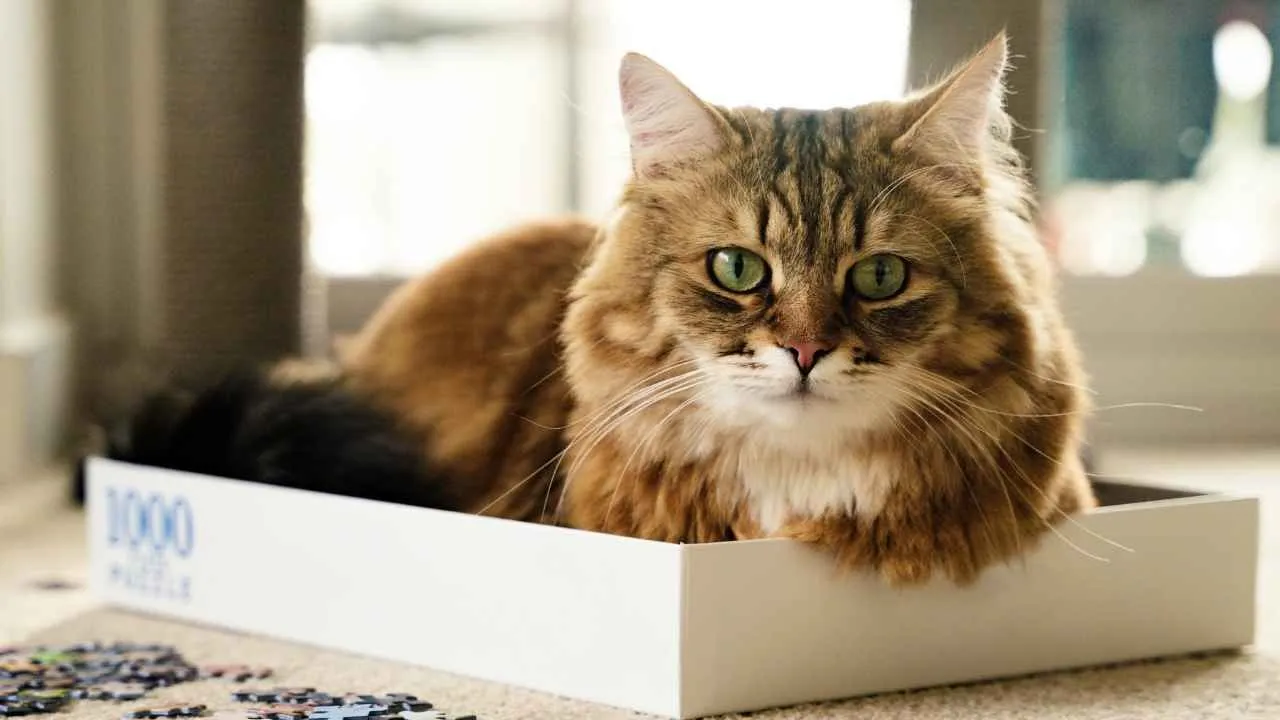
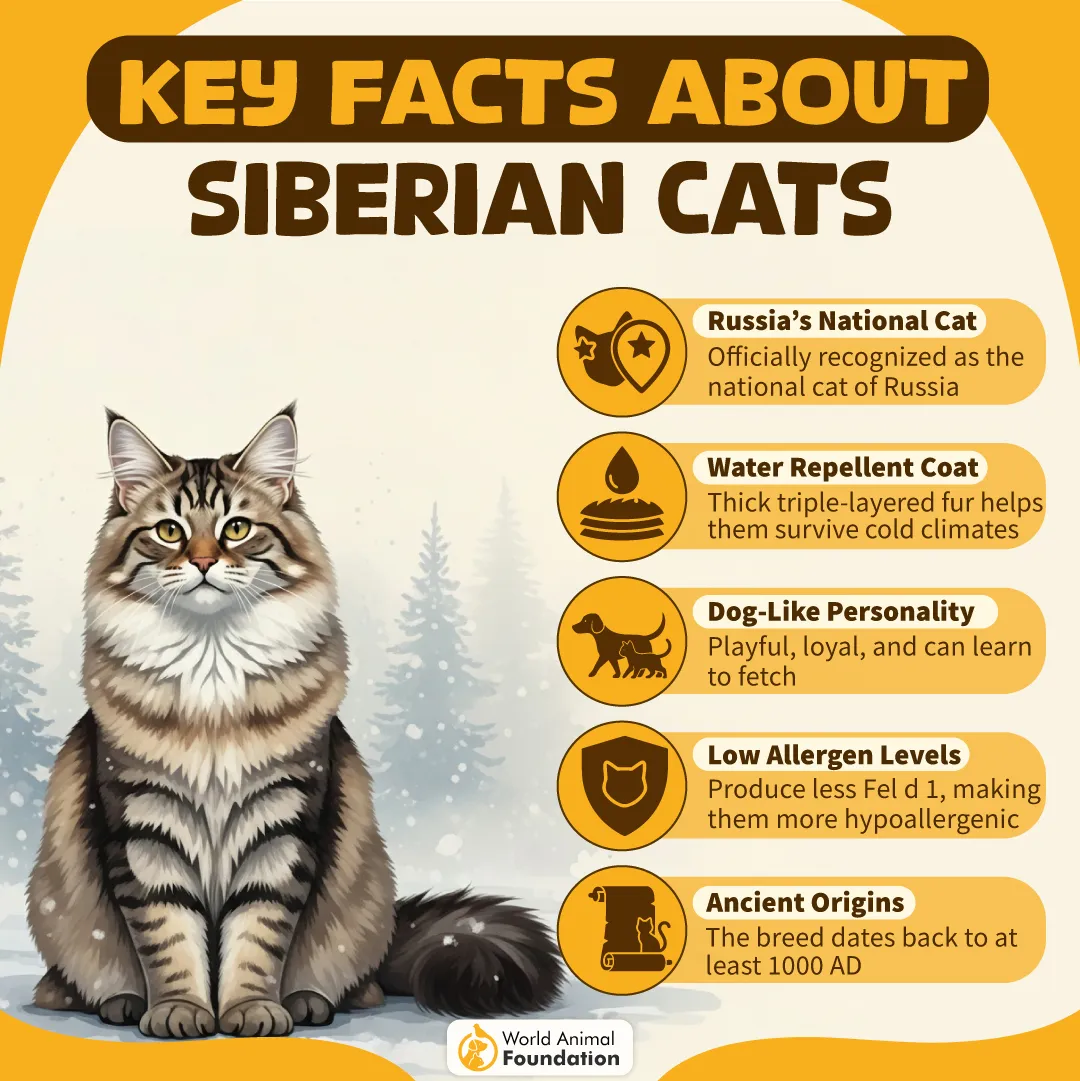
Some allergy-prone people do better with a Siberian cat because the breed can produce lower amounts of the allergen proteins. Still, each cat is different, so your reaction may change from one Siberian to another. If you are sensitive, spend time with the exact cat you want to adopt before making it official.
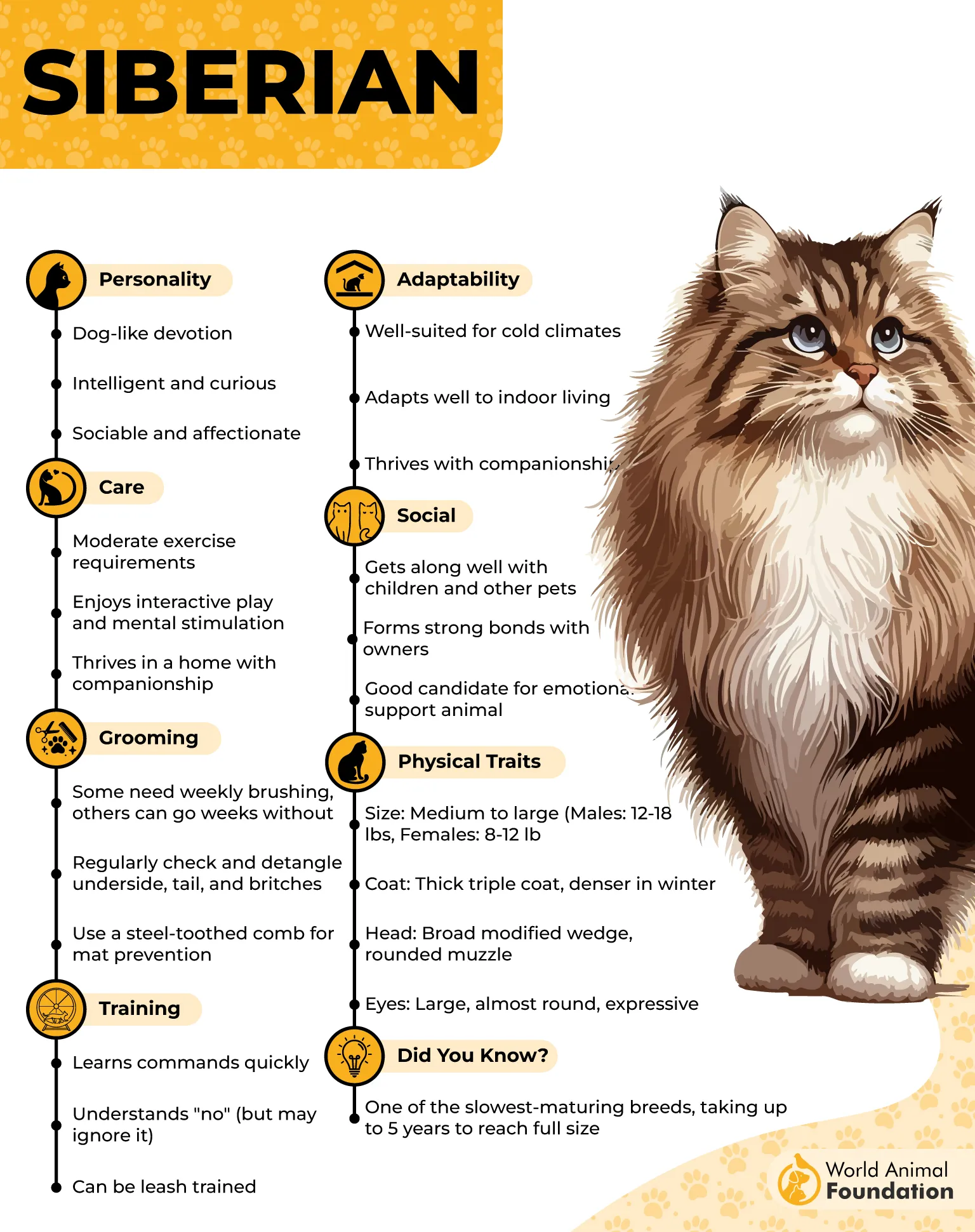
As Per PetMD, Siberians are playful, affectionate companions that fit easily into many homes. Their long, dense, water-resistant coat is not maintenance-free and needs grooming at least once a week. They do shed heavily during certain seasons, so extra coat care becomes part of the routine.
To keep things more comfortable, gently discourage licking and wash your hands after petting. Try not to touch your eyes or nose right after playtime, since allergens can transfer easily.
Fun Fact
Siberians are known for enjoying water play, and some will splash in a tub or sink like it is their personal spa. Do not be shocked if your “cat” acts a little like a tiny, confident otter.
2. Balinese
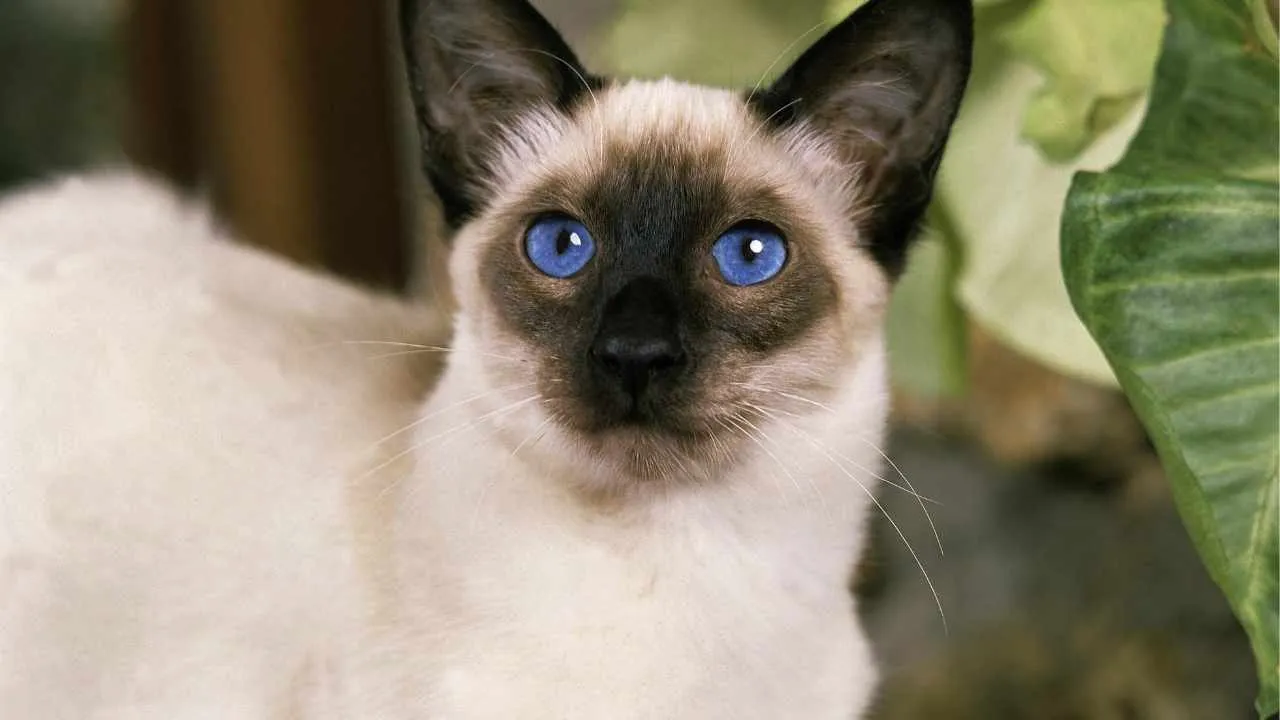
A Balinese cat brings the “chatty best friend” vibe, plus playful energy and a knack for comforting their humans. They tend to ask for lots of attention, so they should not be left alone for long stretches. Give them company and they will stay involved in everything you do.
They are fine in apartments or houses as long as they have cat furniture to climb, scratch, and pounce on. Because they are smart and active, boredom can turn into trouble. Rotate toys and games so their curiosity has an outlet.

Grooming is low-key for a long-haired breed, with weekly combing recommended to remove loose hairs. No cat is completely hypoallergenic, since allergens are found in fur, saliva, and urine. If allergies are a concern, set up a calm meet-and-greet first and see how you feel.
Fun Fact
The Balinese is a longhaired variety of the Siamese that was bred to keep the Siamese personality while adding a flowing coat and a dramatic plume tail. It is basically a graceful cat that still has plenty to say.
3. Russian Blue
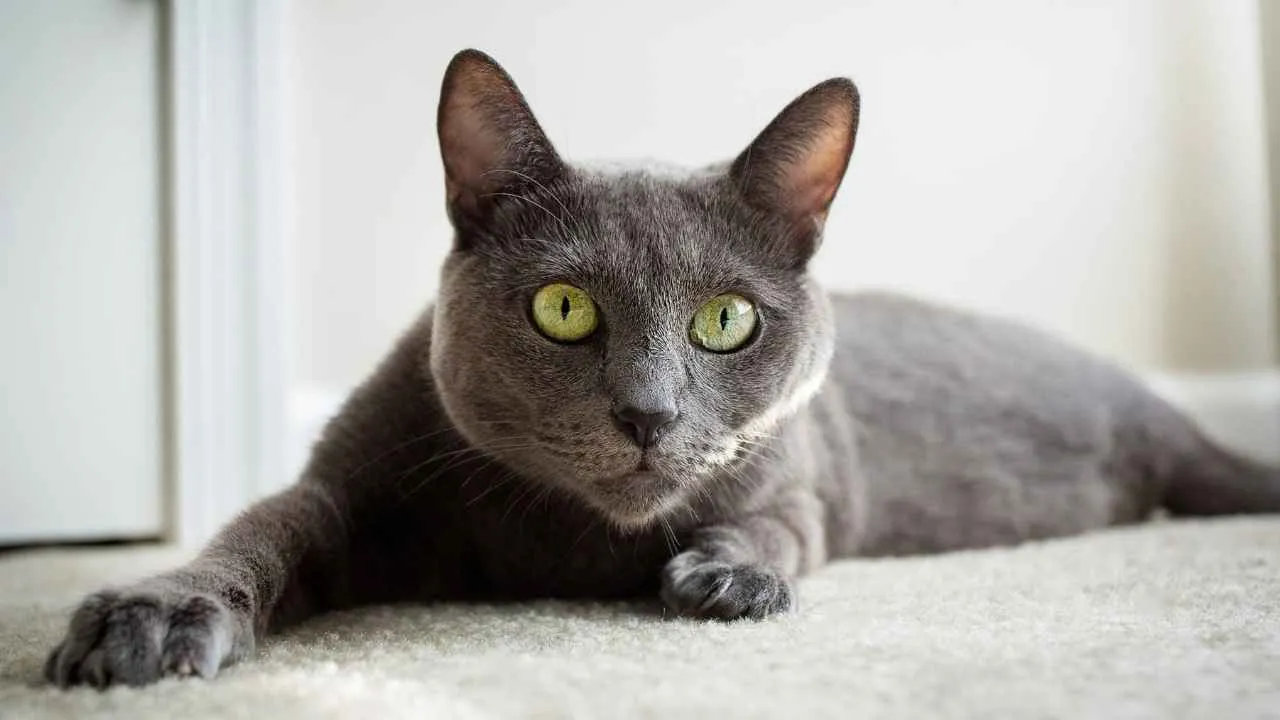
Russian Blue cats are known for getting attached to their people. Russian Blues can produce a smaller amount of the allergen protein due to their genetic makeup, which can make life easier for some allergy sufferers.
Brush the coat weekly, then step it up when shedding kicks in. For males, having the cat neutered is noted as a way to reduce allergen levels. Before committing, do a few short visits with the specific cat and check with a doctor if your past reactions were serious.
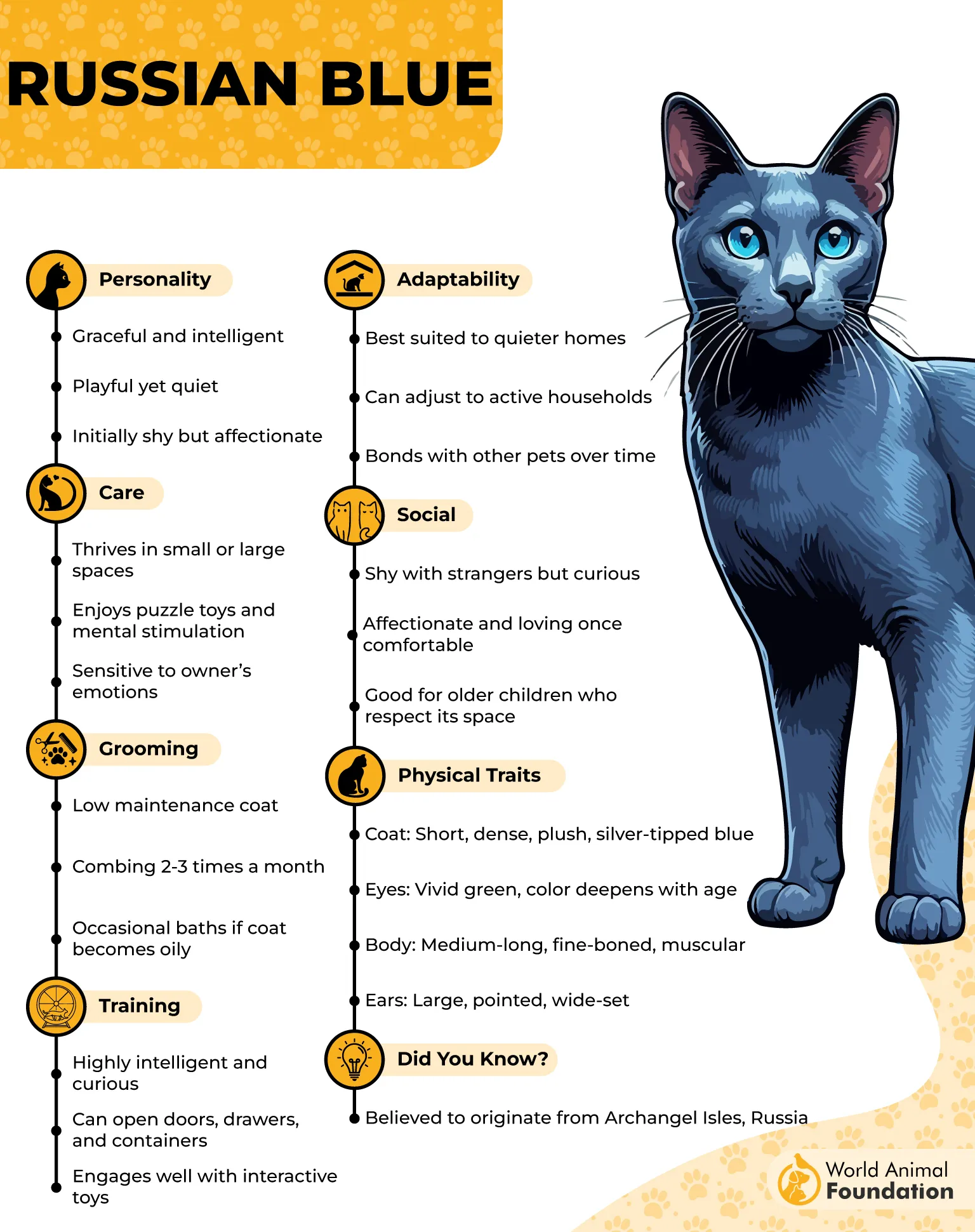
Comfort at home often comes down to keeping allergens from building up. Helpful habits include regular vacuuming and using dust-free cat litter. During shedding seasons, washable throws on favorite nap spots can make cleanup much easier.
Fun Fact
Cats that look similar to Russian Blues, like the Korat, British Blue, and Nebelung, can still produce the common allergen that triggers many reactions. So the “gray coat” look is not a guarantee of the same allergen levels.
4. Bengal
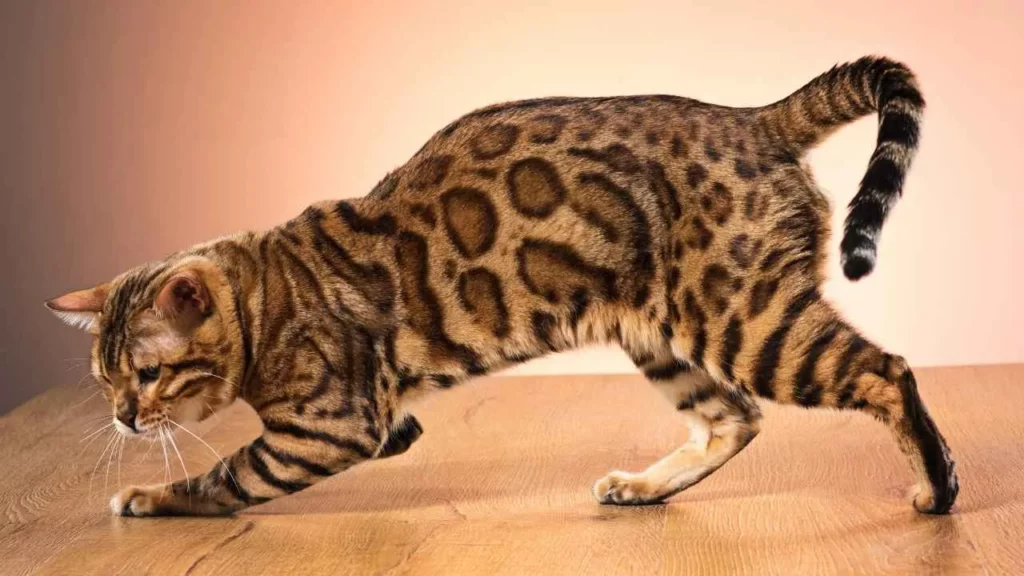
The Bengal is a beautiful domestic cat with markings like a jaguar or leopard. They are often recommended for people with cat allergies. Because they do not groom themselves as often, less saliva may get onto their fur and skin. Since saliva and dander can trigger allergy symptoms, this can help some people feel more comfortable around them.
These cats have personalities that fill the room: confident, social, and happiest with someone to play with. Bengals stay busy chasing, climbing, training, and investigating, and they often enjoy interactive games like fetch. They are not the “I’ll nap all day” type.
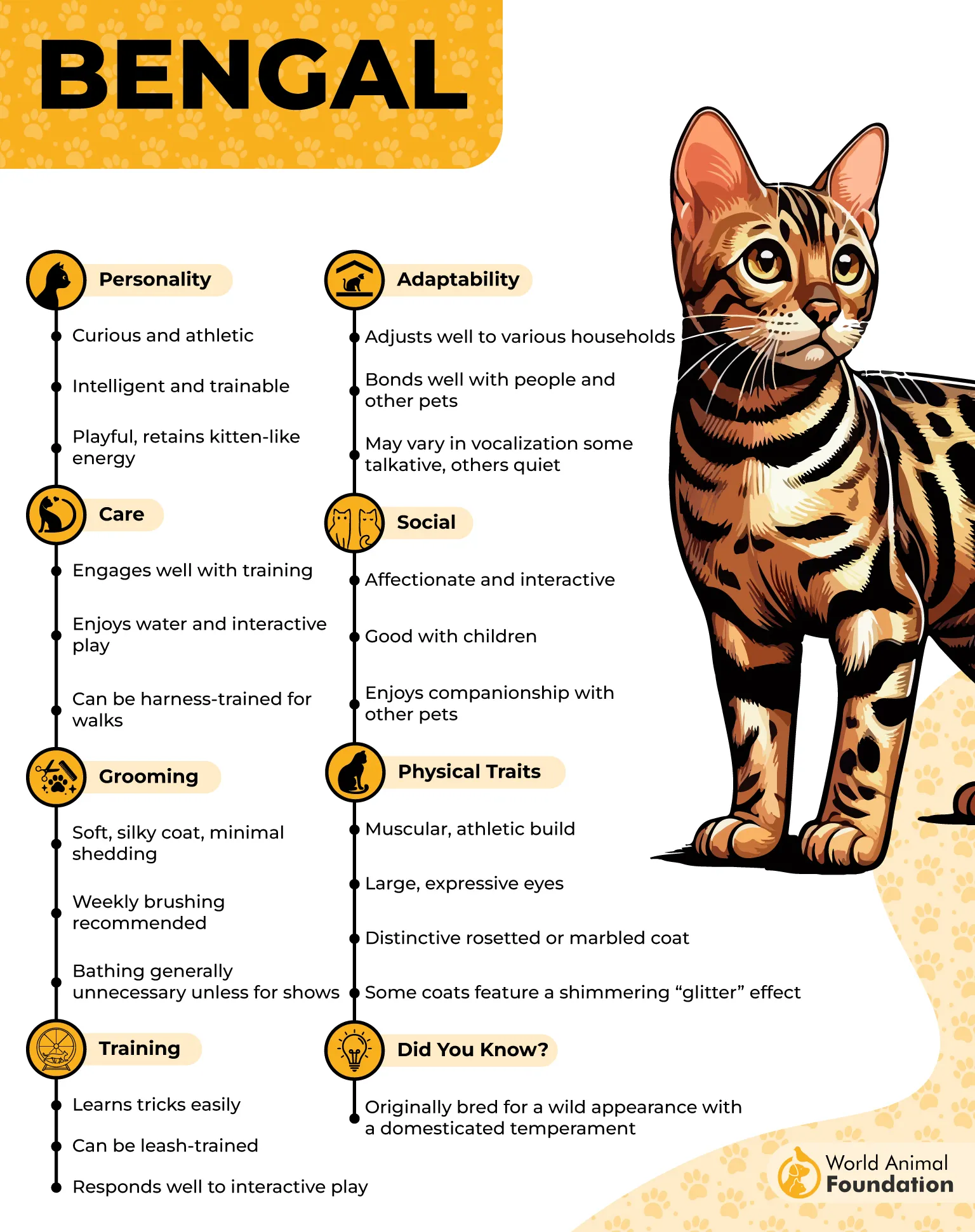
As mentioned by WebMD, Bengals are very active cats who love to play, climb, and explore. They enjoy games that involve you, so they do best with someone who can join in. If you are around often, they will happily turn your day into playtime.
Fun Fact
Many people claim Bengals are hypoallergenic, but there is no evidence they produce less Fel d 1. The most common argument is that their short, pelt-like coat sheds less hair.
5. Sphynx
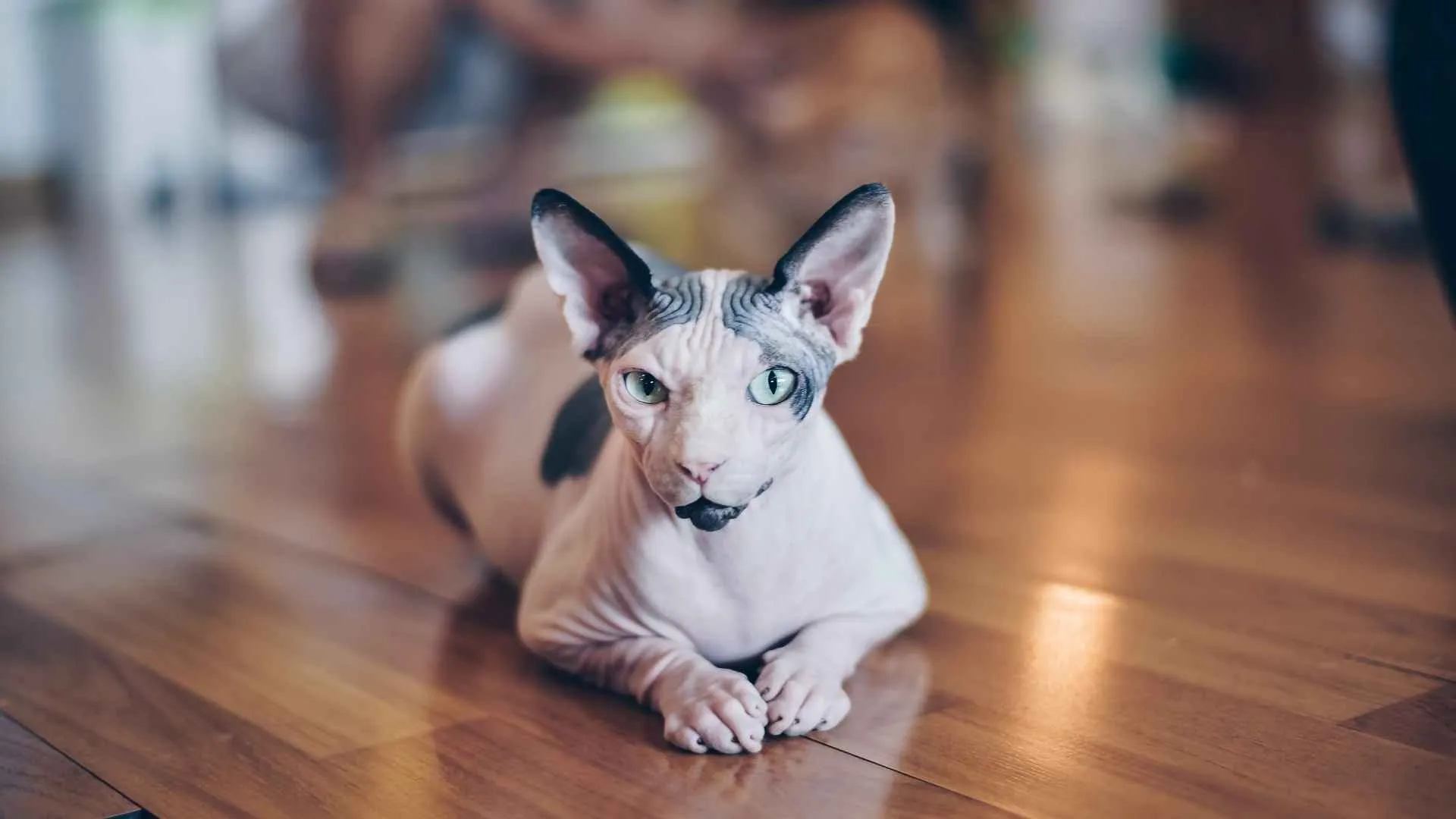
The Sphynx cat is famous for its near-naked look, whether completely bald or covered in a thin layer of peach fuzz. With far less fur to shed, many people find there is less allergen-covered hair getting tracked around the house. Allergens can still be present because they come from the skin and saliva too.
Skin care is the main “coat maintenance” here. Regular baths with cat shampoo help keep the skin healthy and keep oil from building up. Cleaning the spots your Sphynx loves most can also help keep things more comfortable for allergy-prone households.
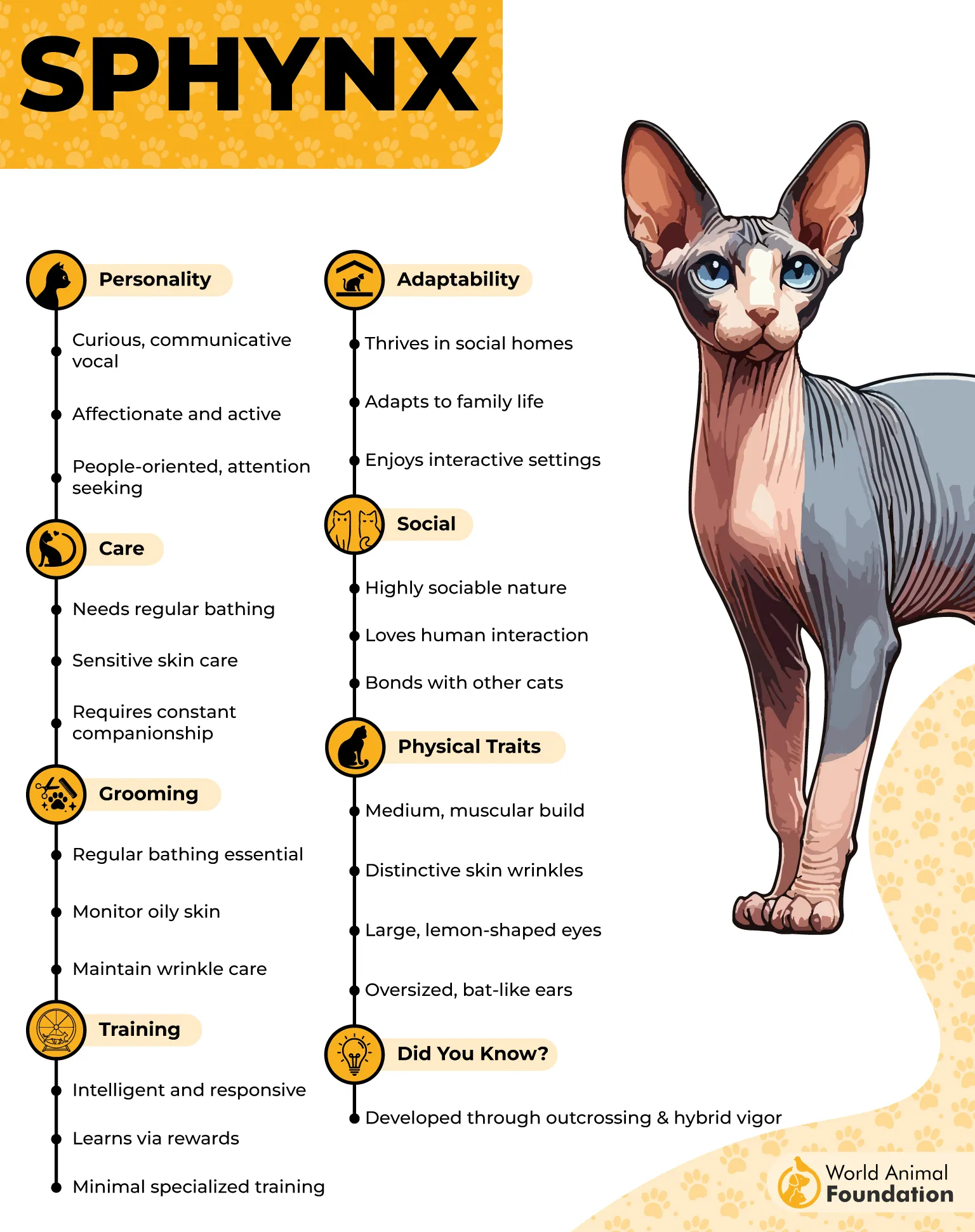
Sun and temperature matter more for this breed than for most cats. Pet-friendly sunscreen helps prevent sunburn, and a cozy cat sweater can be useful when the weather turns cold. If you can, schedule a short hangout first and see what your allergies do.
Fun Fact
The first wrinkled Sphynx kitten was named Prune, which is both hilarious and perfectly accurate. Many Sphynx cats feel like a warm peach when you pet them.
6. Devon Rex
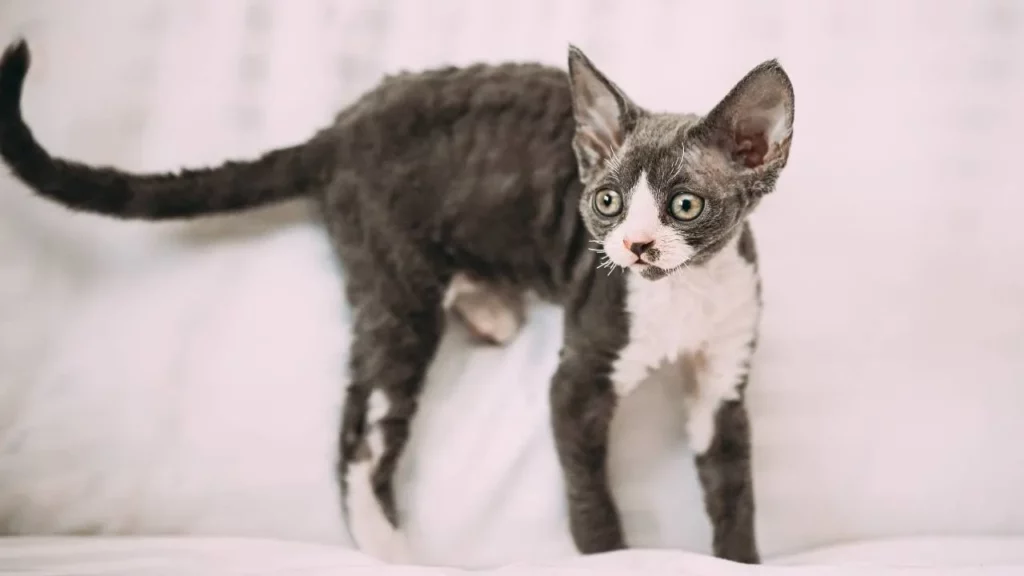
The Devon Rex is outgoing, playful, and loves to entertain. They prefer being involved in what their humans are doing, so you are part of the show. After the action, they are happy to settle in close for affection.
A Devon Rex has a wavy coat that does not tend to shed much. That lower shedding can mean less dander drifting around your home. They have a short coat, so some people wipe them down when it feels a bit greasy.
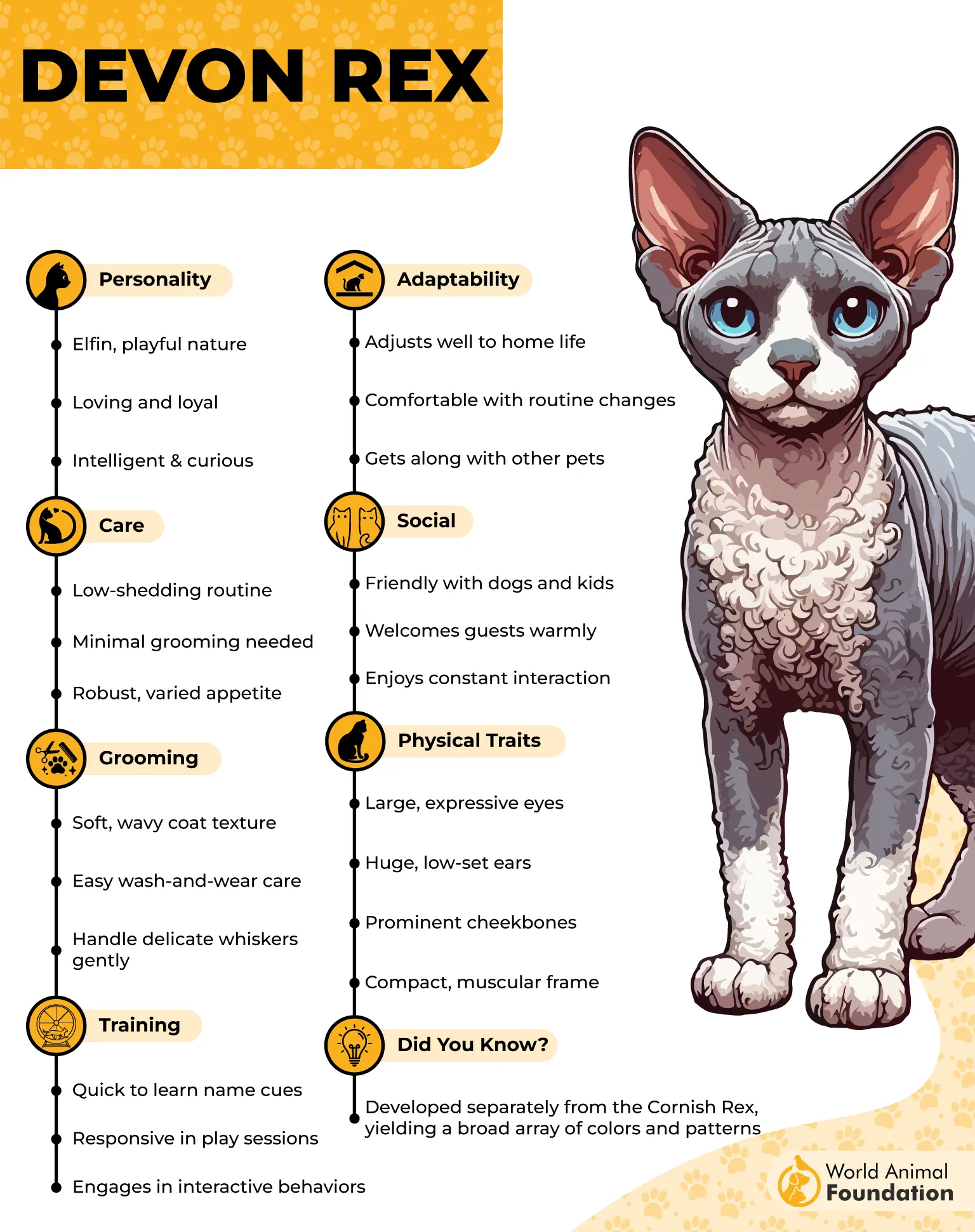
No cat is truly hypoallergenic, but the Devon Rex is often a better choice for people with allergies. If you’re away from home a lot, though, this breed may not be the best fit because they are very people oriented and crave attention.
Fun Fact
The Devon Rex’s wavy fur comes from a genetic mutation found only in this breed. Their oversized ears and pixie-like face make them look like they wandered out of a fairy tale.
7. Cornish Rex
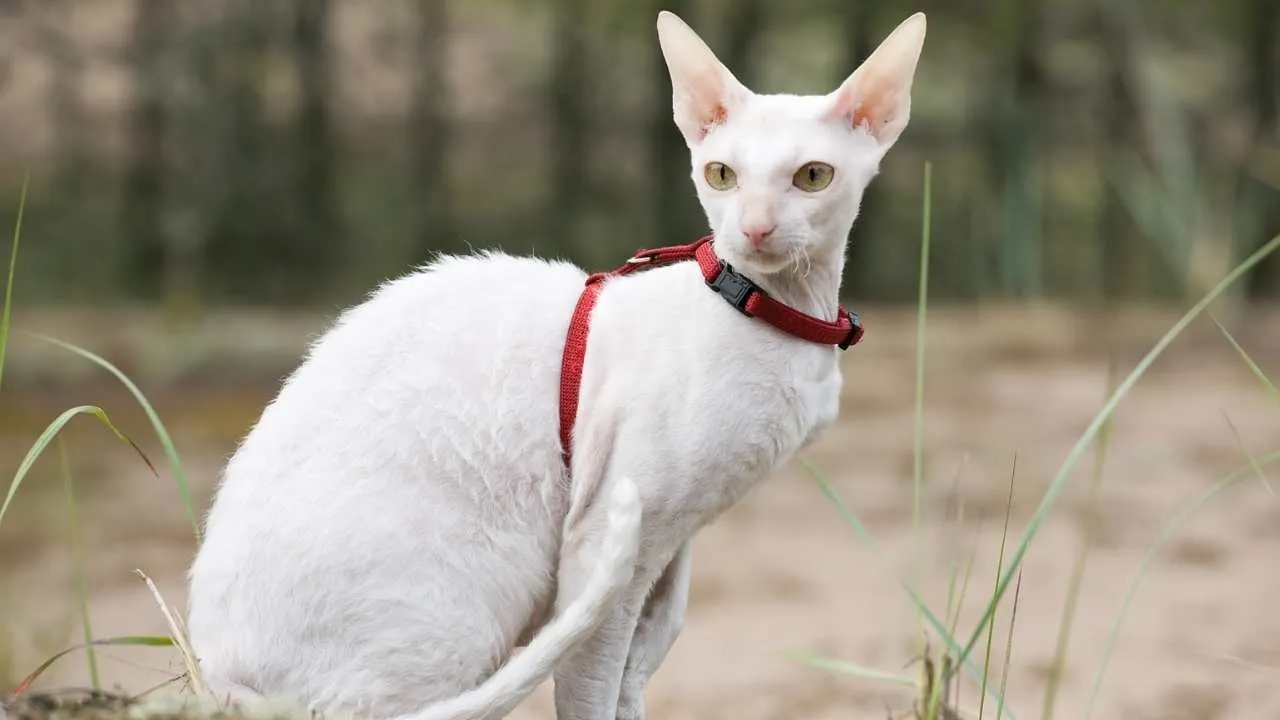
The Cornish Rex looks like a friendly little alien who just got a very confident perm. Their coat is soft, curly, and made up of a down layer, which is part of why they shed minimally. Less loose hair around the home can make day-to-day life easier for some allergy-prone households.
Personality-wise, this cat is a cheerful troublemaker in the best way. As mentioned by Purina, they are active and turn almost anything into a game, especially when you join in. They also love climbing and perching up high, so cat trees and shelves are a great idea.
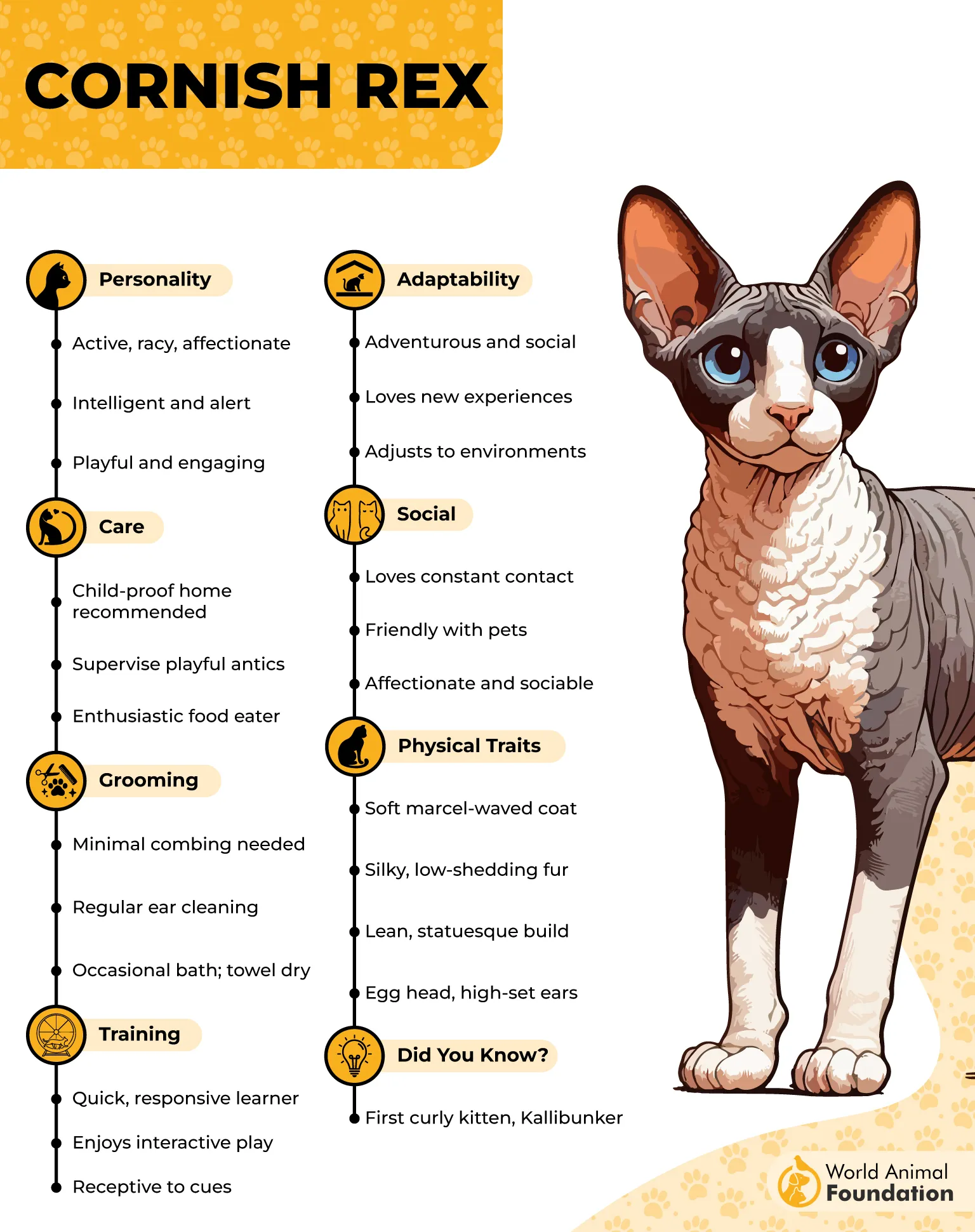
Care is usually simple because the coat does not need frequent combing., but the skin can get oily faster. A quick wipe-down now and then can keep them feeling fresh. If allergies are a concern, keeping bedding and surfaces clean and training them to stay off certain furniture can reduce how much allergen gets spread around your favorite spots.
Fun Fact
The Cornish Rex’s distinctive curls began as a random genetic mutation, which is basically nature’s way of experimenting with a cat-shaped hairstyle. Their big ears and eyes can make them look larger than they are.
8. Oriental Shorthair
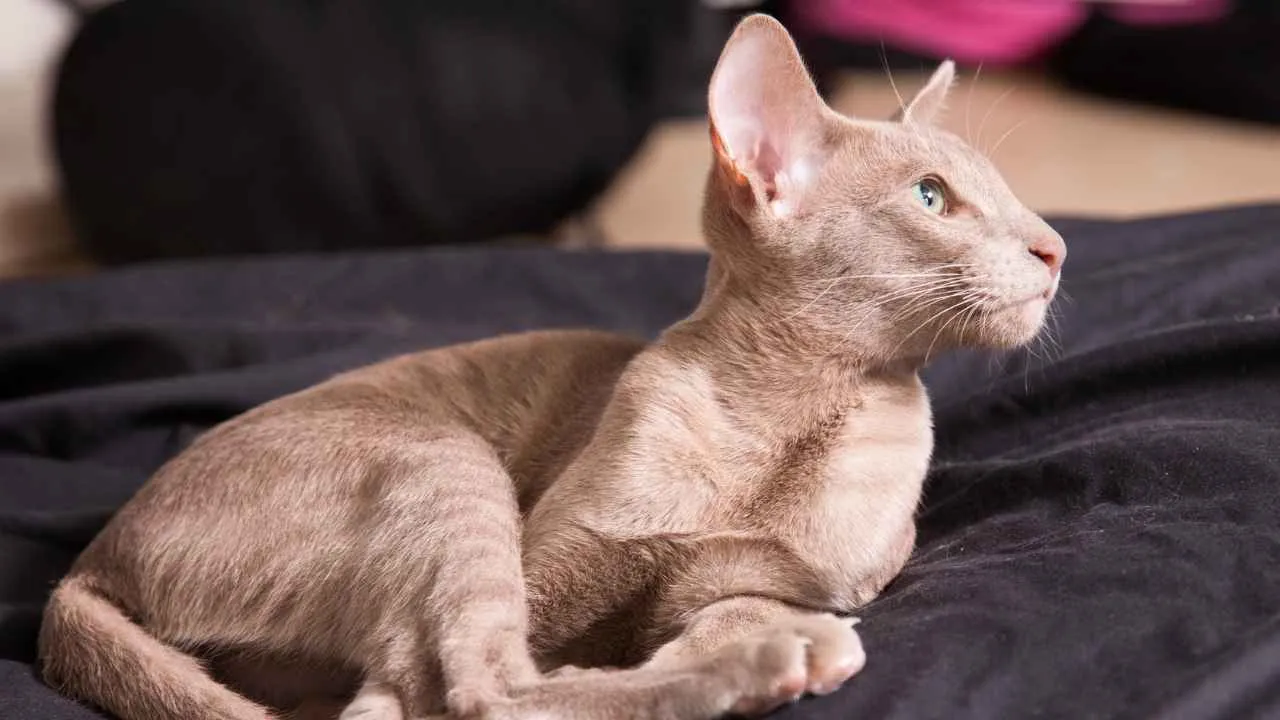
Oriental Shorthairs are stylish, energetic, and bring a lot of “talk to me” energy into a home. They form strong bonds with their people and are intelligent and adaptable, which can make training feel more like teamwork. Their look is just as bold as their personality: long, lean bodies, large ears, and almond-shaped eyes.
No cat breed is truly hypoallergenic, and Oriental Shorthairs produce the same main allergens through saliva, skin, and dander. Some people find they react less to this breed because Oriental Shorthairs tend to shed less than certain cats. Still, reactions are highly individual, so it is not a guarantee.
If allergies show up, it is best to talk to a doctor or allergy specialist. Regular brushing can help remove loose fur and dander, and washing bedding weekly can reduce buildup. You can also use wipes or shampoos made to reduce dander.
Fun Fact
Shaving a cat will not reduce Fel d 1 since this allergen is linked to saliva and skin cells, not the fur itself. Oriental Shorthairs can come in a wide range of coat colors and patterns, from solid shades to tortoiseshell.
9. Javanese
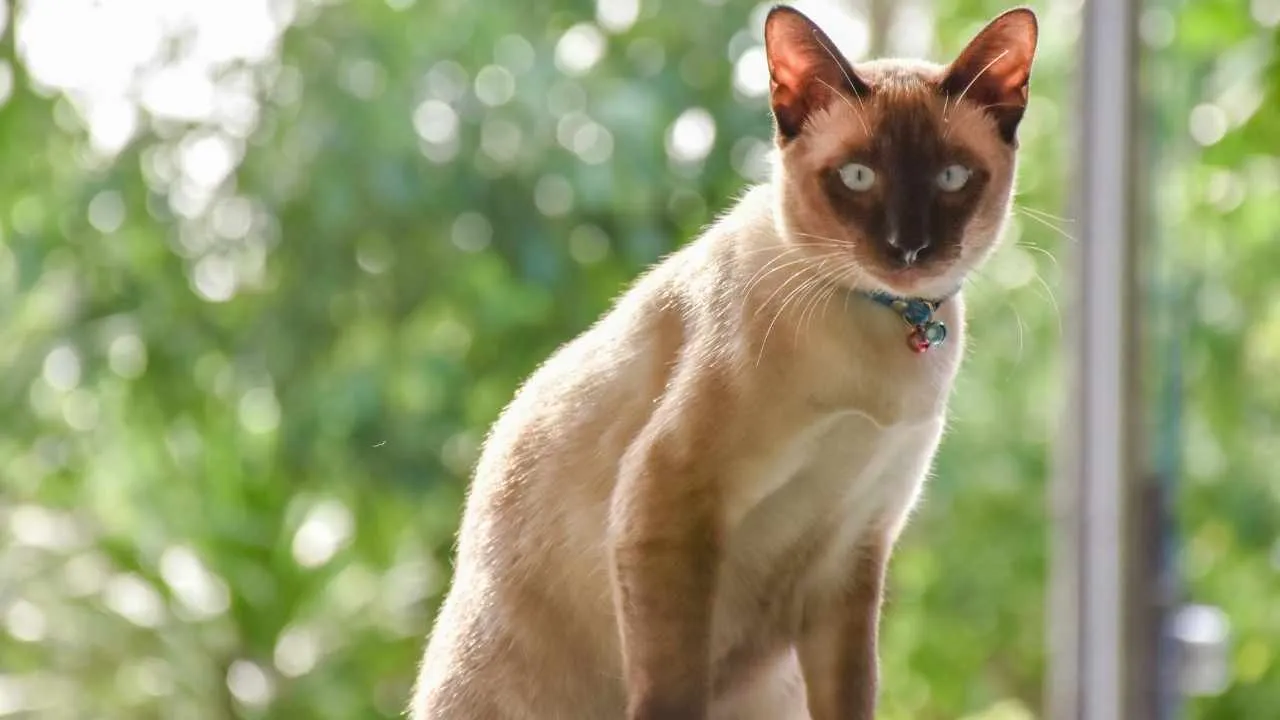
If you want a cat who keeps you company, the Javanese gets the job done. They are energetic, communicative, intelligent, and affectionate, with a playful streak that can turn everyday objects into “toys.” Expect impressive jumping skills and a cat that likes being part of whatever is happening.
Their coat helps explain why many people like them for a low-mess home. Javanese cats have short hair with no undercoat, which contributes to an extremely low rate of shedding. They are described as very low-maintenance and may require little to no brushing or bathing to stay neat.
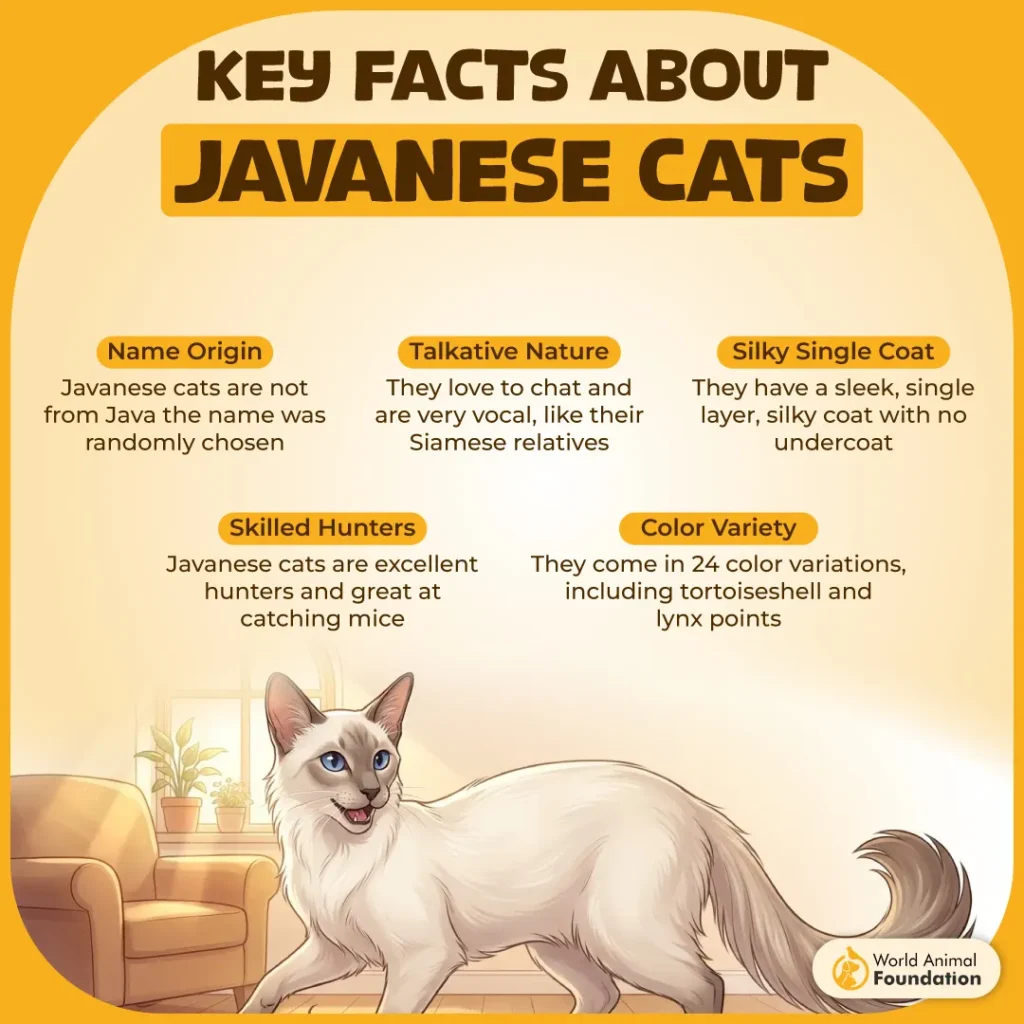
It’s still smart to spend time with the breed first and see how you react. Javanese cats are very social and need daily interaction. They’re often seen as a more allergy-friendly breed because some people find they trigger fewer symptoms.
Fun Fact
Javanese cats are known for being so communicative that some owners feel like they have a running conversation at home. Their powerful jumps can turn a simple shelf into a stage for a full performance.
Conclusion
There is no such thing as a completely hypoallergenic cat, but some breeds often labeled as “hypoallergenic cat breed” may trigger fewer symptoms for some people, even though allergens are not completely absent. These breeds can help pet parents find a feline friend that better fits their immune system and lifestyle.
Keep your pet’s routine simple, wipe your cat regularly with hypoallergenic pet wipes, and set cat free zones so allergens spread less around your home. Spend time with any cat before committing, since reactions can vary from person to person. Any of the breeds mentioned above can be an amazing companion, so you can choose the one that best matches your requirements.
Other cat breeds, such as Siamese cats, are also an amazing option if you want to explore further. Siamese cats are a favorite among cat lovers because many people find they produce fewer allergens, so they may be a good option to look up.
