




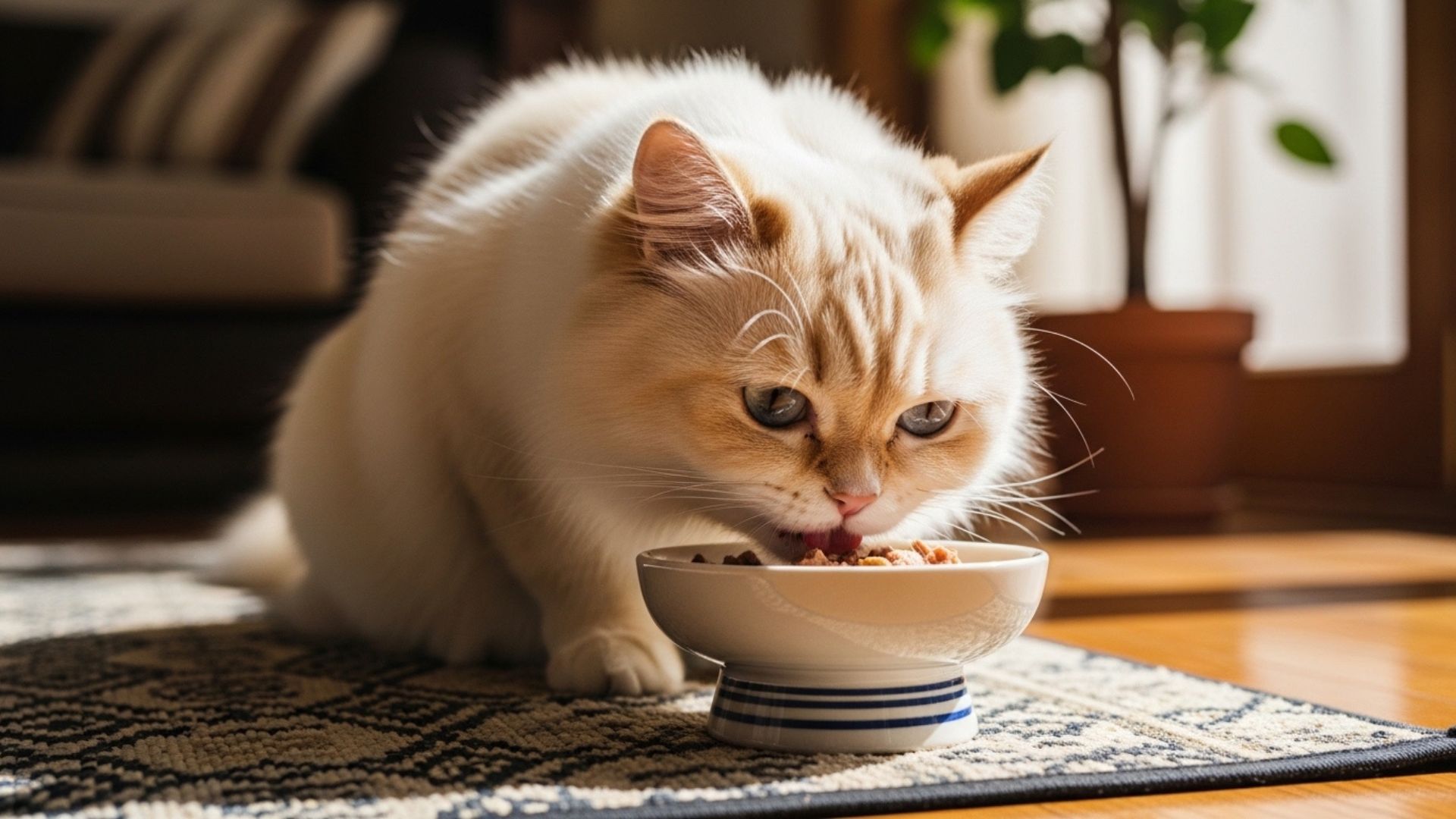
When it comes to feeding our feline companions, one size rarely fits all. Every breed has unique traits that can influence not only energy needs but also food preferences. While cats are obligate carnivores requiring high-quality protein and taurine, some show a clear preference for moist, meat-rich meals over crunchy kibble.
Hydration plays a significant role in feline health. Cats naturally have a low thirst drive, and wet food provides essential moisture that supports kidney function, urinary health, and overall well-being. For breeds prone to weight gain or sensitive digestion, a moisture-rich diet can also aid metabolism and nutrient absorption.
Do certain breeds have stronger food preferences? While research doesn’t prove dramatic breed-based energy differences, physical traits, activity levels, and digestive sensitivities may influence dietary choices. Understanding these nuances helps ensure your cat’s meals are both nutritious and genuinely enjoyed.
Cat Breeds That Prefer Wet Food
1. Persian
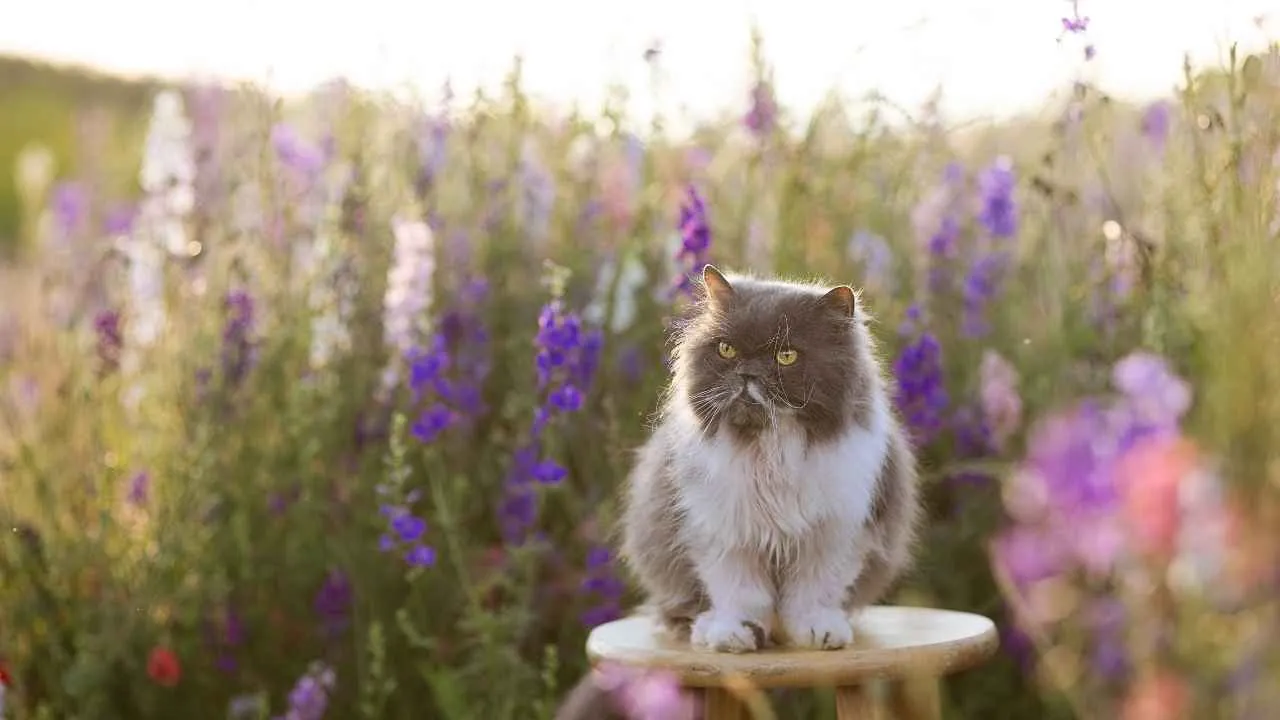
The Persian, sometimes referred to as the “Longhair” or traditional Persian cat, is instantly recognizable for its flat face, round eyes, and luxurious, flowing coat.
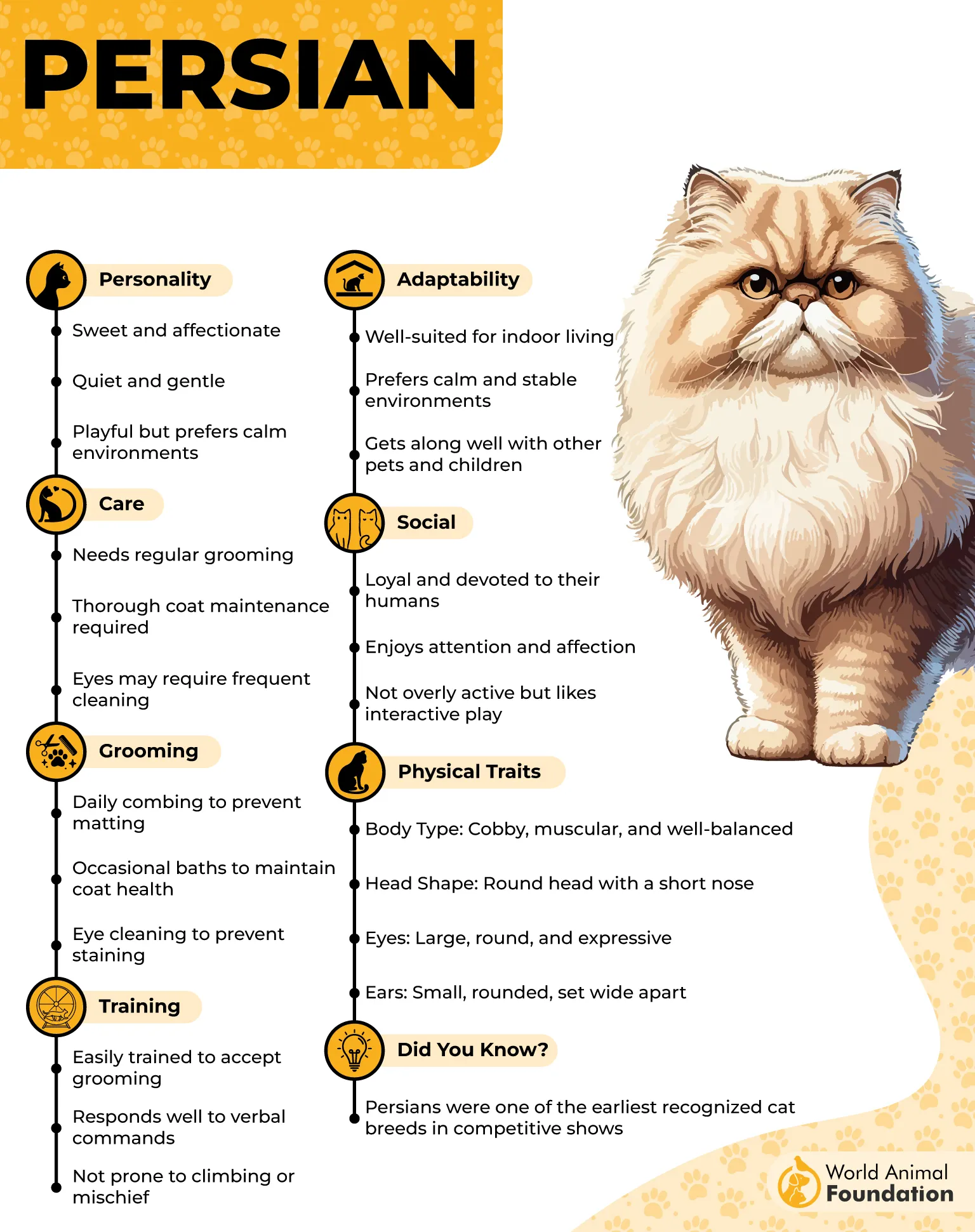
According to Purina, the Persian is described as a docile and quiet cat that prefers a calm and relaxing environment. Known for a calm, laid-back personality, this indoor-oriented breed often has a sensitive palate and unique facial structure that influences how it eats.
A Picky Eater with a Taste for Moist Meals
Persians are frequently described as selective eaters, but their preferences are often practical rather than fussy. Their flat facial structure can make gripping dry kibble challenging, leading many to favor softer, moisture-rich foods that are easier to chew and swallow.
Wet food also supports hydration, which is especially beneficial for more sedentary indoor Persians. Because they may be less active, portion control and nutrient balance are essential to prevent weight gain while maintaining muscle health through high-quality animal protein.
Fiber content is equally important, as their long coat increases the risk of hairballs. A notable fact is that hairball-care formulas often contain roughly twice as much dietary fiber as regular cat food to support smoother digestion.
2. Exotic Shorthair
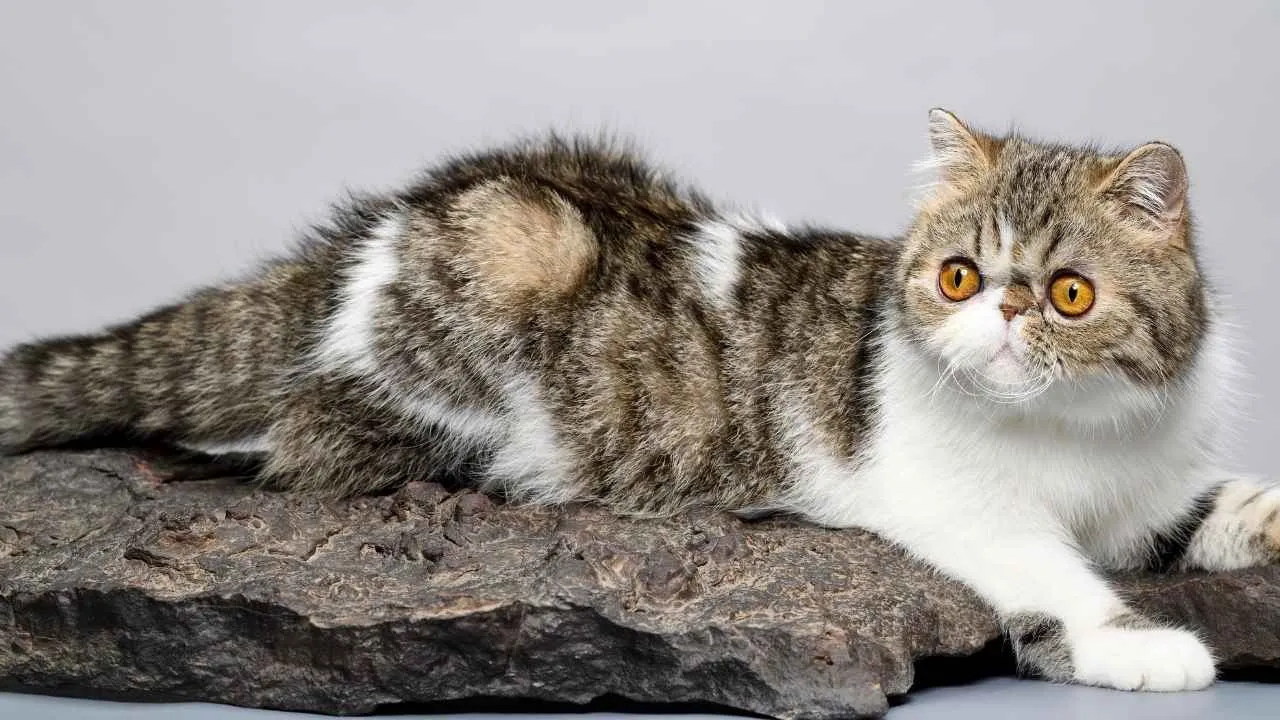
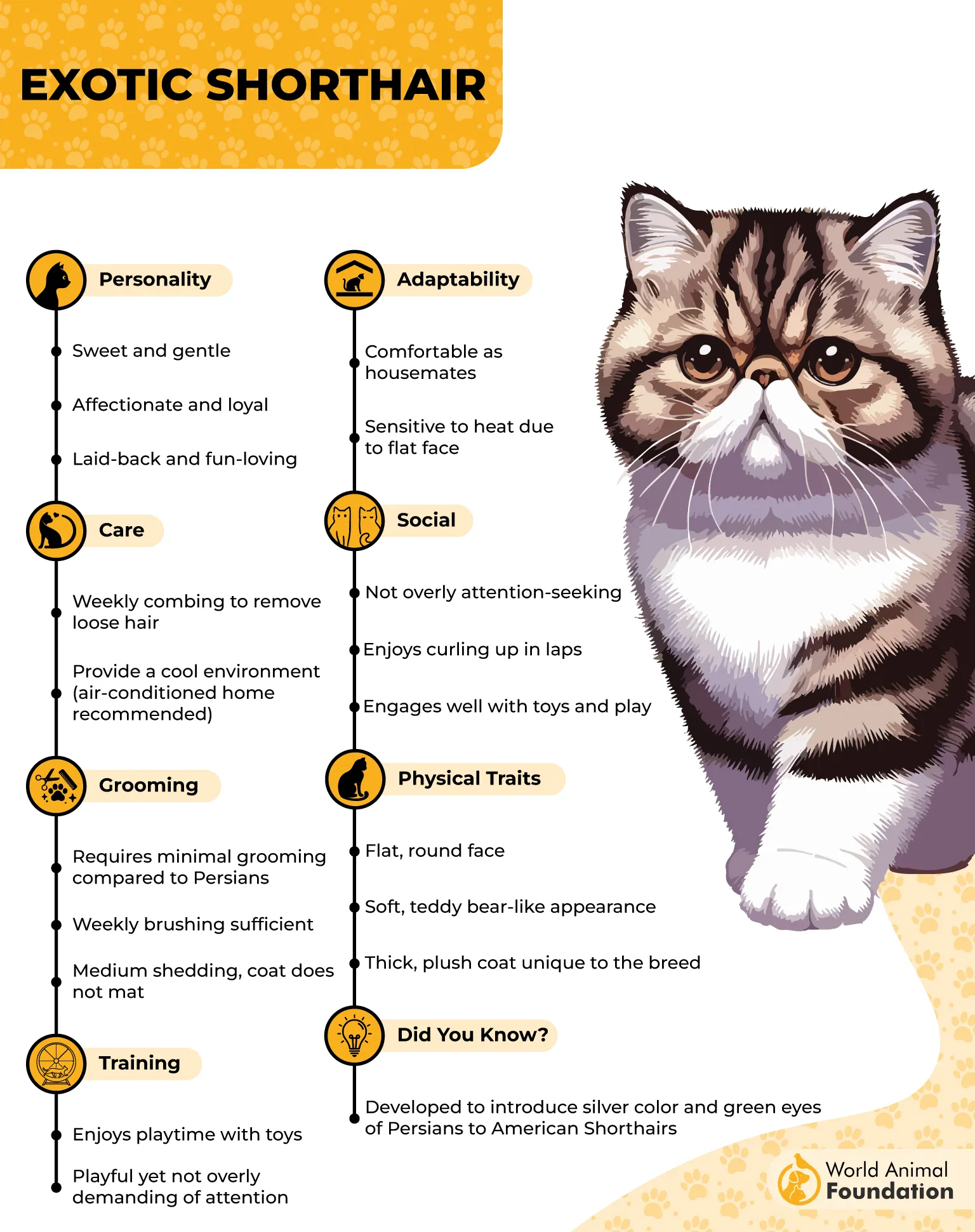
The Exotic Shorthair, often called the “Shorthaired Persian,” shares the Persian’s round face and expressive eyes but with a dense, plush short coat.
According to PetMD, Exotic Shorthairs are described as affectionate, playful, and fluffy cats that deeply enjoy the company of their human companions.
Sensitive Teeth, Softer Food Preference
Like their Persian relatives, Exotic Shorthairs have flat faces that can influence how they eat. Their jaw structure may make gripping dry kibble less comfortable, which is why many show a clear preference for softer, moisture-rich meals. Wet food can be easier to chew and swallow, especially for cats with dental sensitivities.
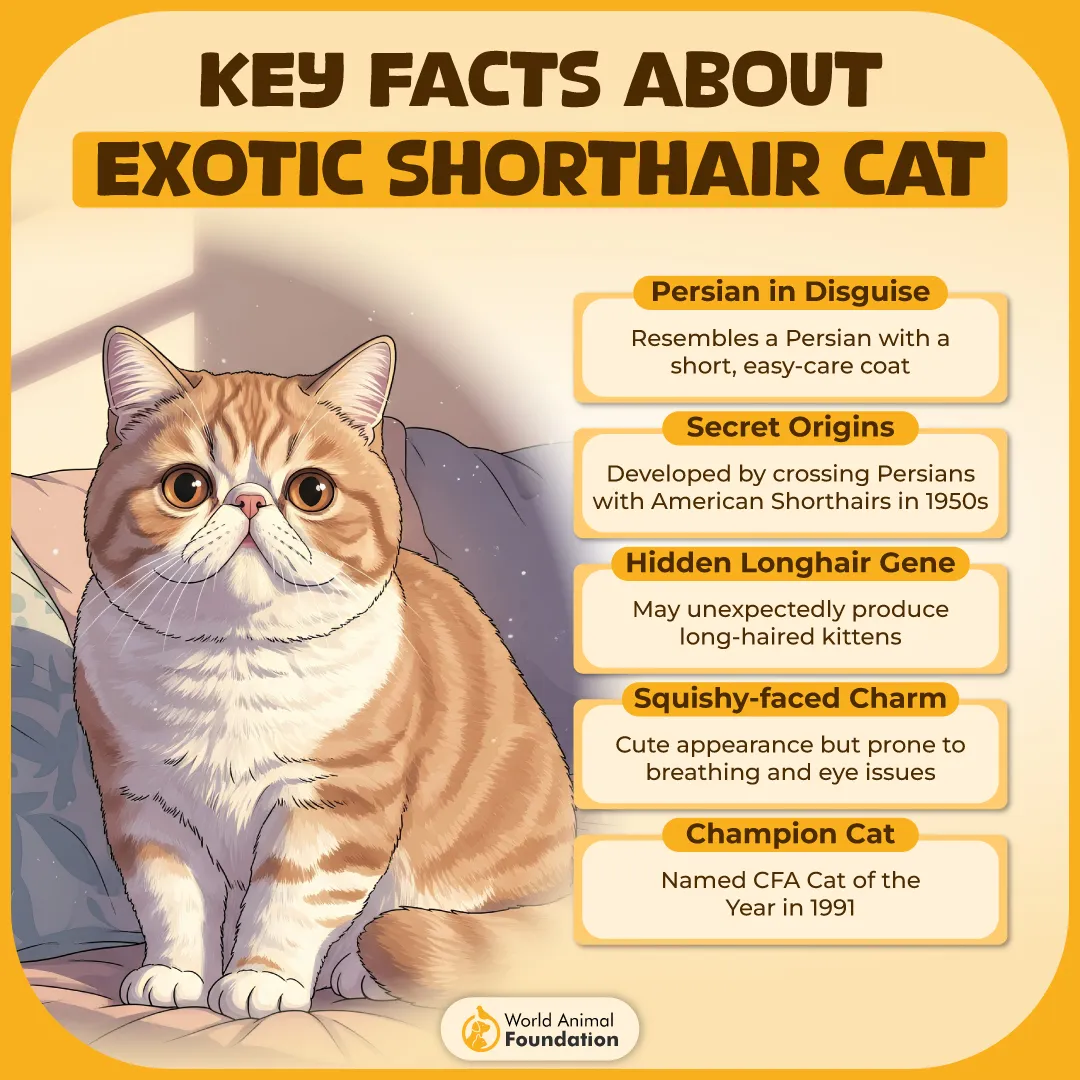
Dental health is particularly important for this breed, as plaque and tartar buildup are common in cats over three years old. Gingivitis can develop quickly if oral care is neglected, making texture and diet choices even more relevant.
3. Ragdoll
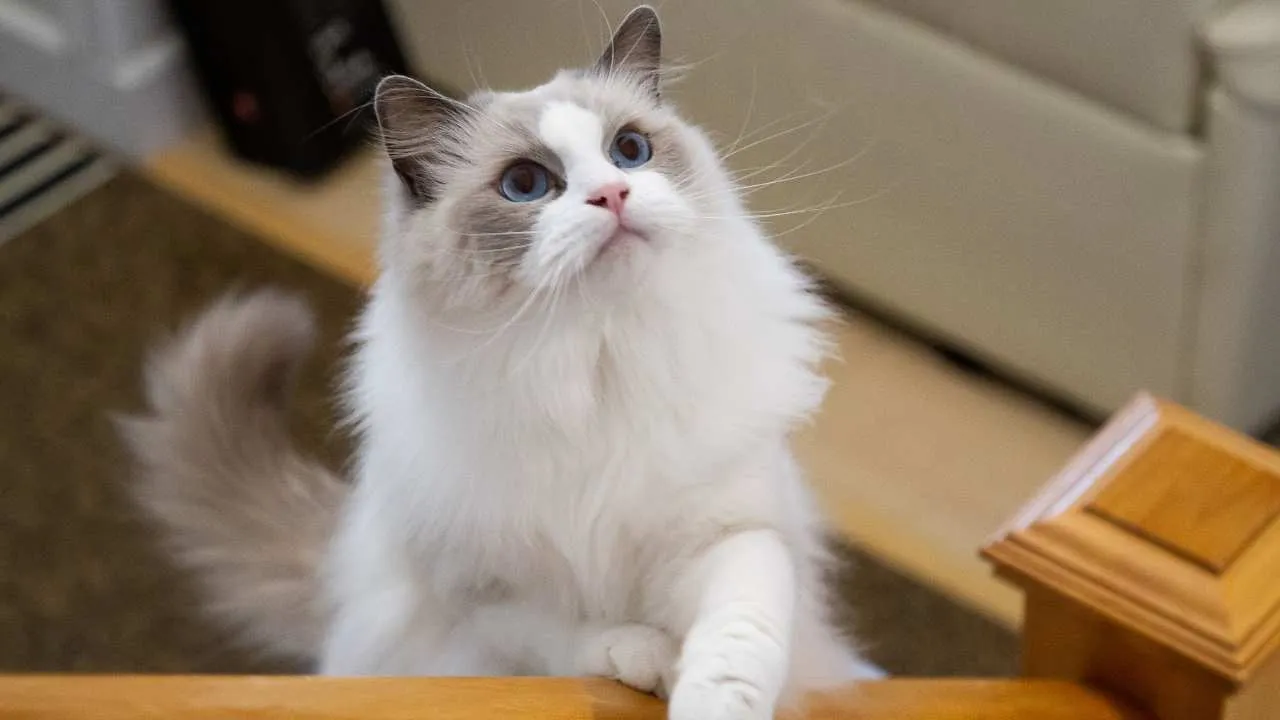
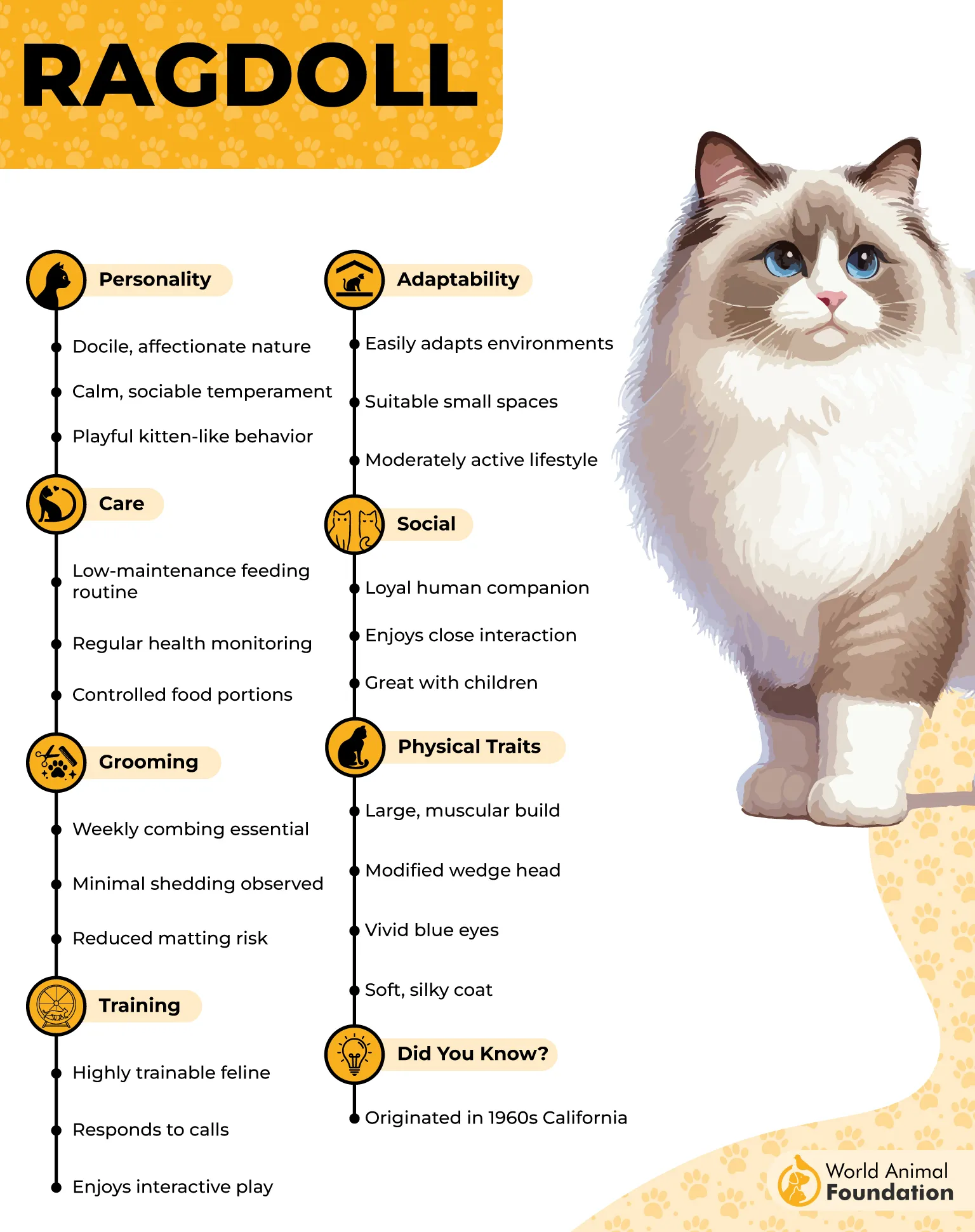
The Ragdoll, often nicknamed the “puppy cat,” is famous for going limp like a rag doll when held. With striking blue eyes, a soft medium-to-long coat, and a large frame, this affectionate breed thrives on human companionship.
According to Petplan, although they are among the largest domestic cat breeds, they are characterized as loyal and playful and are selectively bred for their exceptionally soft coats and distinctive blue eyes.
Aroma-Loving and Flavor-Focused
Ragdolls are true food enthusiasts, often drawn to meals with rich aroma and meaty flavor. Wet food naturally appeals to them because its scent is stronger than dry kibble, stimulating their appetite and encouraging steady eating, especially in indoor cats.
Canned diets also help boost hydration, which is important for a breed prone to urinary crystals and bladder stones. Moist meals increase water intake effortlessly, supporting balanced urine pH and overall urinary health in these laid-back companions.
However, portion control matters, as Ragdolls can gain weight easily. A mix of wet and dry food is often recommended to balance hydration with dental care, since wet food alone does not provide the plaque-scraping effect of kibble.
4. Scottish Fold
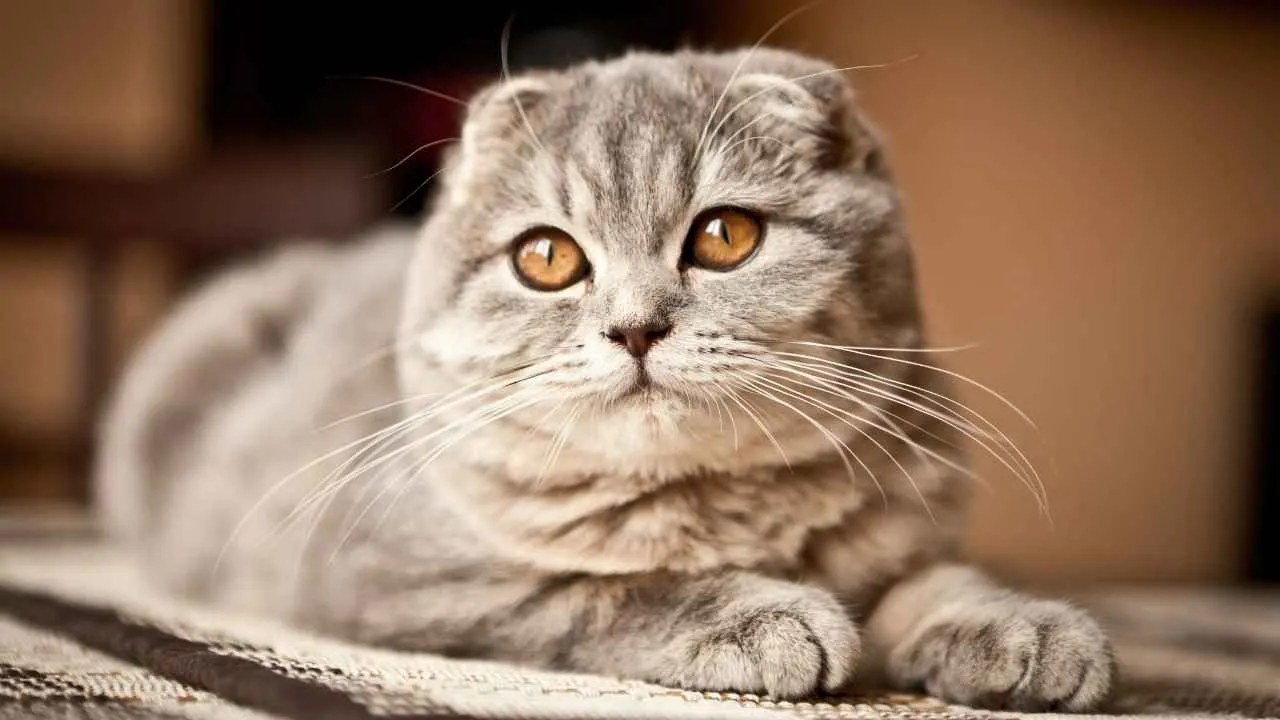
The Scottish Fold, once known as the “Lop-Eared Cat,” is instantly recognizable by its folded ears and round, teddy-bear expression. Though fully domestic in classification, this charming breed has slightly lower activity levels and a tendency toward joint concerns.

Prone to Dehydration, Drawn to Wet Diets
Because Scottish Folds can be less active and prone to weight gain, portion-controlled diets are important. However, hydration is equally critical, especially given their predisposition to urinary tract issues and kidney concerns. Wet food naturally increases fluid intake, supporting healthier urine dilution.
Moist diets help reduce the concentration of minerals that may contribute to urinary crystals or stones. For cats that don’t drink enough water independently, regular wet meals can quietly bridge that gap while promoting kidney and bladder health.
Joint health is another consideration, as the gene responsible for their folded ears also affects cartilage throughout the body. A balanced feeding plan that includes wet food can support overall vitality. Notably, the cartilage mutation in Scottish Folds impacts the entire body, not just the ears.
5. Burmese
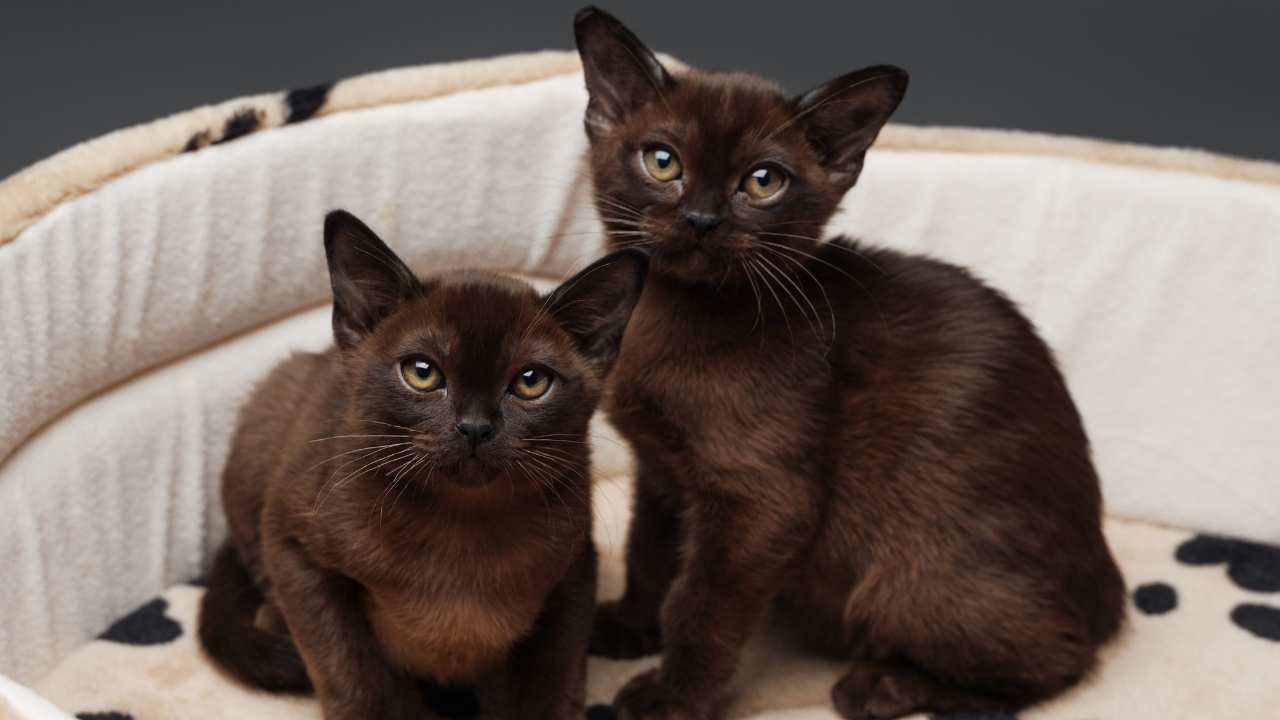
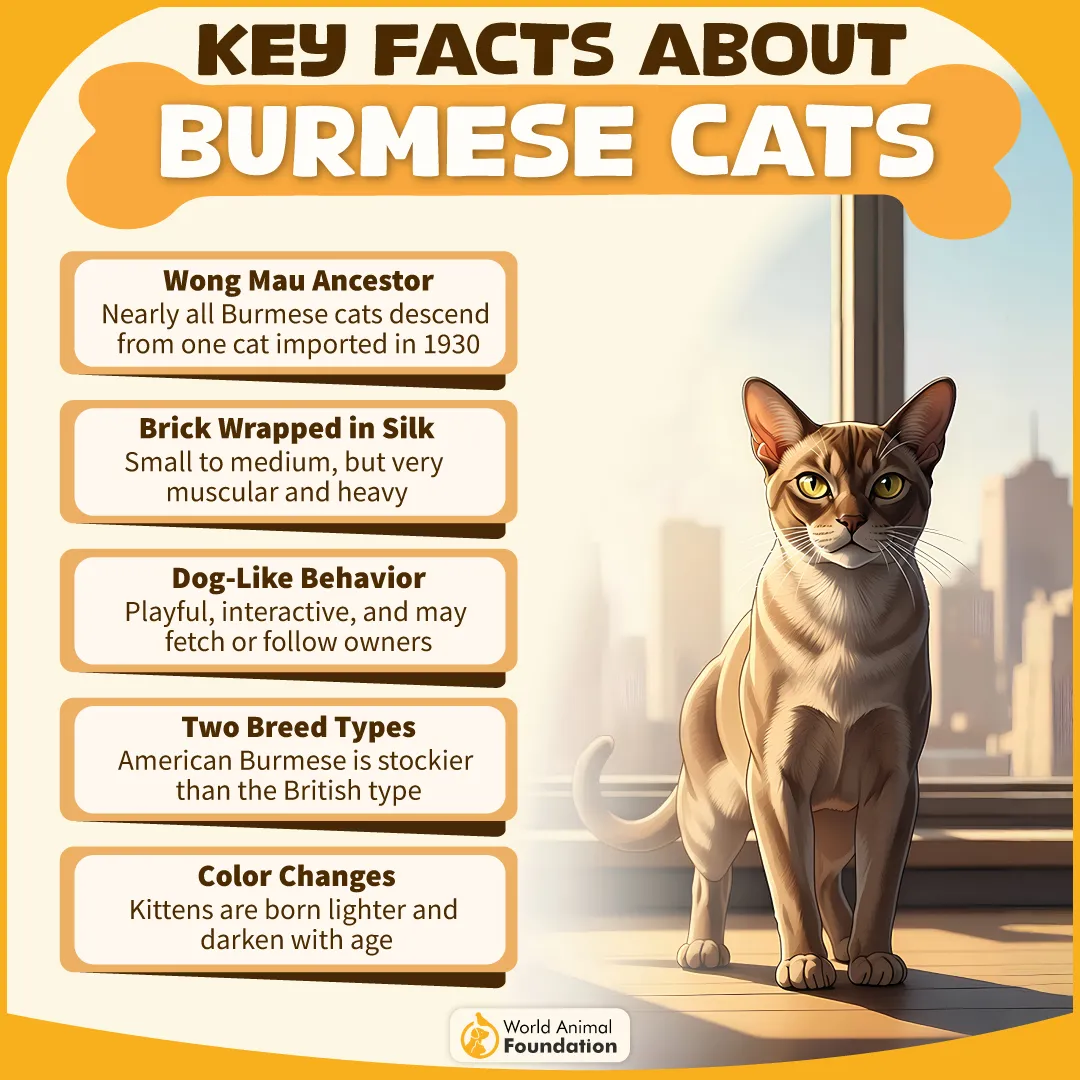
The Burmese, sometimes affectionately called the “brick wrapped in silk,” is a natural brown cat known for its glossy short coat and muscular, compact build. With large golden eyes and a famously dog-like devotion to their humans, Burmese are social, playful, and deeply people-oriented.
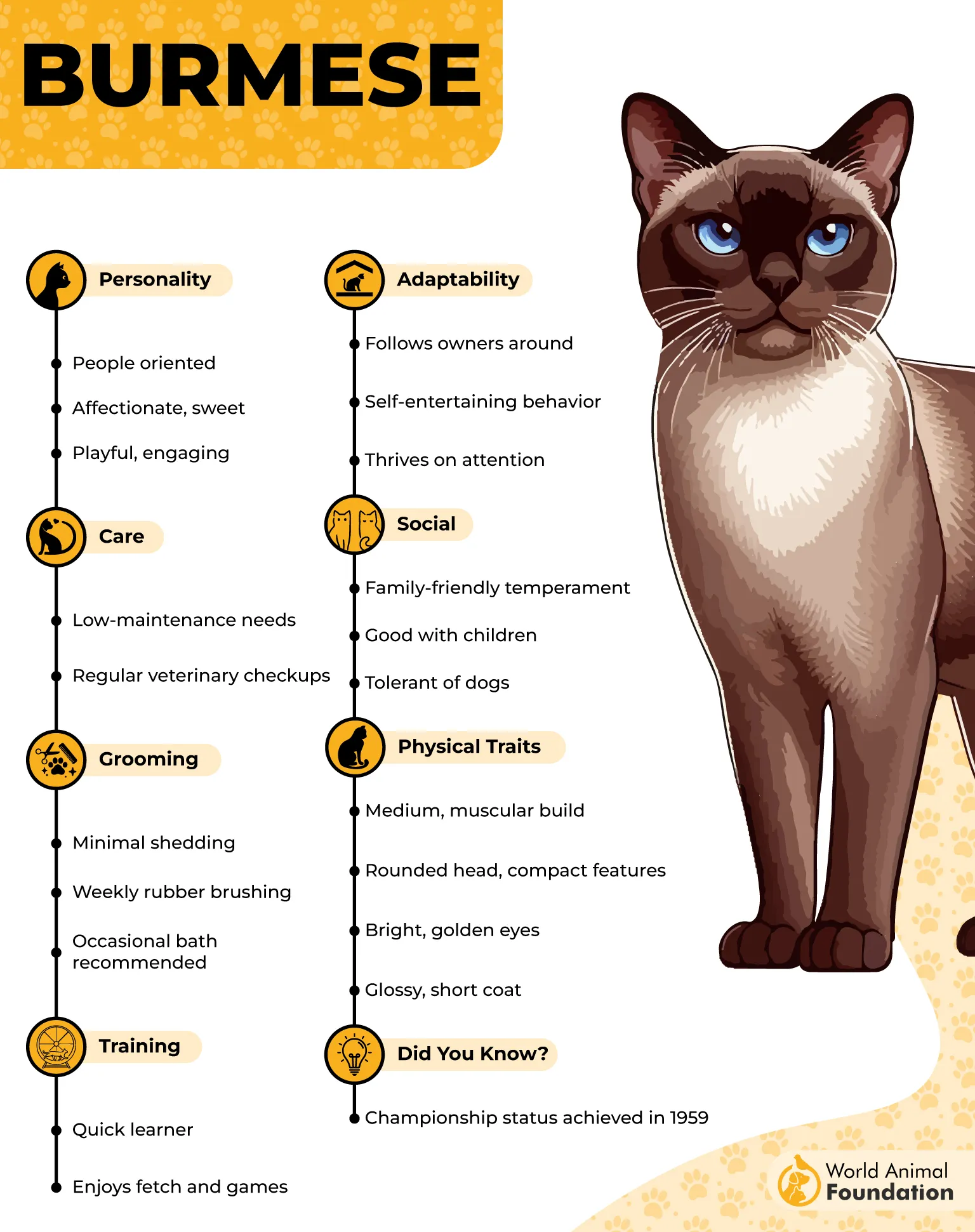
Gourmet Appetite and Texture Sensitivity
Burmese cats often show strong preferences when it comes to flavor and texture. As obligate carnivores, they thrive on diets rich in high-quality animal protein, ideally from lean meats like chicken, turkey, or fish. Wet food highlights these savory aromas and meaty textures, making it especially appealing.
Moist meals also help regulate carbohydrate intake, which should remain minimal for this breed. Excess carbs can increase the risk of obesity and diabetes, particularly in certain Burmese lines. A protein-forward, moisture-rich diet better mirrors their natural nutritional needs.
Because they are stocky and prone to hidden weight gain, portion control is essential. Notably, British or European Burmese cats are reported to be up to five times more likely to develop diabetes than other breeds, making careful diet planning especially important.
6. British Shorthair
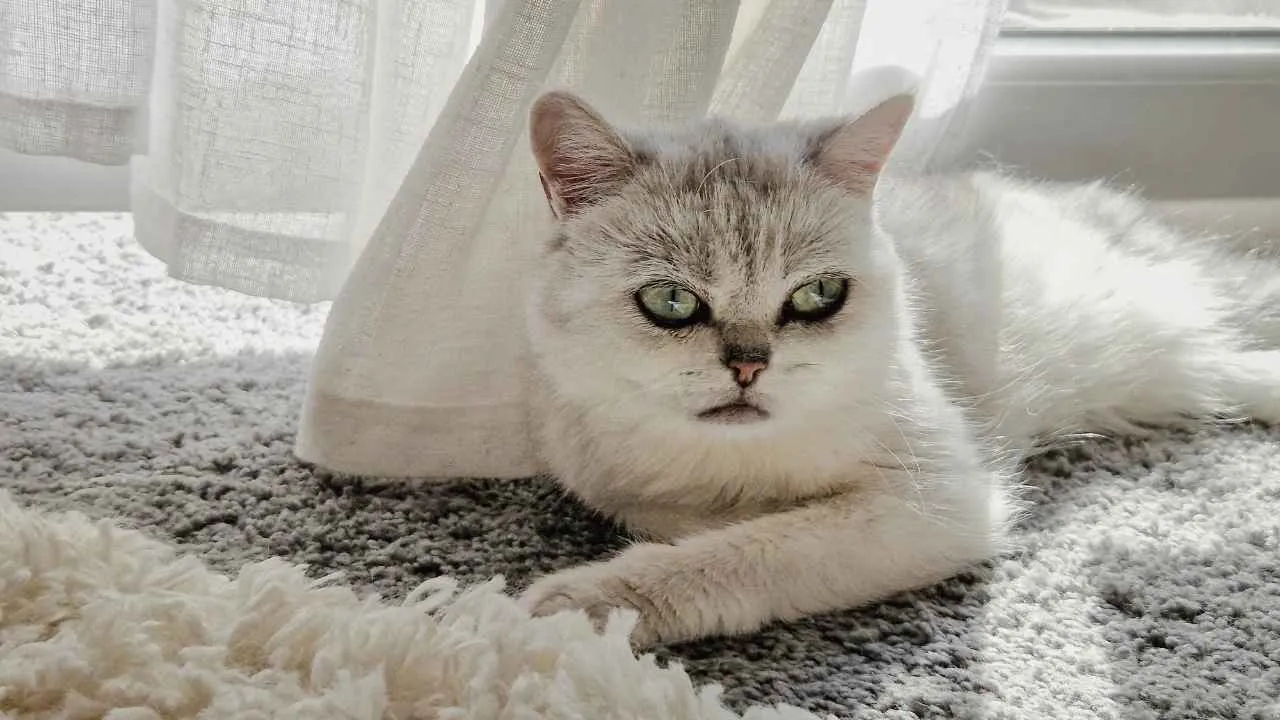
The British Shorthair, also known as the British Blue or simply Shorthair, originated in Great Britain and is admired for its plush coat and solid, muscular frame. With a round face and calm presence, this sturdy companion is both affectionate and quietly independent.
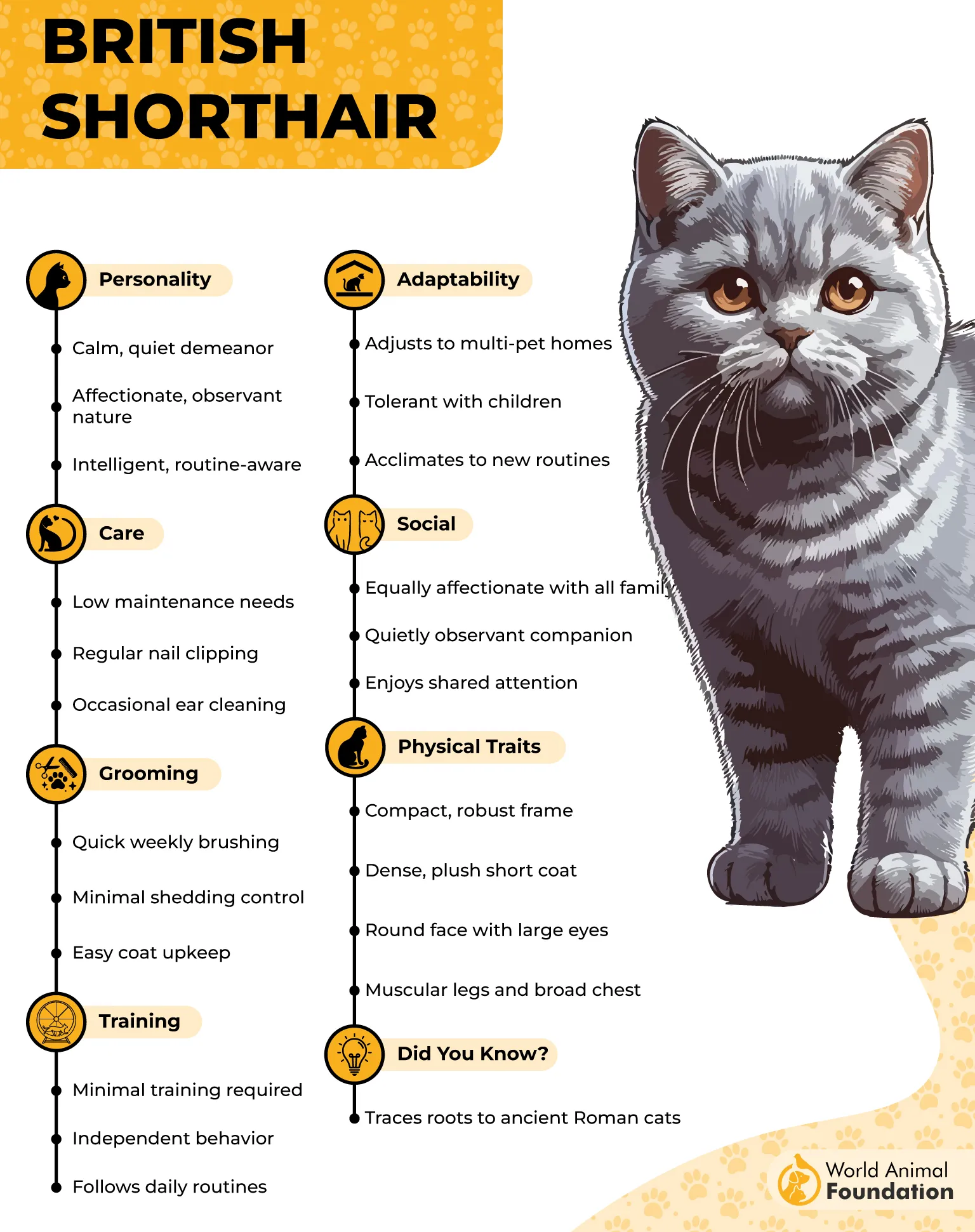
Health-Driven Need for Moisture-Rich Food
Because of their stocky build and moderate activity level, British Shorthairs are prone to weight gain. A carefully structured feeding plan that includes moisture-rich wet food can help manage calorie intake while still delivering high-quality animal protein for muscle maintenance.
Hydration is especially important for this breed due to risks like feline lower urinary tract disease (FLUTD). Wet food increases daily water consumption, helping dilute urine and reduce the likelihood of urinary crystals. This simple dietary adjustment can make a meaningful difference in long-term health.
Heart health is another consideration, as taurine plays a critical role in preventing hypertrophic cardiomyopathy (HCM). Notably, targeted nutrition that prioritizes hydration, controlled calories, and taurine support can significantly reduce obesity and urinary-related complications in British Shorthairs.
7. Sphynx
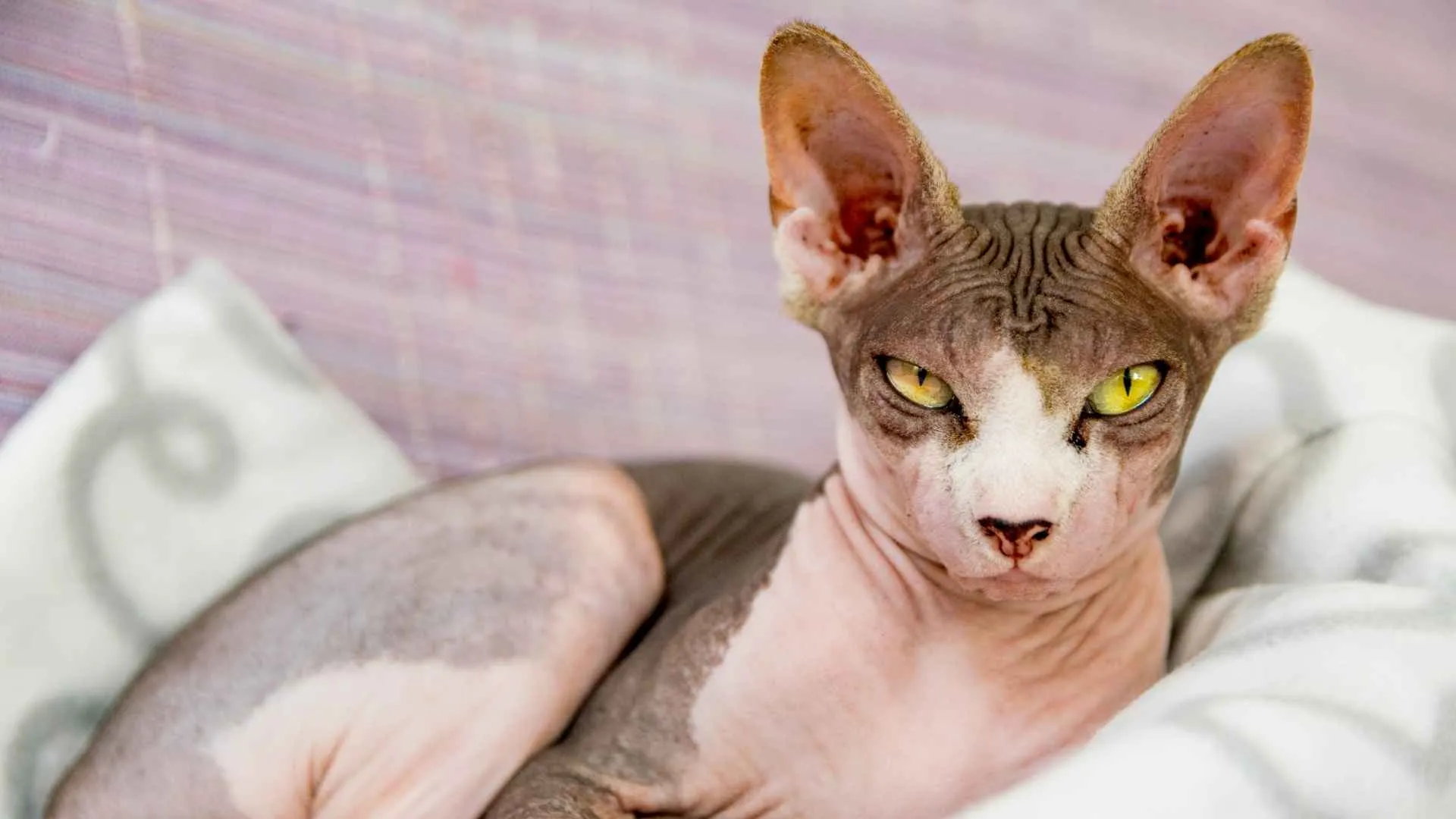
The Sphynx, often simply called the hairless cat, is famous for its bare skin, large ears, and striking, regal expression. Despite lacking fur, this lively and affectionate breed is highly interactive, intelligent, and deeply attached to its people.
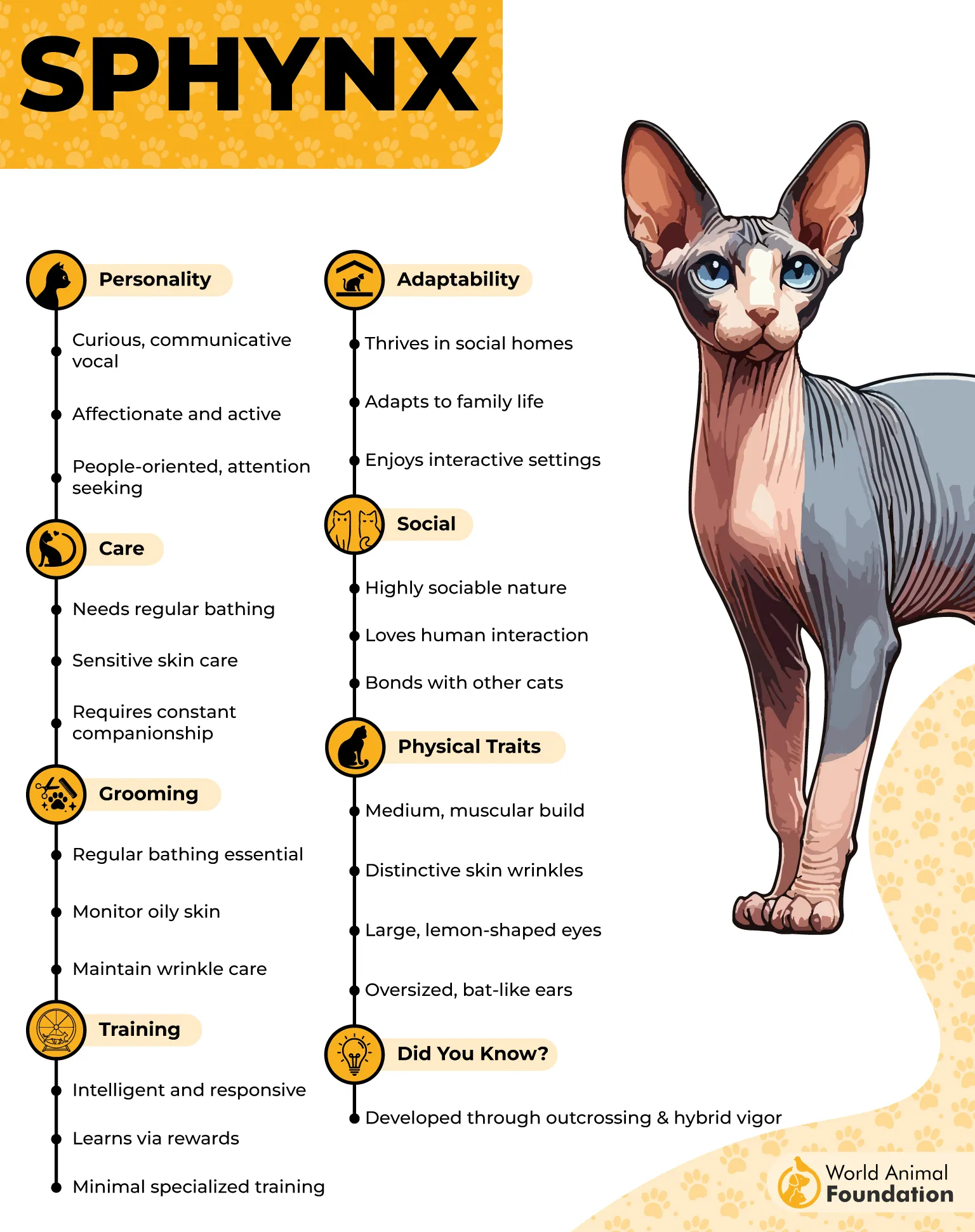
Naturally Selective with Strong Food Opinions
Because Sphynx cats have a high metabolism to regulate body temperature, they require more calories than many other breeds of similar size. Diets rich in lean animal protein and healthy fats help sustain their energy and support skin health, which is especially important for a hairless cat.
Wet food often appeals to them due to its strong aroma and smooth texture. Moist, meat-based formulas like pâté or mousse are easier to digest and align with their obligate carnivore needs, delivering concentrated nutrition without unnecessary fillers.
Fresh, high-quality meat diets can also improve digestion and energy levels. Notably, even without fur, Sphynx cats need consistent nutritional support to maintain healthy skin, as their bodies produce oils that would normally be absorbed by a coat.
Conclusion
Choosing the right diet can make a real difference in your furry friend’s long-term well-being. Many cats naturally prefer wet cat food because of aroma, texture preferences, and hydration benefits.
A moisture-rich wet food diet often supports urinary balance and kidney disease prevention. Wet food helps boost fluid intake, which is especially valuable for senior cats and breeds prone to health issues.
For pet parents and cat owners, balancing dry food meals with the best wet cat food can improve a cat’s diet without relying on people food or overly calorie-dense options. Many cat owners explore grain-free formulas, tuna fish recipes, or even prescription foods recommended by vets.
While some expensive cat foods are available in pet stores, the focus should always be on nutritional value, quality food ingredients, and what encourages your cat to eat wet food consistently for optimal cat health.
